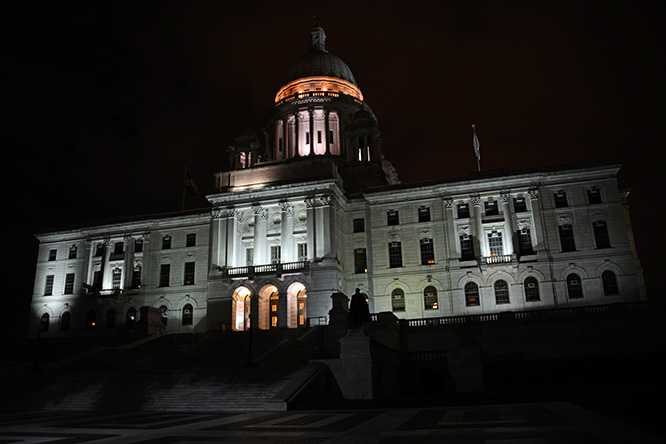
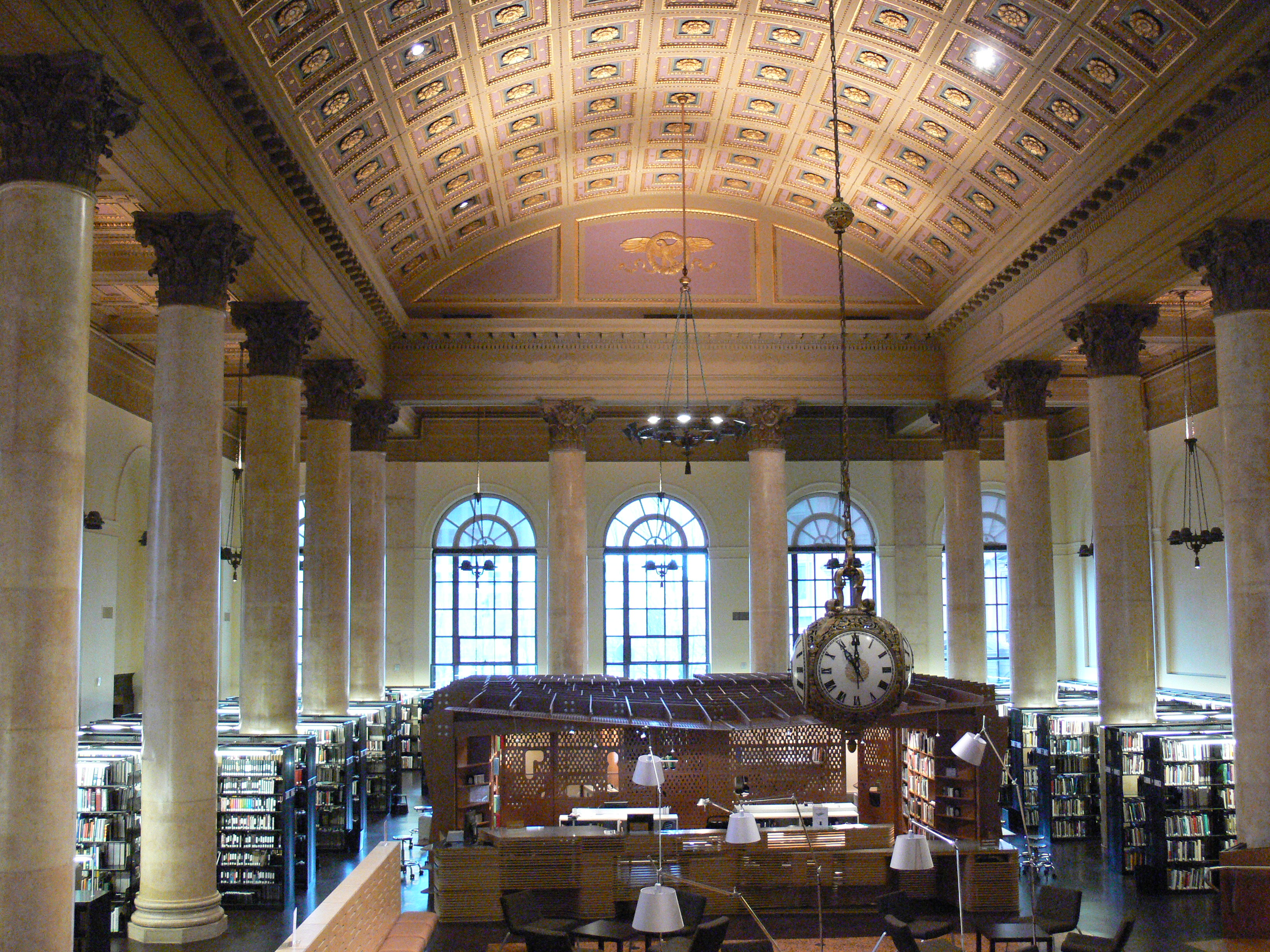
I think most Americans who live outside New England, myself included, don’t know much about Rhode Island. I certainly didn’t realize how historic its capital was until I visited Providence for myself. I’ll start with the government buildings, as I usually do when visiting a state capital. Above is the Rhode Island State House on the left and the State Library on the right. The State House is especially impressive, with its massive white marble dome dominating this part of the city.
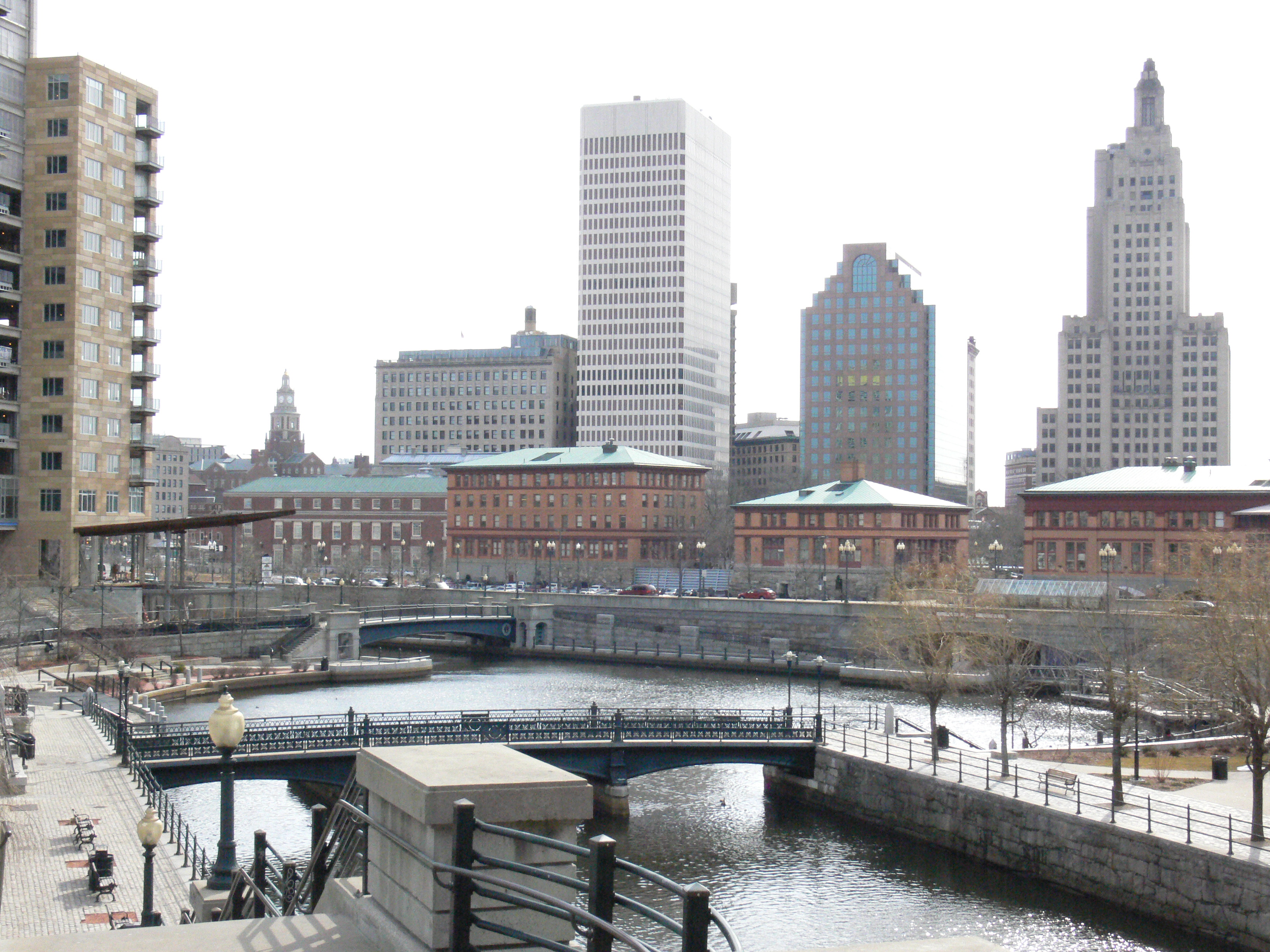
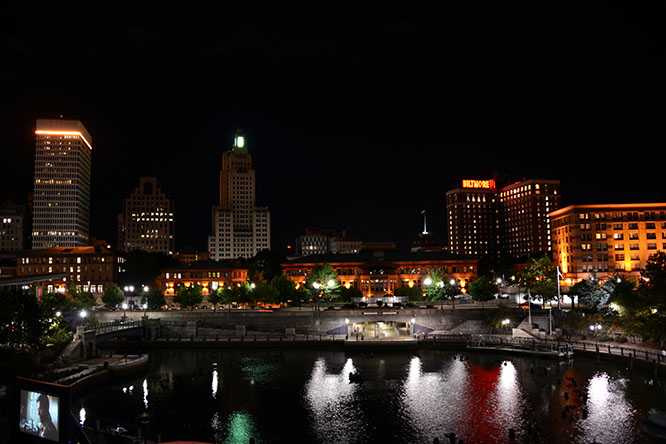
I’ve visited Providence twice, although my first visit was more of a day trip. That trip was during the winter, and I left the city not particularly impressed. Several years later I returned during the summer with more time to explore and a better camera, and it felt like a completely different place. The photos above show the contrast between those two visits.
Providence is one of the largest cities in New England, and during the summer there seemed to be something going on everywhere. While walking around the waterfront I came across a large crowd watching a free outdoor movie. They were showing one of the newest Wolverine movies at the time, and it was one of several events I happened to stumble across simply by walking through the city.
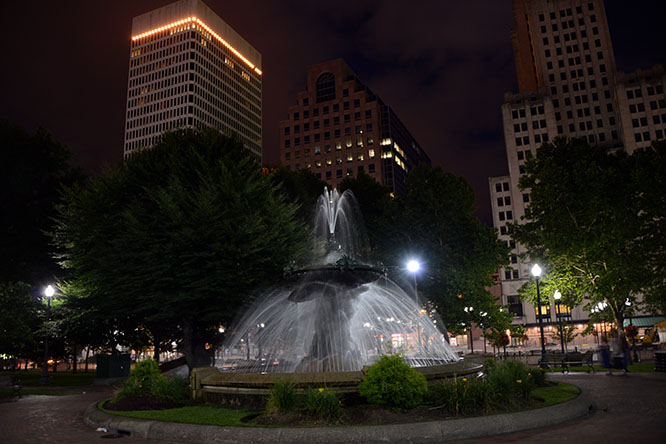
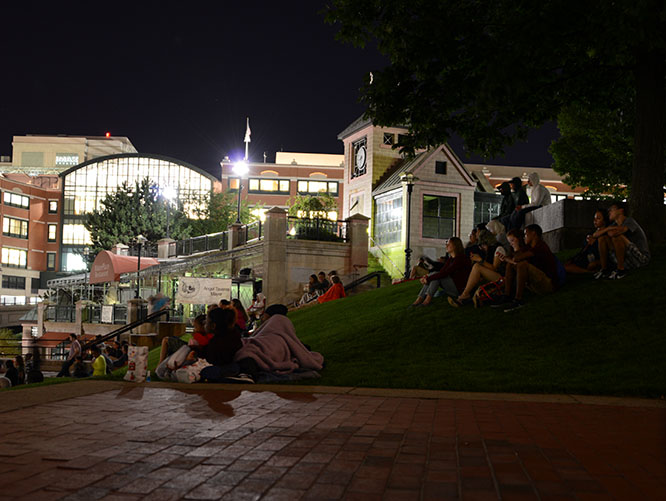
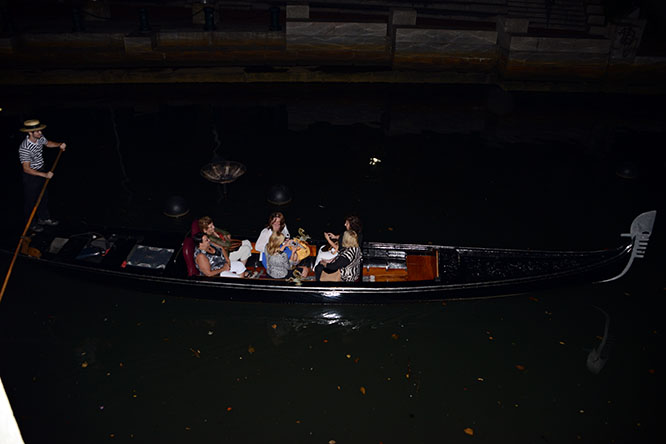
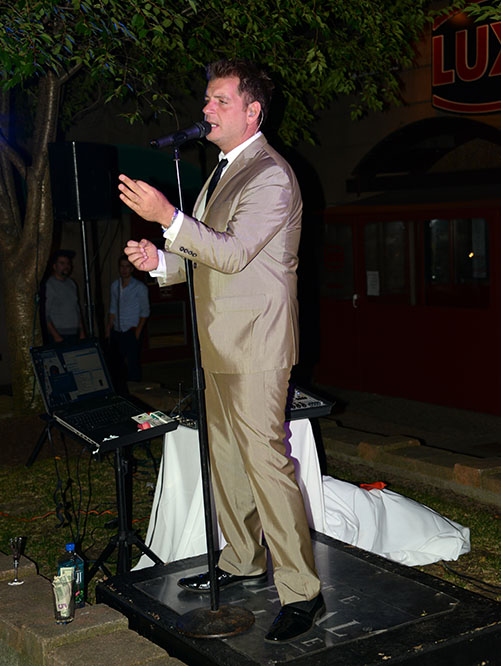
Providence really is a beautiful city, especially when you’re walking around on a warm summer evening. I was surprised by how much activity there was downtown. I passed live music, busy bars and restaurants, and even this blues singer performing outside. The waterways running through downtown also add a lot of character to the city, and you can even see gondolas passing through them.
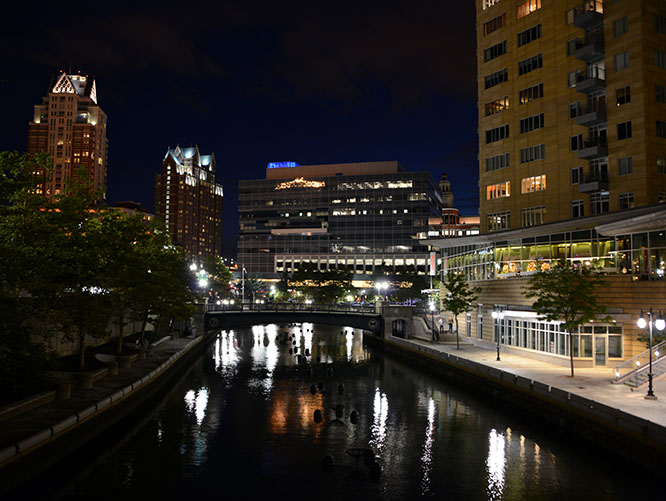
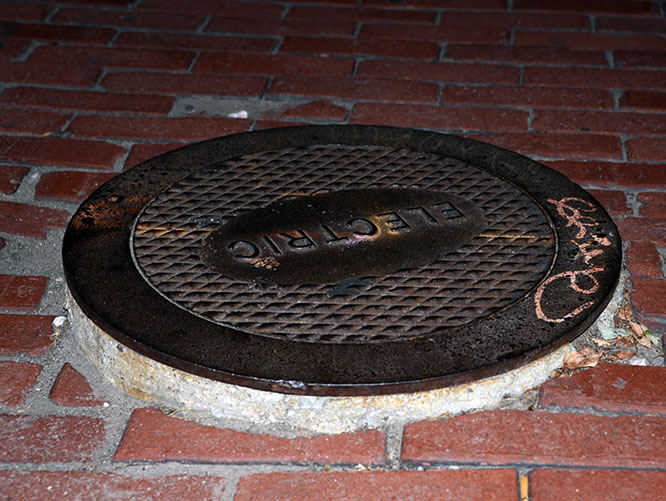
Of course, not every interesting thing I photographed was a major attraction. I nearly tripped over the sewer cover on the right while walking near the State House, so apparently I decided that was worth documenting too.

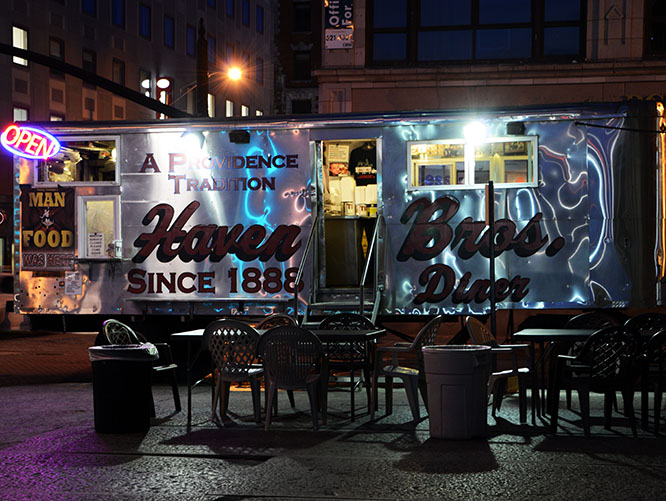
Providence is divided into several distinct neighborhoods and districts. Downtown has everything from upscale restaurants and bars to familiar chains. During my first trip I stopped at this cafe, where the gentleman on the left asked me to take his photo. On the right is something else that caught my attention: what initially looked like a normal food truck was actually a diner built into a trailer, complete with indoor seating and even an ATM.
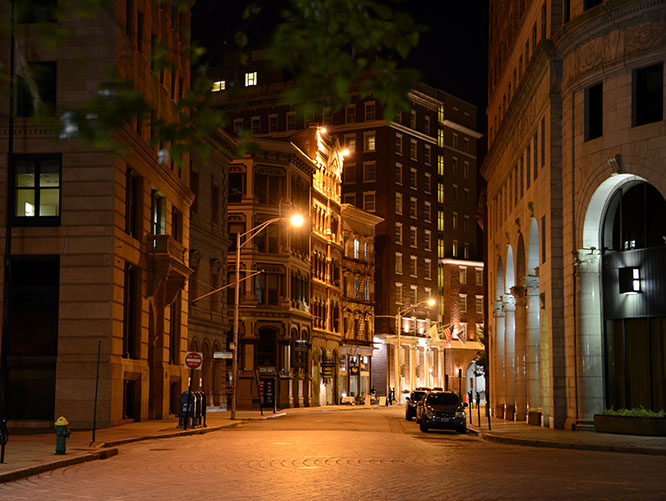
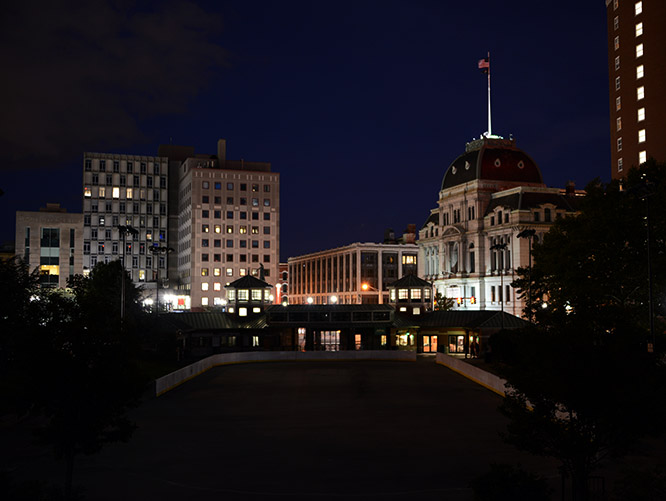
These final night shots give a better idea of what downtown Providence felt like during my summer visit. It’s compact enough to explore on foot, but large enough that there are plenty of restaurants, historic buildings, entertainment, and neighborhoods to keep you busy.
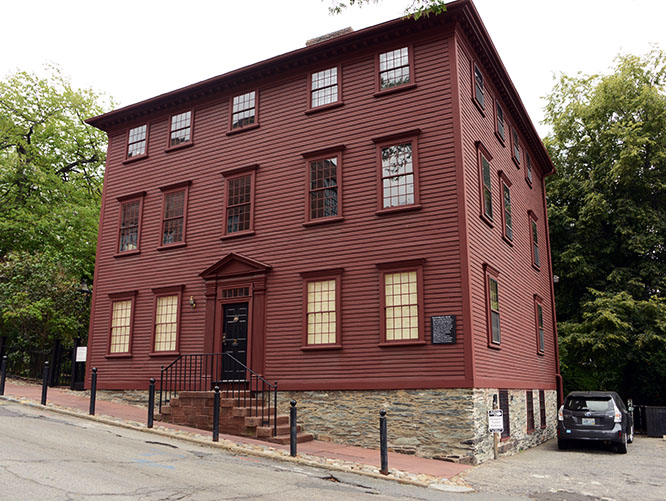
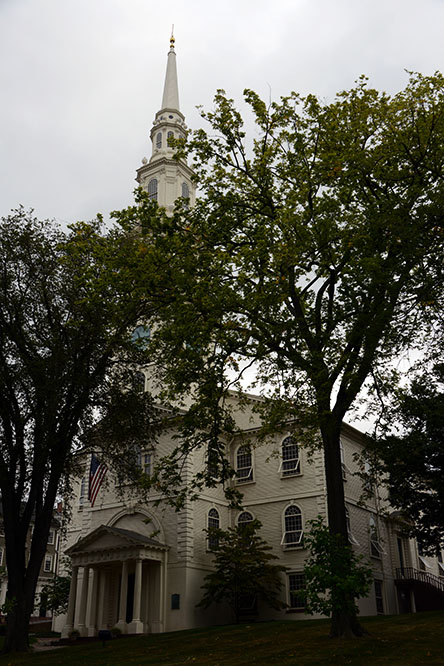
Providence’s history stretches back to the 1600s, and a surprising number of historic places are still scattered around the city. The Old Brick School House on the left dates to the 18th century and has a long history connected to education in Providence. On the right is the First Baptist Church in America, whose congregation was founded by Roger Williams, the same religious dissenter who founded Providence in 1636.
Roger Williams established the settlement after being banished from Massachusetts Bay Colony and became an important advocate for religious freedom and the separation of church and state. That history of religious tolerance would become an important part of Rhode Island’s identity and helps explain why so many different religious communities eventually established themselves here.
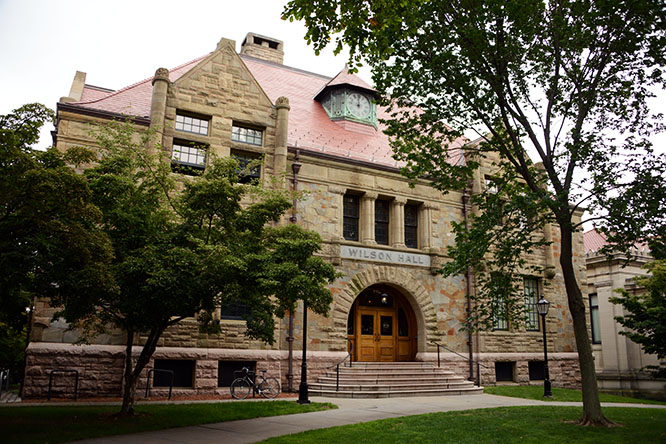
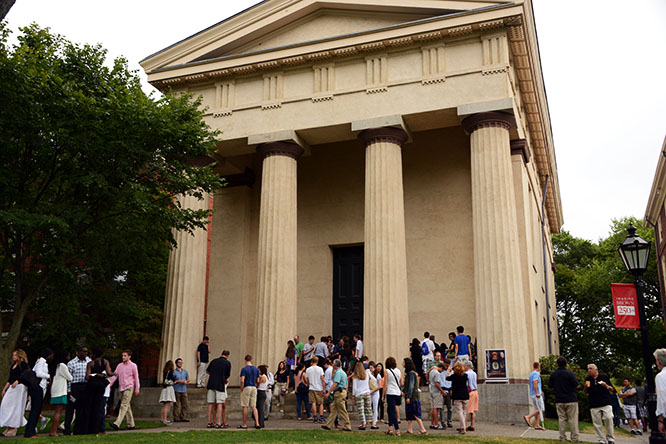
Rhode Island’s best-known university is Brown University, founded in 1764 and now one of the eight Ivy League schools. The campus itself is worth exploring even if you have no connection to the university. It’s one of the nicest college campuses I’ve visited, with historic buildings, tree-lined walkways, and plenty of architecture dating back generations. I visited toward the end of summer, when groups of new students and their families were arriving and exploring the campus.
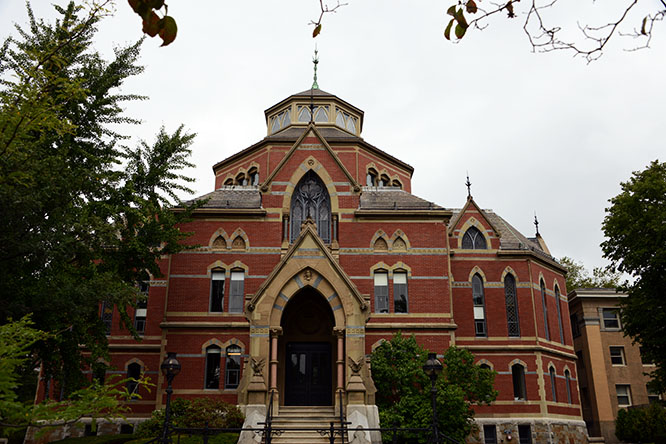
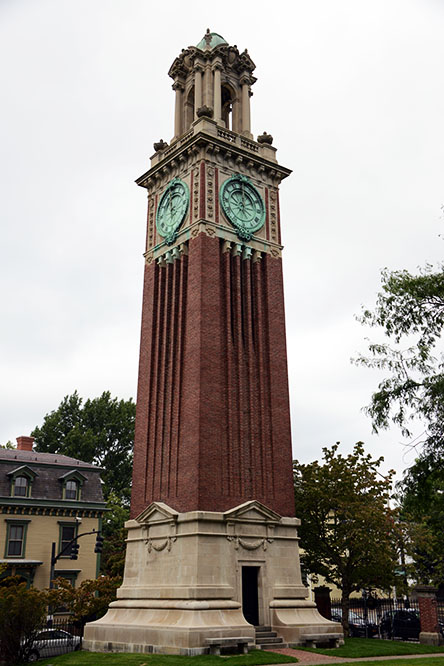
There are several notable buildings around the campus, including Robinson Hall and Carrie Tower, photographed above. Carrie Tower was completed in the early 20th century as a memorial to Caroline Mathilde Brown, granddaughter of Nicholas Brown, for whom the university was named. The mixture of architectural styles across campus makes simply walking around Brown an attraction of its own.
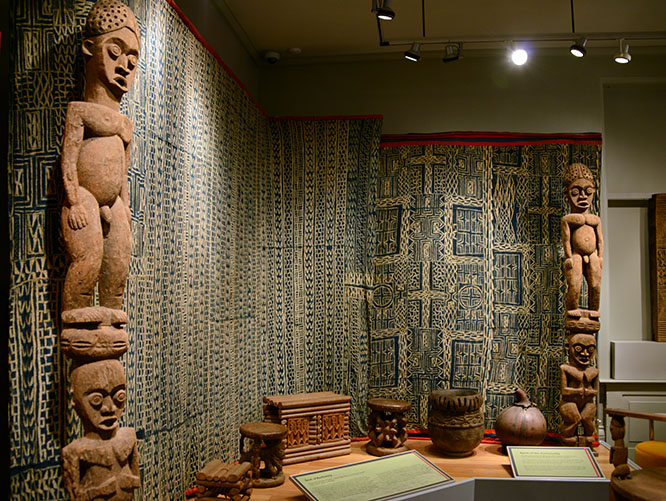
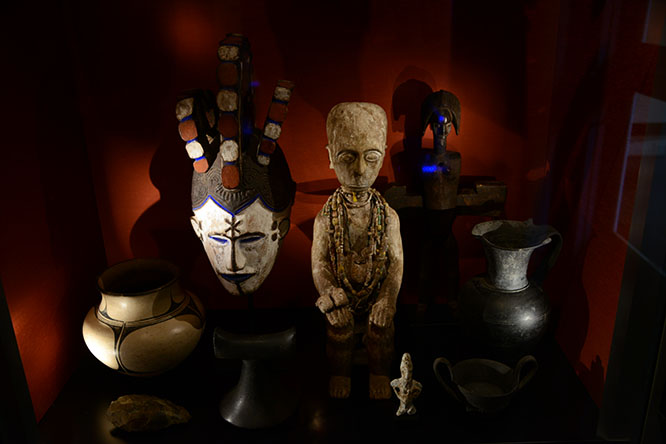
While exploring the area I also visited a museum with collections devoted to cultures and artifacts from around the world. The exhibits included everything from African history and royal traditions to artwork and objects collected from different countries. It was another unexpected stop that added quite a bit to my visit.
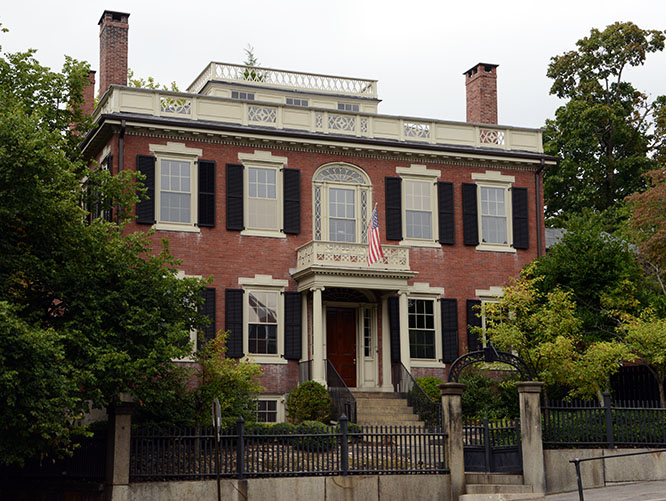
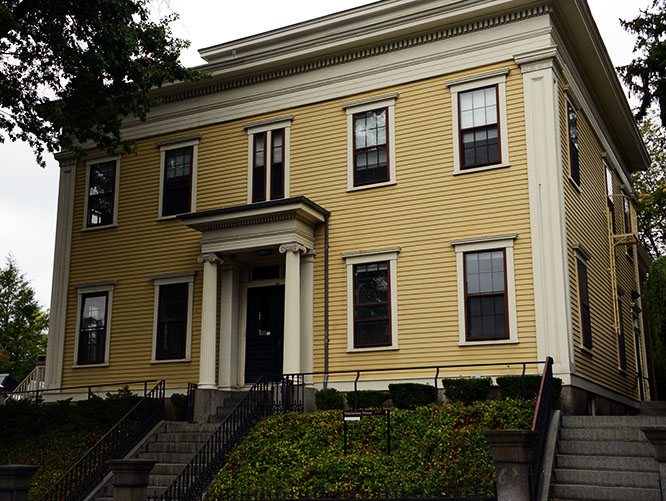
Near Brown University is Benefit Street, one of the best areas in Providence for seeing historic architecture. The neighborhood contains a remarkable concentration of restored homes and buildings from the colonial and early American periods. It’s definitely one of the city’s nicest places to explore on foot, although I’ve seen a few historic neighborhoods elsewhere in the country that impressed me even more, such as the Battery area in Charleston, South Carolina.
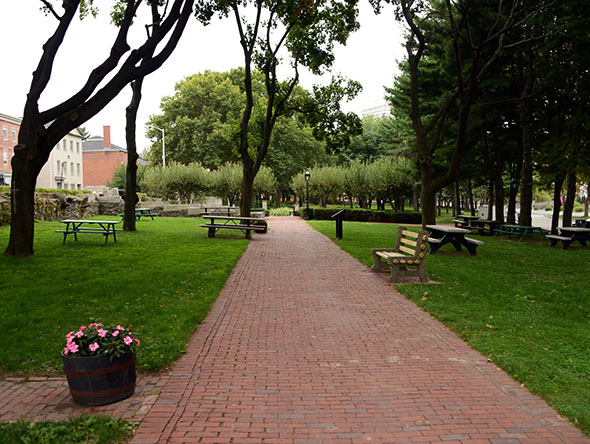
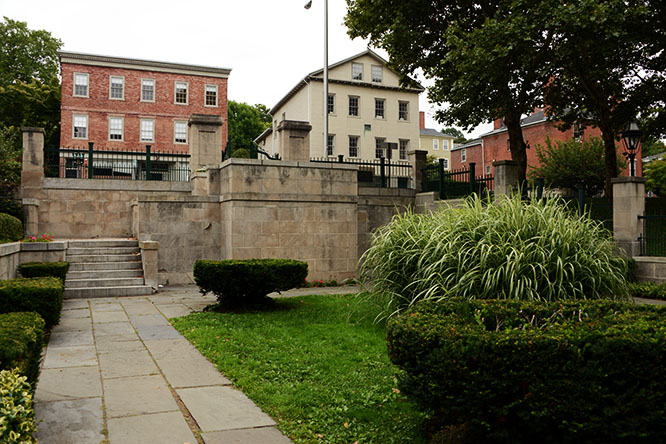
One of my last historic stops downtown was Roger Williams National Memorial. The park commemorates the founder of Providence and sits near the area where Williams established the settlement. It’s mostly a small urban park, but there’s also a visitor center where you can learn more about Williams and the early history of Rhode Island. It’s also a useful place to stop for information about other historic sites around the city.
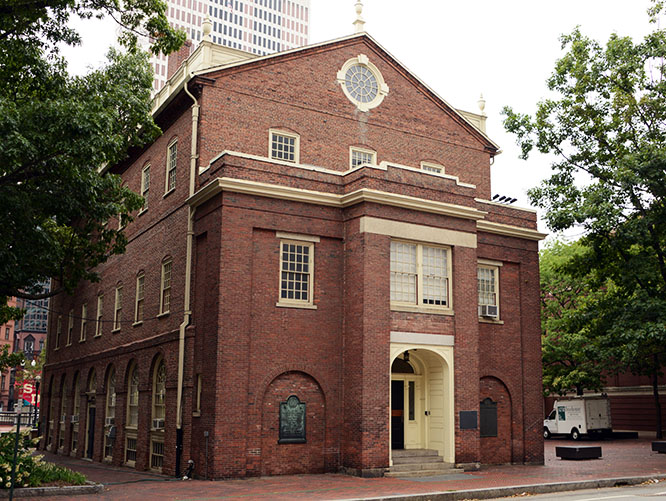
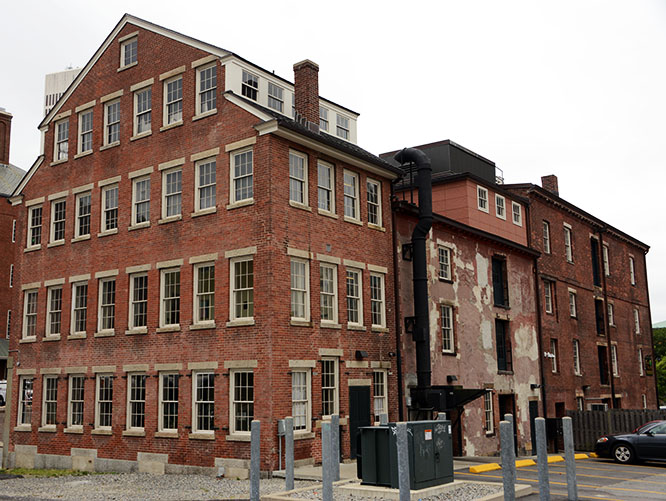
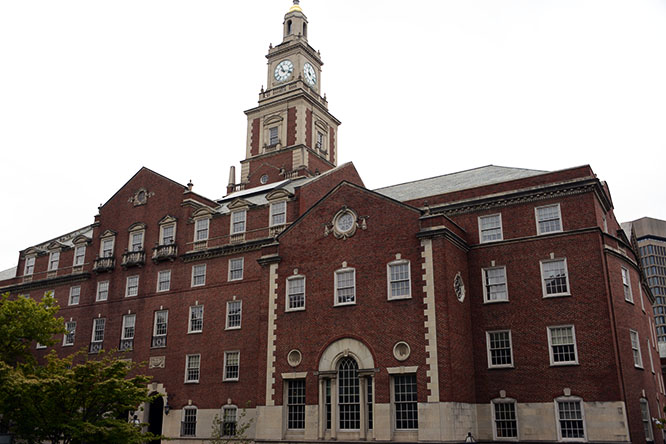
These are a few more of the older buildings I photographed while exploring Providence. I once knew the name of the building in the first photo, but after all these years I can’t remember it. That’s one of the hazards of going back through travel photos long after the trip. Regardless, the concentration of historic architecture around this part of Providence is one of the things that surprised me most about the city.
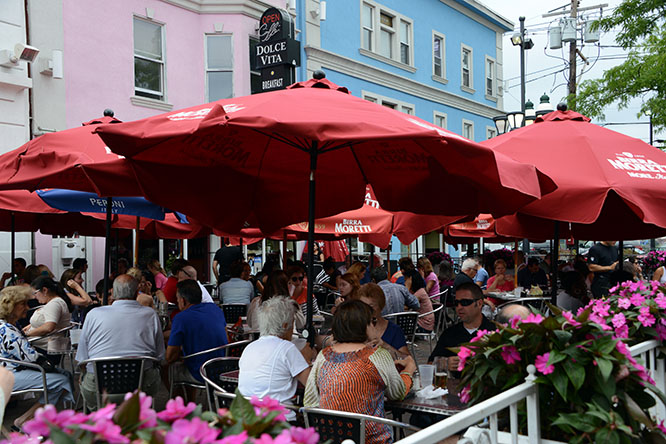
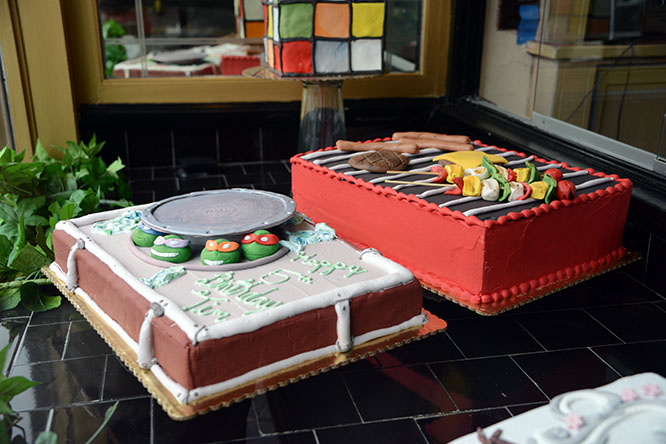
During my first visit to Providence I somehow completely missed Federal Hill. When I finally visited, it turned out to be one of the more interesting neighborhoods in the city. Federal Hill is best known as Providence’s traditional Italian-American district and is packed with restaurants, cafes, bakeries, and other businesses.
The photo on the left shows some of the outdoor dining in the neighborhood, while the one on the right was taken inside a bakery. I remember thinking it was strange to see a Teenage Mutant Ninja Turtles cake since the franchise seemed long past its prime at the time, only to learn that a new movie was about to be released.
Providence ended up being a good example of why first impressions while traveling aren’t always accurate. My short winter visit left me thinking there wasn’t much here, while returning in the summer and actually taking the time to explore completely changed my opinion. Between its colonial history, waterfront, Brown University, historic neighborhoods, restaurants, and summer events, Providence has considerably more to offer than I expected from the capital of America’s smallest state.
Explore More of Rhode Island
Block Island • Newport • Providence