Cincinnati is one of Ohio’s largest cities, located along the Ohio River directly across from Kentucky. Although the city itself has a population of around 300,000, its much larger metropolitan area extends into both Kentucky and Indiana. Cincinnati has a long history as a center of commerce and transportation, and its historic architecture, riverfront, parks, and distinctive neighborhoods make it an interesting city to explore.
During my visit, I spent much of my time walking around downtown and the surrounding neighborhoods. I also visited the observation deck of Carew Tower, which offered excellent views of the city, the Ohio River, and Kentucky on the opposite shore.
Downtown Cincinnati and Its Skyline
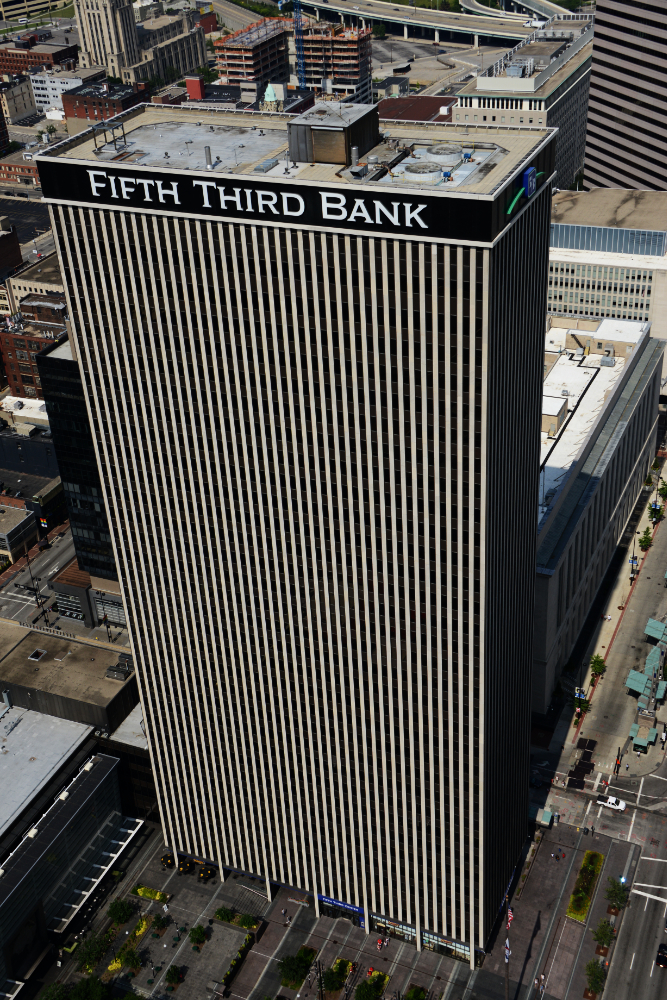
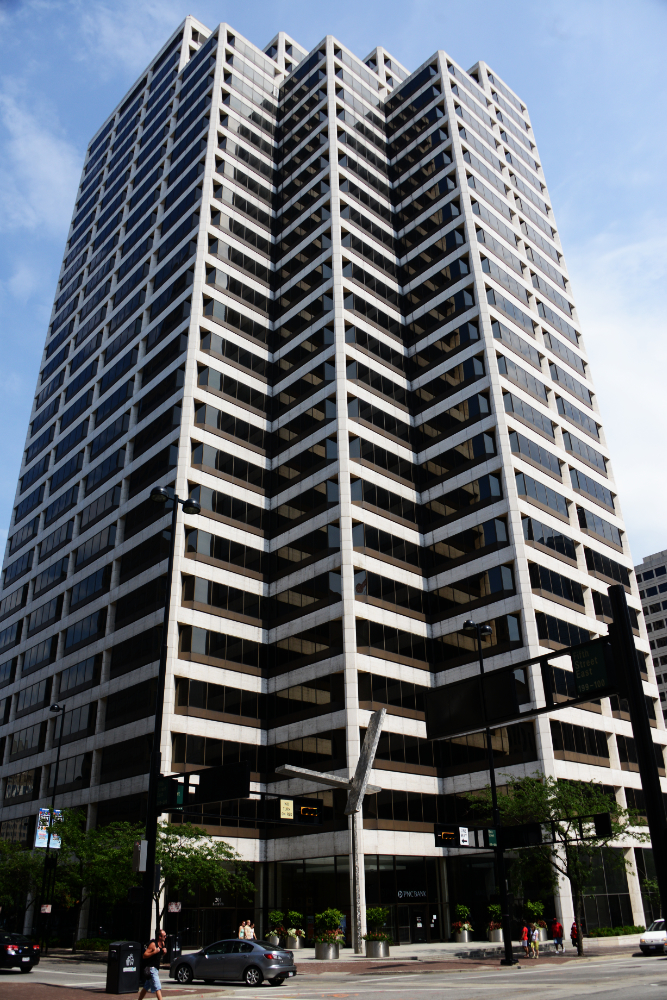
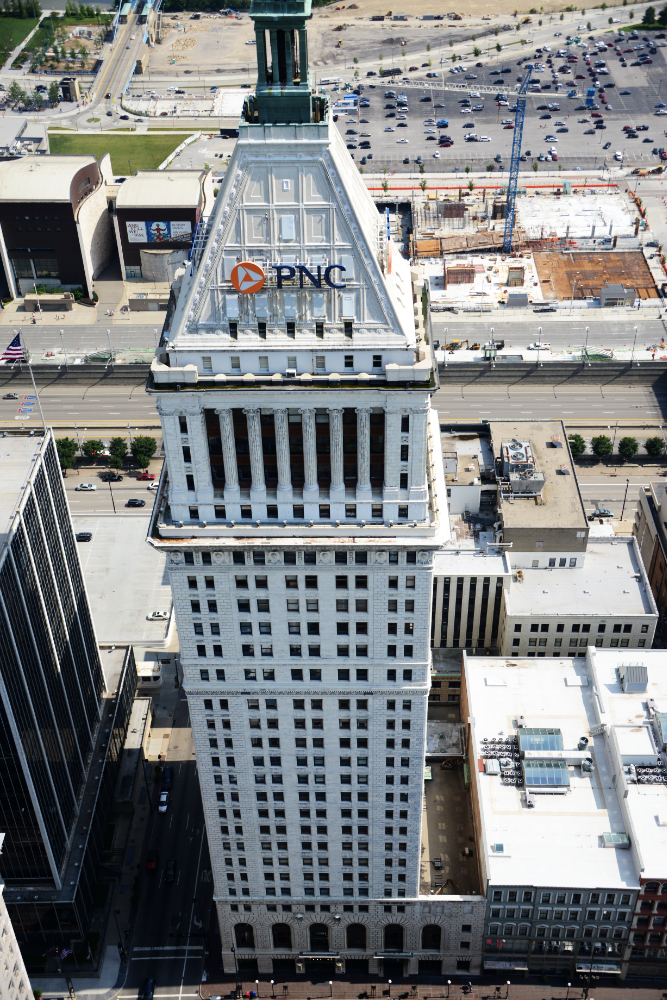
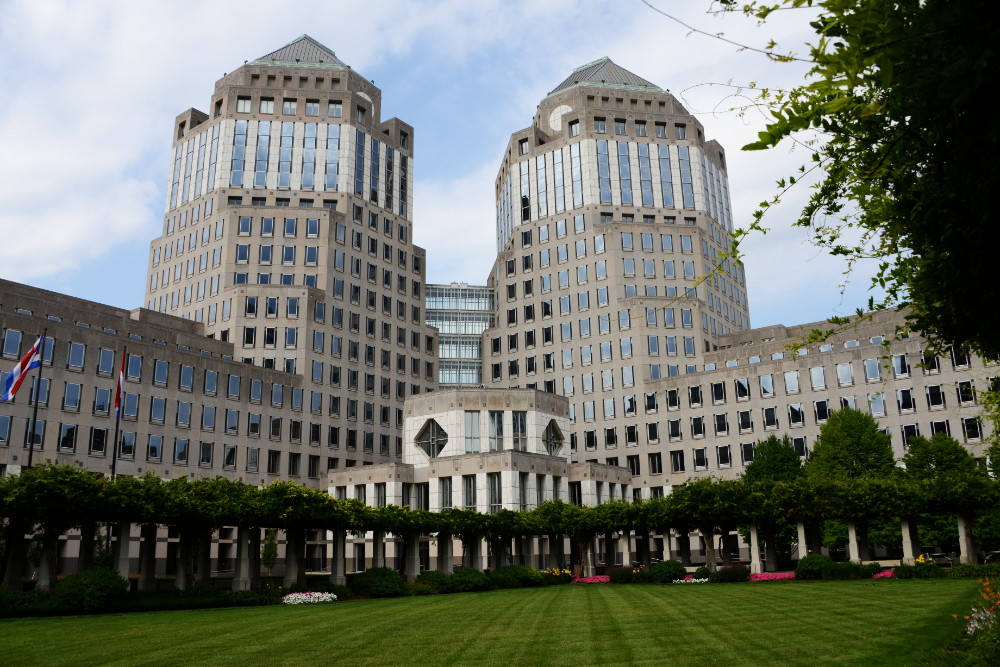
Downtown Cincinnati has an interesting mixture of historic buildings and modern skyscrapers. The city’s prosperity during the 19th and early 20th centuries left behind an impressive architectural legacy, while newer office towers have gradually transformed the skyline.
One of the most recognizable buildings is Carew Tower, an Art Deco skyscraper completed in 1930. At the time of my visit, its observation deck was open to visitors, providing a panoramic perspective of Cincinnati and the surrounding region.
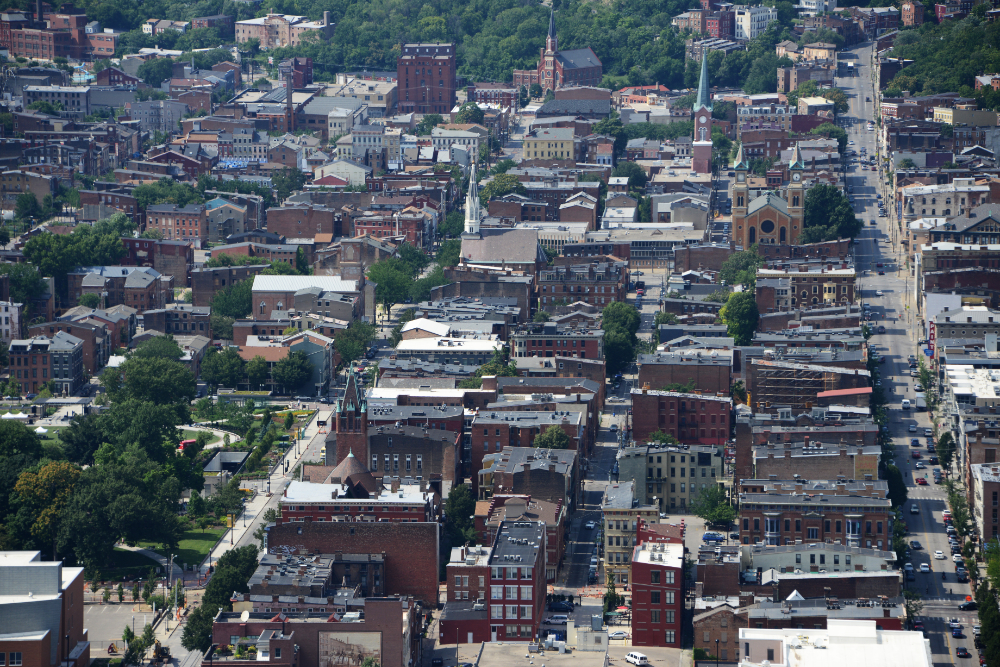
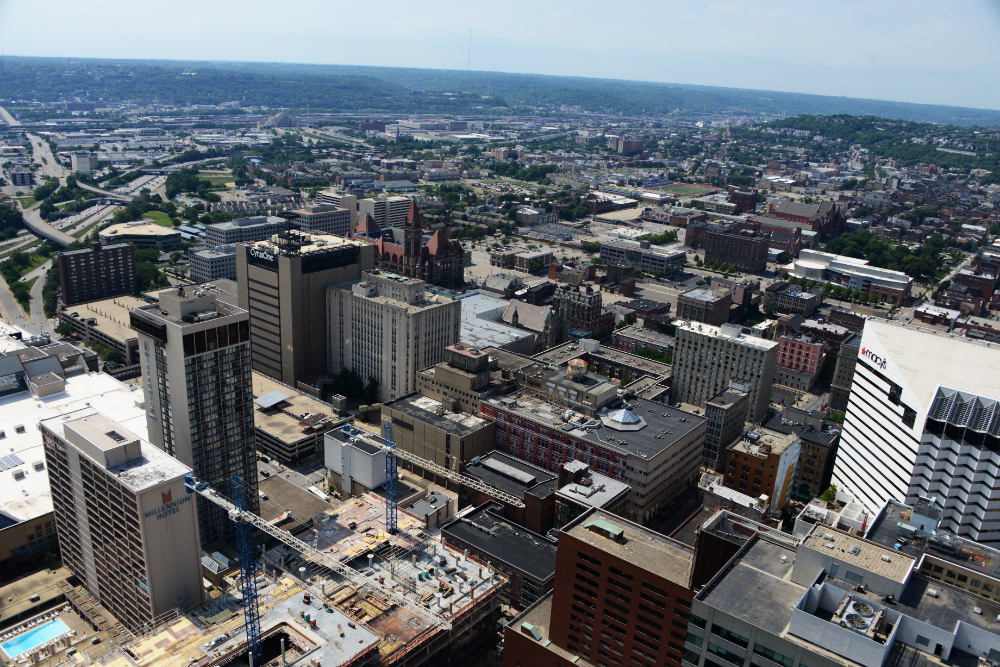
From above, I could see how Cincinnati’s downtown rises from the riverfront before giving way to the hills and residential neighborhoods surrounding the city. The views also extended across the Ohio River into Kentucky. It was an excellent way to get a sense of Cincinnati’s geography before continuing to explore on foot.
Crossing the Ohio River
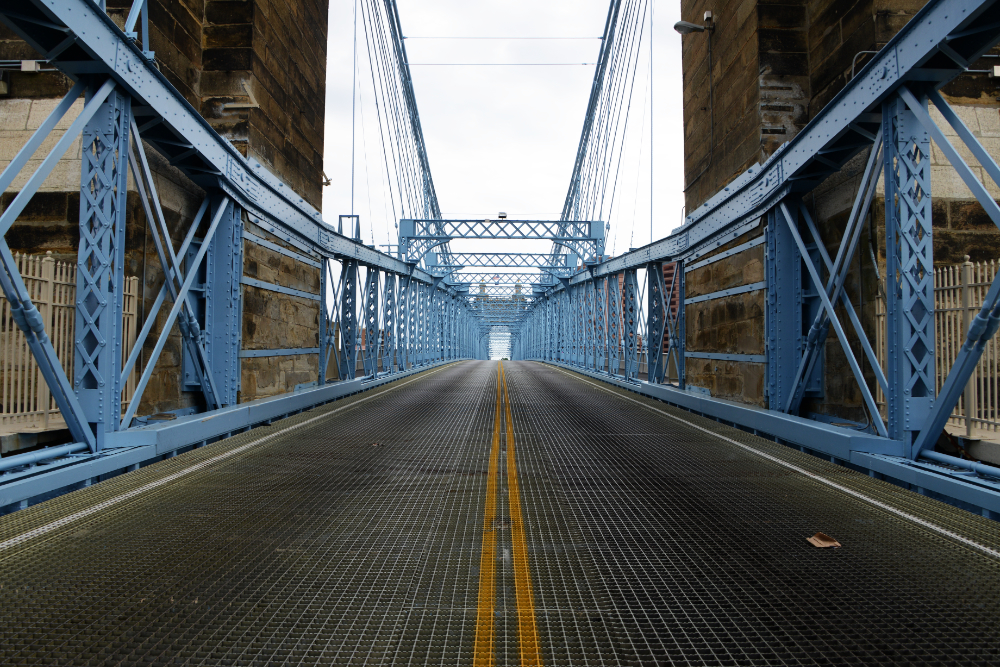
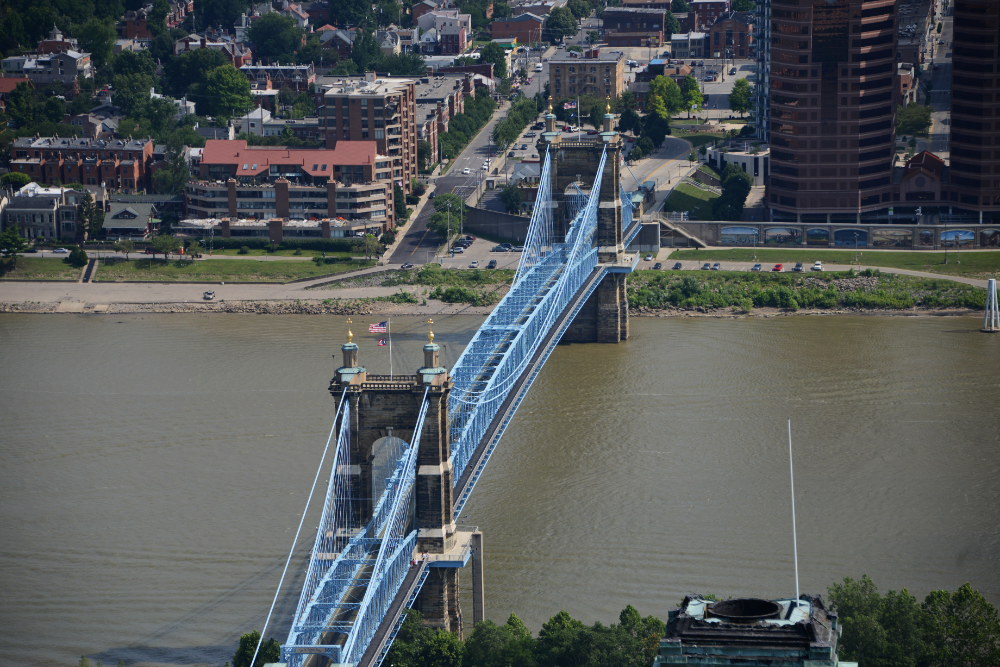
When I visited Cincinnati, I actually parked across the river in Kentucky and walked into Ohio across the John A. Roebling Suspension Bridge. Completed in 1866 and opened to traffic in 1867, the bridge was the longest suspension bridge in the world when it was built.
Its designer, John A. Roebling, later became famous for his work on the Brooklyn Bridge in New York City. The Cincinnati bridge served as an important predecessor to that much larger project and remains one of the city’s most recognizable landmarks.
Walking across was a great introduction to Cincinnati. I had excellent views of the skyline, the riverfront, and the boats moving along the Ohio River below.
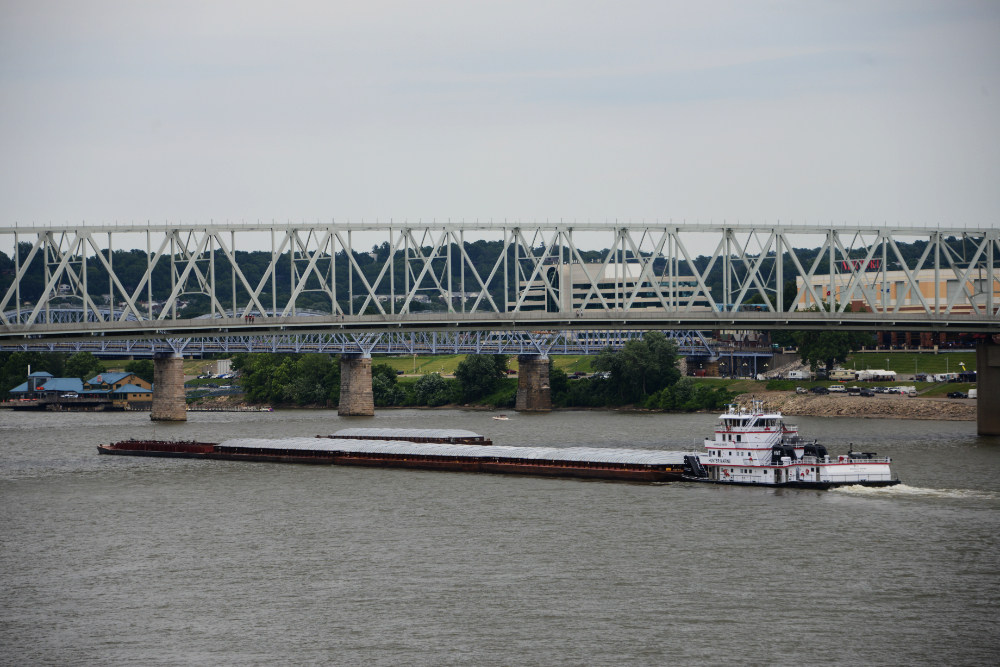
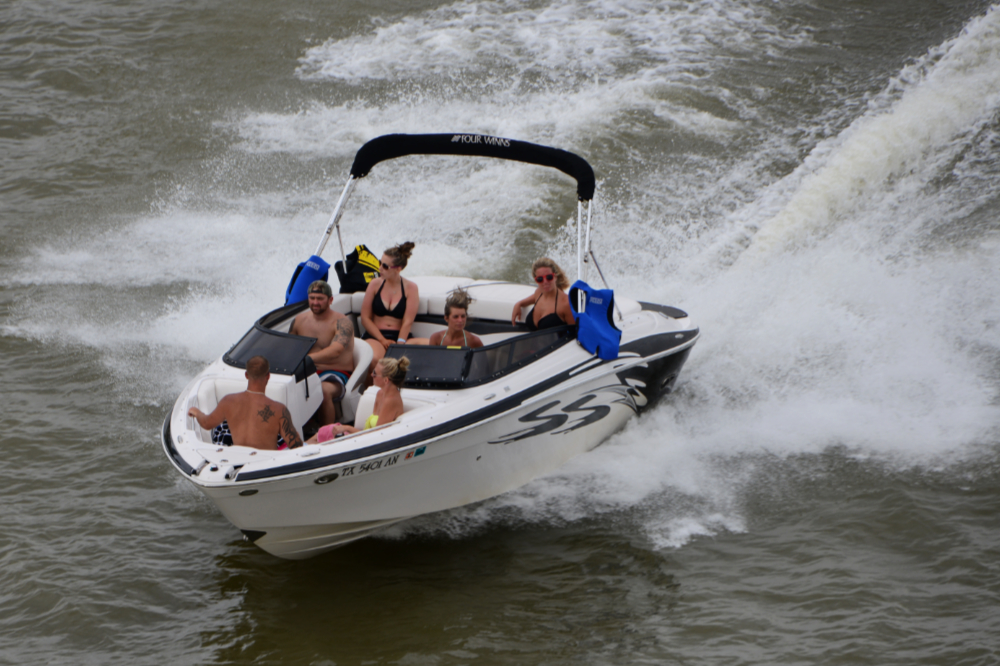
The Ohio River remains an important commercial transportation corridor, and I watched large barges carrying cargo along the water. There were also plenty of recreational boats enjoying the summer weather. The contrast between industrial river traffic and people out boating for fun was another reminder of how central the river remains to life in Cincinnati.
Great American Ball Park and the Riverfront
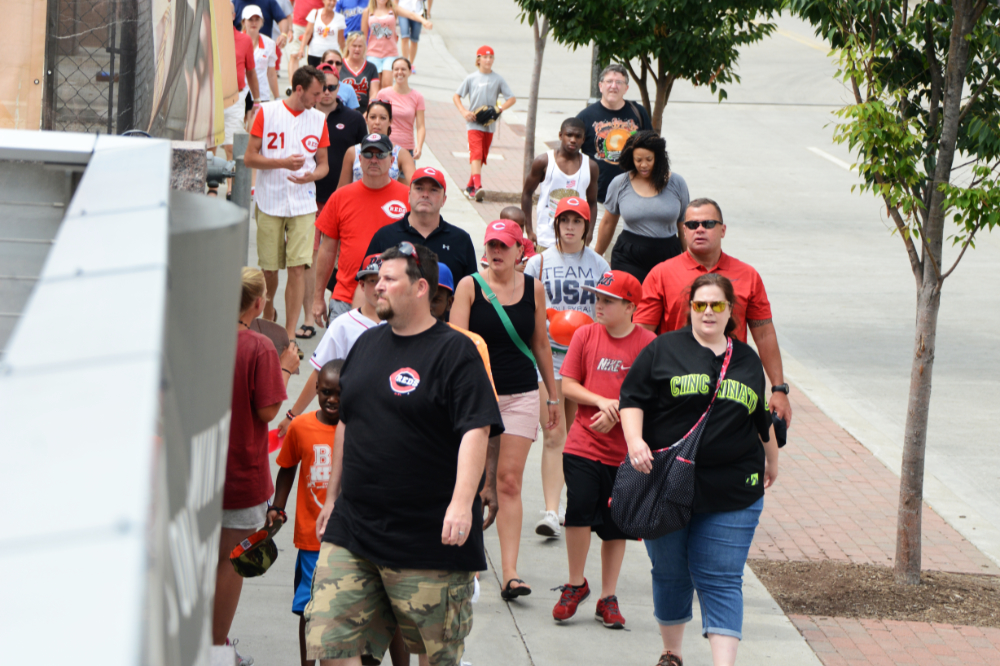
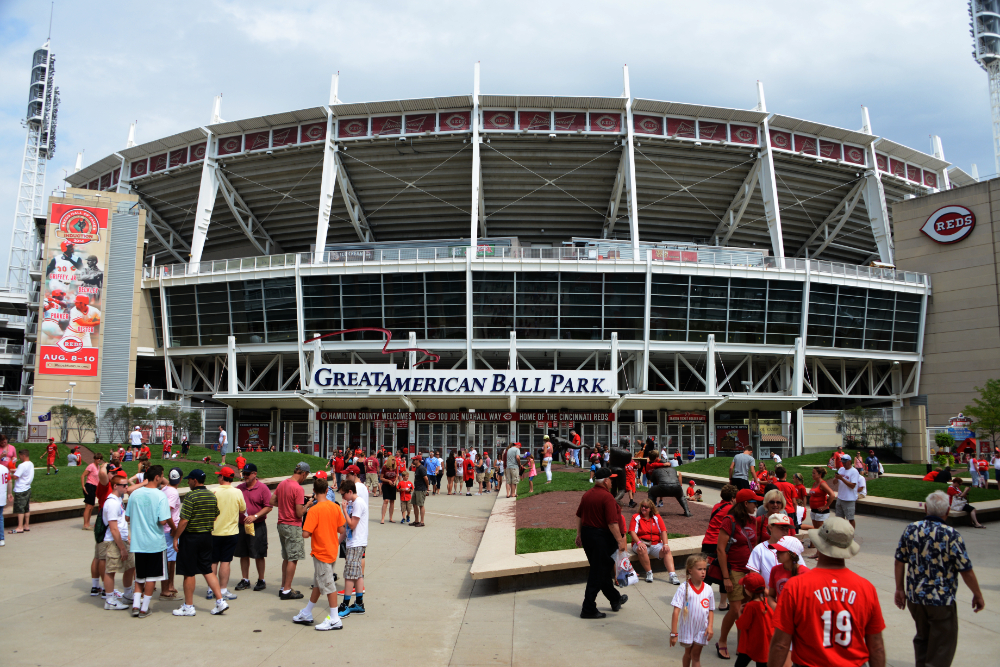
As soon as I crossed into Cincinnati, I came across Great American Ball Park, home of the Cincinnati Reds. Baseball has a particularly important history here. In 1869, the Cincinnati Red Stockings became the first openly professional baseball team, helping establish the foundations of professional baseball in the United States.
I arrived just as a Reds game was ending, and a huge crowd of fans was pouring out of the stadium. The surrounding streets were suddenly filled with people, giving the riverfront a lively atmosphere.
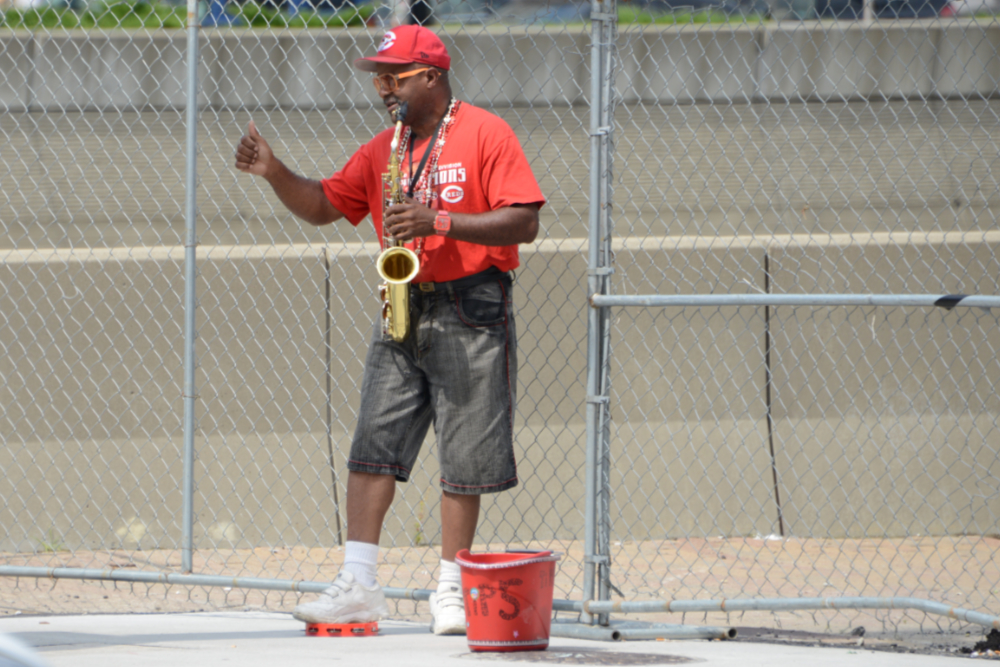
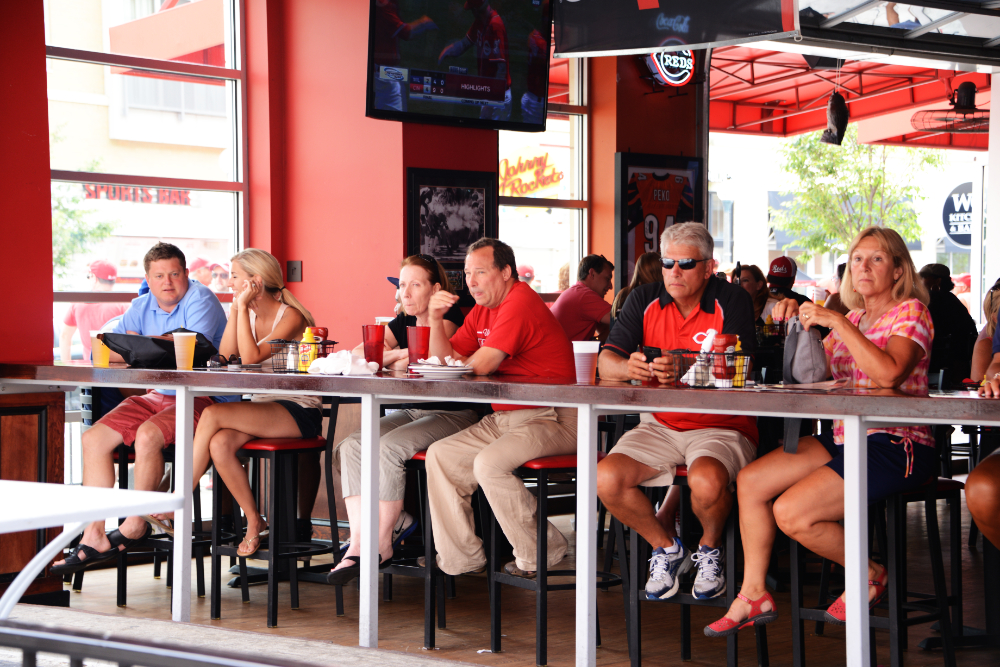
There were plenty of restaurants and bars around the stadium, many of which were especially busy as the baseball crowd came out. A saxophone player was entertaining the departing fans, while other people gathered at nearby restaurants for drinks and food after the game.
Even without attending a baseball game myself, it was enjoyable to experience the atmosphere surrounding the stadium.
Fountain Square and Downtown Cincinnati
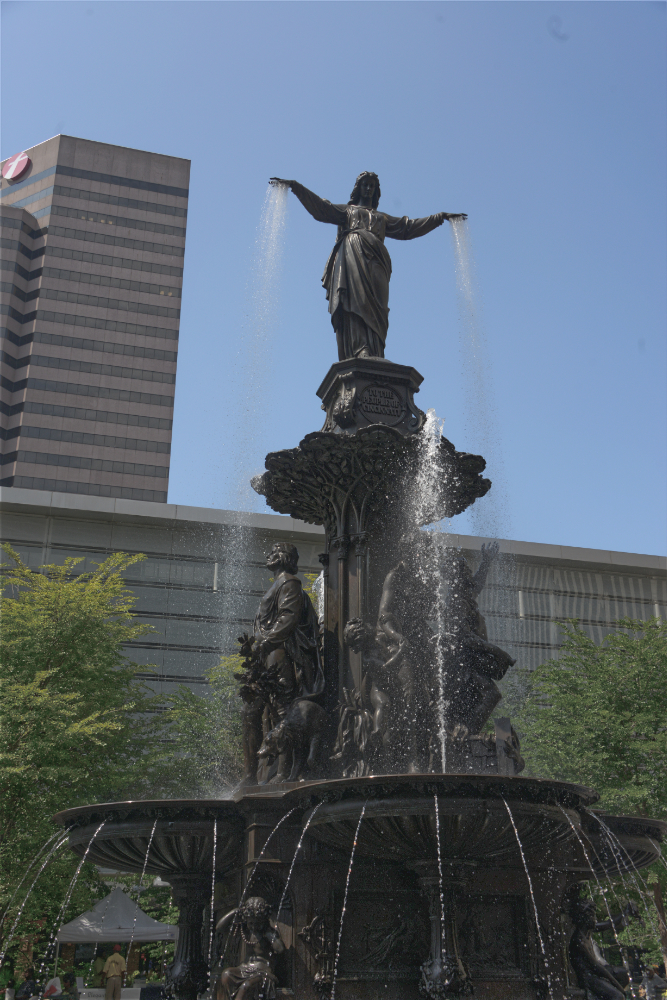
Fountain Square is one of the main gathering places in downtown Cincinnati. The square is centered around the historic Tyler Davidson Fountain and regularly hosts concerts, festivals, markets, and other public events.
When I visited, a small band was playing while people sat outside enjoying lunch. It was a pleasant place to spend some time watching everyday life in the city, with restaurants and businesses surrounding the square.
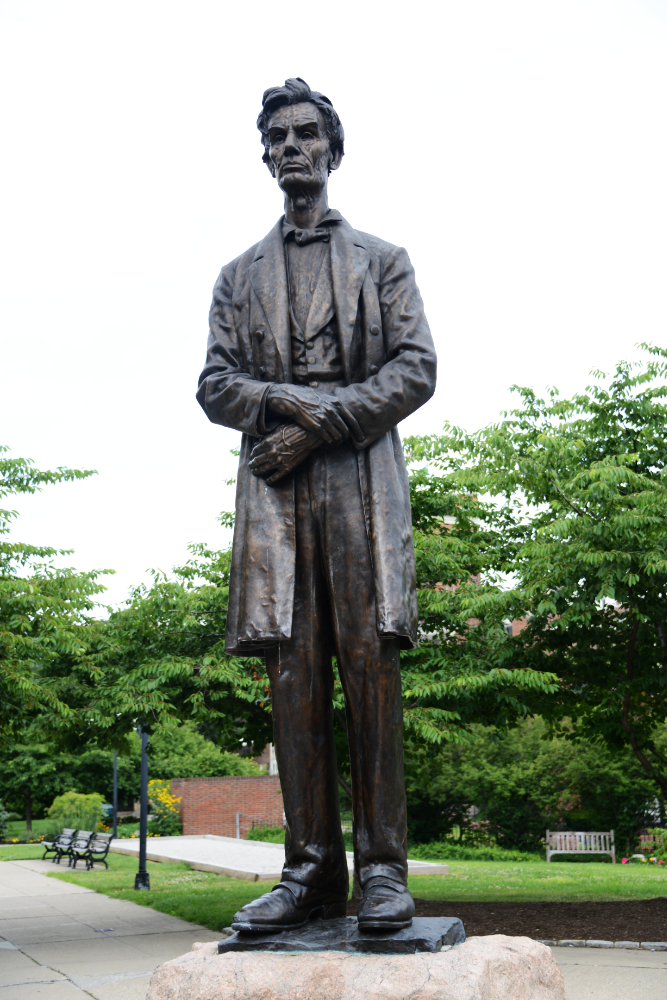
Another downtown landmark that caught my attention was a statue of Abraham Lincoln. The sculpture portrays Lincoln in a much less formal manner than most presidential monuments I’ve seen. Rather than presenting him as an imposing national figure, the statue gives him a more human appearance, which made it stand out from the many other historical monuments I’ve encountered during my travels.
Over-the-Rhine and Vine Street
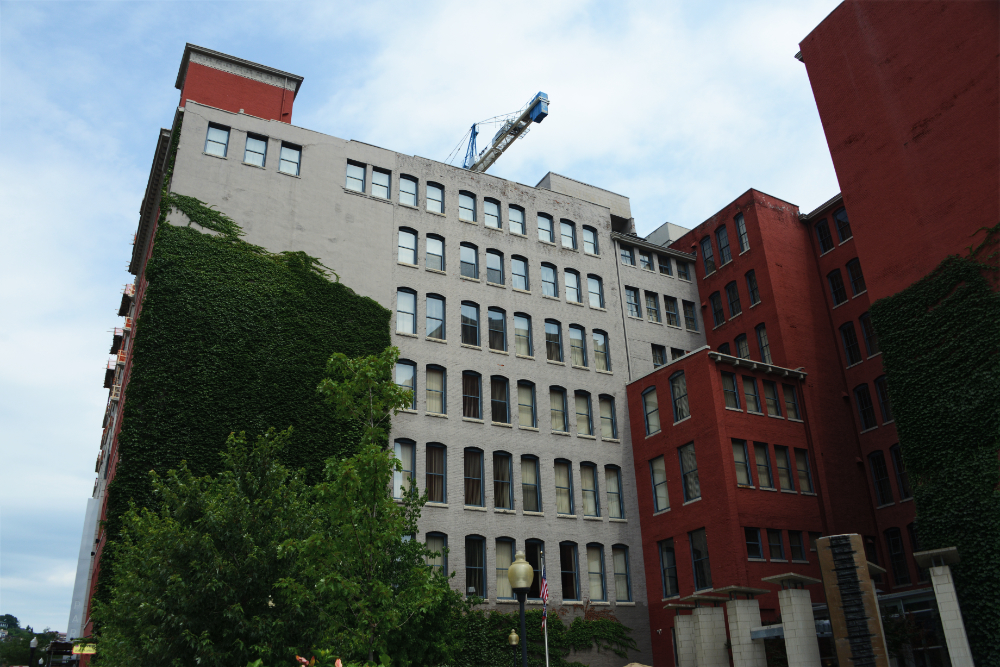
One of Cincinnati’s most interesting areas is Over-the-Rhine, a historic neighborhood immediately north of downtown. The neighborhood developed during the 19th century and became closely associated with Cincinnati’s large German immigrant population. Today, it is particularly well known for its extensive collection of historic buildings, restaurants, breweries, and cultural attractions.
Vine Street is one of the neighborhood’s principal thoroughfares, connecting downtown with Over-the-Rhine and neighborhoods farther north. The surrounding streets contain numerous examples of 19th-century architecture, giving this part of Cincinnati a distinctive appearance compared with the city’s modern commercial center.
Cincinnati’s Historic Neighborhoods
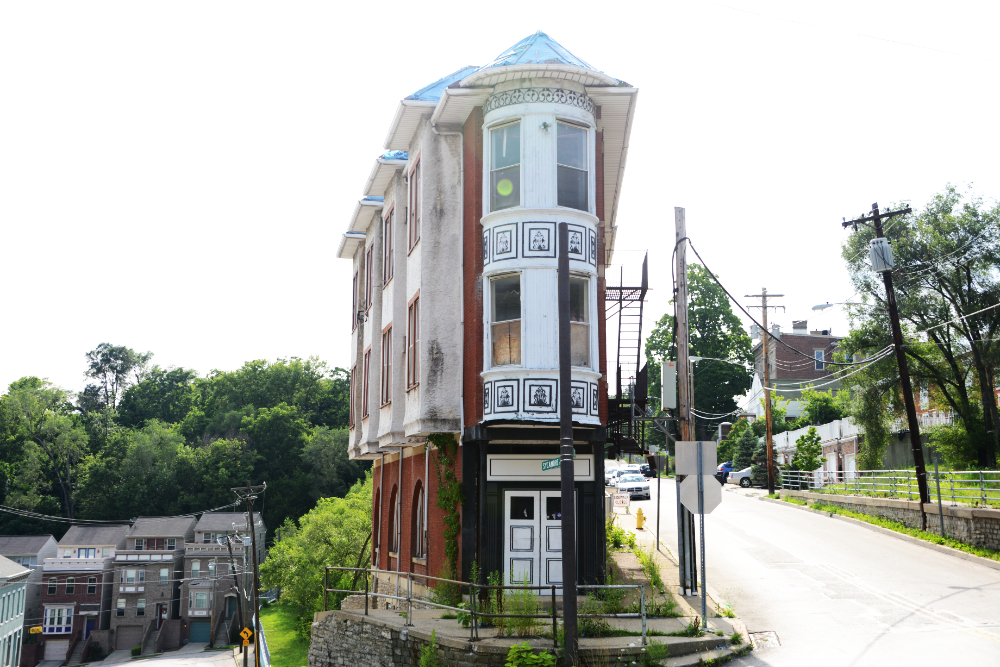
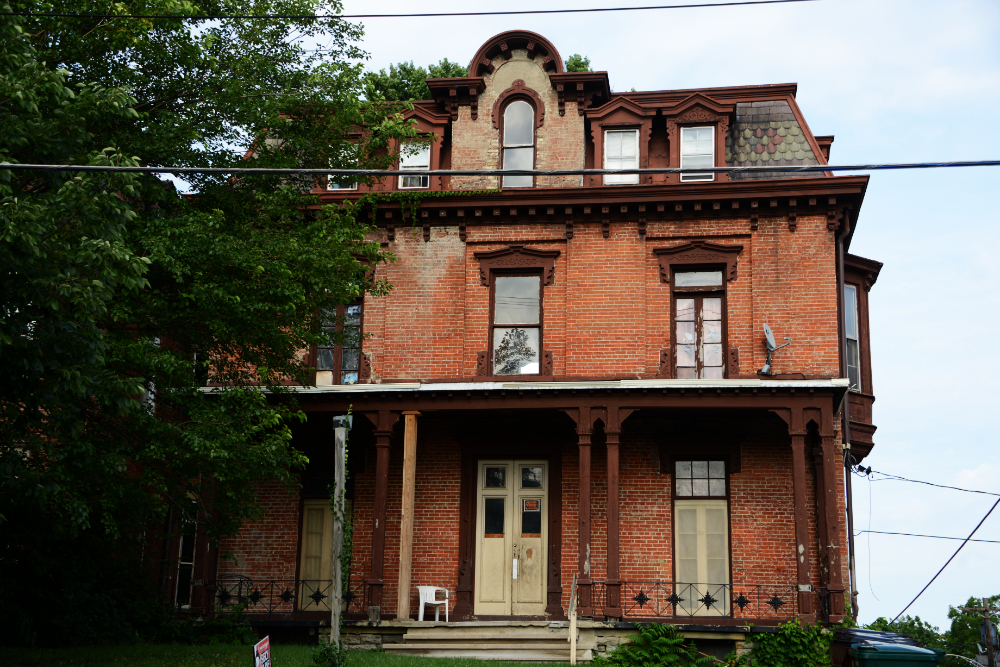
One thing I particularly liked about Cincinnati was the variety of houses I encountered while exploring its neighborhoods. I’m certainly no architecture expert, but even I could appreciate how dramatically the styles changed from one street to another.
One of my favorites was an incredibly narrow house squeezed onto a small piece of land between two streets. I couldn’t help wondering what the interior looked like and how the rooms were arranged to make use of such a limited space.
Cincinnati’s hilly terrain and long history of residential development have produced neighborhoods with very different appearances. Some streets feature elaborate historic homes, while others have tightly packed houses built to accommodate the city’s growing population during the 19th century.
Mount Auburn and William Howard Taft
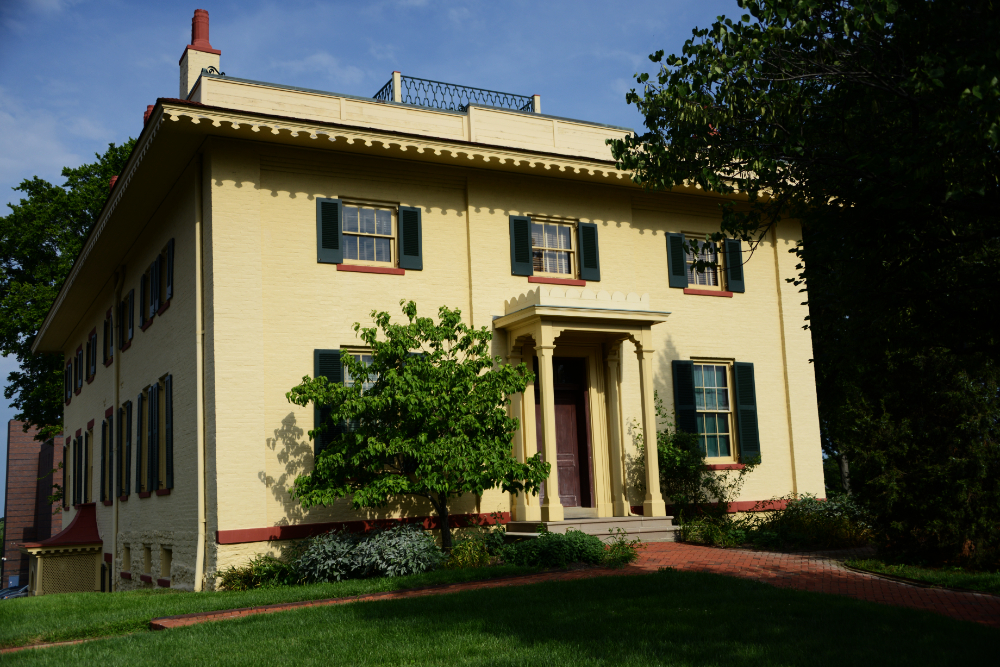
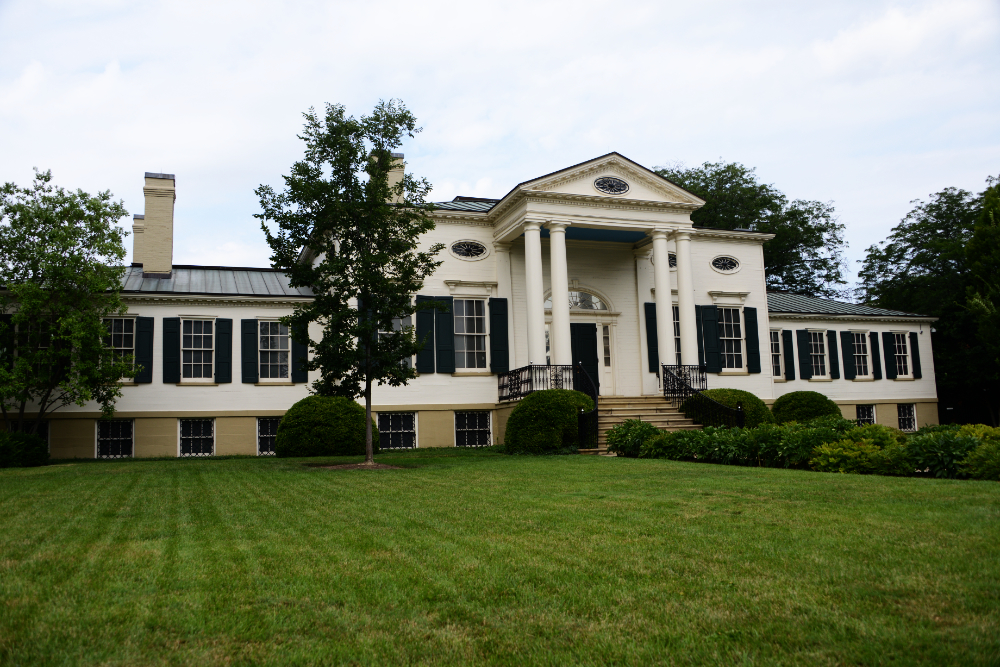
Mount Auburn became one of Cincinnati’s prominent residential neighborhoods during the 19th century. Its elevated location offered residents views of the city and convenient access to downtown while providing some distance from the busy commercial districts below.
The neighborhood is also home to the birthplace of William Howard Taft, who served as the 27th President of the United States and later became Chief Justice of the Supreme Court. He remains the only person to have held both positions.
Taft’s childhood home is preserved as the William Howard Taft National Historic Site. Unfortunately, I arrived too late to go inside, so I was only able to see the exterior.
I also photographed the Taft Museum of Art, housed in another historic Cincinnati mansion. Despite the name, it is not the former president’s childhood home. The museum occupies a building that later belonged to Charles and Anna Taft and contains a collection of paintings, decorative arts, sculptures, and other historical works.
Mount Adams and Eden Park
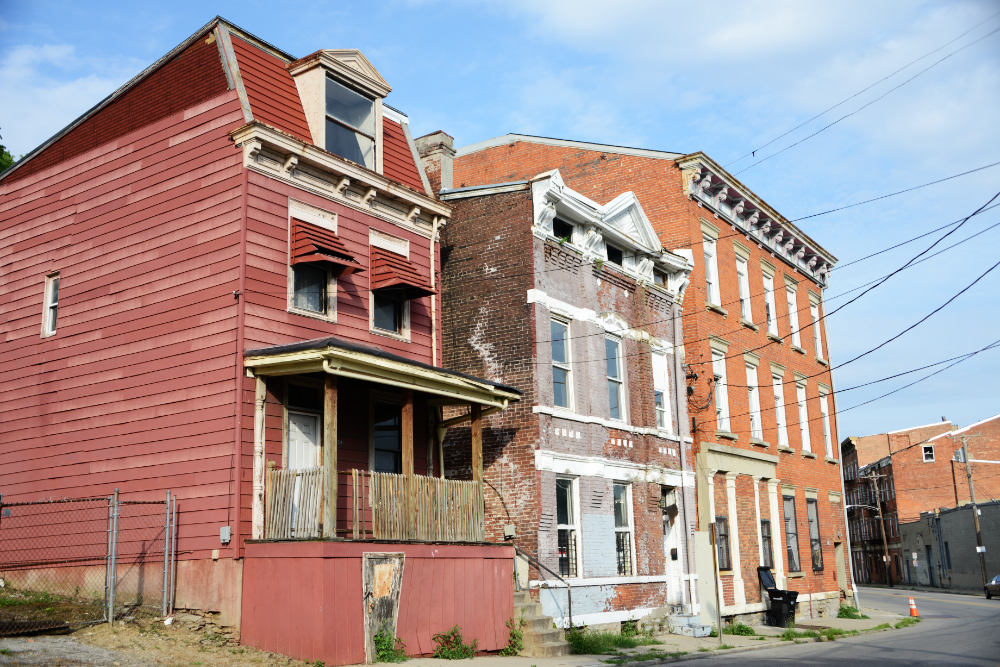
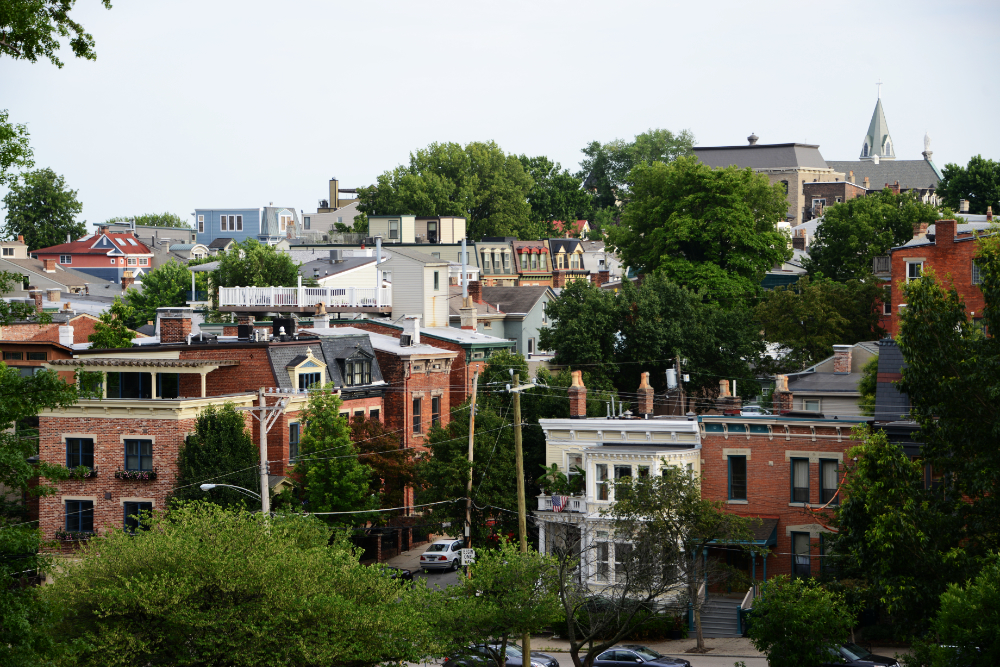
Mount Adams is one of Cincinnati’s most distinctive neighborhoods, situated on a hill overlooking downtown and the Ohio River. Its elevated location provides excellent views of the city, while its winding streets and historic buildings give it a character quite different from the downtown business district.
Nearby Eden Park is one of Cincinnati’s best-known public parks, with landscaped grounds, walking paths, overlooks, and several major cultural attractions.
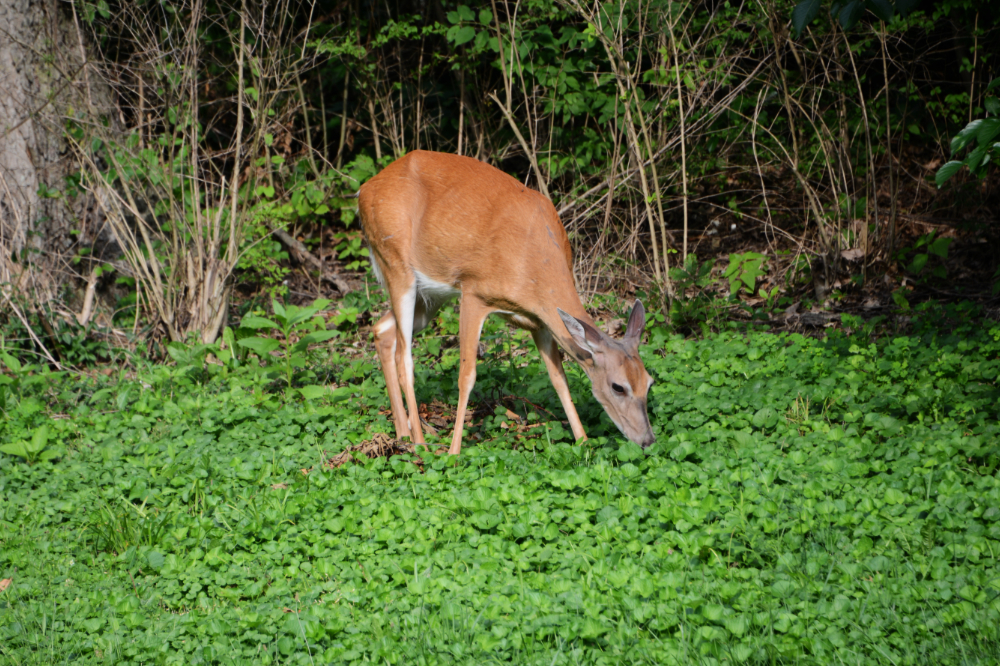
Eden Park ended up being one of my favorite parts of Cincinnati. I enjoyed walking through its landscaped grounds and even encountered the deer photographed above.
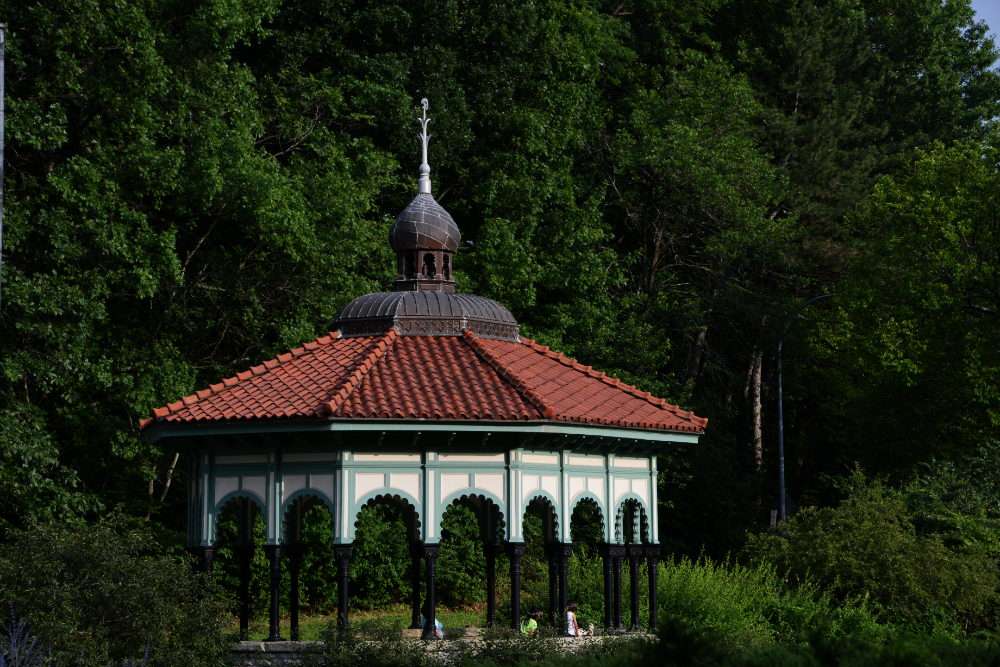
Another memorable landmark was the Spring House Gazebo near Mirror Lake. The ornate structure is one of the park’s recognizable historical features and reflects the attention given to Cincinnati’s public spaces during the city’s earlier development.
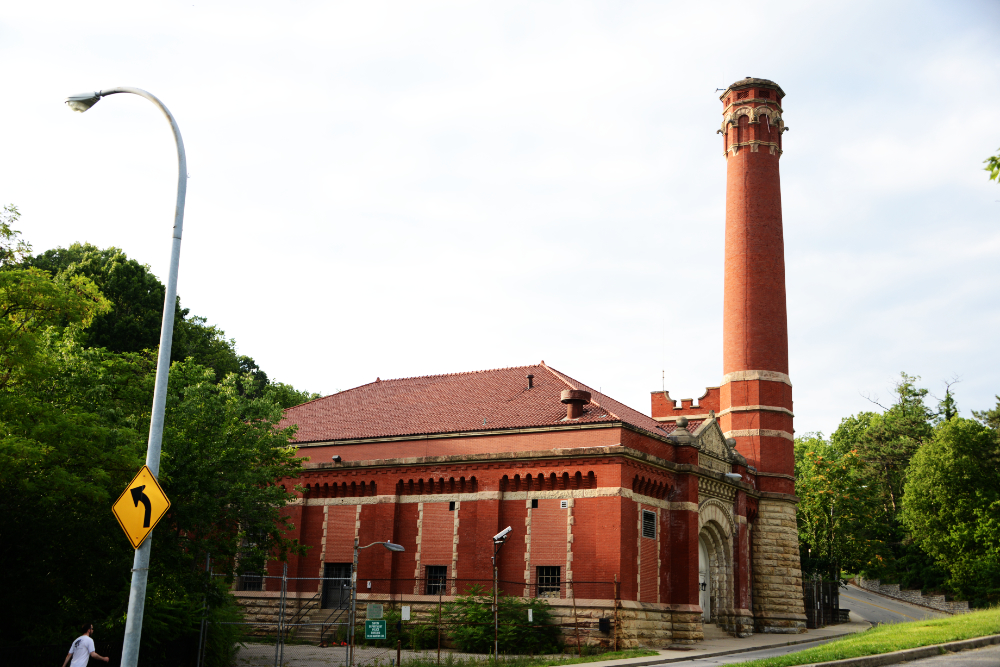
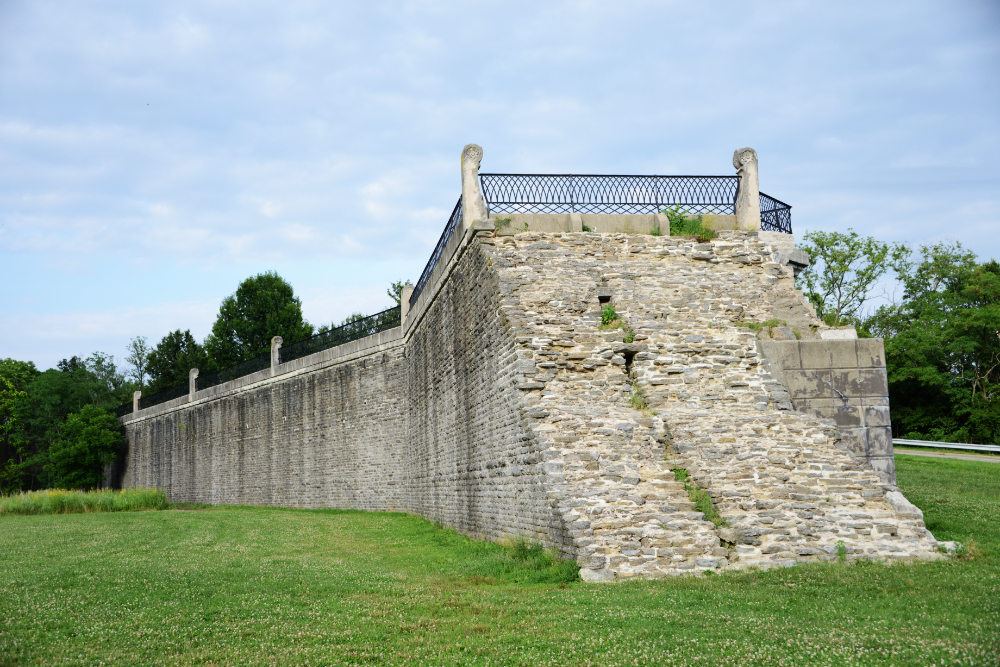
There’s actually quite a lot to explore in Eden Park, and I wish I’d taken more photographs to show everything it offers. The park contains remnants of Cincinnati’s historic water infrastructure, including structures associated with the reservoirs that once occupied portions of the grounds.
One of the old reservoir walls has even become a local rock climbing spot, which was particularly interesting to me given my own climbing background. It’s not every day that you come across a climbing area built into a historic urban park.
I missed several of Eden Park’s major attractions during this visit, including the Cincinnati Art Museum and Krohn Conservatory. Both would be worthwhile stops on a return trip.
Overall, Cincinnati turned out to be a city with far more variety than I had expected. Between its historic architecture, riverfront, distinctive neighborhoods, museums, and scenic parks, there was plenty to keep me occupied. I especially enjoyed the views from Carew Tower, walking across the Roebling Suspension Bridge, and exploring Eden Park. There’s still much more of Cincinnati I’d like to see when I return to Ohio.
Explore More of Ohio
Cincinnati • Cleveland • Columbus • Cuyahoga National Park
