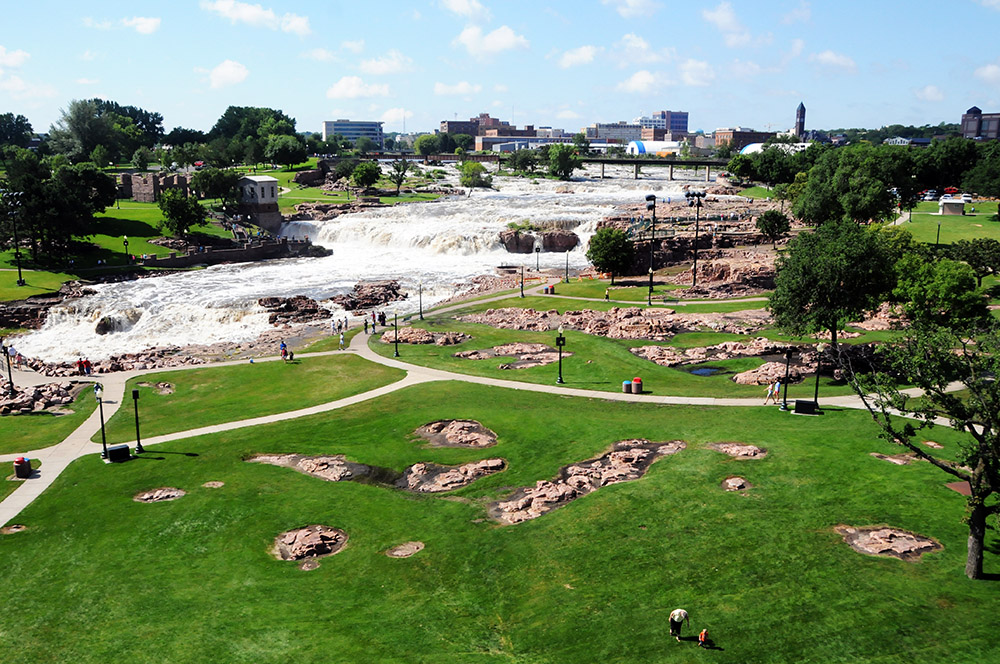
Sioux Falls is the largest city in South Dakota and was my first real introduction to the eastern side of the state. After driving through so much farmland and so many small towns, arriving in a sizable city felt like a major change of scenery.
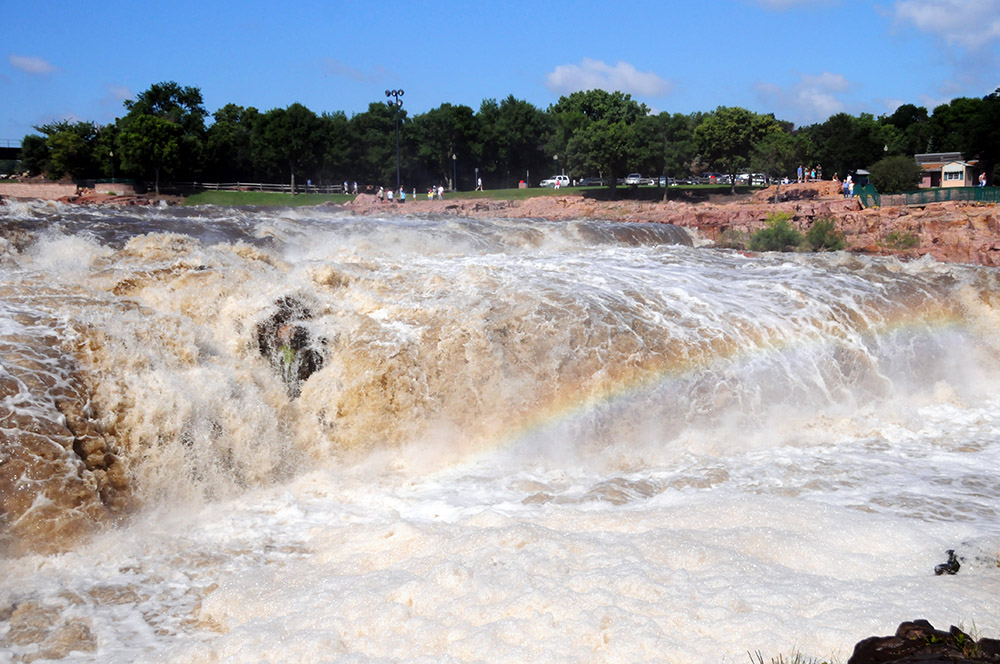
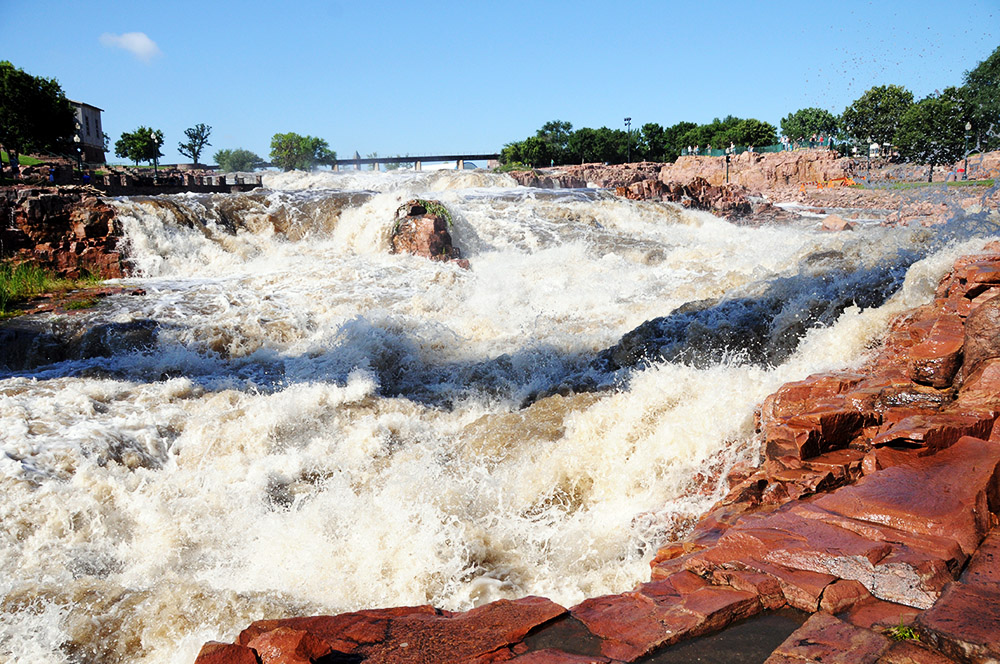
The city’s most recognizable landmark is the series of waterfalls along the Big Sioux River that gave Sioux Falls its name. Today the surrounding area is protected as Falls Park, with walking paths, historic structures and viewpoints overlooking the river. I visited after a period of rainy weather, so I think I got lucky and saw the falls with a particularly strong flow.
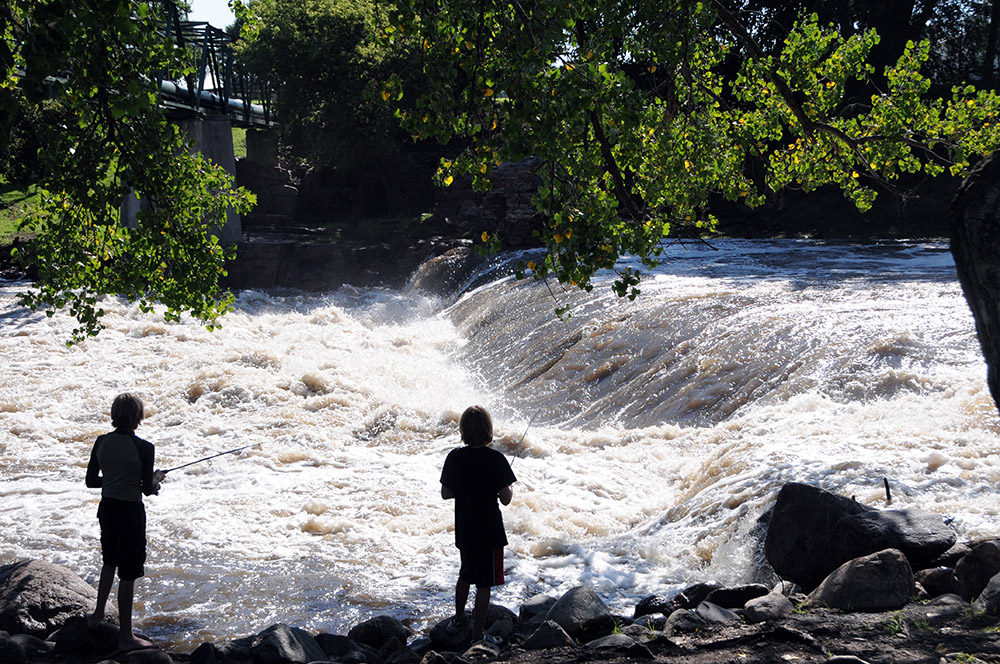
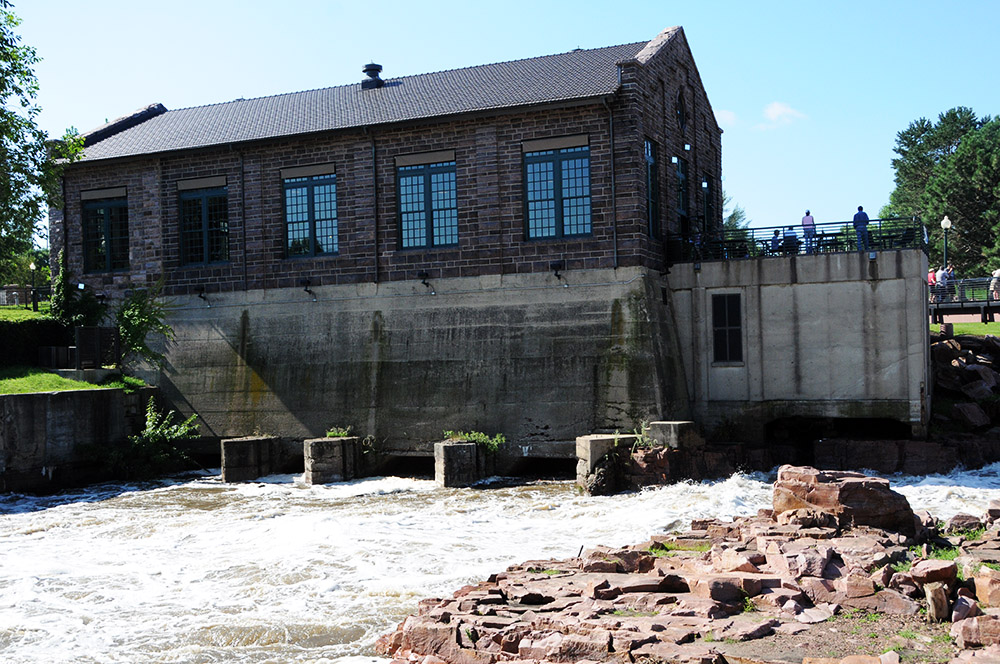
Falls Park is more than somewhere to stop and photograph the waterfalls. Trails follow the Big Sioux River through the area, making it a good place to walk, ride a bike or simply spend some time outside. I even saw kids fishing along the river while I was there.
The park also preserves remnants of Sioux Falls’ early industrial history. The ruins of the Queen Bee Mill date to the 1880s, when the power of the Big Sioux River was harnessed in an attempt to operate a massive flour mill beside the falls. An observation tower provides another view across the park and surrounding city.
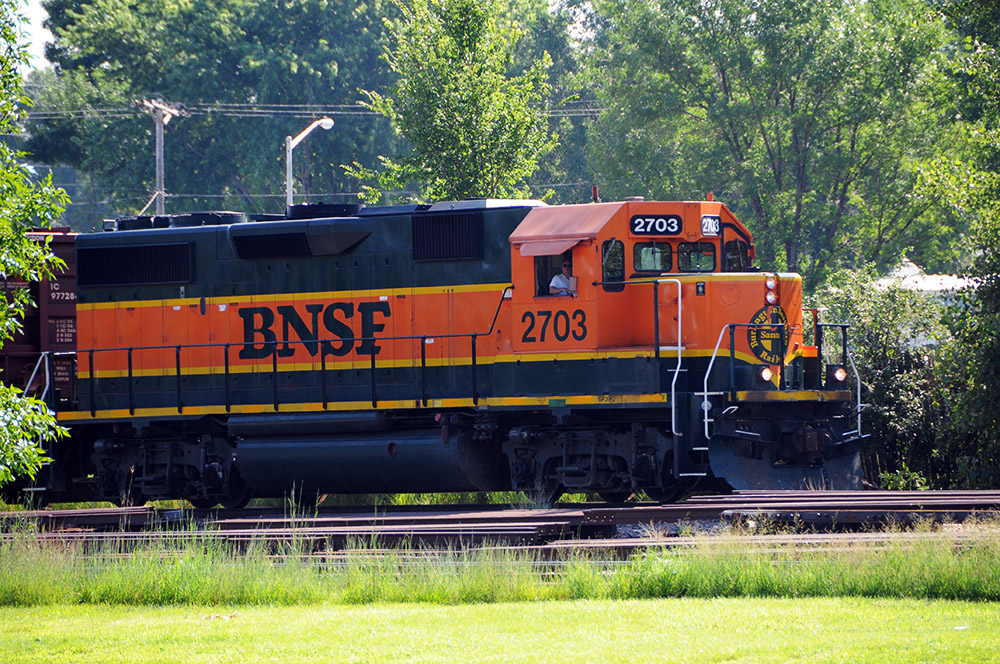
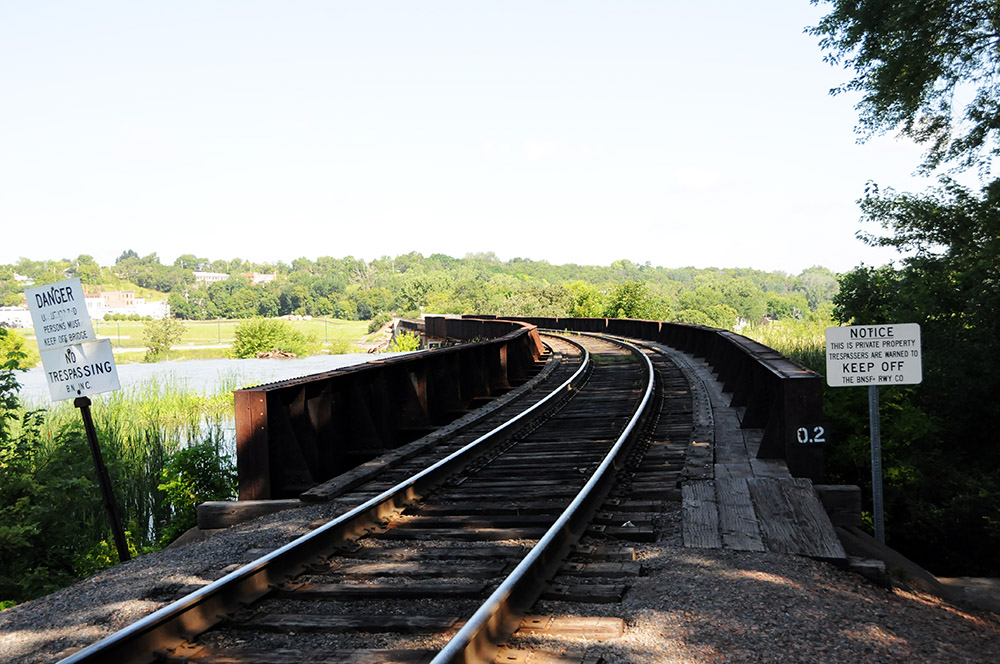
Railroads played an important role in the growth of Sioux Falls during the nineteenth and early twentieth centuries, connecting what was then a relatively isolated community with larger markets throughout the region. Rail service remains part of the city’s landscape today, and I caught this BNSF freight train crossing the Big Sioux River while I was exploring.
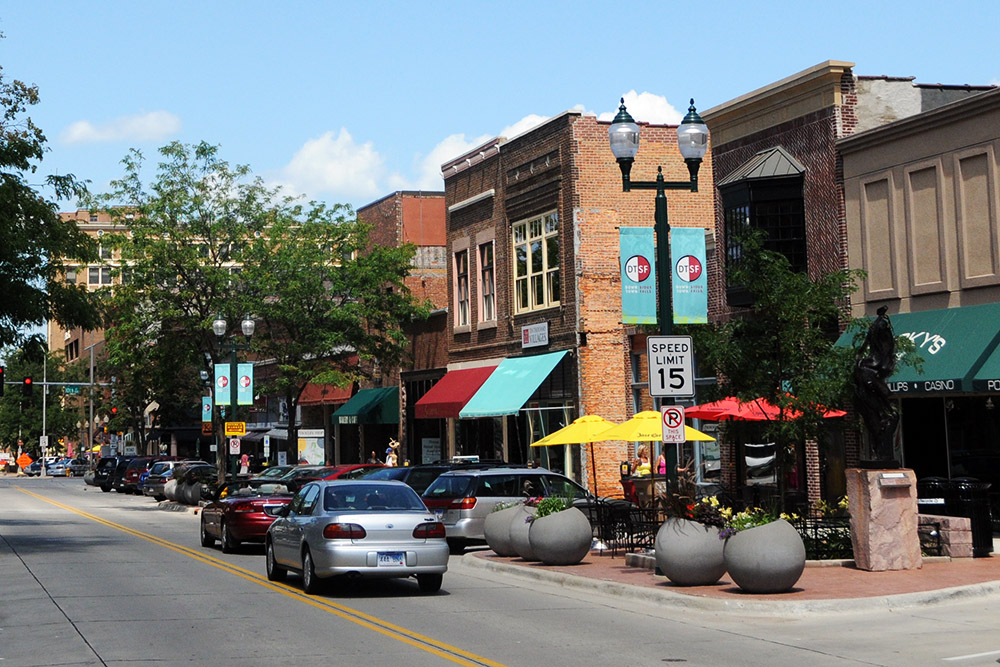
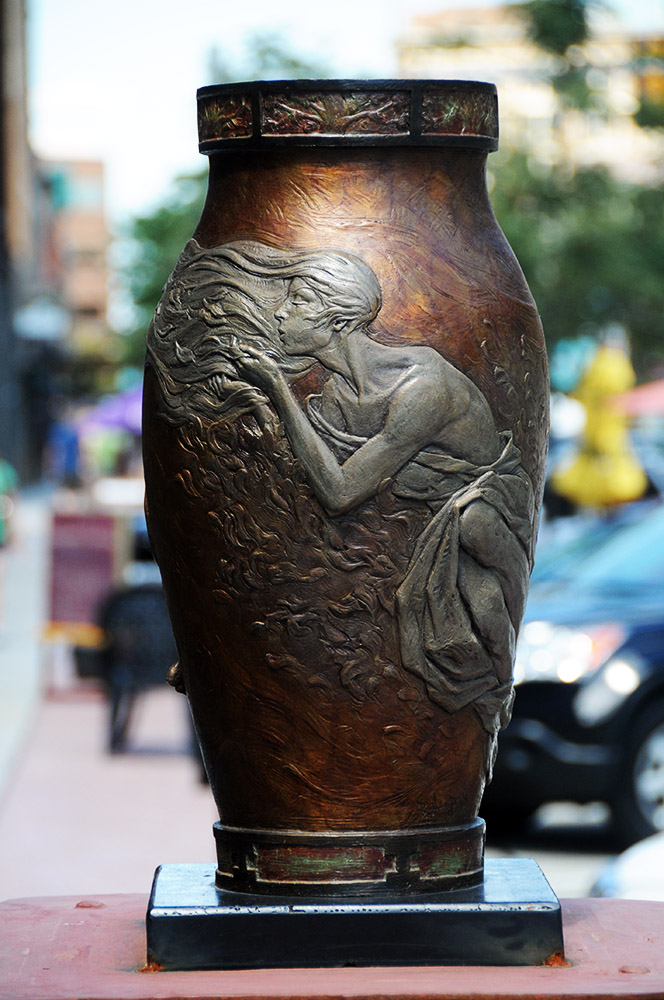
Downtown Sioux Falls has plenty of shops, restaurants and other places to explore, and I had perfect sunny weather when I visited in early August. One thing that immediately stood out was the public artwork scattered throughout downtown.
Much of it is part of SculptureWalk, an outdoor exhibition that places sculptures along the streets and sidewalks. The artwork changes over time, essentially turning downtown into a constantly changing open-air gallery.
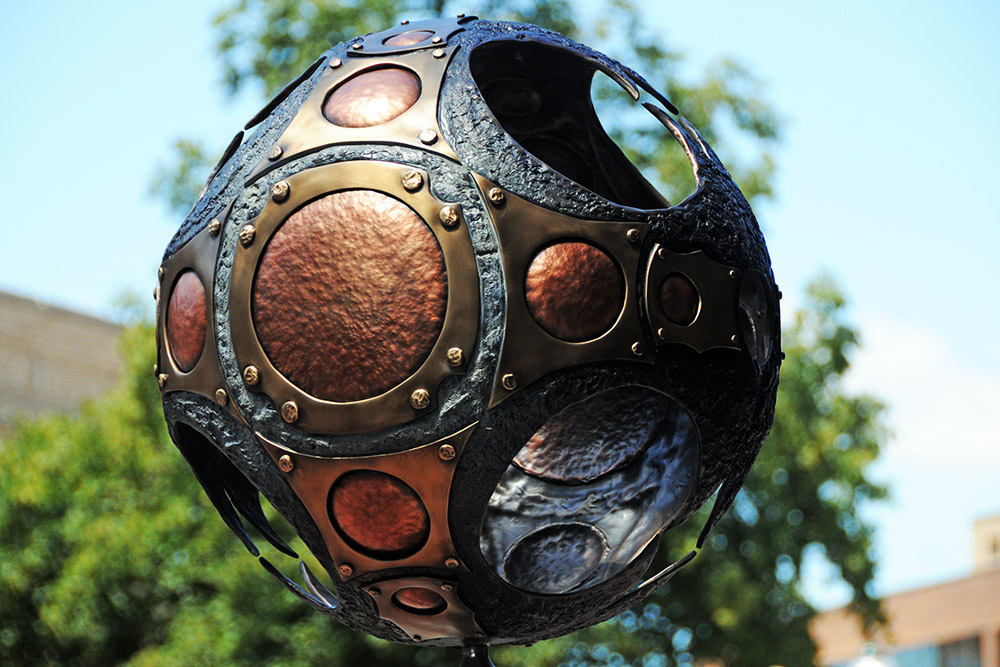
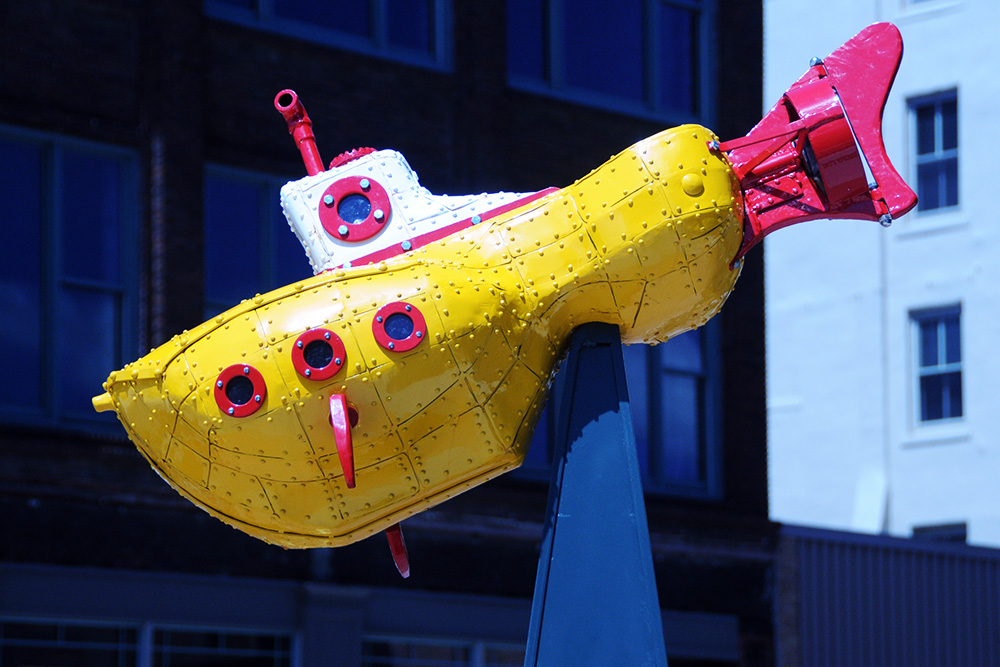
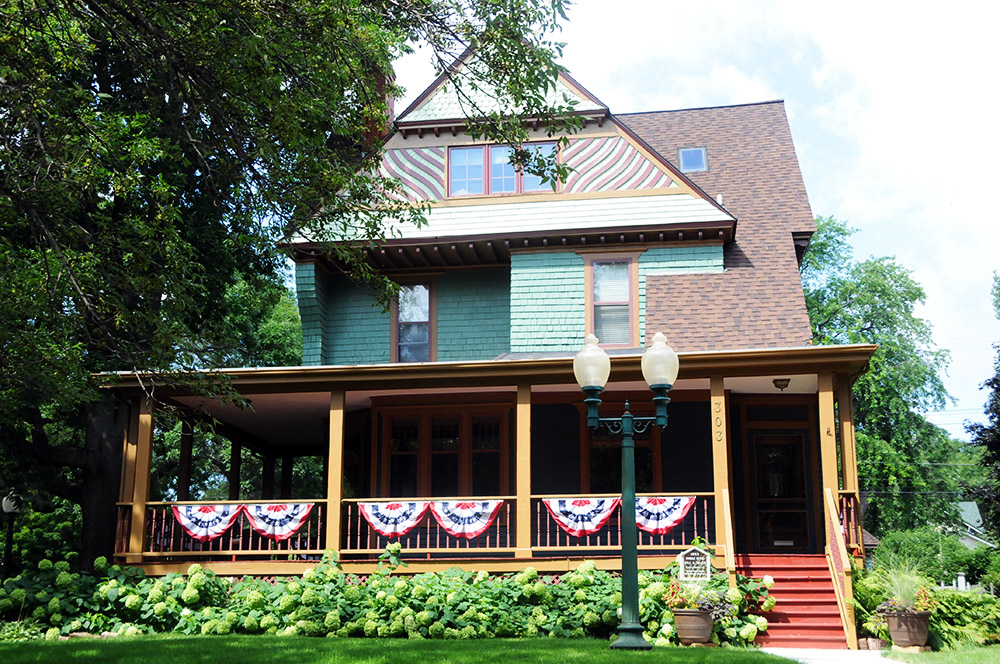
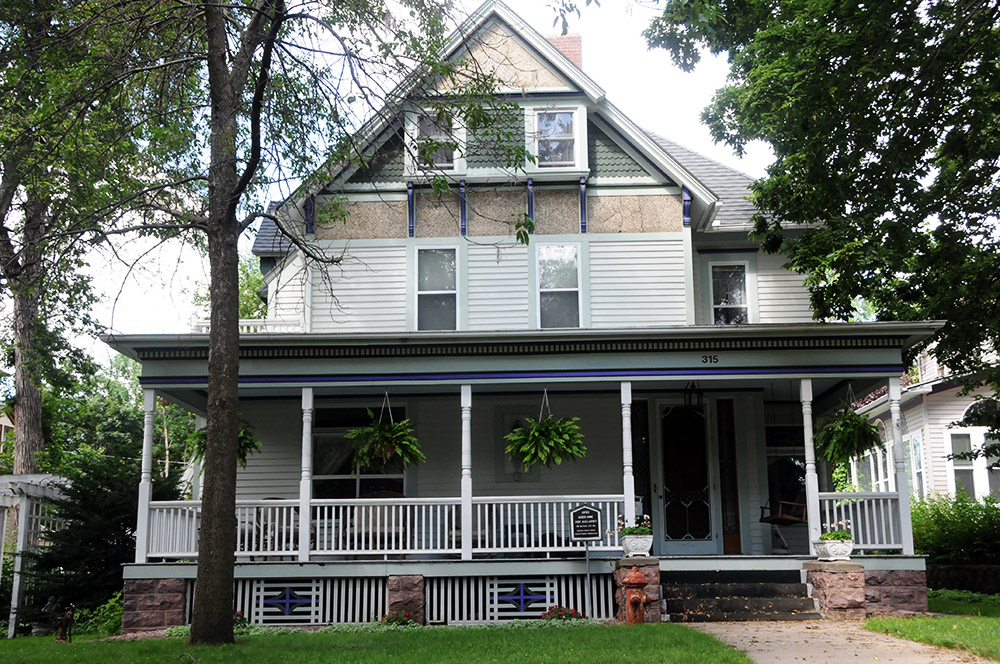
Sioux Falls also has several historic neighborhoods filled with homes dating to the late nineteenth and early twentieth centuries. These houses are near the Cathedral Historic District, named for the Cathedral of Saint Joseph that rises prominently above the surrounding neighborhood.
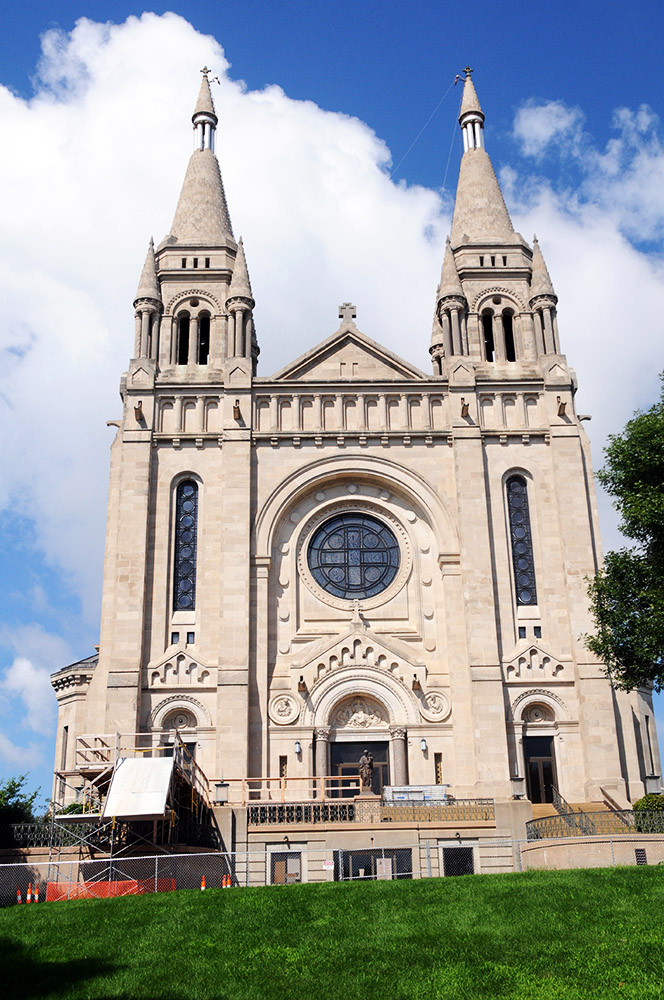
Construction of the cathedral began in 1915 and was completed in 1919. Its elevated location and twin towers make it one of the most recognizable buildings in the city.
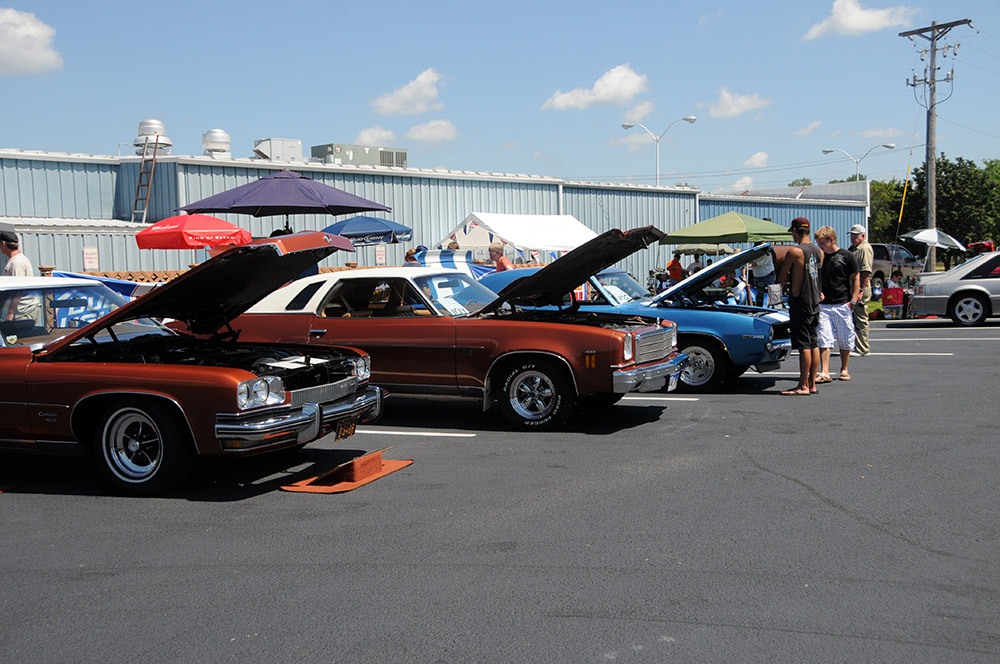
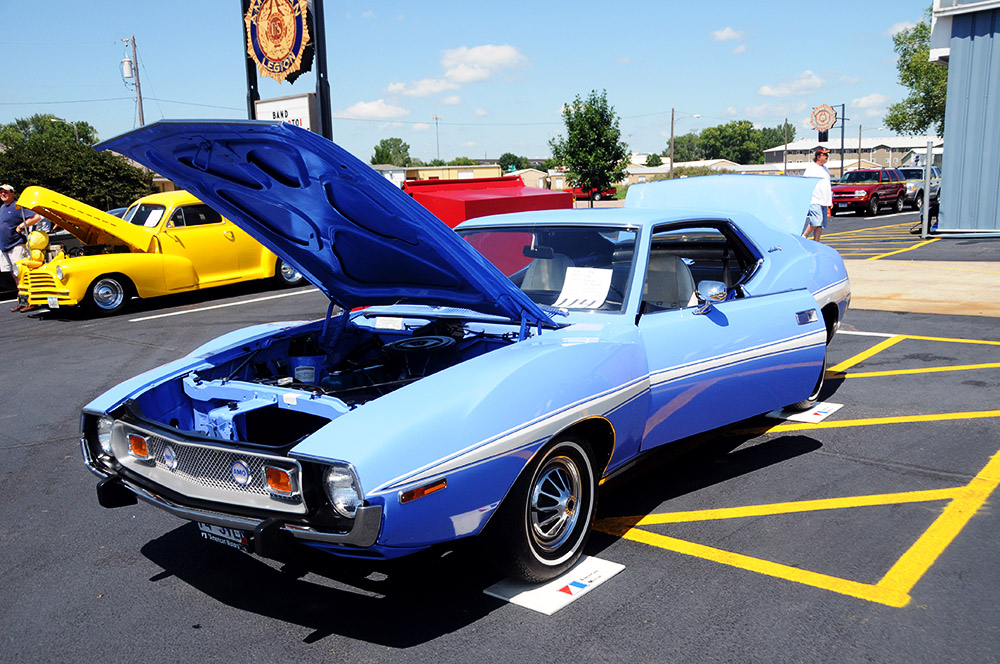
These pictures are completely random, but while exploring the city I happened to pass an American Legion car show. It wasn’t a huge event, but there were several great old American cars on display, so naturally I stopped to take a few pictures.
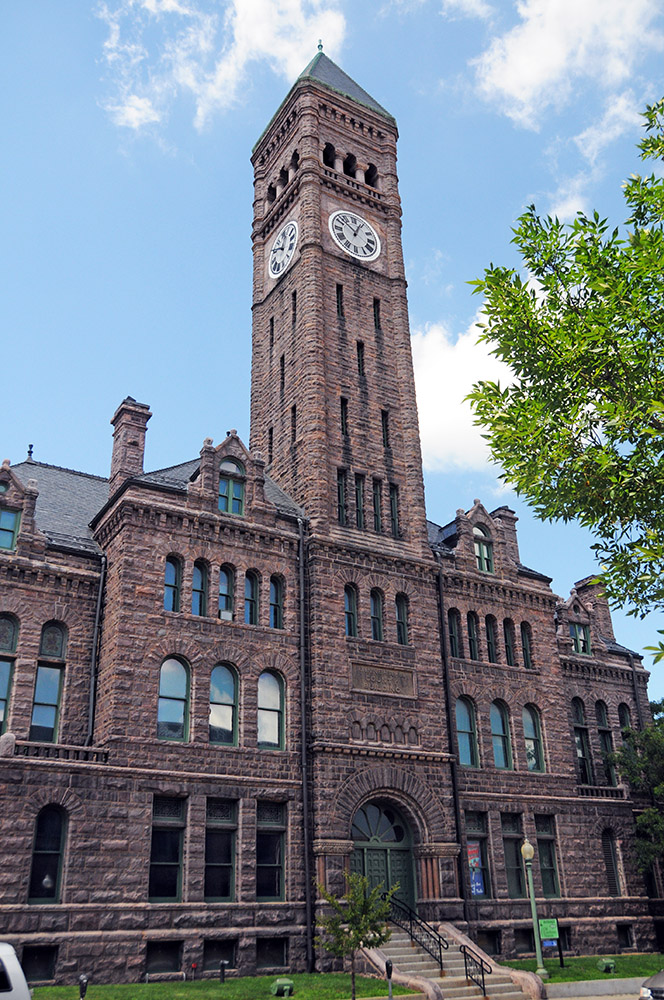
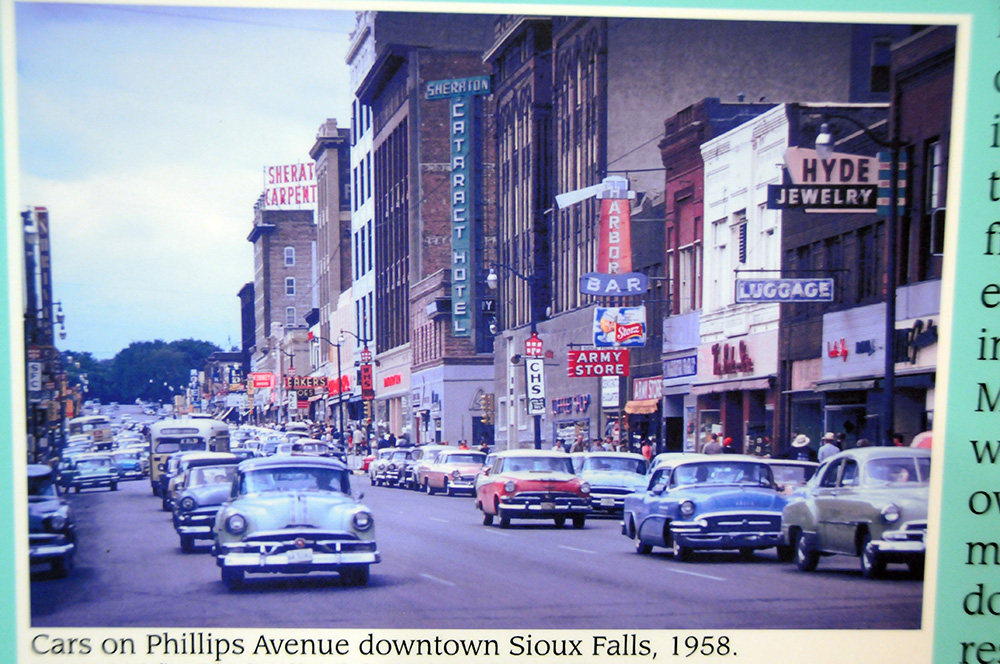
Another worthwhile stop is the Old Courthouse Museum, housed inside a nineteenth-century courthouse in downtown Sioux Falls. The museum covers the history of Sioux Falls and the surrounding region through photographs, artifacts and exhibits. The historic photograph above shows what downtown Sioux Falls looked like in 1958.
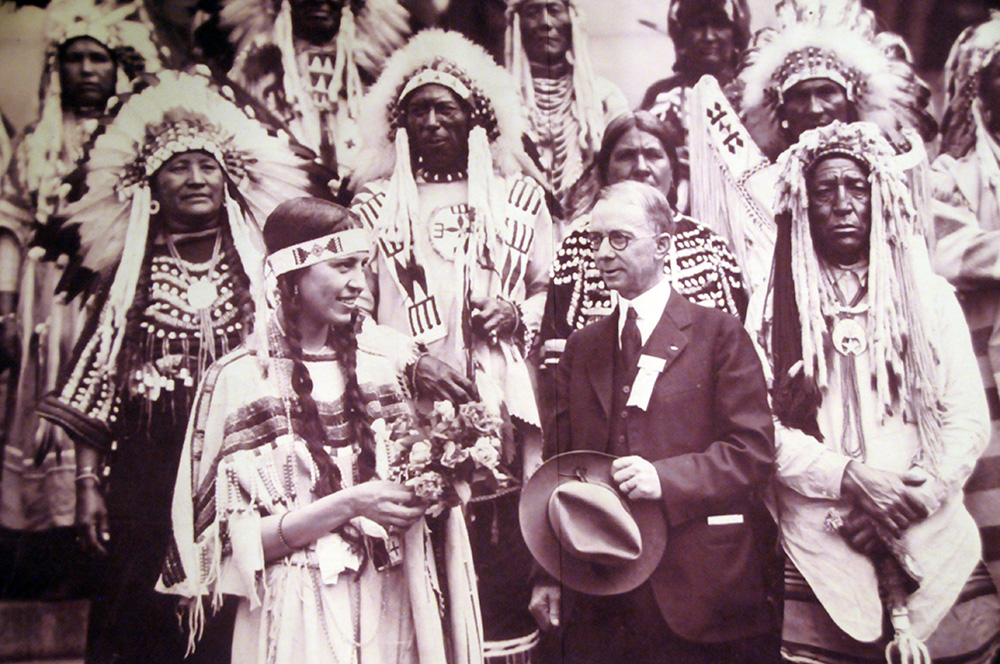
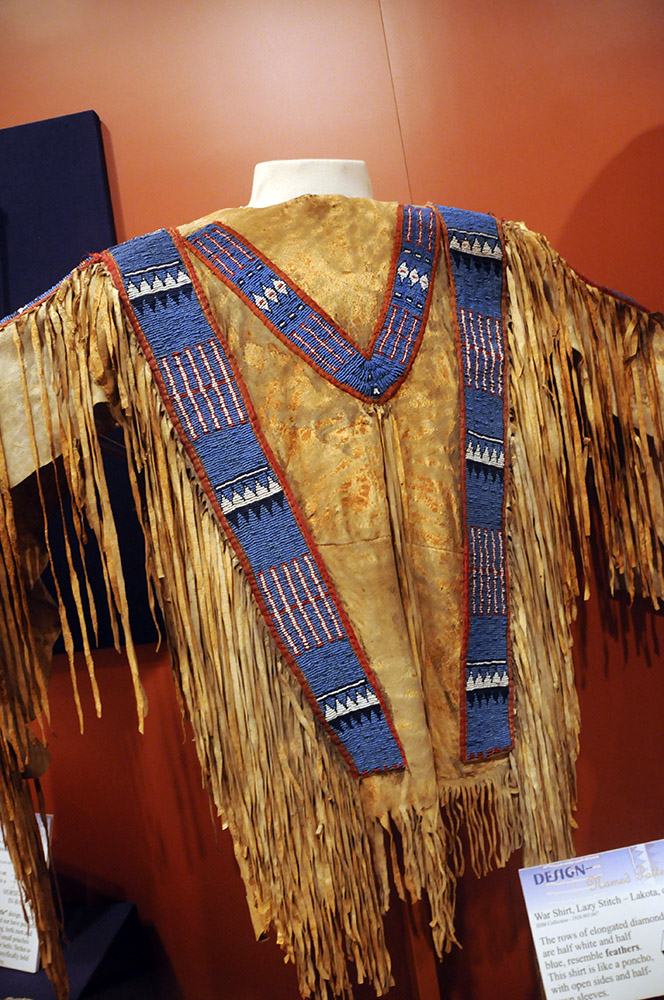
The museum also explores the history of Native American peoples and relations between Indigenous communities and the expanding United States. Above is a historic photograph displayed in the museum alongside an example of decorated Native American clothing.
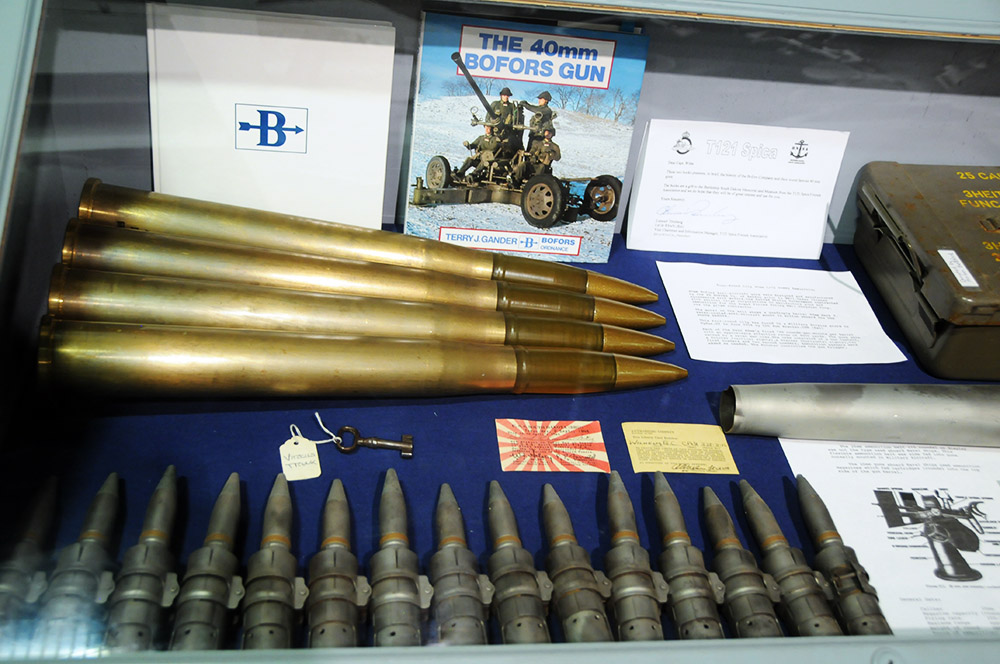
Another unusual attraction is the USS South Dakota Battleship Memorial. I was initially confused about how anyone could possibly display a battleship in the middle of landlocked South Dakota, but the actual ship isn’t here. Instead, the memorial uses portions of the ship and a concrete outline to represent the size and shape of the USS South Dakota.
The battleship served extensively in the Pacific during World War II, and the museum contains photographs, artifacts and other material documenting the ship and its crew. Among the displays I photographed was wartime ammunition.
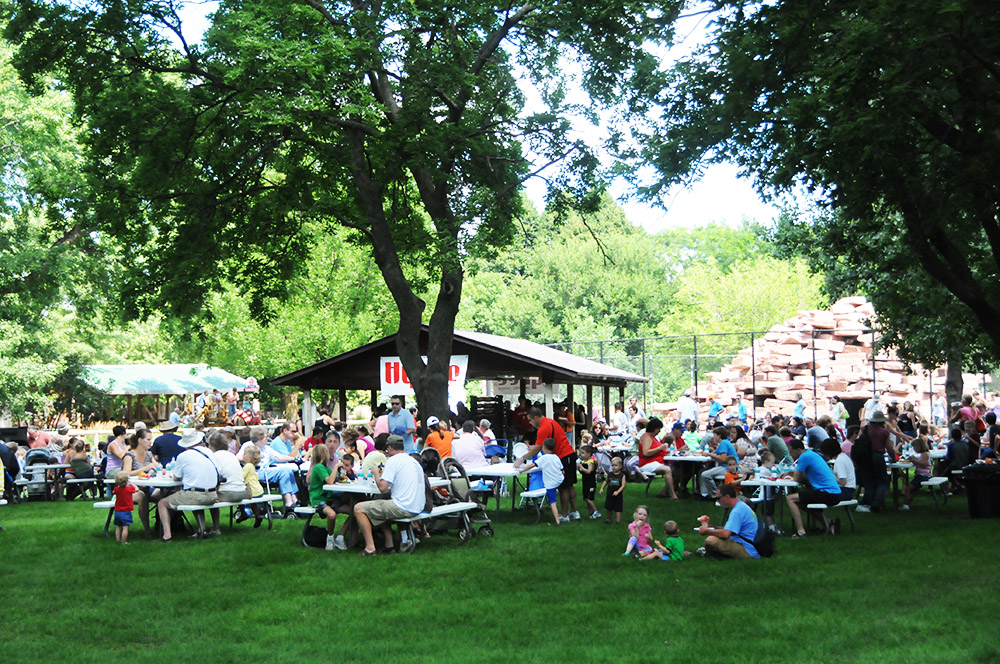
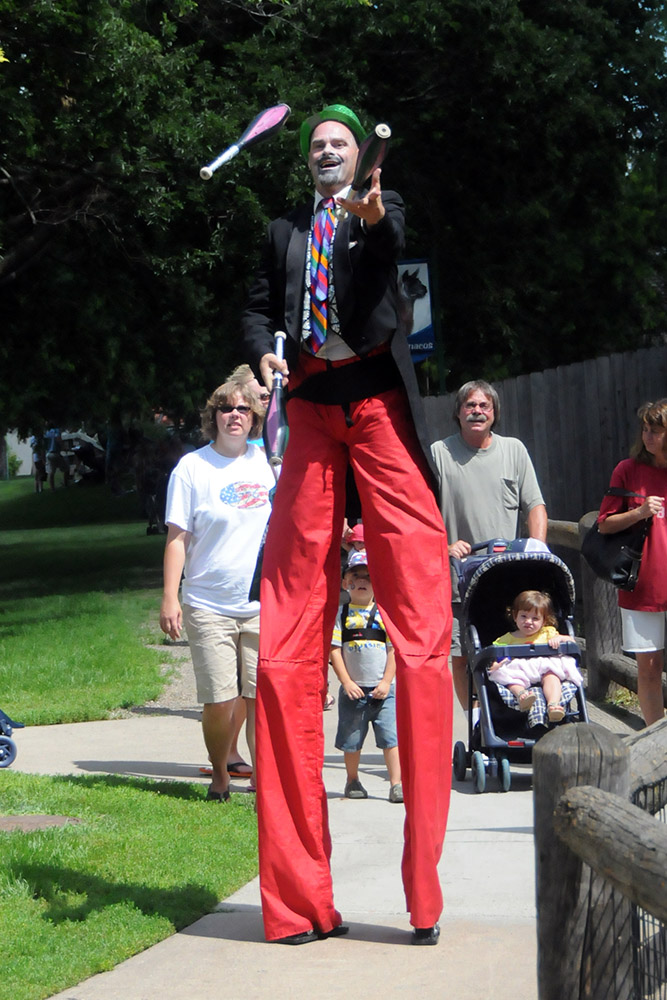
Since I’ve always loved wildlife and animals, the Great Plains Zoo was probably my favorite place to visit after the falls themselves. I went on a Saturday, so there were plenty of families around and even some entertainment, including this guy performing on stilts.
The zoo has animals from around the world, but I was especially interested in seeing species associated with the Great Plains and the American West.
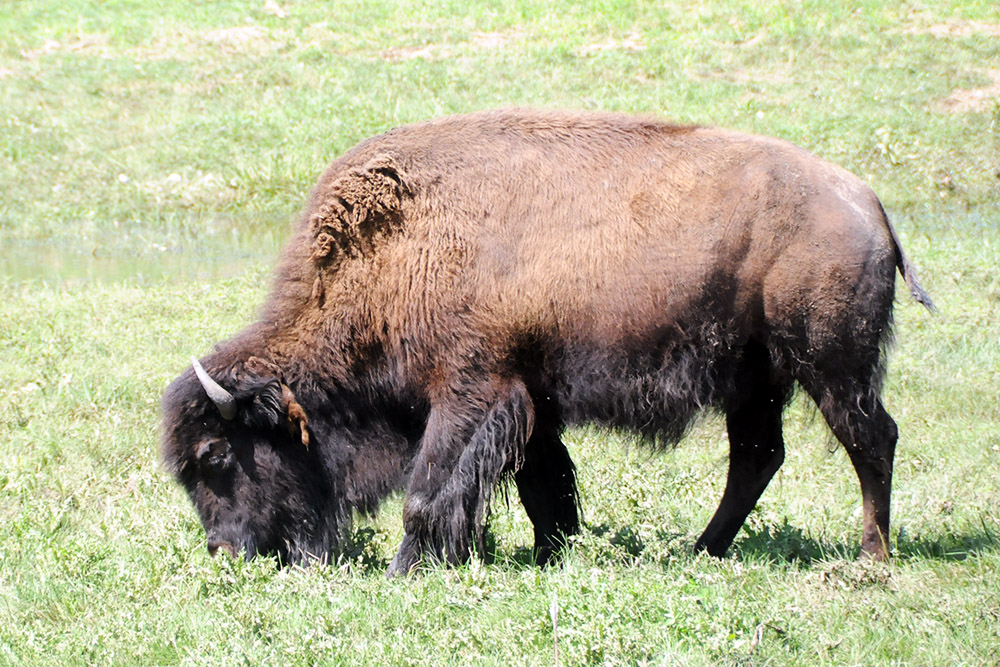
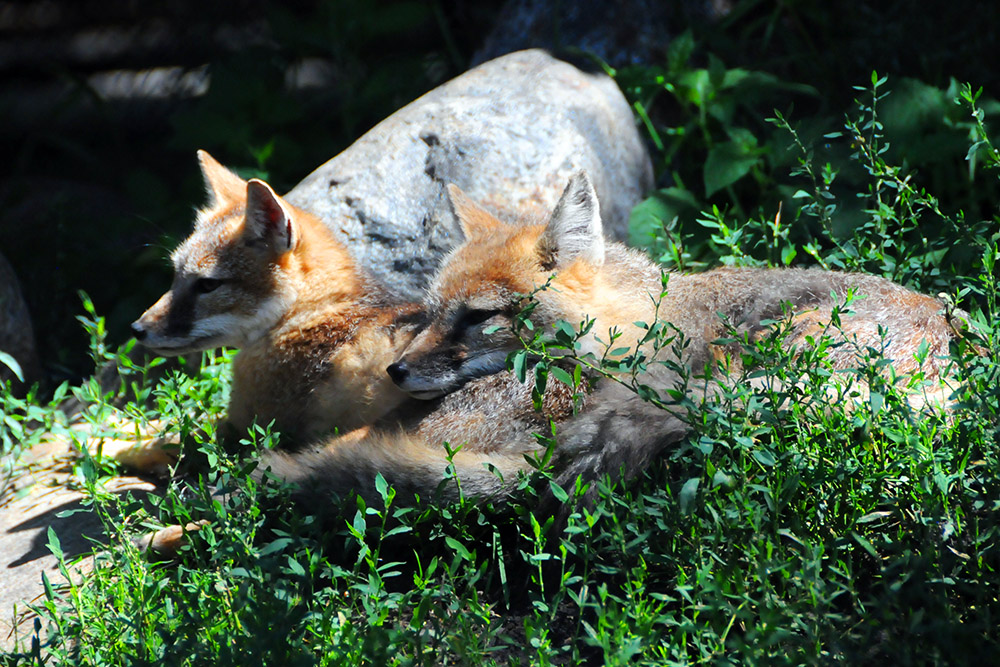
Above is an American bison on the left and a pair of foxes on the right. Bison once ranged across enormous portions of North America and remain one of the animals most strongly associated with the Great Plains. Today, some of South Dakota’s best-known wild and managed herds can be found farther west in places such as Custer State Park and Badlands National Park.
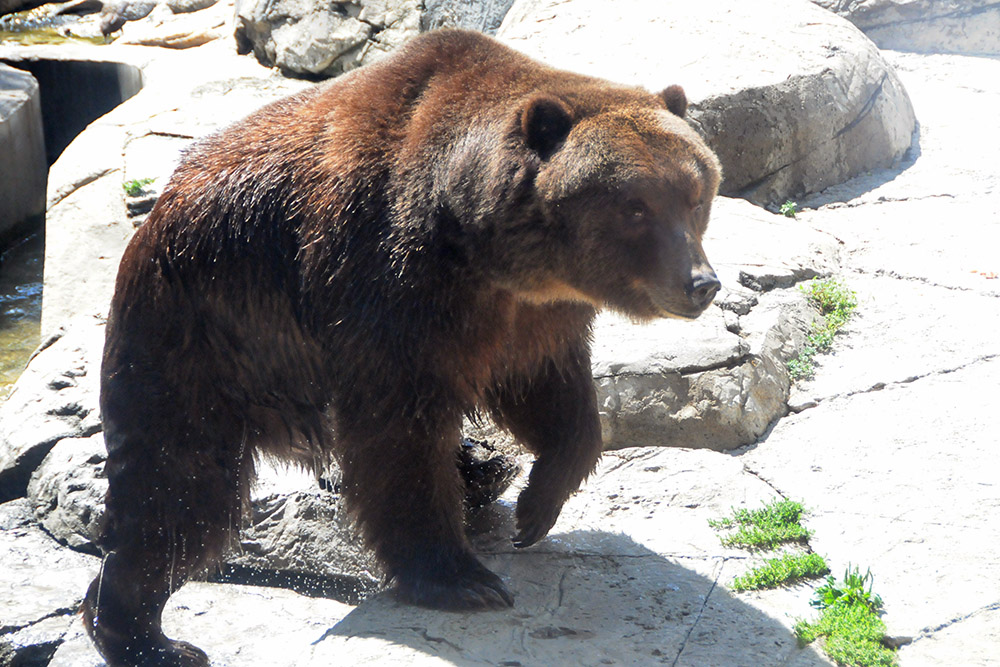
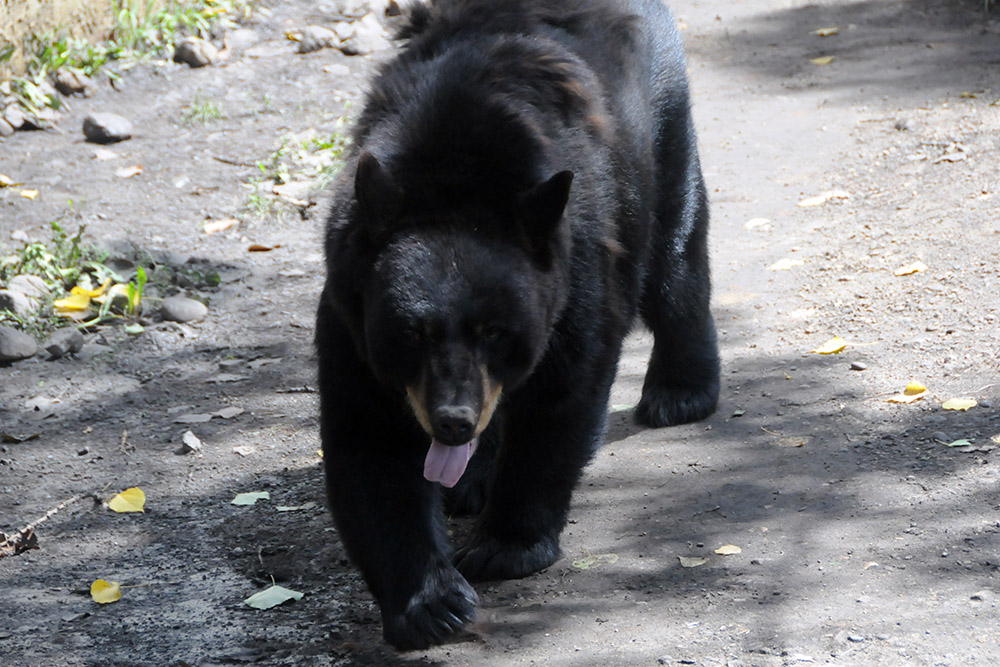
I finished my visit with the bears. The Great Plains Zoo was a nice addition to a city I had originally thought of mostly as a stopping point while crossing South Dakota. Between Falls Park, downtown, the museums and the zoo, Sioux Falls ended up giving me much more to explore than I had expected.
Explore More of South Dakota
Black Elk Peak • Mt. Rushmore • Rapid City • Sica Hollow • Sioux Falls