South Dakota is probably one of the few states in the Great Plains that many Americans already have on their travel list, largely because of Mount Rushmore. There’s a lot more to the state, though, especially once you get away from the interstate and explore its cities, forests, mountains, and natural areas. On my first visit, I spent time in Sioux Falls and hiked through Sica Hollow in the eastern part of the state. On my second trip, I traveled west to Rapid City, the Black Hills, and Mount Rushmore, and hiked to the summit of Black Elk Peak, the highest point in South Dakota. I still have plenty left to see, particularly Badlands National Park and the central part of the state around the capital, Pierre.
South Dakota stretches from the agricultural plains and rolling hills of the east to the rugged Black Hills and dramatic badlands of the west. The Missouri River divides the state into two broad regions, commonly called East River and West River. Its landscapes include prairie grasslands, wooded valleys, granite mountains, and deeply eroded rock formations. South Dakota also has a rich cultural history, particularly that of the Lakota, Dakota, and Nakota peoples, whose connections to the region extend back centuries.
The following destinations highlight some of South Dakota’s most interesting cities, historic landmarks, hiking trails, and natural landscapes.
Explore Rapid City

Rapid City is South Dakota’s second-largest city and sits along the eastern edge of the Black Hills. Known as the “City of Presidents,” its downtown features life-size bronze statues of American presidents displayed along sidewalks and street corners. The city also offers museums, historic buildings, restaurants, public art, and several parks, making it a worthwhile destination in its own right.
Rapid City serves as a convenient base for exploring western South Dakota, with Mount Rushmore, Custer State Park, the Needles Highway, and numerous Black Hills attractions within driving distance. One unusual attraction is Fort Hays, where buildings associated with the filming of Dances with Wolves are incorporated into an Old West-themed attraction featuring historical displays, entertainment, and chuckwagon-style dinners. The city also provides access to the region’s extensive hiking trails, scenic drives, and outdoor recreation.
Explore Mount Rushmore
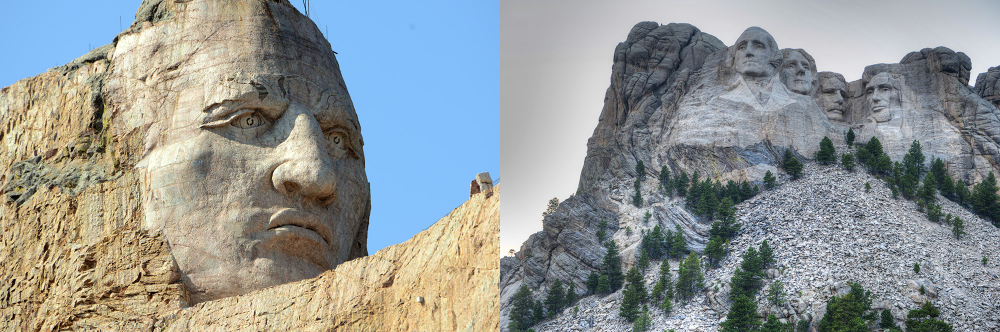
Mount Rushmore National Memorial is one of the most recognizable landmarks in the United States. Carved into the granite of the Black Hills are the faces of four American presidents: George Washington, Thomas Jefferson, Theodore Roosevelt, and Abraham Lincoln. Sculptor Gutzon Borglum directed the project, which began in 1927 and continued under his son Lincoln Borglum until work ended in 1941. Each presidential face measures approximately 60 feet (18 meters) tall.
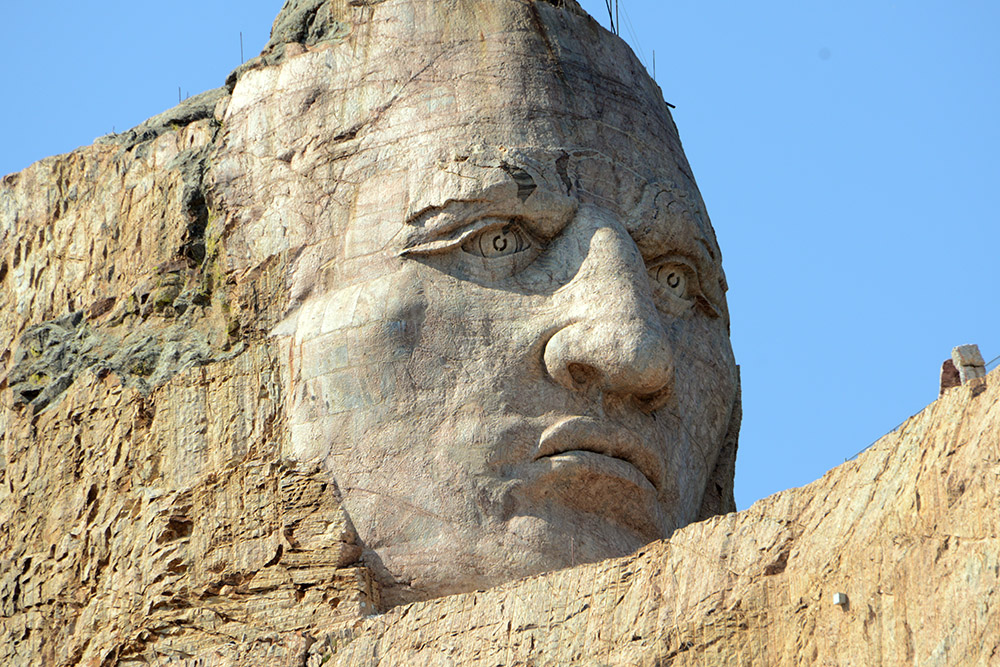
The memorial attracts visitors from around the world, although its location in the Black Hills, a region sacred to the Lakota and other Indigenous peoples, also makes it a site of historical and cultural controversy. Beyond Mount Rushmore, the surrounding mountains offer scenic highways, granite spires, caves, lakes, and extensive hiking opportunities. Another major landmark is the nearby Crazy Horse Memorial, an unfinished mountain carving honoring the Oglala Lakota leader. If completed according to its intended design, it would be substantially larger than Mount Rushmore.
Explore Sioux Falls

Sioux Falls is South Dakota’s largest city and the principal urban center of the eastern part of the state. Located along the Big Sioux River, the city combines a developed downtown with historic architecture, restaurants, museums, parks, and a growing arts and cultural scene. Its location near the borders of Minnesota and Iowa makes it an important regional center for commerce, healthcare, and education.
The city’s signature attraction is Falls Park, where the Big Sioux River cascades over layers of pink Sioux quartzite, creating the waterfalls that gave Sioux Falls its name. The park includes walking paths, viewing areas, and historic remnants of the city’s early milling industry. Other attractions include the Cathedral of Saint Joseph, the Washington Pavilion of Arts and Science, the Old Courthouse Museum, and an extensive network of recreational trails. Sioux Falls offers an appealing combination of urban amenities and outdoor spaces in the northern Great Plains.
Explore Sica Hollow
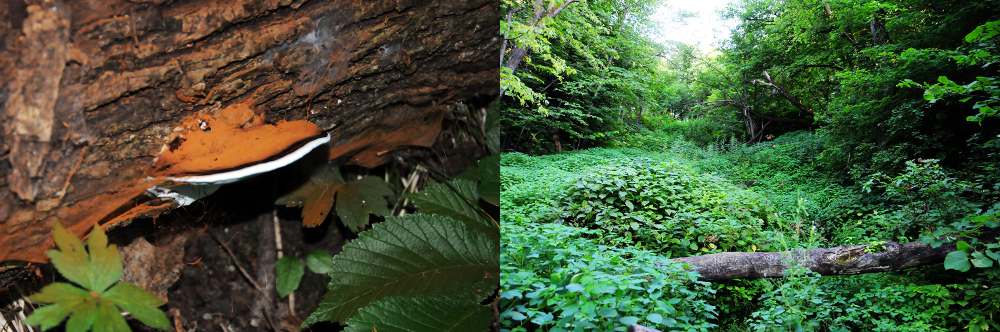
Sica Hollow State Park is located in northeastern South Dakota, within the Coteau des Prairies region near the town of Sisseton. Unlike the surrounding agricultural plains and open grasslands, the park contains deeply wooded ravines, springs, streams, and forested hillsides. Its trails pass through a landscape of deciduous trees, including oak, basswood, and maple, making it particularly attractive during the autumn foliage season.
The park is also known for its connections to Dakota oral traditions and spiritual beliefs. The name “Sica” is commonly translated from Dakota as “bad” or “evil,” reflecting traditional stories associated with the hollow. Iron-rich springs and wetlands can produce reddish-colored water and deposits, contributing to the area’s unusual appearance. Today, Sica Hollow is a relatively quiet destination for hiking, horseback riding, wildlife observation, and exploring one of the more distinctive natural landscapes in eastern South Dakota.
Explore Black Elk Peak
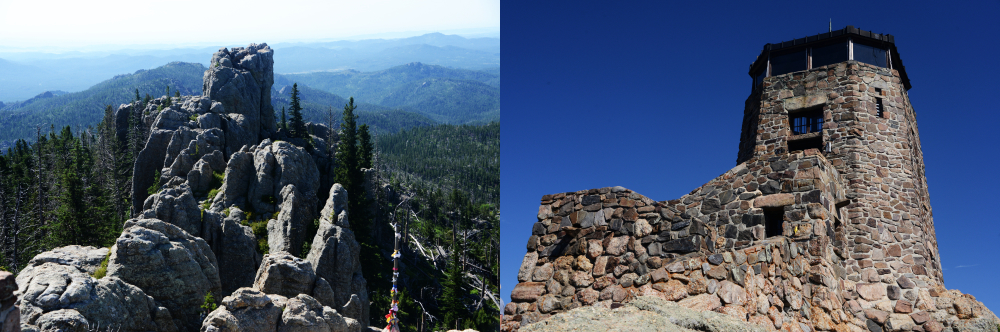
Black Elk Peak is the highest mountain in South Dakota, reaching an elevation of 7,244 feet (2,208 meters) in the Black Hills. It is also the highest summit in the United States east of the Rocky Mountains. Formerly known as Harney Peak, the mountain was officially renamed in 2016 to honor Black Elk, an influential Oglala Lakota spiritual leader. The summit and surrounding Black Hills hold deep cultural and spiritual significance for the Lakota and other Indigenous peoples.
One of the most popular hiking routes begins near Sylvan Lake in Custer State Park and follows a roughly seven-mile round-trip trail through pine forests and dramatic granite formations. The route passes near views of the Cathedral Spires before climbing toward a historic stone fire tower built by the Civilian Conservation Corps in the 1930s. From the summit, hikers can enjoy expansive views of the surrounding mountains, forested valleys, and distant plains. The combination of accessible hiking, unusual granite scenery, and historical landmarks makes Black Elk Peak one of South Dakota’s most rewarding mountain destinations.