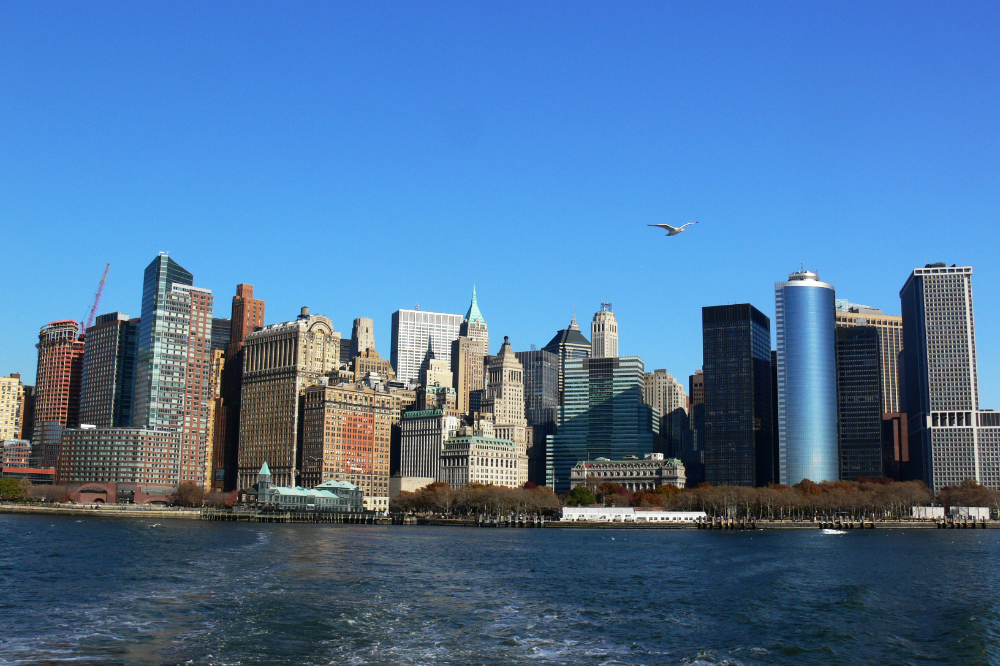
New York City is one of the largest and most famous cities in the world, and there is no way I could cover everything it has to offer on a single page. The city consists of five boroughs: Manhattan, Brooklyn, Queens, the Bronx, and Staten Island. During my visit, I spent most of my time exploring Manhattan, where many of New York’s most recognizable landmarks and attractions are concentrated.
Above is the Financial District at the southern end of Manhattan. New York has an almost overwhelming number of places to explore, from historic buildings and world-famous monuments to enormous parks, museums, shopping districts, and neighborhoods with entirely different personalities. Even after spending several days wandering around, I felt as though I’d barely scratched the surface.
Statue of Liberty & Ellis Island
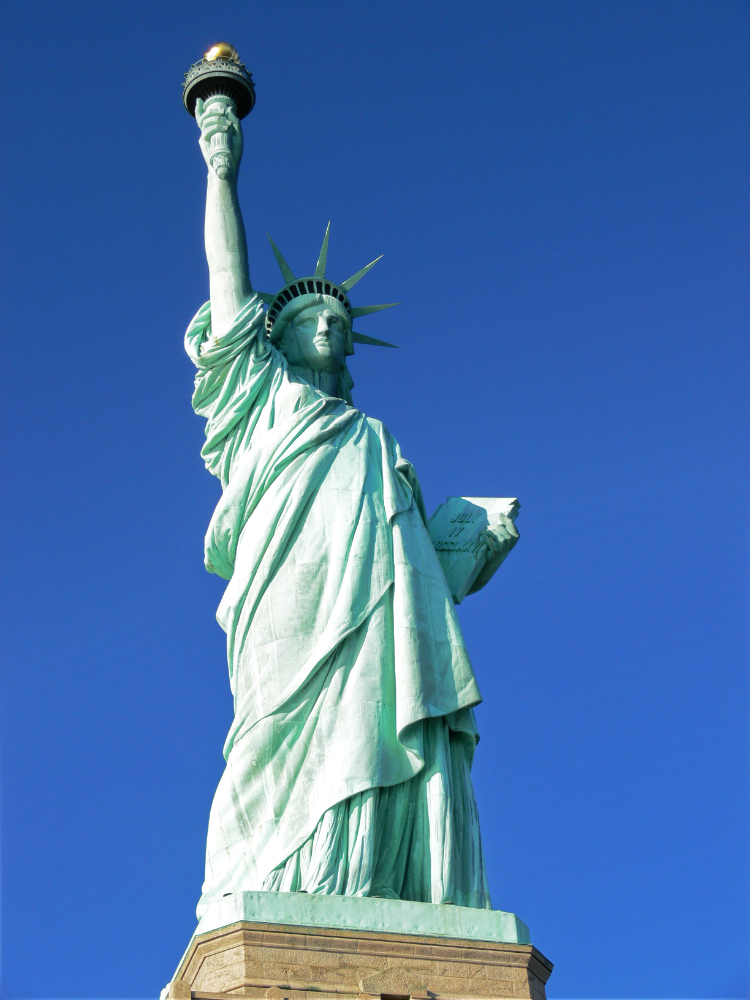
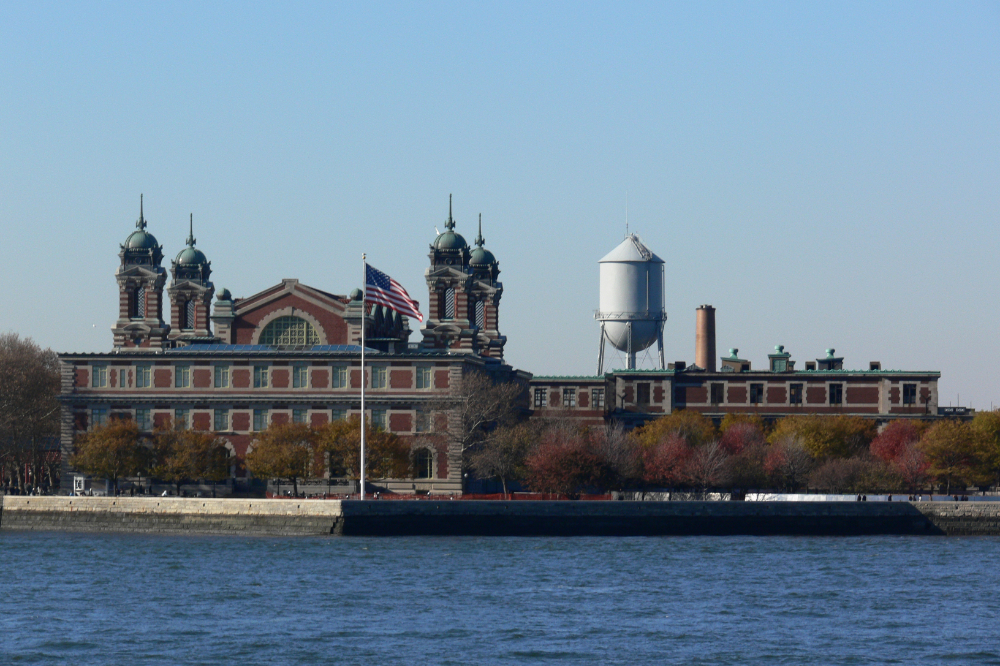
For millions of immigrants arriving in New York during the late 19th and early 20th centuries, the skyline of Lower Manhattan was among their first impressions of America after a long journey across the Atlantic. Another famous sight was the Statue of Liberty, which stands on Liberty Island in New York Harbor.
Dedicated in 1886, the statue was a gift from France to the United States and has become one of the country’s most recognizable symbols. It is particularly associated with immigration and the promise of a new beginning.
Nearby Ellis Island served as the country’s busiest immigration inspection station from 1892 until 1954. More than 12 million immigrants passed through its facilities, making it an important part of American history. Today, the former immigration station houses a museum documenting the experiences of those who arrived in search of new opportunities.
World Trade Center
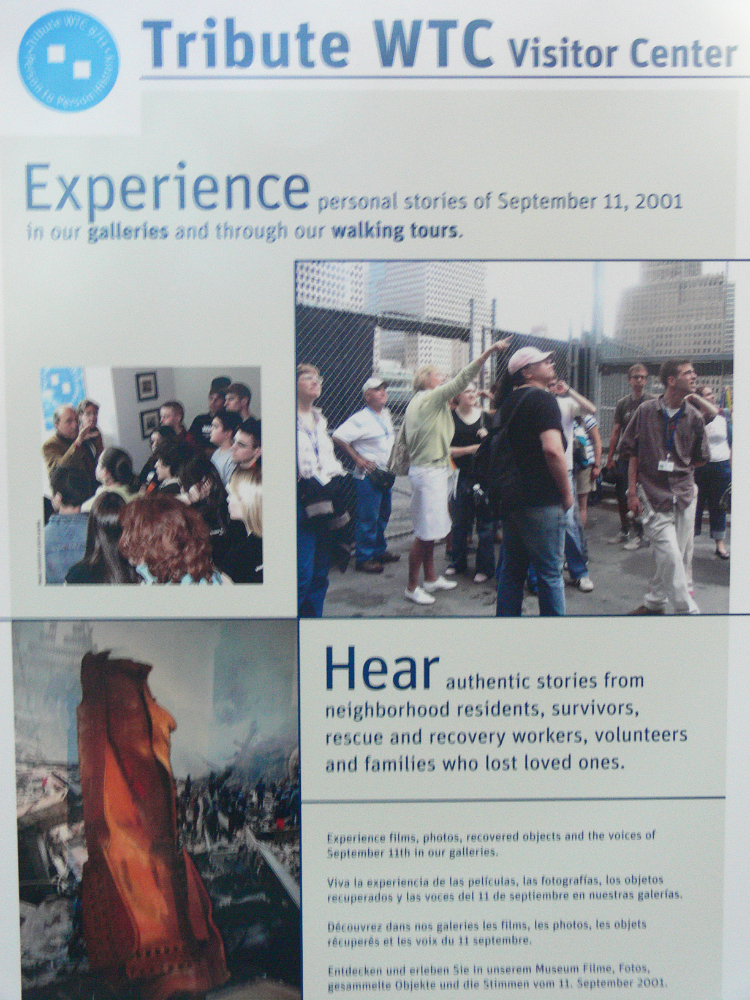
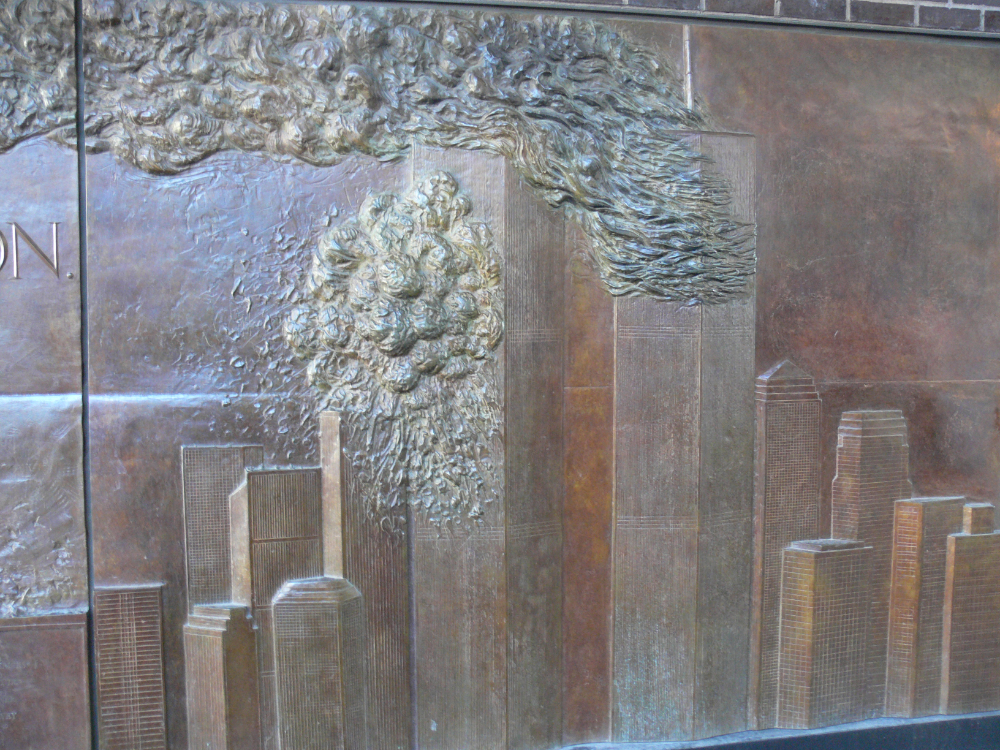
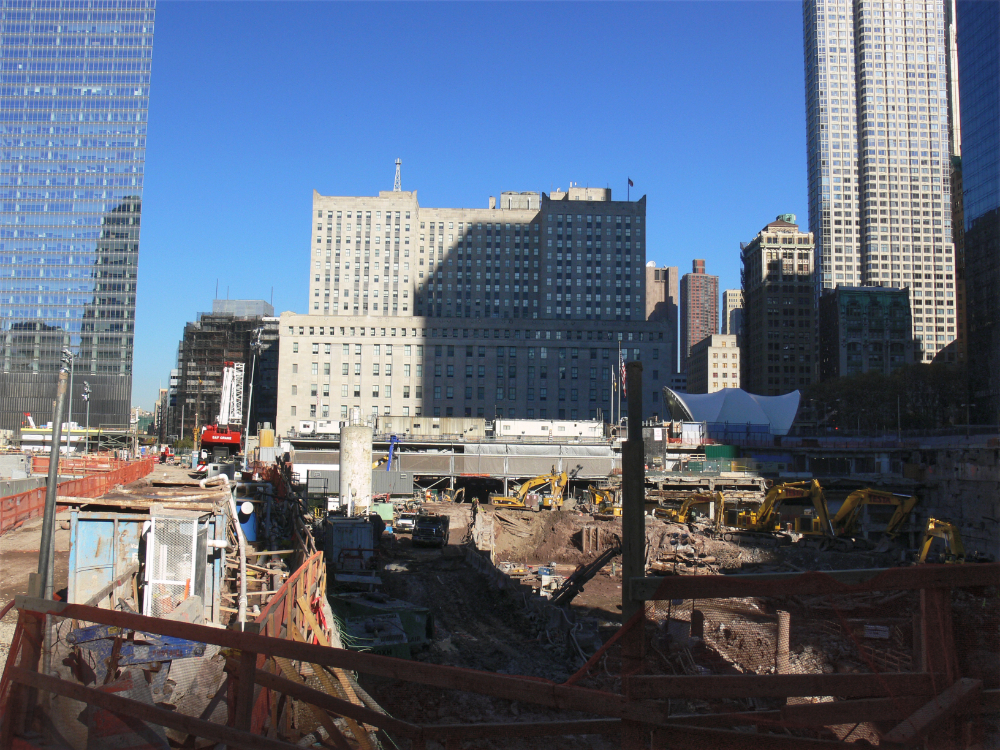
One of the most tragic events in New York City’s history was the September 11, 2001 terrorist attacks, which destroyed the Twin Towers of the World Trade Center and killed thousands of people. The attacks had a profound impact on New York and the entire country.
I visited the World Trade Center site in November 2007, when Ground Zero was still largely a construction site and rebuilding was in its early stages. The photographs above document what the area looked like at that time, before the new World Trade Center complex and permanent memorial were completed.
Since my visit, the site has undergone an extraordinary transformation. One World Trade Center now dominates the Lower Manhattan skyline, while the National September 11 Memorial occupies the footprints of the original Twin Towers. Its two enormous reflecting pools are surrounded by the names of the victims, creating a place for remembrance in the middle of one of the busiest parts of the city.
Empire State Building
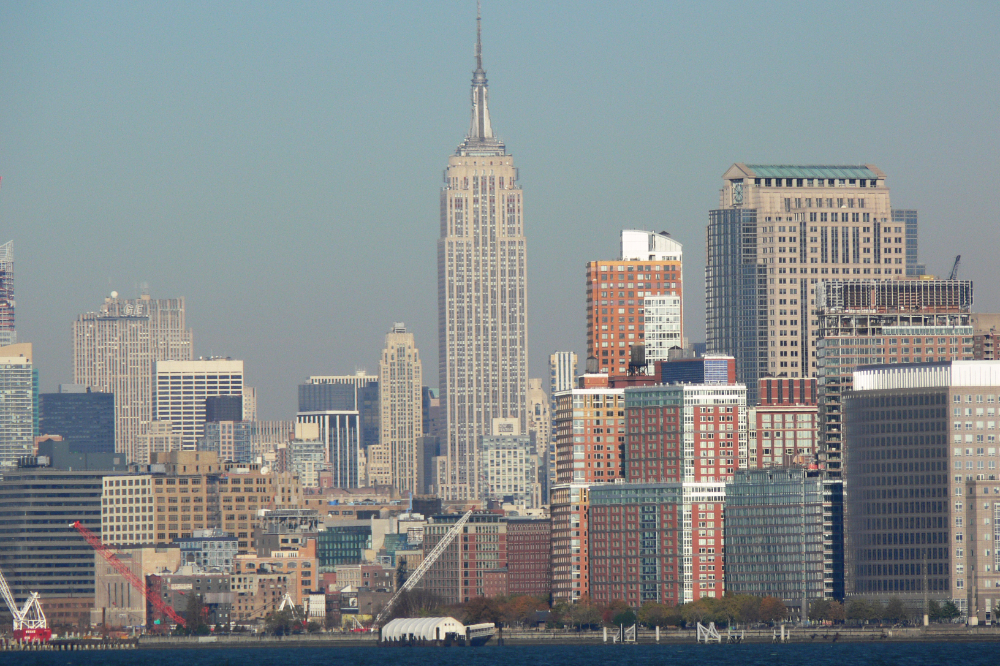
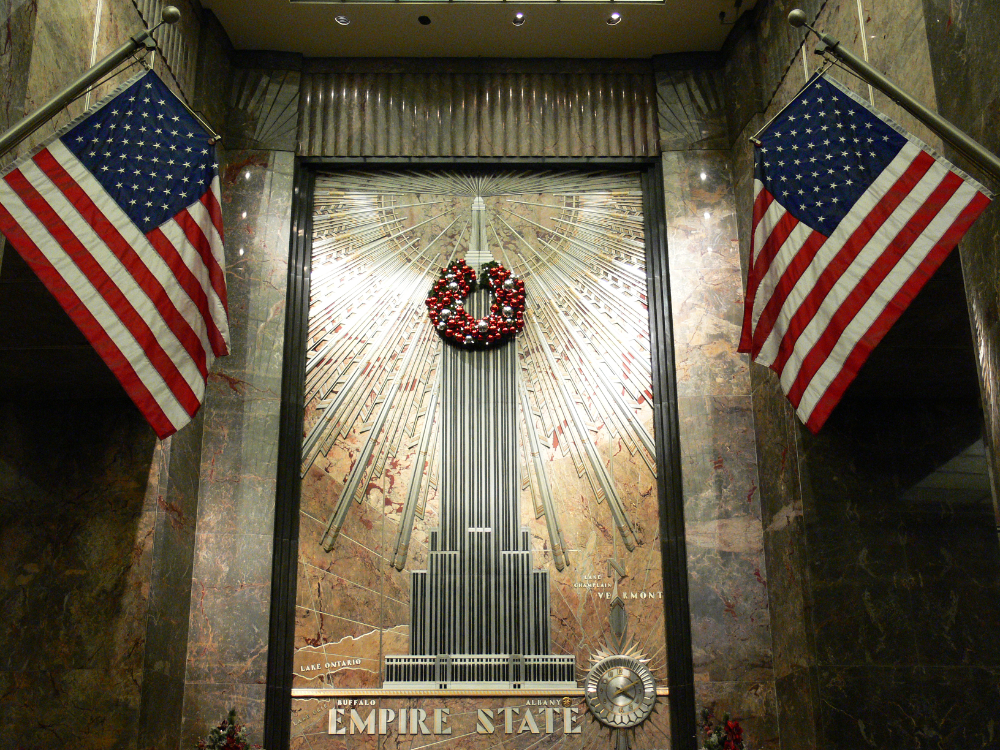
One of New York City’s most famous landmarks is the Empire State Building, an Art Deco skyscraper completed in 1931. Rising 1,250 feet (381 meters) to its roof, the building held the title of the world’s tallest for more than four decades. Although numerous skyscrapers have since surpassed it in height, the Empire State Building remains one of the defining features of the Manhattan skyline.
I visited the building and headed up to the observation deck on the 86th floor. Even the entrance was impressive, with the distinctive architectural details that made the building such an icon of its era.
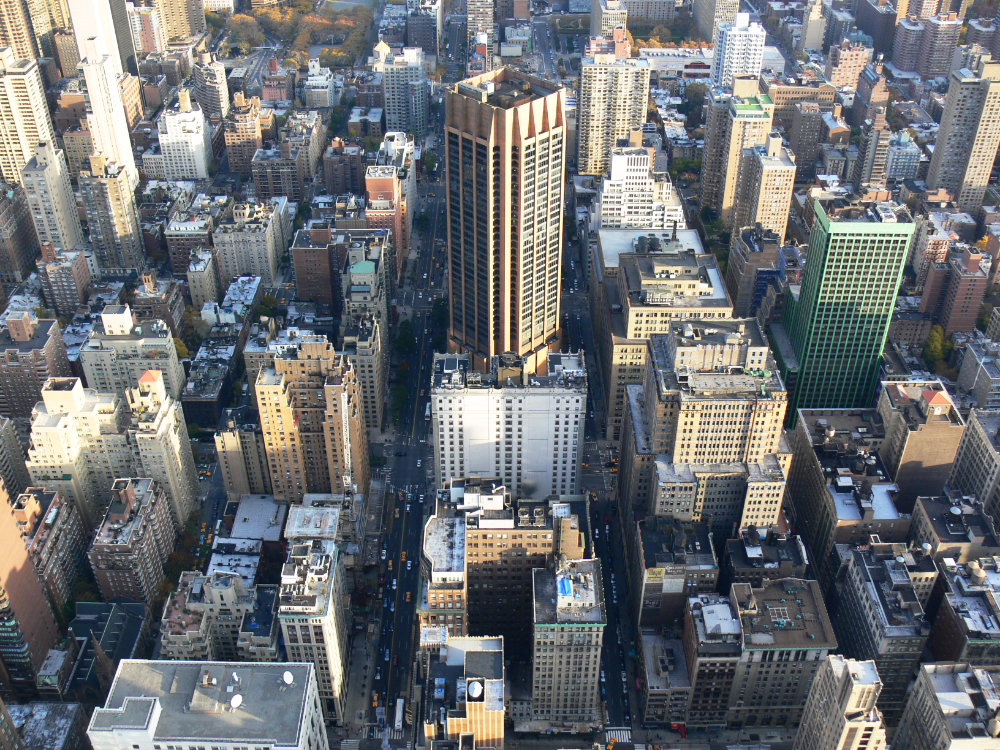
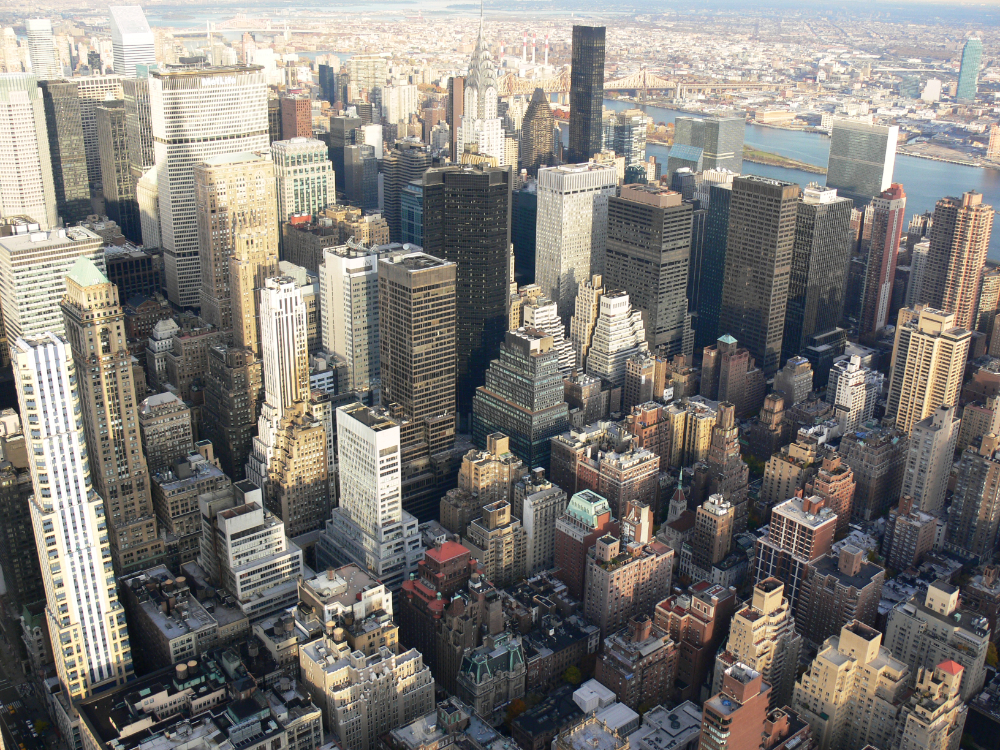
The views from the observation deck were incredible. Manhattan’s enormous buildings seemed to stretch for miles, with countless skyscrapers packed together in every direction. From above, it becomes easier to appreciate just how densely developed the city really is.
Of all the cities I’ve visited around the world, Tokyo was probably the closest comparison I could make to the sheer scale of New York City. Looking across Manhattan from the Empire State Building was one of the highlights of my visit.
Architecture & Wildlife
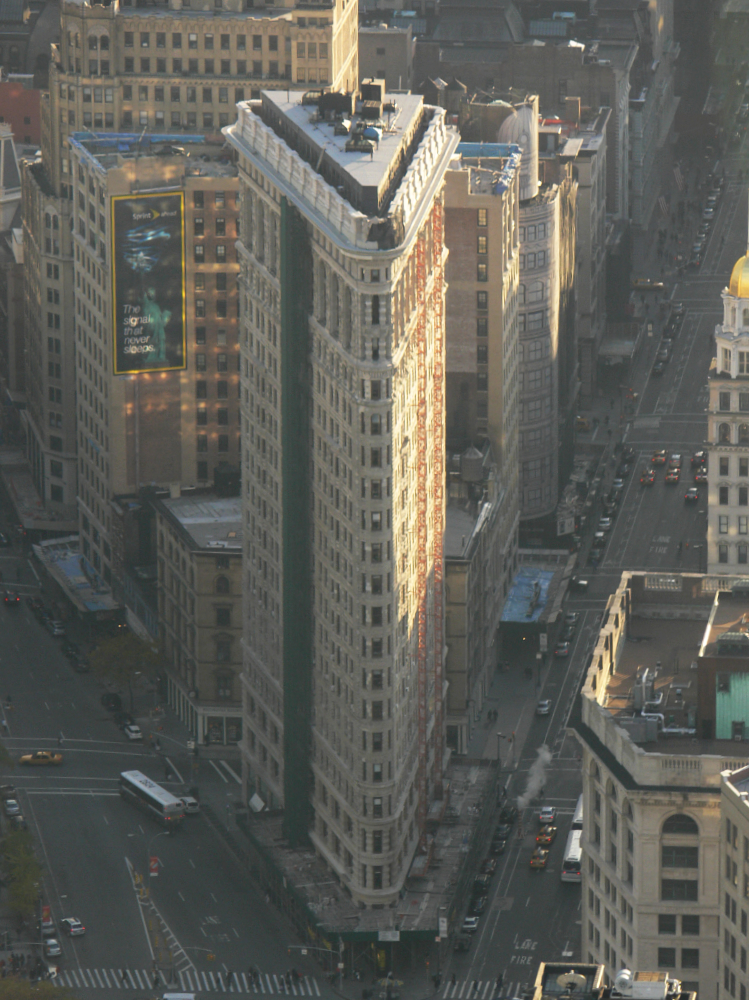
New York City has an extraordinary variety of architecture, ranging from historic buildings to some of the world’s most recognizable skyscrapers. One particularly unusual example is the Flatiron Building, completed in 1902. Its narrow, triangular shape made it one of the city’s most distinctive early skyscrapers, although today it is dwarfed by many of the surrounding buildings.
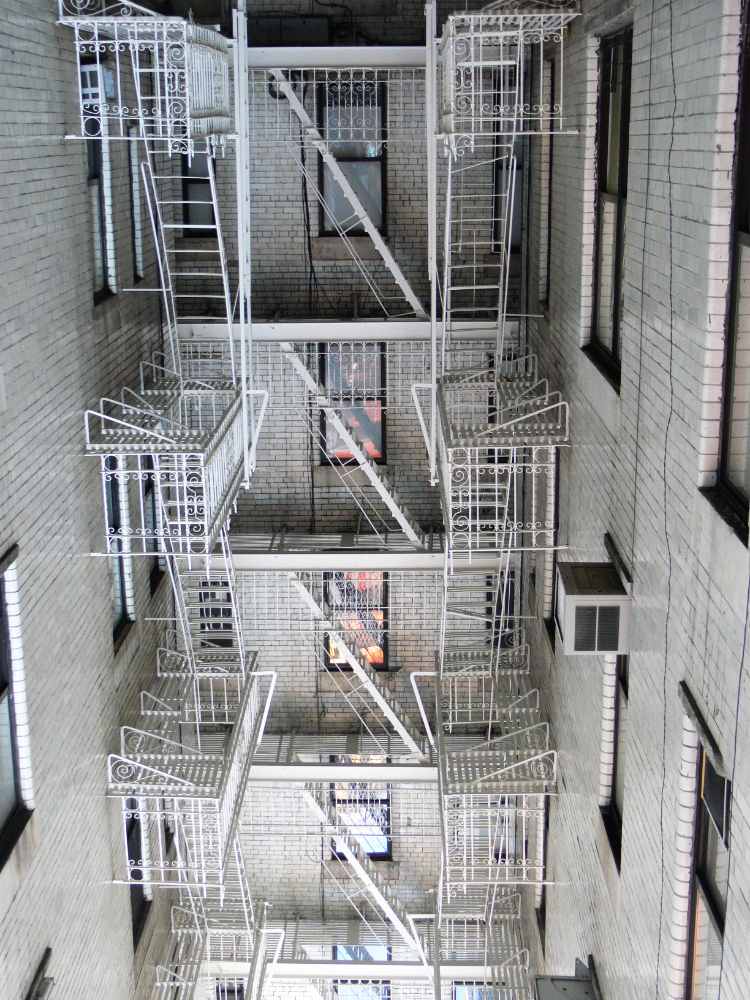
Another familiar feature of older New York buildings is the exterior metal fire escape. These stairways have become such a recognizable part of the city’s appearance that they frequently appear in movies and television shows set in New York.
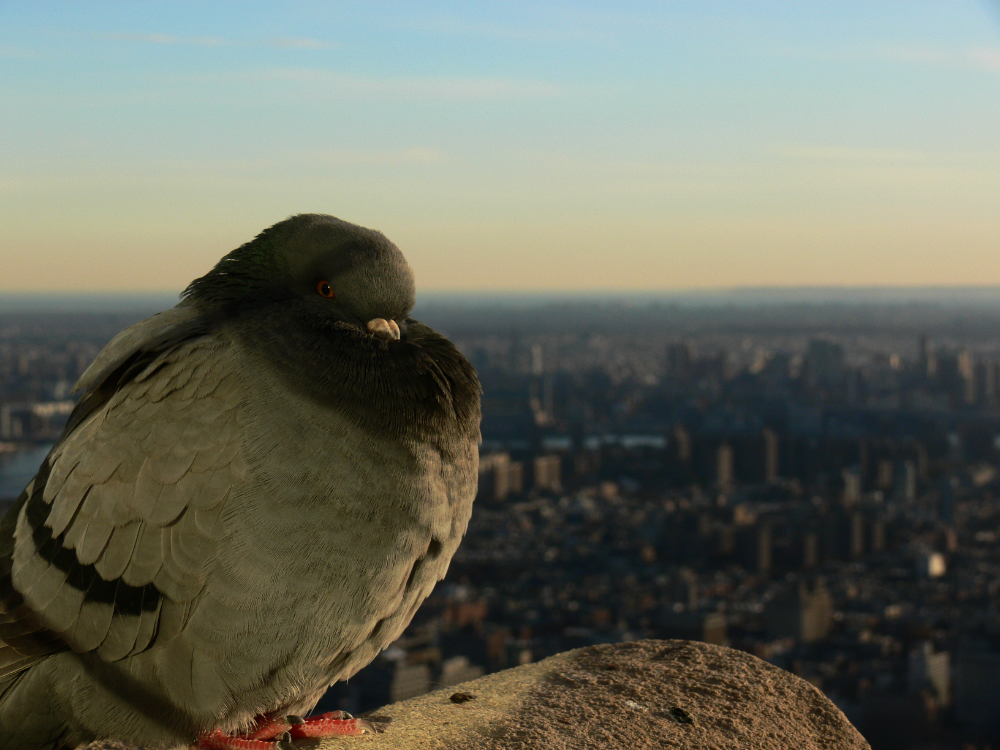

Despite being one of the most heavily developed cities in the world, New York still has plenty of wildlife. Pigeons are practically everywhere, even on the upper levels of its skyscrapers, while squirrels are a familiar sight in parks and other green spaces. I came across both while exploring Manhattan.
Central Park
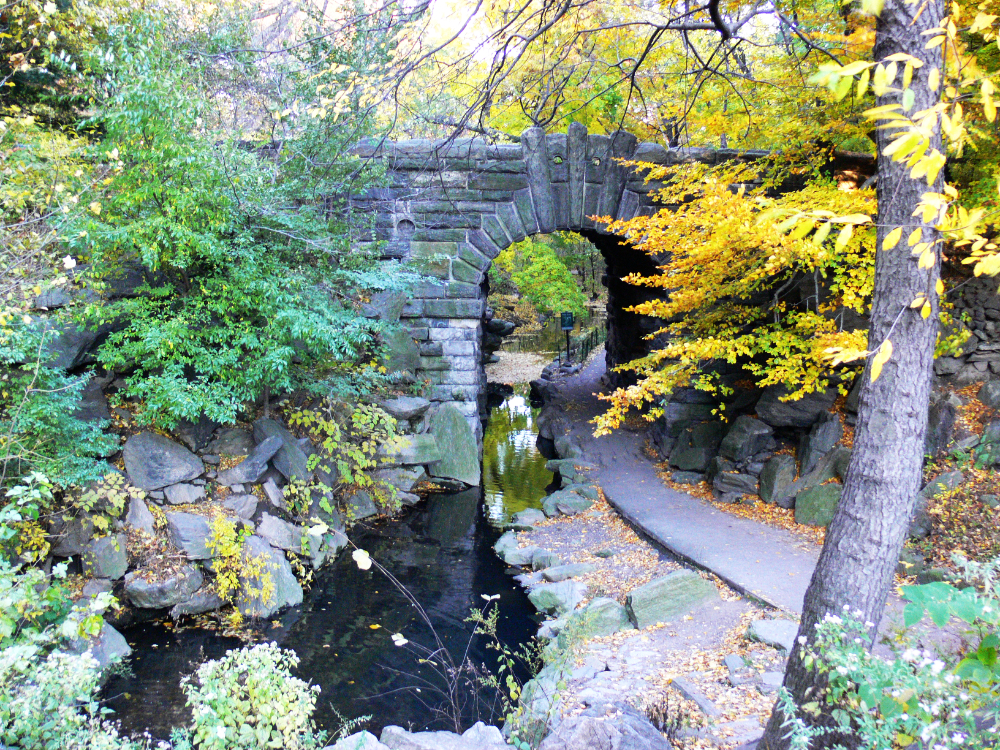
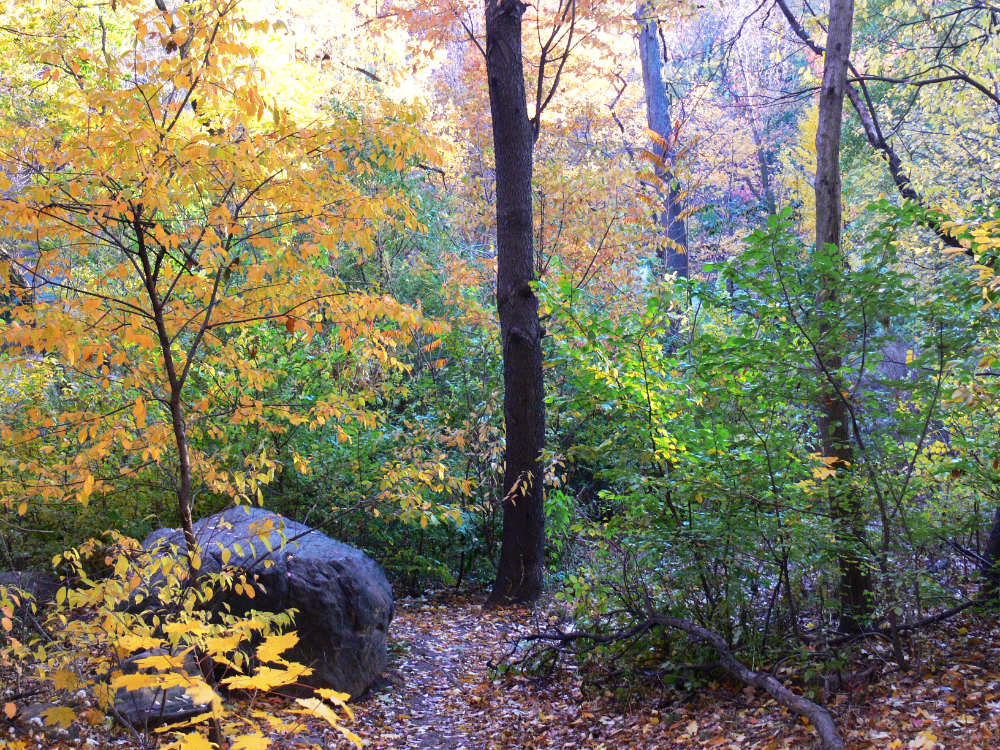
Central Park is one of the most remarkable features of Manhattan. Covering approximately 843 acres (341 hectares), the park forms an enormous green space surrounded by some of the densest urban development in the United States. Viewed from one of the surrounding skyscrapers, it is amazing to see such a large area of trees and open space in the middle of the city.
The park includes wooded trails, ponds, lakes, bridges, lawns, and numerous recreational facilities. People come here to walk, jog, cycle, relax, and escape the constant activity of the surrounding streets. During winter, visitors can also enjoy seasonal activities such as ice skating.
With millions of people living in New York City, I was actually surprised that some parts of Central Park didn’t feel more crowded during my visit. It was a welcome contrast to the traffic and towering buildings just beyond its boundaries.
Times Square
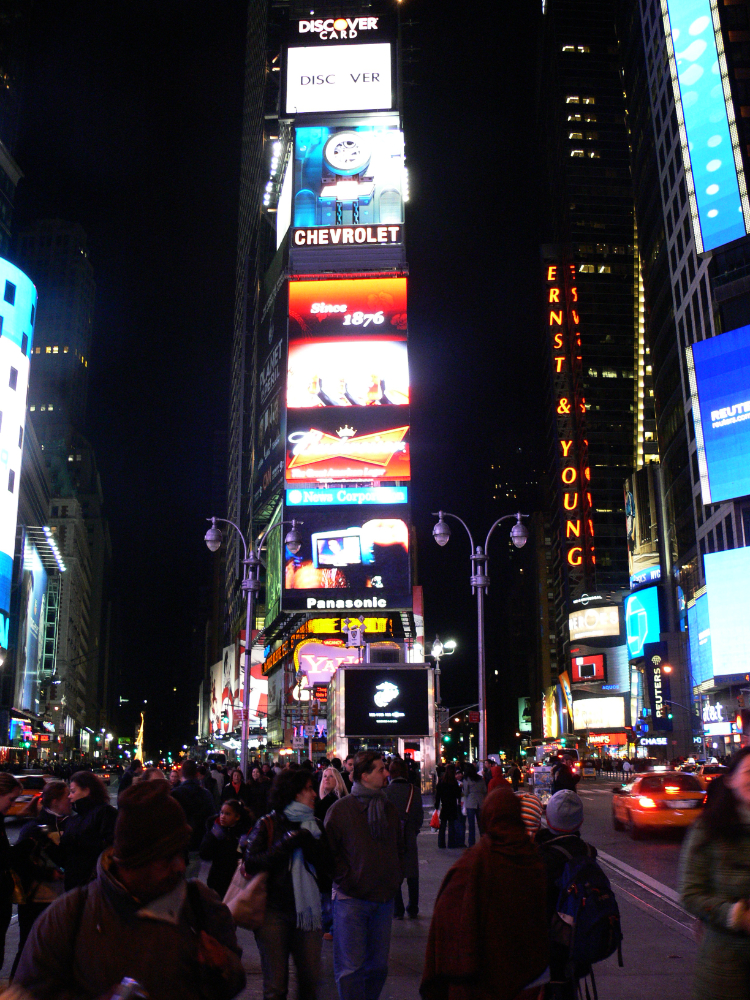
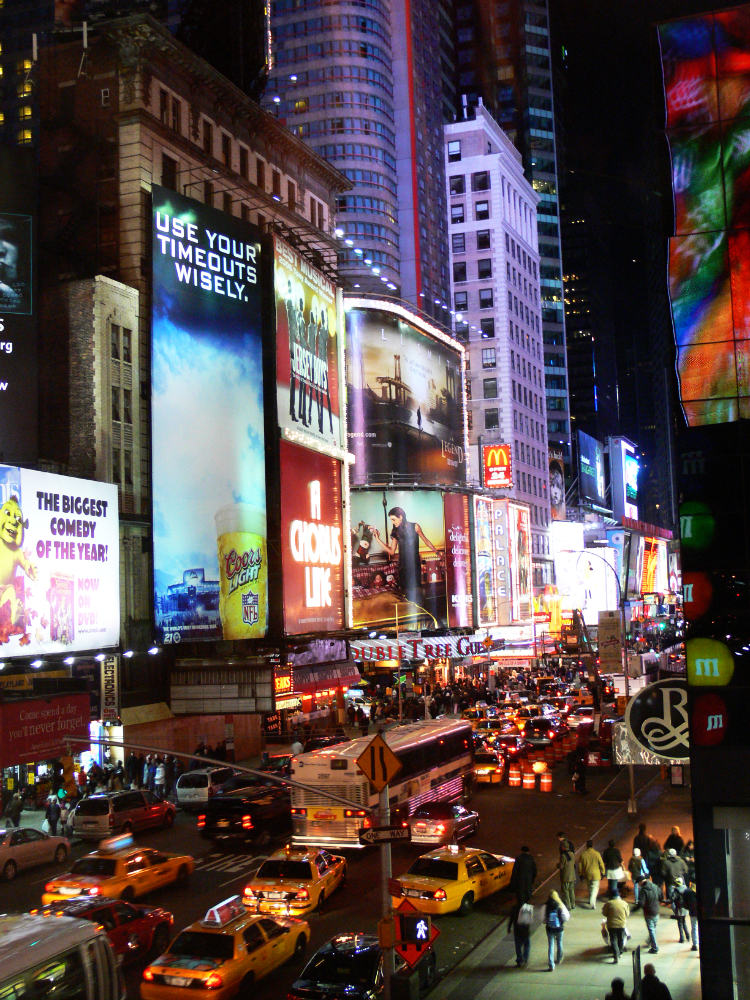
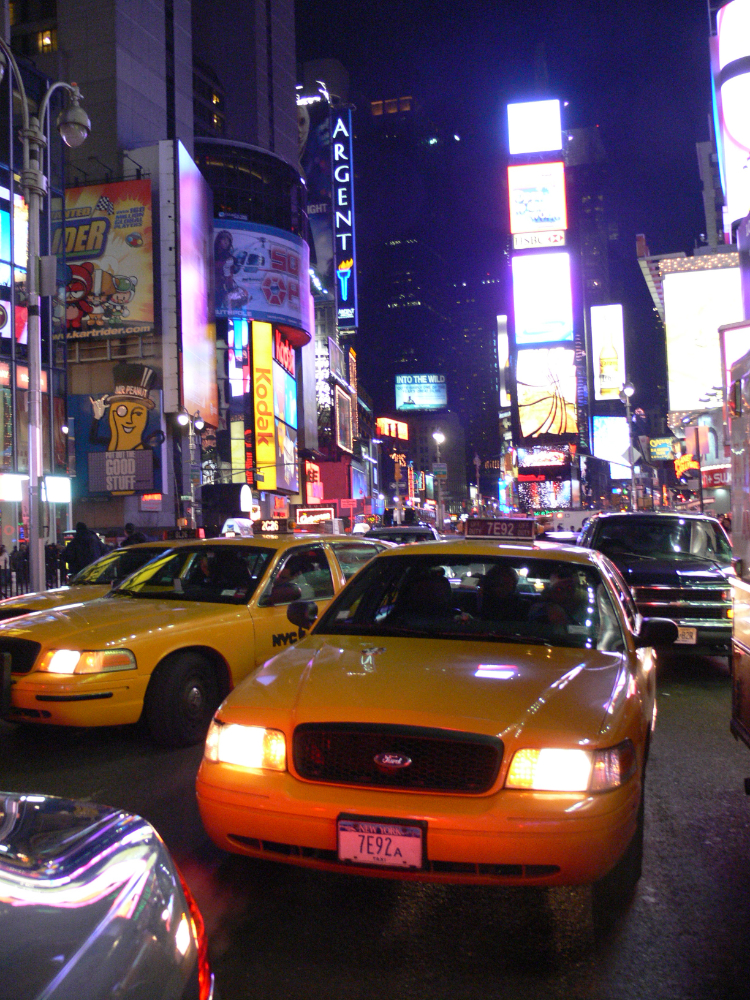
Almost every major city around the world seems to have a famous central gathering place, and New York has Times Square. Located in Midtown Manhattan, the area is known for its enormous illuminated advertisements, Broadway theaters, restaurants, shops, and seemingly endless crowds.
Even late at night, Times Square remains brightly lit and full of activity. Yellow taxis weave through the surrounding streets while tourists gather beneath towering electronic billboards. It is loud, crowded, commercialized, and completely unlike anywhere else in the city. Although it isn’t necessarily a place I’d want to spend all day, it’s certainly worth experiencing at least once.
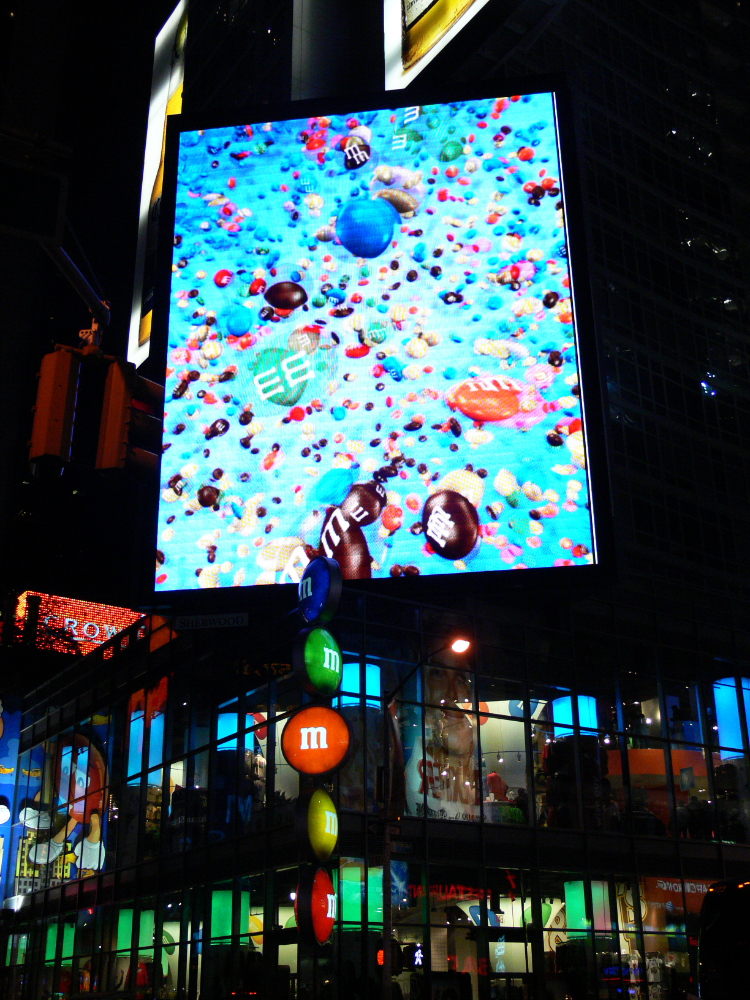

One example of the over-the-top stores around Times Square is M&M’s World. The enormous candy store sells just about everything imaginable associated with the brand, from clothing and souvenirs to walls of colorful candy arranged by shade.
Stores like this help explain why Times Square sometimes feels more like an amusement park than an ordinary city neighborhood. Nearly everything is designed to catch your attention, whether it’s a giant advertisement, a themed store, or a street performance.
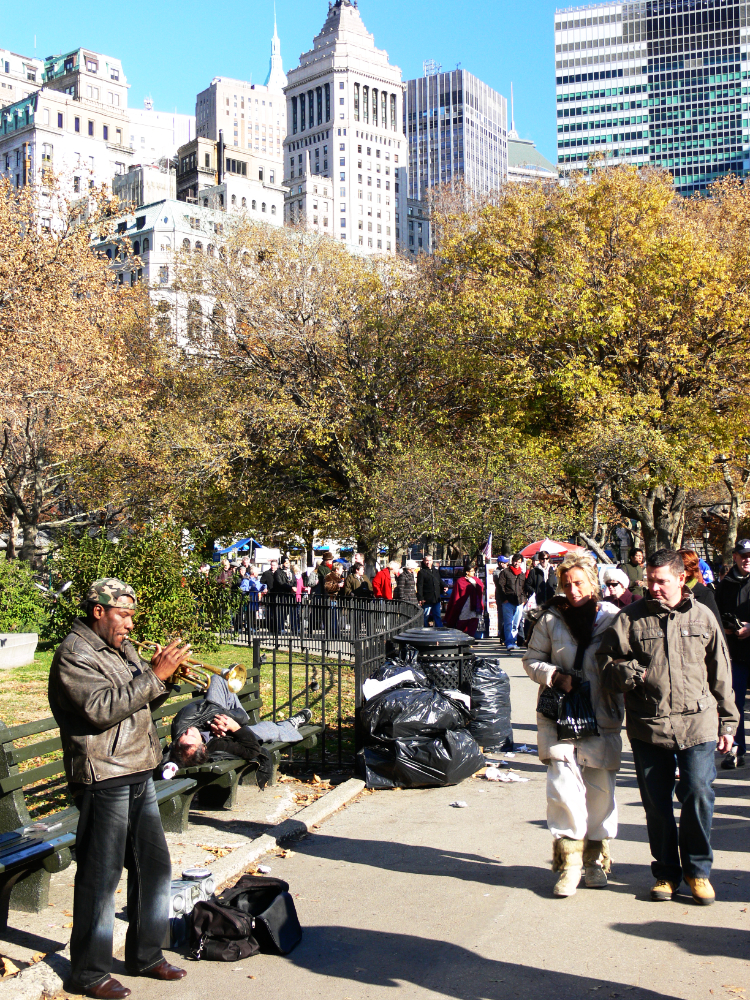
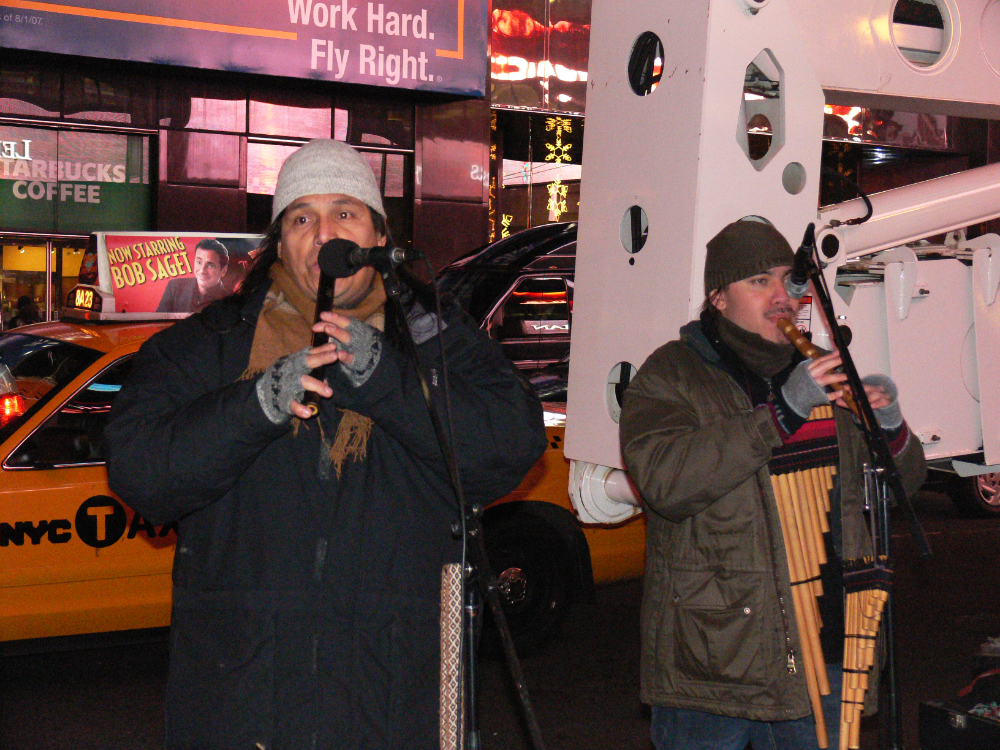
Times Square has plenty of street entertainment, but performers can be found throughout Manhattan. Some play musical instruments, while others sing, dance, or perform stunts for passing crowds. These were a few of the musicians I encountered while wandering around the city.
New York Subway
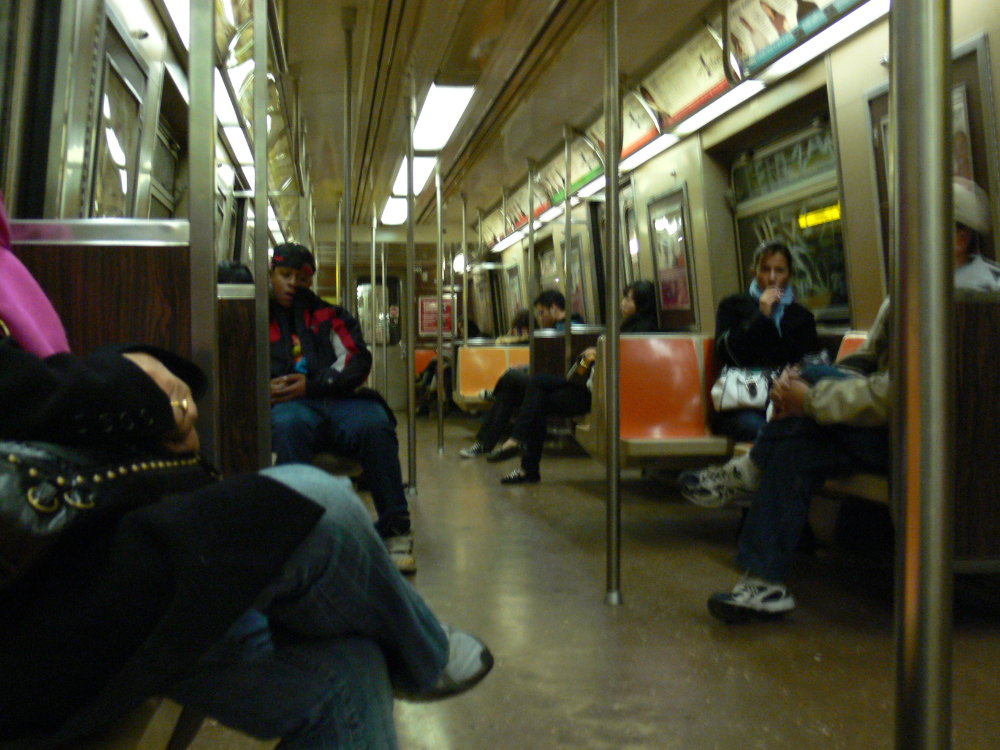
Although many of Manhattan’s attractions are within walking distance of one another, getting across the city can still take considerable time. Driving is often frustrating because of traffic, frequent intersections, and the sheer number of pedestrians. For me, the easiest way to get around was the New York City subway.
The subway system connects all five boroughs, with an extensive network of lines that makes it possible to reach most major attractions without a car. It isn’t always the cleanest or most pleasant transportation system, but it is extremely useful for exploring such a large city.
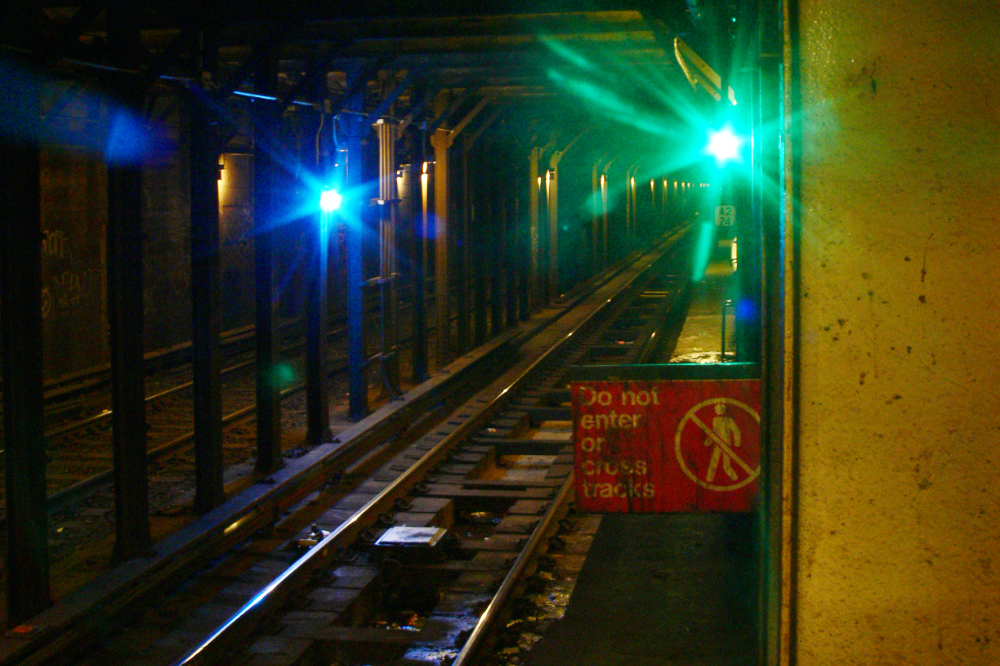
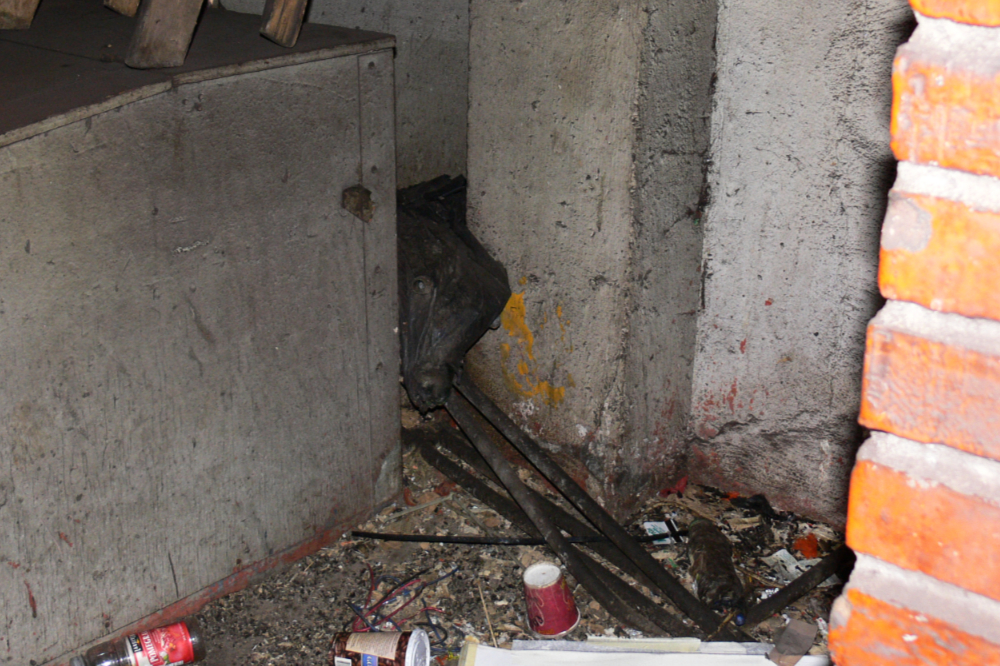
The subway also provided one of the strangest moments of my visit. While exploring one of the darker corners of a station, I heard something fall nearby. It was too dark to see clearly, so I took a photograph, expecting that I might capture a rat.
Instead, the camera revealed whatever this dead dog, pig, cow-looking thing was! I honestly couldn’t figure out what I was looking at. Finding something so bizarre near an area used by passengers made me wonder what other strange things might be hiding deeper inside New York’s subway system.
Fifth Avenue & Rockefeller Center
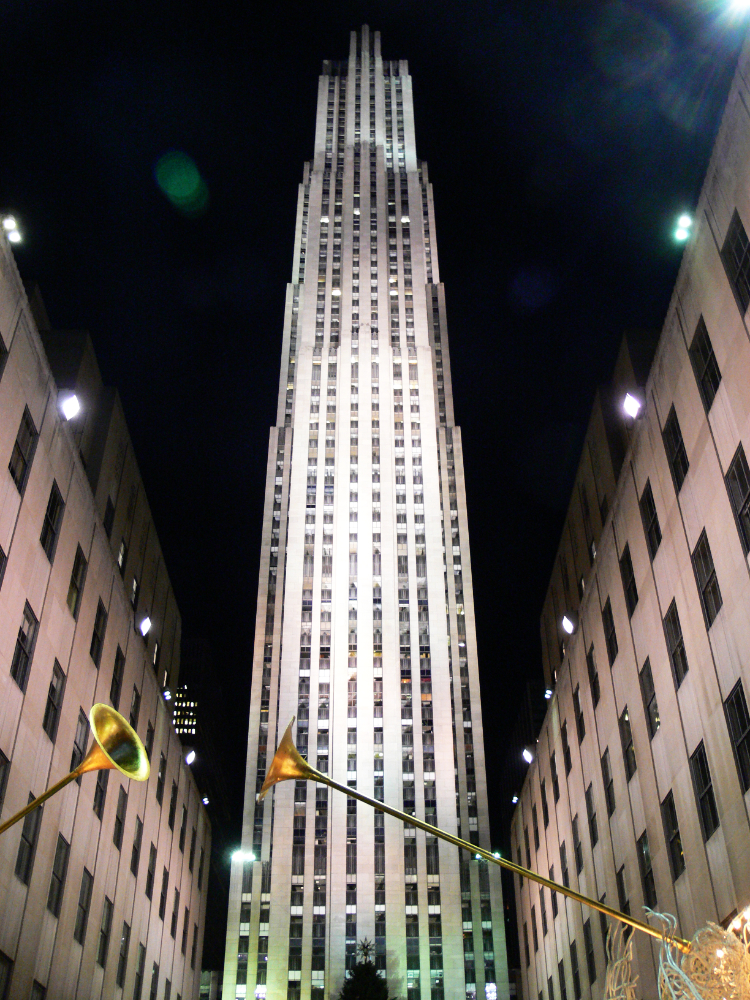
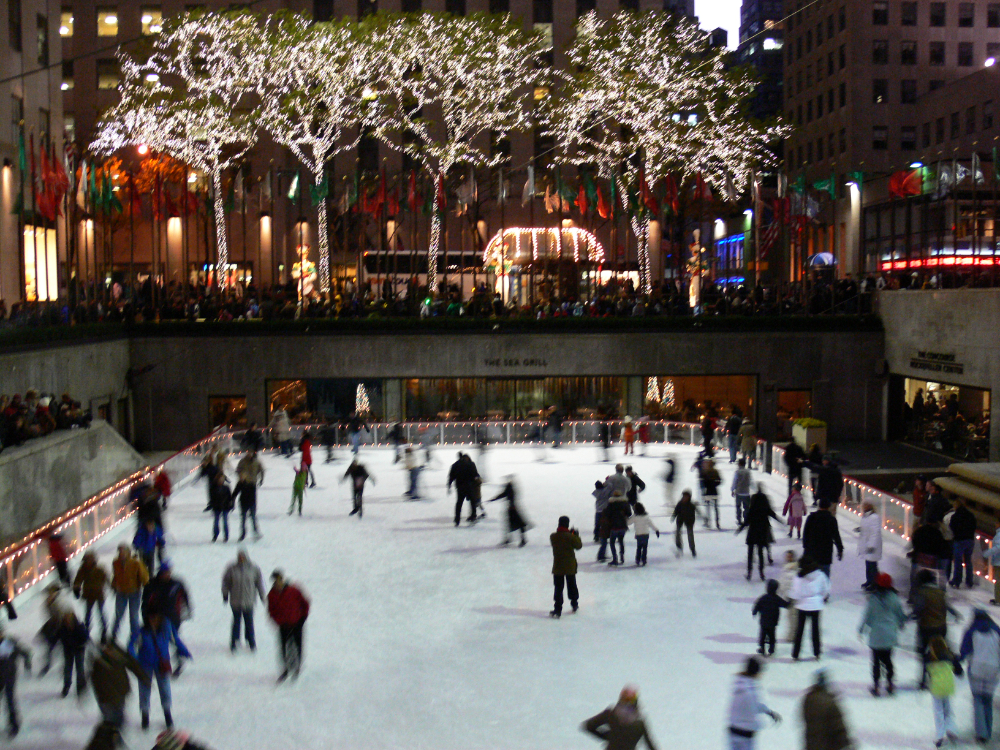
Fifth Avenue is one of New York City’s most famous streets, particularly known for its upscale shopping, historic architecture, and major attractions. One of the best-known destinations in the area is Rockefeller Center, a complex of Art Deco buildings developed during the 1930s.
Rockefeller Center is especially popular during the winter holiday season, when visitors come to see its famous Christmas tree and outdoor ice-skating rink. The rink first opened in 1936 and has since become one of New York’s most recognizable seasonal attractions.
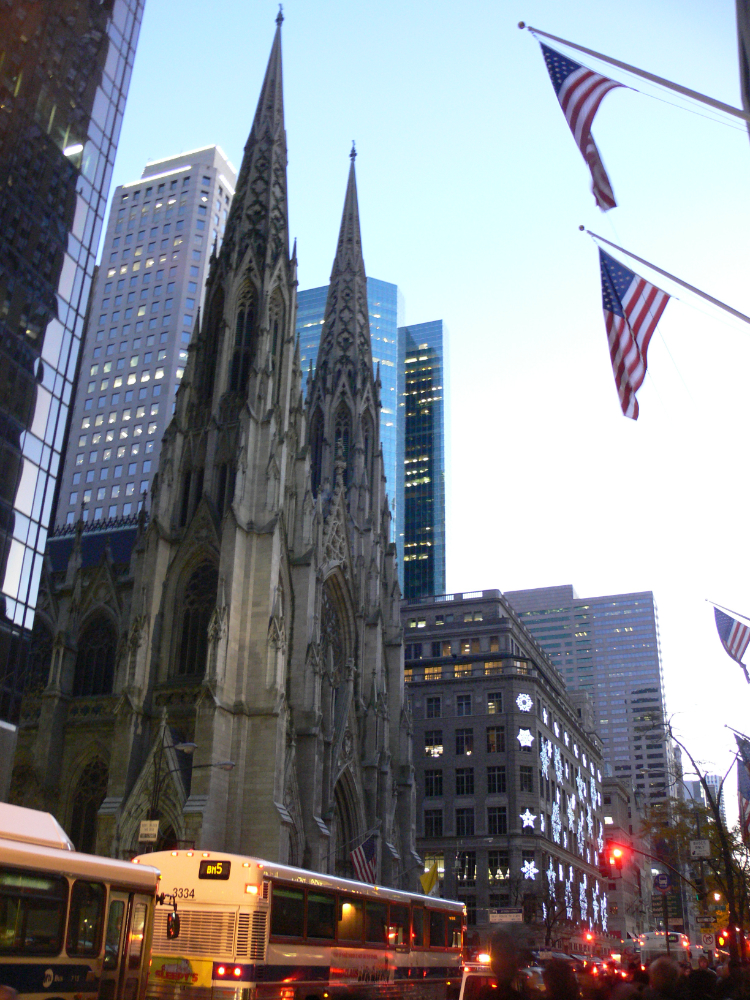
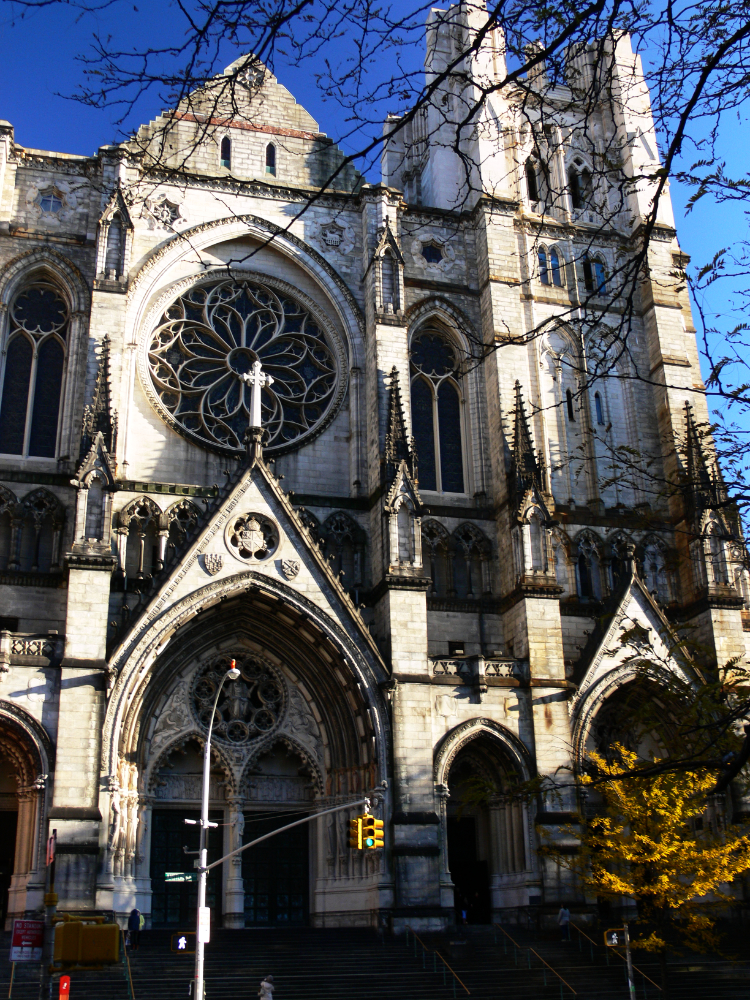
New York is also home to some impressive religious architecture. I came across a large church along Fifth Avenue, along with the Cathedral of St. John the Divine farther north in Manhattan.
Construction of the Cathedral of St. John the Divine began in 1892, and the enormous building remains unfinished in several respects. It is one of the largest cathedrals in the world, and I had trouble fitting the entire structure into a single photograph. Part of it was undergoing renovation when I visited, so I probably didn’t get to appreciate the building at its best.
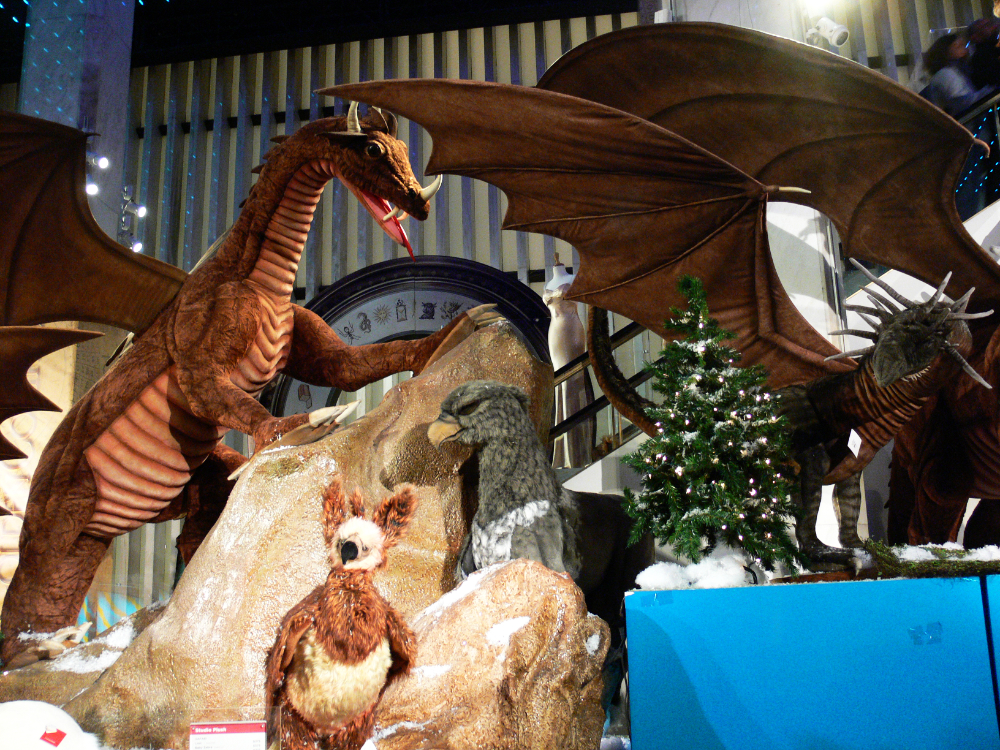
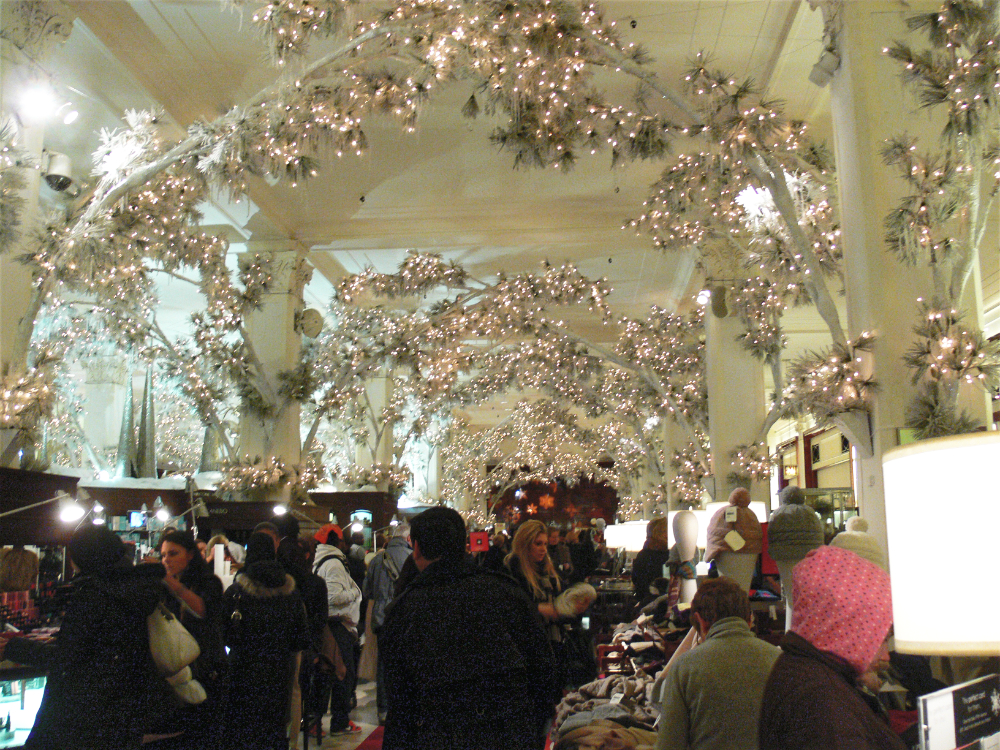
Finally, Fifth Avenue is famous for its shopping, with everything from luxury department stores to enormous specialty shops. I’m not particularly interested in shopping myself, but New York is one of those places where just about anything imaginable can probably be found somewhere in the city.
What impressed me most about New York was its sheer variety. Within a relatively small area of Manhattan, I could visit some of America’s most important historical landmarks, stand atop a world-famous skyscraper, explore an enormous urban park, and wander through streets filled with people from around the world. The city can be exhausting, but there is certainly no shortage of things to experience.
Explore More of New York
Adirondacks • Albany • New York City
