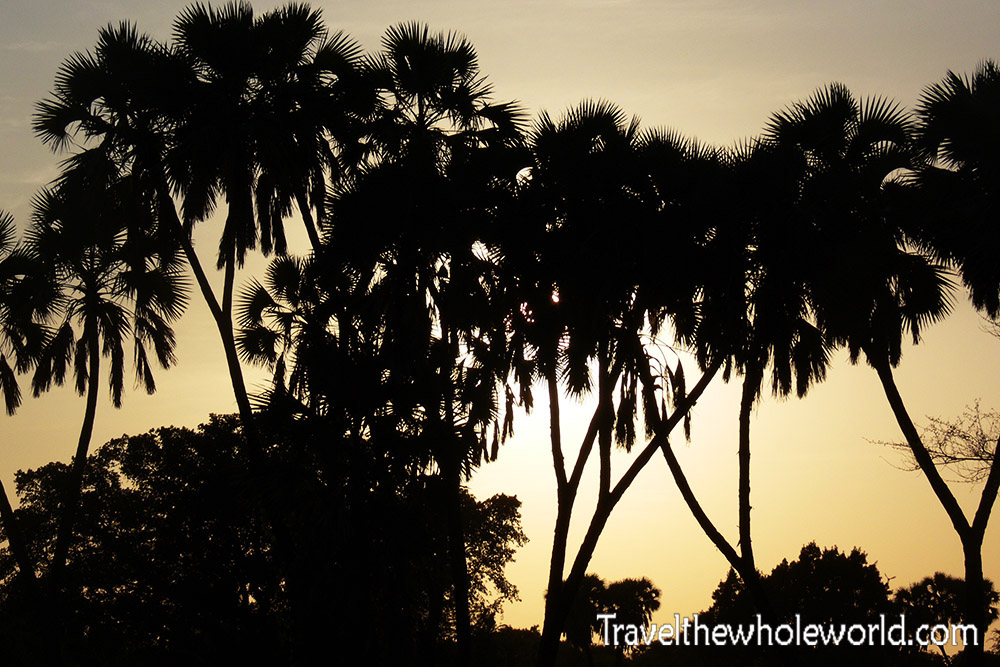
During my travels in Sudan, the farthest I ventured from Khartoum was south and east toward Dinder National Park. Getting there proved to be a logistical challenge, not just for me but even for my locally hired driver.
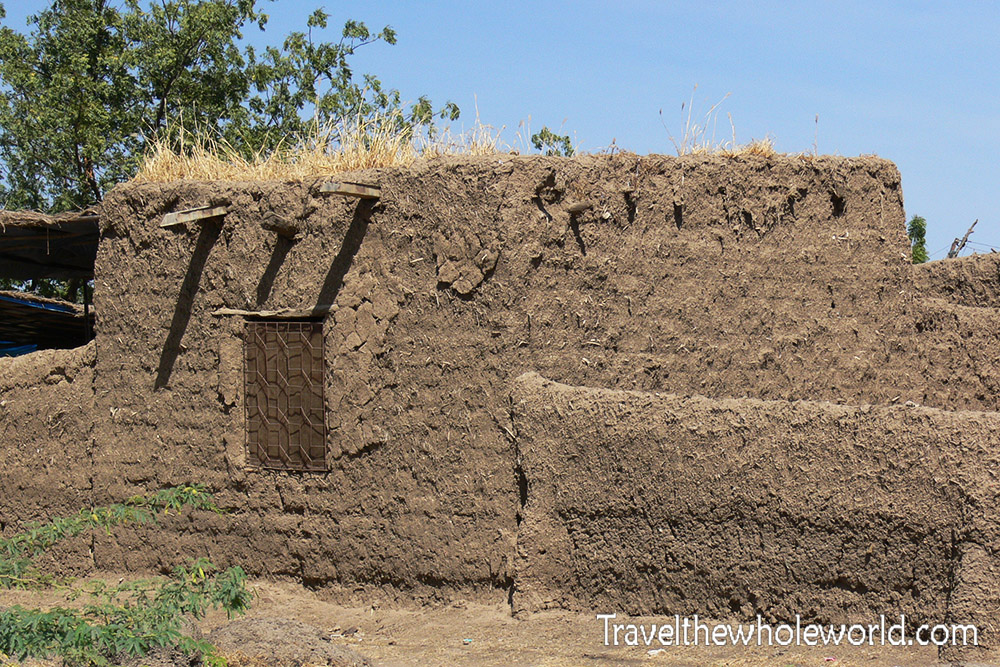
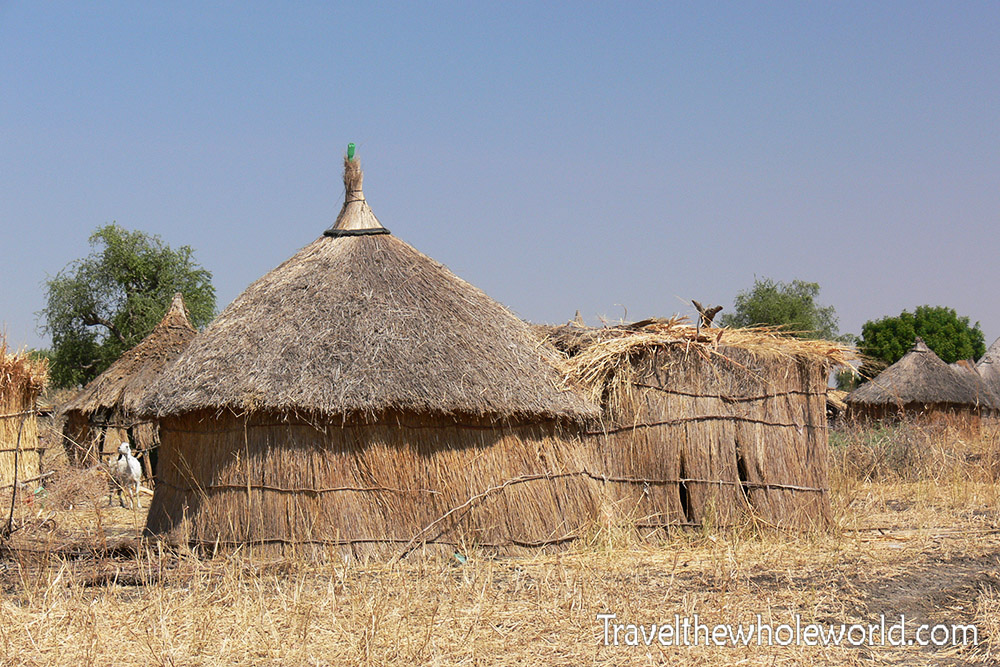
As we traveled farther from the capital, the landscape and communities gradually changed. Urban neighborhoods gave way to rural villages where traditional mud and thatch homes became increasingly common. Arabic still seemed to be the primary language in the areas we passed through, but many of the villages had very limited infrastructure and appeared to have little or no electricity.
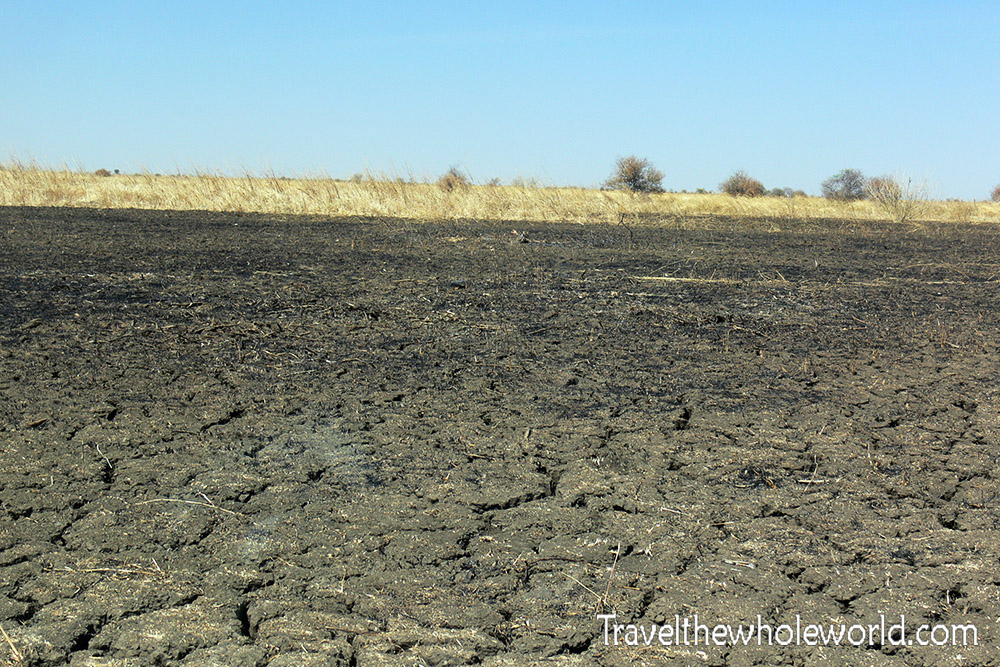
One of the great things about a road trip is watching the terrain gradually transform. As I continued farther south, the dry, arid landscape began giving way to darker and richer soil. Agriculture became more noticeable around the villages, and eventually the terrain changed again as we entered the savannah.
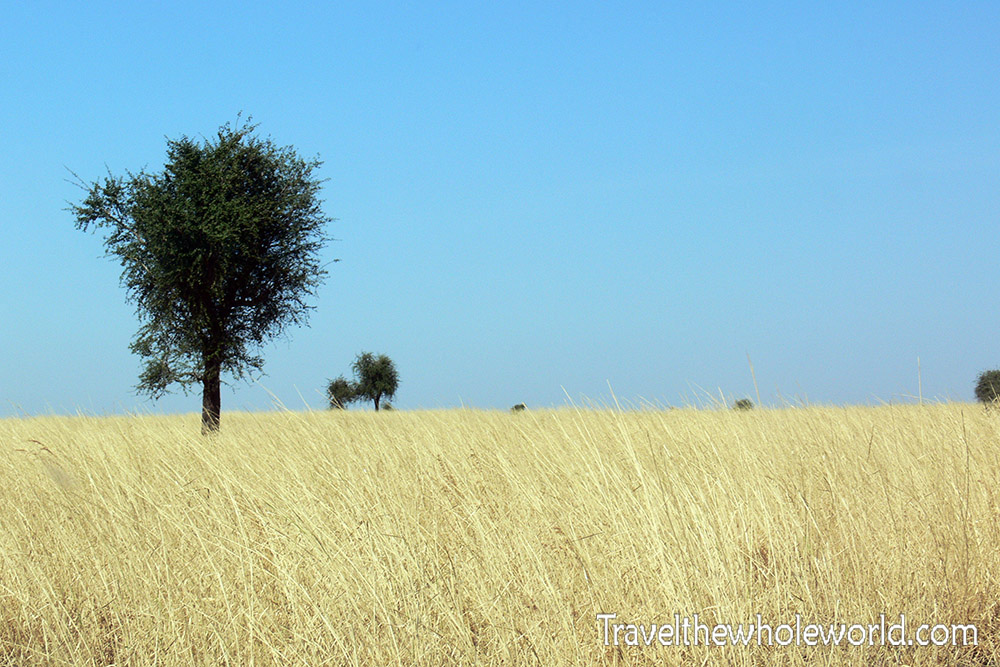
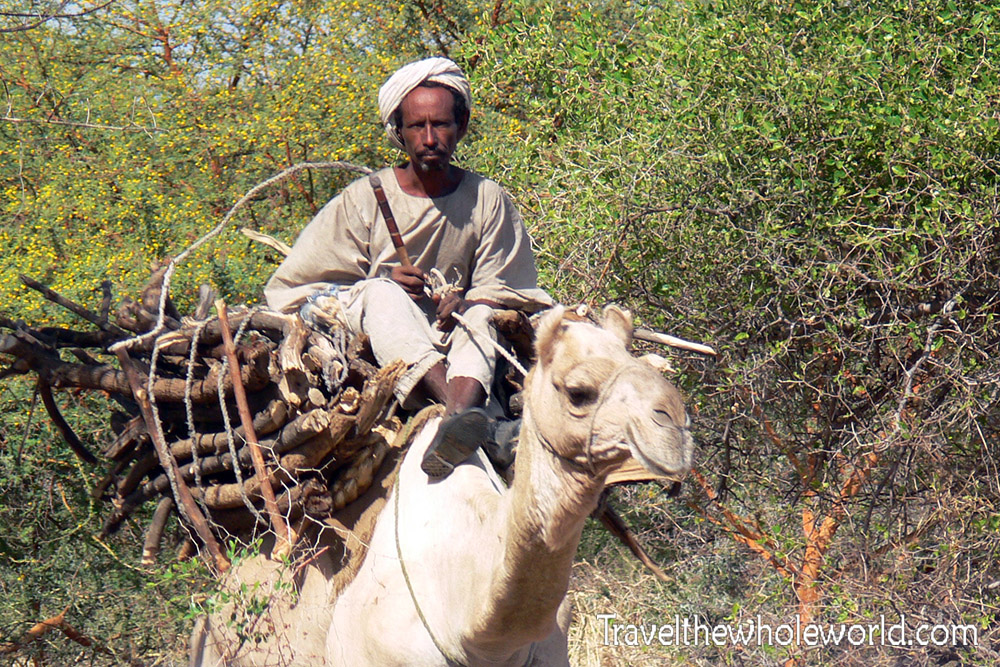
Once we reached the savannah and later the more wooded areas, I began passing through more villages. Camels were still commonly used for transportation even though we were well outside the desert. Many people used them to carry supplies and other loads, like this man transporting firewood.
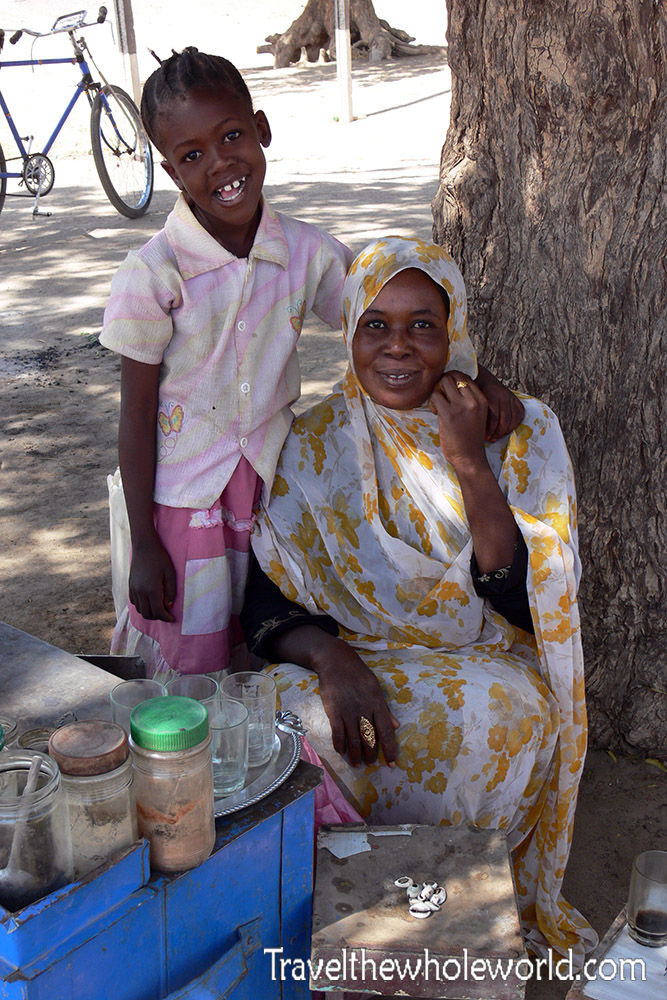
Roadside tea stands were a common sight in Sudan, but one service I didn’t expect to encounter was fortune telling. This woman and her daughter let me ask a question and offered to predict whether it would come true.
I wasn’t sure what to ask at first, but eventually I asked whether I would ever complete the Seven Summits. Despite being hundreds of miles from the ocean, she pulled out a handful of seashells and scattered them on the ground. She studied them for a long time before finally predicting success. At the time I had climbed only two of the Seven Summits. Ten years later, I had only one remaining. Maybe she knew what she was doing after all!
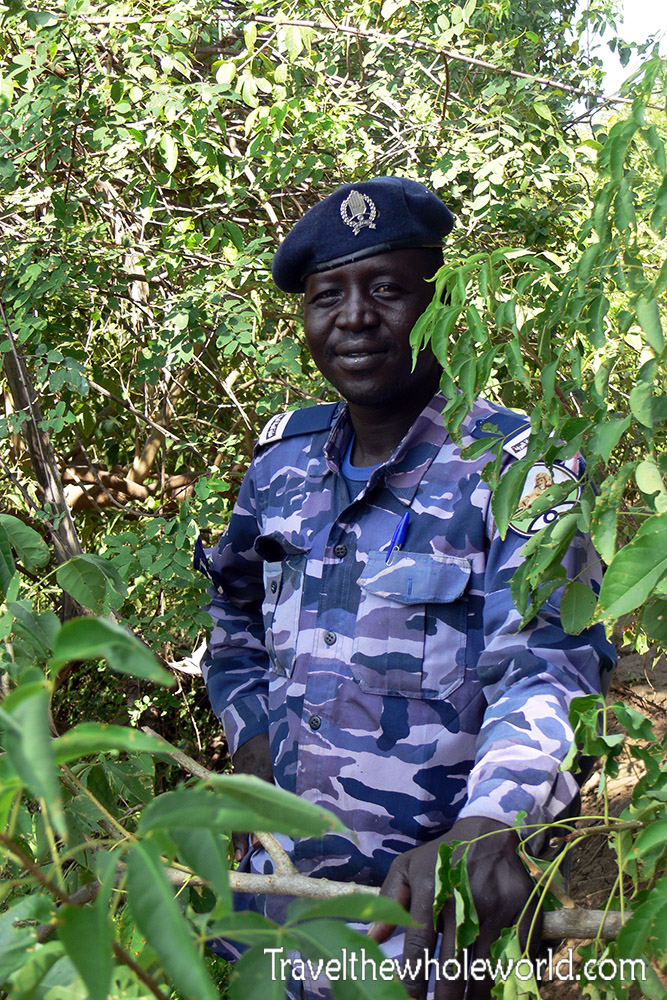
The drive toward Dinder had already become a mini adventure. With no hotels available along our route, we unexpectedly spent one night at a Sudanese military base. I was surprised they allowed us to stay, but I ended up sleeping in the barracks with the soldiers. The beds were arranged in rows inside a large room while giant fans blew across us throughout the night, partly to help keep the mosquitoes away.
After we left, some of the soldiers accompanied us for the rest of the journey. Above is one of the soldiers I met, while below is a wrecked aircraft I came across in the woods.
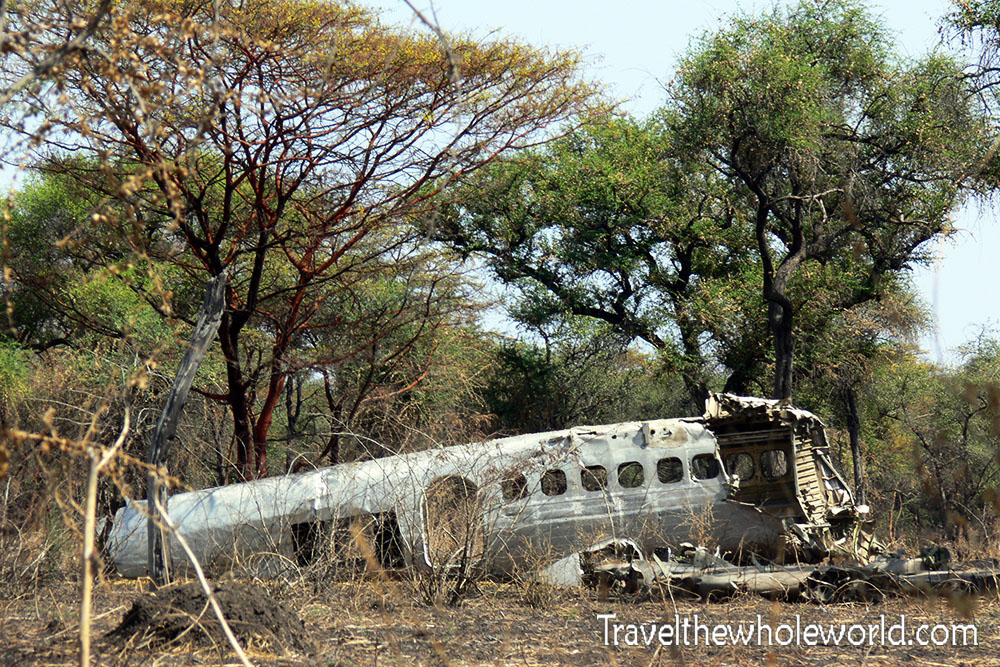
The soldiers who joined us ended up helping my driver navigate the rest of the way to Dinder. We crossed open savannah filled with so many unmarked roads and turns that I couldn’t imagine how anyone memorized the route. At times I seriously wondered whether our guide was simply guessing, but he always seemed confident about where he was going.
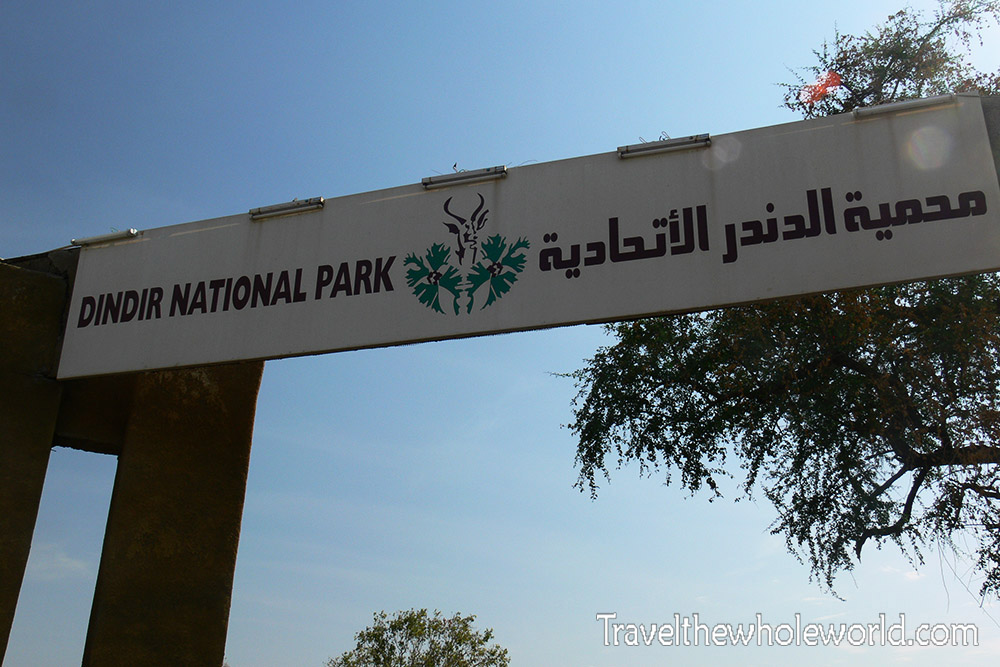
Eventually we entered the forest again, and after roughly two days of traveling we finally spotted the sign I had been waiting for: Dinder National Park.
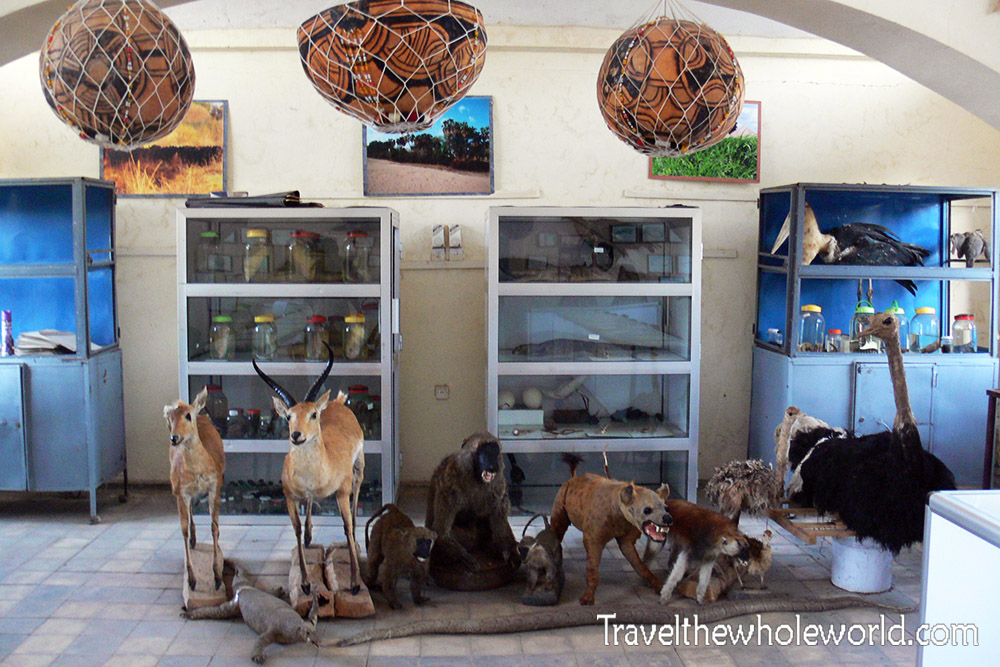
My expectations for Dinder’s infrastructure were incredibly low. I had imagined little more than wilderness, so I was surprised to find a small museum, a restaurant and accommodations.
Back at the military base, a Sudanese colonel who had recently gotten married even asked if he and his wife could join us for their honeymoon. Other than the newlywed couple, a few soldiers, my driver and the people working there, it felt as though we had the entire place to ourselves.
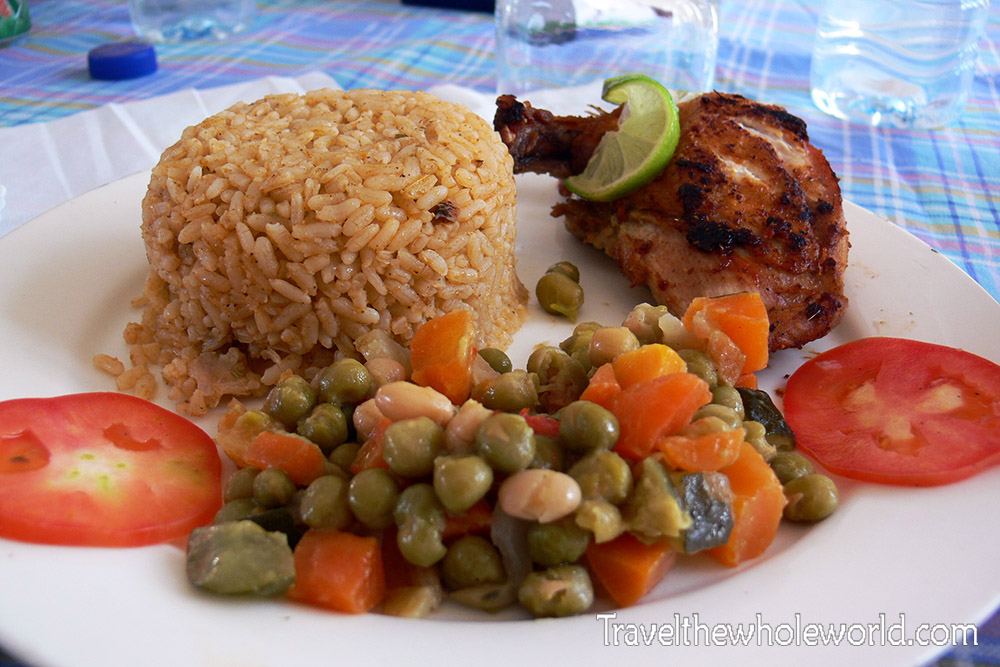
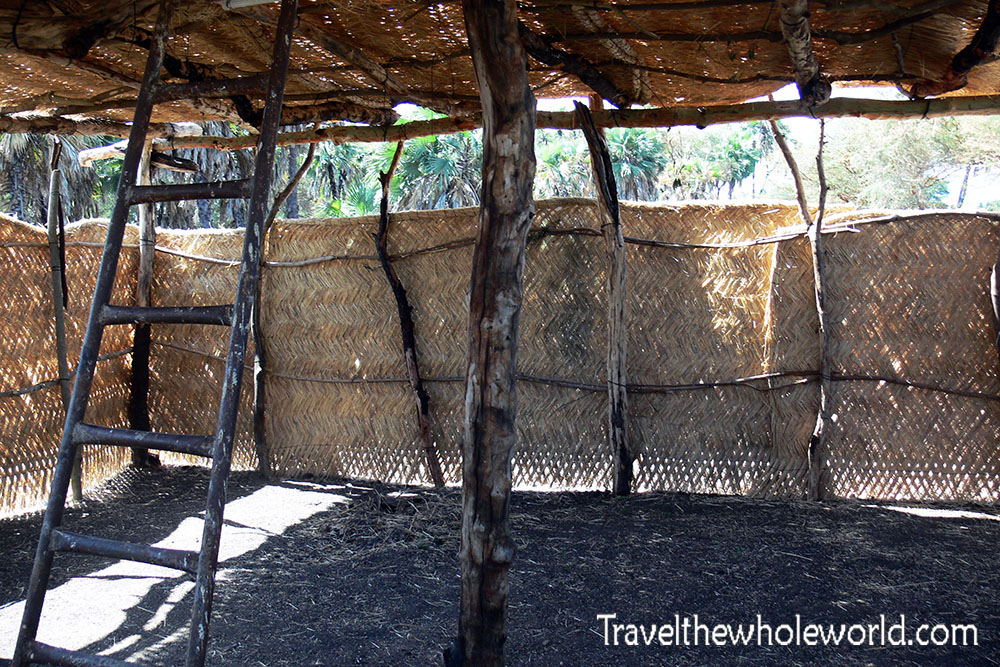
Around the restaurant and rooms were several simple huts. I wasn’t sure exactly what they were being built for, but the rooms I stayed in were basic accommodations typical of the less-traveled parts of Africa I had visited.
The restaurant was surprisingly comfortable, with a large dining area and even a television playing American movies. Some of the Sudanese I met bombarded me with questions about cultural differences between Sudan and the United States and wanted to know whether some of the things they saw in American movies were actually true.
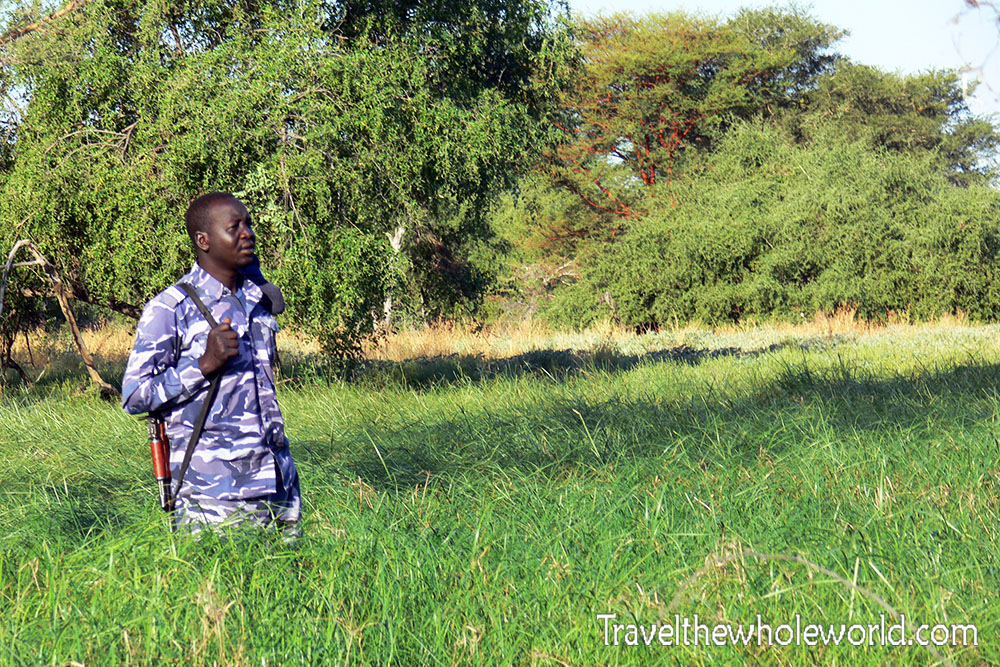
Anyway, it was finally time to do what I had come here for: explore. When I told the soldiers I wanted to walk through Dinder, some of them seemed pleasantly surprised. That surprised me in return. Why else would I have come all this way?
The soldier who had escorted me from the base and another already stationed at Dinder joined me as we headed into the bush.
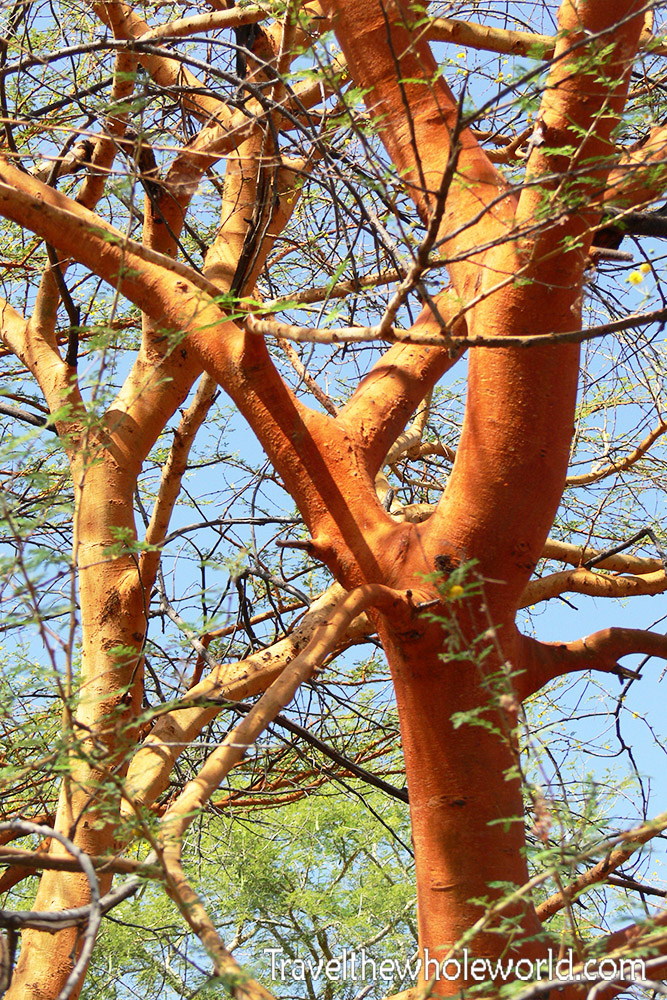
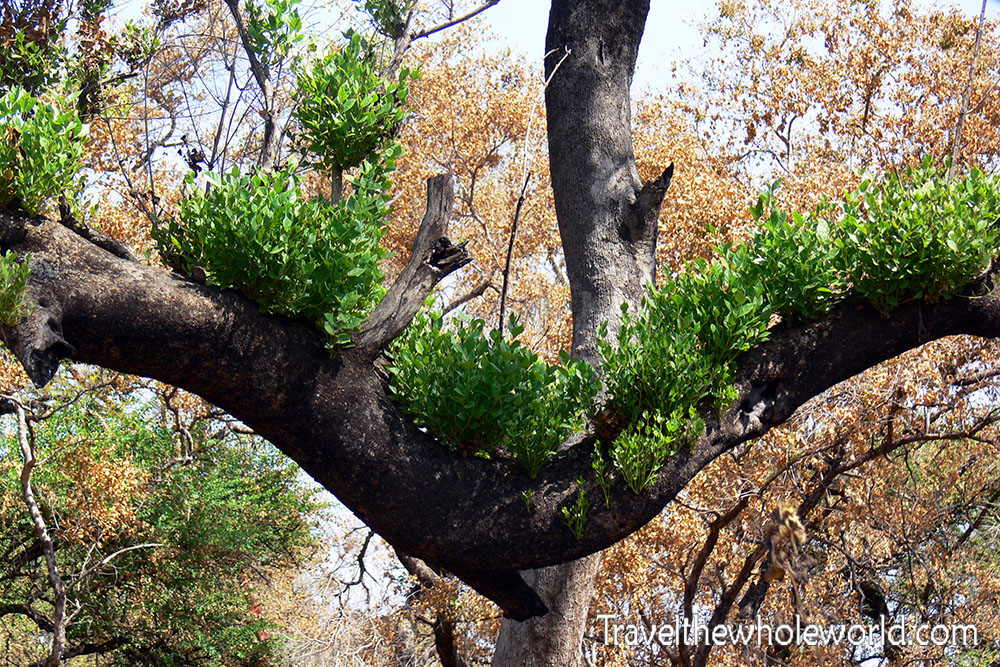
I really didn’t know what to expect from the vegetation in Dinder. One of my first observations was the unusual orange coloring on some of the trees. Others had smaller plants growing from their branches, something I was more accustomed to seeing in wetter forests.
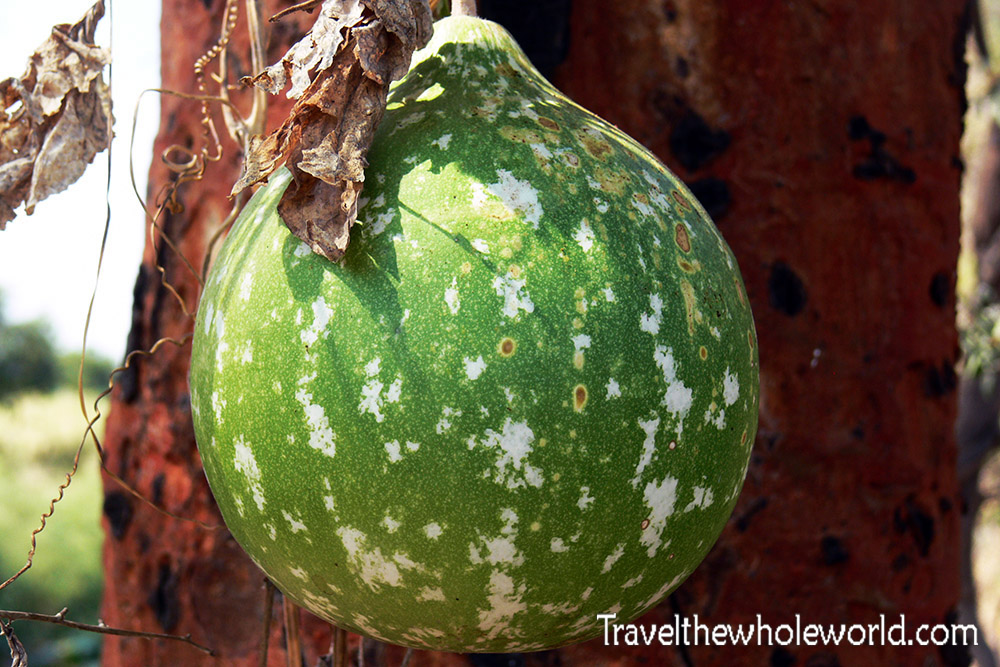
Before visiting Dinder, I had explored some of the desert around the Meroe Pyramids north of Khartoum. I was pretty certain this fruit was the same type I had seen growing much farther north in the desert. If I was right, it was an impressively adaptable plant to survive in such different environments.
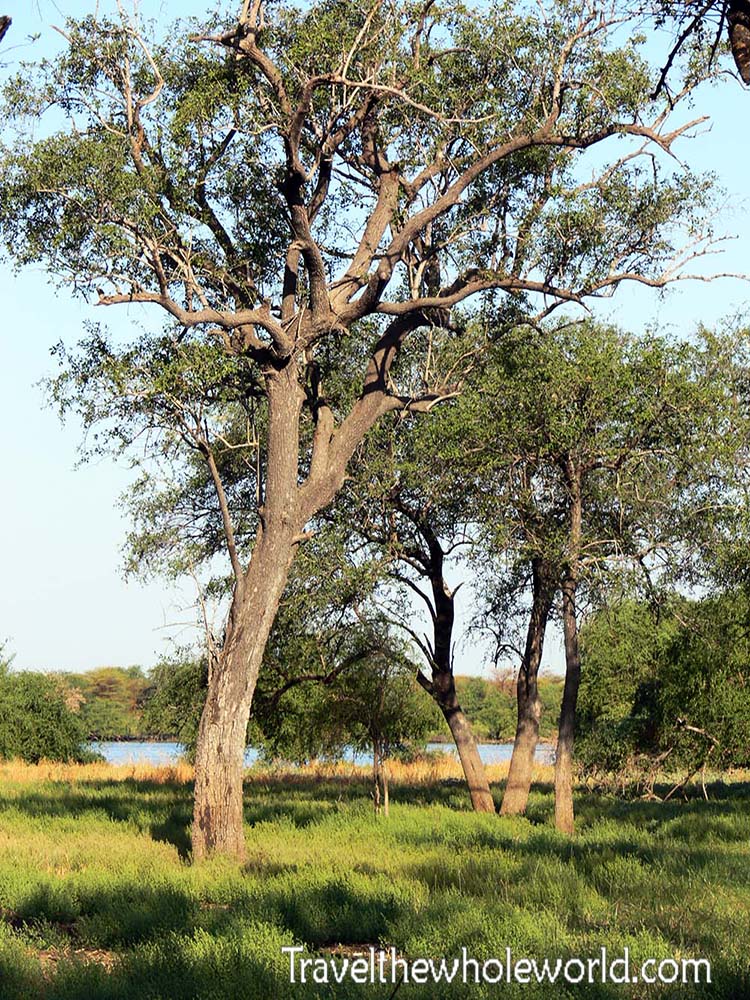
With so much of Sudan dominated by arid landscapes, I was surprised by some of the scenery in Dinder. Even during the dry season, pockets of water supported large areas of grass, trees and wildlife.
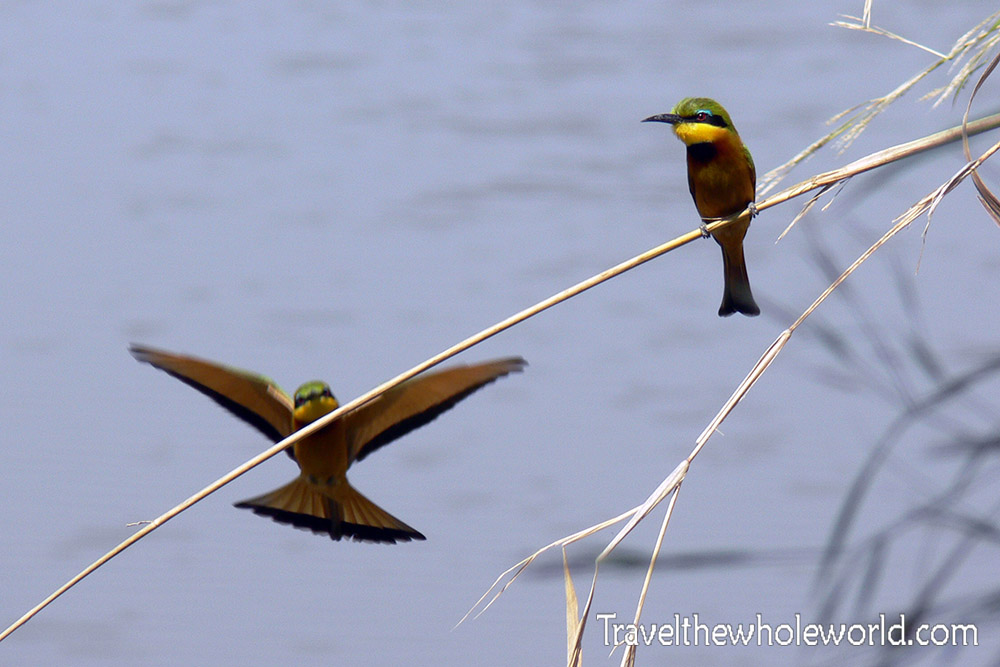
The trees were filled with colorful birds. I saw these almost immediately outside the area where I was staying. I didn’t know what they were at the time, but later identified them as little bee-eaters. After Sudan I saw the species again in other parts of East Africa.
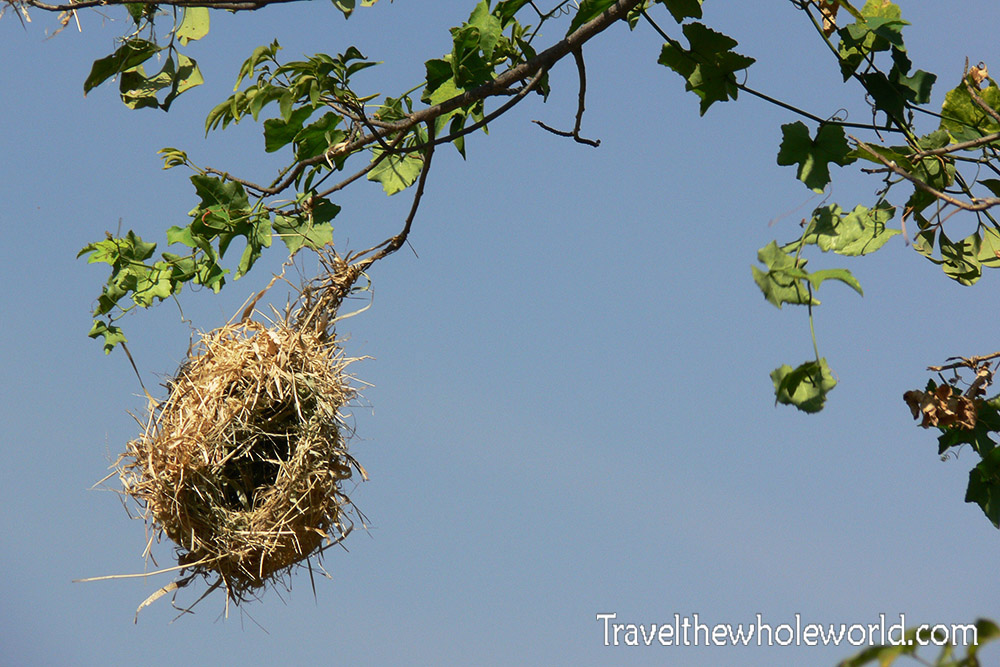
I originally assumed the nests below belonged to the bee-eaters, but they were actually weaver bird nests. I waited around hoping to photograph the residents, but apparently nobody was home.
There was quite a bit of wildlife in Dinder. I was impressed by how much I saw, but disappointed by how little I managed to capture well with my camera.
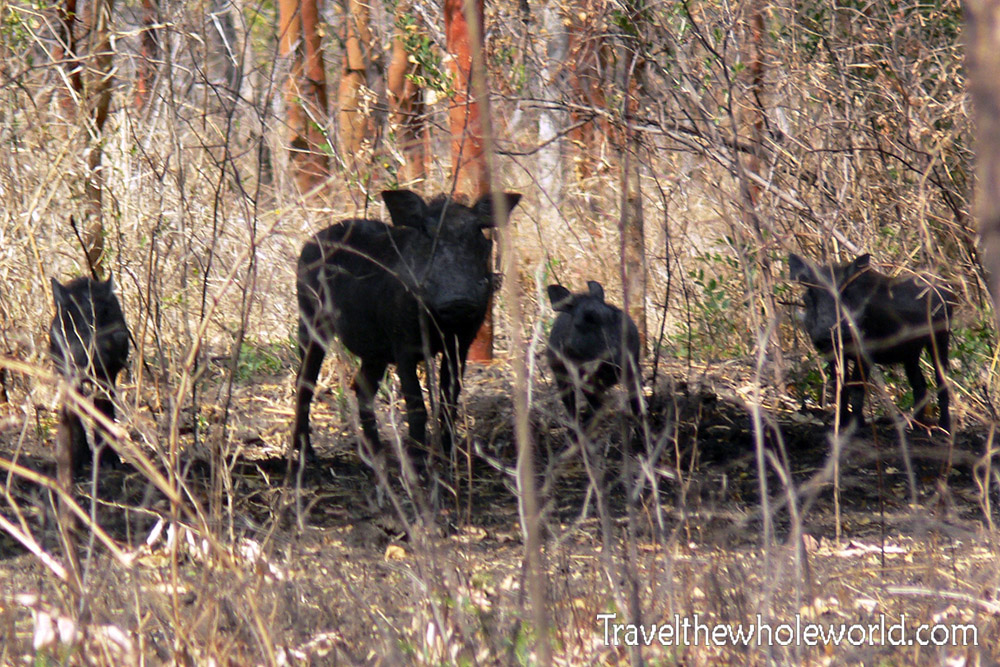
Unlike heavily visited safari destinations where some animals become accustomed to vehicles and tourists, the wildlife I encountered in Dinder was extremely wary of us. Even from a distance, animals often watched carefully before disappearing at the slightest movement. This family of warthogs was a good example. I took the photograph at full zoom through the trees shortly before they ran off.
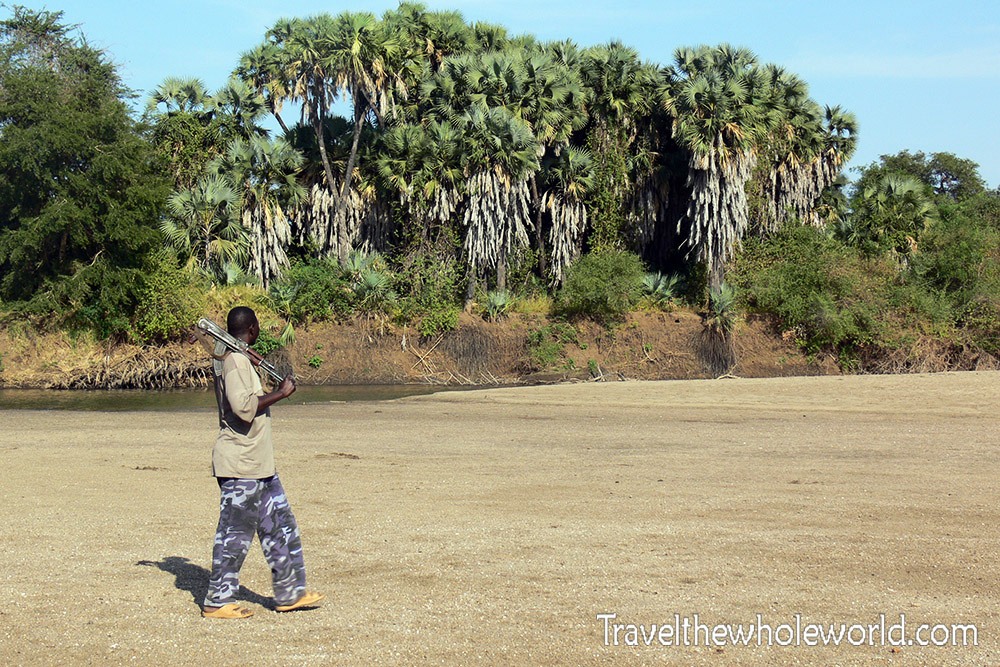
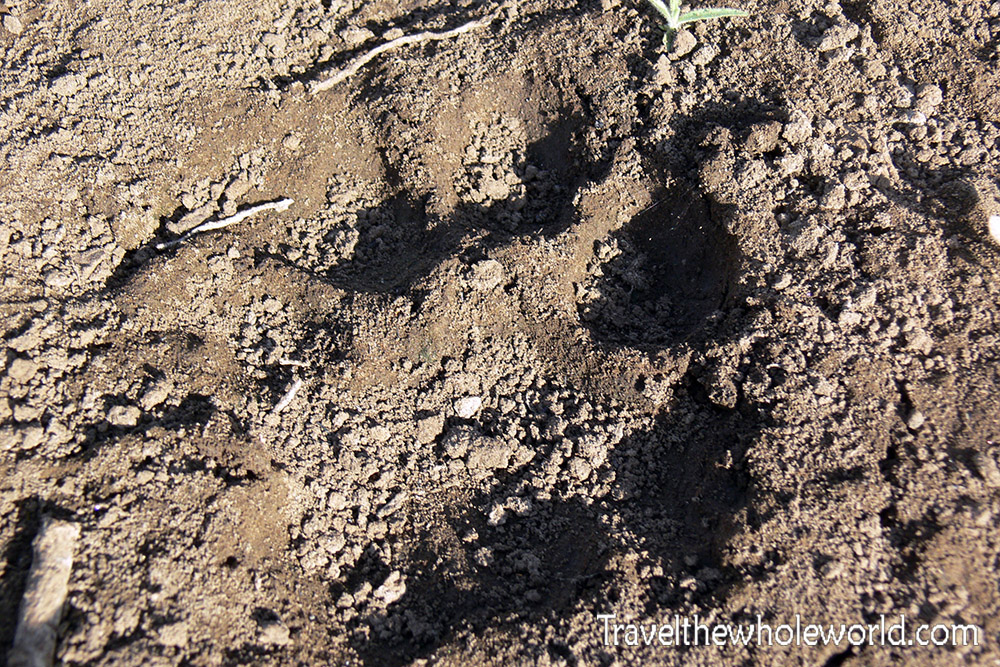
The soldiers accompanying me carried rifles as we walked through the park. We followed a dry riverbed for part of the hike, where we came across what appeared to be a fresh lion track. That’s as close as I got to seeing a lion in Dinder, but knowing one had recently passed through made the experience considerably more interesting.
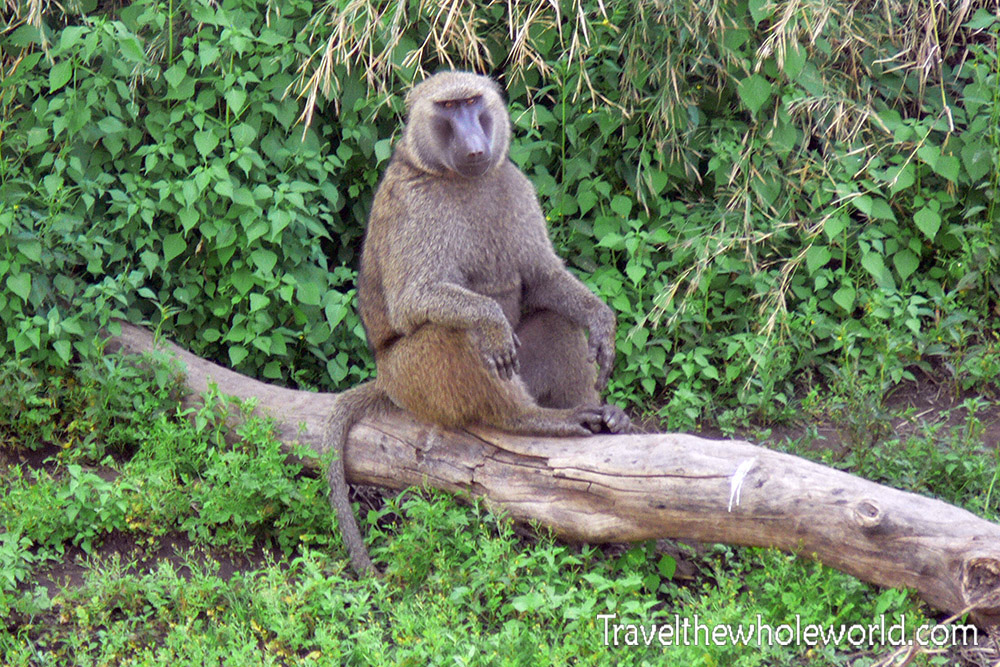
One of the first large animals I saw was a group of baboons. This particularly large one didn’t seem nearly as concerned about our presence as most of the other wildlife.
I also saw several large bovids in the park, although I wasn’t able to get any worthwhile photographs. I kept my distance and was perfectly happy to let them continue on their way.
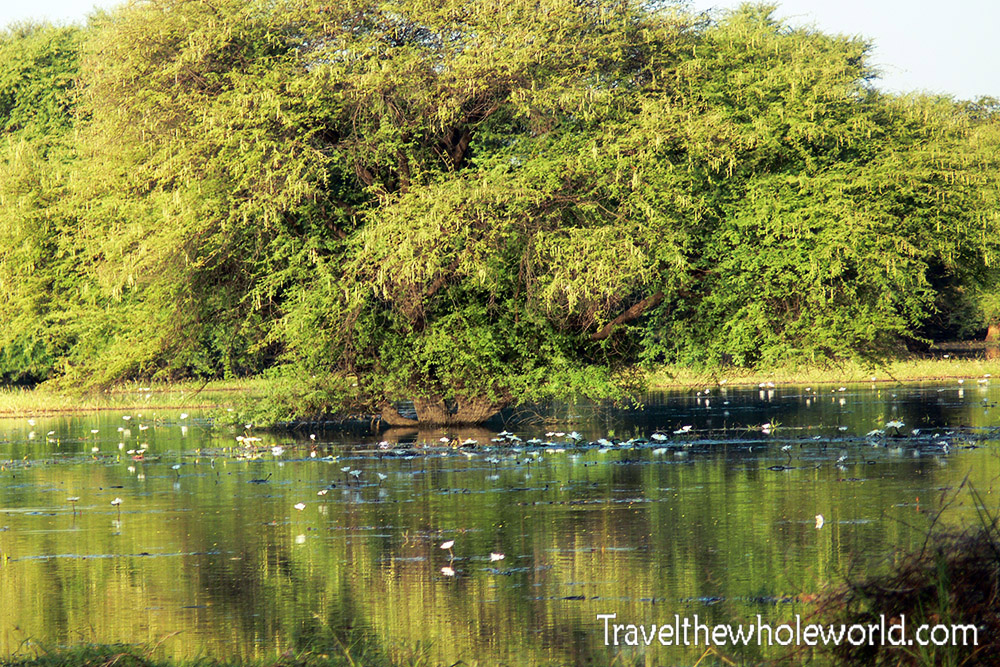
The areas around water were among the best places to find wildlife. This trip was long before I invested in a good DSLR camera, so I didn’t have the zoom or resolution I would have today. In the photograph above, dozens of white waterbirds beneath the tree almost look like flowers from a distance.
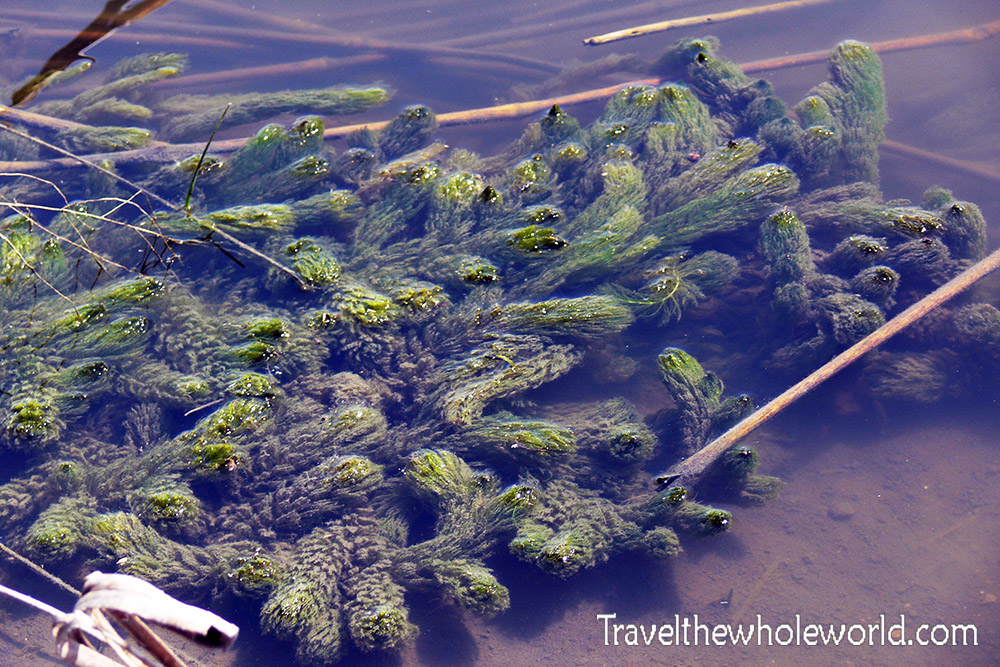
The wetlands were another surprise. They were completely different from the image of Sudan I had in my head before the trip and showed just how varied the landscapes of the country could be.
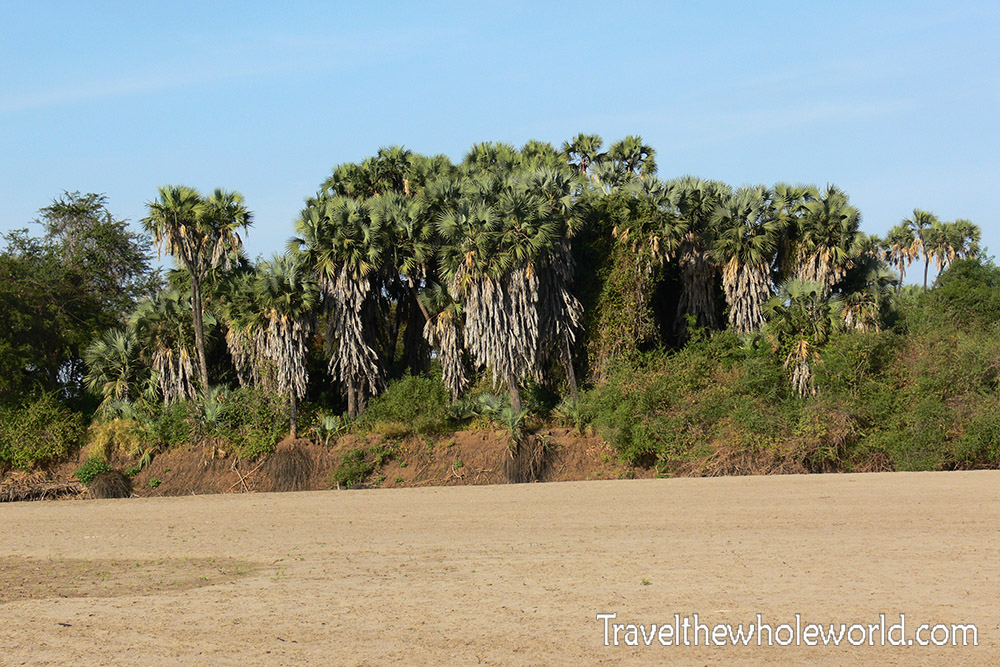
Even well into the dry season, some of the wetter areas still supported plenty of vegetation. During our hike we often followed the Dinder River, which at the time had been reduced considerably. Locals told me the river becomes dramatically larger during the rainy season.
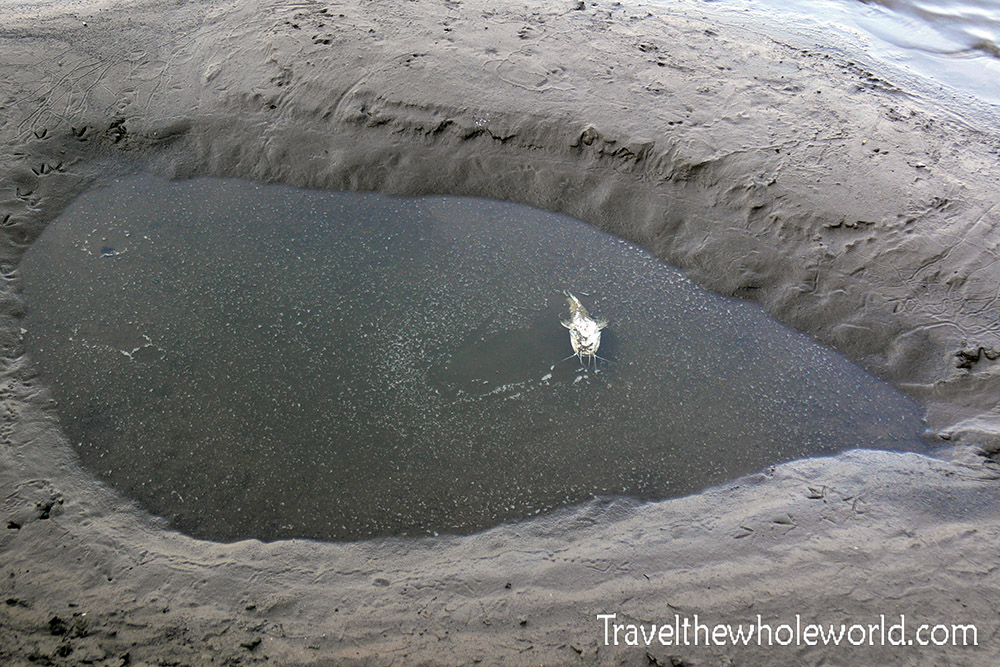
As the water receded, isolated pools remained along the riverbed. Unfortunately, not everything trapped in them survived.
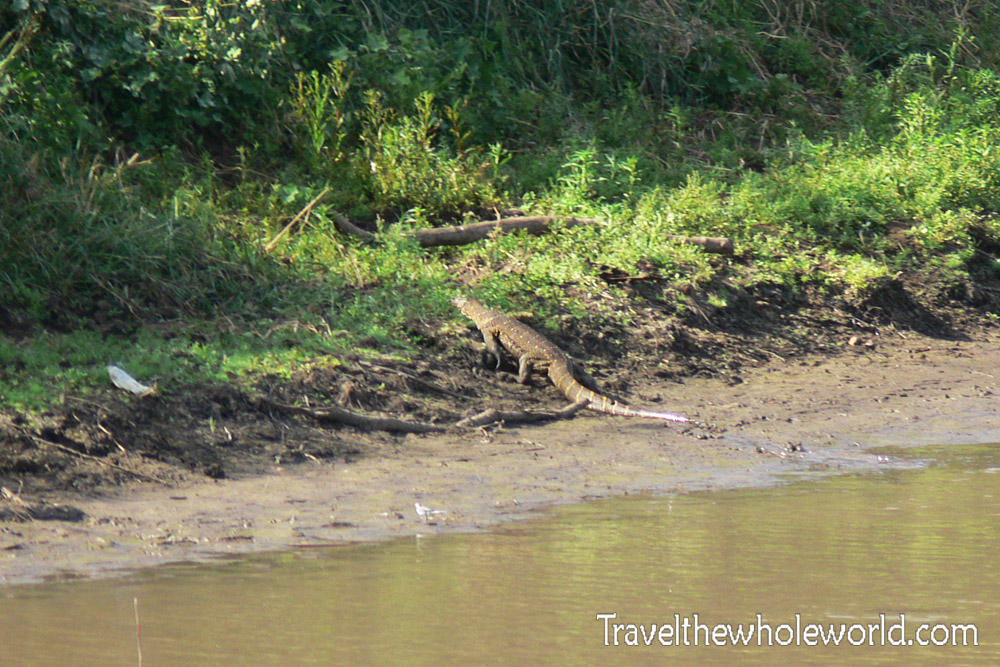
My favorite sight along the river was definitely this giant monitor lizard. It was probably the largest wild monitor I had ever seen. Unfortunately, my camera equipment at the time didn’t really capture the scale of the animal.
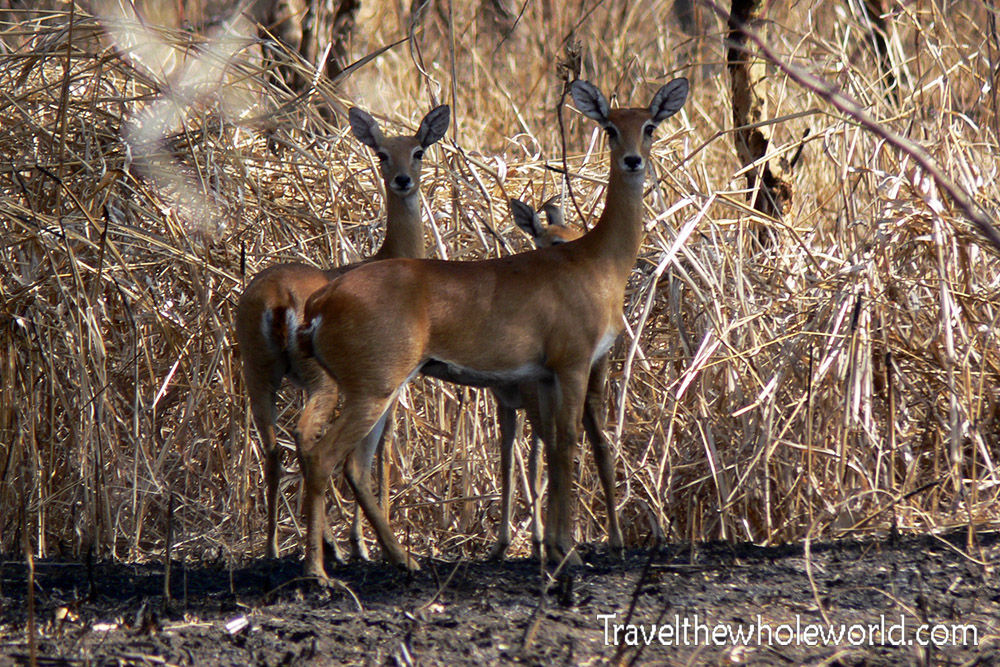
I came across several different types of antelope during my time in Dinder. Since most of the wildlife was so skittish, I was lucky this small group stayed around long enough for me to photograph them.
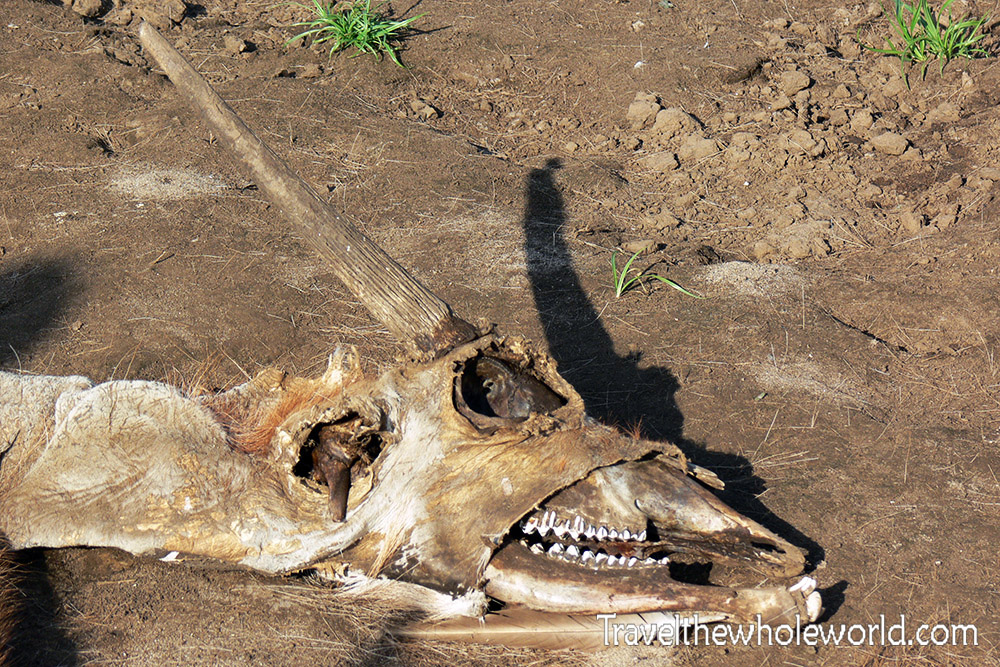
The animal below was considerably easier to photograph, although obviously for unfortunate reasons.
Another difference I hadn’t really considered before visiting was how much a safari depends on the driver’s approach. In Dinder, where animals were far less accustomed to vehicles, patience mattered.
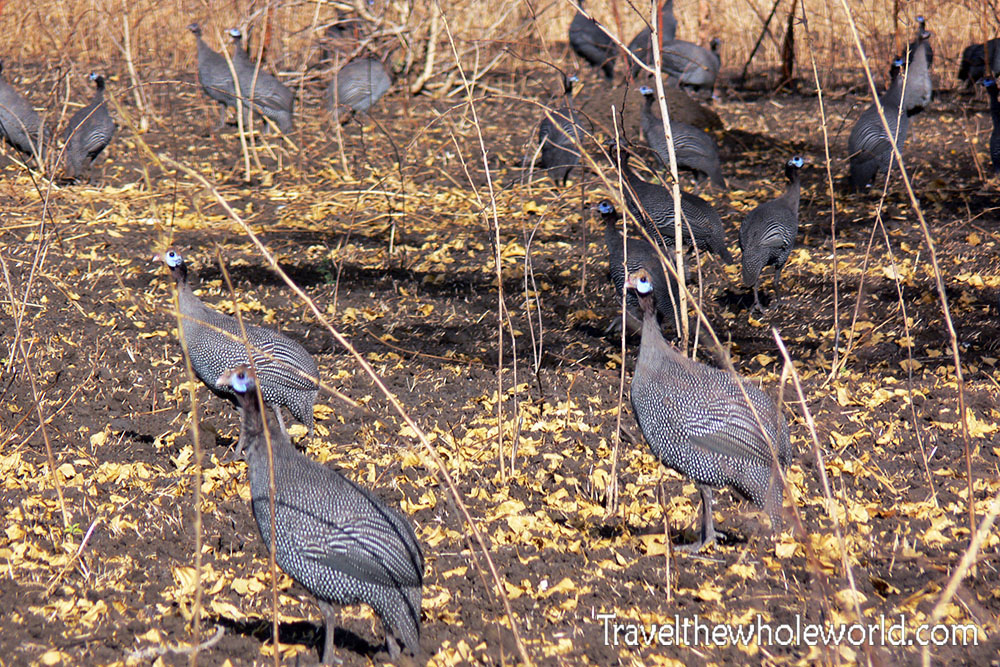
I became more annoyed than I’d like to admit when my driver sped through parts of the wilderness and scattered warthogs, antelope and entire groups of guinea fowl. Fortunately, there were enough guinea fowl around that I eventually got another opportunity to photograph them. I’ve seen similar birds across much of Africa, including as far south as Kruger National Park.
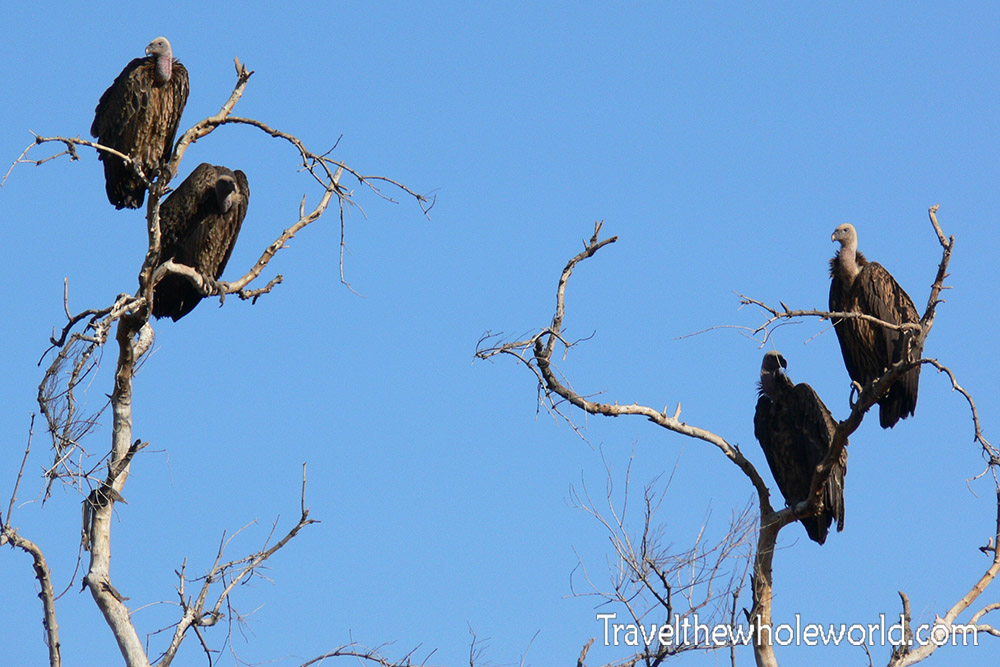
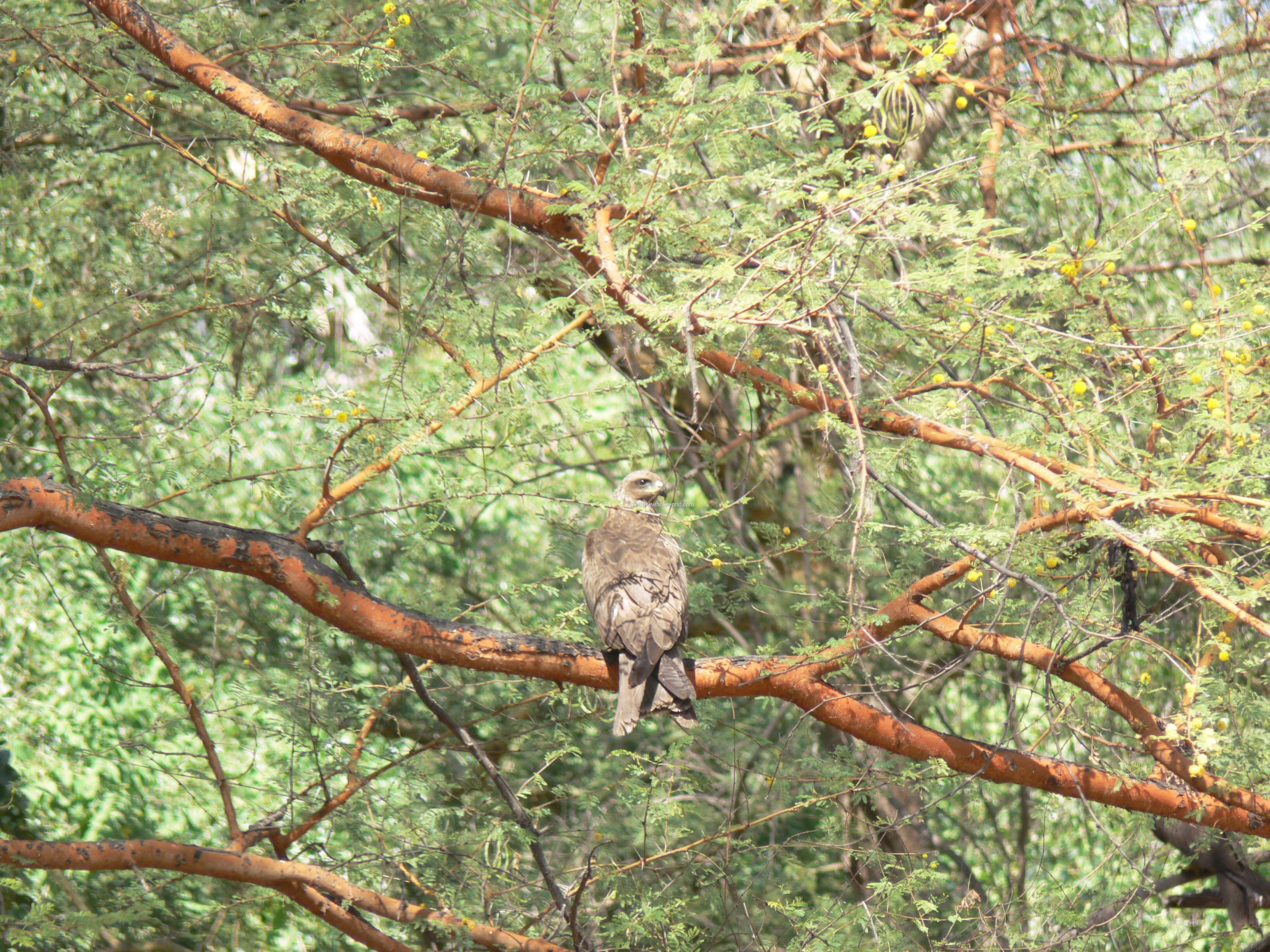
Larger birds were also common throughout the park. I frequently saw vultures waiting patiently for their next meal, along with large birds of prey like the one photographed below.
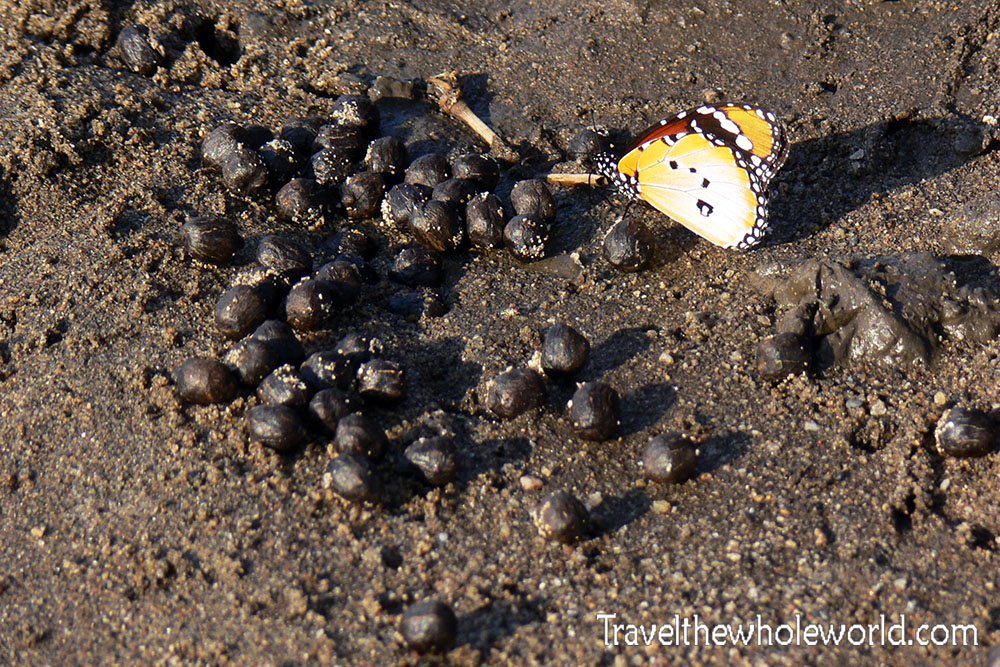
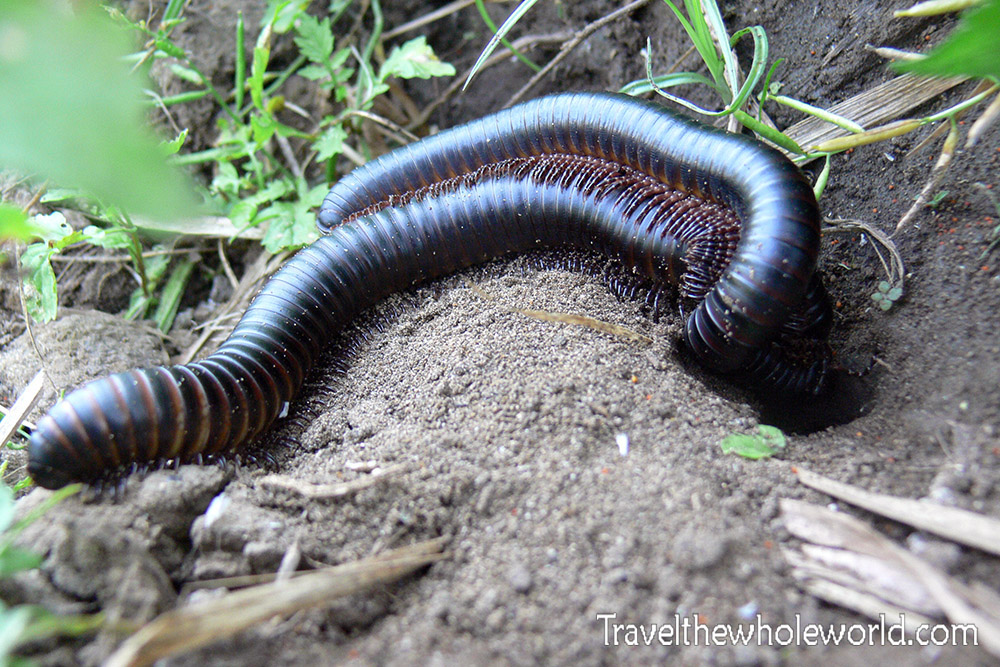
My last photographs from Dinder are a bit random. In one area I came across dozens of butterflies gathered on the ground. Elsewhere, near the river, I found huge numbers of giant millipedes. I hadn’t seen a single one during my long walk through the woods, but once I returned to the river they seemed to be everywhere.
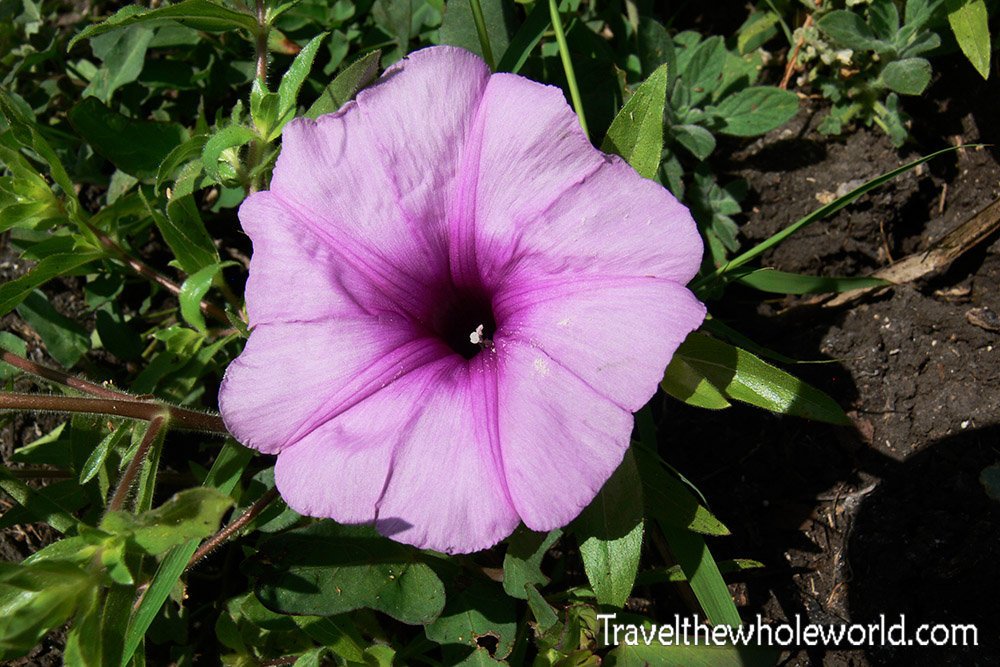
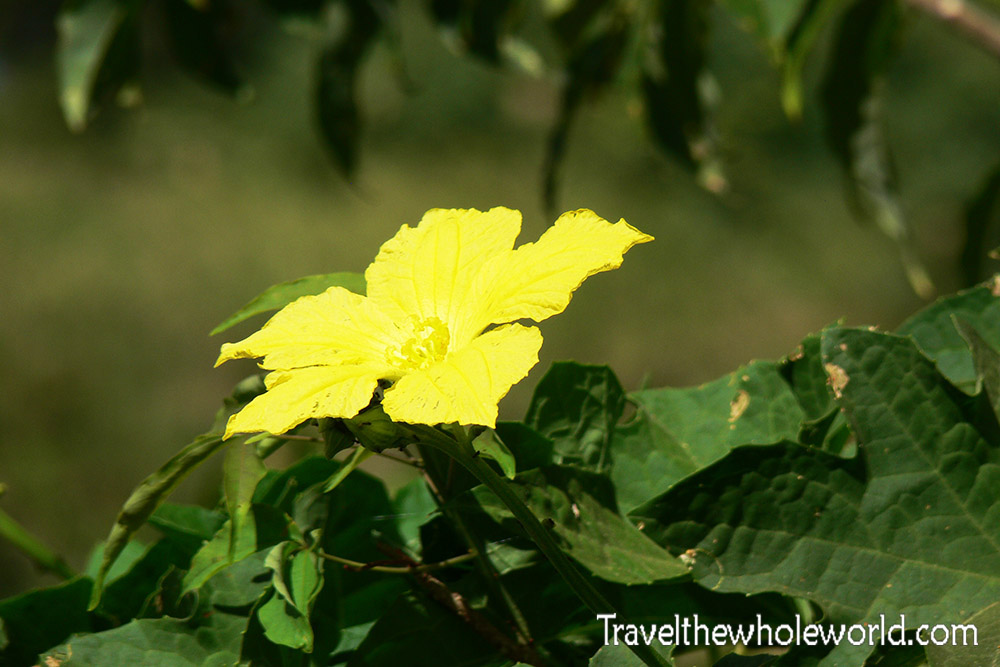
These last flowers weren’t anything I could identify at the time, but I photographed them because they were another reminder of how much greener parts of Dinder were than I had expected.
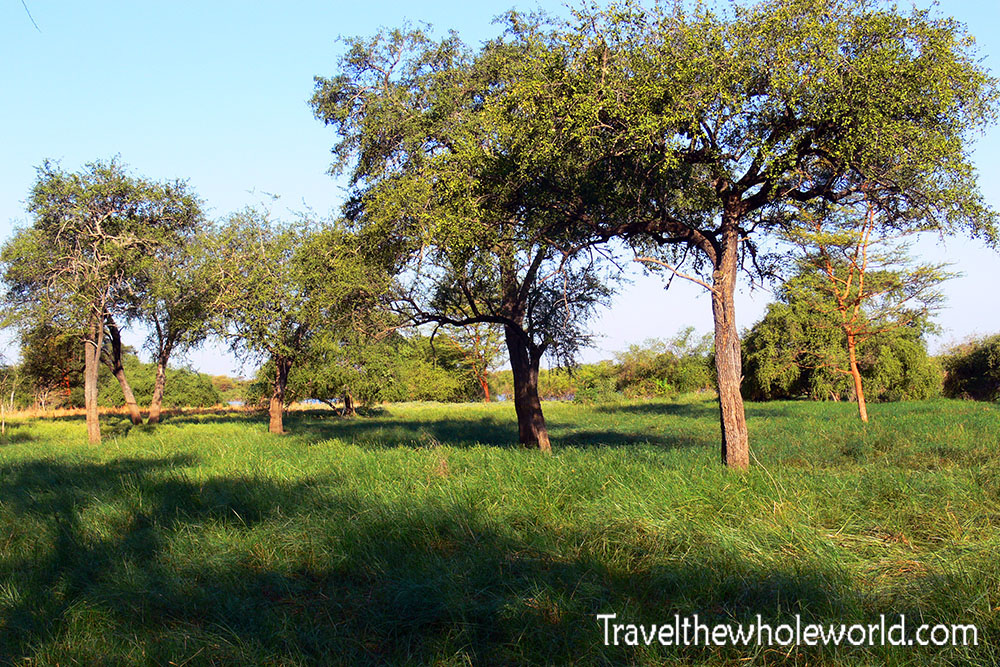
After spending a few nights in Dinder, I left feeling there was much more I could have seen, especially if I had returned during the wet season. There weren’t towering mountains or enormous canyons, but the unexpected greenery around the river and the amount of wildlife made the park memorable.
If someone had never been to Africa or experienced a safari before, Dinder probably wouldn’t be the first place I’d recommend. The famous parks of East and southern Africa make wildlife much easier to find and photograph. But after experiencing those places, I think Dinder offers something different. Finding wildlife here took more effort, which also made each encounter feel more rewarding.
These final views were among my favorite landscapes from the entire trip.