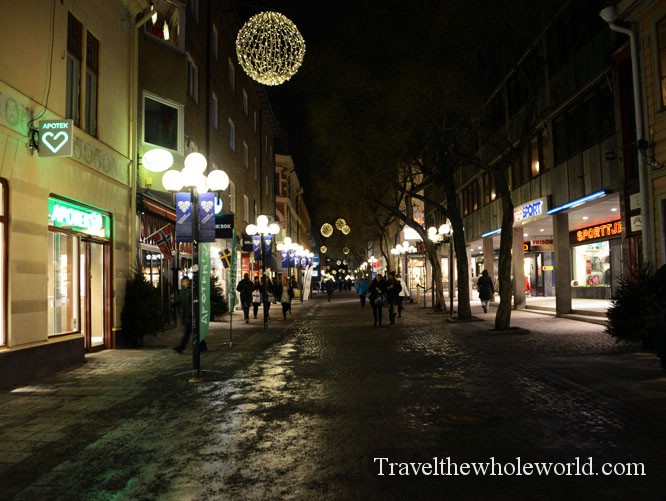
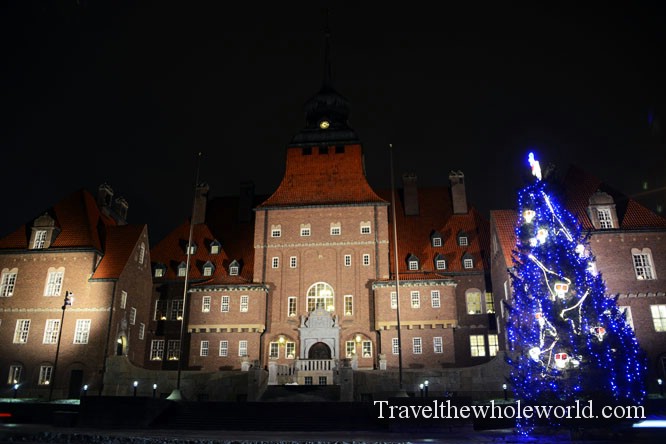
Östersund is located in central Sweden on the shores of Lake Storsjön. Walking through the city center, it feels larger than its population would suggest, with plenty of restaurants, shops and impressive architecture. I had arrived from Norway, so suddenly seeing prices that seemed almost reasonable was a welcome change! One of the buildings that caught my attention was Östersund City Hall, pictured above.
Jamtli Museum
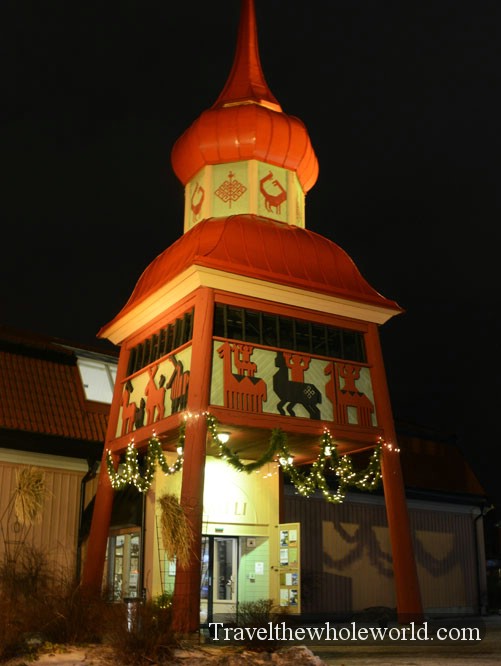
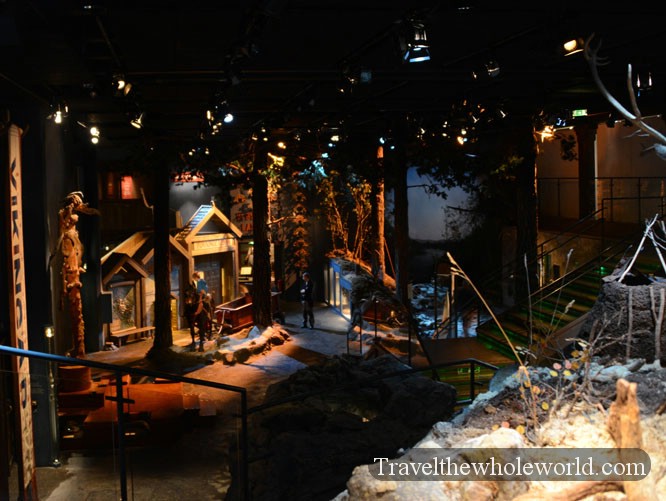
The highlight of Östersund for me was Jamtli. I was surprised to find such a large and interesting museum in a relatively small city. The museum covers the history and culture of Jämtland and Härjedalen through historical objects, artwork and recreated environments.
Inside are several galleries filled with artifacts, but some of the most memorable displays included reconstructed buildings, sleds, animals and exhibits related to Sámi history and culture.
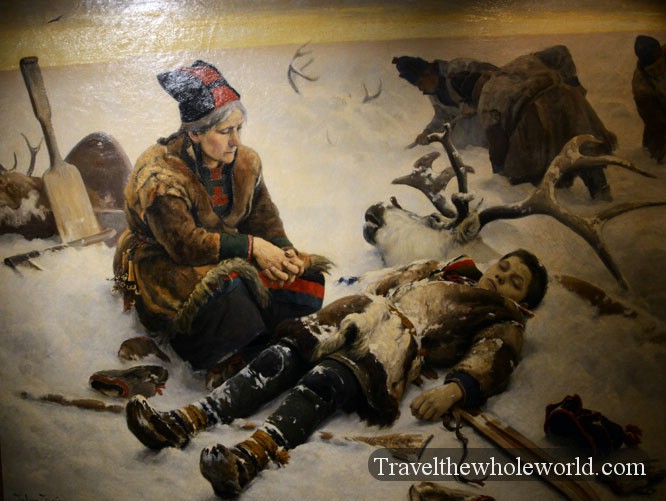
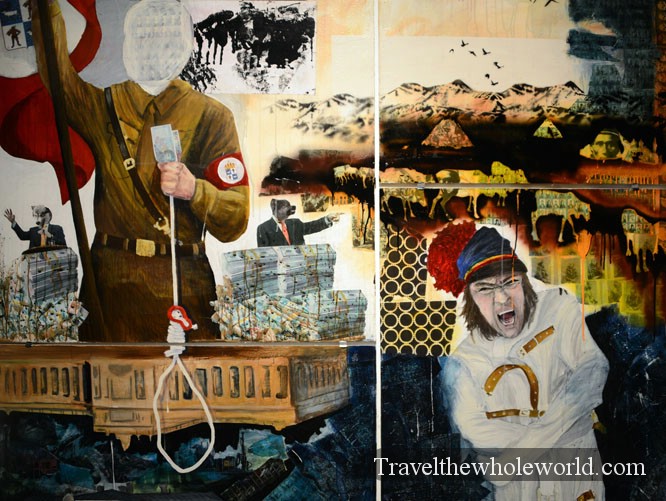
These pieces were part of the museum’s displays relating to Sámi life and history. One of the things I liked about Jamtli was the variety of its collection. You could go from artwork and textiles to archaeological objects and reconstructed historical scenes within the same museum.
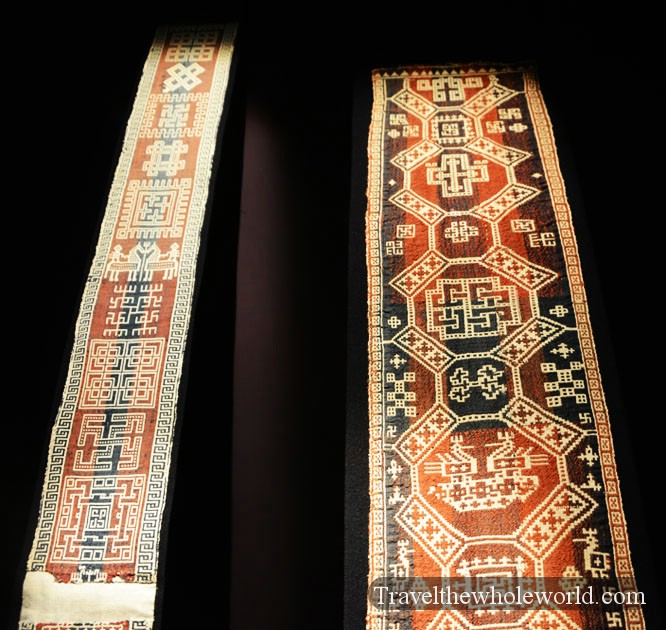
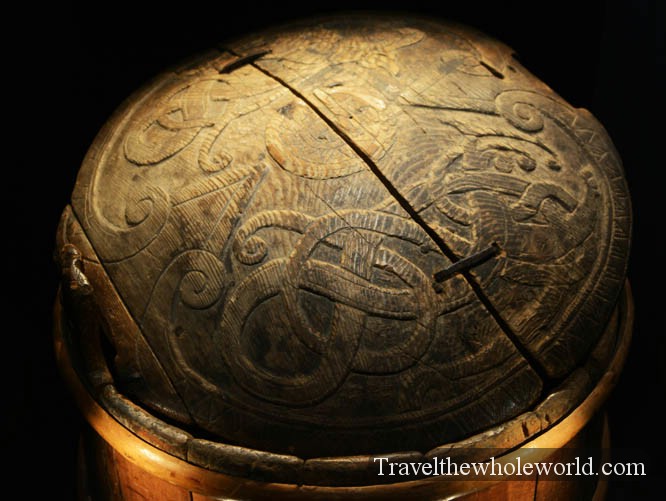
The museum has an impressive collection of textile art, including old tapestries that have survived in remarkably good condition. There are plenty of other historical artifacts as well, including the shield pictured above.
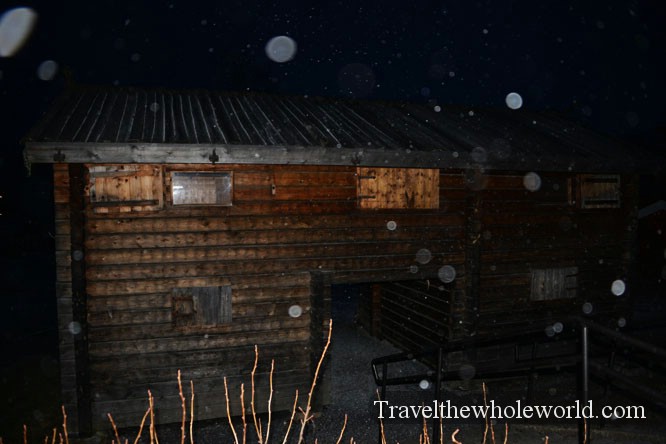
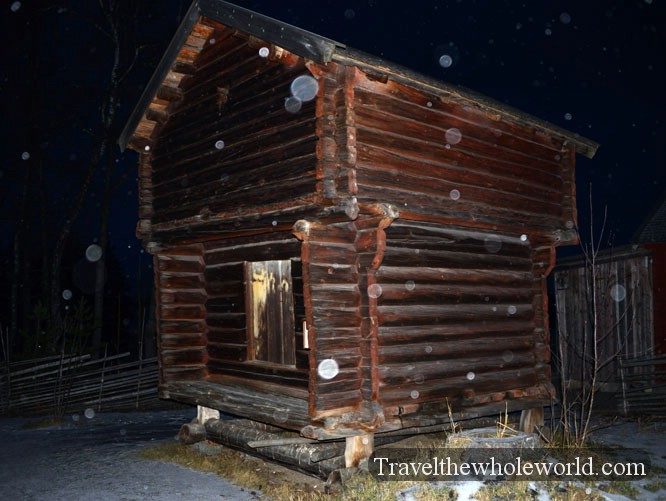
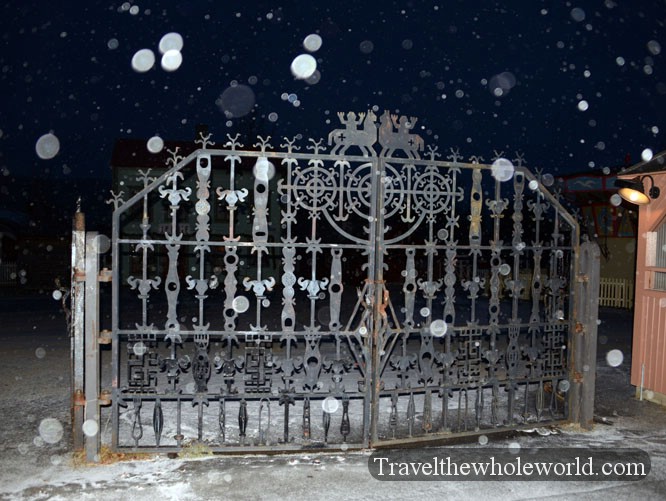
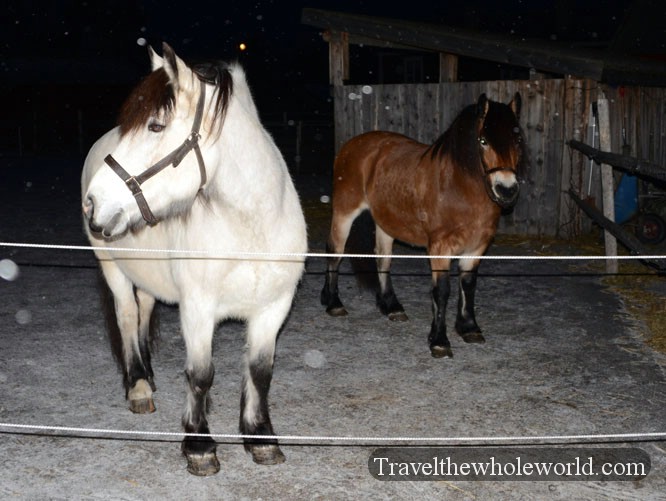
Jamtli also includes a large open-air museum that feels more like a historic village. Since I visited during winter, it was much quieter than it would be during the warmer months, but I was still able to walk among the old buildings and explore the grounds.
Åre
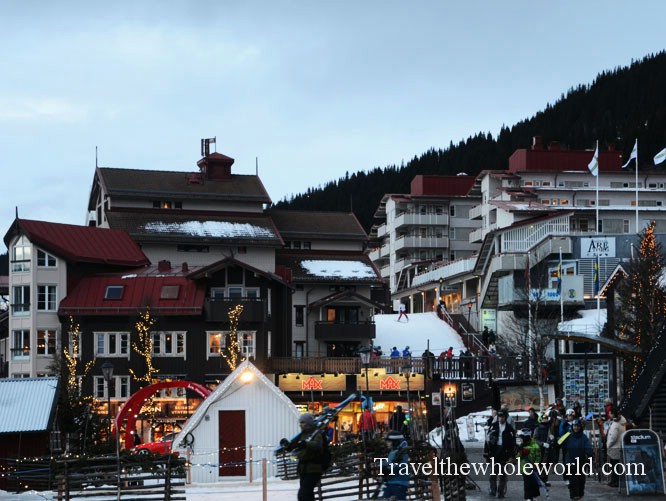
West of Östersund is the mountain town of Åre, one of Sweden’s best-known ski destinations. Before coming to Sweden, I happened to meet a Swedish guy back in the United States and told him I was going to Åre. He had no idea what place I was talking about, probably because I was pronouncing the name completely wrong!
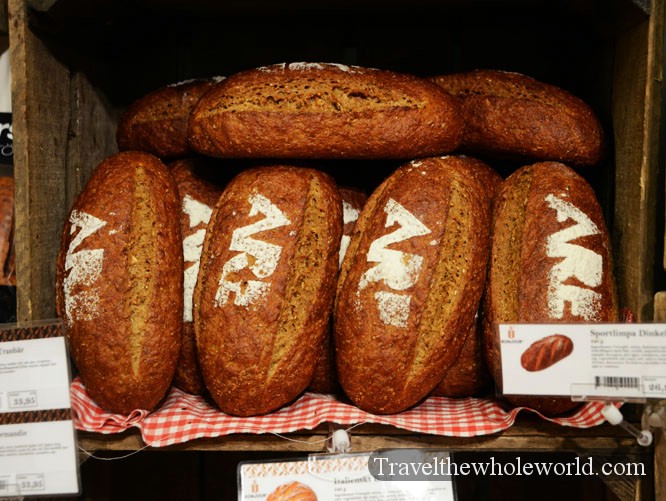
Once I arrived, there was no mistaking where I was. The Åre name seemed to be everywhere, appearing on signs, merchandise, chocolate and even bread in the grocery store.
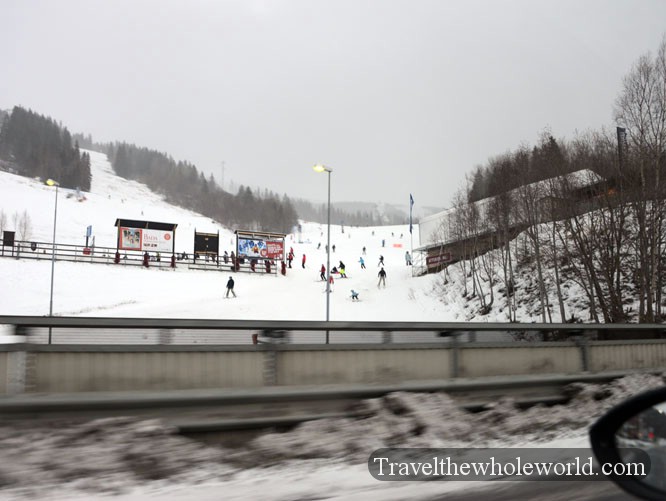
The entire reason I originally came to Åre was to ski. Unfortunately, I arrived at the very end of my trip through Scandinavia and found myself too lazy to deal with renting boots, equipment and everything else needed to get onto the slopes.
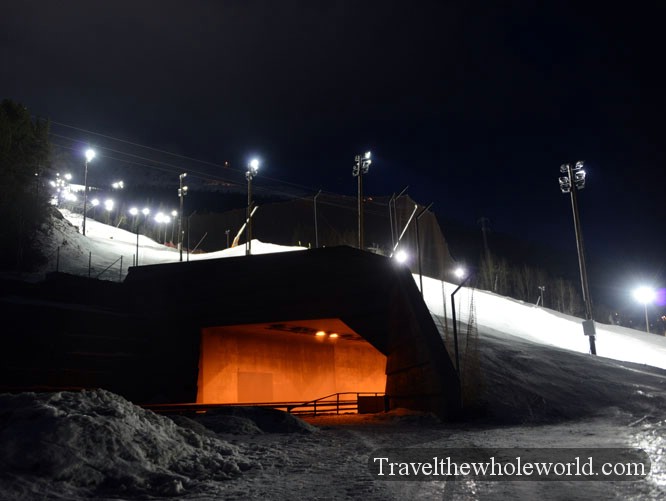
Sweden doesn’t have especially high mountains compared with places like the Alps, but elevation isn’t everything when it comes to skiing. Åre has plenty of vertical relief and an extensive ski area. One thing that caught my attention was how the slopes interacted with the town’s infrastructure, even passing across roads and tunnels.
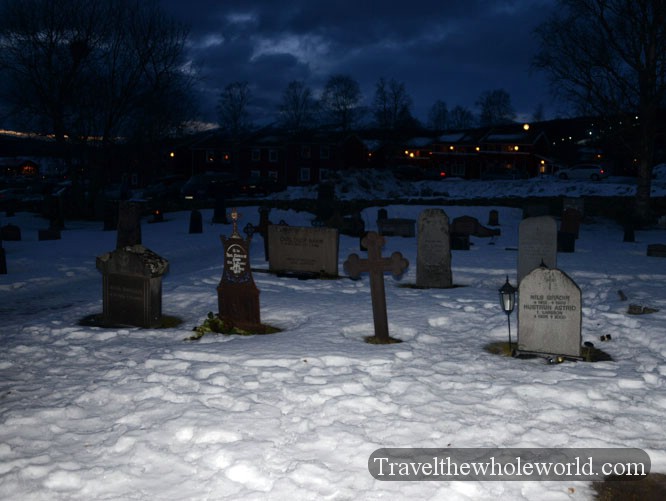
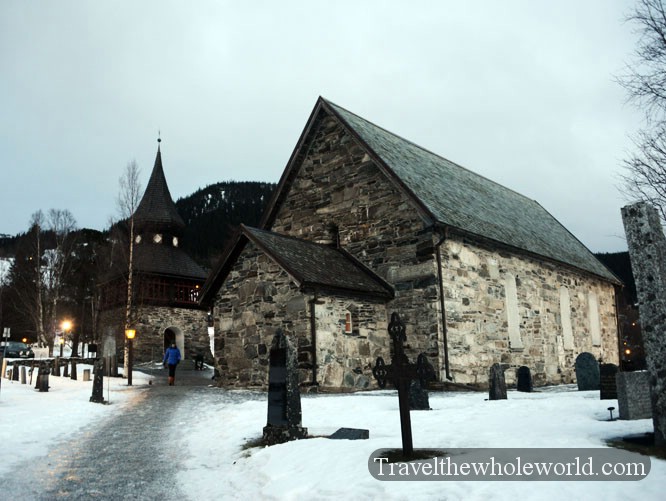
I also visited Åre Old Church. I didn’t realize it at the time, but the church dates back to the medieval period and is one of the oldest buildings in the area. The original church was considerably smaller than what stands today and was expanded over the centuries.
Moose Farm
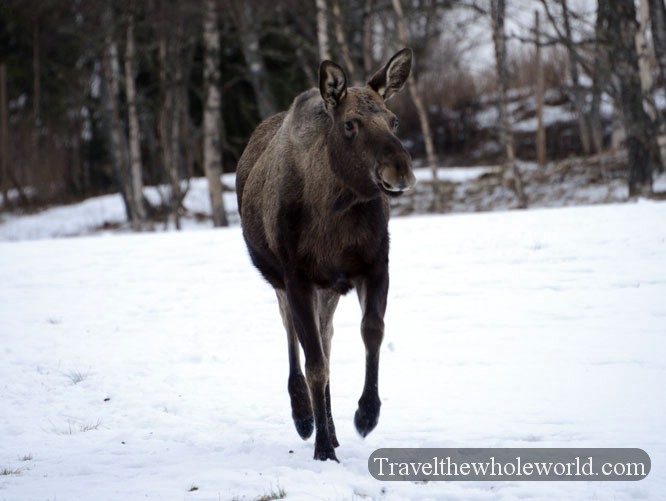
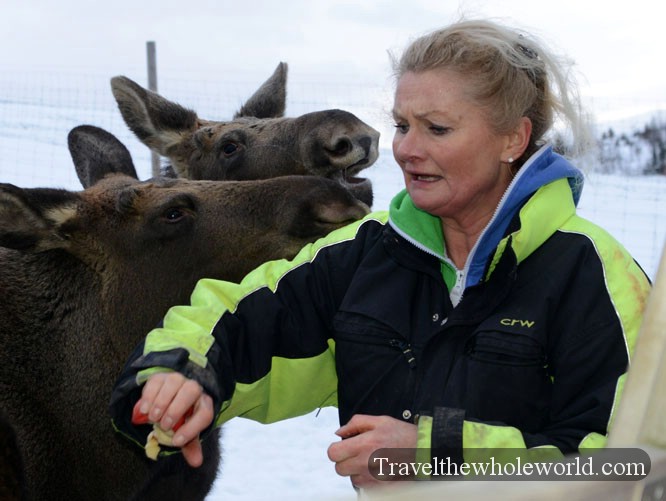
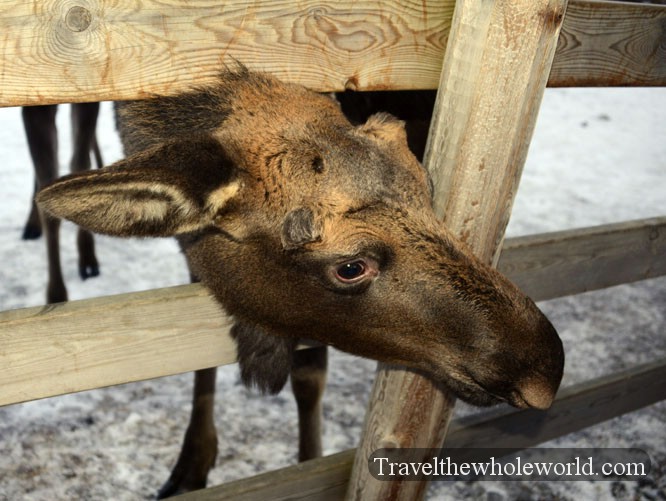
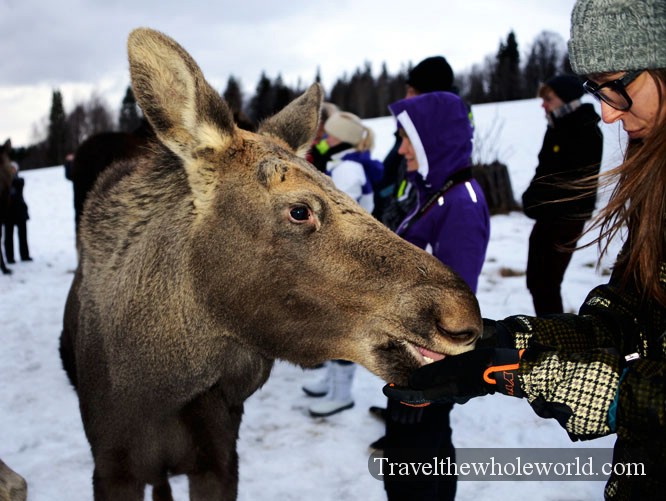
The bed and breakfast where I stayed near Åre came with a huge surprise: there was a moose farm there as well. I had no idea until I arrived.
Visits were organized to see the animals up close, and I even had the chance to feed them. Being inside an enclosure with animals this large was an experience I wasn’t expecting when I booked the room.
The moose ranged in age, with some mature adults among them. Male moose naturally grow large antlers that are shed and regrown as part of their annual cycle, and mature bulls can become particularly aggressive during the autumn rut.
Tännforsen
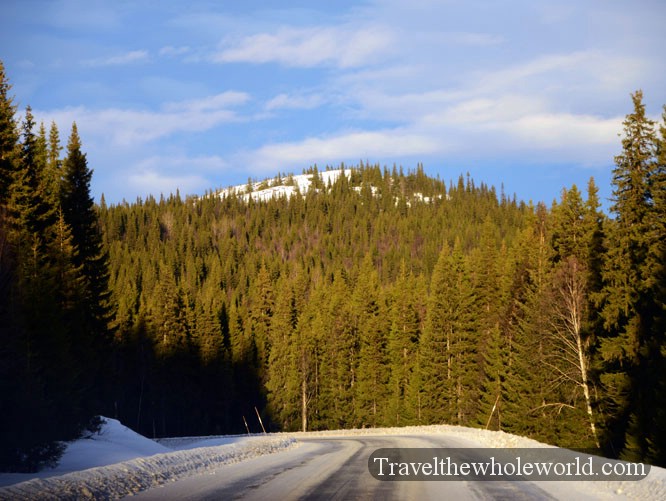
One day I drove northwest from Åre toward Tännforsen and got a rare treat during my Scandinavian winter trip: sunshine!
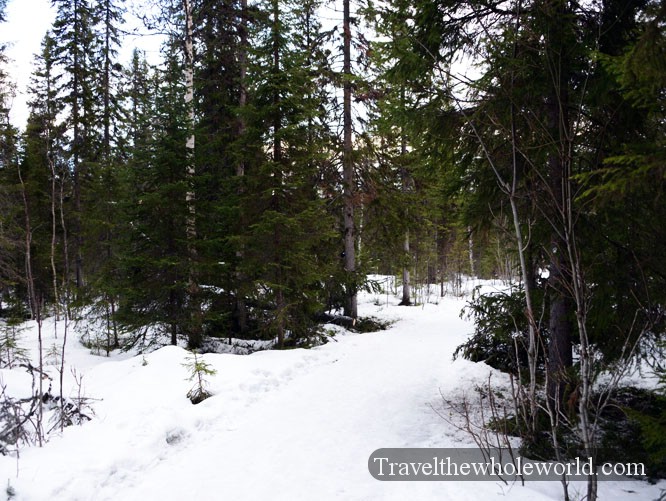
It wasn’t completely clear, and the sun kept disappearing behind the clouds, but after what felt like endless gray weather I appreciated every minute of it. The hike through the forest was short and easy. Although snow covered much of the trail, it was compact enough that I didn’t need snowshoes.
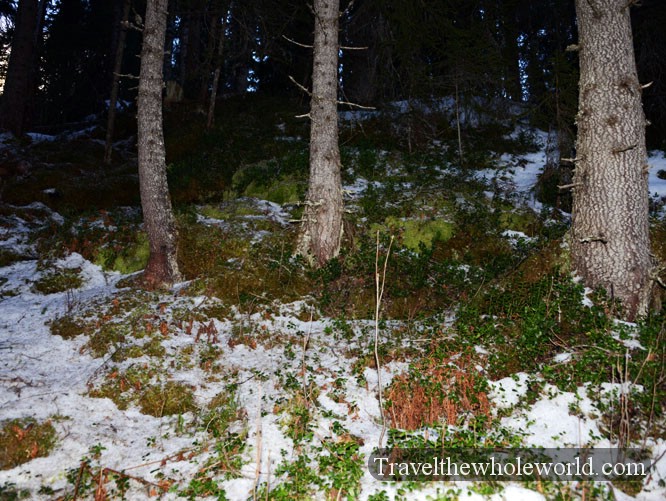
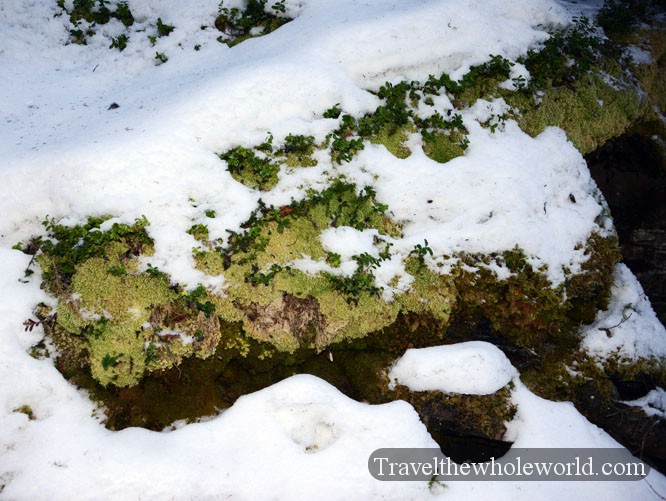
I especially liked the contrast between the green moss and vegetation and the surrounding white snow. Within a few minutes of hiking I could hear the river and the roar of Tännforsen in the distance.
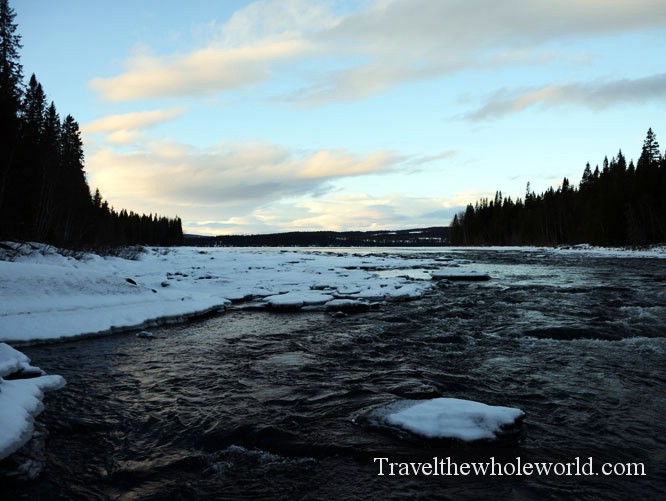
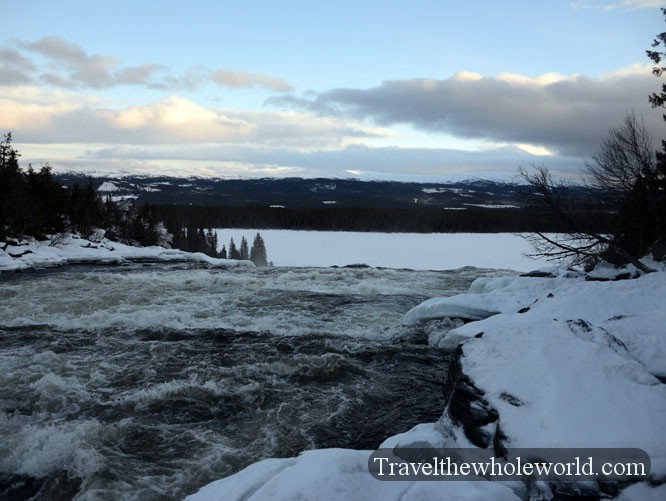
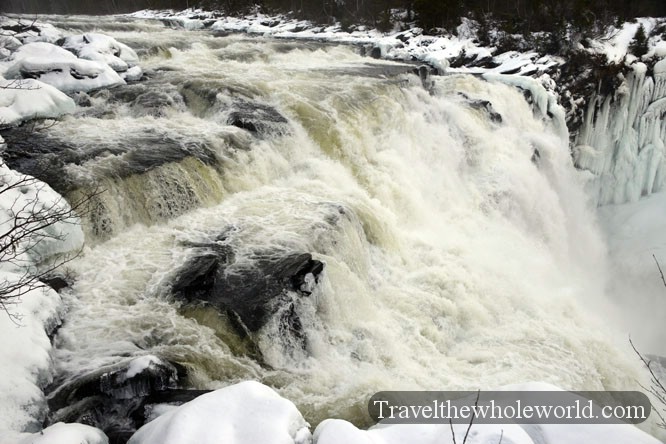
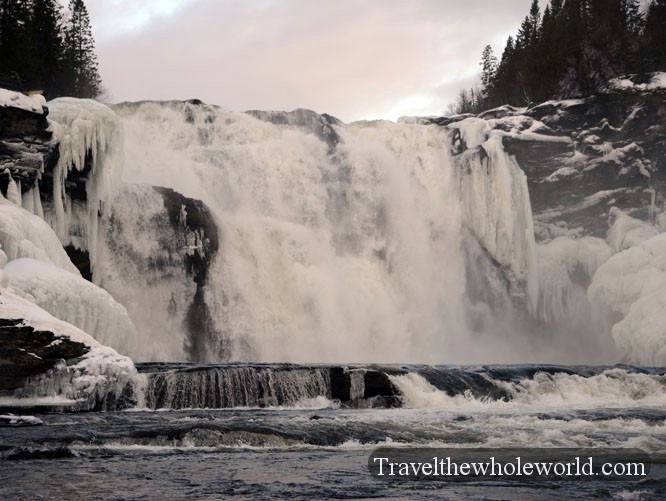
The short hike eventually brought me to Tännforsen, one of Sweden’s largest and most powerful waterfalls. The constant moisture around the falls creates an unusually humid local environment that supports abundant mosses and lichens.
Winter completely transforms the landscape. Ice builds around the falls as temperatures drop, creating enormous frozen formations around the still-moving water. Between the snowy forest, river and waterfall, this ended up being one of my favorite stops in the Åre area.
Explore More of Sweden
Stockholm • Ostersund