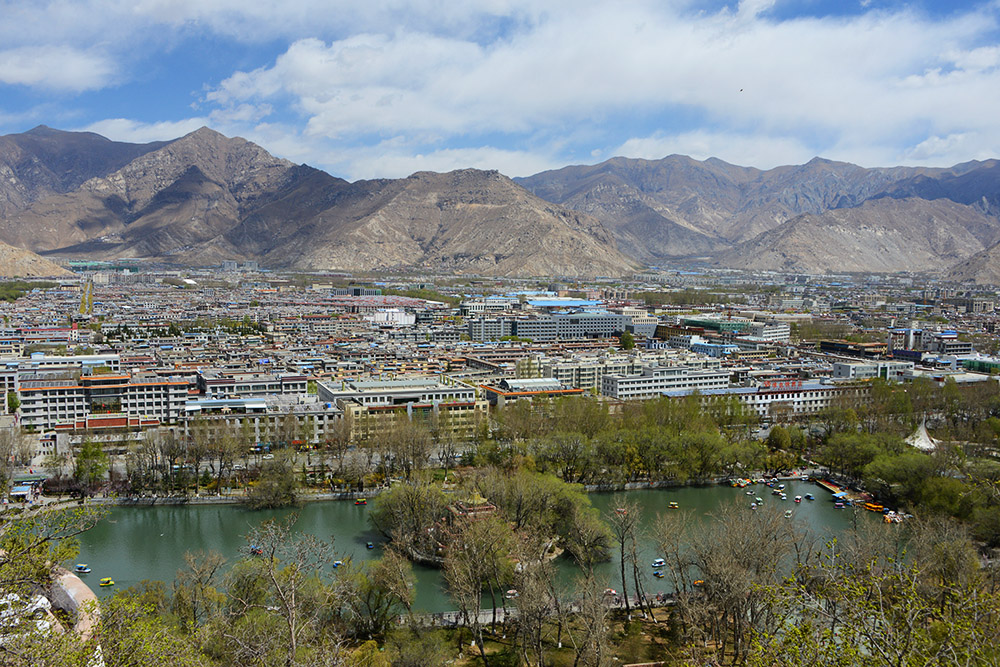
Lhasa is one of the few cities in the world that still seems mysterious. Located high on the Tibetan Plateau and far from any ocean, it is one of the world’s most isolated major cities. At first glance, parts of Lhasa can look similar to other modern Chinese cities, although without the same concentration of skyscrapers. The newer areas of the city contrast sharply with old Lhasa, where Tibetan architecture, religion, and culture have roots stretching back well over 1,000 years.
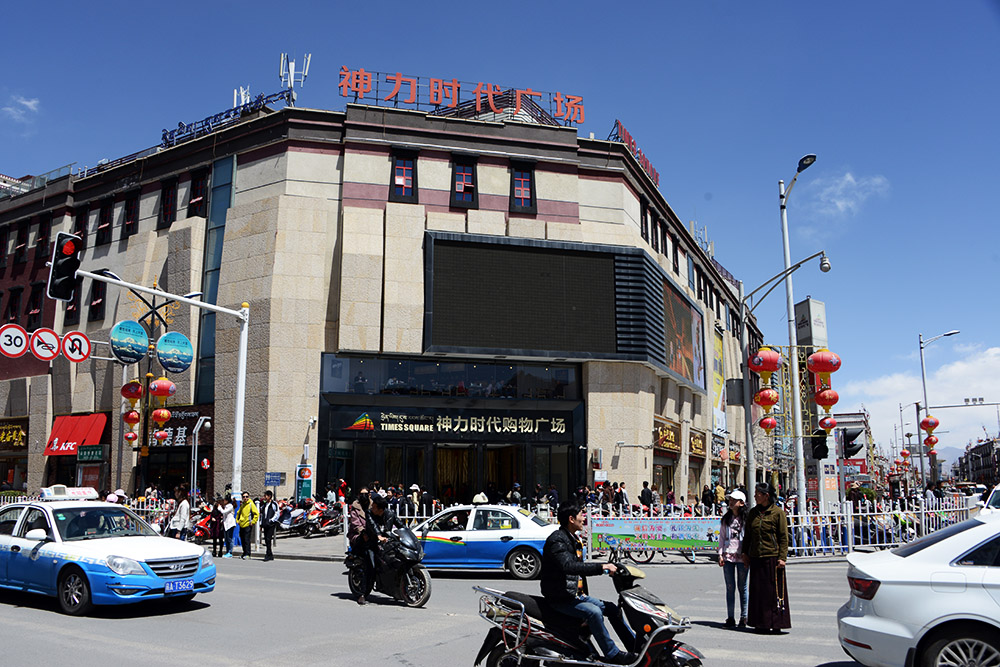
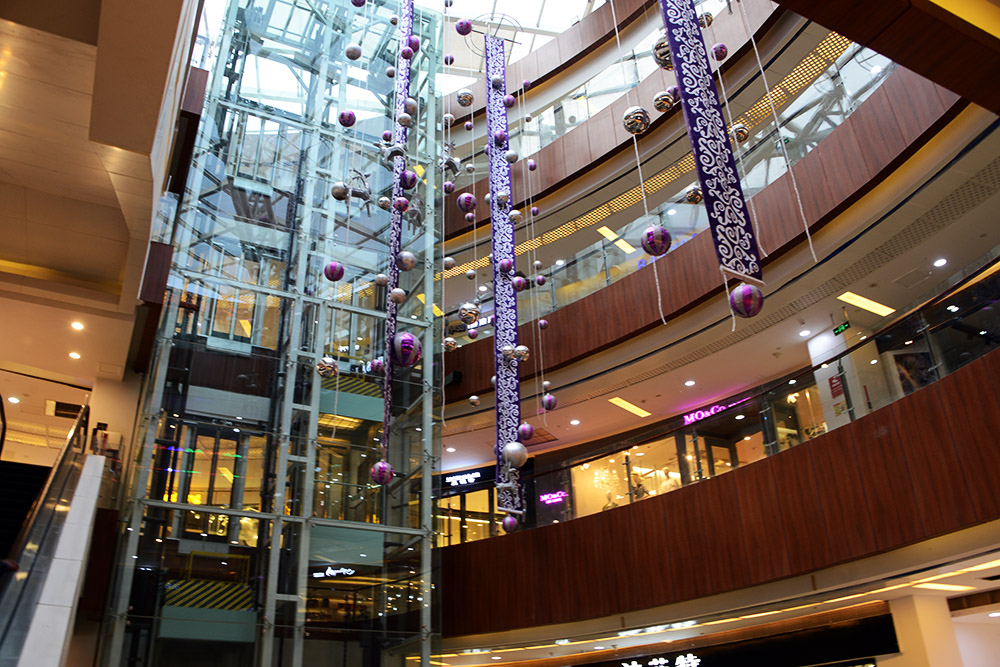
Modern Lhasa has many of the same things you would expect to find in other Chinese cities. The photo above shows a shopping center called Times Square, where you’ll find coffee shops, clothing and electronics stores, restaurants, and international chains. The photo below shows the inside of the shopping center.
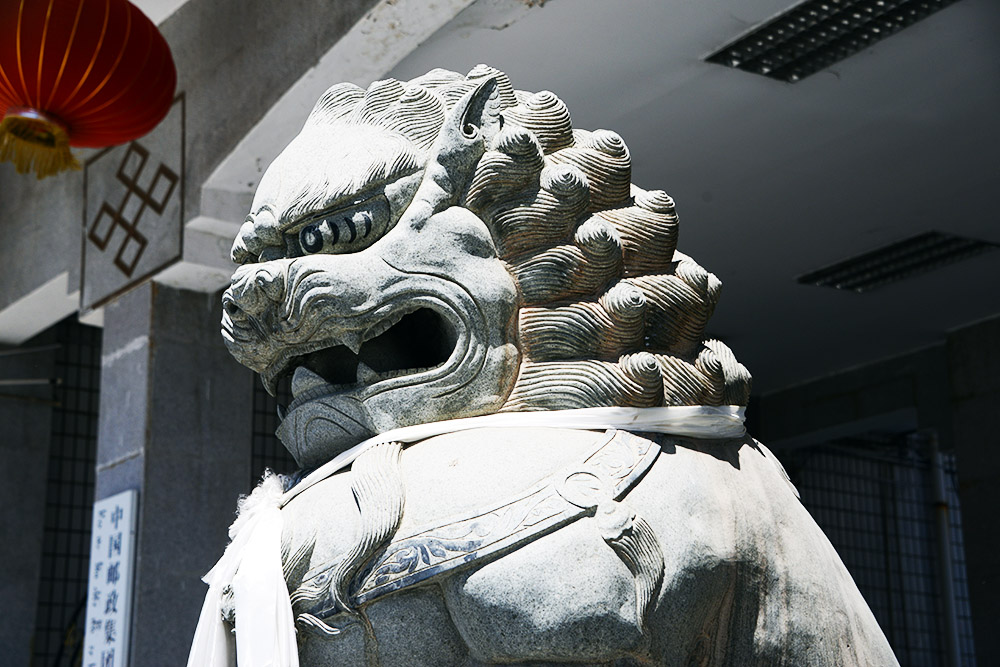
Decorative details around the city also reflected a mixture of styles, including this colorful dragon design.
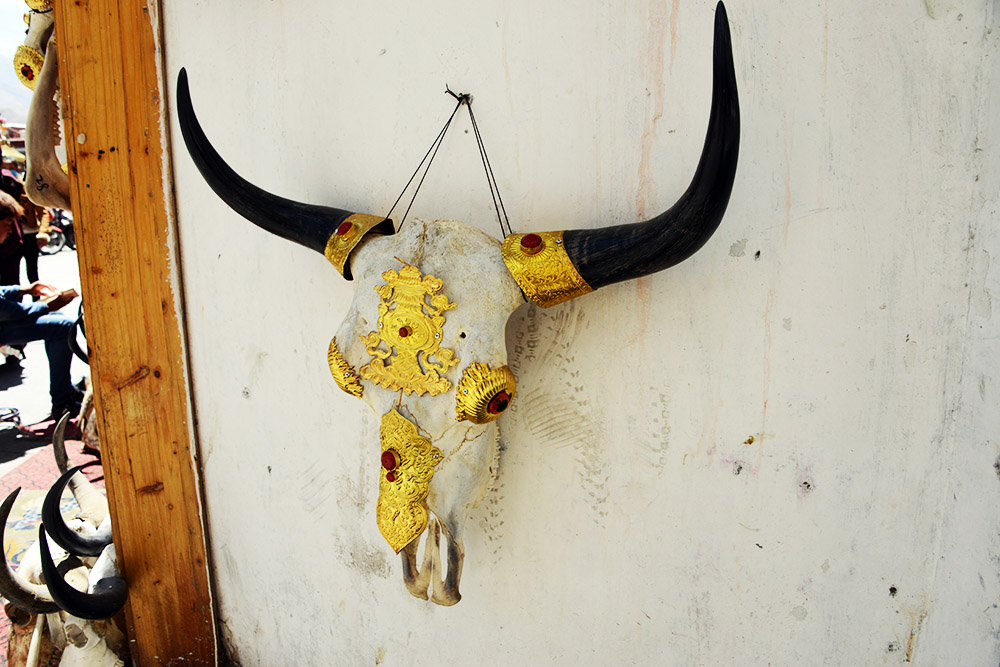
I also came across this decorated skull while exploring Lhasa, another small detail that caught my attention while walking through the city.
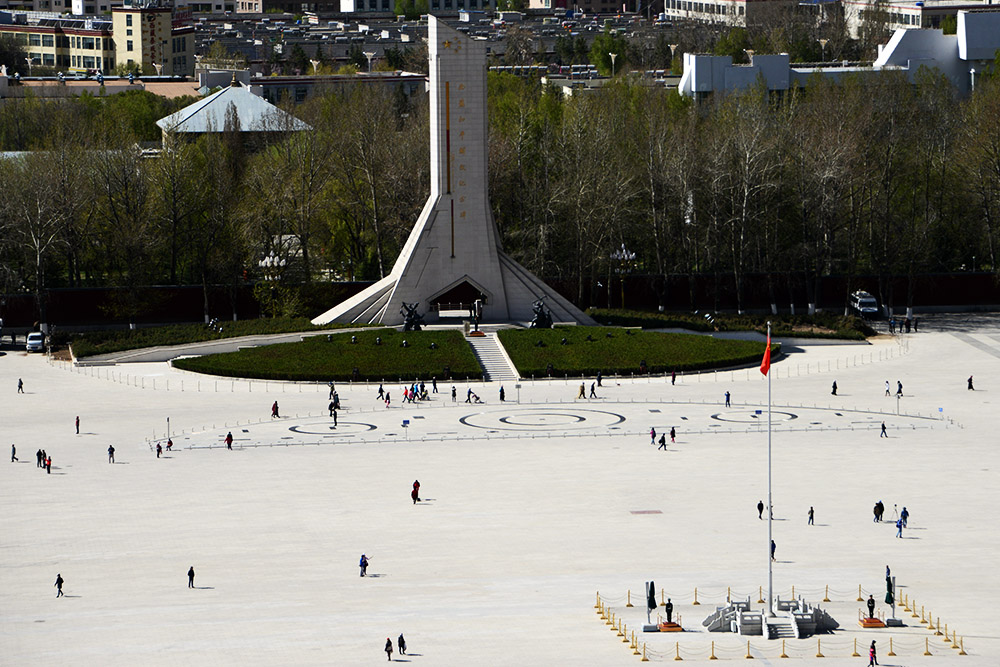
Above is the Monument to the Peaceful Liberation of Tibet, a prominent landmark standing near the Potala Palace. Completed in 2002, the monument is one of the major modern landmarks around this part of Lhasa.
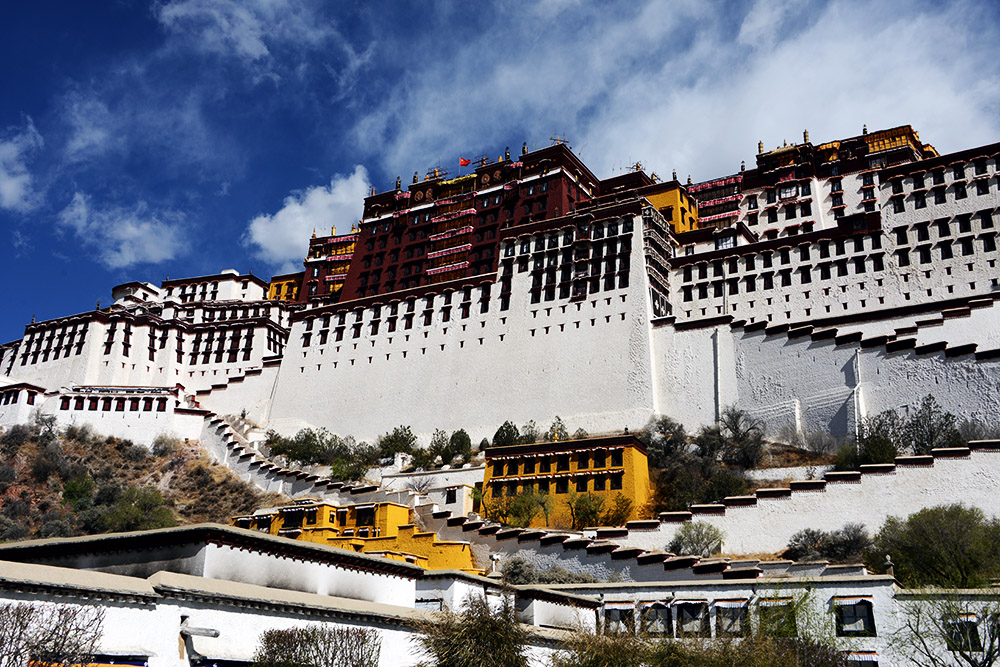
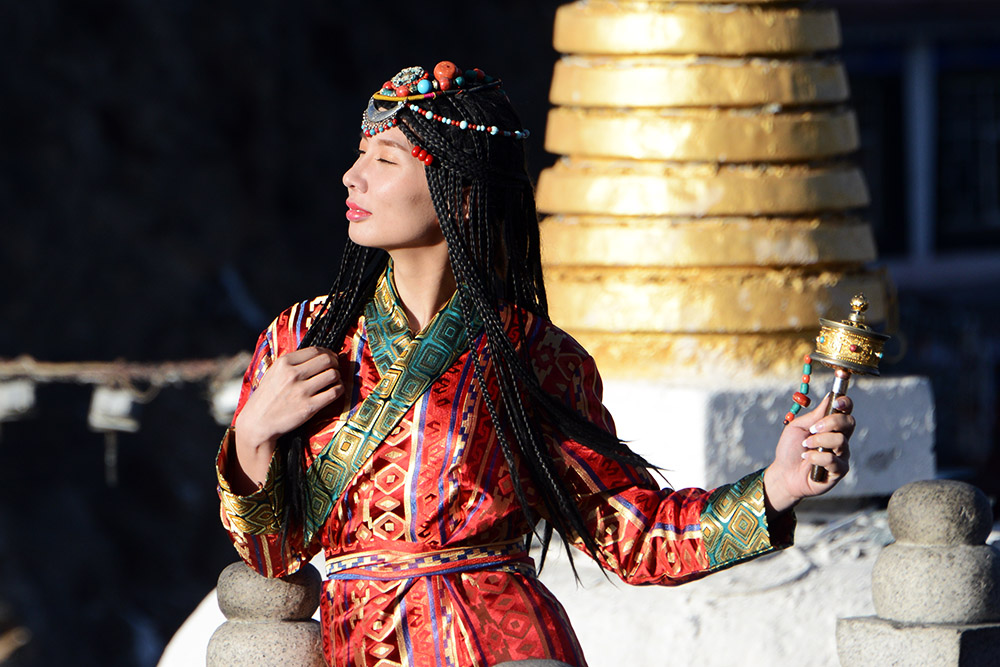
While there are museums and other interesting things to see in modern Lhasa, the old city is where I found much of the ancient Tibetan culture and architecture I had come to see. This incredible building is the Potala Palace, sometimes referred to as the Winter Palace. I’d seriously go as far as to say this might be the most beautiful building I’ve ever seen in my life. It’s even more incredible when you consider that it was built centuries ago at an altitude of around 12,000 feet (3,600 meters). The Potala Palace served as the traditional winter residence of the Dalai Lamas for centuries. While waiting for sunset outside the palace, I saw this woman below dressed in traditional clothing.
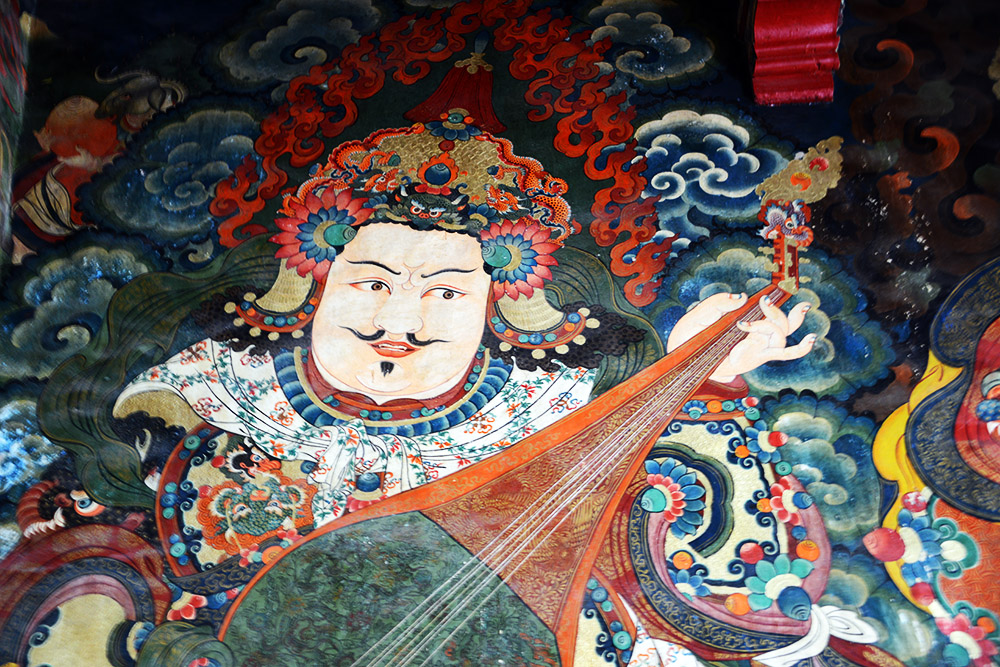
Without exaggerating, the massive Potala Palace contains more than a thousand rooms spread throughout numerous sections and levels. This makes it impossible for any visitor to see more than a small glimpse of what’s really inside. The tour passes through a number of ancient rooms with detailed descriptions of their history and purpose. Above is one of the meeting rooms used by former Dalai Lamas to receive guests and officials.
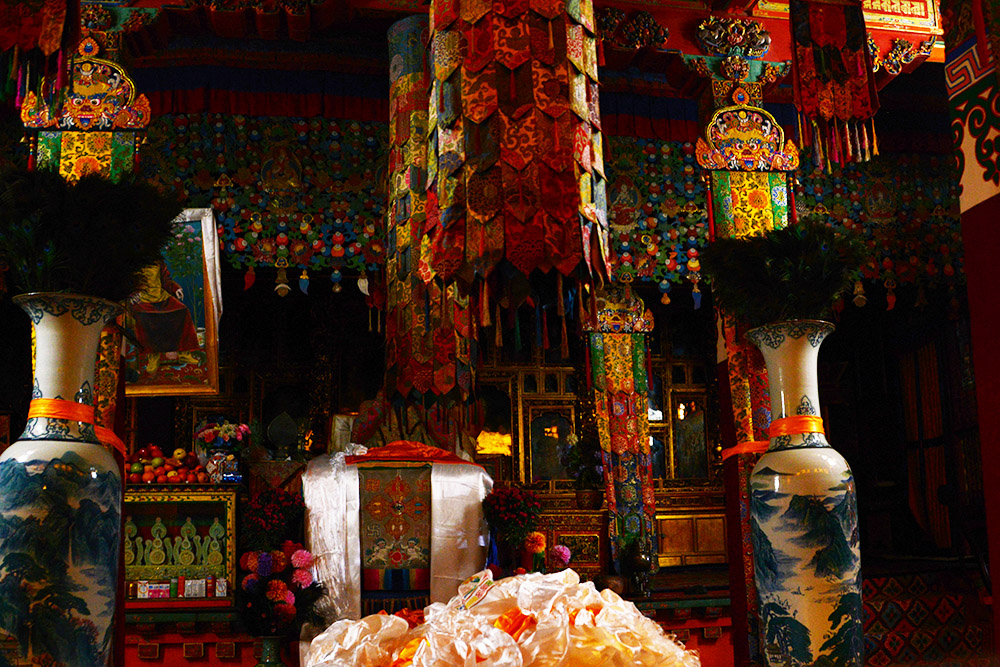
Above is another beautifully decorated room in the Potala Palace. We passed through several important areas where photography was not allowed. One was a dimly lit hallway decorated in traditional Tibetan style. Along one side were rows of butter lamps and the occasional chanting monk, while other sections of the palace contain enormous stupas holding the remains of former Dalai Lamas.
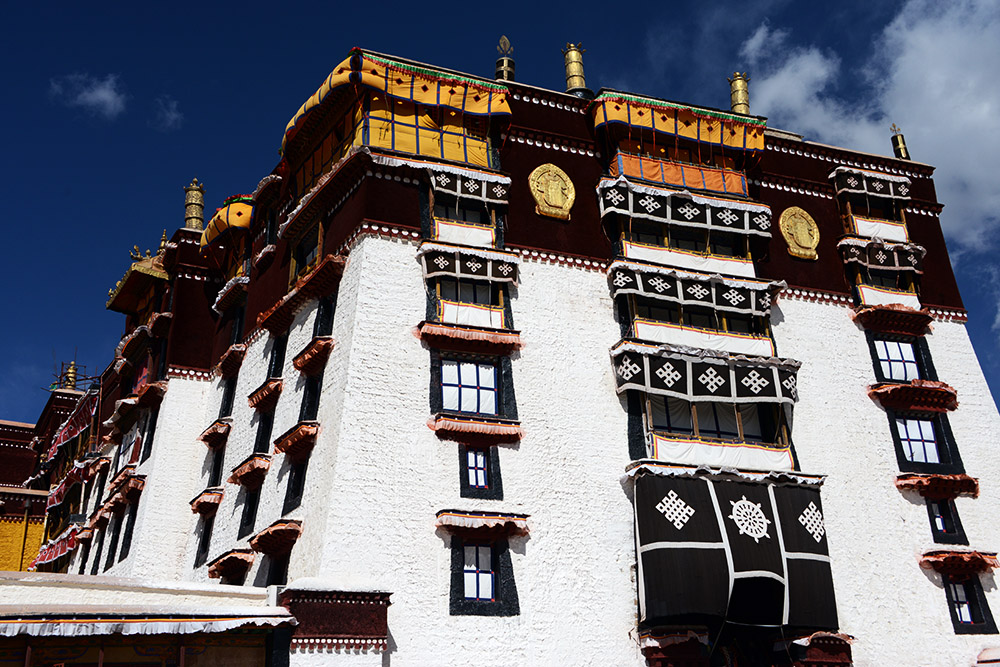
After touring part of the palace interior, the stairs eventually led us outside to areas near the roof. Here I reached a large courtyard surrounded by traditional architecture. I can’t emphasize how enormous this place is. From the courtyard the route reenters the palace and continues through a maze of rooms and hallways before reaching some of its highest sections. Photography wasn’t allowed in several of the more important and sacred areas.
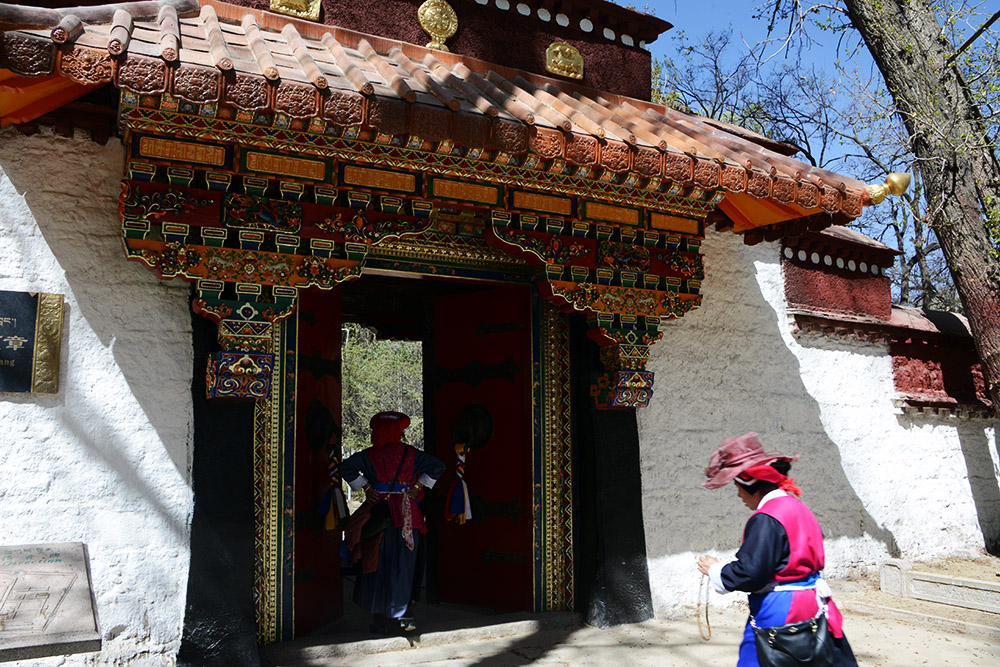
If you’re wondering whether the Dalai Lamas also had a Summer Palace, the answer is yes. Norbulingka served as their traditional summer residence and occupies a large area filled with gardens, trees, flowers, and numerous buildings. Unlike the towering Potala Palace, Norbulingka is spread across landscaped grounds. Above are some local Tibetan women entering part of the complex.
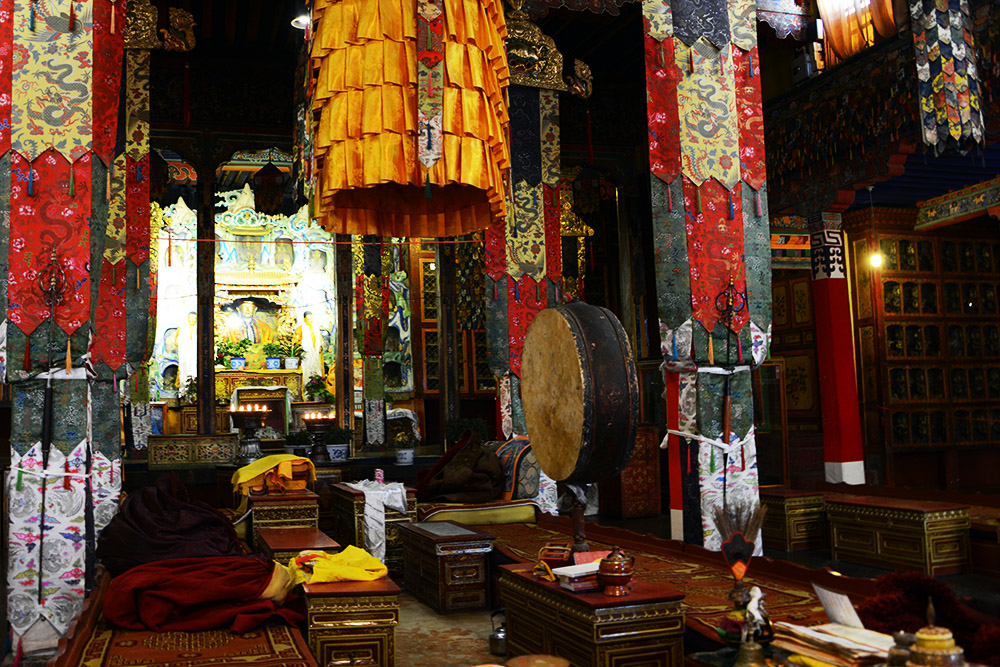
Like the Potala Palace, the Summer Palace also had beautifully decorated rooms displaying traditional Tibetan architecture and artwork. Despite all the buildings and space throughout the complex, it was relatively quiet during my visit.
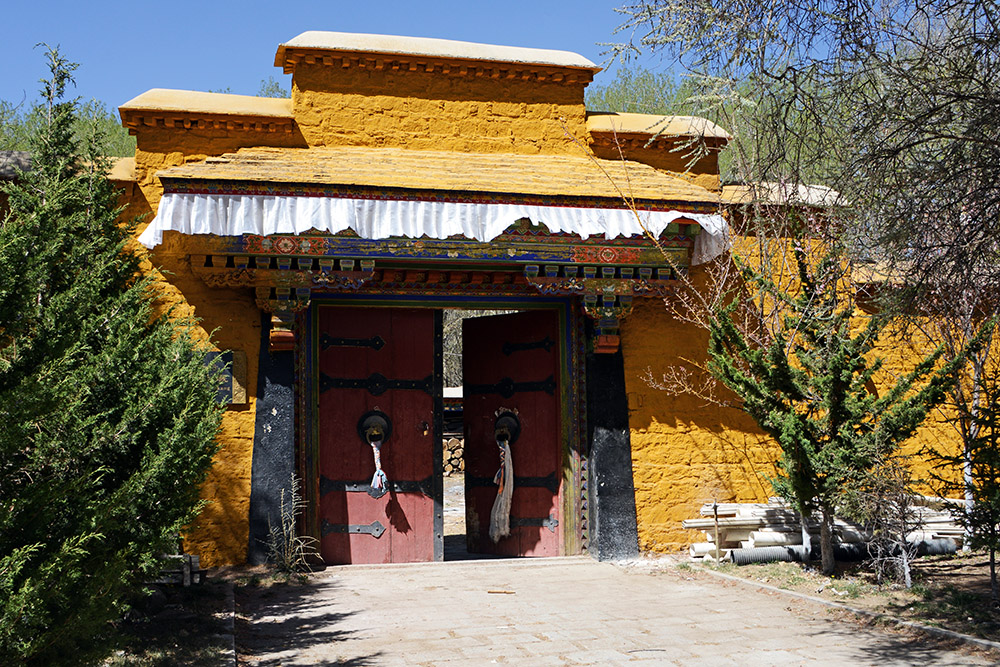
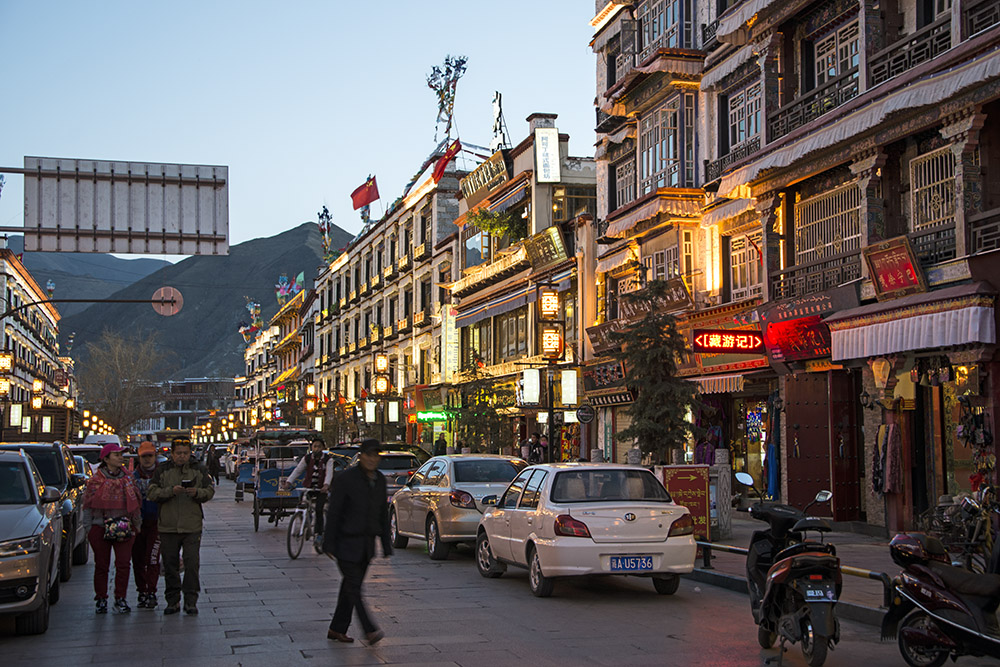
I preferred spending much of my time exploring old Lhasa on foot. The photos above and below show some of the historic Tibetan neighborhoods that were easily my favorite parts of the city. I found old Lhasa to be one of the most unique places I’d ever visited. Its narrow streets, traditional architecture, shops, restaurants, temples, and crowds of pilgrims gave this part of the city a completely different atmosphere from the newer areas of Lhasa.
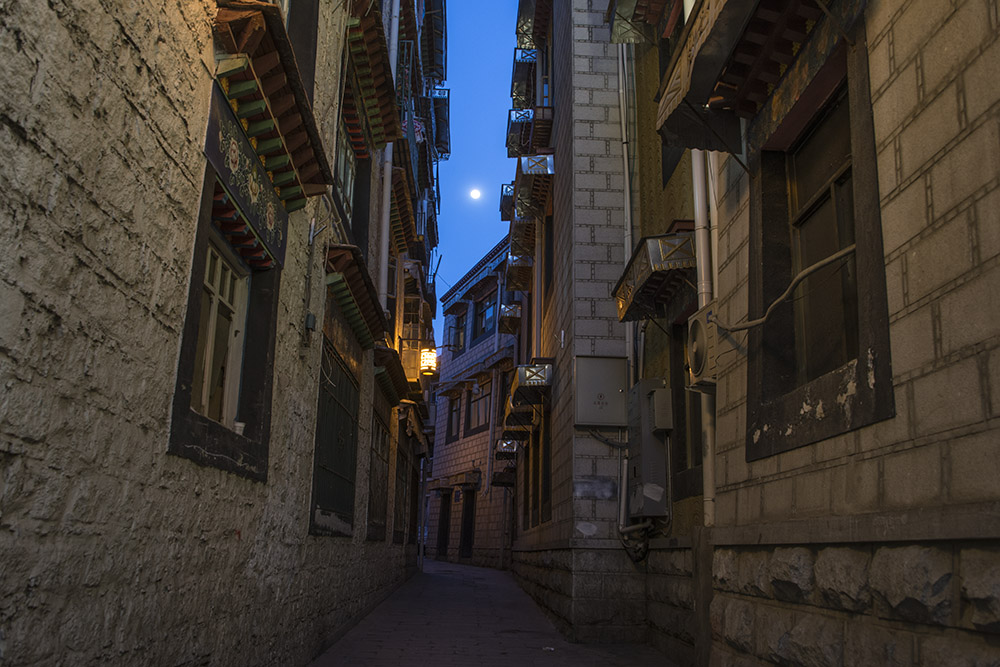
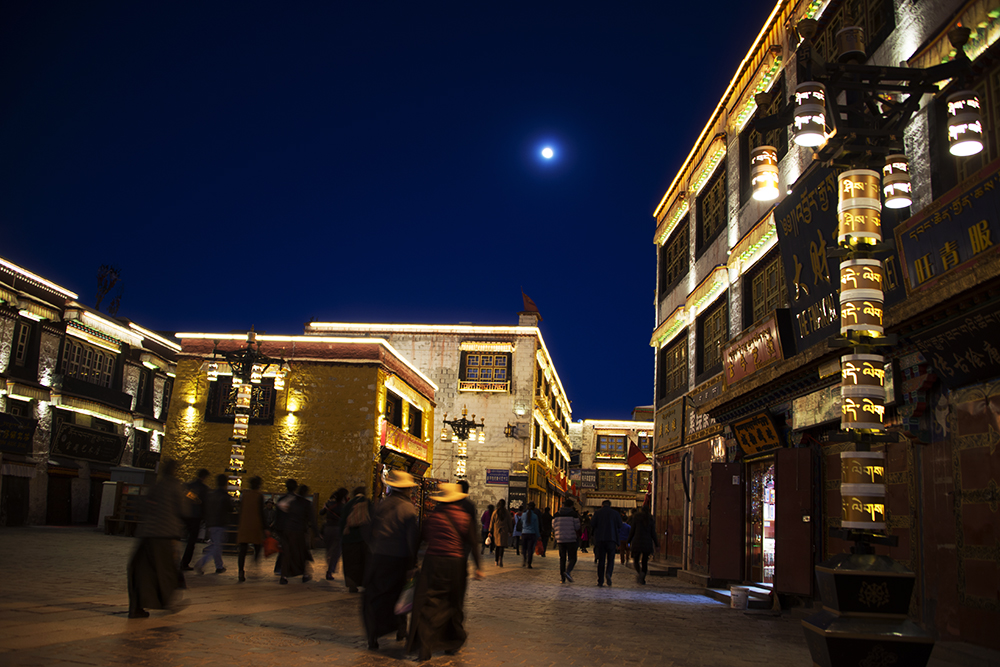
While exploring the old city’s alleys and shops one evening, I happened to pass through this alley while the full moon was overhead. In person the moon seemed huge and dramatic against the old buildings, although my photo didn’t quite do the view justice.
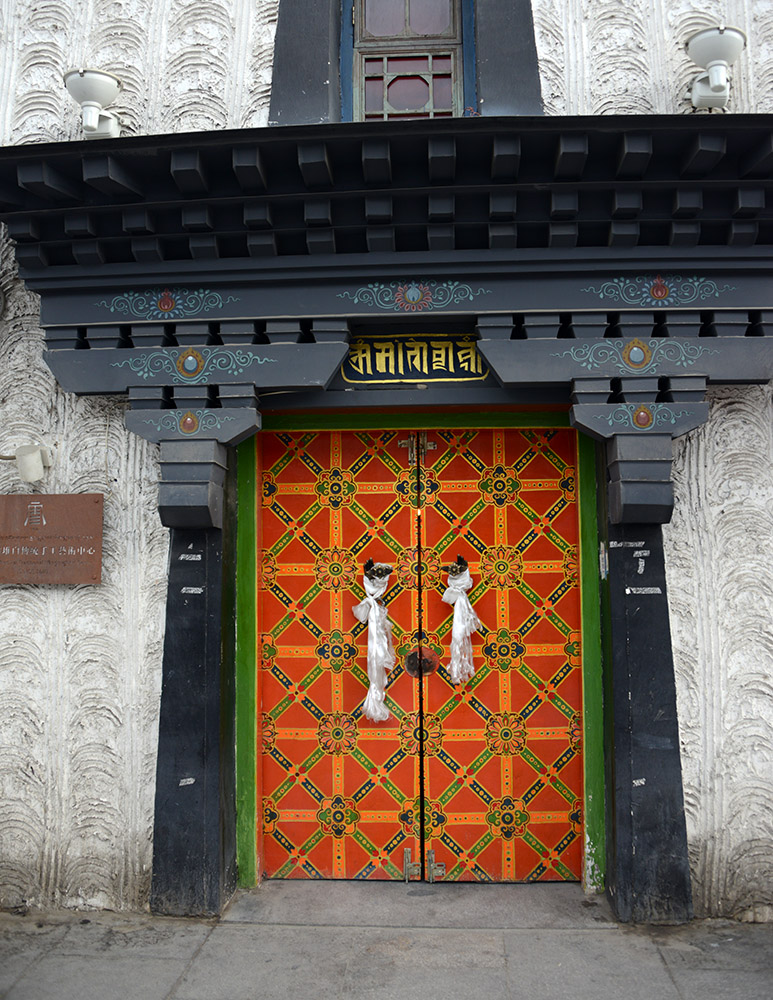
My main reason for entering Tibet was to attempt Mt. Everest. While in Lhasa I was traveling with the rest of my expedition. Many of them visited Jokhang Temple during the day, but I ended up missing that excursion. Since our stay in Lhasa was essentially free time, I went there by myself at night, which turned out to be a great time to explore the surrounding area. Jokhang is an enormous and historic temple complex in the heart of old Lhasa.
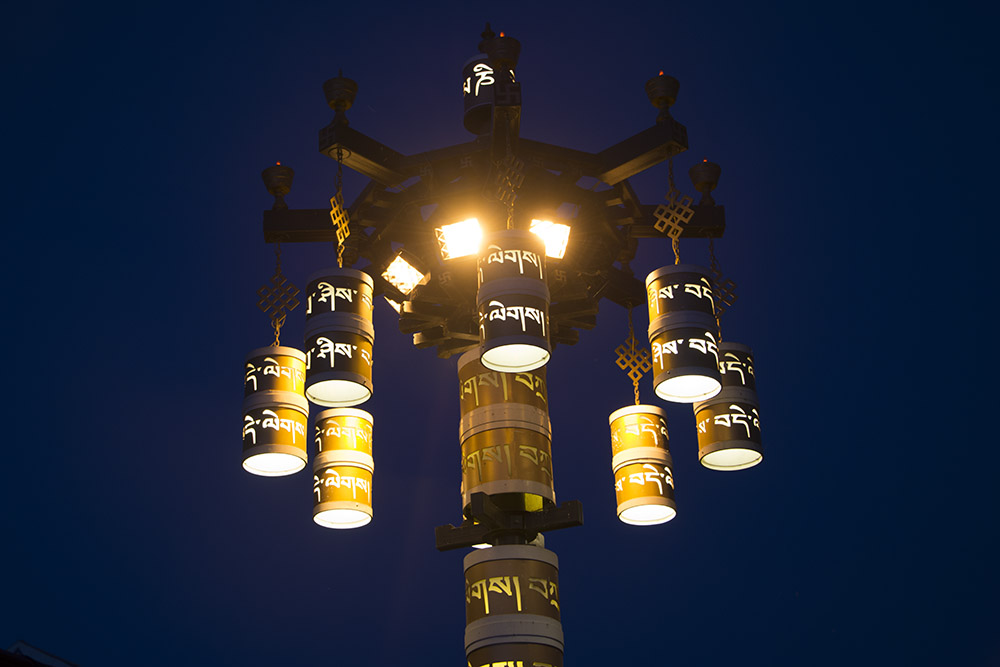
Jokhang Temple is one of the most important and sacred temples in Tibetan Buddhism. Founded in the 7th century, it has been a major destination for Tibetan pilgrims for centuries. I walked around on my own and mostly enjoyed taking in the scenery and people-watching. At night the surrounding buildings and streets were illuminated by lanterns, giving the area an entirely different atmosphere. Below is a photo of crowds of Tibetans passing through the streets around Jokhang.