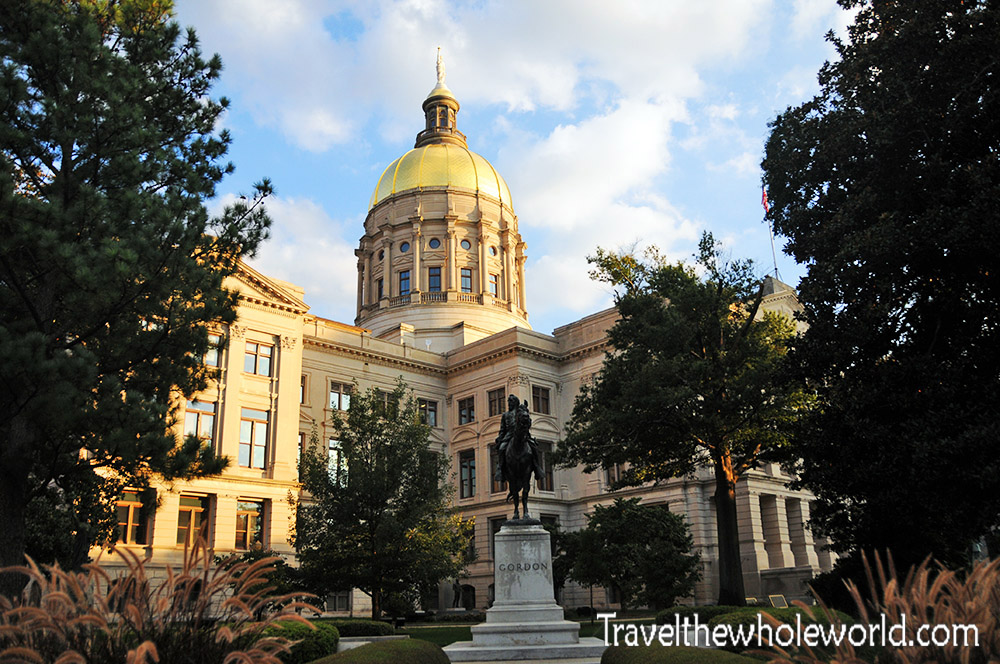
Atlanta is the capital of Georgia and one of the largest cities in the southeastern United States. The city is famous for its Civil War history and as the birthplace of Martin Luther King Jr. Atlanta is also where Coca-Cola was invented and is home to the massive Georgia Aquarium along with countless other attractions. The Georgia State Capitol above was where I began my visit to Atlanta. Completed in 1889, the building replaced an earlier capitol that had served the state after the Civil War.

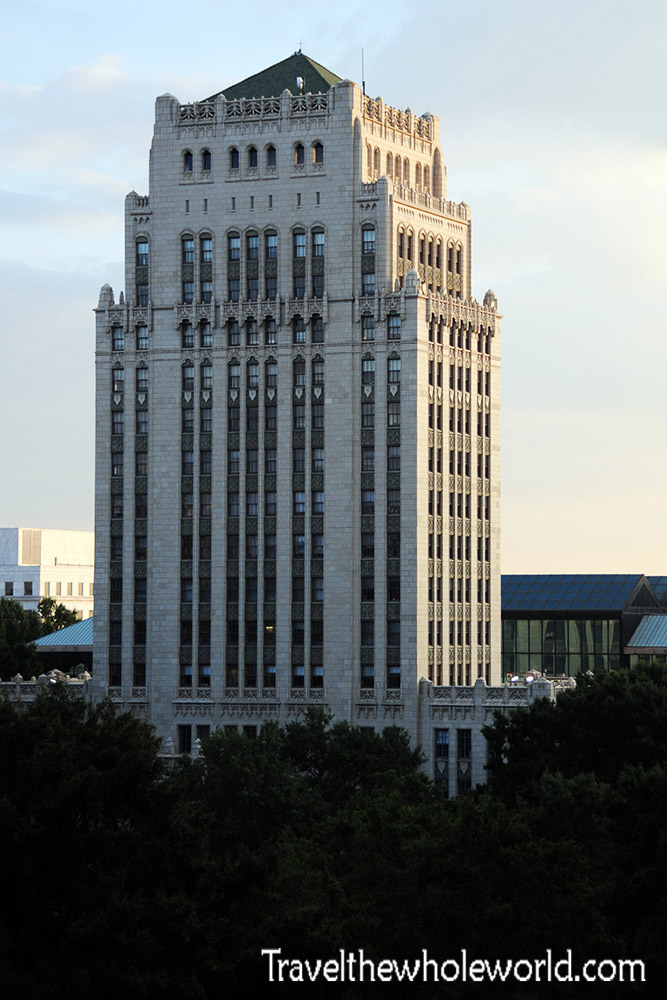
During the Civil War, Atlanta wasn’t nearly as large as it is today, but it was still an important and strategic city because of its location and railroad infrastructure. Much of Atlanta was destroyed during the war and the city had to rebuild afterward. Today Atlanta has a pretty diverse mix of architecture. Some parts of the city are densely developed with high-rise buildings, while other neighborhoods have a more suburban feel despite being very close to downtown. The photo above shows the Bank of America Plaza, while below is Atlanta City Hall.
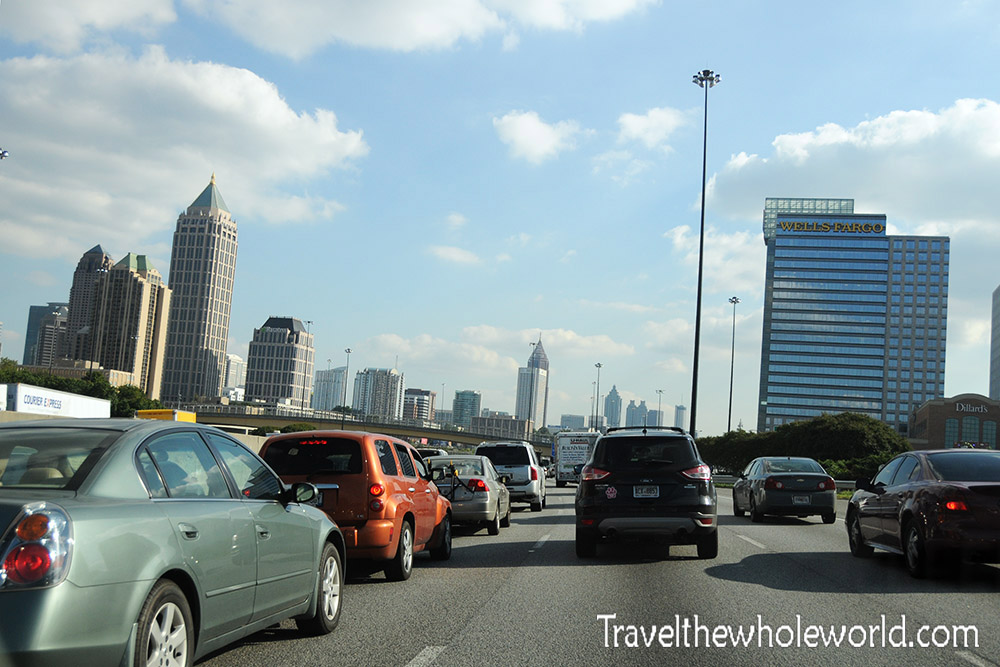
My sister, who moved from Virginia to a suburb north of Atlanta, warned me that the traffic here was much worse than back home. I found this hard to believe, and for the most part I didn’t think it was true. There wasn’t too much traffic in the photo above, although another time I did get caught in a mess. Sometimes the road design seemed to be as much of a problem as the number of cars. I mistakenly pulled into a shopping center, for example, and was trapped there for about 20 minutes. Everyone was trying to make a left turn, and the traffic light would only allow a couple of cars through at a time. It was incredibly annoying.
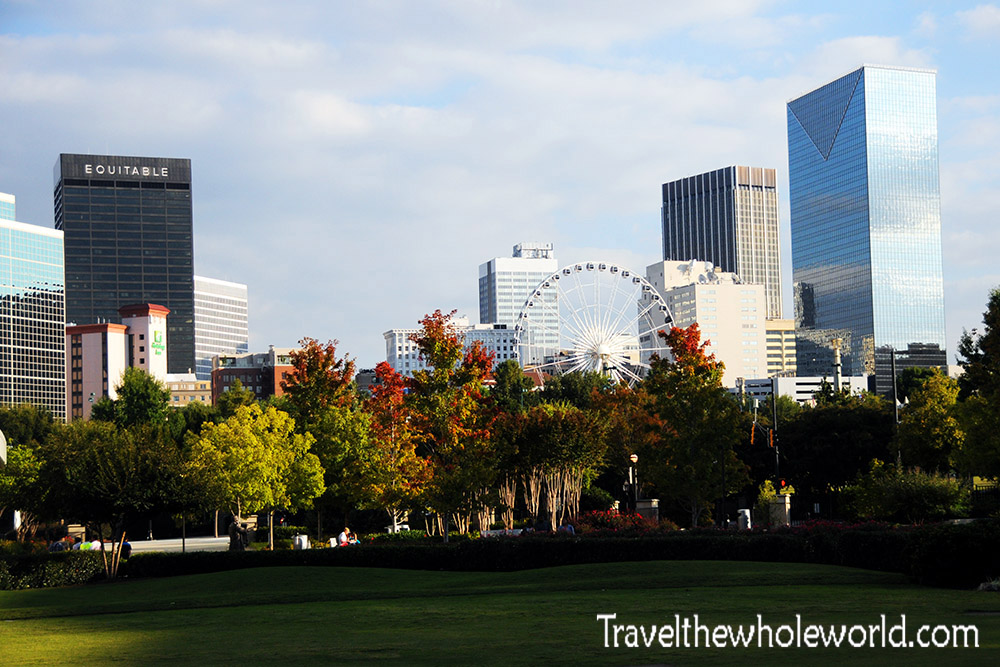
Atlanta has a lot of history that is shared through historic sites and museums. Since I mostly enjoy being outside, I found a walk through Centennial Olympic Park to be one of the highlights of the city. I’d say the park is probably one of the most beautiful parts of downtown Atlanta.
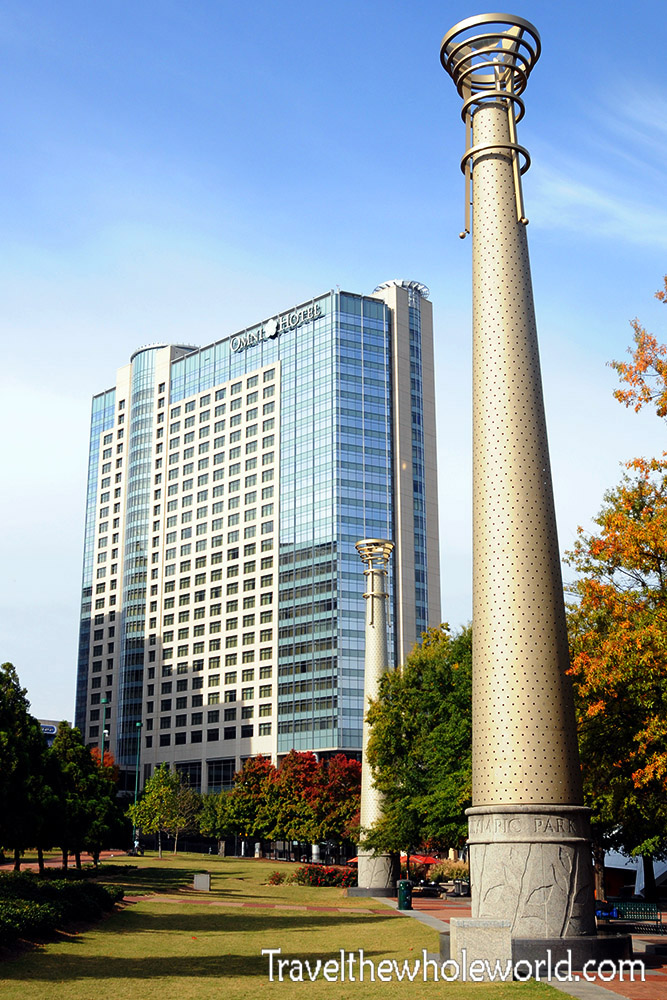
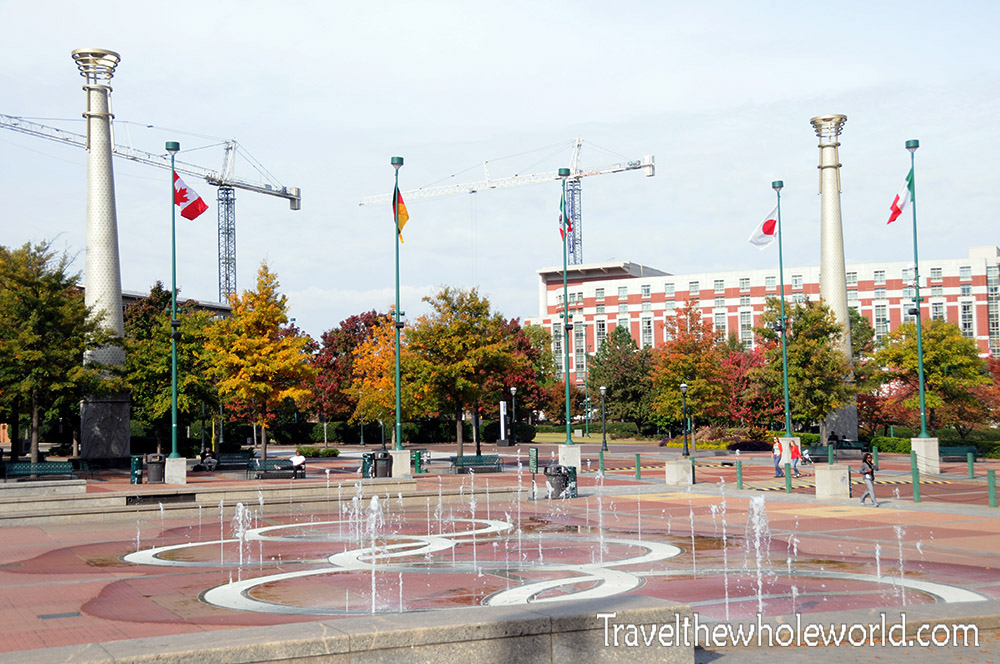
Centennial Olympic Park was developed for the 1996 Summer Olympics, which were held in Atlanta. I even remember watching the Olympics as a kid when they were here. The park itself didn’t have much going on when I visited, but several signs and monuments proudly show its Olympic history. It’s mostly a large open space with fountains and plenty of places to walk around in the heart of downtown.
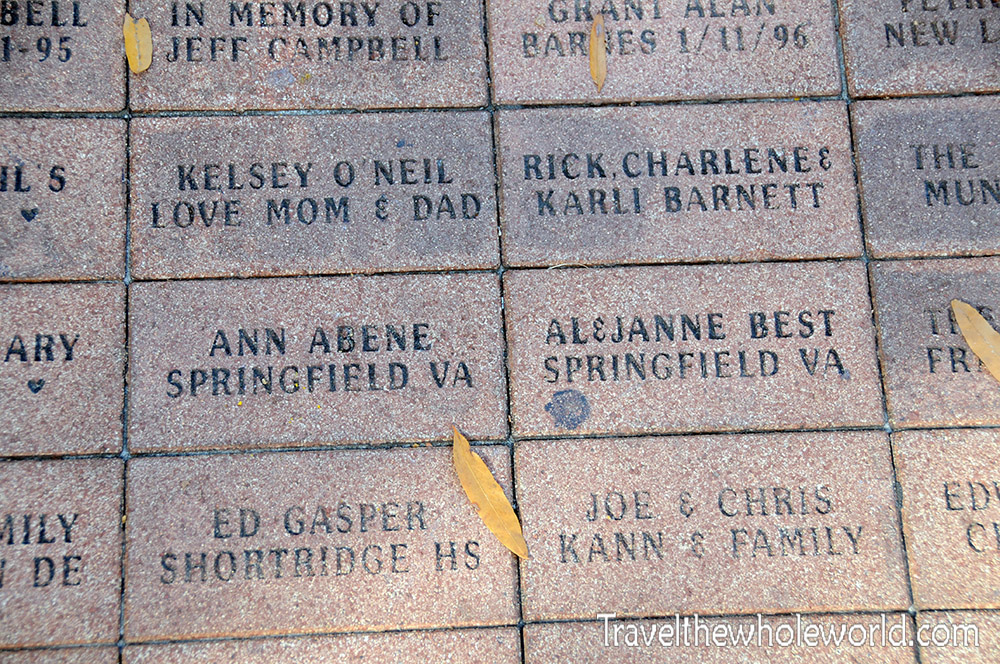
I happened to notice while walking through the park that some of the bricks had names and cities written on them. I promise I looked down and the first one I saw was from Springfield, Virginia, my hometown!
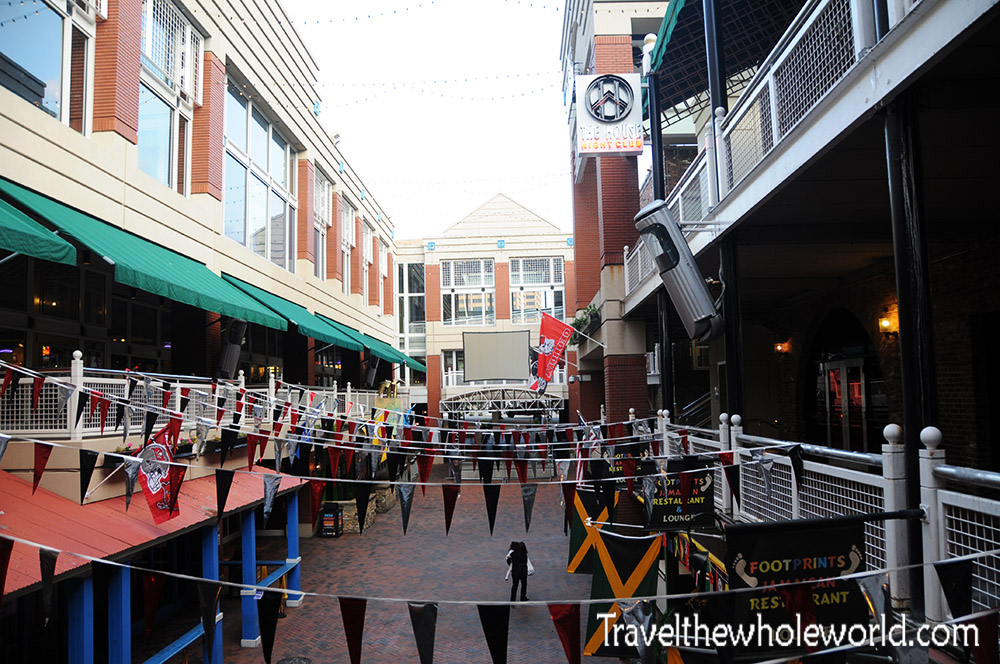
One place that I visited and found a bit disappointing was Underground Atlanta. I had heard a lot about this place before I came and expected some sprawling underground network of shops, restaurants, and entertainment. Instead, I felt like I was just in another midsize shopping mall that didn’t have much going on.
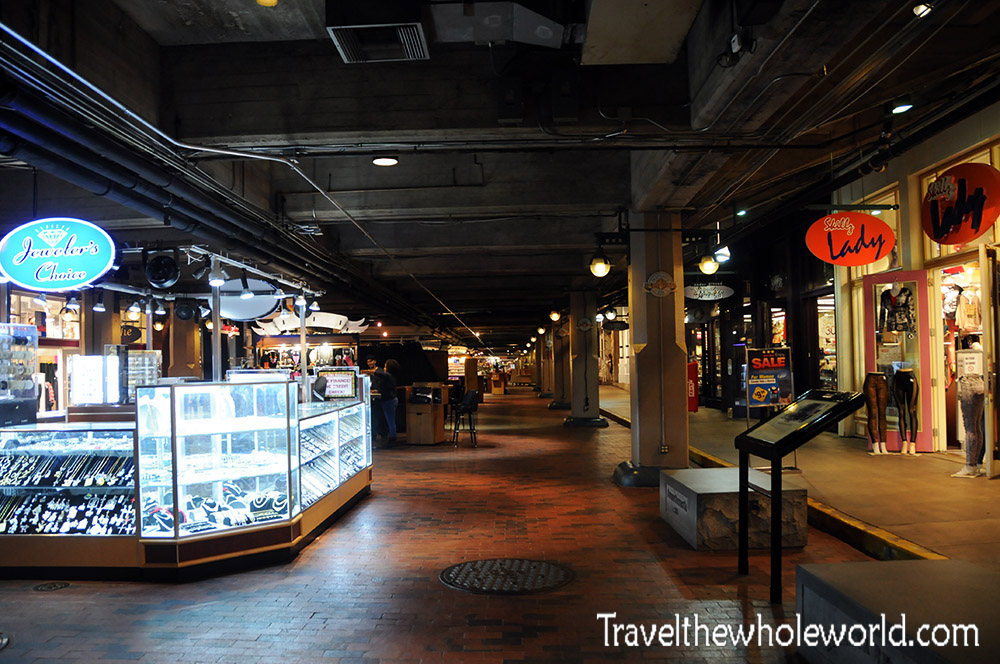
That’s not to say it wasn’t worth seeing, but I think my expectations were simply too high. At the time, it seemed like a decent place to escape on a rainy or cold day. Underground Atlanta has gone through several different redevelopment efforts over the years, so the experience I had during this visit represents a particular period in its long history.
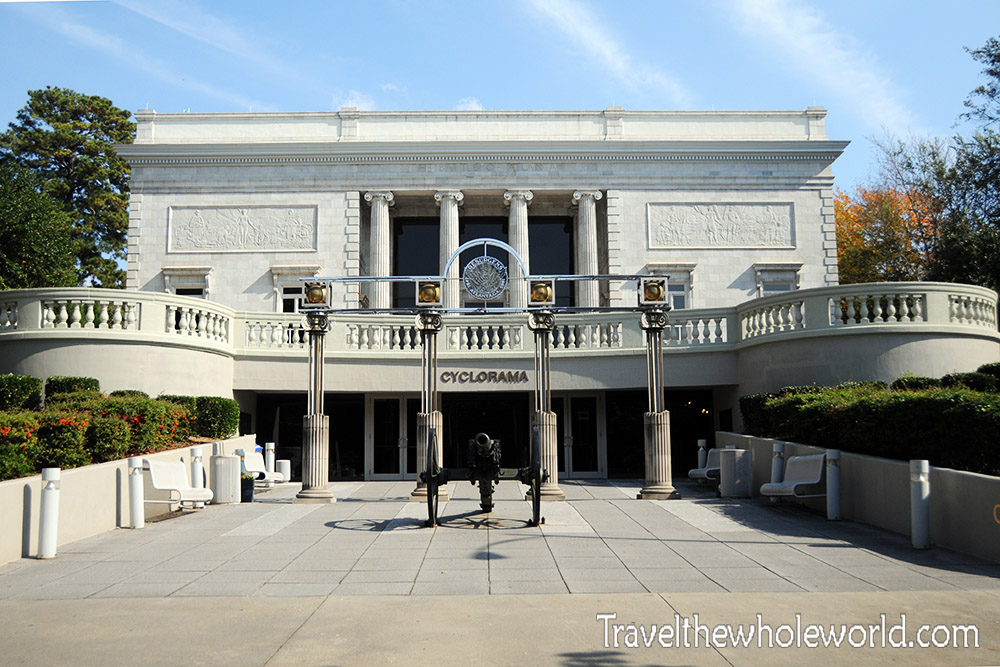
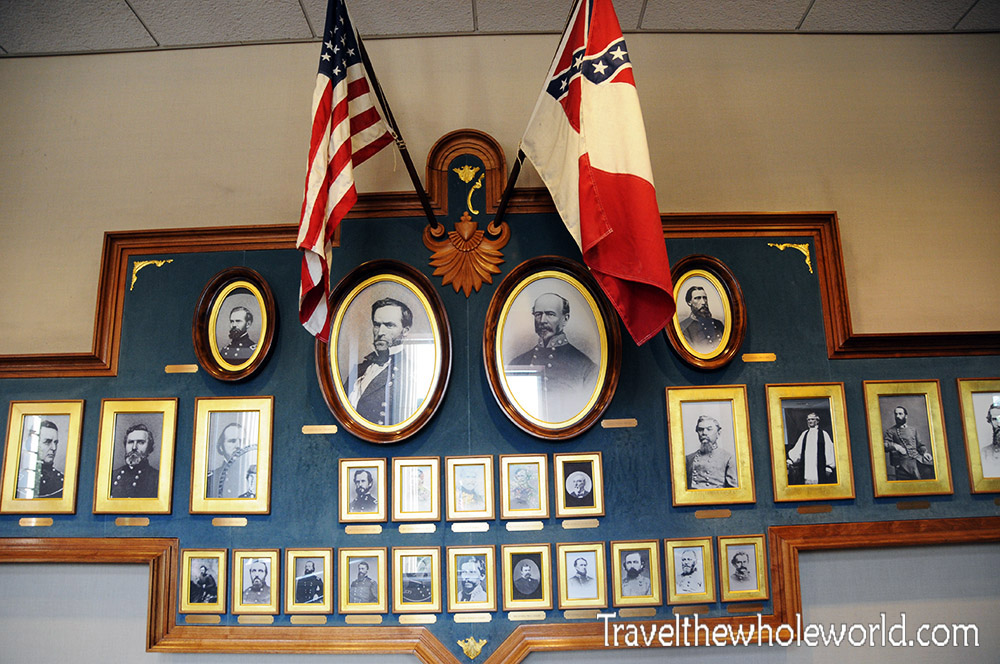
Another place I visited was the Atlanta Cyclorama and Civil War Museum, which at the time displayed artifacts, portraits, and other items related to the Civil War and the Battle of Atlanta. The photograph above shows the entrance to the museum. Below is a photograph I took near the entrance showing some of the important Civil War soldiers who fought in the Atlanta Campaign.
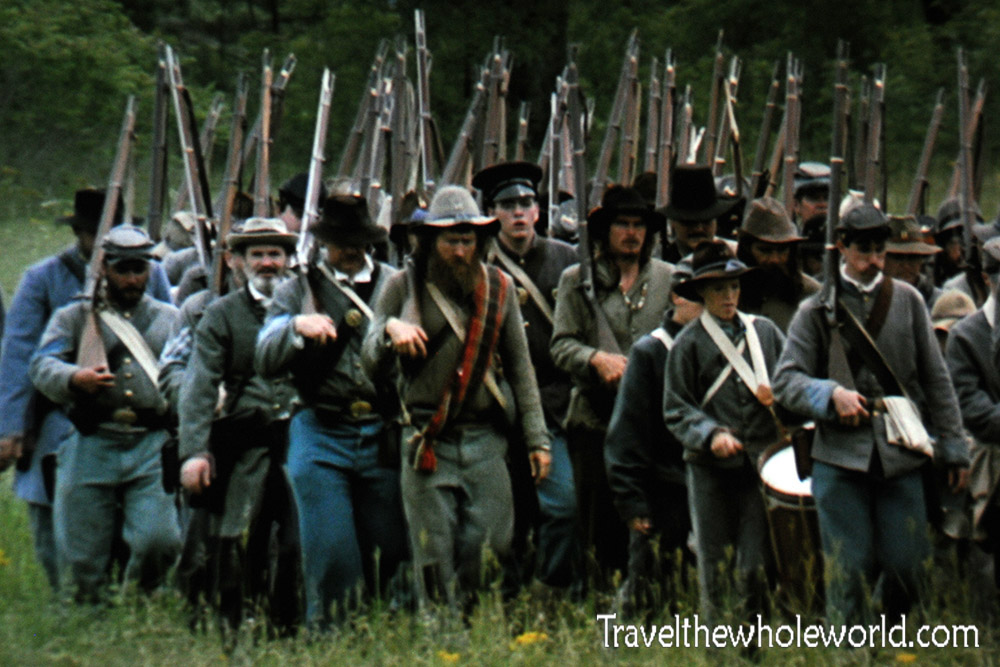
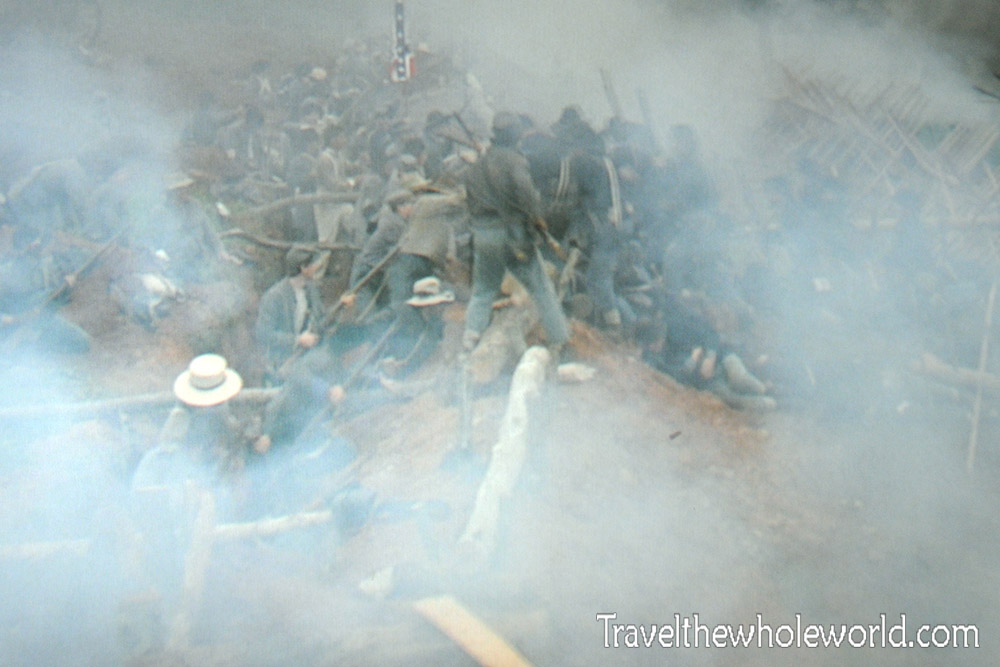
Until I came to the Cyclorama myself, I had forgotten how important Atlanta was during the Civil War and how much fighting took place around the city. Union forces viewed Atlanta as an important transportation and industrial center, while Confederate forces heavily defended it. In the summer of 1864, Union forces under General William Tecumseh Sherman fought a series of battles around Atlanta before besieging the city. Confederate forces eventually evacuated Atlanta in September. Above and below are some snapshots I took during one of the presentations I watched in the museum. The Union capture of Atlanta became one of the most important events of the war and helped strengthen Northern support for President Abraham Lincoln shortly before the 1864 election.
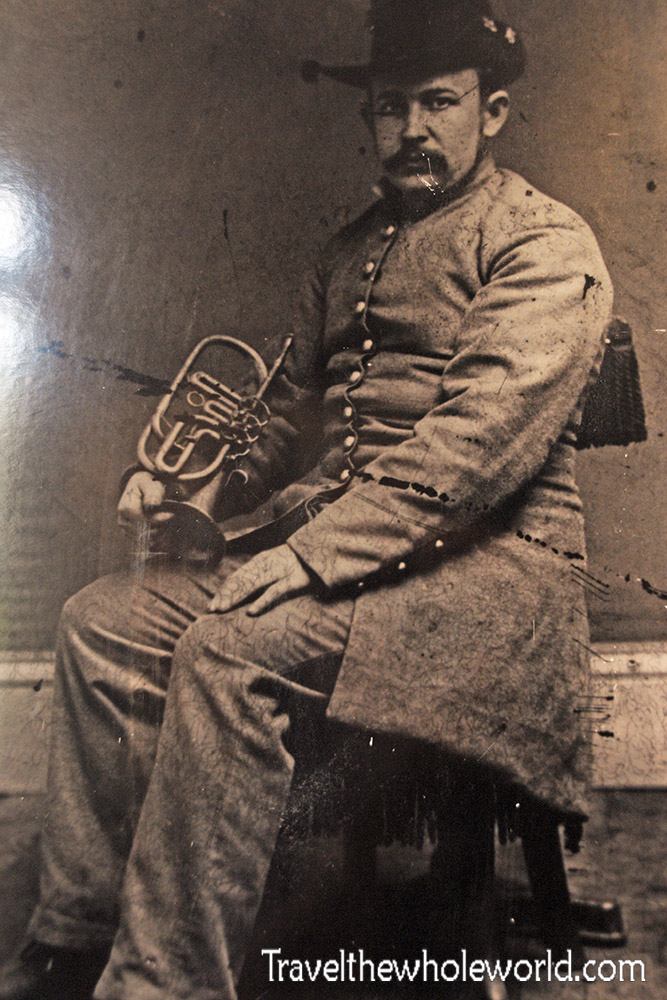
This picture I took shows a portrait of a Civil War soldier holding a bugle. Buglers and other military musicians played an important role in 19th-century armies, using musical calls to communicate orders and signals across camps and battlefields.
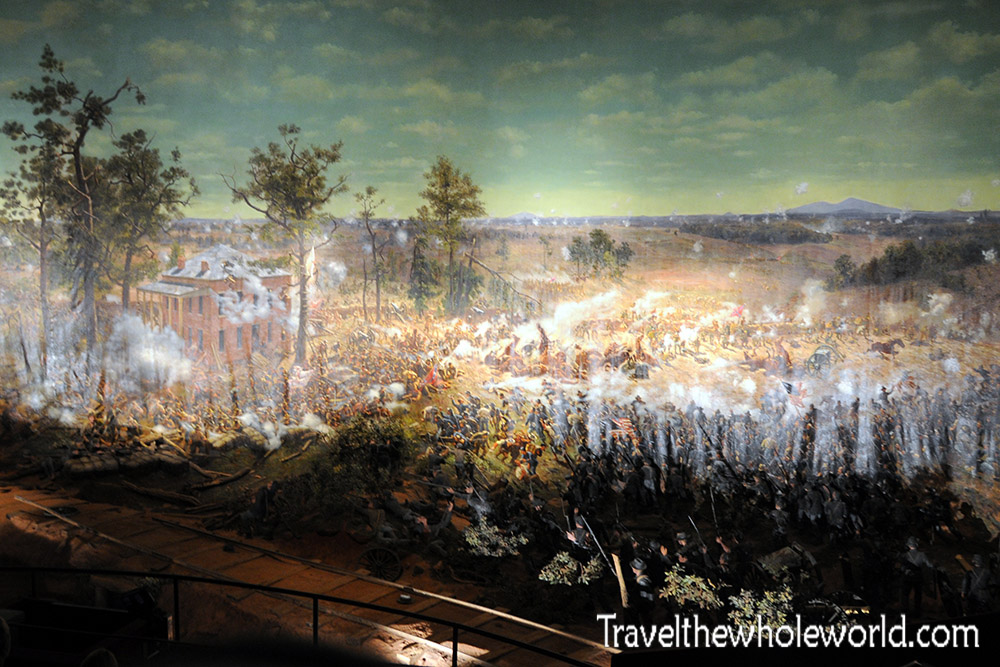
The most famous part of the museum was the enormous Atlanta Cyclorama, a panoramic painting depicting the Battle of Atlanta. The painting measures roughly 42 feet high and 358 feet around and was completed in the 1880s. When I visited, the presentation used stadium-style seating in the center while visitors listened to a narration explaining the battle and the scenes depicted around them.
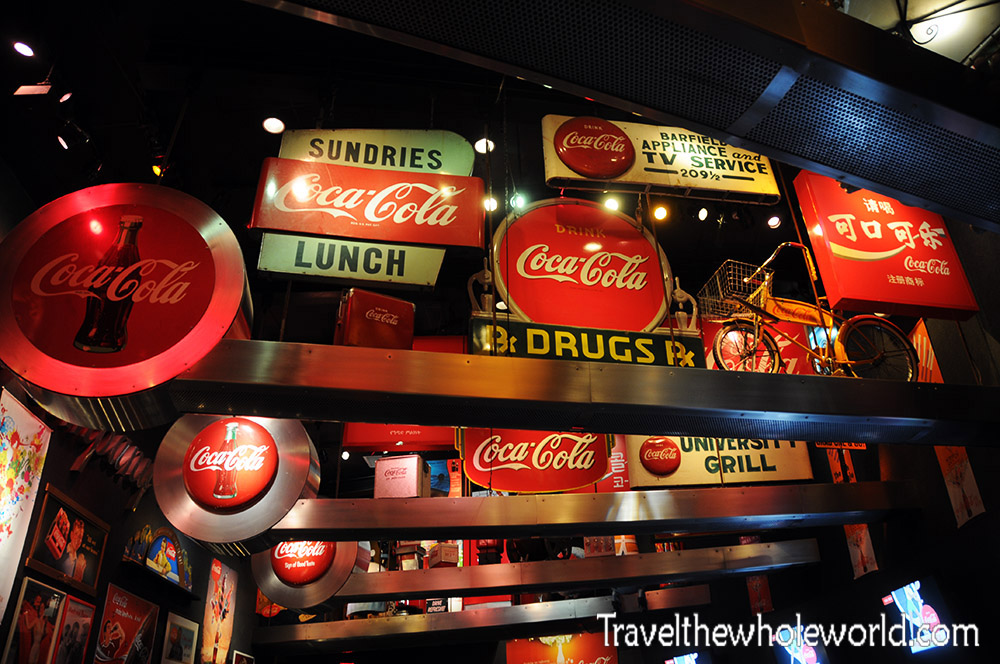
One of my bad vices in life is my love for Coke, so it goes without saying that when I visited Atlanta I had to stop by the World of Coca-Cola. This might sound like a random jump after the Civil War museum, but Coca-Cola’s history actually has an interesting connection to the war through its inventor, John Pemberton. The World of Coca-Cola explores the history of the drink and the company that grew around it. In my opinion, this is a mandatory visit while in Atlanta, especially given the history of how Coke began.
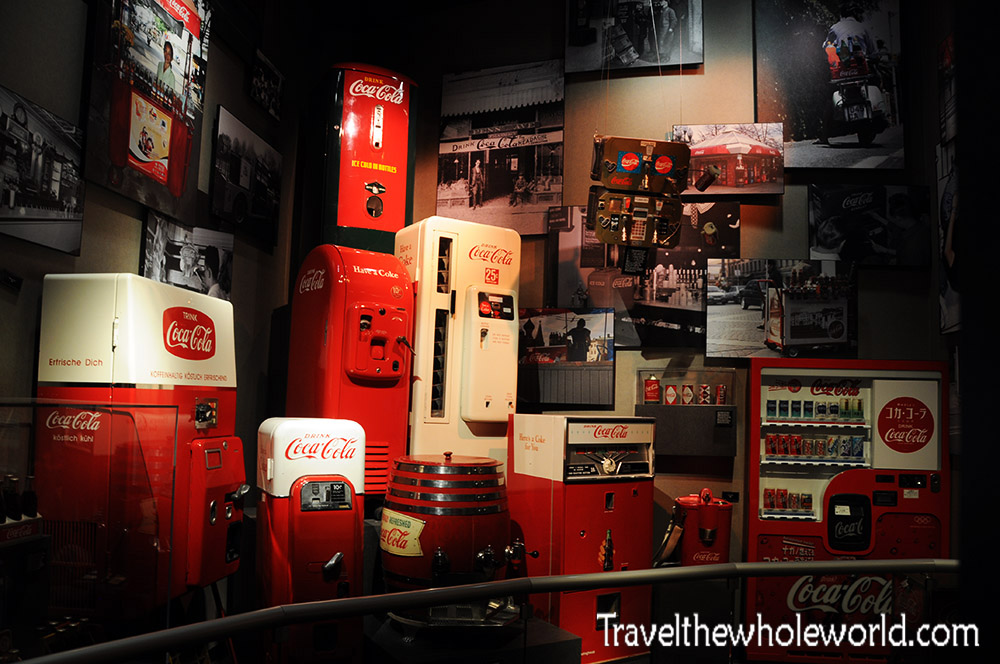
The museum is pretty large and features everything from items relating to Coke’s early history to exhibits about the development of the company and brand. The photograph above shows some of the vintage Coke machines that have existed over the decades.
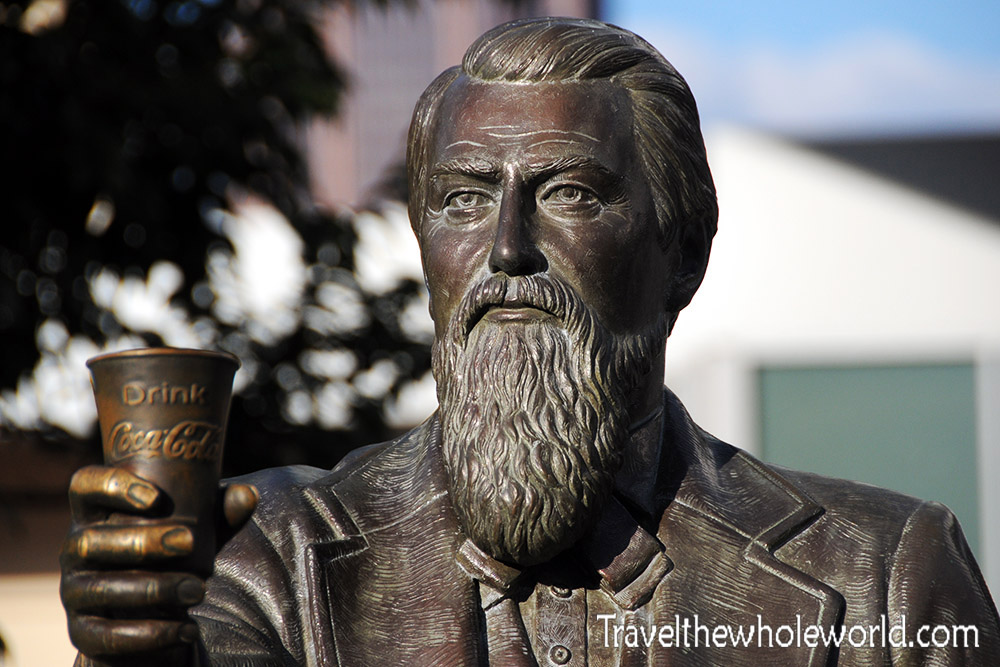
This statue shows John Pemberton, the inventor of Coca-Cola. Pemberton was a pharmacist and Confederate veteran who was wounded during the Civil War and subsequently became addicted to morphine. He experimented with various medicinal drinks in the years afterward, eventually developing the beverage that became Coca-Cola in Atlanta in 1886.
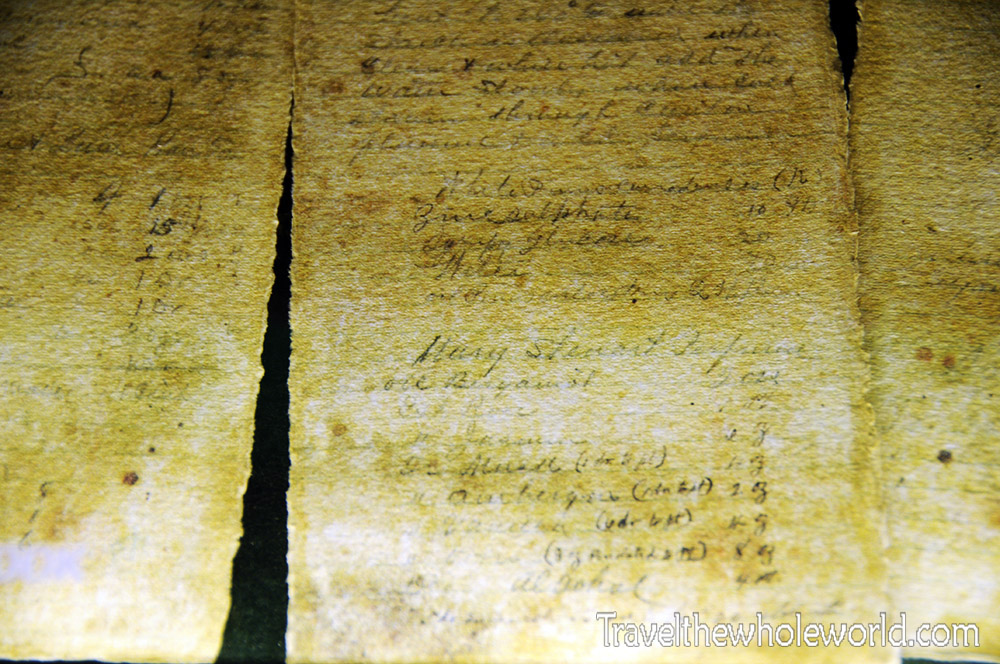
Pemberton originally marketed his creation as a medicinal tonic, as was common for many drinks during that era. The writings above show some of the historical documents displayed at the museum relating to Pemberton and the early development of Coca-Cola.
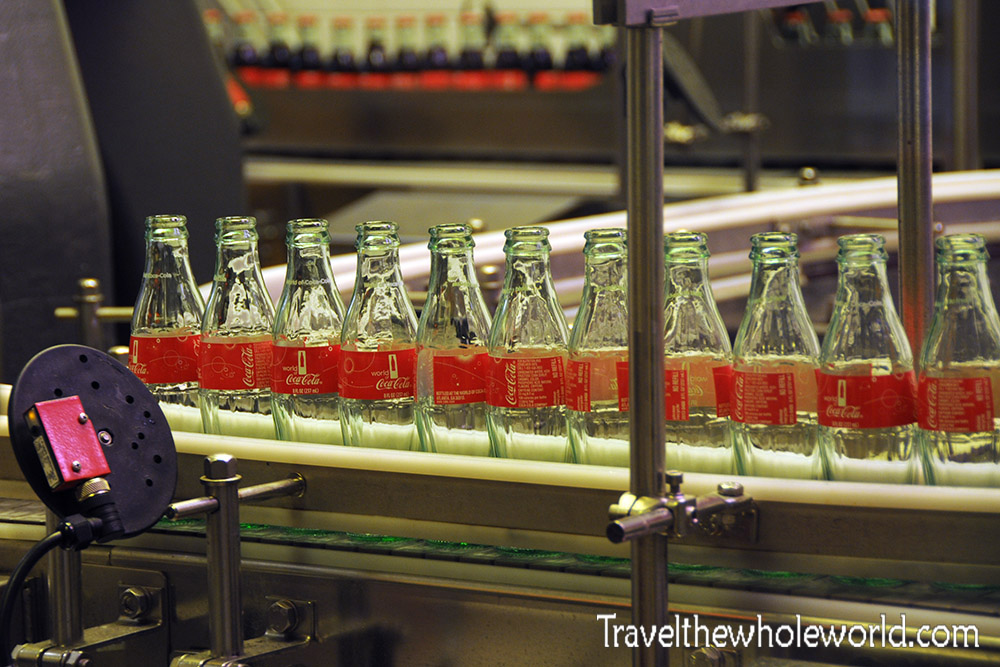
Sadly, Pemberton never lived to see what his invention would become. He died in 1888 at the age of 57, only a couple of years after Coca-Cola was introduced. He could never have imagined that his creation would eventually become one of the most recognizable drinks and brands on the planet. The World of Coca-Cola details Pemberton’s life and displays all kinds of Coke products, advertisements, and memorabilia from over the years. Above is a manufacturing exhibit showing how Coke is bottled.
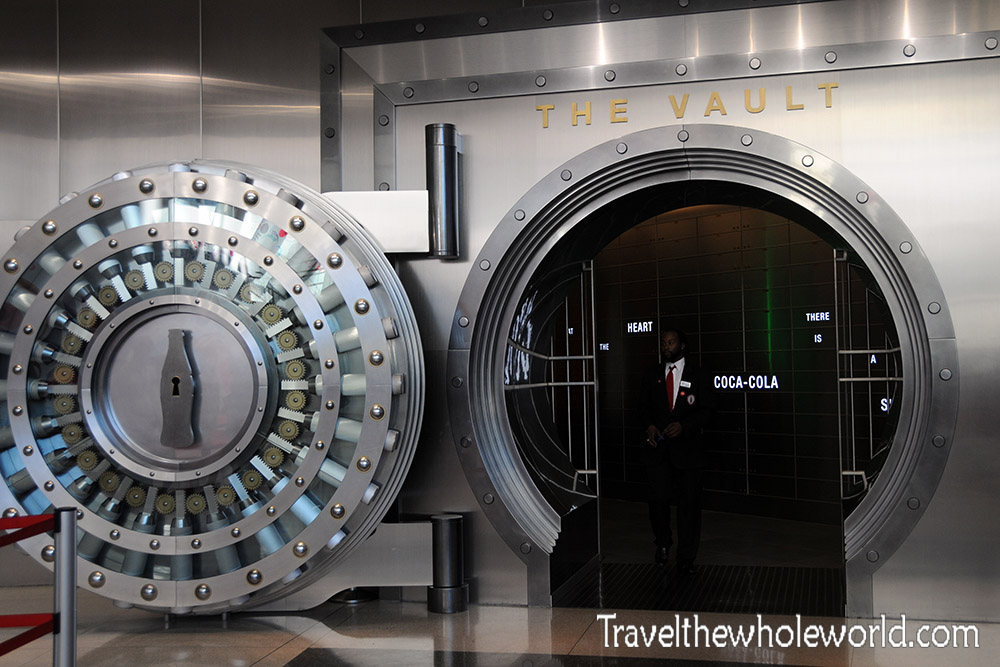
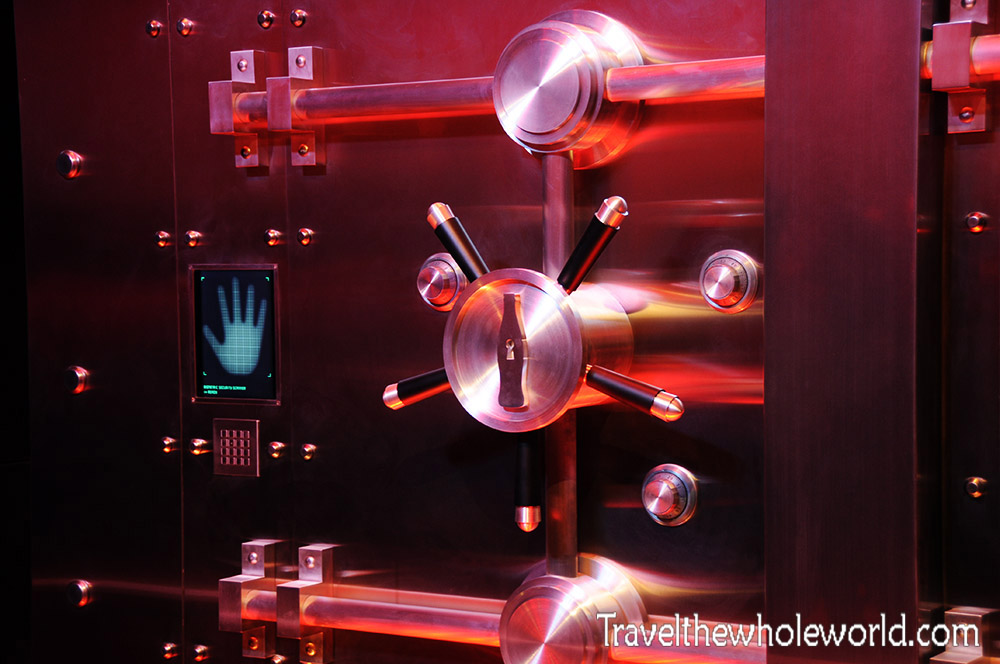
My final two photos from the World of Coca-Cola show one of the most interesting parts of the tour: the exhibit surrounding the company’s famous secret formula. Coca-Cola has built a lot of mythology around the secrecy of its recipe, and the attraction culminates at a heavily secured vault that the company says contains the formula.
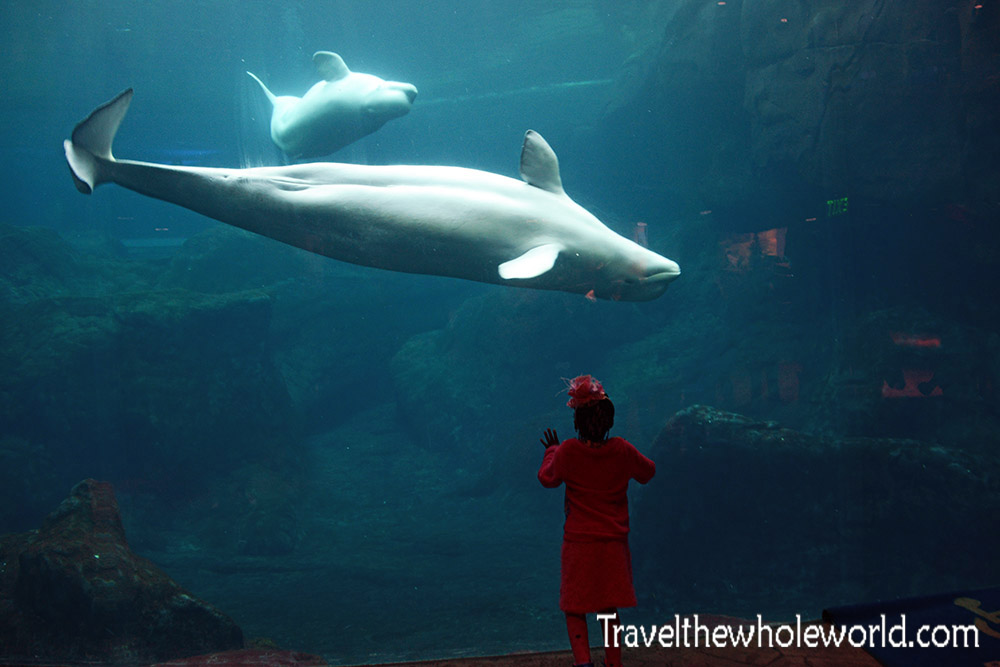
While the World of Coca-Cola and Atlanta’s Civil War attractions bring in plenty of visitors, the Georgia Aquarium is one of the city’s biggest attractions. When it opened in 2005, it was the largest aquarium in the world, although other aquariums have since surpassed it in total water volume. Because of its enormous exhibits, the aquarium can accommodate some very large animals, including these beluga whales.
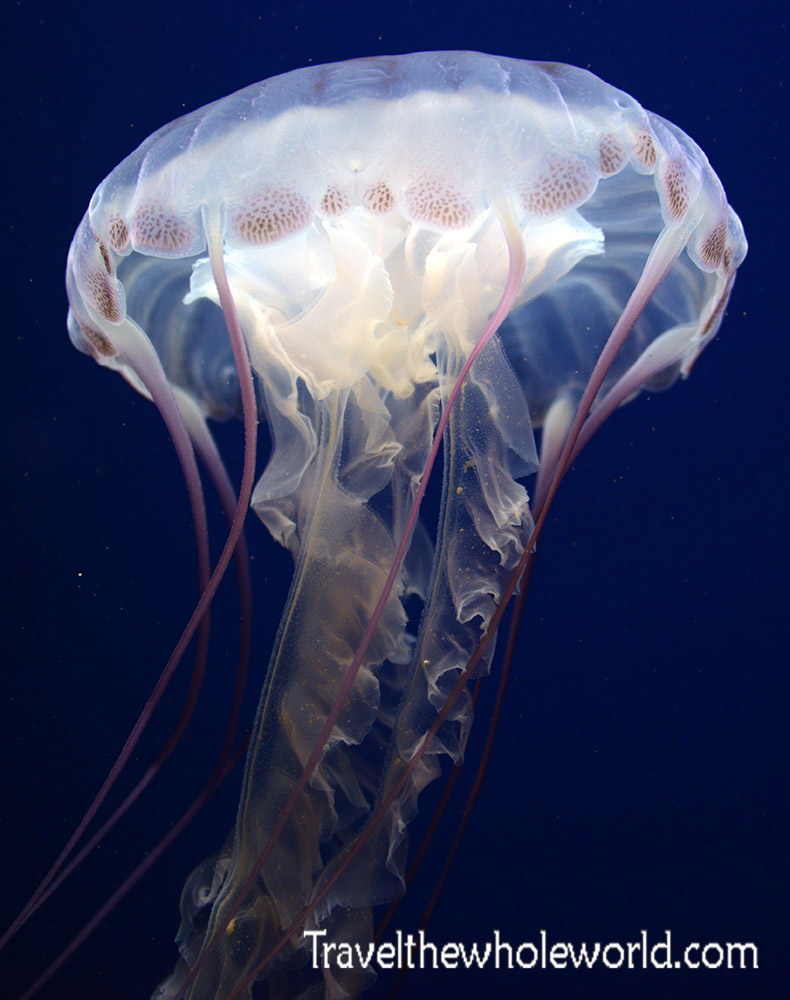
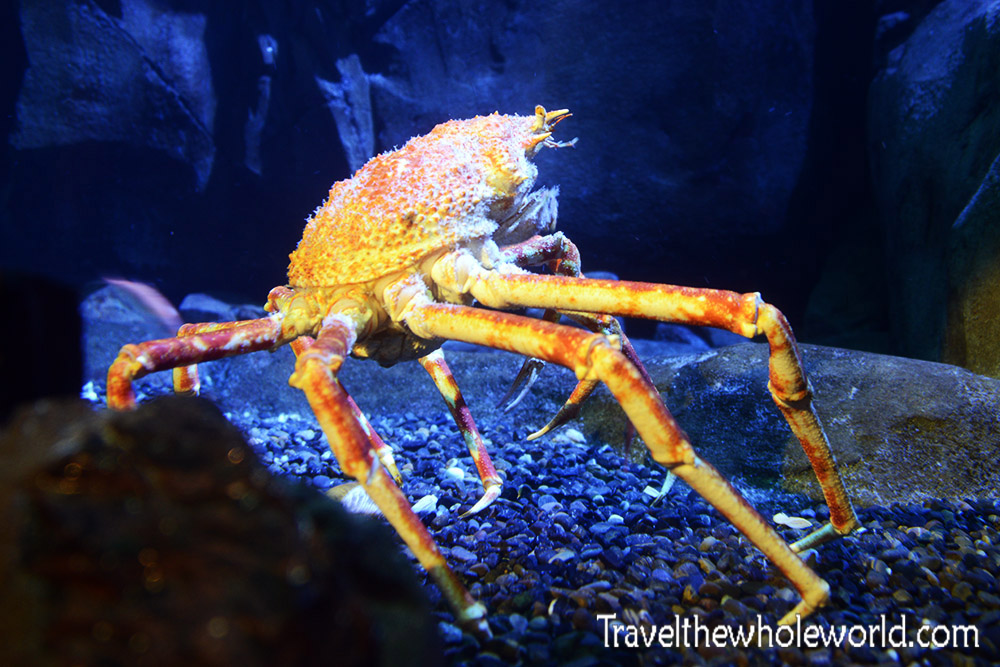
When I used to visit aquariums, I normally focused on the largest or most active wildlife. Sometimes I forgot to notice animals like this large jellyfish or the giant Alaskan crab below. I found the idea of a giant crab scavenging across the cold, dark ocean floor for food a bit creepy. It really is amazing how life has adapted to so many harsh environments around the world. While it’s extremely difficult, you can at least potentially spot something like a tiger in the wild. Some animals living deep in the ocean are creatures most of us will never have a chance to see except somewhere like this.
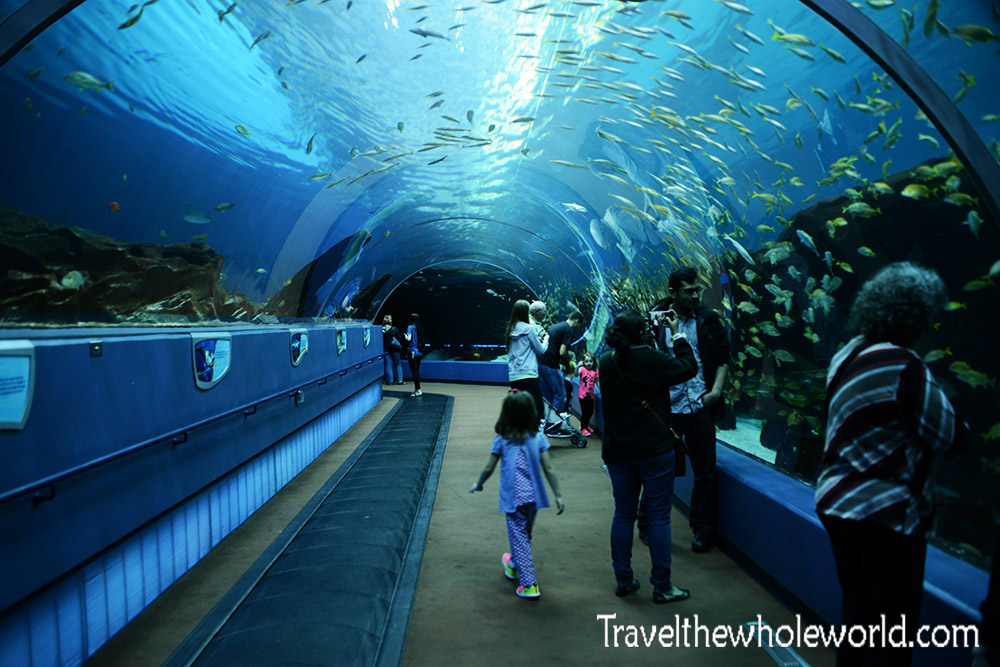
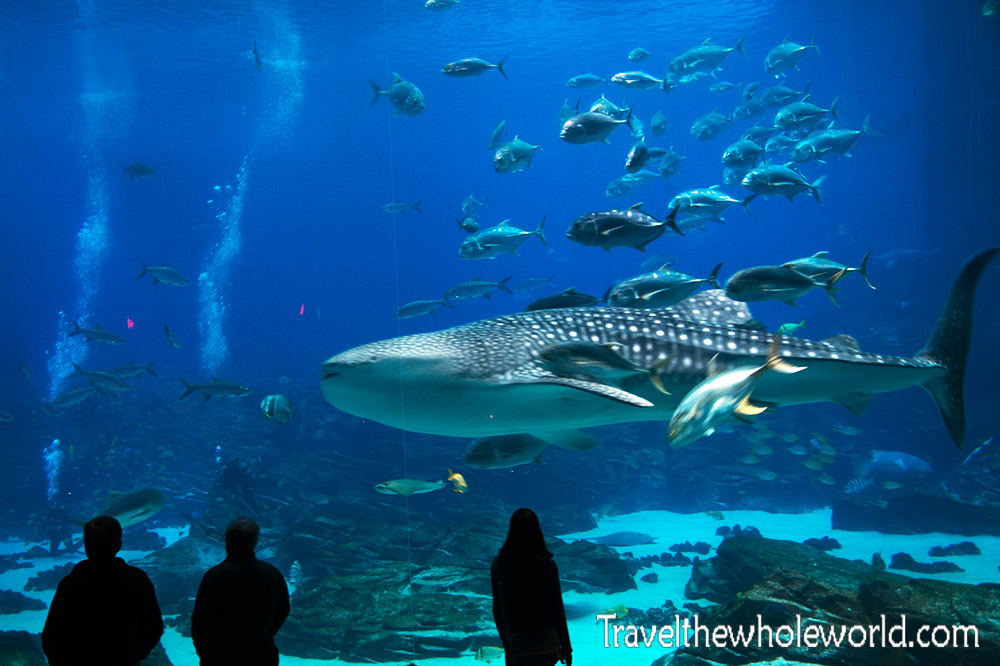
I could easily put up 100 photos I took at the Georgia Aquarium, but I decided to limit it to just a few. I’ll say that my favorite area was actually the freshwater exhibit. I never would have expected that, but for some reason the simplicity of it made it feel more like home than seeing something like tropical or Arctic waters. Instead of posting those pictures, I decided to share these from Ocean Voyager, the aquarium’s enormous marine exhibit. It’s large enough to house whale sharks along with countless other fish. There are several ways to experience the exhibit, including walking through the tunnel above or standing in front of the giant viewing window below.
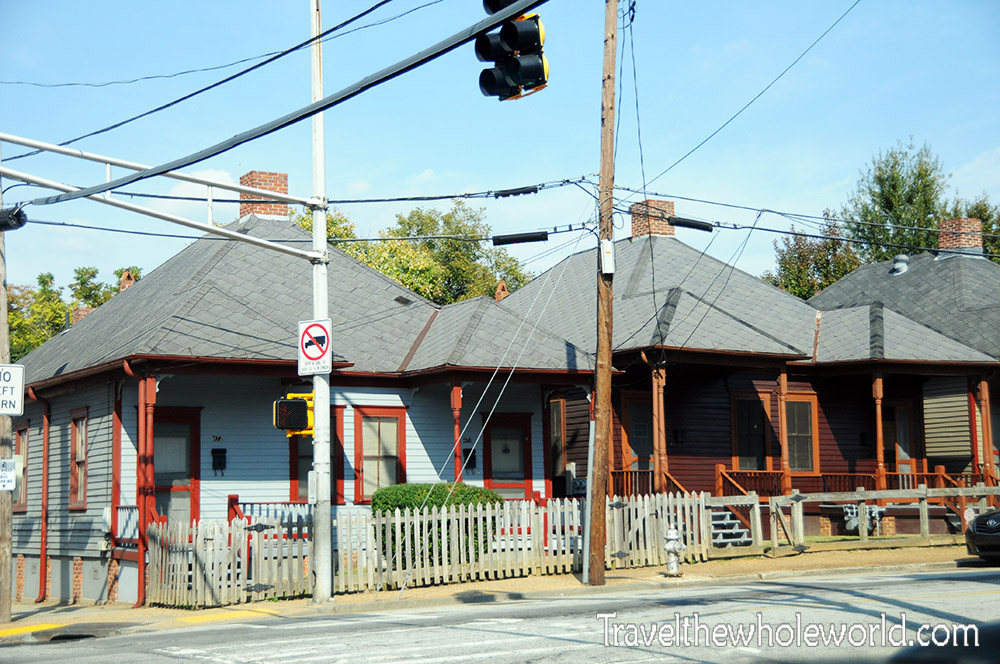
These simple homes above are part of one of the most historically important areas in Atlanta. East of downtown you’ll find the Martin Luther King Jr. National Historical Park. Shotgun houses like these were once common throughout the South, particularly during the decades after the Civil War, and several historic homes remain in the neighborhood surrounding King’s birthplace.
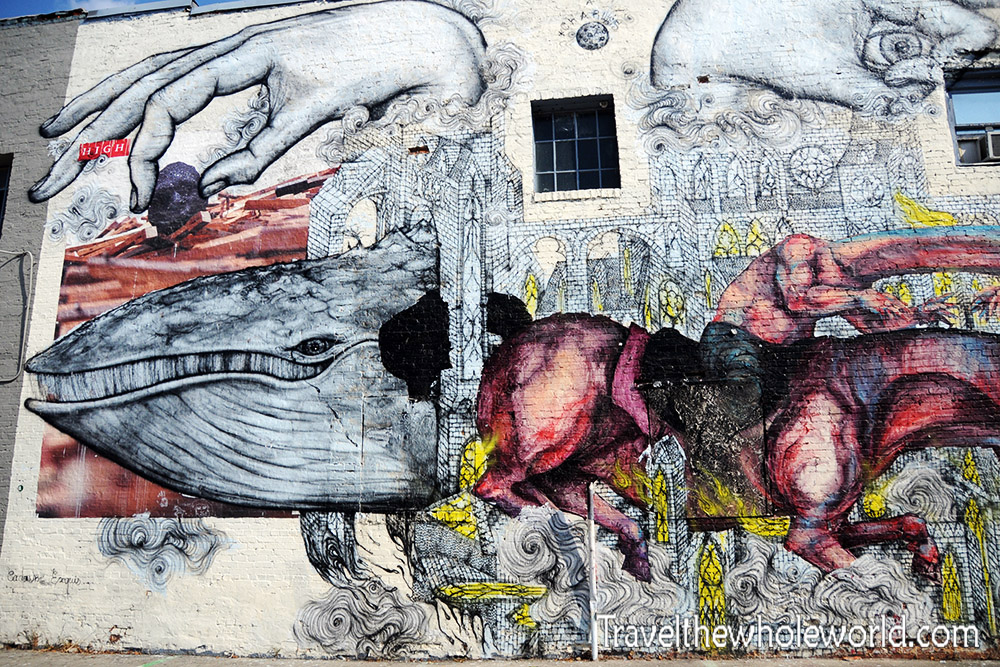
There were a few cool murals in this neighborhood that I came across. This one above was alongside a random building. The mural below depicts Martin Luther King Jr. and the Civil Rights Movement and was part of the historic site.
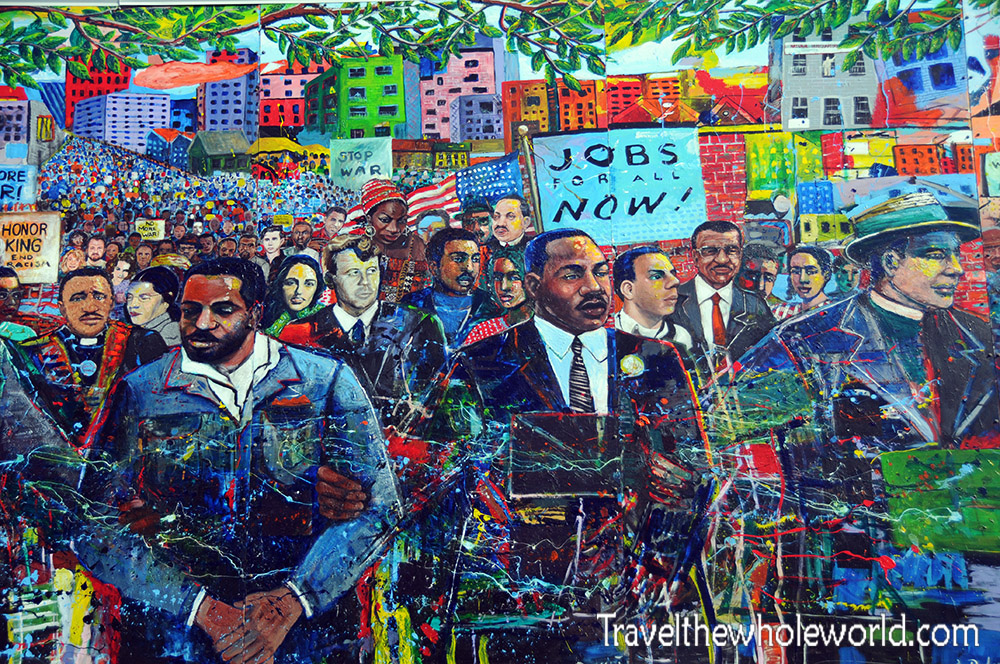
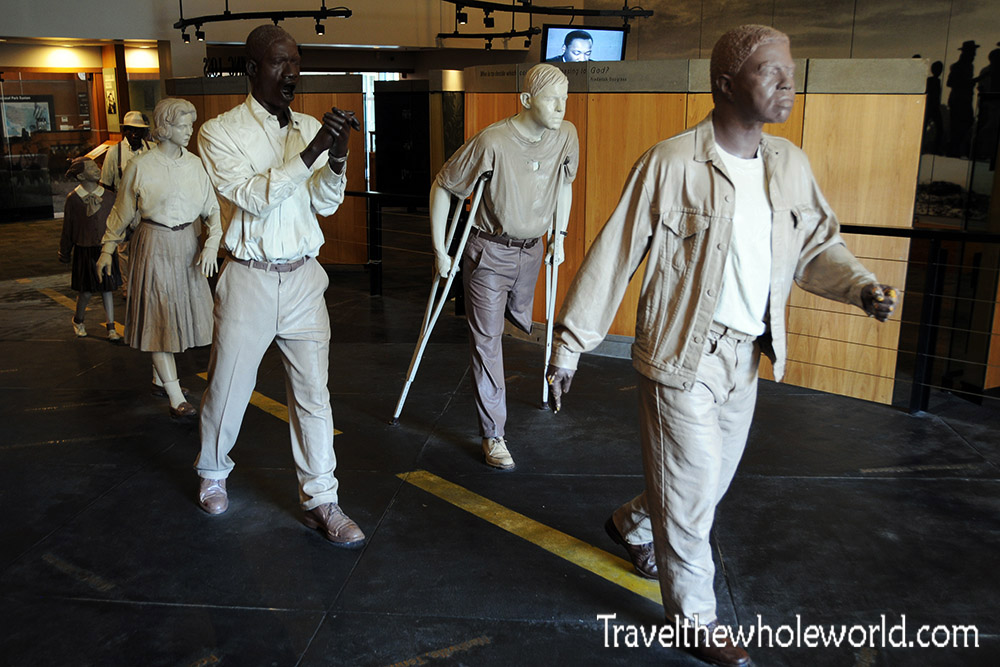
Martin Luther King Jr. was strongly influenced by Gandhi’s philosophy of nonviolent resistance. He rallied supporters from different backgrounds and became the most famous leader of the American Civil Rights Movement, consistently advocating nonviolent protest against racial segregation and discrimination. The photo above was part of the exhibits at the Martin Luther King Jr. site and depicts protesters peacefully marching for racial equality. I have more information on Martin Luther King Jr. on my Memphis page, where he was assassinated.
The first time I went to the Martin Luther King Jr. site, I was disappointed to learn afterward that somehow I hadn’t visited his tomb. I had no idea it was located in Atlanta. Luckily for me, I visited Atlanta again a few years later and made up for it. Martin Luther King Jr. and his wife, Coretta Scott King, are entombed together in the center of a reflecting pool, near an eternal flame honoring King’s legacy.
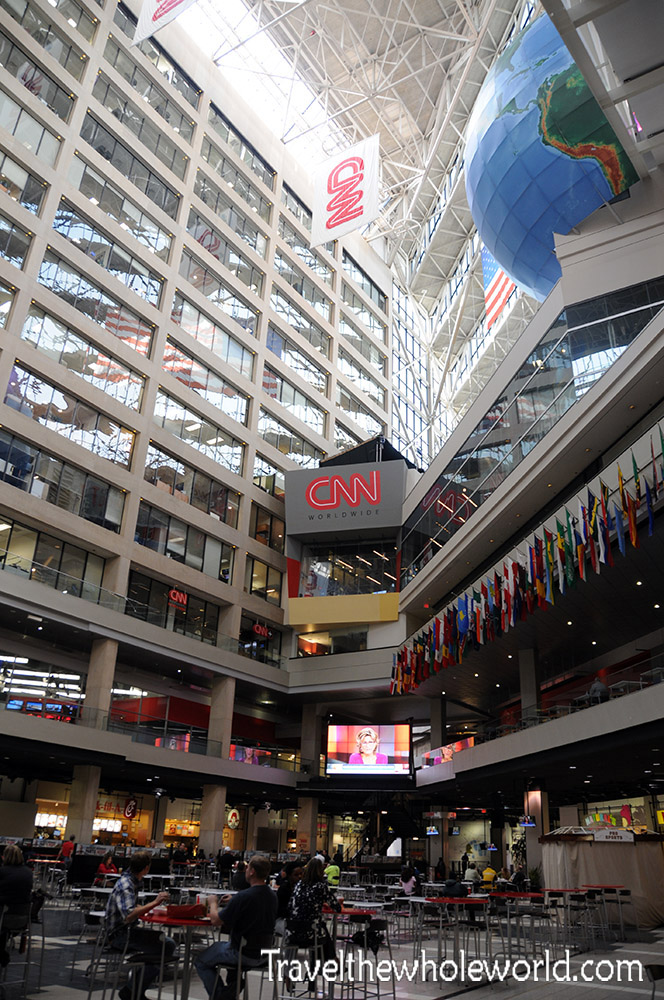
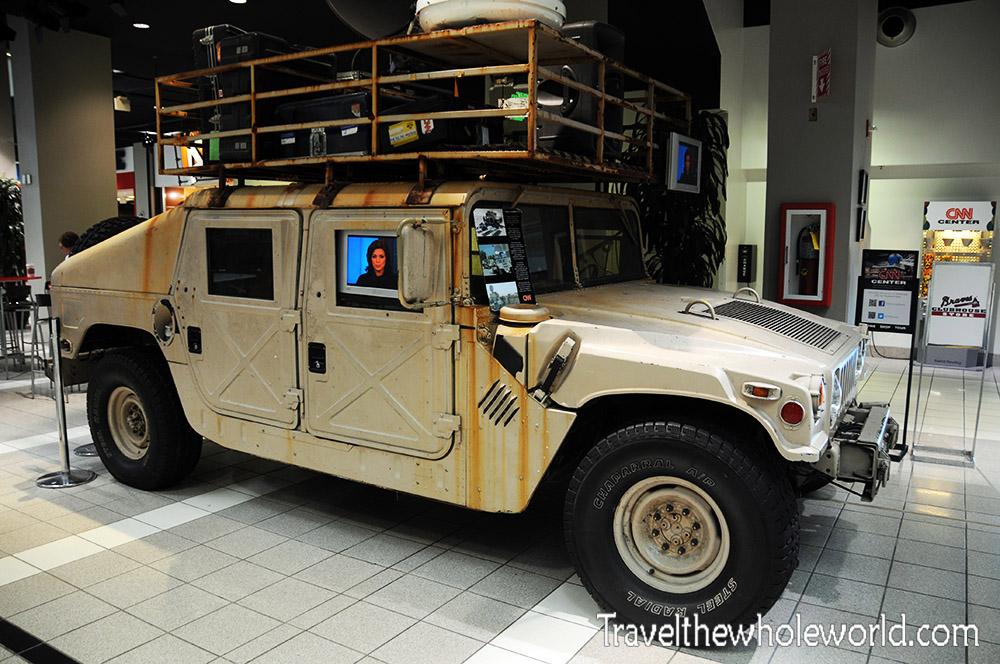
Another interesting place I visited was the CNN Center. For decades this massive building served as the headquarters of CNN and offered tours that took visitors behind the scenes of one of the world’s best-known news networks. Parts of the tour also displayed artifacts from CNN’s history, such as this Humvee that was used by the network during coverage of the Iraq War.
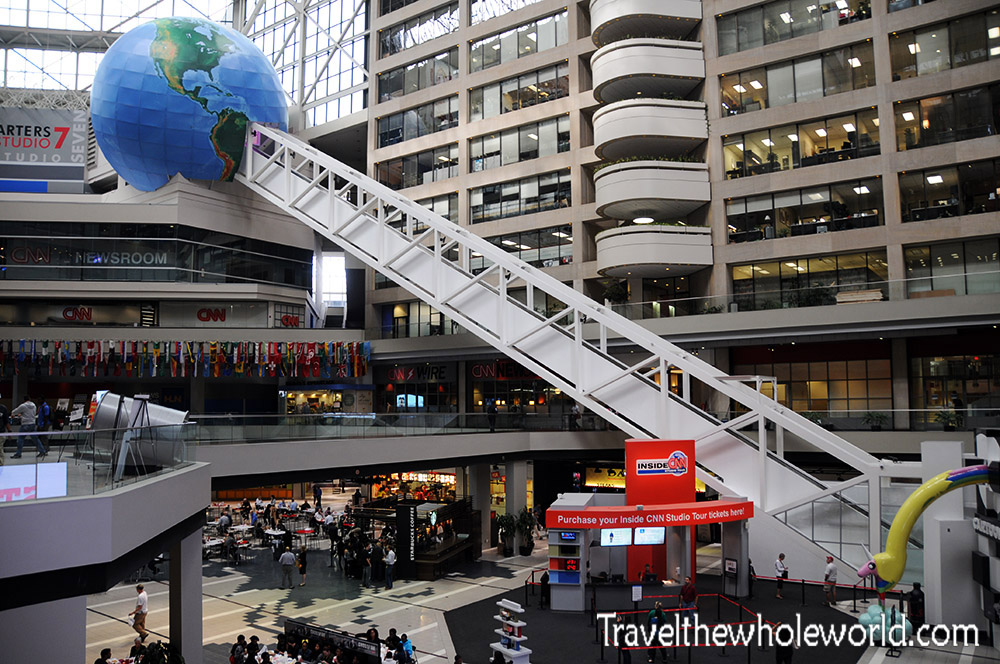
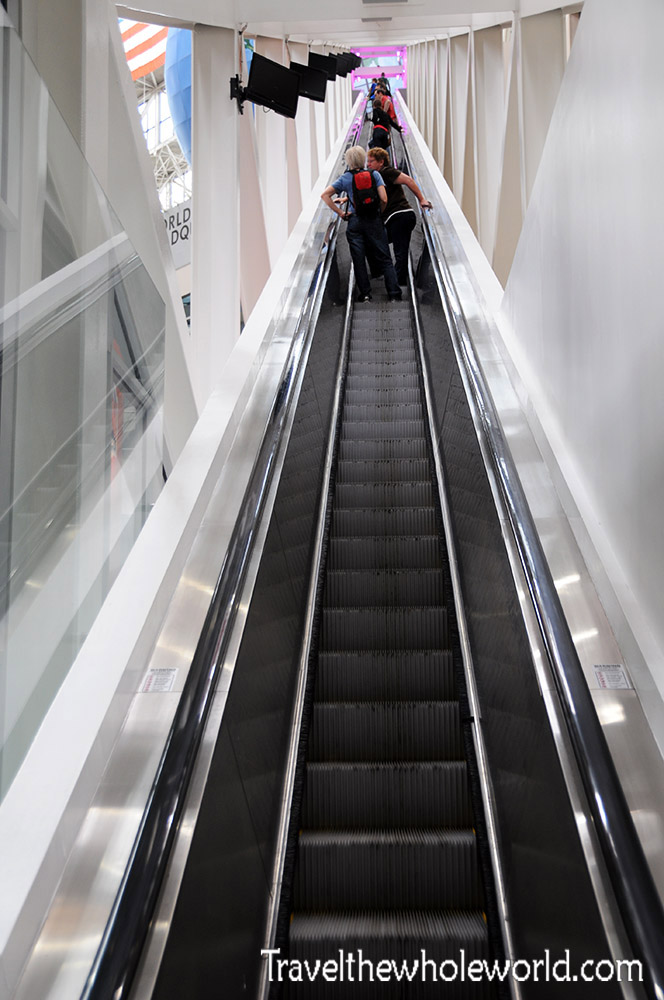
Part of the CNN Center tour took you up this enormous freestanding escalator. Before CNN moved into the building, it had originally opened as an indoor amusement complex called the World of Sid and Marty Krofft. The huge escalator was a leftover from that unusual chapter in the building’s history.
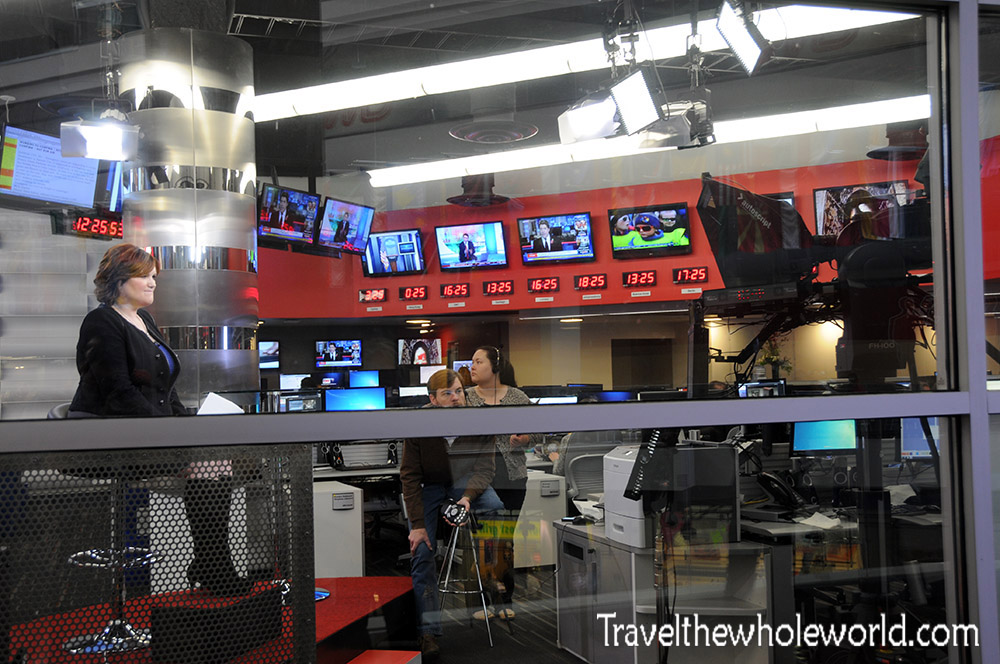
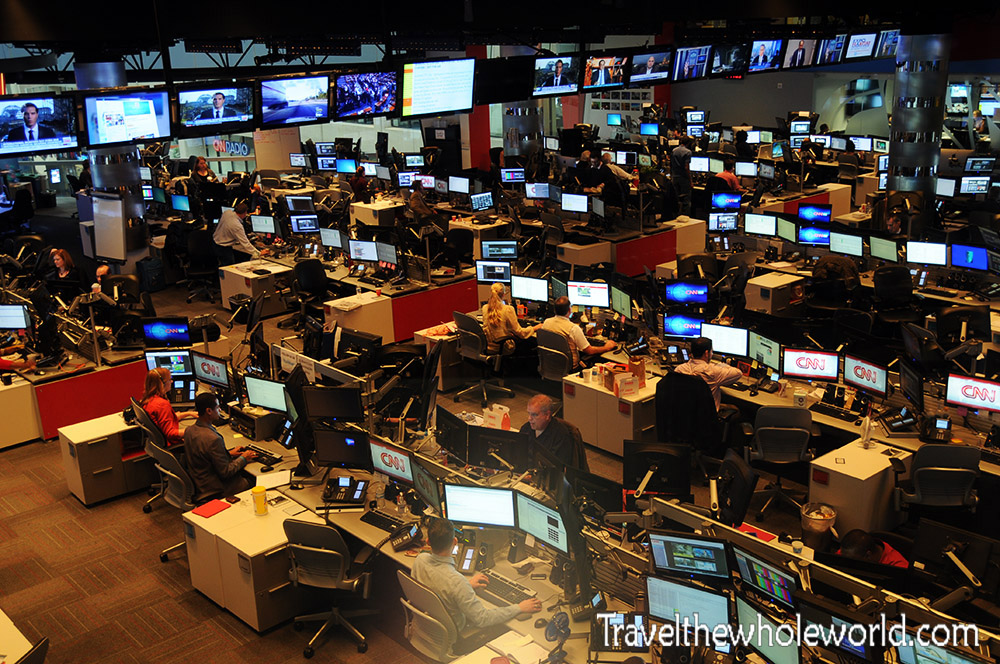
On one of the upper floors of the CNN Center, we got to pass by live broadcasts and see journalists at work. CNN made history when it launched in 1980 as the first television channel devoted to 24-hour news coverage. In the photo below you can see some of the workers behind the scenes helping run the network. I tried to find someone playing solitaire or some other video game, but I guess they didn’t have that luxury with a constant audience passing behind them.