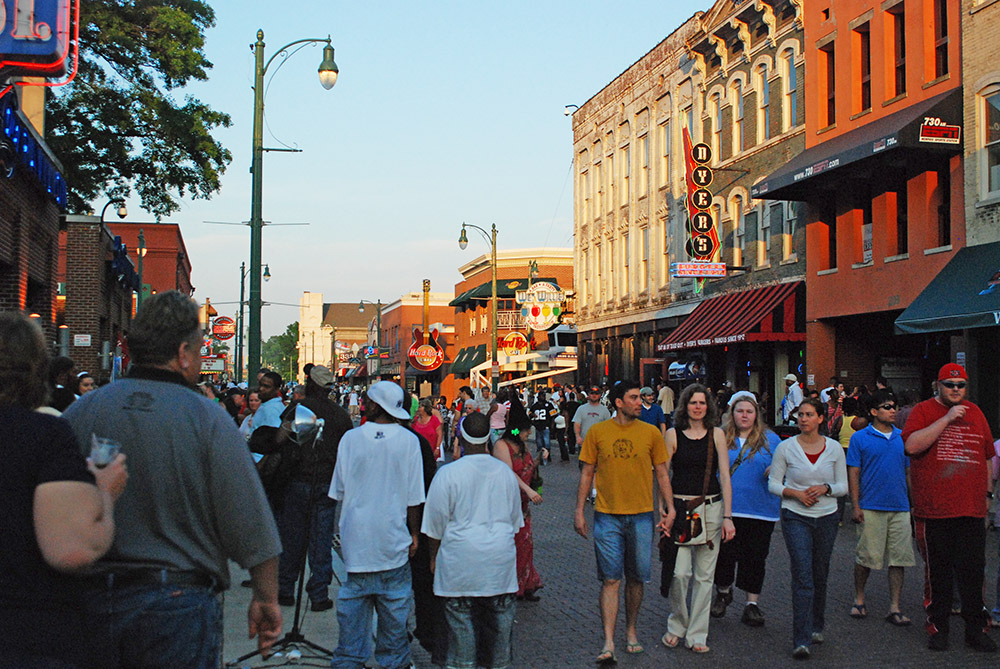
Memphis is one of the most unique cities in America’s Southeast. The city is famous for many things, especially its Southern culture, barbecue, music, and history. I first visited Memphis to see one of my good friends who grew up and still lives in the city. We started out on Beale Street, which is one of the liveliest areas of Memphis. Beale Street is definitely a major party district, and it reminded me of a more tame version of New Orleans.
Beale Street & Downtown Memphis
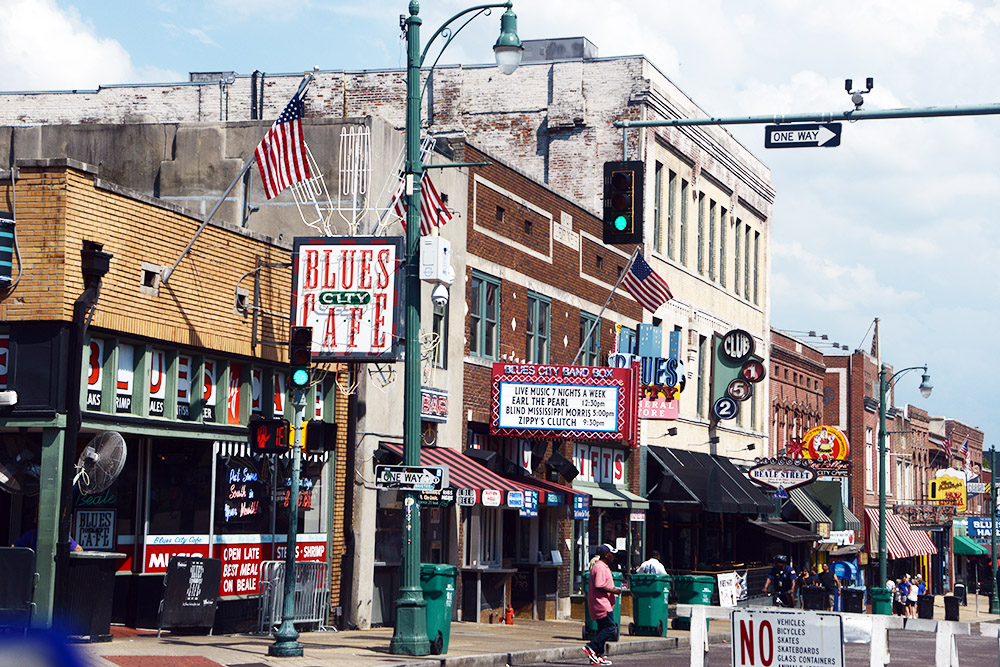
The photos above and below are two more daytime shots from Beale Street. I returned at night but didn’t have my camera with me. It was definitely a bit crazy and chaotic after dark! There are plenty of bars and clubs to choose from, and the entire area can feel like one big party. Both times I visited Memphis were during the summer, so one of my favorite drinks at night was an iced slushie.
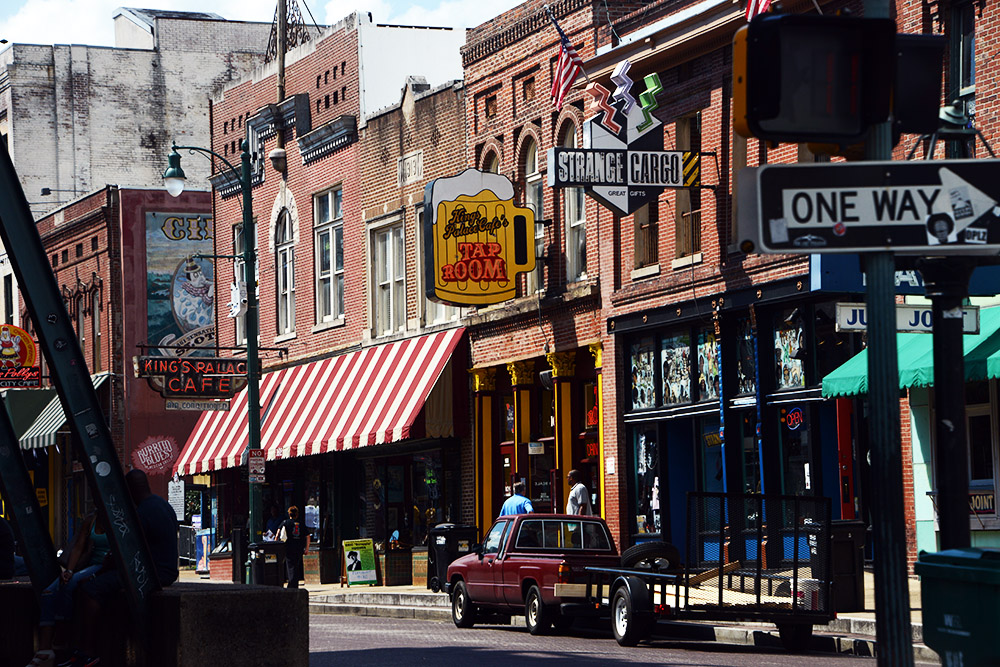
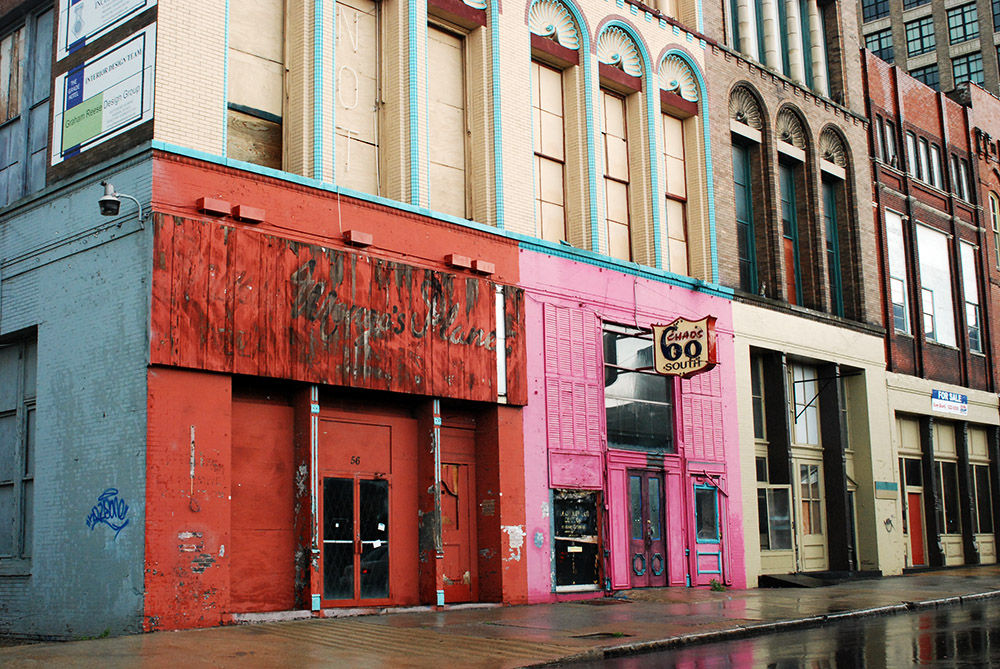
On my first Memphis trip I also went to Front Street, which intersects with Beale Street and runs through downtown near the Mississippi River. I found some interesting historic buildings, including those photographed above, but otherwise the area seemed pretty quiet when I passed through. Clearly I didn’t give it a serious attempt, but that was my only real experience exploring Front Street.
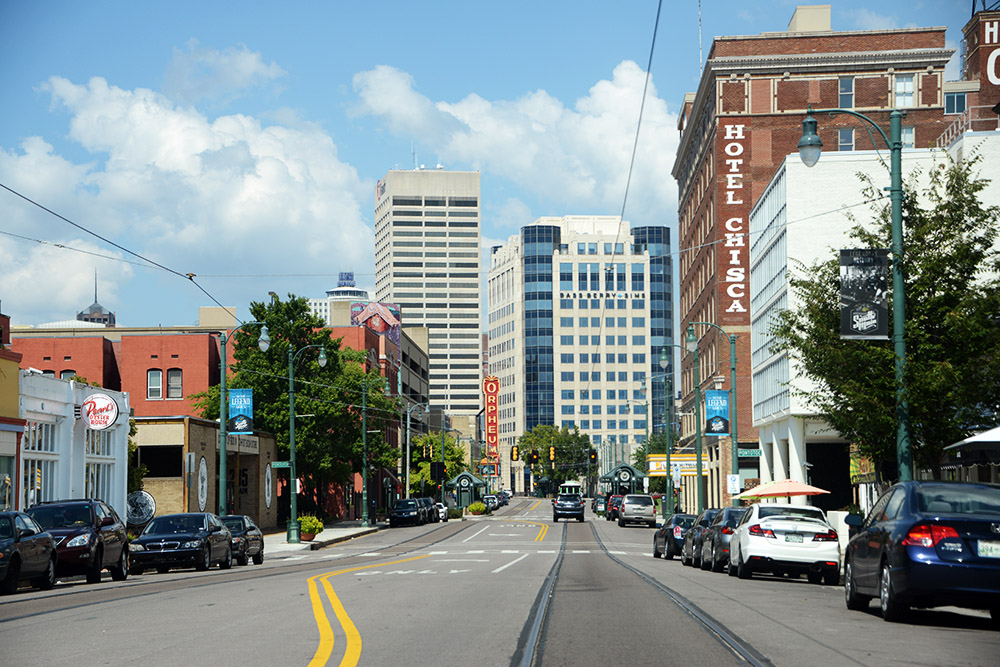
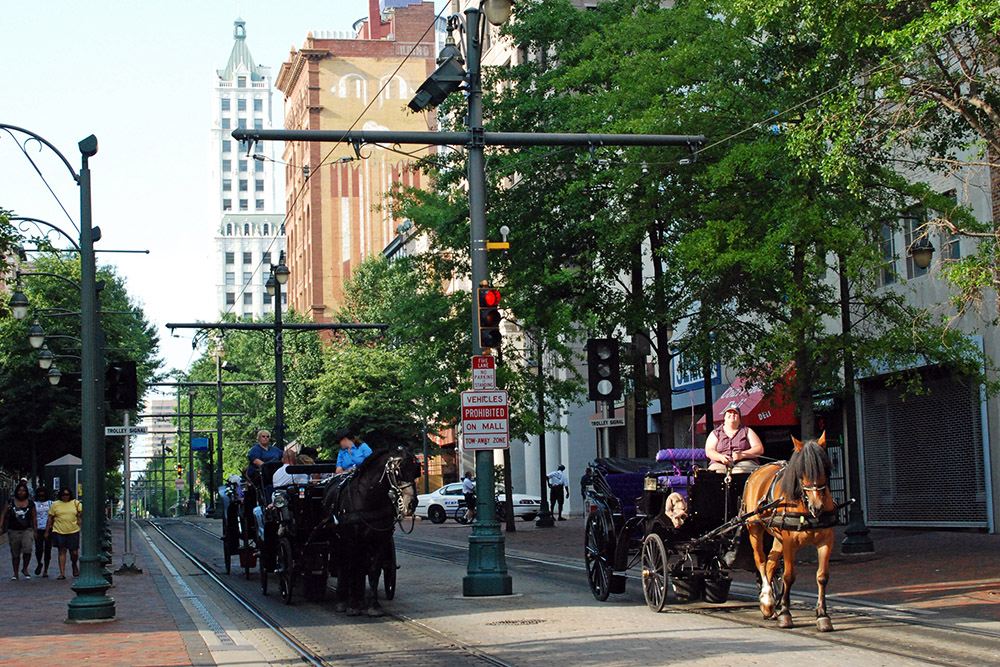
Above is a photo entering downtown Memphis. The city is also known for its trolleys and horse-drawn carriages around the city center. Downtown looks much more modern than areas like Beale Street, with high-rise buildings mixed among older streets and historic architecture. It’s also a much more relaxed atmosphere compared with Beale Street.
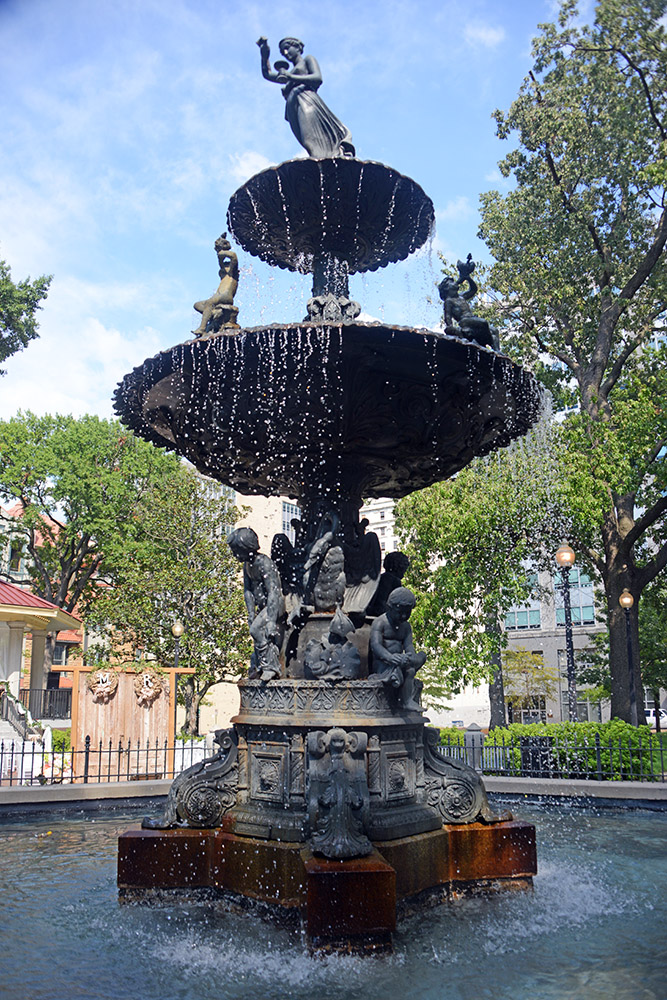
This photo shows the beautiful Hebe Fountain in Court Square. Court Square dates back to the original plan for Memphis and is one of the city’s historic public spaces. The Hebe Fountain was installed in 1876. There’s also a large gazebo in the park, which was being used for a wedding when I visited.
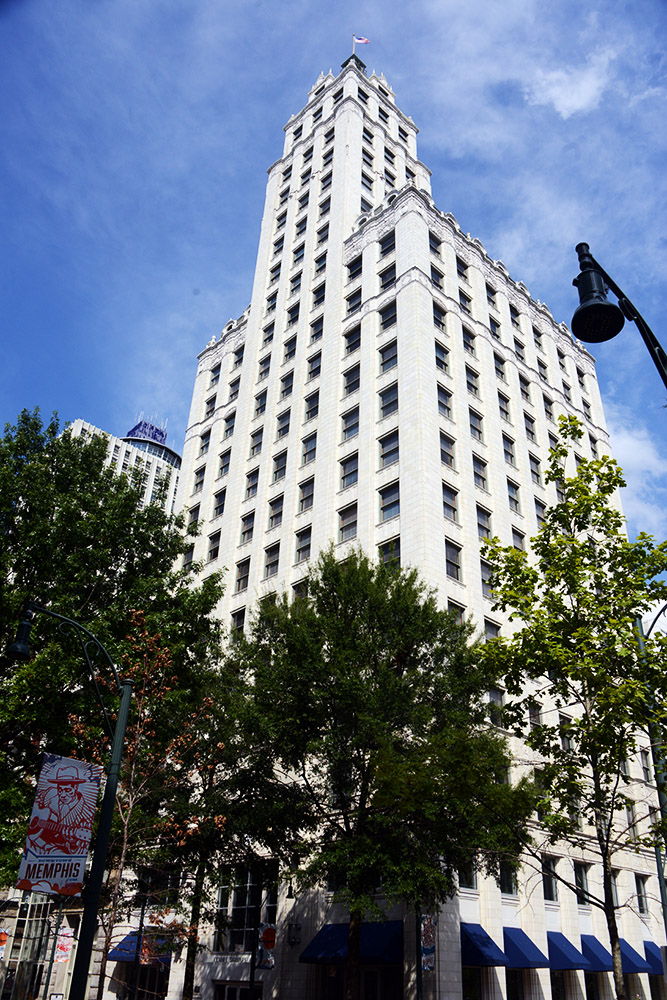
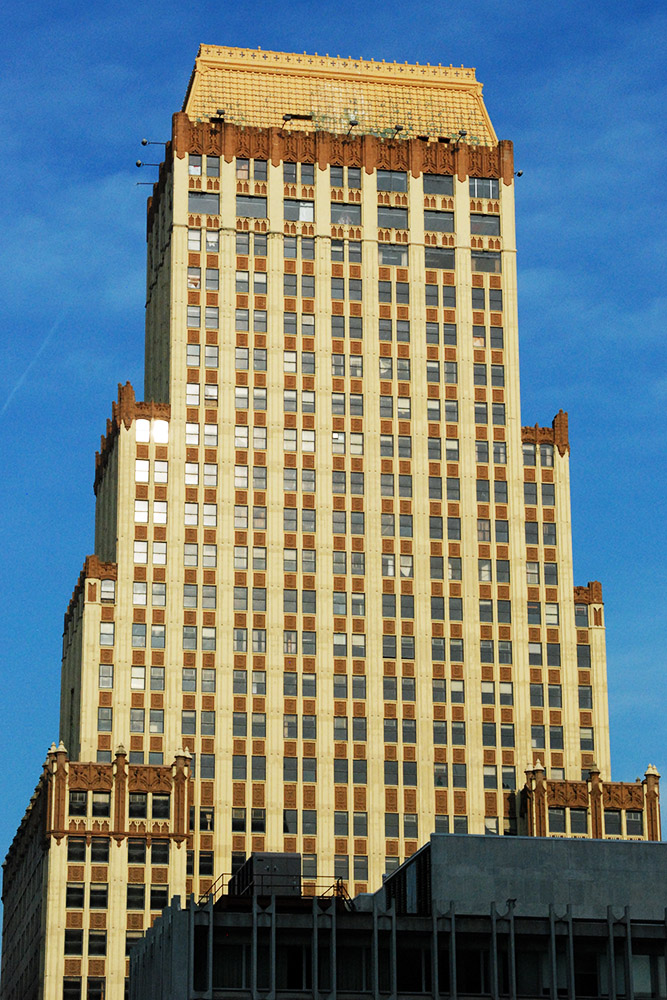
Memphis isn’t especially known for its skyscrapers, but it definitely has a few interesting ones. The building above is the Lincoln American Tower, which is my favorite building in the city. It was completed in the 1920s and was one of Memphis’s early skyscrapers. Below is another building that caught my attention, the Sterick Building, completed in 1930.
National Civil Rights Museum
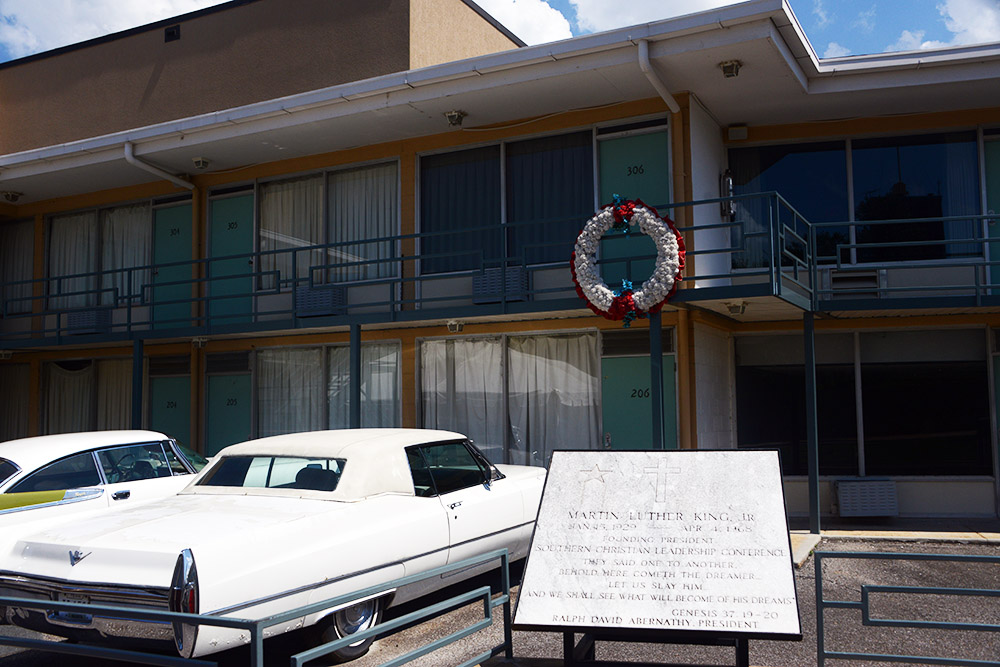
On my first trip to Memphis I completely missed visiting the Lorraine Motel. This is the famous location where Martin Luther King Jr. was assassinated on April 4, 1968. King was shot while standing on the balcony outside his room. Today the Lorraine Motel is part of the National Civil Rights Museum.
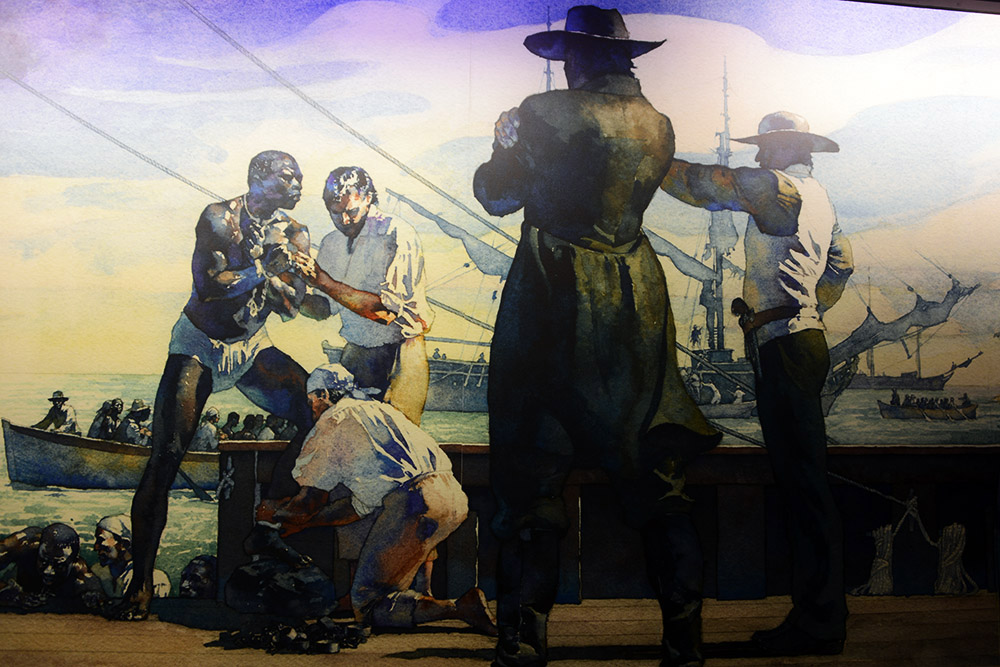
The National Civil Rights Museum is enormous. Its exhibits cover centuries of history, beginning with slavery and continuing through segregation, the Jim Crow era, and the Civil Rights Movement of the 1950s and 1960s. The museum uses historical artifacts, photographs, recreated scenes, and other exhibits to show the struggles people faced over generations.
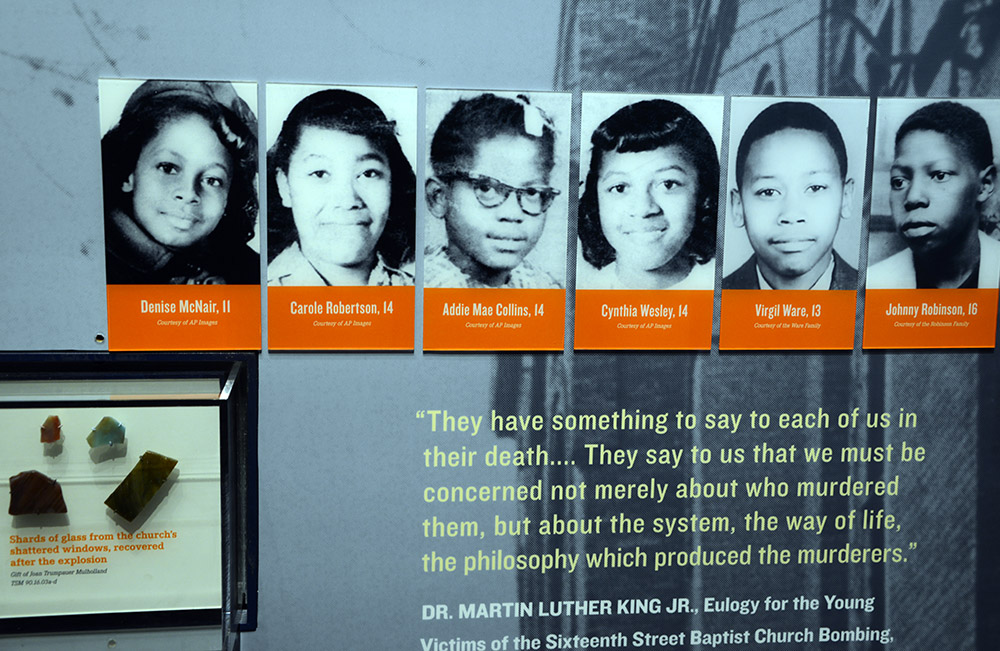
One of the most disturbing exhibits covered the 16th Street Baptist Church bombing in Birmingham, Alabama. On September 15, 1963, members of the Ku Klux Klan planted a bomb beneath the church. The explosion killed four girls and injured many others. The museum’s exhibit tells the story of the attack and includes pieces of stained glass from the church.
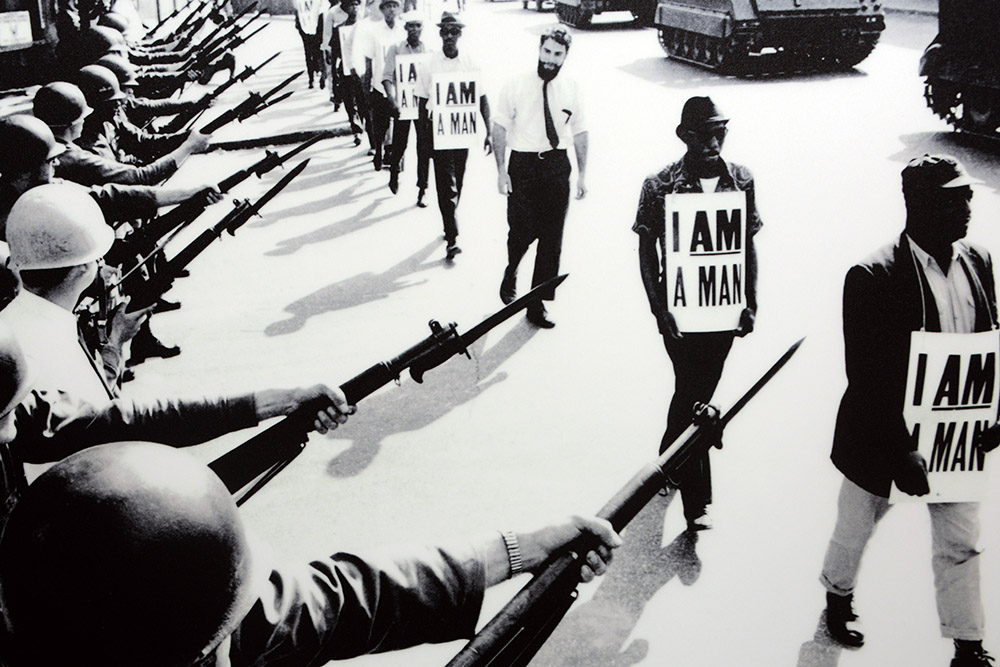
This exhibit shows the famous “I Am a Man” signs associated with the 1968 Memphis sanitation workers’ strike. The workers were protesting dangerous working conditions, discrimination, and low wages. Martin Luther King Jr. came to Memphis to support the striking workers, which is why he was in the city when he was assassinated.
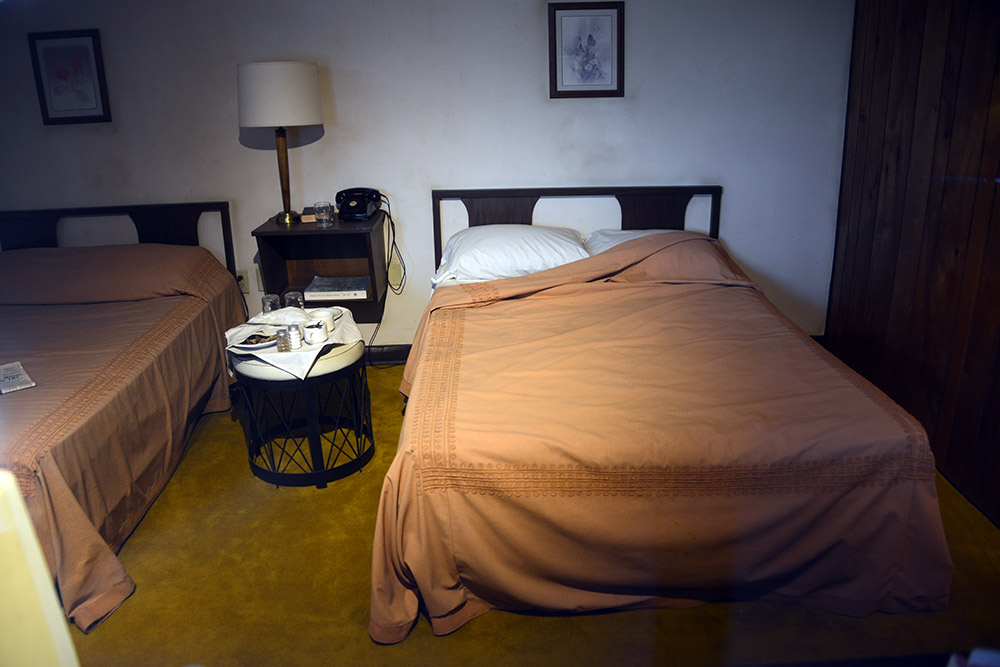
One of the final parts of the museum brings you to the area surrounding Martin Luther King Jr.’s room at the Lorraine Motel. As King stepped outside onto the balcony, James Earl Ray fired the shot that killed him. Ray later fled the United States but was arrested in London and extradited back to Tennessee. He pleaded guilty and was sentenced to 99 years in prison. He died in prison in 1998.
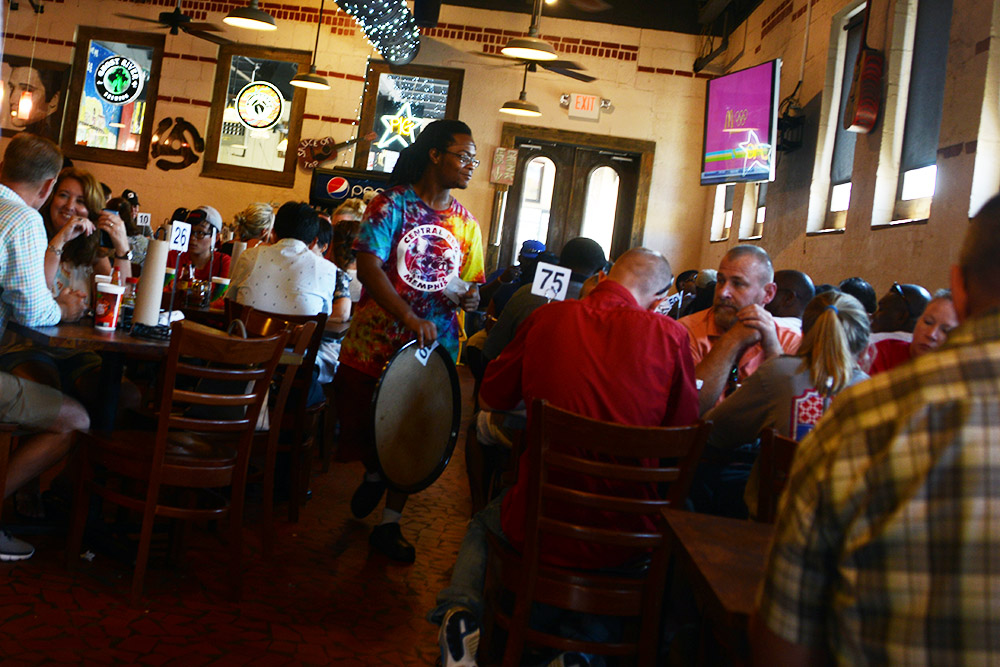
Right after visiting the Civil Rights Museum, I walked across the street to this barbecue restaurant. Memphis is famous for its barbecue, so I figured it was the right thing to have for lunch. During my first visit, my local friend told me that the Rendezvous was one of the places to go, but we decided against it after finding out there was an hour wait. This place was slightly crowded but had no wait at all.
The Mississippi River & Civil War History
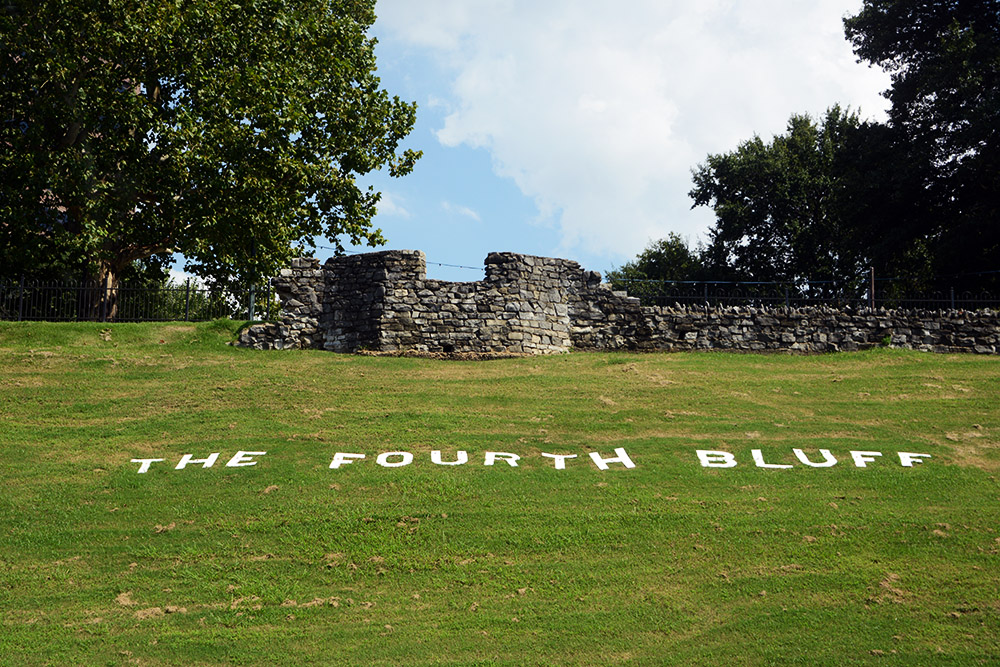
I revisited Memphis soon after coming back from the Himalayas, so needless to say the landscape of western Tennessee didn’t seem particularly dramatic by comparison. One of the more interesting natural features around Memphis is the line of Chickasaw Bluffs overlooking the Mississippi River. Memphis itself was established on the Fourth Chickasaw Bluff, which rises above the surrounding floodplain.
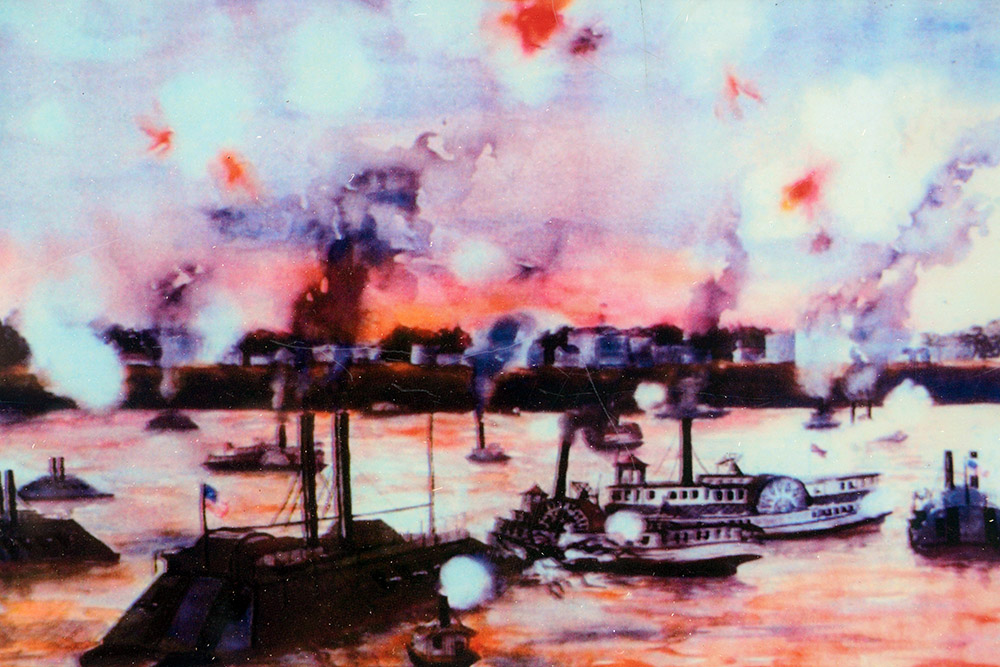
The Fourth Chickasaw Bluff also played an important role during the Civil War. In June 1862, Union and Confederate naval forces fought the Battle of Memphis on the Mississippi River. The battle was over quickly and resulted in a decisive Union victory, allowing Union forces to occupy Memphis. Above is a drawing depicting the battle.
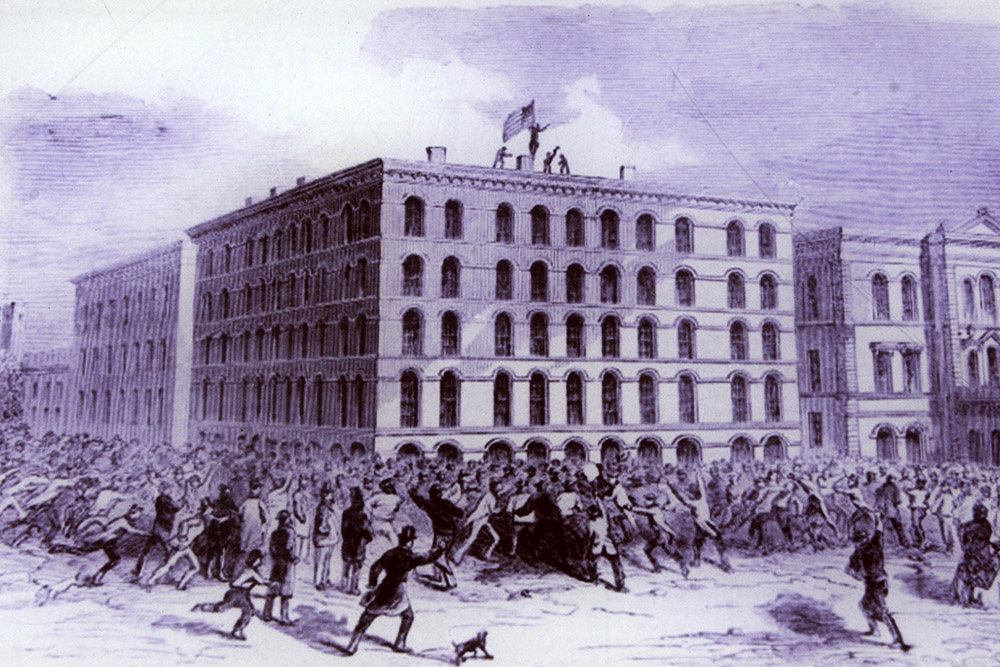
Union forces occupied Memphis for the remainder of the Civil War, although Confederate forces raided the city again in 1864 under General Nathan Bedford Forrest. The parks overlooking the Mississippi contain historical markers explaining the area’s Civil War history and the importance of Memphis and the river during the conflict.
Graceland
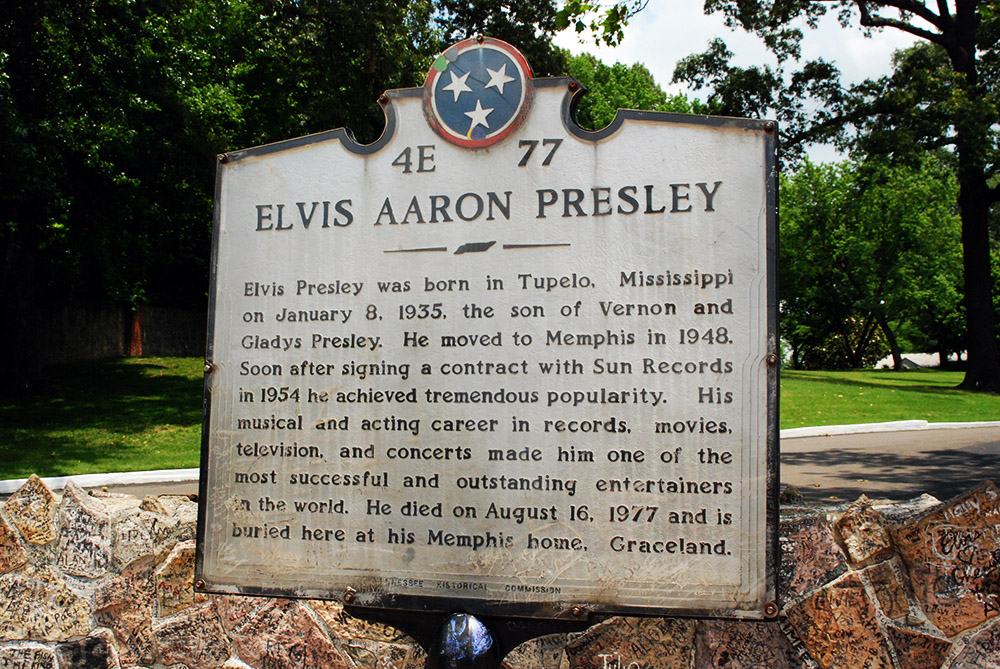
There is no question about it: a trip to Memphis is incomplete without at least considering a visit to Graceland, the famous home of Elvis Presley. Elvis purchased Graceland when he was only 22 years old and lived there for the rest of his life. I found the tour price pretty steep at $27 per person when I visited in 2008, but I knew I’d regret skipping it, so I bought my ticket and went inside the mansion where Elvis spent the last 20 years of his life.
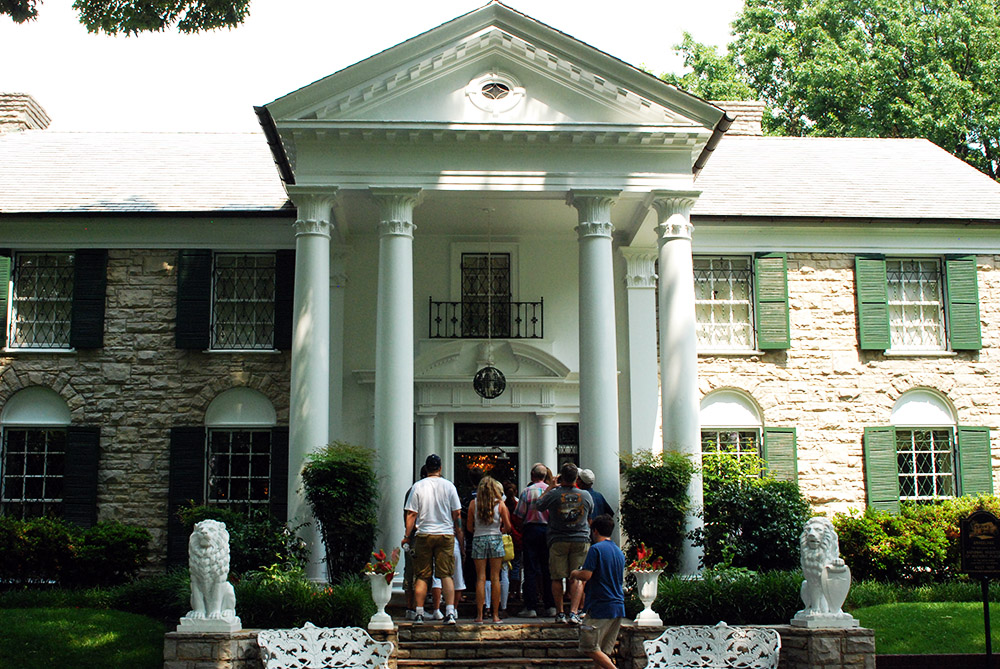
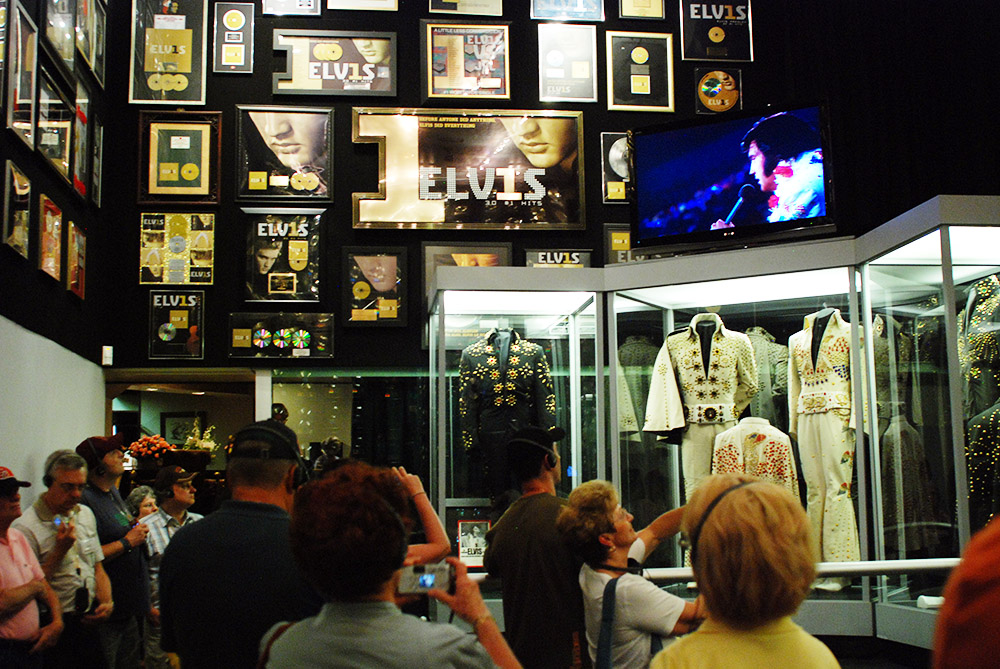
Graceland is now a major tourist attraction, with people coming from all over the world to visit the home of Elvis Presley. Much of the mansion preserves the appearance and decorations associated with Elvis’s time there. His former racquetball building also contains displays of awards, costumes, and other memorabilia from his career.
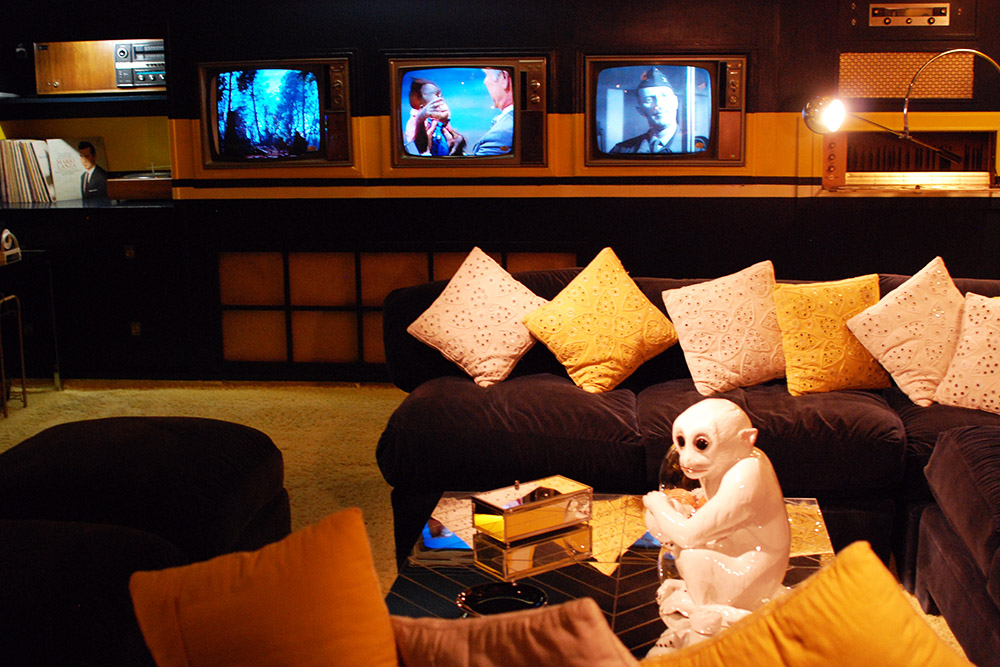
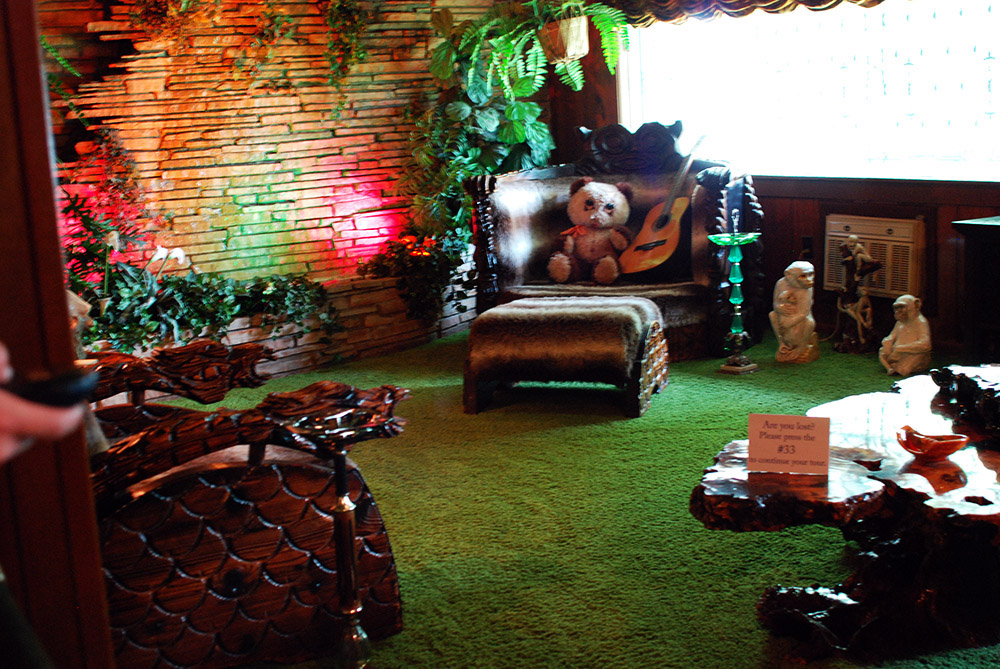
Graceland has several famous rooms, many with their own names. The one above is the “TV Room.” Although a setup like this could easily be recreated today, I imagine having three televisions built into the wall was pretty impressive at the time. Below was my favorite place in the mansion, the famous “Jungle Room.”
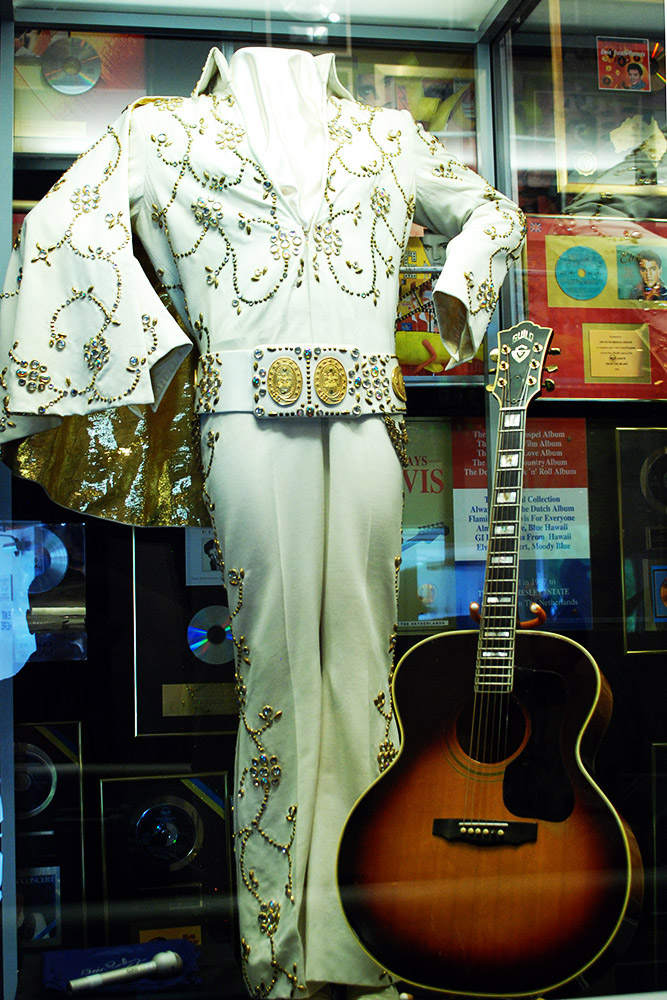
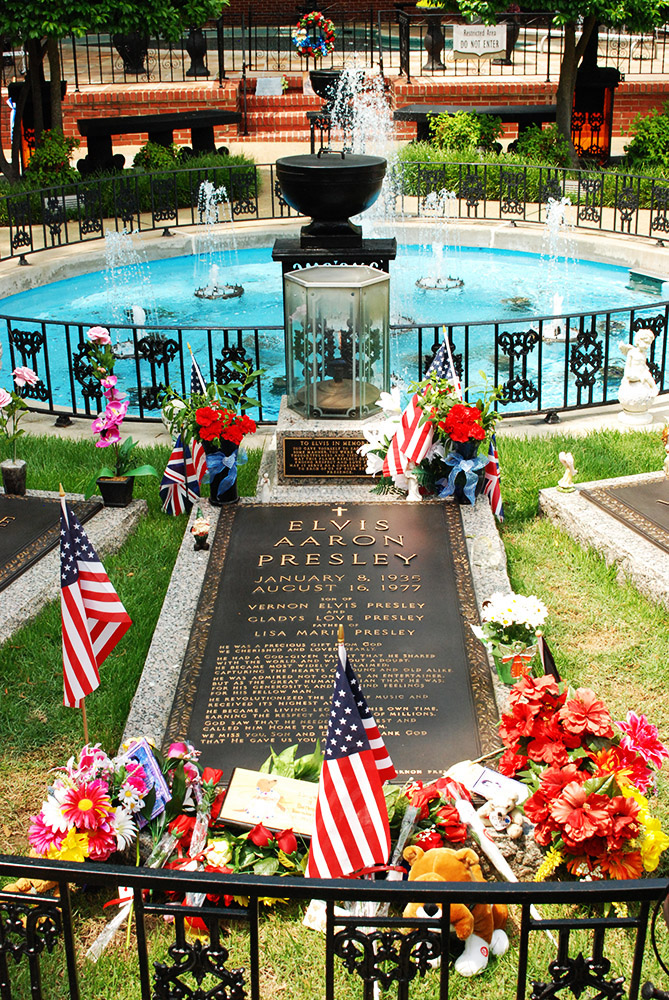
Above you can see one of Elvis Presley’s suits and then the final resting place of Elvis himself. On August 16, 1977, Elvis Presley died at Graceland at the age of 42. His grave is located alongside members of his family in Graceland’s Meditation Garden.
The Memphis Pyramid
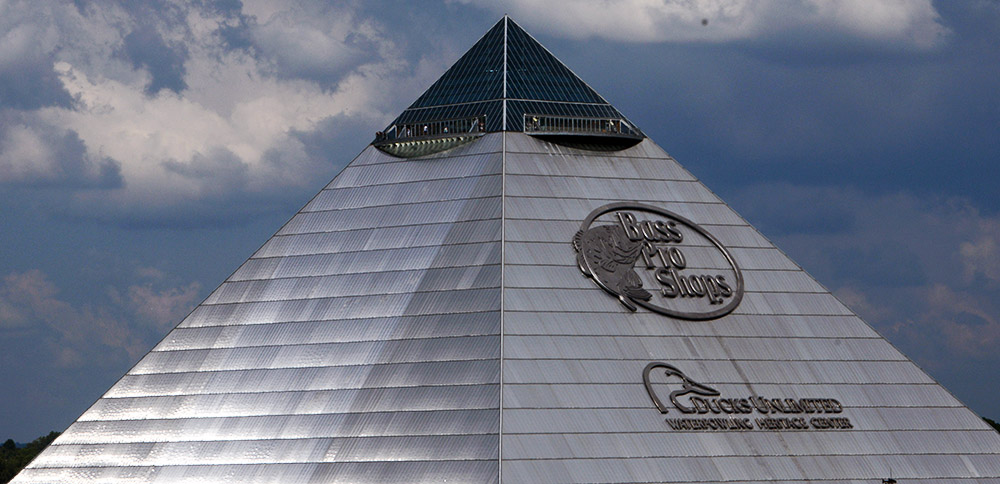
The first time I came to Memphis, my mistake was not seeing the Civil Rights Museum. The second time, my mistake was almost not going inside the Memphis Pyramid. I’d photographed it on both visits and still thought of it as a former sports arena. It had once hosted major sporting events, including the 2002 heavyweight boxing match between Lennox Lewis and Mike Tyson.
When I returned, I noticed that the pyramid now said Bass Pro Shops on it. At first I figured the company had simply paid to put its name on the building, but they had actually completely remodeled the interior.
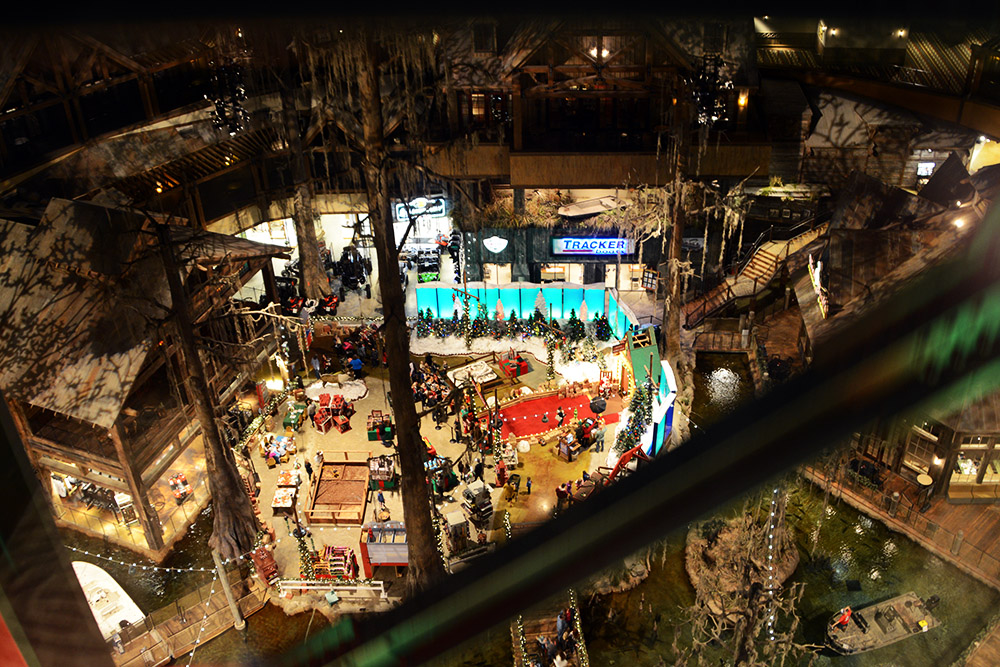
Instead of a sports arena, the pyramid has been converted into a giant outdoor-themed shopping and entertainment complex. One of its most impressive features is the enormous freestanding elevator rising through the center of the building to an observation area near the top. I took the photo above while riding up. It was a little difficult with all the I-beams getting in the way, but you can still get an idea of what the interior looks like.
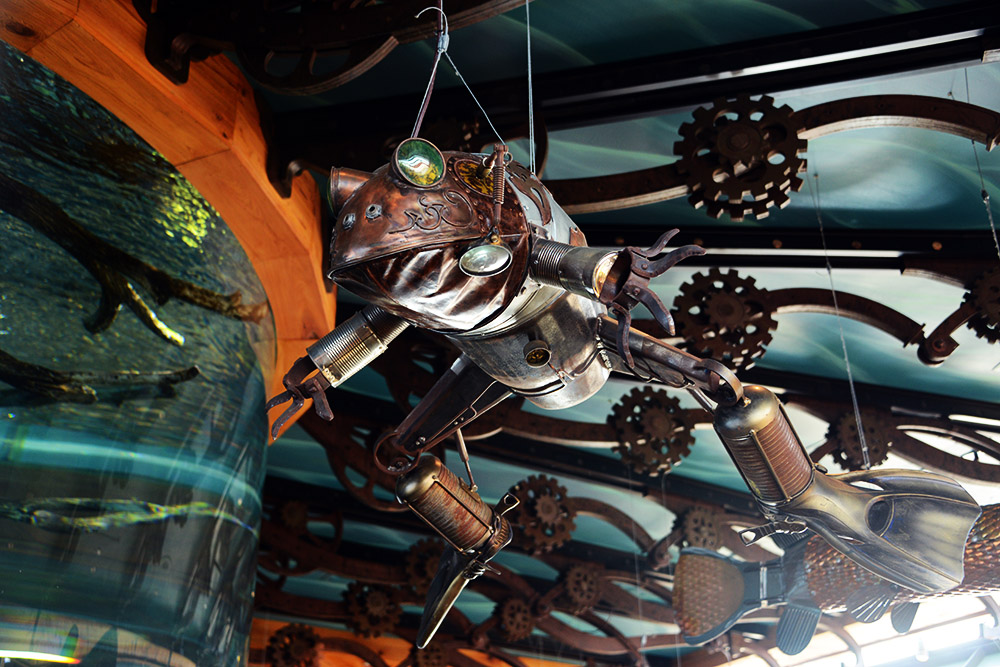
At the top of the elevator there’s also a restaurant and bar. I was there pretty early, so they weren’t open yet, but I was able to enjoy the views and photograph some of the artwork. They had created large fish and other wildlife sculptures using boat motors and other mechanical parts.
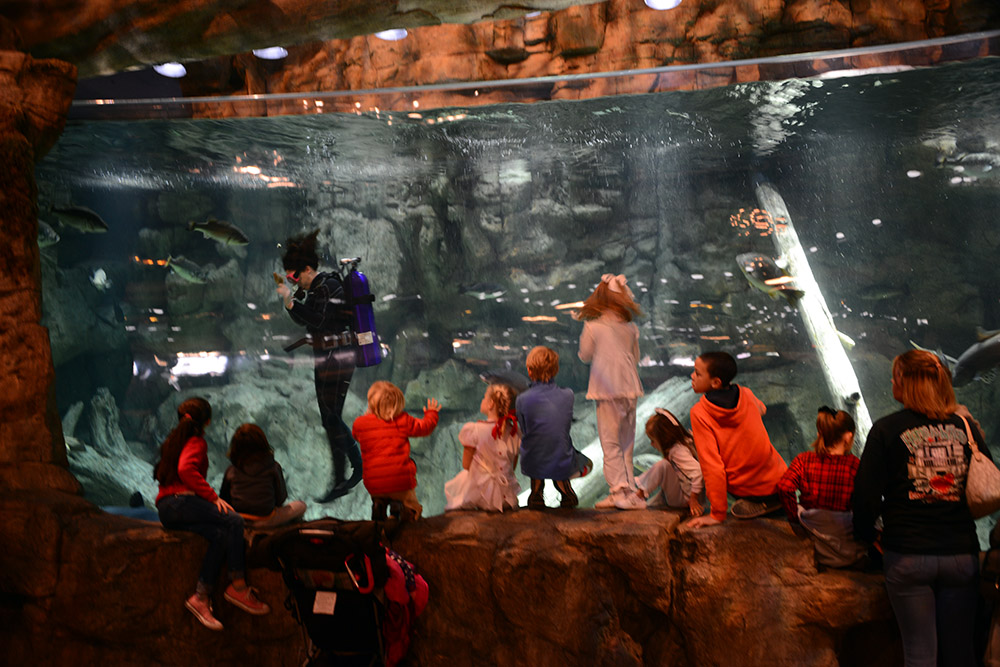
Beyond the shopping, the pyramid has restaurants, entertainment, indoor water features, and exhibits filled with fish and other wildlife. They also hold fish-feeding demonstrations like the one photographed above. Much of the base feels almost like an indoor swamp, with large fish and live ducks swimming through the water.
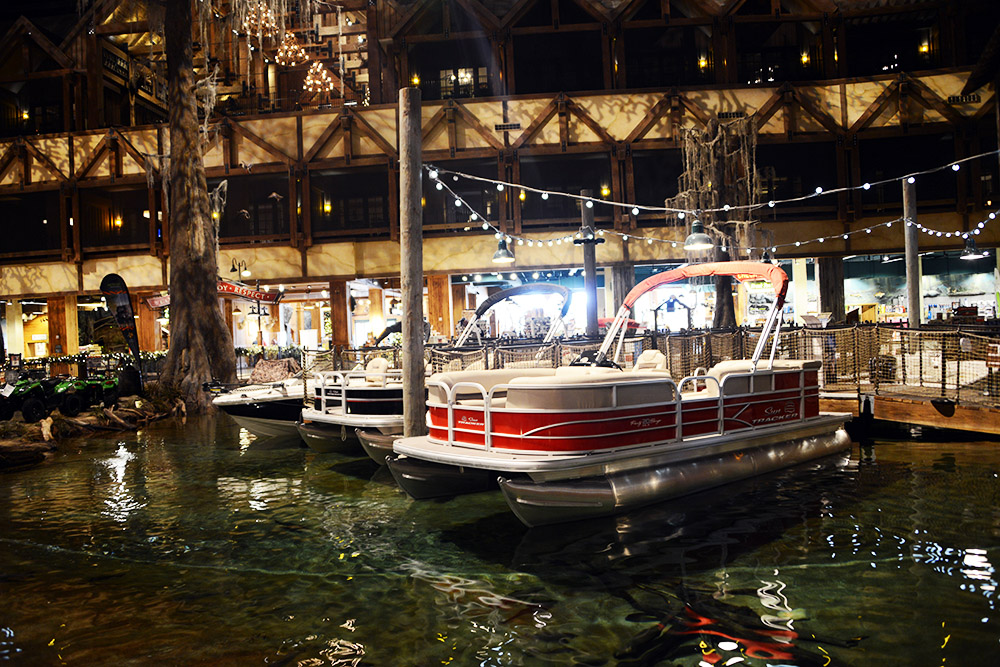
I realized afterward that I didn’t photograph much of the actual shopping area, but the scale of the place is enormous. You can find everything from outdoor clothing and camping equipment to fishing gear and full-size boats like those photographed below.
Explore More of Tennessee
Gatlinburg • Memphis • Nashville
