Bogotá was my first destination in Colombia and immediately surprised me with how much there was to see. The city mixes historic colonial neighborhoods and churches with modern skyscrapers, restaurants, museums, markets, and enormous mountain views. I normally start each page with a country’s national square or some famous landmark even if I visited it later in my trip, but in Colombia, Bolívar Square was actually the very first place I visited since it was only a block away from my hotel.
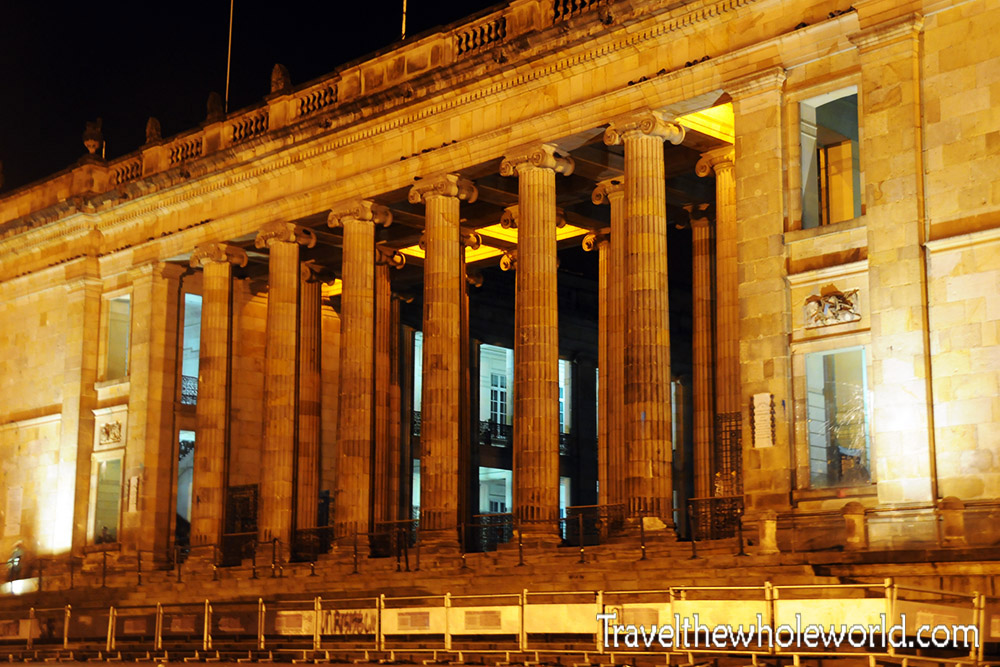
I once had a photo of the cathedral on this page, but somehow it got erased from my computer when I tried to upload a higher-resolution version. I’m not sure how that happened, but it wasn’t a photo I was proud of anyway! The cathedral was built in the early 1800s, and I’m sure I’ll see it again one day. The photo above is the National Capitol building, which was completed in 1926.
Bolívar Square
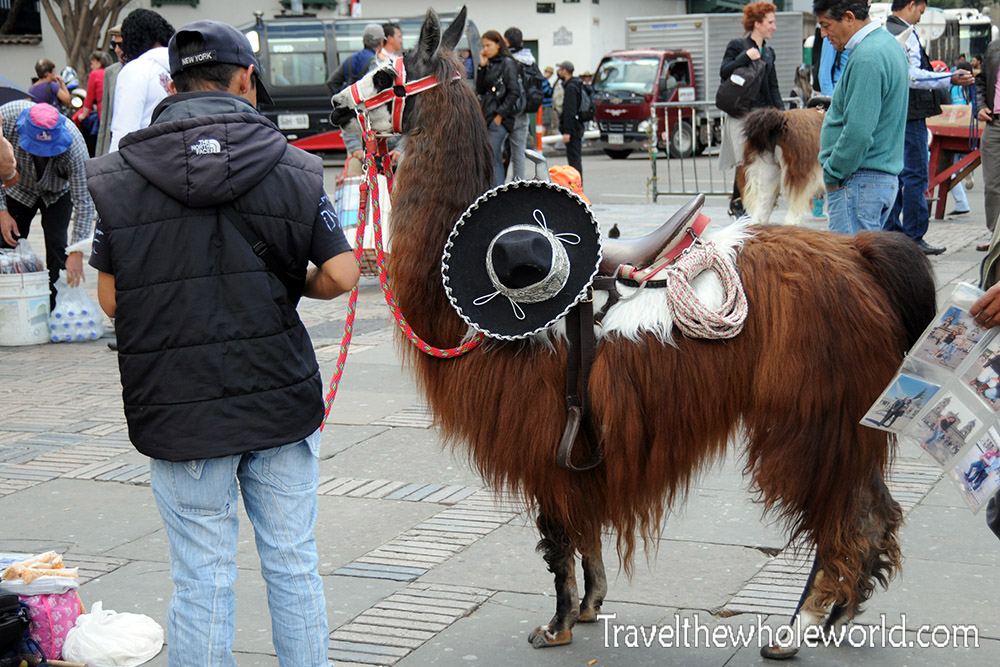
These photos above and below are from Simón Bolívar Square. A Friday morning visit took me to a large market that filled the entire square. There were tons of vendors selling all kinds of food and artwork, along with dancers and even some llamas. Most people gave me free samples, and it was here in the square where I tried mora for the first time on this trip. I had mora berries and mora-flavored drinks throughout my travels in Colombia.
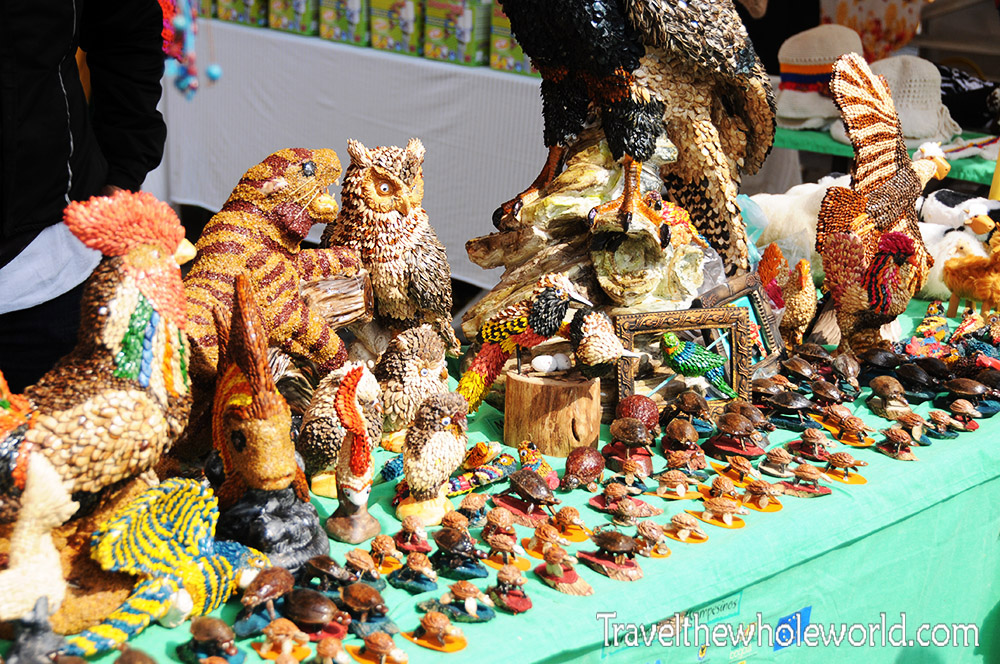
The photo above shows some animals that looked like they had been made from seeds that were glued together and painted.
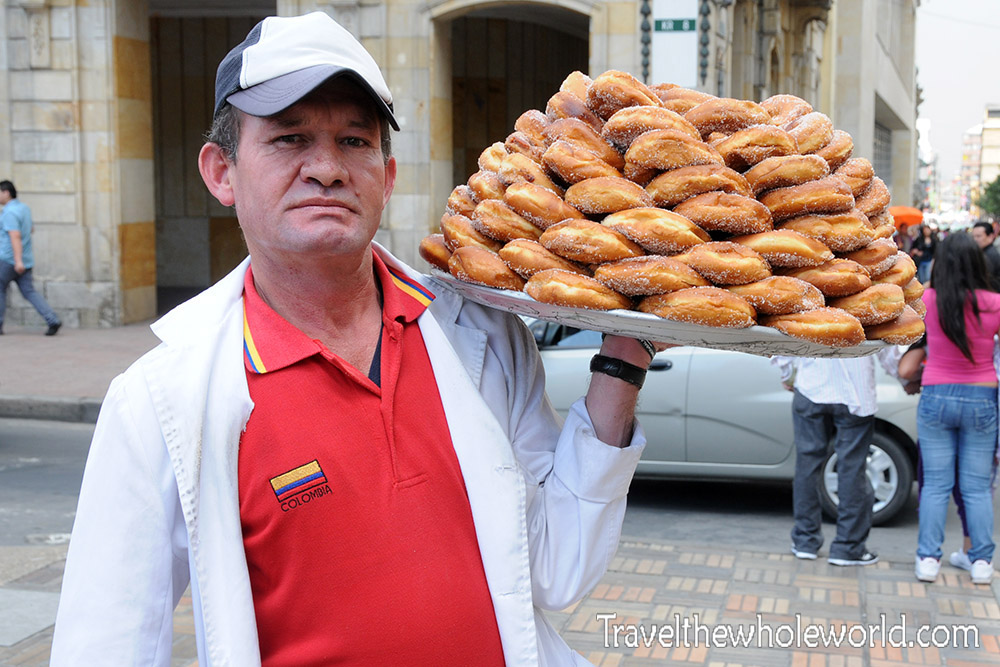
Aside from the fruit, I bought a donut from this guy since he was nice enough to let me take his picture. I also tried some other foods in the market, but passed on this pork. Even though I’m not a vegetarian, seeing the entire animal stuffed with other food wasn’t especially appealing to me.
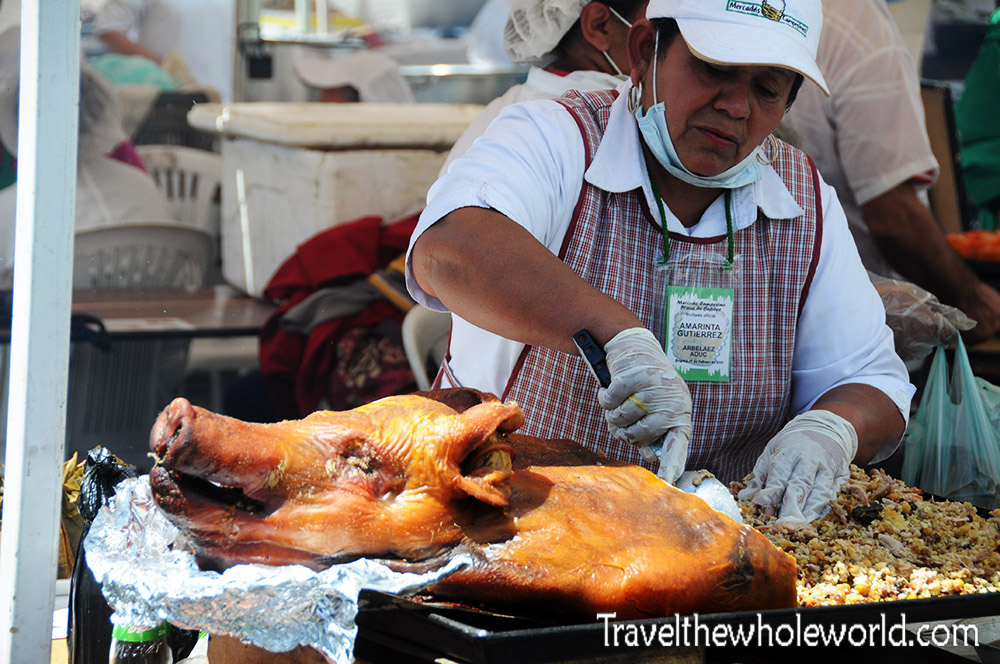
Food in Bogotá
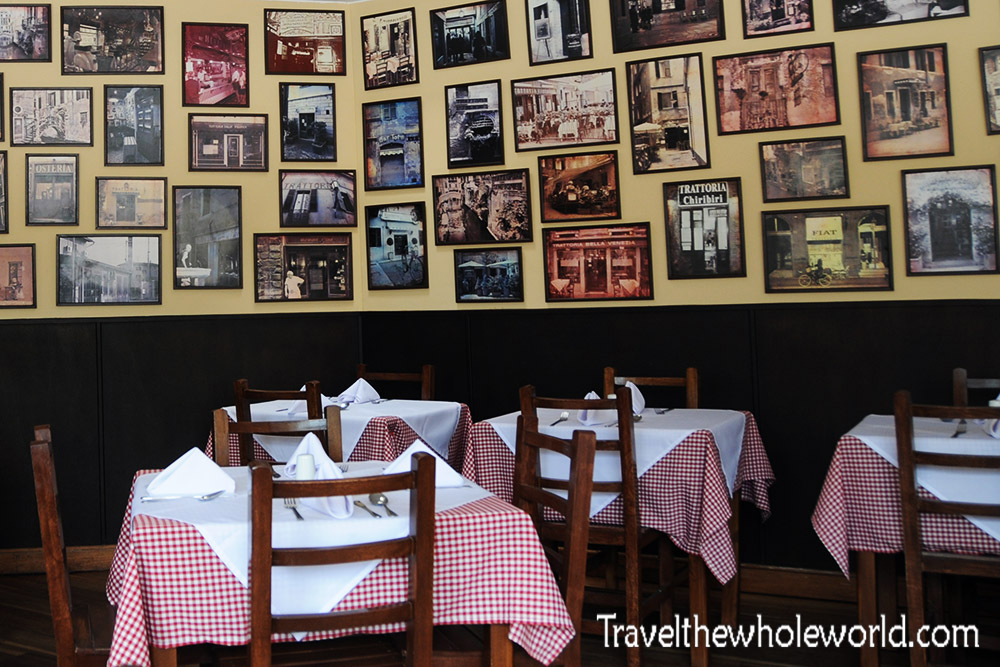
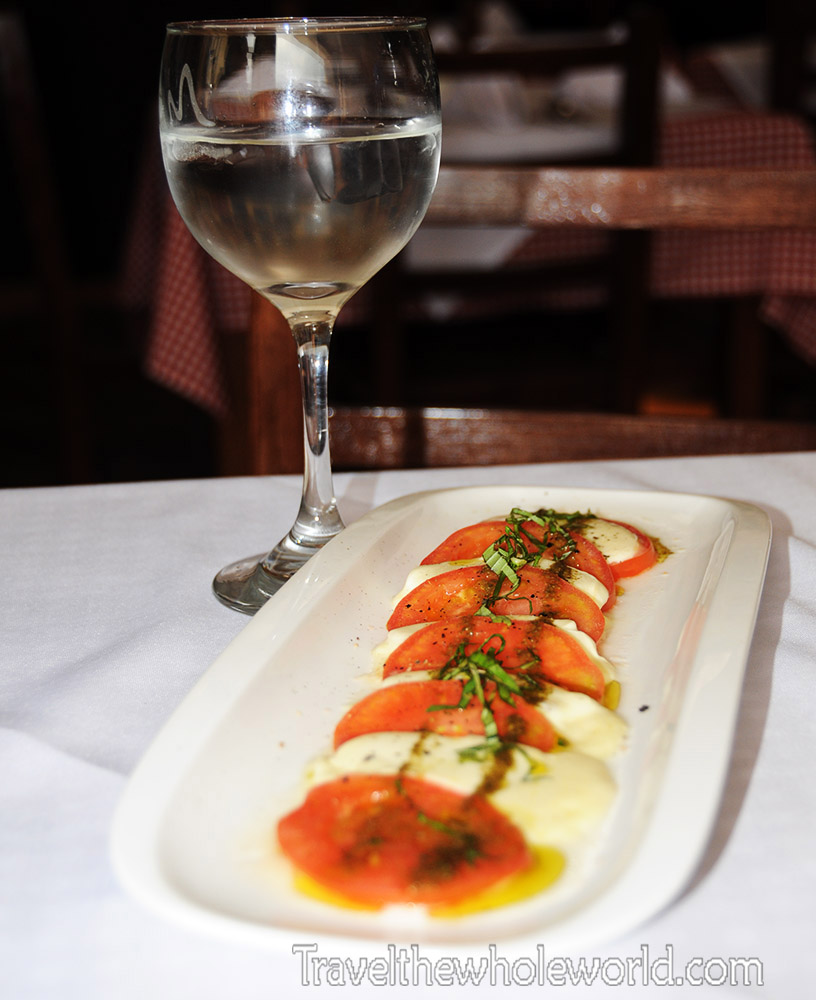
If food from street vendors in the market isn’t for you, there are plenty of higher-end restaurants to choose from in Bogotá. These two photos above and below were from an Italian restaurant I happened to stumble into while roaming the city. The restaurant was nicely decorated and had a great staff. The photo below was just my appetizer, which was as good as the meal itself. When dinner was over, my waiter showed me to the third floor for a 360-degree view overlooking parts of the city.
Exploring the City
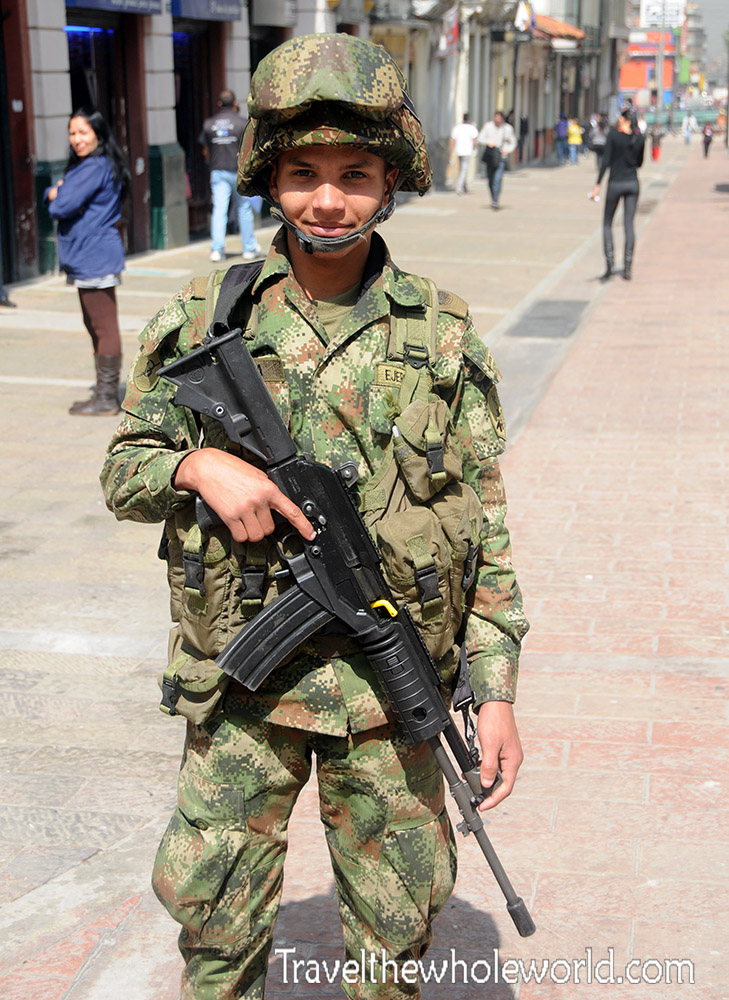
Bogotá impressed me with its mix of old and new. Colonial buildings and historic streets sit alongside modern neighborhoods and towering skyscrapers, while markets, museums, restaurants, and public spaces gave me plenty to explore simply by wandering around the city.
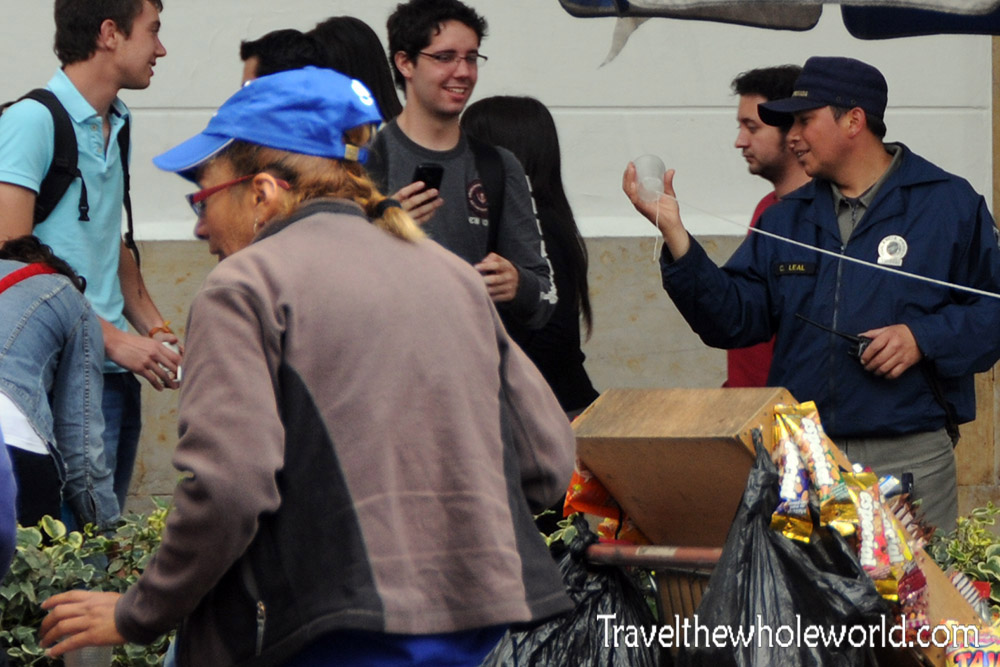
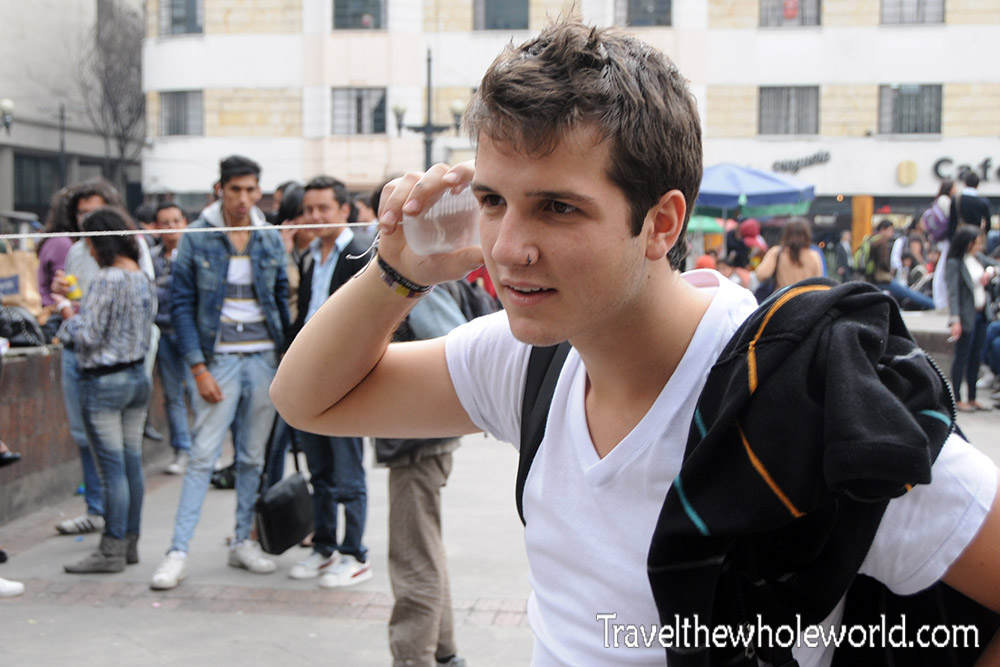
During one of my random walks through the city, I came across some people who had set up the classic two-cups-and-a-string trick. I had actually never tried this before, but the plastic cups they were using seemed to work just as well as cans. I tried to participate in the conversation, but since my Spanish wasn’t too great, it was difficult for me to understand the other guy. Their little setup seemed to be working well though!
Art and Books
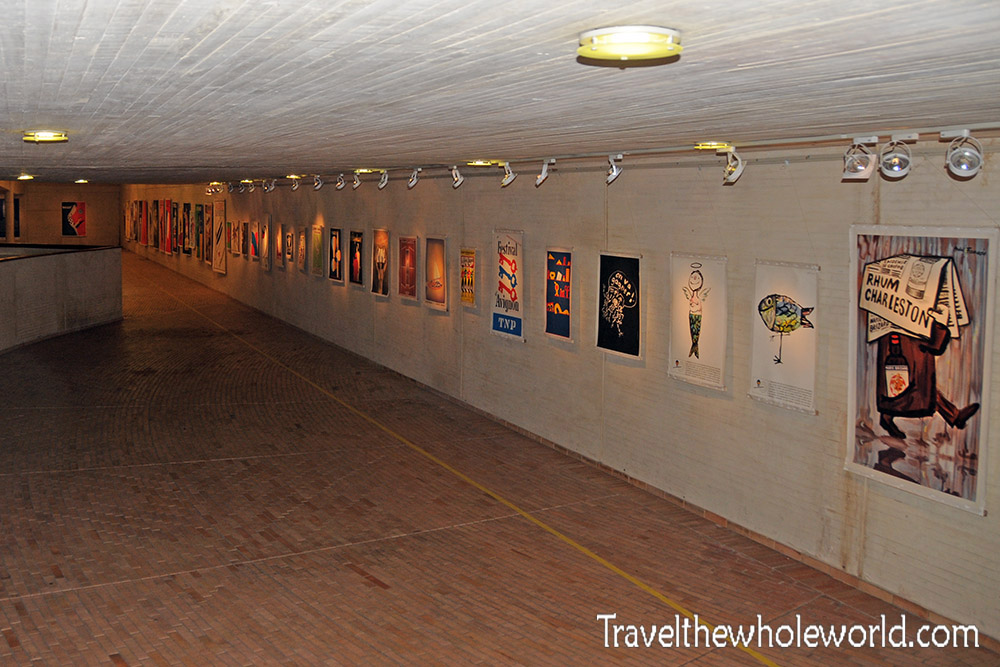
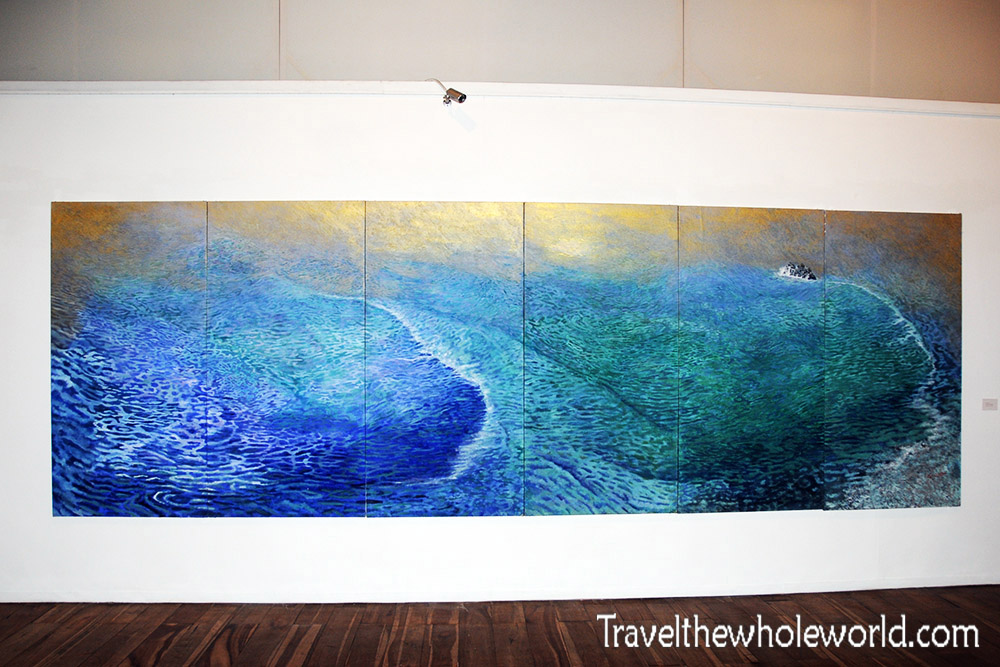
What amazed me about Bogotá was all the museums and art around the city. The photo above shows a wall along a street decorated with what seemed to be vintage French advertisements. Below is an enormous painting from another art gallery I visited in Bogotá.
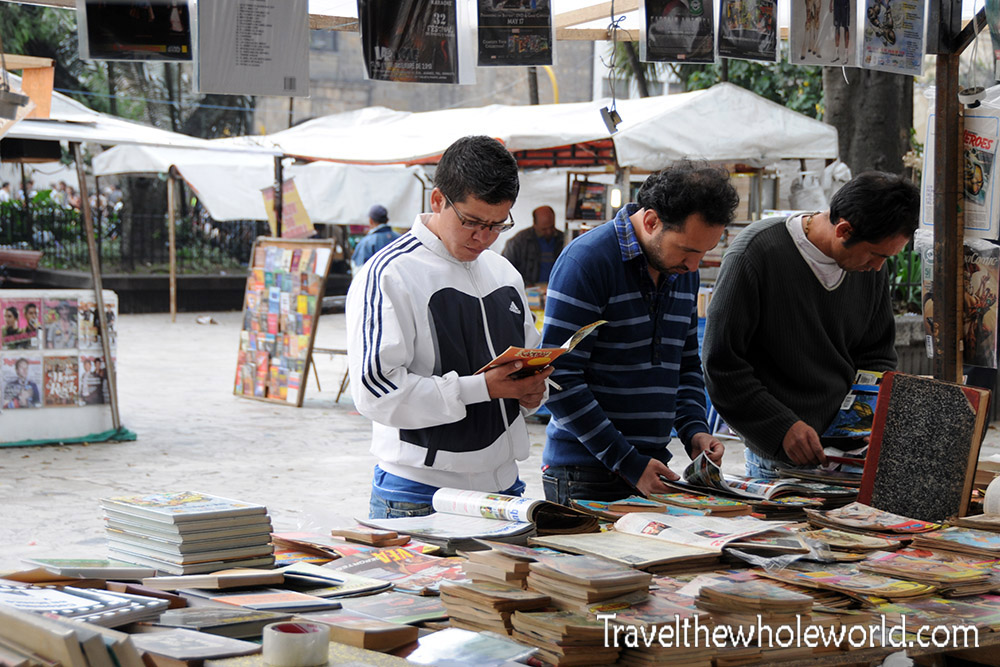
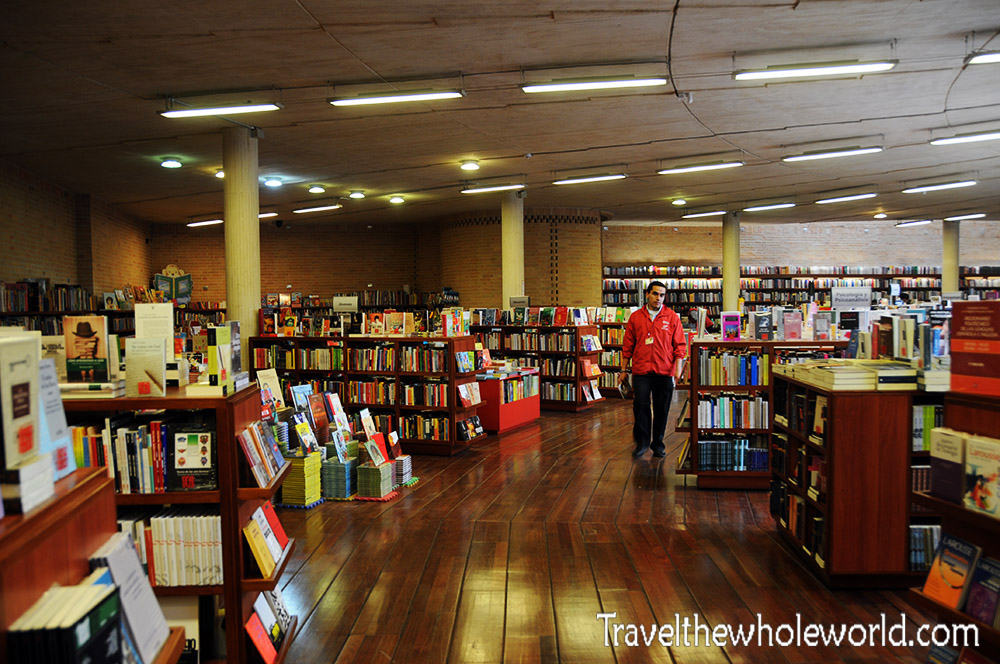
During a walk in another part of the city, I also came across a small market that sold mostly books and movies. I later found the huge bookstore below, which was easily one of the nicest bookstores I saw during the trip.
Monserrate
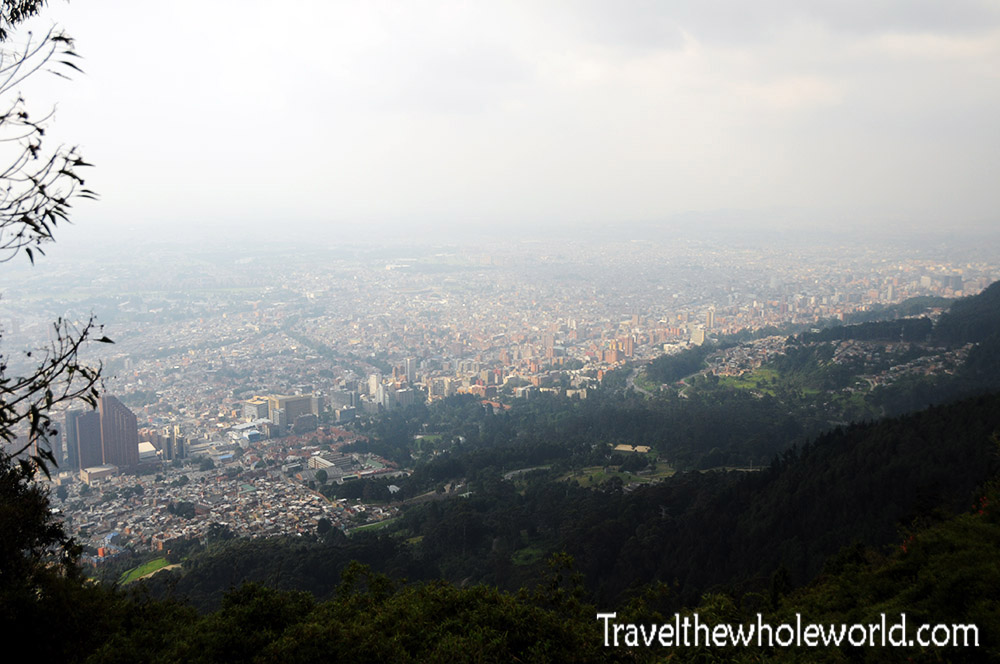
I didn’t realize just how large Bogotá was until my visit to Colombia. One of the best places to appreciate the size of the capital is Monserrate, where you can get some beautiful views over the city like the ones in these photos.
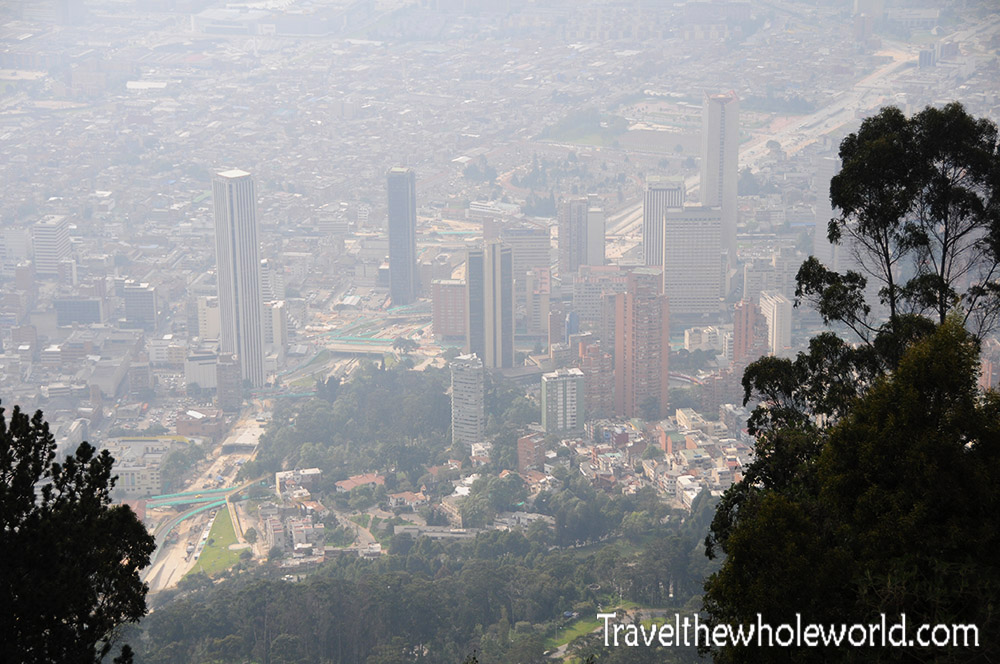
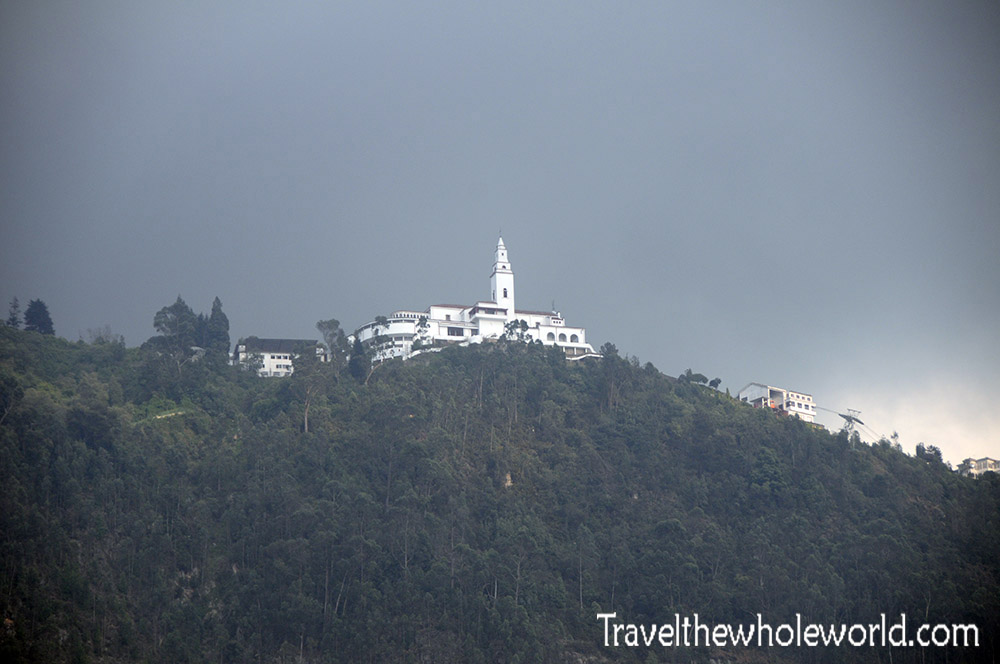
If you spend any time in Bogotá, you won’t be able to miss Monserrate in the mountains overlooking the capital. The mountain has been an important religious destination for centuries, and its sanctuary sits at more than 10,000 feet (3,000 meters).
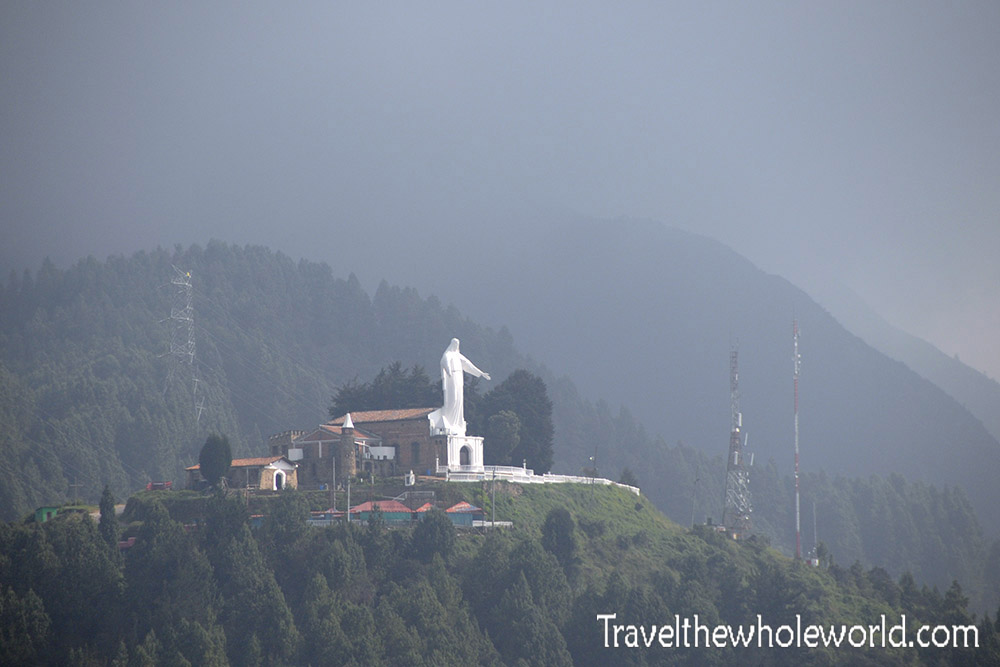
A cable car is one of the easiest ways of reaching the top. Another option is the funicular, while those looking for a workout can hike up. Above is Monserrate itself, with a large statue of Jesus in the distance that reminded me of Rio de Janeiro’s Christ the Redeemer.
Giant Moths of Monserrate
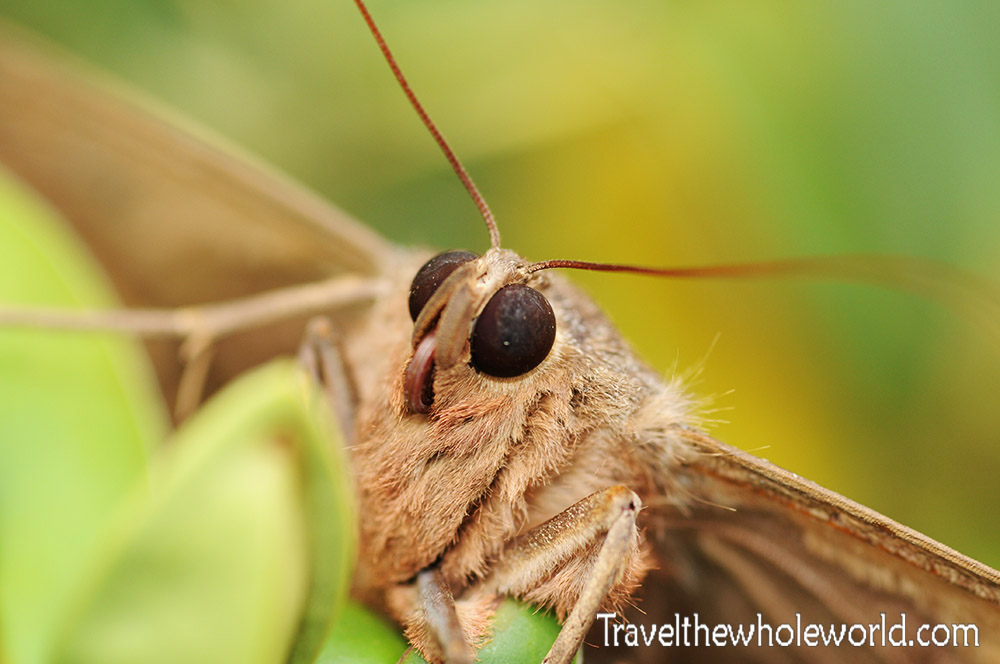
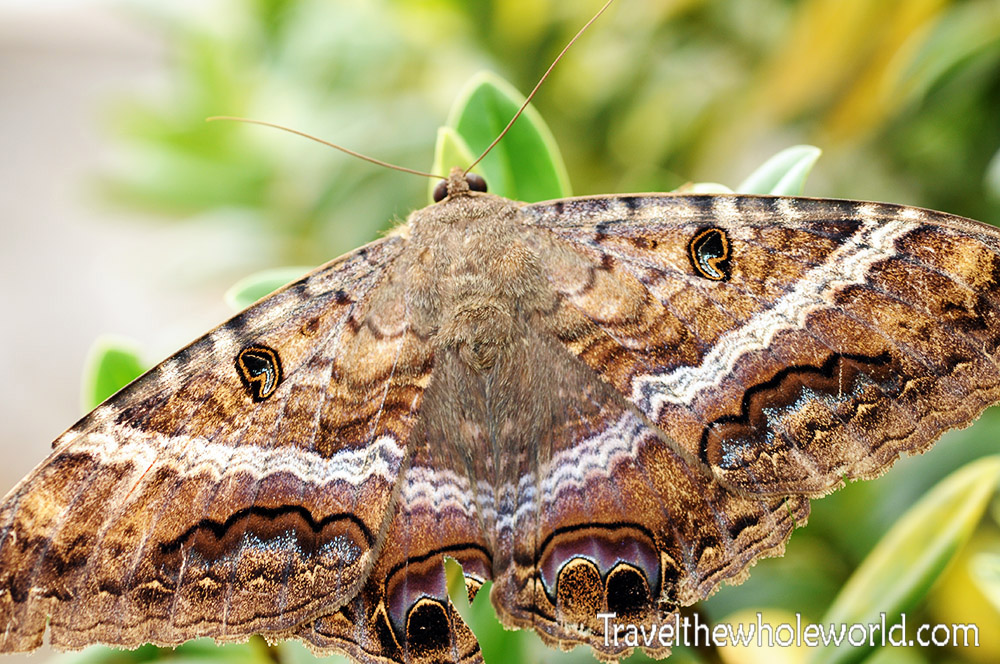
I took the cable car up to Monserrate, and this was one of my first encounters after arriving on the mountain. Unfortunately there isn’t much perspective in the photo, but these gigantic moths were about the size of my hand and by far the largest I had ever seen. I was a bit wary of putting one on me just to show how big they actually were. Maybe next time!
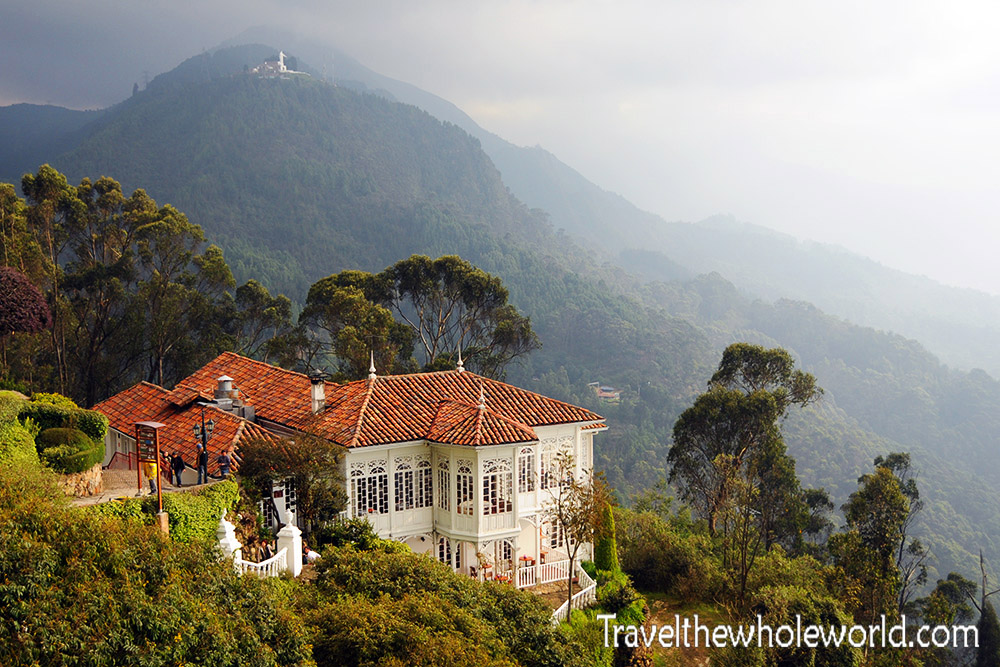
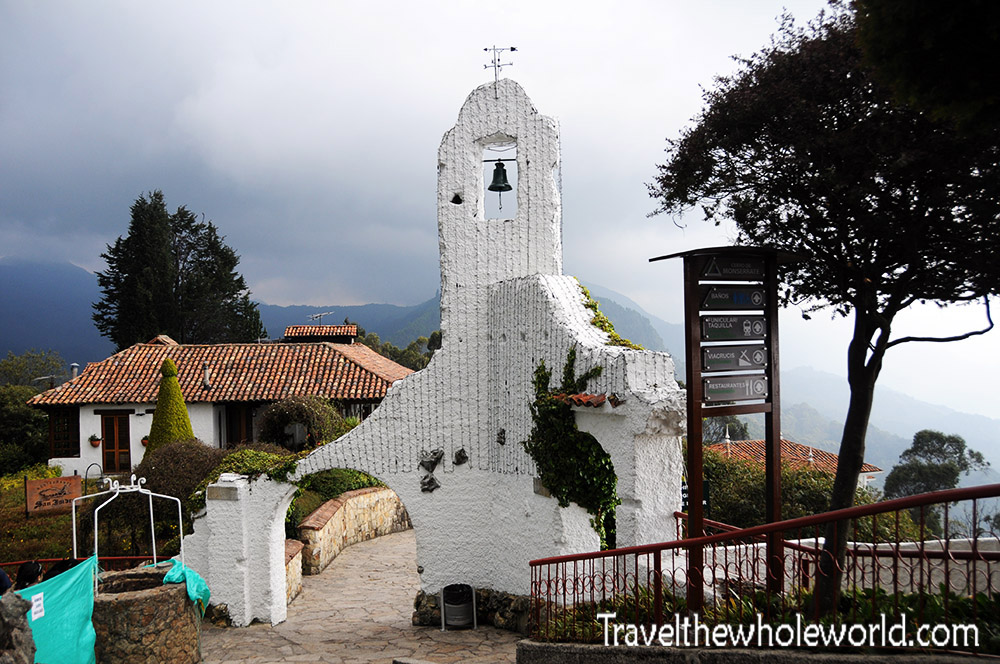
Aside from the gigantic moths, Monserrate is a pretty impressive place. There’s actually a lot to do here, with restaurants, gardens, religious sites, and hiking trails. I even saw a few locals trail running, which must have been challenging at around 10,000 feet (3,000 meters)! These are two photos from around Monserrate’s religious complex.
Churches Around Bogotá
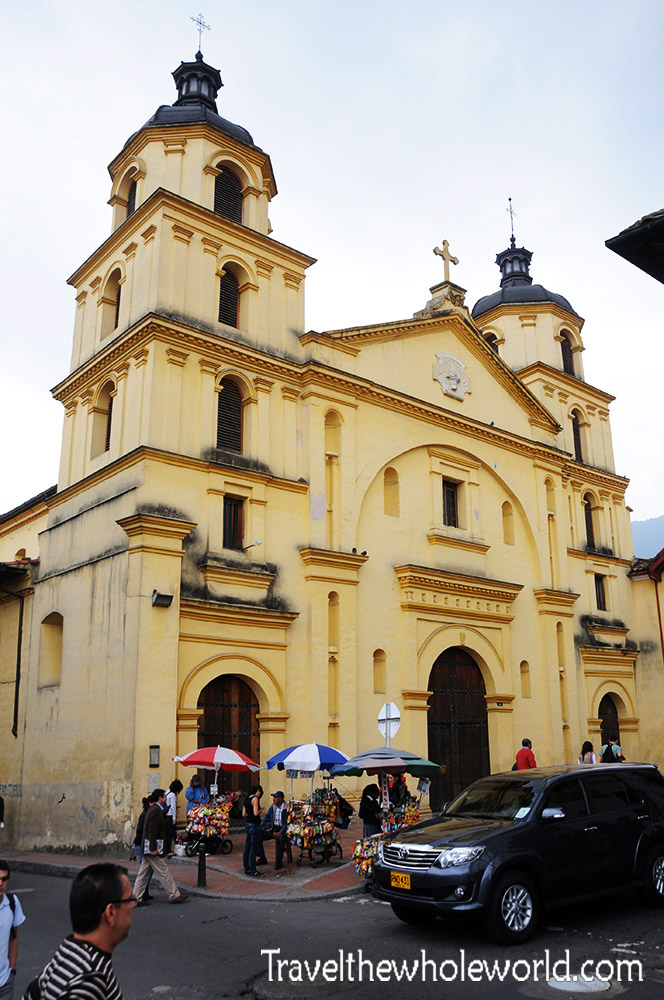
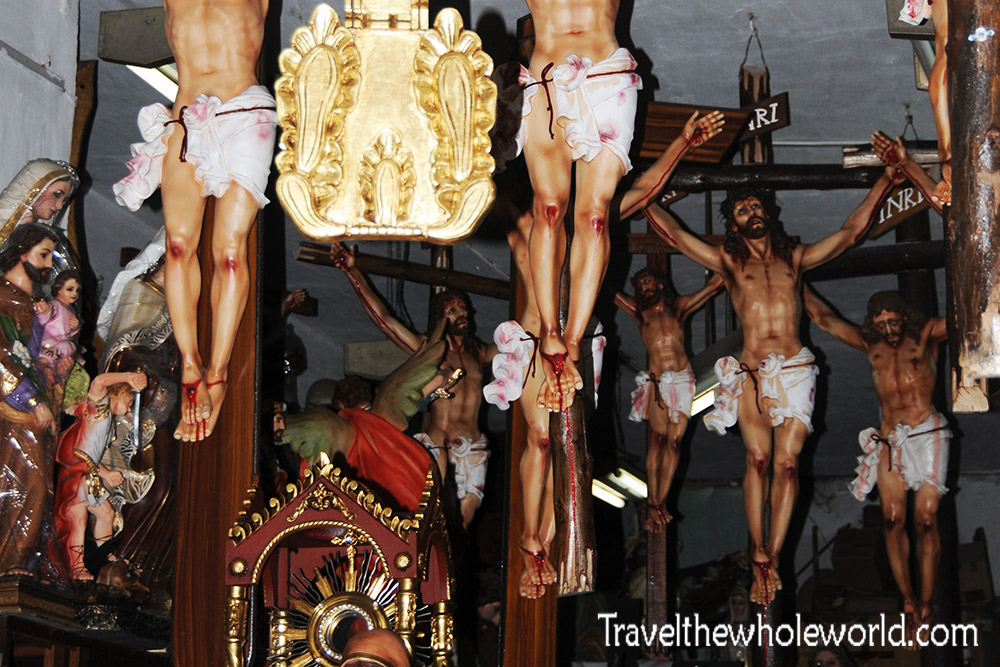
Churches and cathedrals are found throughout Bogotá, and this was one of several I stumbled across while exploring the city. Nearby was a religious store filled with statues and other items, including this rather impressive collection of Jesus statues hanging from above.
The Gold Museum
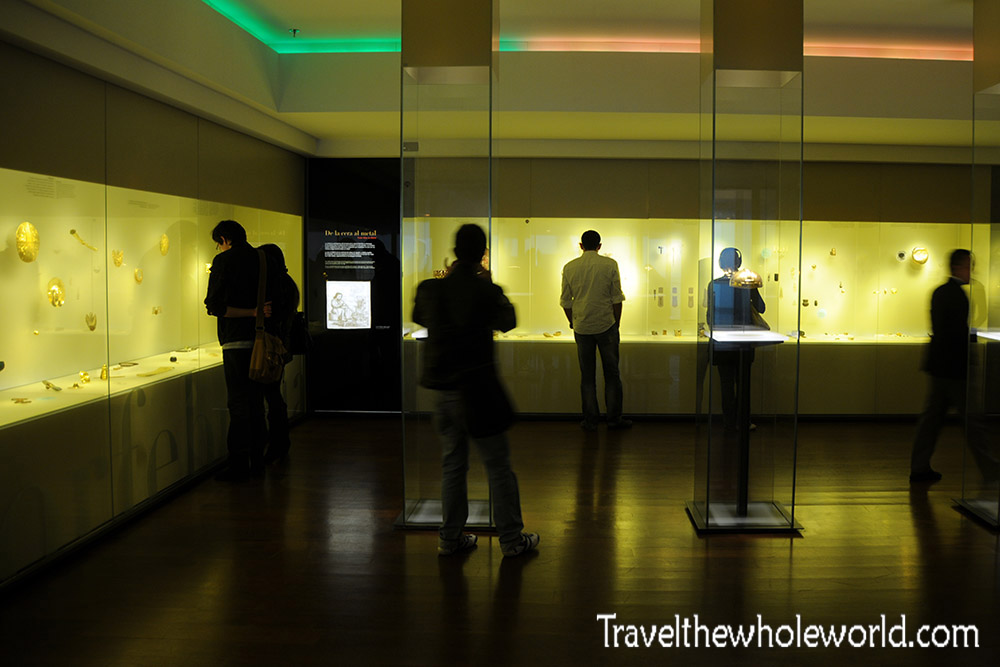
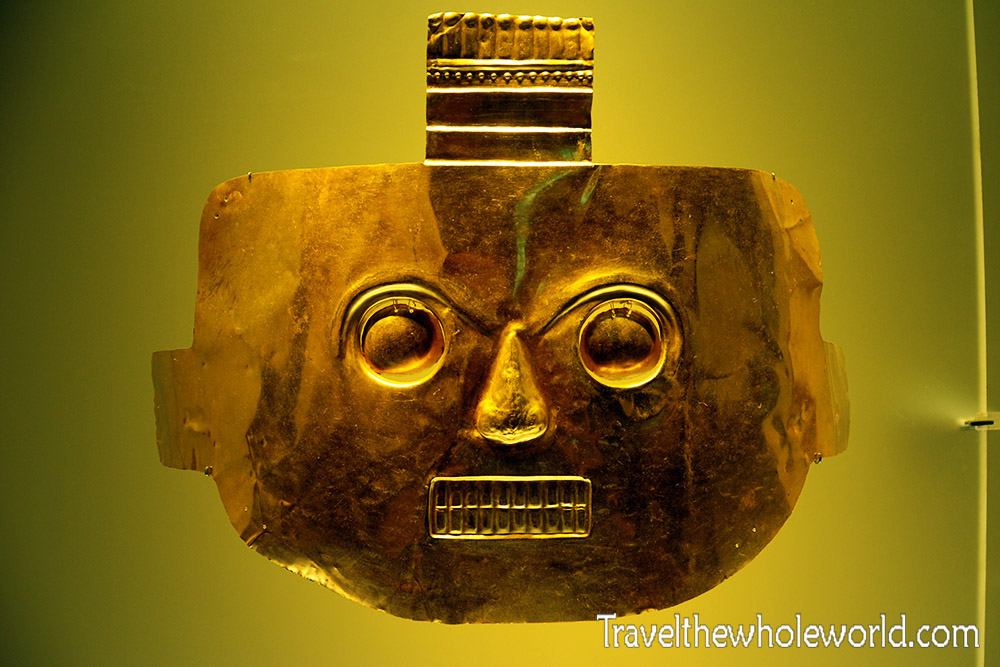
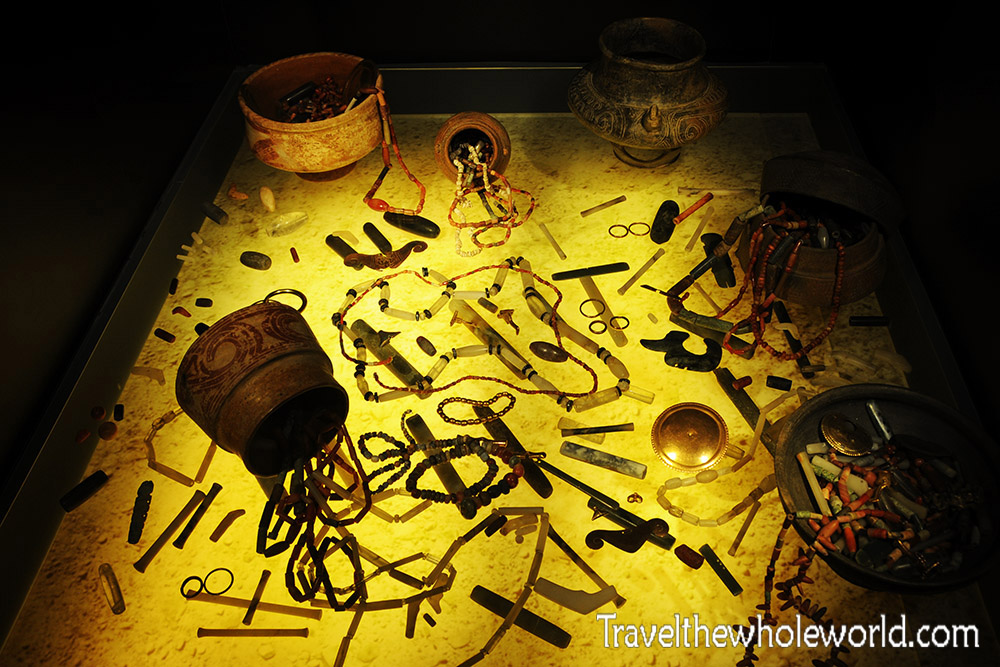
One of the most unique museums I visited was Bogotá’s Gold Museum, the Museo del Oro. The museum takes up several floors and contains an enormous collection of pre-Hispanic goldwork and other artifacts created by indigenous cultures from across what is now Colombia. Above is a photo from inside the museum, while the golden mask below was once used to cover the face of the dead.
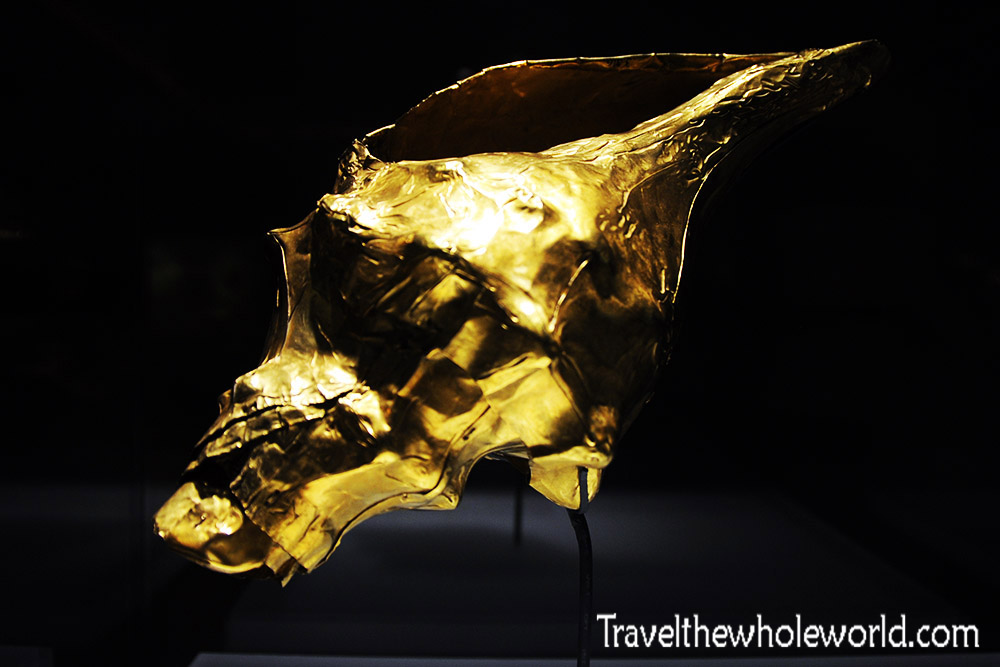
This golden seashell is one of the most memorable artifacts I saw in the museum. It was created by covering a seashell in gold, but the original shell eventually deteriorated, leaving the delicate gold exterior behind. I imagine this single piece of gold art could probably pay for a few of my remaining expeditions, or maybe one of these golden trinkets below!
Military Museum
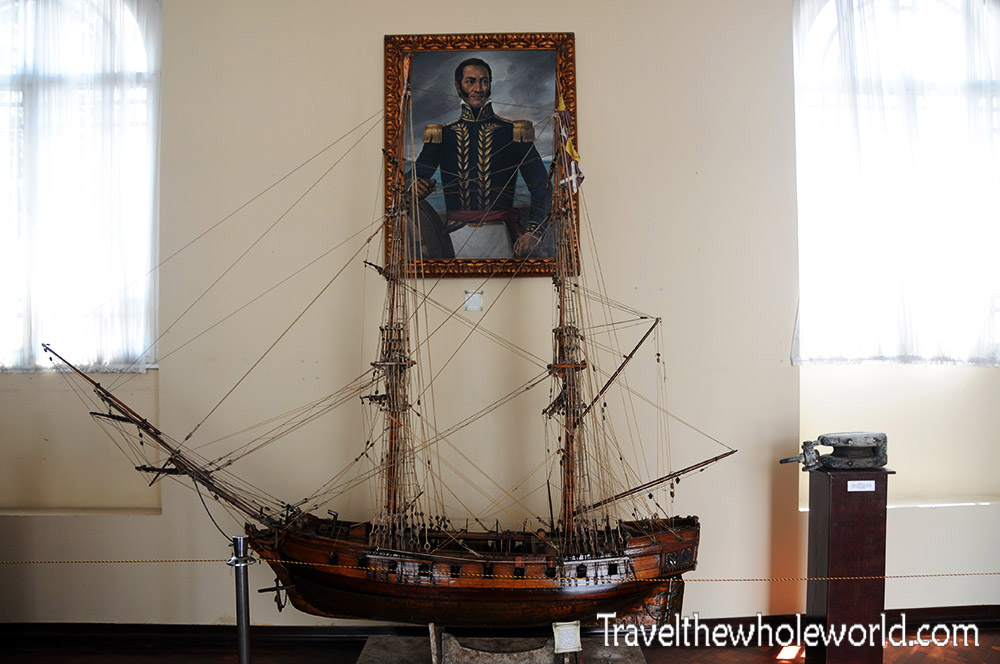
Another museum that’s interesting to visit is Bogotá’s military museum. The museum covers different periods of Colombia’s military history, including the country’s wars for independence. Above is a portrait of José Prudencio Padilla alongside a model of a historic ship. Padilla became one of the most important naval commanders in Colombia’s struggle for independence and played a major role in the Battle of Lake Maracaibo.
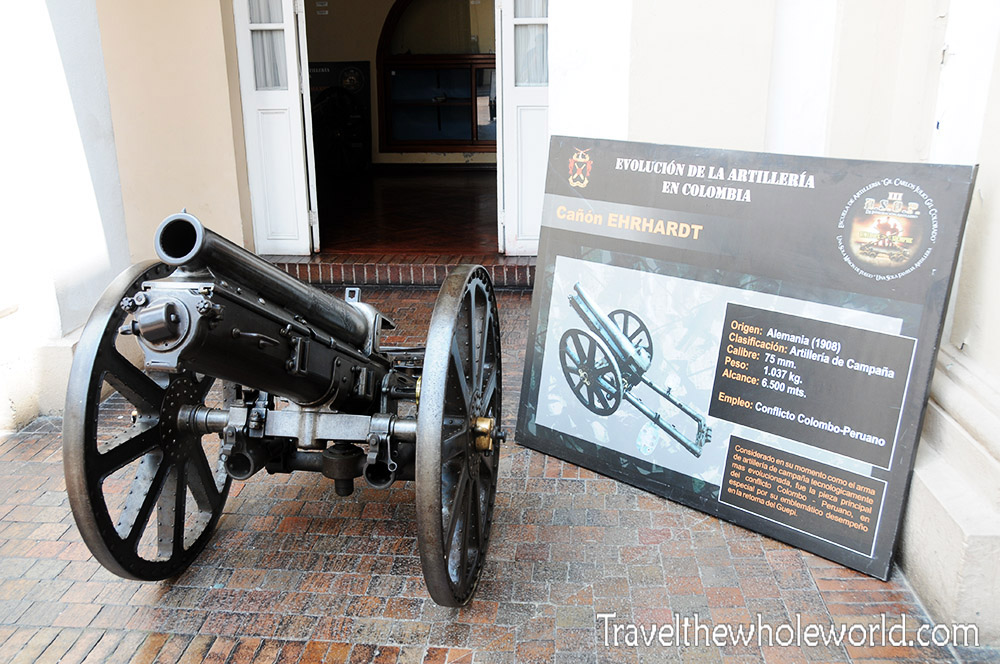
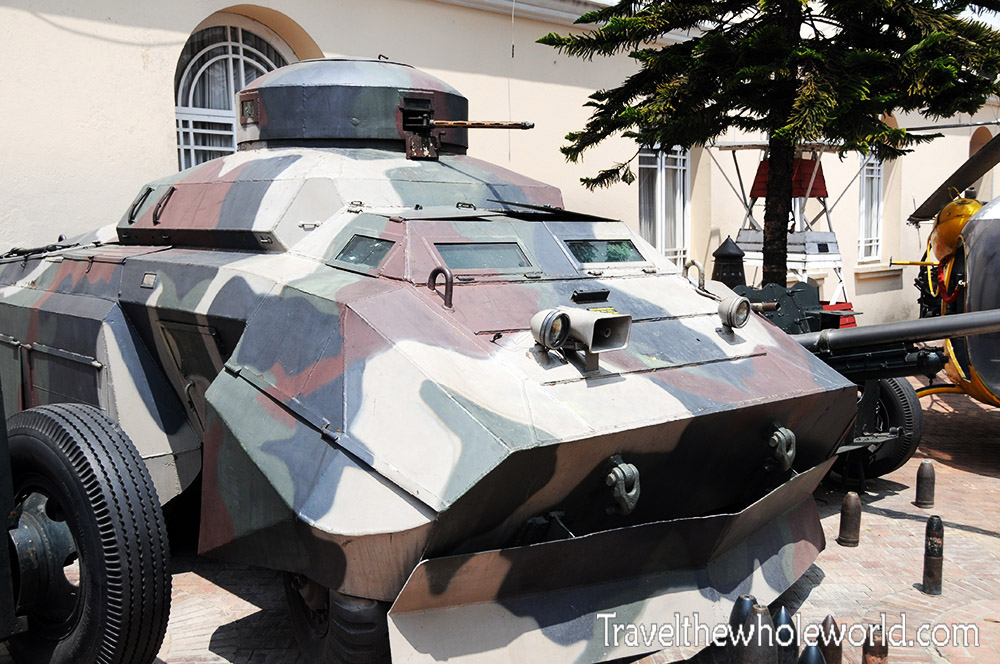
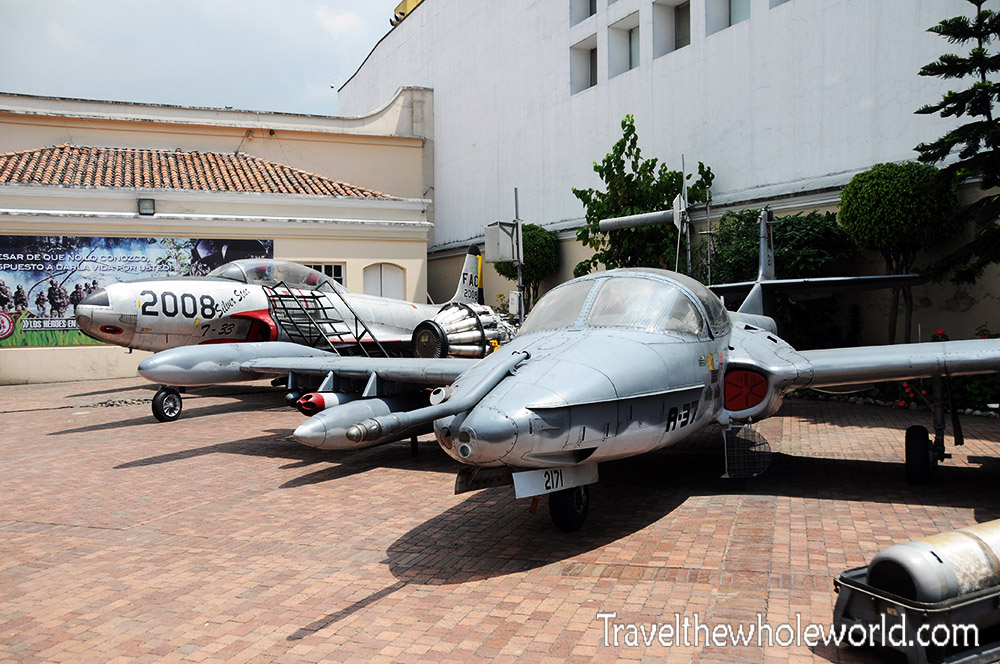
The military museum is pretty large and includes multiple floors. I wish I had taken more photos of the smaller historic items that were on display, but it seems I focused mostly on some of the bigger military equipment. Above and below are some of the more modern machines I photographed during my visit.