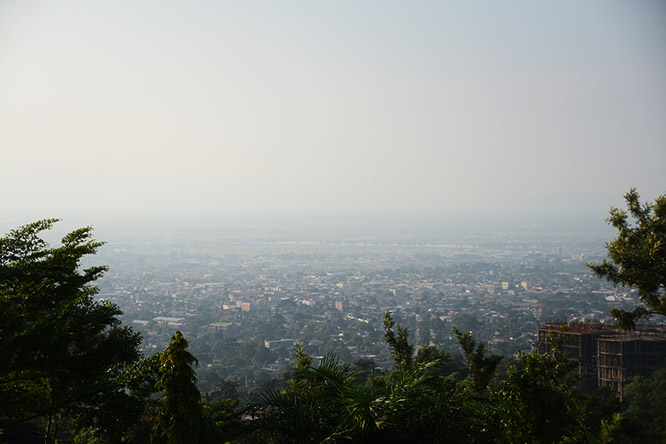
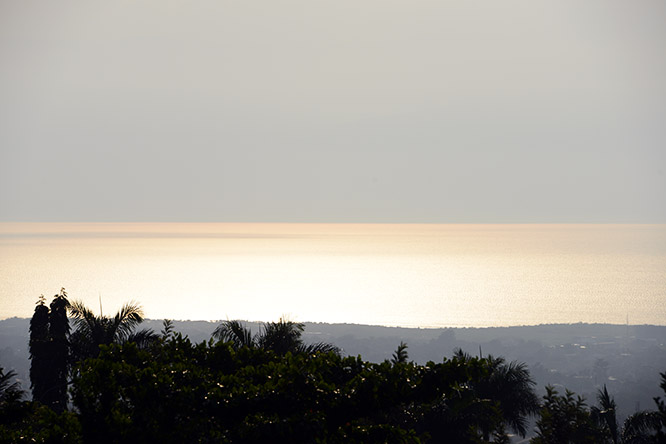
Bujumbura sits along the northeastern shore of Lake Tanganyika, one of the largest and deepest lakes in the world. The city rises quickly from the lakeshore into the surrounding hills, giving different parts of Bujumbura completely different views. Down near the water, parts of the city almost have a seaside atmosphere. Higher in the hills, you can look across the entire capital and far out over Lake Tanganyika.
I arrived in Burundi expecting one of the more difficult cities I had visited in Africa. Years of civil war and political instability had given Bujumbura a pretty intimidating reputation.
What I found during my visit was much more complicated.
Walking Around Bujumbura
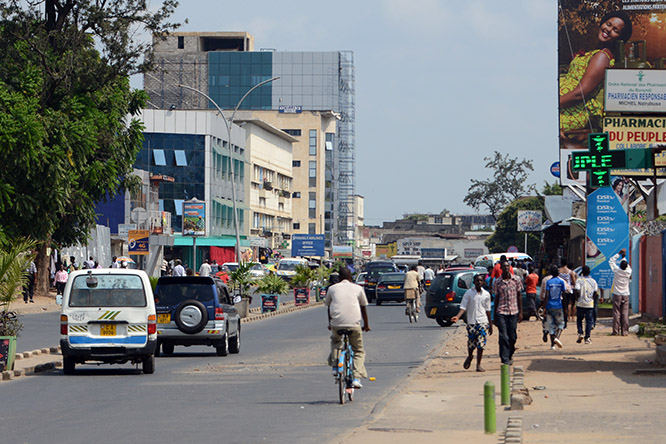
I had read plenty of travel warnings before arriving in Burundi, so I was cautious when I first started exploring Bujumbura.
Once I got there, however, I found myself walking around the city alone without any major problems.
Some cities immediately give you a feeling that something isn’t right. During my particular visit, I didn’t get that feeling from Bujumbura. People were generally going about their lives and the city seemed relatively calm.
That didn’t mean the underlying problems had disappeared.
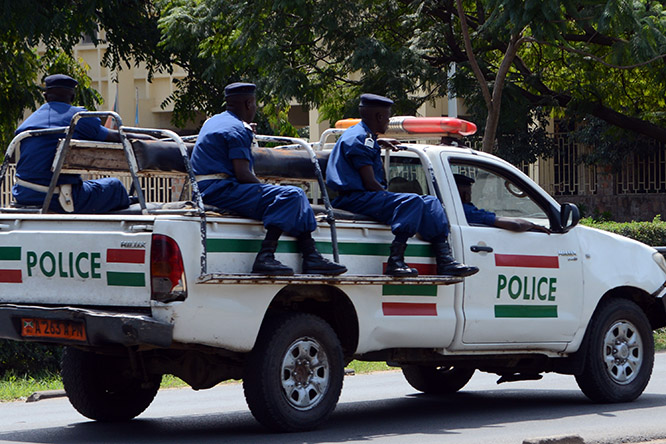
Only about a month after I left, the political situation deteriorated badly and serious unrest returned to the streets. A local friend I had made during my trip later messaged me to say that he had fled Burundi and made it all the way to Uganda.
There had been a noticeable police and security presence while I was there, although corruption was another problem. On my way out of the country, I ended up having to pay a bribe at the airport, and several other people tried to get money from me as well.
People Around the City
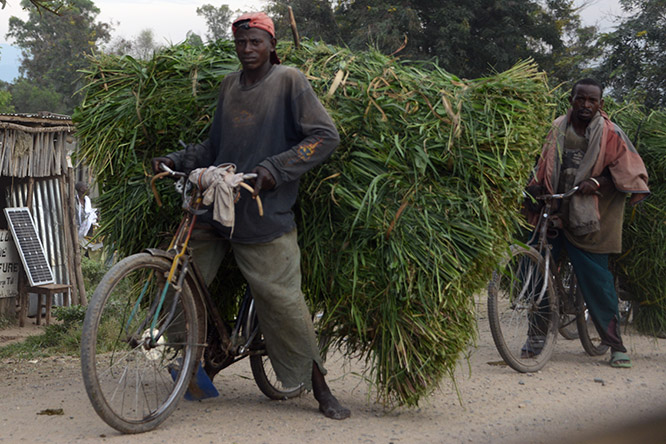
Most of the people I encountered were friendly, although photography could occasionally cause problems.
The guys above were pretty upset when they realized I had taken their picture. Judging by the reaction from the guy on the front bicycle, I was glad I wasn’t standing any closer.
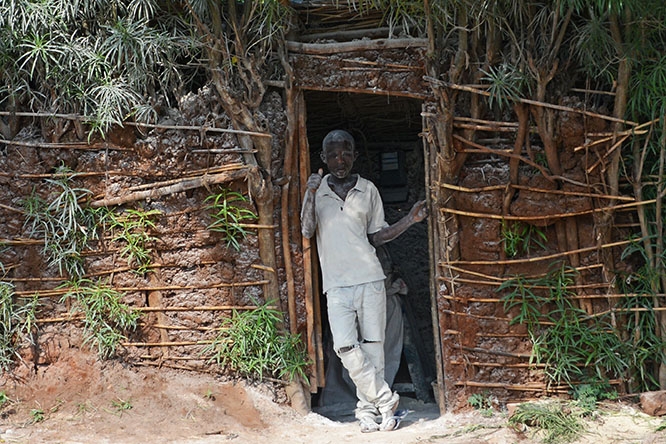
I actually took this photo using my zoom lens and initially thought I was photographing an old man.
Afterward, I looked more closely and realized it was a young kid giving me a thumbs up.
So not everyone in Burundi was unhappy about having their picture taken.
The Runners of Bujumbura
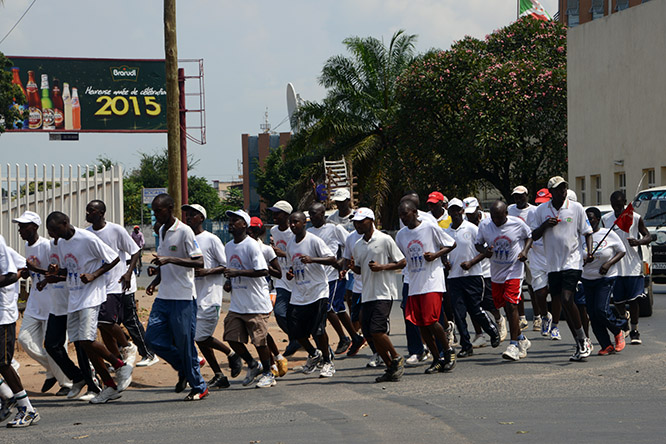
A few times while walking around the city, I suddenly heard loud cheering and chanting coming from somewhere down the street.
Considering Bujumbura’s reputation, the first time it happened I wasn’t exactly thrilled about discovering what was coming around the corner.
Then a huge group of runners appeared.
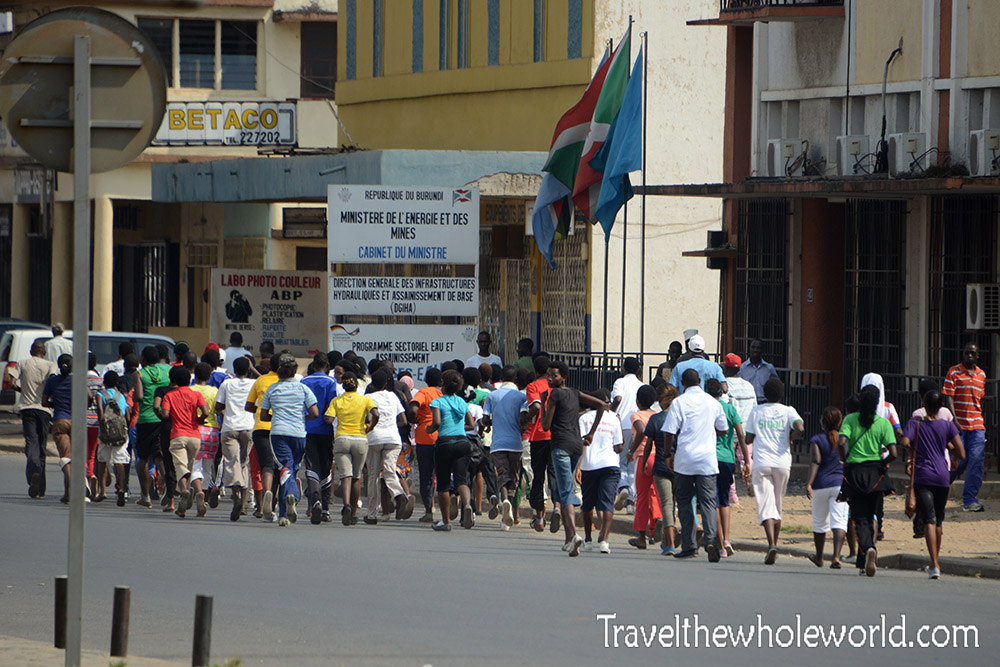
The first time I saw them I didn’t have my camera with me, but it happened often enough that I eventually got another chance.
I never figured out exactly how these runs were organized, but I loved seeing so many people getting together and sharing something they enjoyed, especially in a country better known internationally for conflict than everyday life.
Religion in Bujumbura
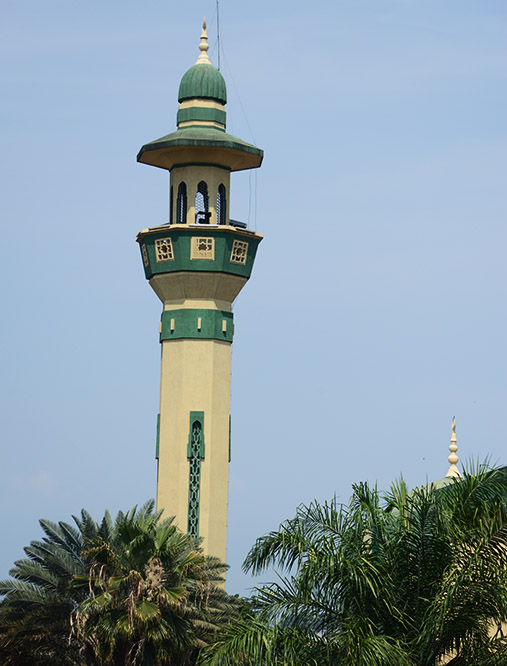
I saw both Muslims and Christians throughout Bujumbura. Based purely on what I noticed while walking around, I would have guessed that Islam represented a much larger percentage of Burundi’s population than it actually does.
Christianity is by far the dominant religion nationally, while Muslims make up a much smaller percentage of the population.
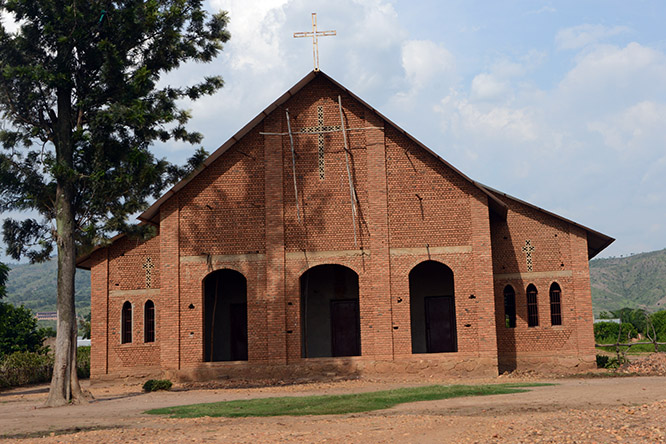
I missed some of Bujumbura’s larger Christian landmarks, but I photographed this smaller church outside the center of the city.
Basketball in Burundi
More than ten years before visiting Burundi, I remember thinking that the country’s president at the time looked like a basketball player.
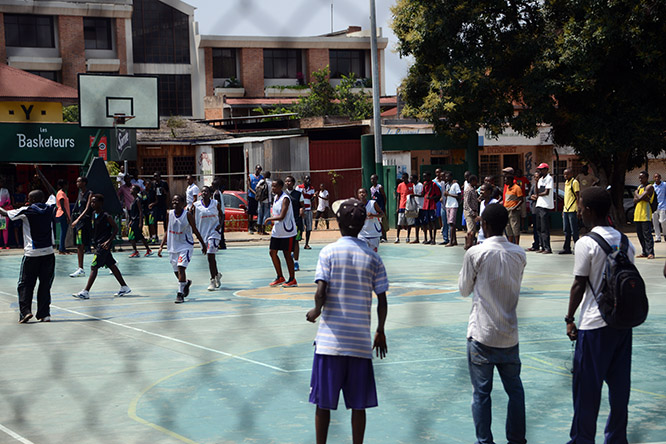
Then, on my first day walking around Bujumbura, I stumbled across an actual basketball game.
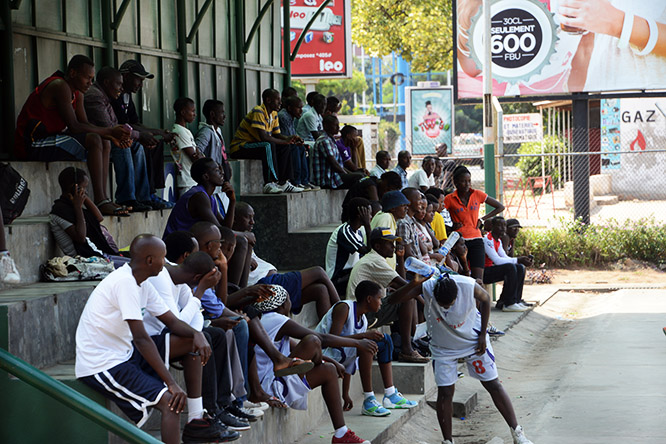
Soccer dominates so much of Africa that I couldn’t remember seeing anything quite like this elsewhere on the continent. This was the largest basketball court I found in Bujumbura, and it always seemed busy.
A local who was with me decided to wait across the street while I took photographs, apparently just in case everyone decided they didn’t appreciate the foreign photographer.
Nobody cared.
They were far too interested in the game.
Remembering Burundi’s Civil War
Long before I ever visited Burundi, the thing I knew most about the country was its civil war.
Burundi’s conflict was closely connected to the same ethnic and political tensions that devastated neighboring Rwanda, although Burundi’s history and civil war followed their own course. Hundreds of thousands of people died during years of violence.
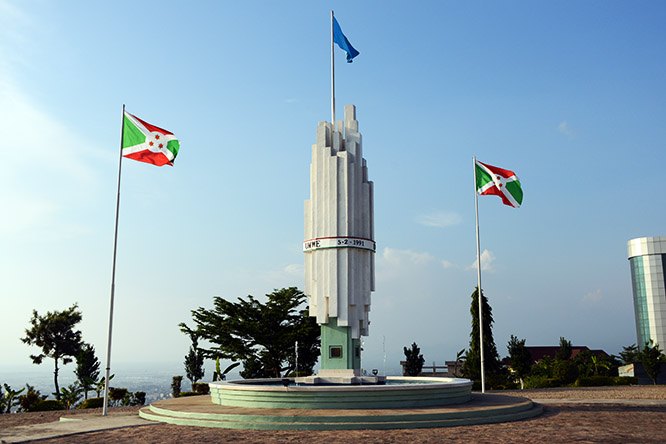
Because that history had shaped so much of my perception of Burundi, visiting a memorial in Bujumbura was important to me.
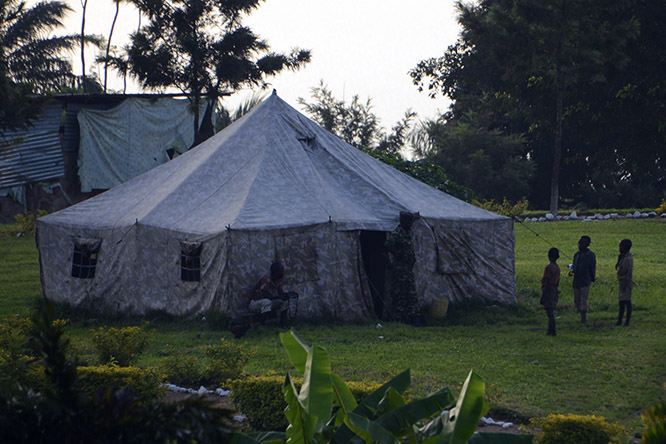
A local had told me that I probably wouldn’t be allowed to visit.
When I arrived, a soldier came out from the nearby tent. I did eventually get inside, although only after having to pay him a small amount of money.
The memorial itself was impressively constructed, particularly considering the economic difficulties Burundi has faced.
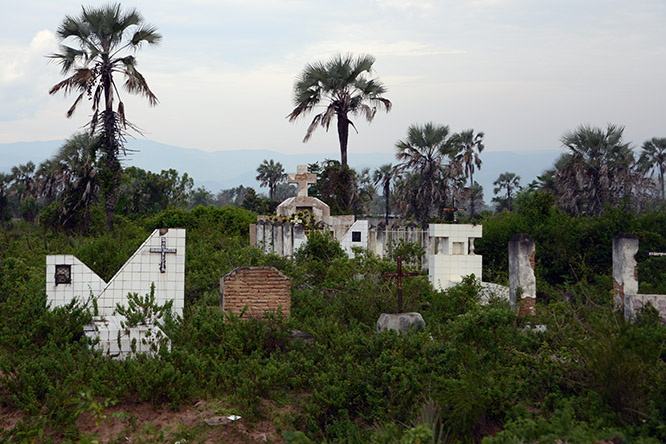
Outside the city I also passed several cemeteries. I didn’t know whether the one below belonged to a nearby community or had any direct connection to the years of conflict.
A Different Side of Bujumbura
I had expected traveling through Bujumbura to be something of a hardship experience.
Instead, I was surprised by the infrastructure and comfortable places available in parts of the city.
Obviously these weren’t places the average Burundian could afford, but as a foreign traveler it was entirely possible to find comfortable restaurants and accommodations.
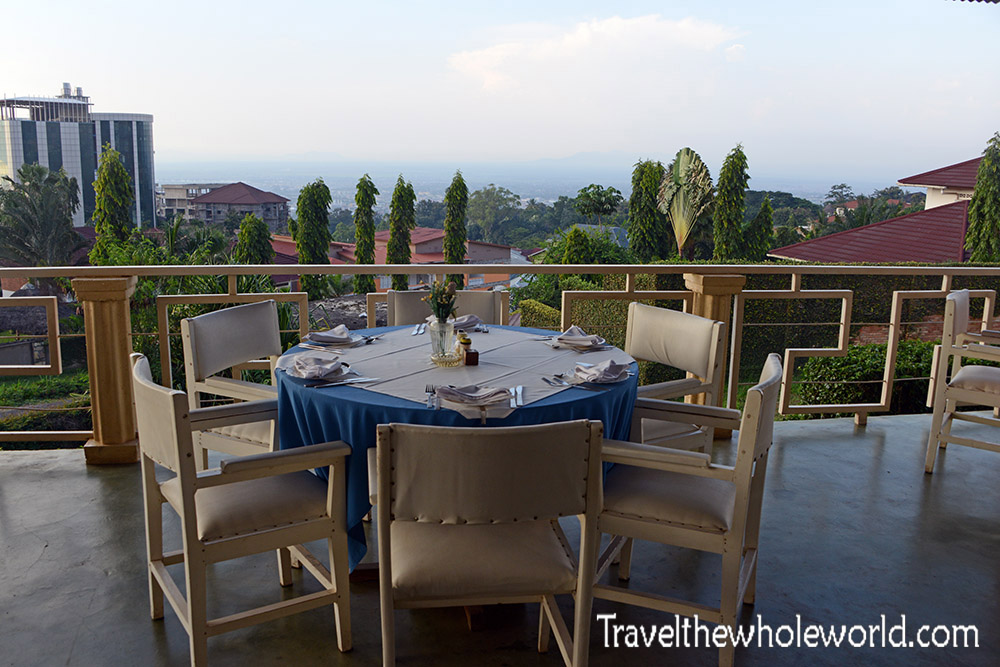
In the hills near the memorial, I found a surprisingly fancy restaurant overlooking the entire city. I even ended up eating Greek food there.
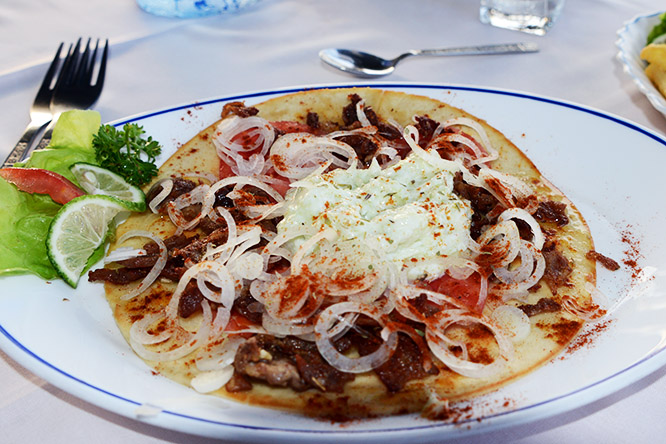
The Economic Divide
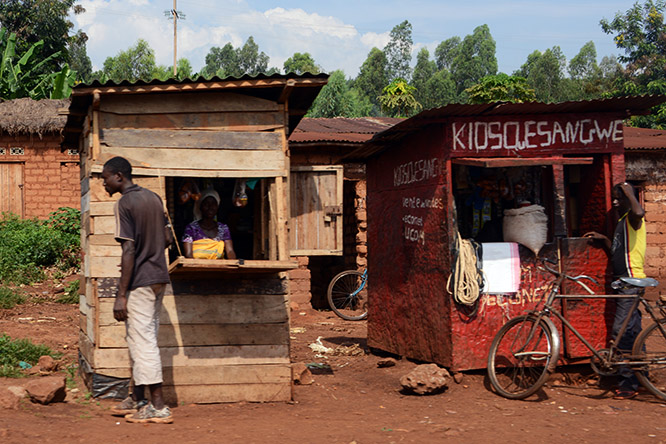
As a foreign visitor, I had the luxury of choosing where I wanted to eat and stay.
Most Burundians didn’t have anything close to those options.
The contrast between some of the restaurants and wealthy neighborhoods I visited and the everyday living conditions of much of the population was enormous.
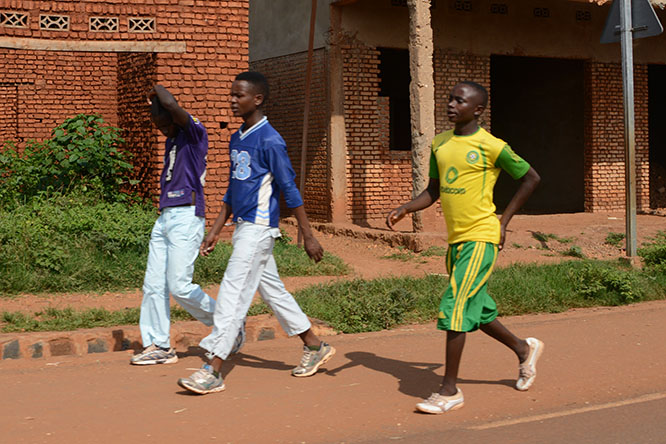
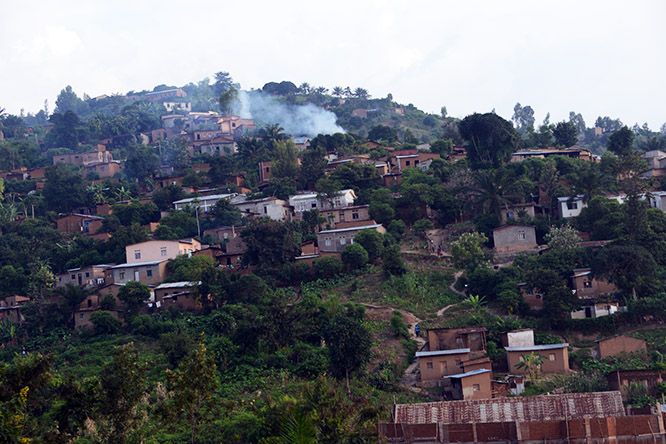
The Hills Above the City
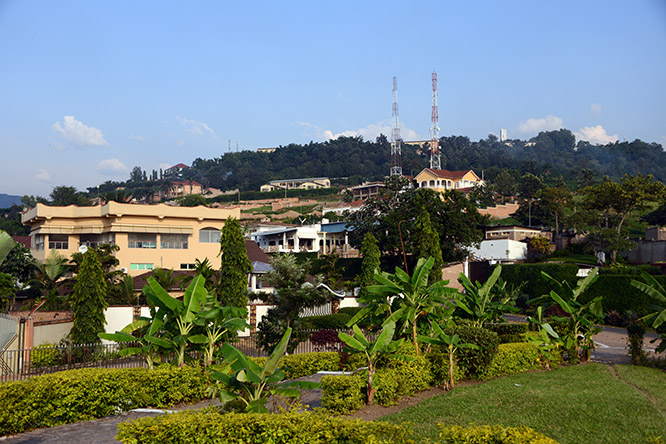
Some of the nicest areas I saw were higher in the hills near the memorial and restaurant.
A local friend I made in Burundi was studying Chinese, and his teachers lived in this part of the city. We stopped by their home to say hello.
The neighborhood was noticeably wealthier than much of Bujumbura and seemed to be an area where many foreigners and wealthier residents lived.
Lake Tanganyika
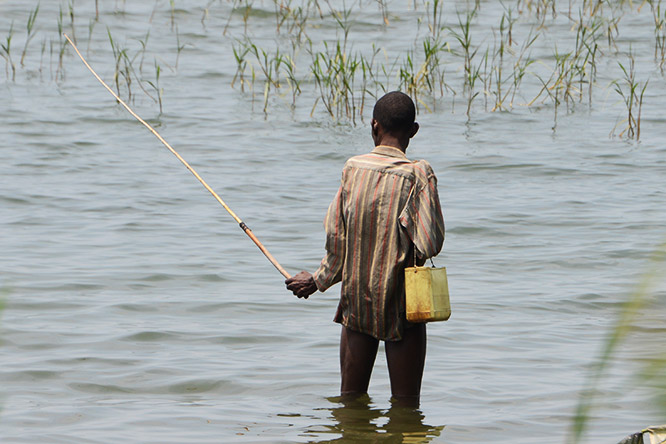
I often walked from the hills down toward Lake Tanganyika. It took less than an hour, and although taxis were easy to find, I generally preferred exploring the city on foot.
The lake is enormously important to Burundi. Boats transport people and goods across Lake Tanganyika and connect Burundi with neighboring countries including the Democratic Republic of the Congo, Tanzania, and Zambia.
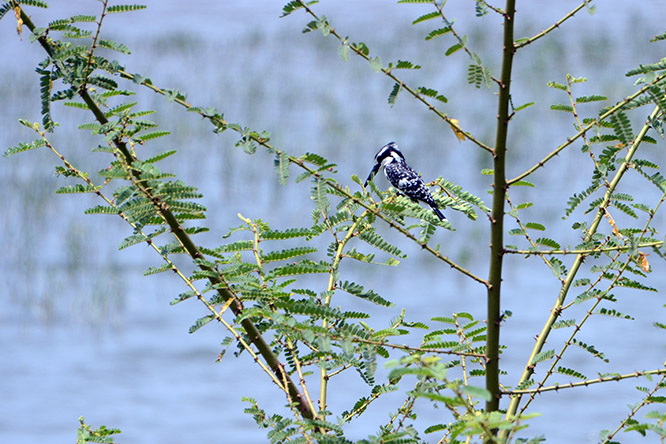
The lake and surrounding wetlands also support important wildlife habitat, including Rusizi National Park just outside Bujumbura.
Closer to the city, I saw plenty of local fishermen working along the shore.
Lakeside Bujumbura
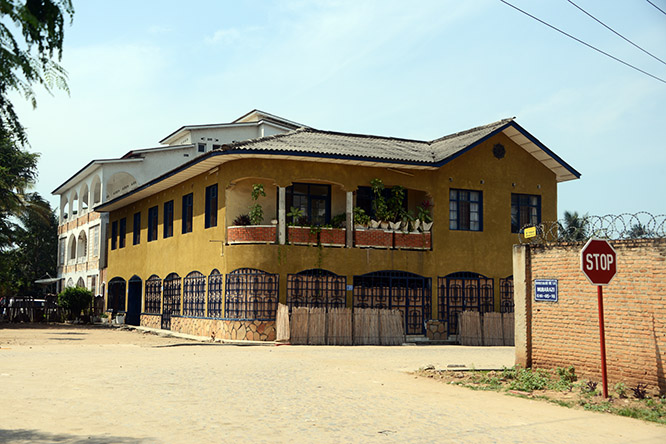
The neighborhoods near Lake Tanganyika also had their share of impressive houses and restaurants.
I never knew whether the house above belonged to a wealthy Burundian or a foreign resident, but it was another reminder of the economic extremes I kept encountering around the city.
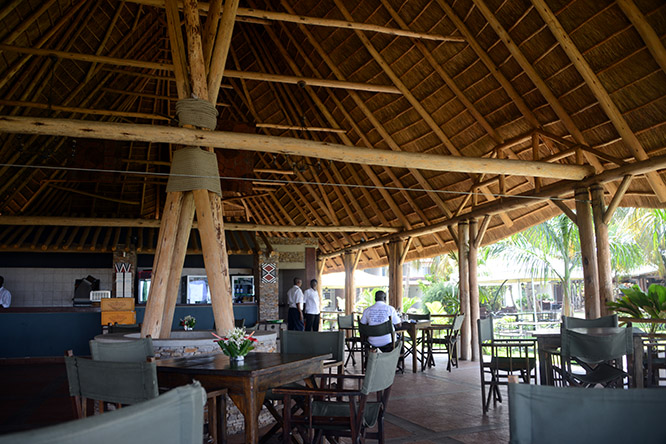
I didn’t stay overnight here, but I stopped for lunch once or twice.
The place was built with enormous structures that reminded me of giant tiki huts, and there were even exotic birds wandering around the property.
The food was good.
More importantly after traveling around Burundi, so was the Wi-Fi.
Bujumbura’s Zoo
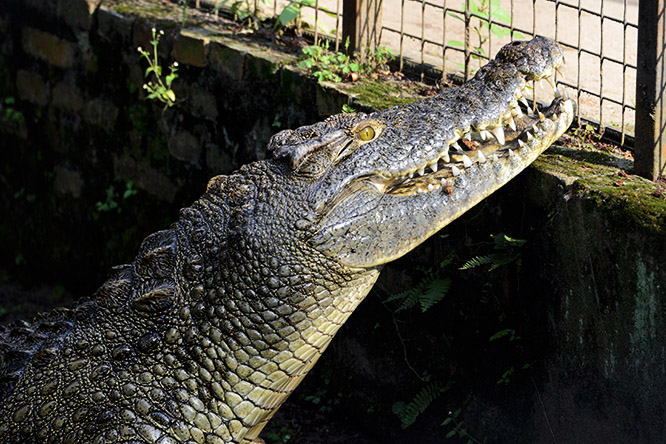
One of the most entertaining—and questionable—places I visited in Bujumbura was the zoo.
It sometimes felt like a zoo without many rules.
The crocodile above had just lunged toward someone standing near its enclosure. Later, I watched a keeper casually walk inside.
The whole place had a level of informality that I couldn’t imagine seeing at most zoos elsewhere.
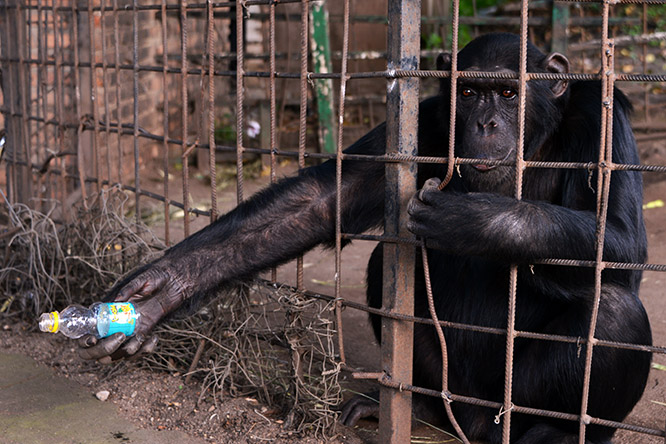
There were also two chimpanzees when I visited.
One somehow acquired somebody’s bottle. Later I watched a chimpanzee smack a cell phone out of the hand of someone who got too close.
That seemed like a pretty effective lesson about keeping your belongings away from chimpanzees.
A School Trip to the Zoo
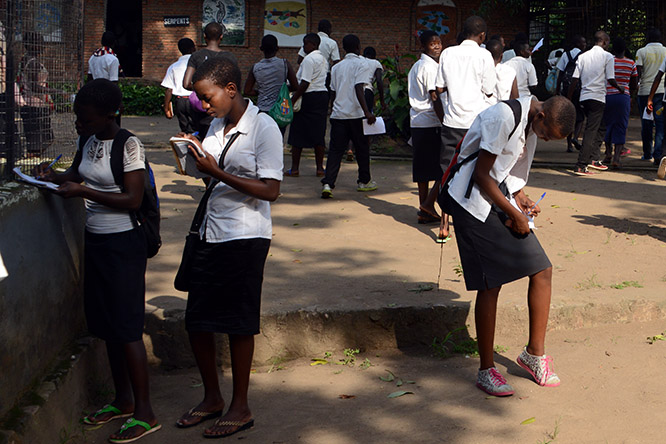
There seemed to be a school field trip taking place while I was there.
The students moved from area to area taking notes, but whenever a keeper entered an enclosure or showed them something particularly interesting, the quiet note-taking disappeared and the screaming could probably be heard well beyond the zoo.
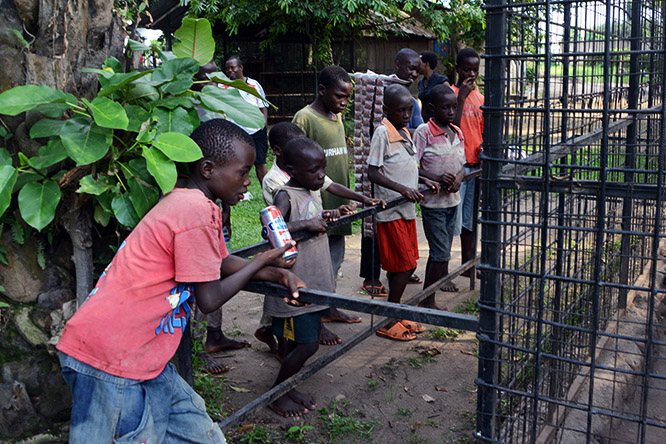
One demonstration was considerably less cheerful.
The students watched a leopard being fed a live guinea pig.
Judging from their expressions afterward, I’m not sure that was the educational experience they had expected.
The Reptile Room
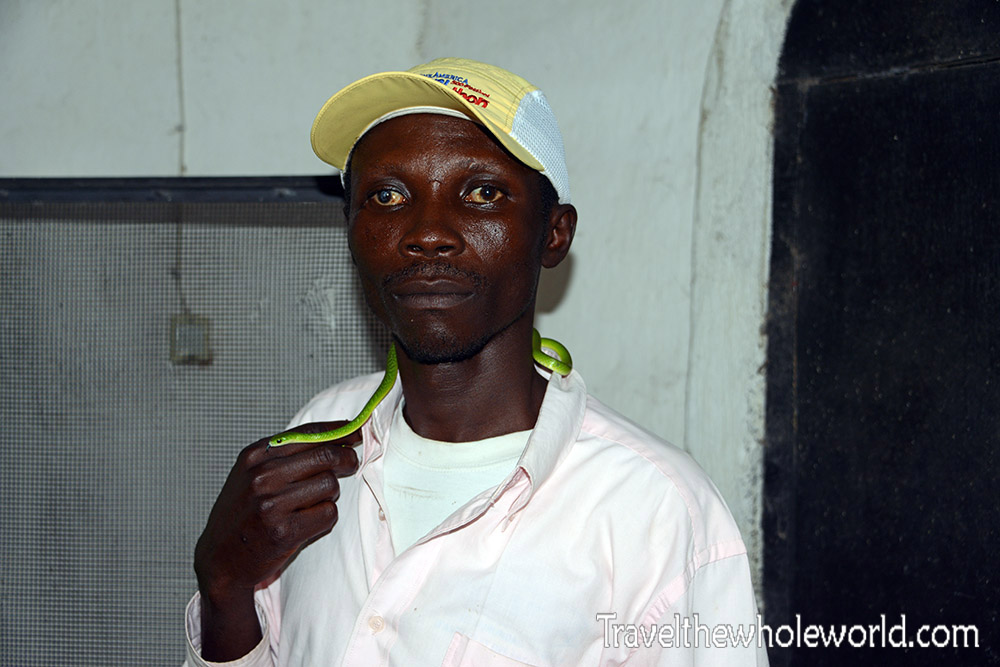
The reptile area was just as memorable.
There were pythons and harmless snakes, but there were also some extremely dangerous species.
At one point, a fearless keeper took out one of the venomous snakes and put it on the floor for me to see.
It was definitely entertaining.
I wouldn’t describe it as a particularly reassuring approach to zoo safety.
I once had a better photograph of a cobra here, but it was among the photographs I permanently lost after a hard-drive crash.
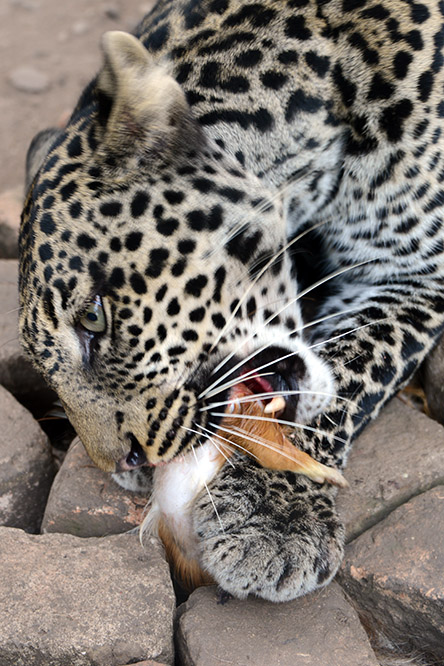
A keeper threw a live guinea pig into the leopard enclosure as a feeding demonstration.
I eat meat, so I can’t pretend I’m detached from animals being killed for food, but watching it happen from only a few feet away was still pretty disturbing.
Fortunately, it was over within seconds.
The Drummers of Burundi
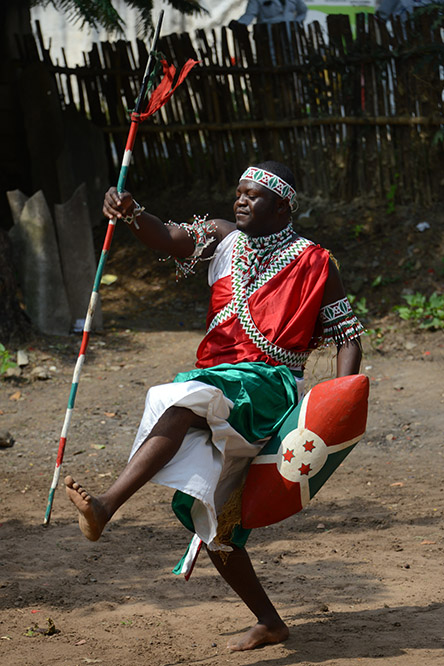
Some of my final photographs from Bujumbura show one of Burundi’s most famous cultural traditions: drumming.
Before visiting, I had heard about the Royal Drummers of Burundi and assumed traditional drumming might be associated mainly with a particular performance group.
Instead, I discovered that drumming traditions could be found throughout the country.
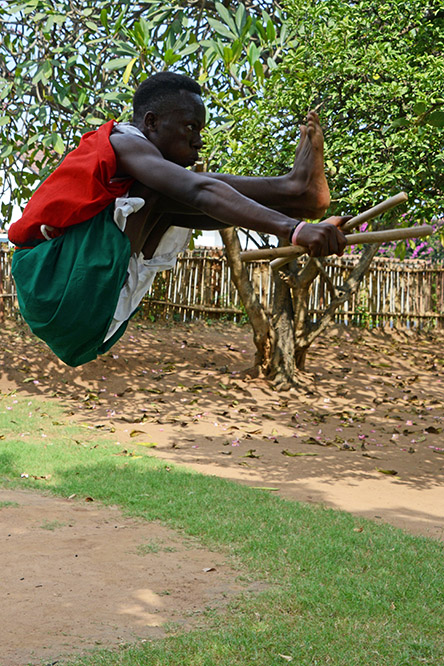
The performances were about much more than music. Drumming has traditionally accompanied ceremonies and important events, and the performances I watched combined rhythm, dancing, physical strength, and acrobatics.
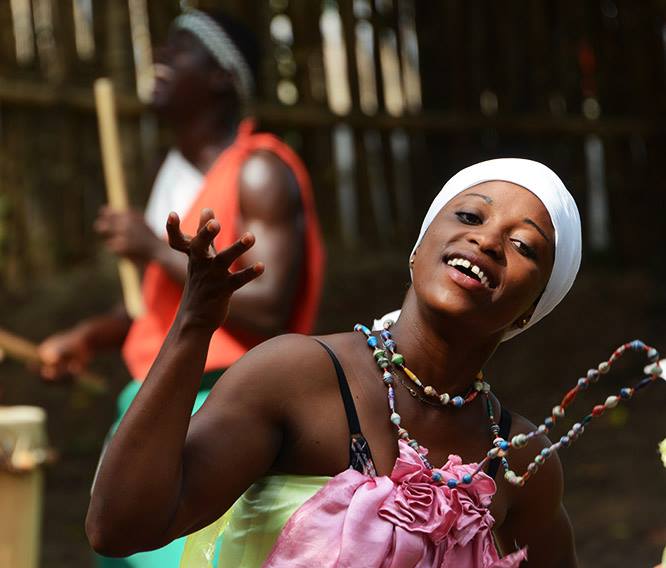
Most of the performers I saw were men, but there were also several female dancers performing alongside them.
I had taken more photographs of the performances, including a better picture of the lead drummer, but unfortunately many disappeared during the same hard-drive failure that cost me a large portion of my photographs from Burundi.
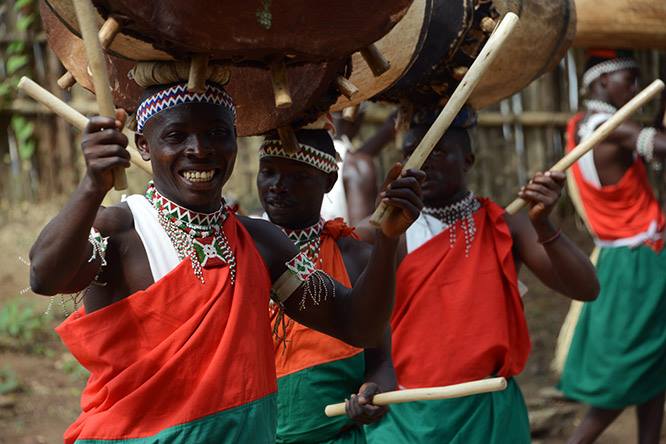
The physical side of the performance was incredible.
The drummers marched and danced while balancing drums on their heads, then mixed the music with huge jumps, flips, and other acrobatics.
They were also extremely friendly.
Rather than making me stand back and watch, they eventually let me join them and showed me some of the basic drumming techniques.
My Time in Bujumbura
Bujumbura wasn’t the city I expected to find when I arrived in Burundi.
I had prepared myself for a difficult capital dominated by poverty, instability, and the legacy of civil war. All of those things were real, and the return of serious unrest shortly after I left showed how fragile the situation still was.
But that wasn’t everything I saw.
I found busy basketball games, huge groups of runners cheering through the streets, fishermen working along Lake Tanganyika, comfortable restaurants overlooking the city, wildlife along the lakeshore, and traditional drummers who invited me to join their performance.
There were also corrupt officials, enormous differences between wealthy and poor neighborhoods, reminders of the civil war, and a zoo that operated by rules I never completely figured out.
Bujumbura was complicated.
That made it far more interesting than the one-dimensional picture of Burundi I had before I arrived.