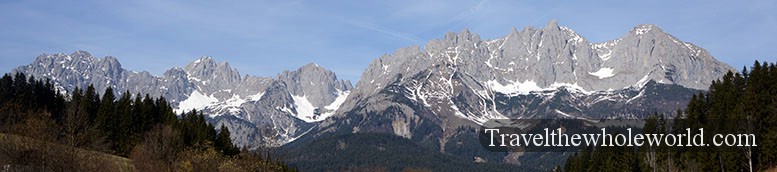
Western Austria is dominated by the Alps, and some of my first impressions of the country came while driving through the mountains of Tyrol. I entered Austria from South Tyrol in northern Italy, crossing high mountain passes through tunnels, switchbacks, and deep late-winter snow.
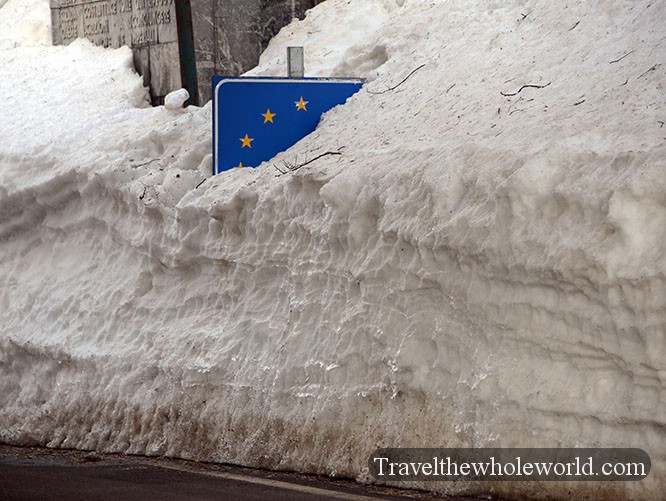
At the higher elevations, winter was still very much alive. Snowbanks lined the road, and even the sign marking my entrance into Austria was almost buried.
A Short Stop in Innsbruck
I happened to stop in Innsbruck while driving through Austria. At the time, I honestly didn’t realize how historically important the city was. Had I known, I probably would have planned considerably more time here.
Innsbruck has been an important settlement for centuries and became the capital of Tyrol during the Middle Ages. Its location directly through a major Alpine route helped make it strategically and economically important, and the city later became closely associated with Emperor Maximilian I.
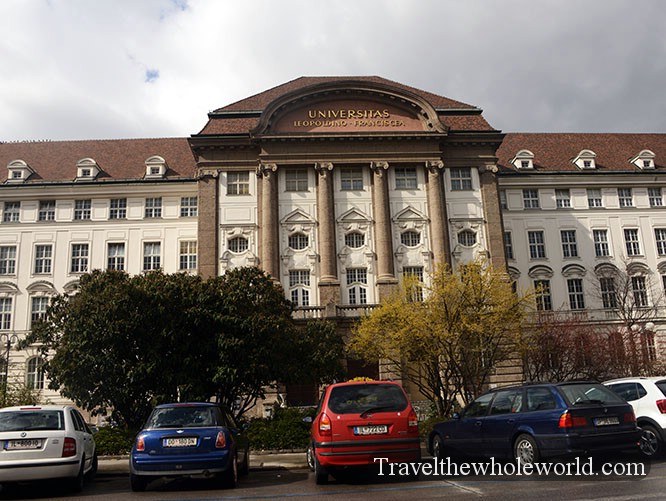
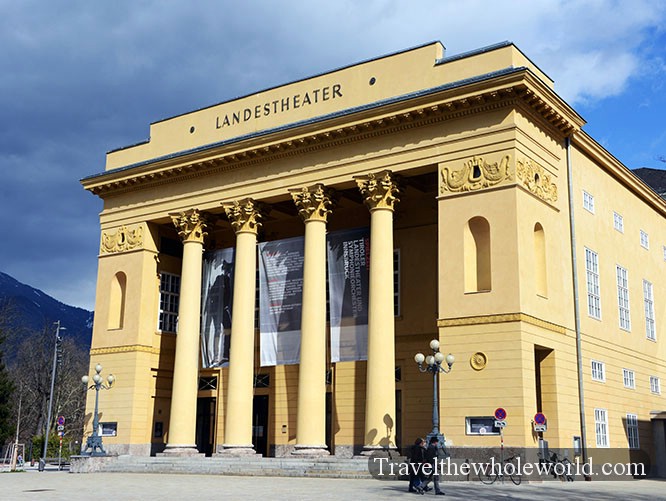
Even during my brief visit, I could see how much history was packed into the city. Innsbruck’s university dates back to the 17th century, while the Tyrolean State Theatre also traces its history back hundreds of years.
The frustrating part is that I mostly drove around and walked through the center without really knowing what I was looking at. Innsbruck was one of those places I appreciated considerably more after leaving and doing some research.
Lunch and a Painful Lesson About Horseradish
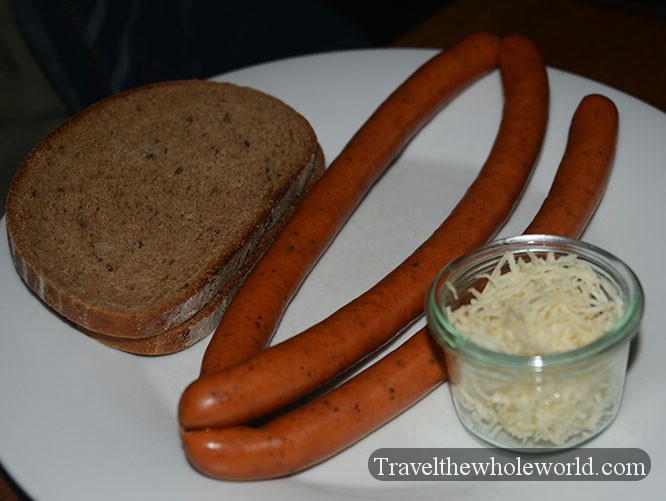
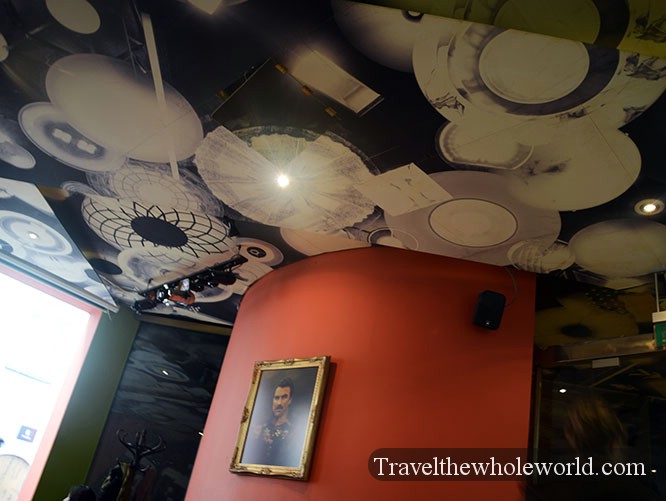
I didn’t do anything particularly ambitious in Innsbruck. I walked around, stopped at a cafe, and later grabbed lunch.
That lunch did at least provide one memorable experience.
My food came with a small cup of something that looked harmless enough. For some reason I assumed it was some kind of cheese and took a generous bite.
It was pure horseradish.
I nearly blacked out.
Innsbruck was one of my first stops in Austria, so I hadn’t yet realized that horseradish was commonly served alongside certain meats. I learned that lesson considerably faster than I would have preferred.
Through the Smaller Towns of Tyrol
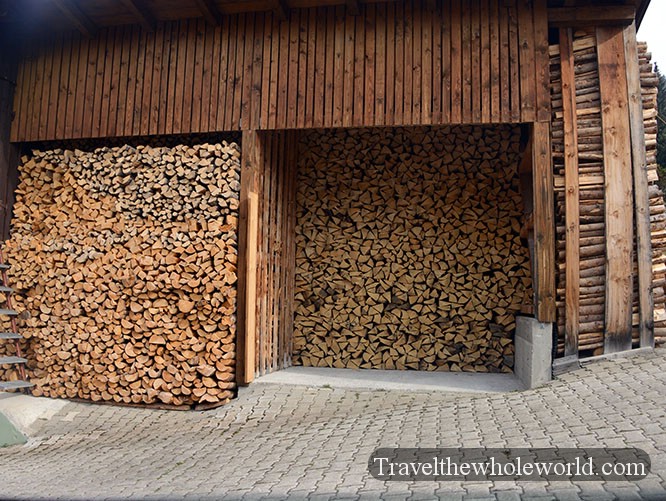
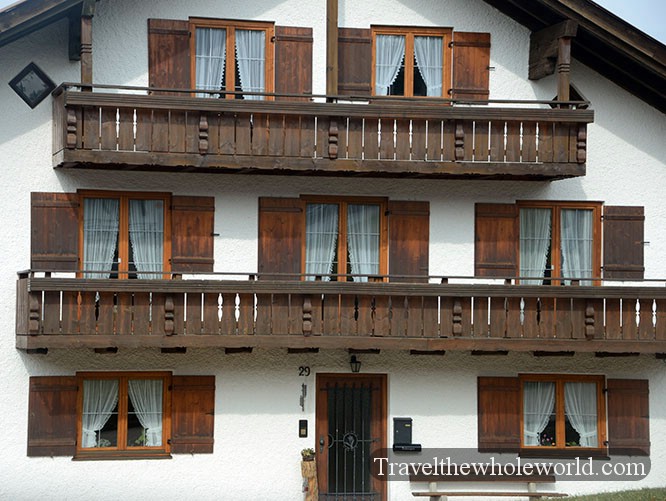
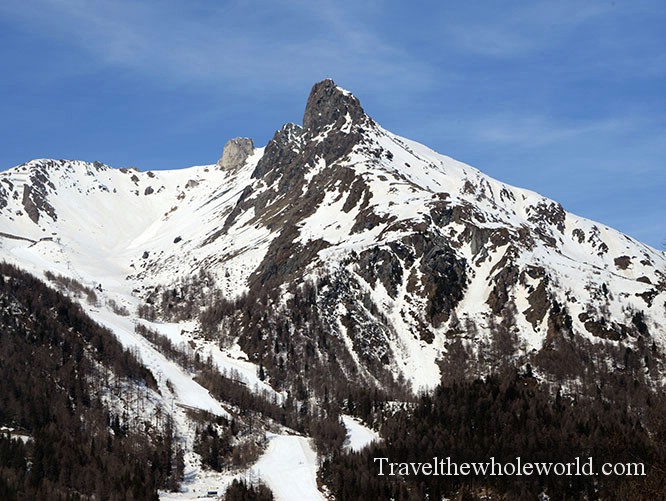
I spent the night in another small town in Tyrol that had its own little ski area. Winter was coming to an end, but judging by the enormous piles of firewood stacked around town, everyone seemed prepared for several more years of it.
The houses and hotels had the classic alpine appearance I’d expected before visiting Austria, with sloped roofs, balconies, and heavy timber construction that fit naturally into the mountain environment.
Traveling through these smaller communities helped me appreciate how closely everyday life in Tyrol is tied to the mountains. Ski areas, mountain roads, hiking routes, and alpine villages weren’t separate attractions—they were simply part of the landscape.
A City I Should Have Given More Time
Looking back, I definitely overlooked Innsbruck.
My main focus on this trip was climbing the Grossglockner, so Innsbruck was treated more like a convenient stop along the way than a destination of its own.
That was probably a mistake.
The combination of old architecture, centuries of history, cafes, and massive alpine peaks immediately surrounding the city makes Innsbruck one of the more unusual places in Austria. It’s rare to find a city where serious mountain terrain begins almost as soon as the buildings end.
I saw enough during my short visit to know I’d like to return, but next time I’d actually give Innsbruck the time it deserves.
And I’d be a lot more careful with the horseradish.
“`