Ukraine was one of my favorite countries to visit in the former Soviet Union. Kyiv was an interesting and beautiful capital, while the Black Sea port city of Odesa had some of the most fascinating World War II history I encountered during my travels. My trip into the Chernobyl Exclusion Zone was completely different, offering an eerie look at abandoned Soviet-era communities and the lasting consequences of the world’s most infamous nuclear disaster.
I left Ukraine knowing there was still much more of the country I wanted to explore. Western Ukraine and the Carpathian Mountains remain especially high on my list, along with more of the country’s historic cities and natural areas.
Explore Kyiv
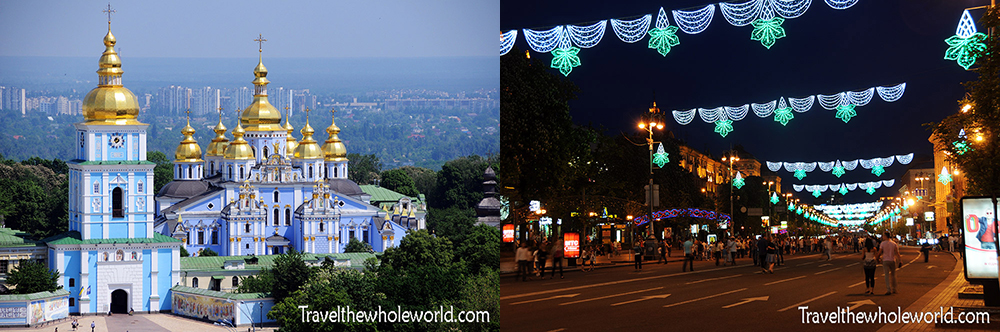
Kyiv is one of Eastern Europe’s great historic cities, with a history stretching back more than a thousand years. The Ukrainian capital has survived invasions, political upheaval, Soviet rule and the destruction of World War II. The city also contains important memorials and museums documenting the Holodomor, the devastating Soviet-era famine of 1932–33 that killed millions of Ukrainians and is recognized by Ukraine and many other countries as a genocide.
During my visit, some of Kyiv’s highlights included its historic Orthodox churches and monasteries, monuments, museums and architecture. It was a city where different periods of Ukrainian history seemed to exist alongside one another everywhere I went.
Explore Odesa
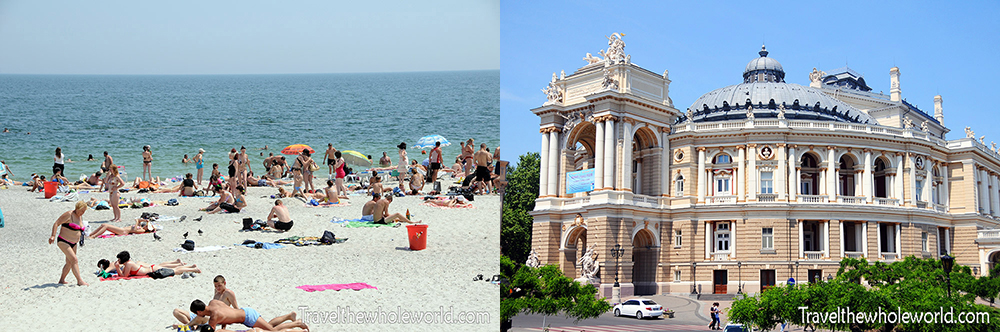
Odesa developed rapidly after its founding as a modern Black Sea port in the late eighteenth century, eventually becoming one of the region’s most important commercial cities. Its architecture, maritime history and location on the Black Sea give it a completely different character from Kyiv.
I was particularly interested in Odesa’s World War II history. The city endured a long siege in 1941 before being captured primarily by Romanian forces allied with Nazi Germany. Soviet partisan groups later operated from sections of the enormous network of limestone quarries and tunnels beneath Odesa and the surrounding region. Exploring part of these famous catacombs was one of the highlights of my visit.
Explore Chernobyl

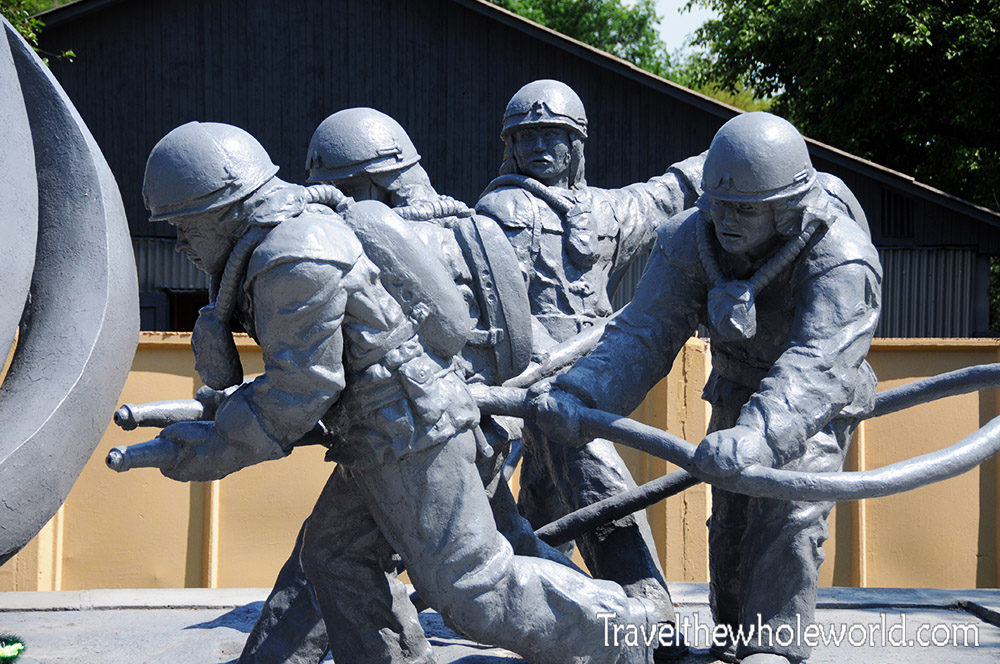
Chernobyl became known around the world after Reactor No. 4 at the nearby Chernobyl Nuclear Power Plant exploded on April 26, 1986. The accident released enormous quantities of radioactive material into the environment and ultimately forced the evacuation of communities throughout the surrounding region.
The most famous of those abandoned communities is Pripyat, a purpose-built Soviet city near the power plant that was home to almost 50,000 people before its evacuation. When I visited the Chernobyl Exclusion Zone, I explored both Chernobyl and the abandoned city of Pripyat. Walking through empty schools, apartment buildings and streets being reclaimed by the forest made this one of the eeriest and most memorable places I had ever visited.