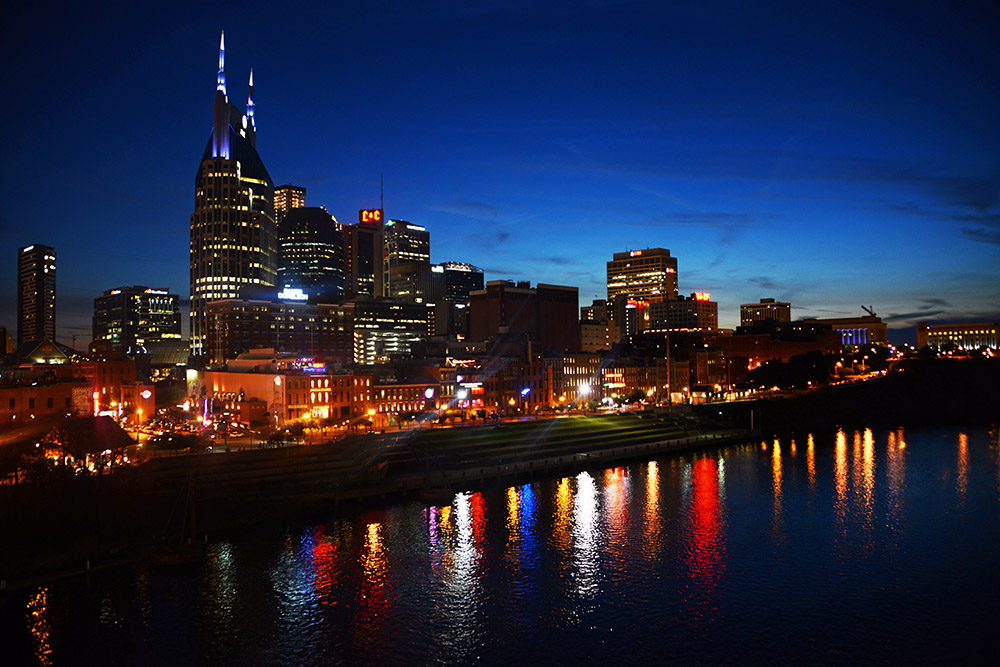
I always knew Nashville was a major city famous for its music and culture, but I didn’t realize how much there was to see until I arrived. I’ve now visited twice, with roughly ten years between my trips, and both times I found Nashville to be one of the most entertaining cities in the South. The photo above shows downtown from the John Seigenthaler Pedestrian Bridge.
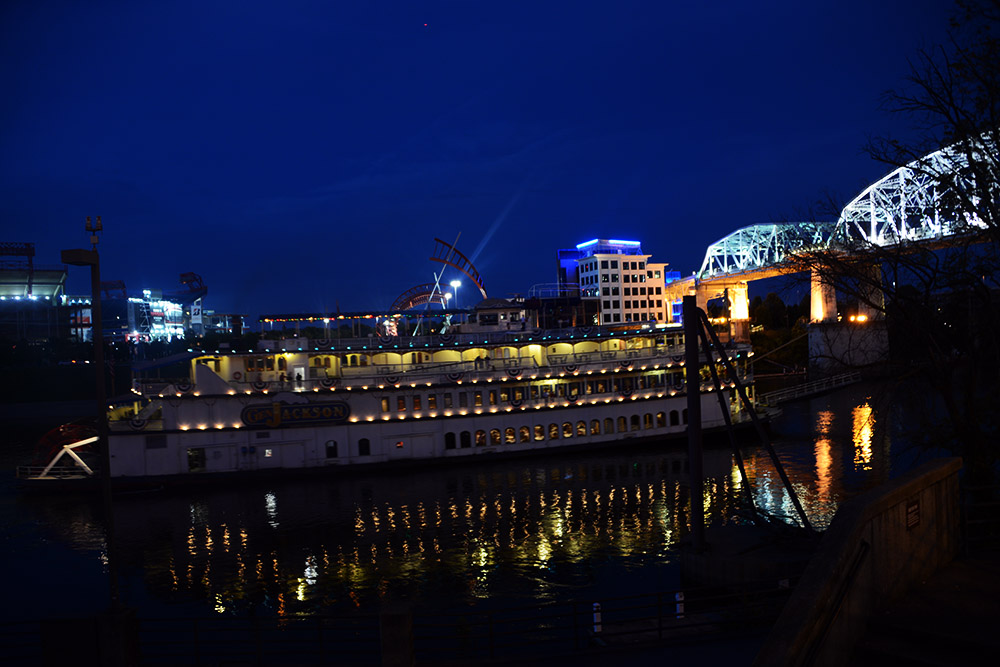
From my perspective, Nashville didn’t seem dramatically different between my two visits, although I’m sure locals would disagree. One thing I did both times was walk across the pedestrian bridge for a great view of the city. During the summer it can be crowded with couples, photographers, and families enjoying the weather. The bridge crosses the Cumberland River, where you’ll also see sightseeing and entertainment boats passing beneath you.
Fort Nashborough
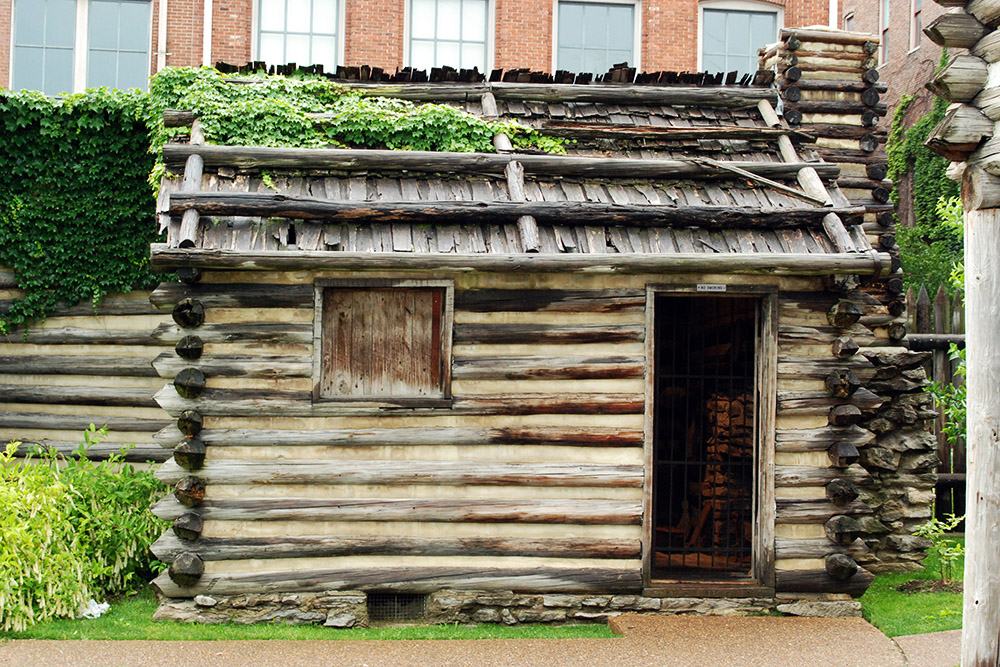
Nashville’s modern skyline has its roots in a much smaller settlement established along the Cumberland River. James Robertson arrived with a group of settlers in late 1779, and John Donelson brought additional families and supplies by river the following spring. The settlement became known as Nashborough, named for Revolutionary War general Francis Nash.
The cabins photographed here are part of a later reconstruction representing the early settlement rather than surviving buildings from the 1700s. The original fort stood nearby along the Cumberland River.
The settlers came into conflict with Chickamauga Cherokee and allied Indigenous groups who opposed American settlement on their lands. One of the most serious attacks occurred at the Battle of the Bluffs in 1781. Despite years of conflict, the Cumberland settlement survived and eventually grew into Nashville.
Downtown Nashville
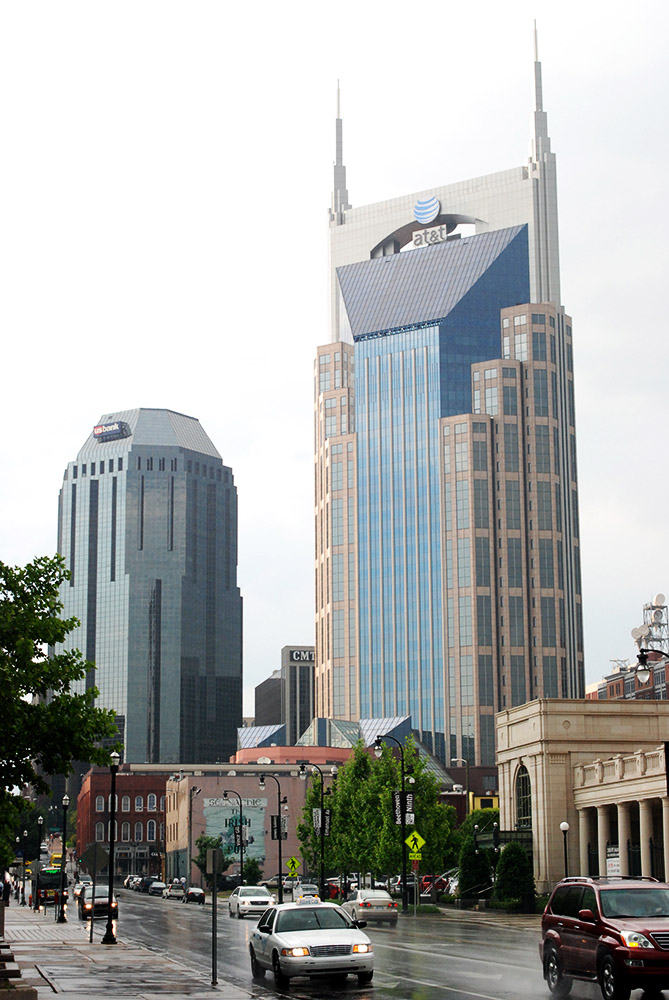
More than two centuries later, Nashville has grown from a small frontier settlement into a major American city. One of the most recognizable parts of its skyline is the AT&T Building, sometimes nicknamed the “Batman Building” because of the shape at the top.
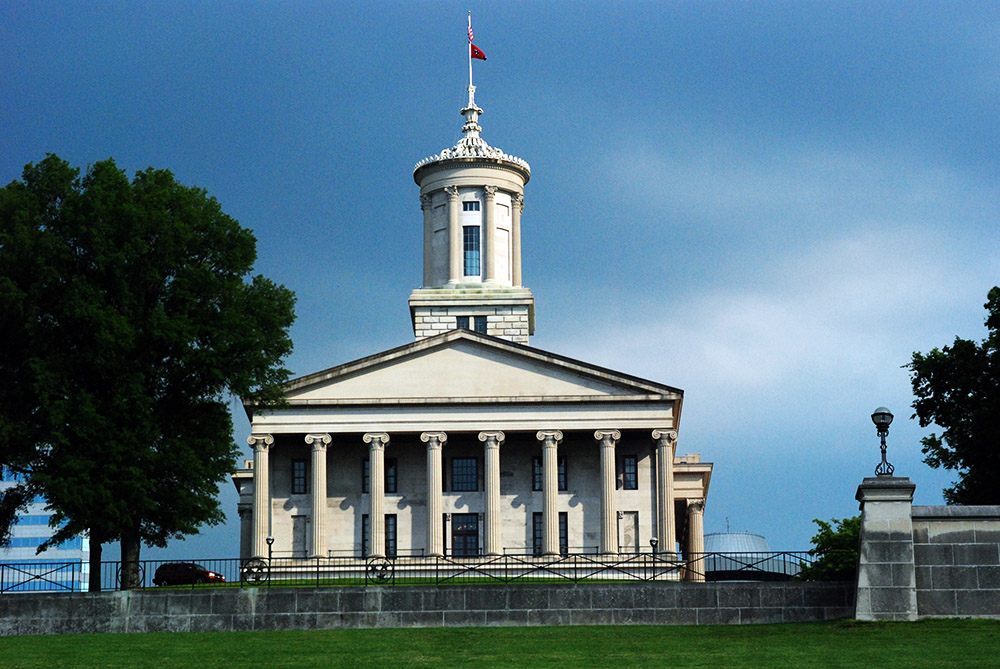
Nashville’s classical architecture is especially noticeable around the Tennessee State Capitol. I took this photo during my first visit and had hoped to get a better one when I returned about ten years later, only to find much of the upper section covered in scaffolding.
Just below the Capitol is Bicentennial Capitol Mall State Park, a large public space filled with monuments, historical displays, fountains, and other features celebrating Tennessee’s history and geography.
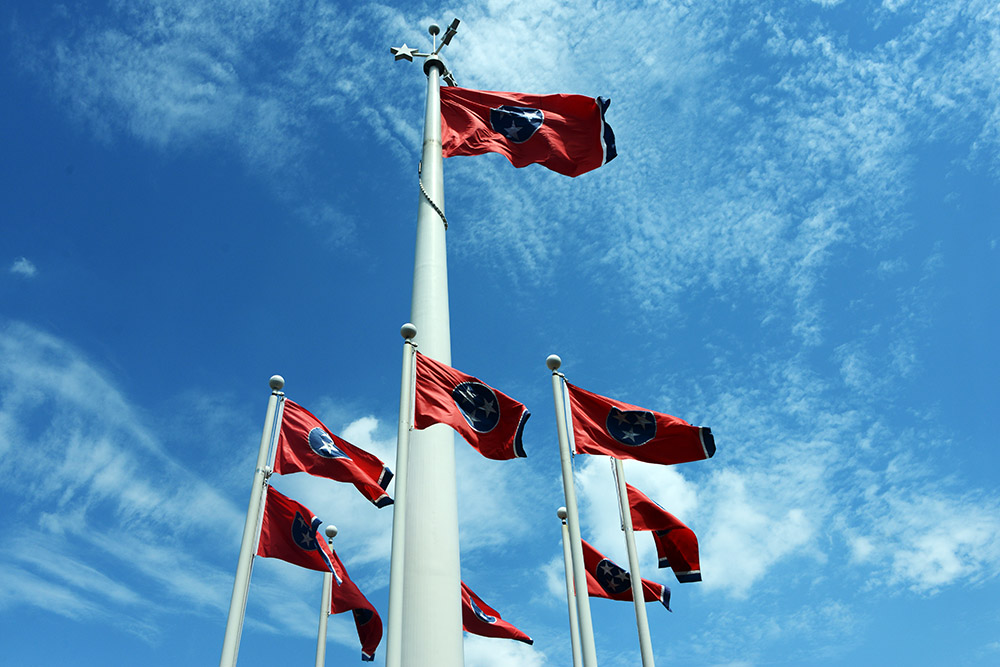
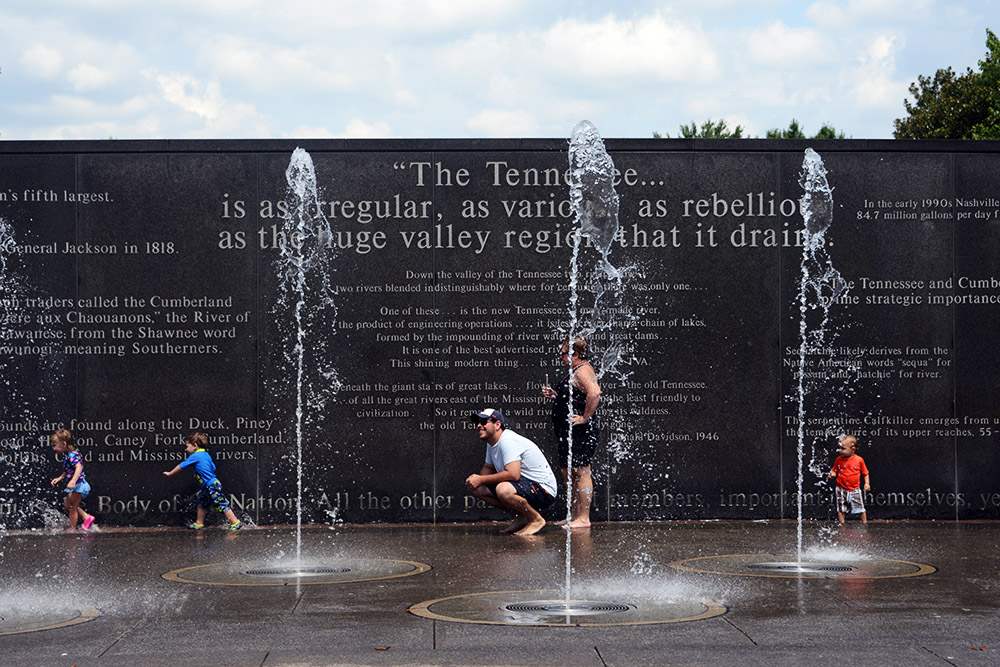
One part I somehow missed on my first visit was the Rivers of Tennessee Fountains. The fountains represent 31 major waterways across the state and were especially popular with children trying to cool off in the summer heat.
The Capitol Mall is large enough that the fountains are only one small part of it. Other features include the Court of Three Stars, a large carillon, historical markers, memorials, and open spaces with views toward the Capitol.

The Nashville Parthenon
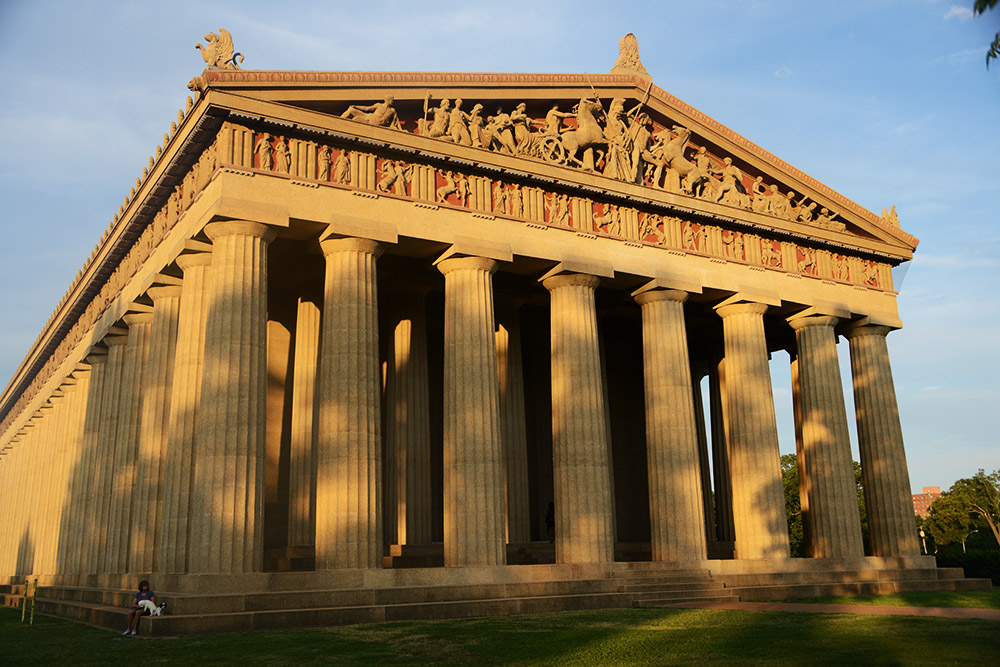
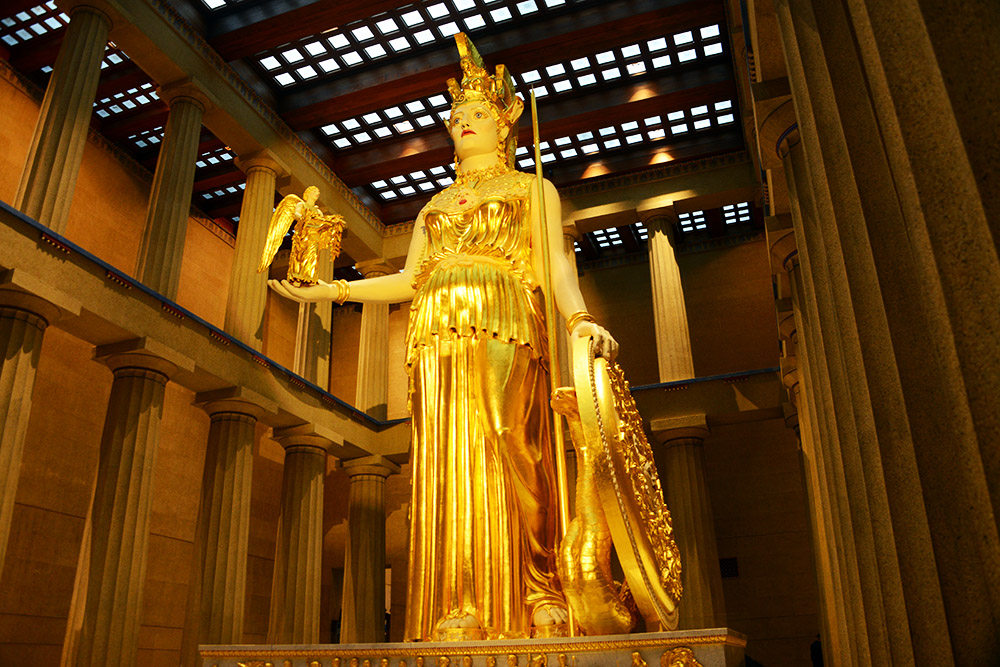
One of the biggest places I missed during my first visit was the Nashville Parthenon. This full-scale replica of the ancient Parthenon in Athens was originally constructed for Tennessee’s 1897 Centennial Exposition. The present permanent version was later rebuilt using more durable materials.
The Parthenon sits in Centennial Park and is one of the landmarks that helped reinforce Nashville’s old nickname, the “Athens of the South.”
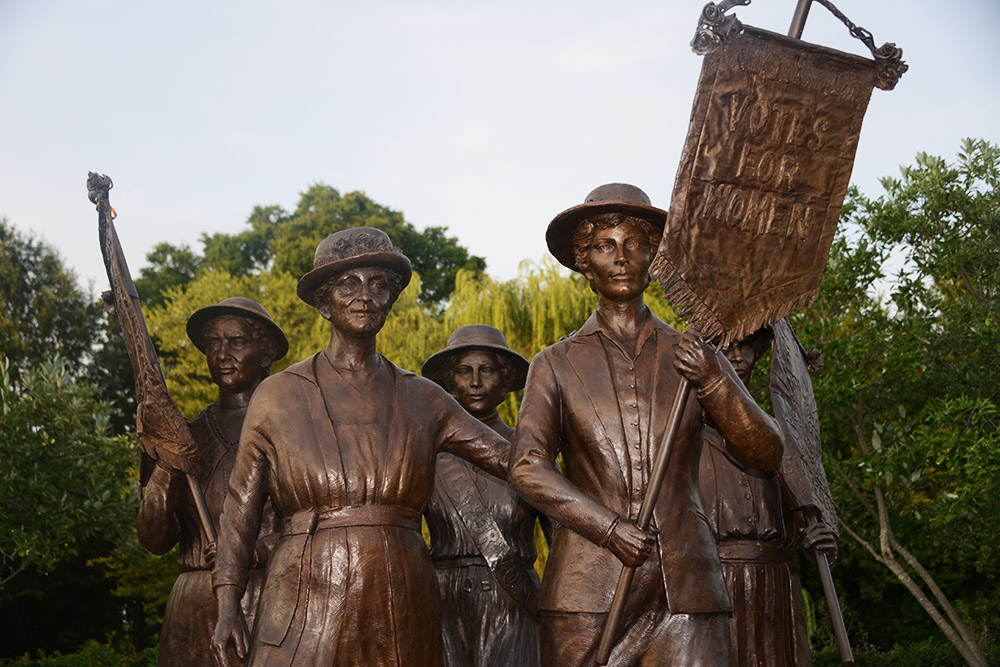
While walking out of Centennial Park, I came across the Tennessee Woman Suffrage Monument by sculptor Alan LeQuire. Tennessee played a decisive role in the history of women’s voting rights because in 1920 it became the 36th state to ratify the Nineteenth Amendment, providing the final state needed for ratification.
The monument honors five women who played important roles in the suffrage movement: Anne Dallas Dudley, Carrie Chapman Catt, Abby Crawford Milton, Juno Frankie Pierce, and Sue Shelton White.
War Memorial Auditorium
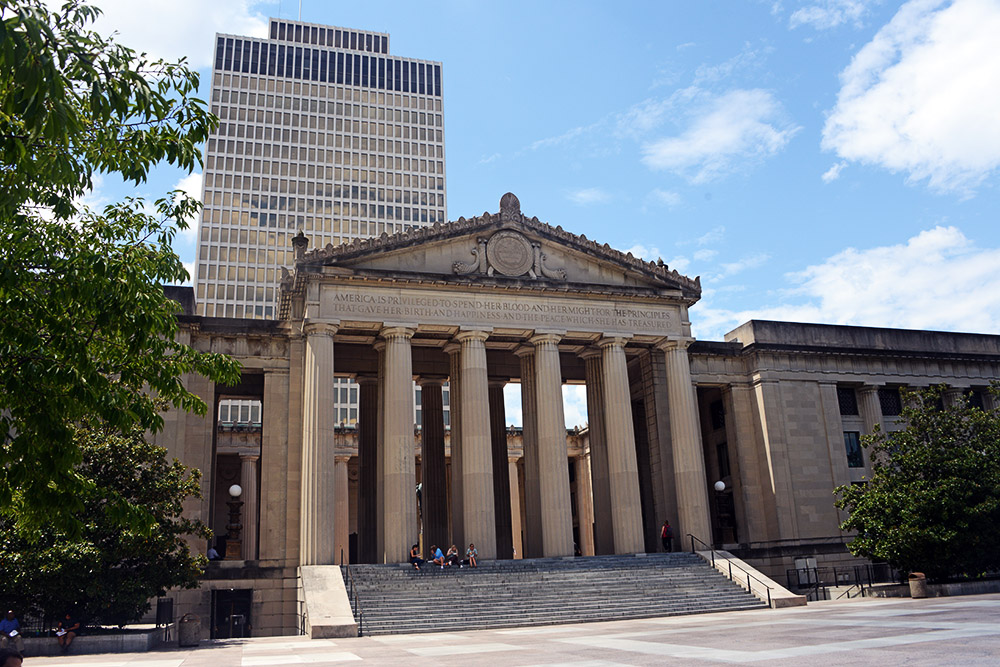
Another impressive classical-style building is the War Memorial Auditorium. The complex was created as a memorial to Tennesseans who served in World War I while also functioning as an auditorium and public gathering space. It was dedicated in 1925 and has hosted musicians, political events, performances, and countless other gatherings over the decades.
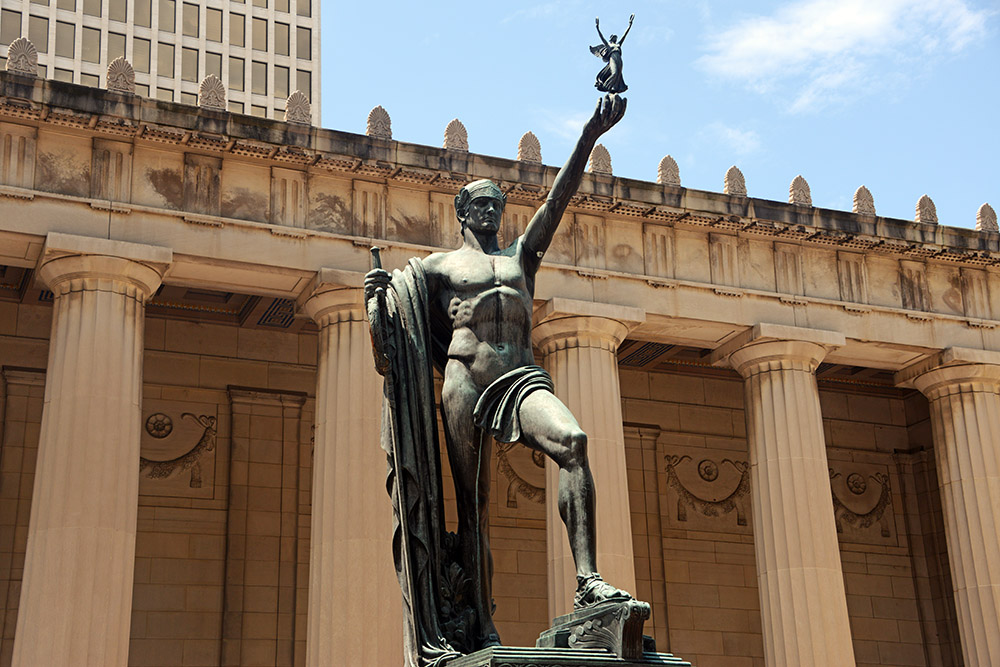
The statue above, called Youth, stands at the entrance to the memorial.
Exploring the City
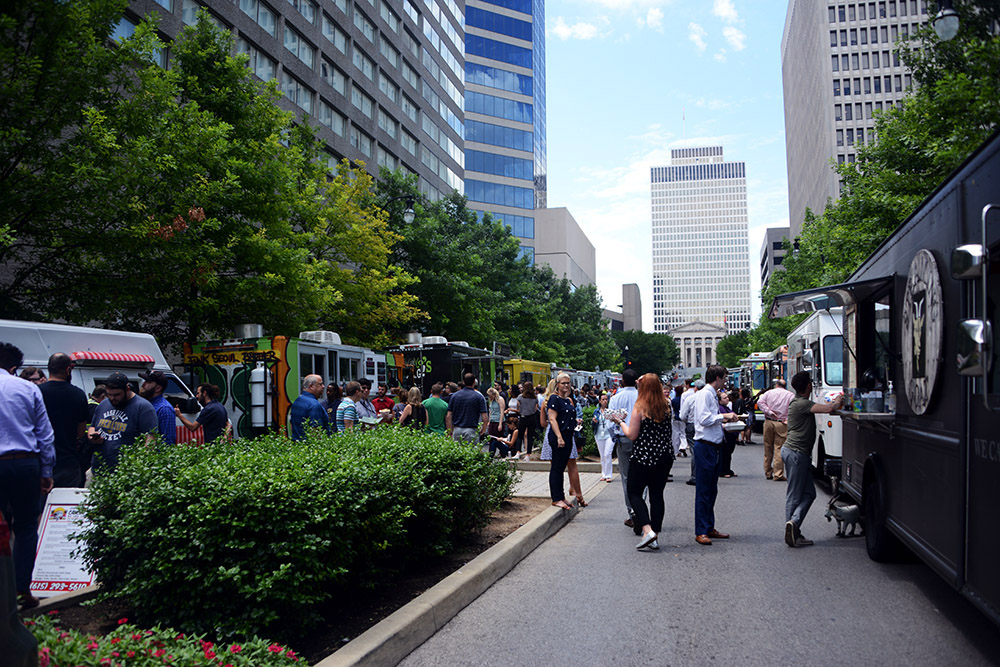
What I liked most about Nashville was how lively it felt. I’ve visited some state capitals and reasonably large cities that seemed strangely empty even during business hours, but Nashville never felt that way. I walked for miles during both the day and night and constantly came across people, events, restaurants, and music.
This street had been closed to traffic and taken over by food trucks. I’d already eaten lunch, so I didn’t try anything, but judging by the lines there seemed to be some good food.
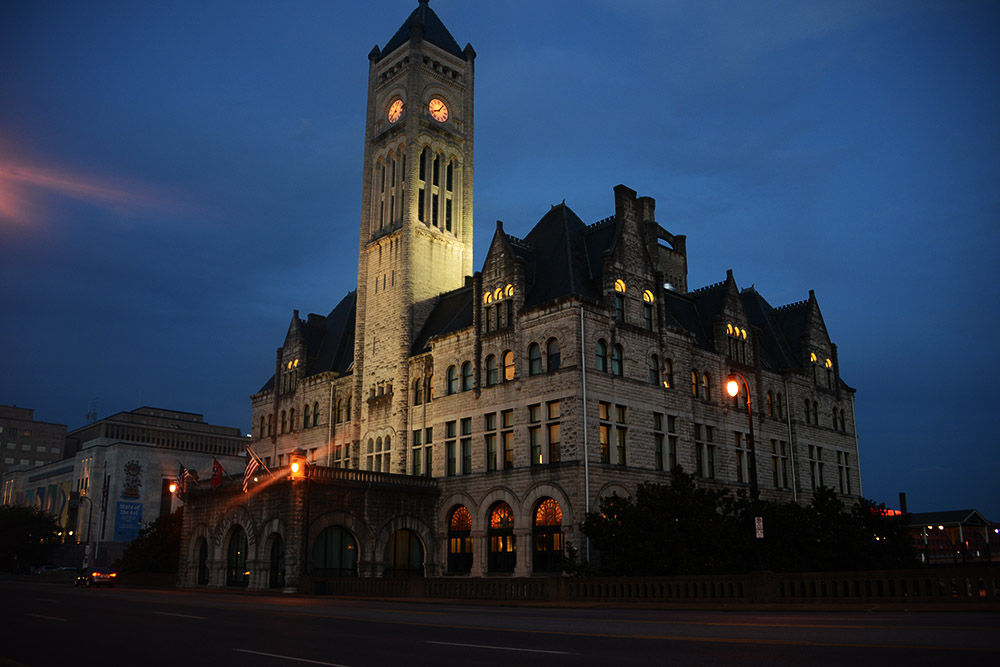
Somewhere between the Parthenon and the river, I passed this impressive building. I later discovered it was Nashville’s Union Station. Completed around the turn of the 20th century, it once served as a major passenger railroad terminal. As rail travel declined, the station eventually found a new life as a hotel.
I should have taken a look inside.
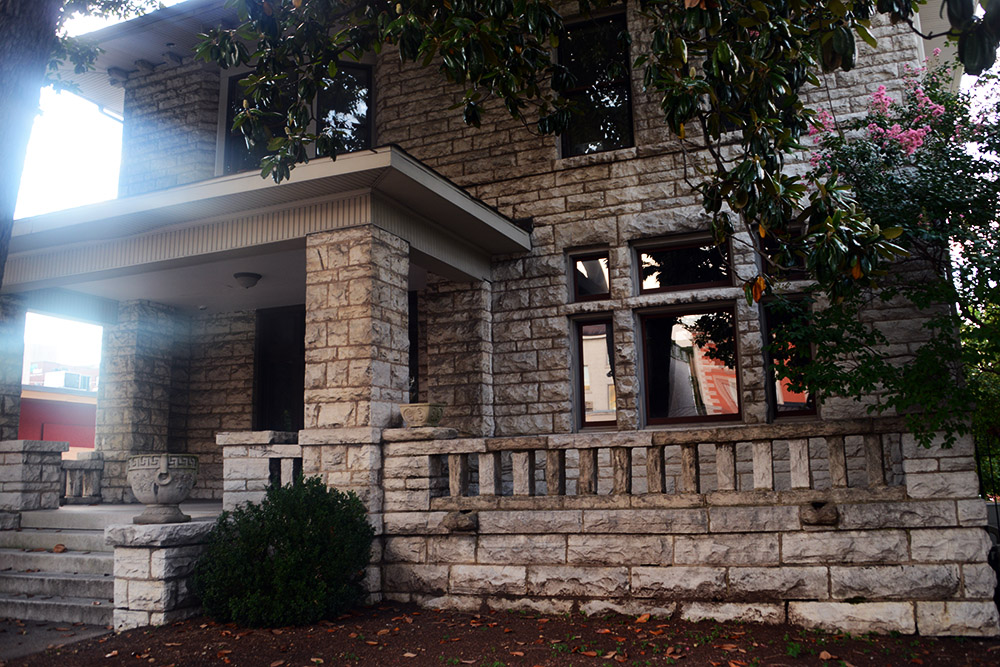
Nearby I also came across this old stone building. I never learned much about its history, but it was another example of the older architecture scattered among Nashville’s much newer development.
Music City
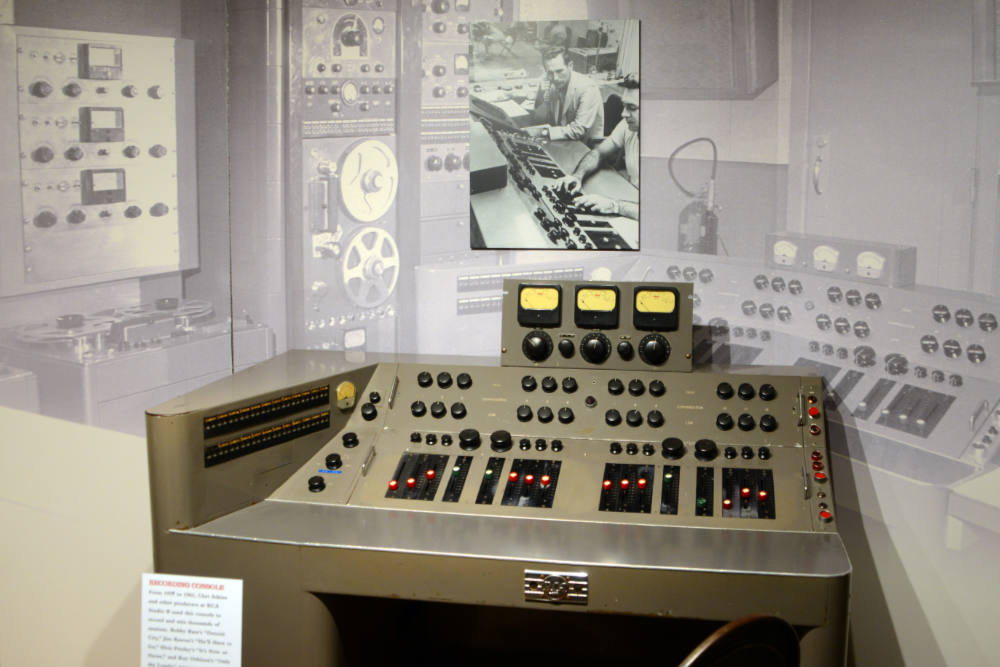
On my more recent trip, I also visited RCA Studio B, one of Nashville’s most famous recording studios. The studio played an important role in the development of the Nashville Sound and was used by an extraordinary number of musicians over the years, including Elvis Presley.
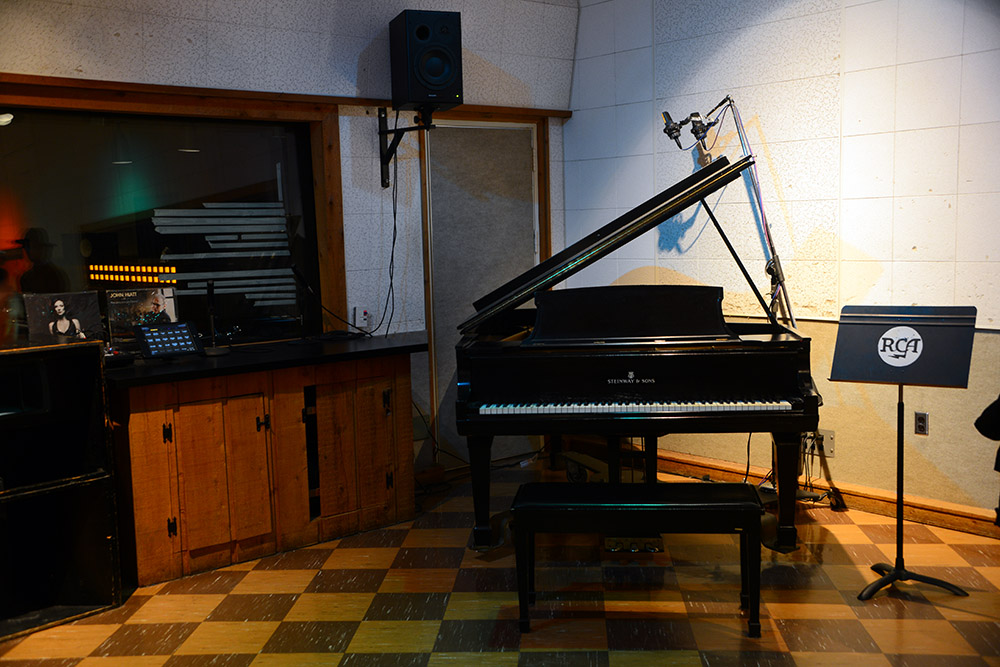
Inside the studio I was able to see the piano associated with Elvis Presley, adding another piece of Nashville music history that I had missed during my first visit.
Going back to Nashville’s most famous nickname, “Music City,” it doesn’t take long to understand where it comes from. Even before arriving on my first trip, I remember driving along Interstate 40 and seeing signs referring to Tennessee’s music heritage.
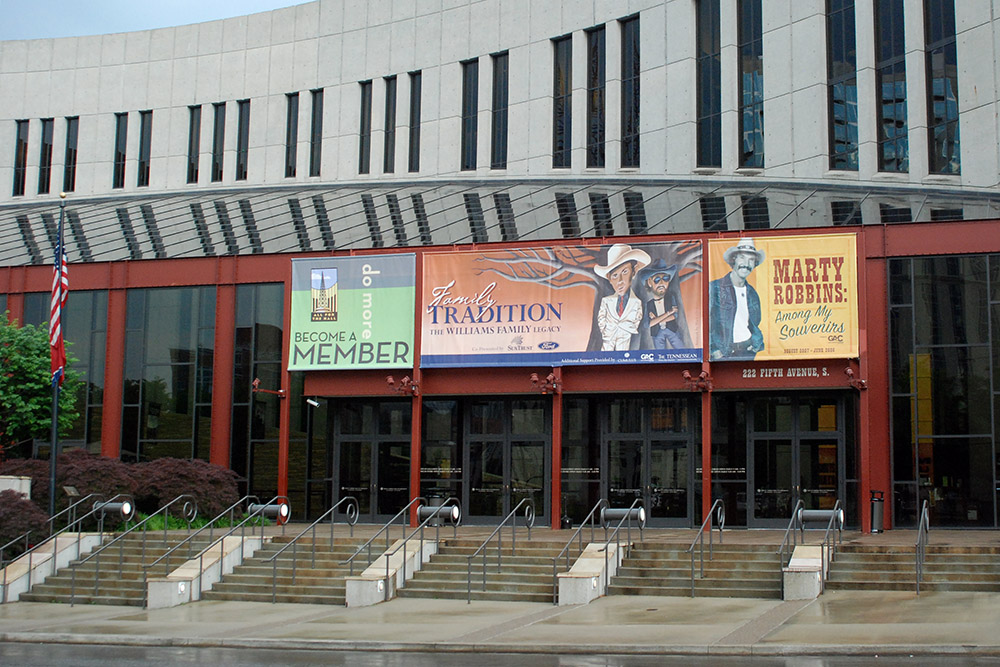
Once you’re in Nashville, music seems to be everywhere. Country music is obviously the city’s most famous genre, but you’ll find plenty of other styles as well. Above is the Country Music Hall of Fame. Somehow I missed going inside during both of my visits, so I’ll have to save that for round three.
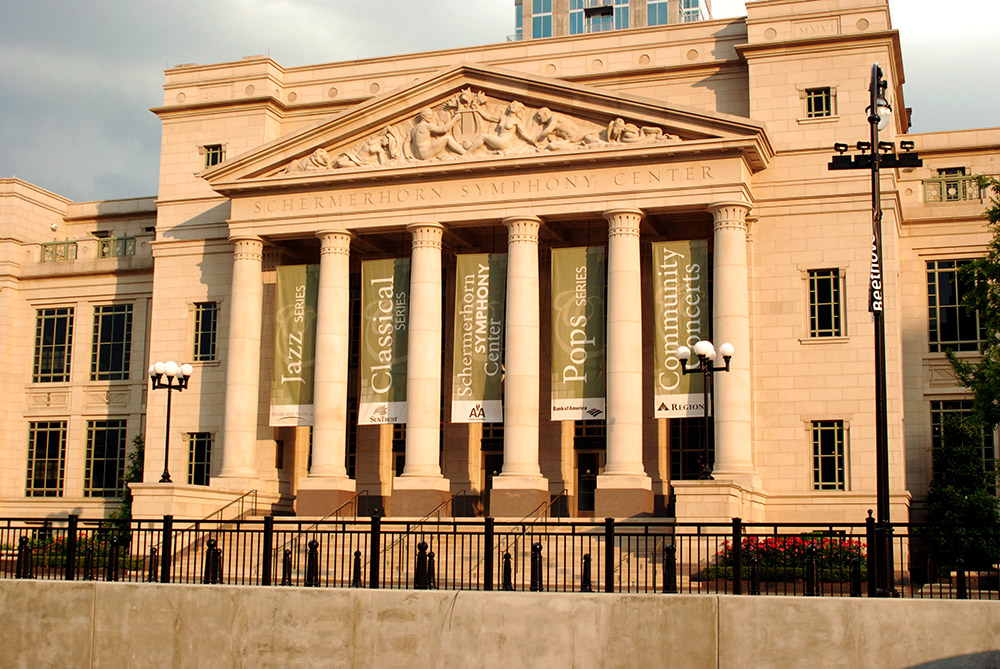
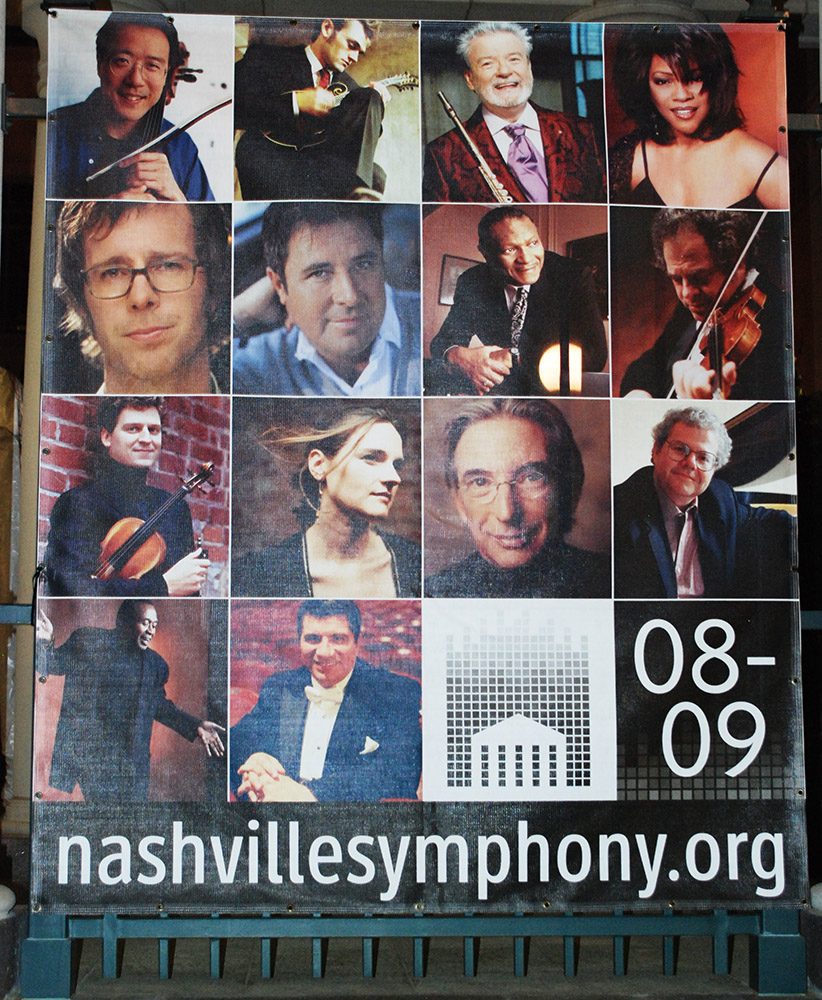
Nashville may be most famous for country music, but the city has a little bit of everything. The photograph above shows the Schermerhorn Symphony Center, home of the Nashville Symphony.
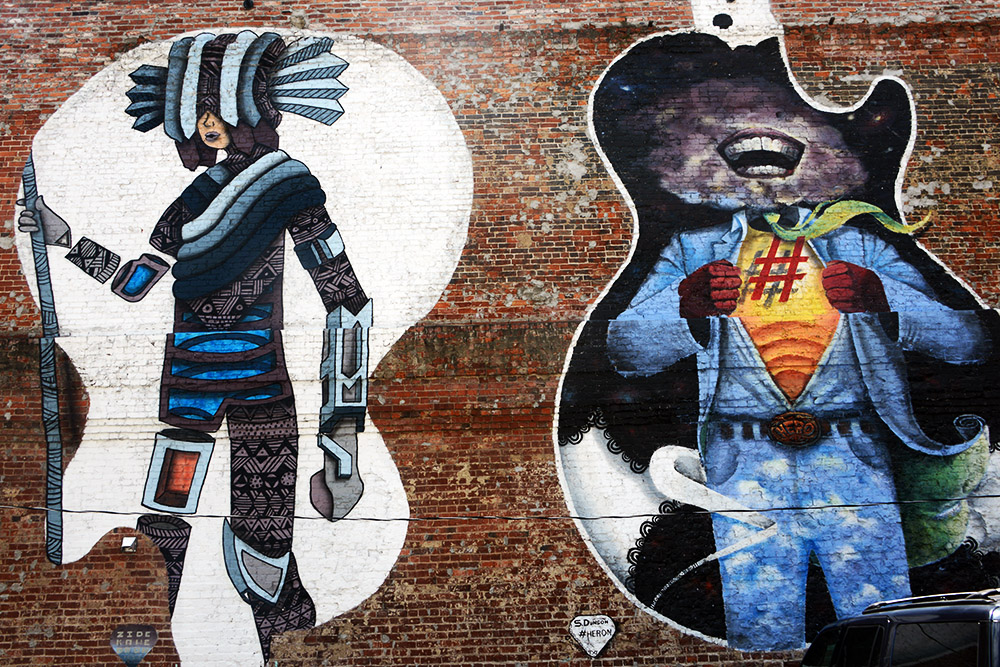
Close to the city center I also came across these murals. There were several of them, and although the paintings themselves weren’t necessarily about music, each scene was framed inside the shape of a guitar. The photo below shows one of the bars in the same neighborhood.
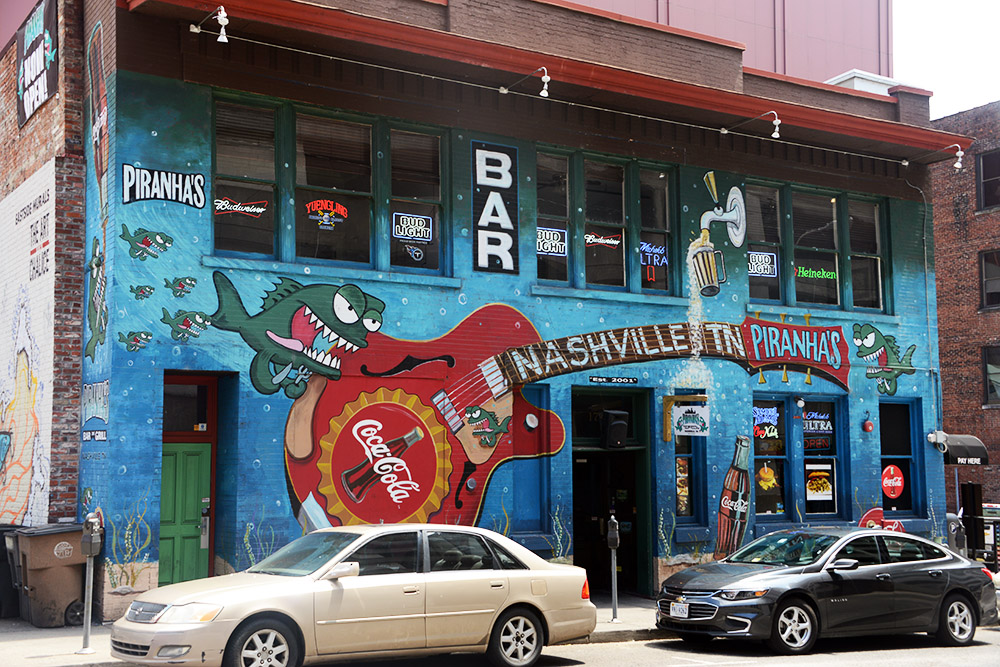
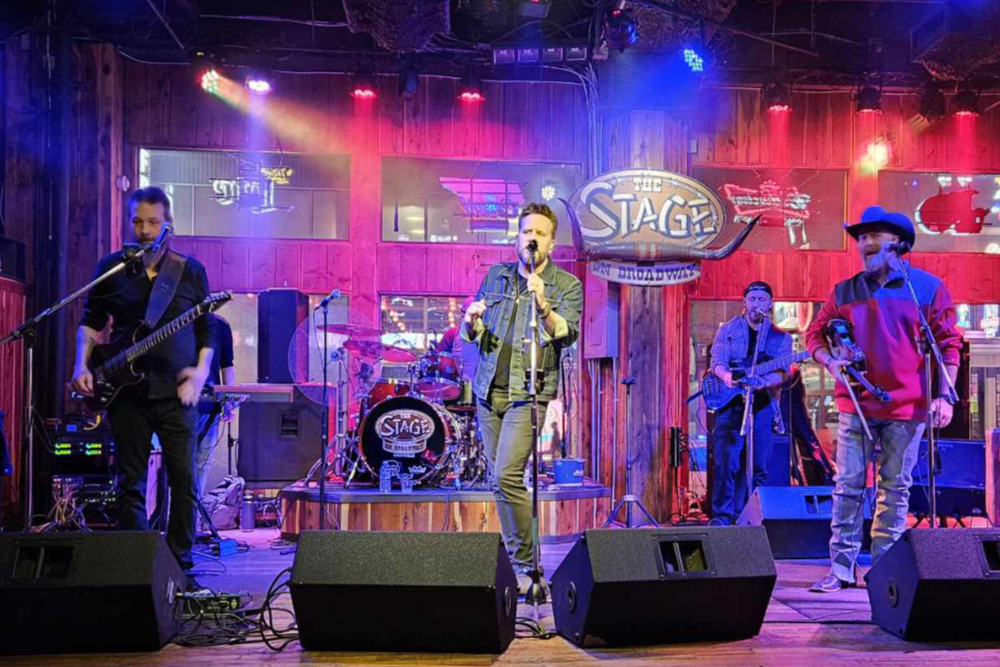
On my more recent visit, I spent more time inside Nashville’s live-music bars as well. Performances are everywhere around the downtown entertainment district, often beginning long before the nightlife really gets going.
Broadway
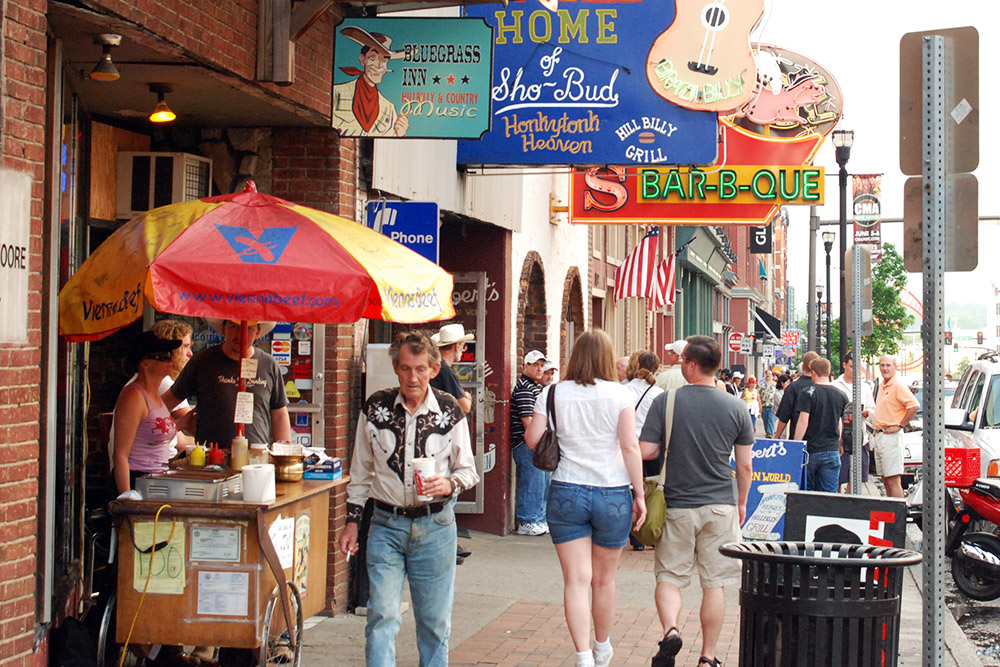
If there’s one district that represents the Nashville most visitors come to experience, it’s Broadway. The strip is packed with restaurants, honky-tonks, live music venues, clubs, and crowds throughout much of the day. It’s busy in daylight, but the area really comes alive once the sun goes down.
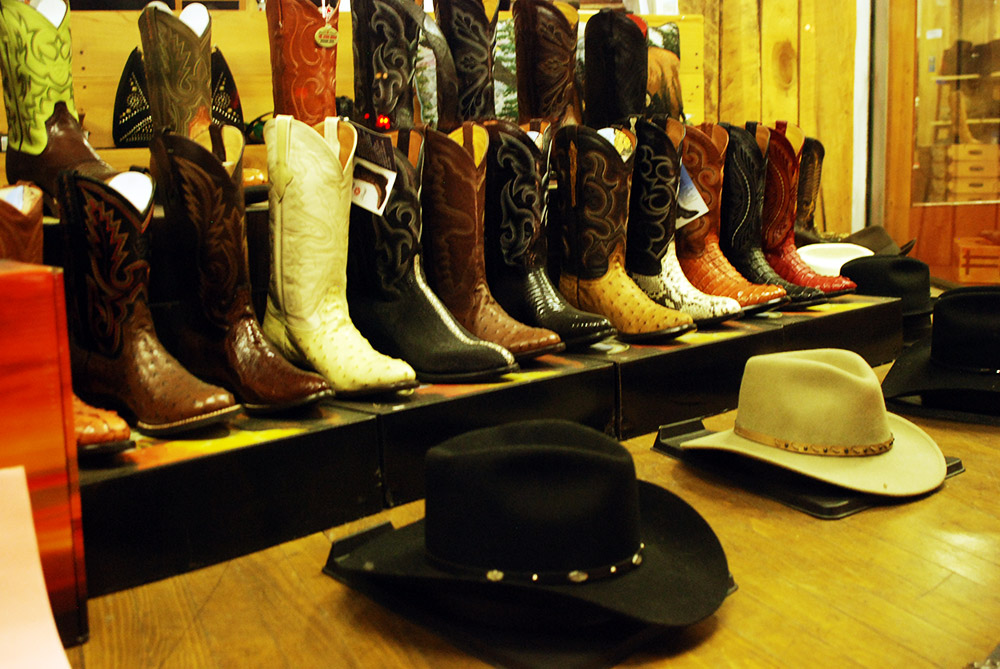
Country music and Western imagery dominate many of the shops, so you’ll find plenty of cowboy hats, boots, and other items that almost make parts of Broadway feel like somewhere farther west.
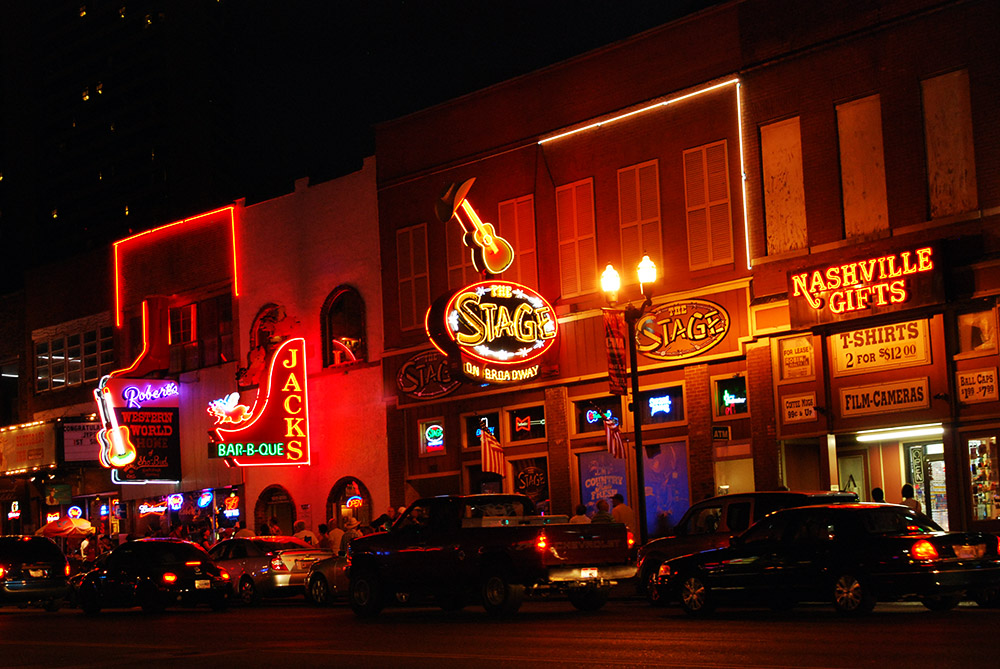
I wish I’d taken more photos at night during both of my trips because that’s when Broadway is at its best. The street becomes packed with people moving between live music, bars, and dancing. Of course, once you’re out having a drink and making your way through the crowds, taking photos isn’t usually the first thing on your mind.
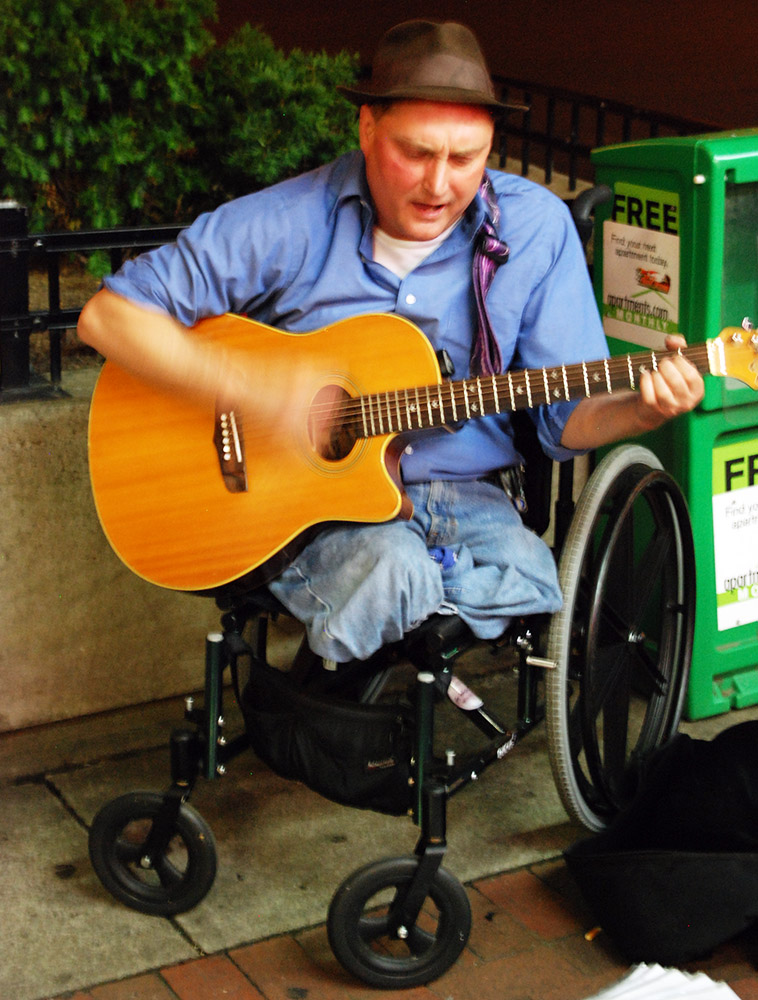
I visited Nashville before I ever made it to Austin, Texas, but the two cities remind me of each other because of their strong live-music cultures. Even my hotel, which was at least two miles from downtown, had live music each night. The musician above was performing his own song along Broadway.
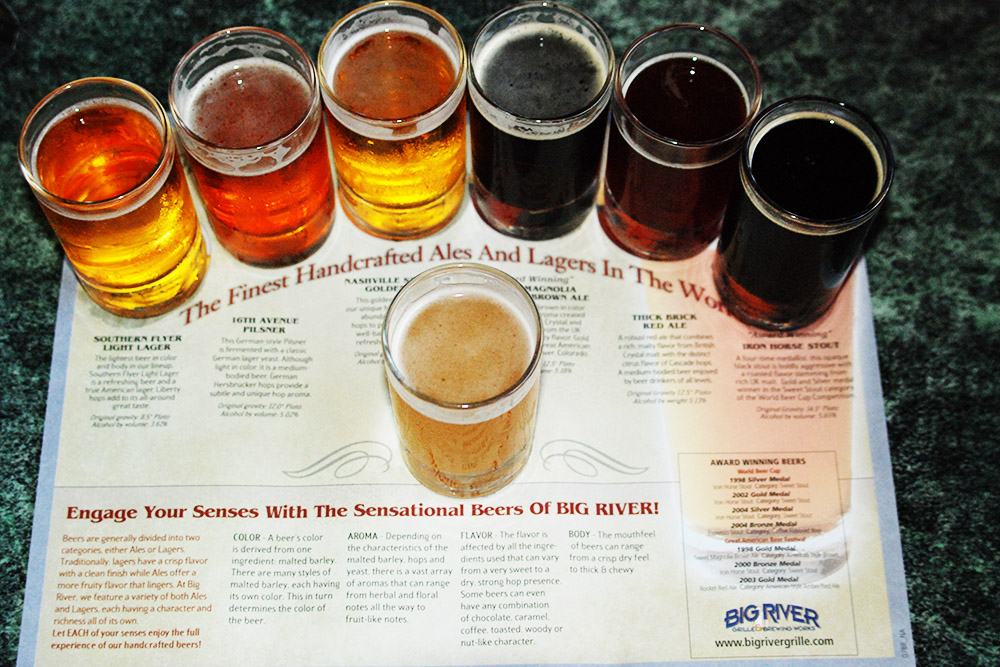
On my first visit to Nashville, I had my first ever flight of beers at Big River Grille. I specifically remember the stop because I’d just bought my first digital SLR camera. It arrived at my house right before my flight, and while sitting at this restaurant in Nashville I took some of my first photographs with a DSLR.
When I returned roughly a decade later, I was disappointed to find that this particular location had closed. That made the old photograph feel like another small snapshot of how Nashville—and my own travels—had changed between the two visits.
Explore More of Tennessee
Gatlinburg • Memphis • Nashville