I visited Singapore for only a few days while traveling onward to Sri Lanka. My first impression was of an endless network of shopping malls and high-rise buildings. There’s obviously much more to the country than that, but on this trip I spent nearly all of my time exploring the more developed parts of the city. If I return, I’d like to see a completely different side of Singapore. I’d visit the futuristic Gardens by the Bay, explore the food stalls and temples of Chinatown and Little India, and spend some time around the city’s old shophouses and neighborhoods. I’d also like to get away from the skyscrapers and hike through the tropical forest of the Central Catchment Nature Reserve or visit Pulau Ubin, where parts of Singapore still look surprisingly undeveloped. For such a tiny country, there’s an unusual amount packed into it, and I barely scratched the surface on my first visit.
Singapore packs millions of people into a very small area, making it one of the most densely populated countries in the world. What makes the city especially interesting, though, is how much cultural variety exists within that space. Neighborhoods such as Chinatown, Little India and Kampong Glam each have their own character and history.
A company I previously worked for occasionally sent employees to Singapore for several weeks at a time. I never got the assignment, but if I had, I probably would have spent every weekend exploring a different part of the city.
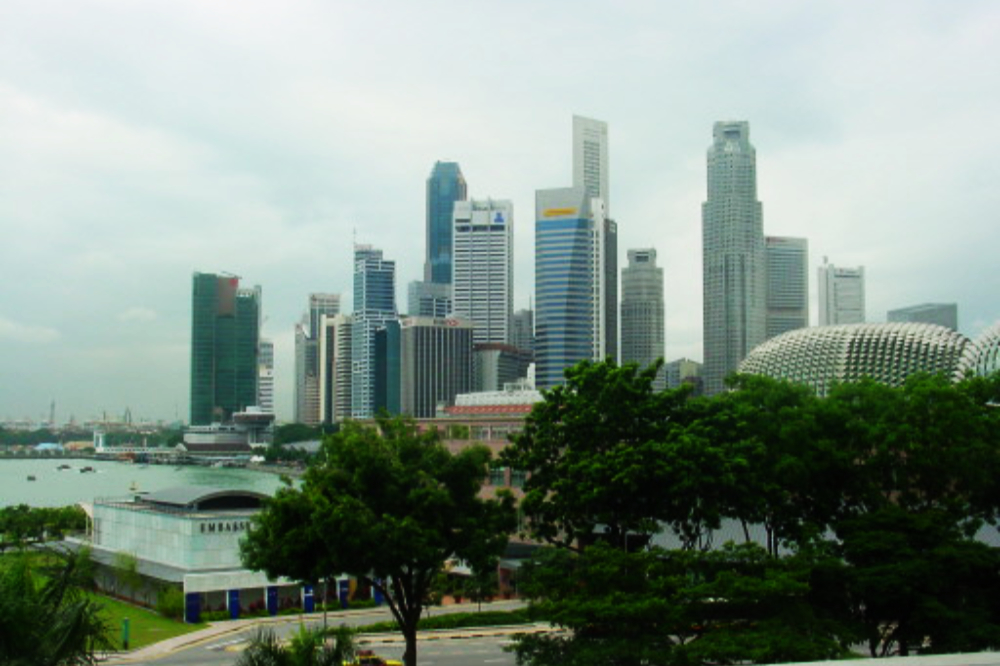
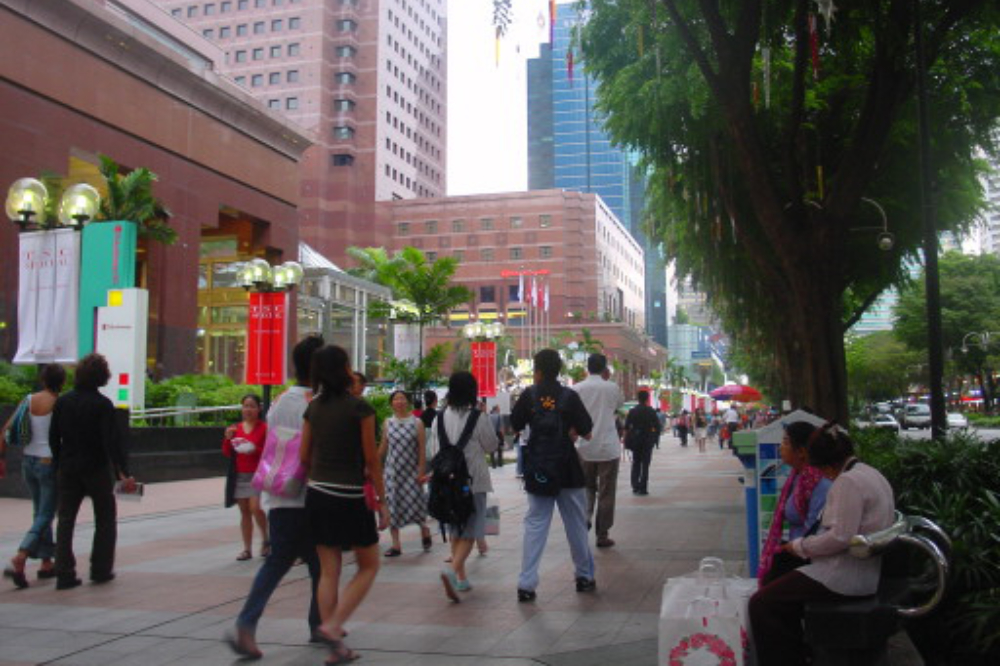
The few days I spent in Singapore were mostly overcast, although I managed to avoid much rain. Above is one of the shopping areas where I went for dinner.
Below is a building whose actual name I never figured out. I just called it the Beehive Building.
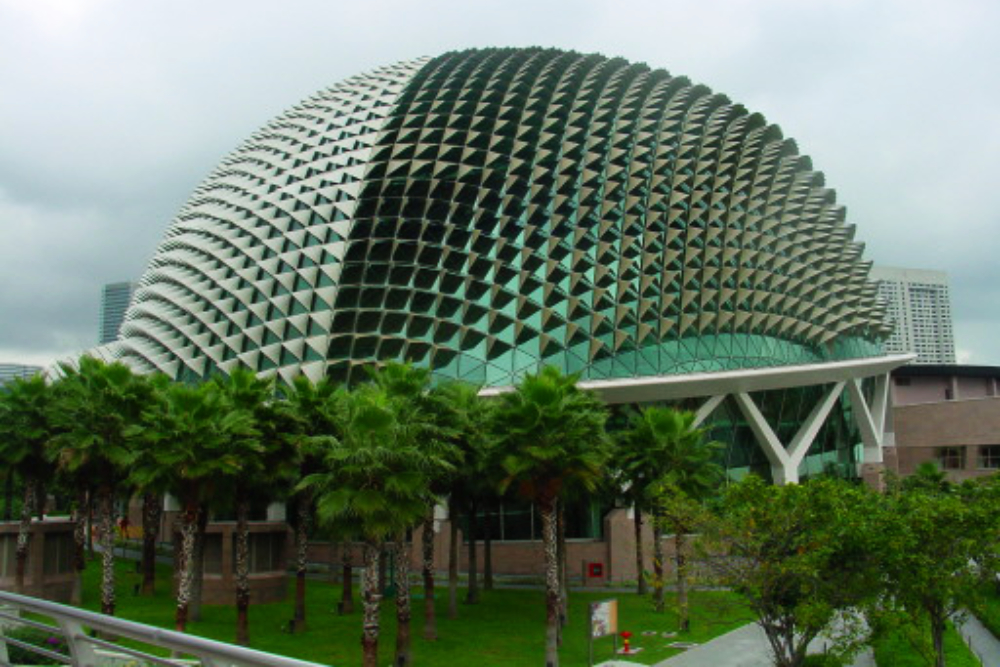
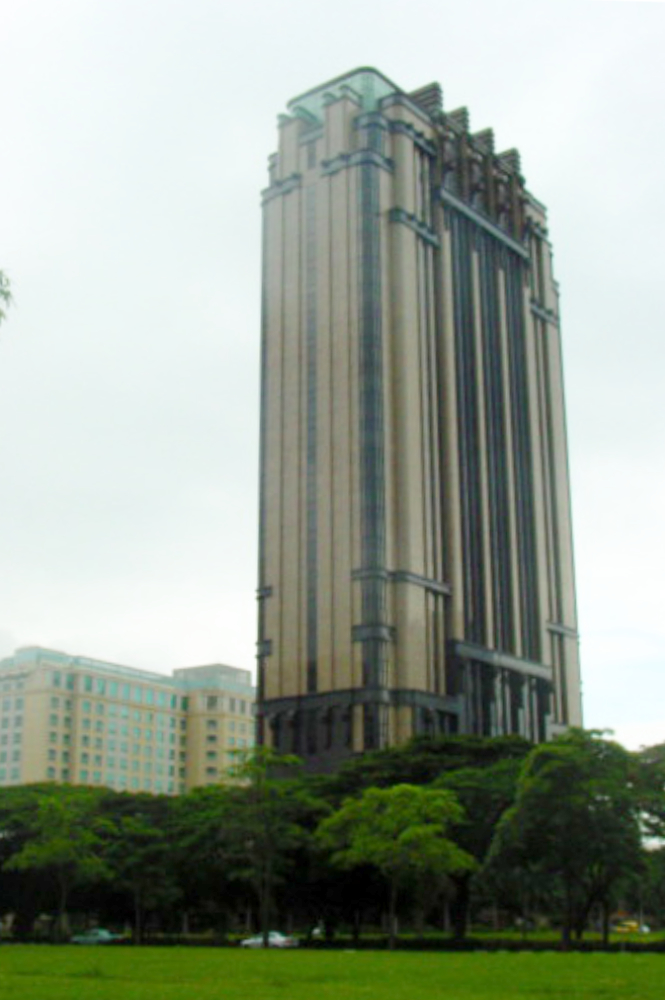
High-rise living is everywhere in Singapore, where limited land has pushed much of the country’s development upward. Even this building, which seemed tall to me at the time, was relatively modest compared with some of the towers around the city.
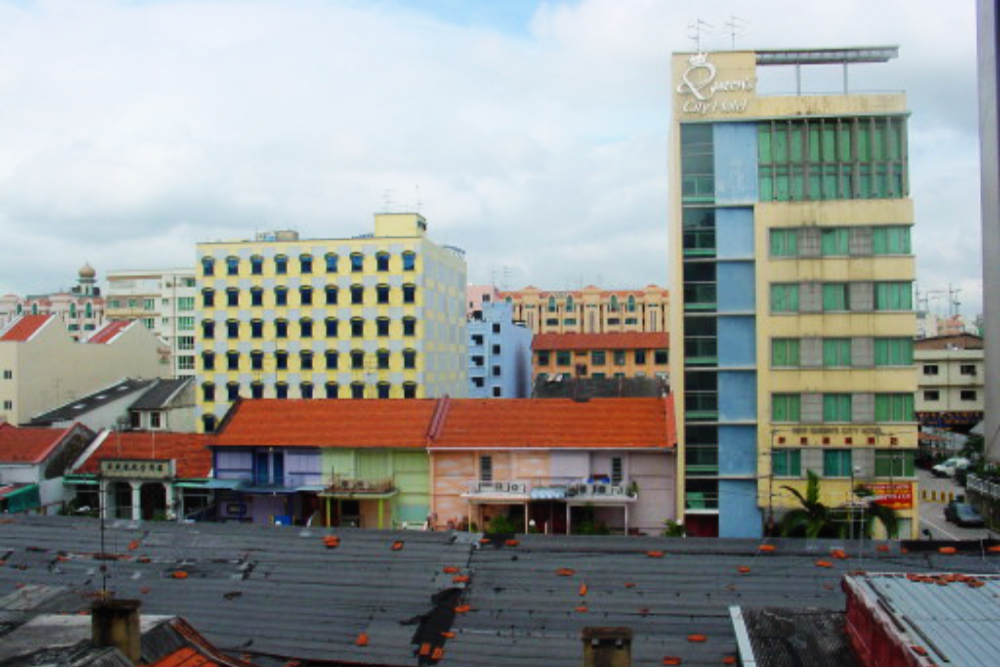
Below is the view from my hotel. Back in my earlier travel days I usually stayed in hotels instead of hostels, which wasn’t exactly the cheapest strategy in an expensive place like Singapore. I found this room for about $50 a night, though, which seemed like a pretty good bargain.
The neighborhood certainly wasn’t luxurious, but I never felt unsafe walking around it. I unexpectedly got to test that impression when the hotel’s fire alarm went off around 3:00 in the morning and everyone had to evacuate. Someone at the front desk told us we could return in about thirty minutes.
I had already been asleep and there wasn’t much I felt like doing at three in the morning, so I wandered around for a while. I was taken aback by how lively the city still was. There were plenty of people out, and I even remember seeing street vendors operating at that hour. Singapore has a strong late-night food culture, with some hawker stalls and eating places staying open into the early morning or around the clock. It wasn’t how I had planned to experience Singapore’s nightlife, but the fire alarm gave me an unexpected look at how active parts of the city could remain long after midnight.