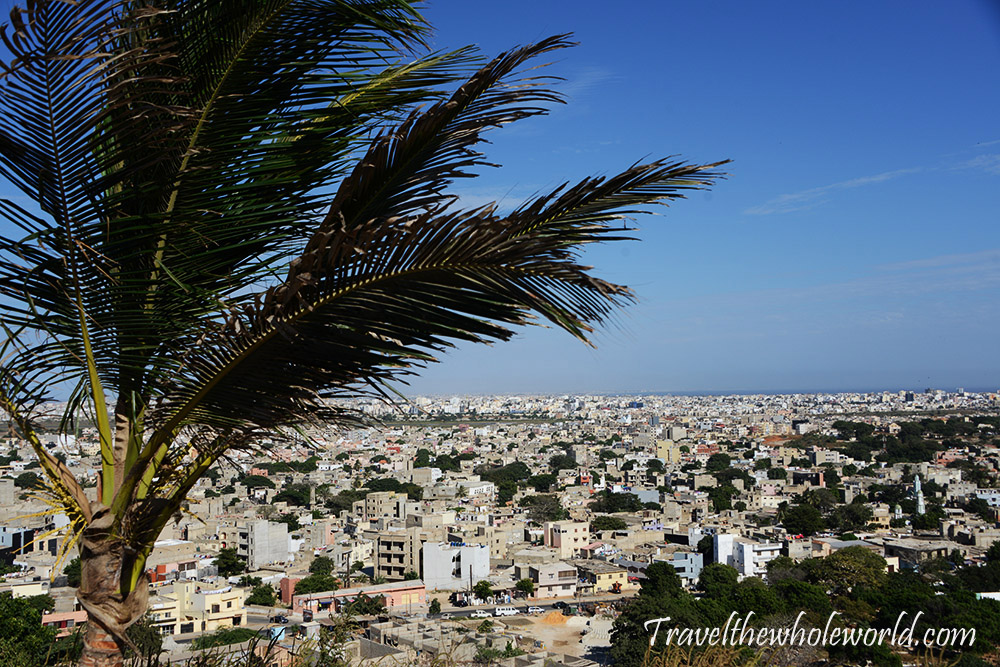
More often than not, I fly into a city or country without knowing too much about it until I arrive. Dakar was different because it was a place I’d heard about my entire life, so the name already felt familiar even though I’d never been there. The city is huge by West African standards, with millions of people living throughout the metropolitan area. Its boundaries can be a little hard to define, and from the right vantage point it looks like Dakar goes on forever.
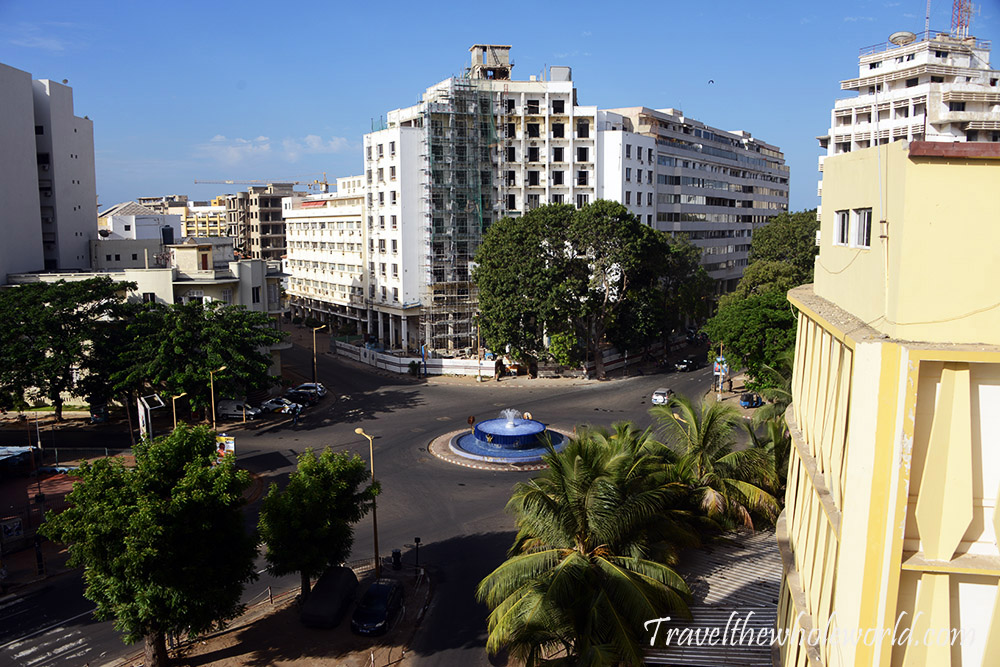
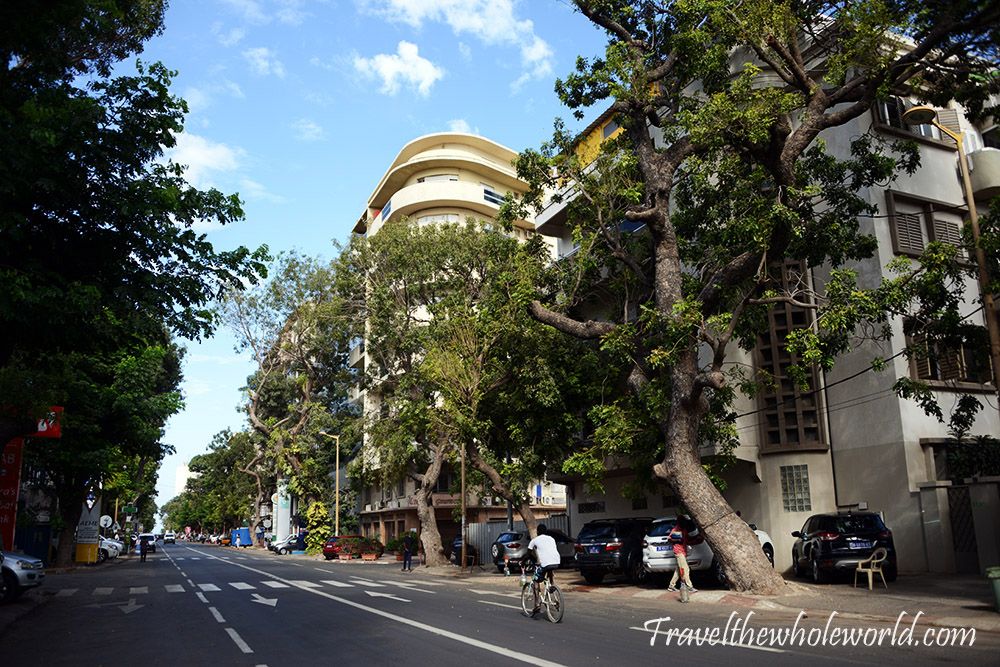
Dakar is a city of contrasts, with crowded working-class neighborhoods alongside more developed residential and commercial areas. I ended up passing through some of the poorer parts of the city shortly after arriving, so those neighborhoods formed some of my earliest impressions of Dakar. As I explored more, however, I saw a much broader side of the city. The photos above and below show some of the more developed neighborhoods in southern Dakar, where I ended up staying for most of my visit.
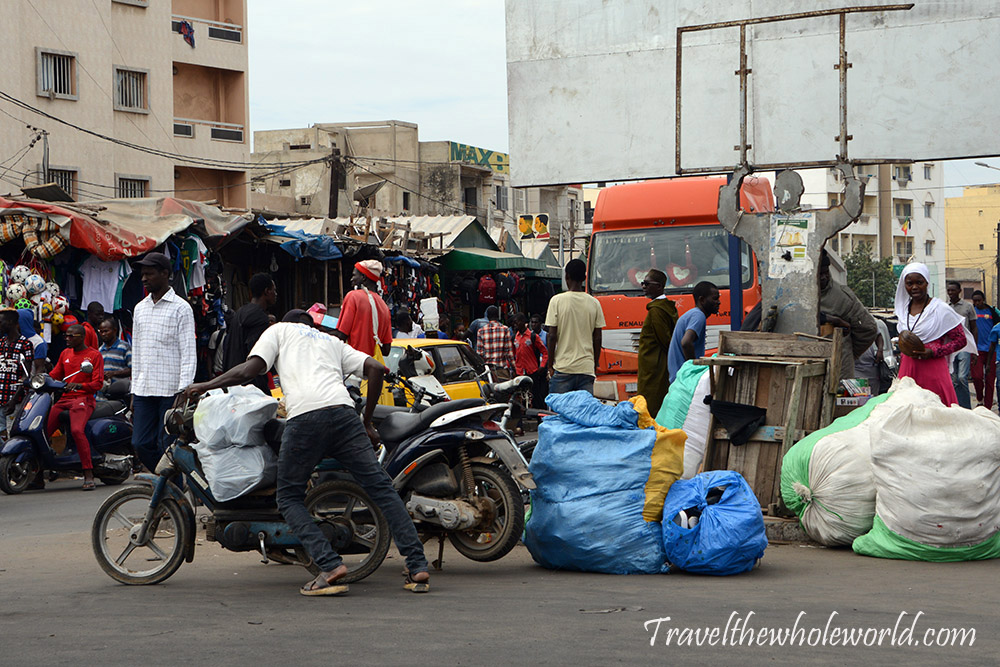
Another thing that took me by surprise in Dakar was the traffic and chaos of getting across the city. My original plan was to arrive in Dakar and take a bus to Gambia that same morning. I didn’t realize how far the airport was from the city, and after nearly 90 minutes getting into Dakar by bus, I still had to take a taxi to another bus station. I also discovered that what I’d thought would be a six-hour trip to Gambia was more like eight or nine. I had foolishly imagined I’d be in Gambia by daylight, reach Guinea-Bissau on day two, and then spend the rest of my trip backpacking my way back toward Senegal. After sitting in a taxi that barely moved for 30 minutes, I finally admitted defeat. Gambia would have to wait until another day, and Guinea-Bissau disappeared from the itinerary altogether. Dakar had other plans for me!
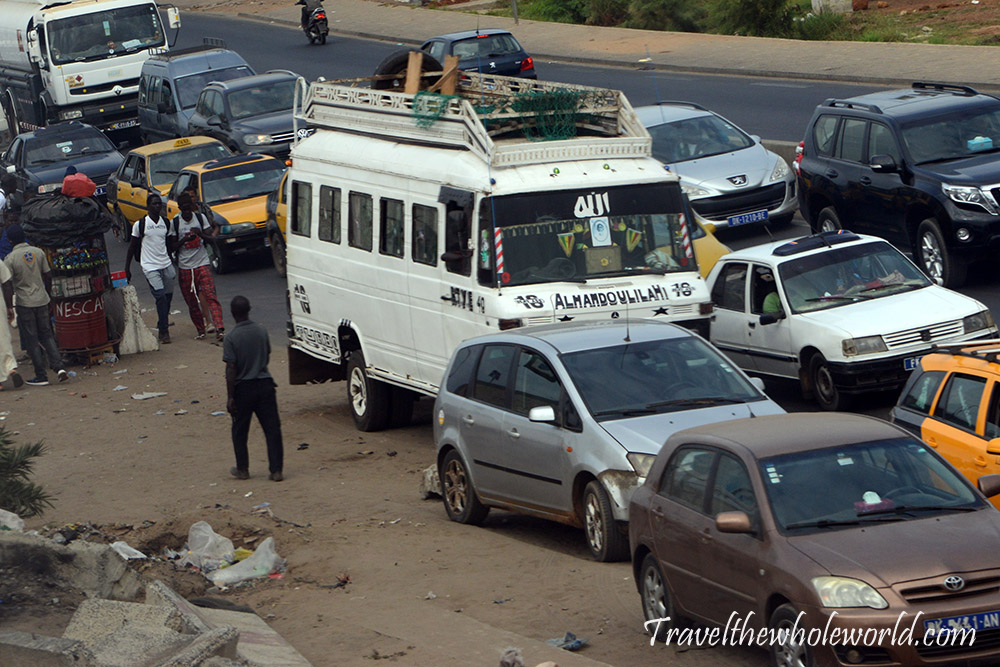
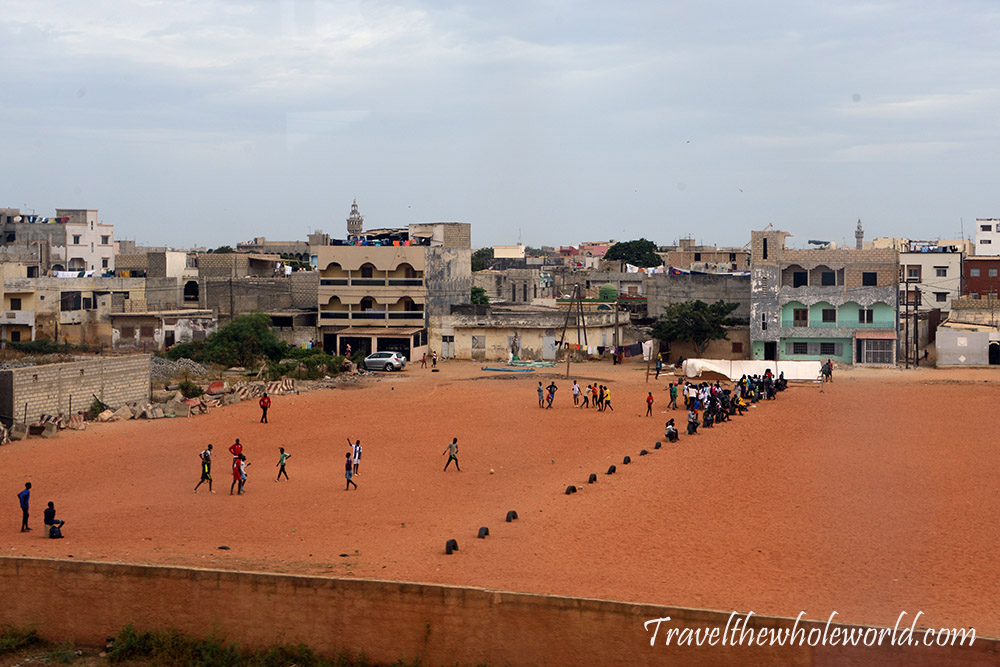
The upside of all that traffic was that moving at a snail’s pace gave me an unofficial tour of the city. The field above was one of many I passed along the way. Everywhere I went I saw people outside, and nearly every open field seemed to have families gathered around while kids played soccer or other games.

During the drive I also spotted this billboard advertising a local energy drink. I didn’t try this particular brand, but I did have another local drink called Black Power. To me at least, it tasted almost identical to Red Bull.
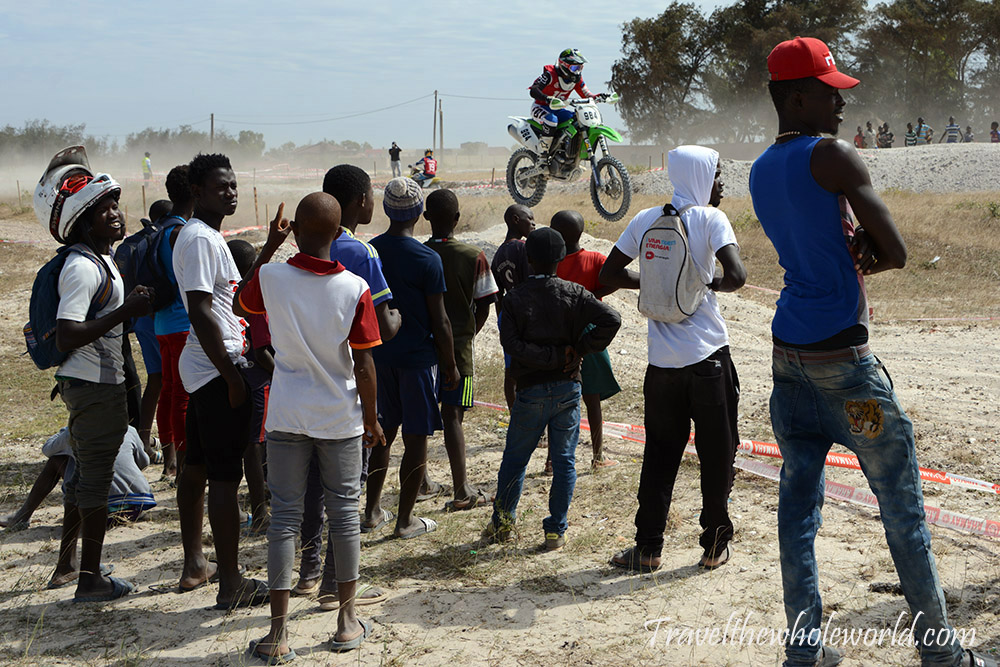
The soccer games weren’t surprising, but this dirt bike race I stumbled across certainly was. It seemed like a semi-professional event, with a small crowd gathered around and someone who appeared to be a local journalist covering it. Red Bull loves sponsoring events like this, but apparently 3X Energy missed its opportunity!
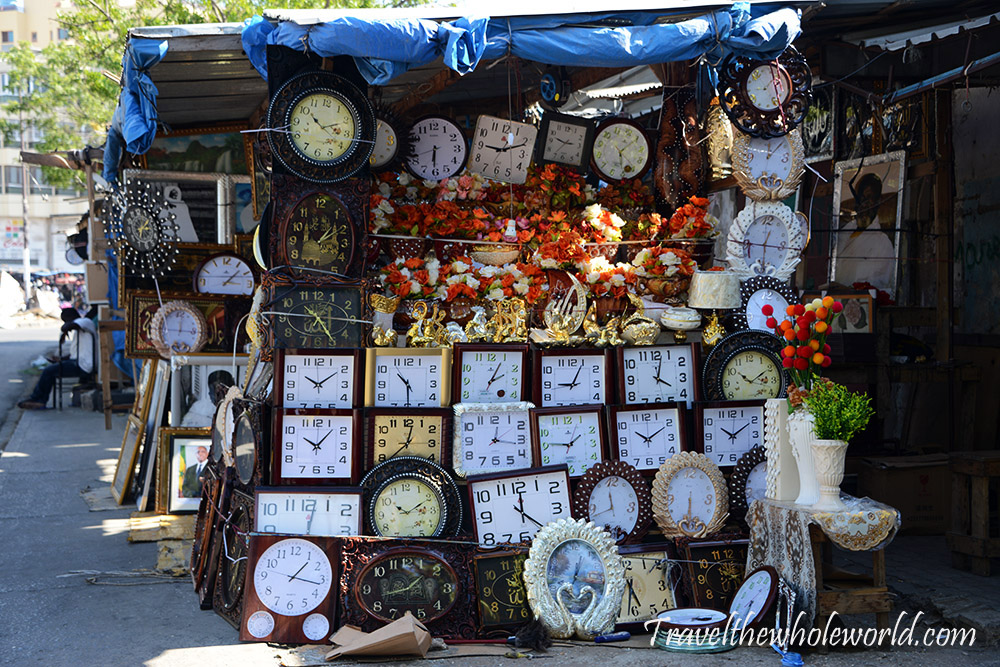
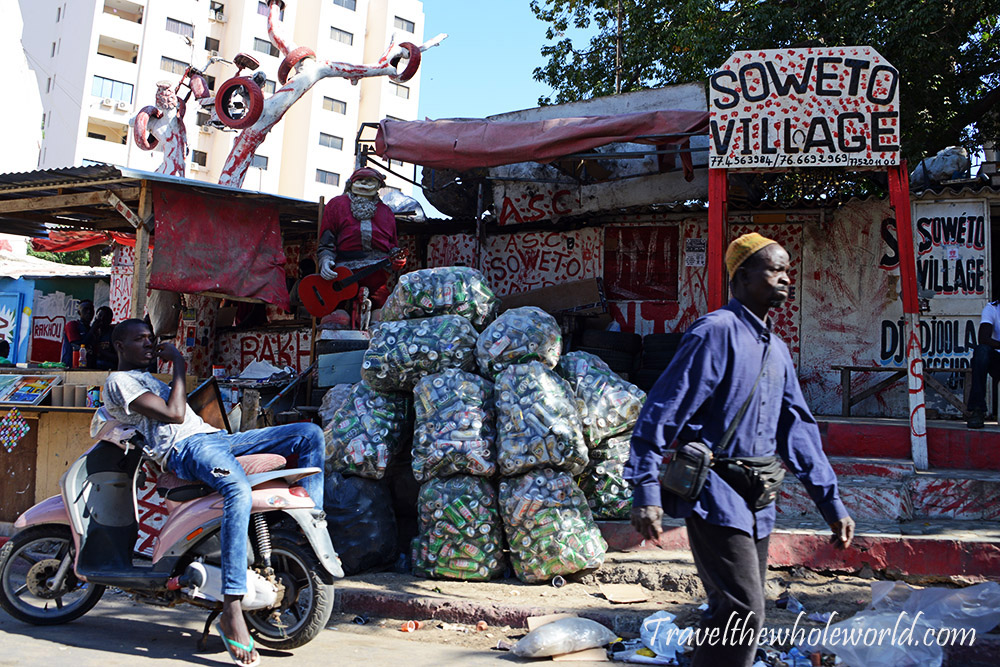
I felt comfortable walking around most parts of Dakar on my own and ended up visiting the markets several times. I picked up a few cheap items like a hat and sunglasses, although bargaining was definitely part of the experience. The guy selling me a hat initially quoted me more than I’d expect to pay back home, and when I countered with a few dollars he acted incredibly offended. Eventually we worked it out. I wish I’d taken more photos of the markets, but somehow one of the only pictures I came away with was this stand full of clocks. Elsewhere in the city I came across a place called “Soweto Village.” I still have no idea what its purpose was!
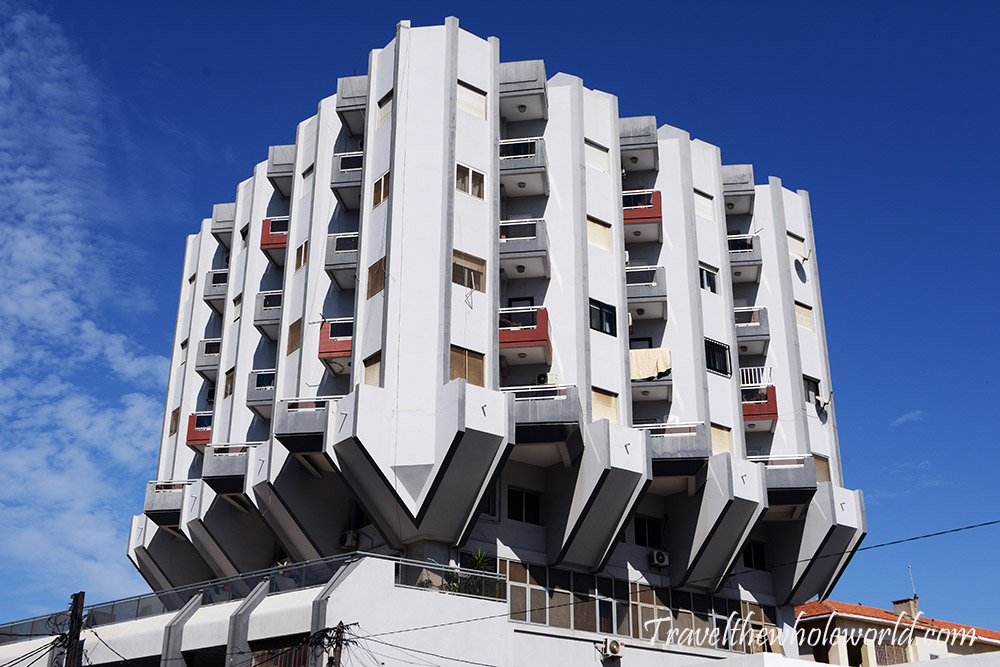
Dakar has an interesting mix of architecture that changes quite a bit from one neighborhood to another. I came across buildings like the one above while wandering through the city, while farther south and west I began seeing increasingly upscale homes and neighborhoods. The house below was near the southern part of Dakar, not far from the waterfront.
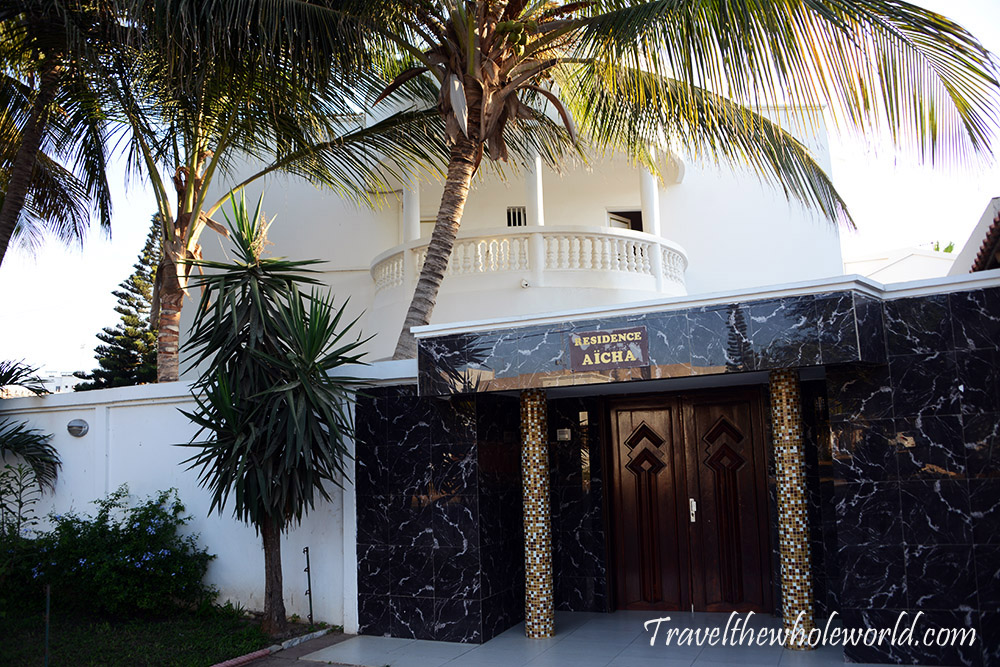
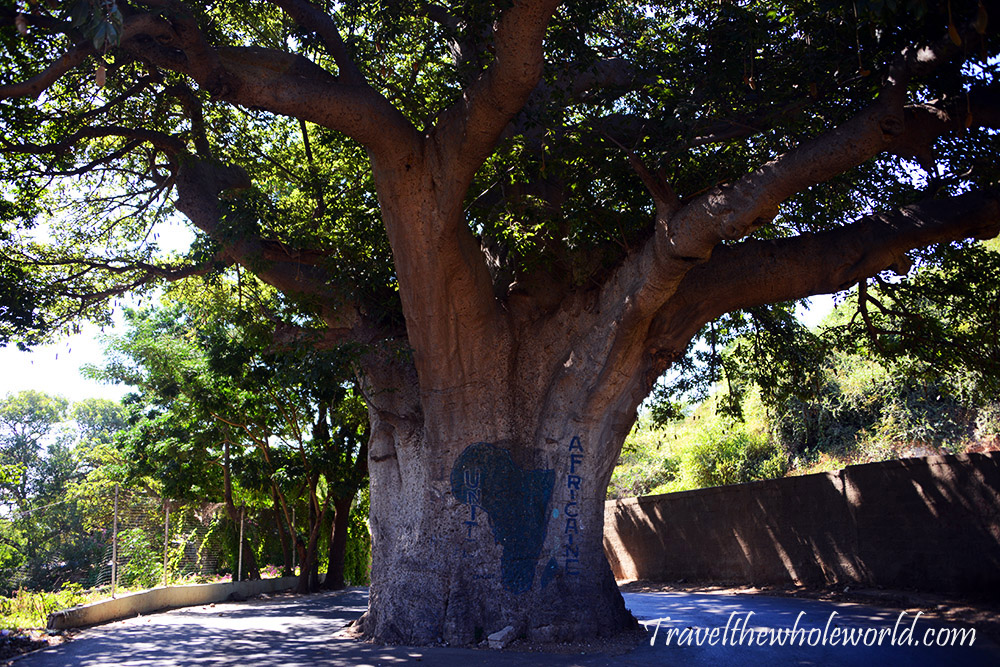
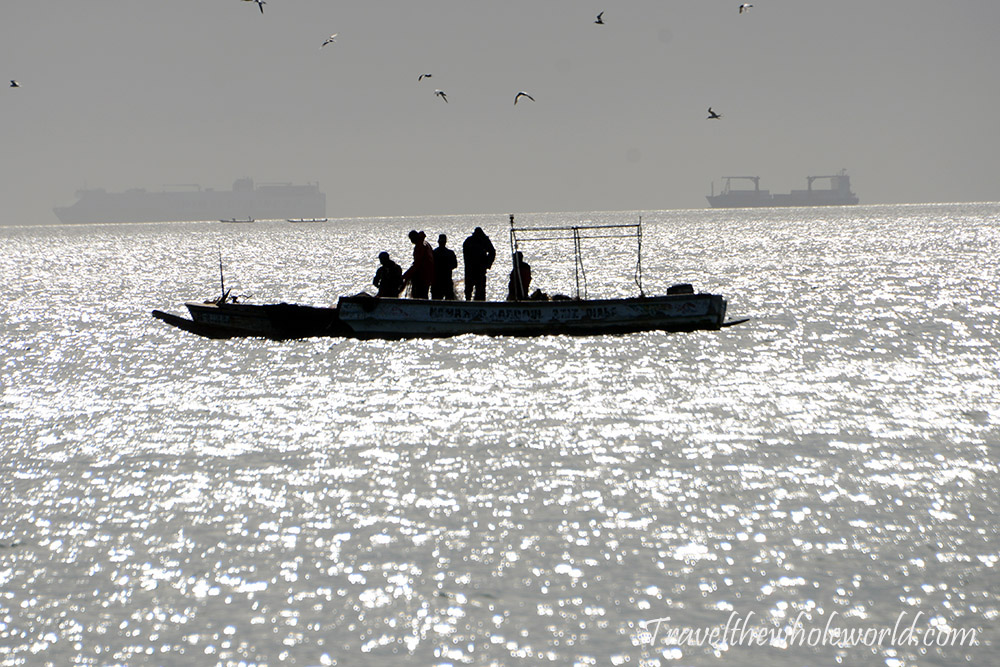
I stayed in a few different places during my time in Dakar. I passed the house above while looking for a hotel I’d booked right on the water. Along the way I also came across this enormous tree growing in the middle of the road with the shape of Africa painted on its trunk. When I finally reached the hotel, I discovered it was under construction, and the diving I’d hoped to do wasn’t available because strong winds had made the water too rough. Instead, I spent some time walking along the shore, admiring the colorful boats and watching fishermen working just offshore.
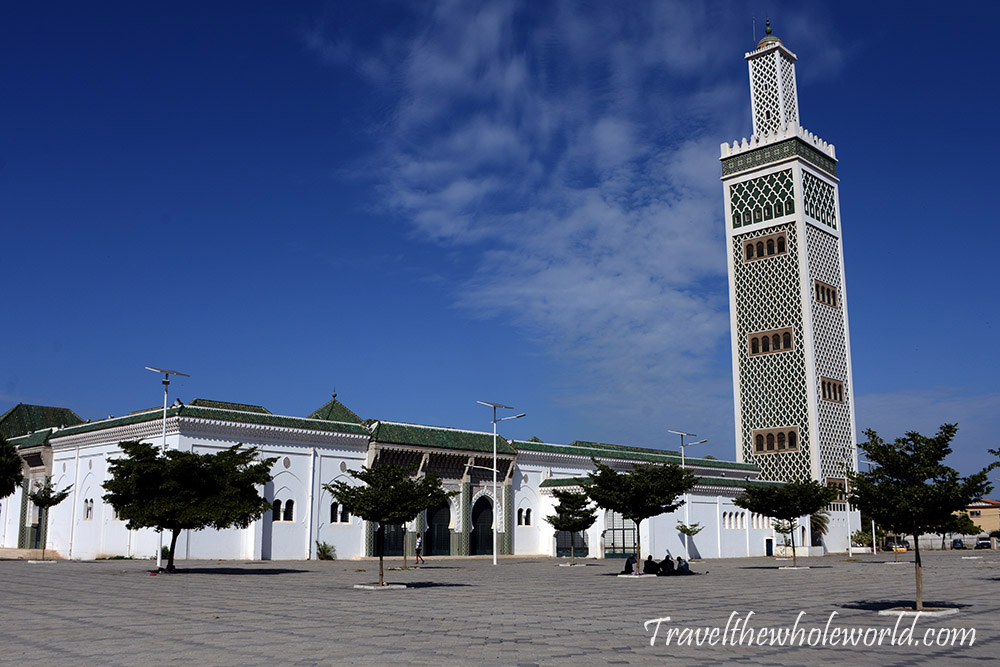
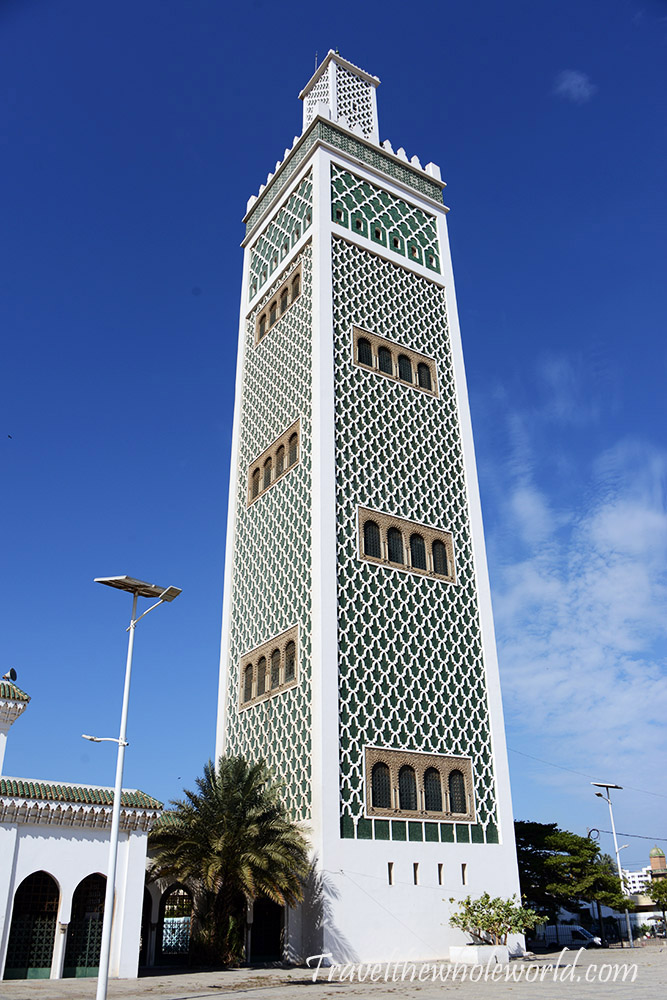
The next day I headed toward one of Dakar’s most prominent religious landmarks, the Grand Mosque. The entire complex is impressive, but what immediately stands out is the enormous single minaret towering over the surrounding neighborhood.
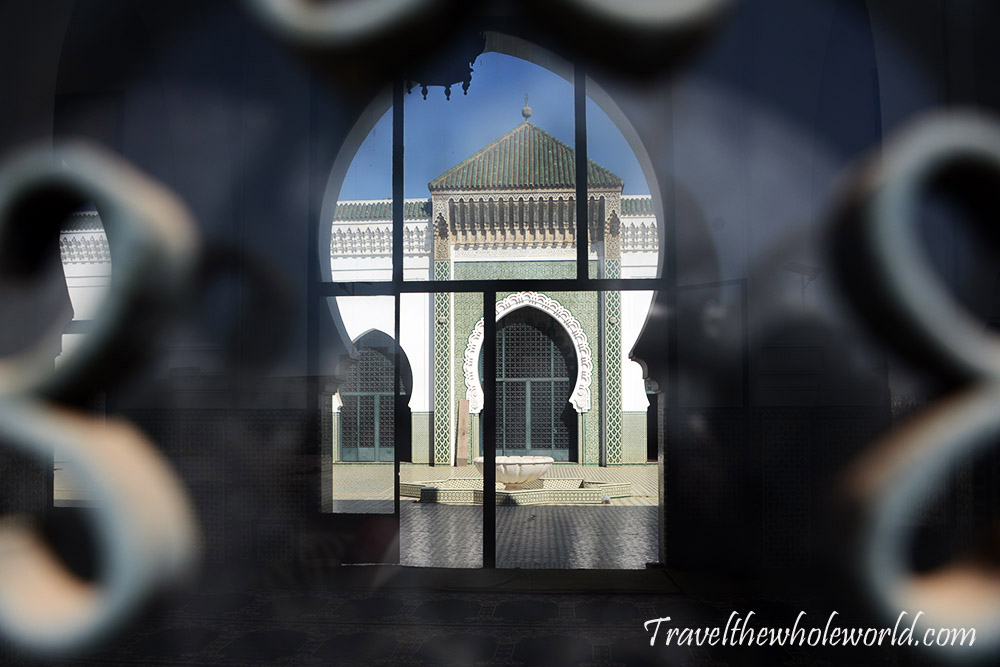
The mosque wasn’t open to visitors when I arrived, so I walked around the grounds and looked through some of the open windows and doorways to get a glimpse of the interior. The photo below gives a better perspective of the massive minaret. Its square design particularly stood out to me, since it looked very different from many of the minarets I’d seen elsewhere in the world.
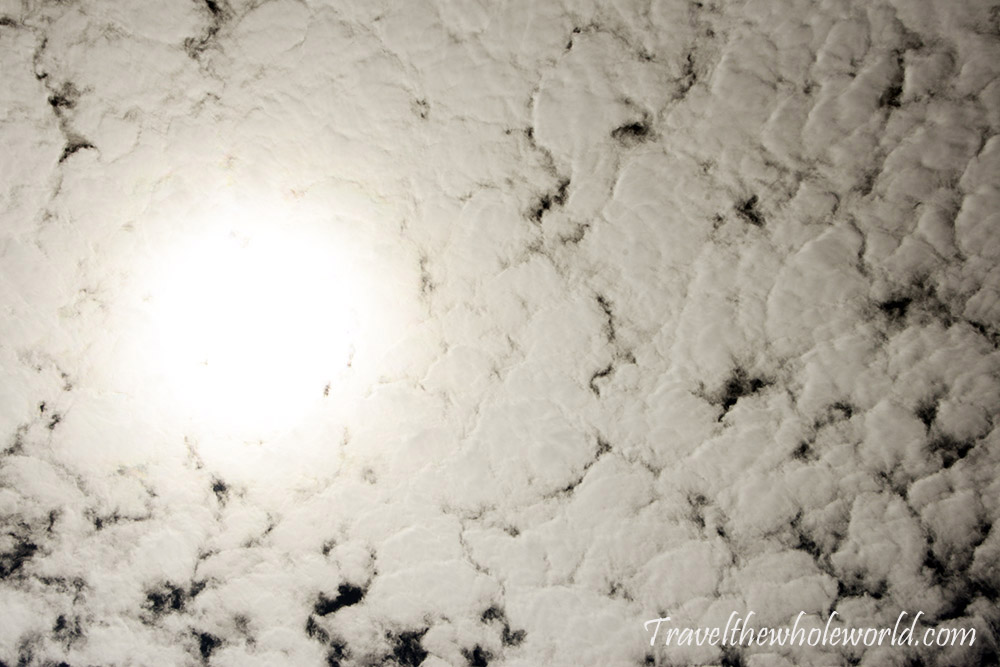
After visiting the mosque, I finally made it to a place I’d wanted to see for years. Lake Retba, better known as the Pink Lake, became famous for the unusual color its water can take on. The intensity of the color varies considerably depending on conditions, including sunlight, rainfall, temperature, and the concentration of microorganisms in the water. Unfortunately, I arrived under slightly overcast skies, so I didn’t get the brilliant pink color I’d seen in photographs.
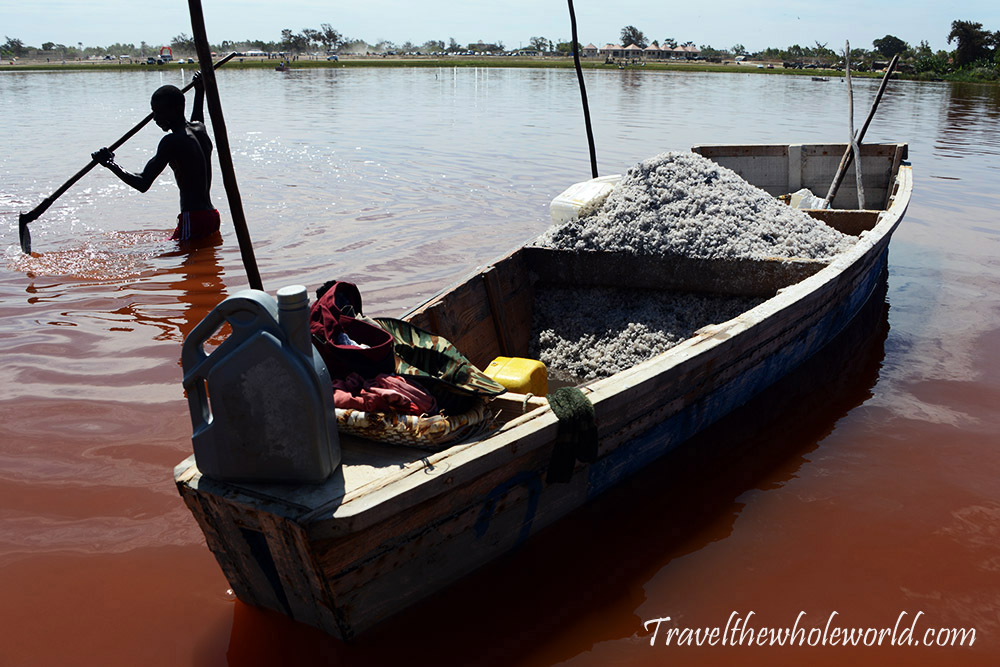
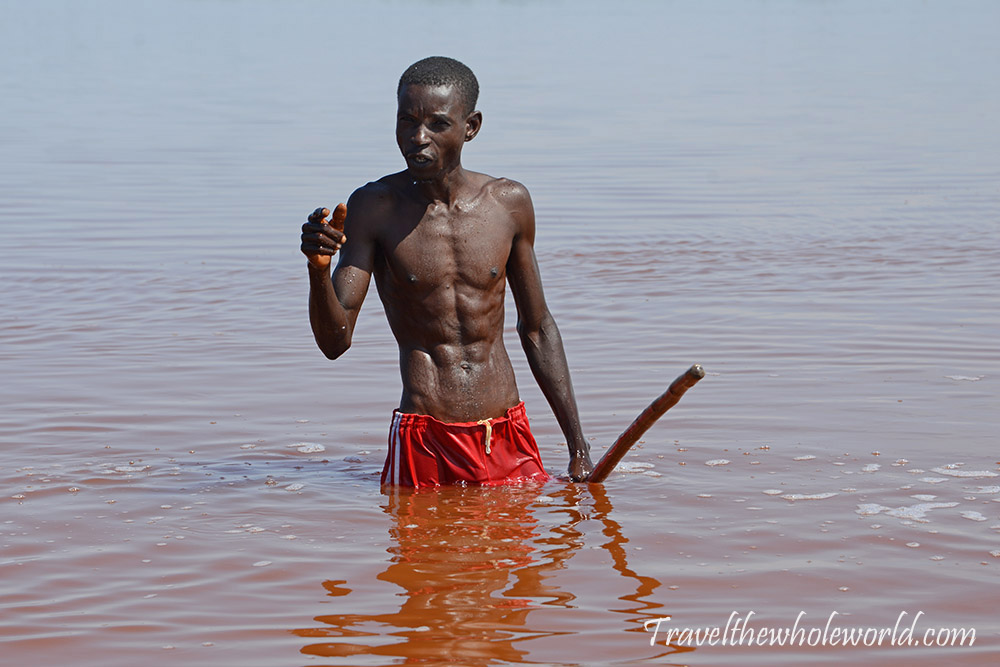
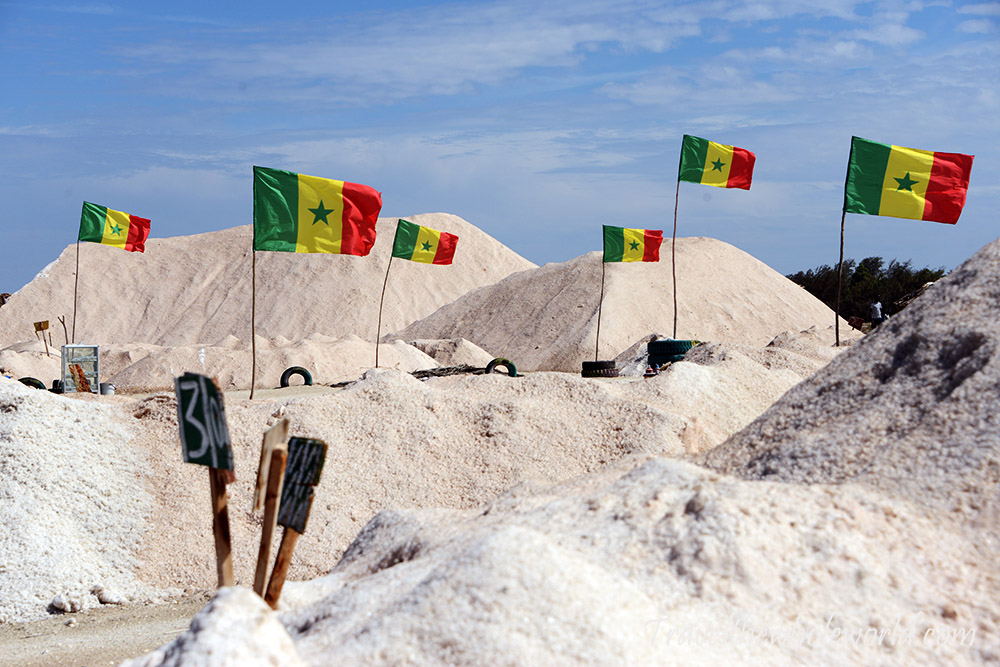
Even without its famous bright pink color, Lake Retba was fascinating. Its extremely salty water has supported a local salt-harvesting industry for generations. Every day, workers head onto the lake to collect salt from the bottom, bring it ashore, and add it to the enormous piles surrounding the water.
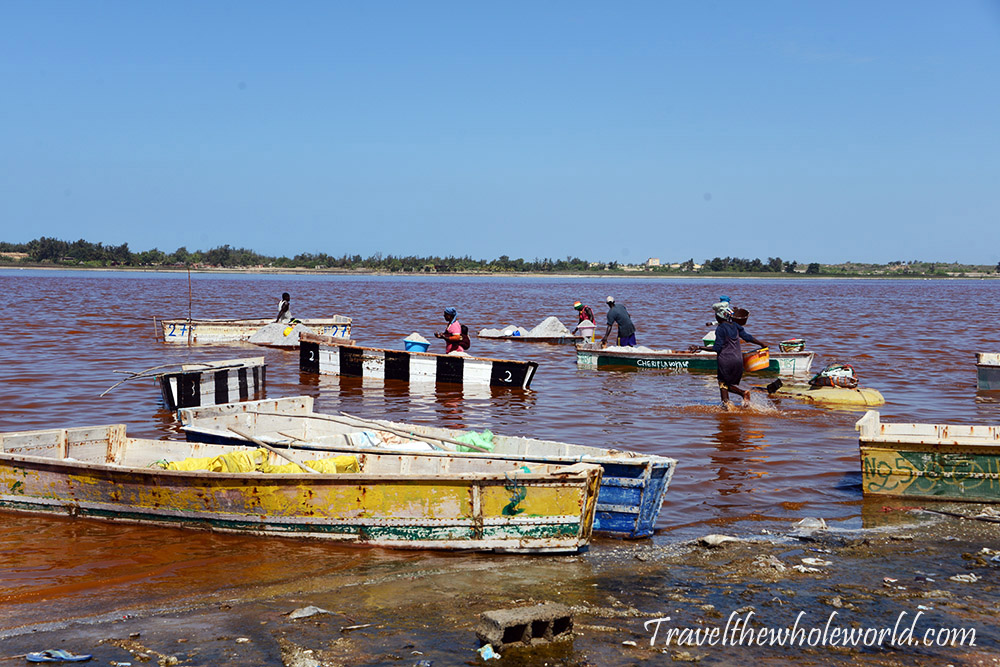
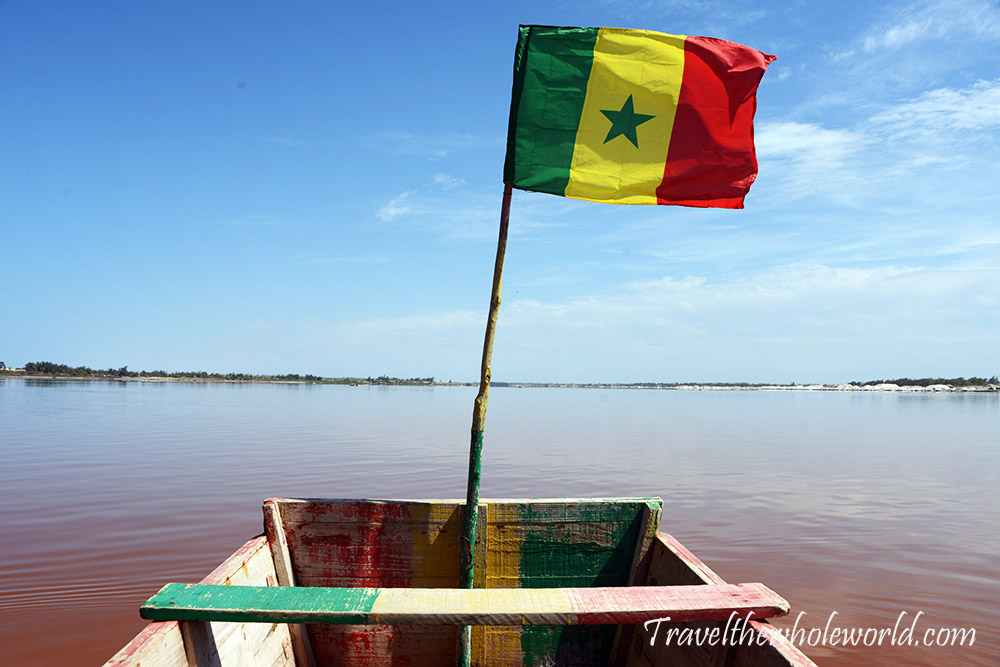
While some people were hard at work collecting salt, others took visitors like me onto the lake by boat. You could arrange a longer ride, but about 30 minutes was plenty of time to get out onto the water and see the activity up close. One thing that surprised me was how shallow the lake was. Even near the center, I watched people standing and working in water that barely reached their waists.
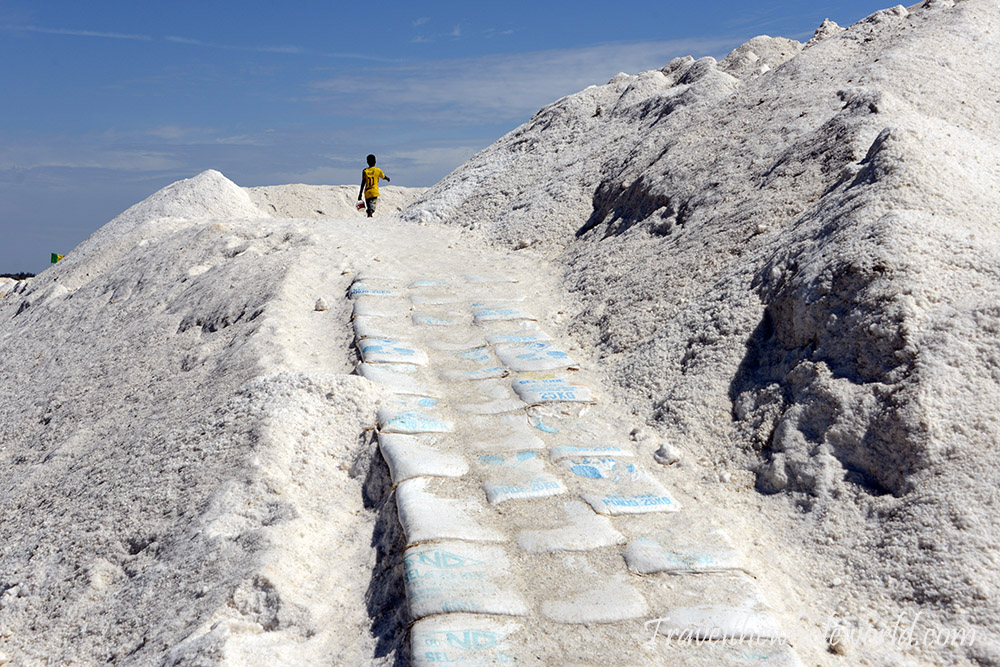
After returning to shore, I walked around the lake and eventually reached the areas where the harvested salt was stored. The boy above was climbing one of the enormous piles, and seeing these mounds in person really put the scale of the operation into perspective. What impressed me most was how much of the work was still being done manually, from collecting the salt to moving it across the lake in simple boats.
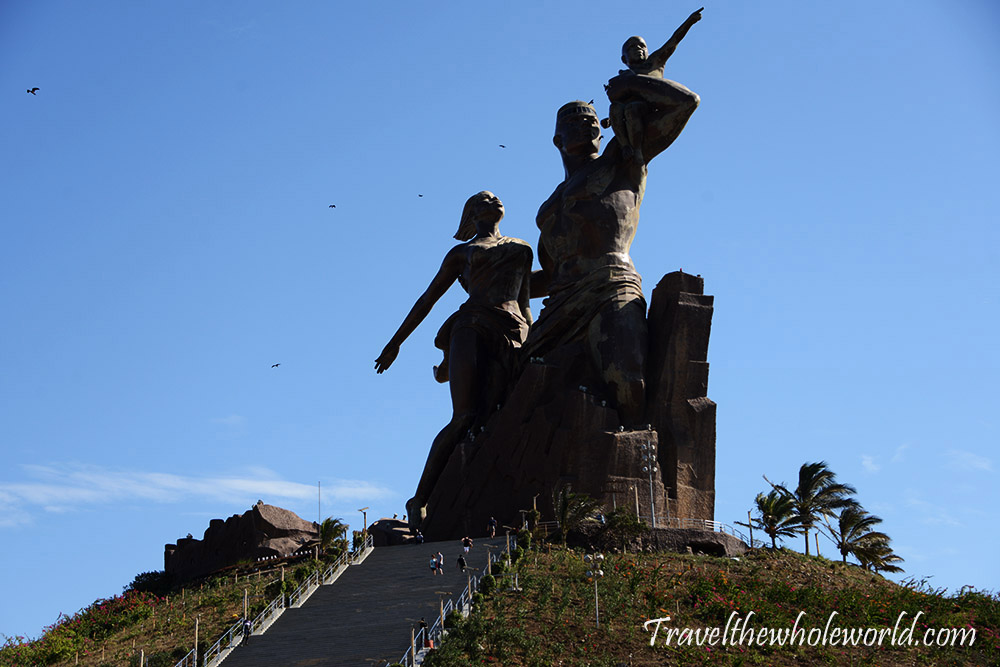
I’d known about Lake Retba for years before my trip, but I hadn’t heard of the African Renaissance Monument until I arrived in Senegal. The enormous statue towers over Dakar and was built as a symbol of African independence, strength, and renewal. Its construction also generated plenty of controversy, particularly because of its cost, its North Korean construction company, and disagreements over its design and the distribution of revenue from visitors. Regardless of the politics surrounding it, the monument is impossible to miss and has become one of Dakar’s most recognizable landmarks.
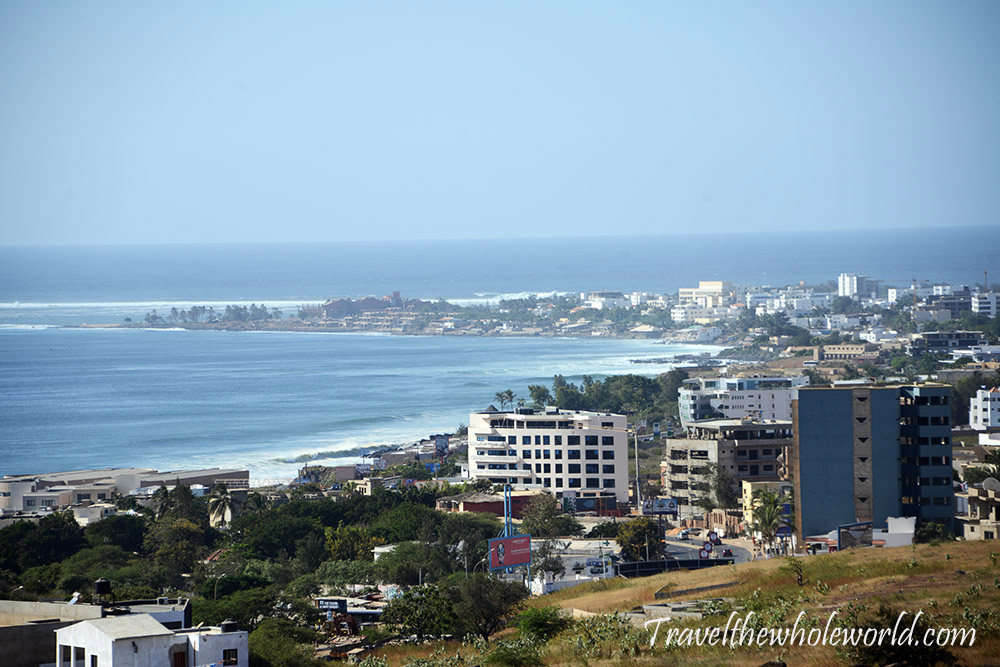
One evening I walked toward one of the nicest parts of Dakar. Known as Les Almadies, this neighborhood sits at the western edge of the Cap-Vert Peninsula and near the westernmost point of mainland Africa. From a distance I could already see that it was a beautiful part of the city; I actually took the photo above while visiting the African Renaissance Monument. Les Almadies has some of Dakar’s best restaurants, nightlife, and accommodations, and I even passed the U.S. Embassy while exploring the area.
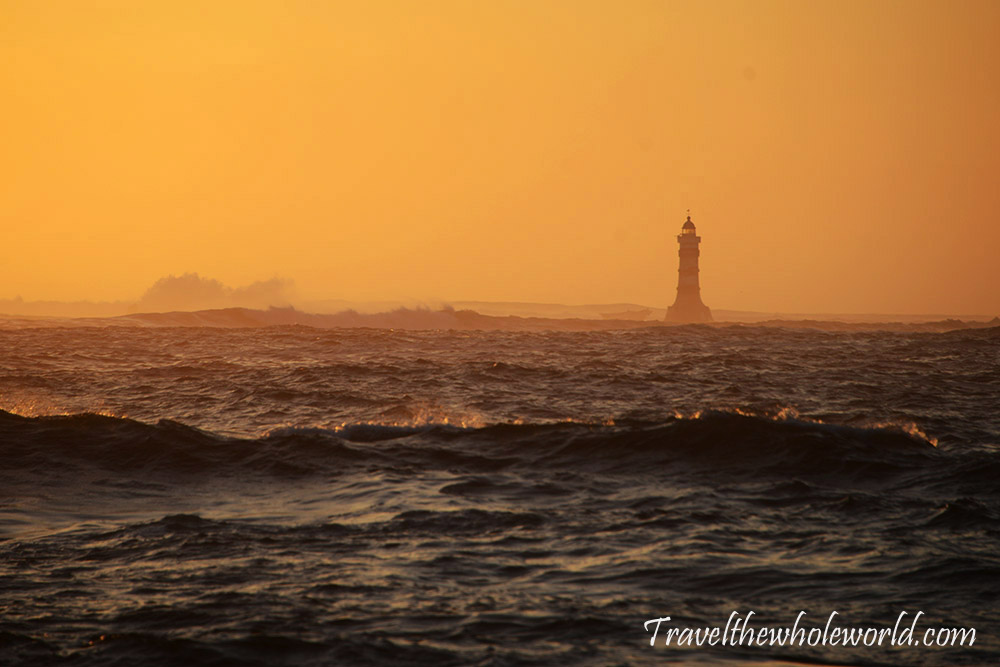
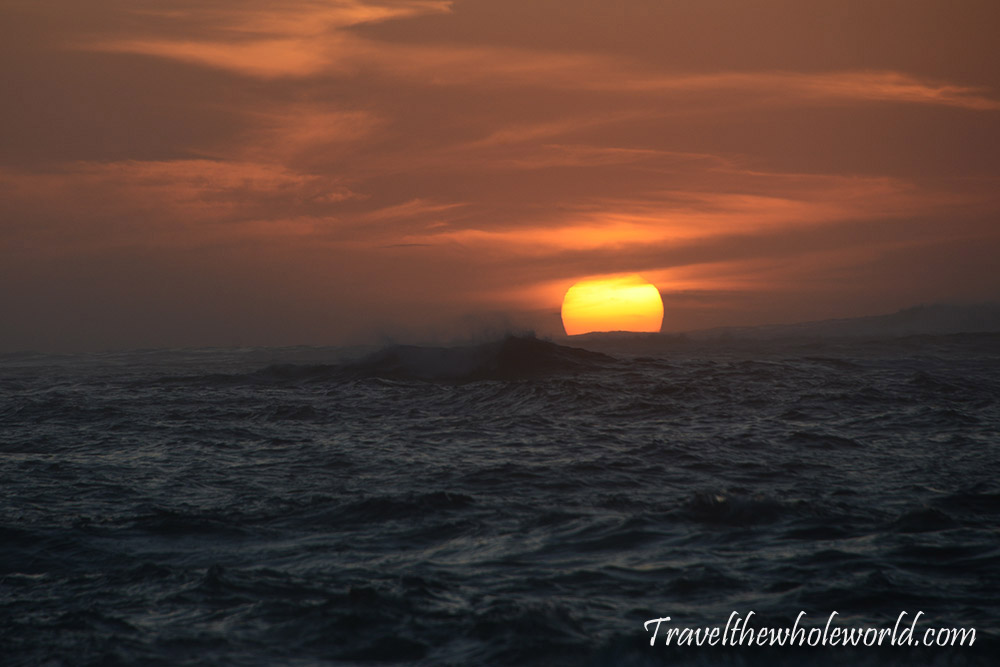
When I finally reached the western edge of the African mainland, I found rough seas, strong winds, and one of the most beautiful sunsets I’d ever seen. I sat along the rocky coast beside a Senegalese man and we started talking. Somehow we discovered that he had once lived in the United States only about 12 miles (20 kilometers) from where I lived. Talk about a small world! We had a great conversation while watching the sun go down, and from there I took these final two photos. Above you can see a lighthouse in the distance, while below the sun disappears behind the crashing Atlantic waves. It remains one of my favorite memories from my travels in Africa.