El Chaco
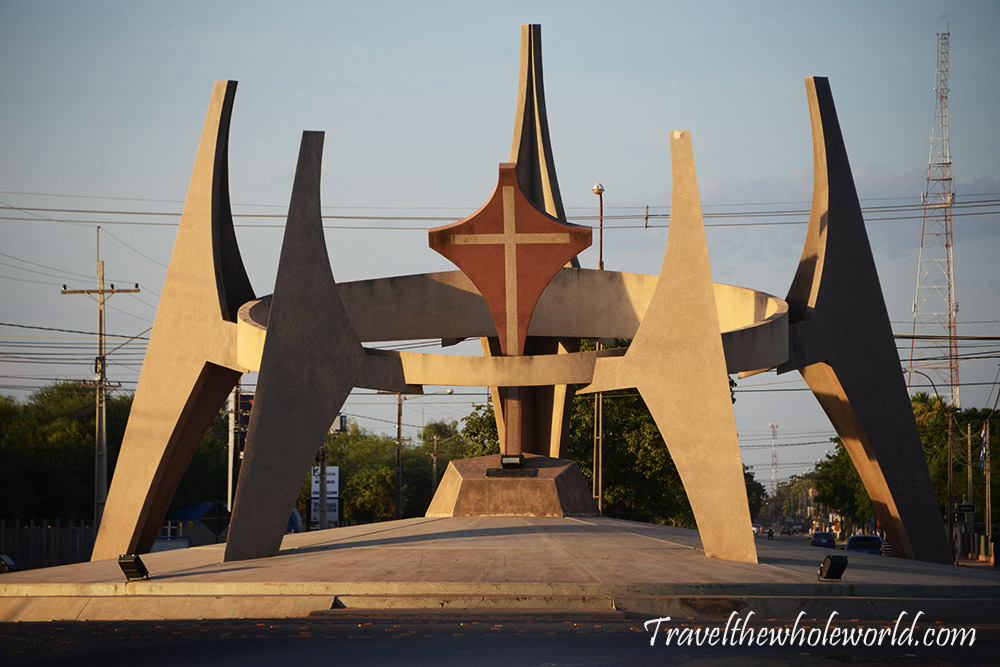
El Chaco is a large swath of land that makes up the entire western region of Paraguay. To some travelers this could specifically mean El Chaco national park or simply any wilderness within the country. It seemed to me that most Paraguayans regard it as anything a few hours west of the capital. While there aren’t any official borders for El Chaco, most seem to agree that the town of Filadelfia is the true beginning. Photographed above was Filadelfia’s entrance, which was more prominent than I would have expected.
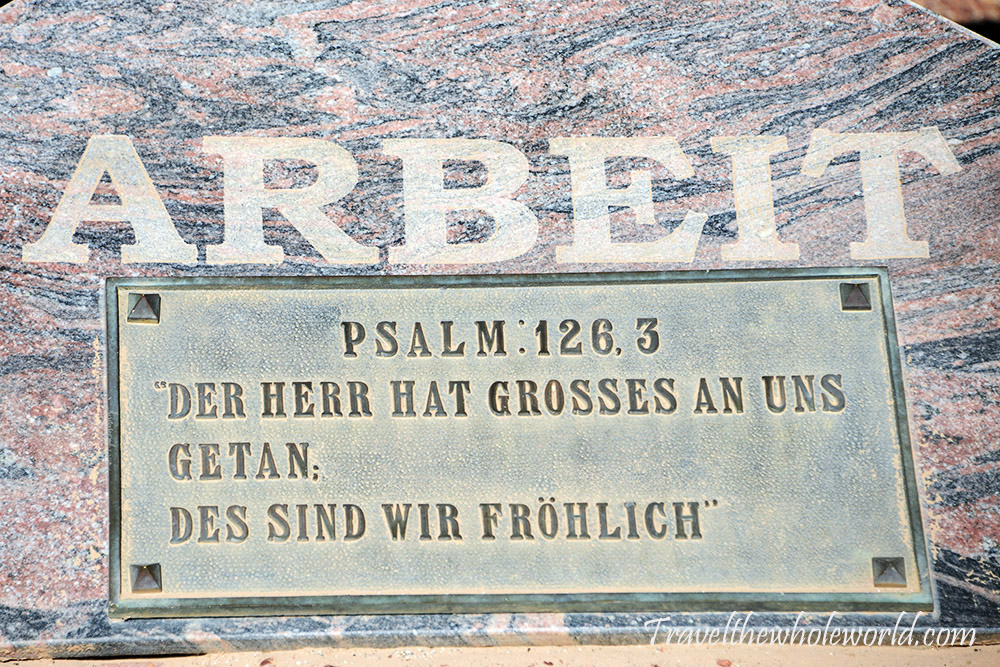
It’s probably hard to say Filadelfia without thinking of the United State’s own Philadephia. Just like Pennsylvania was settled by Europeans, so was western Paraguay! Mennonites traveled here and established the town in the 1930’s, so it wasn’t even a 100 years old when I visited. The photo above shows a memorial written in German in the heart of the city.
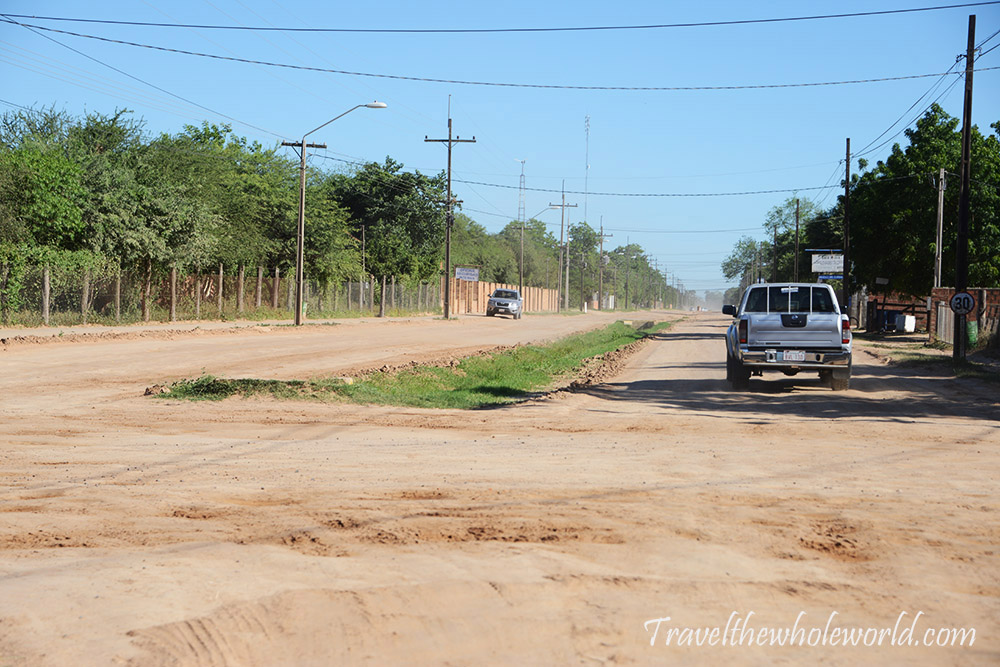
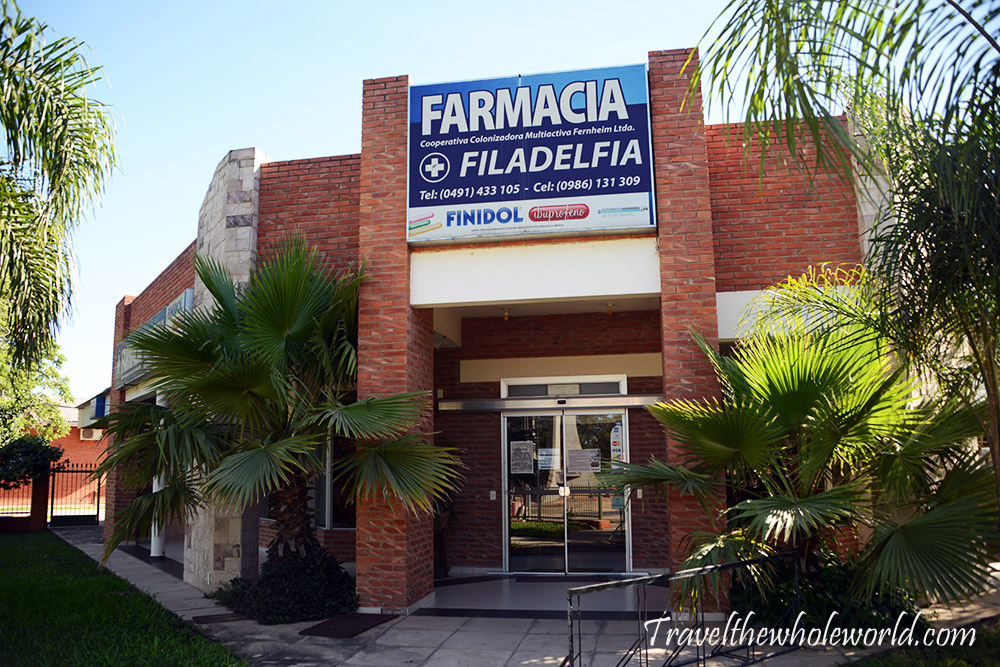
Although there are some 20,000 people that live here and it’s the biggest town for hours in all directions, there isn’t much going on in Filadelfia. When you look at a map of Filadelfia, it looks misleadingly huge. There are lots of streets arranged in a grid like pattern as if you’re in a major city, but when you drive through it looks more like this photo above! By the memorial there was a small strip of stores of which I photographed the pharmacy below.
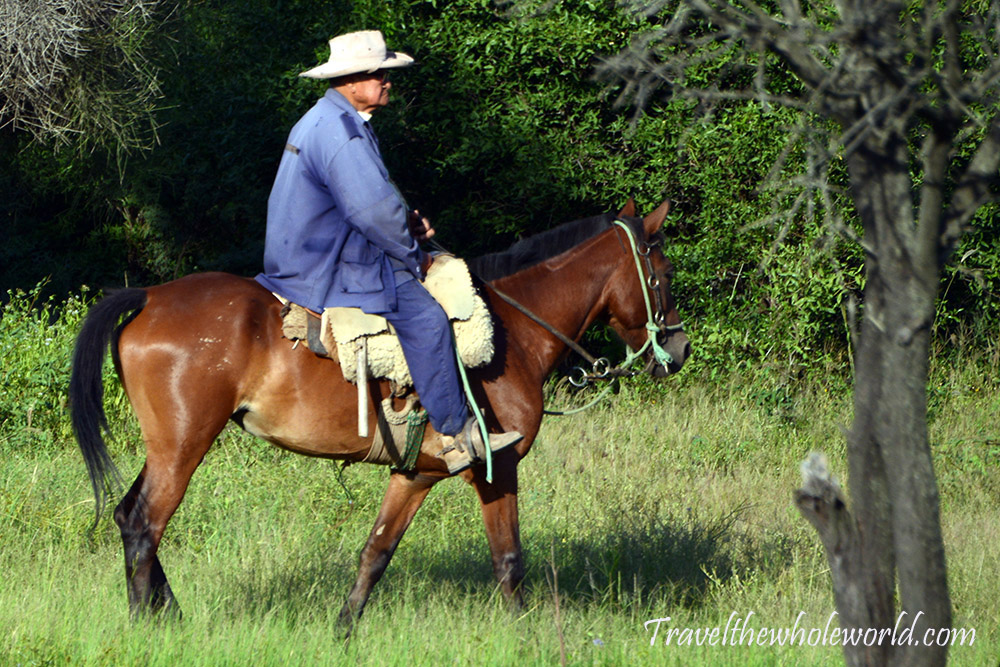
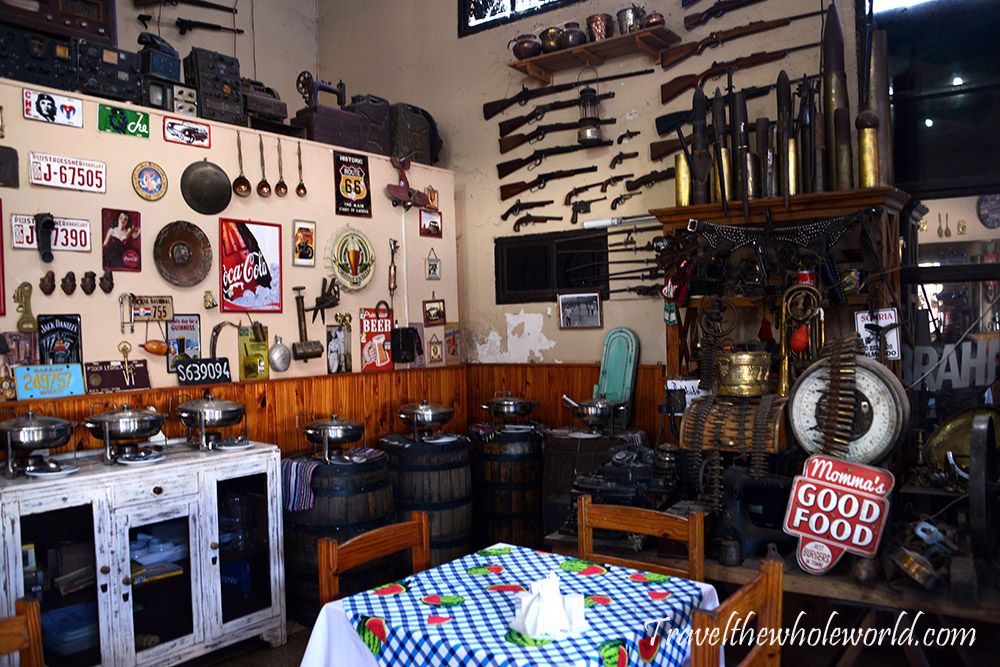
El Chaco very much seemed to be Paraguay’s own Wild West. The western region of the country is much drier than the east, and like the Wild West it’s remote and known for its rancheros and scorching hot summers. Although the area around Filadelfia is known for being rural, rather than vast expanses of nature most of the land has been converted to farms and ranches. Once you leave town there is little infrastructure, but I find this great restaurant that had kept some vintage items along the highway.
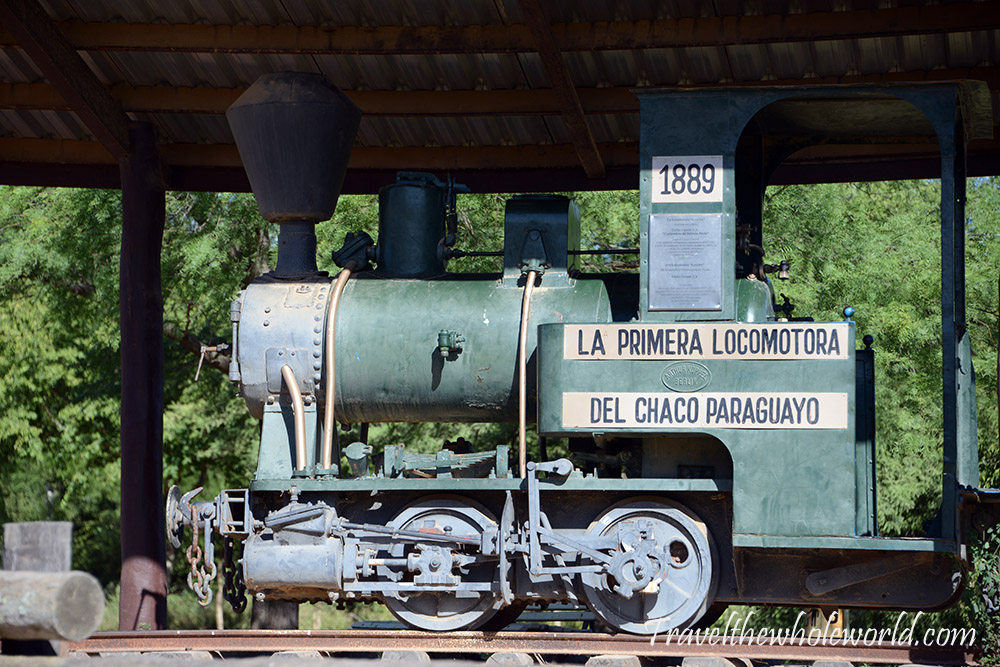
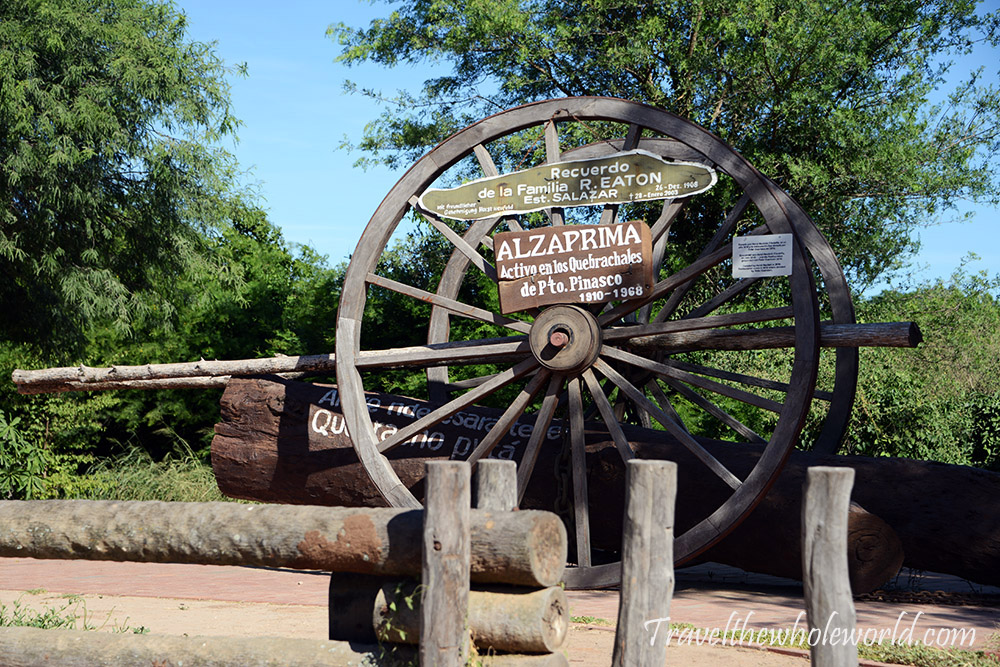
The best thing to do in Filadelfia is visit their museum. I only was able to go to the outside of it since they were closed when I was there, but I hear it’s a great place to learn about the city and the greater Chaco region. The small train above was actually the first locomotive in El Chaco dating back to the 1800’s. The wagon was surely used by the Mennonites, and I assume it was decades older since they didn’t settle here until the 1930’s.
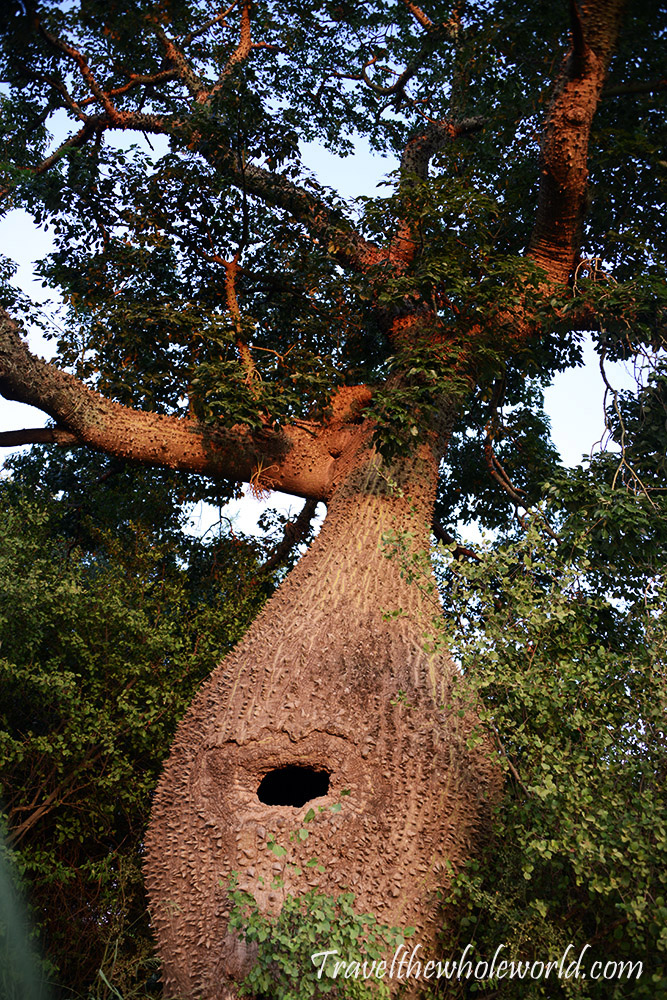
Now to the good stuff! I clearly didn’t do a great job photographing the culture of El Chaco, but it’s always hard to get pictures of locals without being offensive. I’d love to have met some Mennonites and learned about their way of life, but of course that’s hard to do as a traveler. So my main reason to visit El Chaco was to see their wilderness. These weird spiky trees which began in Filadelfia and spread through El Chaco were one of my first pictures I took. It’s hard to tell in the photo above, but that tree had a giant hole that one or two people could sit inside! The tree below looked to be of the same species but was much smaller.
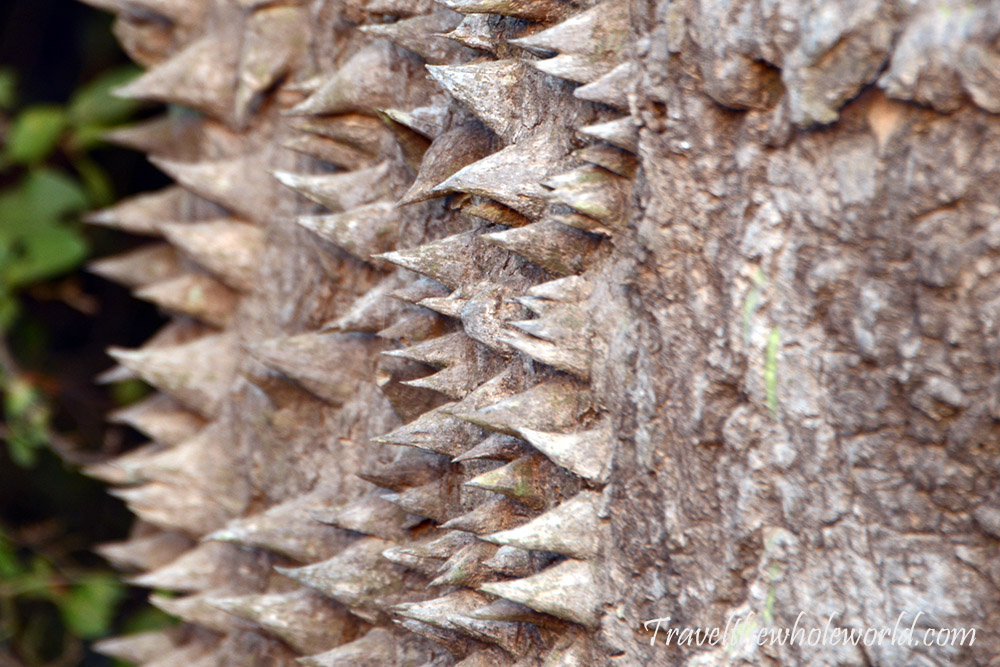
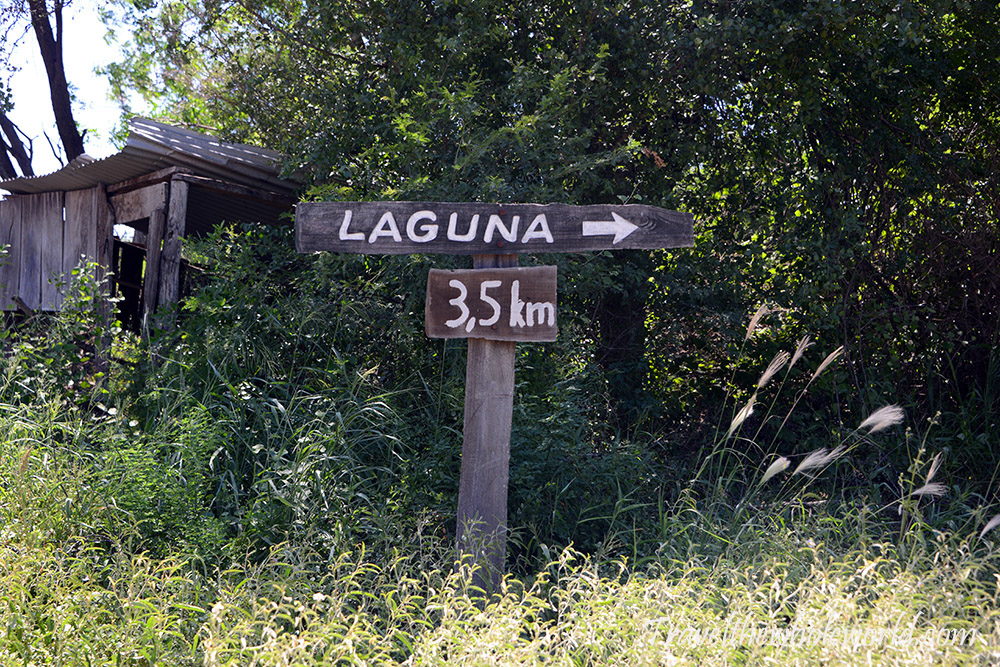
When I visited El Chaco it was just turning into summer. The locals in Asuncion warned me it’d be ridiculously hot. While it was definitely hot it wasn’t yet worse than anything I’d experience back home in a Virginia summer. I had really wanted to visit El Chaco national park, but since I had already done a lot of driving from Asuncion and Filadelfia was only the halfway point I decided to visit places just a few hours away instead. One of the best places to see are some local salt lakes that have several hiking trails and is known for its bird watching. I started off by hiking off in their trails that led through thick but dry tropical jungle. Something I didn’t expect was various prickly trees and plants along the trail, so I had to be careful.
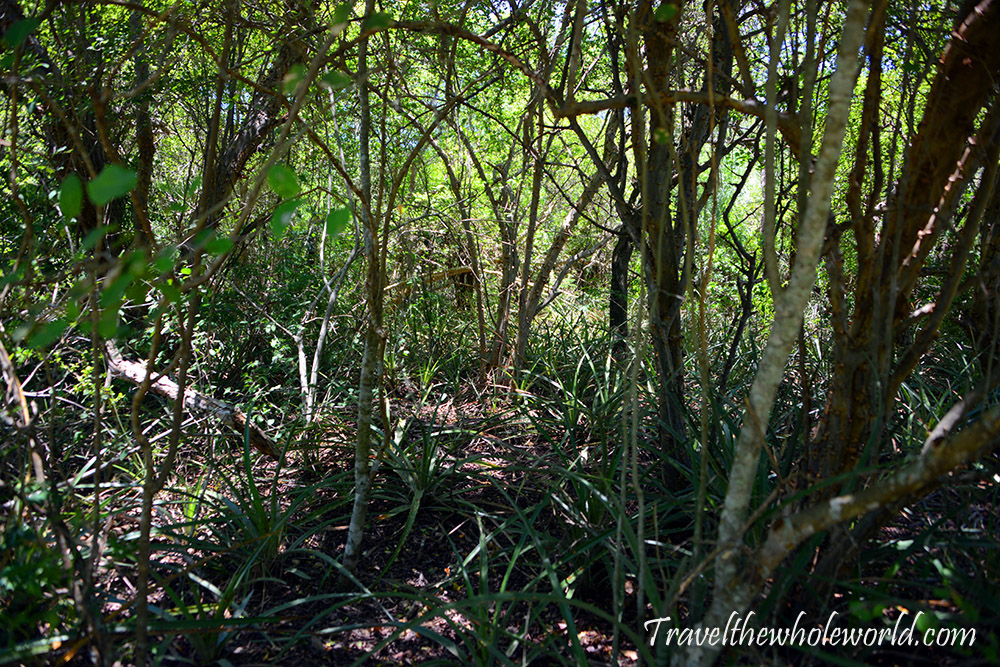
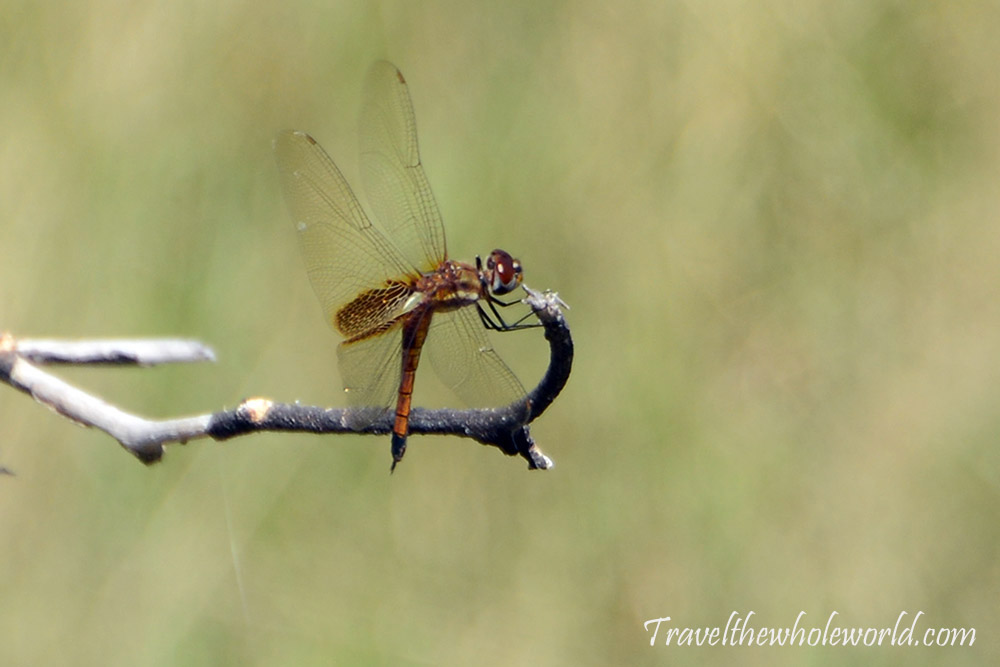
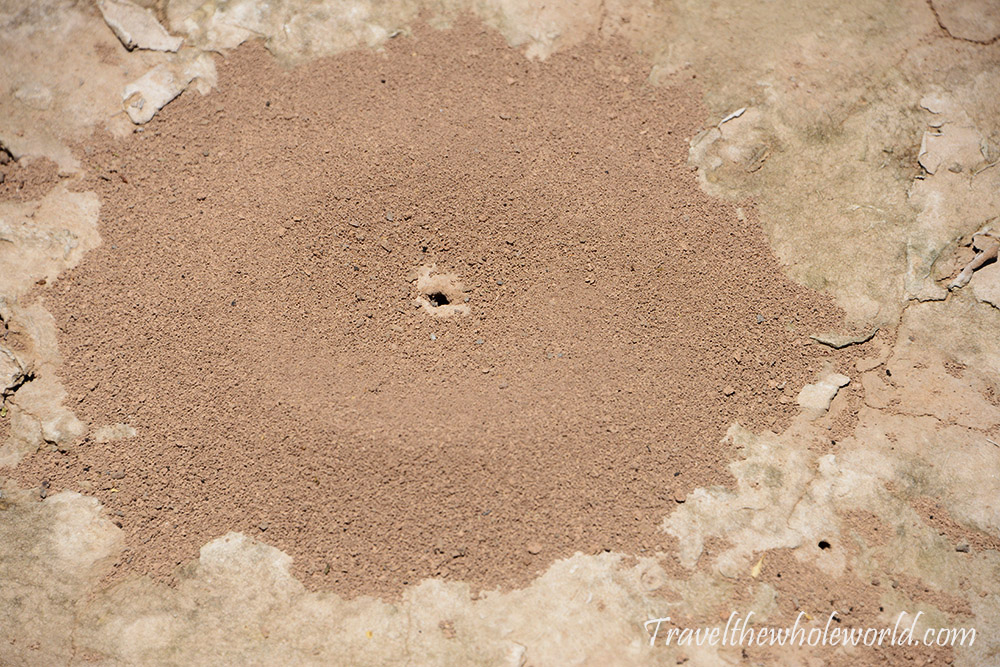
The terrain seemed to be a mix of low lying tropical plants with random patches of dryness. Maybe I got lucky, but I think the drier parts of El Chaco kept away the annoying bugs and I don’t recall being attacked by any mosquitos. The only bugs I saw were things like dragon flies and a few small ant colonies.
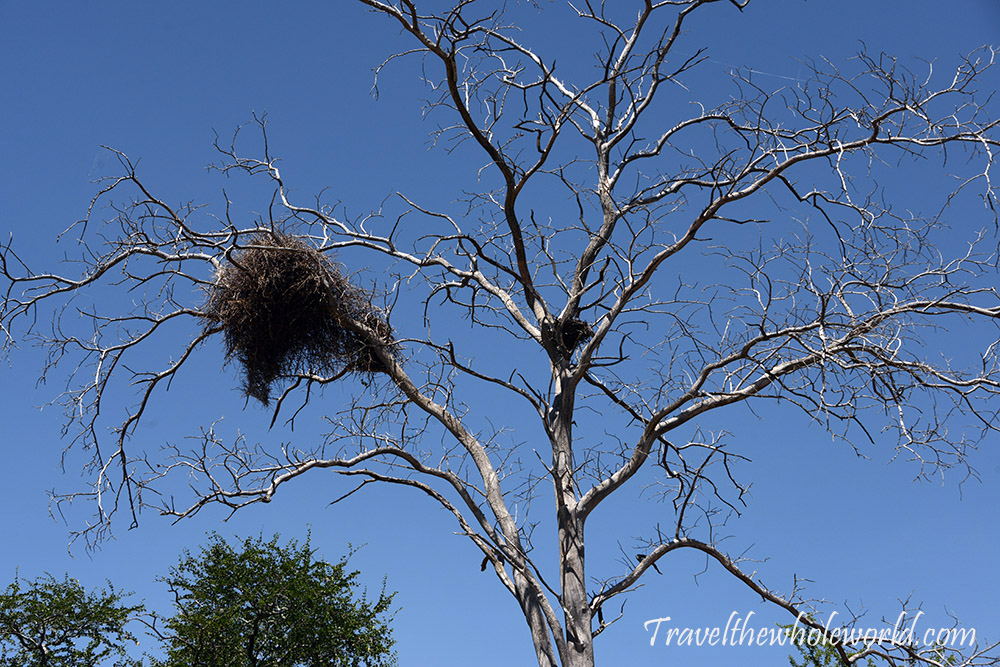
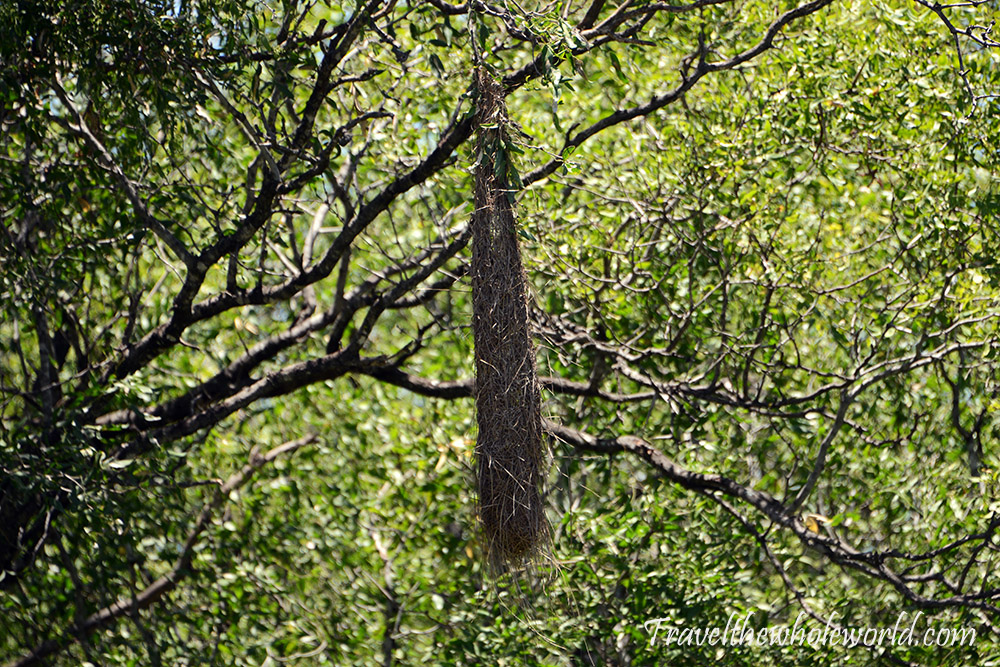
While El Chaco has all kinds of exotic wildlife, it is most famous for its bird watching. Even though the forest wasn’t towering over me like the Amazon, it was still thick enough that it made bird watching difficult at first. I actually saw the bird nests before I found any birds themselves.
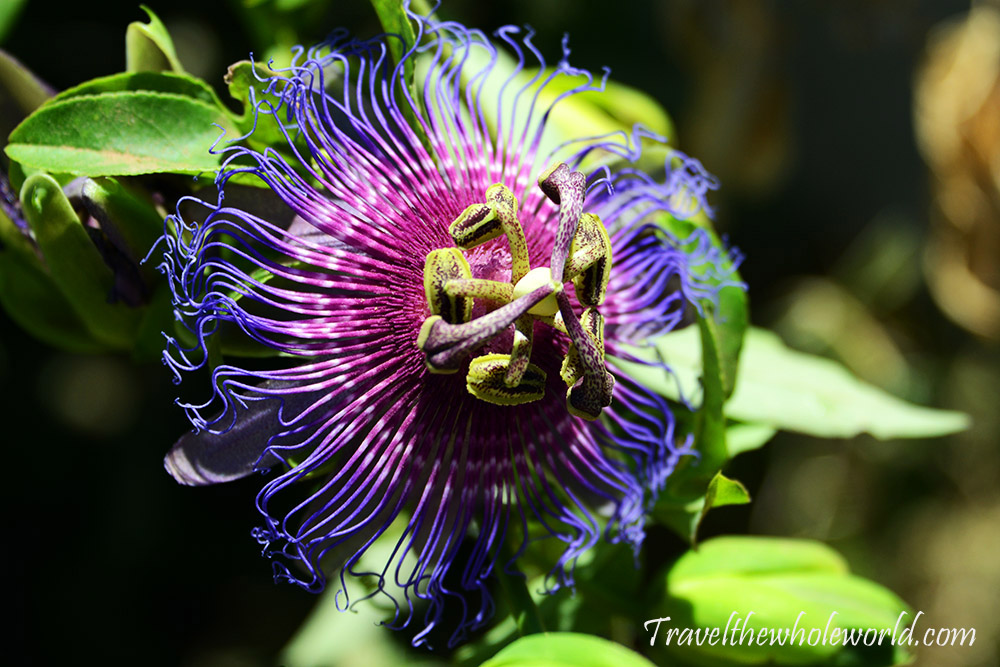
During the hike I also came across what I thought was the strangest flower in the world. As I later found out, this is a beautiful and unique looking flower, but not so rare after all. The passion flower actually exists all over the world, and there are even species native to Virginia where I’m from! Nevertheless I loved this thing regardless, as I don’t remember ever seeing one before.
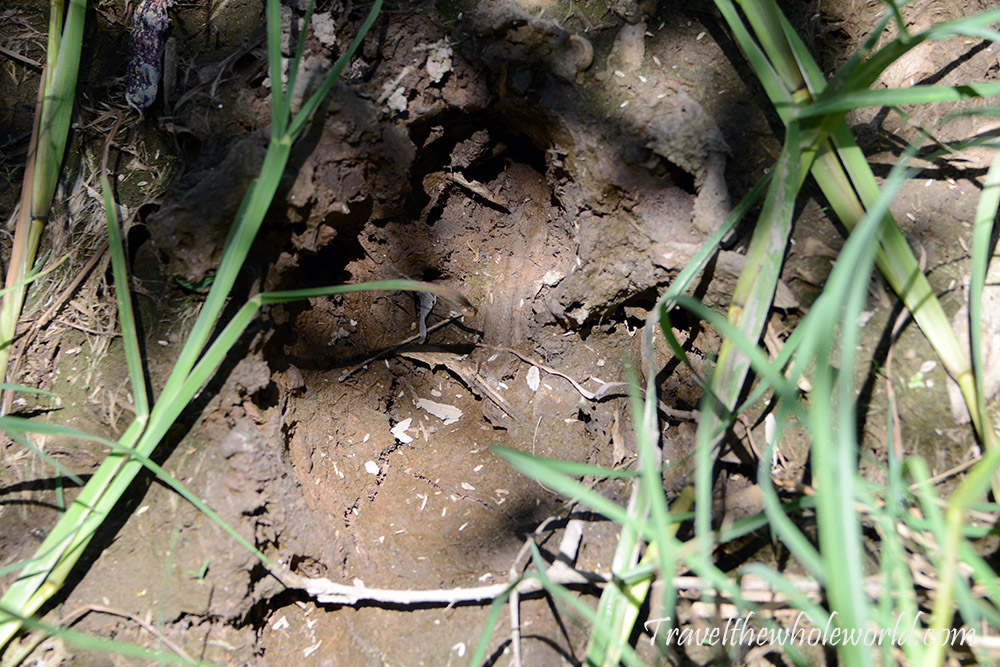
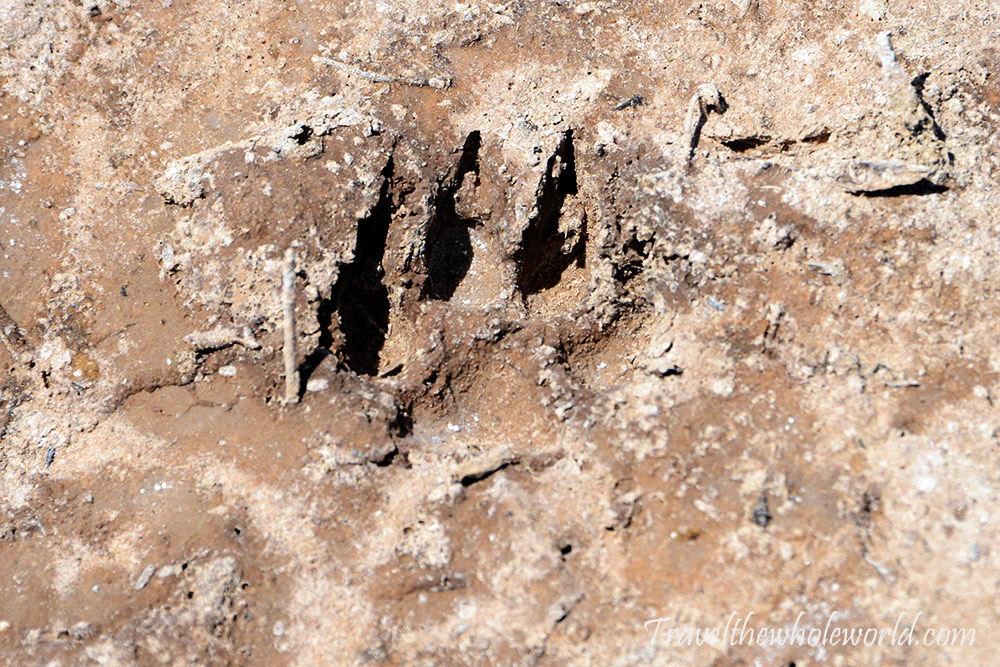
I’ve met many people who visit wildernesses for the first time and they are often disappointed by the lack of animals they see. I’ve never personally had that problem. I’m happy just being in the outdoors and also understand that those animals are doing their job by not being found. I think this region of El Chaco could lead people to disappointment who have high expectations. When I visited I did hope to see the world’s largest rodent, known as the capybara. Of course a jaguar would have been amazing, but even locals who spent their entire lives here are unlikely to have seen one! So while I didn’t see the capybara, I for sure was just behind some. During my hike I came across some muddy terrain where they had left foot prints. Another animal below with sharp claws left these other prints below. I looked up both jaguar and giant anteater prints, which didn’t seem to be either!
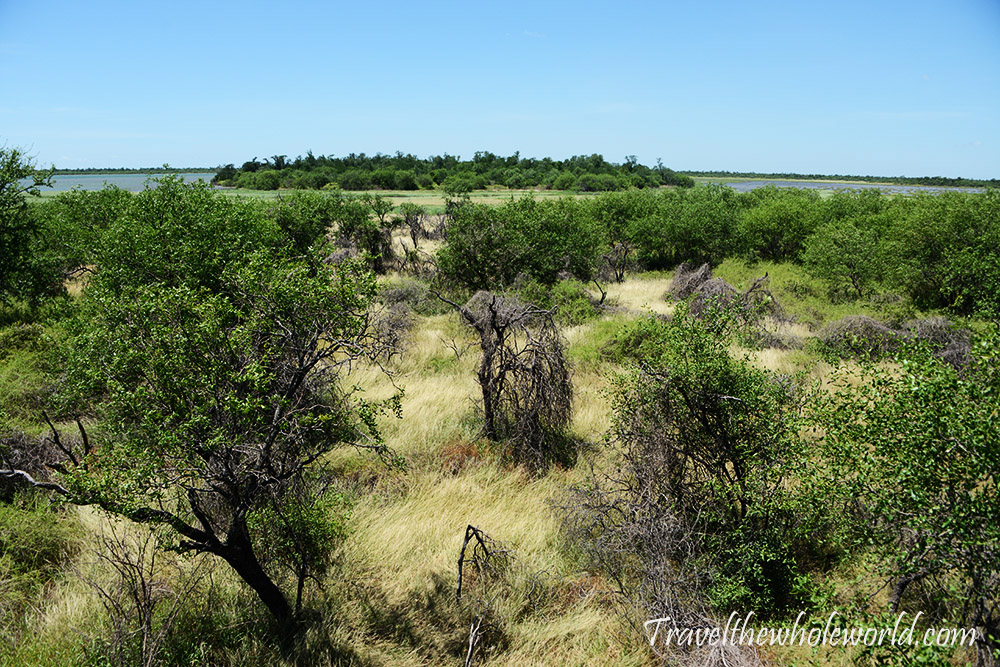
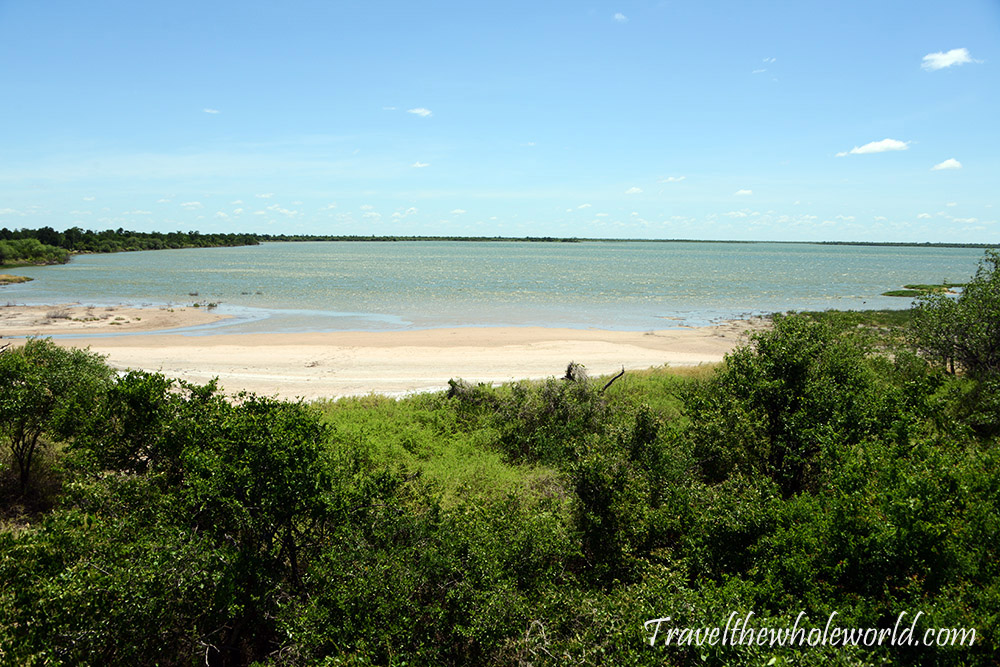
If you’d like you can drive directly to the salt lakes, but I always take a hike when I can. After a couple miles I arrived to Laguna Salada. Even from a distance I could see flocks of nervous birds in parts of the salt lake giving me the eye. The slightest movement made them take off even though I was way too far away to be a threat. These two pictures show some of the scenery around the lakes, where the dry terrain means the salty shores.
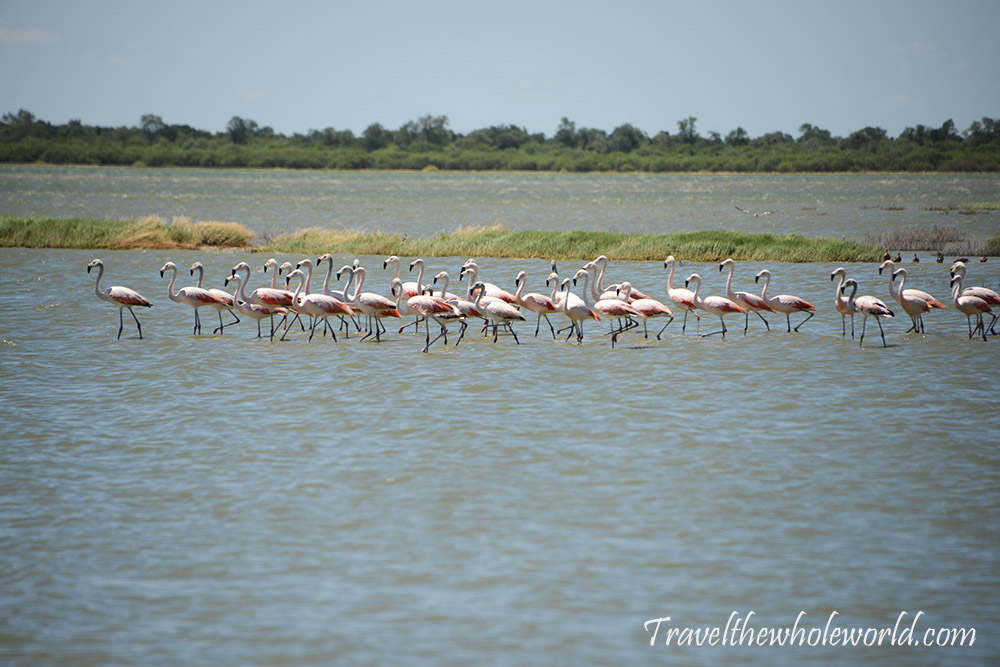
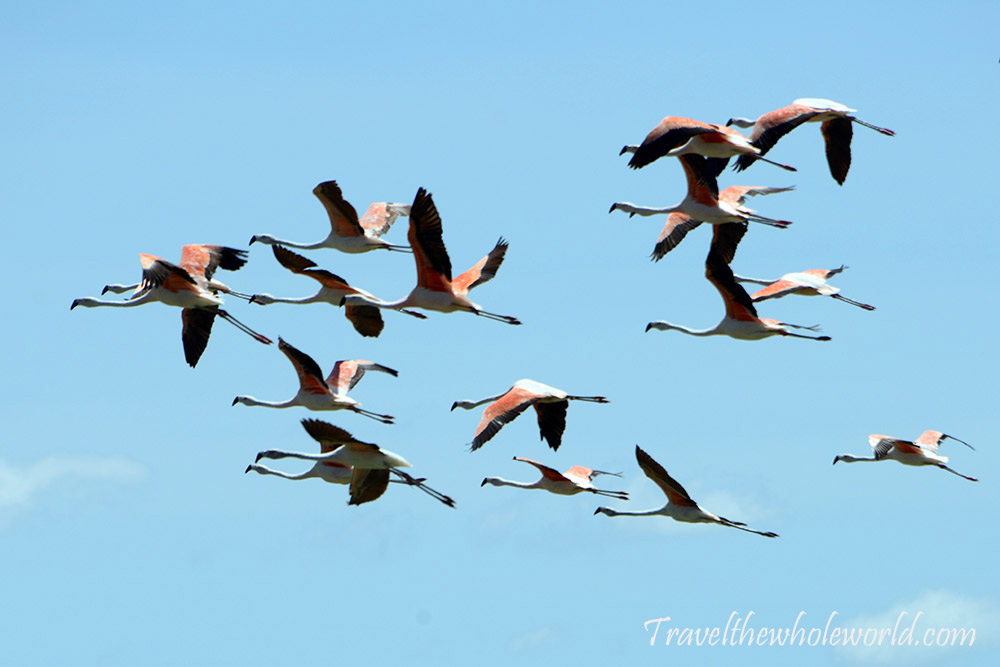
As I got closer the very first flock of birds that I could identify were flamingos. I figured since I spotted them right away they were fairly common. Once these guys took off they never returned. Perhaps I was lucky by catching flamingos at the lake?
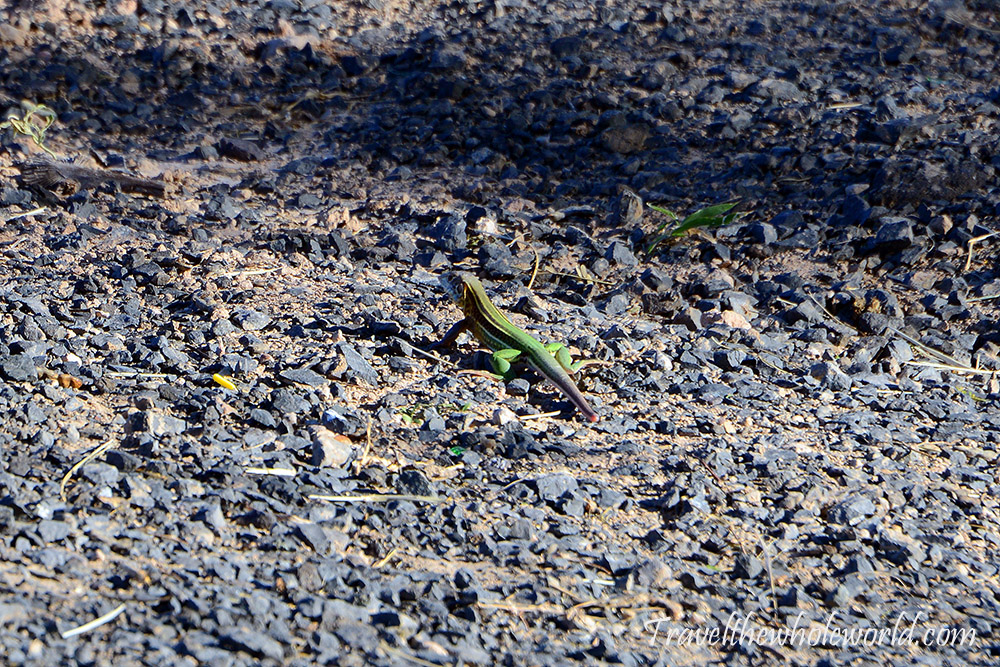
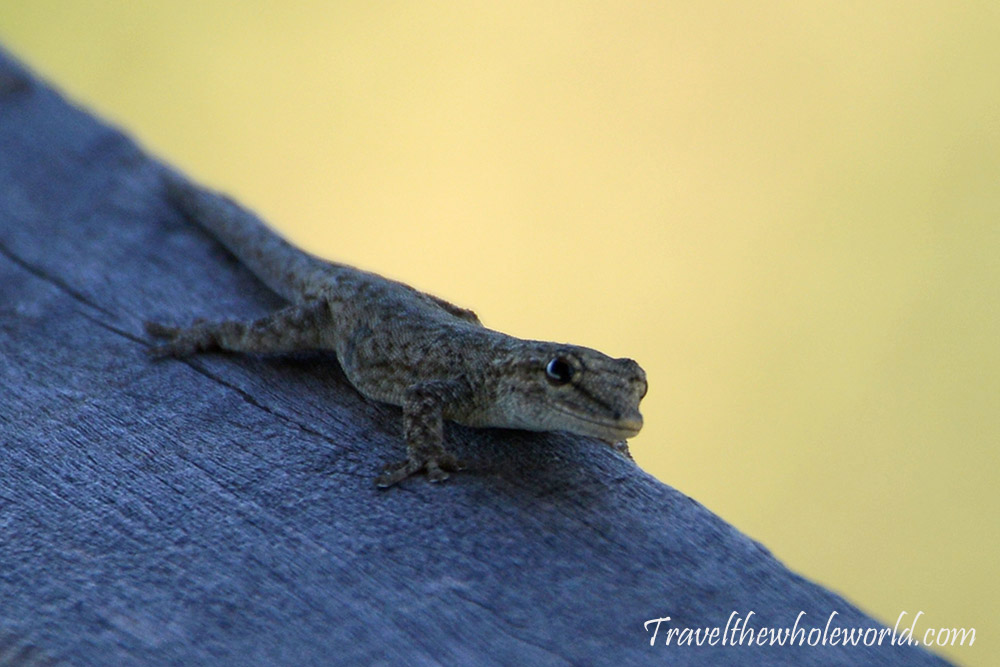
Of course when I hiked I was the only one around, and not a soul was seen in all directions. I had this entire place to myself. I assume since the wildlife was so skittish they aren’t exactly used to visitors yet, which was why it was so hard to spot anything. I was a bit surprised to find a bird watching tower erected by the lake. As I hiked to it I came across this colorful lizard above, and this smaller lizard below that was up on one of the rails.
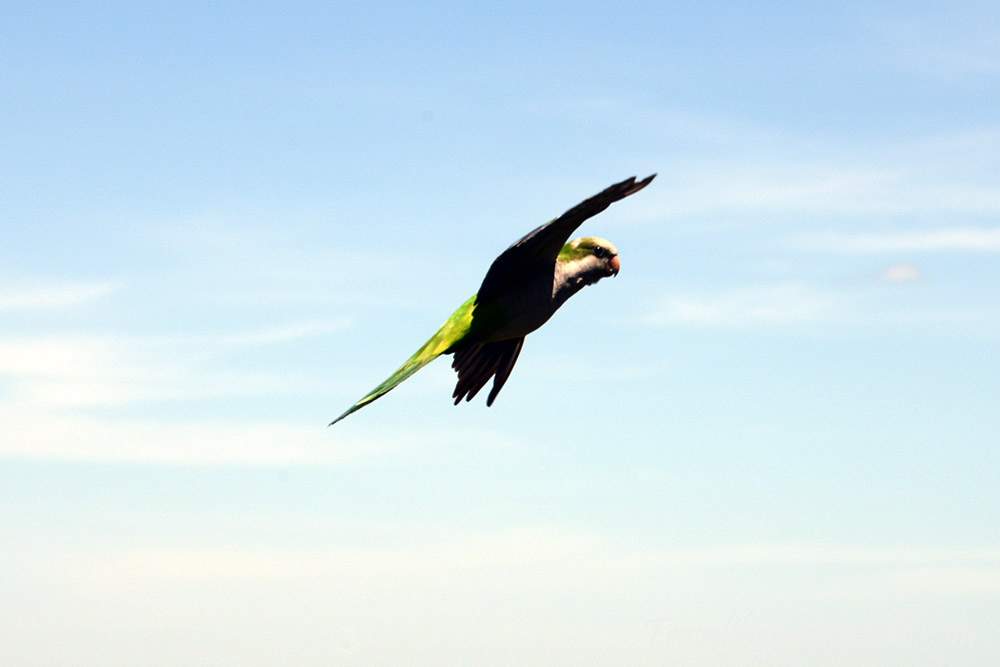
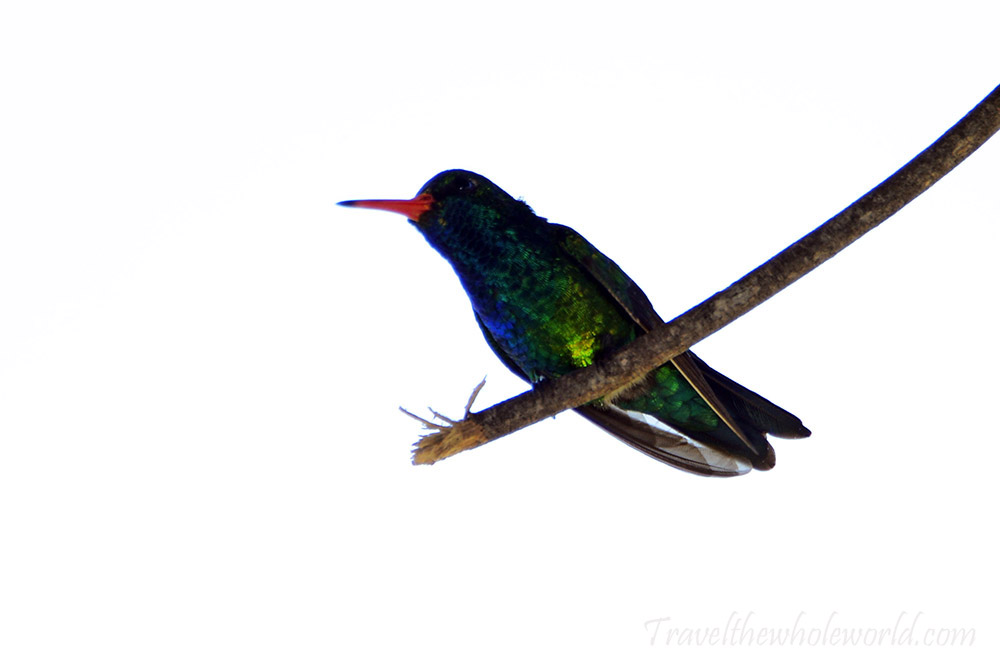
Immediately after climbing the tower I scared away an angry couple of parrots. They had built nests right below the roof and instead of taking off a long distance they hung out in the trees below while screaming at me. I was looking forward to photographing them, so we got to play a game and see who was more patient. After about 20 minutes the parrots gave up and tried to return to their nests while I was still standing by them. They landed and took off a few times to try to test me, which was when I was able to get this picture above. This tiny bird below also visited me while I was on the tower, but it didn’t seem to concerned of my presence.
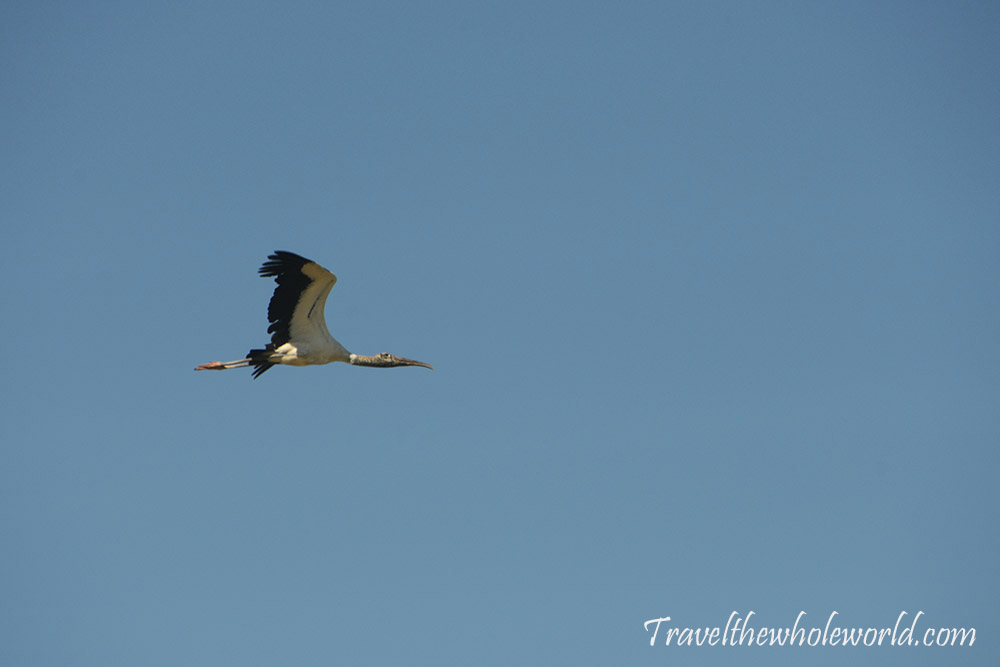
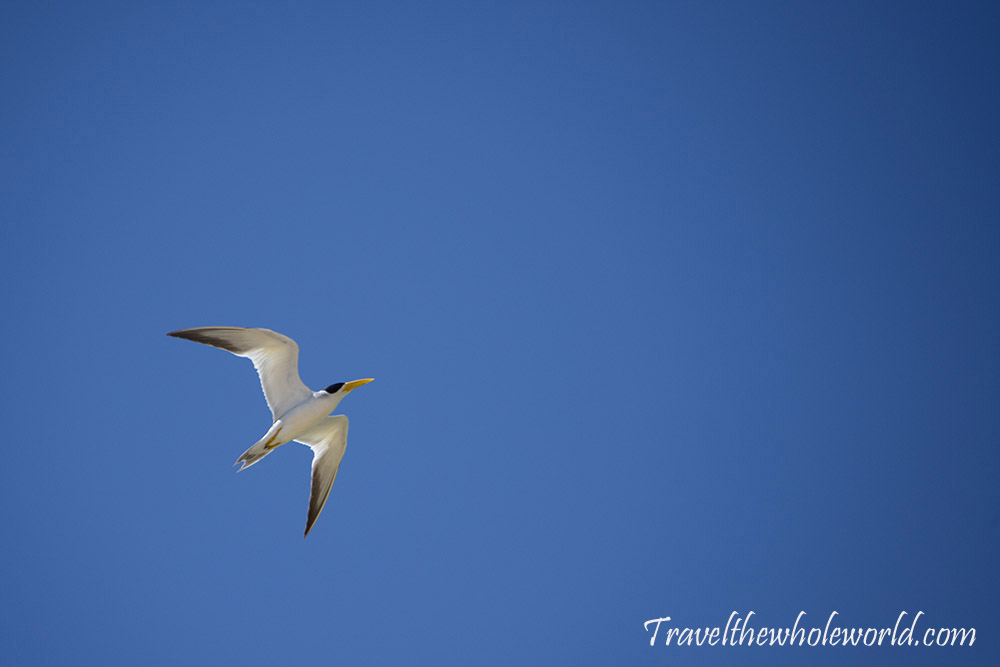
From the tower I got a few flybys like this giant stork and smaller bird below. I really hoped to be able to see some large animals, even if in the distance but it looks like this wildlife trip was all about birds and lizards. Had I been smarter and less lazy, I should have been up at this place at sunrise to increase my chances.
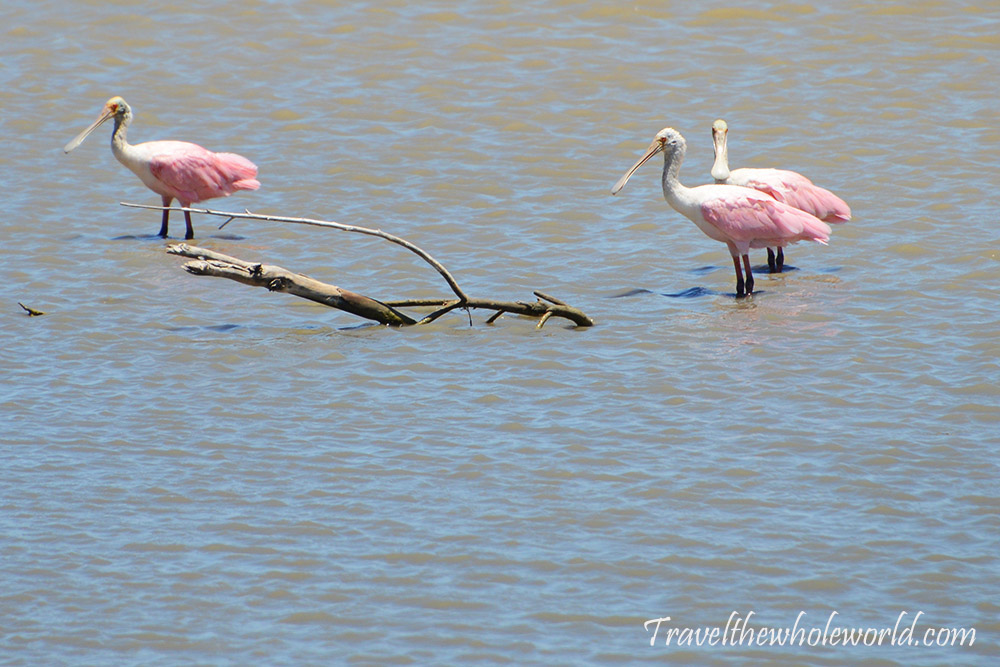
Usually I’m not the best at identifying birds. By chance, I saw this same exact species a few weeks ago in Florida, where I mistakenly named them as flamingos because of their pink color. Luckily someone corrected me and I learned they are the Roseate Spoonbills. I was proud of myself when I spotted them in Paraguay and instantly recognized them for the right species.
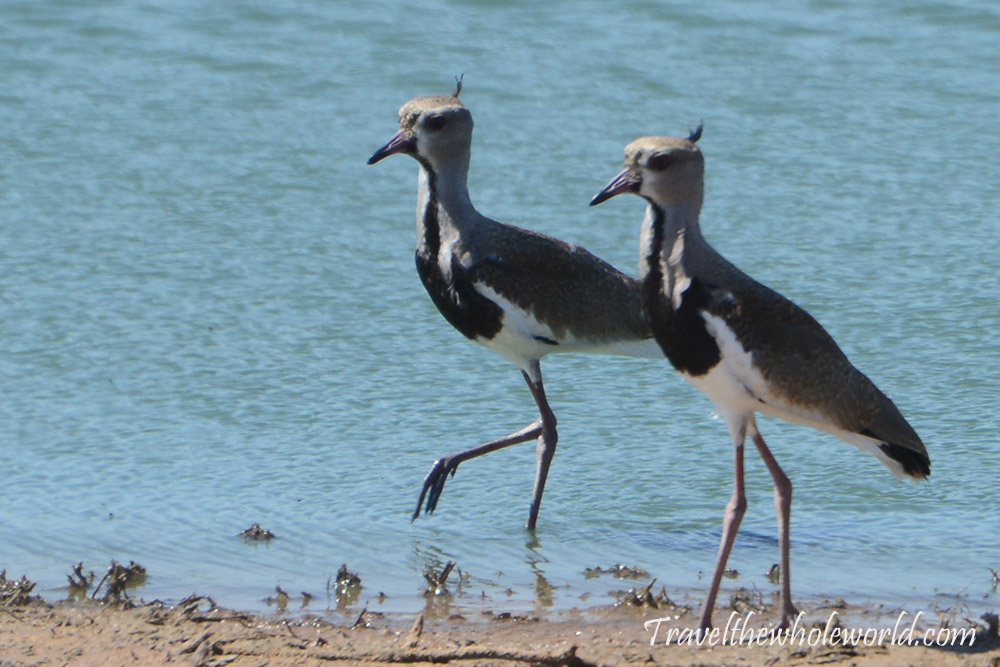
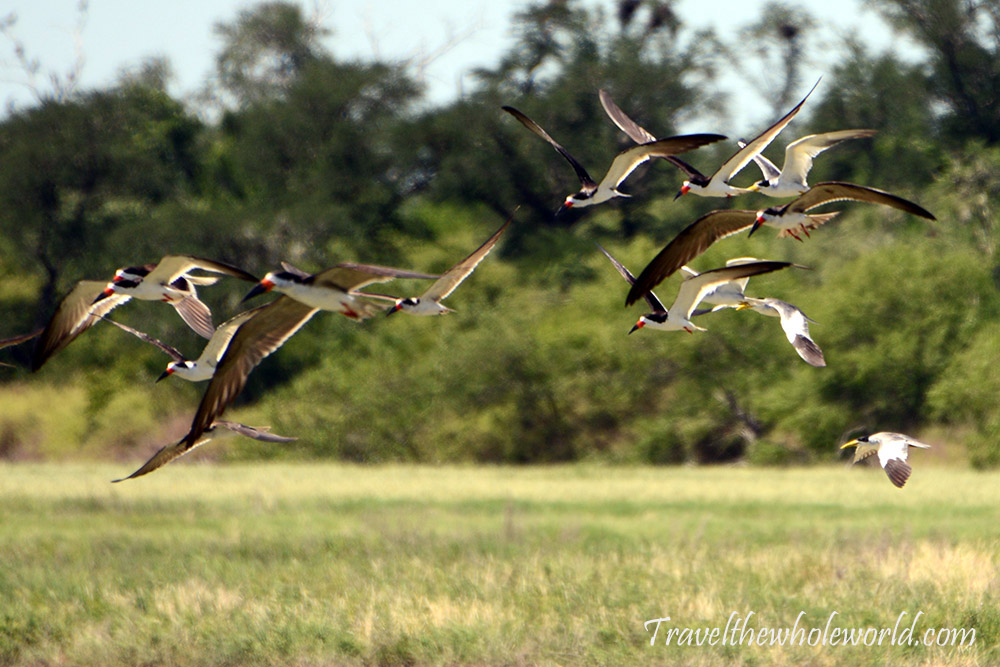
After the tower I went back to the shore and did some hiking along the lake. The mud wasn’t bad but it existed in a few places but was easy to avoid. These birds I had no idea what their species was. I caught the pair fishing along the water’s edge and they didn’t seem to be too shy. The black skimmers below were a different story, and took off without even giving me a chance to get close.
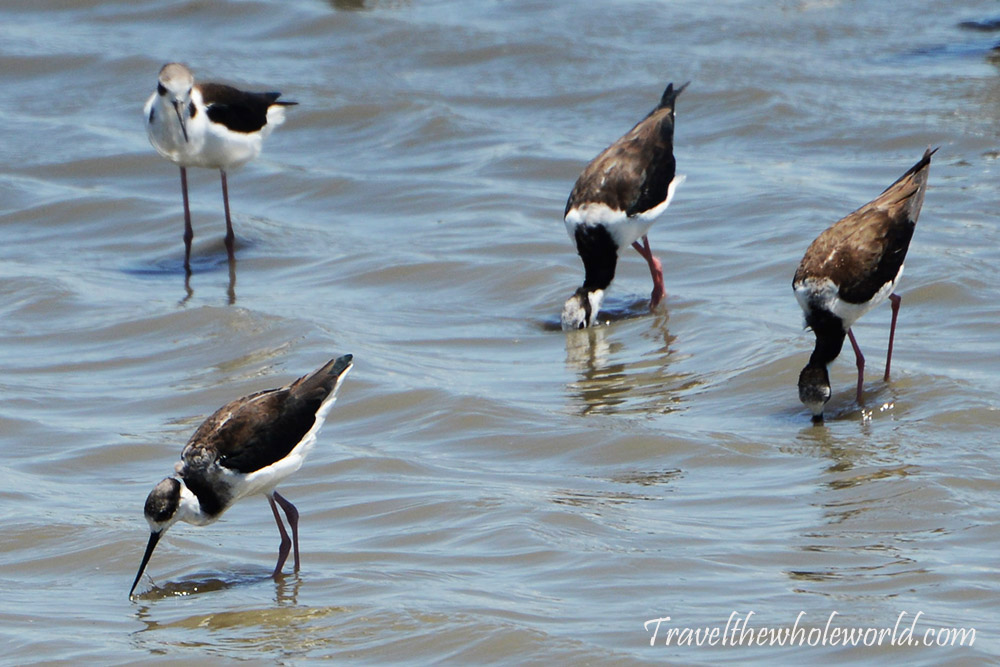
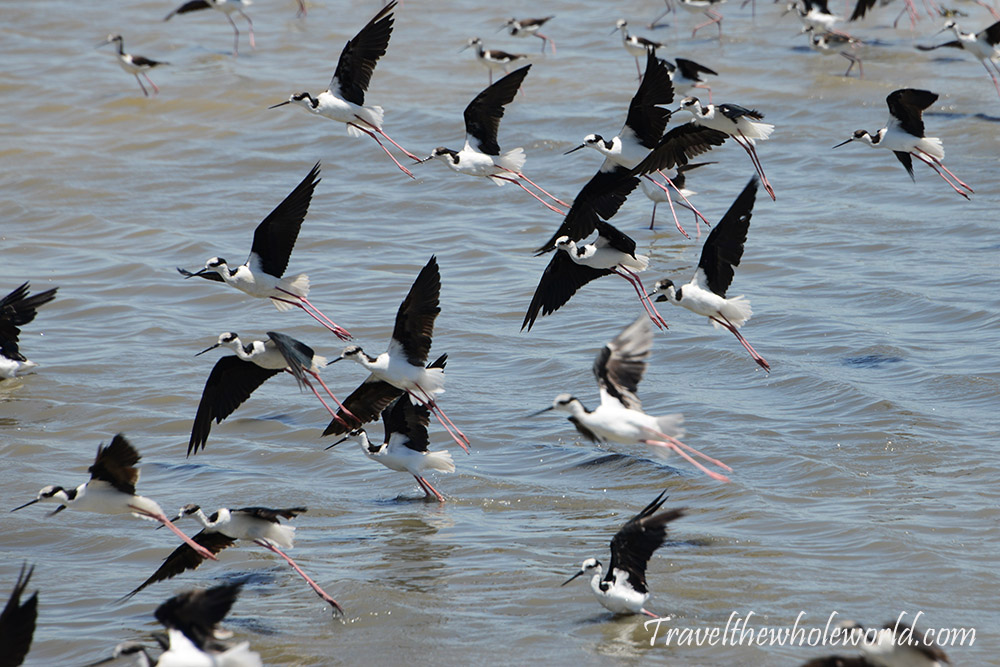
And finally some of my favorite birds aside from the flamingos were these White Backed Stilts. These birds dominate all the tropical wetlands of South America, feeding off of small fish and invertebrates. My trip to El Chaco turned out to be a great bird watching adventure. Next time around I certainly plan to visit the deeper parts of El Cacho, and set out a goal to capture other native animals such as the capybara or giant anteater.