Boston is one of America’s greatest and most historic cities. I had been through Boston several times before I really explored it, usually flying into the city and immediately heading north toward the White Mountains. About ten years later, I finally returned for trips focused on Boston itself and had the chance to explore its neighborhoods, waterfront, and historic sites.
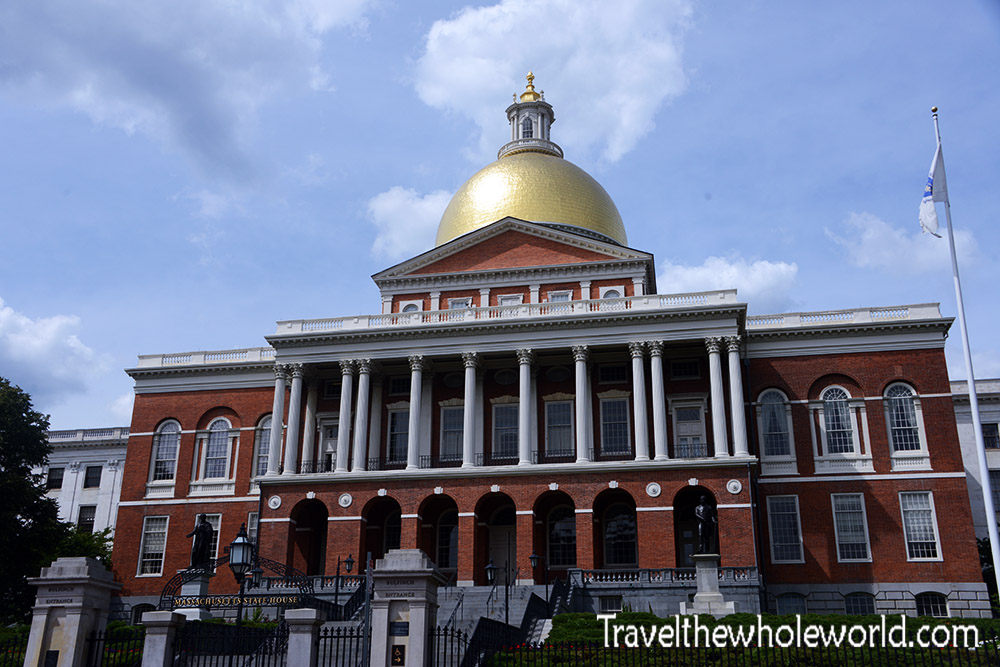
Boston was founded by English Puritans in 1630 and eventually became one of the most important cities in colonial America. Unfortunately, I lost many of the photos from my earliest visits, including pictures of Harvard and other parts of the city. Until I return again, this page focuses mostly on Boston’s colonial history along with some of the places I visited on later trips. Above is the Massachusetts State House, photographed with my newer camera after an earlier nighttime photo was lost.
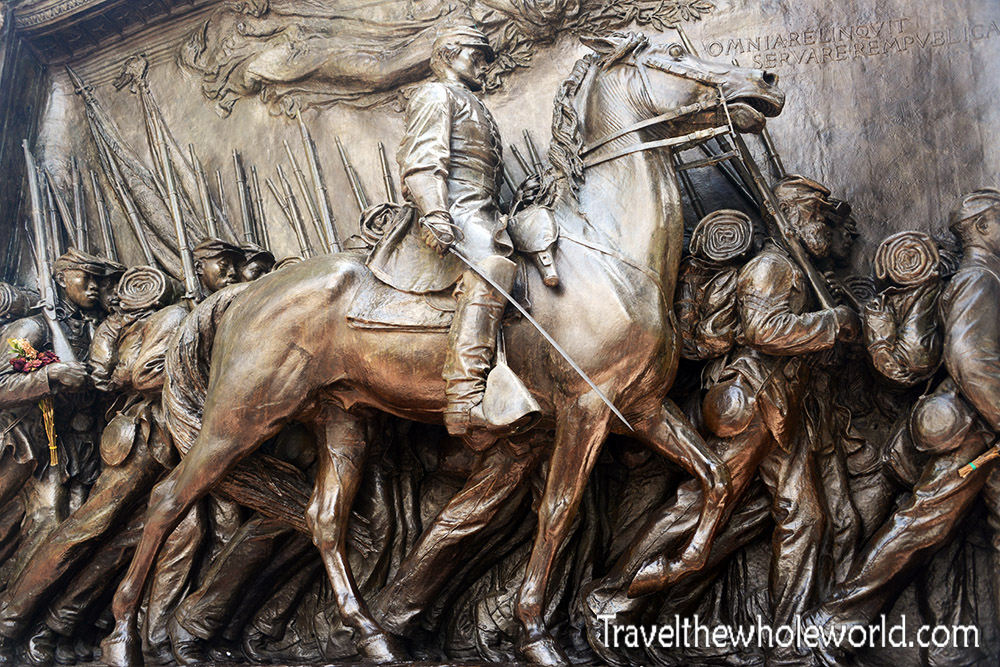
Boston is best known for its colonial history and its enormous role in the American Revolution, but important sites from later periods can also be found throughout the city. Directly across from the State House is the Robert Gould Shaw Memorial, honoring Shaw and the 54th Massachusetts Infantry Regiment. The regiment was one of the first African American units organized in the North during the Civil War and became one of the most famous Black military units of the war.
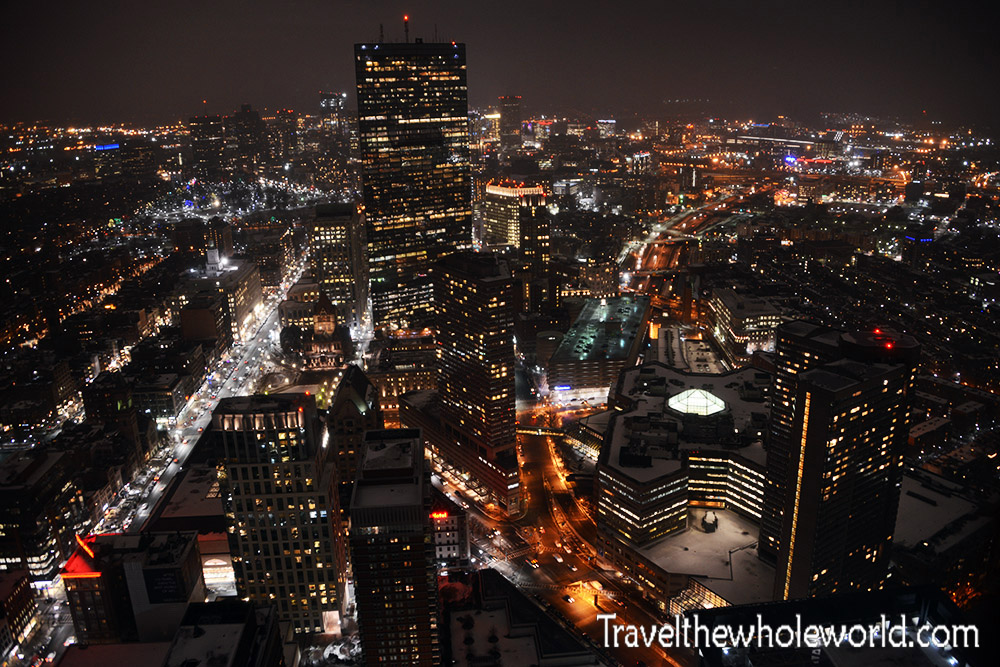
I didn’t fully appreciate how large Boston was until one of my later visits. From the former Skywalk Observatory, I was able to get a panoramic view across the city and see just how densely packed central Boston really is. Boston itself isn’t among America’s largest cities by population, but its dense urban core and surrounding metropolitan area make it feel much larger.
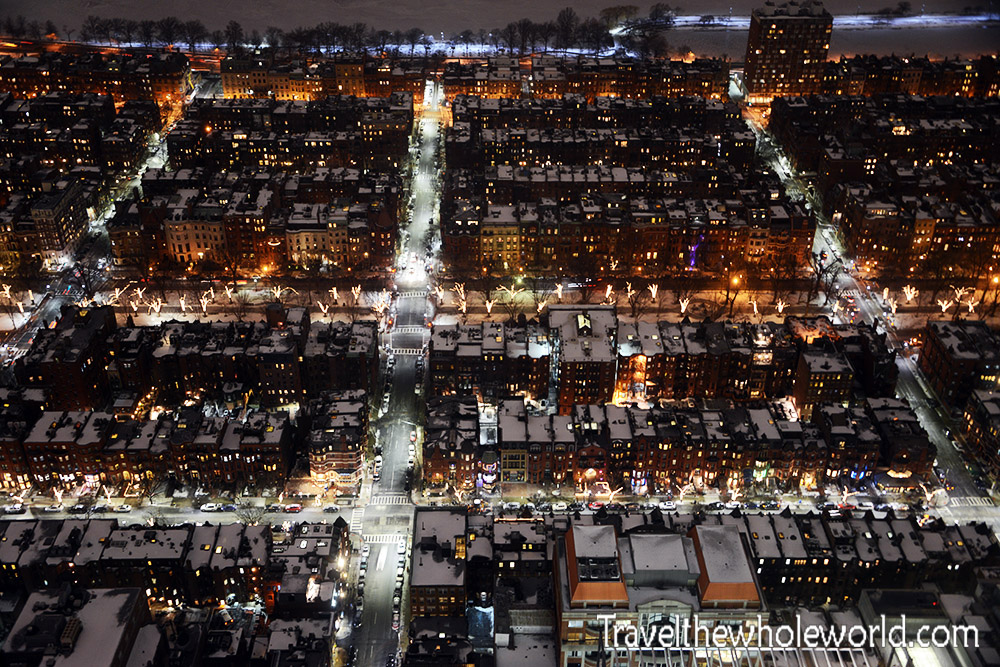
Outside the downtown skyline, many neighborhoods have a completely different appearance. Historic brick row houses line streets throughout older sections of Boston, creating one of the most recognizable urban landscapes in New England.
Boston and the American Revolution
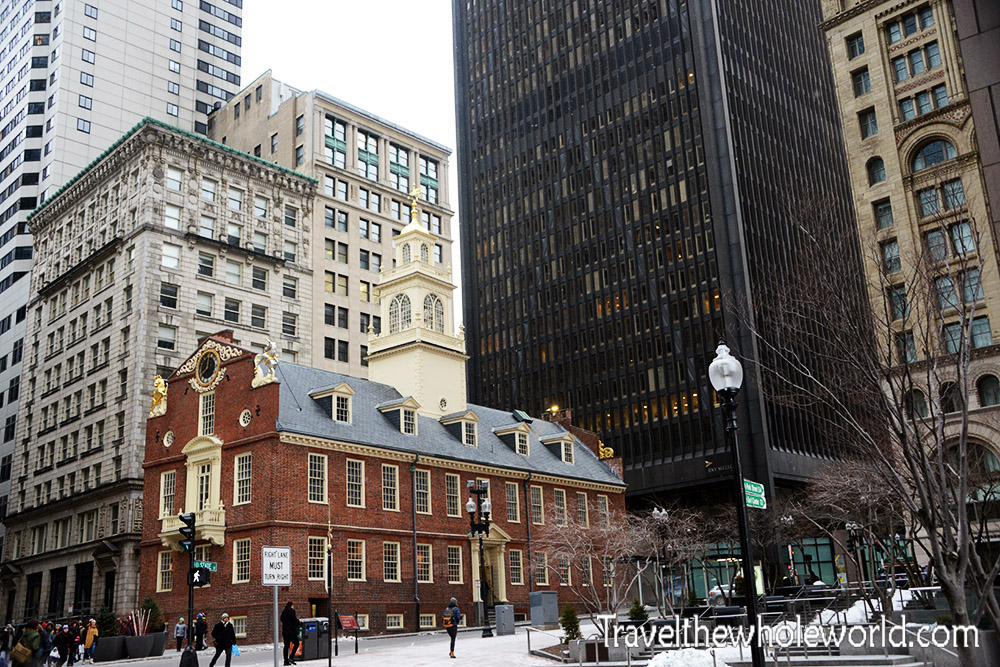
While Boston is a huge city with plenty to do, I might go as far as calling it America’s best city for exploring colonial history. Much of the unrest that eventually led to the American Revolution took place here, and one of the best places to begin exploring that history is the Old State House.
Today the building looks tiny surrounded by modern skyscrapers, but it was once one of the most important government buildings in colonial Boston. After it stopped serving as the seat of government, portions of the building were used commercially before it eventually became a museum. One of its lower entrances even connects directly with Boston’s subway system.
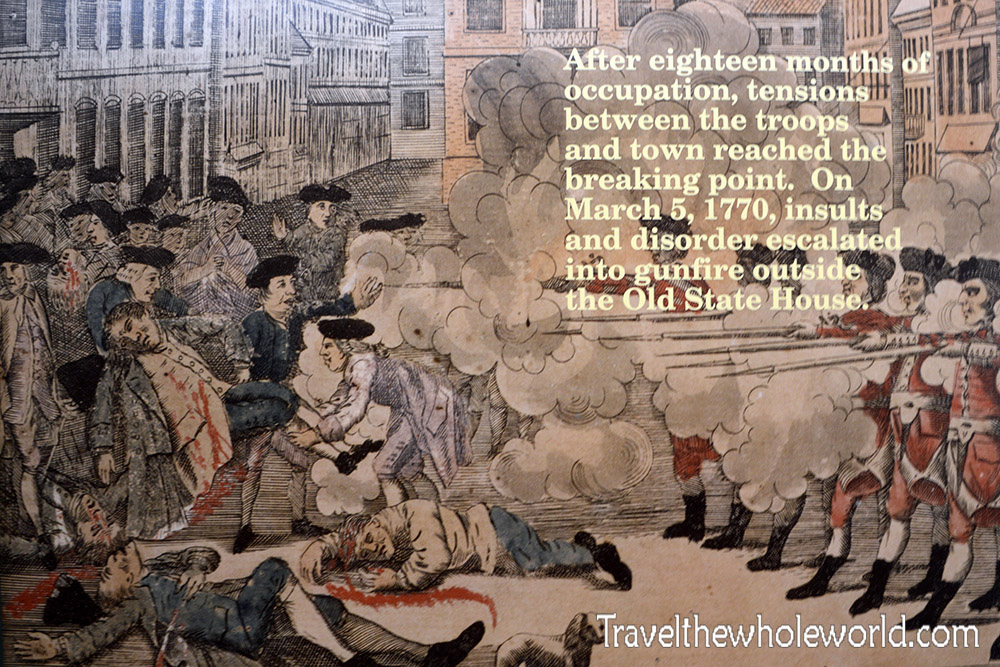
Tensions between Britain and the American colonies had been building for years. Many colonists believed they were being unfairly taxed and governed without adequate representation. Boston became a particular center of resistance, and Britain stationed troops in the city in an attempt to maintain order.
The hostility eventually erupted into the Boston Massacre on March 5, 1770, when British soldiers fired into a crowd, killing five colonists. The incident became an important piece of Patriot propaganda and further increased resentment toward British rule.
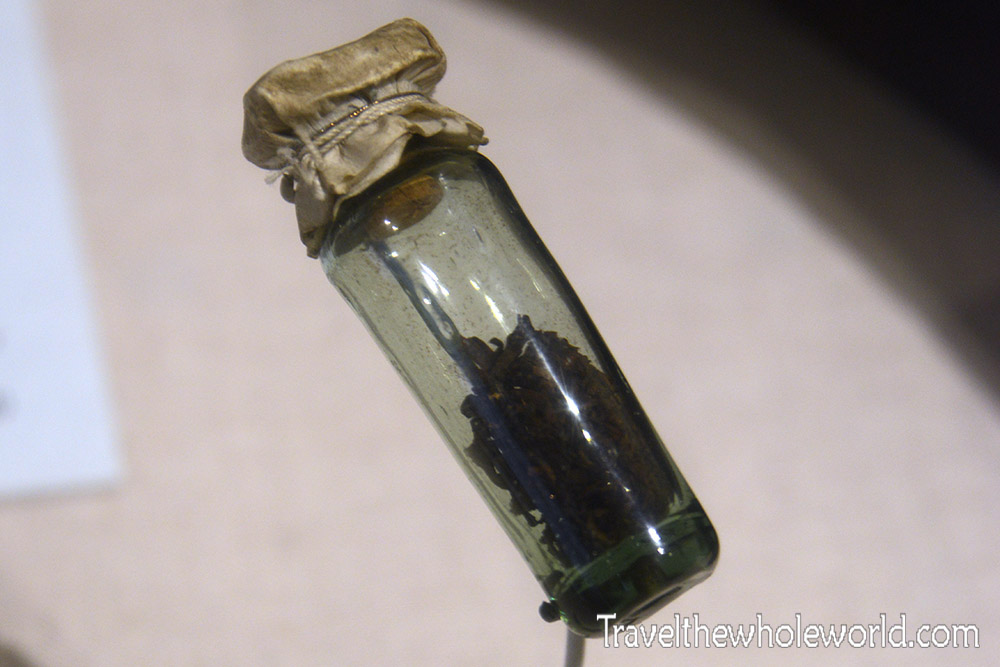
Three years later came an even more famous act of resistance. On December 16, 1773, colonists protesting British taxation and the Tea Act boarded ships in Boston Harbor and dumped hundreds of chests of tea into the water. The Boston Tea Party became one of the defining events leading toward the American Revolution. Above is a small amount of tea associated with the event that was preserved.
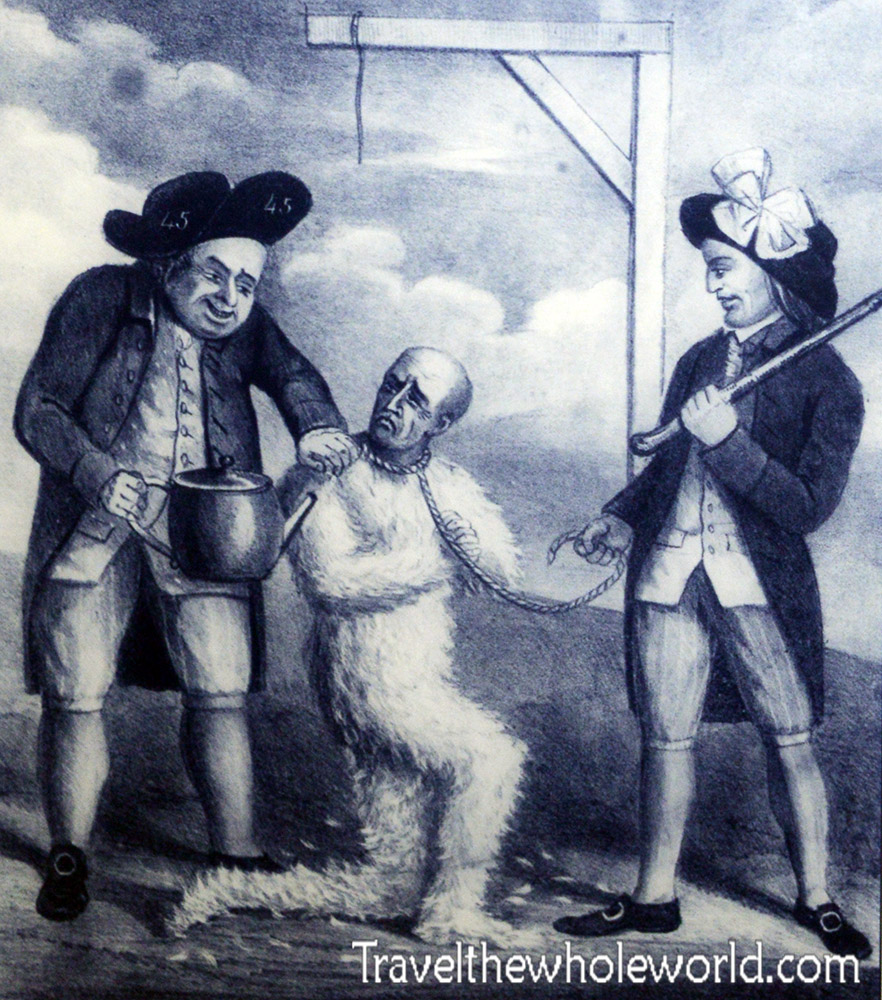
Tarring and feathering also became one of the more infamous forms of intimidation during the revolutionary period. The practice was sometimes used against customs officials and others associated with British authority, demonstrating just how hostile relations had become before open warfare began.
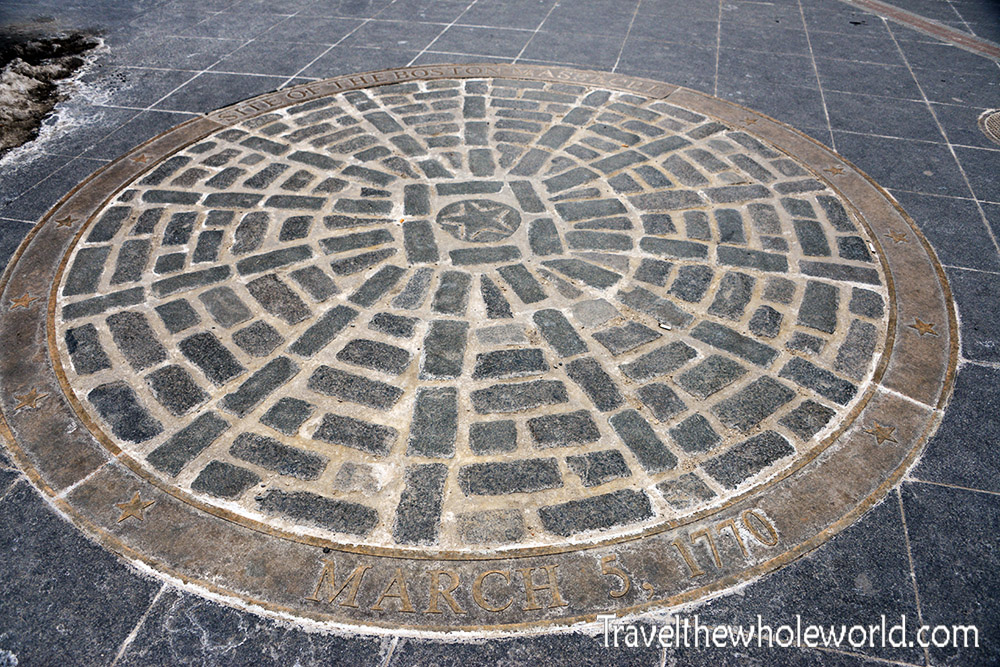
Immediately outside the Old State House is the site of the Boston Massacre, marked today by a cobblestone circle. It’s one of the many historic sites connected by Boston’s Freedom Trail, making it possible to walk through much of the city’s Revolutionary history.
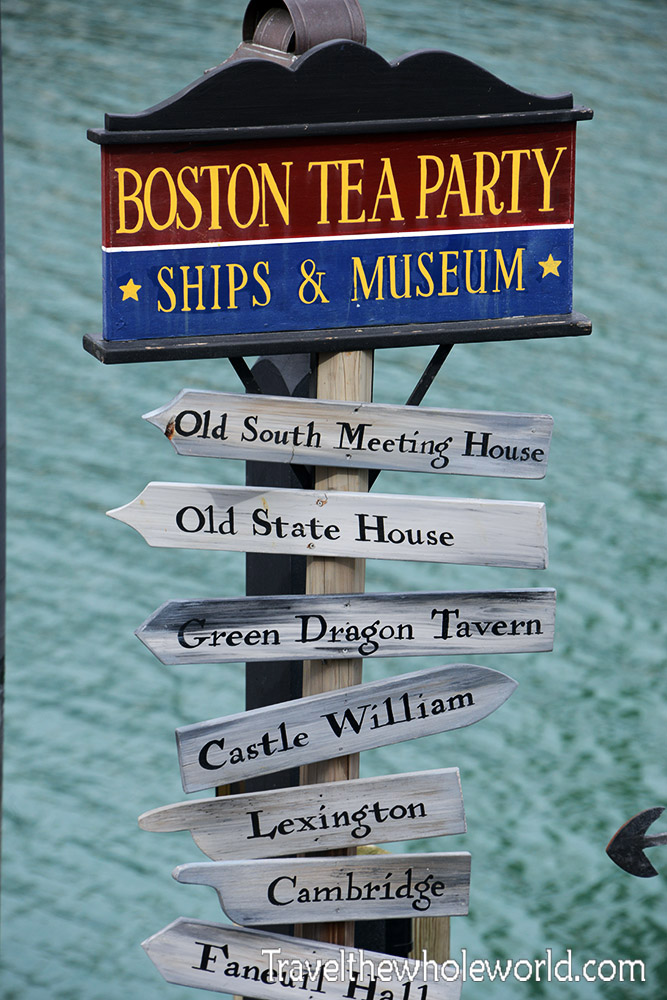
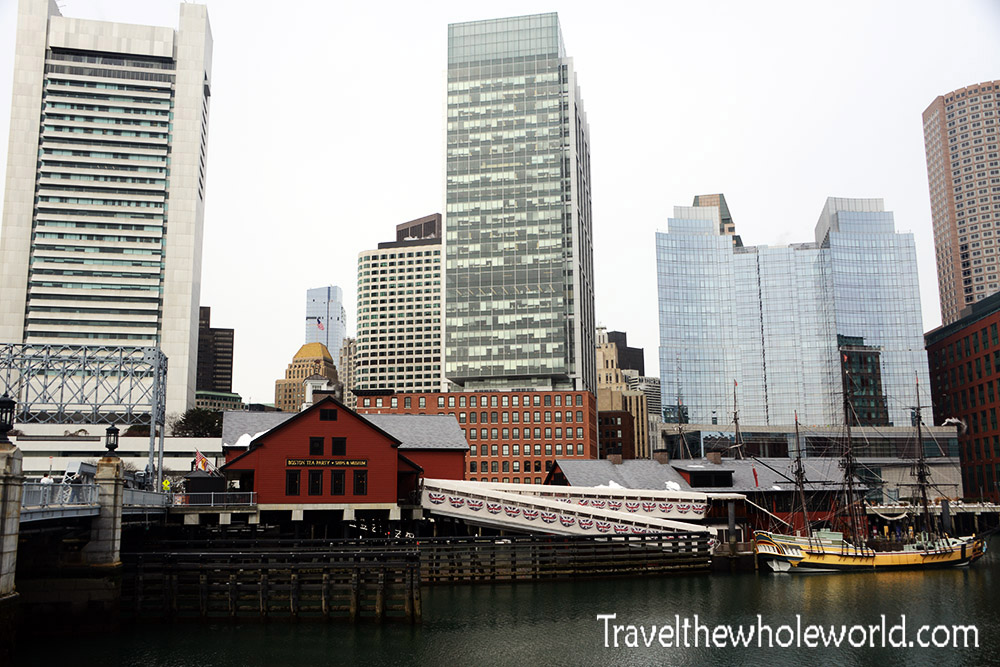
The site associated with the Boston Tea Party is about a mile from the Old State House. There’s now a museum dedicated to the event, although I didn’t go through the museum itself. The gift shop and tea room were open to everyone, which worked perfectly during my winter visit when I was looking for somewhere to escape the cold.
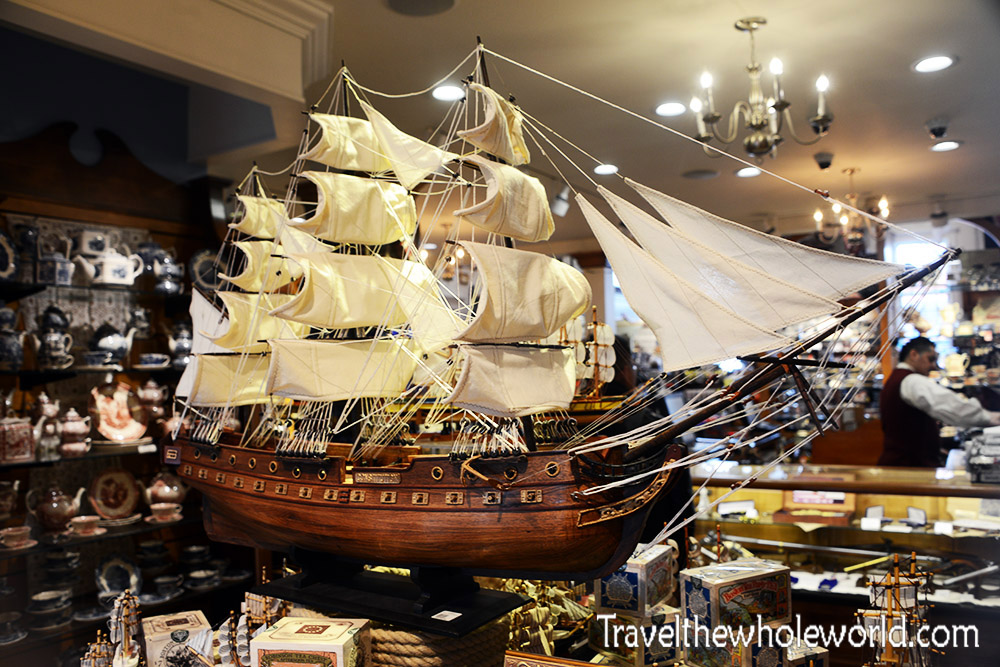
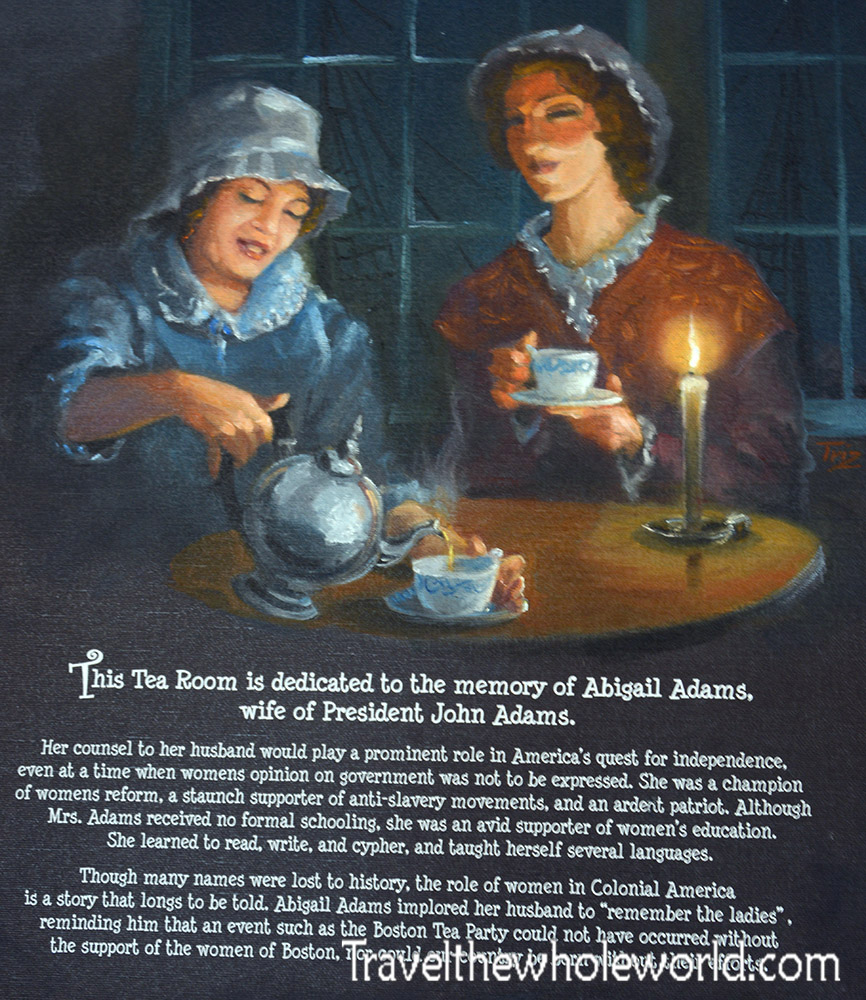
The gift shop had the usual Boston souvenirs along with some more interesting colonial-themed items, including model ships and tea. The tea room was dedicated to Abigail Adams, wife of President John Adams and one of the most prominent women of America’s revolutionary generation.
Paul Revere and the Freedom Trail
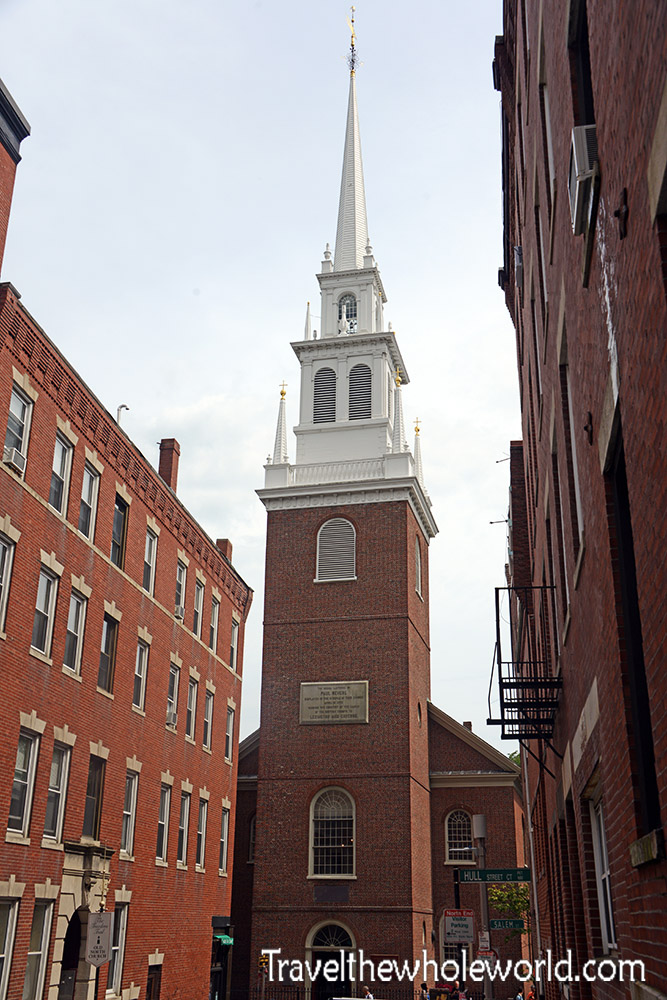
By April 1775, the conflict was reaching its breaking point. British troops prepared to march toward Lexington and Concord, and Boston’s Patriot network worked to warn the surrounding countryside. Lanterns placed in the steeple of Old North Church signaled the route the British troops were taking before riders headed into the countryside to spread the warning.
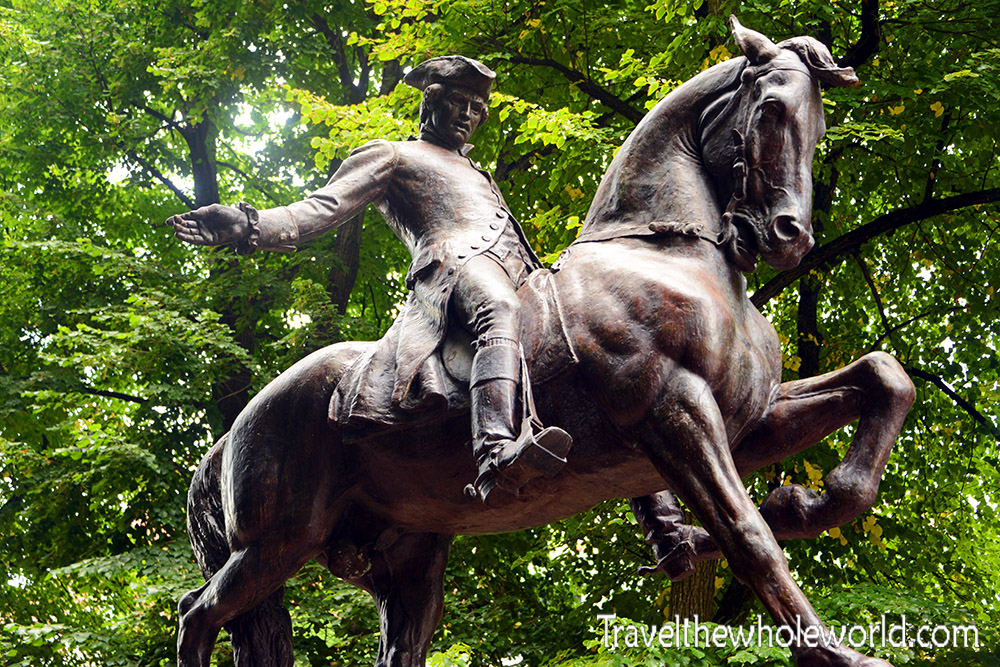
Paul Revere became the most famous of those riders, although he wasn’t alone. Revere was eventually detained by a British patrol and never completed the entire ride to Concord, while other riders continued spreading the alarm. His story nevertheless became one of the most famous episodes of the American Revolution.
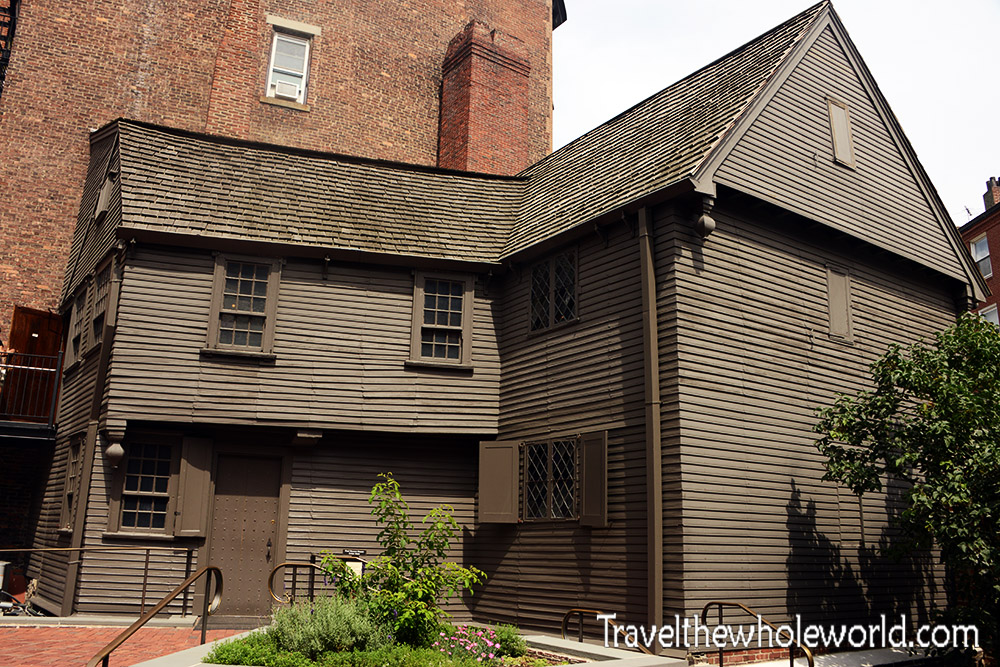
Immediately behind Old North Church is this statue of Revere. A few blocks away is the house where he lived, which has survived in the middle of modern Boston and is now a museum.
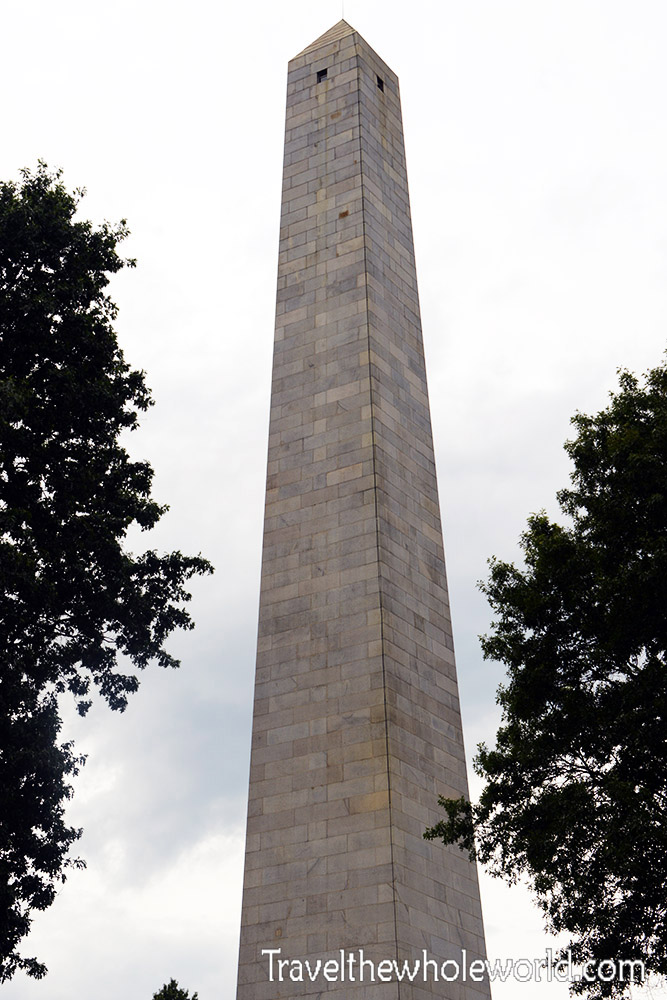
The Bunker Hill Monument commemorates one of the first major battles of the Revolutionary War, fought on June 17, 1775. The British ultimately captured the American positions, but suffered extremely heavy casualties in doing so. More than a thousand British soldiers were killed or wounded, making the battle an important demonstration that the colonial forces could stand against professional British troops.
Granary Burying Ground
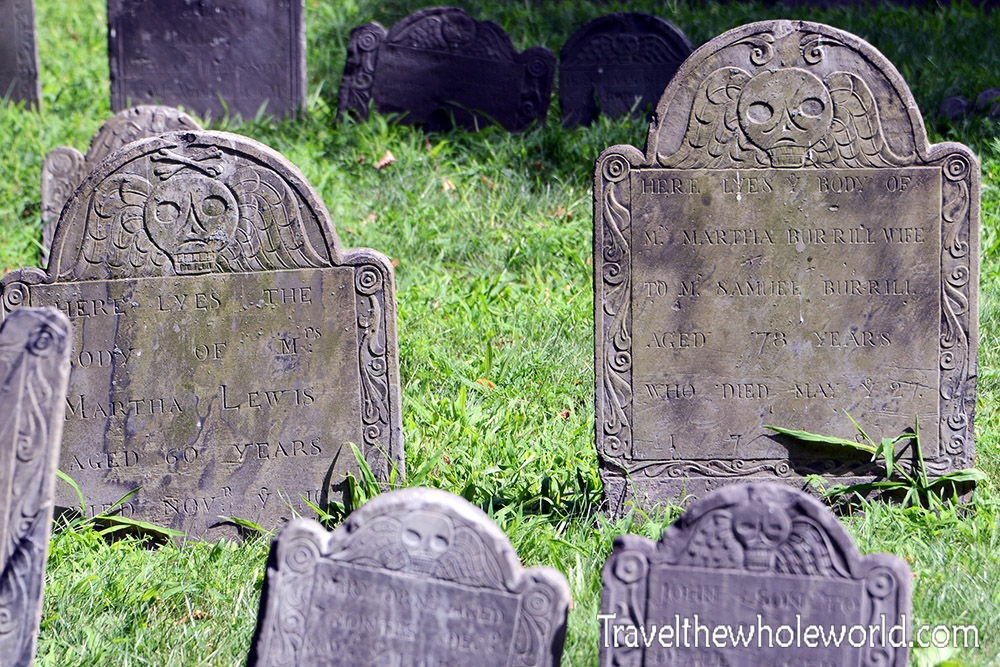
Many important figures from Boston’s colonial and Revolutionary history are buried at Granary Burying Ground, one of the city’s oldest cemeteries. There are roughly 2,300 marked graves, although several thousand people are believed to have been buried here.
Many of the older gravestones are decorated with skulls and other symbols of death. I thought putting a skull on a gravestone was a little unnecessary—as if anyone needed additional clarification about what the cemetery was for—but the carvings are characteristic of early New England funerary art.
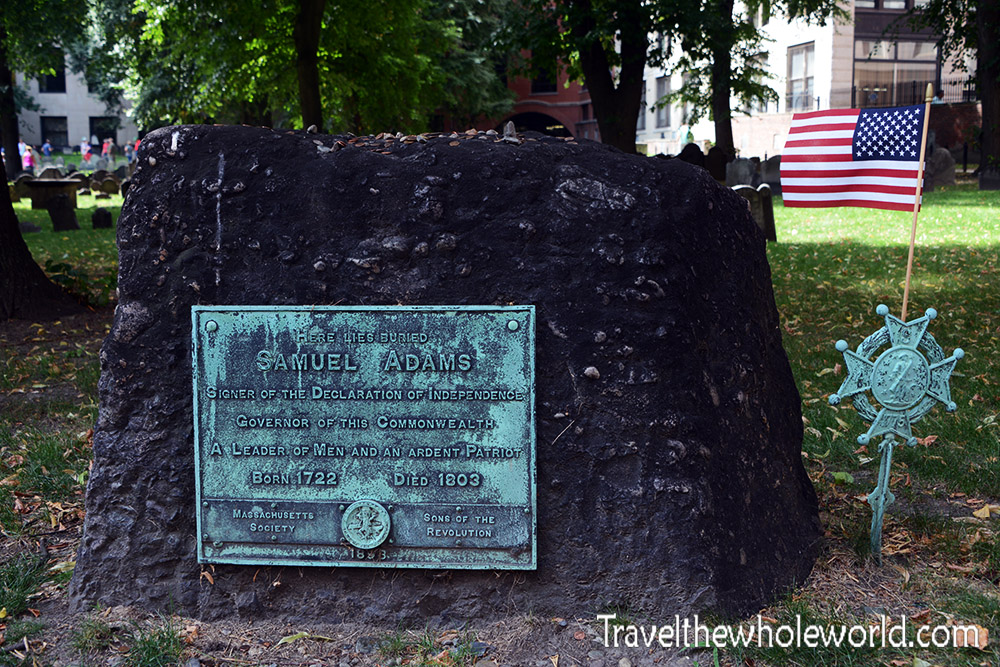
Among the famous Americans buried here is Samuel Adams, one of Boston’s most prominent revolutionary leaders. His grave is marked by a large stone and plaque.
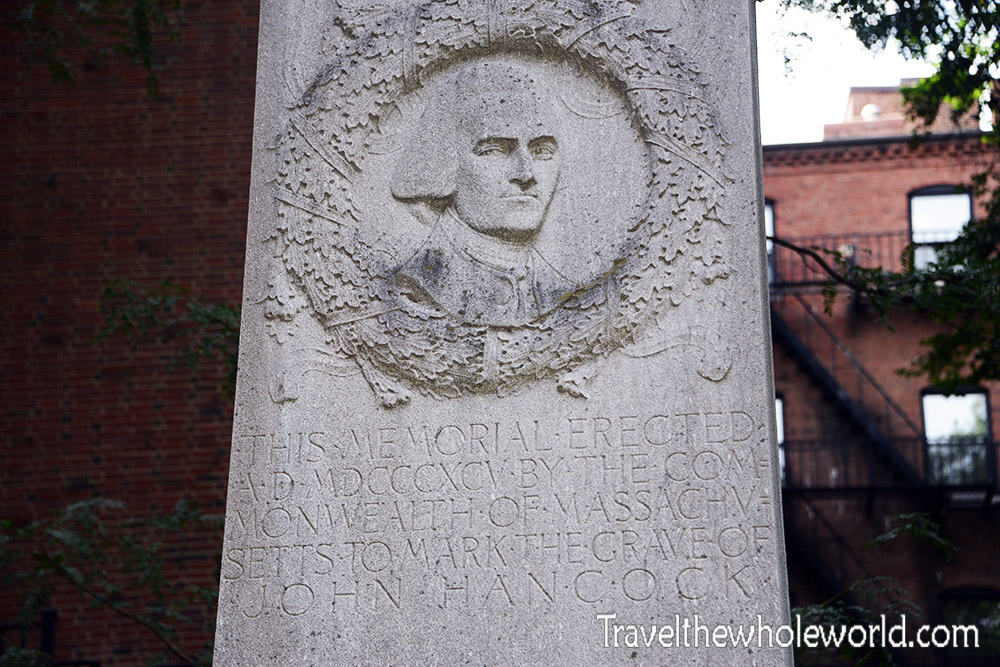
John Hancock is also buried here beneath a large monument bearing his portrait. Hancock became famous as president of the Second Continental Congress and for his enormous signature on the Declaration of Independence.
Modern Boston
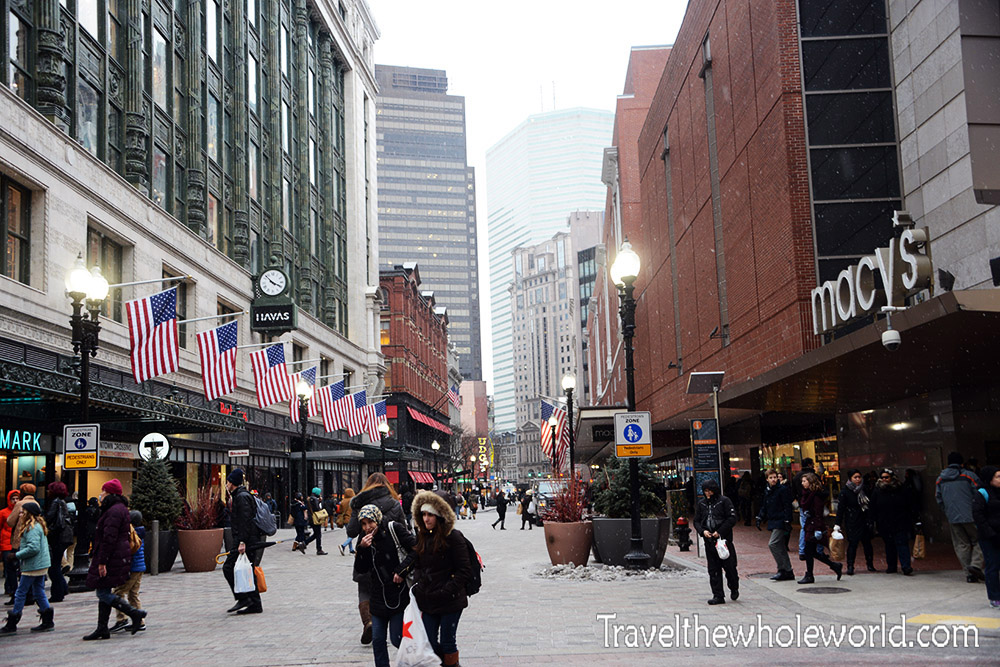
Boston’s colonial history is what fascinates me most, but obviously there’s much more to the city than the Revolution. Downtown is busy year-round, and after visiting during several seasons I’ve experienced just how different Boston can feel depending on the weather.
My earliest trips were during the winter, including one March weekend when temperatures dropped to around 7°F (-14°C). This photo came from another cold trip years later. Despite the weather, downtown Boston was still packed with people.
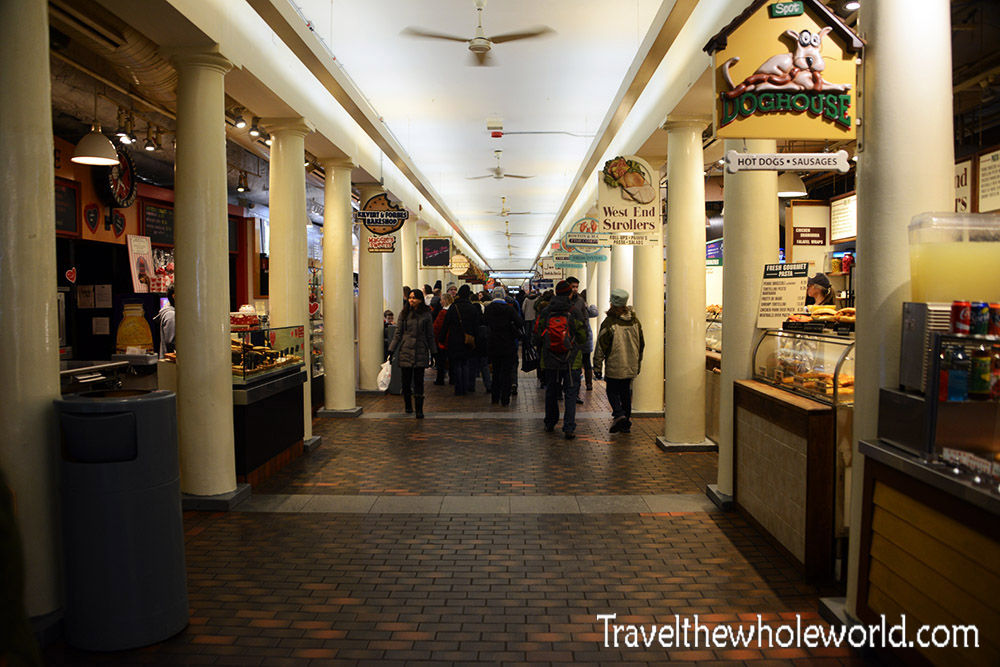
Quincy Market is one of Boston’s best-known places to stop for a casual meal. Despite the historic setting and all the hype, I found the inside to be mostly a giant food hall, ranging from quick snacks to sit-down restaurants. It wasn’t anything spectacular to me, but during the winter it was certainly a welcome place to escape the wind and warm up.

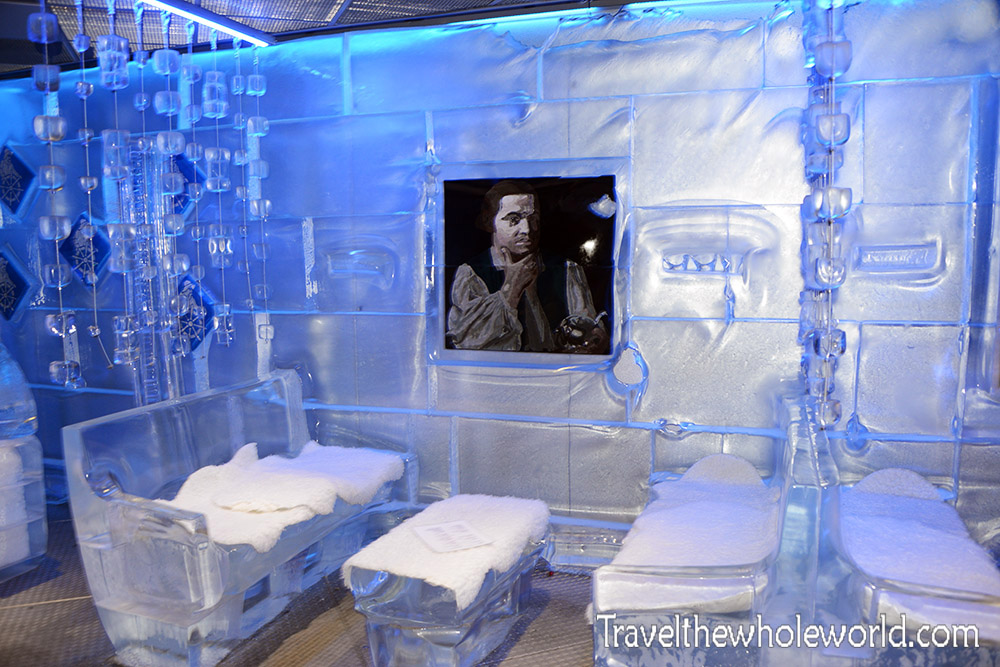
During another winter visit, a friend and I stopped at one of Boston’s ice bars. Considering how cold it already was outside, they probably could have saved some money and just put the furniture on the sidewalk. Inside, nearly everything was made from ice, including furniture, sculptures, and this giant yeti.

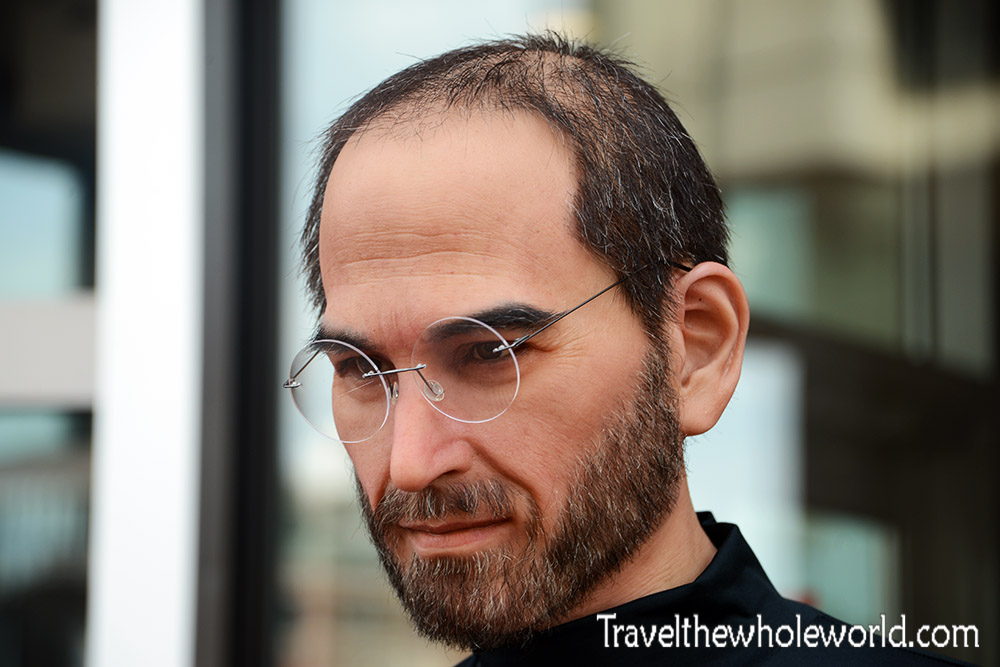
On a summer visit I came across this surprisingly convincing Steve Jobs standing outside a wax museum. Leonardo DiCaprio was nearby and probably would have been more appropriate for Boston considering The Departed, but Steve Jobs looked much more realistic, so he made the page instead.
Boston Harbor
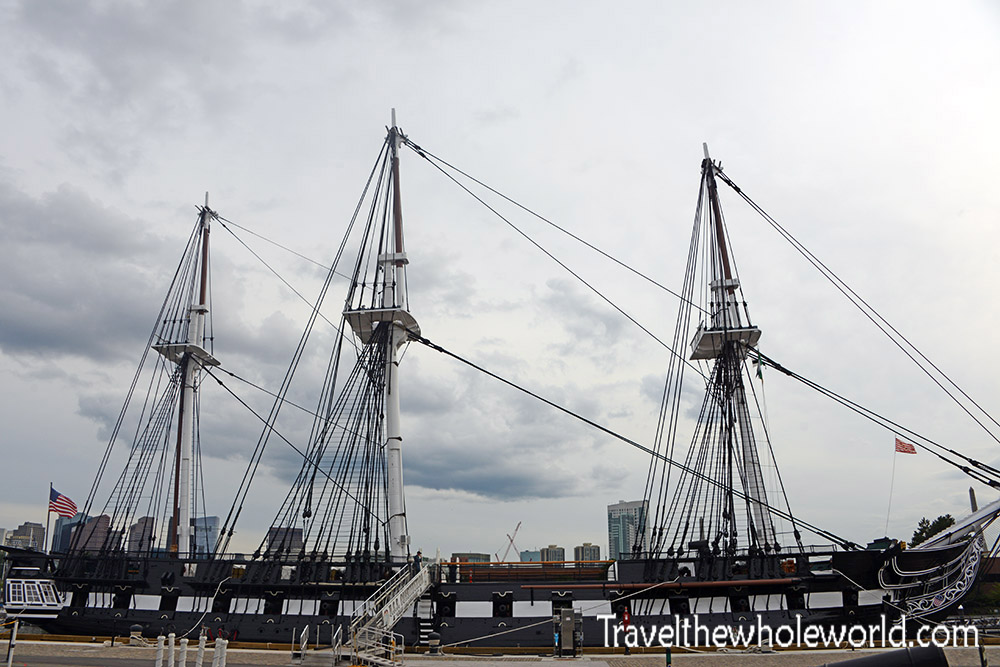
I’ve also visited Boston Harbor several times. One of its most famous attractions is the USS Constitution, launched in 1797 and still maintained as a commissioned United States Navy warship. The ship became especially famous for its service during the War of 1812 and today is preserved as one of America’s most important naval landmarks.
My original photo of the ship was much better than this one, but unfortunately it disappeared along with the rest of my early Boston pictures. Until I return again, I’ll have to continue doing the USS Constitution a disservice with this photograph.
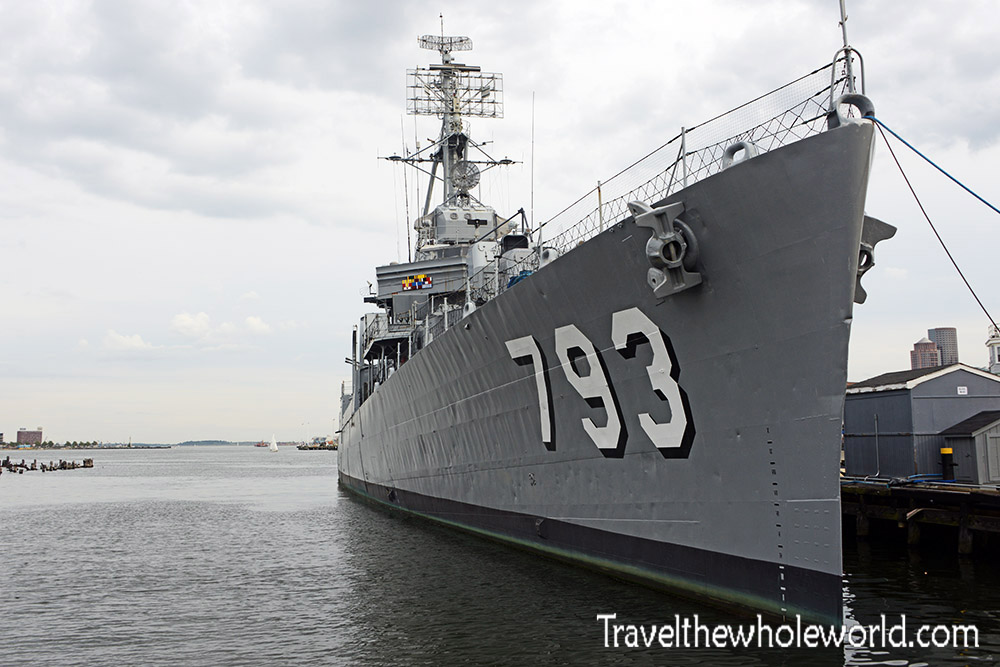
Nearby is the USS Cassin Young, a Fletcher-class destroyer commissioned during World War II. Compared with the wooden USS Constitution, it looks almost modern. The ship served in the Pacific and survived kamikaze attacks during the war before eventually being preserved in Boston.
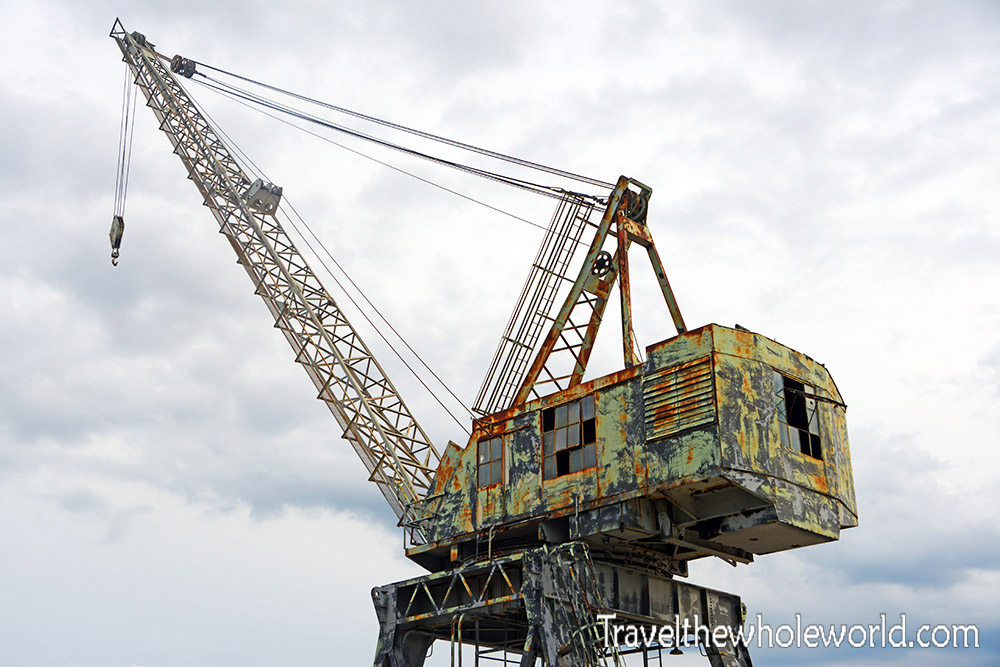
Boston Harbor also provides some great views back toward downtown. Unfortunately, the weather and sunlight didn’t cooperate with me, so instead of ending up with the skyline photo I wanted, I came home with this random photograph of a crane.
Charlestown
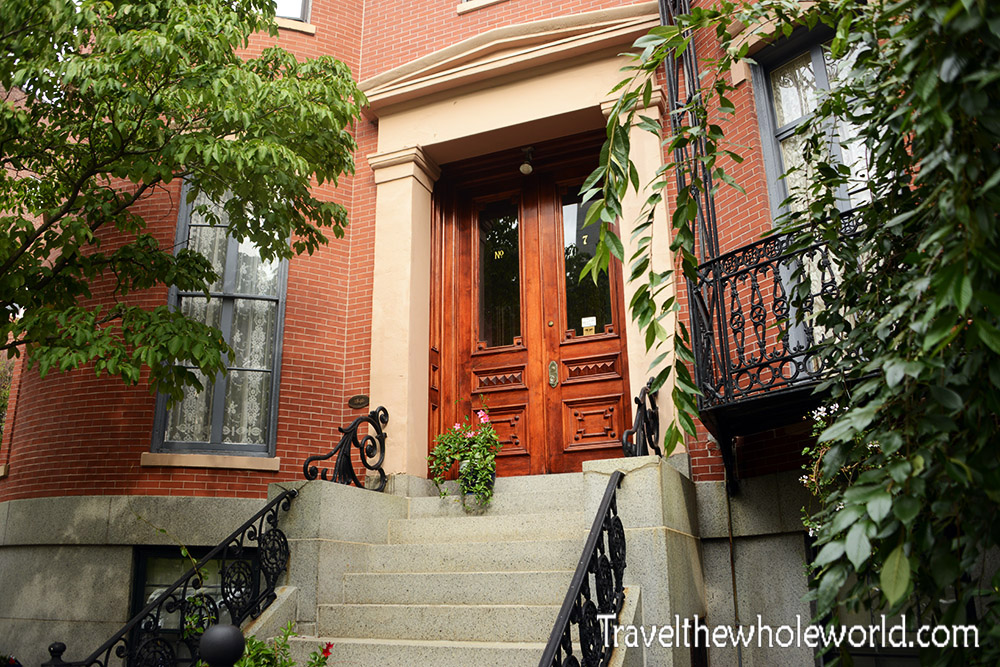
I’ll finish with one of the neighborhoods where I could actually imagine living. Charlestown is one of my favorite parts of Boston and is also home to Bunker Hill. Historic row houses fill the neighborhood, and the harbor is close enough that I was able to walk there from these streets.
I think I’d enjoy living in Boston if it weren’t for the real estate prices and the brutal winters. Houses like these are exactly the kind of places that give the city so much character, although their history and location also make them anything but cheap.
Boston is one of those cities where every return trip gives me something new to explore. I originally treated it mostly as an airport on the way to the mountains, but after finally spending real time here, it became one of my favorite American cities for history. Between the Freedom Trail, old neighborhoods, harbor, museums, and modern downtown, there’s still plenty I haven’t seen—and plenty of reasons for me to return.