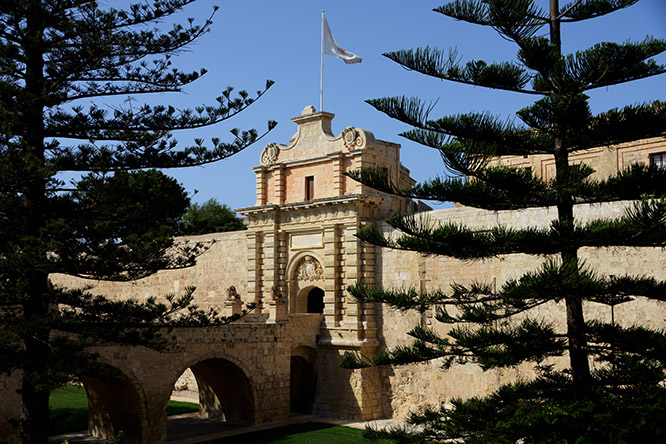
I like arriving in countries that I don’t know much about beforehand, and Malta was definitely one of those places. Other than a few documentaries I happened to see shortly before my trip, I really didn’t know what to expect. I imagined the island would feel like a mixture of Europe and North Africa, and once I arrived that turned out to be pretty accurate.
One of the first places I visited was the ancient walled city of Mdina in the center of the island. The settlement has existed for thousands of years and has been influenced by several different civilizations. Walking through the gates felt like entering an old Mediterranean city that had somehow survived into modern times.
Exploring Mdina
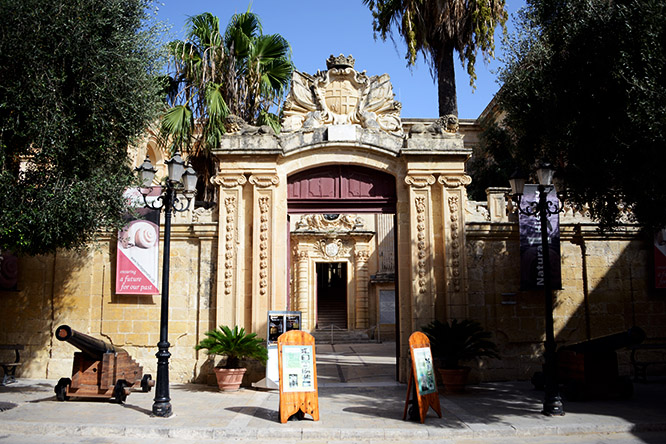
One of the first buildings you come across after entering Mdina is Malta’s National Museum of Natural History. For some unknown reason I never went inside, which I regretted later after learning that the museum covers the island’s wildlife, geology, and natural history. That’s definitely somewhere I’d visit if I return.
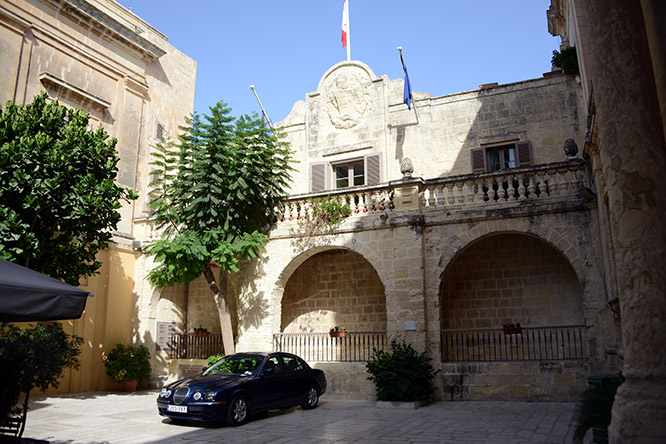
I had assumed Mdina would be completely pedestrian, but cars are actually allowed inside parts of the city. I even saw one drive across the same bridge I had used to enter. Fortunately most of the streets and alleys are too narrow for much traffic, so walking is still by far the best way to explore.
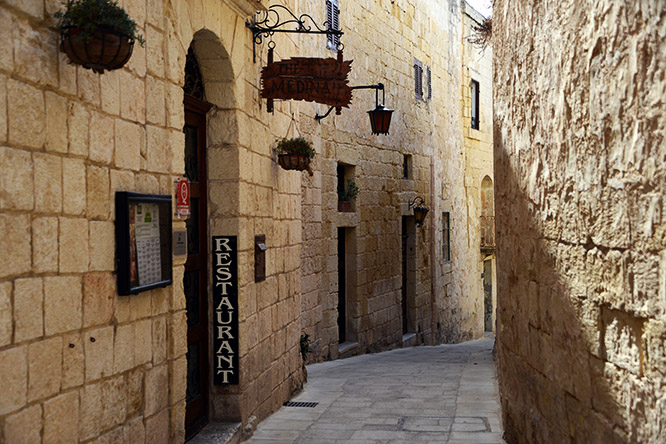
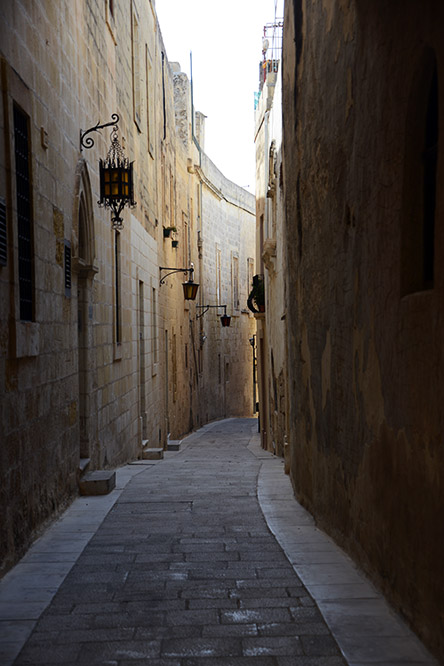
Most of the alleys look like they haven’t changed dramatically in centuries. Narrow stone streets twist between old buildings, small restaurants, churches, and courtyards. Mdina is one of those places where wandering around without much of a plan is probably the best way to experience it.
St. Paul’s Cathedral
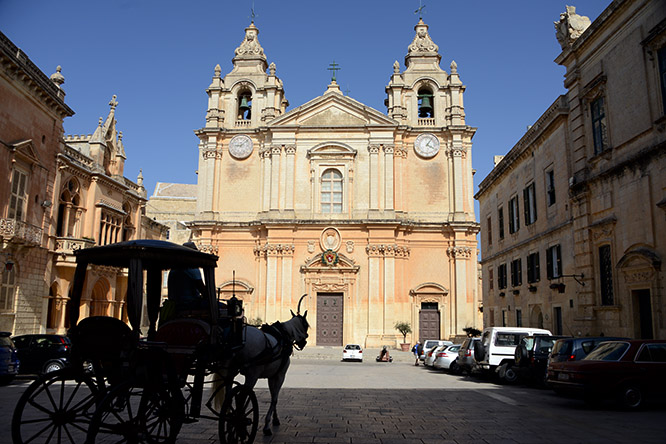
In the center of Mdina is St. Paul’s Cathedral. Malta’s architecture often reminded me of North Africa or the Middle East, so I was surprised by just how many churches and cathedrals are spread across the island.
The cathedral is tied to Malta’s long Christian tradition and the story of the Apostle Paul being shipwrecked on the island during the first century. According to tradition, Paul was welcomed by Publius, an important local Roman official, and Christianity later became deeply rooted in Malta.
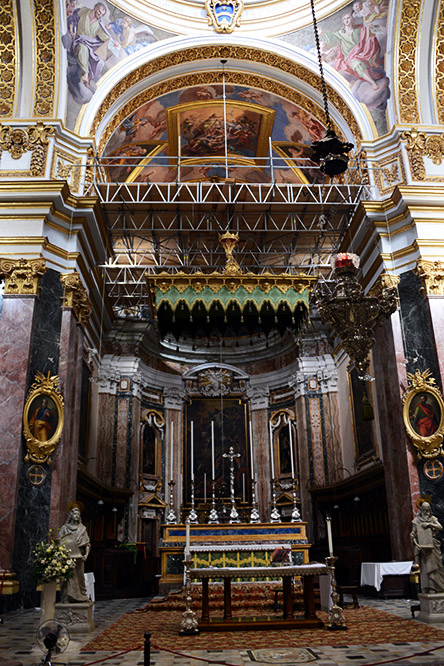
The present cathedral dates to the late 17th century and has an elaborate interior filled with artwork, marble, and religious decoration. Once again I somehow failed to visit the cathedral museum, another thing I only realized I had missed after leaving.
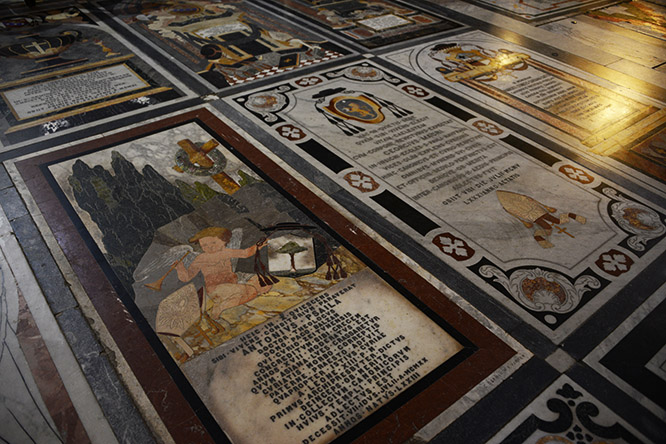
One of the most interesting details was the cathedral floor. Decorative marble tombstones are built directly into it, many covered with coats of arms, inscriptions, and elaborate designs honoring religious leaders and important people connected with Mdina.
First Impressions of Malta
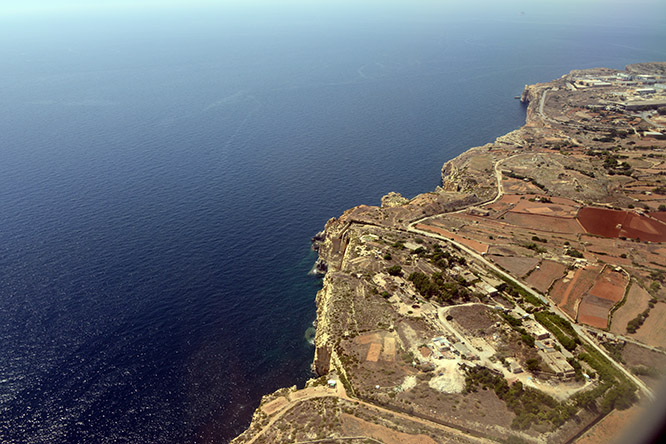
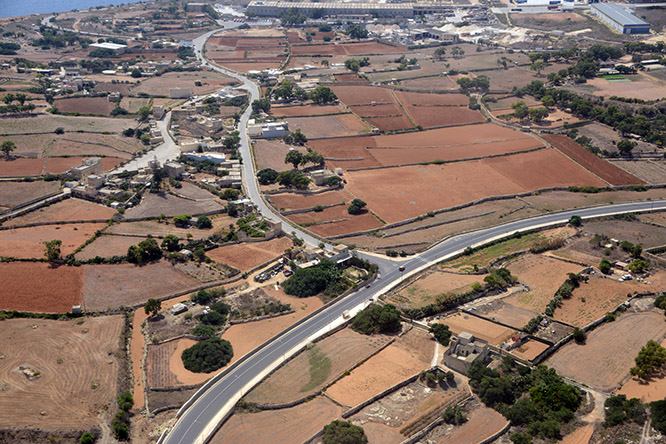
Although Mdina was one of my first stops on the ground, my actual first view of Malta came from the air. As the plane descended I could see the island’s dry, rocky coastline and pale-colored landscape. From above it looked more like somewhere in North Africa or the Middle East than what I normally pictured when thinking about Europe.
Driving Around Malta
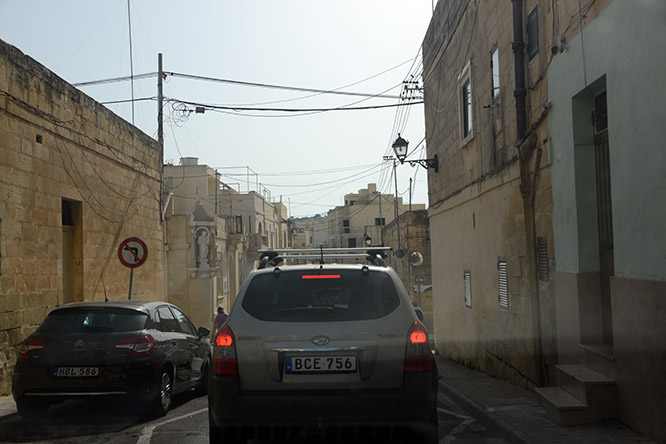
I hadn’t originally planned on renting a car, but once I arrived I decided it made sense. Malta is small enough that I figured having my own transportation would let me explore almost every part of the island without worrying about bus schedules or transfers.
Driving turned out to be more annoying than I expected. There are a few wider highways, but they don’t last very long before you’re back on narrow roads, city streets, or what feel like alleys. The road signs also usually point toward town names rather than simply telling you north or south. On my first day I found myself entering roundabout after roundabout while trying to navigate using place names I had never heard of.
Mosta Dome
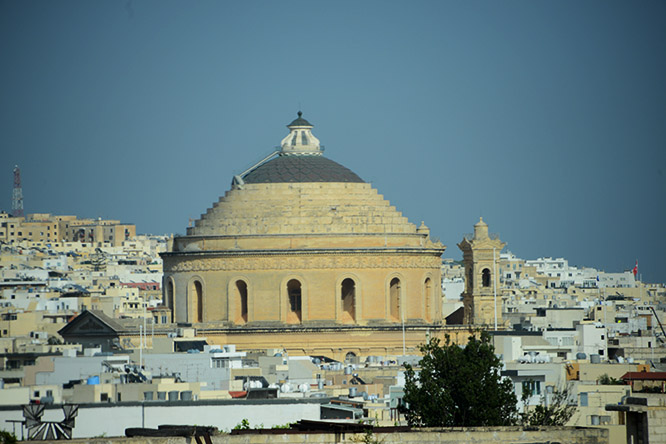
This is another place I somehow managed not to properly visit. I photographed the Mosta Dome while passing through and figured I’d return later, but that never happened.
The church is one of Malta’s most recognizable buildings and is especially famous for an incident during World War II. A bomb pierced the dome during an air raid while people were inside the church but failed to explode. The story has become one of the most famous wartime legends associated with Malta.
Malta’s Interior
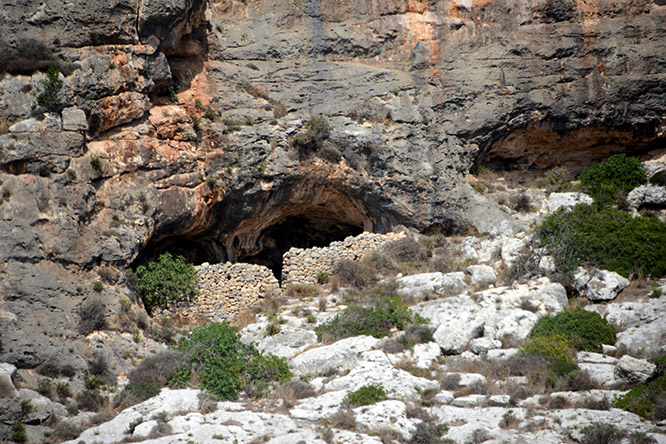
Despite the island’s long history and dense towns, there are still large areas of open countryside. While driving around I came across these caves with stone walls built across the entrances, apparently turning them into some type of shelter. I have no idea how old they were, but they were another reminder of how long people have been adapting to Malta’s dry landscape.
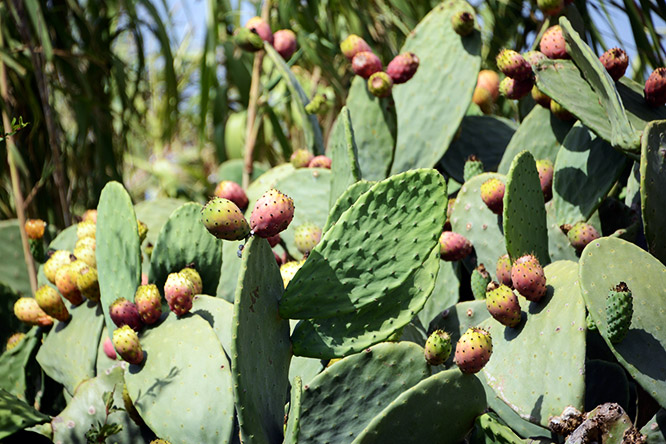
Cactus was another common sight around the island. Combined with the rocky terrain, bright sun, and lack of dense forests, there were times when Malta hardly looked European to me at all.
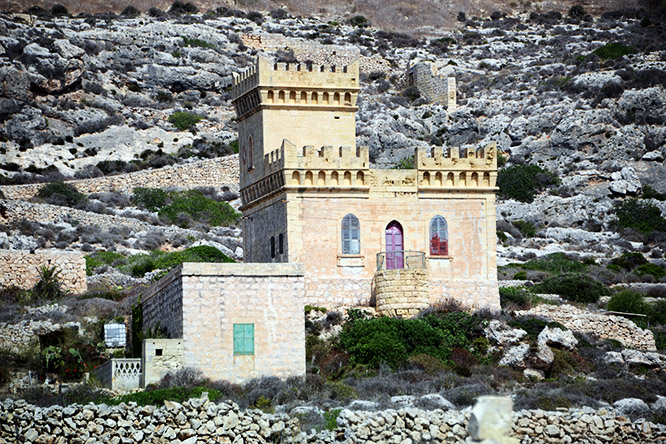
I still have no idea what this building was. It could have been some historic structure or simply a modern private home built to resemble one. It sat in a surprisingly isolated area and had a great view toward the coast.
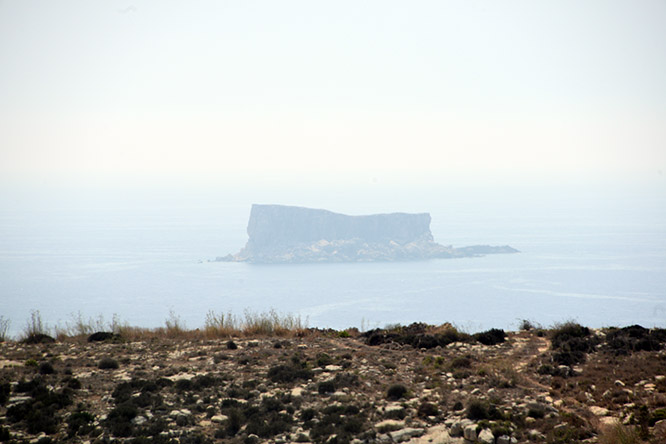
From nearby I could see this flat-topped island offshore. I started calling it Table Top Island because it reminded me of Table Mountain in Cape Town. I’m sure it has a real name, but my nickname was good enough for the trip.
Towns and Architecture
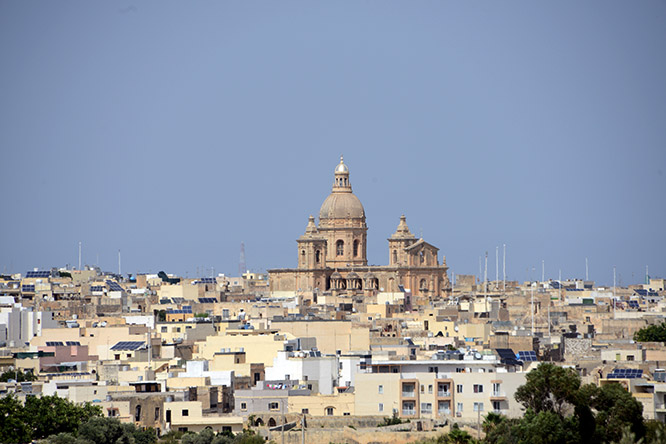
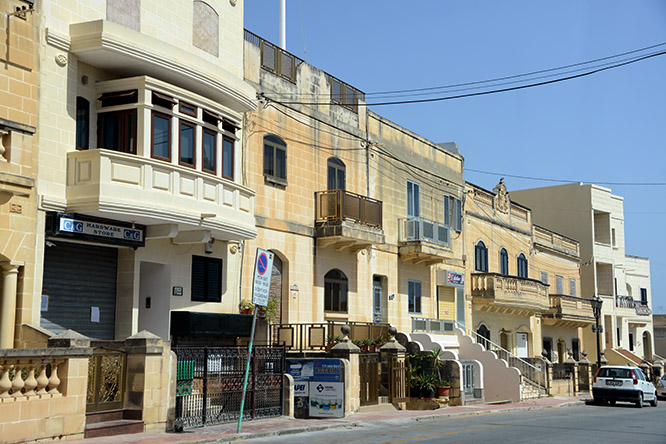
Many of Malta’s towns looked similar from a distance. Dense clusters of pale stone buildings covered the landscape, usually with a large church or cathedral rising above everything else. The combination of Mediterranean and North African-looking architecture was one of the things that made the island feel so distinctive.
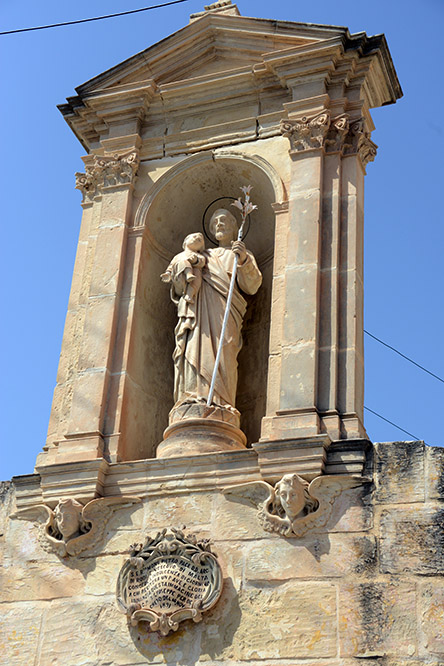
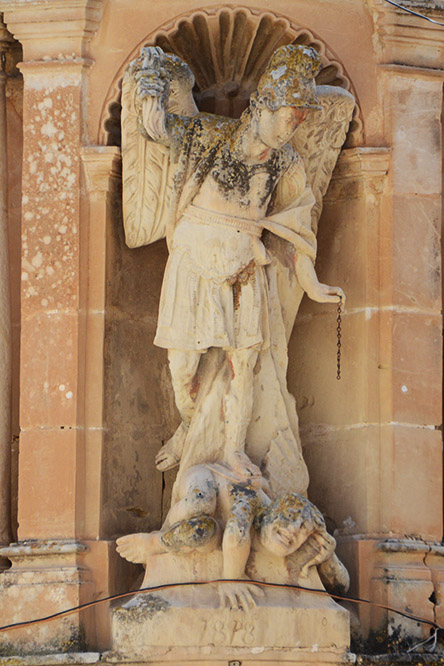
Religious statues also appear everywhere. Some are attached to churches or public buildings, while others seem to appear randomly on street corners, walls, and intersections. The photograph above was actually one of the first pictures I took after arriving on the ground in Malta.
St. Paul’s Bay
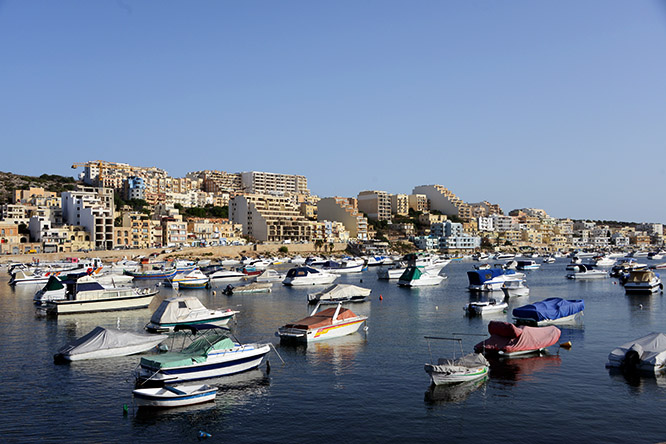
My favorite town on the island was probably St. Paul’s Bay, which also happened to be where I stayed. The bay sits on the northeastern side of Malta and has plenty of restaurants, hotels, cafes, and water activities.
I found a coffee shop that became my regular escape from the intense sun. I stopped there several times to cool off, use the Wi-Fi, and figure out where I wanted to go next.
Marsaxlokk
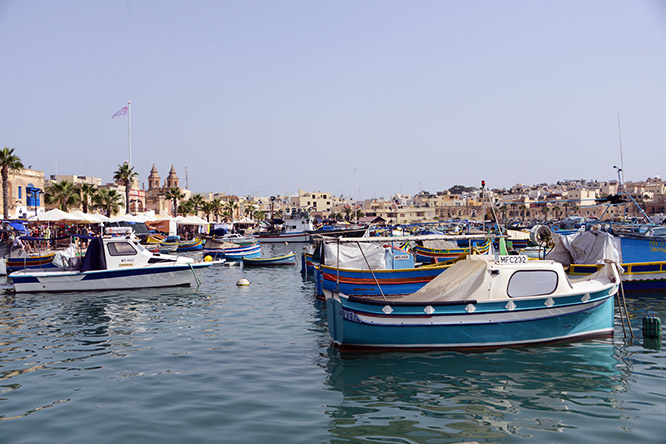
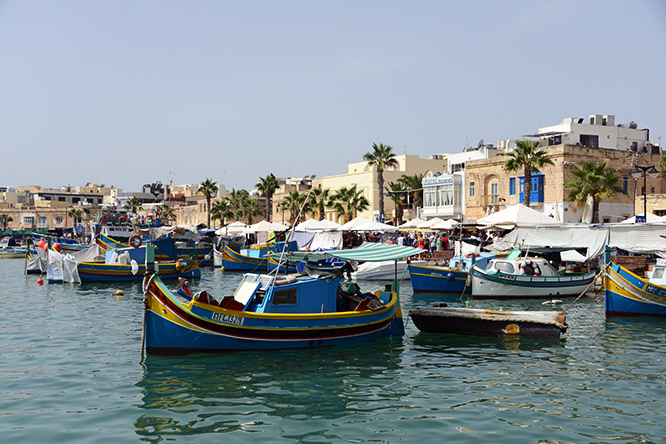
On the opposite side of the island is another famous harbor town called Marsaxlokk. The colorful fishing boats packed into the bay make it one of Malta’s most picturesque towns and definitely a competitor with St. Paul’s Bay for my favorite coastal scenery.
Marsaxlokk Sunday Market
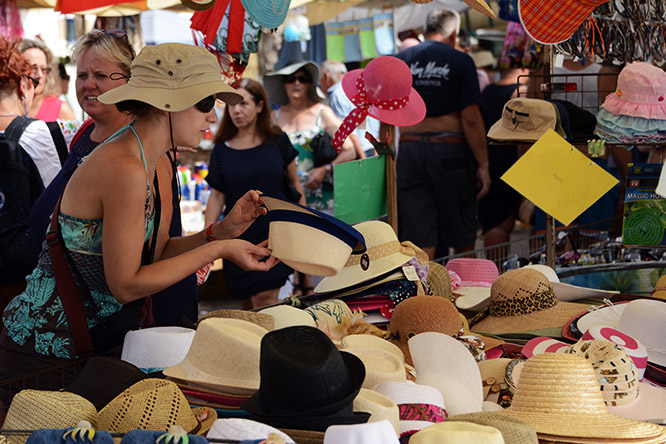
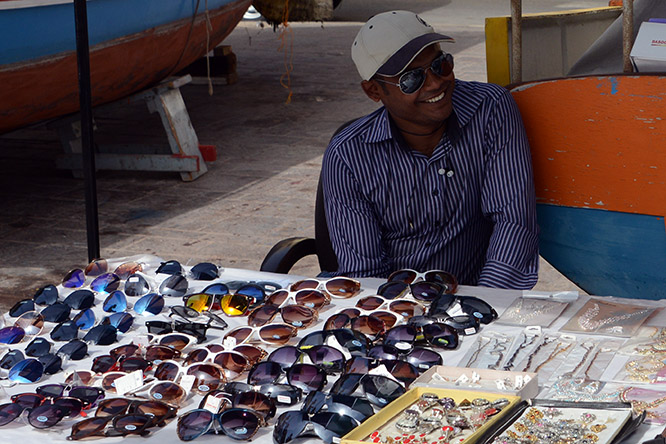
Marsaxlokk becomes especially busy during its Sunday market. I’m not much of a shopper, but even I ended up buying a few souvenirs along with a new hat and shirt. The market stretches along the waterfront and sells everything from clothing and souvenirs to produce and seafood.
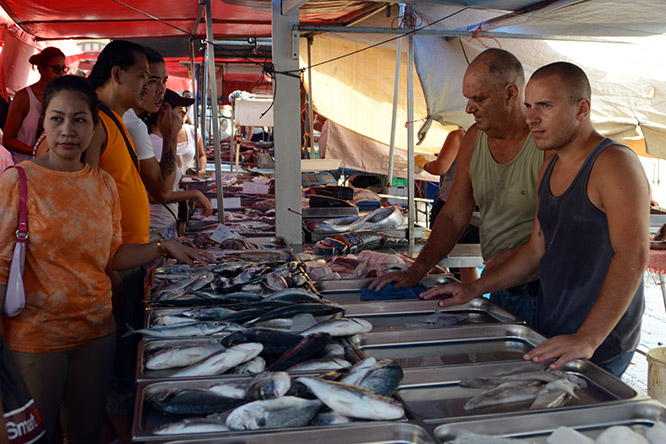
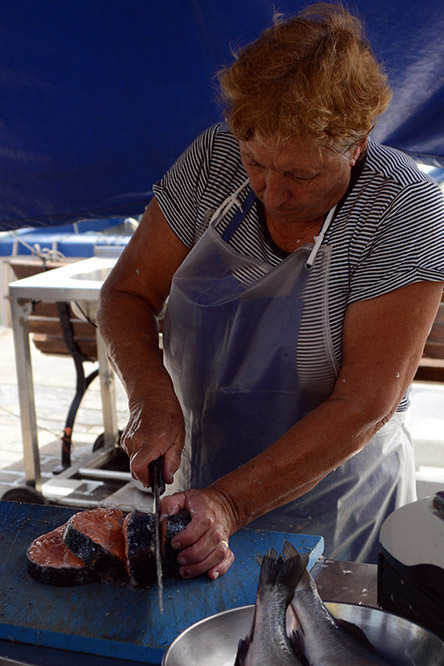
The seafood section was especially busy. Malta’s location in the Mediterranean means fresh fish is an obvious part of local life, even if seafood itself has never been something I particularly enjoy.
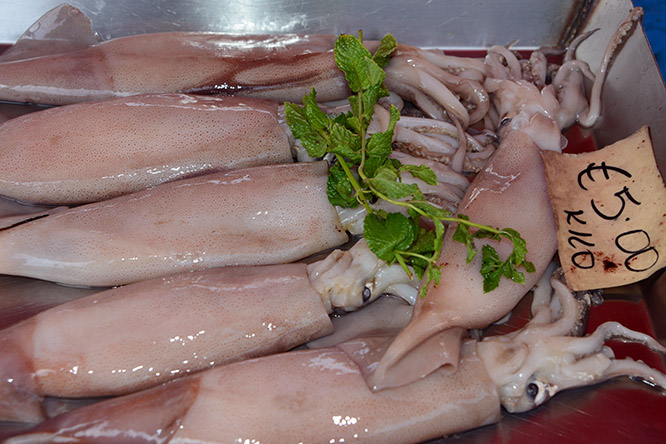
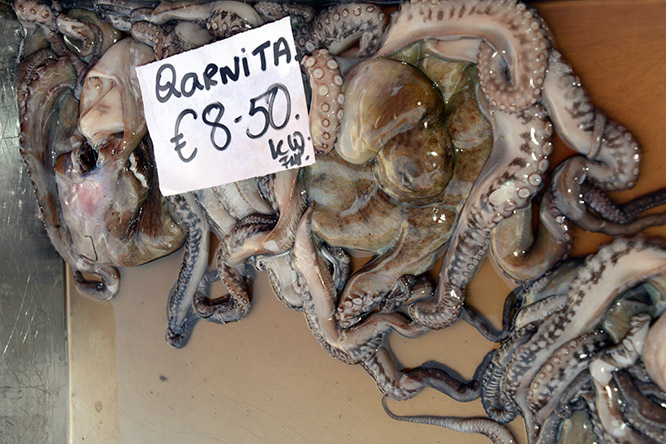
Squid, octopus, and all kinds of other seafood were laid out for sale along the waterfront. None of it smelled especially appealing to me, but the vendors were busy enough that plenty of people obviously disagreed.
Gozo and the Mediterranean
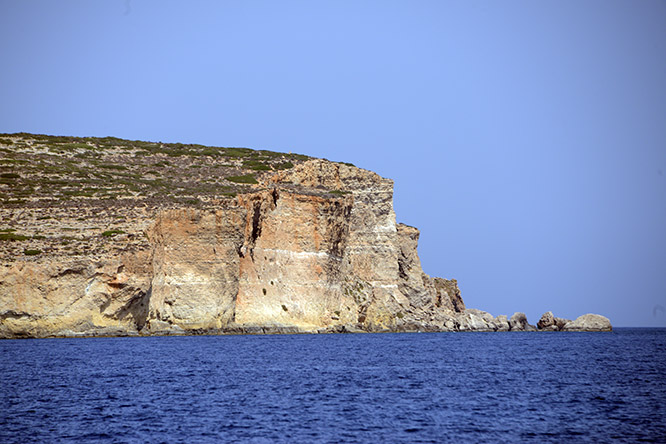
I also took a small excursion that passed Gozo, one of Malta’s other main islands. The coastline here is dominated by dramatic limestone cliffs dropping directly into the Mediterranean.
I hadn’t been on the Mediterranean Sea in more than a decade. The last time had been while I was in the Marines aboard an aircraft carrier, and one thing I always remembered was the incredible deep-blue color of the water. Seeing it again in Malta brought that memory right back.
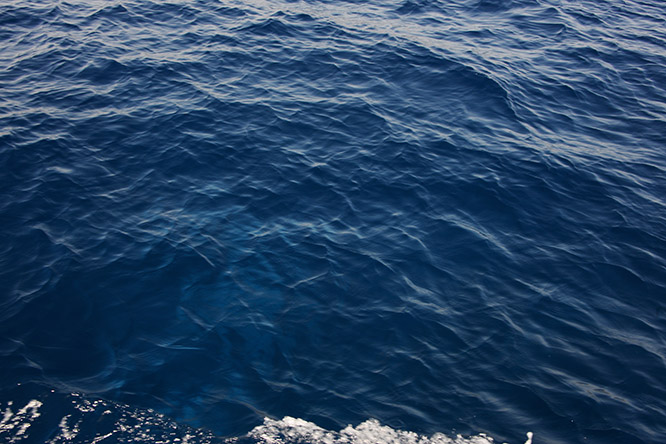
The water really did look almost like blue paint in certain places. Between the cliffs and that intense color, the coastline ended up being one of my favorite parts of Malta.
Water Sports and Scuba Diving
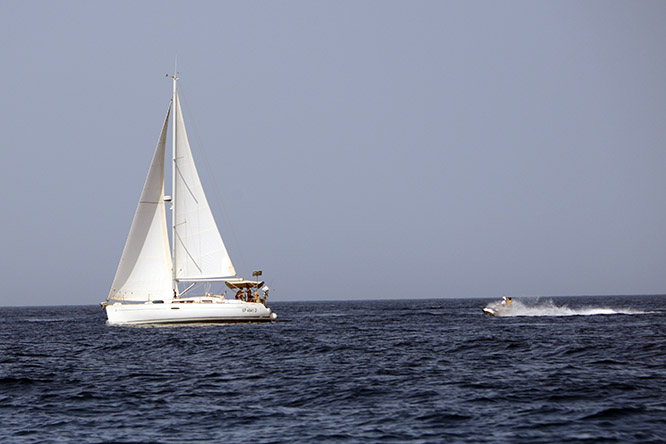
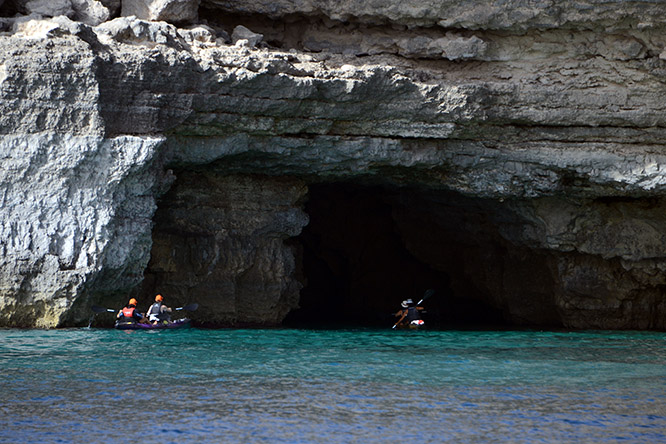
Malta isn’t the kind of destination I would choose for long mountain hikes, but the coastline opens up all kinds of other outdoor activities. Sailing, kayaking, jet skiing, snorkeling, and scuba diving are all easy to find around the islands. The cliffs also looked like they could offer some excellent rock climbing.
I actually ended up doing less sightseeing than I originally planned because I got sucked into scuba diving instead.
I completed several dives around Malta, but at the time I didn’t have a proper underwater camera. All I had was my GoPro, and without a dive light most of the footage came out much darker than what I could actually see with my own eyes.
I also had the bad habit of forgetting that the GoPro was pointed slightly higher than my line of sight. Because of that I managed to completely miss recording a large marine worm, an octopus, and some other sea life that I was watching directly below me. Apparently underwater photography was something I still needed to work on.
Even with all the places I missed, Malta ended up having far more to see than I expected from such a small country. Mdina alone could fill a day, while the fishing villages, coast, churches, markets, and diving made the island feel much larger than it really is. I’d definitely return, if only to finally visit all the places I drove past the first time.