Traveling in Liechtenstein
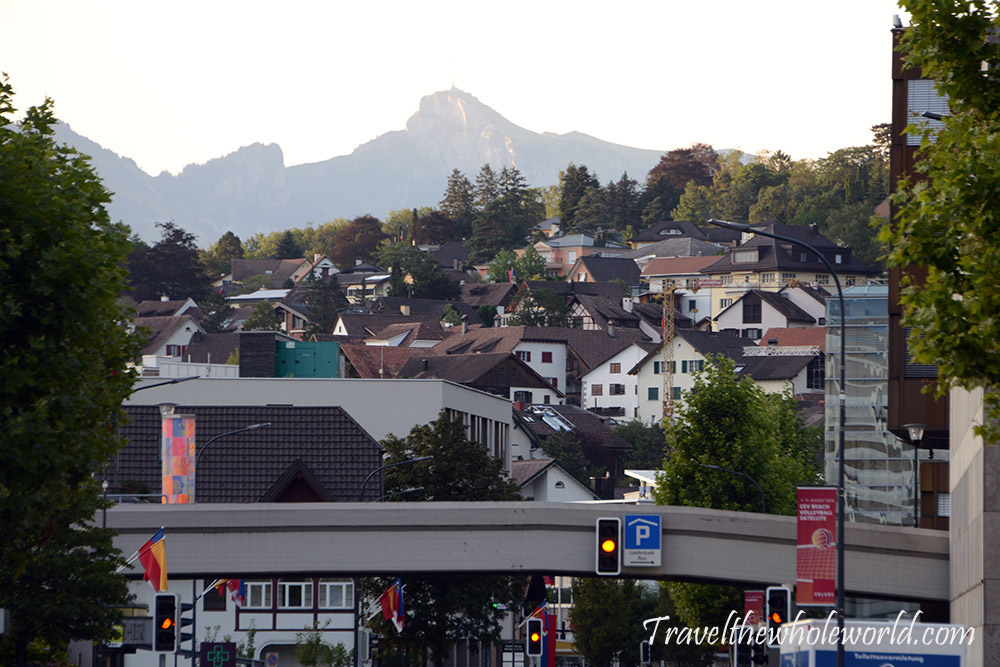
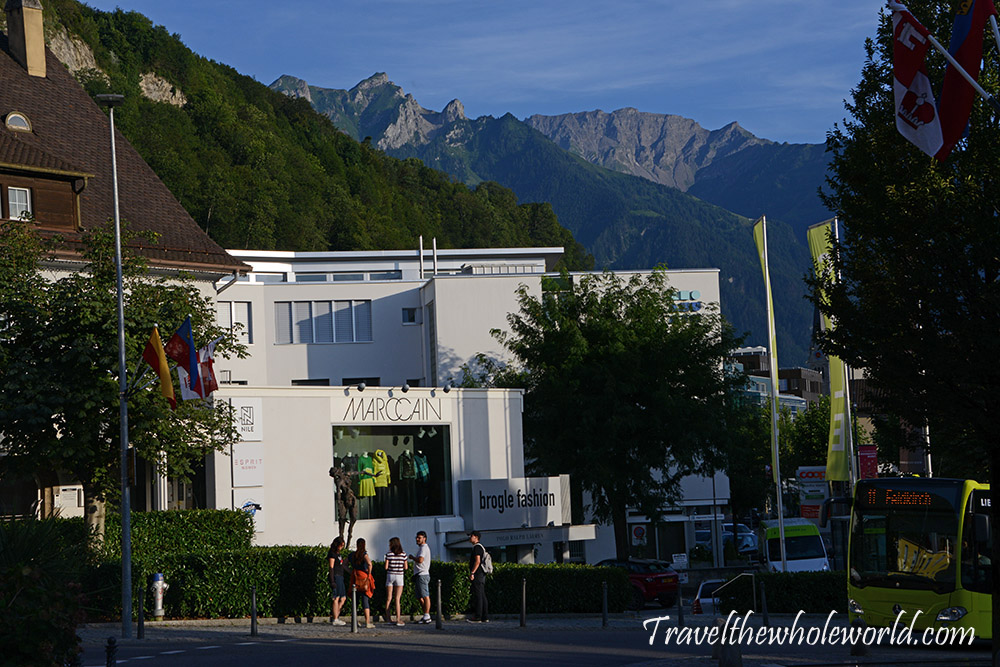
Mountain town in Liechtenstein
My first view of Liechtenstein

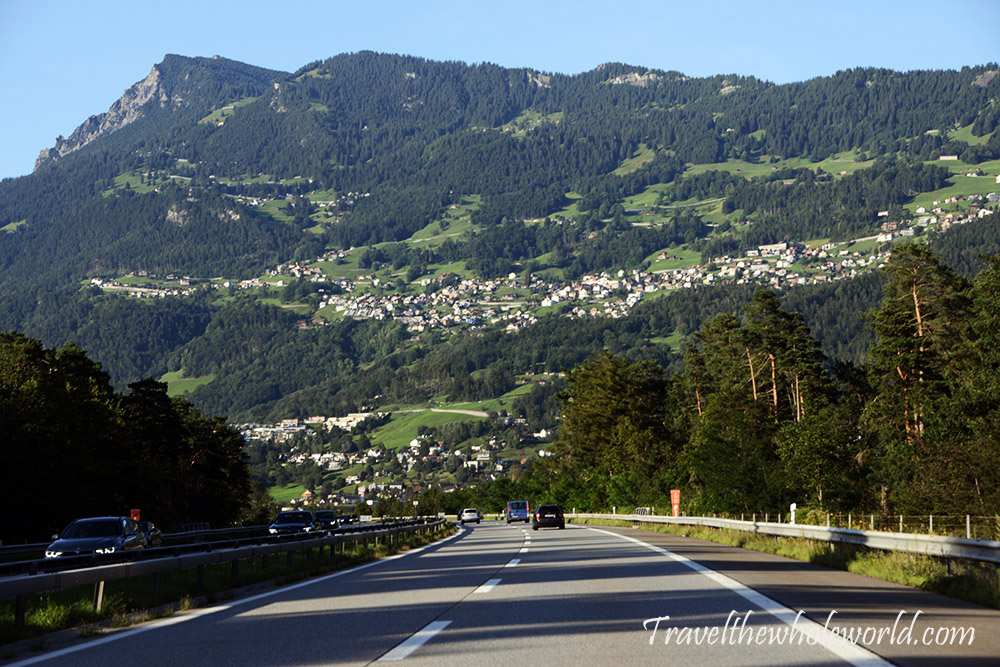
Hidden between Switzerland and Austria, Liechtenstein is one of the world’s smallest countries. This tiny nation has a population of only around 40,000 people, and before I arrived all I really knew was that it was a small German-speaking country surrounded by mountains. I drove in from Switzerland, and this little mountain town was my first view of Liechtenstein. It didn’t take long to realize just how small the country really is. You can drive across the entire thing without even realizing you’ve passed through several towns along the way.

Schaan Liechtenstein
Schaan

Even though Liechtenstein is so small, there are several towns within the country. The capital is Vaduz, but the largest municipality is Schaan, photographed above. I feel like that’s a bit misleading though, because I actually took this photo of Schaan while I was in Vaduz! I think it’s possible to walk between the two and not even realize you’ve left the capital. From my brief time in Schaan I gathered that it was mostly where people lived and worked. When I visited, the majority of the shops were closed even though it was the weekend. It seemed my time was better spent back in Vaduz, so I simply walked about 20 minutes back toward the capital.


Vaduz

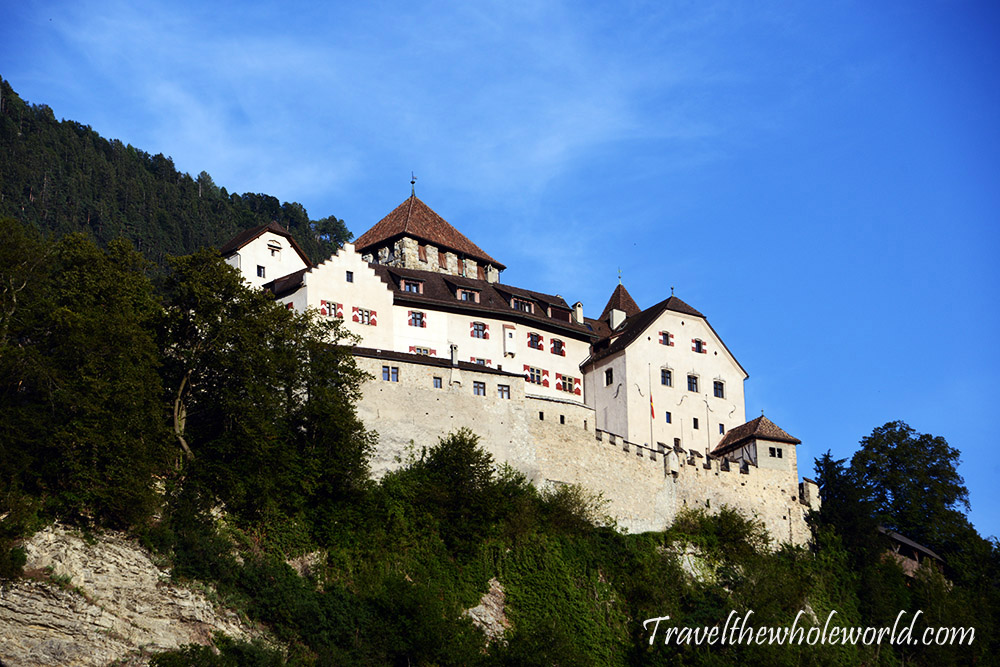
Vaduz Castle Liechtenstein
Vaduz Castle

Liechtenstein is a constitutional monarchy, with the Prince of Liechtenstein as head of state. Vaduz Castle sits high above the capital and is probably the most recognizable landmark in the country. The castle is still the residence of the princely family, so unlike many castles in Europe you can’t simply buy a ticket and wander around inside. You can however hike up from the center of Vaduz and get much closer to it. Somehow I never made the walk myself, which seems pretty ridiculous considering how small Vaduz is!

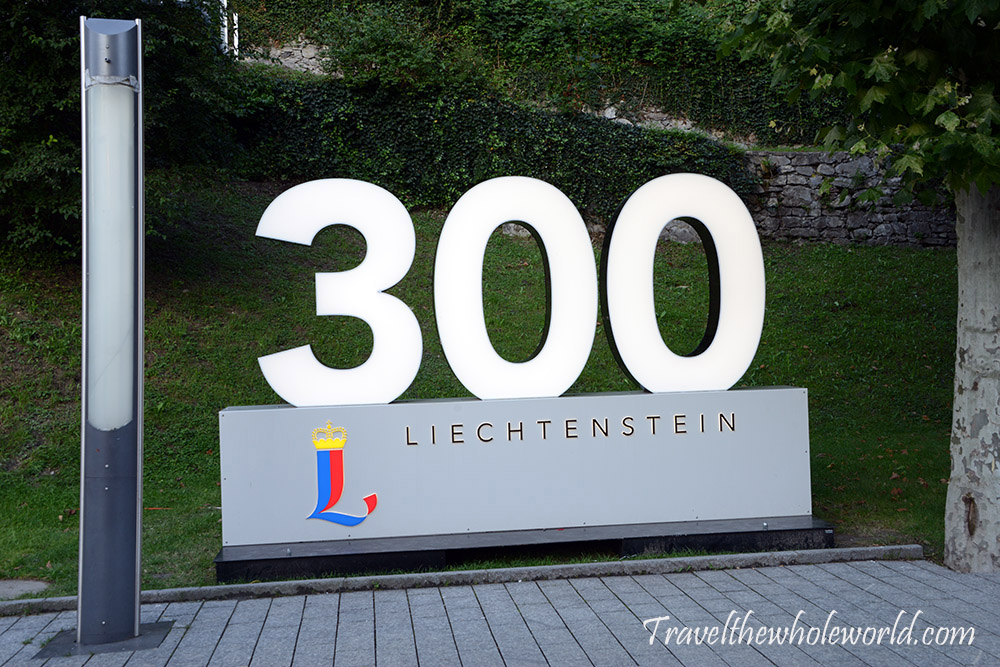
Liechtenstein 300 year anniversary sign in Vaduz
Celebrating 300 years of Liechtenstein

I happened to visit Liechtenstein in 2019, during the country’s 300th anniversary celebrations. The Principality of Liechtenstein was created in 1719 when the territories of Vaduz and Schellenberg were united and elevated into an Imperial Principality. Liechtenstein didn’t become fully sovereign until 1806, but 1719 is considered the birth of the country. Most of the major anniversary celebrations had taken place earlier in the year, although signs like this one were still all over Vaduz when I visited.

Pedestrian street in Vaduz Liechtenstein
Pedestrian street in central Vaduz

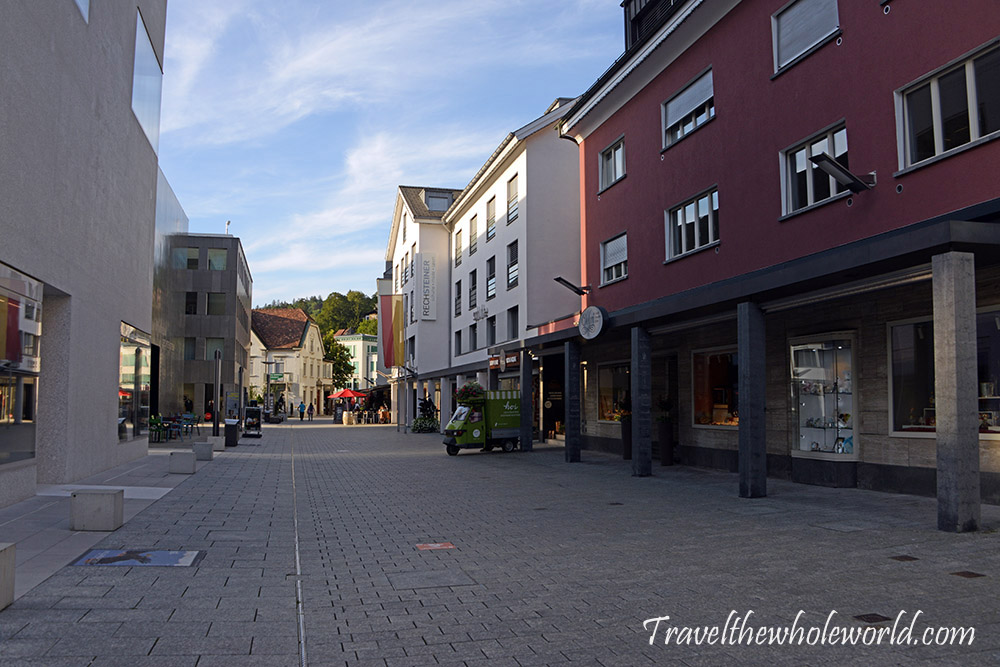
Downtown Vaduz is tiny and very easy to explore on foot. Most of the tourist attractions are concentrated around this pedestrian street, with restaurants, museums, government buildings and souvenir shops all within a few minutes of each other. Considering Vaduz is a national capital, it’s almost strange how relaxed the place feels. There aren’t crowds of cars or giant buildings, and within a short walk you can already find yourself surrounded by vineyards and mountains.

Downtown Vaduz Liechtenstein
Downtown Vaduz
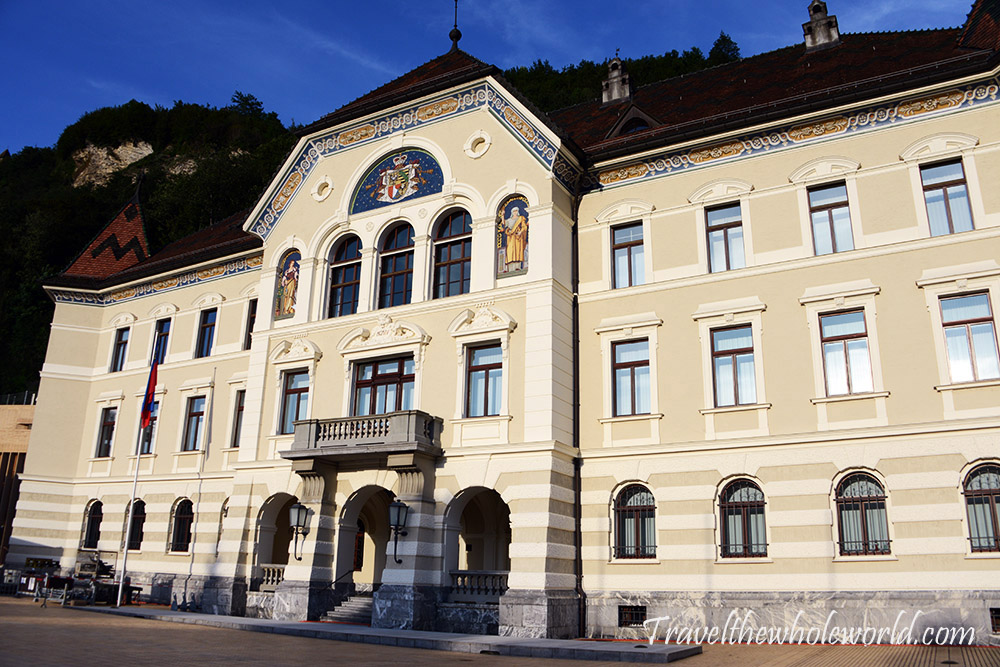
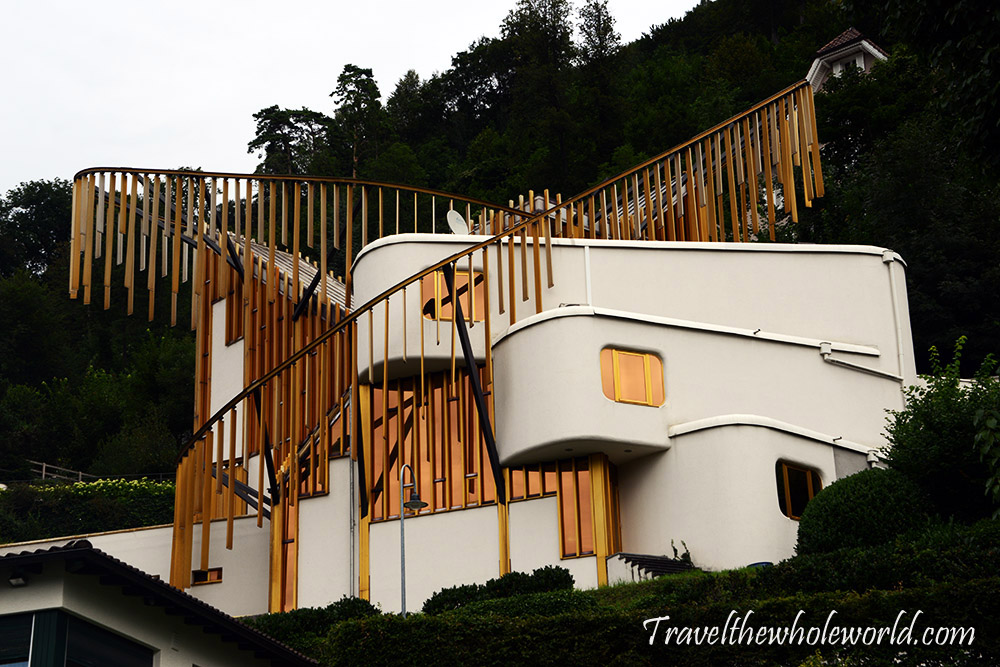
Architecture in Vaduz Liechtenstein
Architecture in Vaduz
Building in Vaduz Liechtenstein
Modern Vaduz

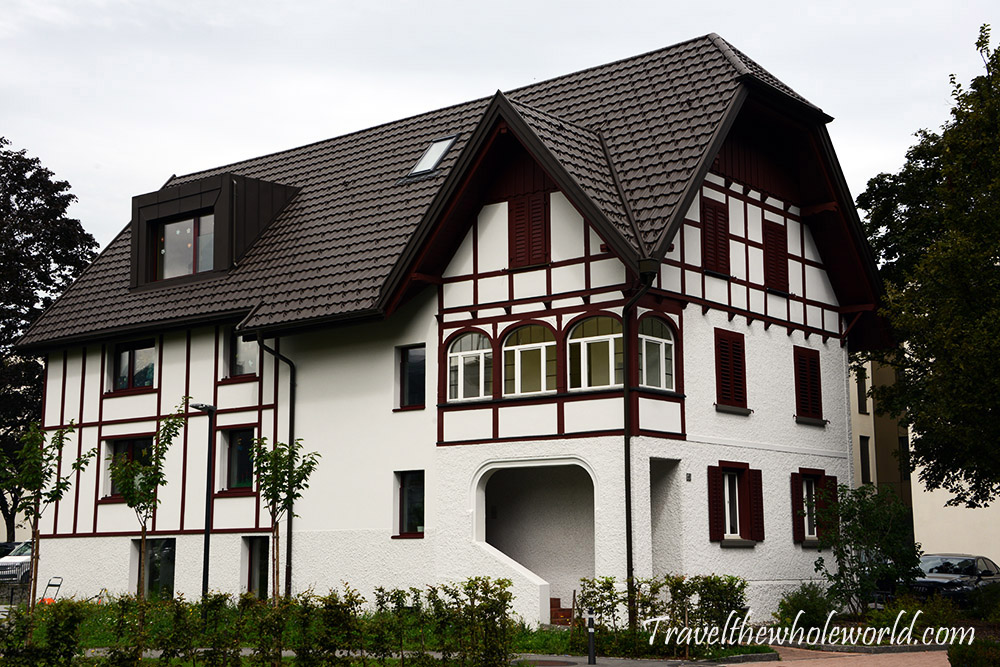
Vaduz had an interesting mixture of traditional Alpine buildings and surprisingly modern architecture. Considering how old the country is, I expected the capital to look much more historic. Instead there were plenty of modern government and commercial buildings mixed in with houses that looked more like what I expected to find in a tiny Alpine country.

Traditional house in Vaduz Liechtenstein
Traditional home in Vaduz
Palm tree in Vaduz Liechtenstein
A palm tree in the Alps

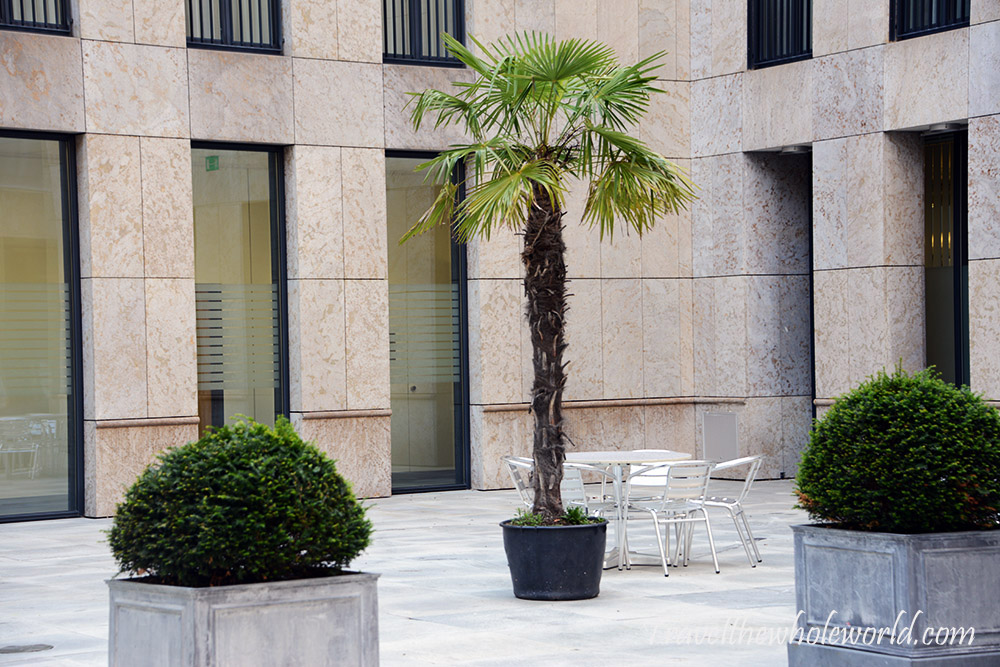
This palm tree was one of the more random things I photographed in Vaduz. When I picture Liechtenstein I think of snow, mountains and evergreen forests, so seeing a palm tree growing beneath the Alps seemed completely out of place. I guess the valleys here are a little warmer than the mountain scenery makes them appear.

Mural in Vaduz Liechtenstein
Mural in Vaduz
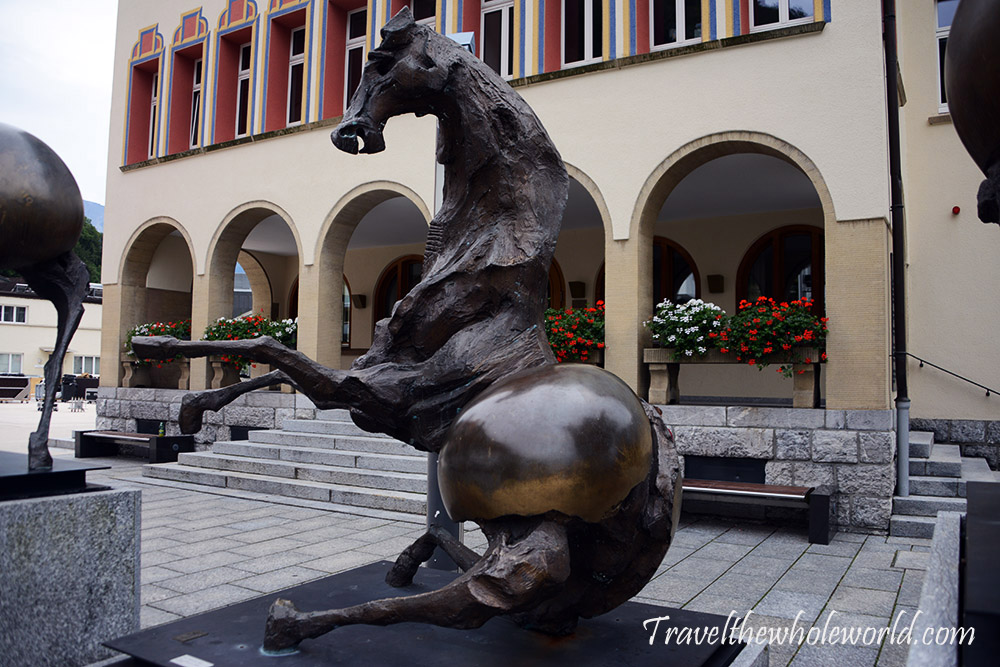
Horse statue in Vaduz Liechtenstein
Public art in Vaduz

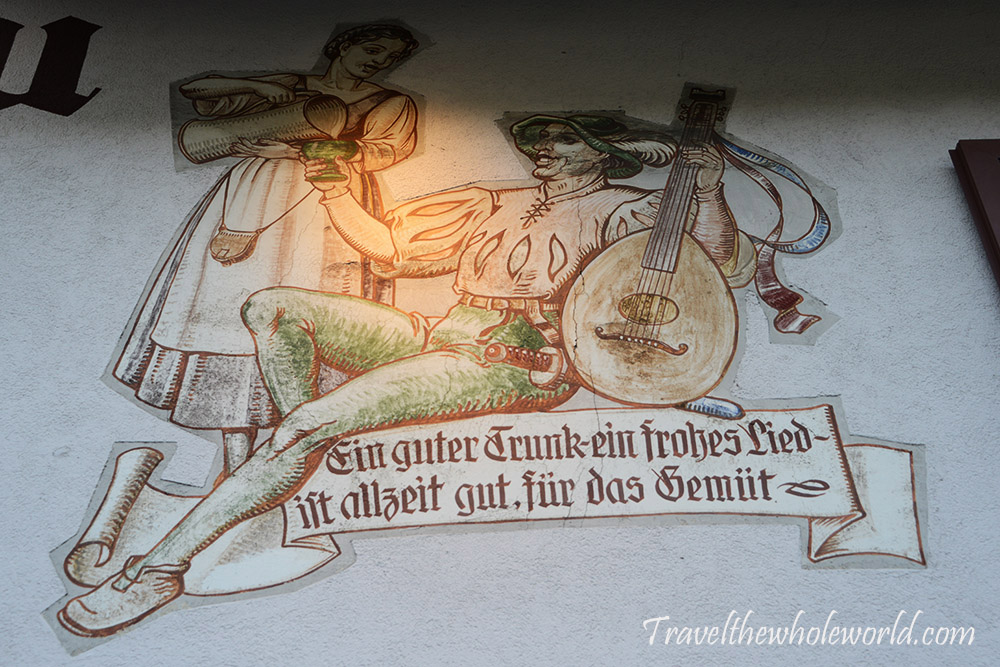
Vaduz also had quite a bit of public art for such a small city. Sculptures and modern artwork seemed to appear all along the pedestrian areas, and even the sides of some buildings were decorated with murals. It gave the capital much more personality than I expected from a place that can be explored in only a few hours.

Just married couple in Vaduz Liechtenstein
Just married in Vaduz

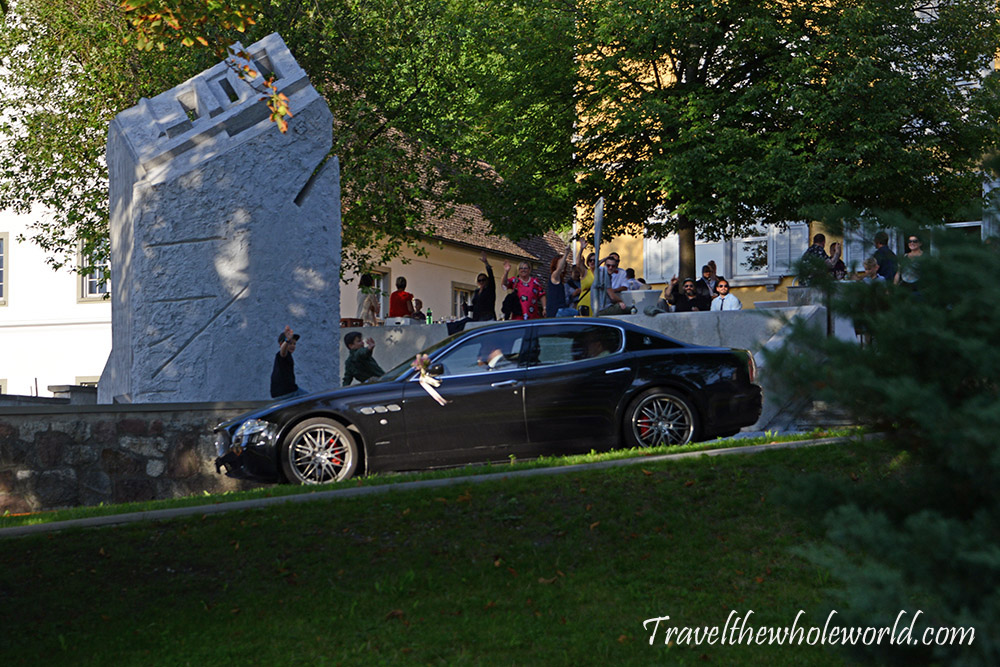
And here’s one completely random scene from downtown. I came across this newly married couple while walking around Vaduz. With a capital this small, I guess even somebody’s wedding can briefly become part of your sightseeing!

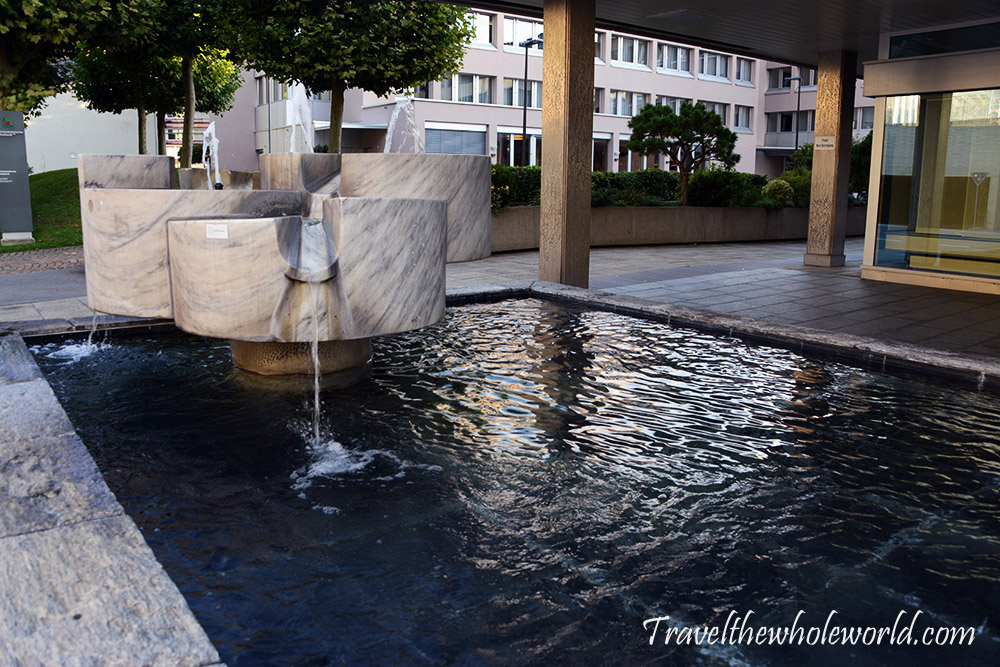
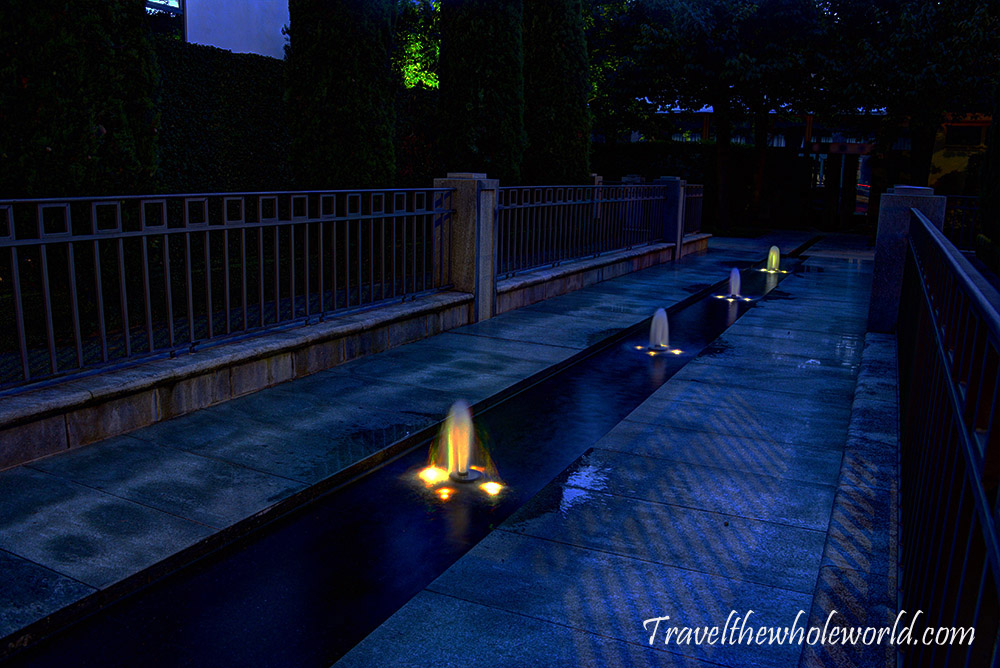
Fountain in Vaduz Liechtenstein
Fountain in Vaduz
Fountain and mountains in Vaduz Liechtenstein
Vaduz beneath the mountains

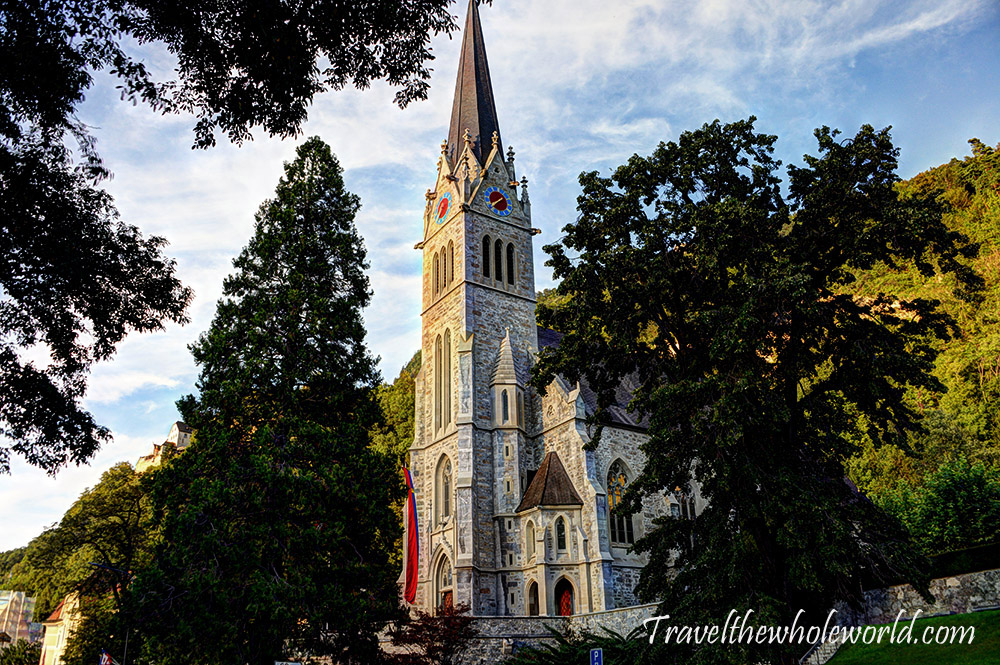
Vaduz Cathedral

Vaduz Cathedral Liechtenstein
Vaduz Cathedral

One of the more traditional landmarks in the capital is Vaduz Cathedral. Compared to some of the giant cathedrals I’ve visited around Europe it isn’t especially large, but I thought its stone architecture looked perfect with the mountains behind it. In a country this small, even the national cathedral feels more like a local church than some enormous monument.

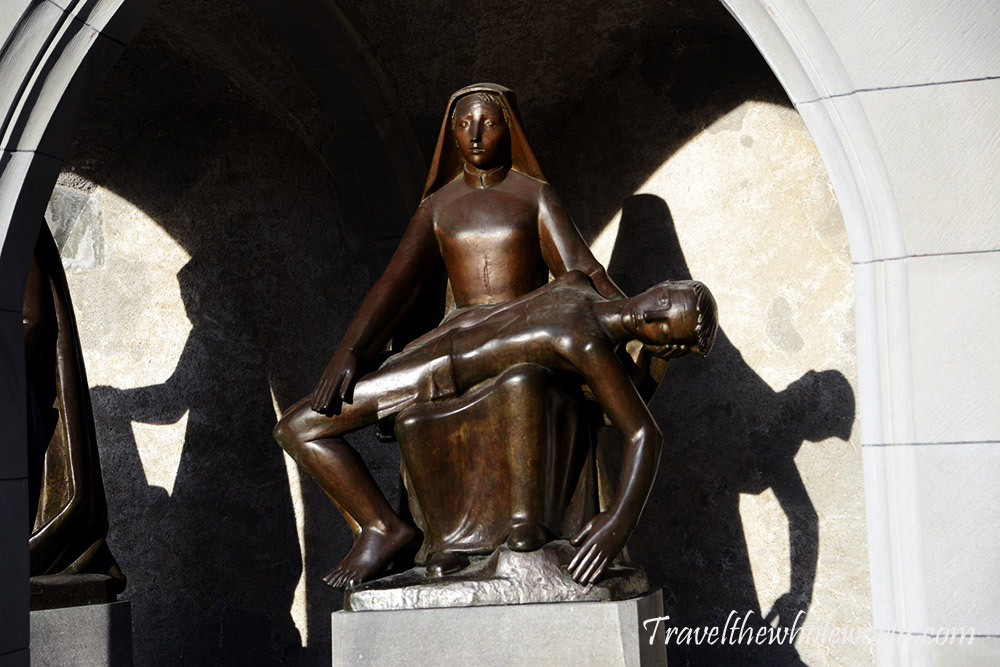
Religious statue at Vaduz Cathedral
Statue at Vaduz Cathedral

Liechtenstein National Museum

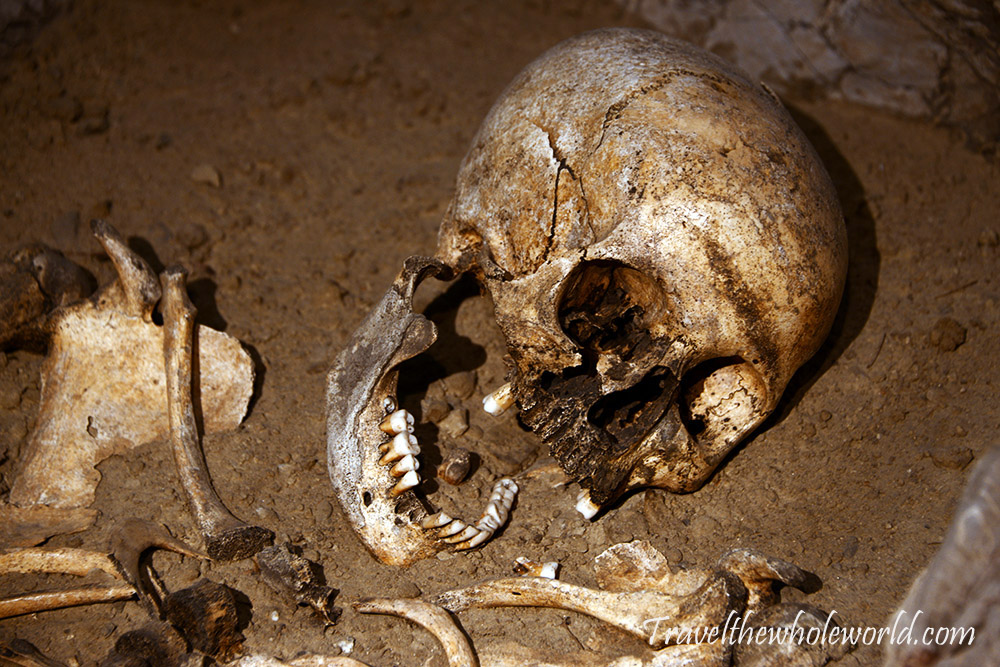
Human skull at the Liechtenstein National Museum
Human remains in the National Museum

If you want to understand a little more about such a strange little country, the Liechtenstein National Museum is worth visiting. I expected it to be a small museum that could be seen in about twenty minutes, but it actually covered everything from archaeology and natural history to traditional clothing, artwork and the country’s modern history.

Ancient relics in the Liechtenstein National Museum
Ancient relics from Liechtenstein

Liechtenstein might be a modern country only a few centuries old, but people have lived in this part of the Rhine Valley for thousands of years. The museum had archaeological finds showing some of the much older human history of the region, including tools and other artifacts discovered within what is now Liechtenstein.

Traditional clothing in the Liechtenstein National Museum
Traditional clothing
Decorative porcelain egg in the Liechtenstein National Museum
Decorative porcelain egg

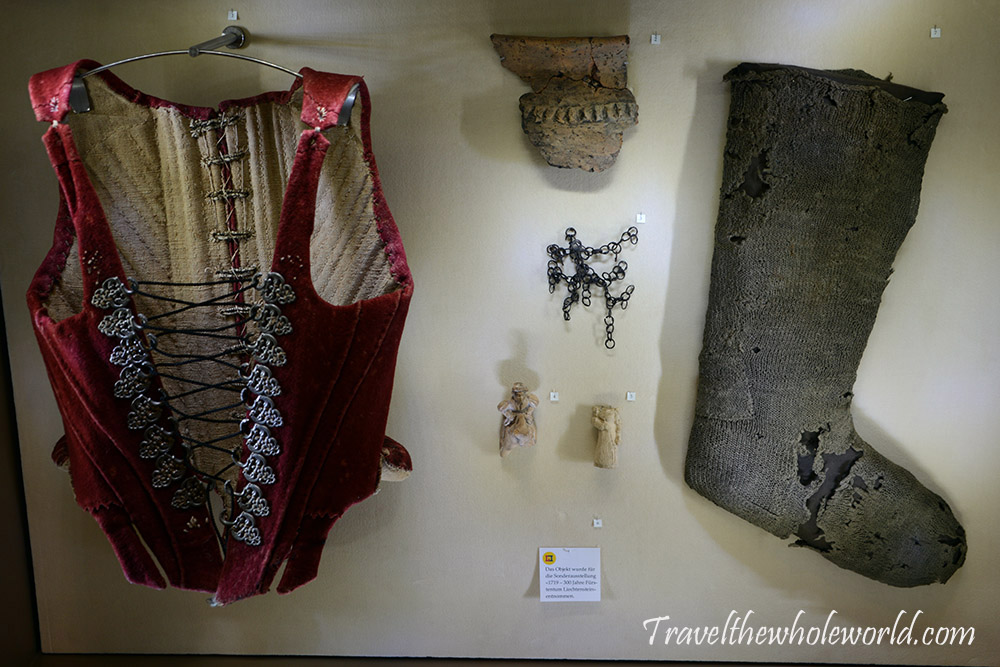
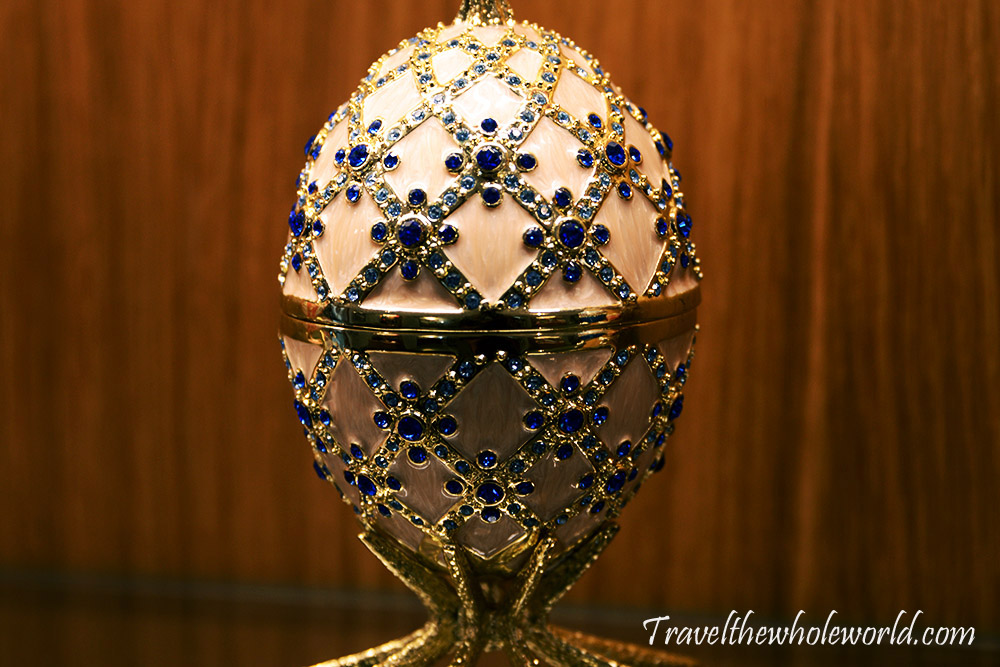
Other rooms focused more on everyday culture. There were traditional clothes, household objects and decorative pieces showing what life was like before Liechtenstein became the wealthy country it is today. This porcelain egg was one of the more unusual pieces that caught my attention.

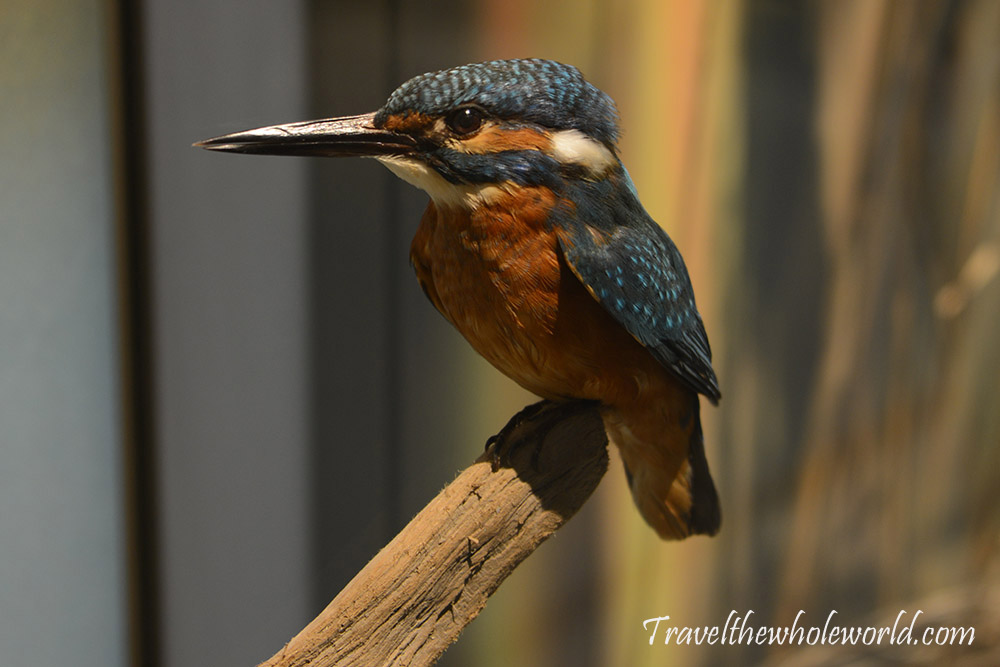
Bird exhibit at the Liechtenstein National Museum
Wildlife exhibit

The museum even had a natural history section devoted to the wildlife and environment of the country. With Liechtenstein being dominated by the Alps, there is a surprising amount of wildlife packed into such a tiny area. I would get a much better look at that side of the country once I left Vaduz and headed into the mountains.

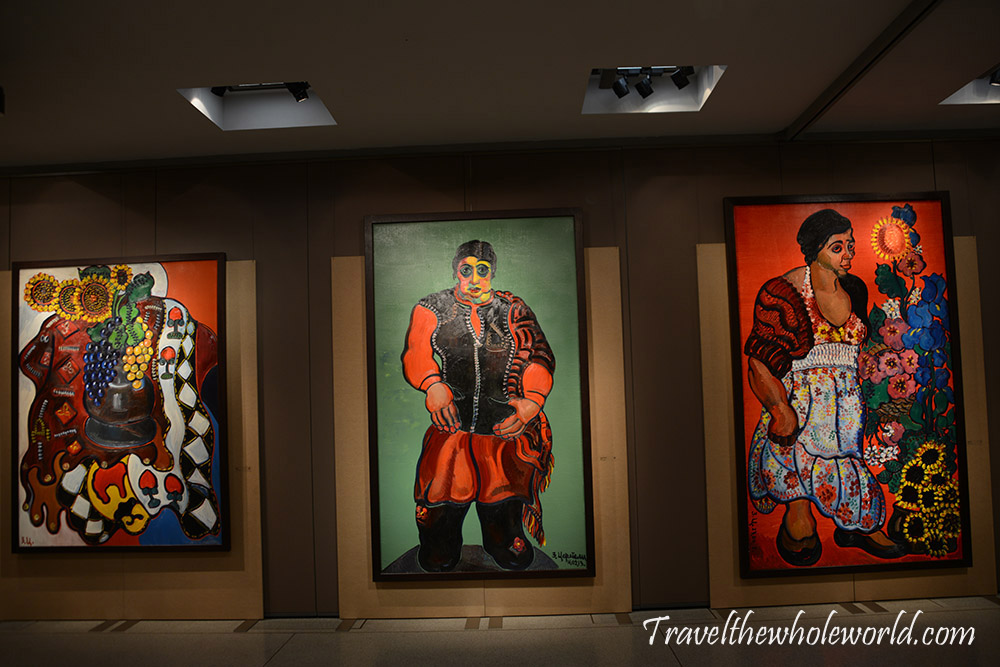
Modern art in the Liechtenstein National Museum
Modern art in the museum

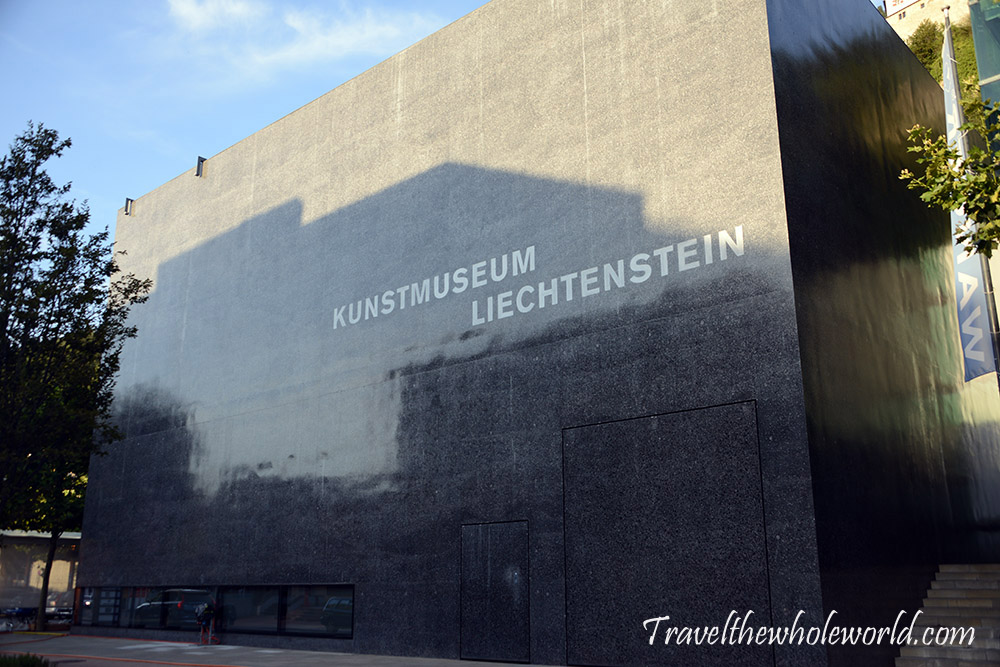
Kunstmuseum Liechtenstein

Kunstmuseum Liechtenstein in Vaduz
Kunstmuseum Liechtenstein

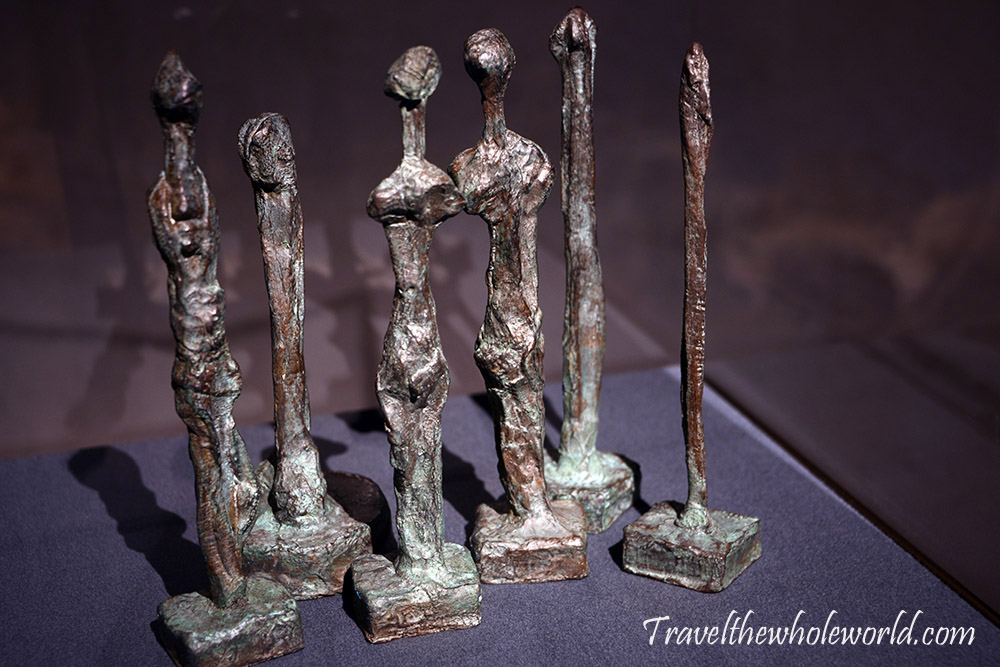
Right in the middle of Vaduz is also the Kunstmuseum, Liechtenstein’s modern and contemporary art museum. The dark rectangular building certainly stands out against the more traditional Alpine scenery. I didn’t spend nearly as much time here as I did in the National Museum, but between the museums and all the public sculptures outside, Vaduz definitely had more art than I expected.


Malbun

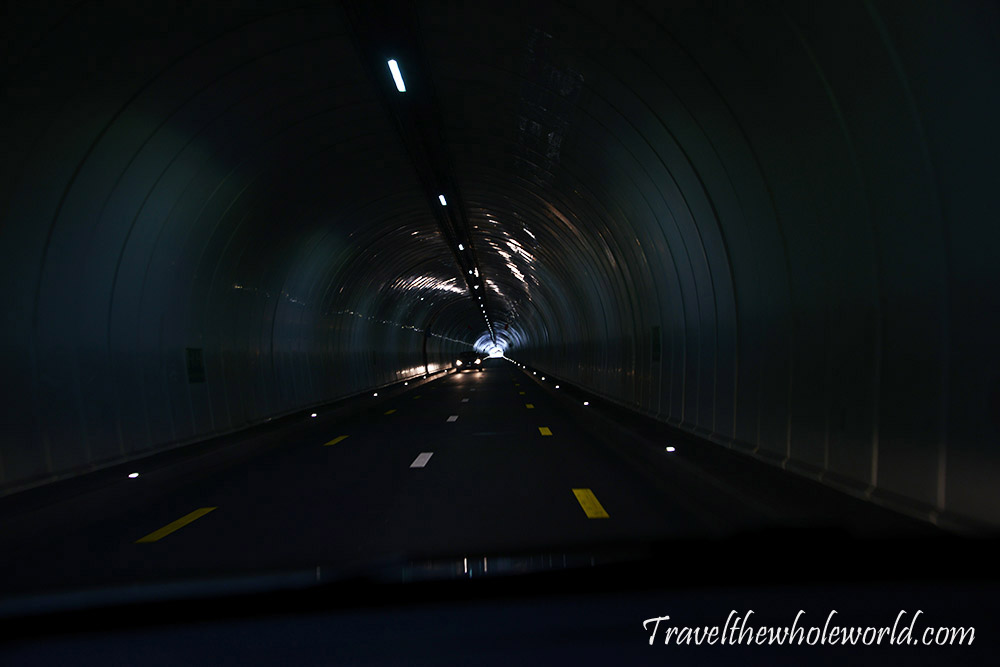
Tunnel leading toward Malbun Liechtenstein
Heading into the mountains

As interesting as Vaduz was, the real reason I wanted to visit Liechtenstein was for the mountains. From the Rhine Valley I drove higher into the Alps toward Malbun, the country’s main mountain village. The transition happens incredibly fast. One minute you’re driving through populated towns in the valley, and not long afterward you’re passing through tunnels and surrounded by steep mountain slopes.

Malbun Liechtenstein
Malbun

Malbun sits at around 1,600 meters, or roughly 5,200 feet, and feels completely different from Vaduz. In winter this is Liechtenstein’s main ski area, but I visited during the summer when everything was green and the ski slopes had turned into hiking trails. With wooden chalets, restaurants and mountains surrounding the village in almost every direction, this was much closer to the Liechtenstein I had imagined before arriving.

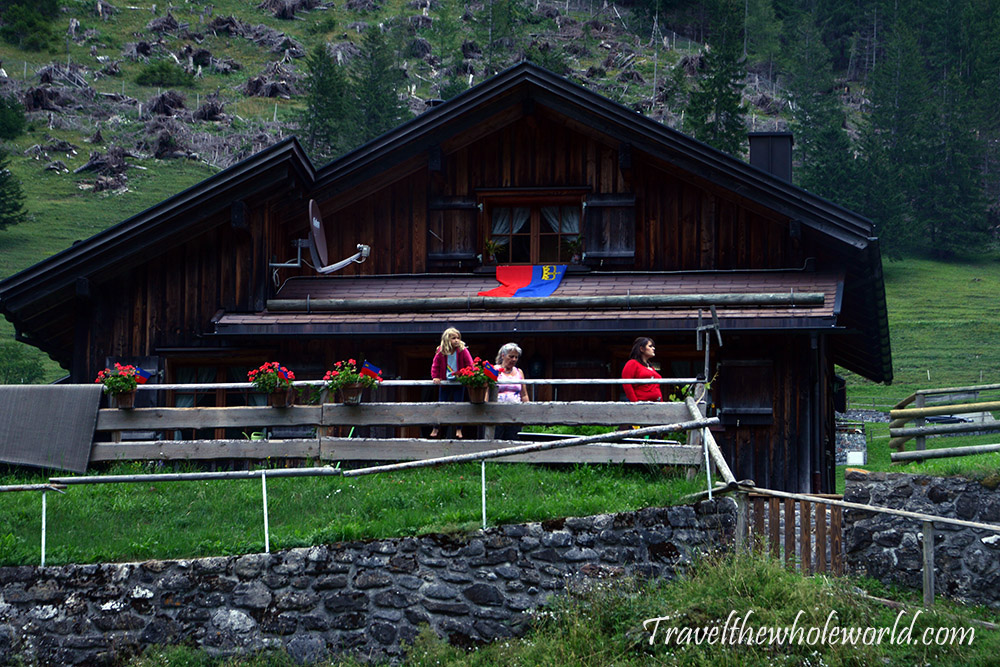
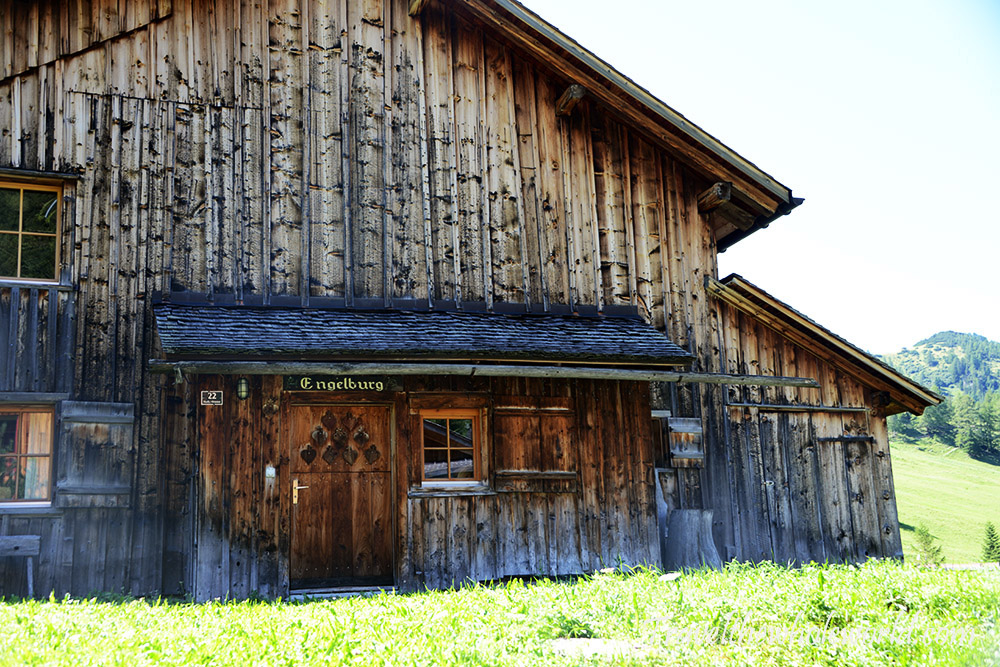
Wooden Alpine house in Malbun Liechtenstein
Alpine home in Malbun
People in Malbun Liechtenstein
Locals in Malbun

I didn’t spend much time simply hanging around the village because I wanted to get onto the trails, but Malbun would make a great place to stay for a few days. There are enough restaurants and hotels to make it comfortable without losing the feeling of being in a tiny mountain village.

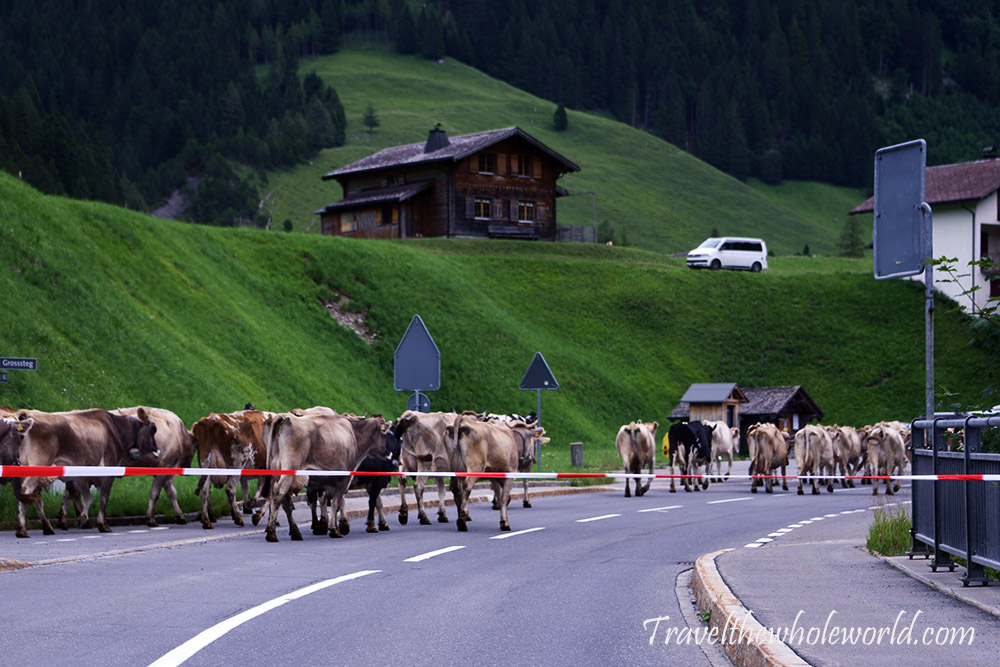
Road closure in Malbun Liechtenstein
Road closure near Malbun

Hiking Augstenberg

Hiking trail toward Augstenberg Liechtenstein
Trail toward Augstenberg

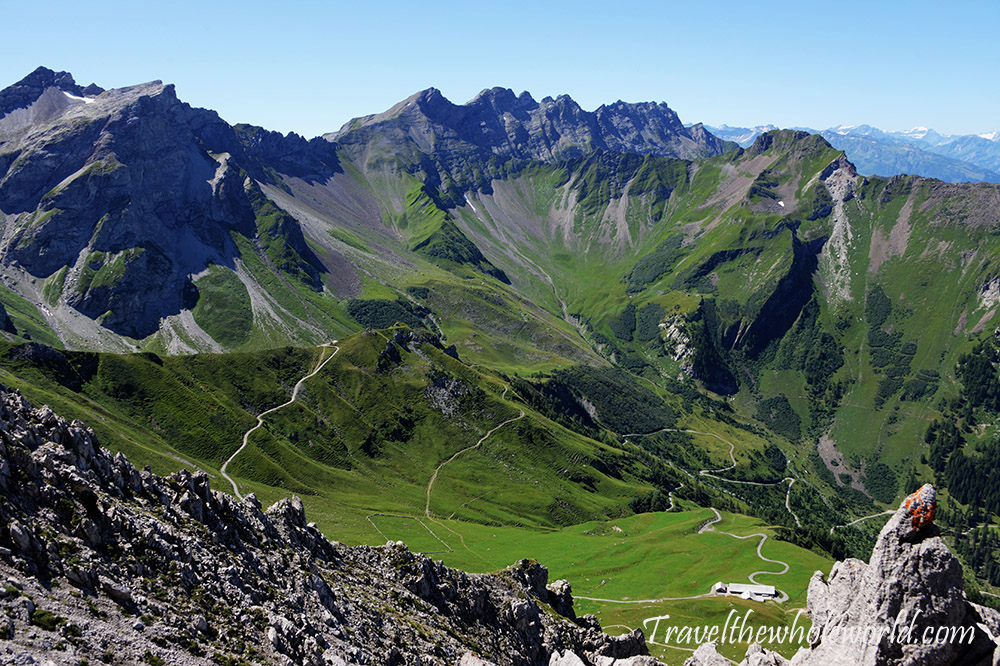
From Malbun I headed toward Augstenberg, one of the more popular hiking peaks in Liechtenstein. At 2,359 meters, or about 7,740 feet, it isn’t especially high by Alpine standards, but you gain enough elevation to get some incredible views across the surrounding mountains. Much of the normal trail was straightforward hiking like what you see above.

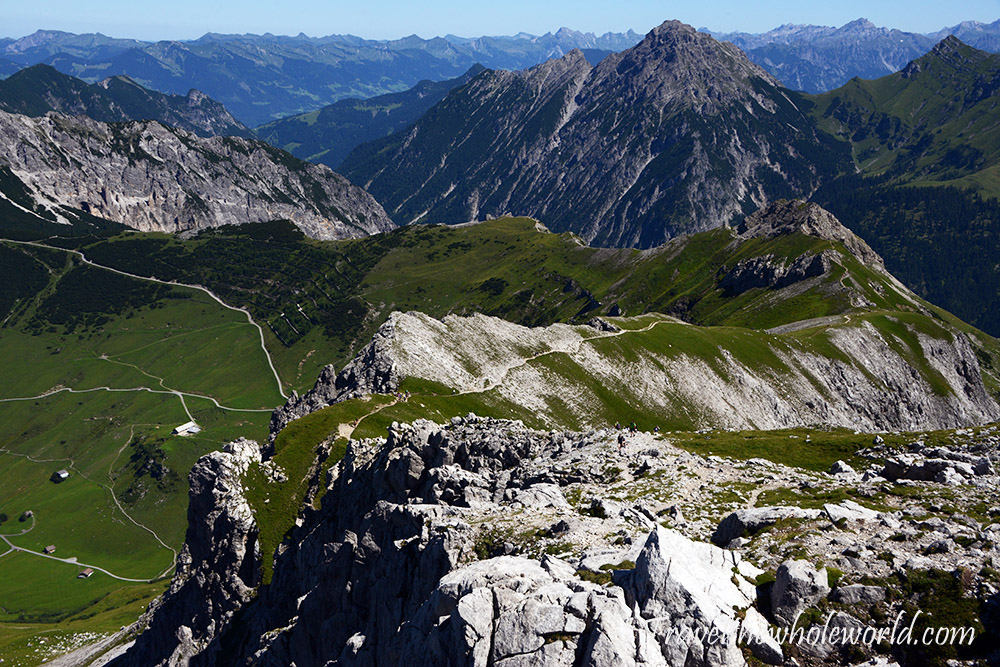
Mountain trail on Augstenberg Liechtenstein
Higher on Augstenberg

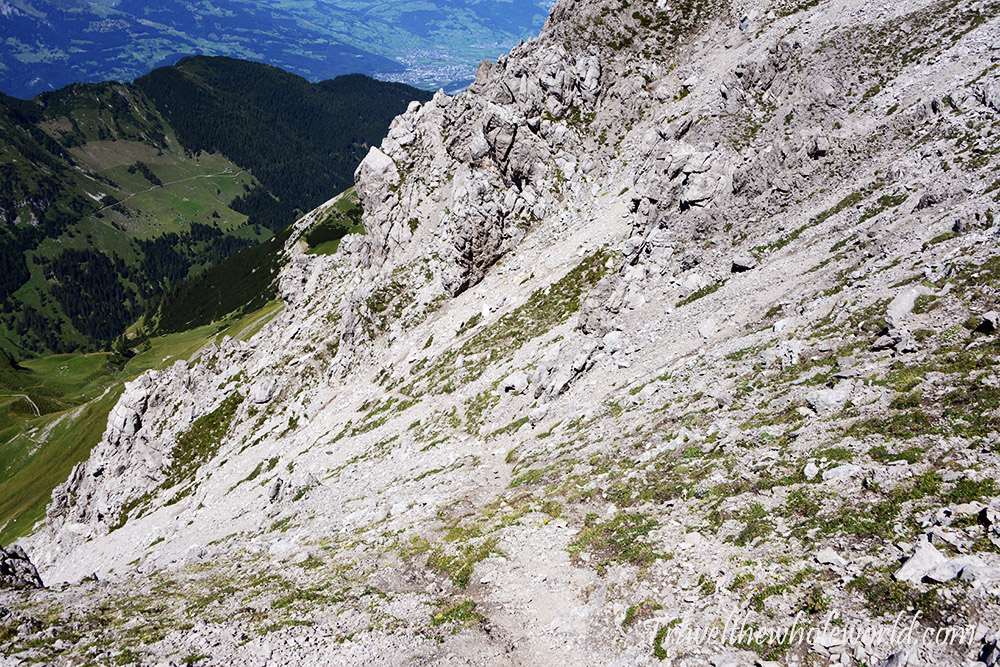
Higher up, the trail became much more exposed and interesting. This is exactly the type of hiking I enjoy, where you’re still moving quickly but the trail starts following ridges and rocky terrain rather than simply climbing through a forest. For such a tiny country, Liechtenstein has a surprisingly serious mountain landscape.

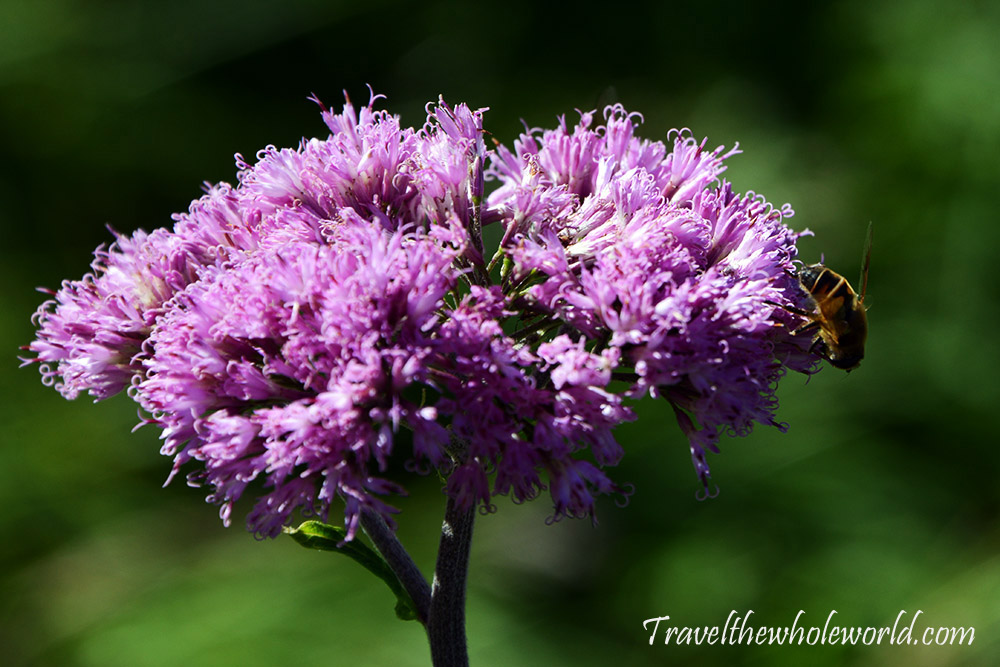
Bee on alpine flowers near Augstenberg
Bee along the Augstenberg trail
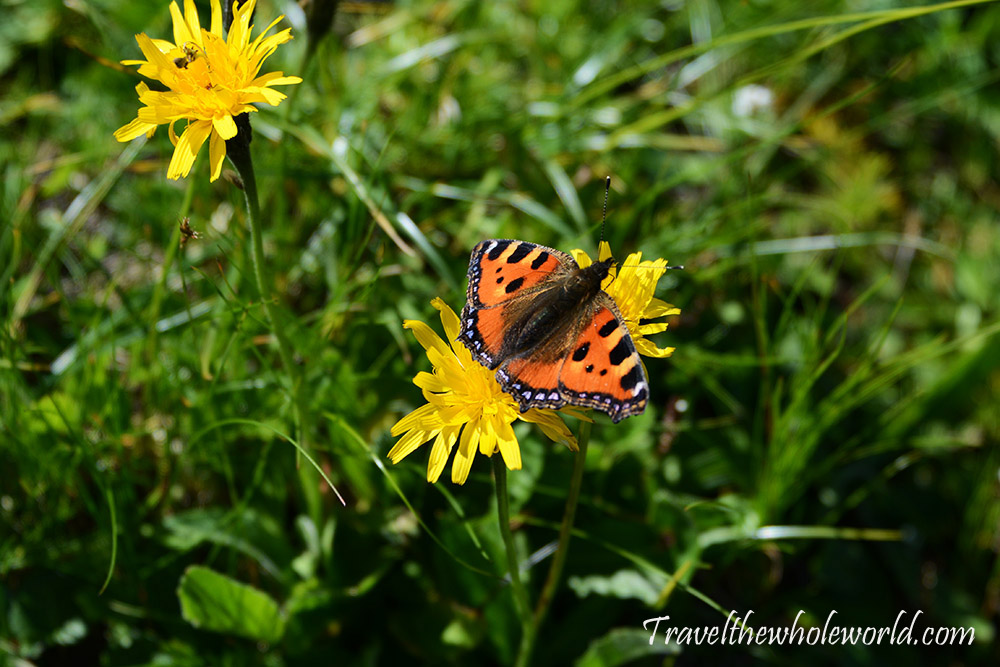
Butterfly near Augstenberg Liechtenstein
Butterfly in the Alpine meadows

The lower slopes were filled with summer wildflowers, which meant plenty of insects as well. I always like slowing down for some macro photography when I’m hiking, and between the bees and butterflies there was plenty to photograph before getting into the rockier terrain higher up.

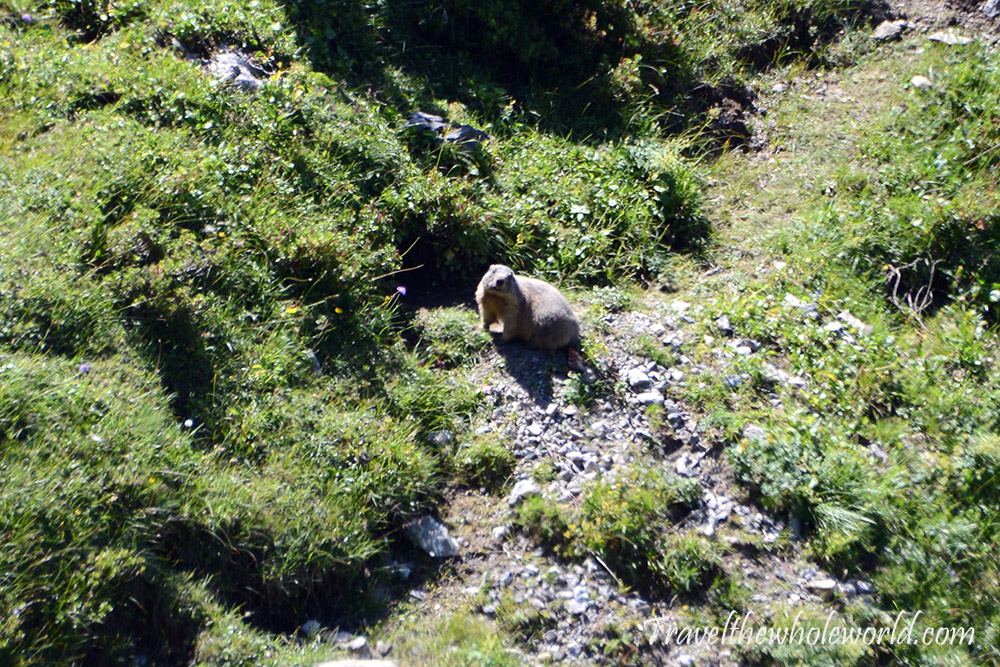
Marmot near Augstenberg Liechtenstein
Alpine marmot

The highlight of the wildlife was this marmot. I’ve come across marmots in mountain ranges all over the world, and they always seem to have the same strategy of watching you from a distance before disappearing underground. This one stayed out long enough for me to get a photo.

Summit cross on Augstenberg Liechtenstein
Summit of Augstenberg

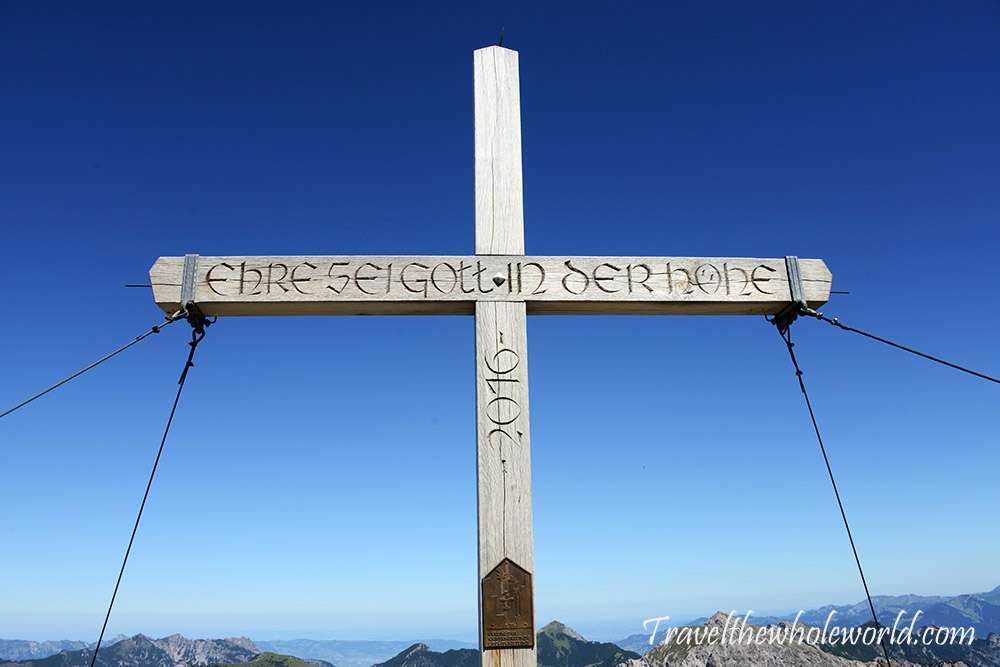
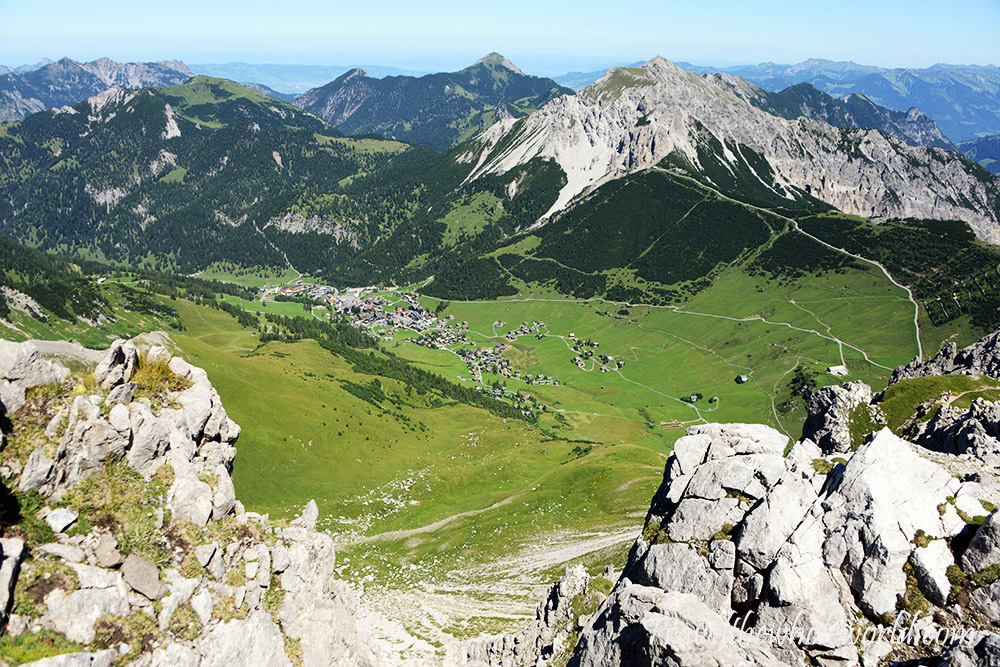
The summit of Augstenberg is marked by a large cross, which is pretty common on peaks throughout this part of the Alps. From here you can see across a huge section of Liechtenstein and into the mountains of both Switzerland and Austria. Standing on the summit really puts the country’s size into perspective. There aren’t many places where you can climb a mountain and practically look across an entire nation.

Grauspitz Liechtenstein
Grauspitz

From the mountains around Malbun you can also look toward the higher peaks along Liechtenstein’s southern border. The country’s highest point is Grauspitz at 2,599 meters, or about 8,527 feet. I didn’t climb it on this trip, but naturally the highest point in the country is now sitting on my list for a future visit. Considering how little time it takes to travel anywhere in Liechtenstein, returning to climb it would make for a pretty easy excuse to come back.


A Tiny Country With a Lot Packed Into It

Liechtenstein was one of those places where I arrived mostly because it was there. I was already traveling through the Alps and figured there was no way I could drive this close to one of the world’s smallest countries without stopping. I expected to spend a few hours in Vaduz, say I’d visited Liechtenstein, and move on. Instead I found museums, interesting history, a surprisingly modern capital and some excellent hiking in the mountains above Malbun.

It’s probably not a country where most travelers need a week, but that’s part of what makes Liechtenstein fun. You can walk around the capital in the morning, visit museums in the afternoon, and then be high in the Alps before the day is over. For a country small enough to almost disappear from a map of Europe, Liechtenstein managed to give me plenty of reasons to return.

Verified by MonsterInsights