Hong Kong is one of the most distinctive places in Asia, shaped by both its Chinese heritage and nearly 150 years of British rule. Britain took control of Hong Kong Island following the First Opium War in 1842, and over the following century the territory developed into a major international trading center. British rule also left a lasting influence on Hong Kong’s legal system, architecture, education, and widespread use of English. Sovereignty was transferred to China in 1997, with Hong Kong becoming a Special Administrative Region under the “one country, two systems” framework.
When I visited, what stood out most was how international the city felt. Dense neighborhoods, enormous skyscrapers, traditional Chinese culture, British influences, luxury shopping, street markets, and green mountains all seemed to exist right on top of one another. Hong Kong had become one of Asia’s great financial and commercial centers, yet beyond the skyline there were parks, hiking areas, steep mountains, and surprisingly wild areas squeezed between all that development.
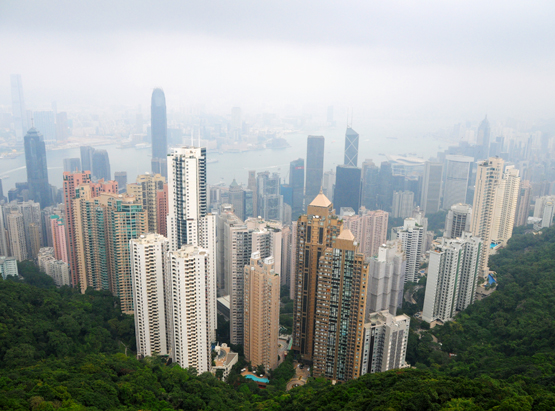
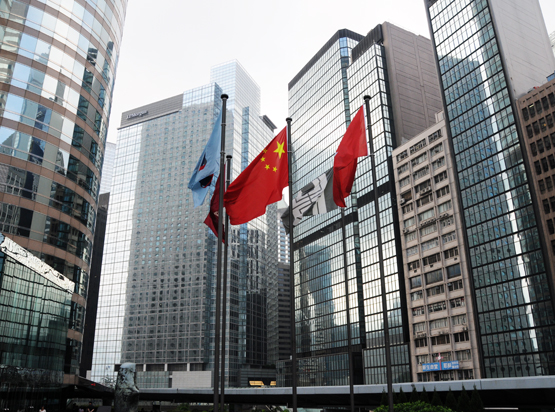
Above is a view across the central areas of Hong Kong, one of the most densely developed urban landscapes in the world. The second photo shows Chinese flags flying downtown, something that reflects the city’s return to Chinese sovereignty in 1997. Despite being part of China, Hong Kong has retained its own currency, immigration system, and many separate institutions under its status as a Special Administrative Region.
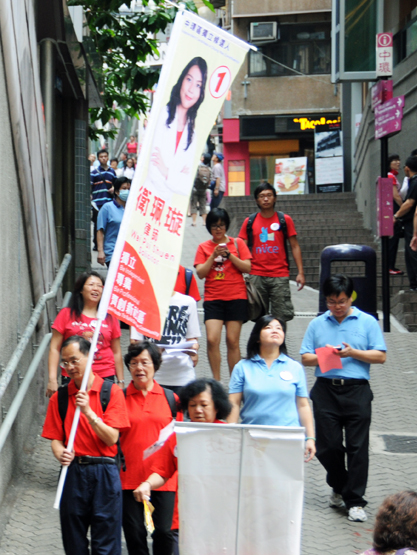
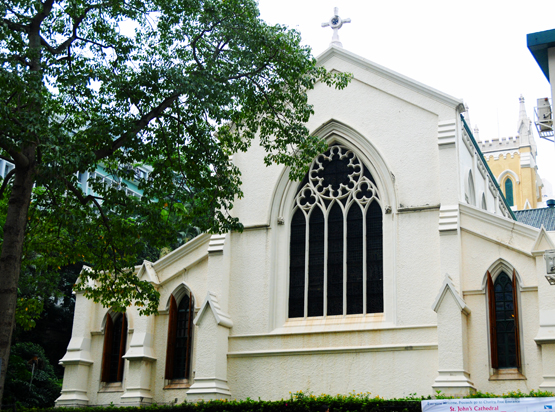
During my visit I came across what appeared to be a protest or political gathering in the city center. Hong Kong has experienced major political changes since then, making photographs like this an interesting snapshot of the city during that period. The second photo shows St. John’s Cathedral, a reminder of the British influence that remains visible throughout Hong Kong. Christianity is one of many religions practiced here alongside Buddhism, Taoism, and other traditions.
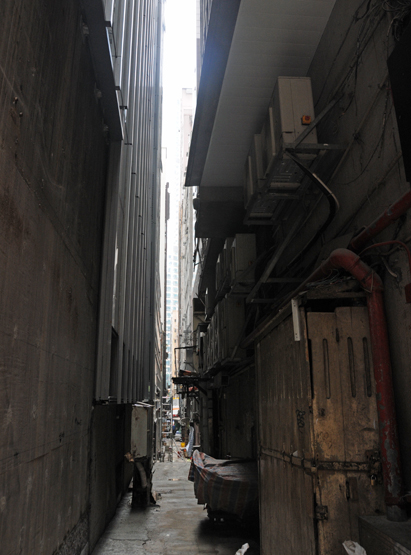
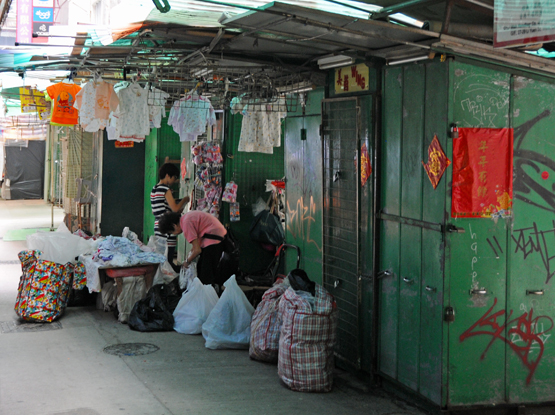
I’ve visited some of the world’s biggest cities, including New York and Tokyo, but Hong Kong has a vertical character all its own. With mountains and water limiting the amount of land available for development, the city expanded upward. Walking through narrow streets and alleys, I was amazed by how nearly every available space seemed to be used. A tiny opening between buildings might contain a shop, restaurant, or entrance, while enormous towers rose directly overhead.
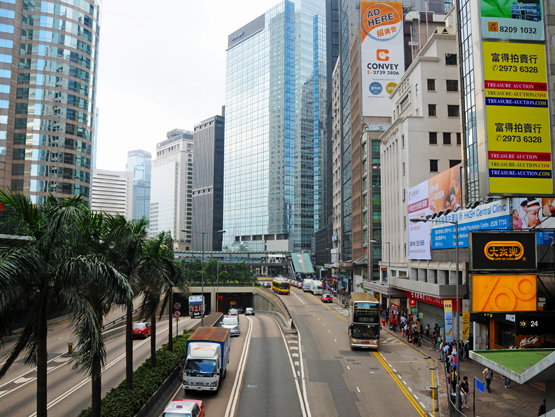
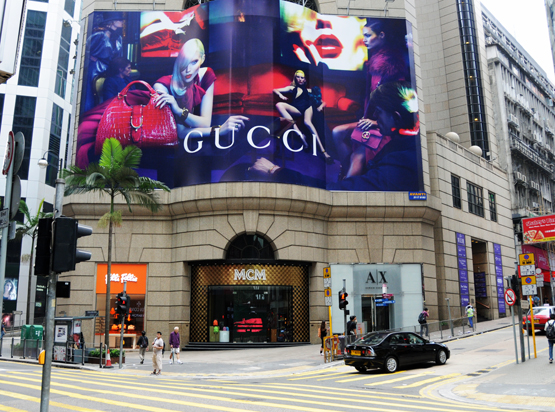
Hong Kong’s long history as an international trading center is also obvious when walking around downtown. Global restaurants, luxury brands, financial institutions, and businesses from around the world are mixed throughout the city. Above is another downtown view, along with a large Gucci store that was located in one of the city’s major shopping areas.
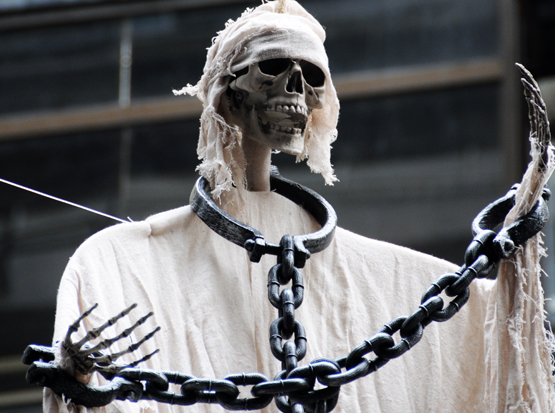
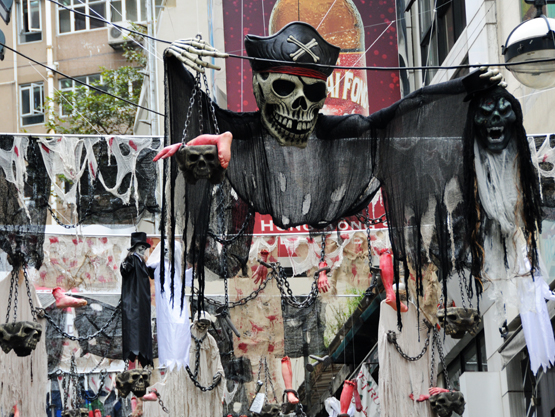
Another bit of Western influence that surprised me was seeing Halloween decorations hanging above the streets. Hong Kong has absorbed traditions and cultural influences from many different places, and seeing familiar Halloween decorations mixed into a huge Asian city was another reminder of its international character.
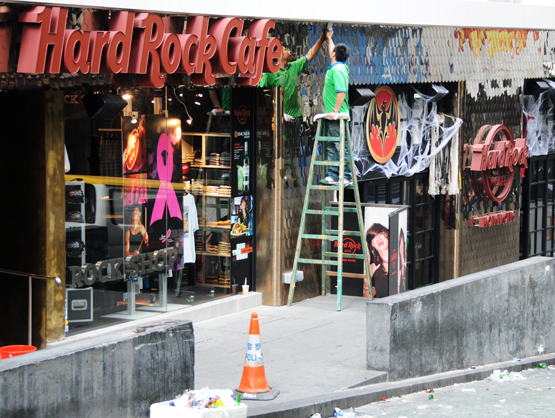
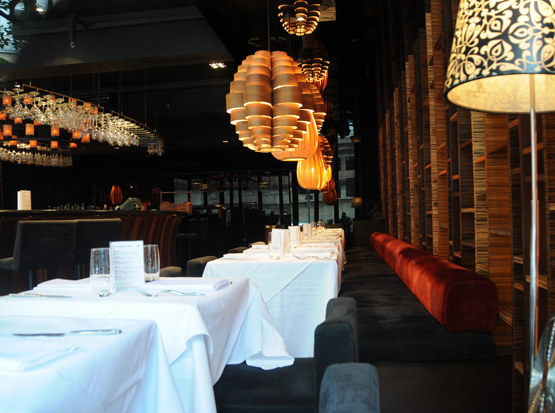
Finding a Hard Rock Cafe in Hong Kong wasn’t particularly surprising, but its location was. Instead of sitting prominently along a major boulevard, it seemed tucked into an area that felt almost like a back alley, although some of that impression may have come from the construction happening around it at the time. The second photo shows a much fancier restaurant I came across elsewhere in the city.
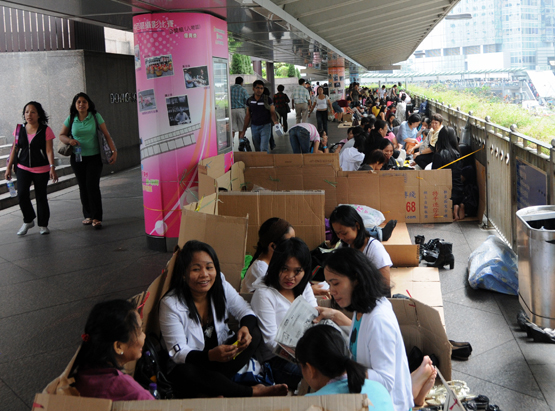
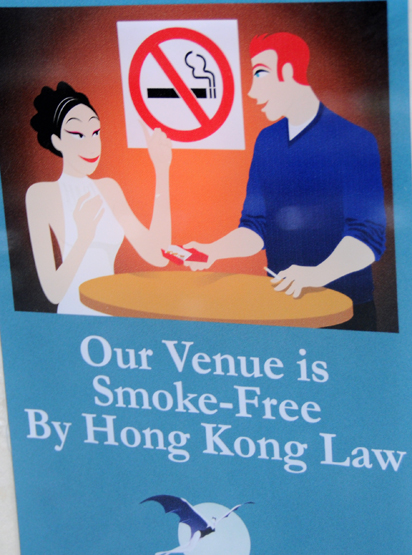
One morning near Hong Kong Station I saw dozens of women opening cardboard boxes and laying them across the ground. At first I assumed they were preparing to sell something, but when I returned later they seemed to be using the cardboard as makeshift mats while sitting together and socializing. I didn’t understand what I was seeing at the time, but gatherings like these are common among Hong Kong’s domestic workers on their days off, when public spaces become important places to meet friends and relax. I was also surprised by how extensive Hong Kong’s smoke-free regulations were in such a densely populated city.
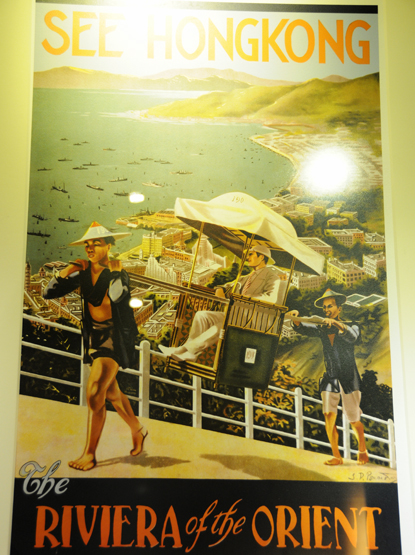
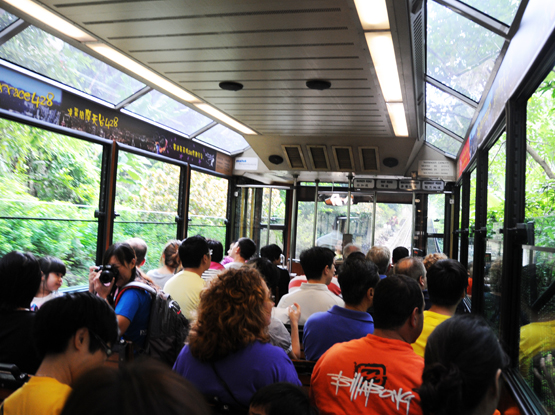
One of Hong Kong’s most famous attractions is the Peak Tram, which carries passengers steeply uphill toward Victoria Peak. The old image above shows how long the tram has been part of Hong Kong’s tourism history, while the second photo shows the modern tram I rode. The climb felt incredibly steep from inside the carriage, and as we moved higher I could feel gravity pulling me backward. The view from the top made the ride worthwhile, and that’s where I took the first city photo on this page.
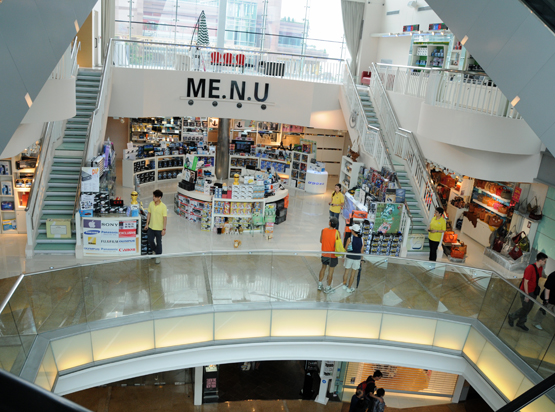
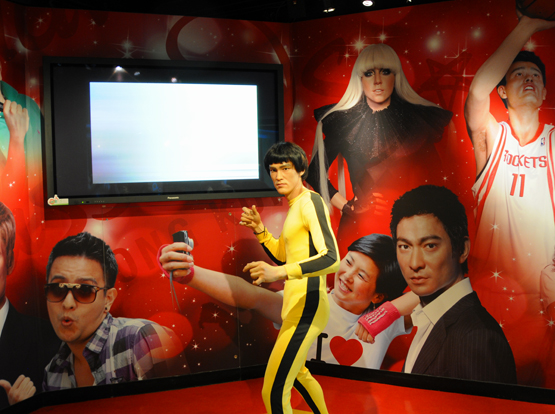
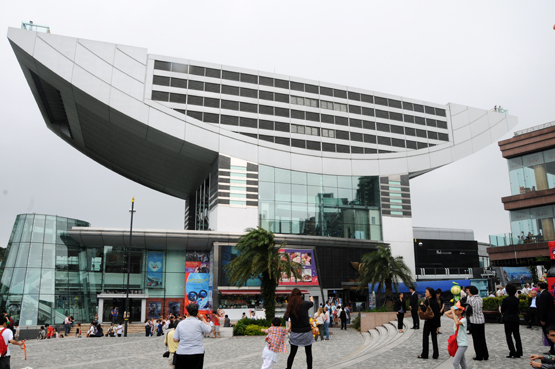
Reaching the top of the tram didn’t immediately mean reaching the viewpoint. First I had to make my way through what felt like an entire shopping mall filled with stores, restaurants, and attractions. I remember counting about seven escalators before finally making it outside! There was even a wax museum inside. Once I eventually got out and saw the complex from a distance, I realized just how large and impressive the development at Victoria Peak really was.
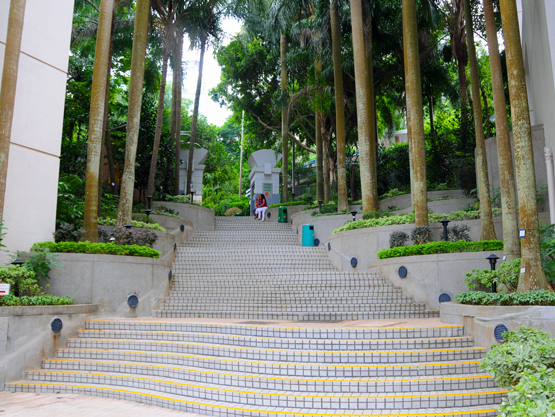
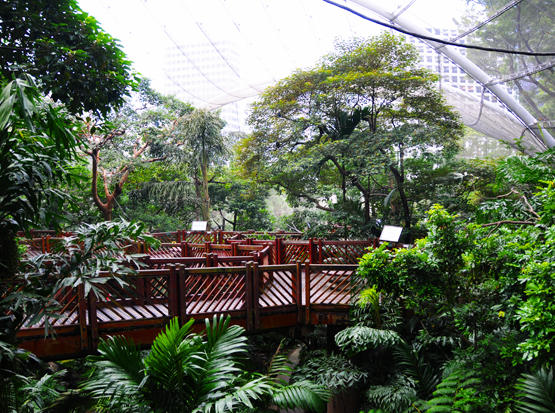
One of my favorite places to visit was Hong Kong Park. Surrounded by the skyscrapers of the city, the park provides a surprisingly green escape filled with gardens, ponds, and an enclosed aviary where you can walk among exotic birds. Even better, admission to the aviary was free when I visited. Above is the entrance to the park along with a view from inside.
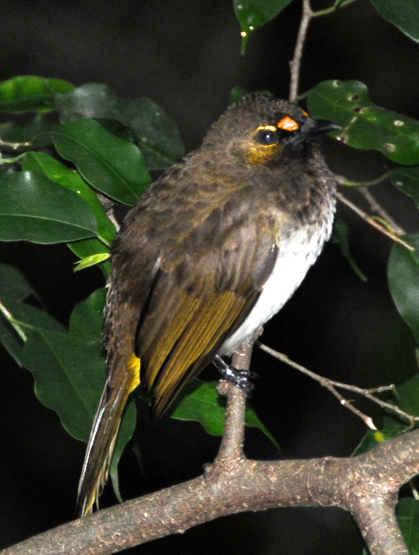
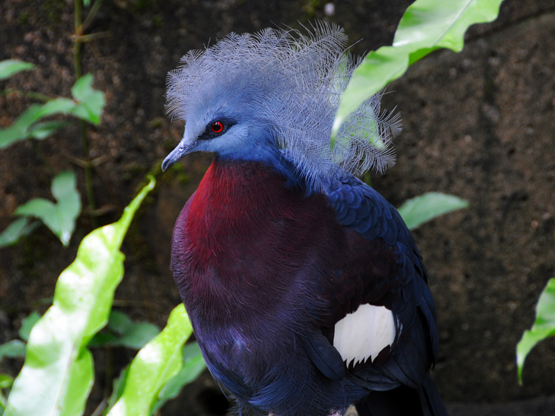
The aviary gave me a chance to get surprisingly close to some colorful and unusual birds. I wasn’t able to identify everything I photographed, but the large blue-gray bird above is a crowned pigeon. Having an attraction like this surrounded by one of the world’s densest urban areas was one of the things I enjoyed most about Hong Kong.
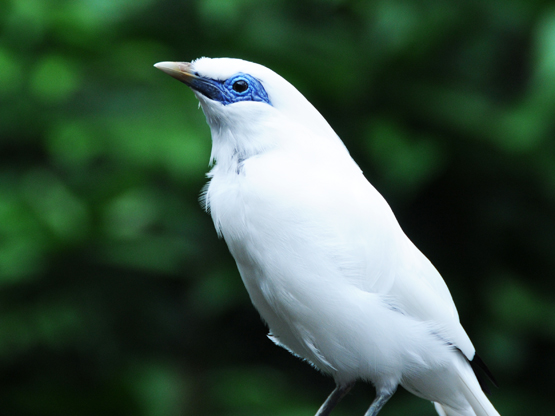
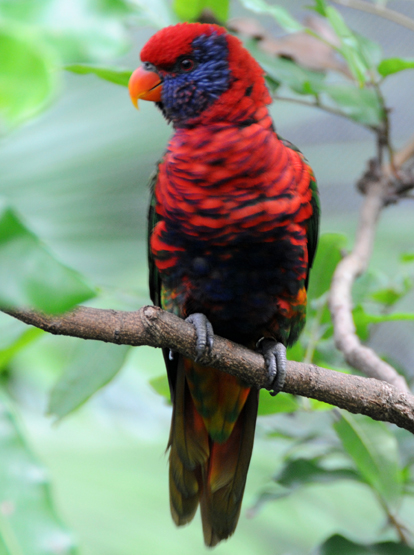
Here are a couple more birds I photographed inside the aviary. I wasn’t sure of the exact species at the time, but the variety of birds made walking through the enclosed tropical environment feel like a miniature wildlife experience in the middle of the city.
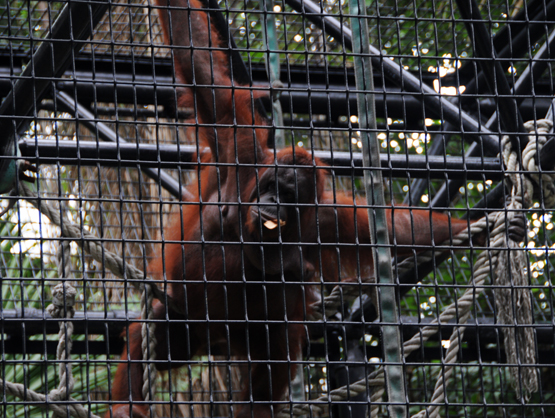
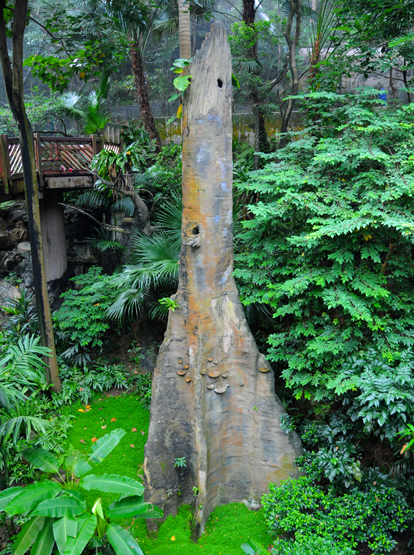
Nearby I also visited the Hong Kong Zoological and Botanical Gardens, where I photographed this orangutan. Like Hong Kong Park, the gardens provide another large green space surrounded by dense urban development. The second photo shows one of the large tropical trees growing within the landscaped grounds.
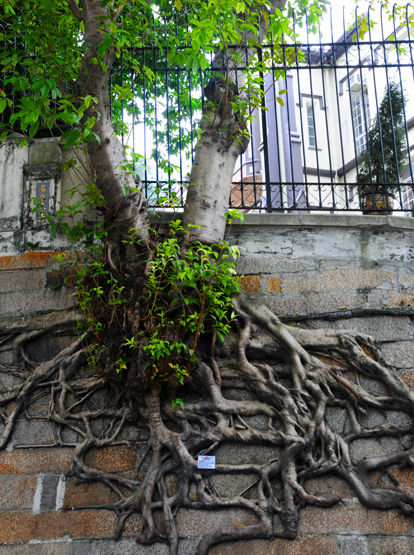
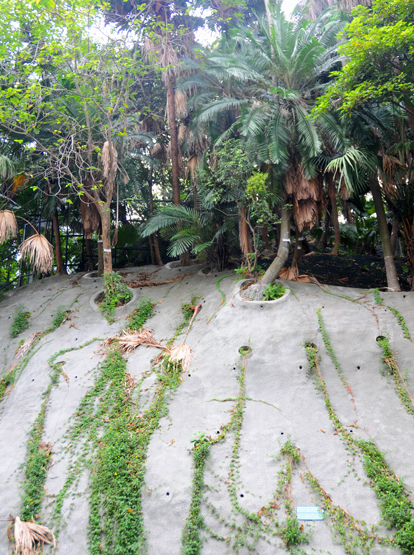
Hong Kong’s steep terrain was another part of the city that fascinated me. Building so many skyscrapers would be impressive anywhere, but doing it among mountains and steep hills makes the engineering even more remarkable. Retaining walls and reinforced slopes are common along roads and developed areas. Nature sometimes adapts to the construction as well, like the tree above whose roots had grown along the side of a wall.
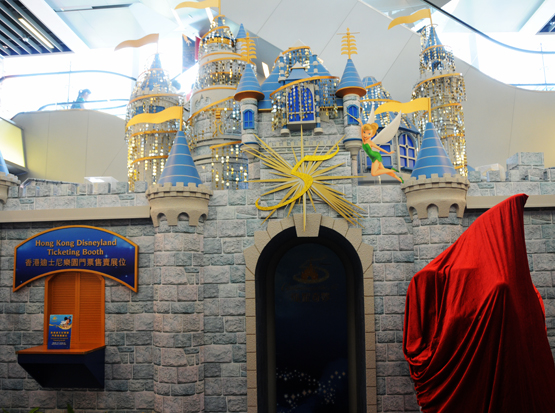

My last photos from Hong Kong are a little random. The first was an advertisement I saw for Hong Kong Disneyland while visiting Victoria Peak. I didn’t have enough time to visit the park on this trip, but it’s something I’d like to see if I return. The second photo shows some wild berries I came across while exploring. Despite Hong Kong’s reputation as a city of skyscrapers, a surprisingly large amount of its territory is mountainous and green. That’s one of the things I’d like to explore more on another trip, because my first visit only scratched the surface of what Hong Kong has beyond its famous skyline.