Egypt is one of the world’s great travel destinations, combining thousands of years of ancient history with enormous cities, desert landscapes, the Nile River, and the beaches and coral reefs of the Red Sea. Some of the world’s most powerful civilizations and empires have shaped Egypt, leaving behind pyramids, temples, tombs, mosques, and countless archaeological sites. Beyond its ancient history, Egypt offers everything from the nonstop energy of Cairo to desert adventures, resort towns, and some of the best scuba diving in the region.
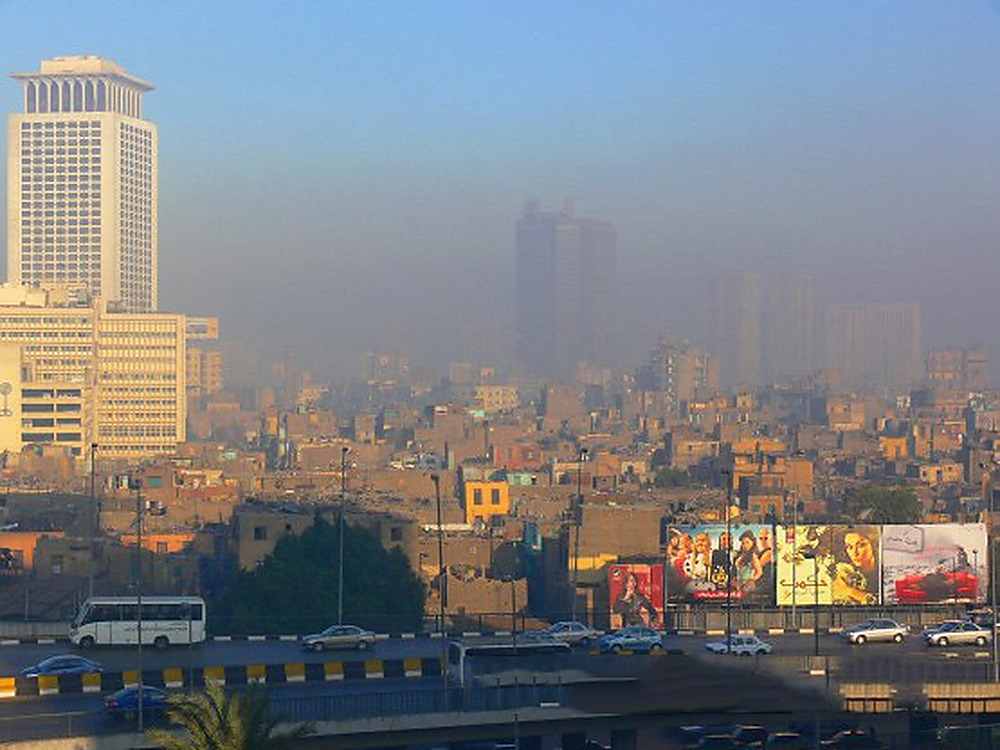
Cairo is one of Africa’s largest cities, with a metropolitan population numbering in the millions. Ancient people first began settling throughout this region because of the fertile land surrounding the Nile, which provided a reliable source of water and food. The Nile runs through Cairo before continuing north toward the Mediterranean Sea. Because most of Egypt is covered by desert, the Nile Valley has been the center of Egyptian civilization for thousands of years.
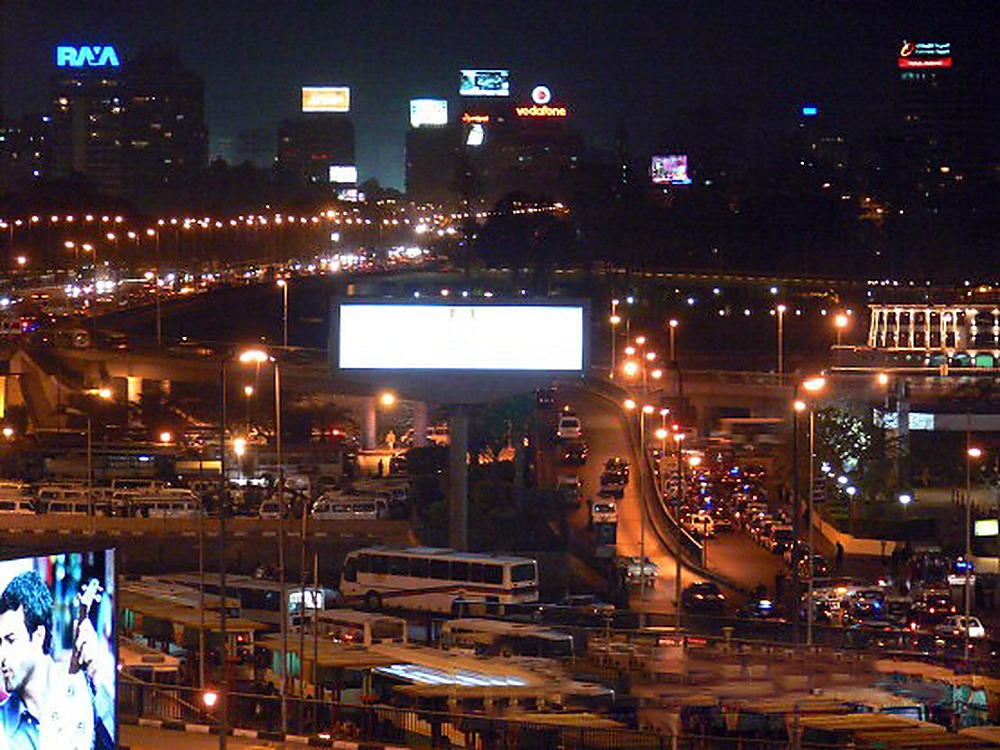
Cairo can feel overwhelmingly crowded during the day, but at night the city takes on a completely different atmosphere. Restaurants, shops, hotels, and entertainment can be found throughout the city, especially around the Nile.
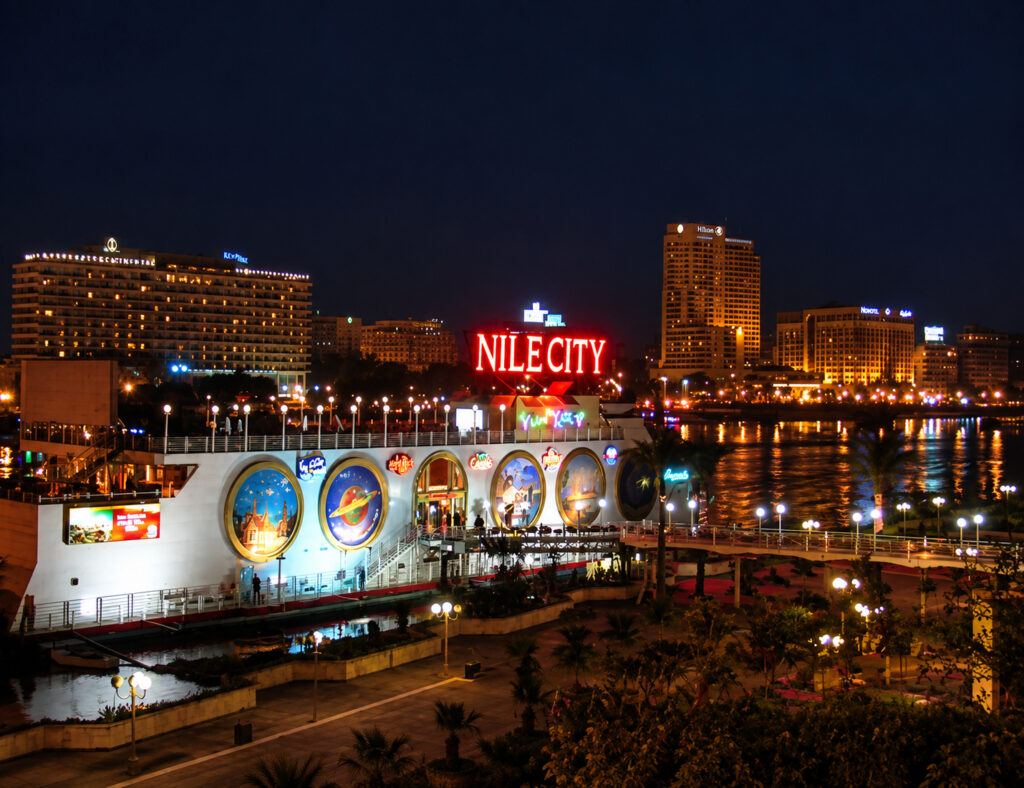
Along the Nile you’ll find everything from local restaurants to high-end dining and international hotels. Cairo offers just about every kind of food you can imagine, while still giving visitors plenty of opportunities to experience traditional Egyptian cuisine.
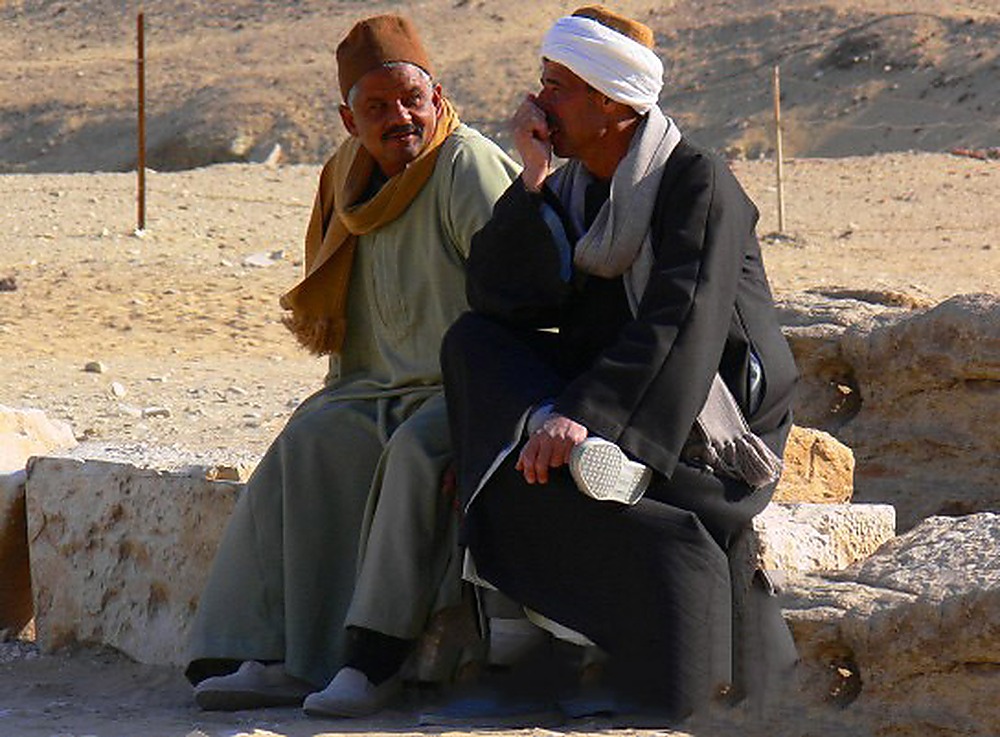
You’ll also see a mixture of modern and traditional culture throughout Cairo. Western clothing is common, but many Egyptians continue to wear traditional clothing as well.
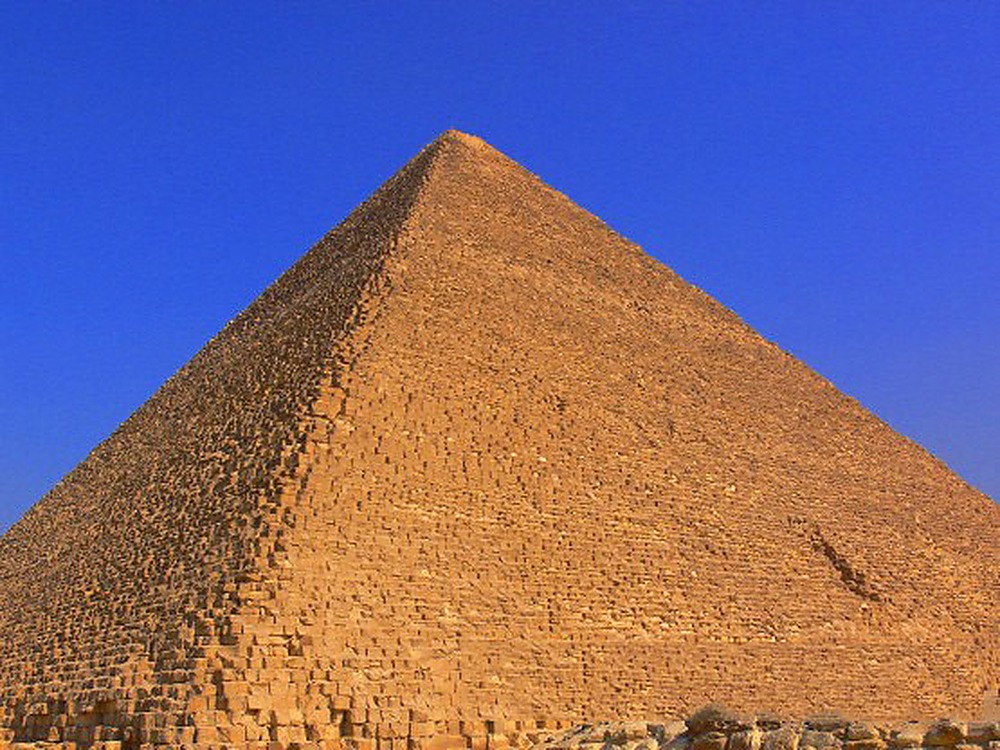
For most travelers, one of the highlights of visiting Egypt is seeing the great pyramids. The pyramids have long been international icons of travel, and seeing them with your own eyes is an incredible experience. I had learned about ancient Egypt growing up, but standing beside structures that had survived for thousands of years was something completely different.
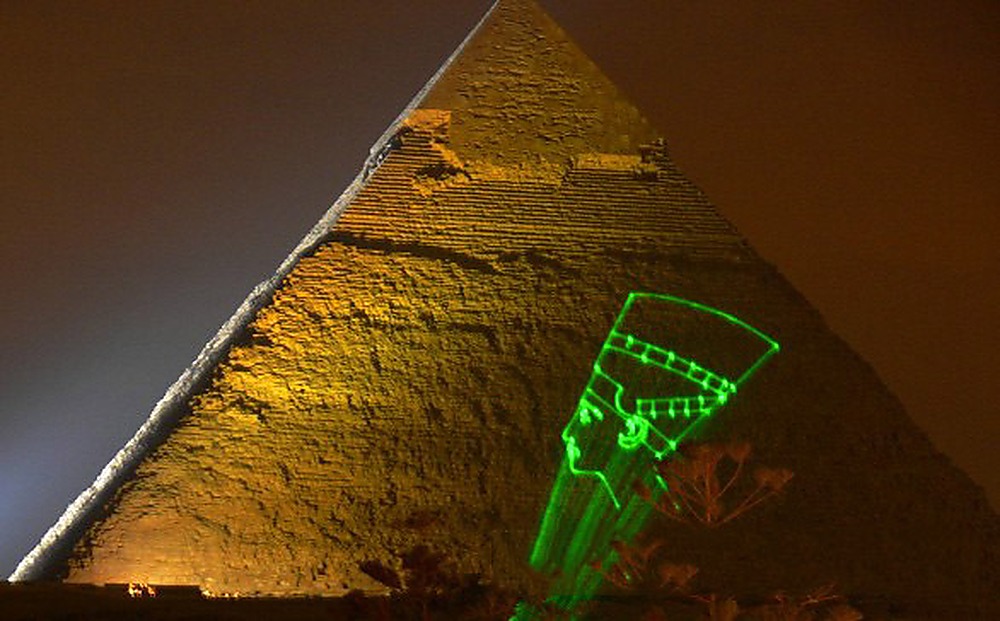
The pyramids were monumental tombs built for Egypt’s rulers. Ancient Egyptian religious beliefs placed enormous importance on the afterlife, so royal tombs contained possessions and other items intended for the deceased. Their immense size and the treasures associated with them also made the pyramids targets for tomb robbers, and many were looted in ancient times.
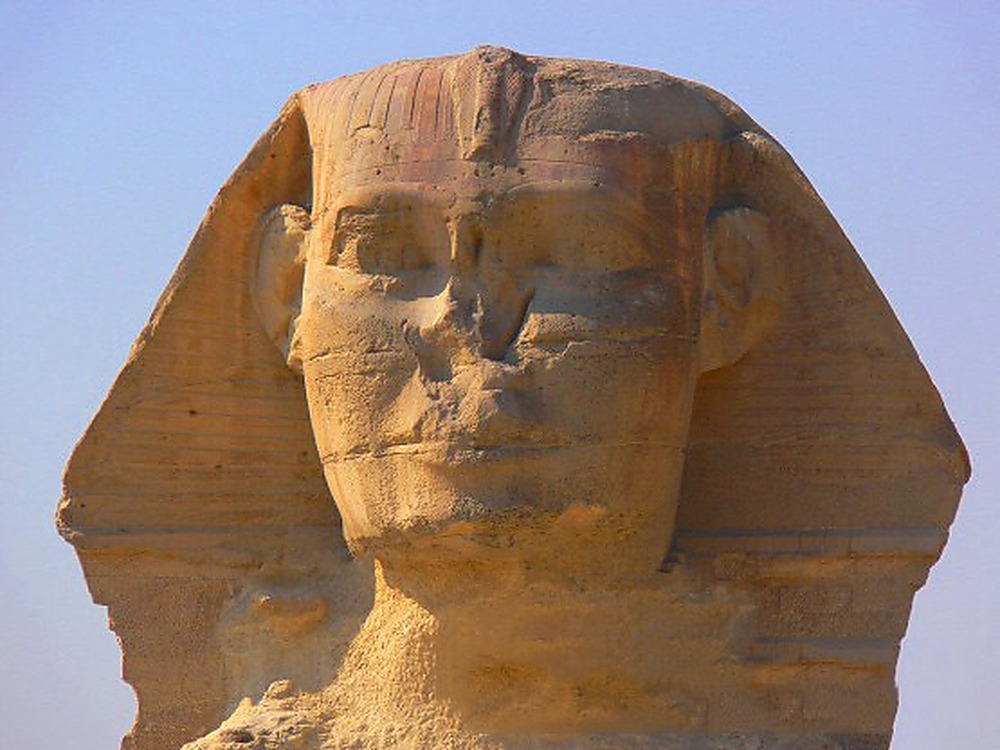
The pyramids are without question among the most remarkable achievements of the ancient Egyptians, but they created countless other impressive structures. One of the most famous is the Great Sphinx, photographed above. The enormous limestone statue has guarded the Giza plateau for thousands of years and remains one of the most recognizable monuments in the world.
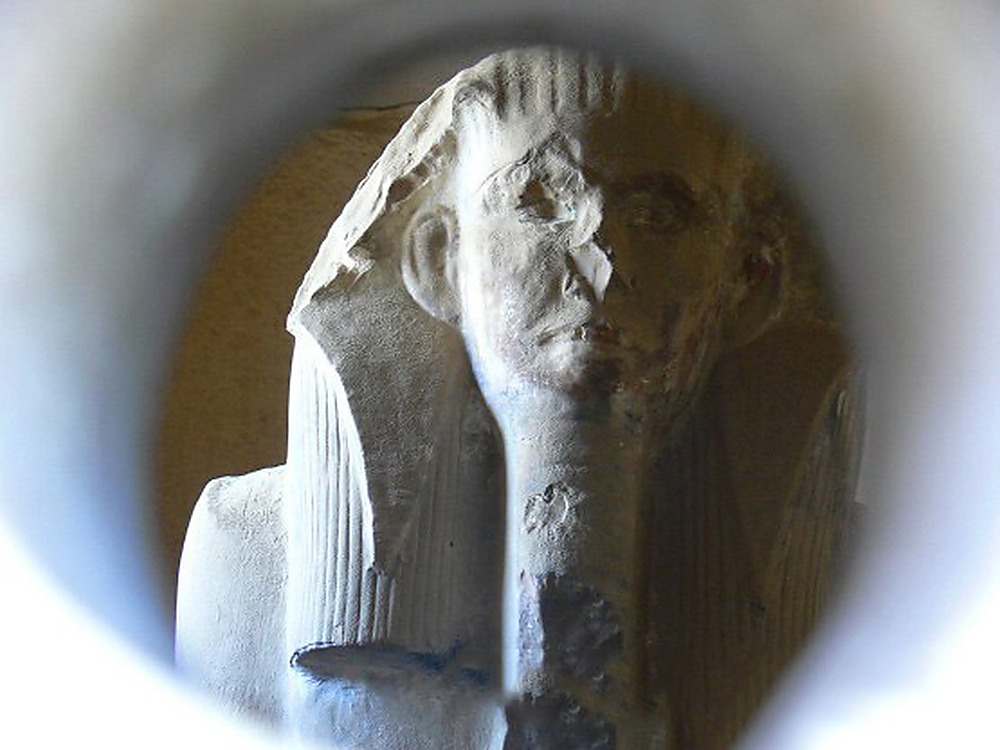
Ancient Egyptian sites are filled with smaller statues and monuments as well. This statue was enclosed inside a small structure with only a tiny opening allowing visitors to look inside.
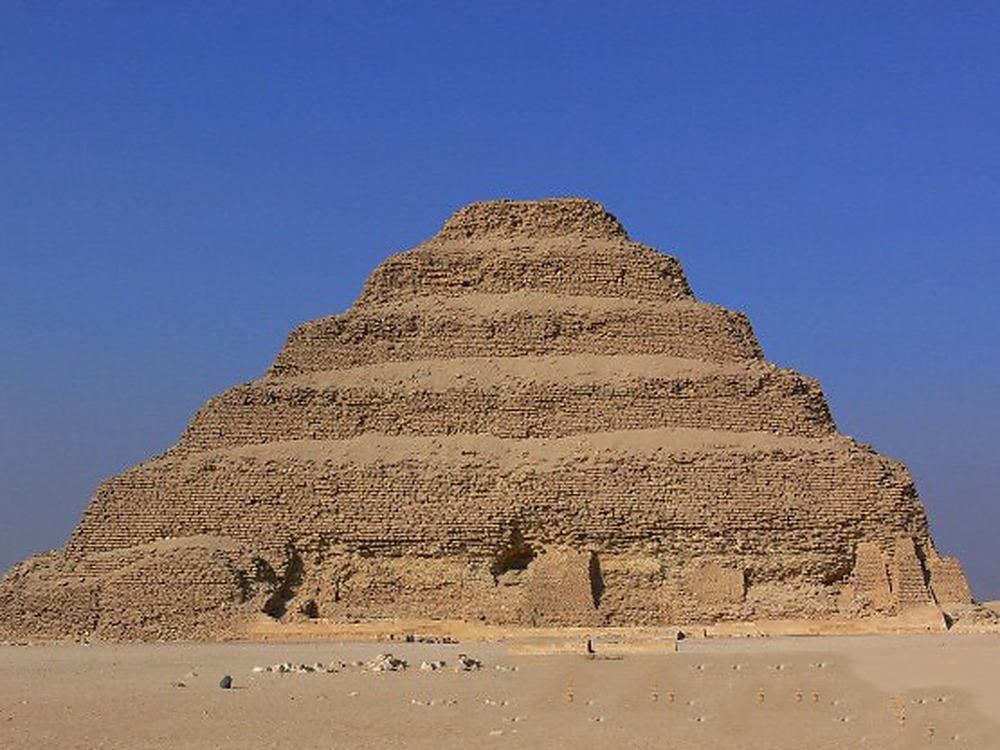
Egypt’s pyramids were constructed across many centuries, and their designs changed considerably over time. The Step Pyramid of Djoser, photographed above, is generally considered the earliest large stone pyramid in Egypt. Its stacked design looks very different from the smooth-sided pyramids that would eventually become famous at Giza.
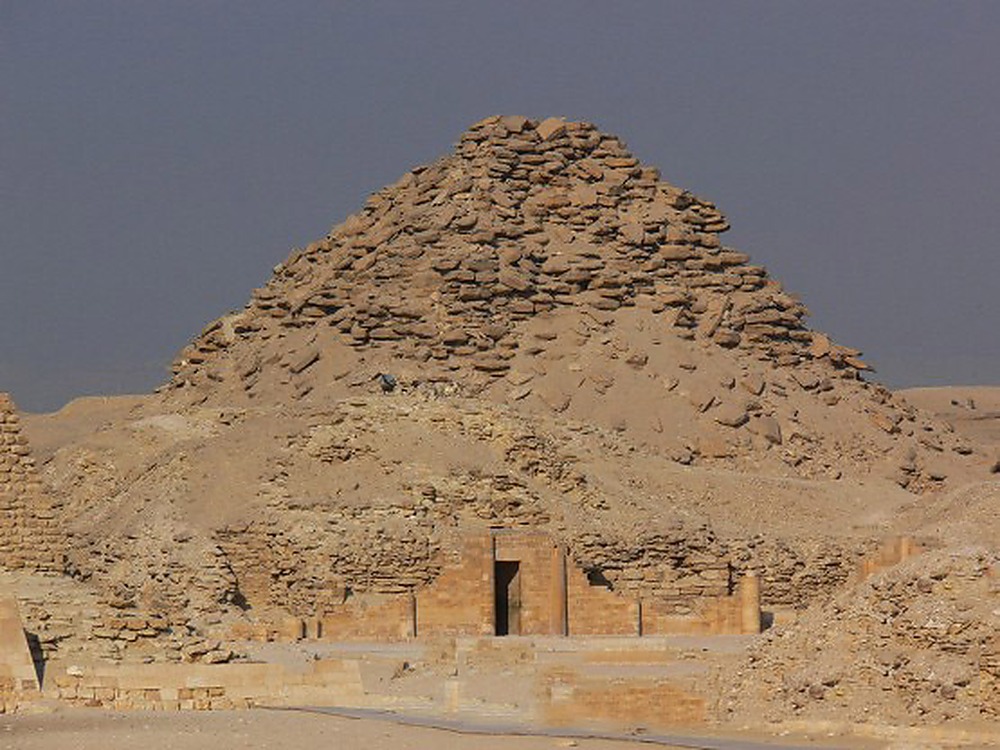
Other ancient pyramids have survived in much worse condition, sometimes appearing today as little more than enormous piles of stone and sand. More than 100 pyramids have been identified throughout Egypt, and archaeological discoveries continue to add to what we know about the ancient civilization.
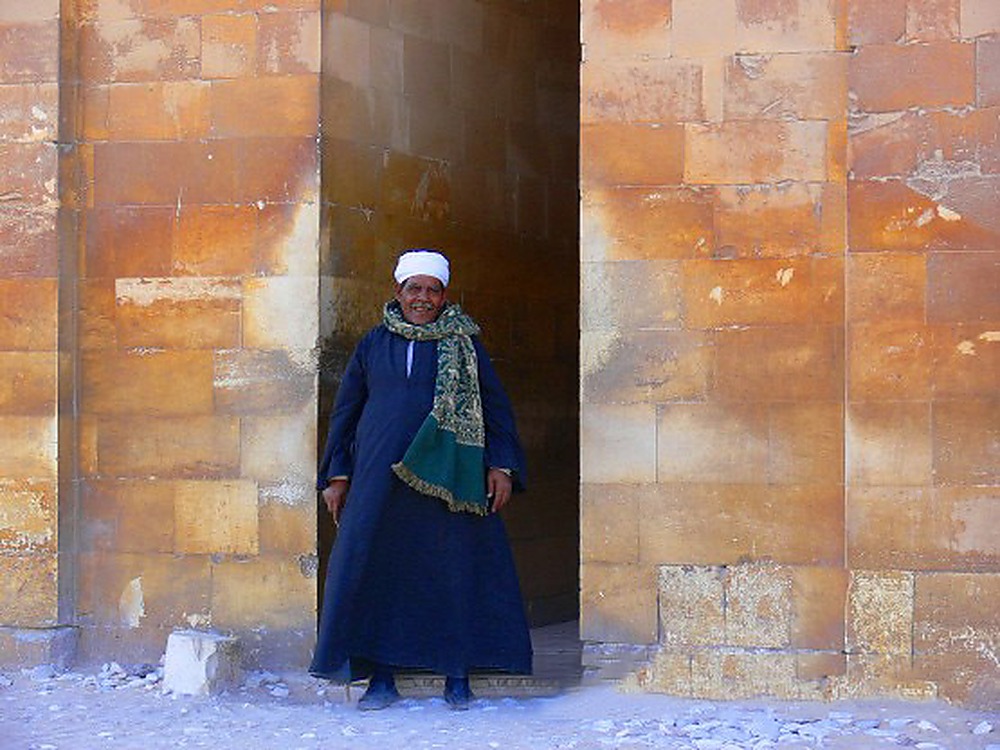
Exploring the archaeological sites also meant constantly meeting people working around them. Most interactions were fine, but Egypt was one of the more exhausting countries I visited when it came to tipping and people trying to sell me things.
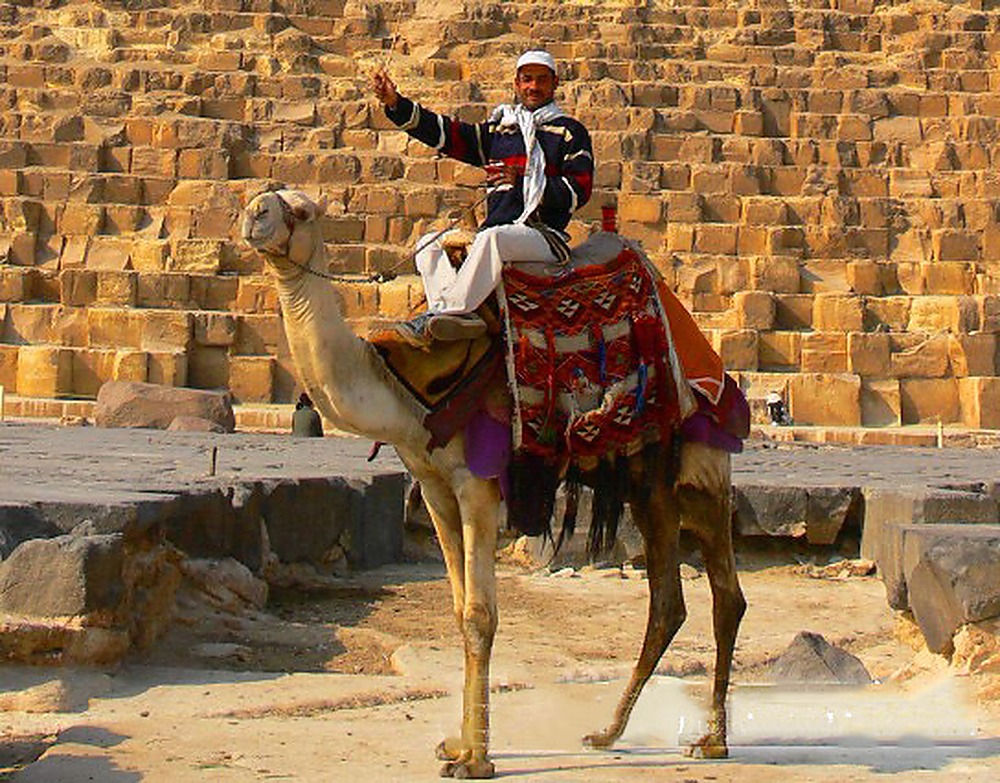
This guy riding the camel tried to give me a five-minute camel ride for $25! Of course I understand that people need to make money, but it sometimes felt like everyone I encountered expected a tip or donation. At one point I was sitting on a bench when an Egyptian man approached me and started a friendly conversation. He was well dressed and spoke excellent English, and I seriously thought he might be a tour guide or even something like a doctor. Afterward he asked me for money and continued asking why when I declined. Experiences obviously vary, and plenty of Egyptians I met were simply friendly people.
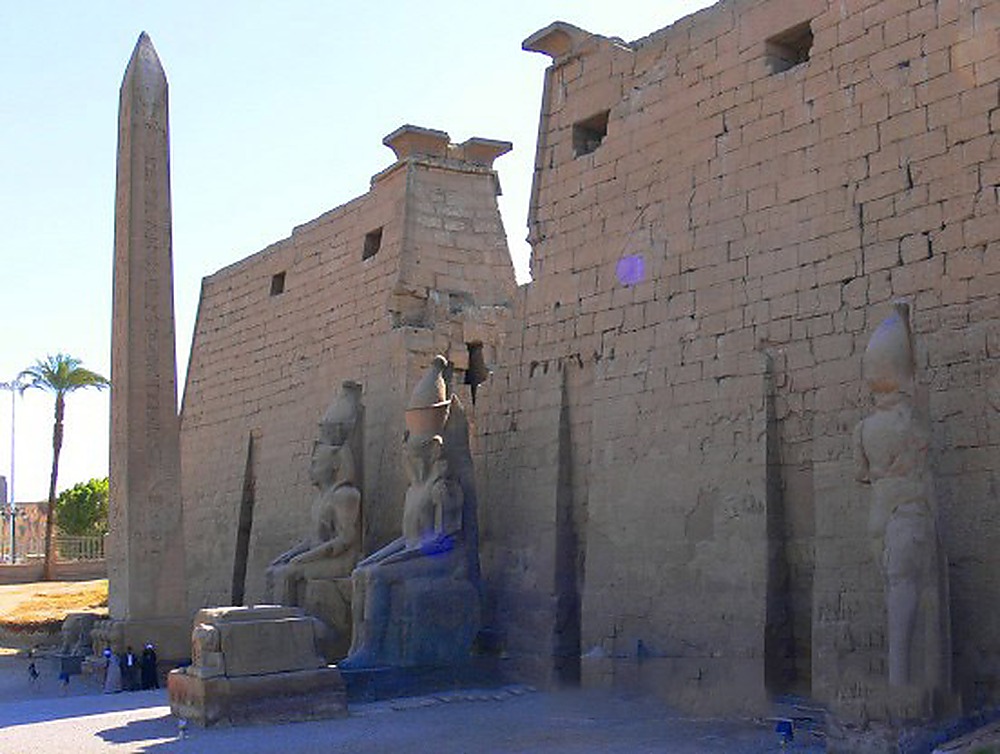
After the pyramids around Cairo, some of Egypt’s most impressive ancient sites are found around Luxor. Photographed above is the entrance to Luxor Temple, with its enormous statues and obelisk.
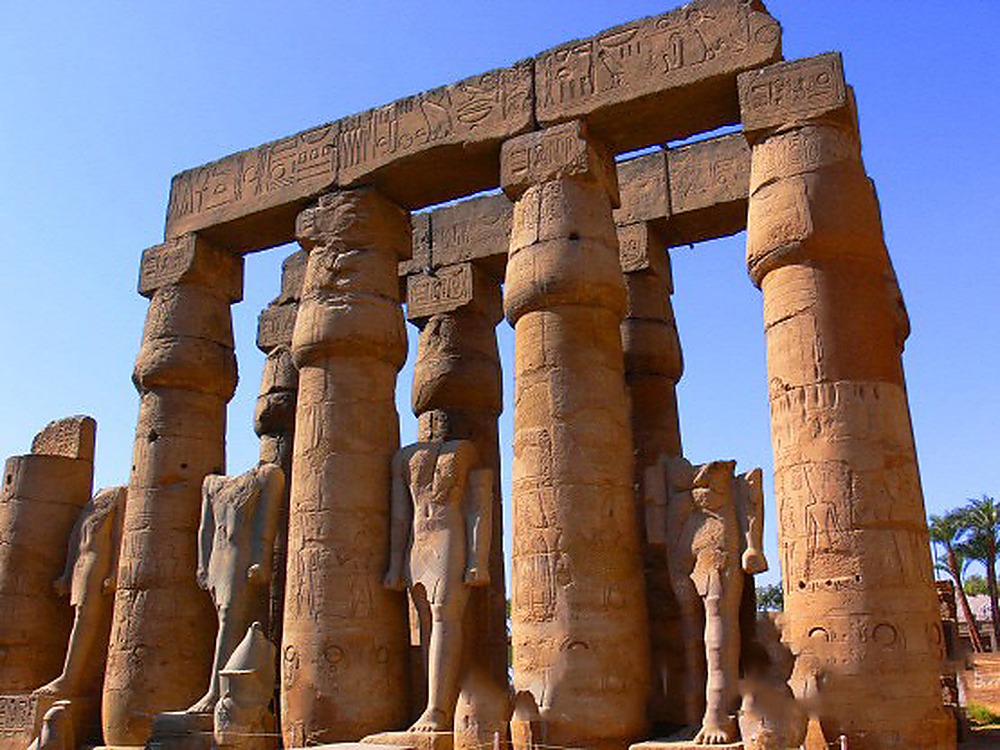
Inside are enormous columns that give you an idea of the scale of the temple complex. Luxor’s history stretches across different civilizations and religions. Alexander the Great ruled Egypt after the Macedonian conquest and was represented at Luxor Temple in the traditional style of an Egyptian pharaoh. Centuries later, a Roman presence left its own mark on the complex, and a mosque was eventually constructed within the ancient temple grounds.
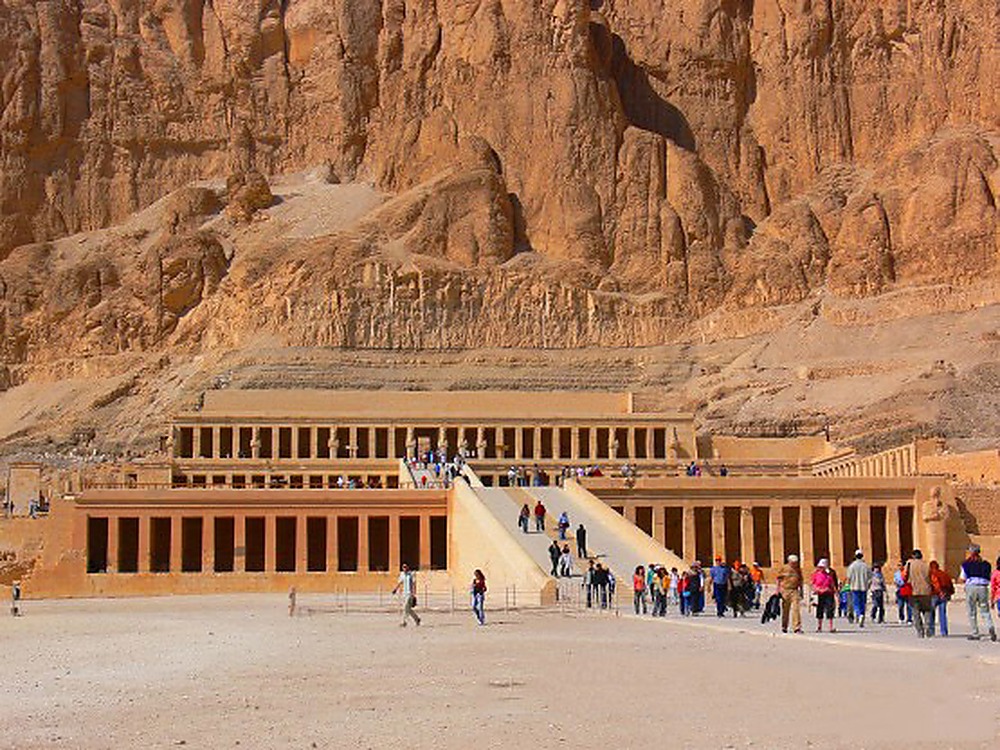
Another incredible ancient site is the Mortuary Temple of Hatshepsut at Deir el-Bahari. Hatshepsut was one of ancient Egypt’s most famous female pharaohs and ruled during the 18th Dynasty. Her temple was built directly against the cliffs, giving it a dramatically different appearance from many of Egypt’s other ancient monuments.
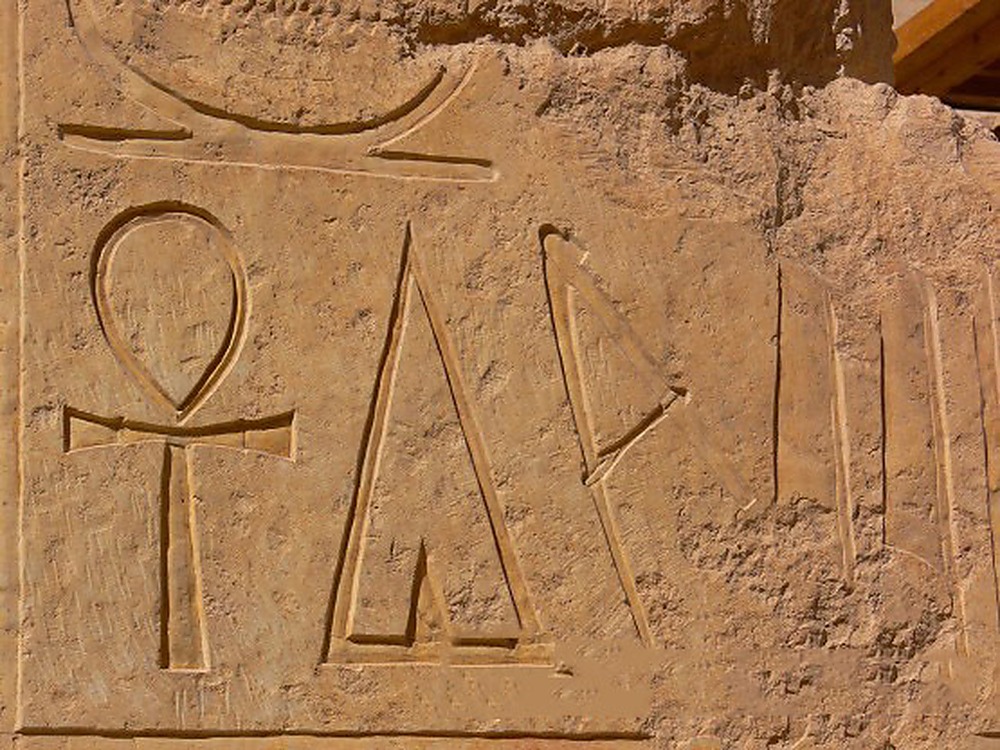
Despite thousands of years of history, many hieroglyphics remain remarkably well preserved. The ankh, often called the “key of life,” is one of the most recognizable symbols from ancient Egypt and represented life.
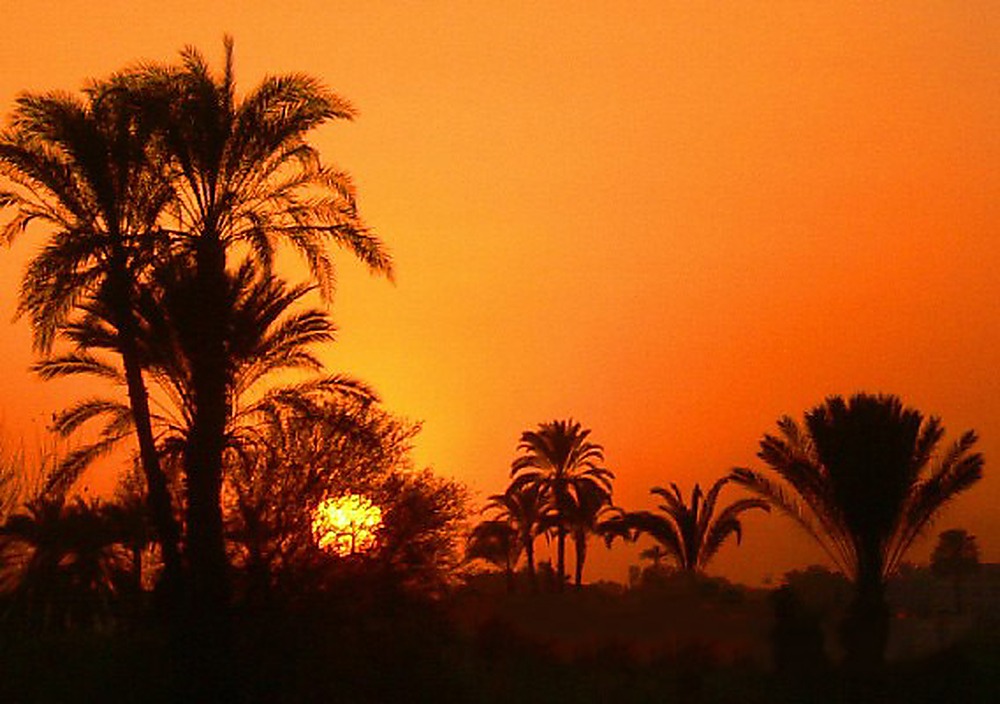
Life, death, and the movement of the sun played major roles in ancient Egyptian religion. The daily cycle of the sun was associated with death and rebirth, concepts that became deeply connected with Egyptian beliefs about the afterlife.
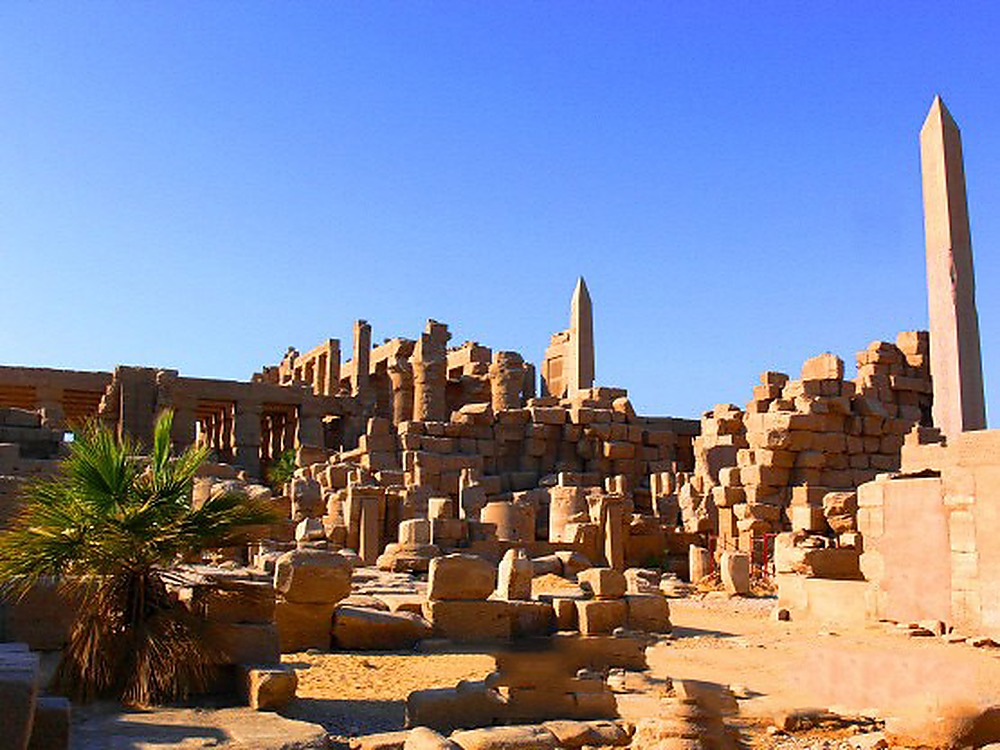
The area around Luxor contains an almost overwhelming number of ancient sites. One of the largest is Karnak, an enormous temple complex that was expanded by generations of Egyptian rulers over many centuries.
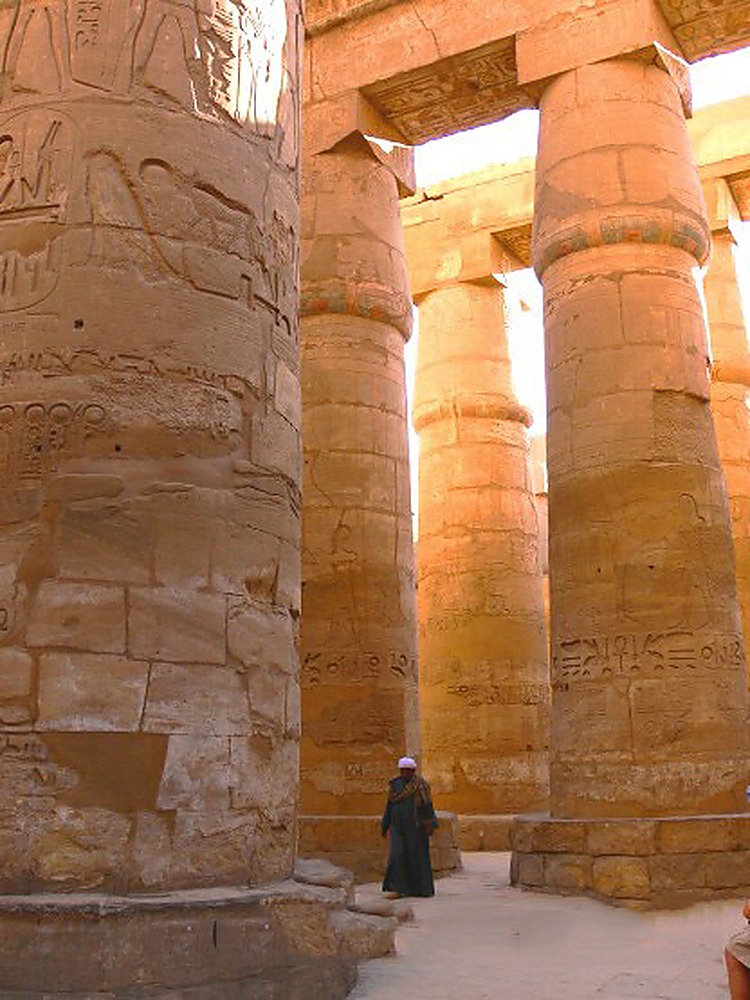
This photo of an Egyptian walking beside the giant columns gives a much better idea of their scale. Some of Egypt’s ancient ruins are so enormous that photographs without a person standing nearby barely communicate how large they actually are.
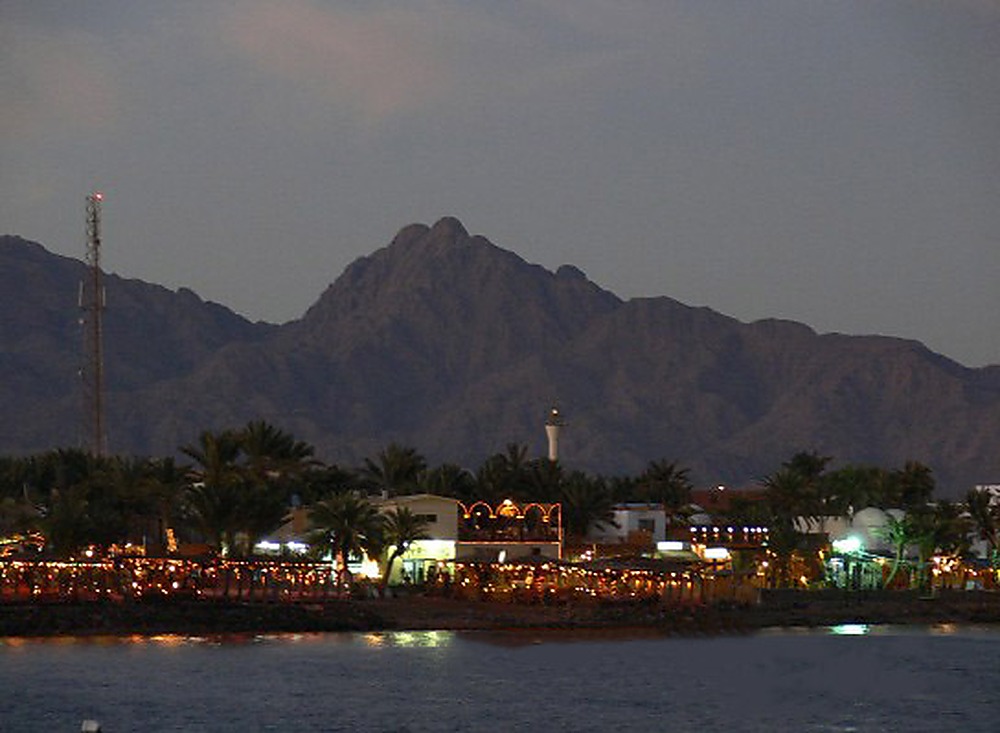
Aside from its cities, pyramids, and ancient temples, Egypt is also an excellent destination for the Red Sea. I visited Dahab on the Sinai Peninsula, a laid-back coastal town surrounded by desert and mountains.
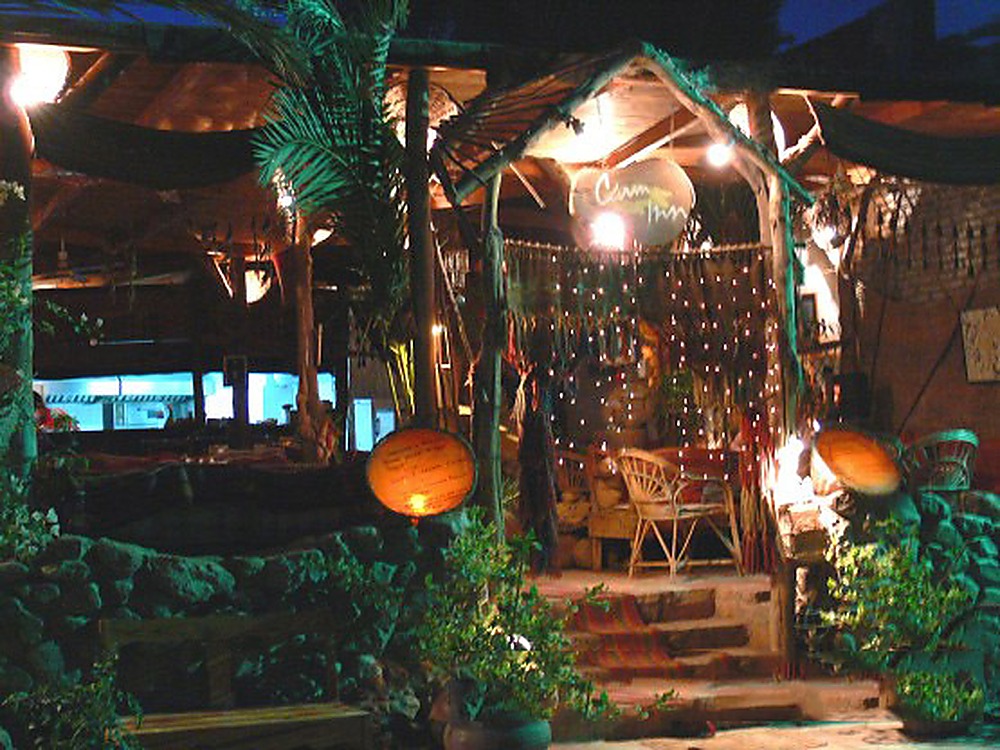
I did plenty of exploring around Dahab but wish I had taken more photos of the town itself. There were plenty of shops, restaurants, and nightlife to keep me entertained after spending the day outside.
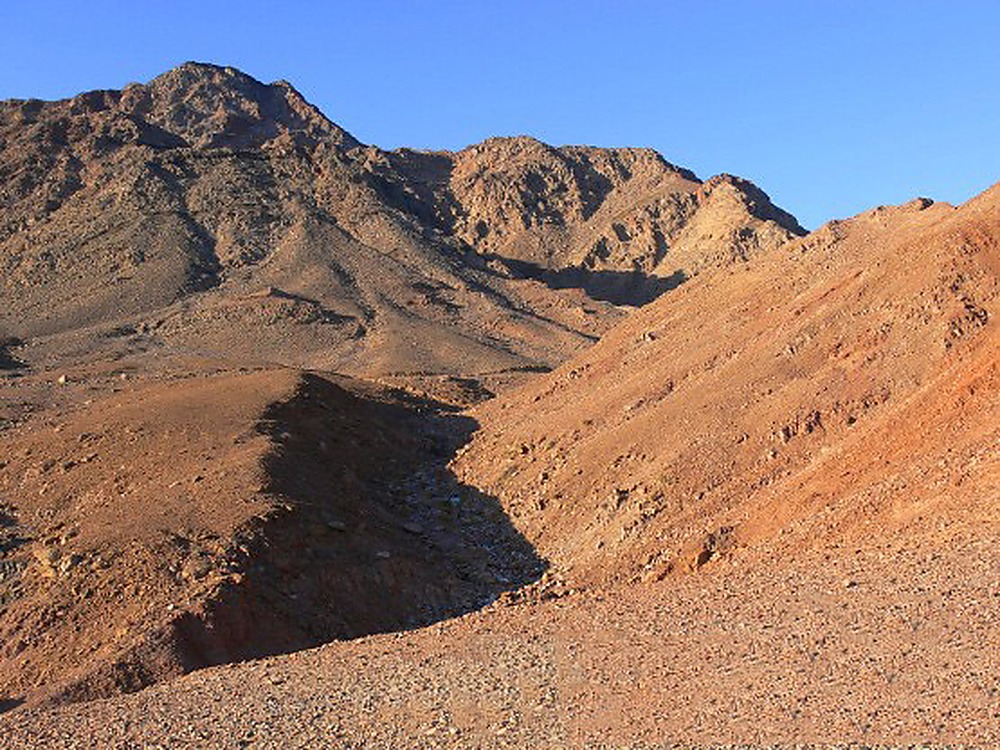
The terrain around this part of Sinai is mostly mountainous desert with very little vegetation. The dry landscape creates an amazing contrast with the intensely blue water of the Red Sea.
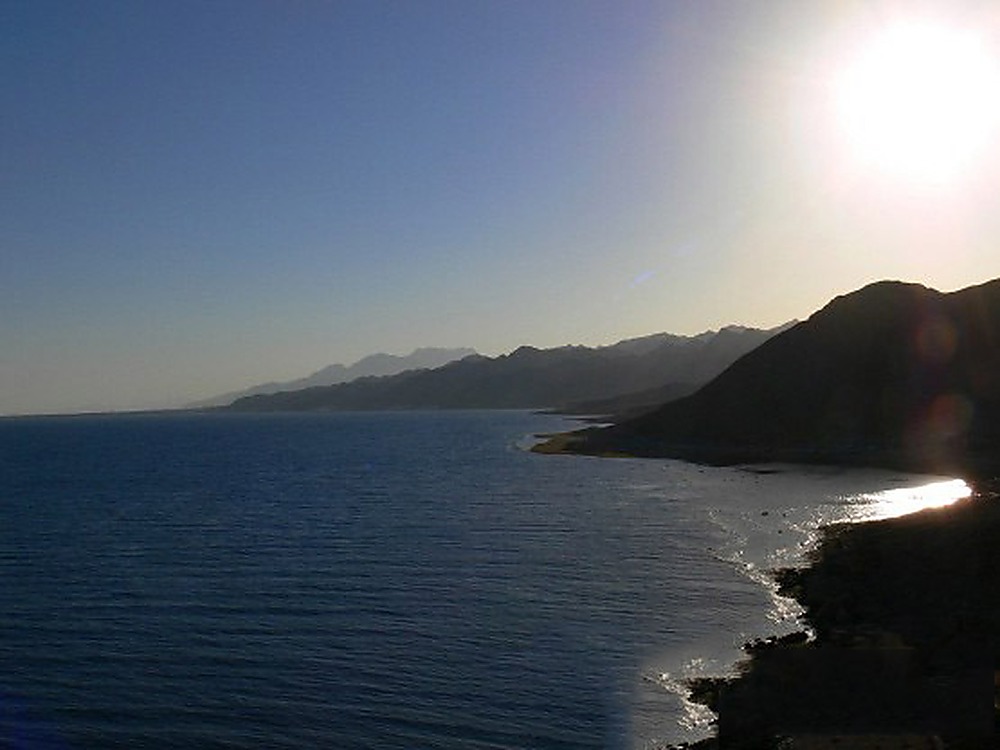
Walking along the barren coast, you would never imagine how much life exists just below the surface. The Red Sea is famous for its coral reefs and marine wildlife, and I did several scuba dives while I was here.
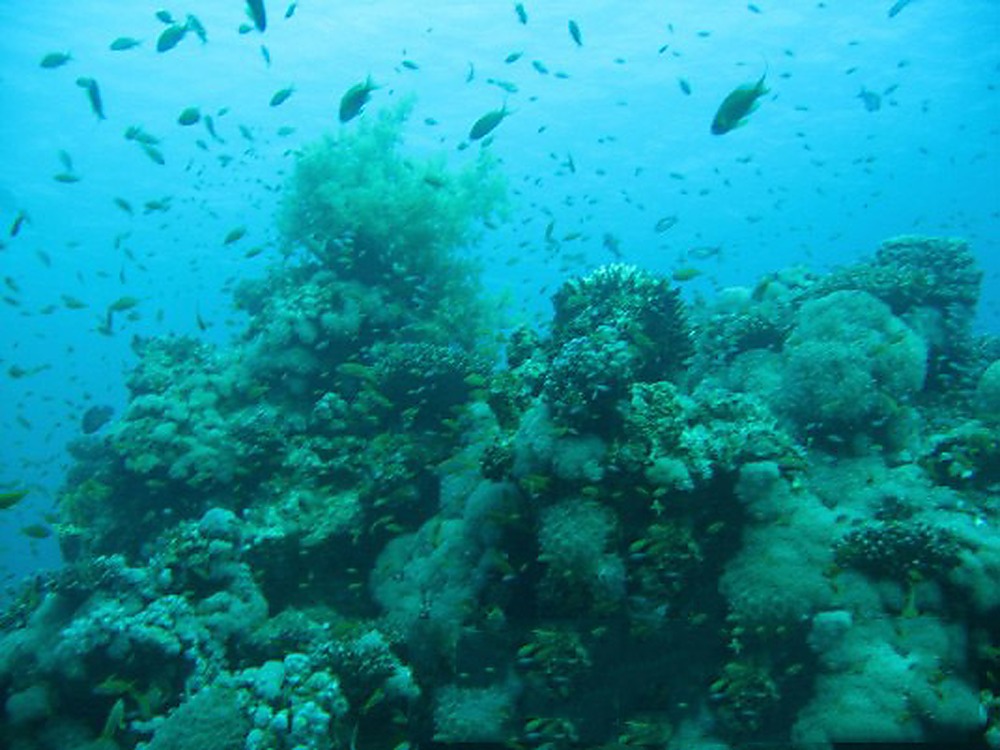
The reefs were filled with coral and large schools of tropical fish. Diving in Egypt was one of my earlier scuba experiences, so almost everything I encountered underwater still felt new to me.
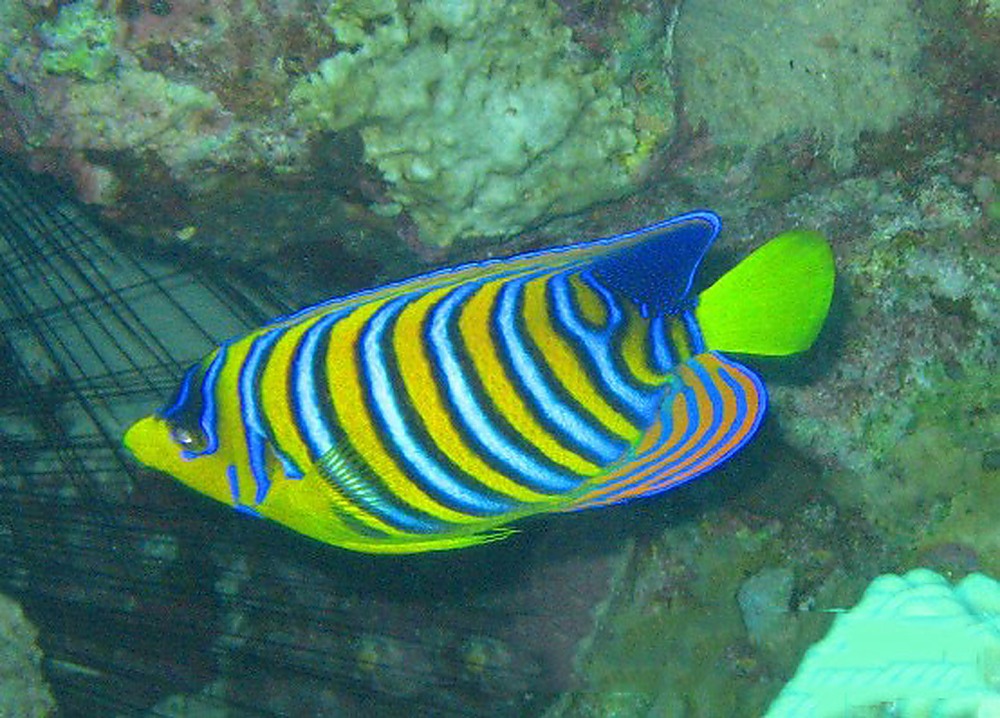
One of my favorite fish was this emperor angelfish. The incredible amount of marine life was especially surprising considering how dry and lifeless much of the surrounding desert appeared.
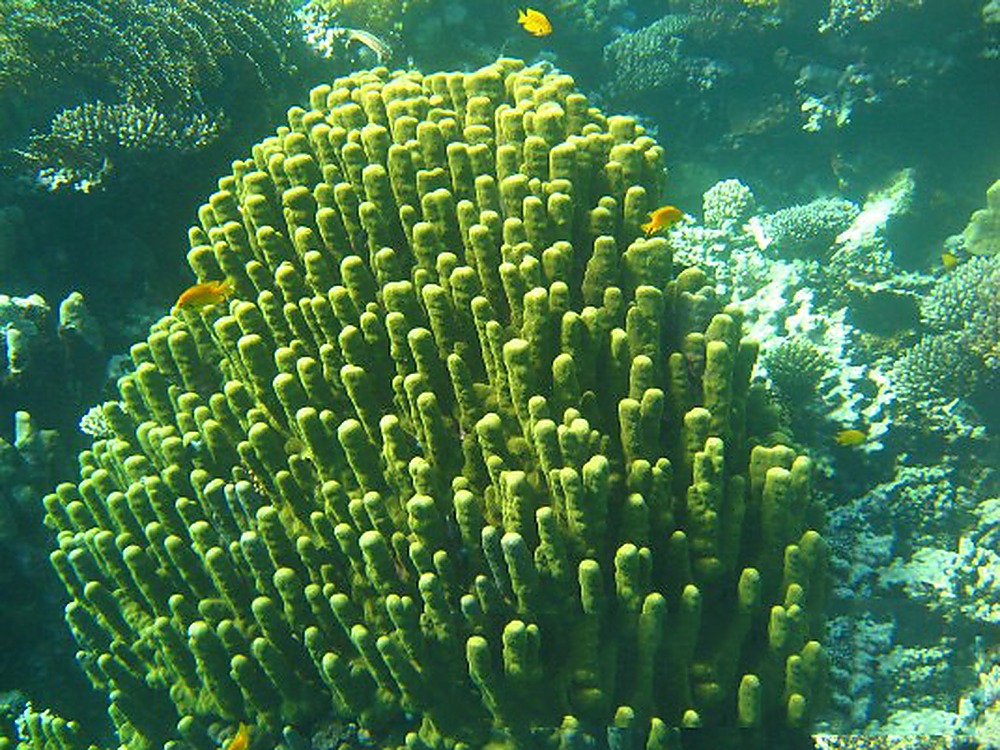
The Red Sea also had some beautiful coral formations. I had seen similar coral on previous trips, but there were still plenty of new species waiting for me here.
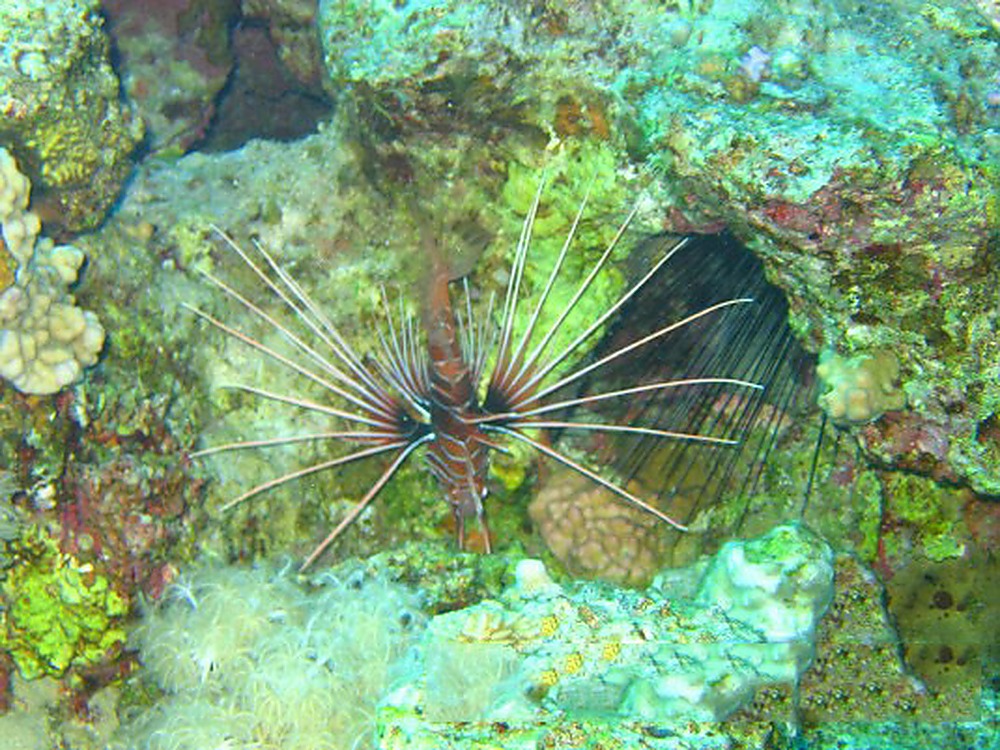
This lionfish was a first for me. Unfortunately I had gone snorkeling the day before without a wetsuit in the cold January water and ended up getting sick. Since I became a little congested, I wasn’t able to dive as deep as I wanted and missed out on a few things!
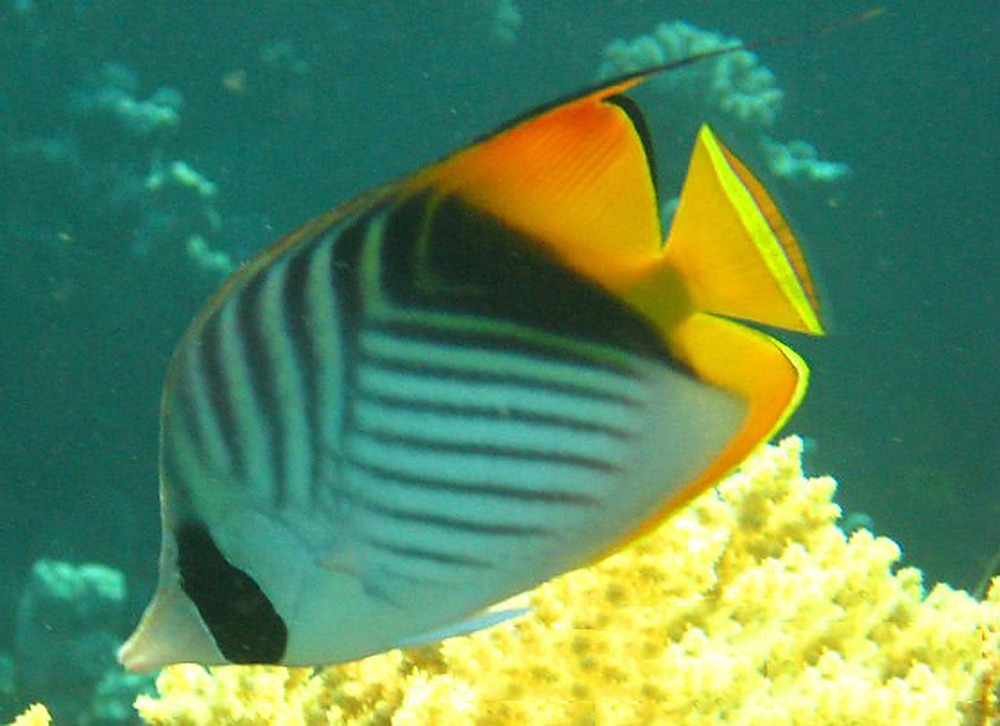
I still managed to see an impressive variety of fish throughout the dives, including several species of angelfish.
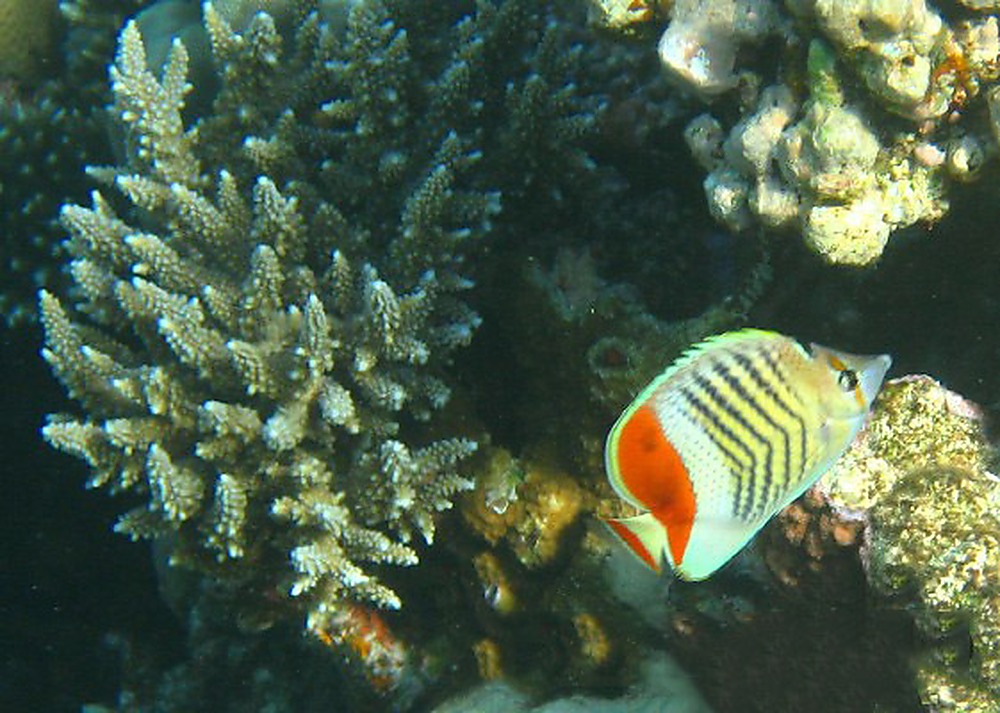
The variety of colors and species made the Red Sea completely different from the desert landscape I had been exploring above water.
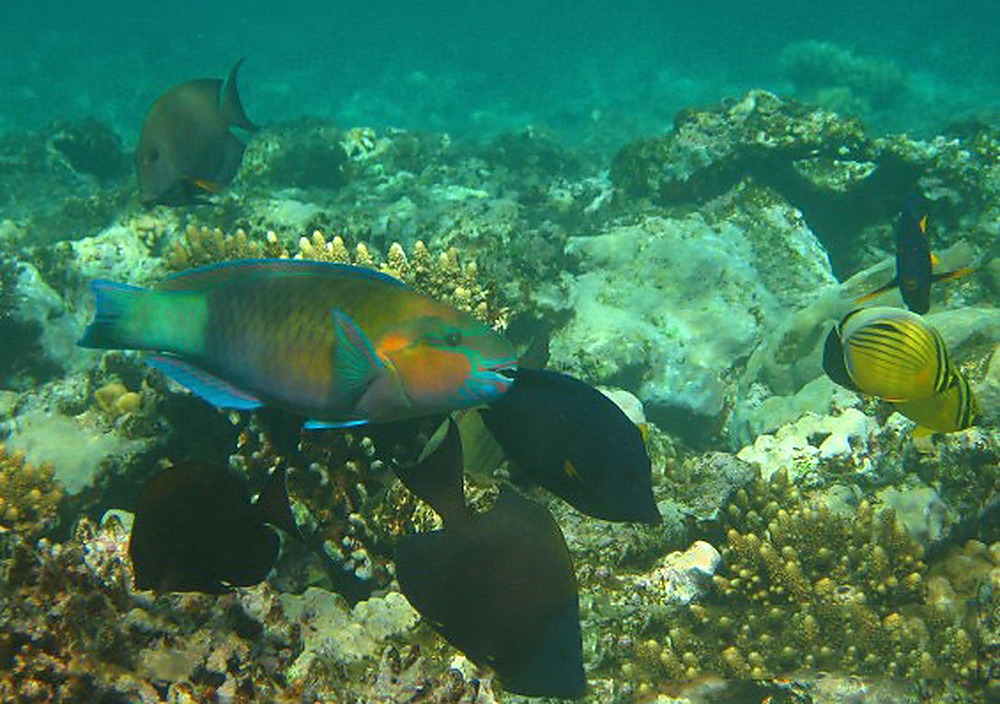
I came across dozens of other species of fish and even saw a small octopus on the ocean floor. At the time I was so focused on trying to clear my ears that I didn’t even realize the octopus was an arm’s reach in front of me until it suddenly swam away!
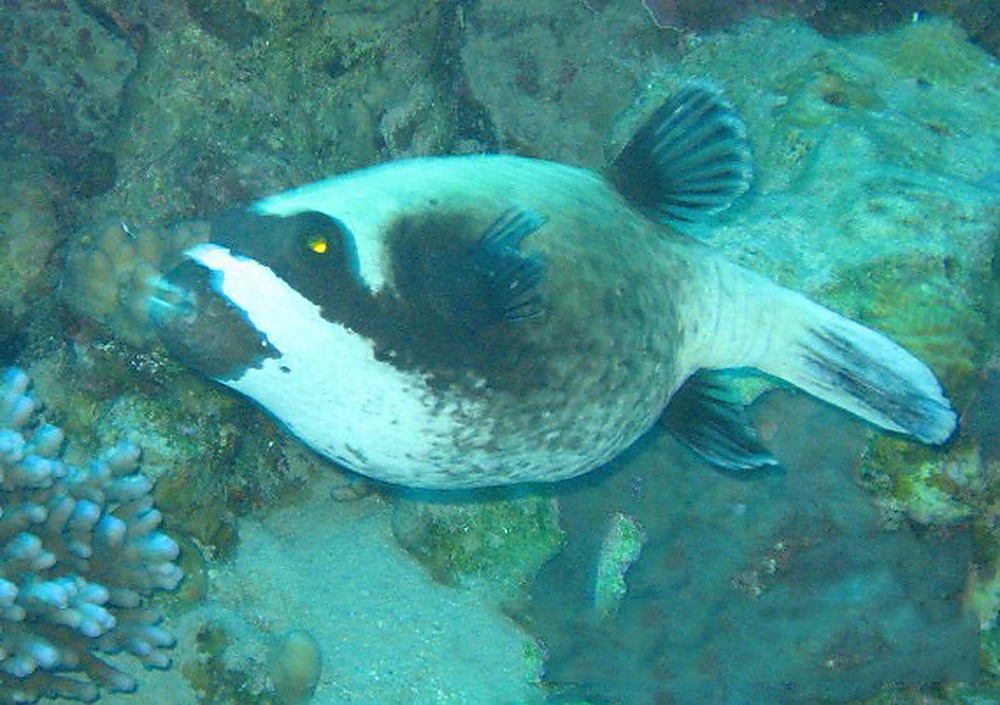
This large pufferfish was one of the last memorable animals I photographed underwater. Between the ancient ruins, enormous cities, desert landscapes, and marine life of the Red Sea, Egypt ended up offering several completely different travel experiences in a single country.