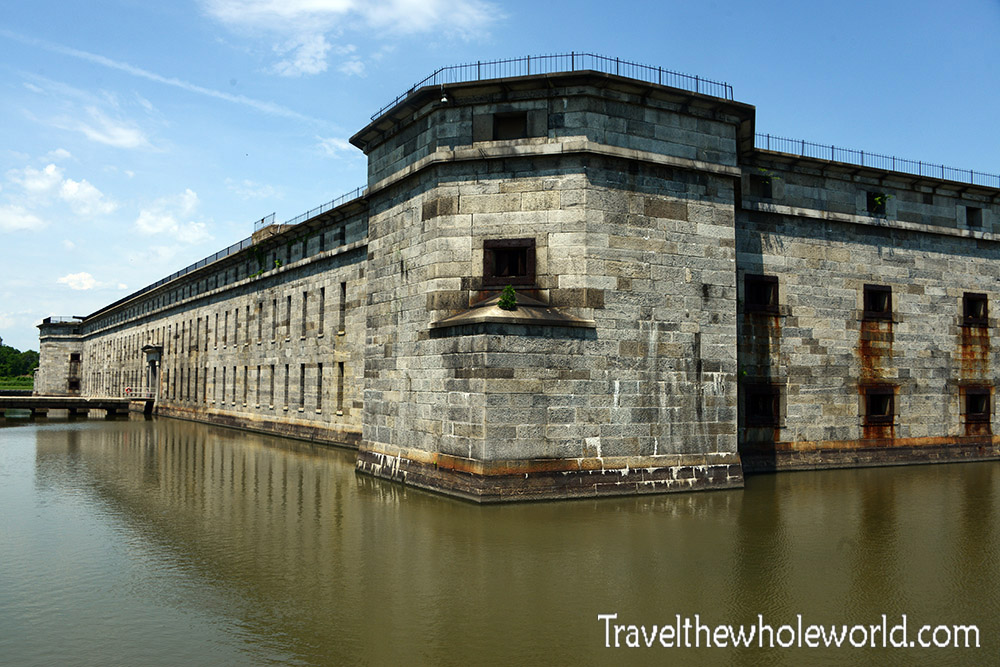
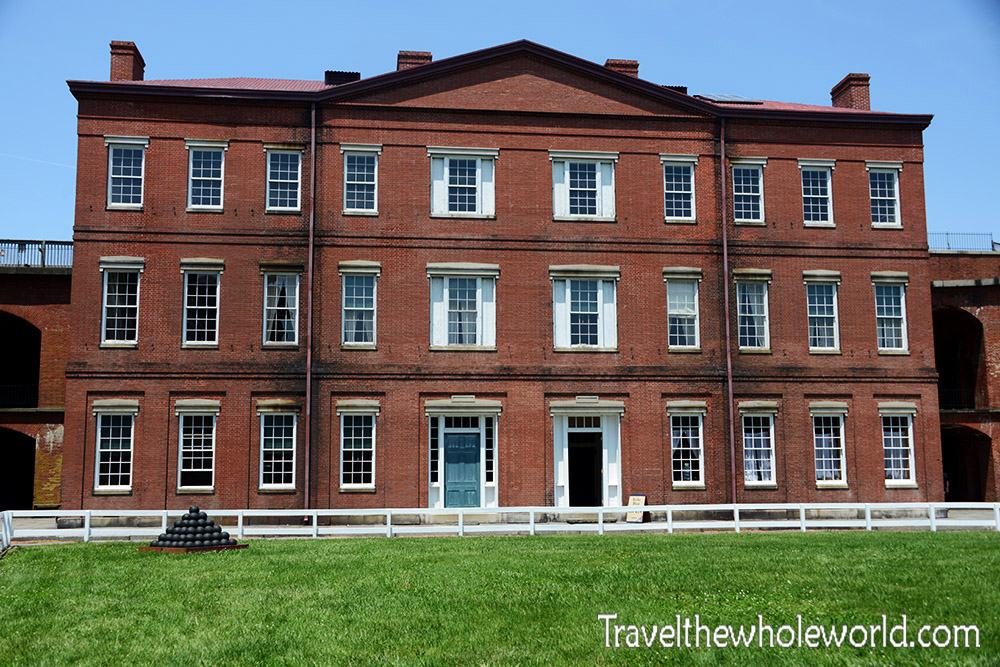
One of my favorite 19th-century forts is located in the heart of Delaware. Its history goes back to the Revolutionary War, when the British launched a successful attack and captured Philadelphia. Without any major naval fortifications protecting the city, there was little resistance the colonists could put up. Decades later, the U.S. military finally decided to build a fort south of Philadelphia. The original fort was destroyed by fire before it was even completed, and its reconstruction was incredibly slow. Fort Delaware was finally completed in the mid-1800s, roughly 70 years after Philadelphia was attacked. The photo above shows the outside of the fort, which is completely surrounded by a shallow moat.
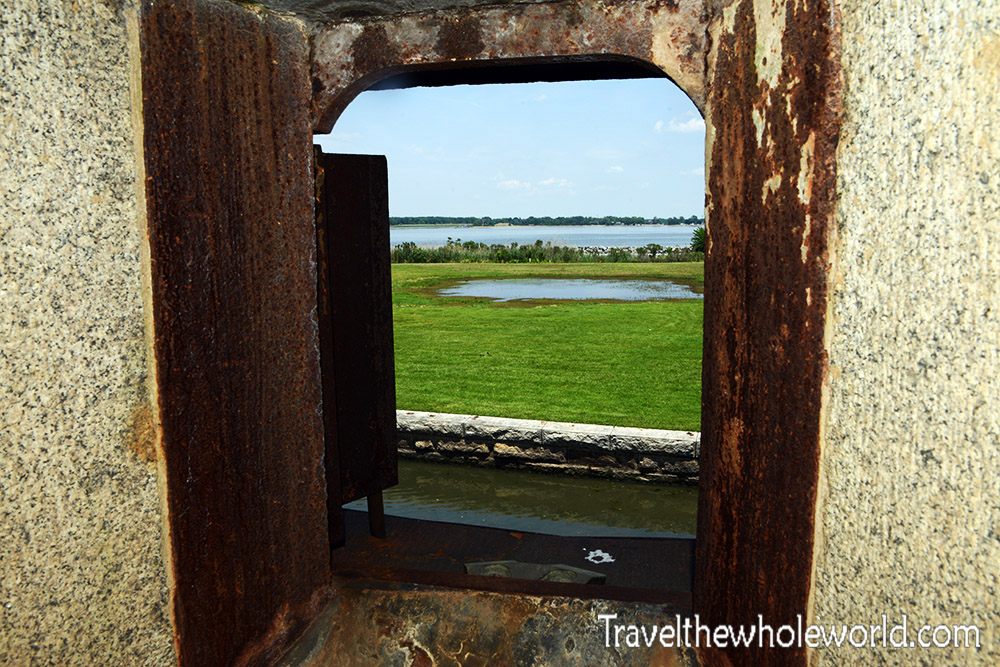
Fort Delaware is located on Pea Patch Island in the Delaware River, with Delaware on one side and New Jersey on the other. The fort’s main defense was its cannons, and ships attempting to sail past would have come within range. The firing positions around the fort allowed cannons to cover the river in multiple directions, making an attack on Philadelphia much more difficult. :contentReference[oaicite:0]{index=0}
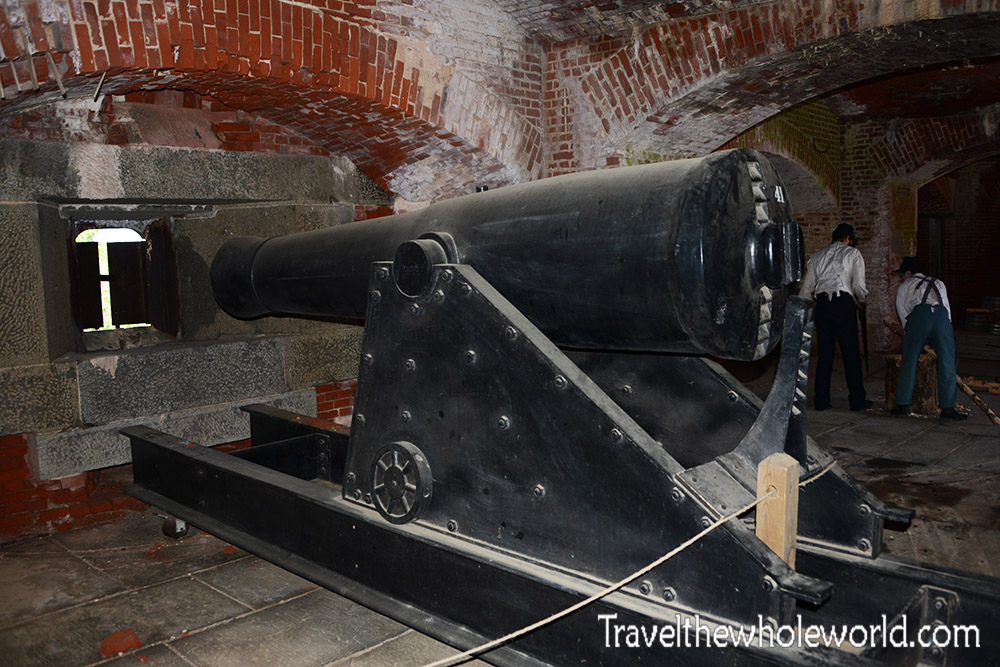

During my visit, several people dressed in period clothing were demonstrating activities around the fort. These two were working around one of the cannon positions, while in another room I saw people dressed in 19th-century clothing attempting to temper metal. The demonstrations give you a better idea of what everyday life inside the fort might have looked like.
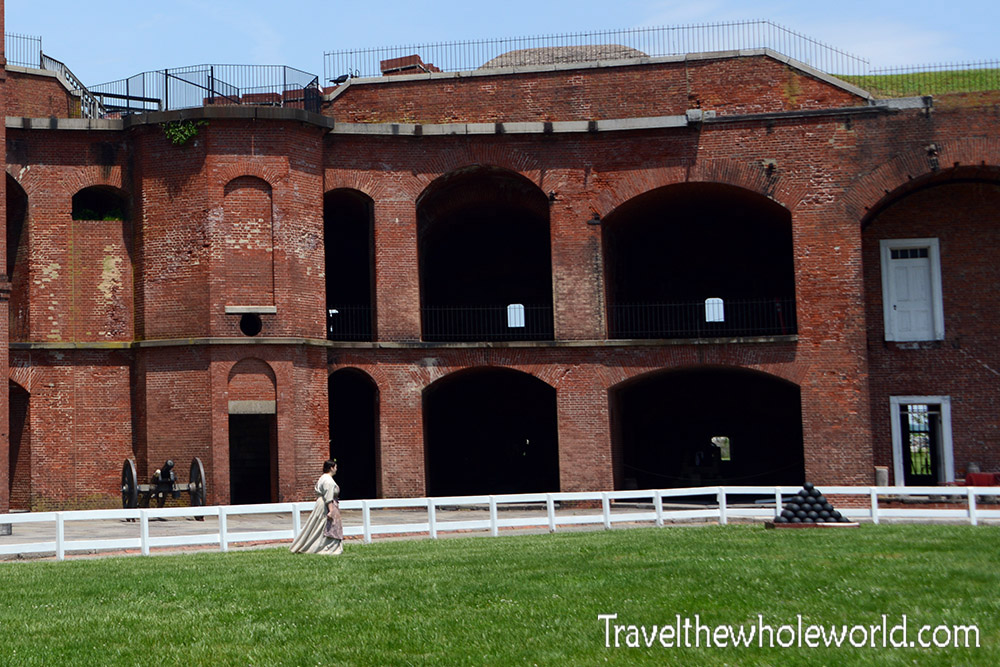
Fort Delaware is much more than just a walled defensive position. Inside is a huge courtyard surrounded by several large buildings. Some sections were restored and open to visitors, while others appeared to be in much rougher condition and were closed off.
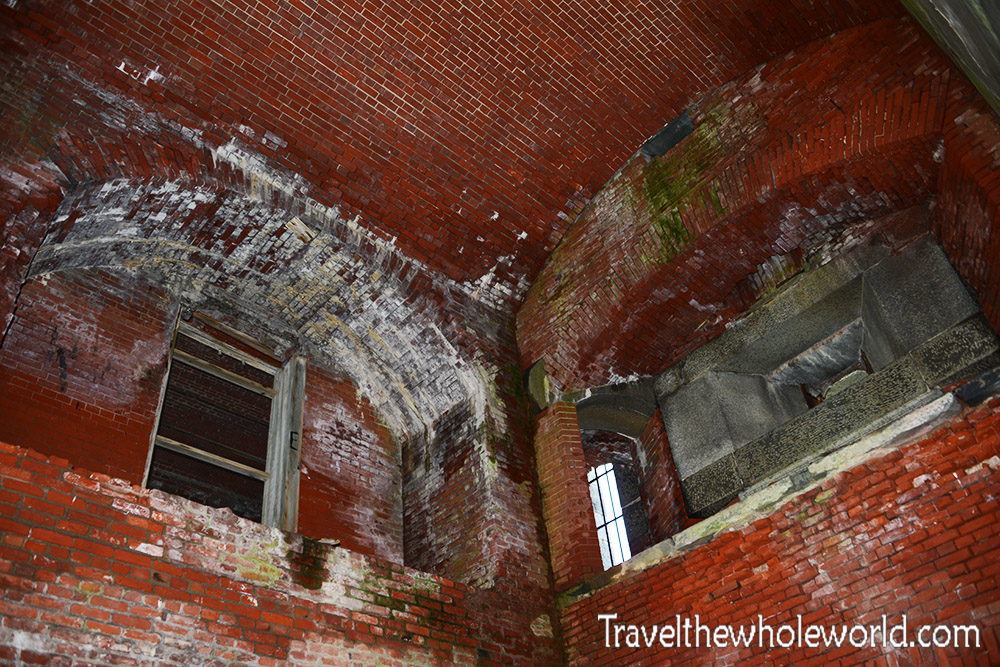
Several areas of Fort Delaware were off limits during my visit and almost seemed to be crumbling. The ceiling above didn’t look too bad, but other sections were much rougher. The hallway below was completely dark, and using my camera’s flash revealed deteriorating brickwork and debris on the floor. A large portion of the fort was inaccessible, whether for preservation, restoration, or safety.

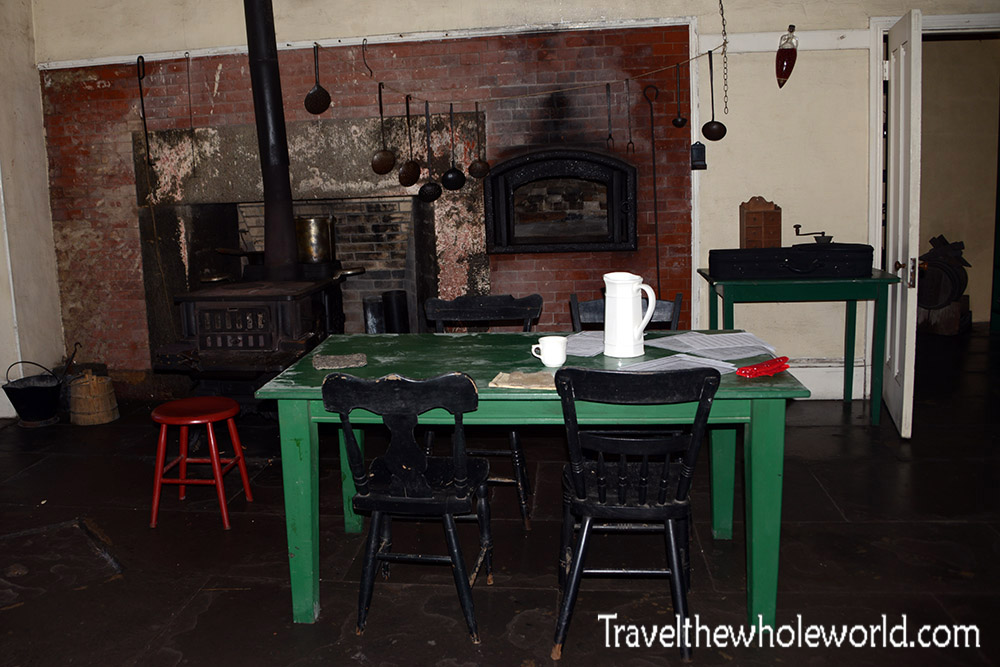
Most of the areas open to visitors are restored and decorated to show what the fort looked like during the 19th century. The kitchen above is one example. Although Fort Delaware was originally built to defend Philadelphia, it was never used in battle and became much better known as a prison during the Civil War. Thousands of Confederate prisoners of war and other detainees were held on the island during the conflict.
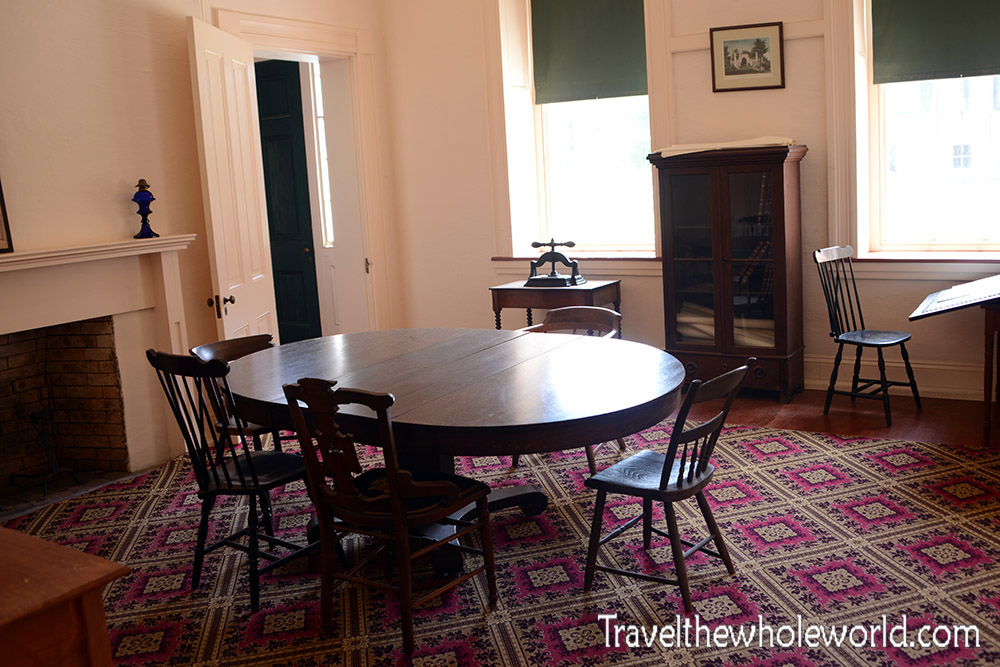
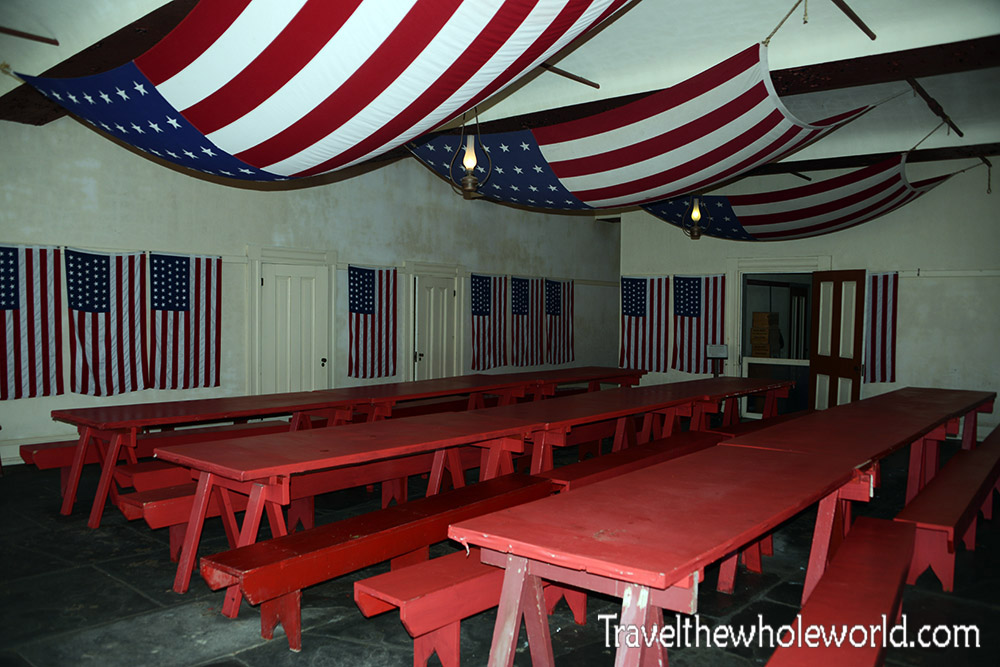
These photos show two different dining areas. The room above represents a dining area for officers and important visitors, while the larger mess hall below represents a more common dining area used by troops and later prisoners.
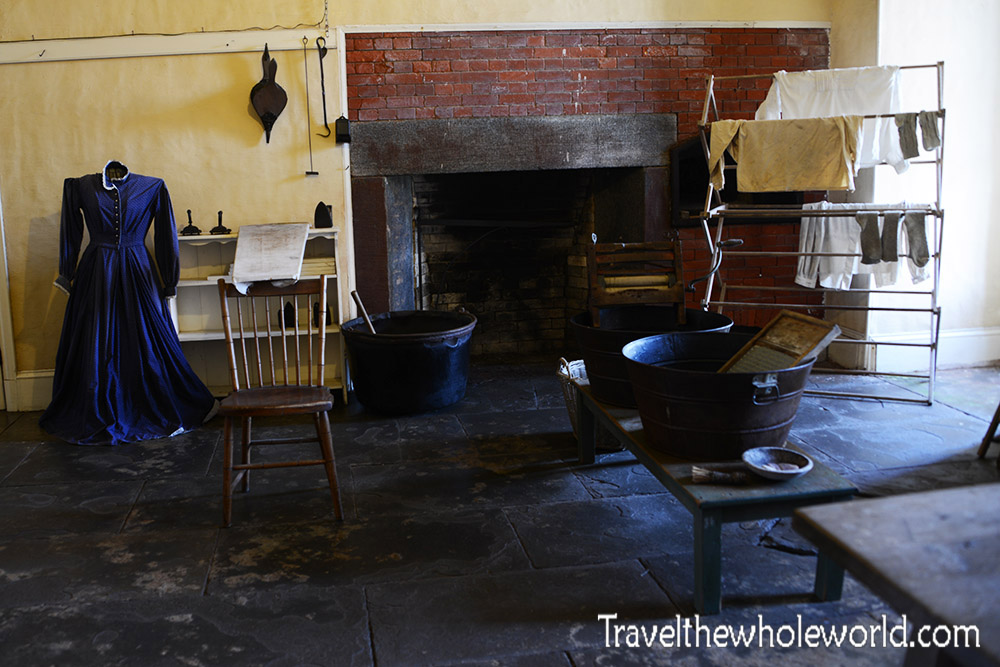
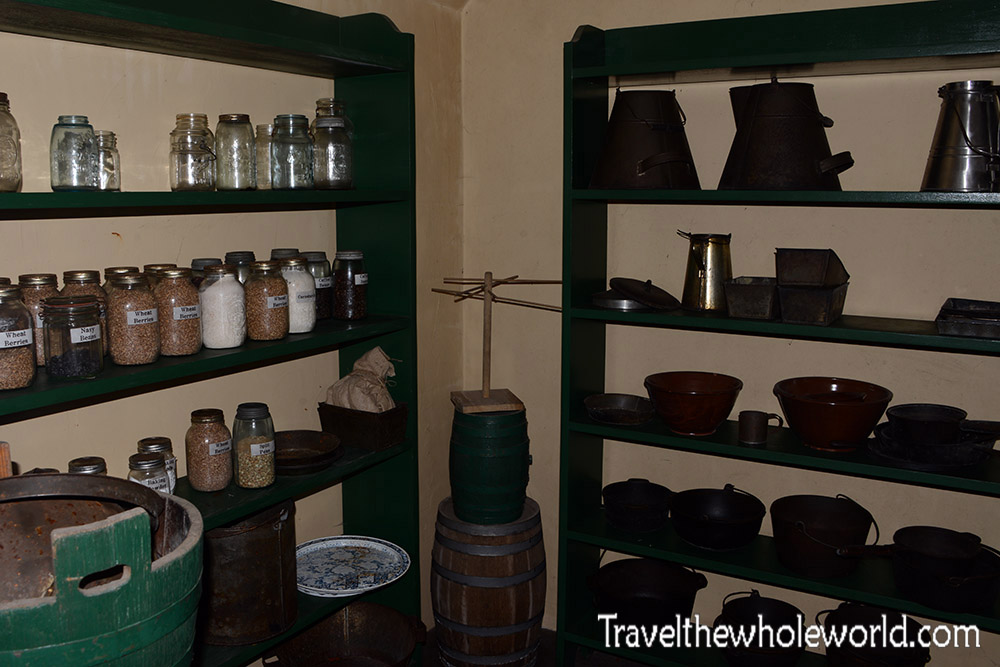
These last two restored rooms appear to show a laundry area above and a storage room below. Many of the rooms can only be viewed from behind ropes, but there is enough preserved inside to get a good sense of daily life at the fort.
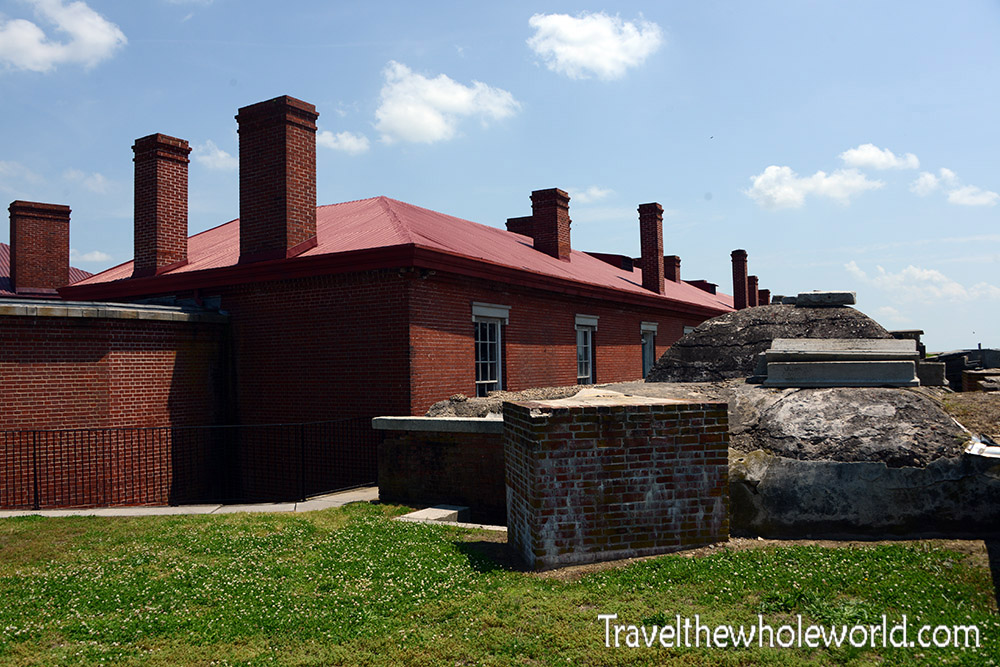
After visiting the interior, my friend and I headed up to the roof. Visitors can climb the stairs and walk around part of it, although much of the area was roped off during my visit. The grass-covered roof was unusual, and there were cannons and firing positions scattered around it. I also found tunnels that appeared to connect different defensive positions, presumably allowing soldiers to move around while remaining protected.

One of the more interesting parts of visiting Fort Delaware is the historical reenactors. Throughout the fort, visitors can see demonstrations of different aspects of 19th-century life, ranging from everyday activities to military drills.

These soldiers gave a talk and put on an artillery demonstration for visitors. Between the enormous fortress itself, its Civil War history, restored rooms, and living-history demonstrations, Fort Delaware ended up being one of the most interesting historic sites I’ve visited in the state.