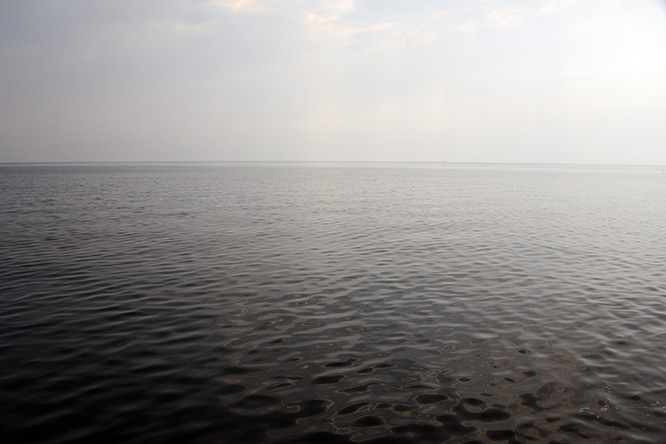
Goma sits on the northern shore of Lake Kivu in the eastern Democratic Republic of the Congo. Before visiting, I had read that the city once had more of a lakeside resort reputation, with hotels, restaurants and cafés along the water.
By the time I arrived, Goma was far better known internationally for conflict, humanitarian crises and volcanic eruptions. I mostly used the city as a base for reaching the natural attractions around Virunga National Park, but the city itself ended up being interesting simply because everyday life continued despite everything the region had gone through.
My visit came during a tense period. M23 rebels had captured Goma not long before, and the presence of soldiers and international peacekeepers was impossible to miss.
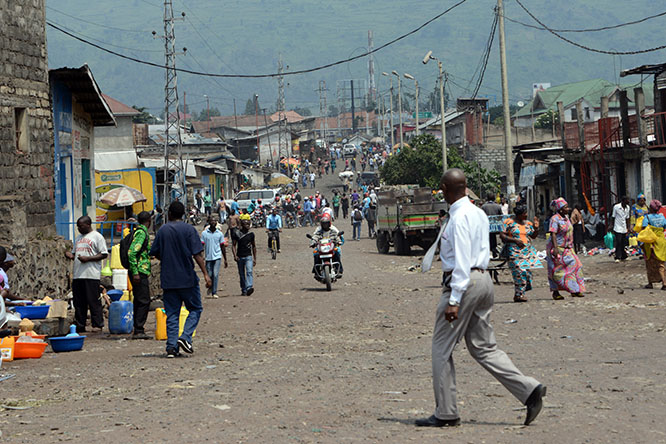
Crossing into the Congo from Rwanda was an immediate change in atmosphere. The border separated two neighboring places that, at least from a traveler’s perspective, felt dramatically different in infrastructure and everyday street life.
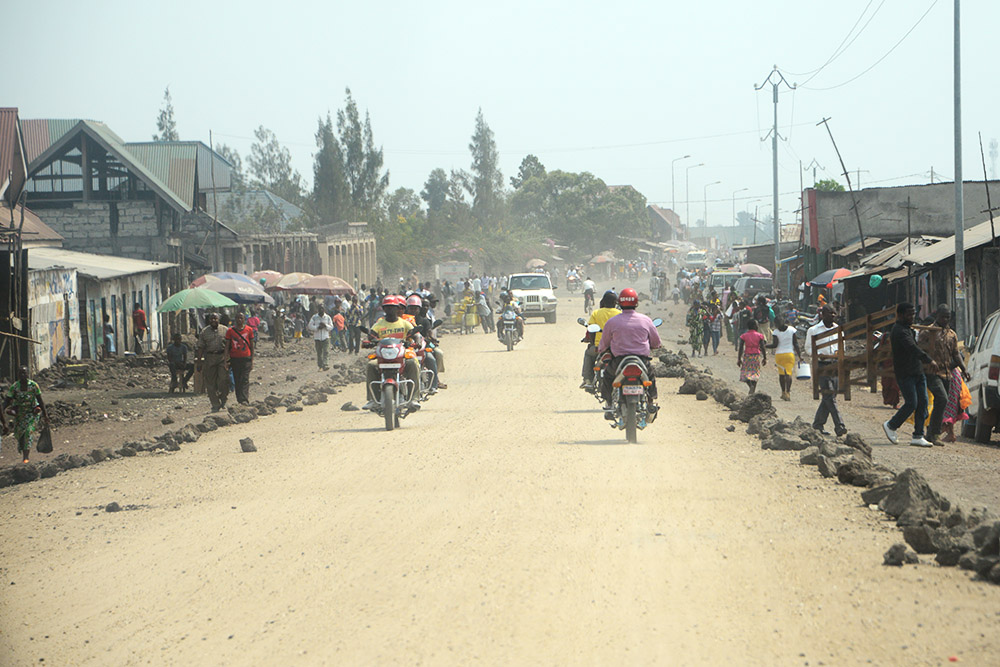
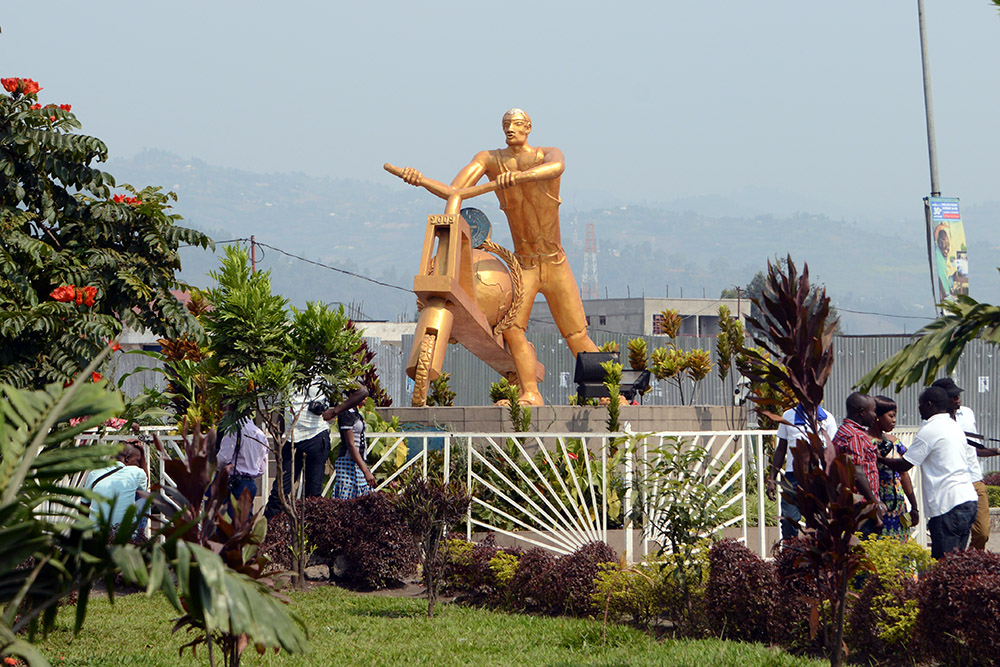
Goma isn’t a city I would describe as packed with traditional tourist landmarks. These memorials were among the few obvious monuments I encountered while walking around.
I never learned what the memorial above commemorated, so I’d rather leave it unidentified than guess.
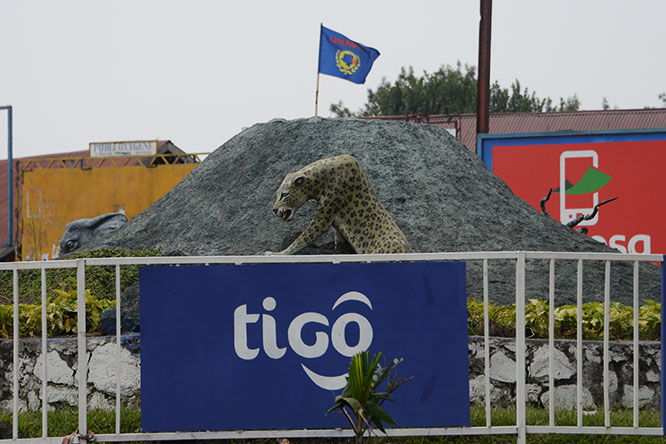
The memorial above is connected to the devastating 2002 eruption of Mount Nyiragongo. Lava flowed directly into Goma, destroying thousands of homes and buildings and forcing much of the population to flee.
The eruption did not literally raise the entire city by three meters, as I once wrote, but thick lava flows did bury streets and structures in parts of Goma. Even years later, you could still see places where older ground levels had been covered by hardened lava.
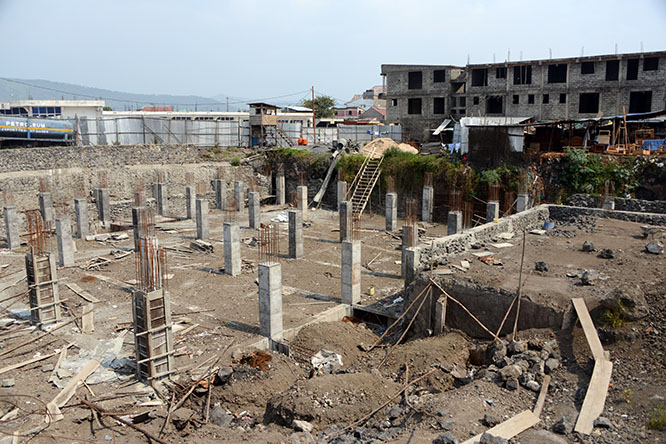
After hearing so many stories about the eruption, I jokingly started calling Goma “Lava City,” which some locals seemed to appreciate.
The eruption permanently changed parts of the city. In some areas people removed lava before rebuilding. Elsewhere they simply adapted to it, using volcanic rock for walls, fences and construction materials. When I jokingly asked locals if they minded if I took some lava with me, the answer was essentially, “Please, take it all.”
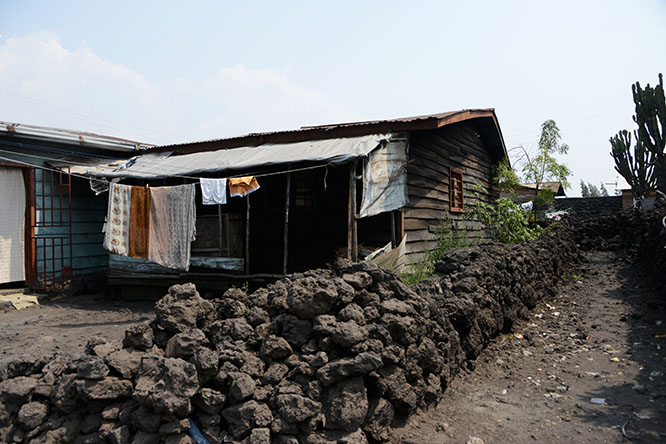
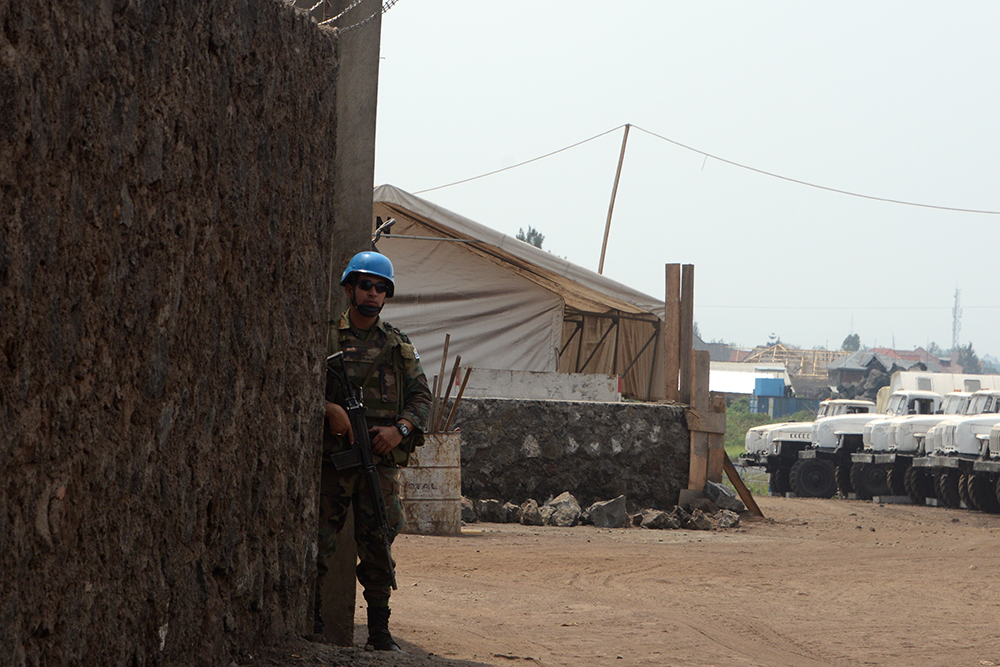
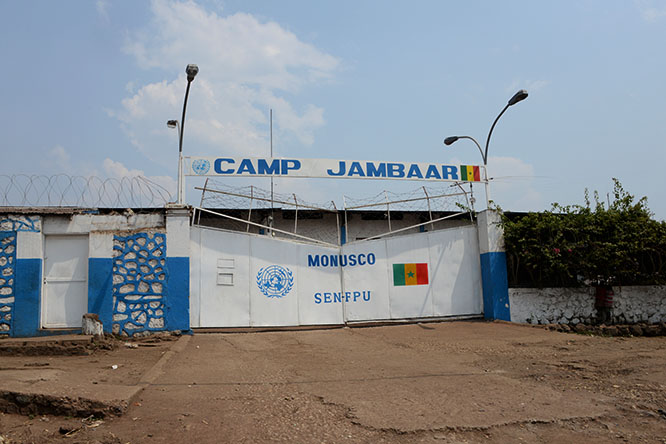
Almost as noticeable as the lava was the large United Nations presence. Traveling around Goma, I frequently encountered UN facilities, vehicles and peacekeepers.
This photograph shows a peacekeeper from Uruguay, while another base I passed housed troops from Senegal.
One Congolese man I met believed the UN was really in the region to protect access to Congo’s mineral wealth rather than to create stability. That was his personal view, not something I could verify. At the same time, the UN mission was actively involved in military operations against armed groups in eastern Congo, and I met a Swedish UN commander who seemed genuinely committed to the mission.
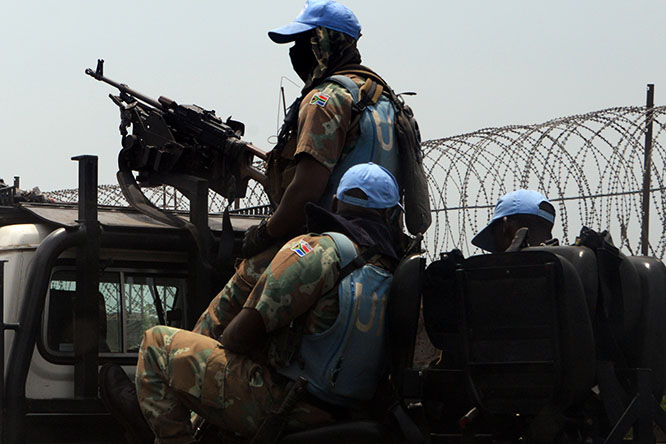
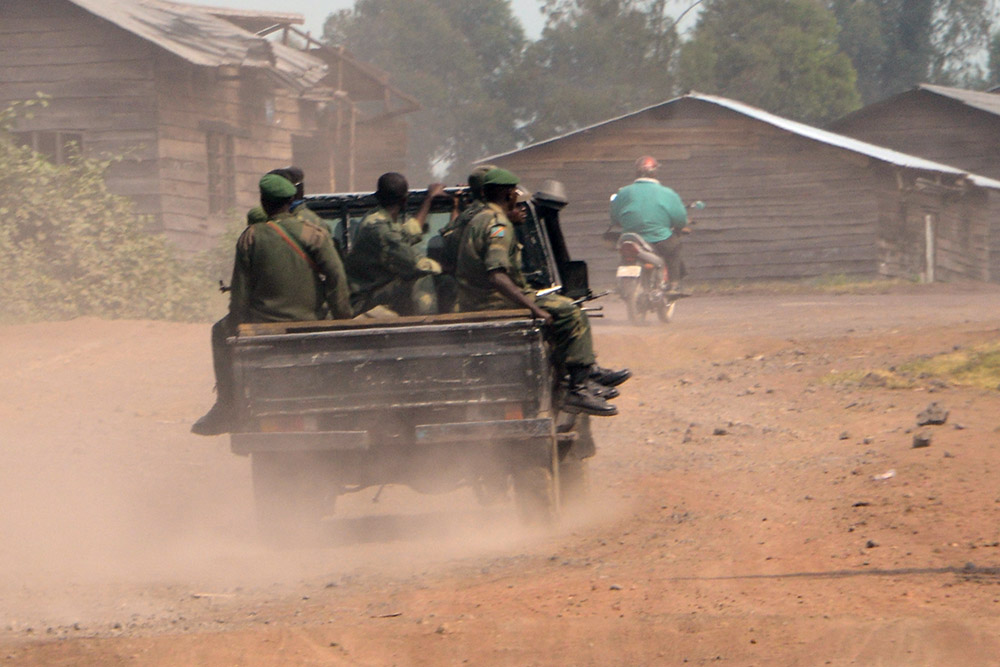
These photographs show more of the security presence I regularly saw around the city. The patrol above was from the United Nations, while the soldiers below were Congolese troops.
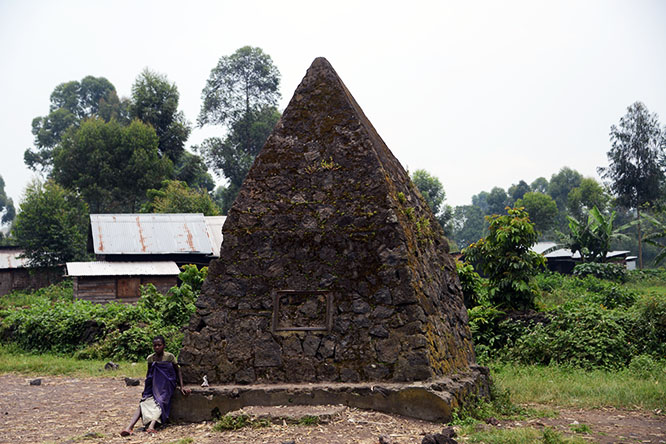
Eastern Congo’s history of warfare extends far beyond the conflicts most people associate with the region today. This memorial relates to World War I, when Belgian colonial forces fought German forces in East Africa.
I originally wrote that Germany’s defeat directly caused this part of Congo to become a Belgian colony, but that was wrong. The Congo was already under Belgian rule before World War I. What changed after the war was neighboring German territory: Belgium received a League of Nations mandate over Ruanda-Urundi, the territory that later became Rwanda and Burundi.
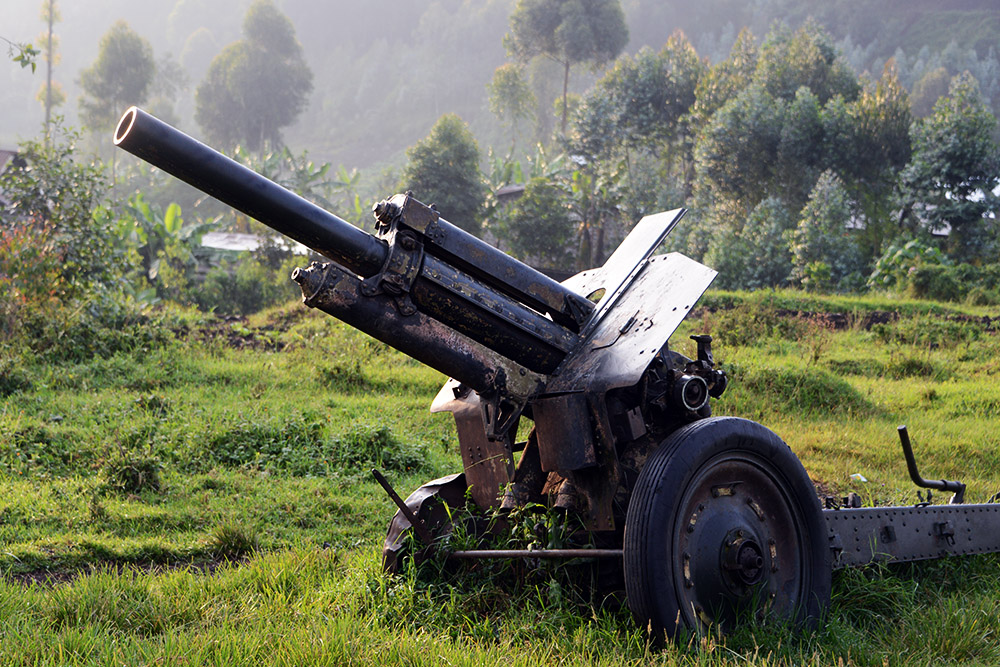
The conflict in eastern Congo was still active during my visit. Everyday life in Goma seemed relatively normal while I was there, yet armed patrols and military positions were constant reminders that the situation could change quickly.
Only a short time before my visit, M23 fighters had captured Goma. My own stay was exactly how I prefer trips through unstable places to go: uneventful.
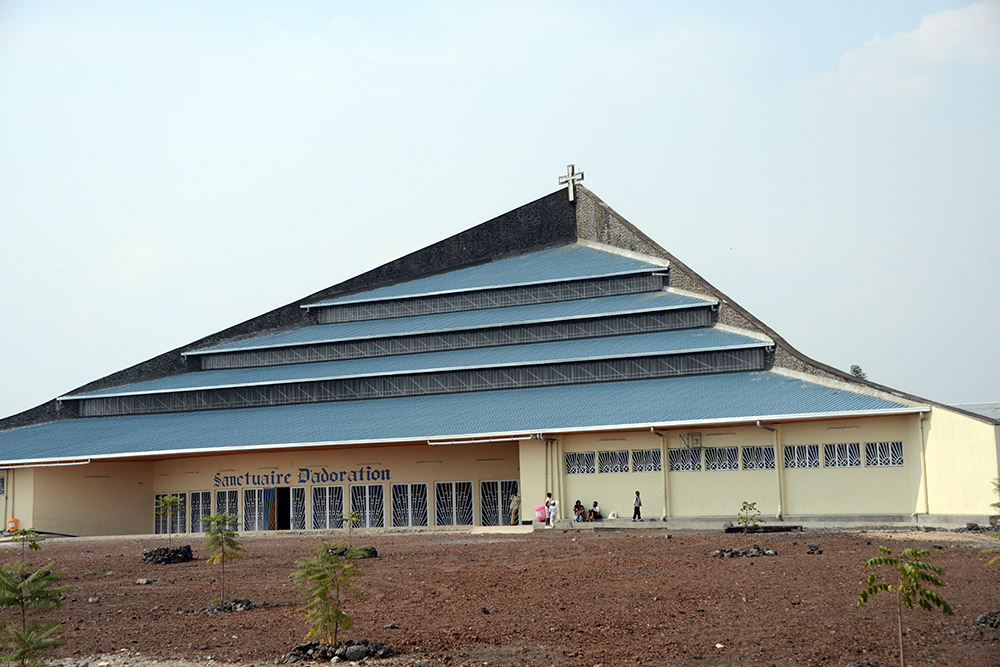
I came across at least two large churches in Goma. Christianity is widespread in the Democratic Republic of the Congo, alongside smaller Muslim communities and a wide variety of traditional beliefs and practices.
I had originally identified this building as the Cathedral of Dadoration, but I wasn’t able to verify that name, so I’d rather keep the identification general than repeat something uncertain.
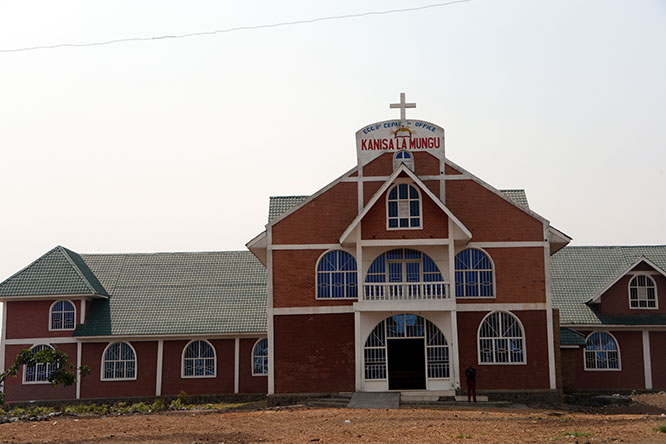
The second church was another impressive structure I encountered while walking through the city. I didn’t go inside either building, something I regretted afterward.
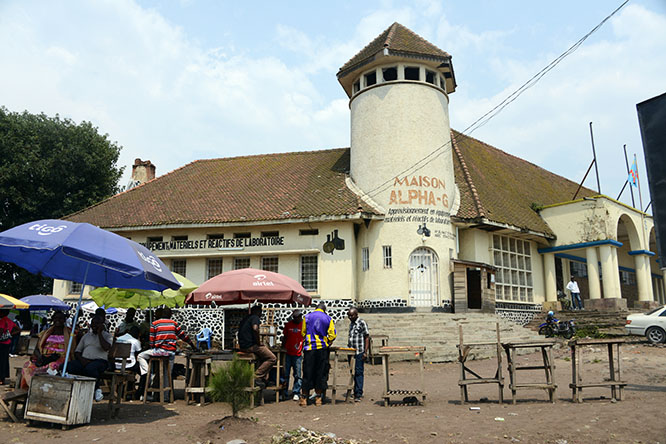
A local referred to this area as Goma’s “black market.” I found that description a little strange because everything was happening openly beside a major intersection.
My guess was that he meant an informal market where goods were sold outside normal retail channels, rather than the kind of secret criminal marketplace the phrase “black market” might suggest to an outsider.
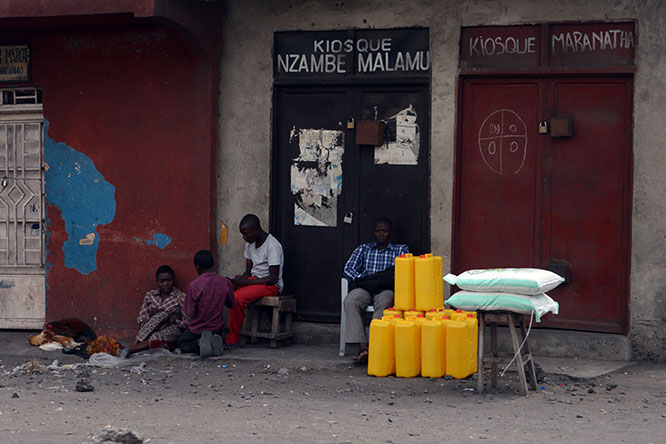
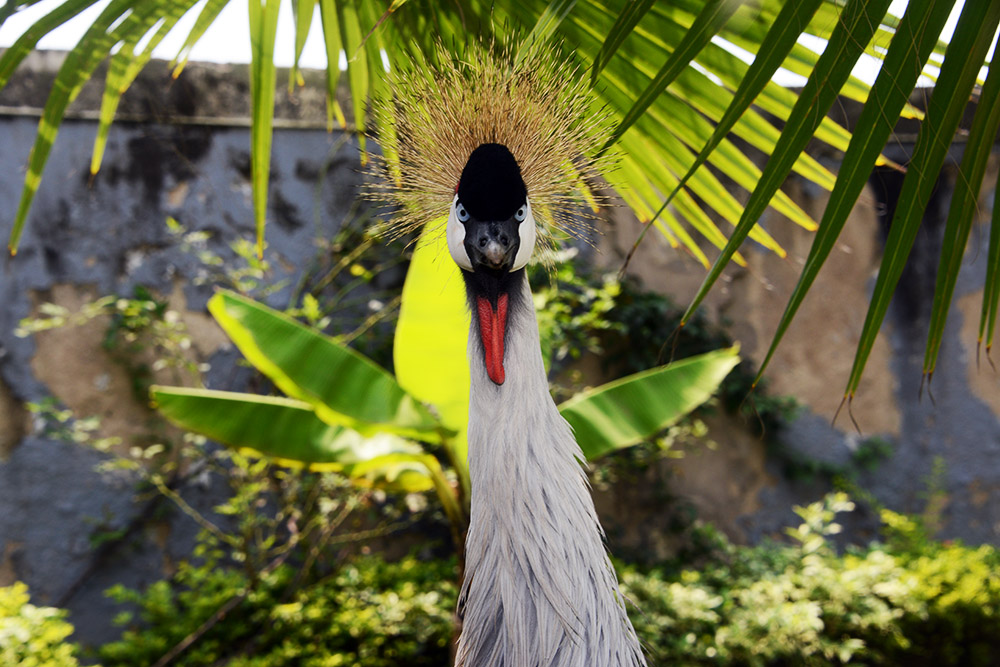
Photography around Goma could be complicated. Some people clearly didn’t want their picture taken, so I had to be more careful than I normally would be when photographing street scenes.
Even this peacock seemed unimpressed by my camera.
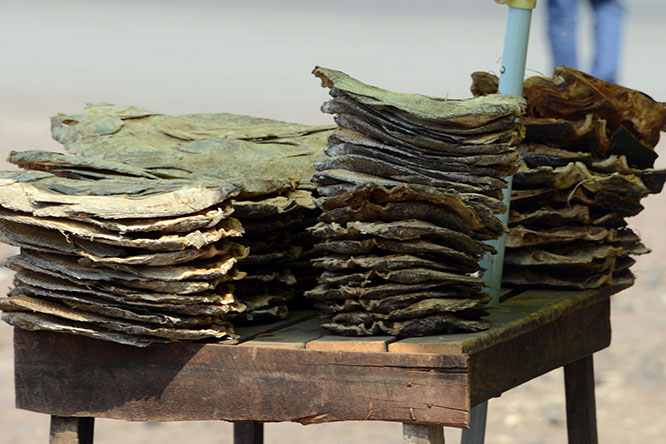
This fish market was another reminder to be respectful with the camera. A woman there clearly did not want me photographing the stall, so I should have simply left it alone rather than treating distance and a zoom lens as a workaround.
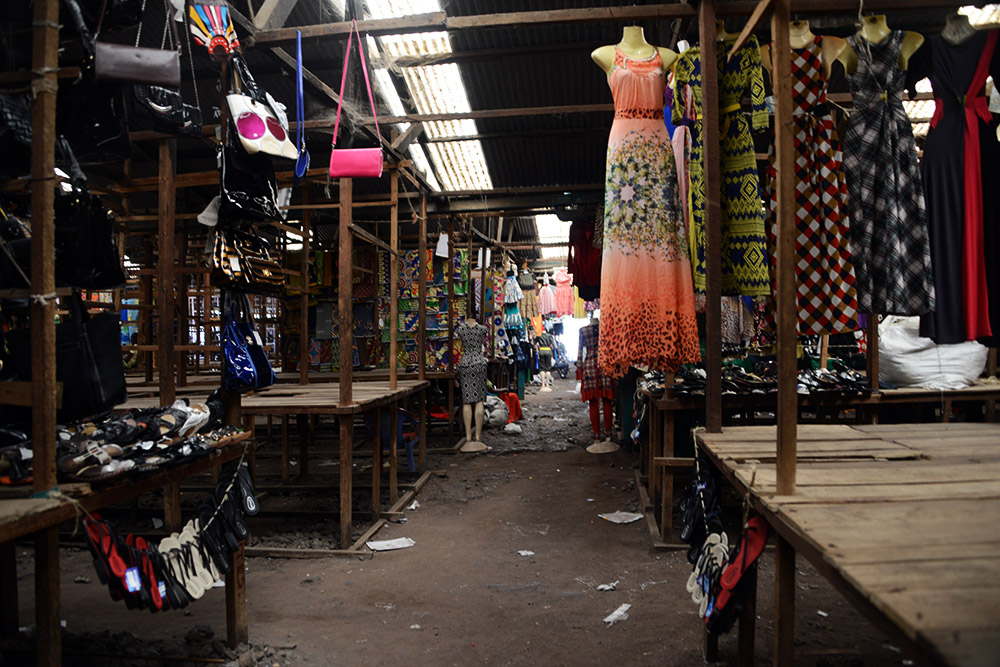
The market wasn’t especially crowded when I visited, although some areas were considerably livelier than this photograph suggests.
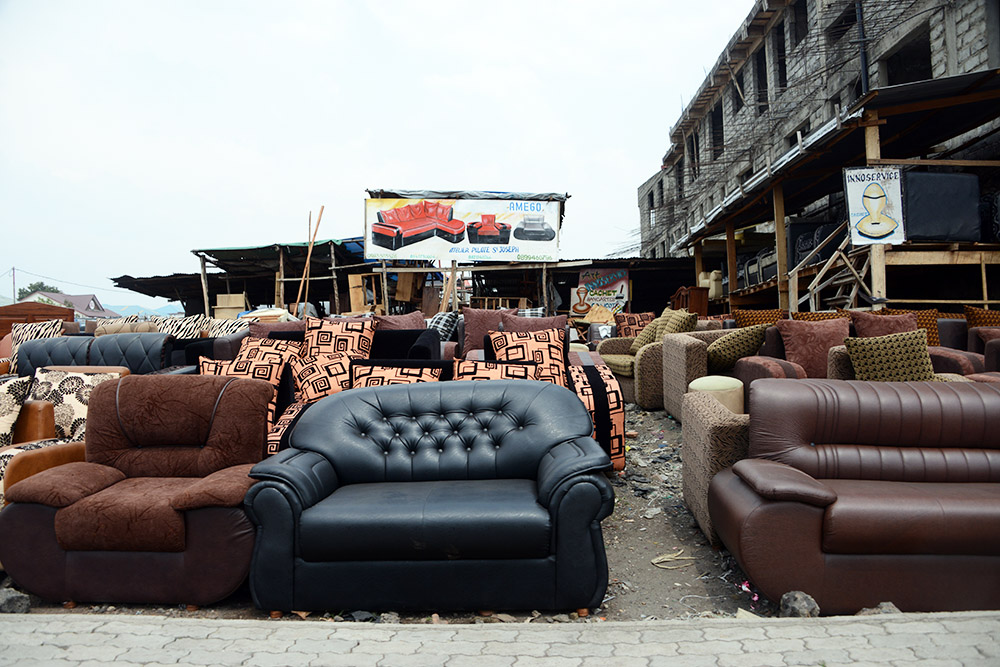
I also came across stores selling surprisingly high-end goods, including these couches displayed outside. In a city where so much trade happens informally, seeing expensive imported furniture sitting beside the road caught my attention.

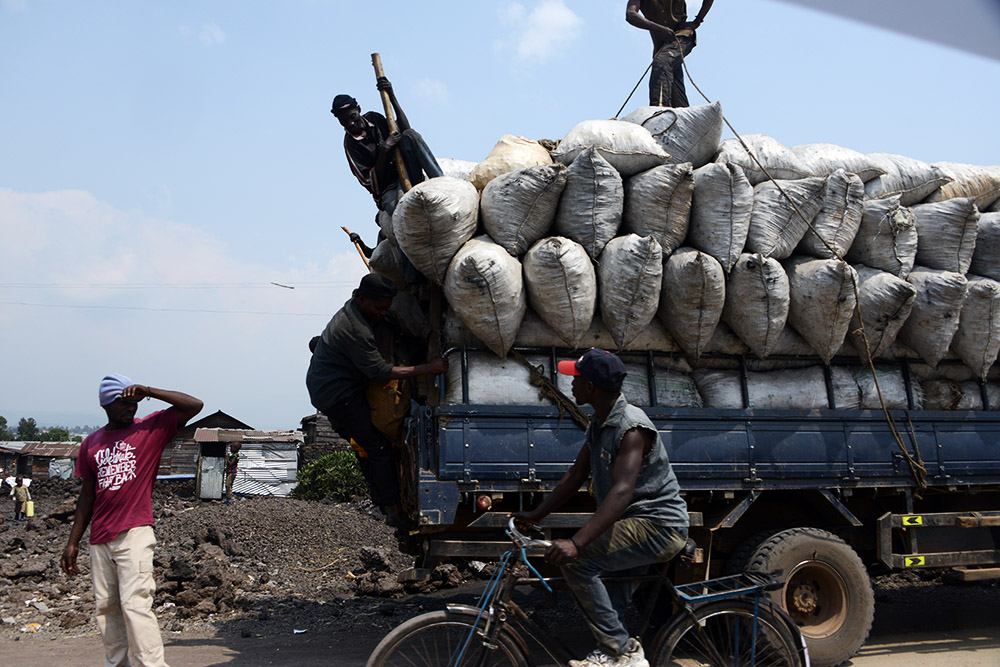
Charcoal was everywhere in Goma. I saw people producing it, carrying enormous sacks through the city and transporting truckloads for sale.
For many households in the region, charcoal remains an important cooking fuel, which helps explain why it is such a major commodity. At the same time, demand for charcoal has also contributed to pressure on forests around Virunga and other parts of eastern Congo.
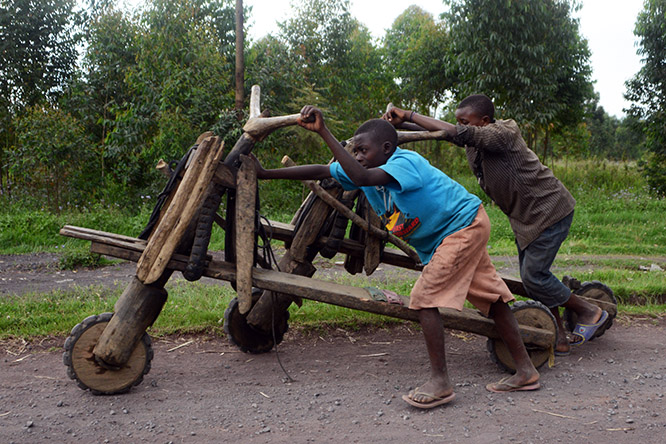
Something I had never seen before coming to the Congo was the wooden transport bicycle, commonly called a chukudu. The frame, wheels and handlebars are largely made from wood, creating something halfway between a bicycle, scooter and cargo cart.
These aren’t really bicycles in the normal sense. They’re designed to move heavy loads cheaply over rough roads. Riders can coast downhill or push them along flatter terrain, but climbing steep hills with a loaded chukudu would obviously be another story.
A local joked that driving over Goma’s rough roads gave you a “Congo massage.” I imagine the ride is even rougher on a wooden chukudu with no suspension.
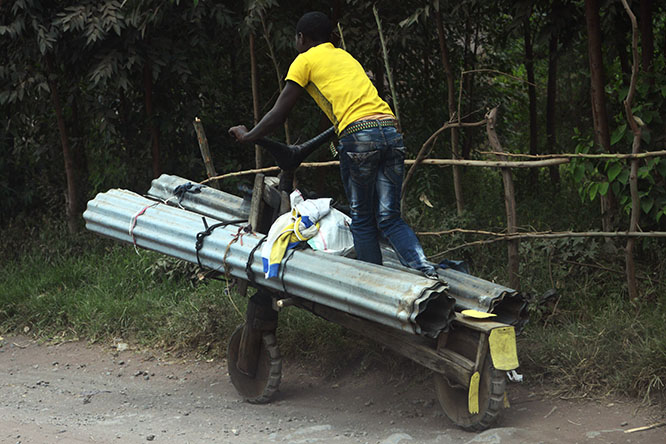
I saw these wooden vehicles throughout Goma carrying everything from charcoal to building materials. Of all the everyday things I photographed in the city, the chukudus were probably the most uniquely associated with eastern Congo.
Goma wasn’t the kind of destination I visited for famous architecture or traditional sightseeing. What made it memorable was the combination of Lake Kivu, hardened lava, military patrols, markets, churches, charcoal trucks and chukudus—all signs of a city adapting to an unusually difficult environment.