Darwin is the capital of Australia’s Northern Territory, known for its remote location, tropical climate, enormous crocodiles, and close proximity to Southeast Asia. The main reason I visited was because I was already traveling in East Timor, and from there Darwin was just a short and easy flight away.
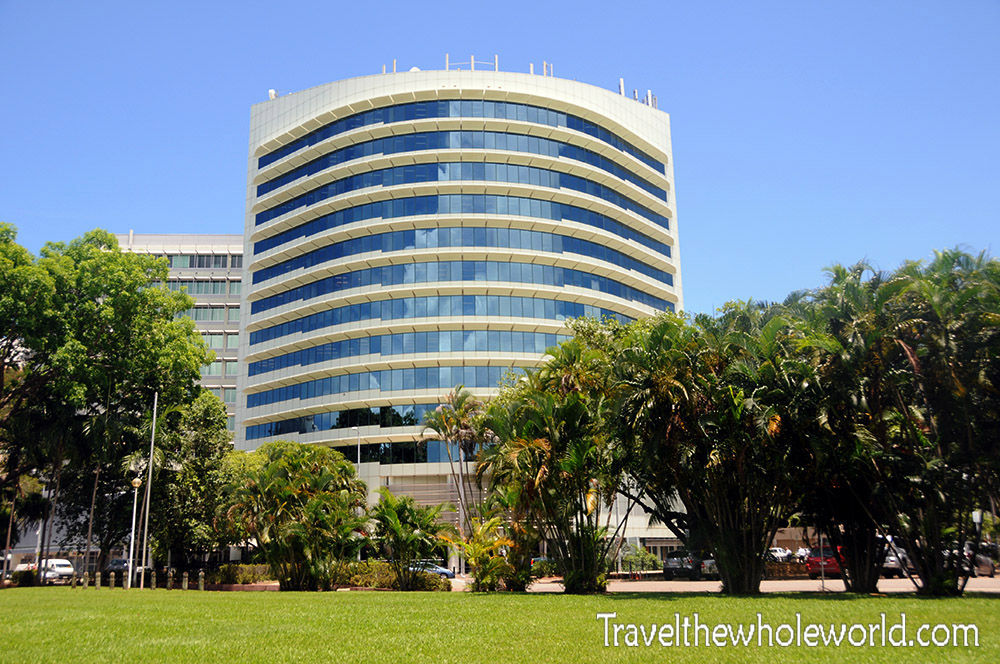
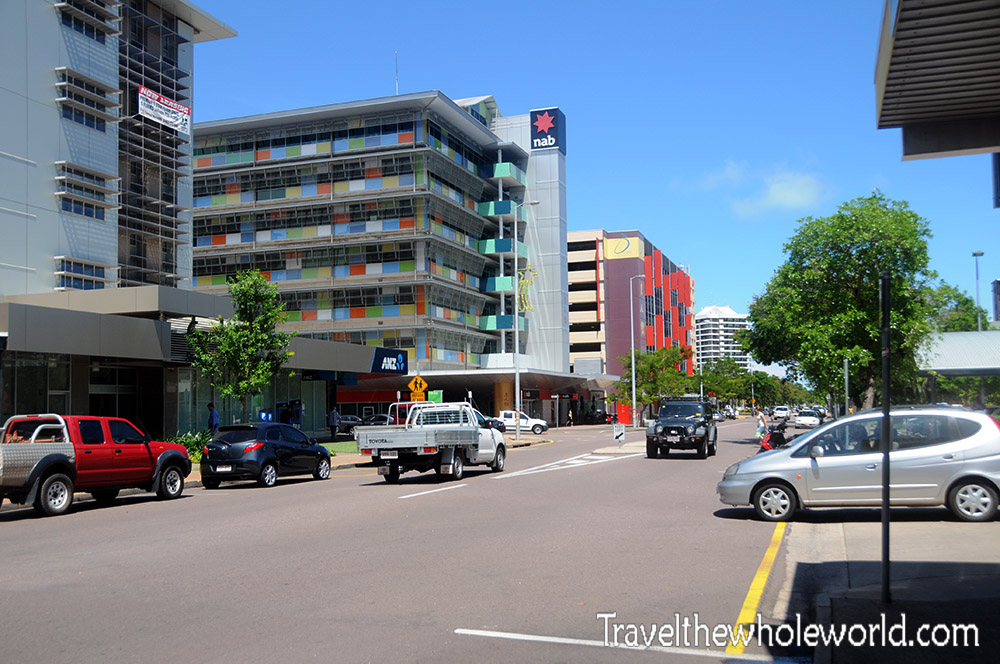
Darwin is by far the smallest of Australia’s state and territory capitals, and I quickly got the impression that most Australians wouldn’t rank it near the top of their vacation lists. I actually enjoyed it. The city was colorful, extremely well maintained, and the weather was perfect during my visit. It also had some fascinating World War II history and more crocodiles than I could possibly imagine.
An Expensive and Isolated City
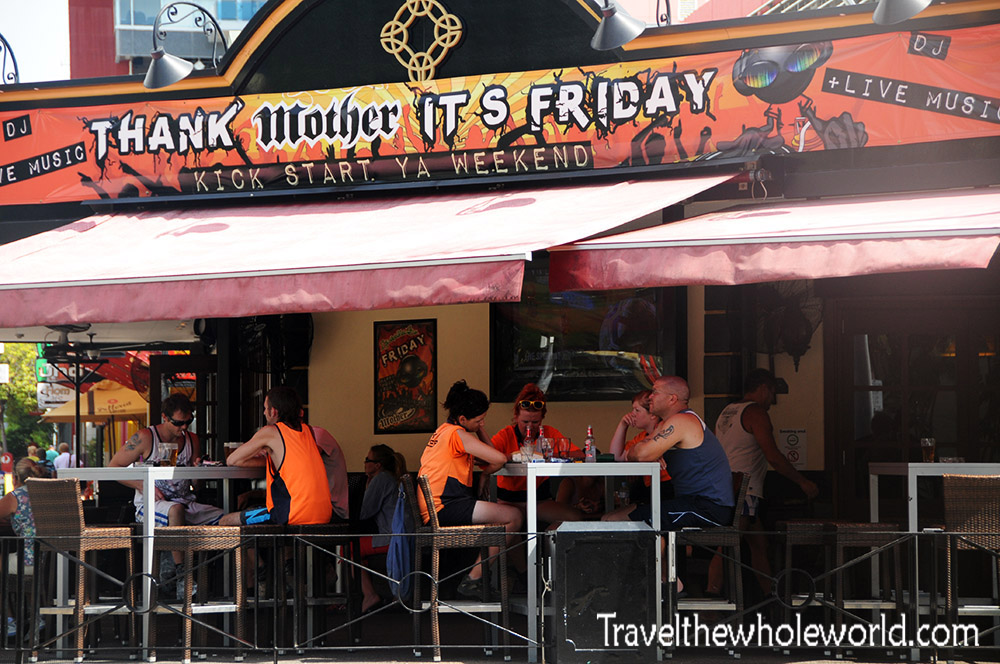
One drawback to Darwin is the cost. The city is incredibly isolated from Australia’s other major population centers. Flying is the only practical option for most visitors, while driving to another major city would take well over a day.
That isolation contributes to the high prices. Hotels, restaurants, and many everyday goods were noticeably more expensive than in Australia’s more popular destinations. Darwin was still large enough to give me plenty of options, and thankfully this restaurant wasn’t too painful to my wallet.
A Beautiful Coast You Can’t Swim In
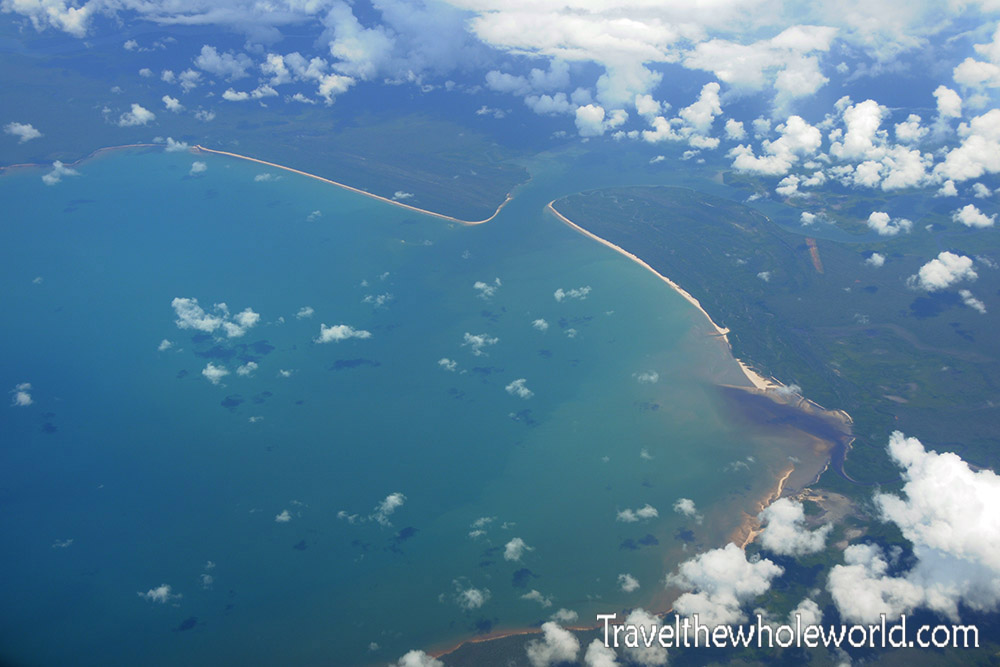
Being expensive was actually the least interesting problem with Darwin.
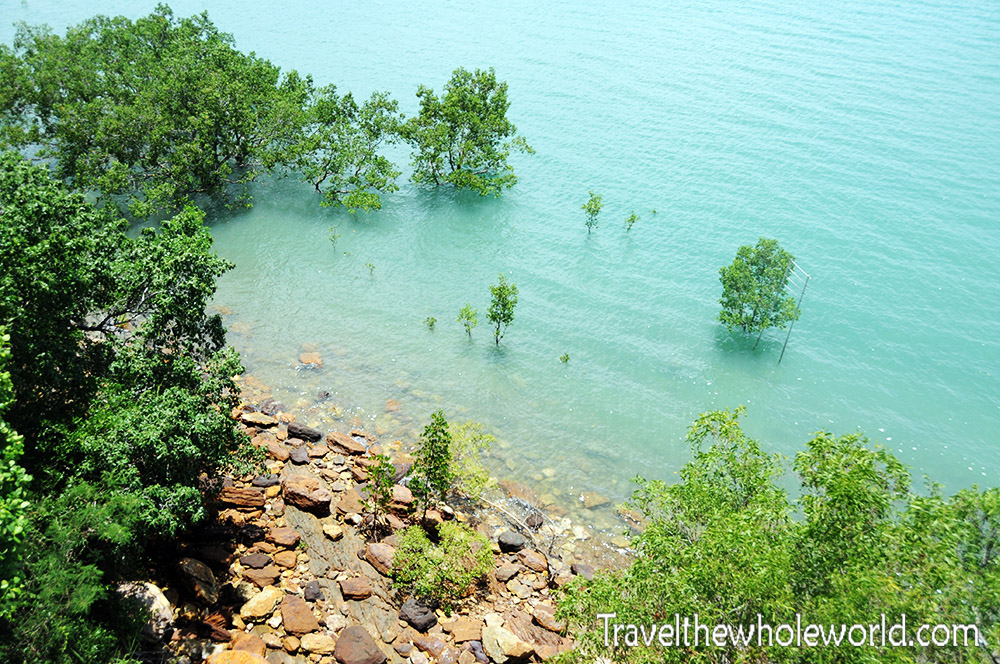
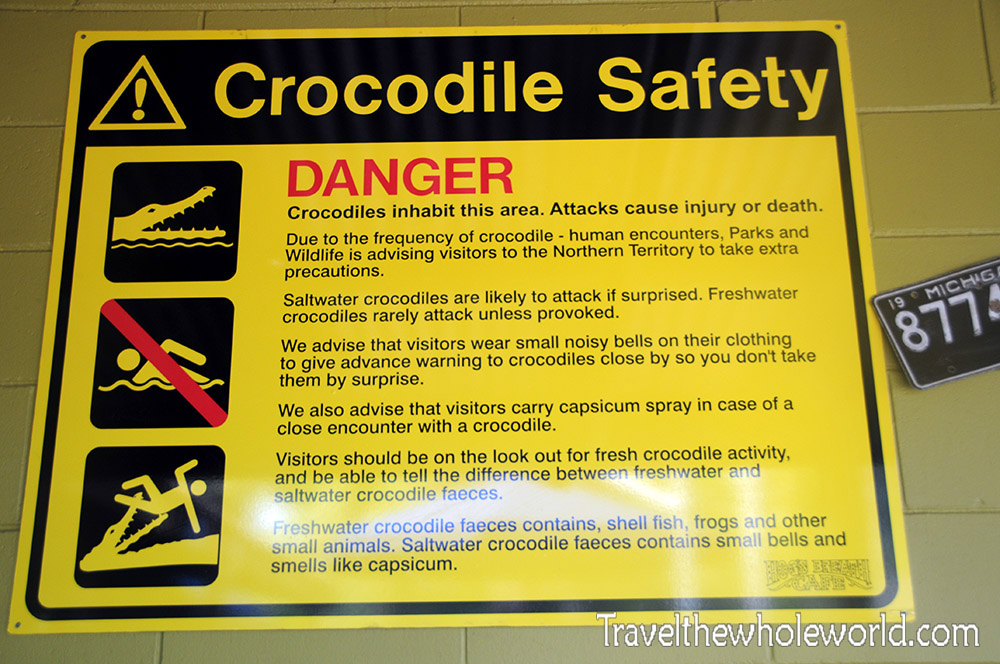
From the air, the coastline looked beautiful. The problem is that northern Australia’s tropical waters are home to saltwater crocodiles, along with dangerous marine stingers during parts of the year. This isn’t the kind of coastline where you should simply find an empty beach and jump into the water.
The Crocodiles Are No Joke
Saltwater crocodiles are probably the animal I associate most with Australia’s Top End. What amazed me wasn’t simply that crocodiles lived here, but that they still had enough control over the environment to determine where humans could safely go.
In a world where humans have developed so much wilderness and pushed wildlife into smaller habitats, I found something strangely impressive about an animal dangerous enough to keep people out.
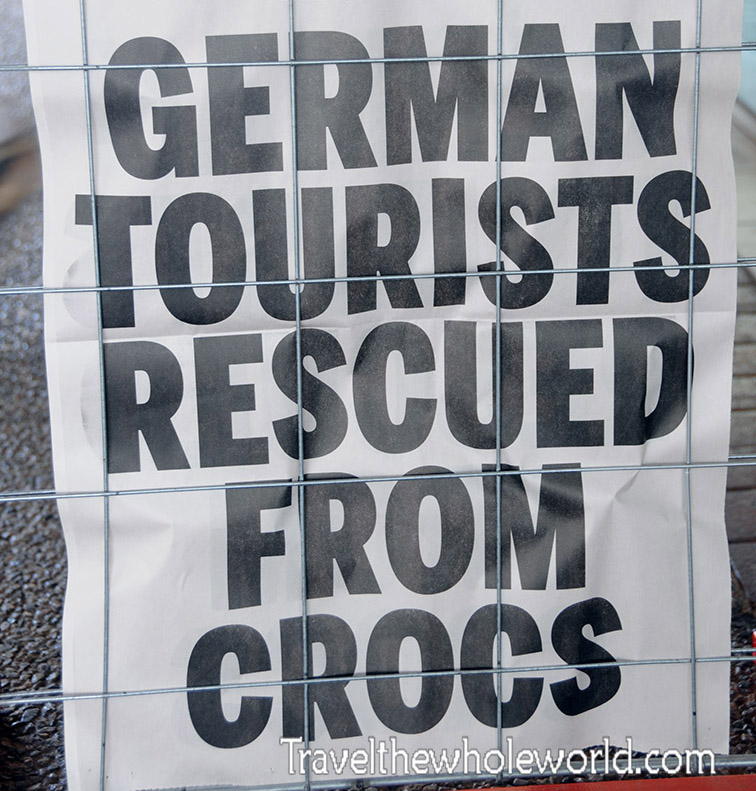
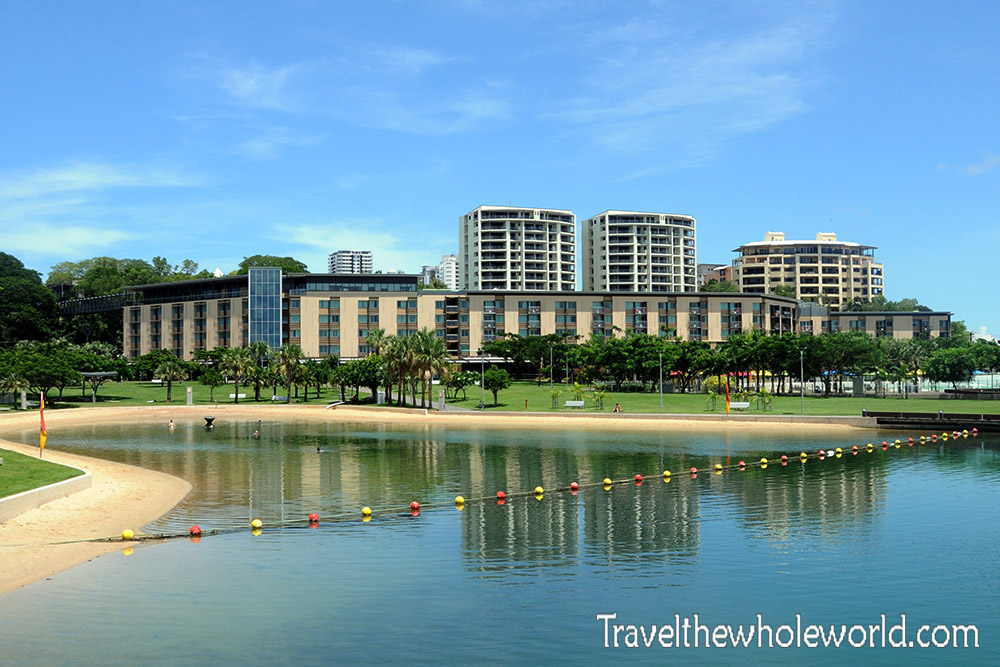
If you booked a flight to Darwin expecting a traditional Australian beach vacation, you probably chose the wrong destination. There are controlled places to swim, including pools and protected swimming areas, but I certainly wasn’t going to test the open water myself.
Getting Close to the Crocodiles
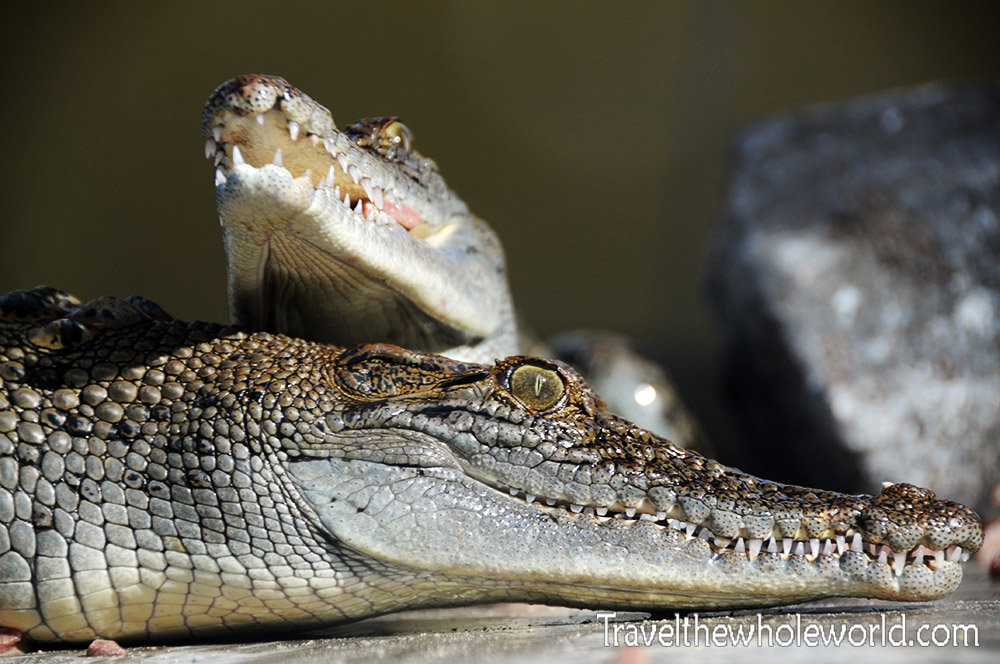
With crocodiles living throughout the Top End, there were plenty of opportunities around Darwin to see them safely.
These juveniles were impressive enough, but the adults were on another level.
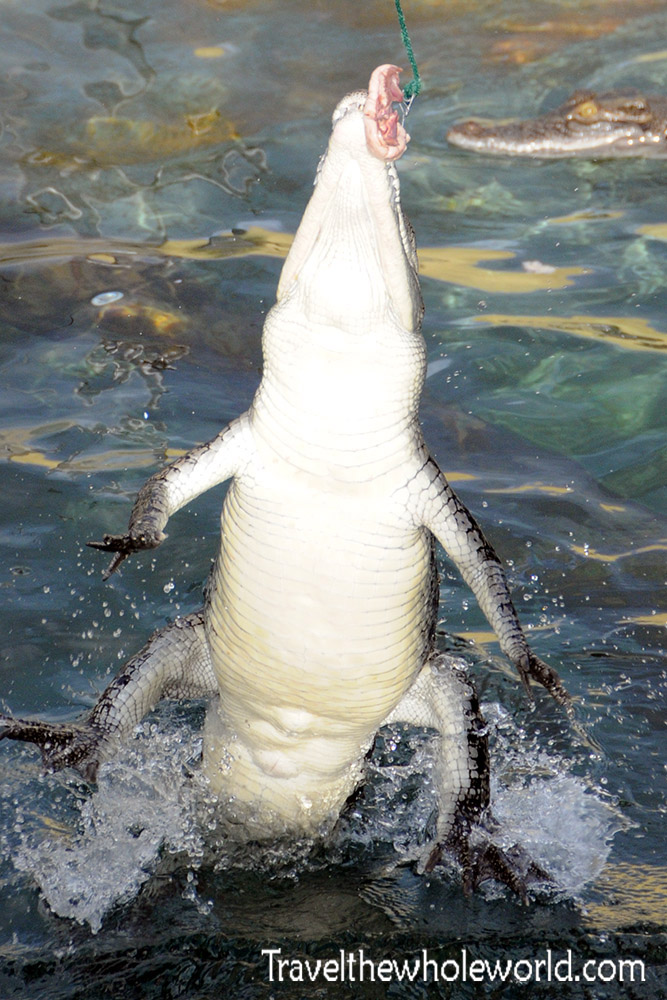
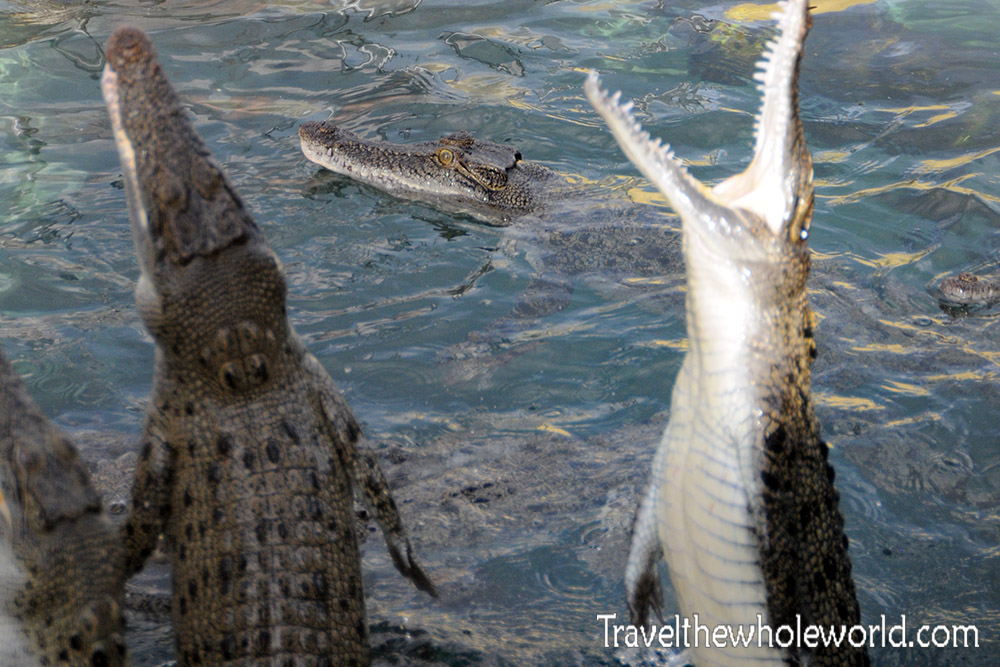
I didn’t take one of the river cruises myself, but tours around Darwin are famous for attracting wild crocodiles toward the boats with food. Watching how high these enormous reptiles could launch themselves out of the water gave me even less desire to go swimming.
A Crocodile Dundee Celebrity
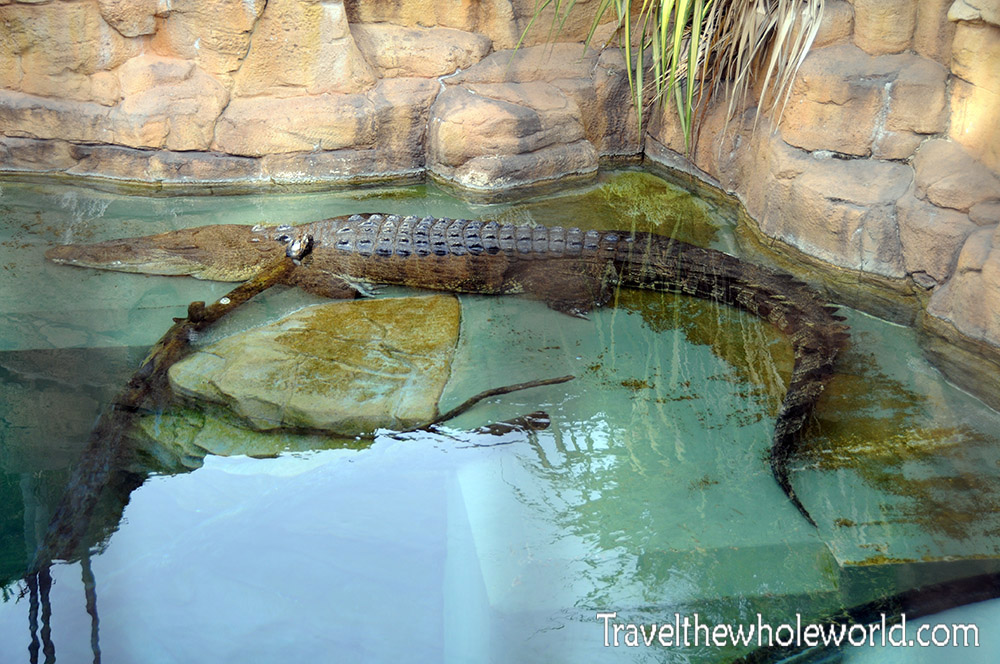
Even the crocodiles around Darwin had celebrities. I was told this animal had appeared in the original Crocodile Dundee movie.
Saltwater crocodiles are the largest living reptiles in the world and considerably more dangerous than Australia’s smaller freshwater crocodiles. Some crocodiles can also live for many decades, so while this guy’s acting career might have been over, retirement could last a long time.
The Cane Toad Problem
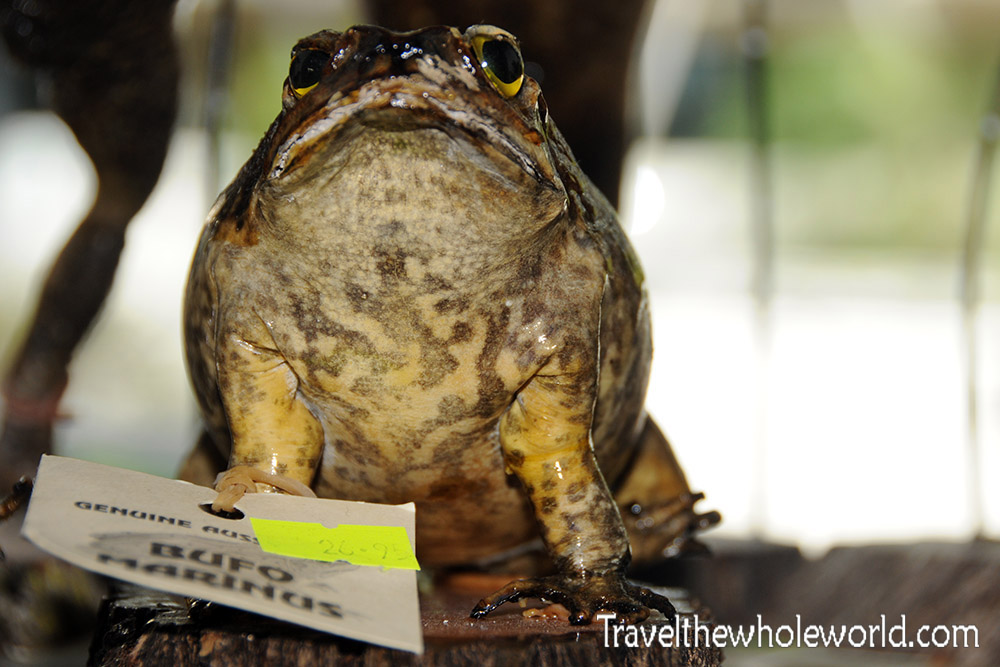
One unlikely threat to some of Australia’s native predators is the cane toad.
Cane toads were introduced to Australia in the 1930s in an attempt to control agricultural pests. Instead, the toads spread across enormous areas of northern Australia and became one of the country’s most notorious invasive species.
Their toxins can kill native animals that try to eat them, including freshwater crocodiles. It’s one of the classic examples of humans introducing a species to solve one environmental problem and accidentally creating a much larger one.
The Bombing of Darwin
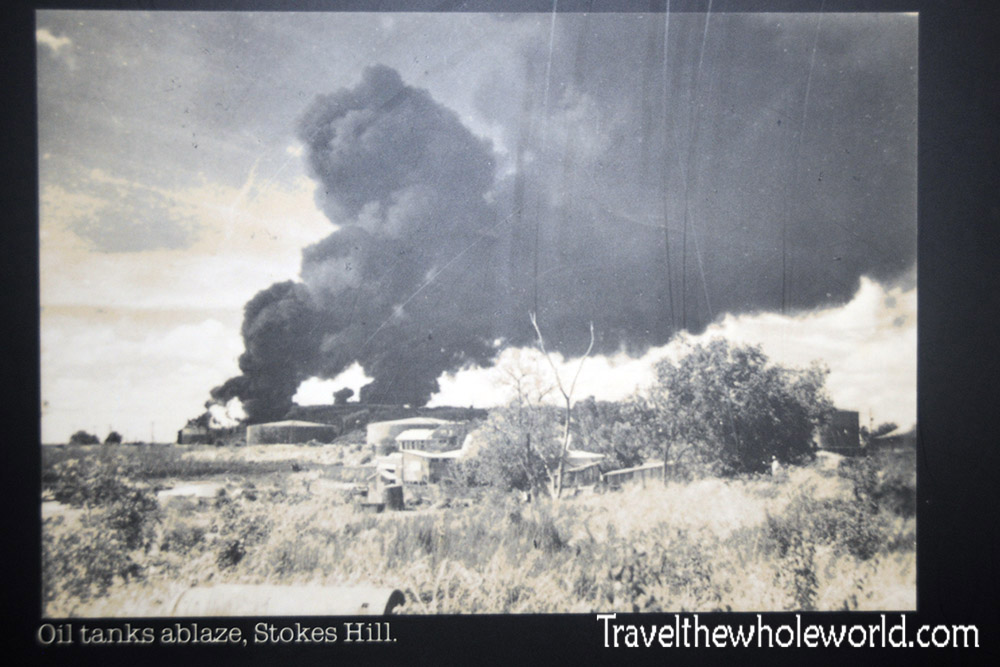
If you’re wondering what else there is to do in Darwin besides looking for crocodiles, the city’s World War II history was probably the biggest surprise of my visit.
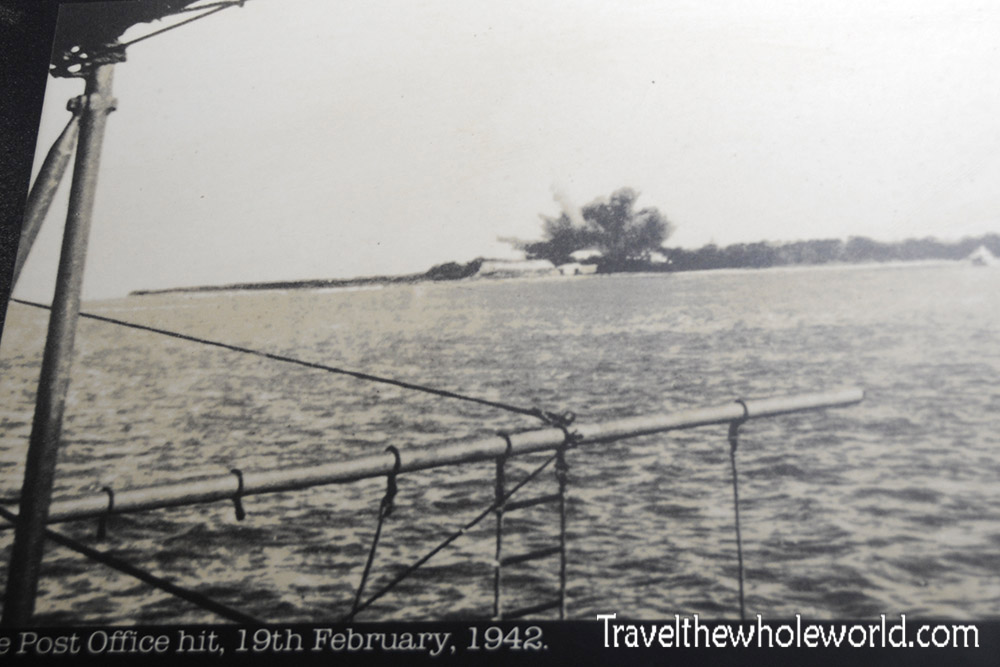
On February 19, 1942, Japanese aircraft launched a massive attack on Darwin. Japan was rapidly expanding across Southeast Asia, and Darwin’s location made it an important Allied military base. The raids killed hundreds of people, sank ships, destroyed aircraft, and caused enormous damage to the city.
The February 19 attack was only the beginning. Darwin and the surrounding region were attacked repeatedly during the war.
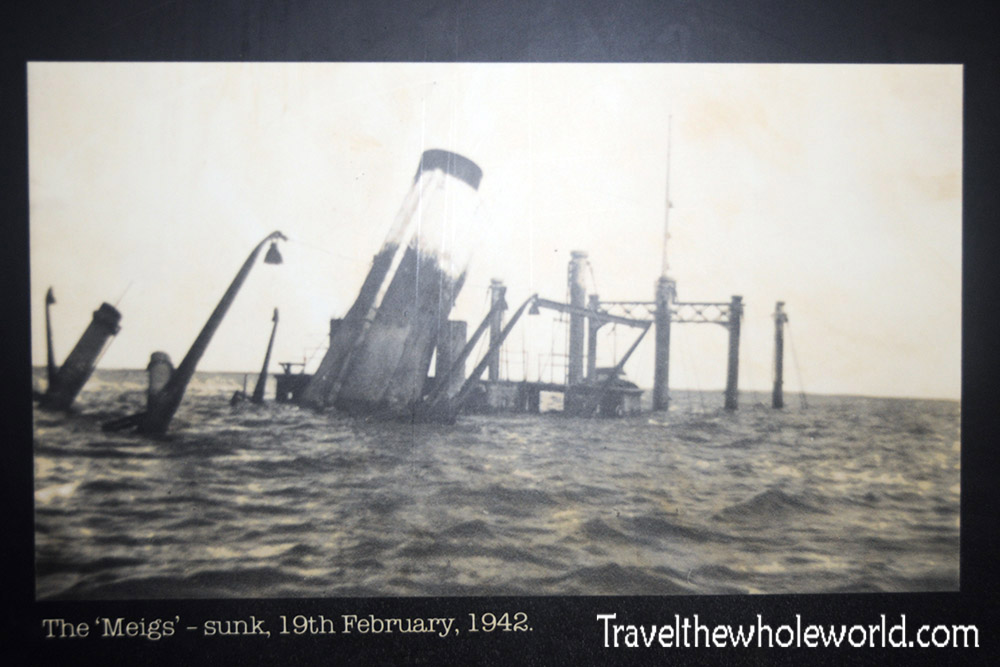
The USAT Meigs was among the ships attacked in Darwin Harbour. The wreck and debris associated with the wartime attacks became part of the underwater history surrounding the city.
The Underground Oil Tunnels
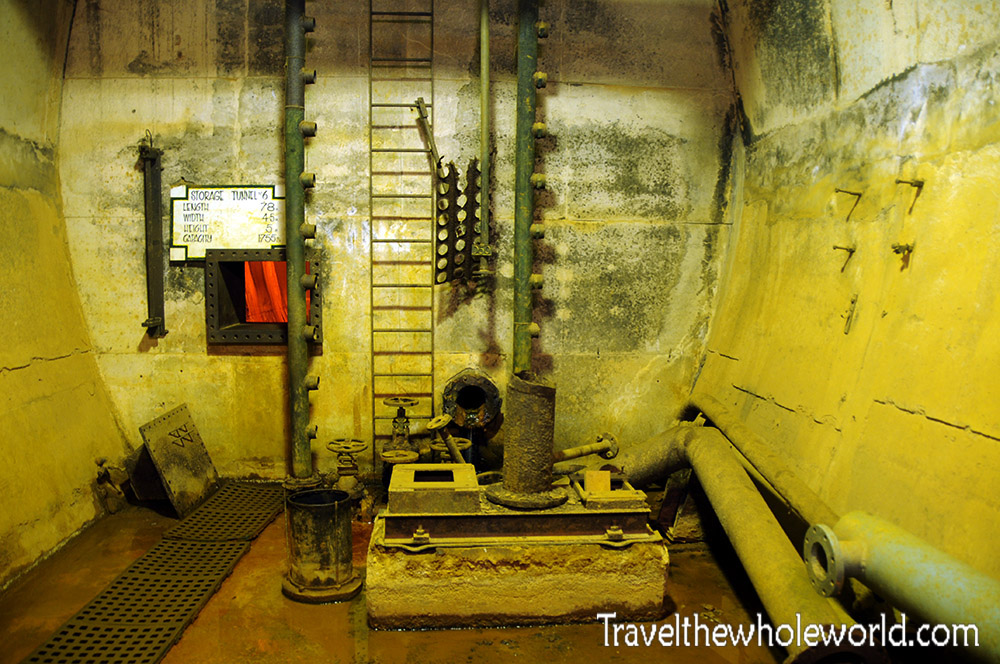
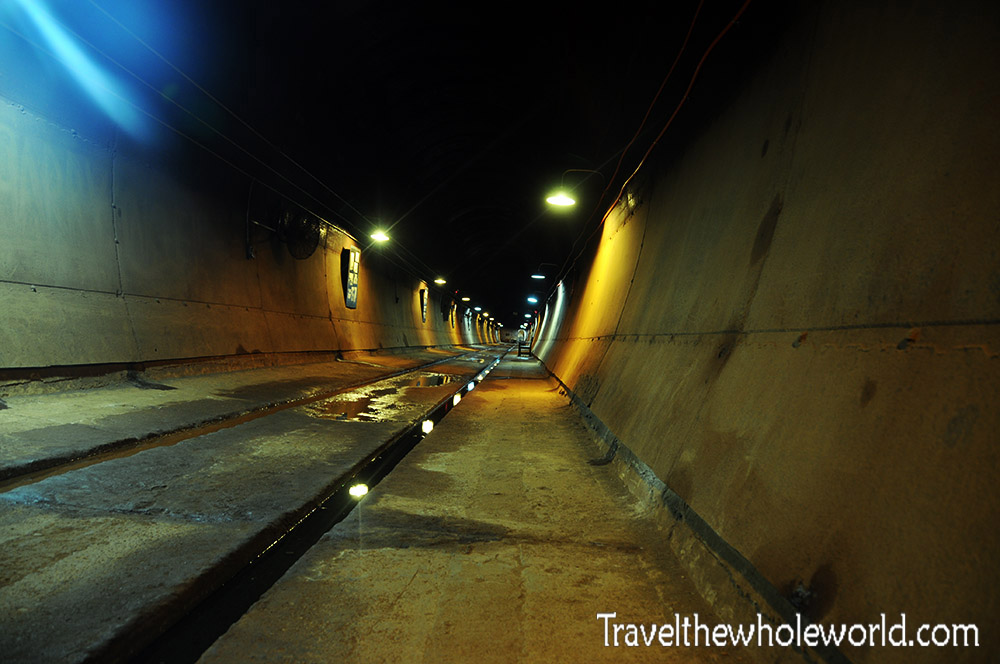
Fuel storage facilities were obvious targets for Japanese aircraft, so Australia began constructing underground oil tunnels that would be protected from bombing.
Ironically, by the time the tunnels were completed, they were no longer needed for their original purpose.
Today, parts of the tunnel system are open to visitors. Walking underground through something built in direct response to Japanese air raids was one of the more interesting historical experiences I had in Darwin.
Cyclone Tracy
War wasn’t the only disaster to devastate Darwin.
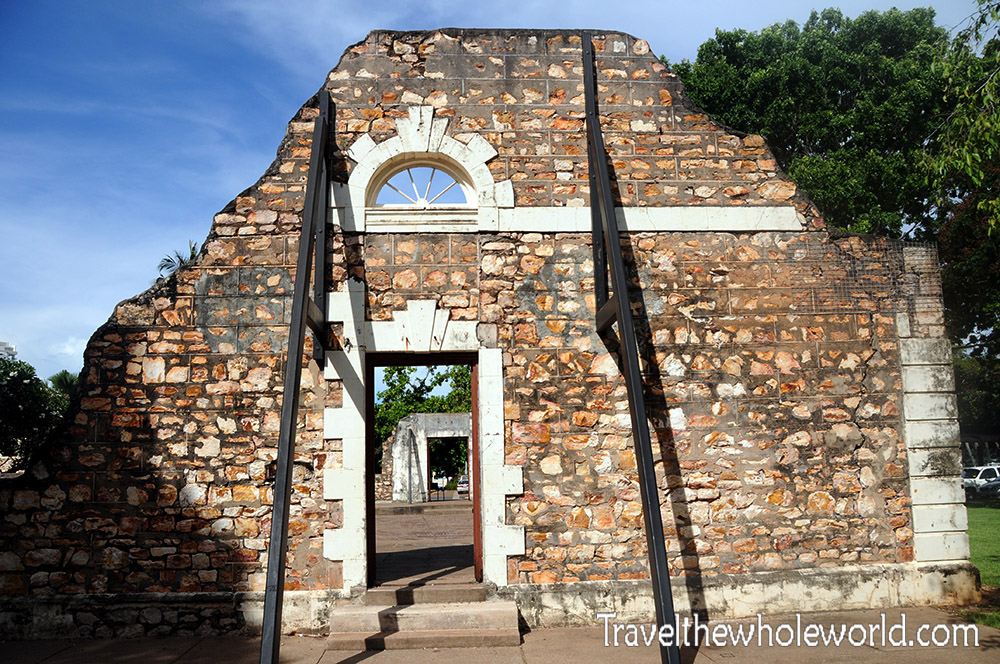
On Christmas Eve in 1974, Cyclone Tracy struck the city and destroyed or severely damaged most of its buildings. The storm was unusually compact, but what it lacked in size it made up for in destructive power.
The ruins of the old Town Hall were deliberately preserved, leaving part of pre-cyclone Darwin standing in the middle of the rebuilt city.
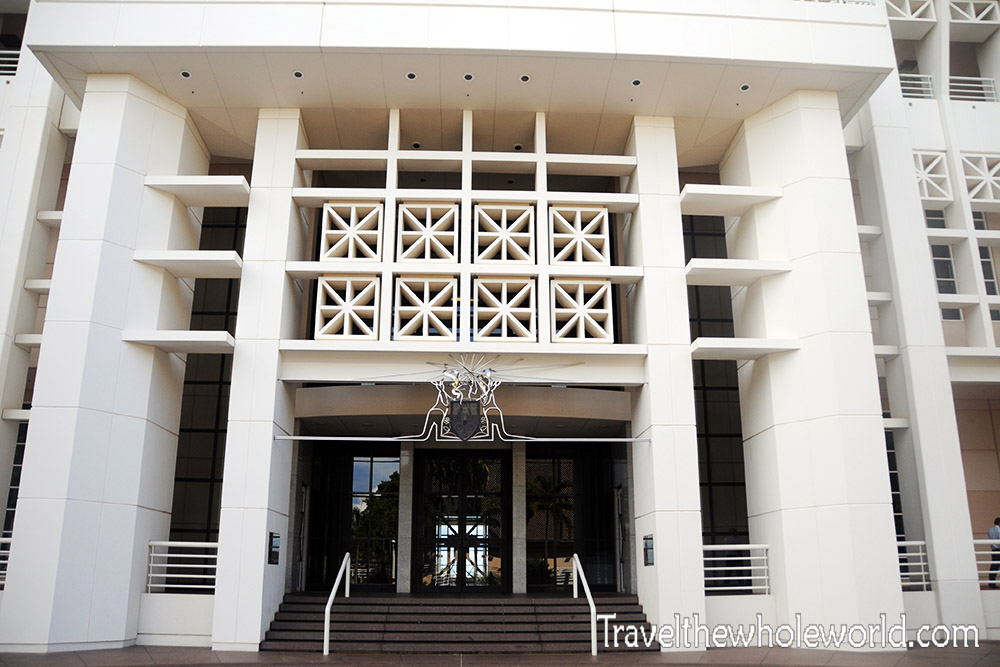
After Cyclone Tracy, building standards changed dramatically. Modern Darwin looks nothing like a city that was nearly wiped out within living memory.
Exploring Darwin
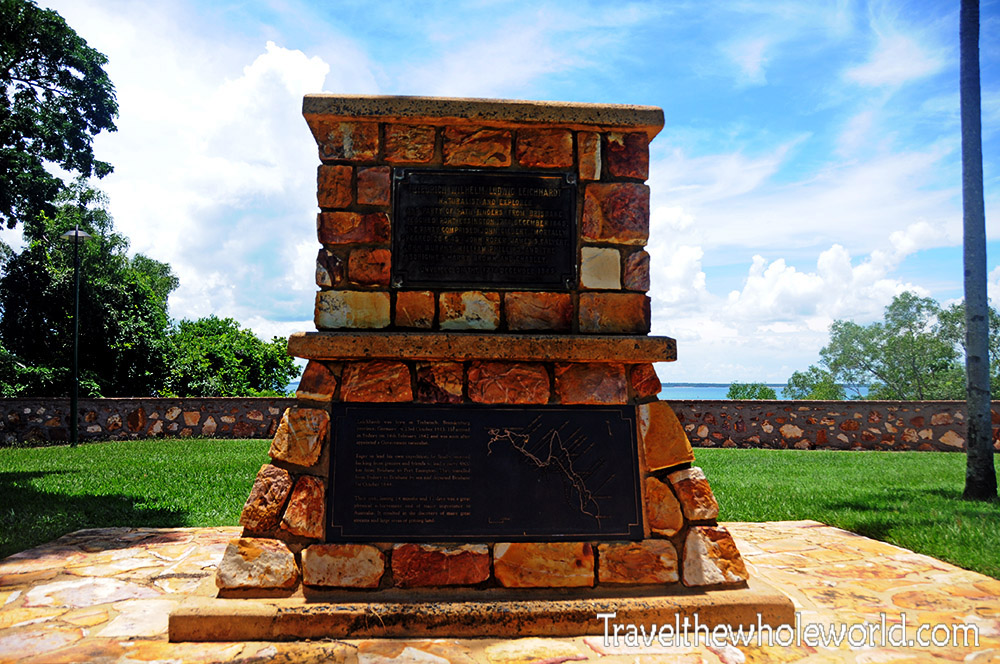
Beyond the crocodiles and history, I simply enjoyed walking around Darwin. The weather during my visit was absolutely perfect, the city was clean and well maintained, and it was easy to explore on foot.
During one of my walks I came across a memorial to Ludwig Leichhardt, one of Australia’s most famous European explorers. Leichhardt led expeditions across enormous stretches of the Australian interior during the 19th century before disappearing during his final expedition in 1848.
World War II Memorials
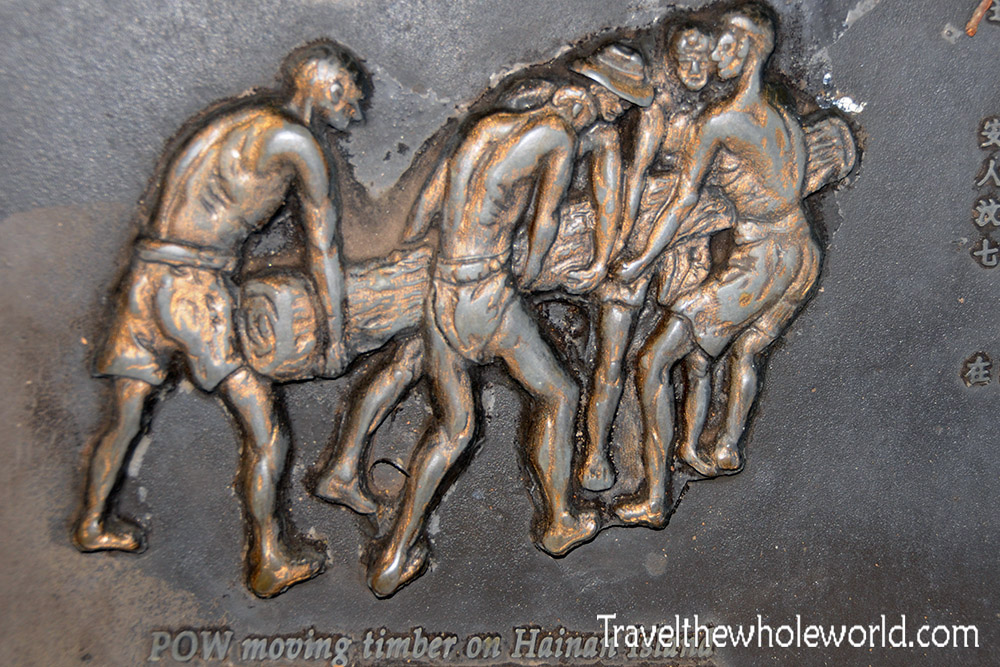
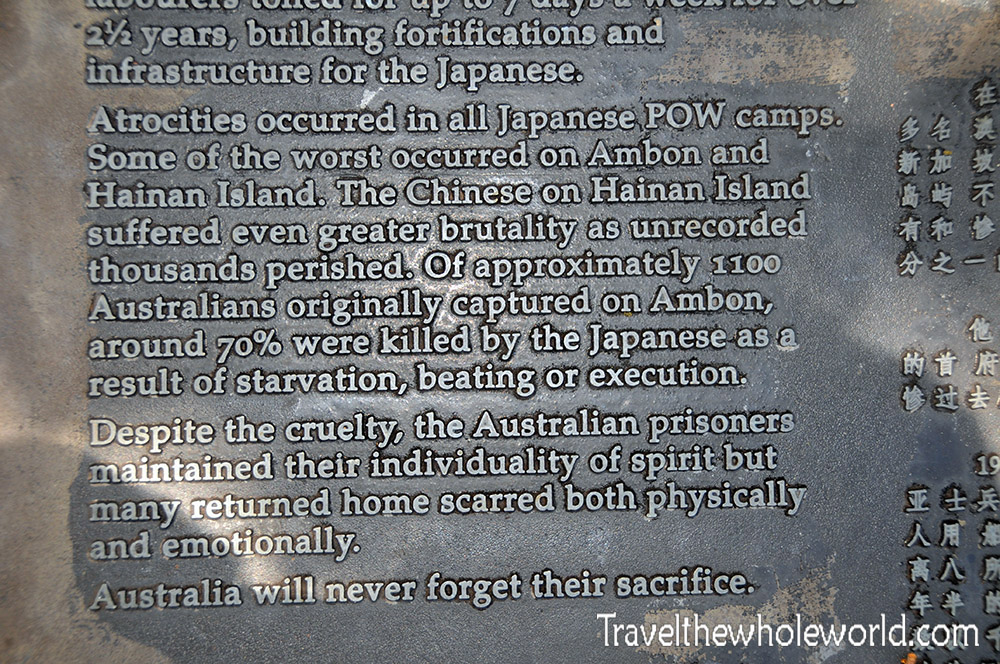
Darwin’s parks contain several memorials connected with World War II, including those honoring Australians captured by Japanese forces.
Some of the history was obviously grim, but the waterfront parks themselves were peaceful places to walk and take a break.
Birdlife in the City
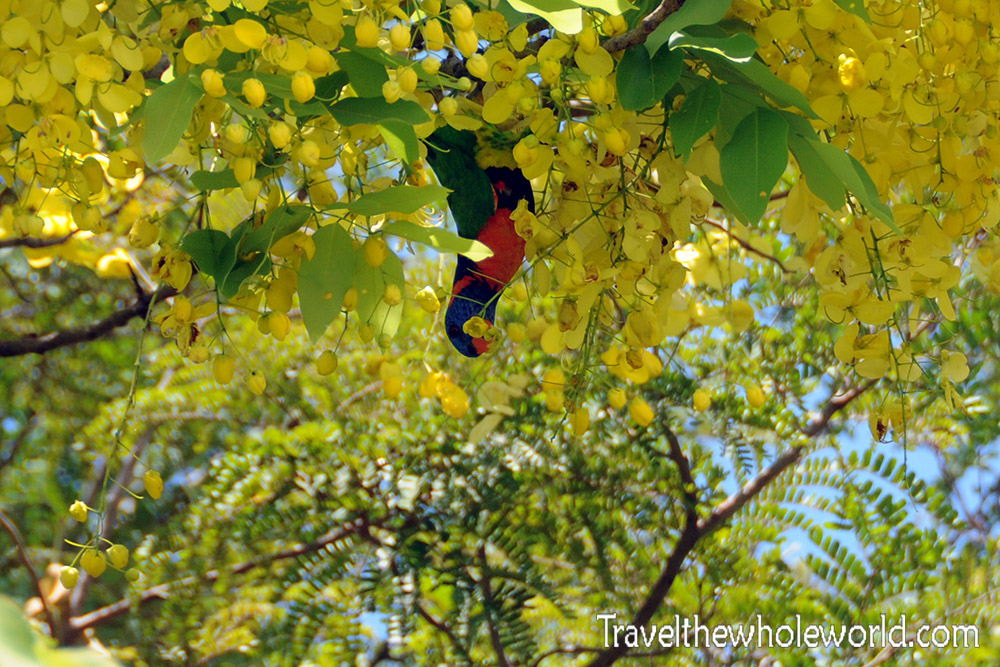
I hadn’t come to downtown Darwin expecting to do much birdwatching, but the city’s tropical setting meant wildlife was never very far away.
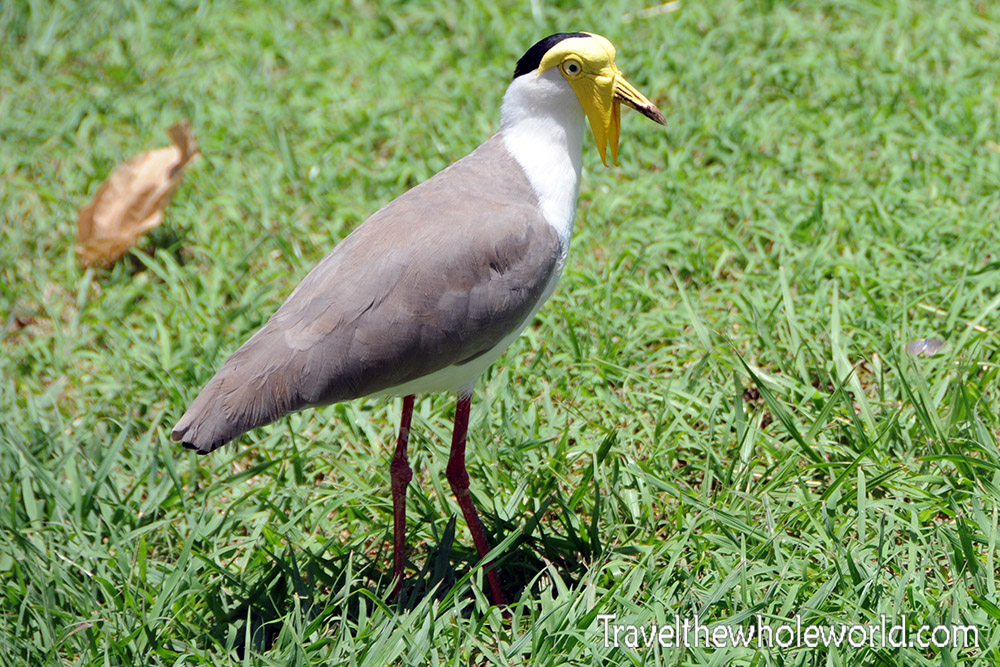
While resting beneath the trees, I spotted this rainbow lorikeet and later a masked lapwing.
Aboriginal Culture in Darwin
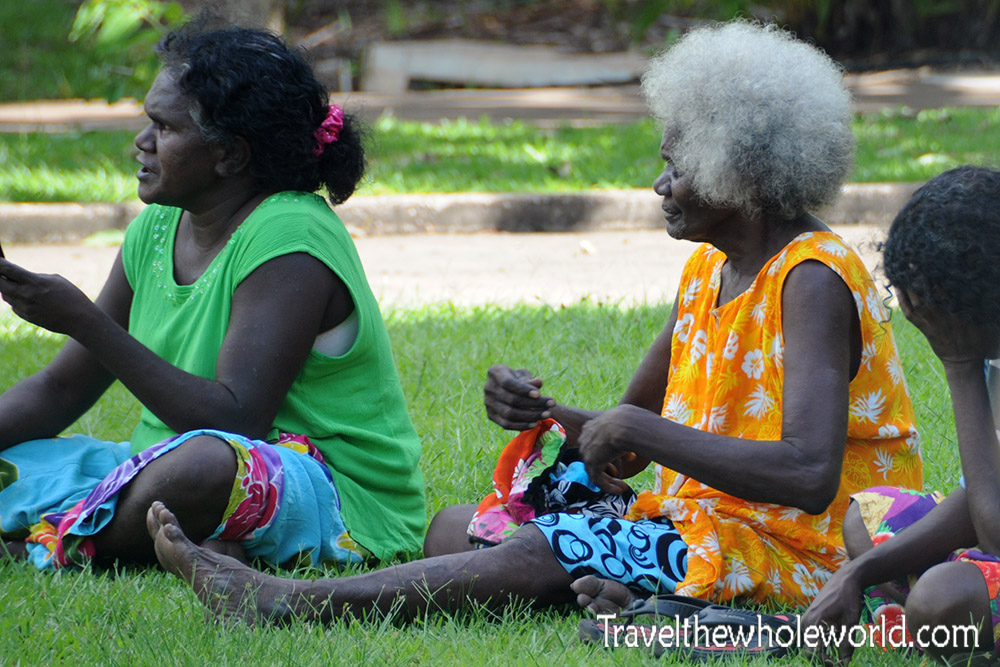
Darwin also gave me more exposure to Aboriginal Australians than I had experienced elsewhere in the country. Aboriginal peoples have lived across Australia for tens of thousands of years, creating some of the world’s oldest continuously surviving cultures.
I hadn’t yet traveled into remote Aboriginal communities in the Outback, something I would still love to experience someday, but Darwin gave me at least a small introduction.
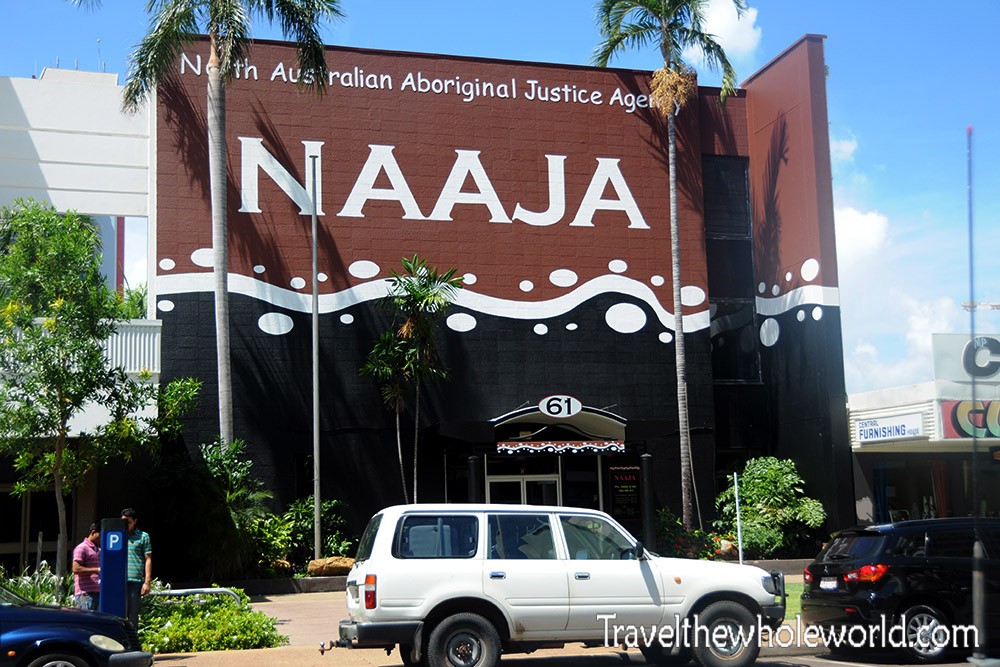
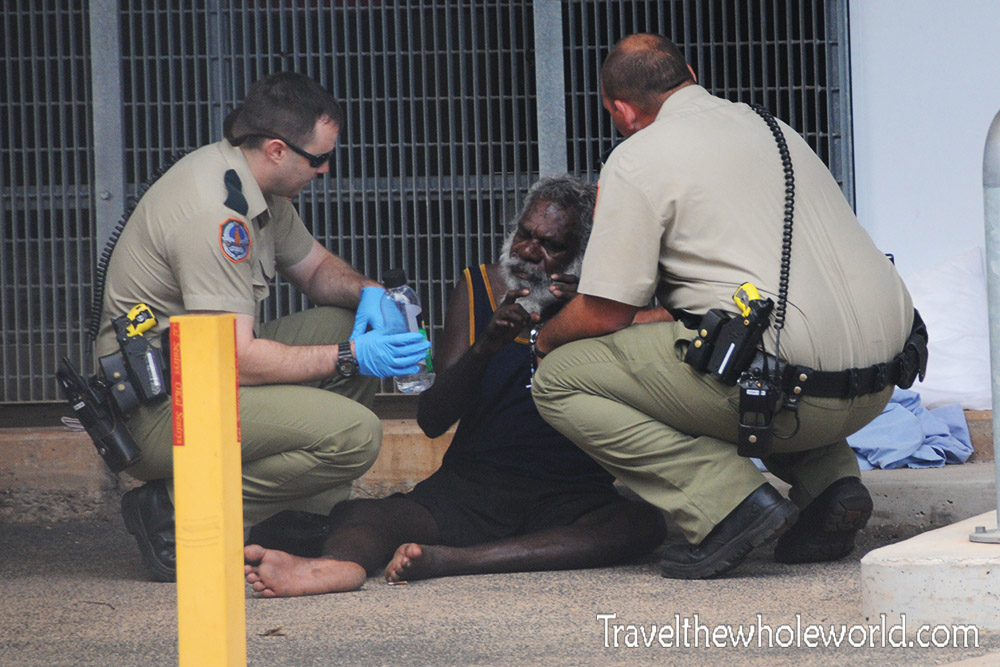
I also became more aware of some of the social problems facing Aboriginal communities. The North Australian Aboriginal Justice Agency, or NAAJA, provides legal services for Aboriginal people across the Top End.
Aboriginal Art
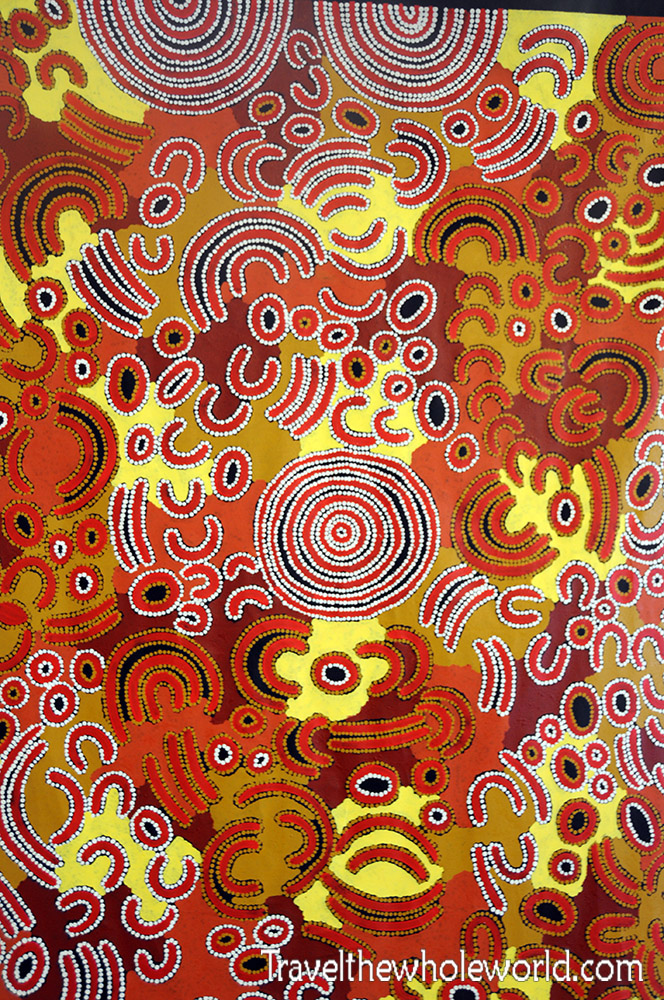
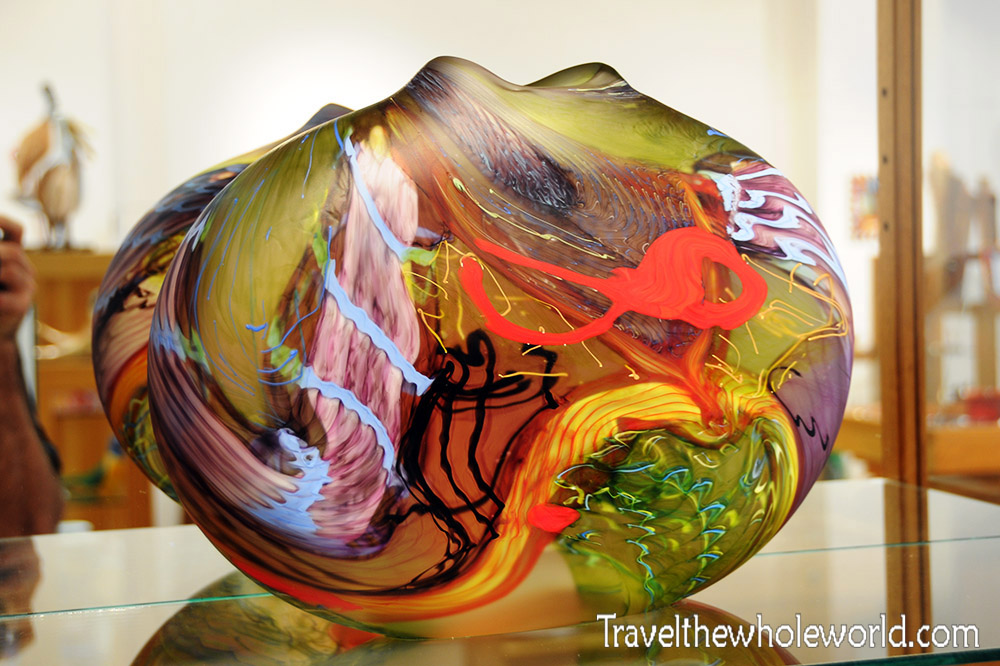
One thing I wish I had paid more attention to was the Aboriginal art being sold around Darwin. In hindsight, I should have taken more photographs—or better yet, purchased a piece to bring home.
Traditional Aboriginal art can carry stories, cultural knowledge, connections to Country, and traditions passed between generations. Some designs and stories also belong to particular communities, families, or individuals, meaning artists may have specific cultural rights and responsibilities regarding what they are permitted to depict.
My Time in Darwin
Darwin probably isn’t the Australian city most international travelers dream about visiting, and if I hadn’t already been in East Timor I might never have made the trip myself.
I’m glad I did.
It was one of the strangest combinations I found in Australia: a small modern city surrounded by tropical wilderness, beaches that looked beautiful but weren’t necessarily safe for swimming, enormous crocodiles practically on the doorstep, and a surprisingly important history involving World War II and one of Australia’s most destructive cyclones.
Darwin wasn’t really what I expected when I arrived, which is probably why I ended up enjoying it as much as I did.