Thimphu is the capital and largest city of Bhutan, but arriving there didn’t feel much like arriving in a national capital. The city sits in a narrow valley surrounded by forested mountains, and even in the center there are few large buildings. Traditional Bhutanese architectural elements are incorporated into much of the city, giving Thimphu a very different appearance from the rapidly modernizing capitals I had seen elsewhere in Asia.
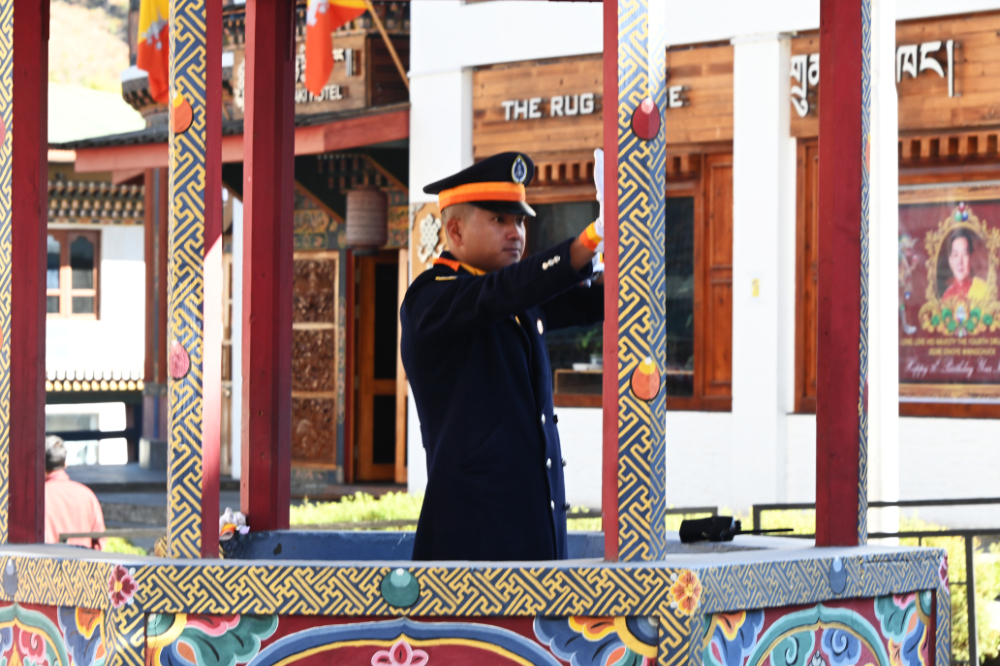
One of Thimphu’s most famous quirks is its lack of traffic lights. Instead, traffic at one of the city’s main intersections is directed by a police officer standing inside an ornately decorated booth. For a capital city, the whole scene seemed strangely relaxed. It was one of those small details that immediately made Thimphu feel unlike almost any other capital I had visited.
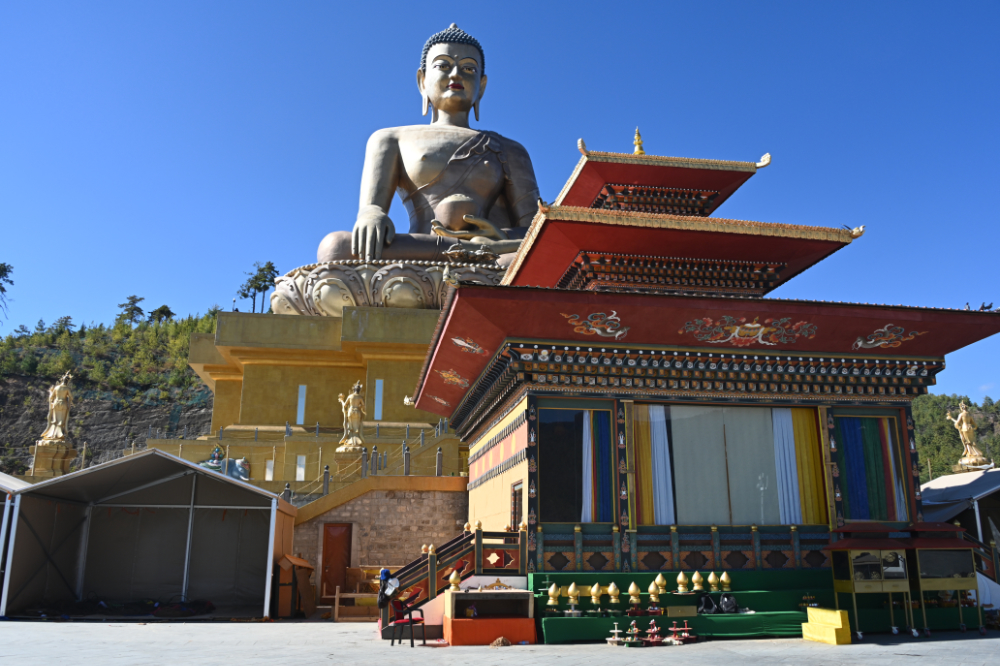
Far above the city is one of Thimphu’s most obvious landmarks, the Buddha Dordenma. The enormous gilded statue sits on a hill overlooking the valley and can be seen from different parts of the city. Completed in the 21st century, the statue is relatively new compared with Bhutan’s ancient monasteries and temples, but at more than 50 meters tall it has quickly become one of the most recognizable sights in Thimphu.
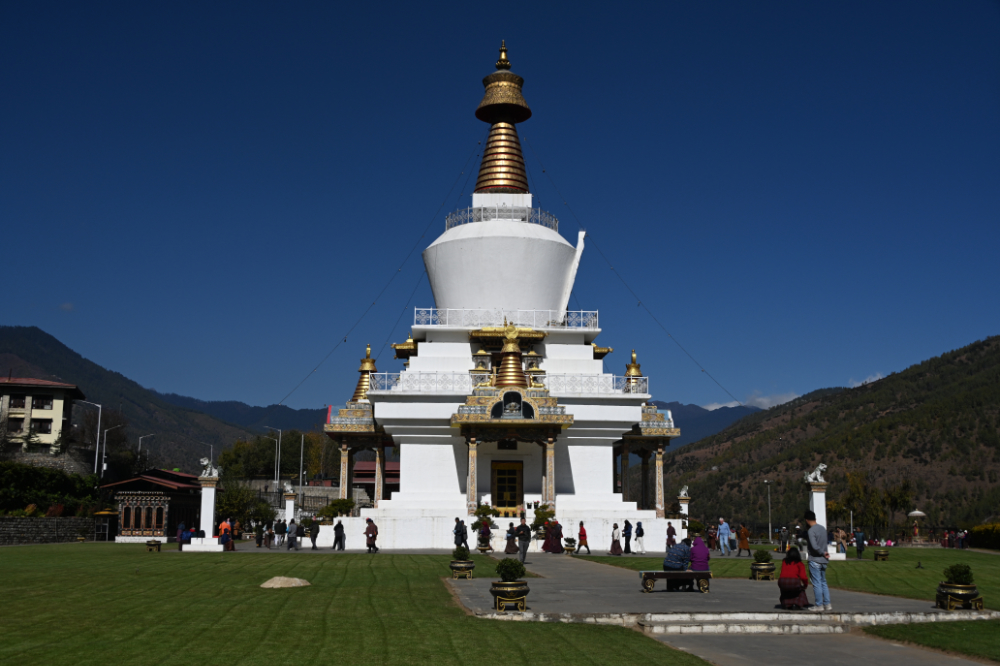
Closer to the center of the city is the Memorial Chorten, one of Thimphu’s most important religious landmarks. The white stupa was built in memory of Bhutan’s third king, Jigme Dorji Wangchuck. Unlike a monument that people simply stop to photograph, the chorten is an active religious site. Bhutanese regularly walk clockwise around it while praying, spinning prayer wheels and making offerings.
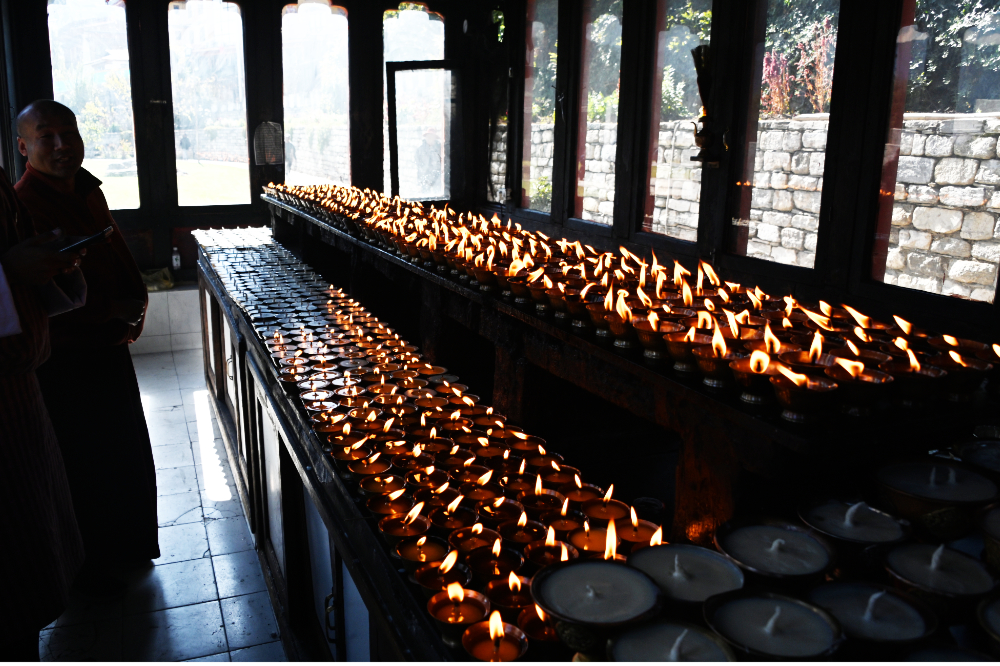
Inside the complex, rows of butter lamps burned as offerings. Scenes like this were becoming familiar as I traveled through Bhutan. Buddhism wasn’t confined to a handful of historic buildings preserved for tourists; temples, prayer wheels, chortens and religious rituals remained a visible part of everyday life.
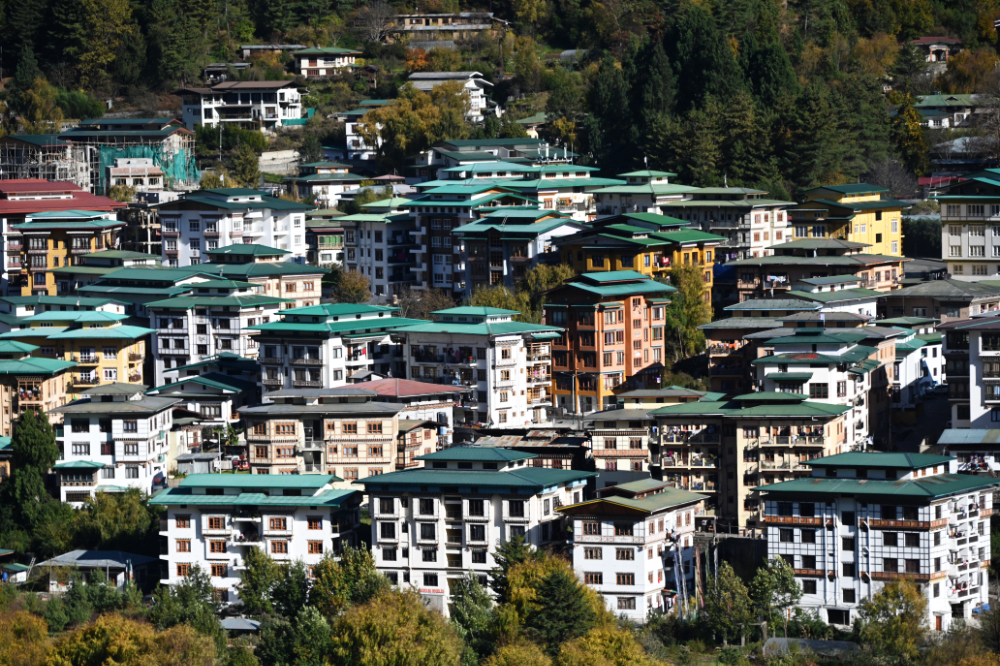
From above, it was easier to appreciate Thimphu’s unusual setting. The city follows the valley rather than spreading endlessly in every direction, with mountains rising almost immediately behind the buildings. Bhutan has modernized considerably, and Thimphu is growing along with it, but the geography prevents the capital from ever feeling completely separated from the mountains around it.
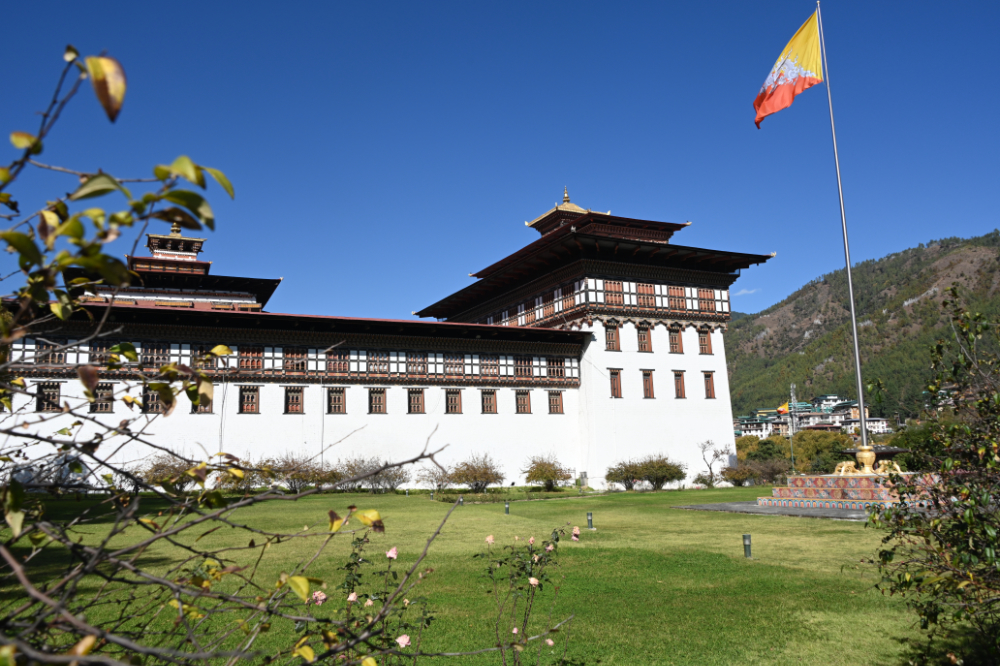
One of the most impressive places I visited in Thimphu was Tashichho Dzong. Dzongs are fortress-monasteries found throughout Bhutan, historically serving both religious and administrative purposes. Tashichho Dzong continues that tradition today. The enormous complex contains government offices as well as religious institutions and is closely connected with Bhutan’s monarchy and government.
The first thing I noticed up close was the architecture. Massive whitewashed walls form the base of the fortress, while the upper sections are covered with intricately painted wooden windows, balconies and decorative details. There are no exposed nails in much of the traditional construction, and the buildings look dramatically different from the concrete government complexes found in most modern capitals.
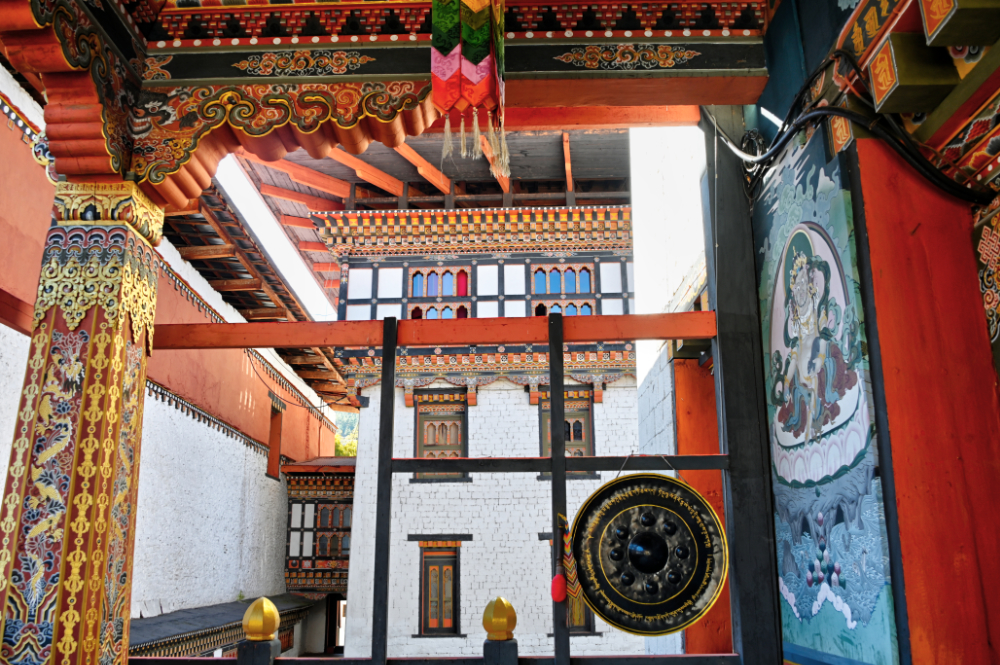
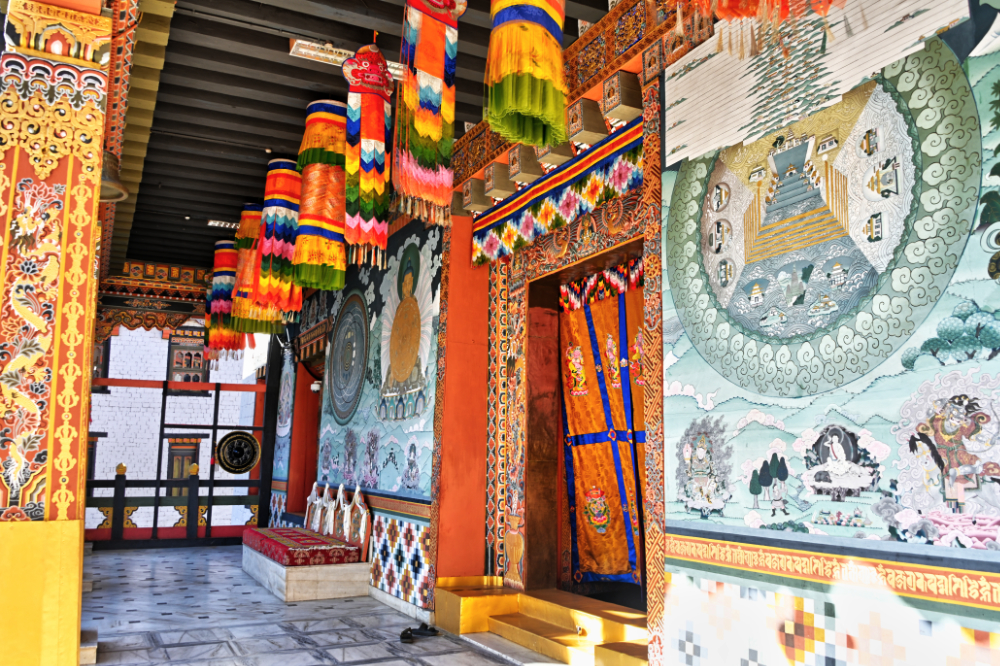
The closer I looked, the more elaborate the buildings became. Wooden beams, window frames and roof supports were covered in painted patterns and Buddhist symbols. Bhutan has maintained strict architectural standards in its cities, but at Tashichho Dzong these weren’t decorative references to an older style—the fortress itself represents the traditional architecture that newer Bhutanese buildings are designed to preserve.
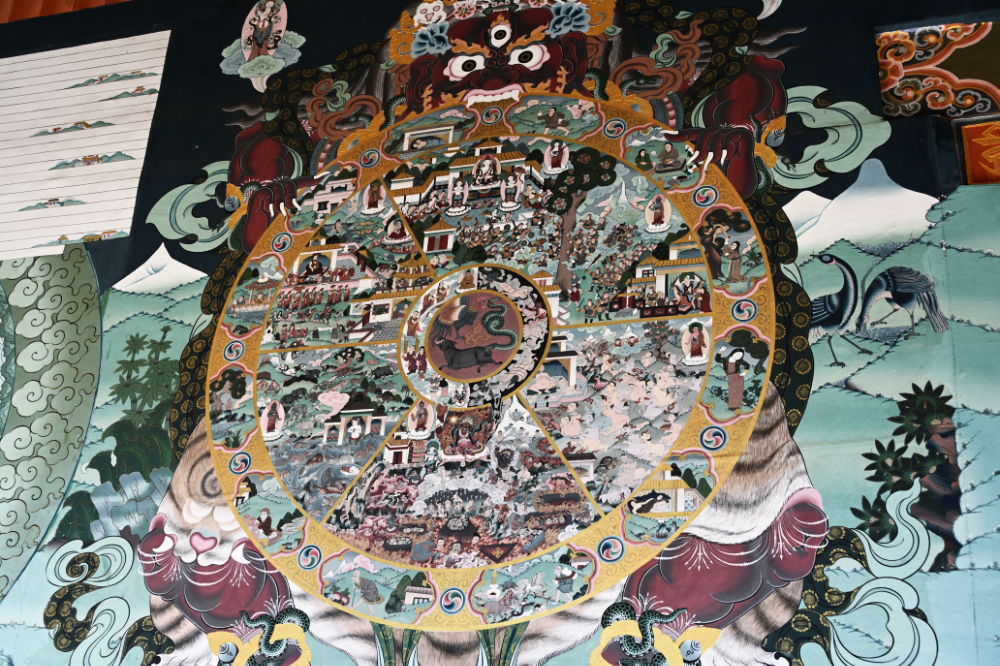
Religious imagery is incorporated throughout the dzong. That combination of religion and government might seem unusual from a Western perspective, but it reflects the historical role of Bhutan’s dzongs. They weren’t simply forts or monasteries; they functioned as centers of both secular administration and religious authority.
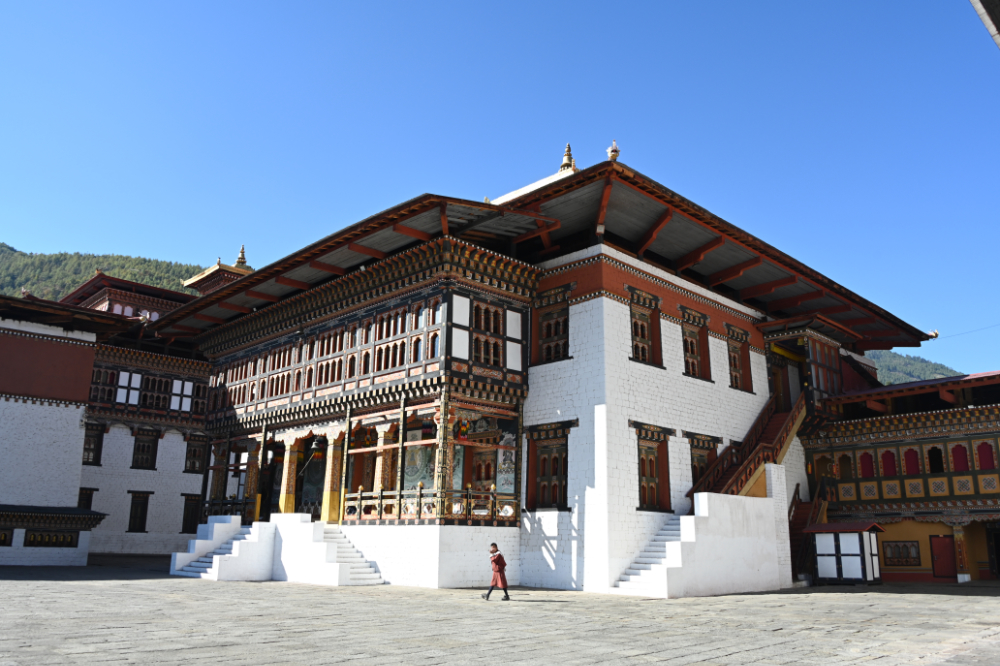
Passing through the fortress walls opened into a huge interior courtyard surrounded by traditional buildings. From outside, it was difficult to appreciate the scale of the complex. Once inside, the high walls and broad open space made Tashichho Dzong feel almost like a small fortified city of its own.
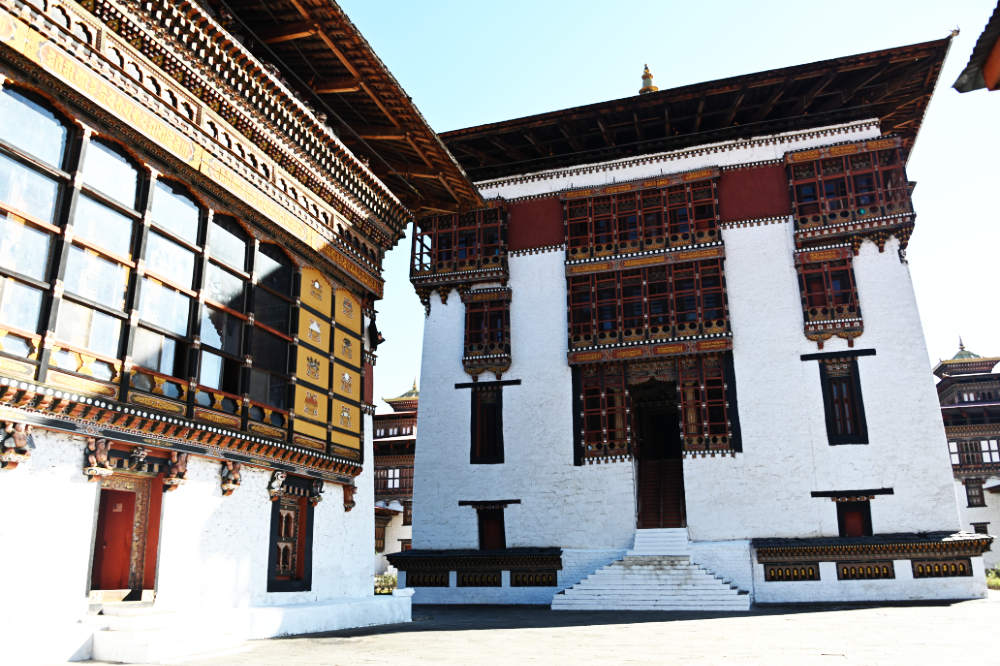
The buildings surrounding the courtyard maintained the same distinctive style I had seen elsewhere in Bhutan, but on a much grander scale. Painted wooden façades sit above thick white walls, while the roofs extend outward in layers above the windows. Despite being part of the country’s functioning government, the complex still felt unmistakably Bhutanese rather than like a modern administrative center.
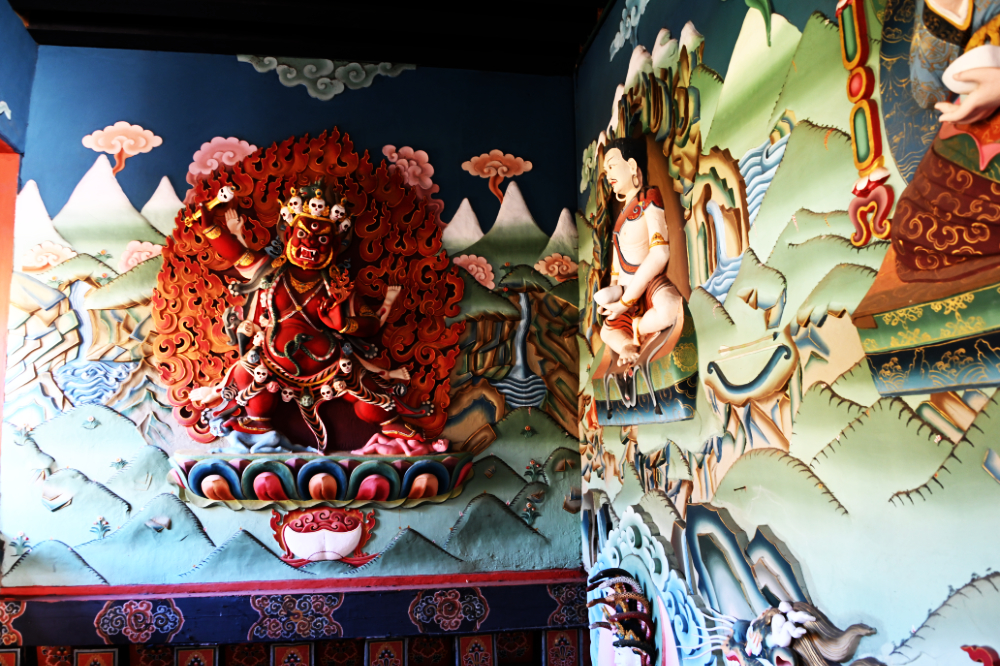
Even relatively small sections of the dzong were covered in elaborate designs. Bhutanese architecture uses a surprising amount of color, particularly around windows, doors and roof supports. From a distance the fortress is dominated by white walls and dark roofs, but up close there are reds, blues, greens and golds almost everywhere.
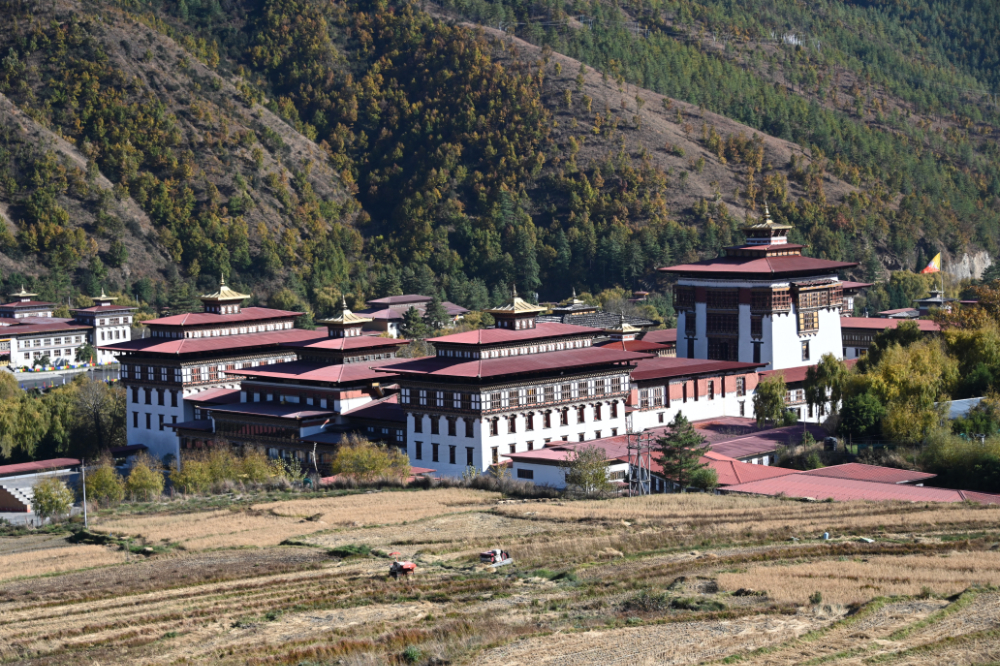
That architectural style isn’t limited to temples and historic fortresses. Government buildings and newer structures throughout Thimphu incorporate traditional Bhutanese designs as well. It gives the capital a consistency that I rarely saw elsewhere. Even as Bhutan modernizes, there has clearly been an effort to prevent Thimphu from becoming another anonymous collection of concrete and glass buildings.
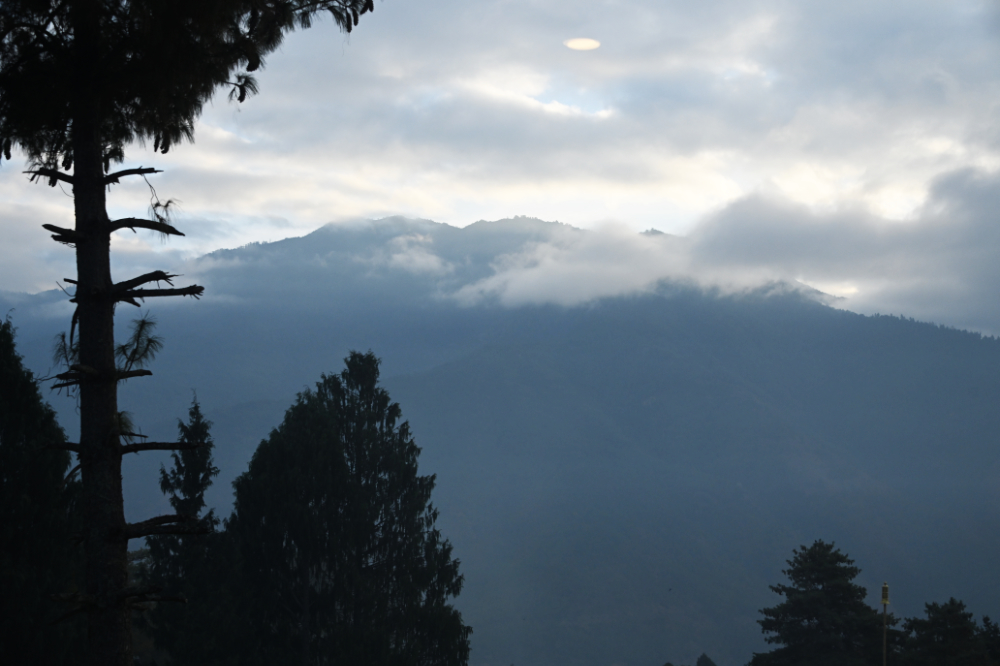
Even from my hotel, the mountains were always there. Looking across Thimphu, houses and larger buildings climbed partway up the slopes before giving way to forest. For the country’s largest city and political center, it still felt remarkably close to the wilderness surrounding it.
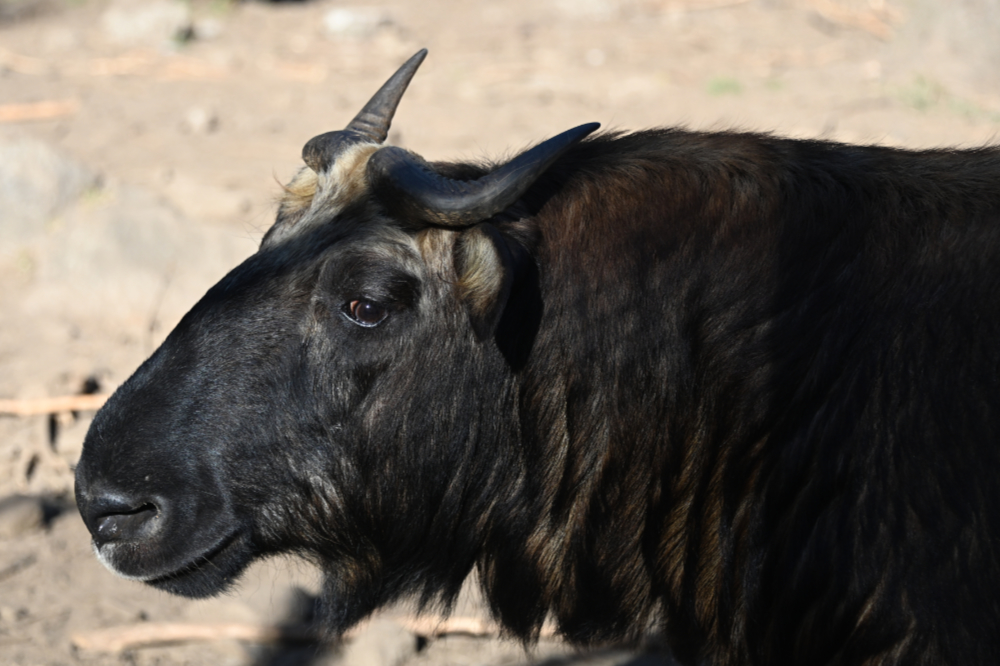
One of my final stops around Thimphu was the Motithang Takin Preserve. The takin is Bhutan’s national animal and is one of the strangest-looking large mammals I had ever seen. The preserve sits in a forested area above the city and originated after animals that had previously been kept in a small zoo were released. Some of the takin reportedly remained around the area rather than disappearing into the mountains, eventually leading to the creation of the preserve.
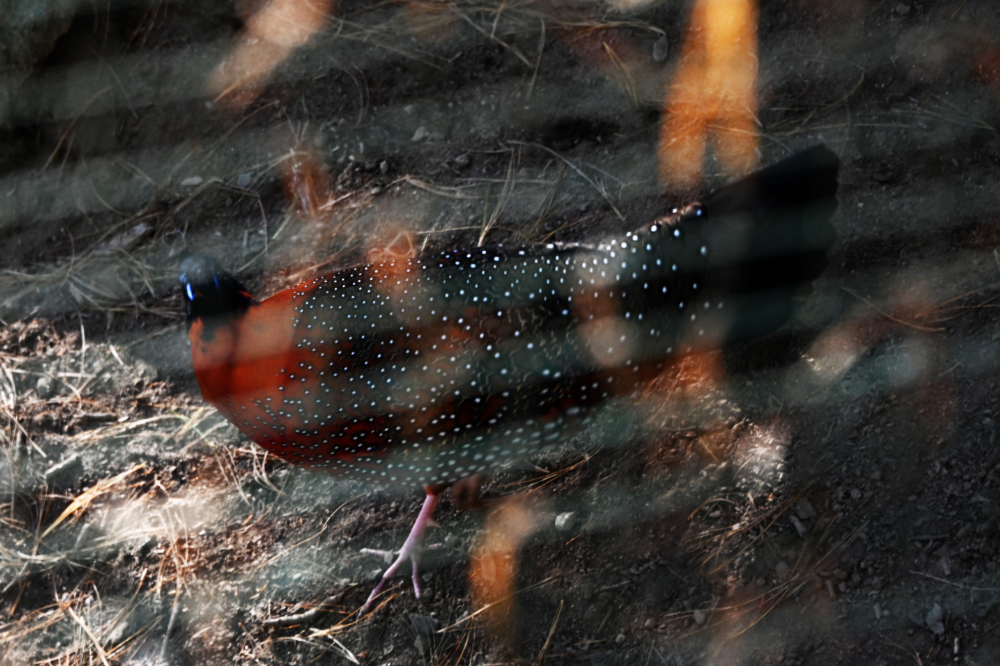
The preserve was also another opportunity to see some of the wildlife living in the forests around Thimphu. Birds moved between the trees while I walked through the grounds, making the visit feel more like a short walk through the forest than a traditional zoo.
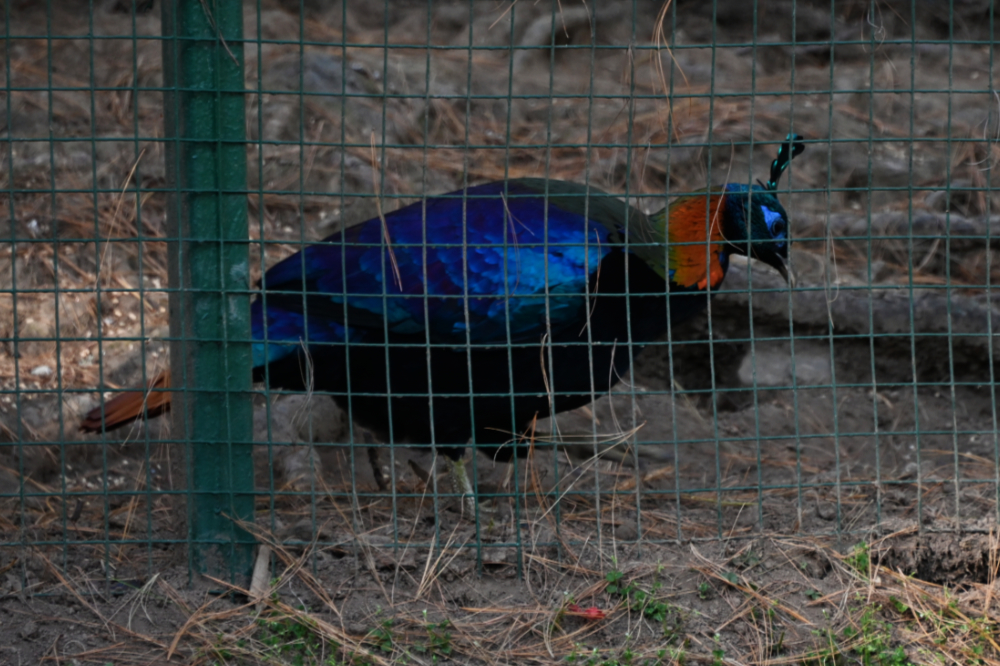
That was something I was beginning to notice throughout Bhutan. Even around the capital, I was never particularly far from forests, mountains or wildlife. Thimphu is unquestionably a city, but the transition from urban streets to the surrounding natural landscape happens remarkably quickly.
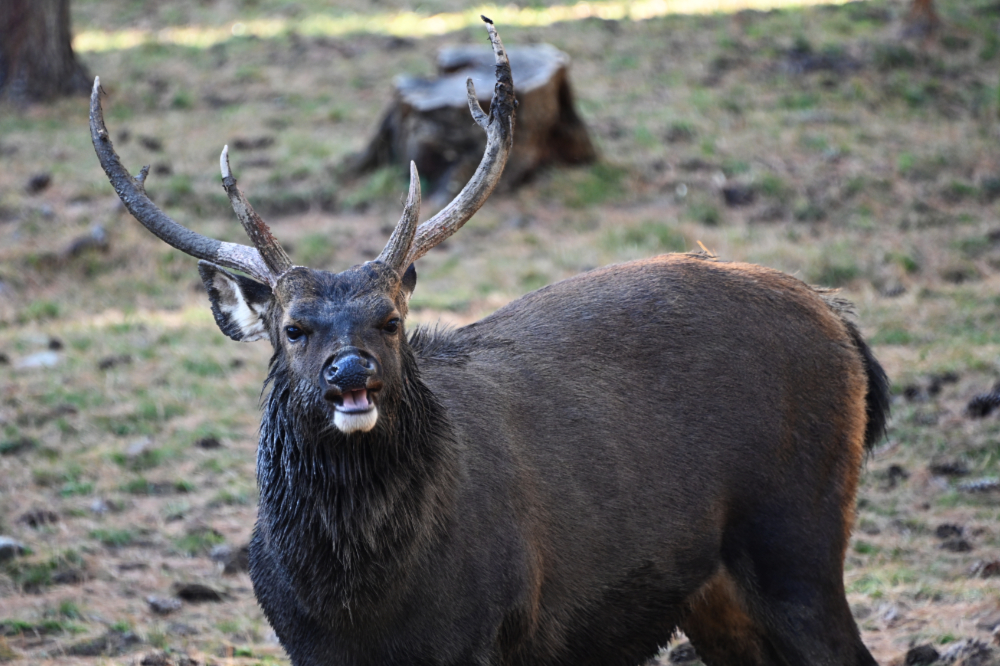
The takin itself looks almost like someone combined several different animals. It has a large, muscular body, short powerful legs, curved horns and a broad face that doesn’t quite resemble a cow, goat or antelope. Taxonomically, though, it belongs to the same subfamily as goats and sheep. Bhutanese mythology has a much more interesting explanation for its appearance, attributing the animal’s creation to the Buddhist saint Drukpa Kunley, the Divine Madman.
Thimphu wasn’t the Bhutan of isolated monasteries and remote Himalayan trails that I had imagined before arriving in the country, but that was exactly what made it interesting. This was modern Bhutan: the country’s largest city, seat of government and center of development, yet still a place where police directed traffic by hand, traditional architecture dominated the streets, mountains surrounded almost everything, and Buddhist monuments remained part of daily life.
Paro had given me the spectacular image of Bhutan I had expected, especially at Tiger’s Nest. Thimphu showed me something different. It showed how Bhutan was attempting to modernize without completely replacing the culture and traditions that made the country so unusual in the first place.