Of all the places I visited in Bhutan, Punakha was my favorite. It certainly isn’t off the beaten path—Punakha is one of the country’s major destinations—but this was where I felt like I began seeing more than just Bhutan’s famous sights. I spent more time interacting with local people, hiked through the surrounding forests, searched the river for one of the rarest birds in the world, and unexpectedly came across wild monkeys in the trees.
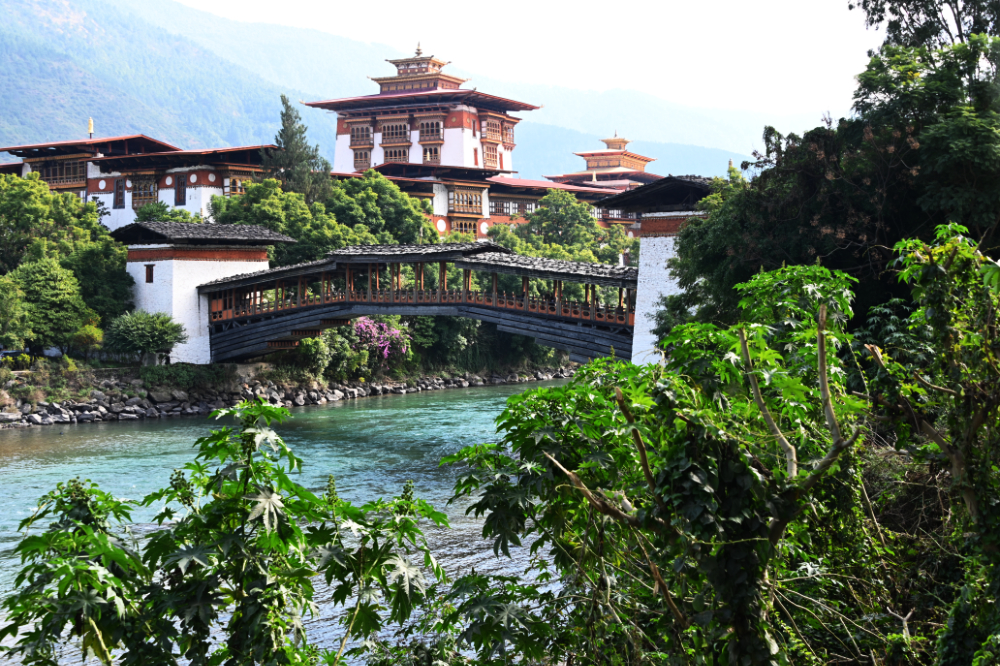
The most famous sight in Punakha is also one of the most impressive buildings in Bhutan. Punakha Dzong sits where the Pho Chhu and Mo Chhu rivers meet, with enormous white walls rising from a narrow strip of land between the water. I had already seen several dzongs by this point, but Punakha’s setting made this one feel completely different.
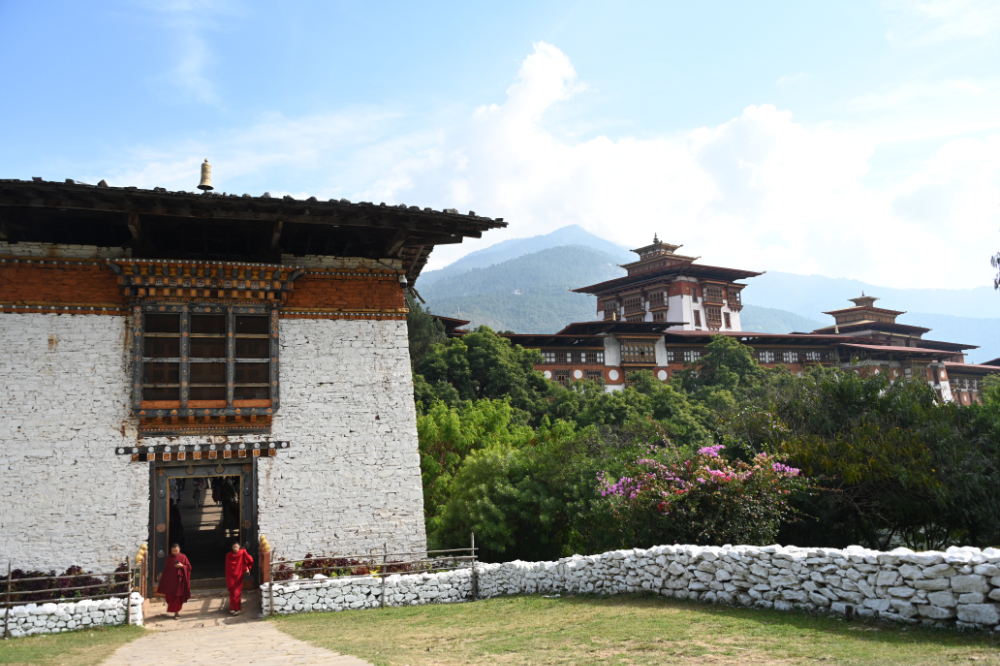
Crossing the covered bridge and approaching the fortress made the visit feel much more dramatic than simply arriving at a parking lot. Punakha Dzong was historically one of Bhutan’s most important centers of government and religion, and it still serves both functions today.
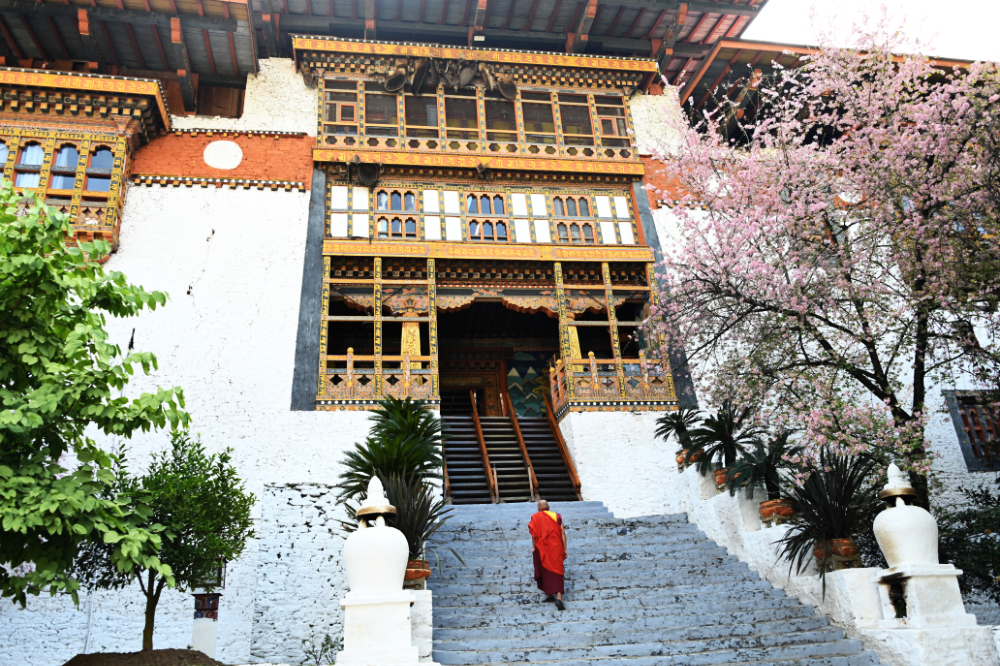
From the bridge, a steep wooden staircase leads through the enormous fortress walls. Dzongs were designed to be defensible as well as functional, and entrances like this make their origins as fortresses much easier to understand.
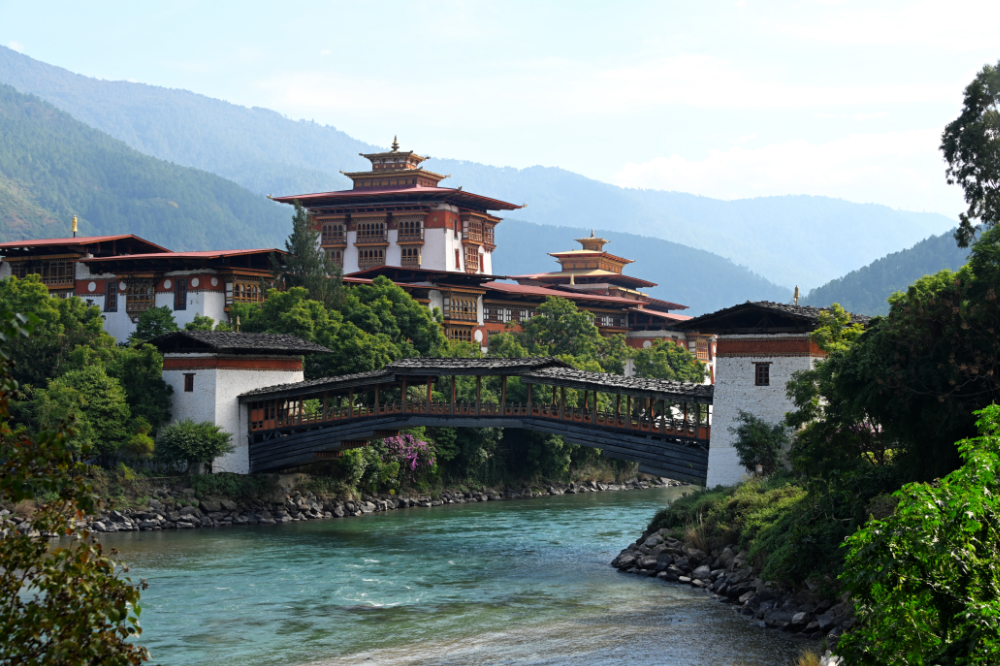
Constructed in the 17th century, Punakha Dzong served as the center of Bhutanese government before the capital eventually moved to Thimphu. Its location between two rivers made it strategically important, but it also gives the fortress one of the most dramatic settings of any building I saw in Bhutan.
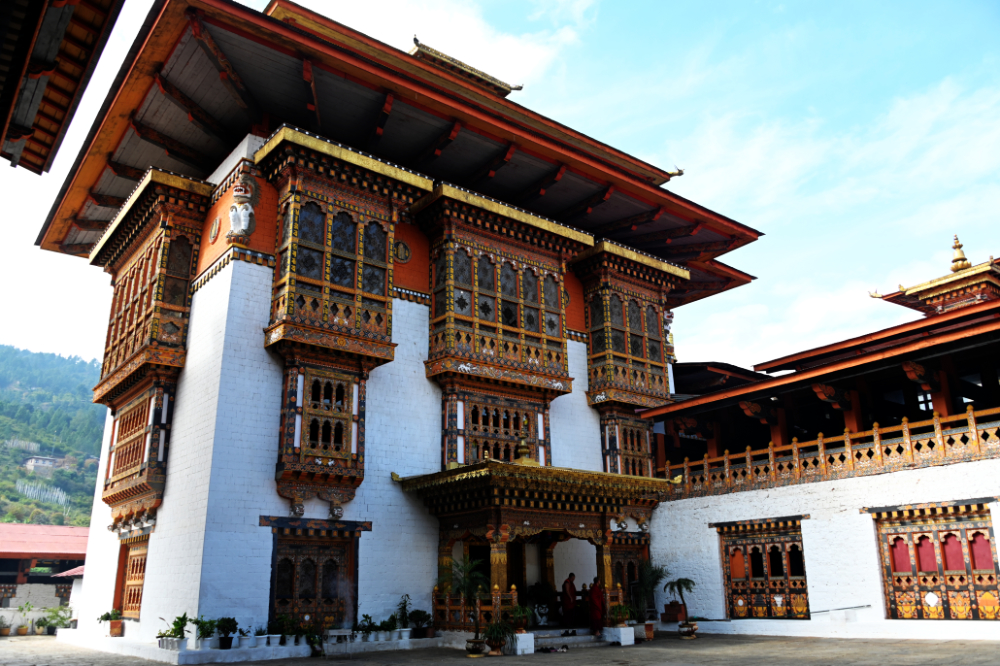
Once through the walls, the fortress opens into large courtyards surrounded by elaborately decorated buildings. Punakha Dzong isn’t a single structure but an enormous complex containing temples, administrative areas, courtyards and living spaces.
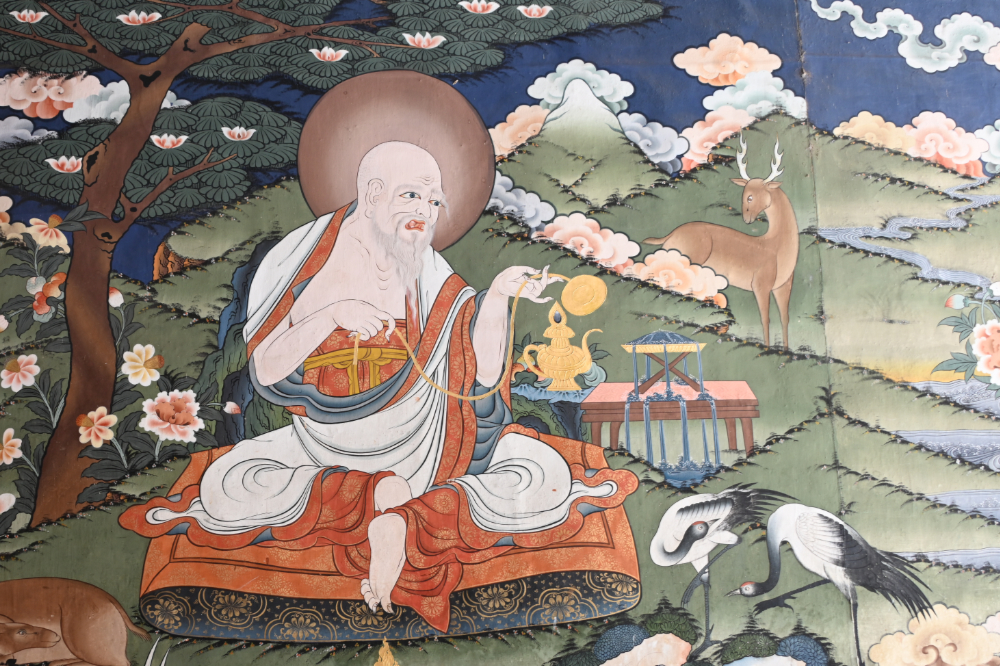
The religious importance of the dzong was obvious inside. Buddhist artwork and symbolism covered sections of the complex, continuing the combination of religious and secular authority that has defined Bhutan’s dzongs for centuries.
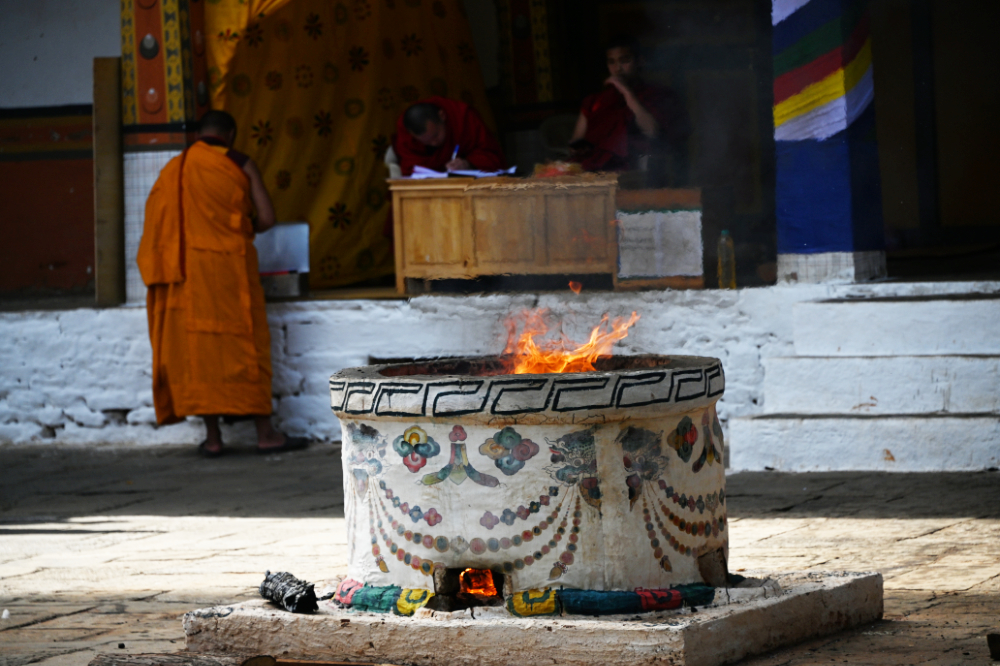
Despite the number of visitors, parts of Punakha Dzong still felt like an active religious complex rather than a museum. That was something Bhutan repeatedly managed to preserve: its most spectacular historic places weren’t simply being maintained as relics of a culture that had disappeared.
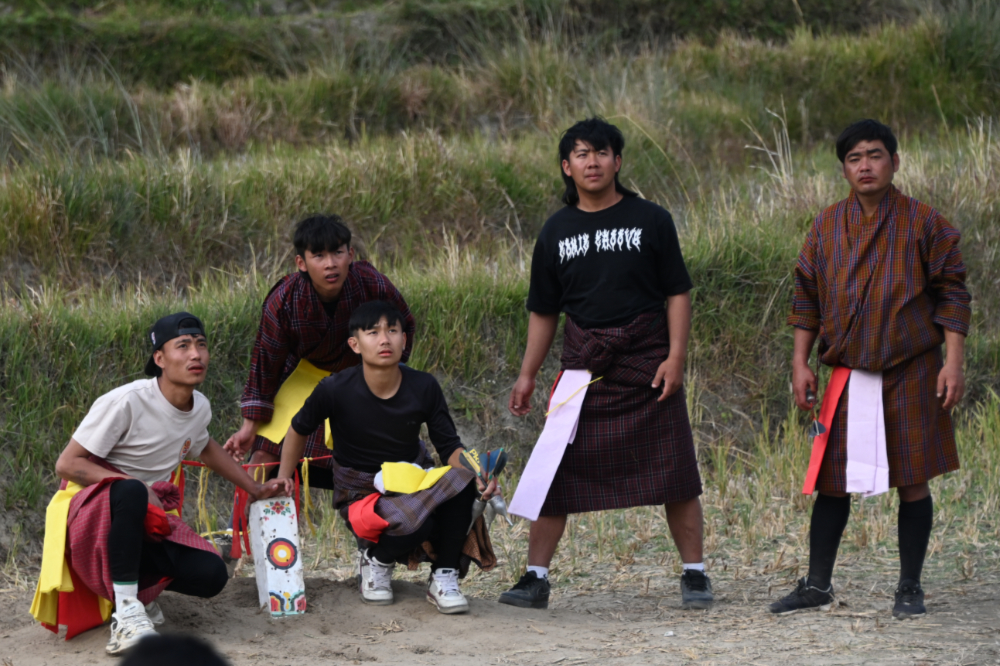
One of my favorite experiences in Punakha came when I watched locals playing khuru, a traditional Bhutanese dart game.
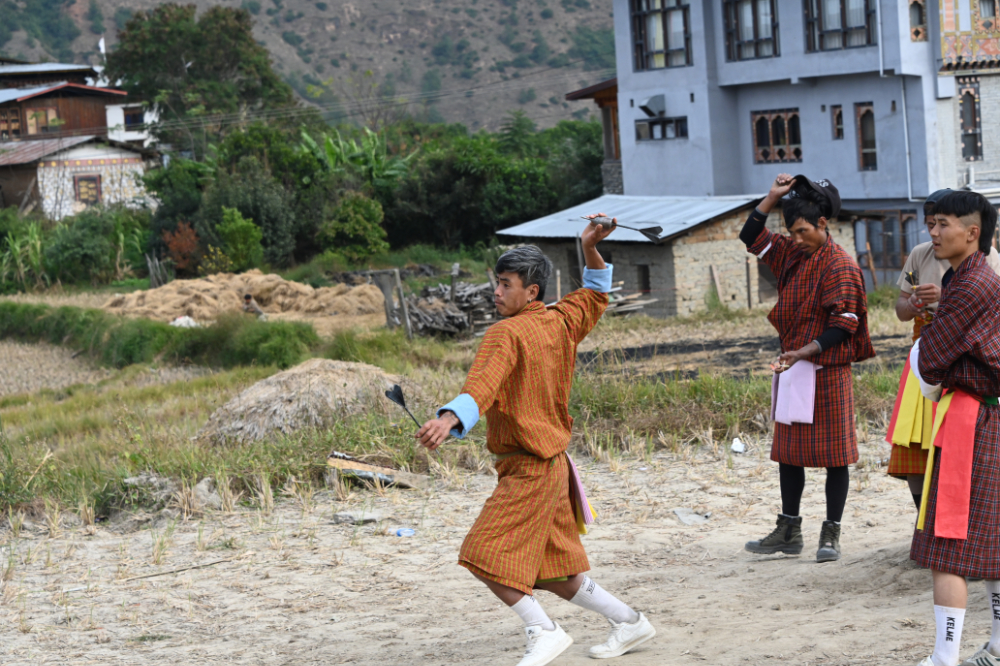
Khuru is involves players throwing a much larger darts outdoors toward a small target positioned far away. It takes considerably more strength and accuracy than it initially appears to, and like Bhutanese archery, the social side of the game is almost as important as hitting the target.
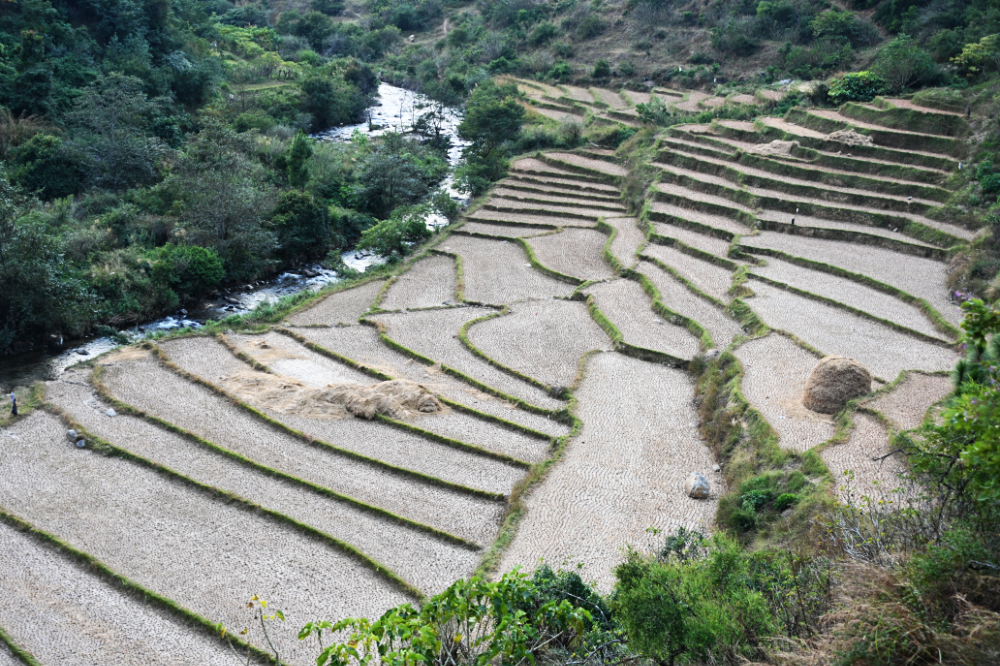
Punakha is considerably lower and warmer than places like Thimphu and Paro, and the landscape reflects the difference. Instead of feeling like a high Himalayan city, the valley was greener and more agricultural, with rice fields covering the flatter ground between the mountains. Villages, farms and temples were scattered throughout the valley, while the rivers cut through its center.
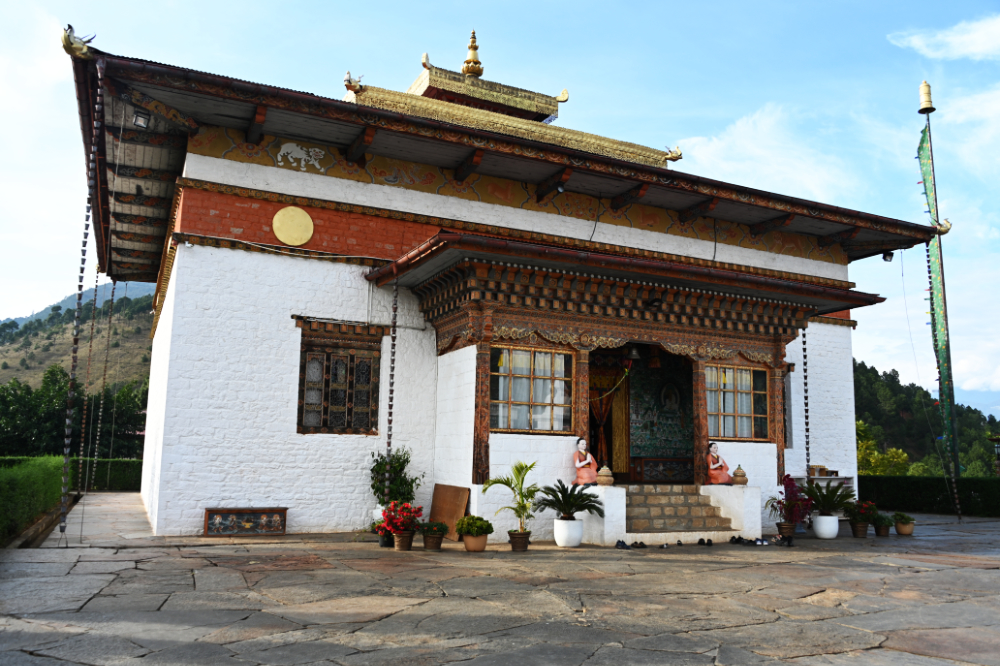
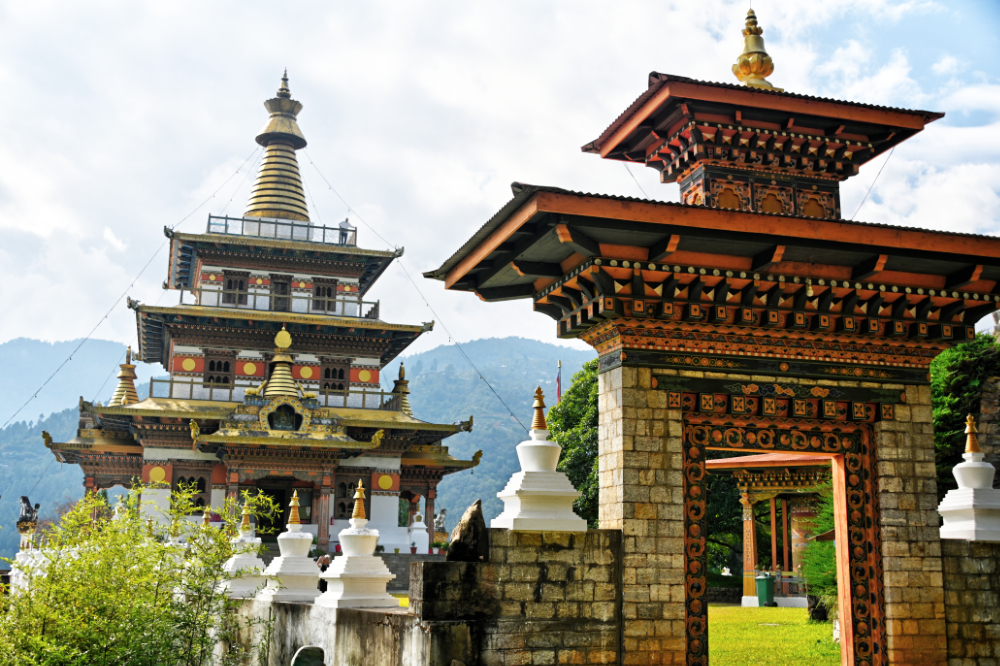
One of my stops above the valley was a Buddhist nunnery. By this point I had already visited quite a few temples and monasteries in Bhutan, but the setting continued to make each one feel different. The nunnery sat above the valley with mountains rising behind it and offered another look at the religious life that remains such a visible part of Bhutanese culture.
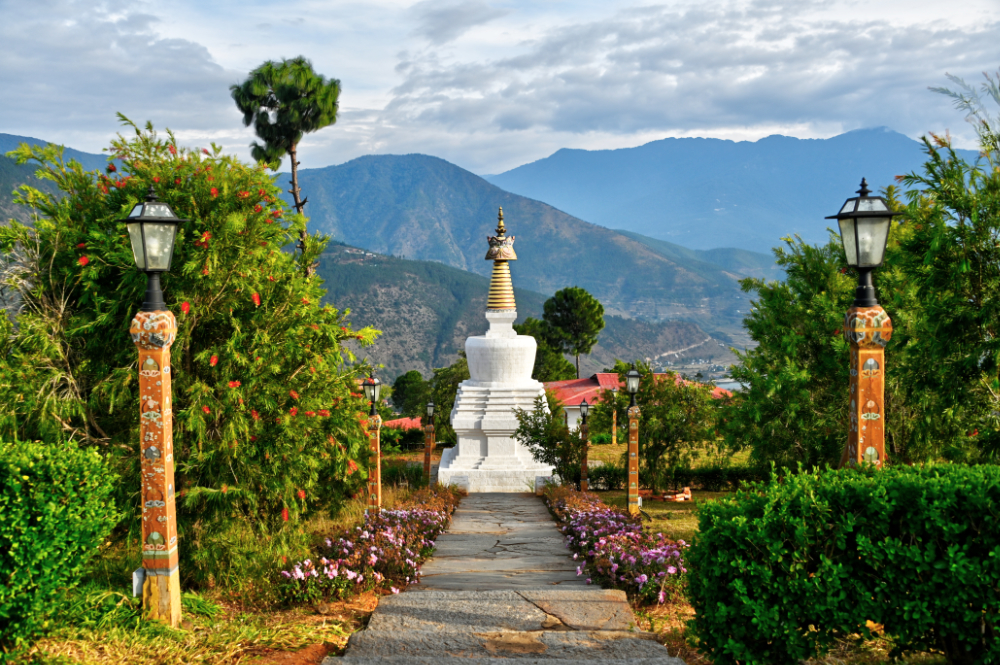
Like the monasteries and dzongs I had already visited, the buildings combined whitewashed walls with brightly painted wooden windows, roof supports and decorative details. Bhutan’s architecture had become familiar by now, but I still found myself stopping to look at how much work went into buildings that would have been almost completely plain in many other countries.
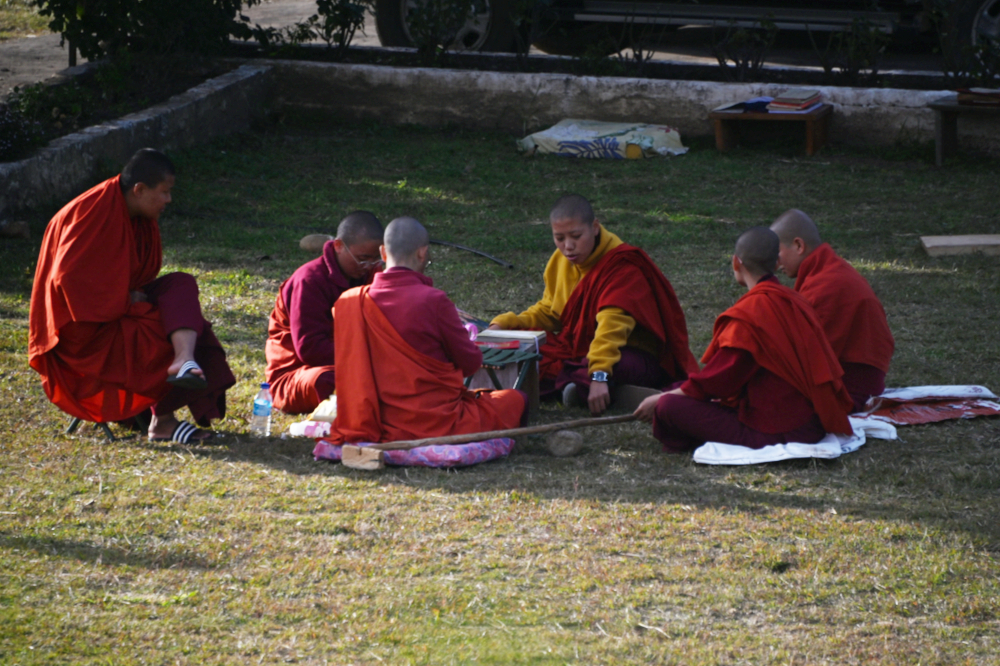
What interested me more than the buildings themselves was seeing that these weren’t simply historic monuments. Bhutan’s monasteries, nunneries and temples remain active religious institutions. I wasn’t just visiting remnants of Bhutan’s past; much of what I was seeing was still part of everyday life.
Punakha also gave me more opportunities to get away from buildings entirely. One day I went hiking through the forests surrounding the valley. Bhutan is one of the most heavily forested countries I had ever visited, and once I left the road there was very little to suggest that I was anywhere near one of the country’s major tourist destinations.
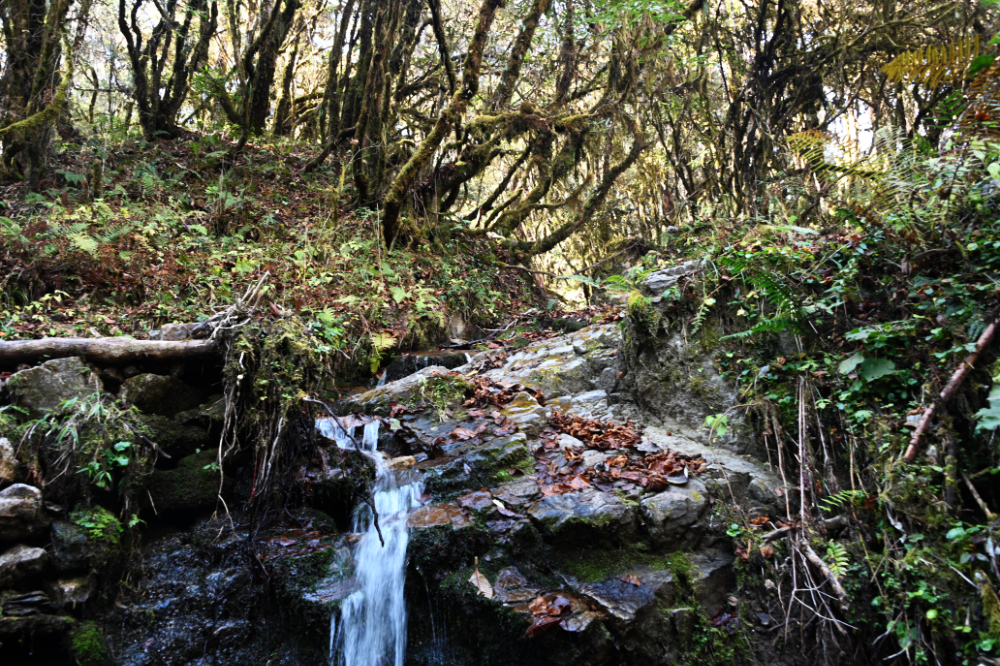
The trail wound through thick vegetation on the mountainside. Unlike the hike to Tiger’s Nest, there wasn’t a famous monastery waiting at the end. I was simply hiking through the Bhutanese countryside, which made the experience feel completely different.
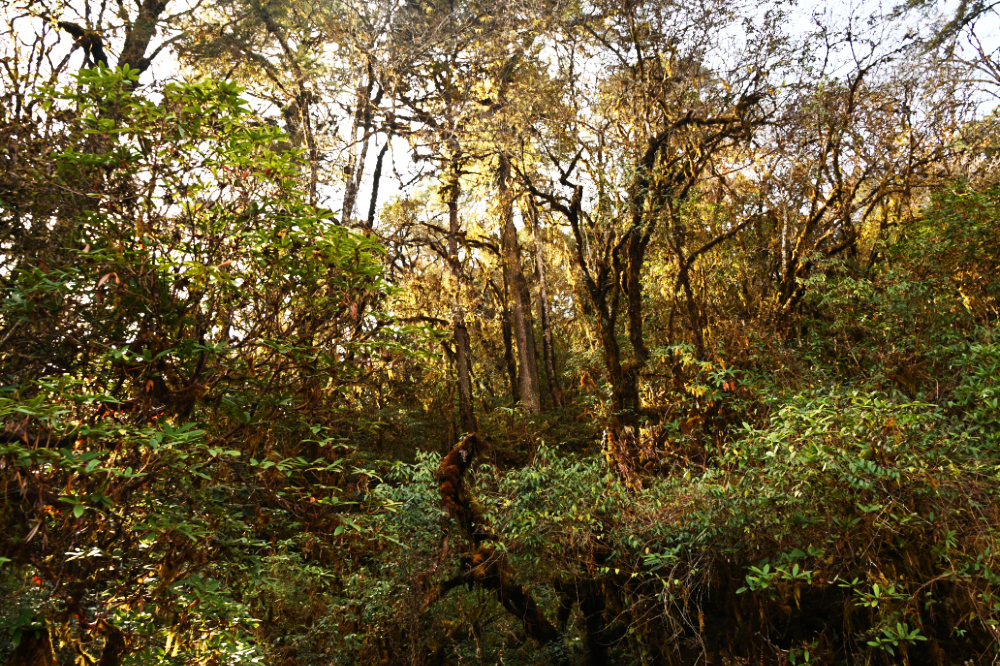
It also gave me a chance to pay more attention to the smaller things around me. The forests of Bhutan support an enormous variety of wildlife, although most of it isn’t particularly easy to see while walking along a trail.
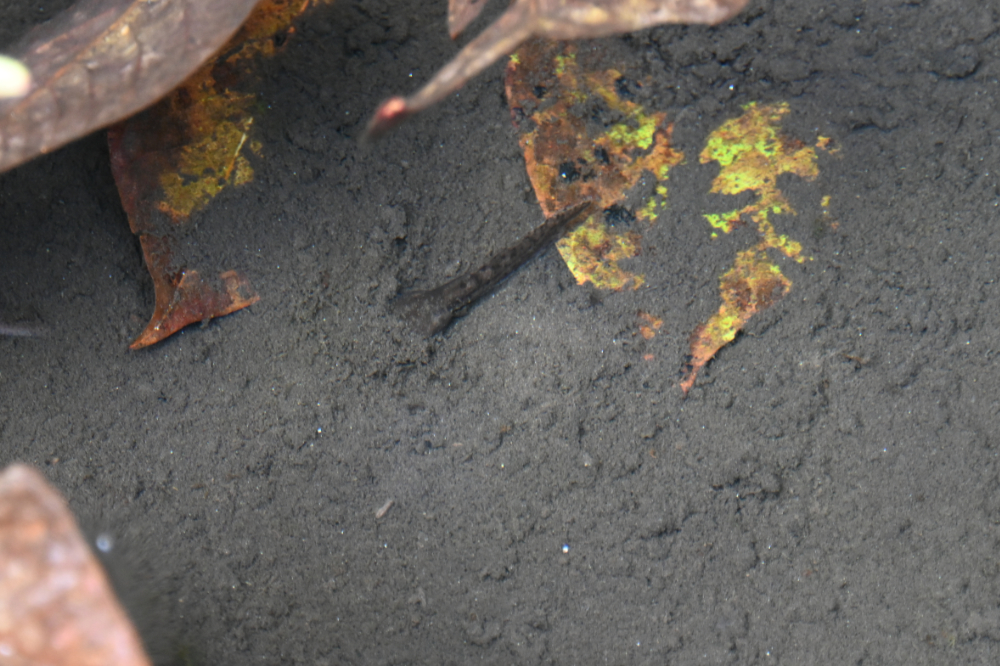
Some of the wildlife was tiny, but before long I came across something considerably more exciting. Moving through the trees above the trail was a group of capped langurs, one of the primates found in the forests of Bhutan.
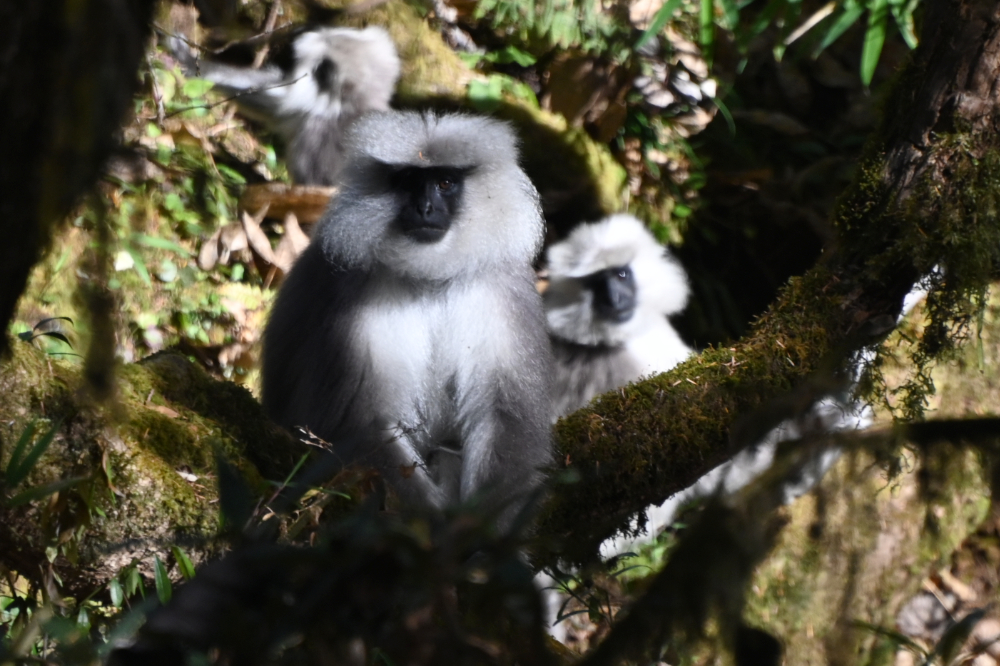
I hadn’t gone hiking specifically looking for monkeys, which made finding them considerably more exciting. The langurs moved through the trees in a group, sometimes disappearing completely into the vegetation before appearing again on another branch.
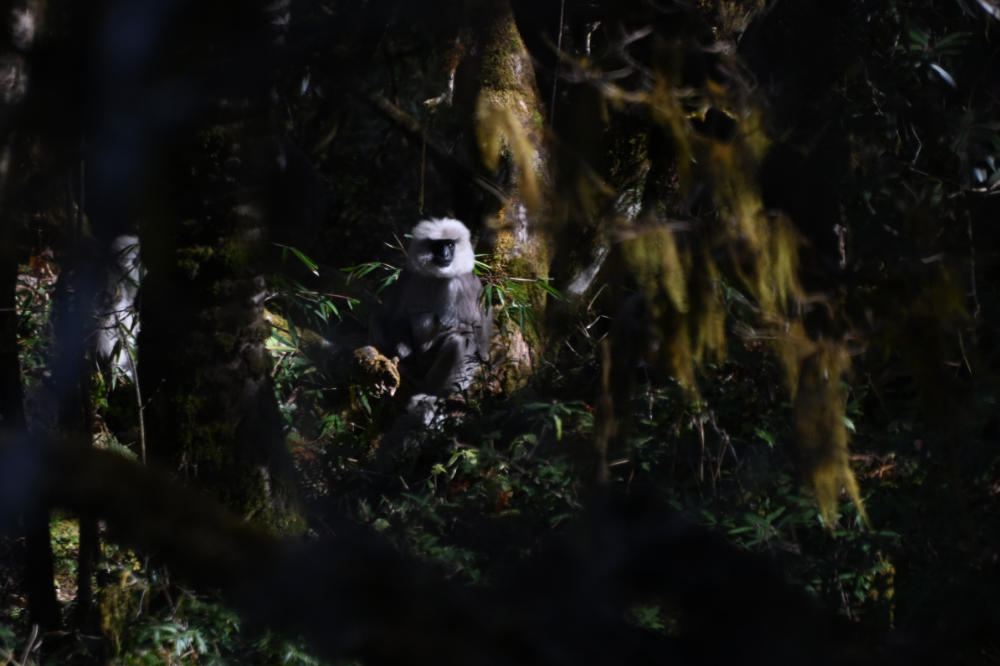
Capped langurs live across parts of northeastern India, Bangladesh, Myanmar and Bhutan. Their dark faces are surrounded by much lighter fur, with the darker hair on top of their heads giving them the “capped” appearance responsible for their name.
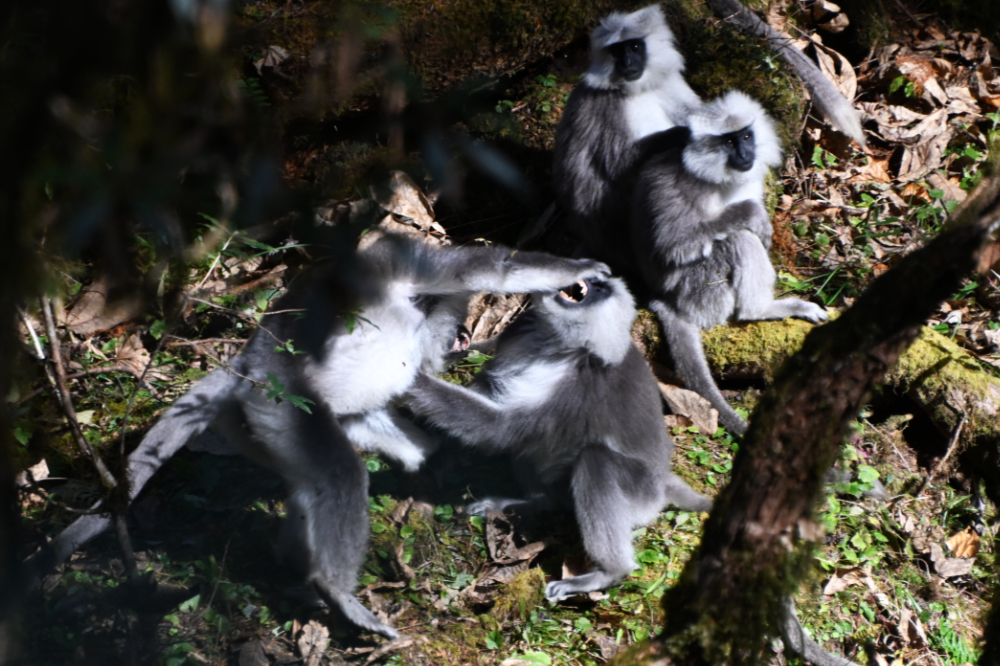
I stayed around long enough to watch the group interacting rather than simply getting a photograph and continuing down the trail. Some chased or confronted one another while others seemed completely uninterested in whatever disagreement was happening around them.
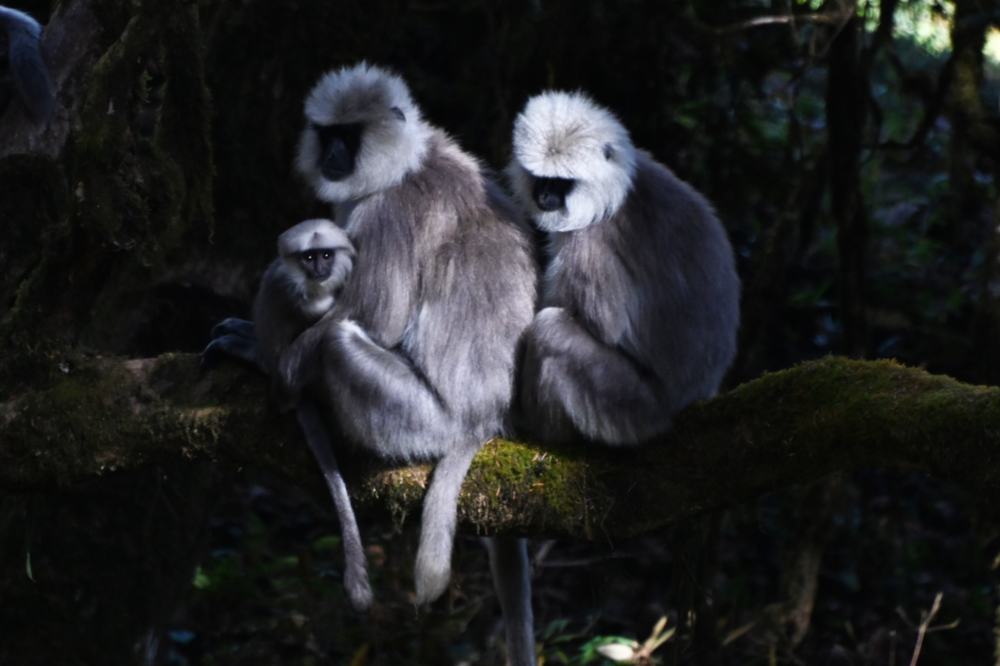
Seeing the langurs ended up being one of the highlights of the hike. They were completely wild, and there were no fences, feeding stations or crowds surrounding them. I had simply happened to walk through the same patch of forest they were using.
Another day I went walking along the river for a very different reason. Punakha is one of the few places in the world where there is a chance of seeing the critically endangered white-bellied heron. The bird survives along remote river systems in Bhutan and a few neighboring areas, and so few remain that actually finding one would require a considerable amount of luck.
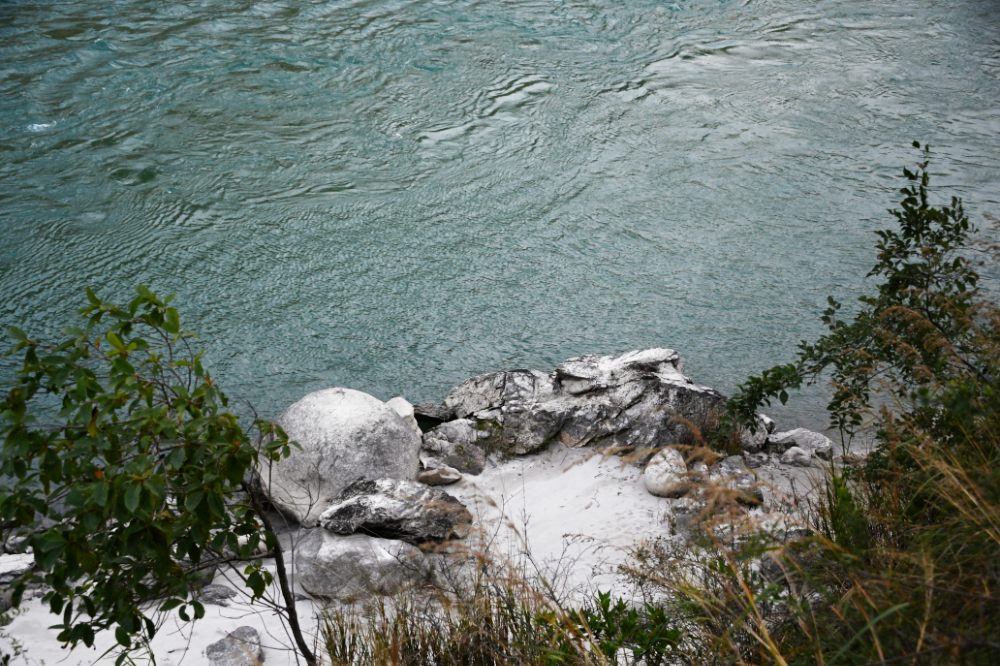
I knew the odds weren’t particularly good, but that was part of what made the search interesting. Instead of simply stopping at a viewpoint, I walked along the river scanning the shoreline, rocks and shallow water for a bird that very few people will ever see in the wild.
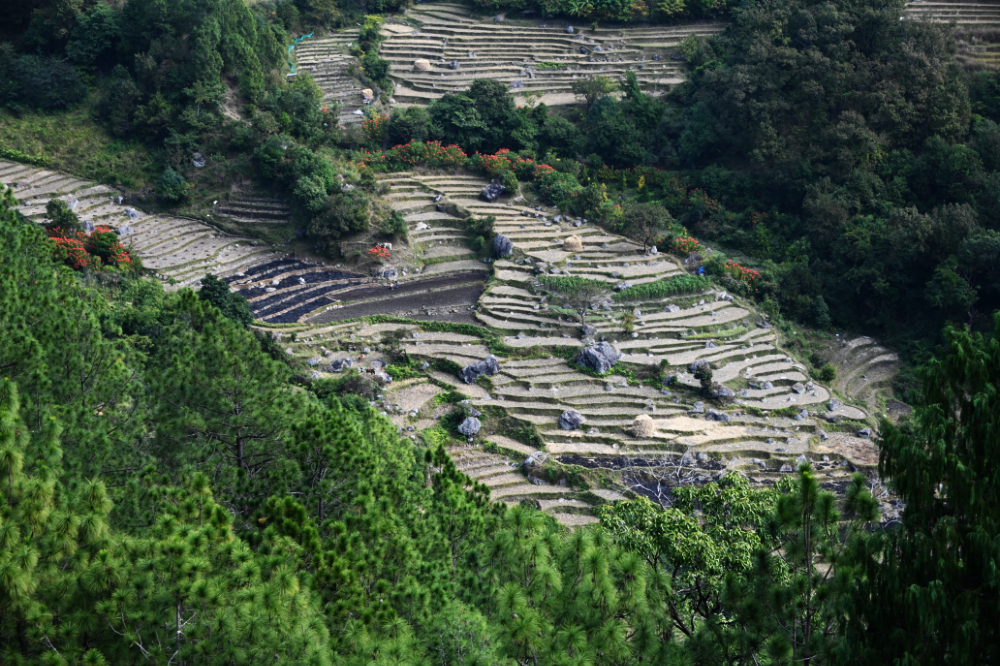
The walk was worth doing even without finding the heron. Rice fields ran alongside sections of the river while mountains enclosed the valley on both sides. It was a landscape that felt much more rural than the Bhutan I had experienced around Thimphu.
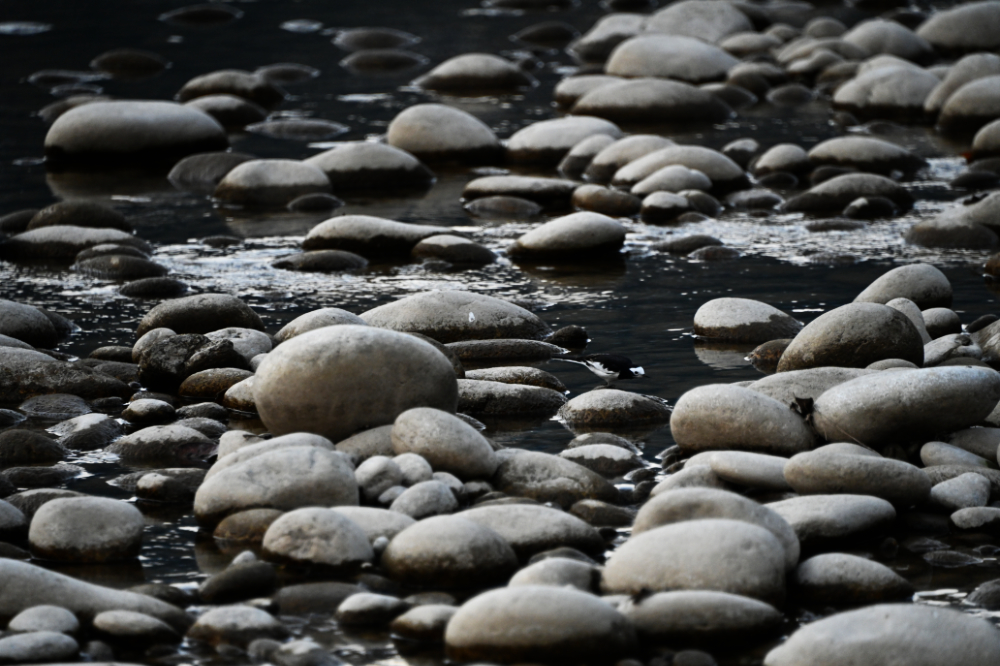
I saw plenty of birds along the way, and every larger shape in the distance briefly gave me hope that I had found what I was looking for. None of them turned out to be the white-bellied heron.
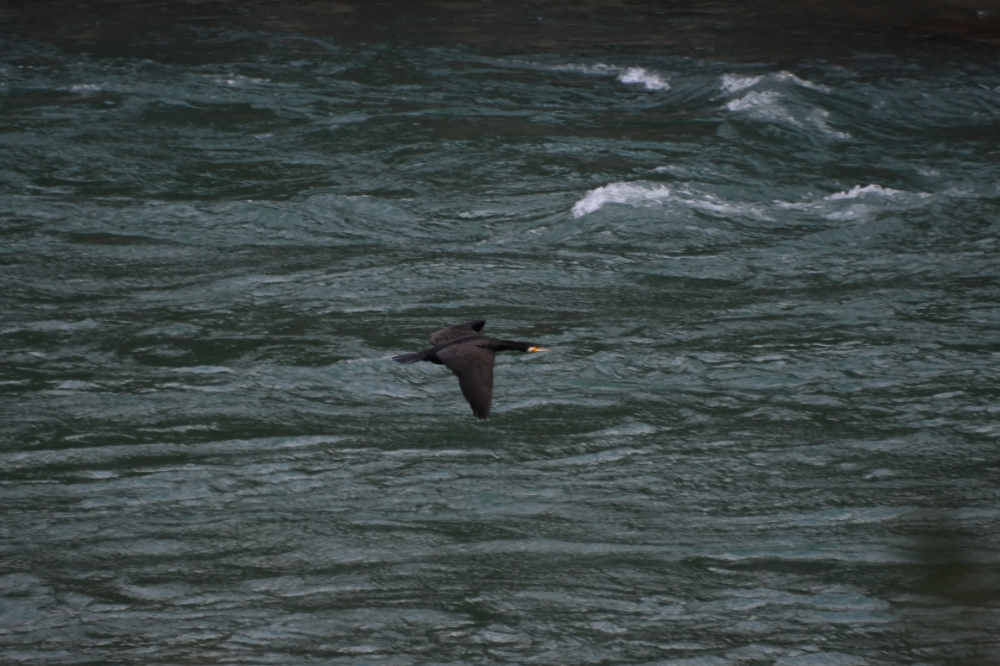
Eventually I had to accept that I wasn’t going to see one. With fewer than 60 white-bellied herons believed to remain in the world, I suppose I shouldn’t have expected otherwise. Bhutan contains one of the species’ last surviving populations, including birds within the Punatsangchhu river basin, but knowing they were somewhere along these rivers was as close as I was going to get.
Oddly enough, not seeing the bird didn’t make the walk feel disappointing. Searching for something that rare gave me a reason to spend hours along the river paying attention to a landscape I otherwise might have driven straight past.
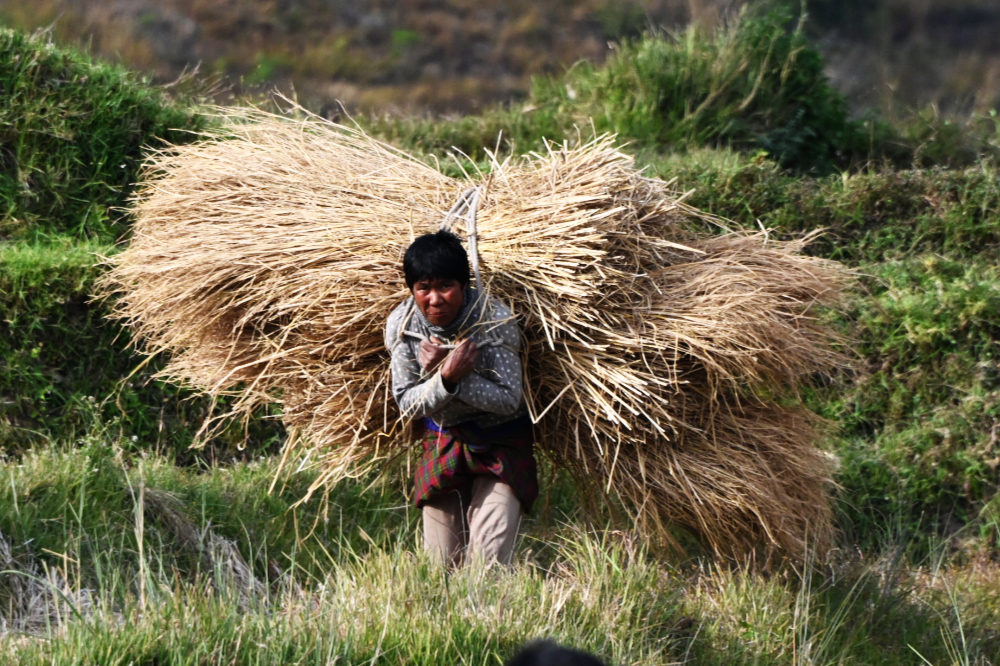
Those quieter parts of Punakha were a big reason it became my favorite place in Bhutan. I wasn’t somewhere unknown to tourists, but I felt like I was getting beyond the monuments and seeing more of how people actually lived.
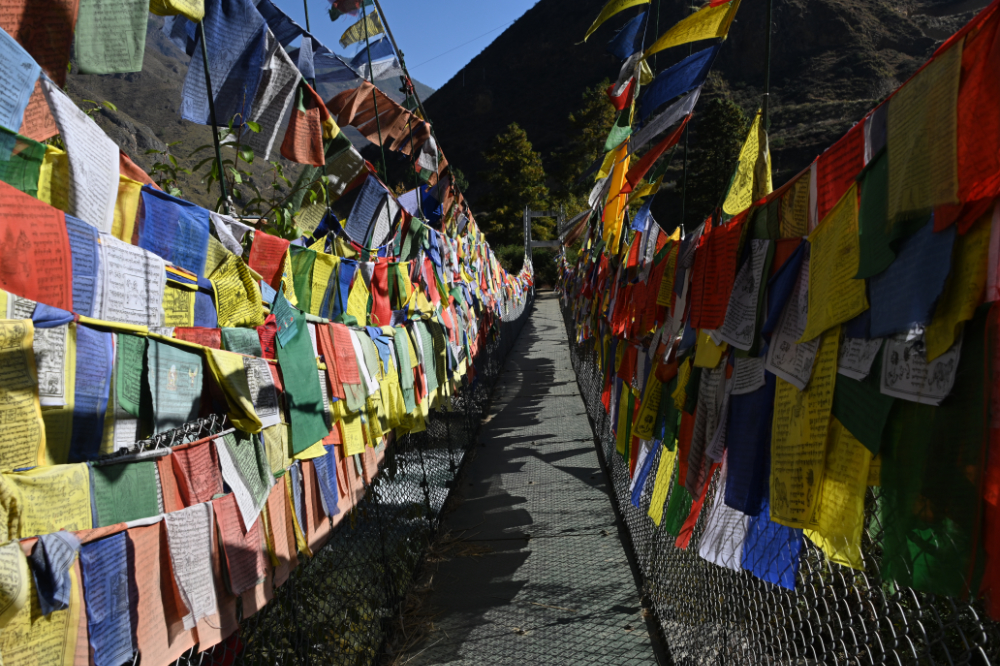
Prayer flags appeared almost everywhere I traveled in Bhutan, but bridges seemed to collect an extraordinary number of them. Hundreds of flags stretched across the river and fluttered above the water, adding color to what otherwise would have been an ordinary crossing.
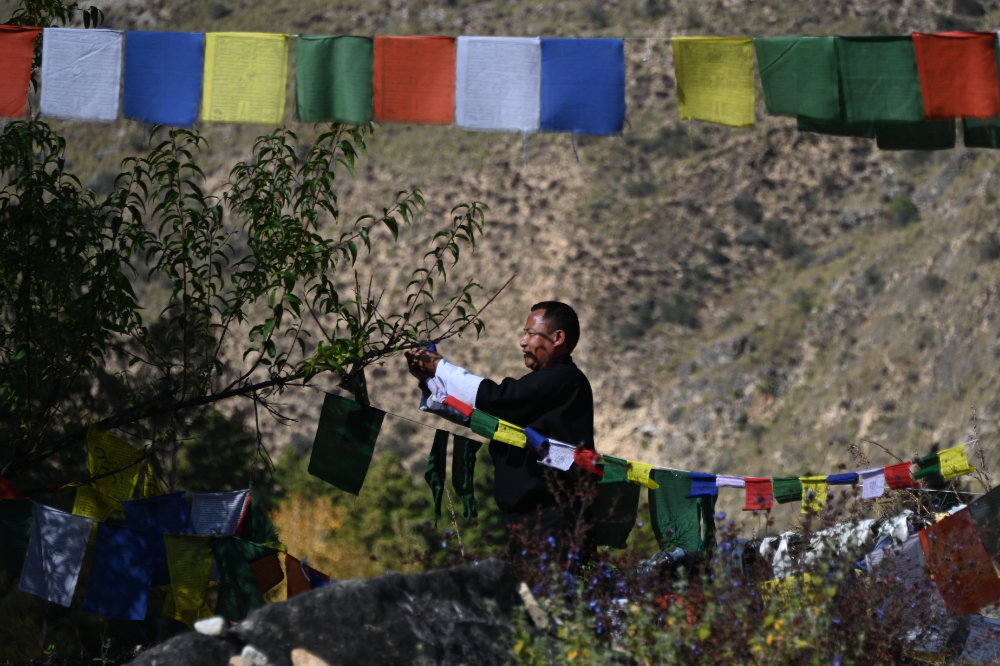
By now I had seen thousands of prayer flags across the country, yet I never really got tired of them. They appeared on mountain passes, in forests, beside monasteries and across rivers, connecting places that otherwise had very little in common.
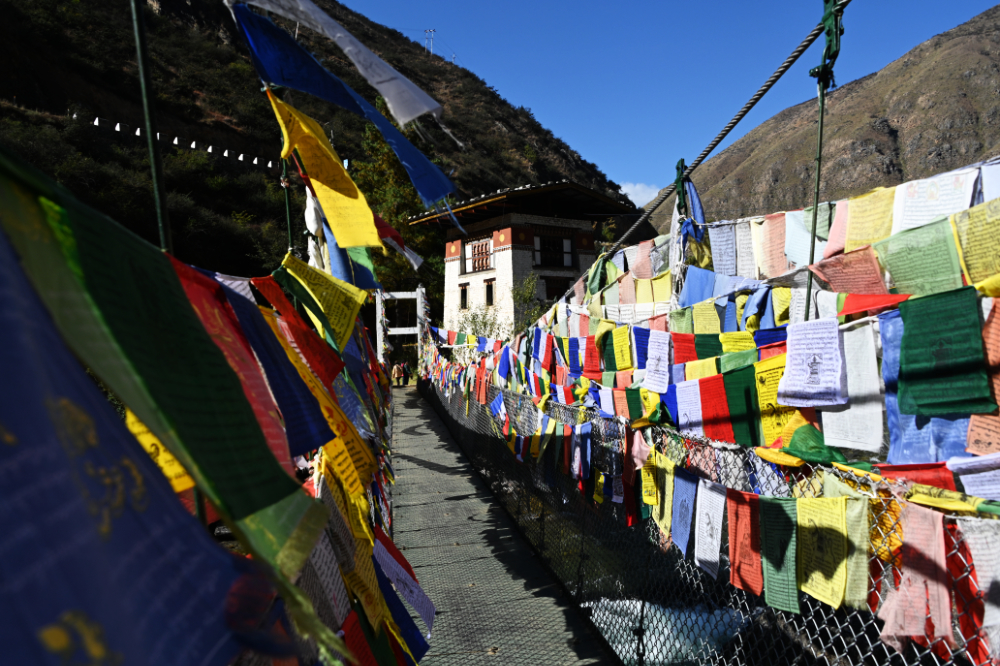
Bridges have always been important in a country divided by steep mountains and fast rivers. Crossing them was another reminder of just how much Bhutan’s geography shaped its development. Even relatively short distances could require crossing deep valleys or following rivers until there was somewhere practical to get across.
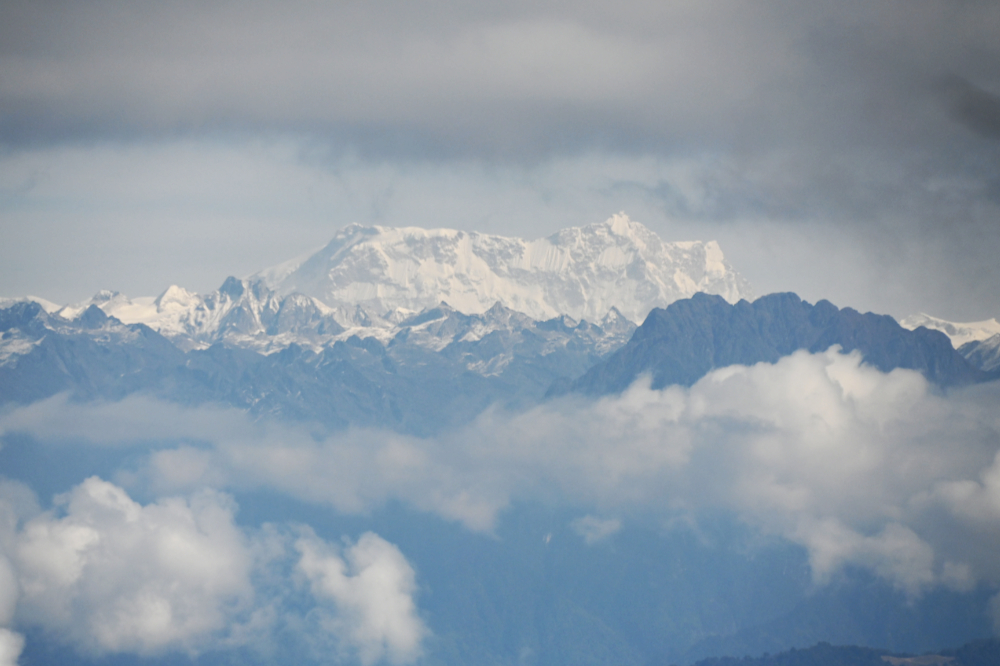
Beyond the valleys were the much higher peaks of the Himalayas. Somewhere among Bhutan’s mountains is Gangkhar Puensum, generally considered the highest unclimbed mountain in the world. Bhutan prohibits mountaineering on its high peaks, partly out of respect for the spiritual importance attached to the mountains, leaving Gangkhar Puensum one of the rare giant mountains where reaching the summit isn’t the objective.
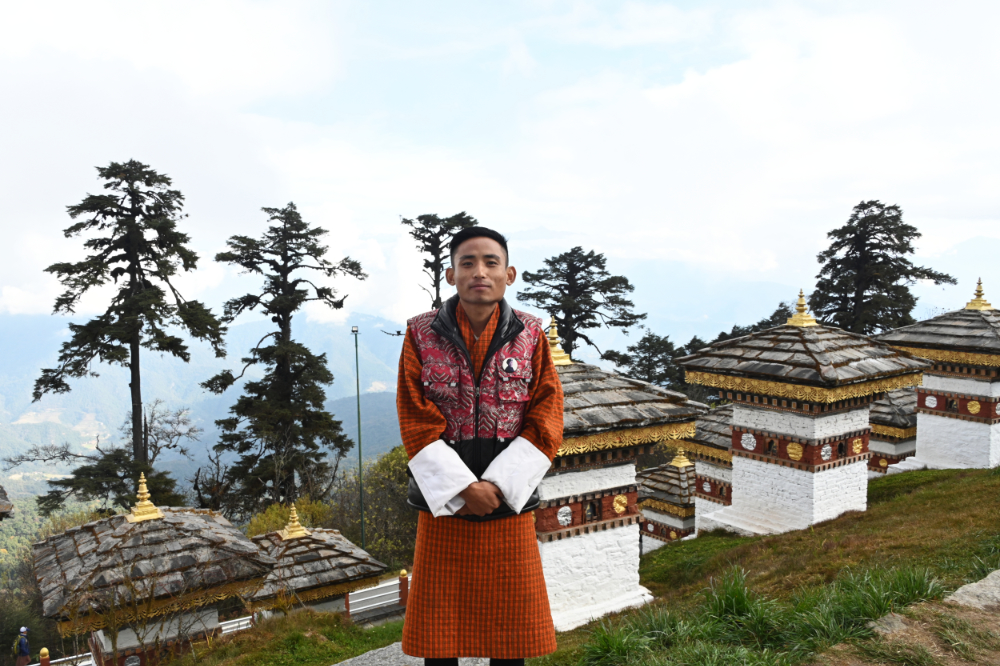
Having a Bhutanese guide also meant I was constantly learning things that I probably would have missed traveling completely independently. Places that might have looked like another mountain, temple or roadside village usually had some history or religious meaning attached to them.
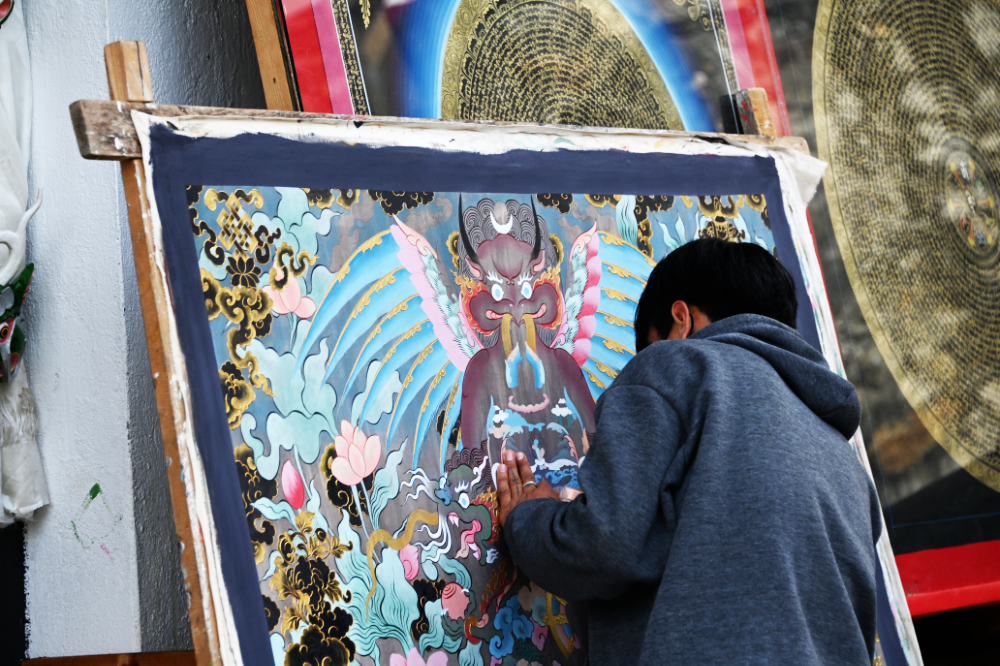
Seeing traditional religious artwork being created rather than simply preserved behind glass summed up much of what I liked about Punakha. The history and culture here didn’t feel completely separated from the people living around it.
Paro had Tiger’s Nest, which was probably the single most spectacular place I visited in Bhutan, and Thimphu showed me how the country was adapting its traditions to a modern capital. But Punakha was my favorite overall. It wasn’t because I had somehow escaped the tourist route—I hadn’t. Punakha is firmly on it. What changed was what I experienced between the major sights.
I hiked through the forest and unexpectedly found a family of capped langurs. I spent hours walking along the river hoping to see one of the rarest birds on Earth and never found it. I wandered through rice fields and across bridges covered in prayer flags. Most importantly, I had more opportunities to interact with Bhutanese people themselves, including joining locals for a game of khuru rather than simply watching Bhutanese culture from the outside.
Those experiences made Punakha feel more personal to me than anywhere else I visited in Bhutan. The dzong was magnificent, but when I think back on Punakha, it isn’t just the fortress I remember. It’s the monkeys in the trees, searching an empty riverbank for a bird that never appeared, throwing darts with people I had just met, and feeling for the first time that I was seeing a little more of Bhutan than the places I had come there specifically to see.
