Despite being surrounded by some turbulent neighbors, Jordan is one of the most peaceful and stable countries in the Middle East. Most travelers don’t think of Jordan as a major travel destination, and they’re definitely missing out! The country’s highlight is Petra, one of the most famous ancient cities in the world, but Jordan has much more to offer. You can explore the desert landscapes of Wadi Rum, visit the capital of Amman, float in the Dead Sea, hike through mountains and canyons, or even go scuba diving in the Red Sea.
My visit to Jordan actually wasn’t planned. I had been traveling in Egypt when I found out there was a ferry across the Red Sea to Jordan, and I couldn’t resist the chance to see Petra. The boat ride wasn’t very long, although it was a bit chaotic. Once I arrived in Jordan I headed north from Aqaba and spent the night in a small desert town before continuing toward Petra.
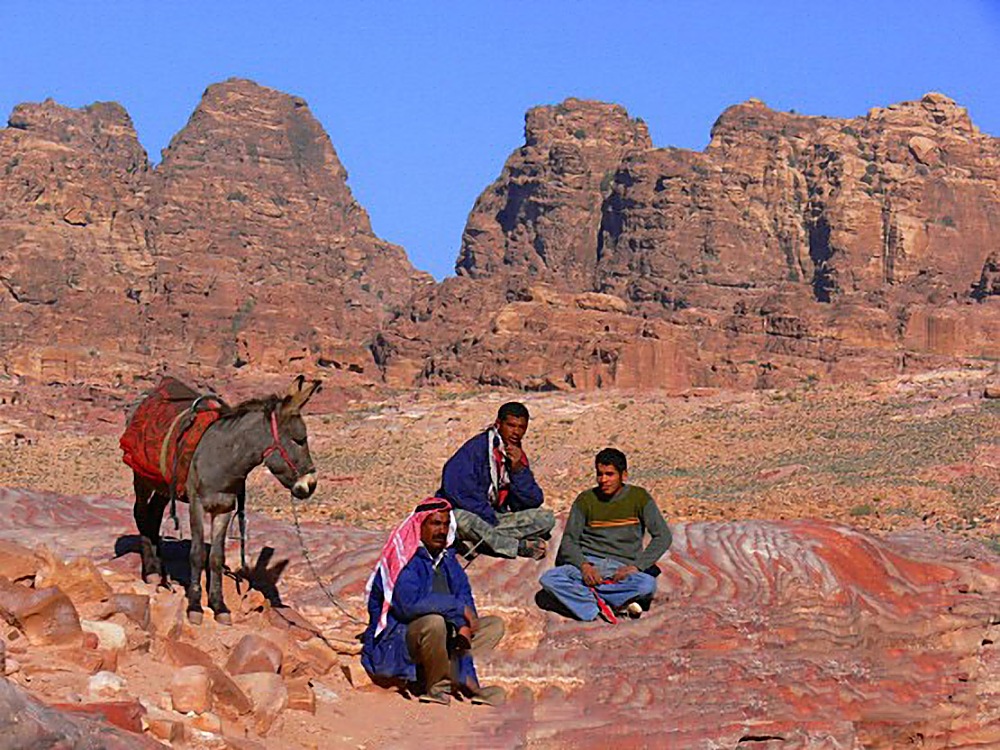
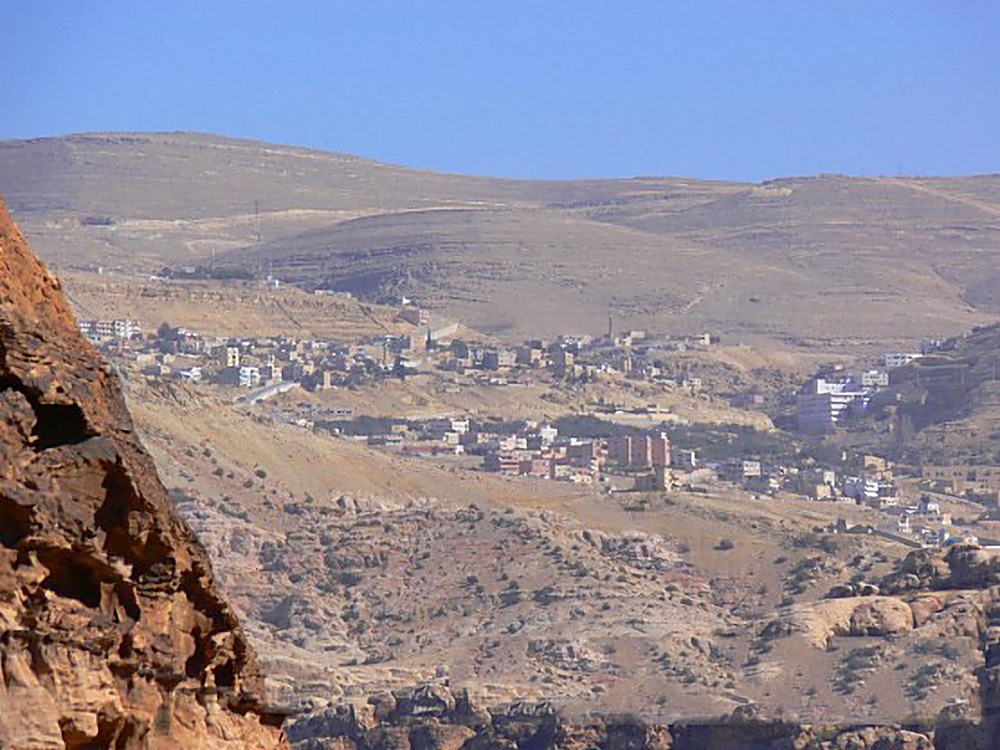
One of my first surprises was how mountainous Jordan actually is. I had pictured mostly flat desert before arriving, but there are some beautiful mountains throughout the country. The people in the first photo were taking a break in the mountains with their donkey, while the second photo gives a better idea of the countryside I was traveling through on the way toward Petra.
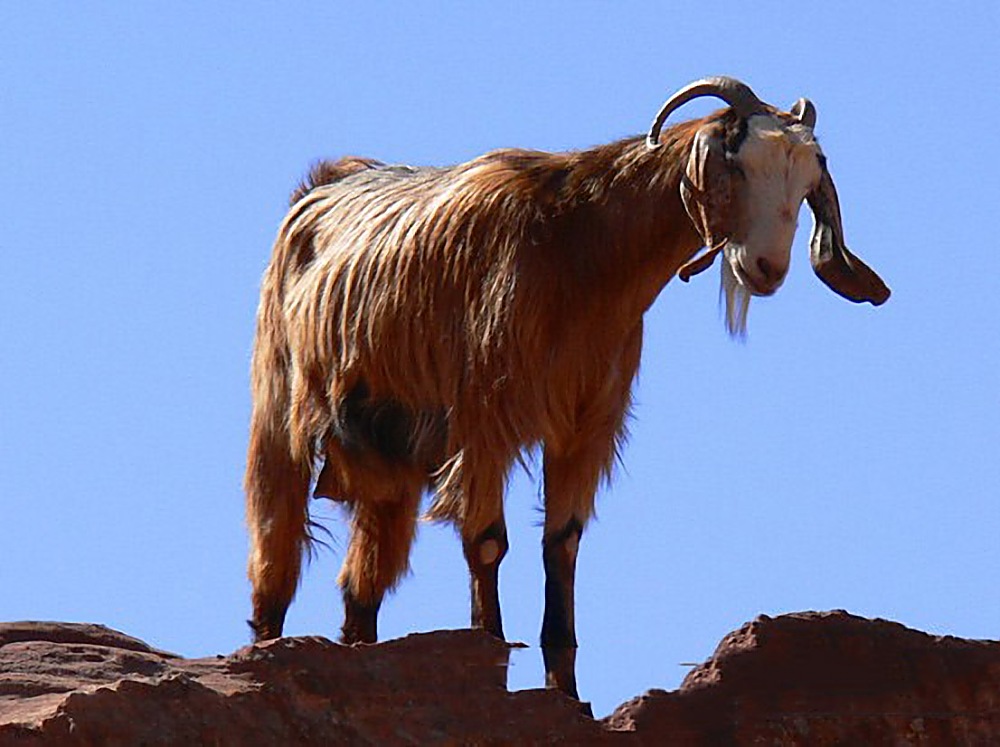
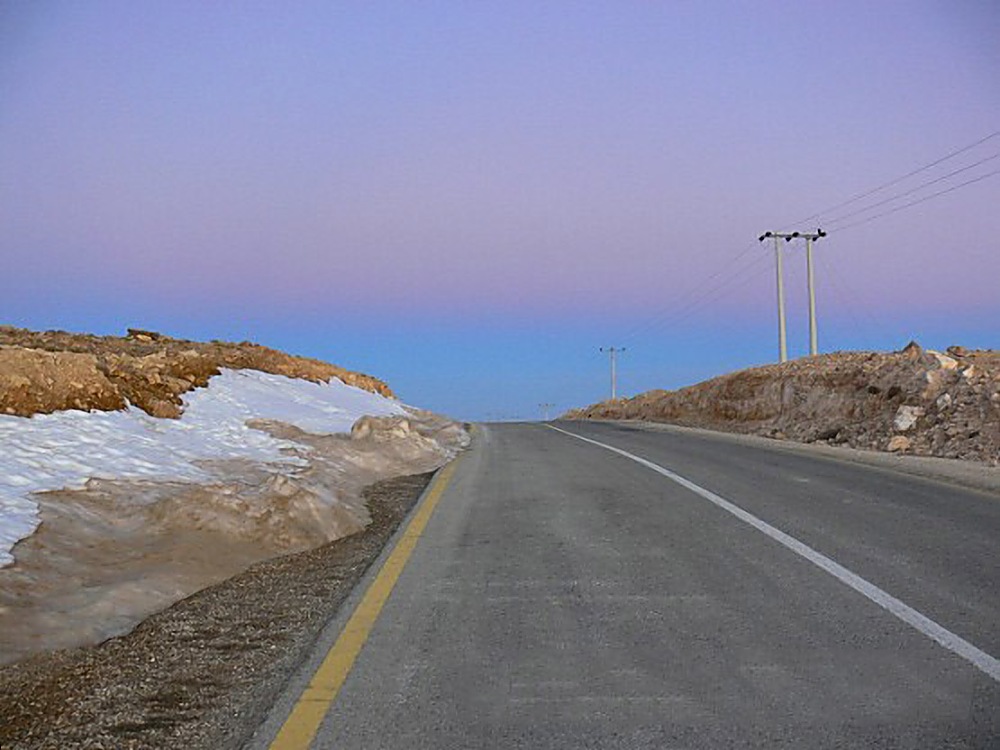
Seeing mountains in Jordan was unexpected enough, but finding snow and ice along the highway was an even bigger surprise. I was told that only a few weeks earlier a major snowstorm had closed the road for several days. The goat above was another reminder that the higher terrain here looked very different from the flat desert I had pictured before arriving.
Explore Petra
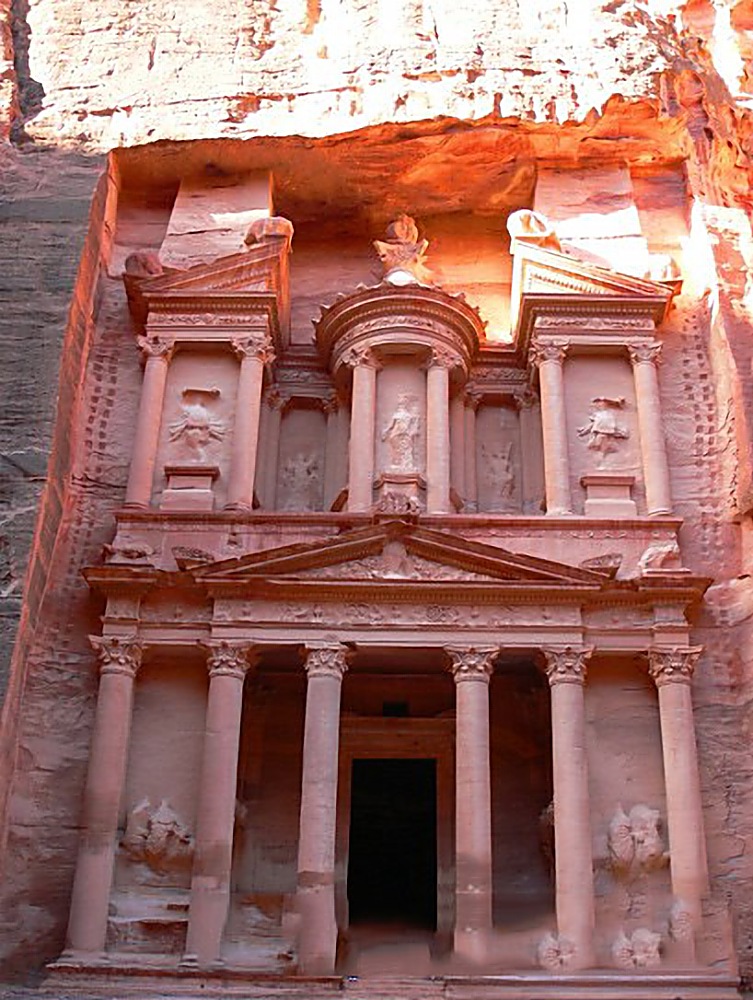
Petra was the ancient capital of the Nabataeans, an Arab civilization that became wealthy through trade and somehow managed to build a major city in the middle of the desert. They developed an impressive system for controlling and storing the limited water that came through the surrounding mountains, allowing Petra to grow into one of the most important cities in the region.
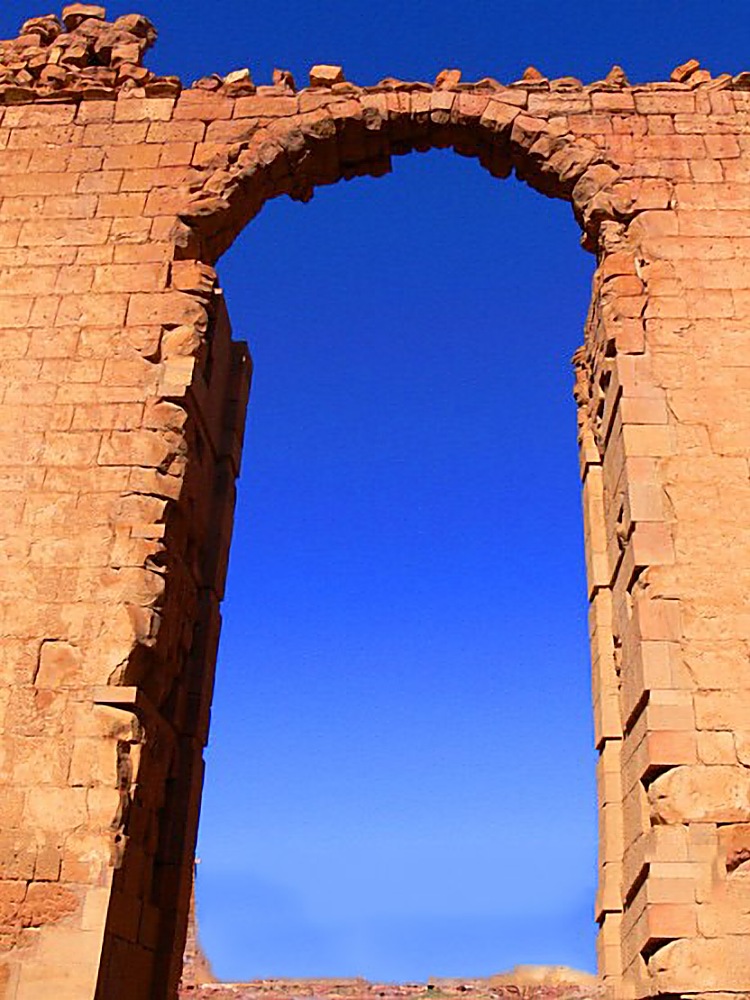
Before I visited, I really didn’t know much about Petra. Like most people, I had seen photographs of the Treasury and honestly thought that was basically the entire site. I couldn’t have been more wrong. The ancient city stretches for miles through the mountains, with temples, tombs, homes, roads, theaters, and other structures carved directly into the colorful rock. The arch above survived even though much of the surrounding structure had been destroyed.
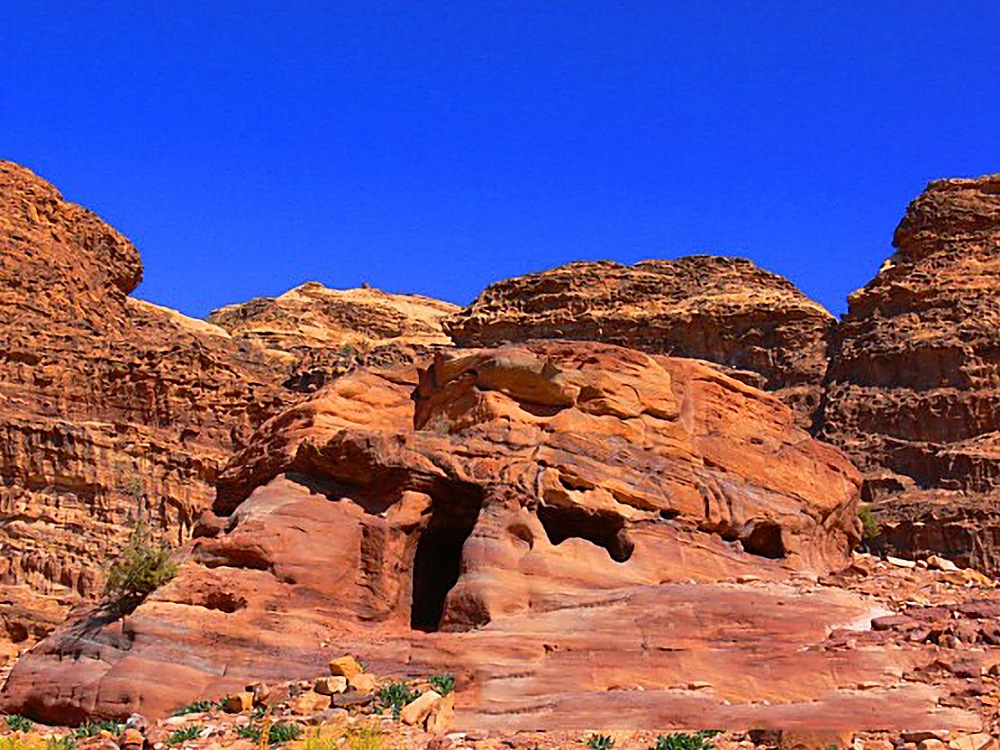
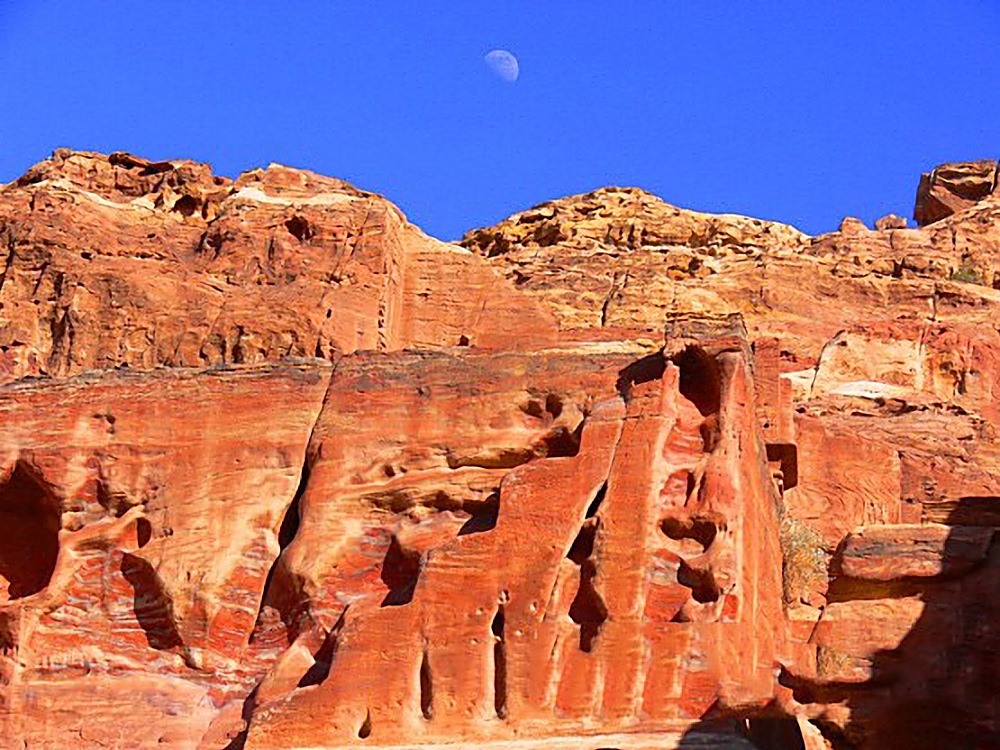
Many of Petra’s structures are carved directly into the surrounding rock. The first photo shows an old home cut into the mountain, while the second shows another small structure whose exact use I wasn’t sure of when I visited. The stepped designs visible around Petra are another distinctive feature of Nabataean architecture.
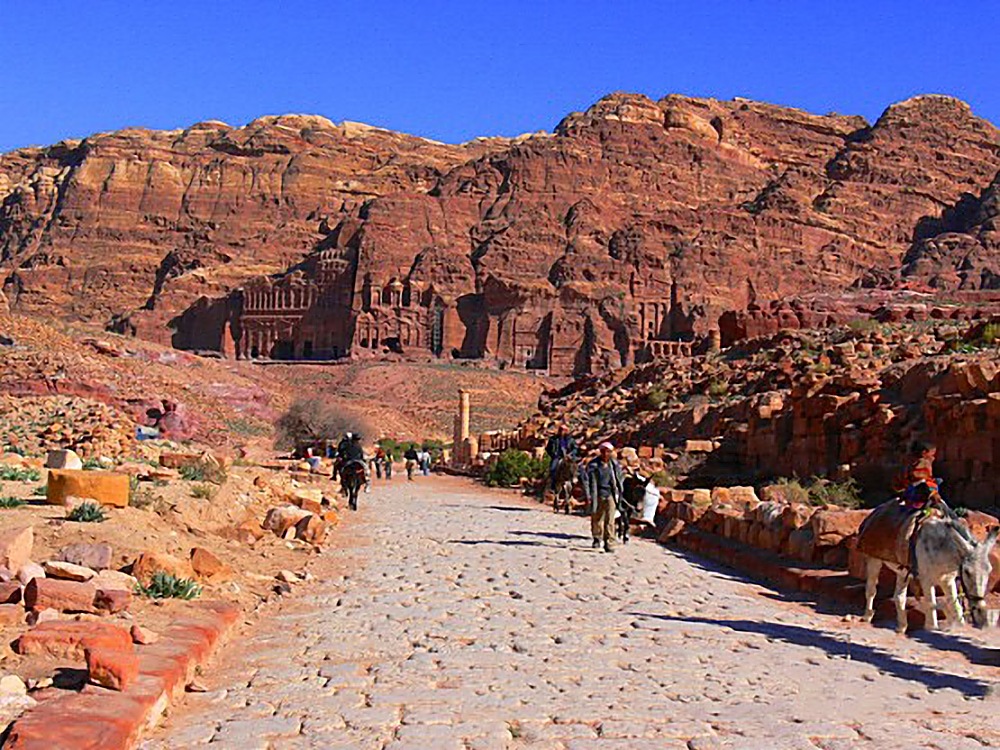
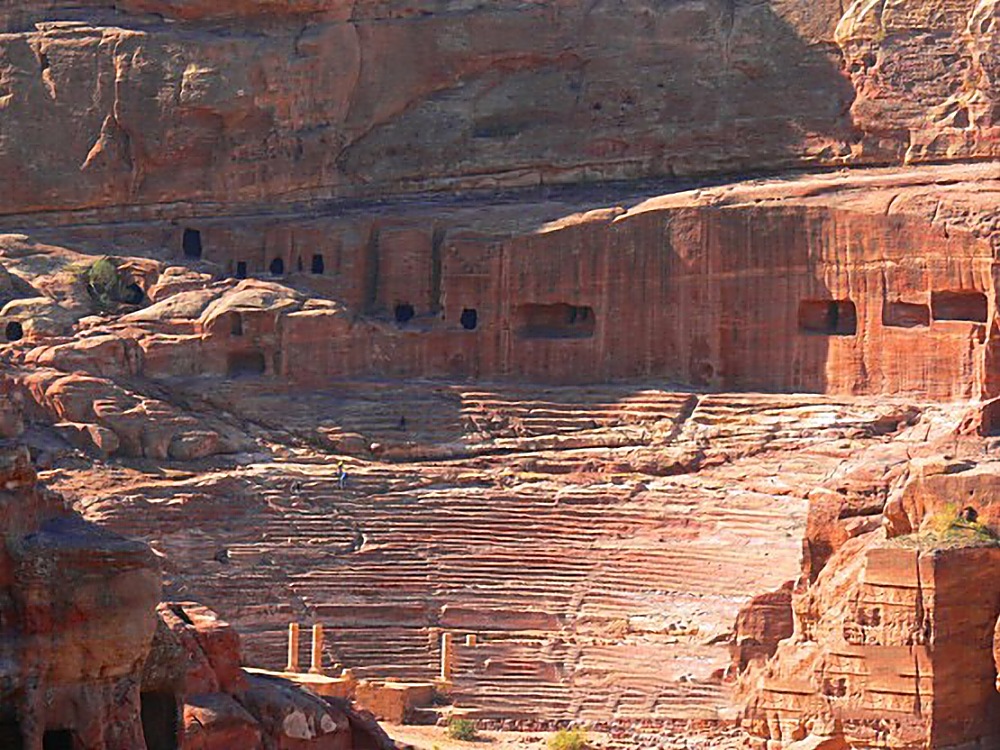
The road through Petra continues for miles, and the old buildings and temples don’t simply stop after the Treasury. This section of the route passed more monumental architecture, while the theater shows just how substantial the city became. The scale of the site was one of the biggest surprises of my visit.
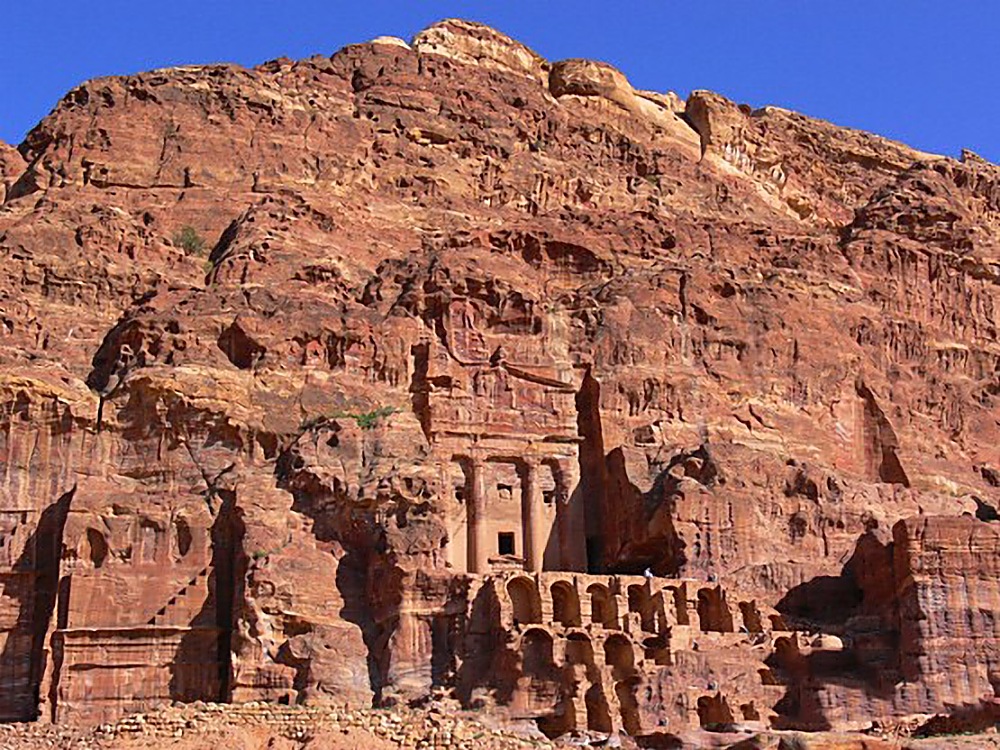
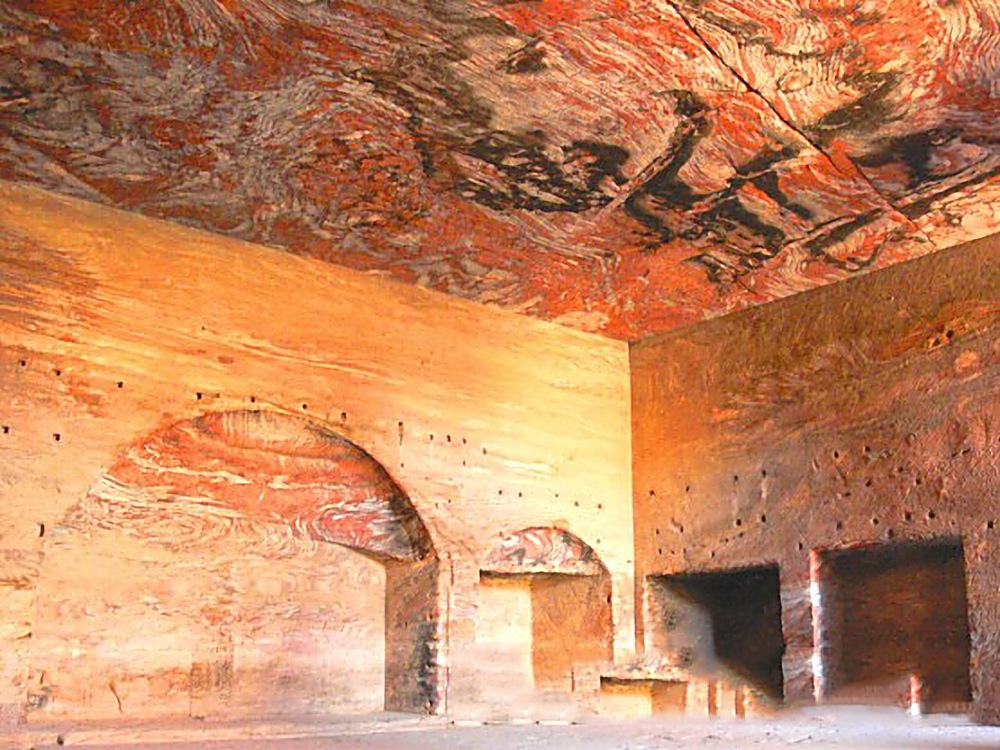
Some of Petra’s buildings are just as impressive inside as they are from the outside. The first photo shows another large rock-cut facade, while the second looks inside one of the chambers. The naturally colored stone creates bands and patterns across the walls and ceiling, part of what gives Petra its famous rose-colored appearance.
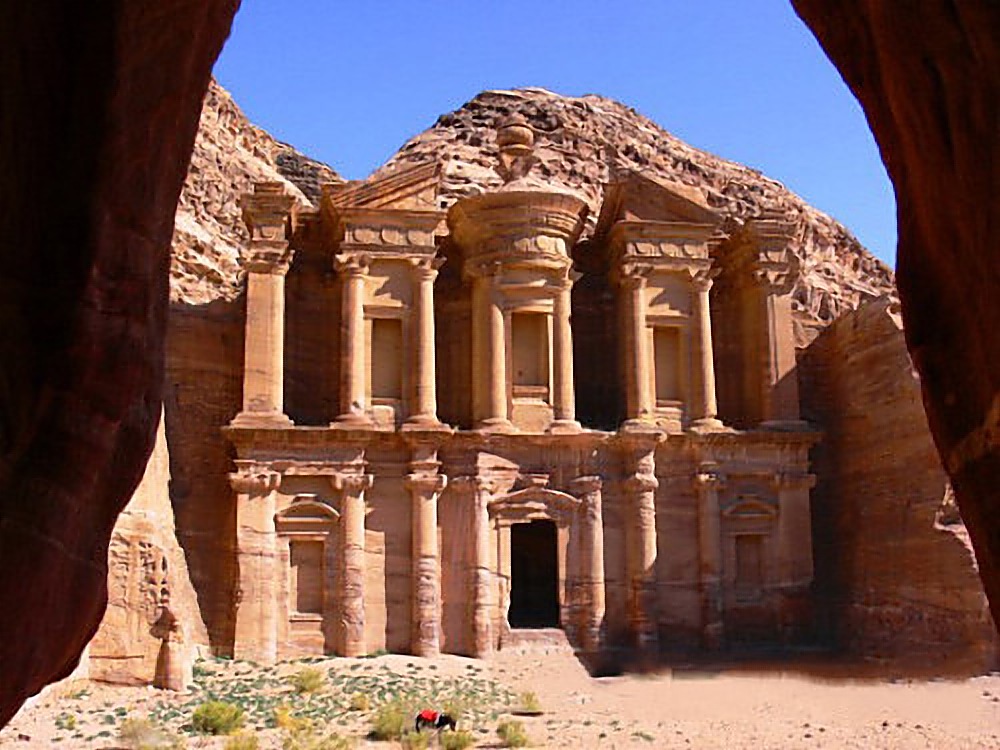
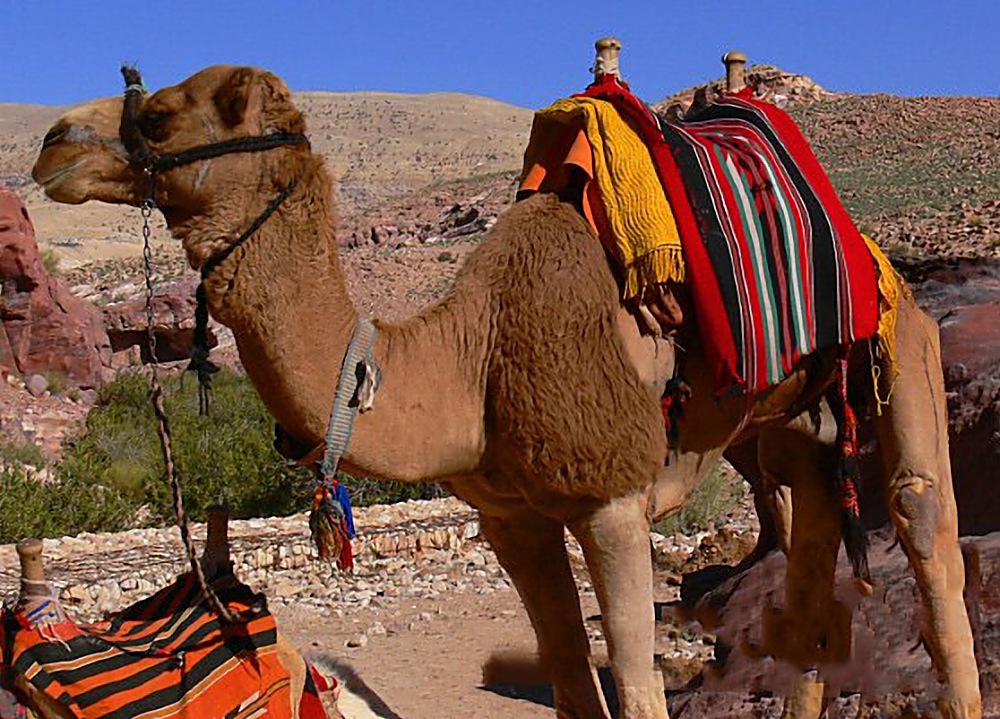
The chapel was located farther into the mountains near the end of the route I followed through Petra. Reaching some of the more distant sites can take hours on foot. Camels and donkeys were common throughout the area, and visitors who didn’t want to walk the entire way had plenty of opportunities to get a ride.
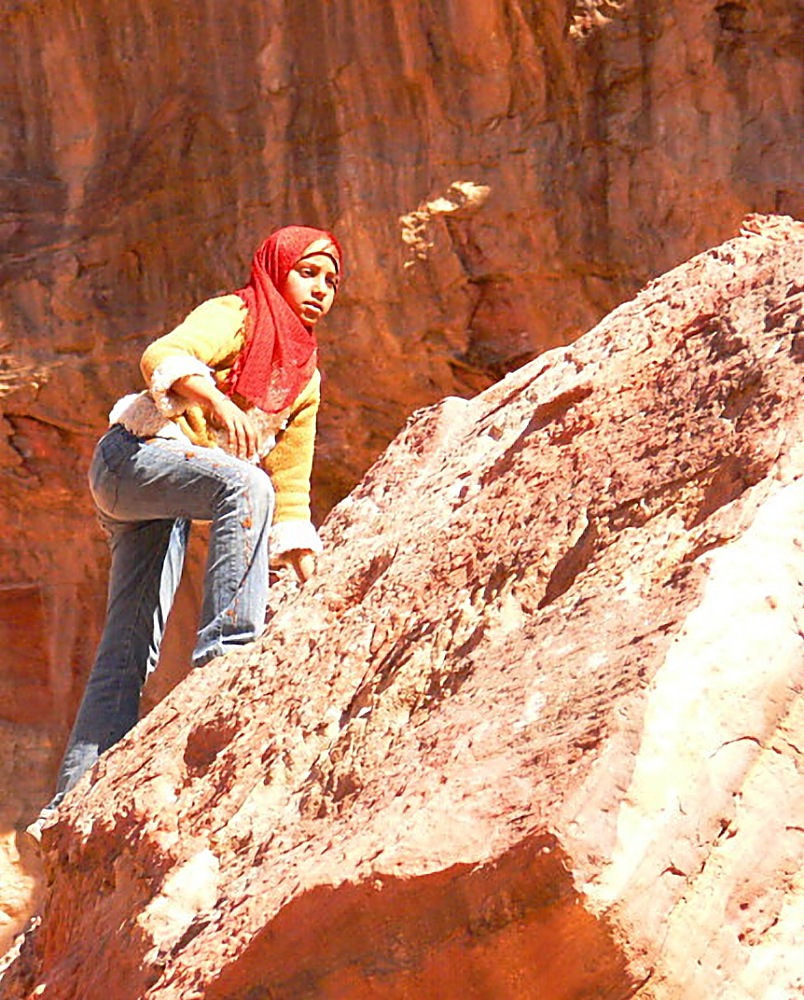
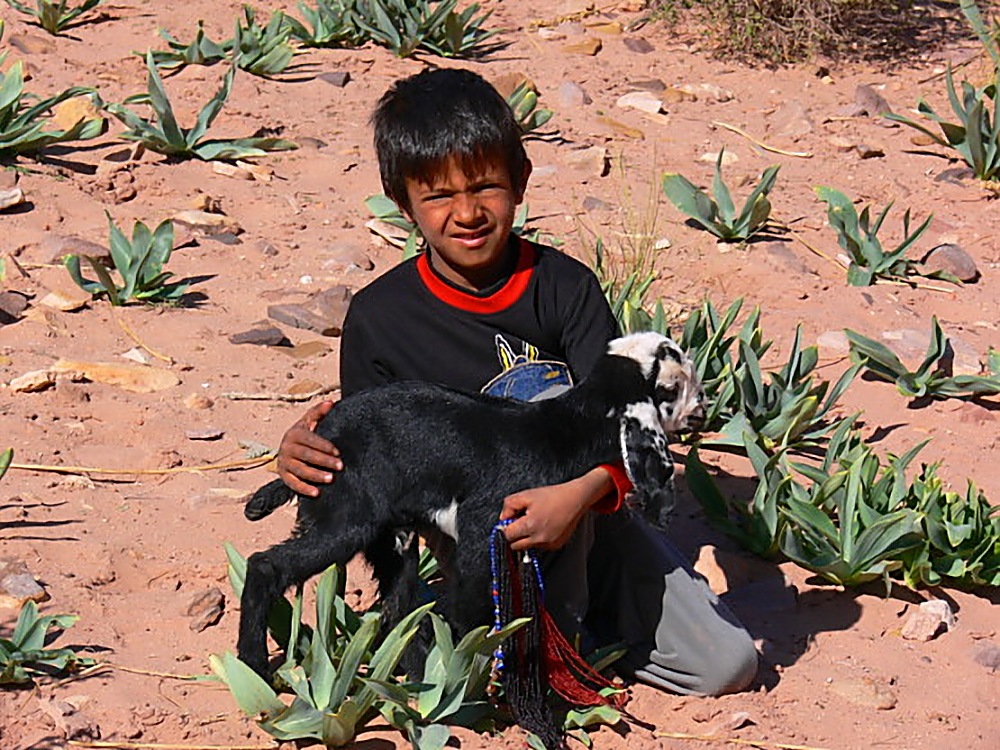
The boy with the lamb was a local who lived in the area and was trying to make money from passing tourists. The girl was climbing higher on the rocks for a better view of Petra. These scenes are part of what I remember about the site beyond the ruins themselves: Petra wasn’t an empty archaeological park, but a place where local people, animals, visitors, and ancient structures all shared the same landscape.
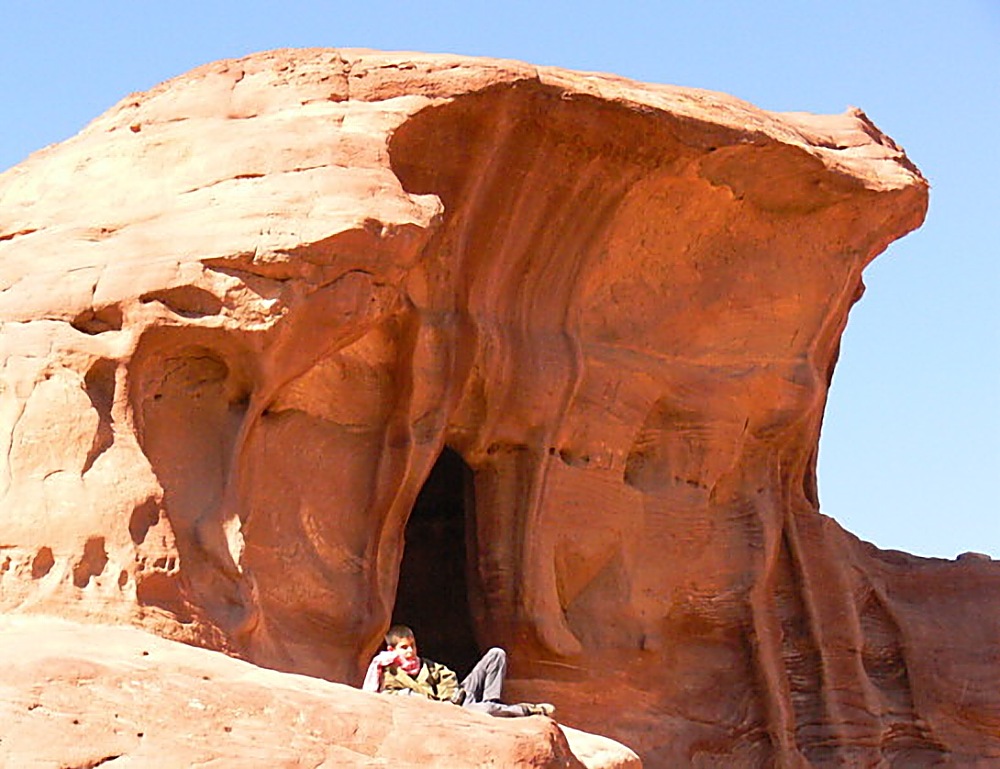
I had also taken this separate portrait of a boy at Petra. Looking back at these photos years later, the people I encountered are as much a part of my memory of the place as the monumental buildings.
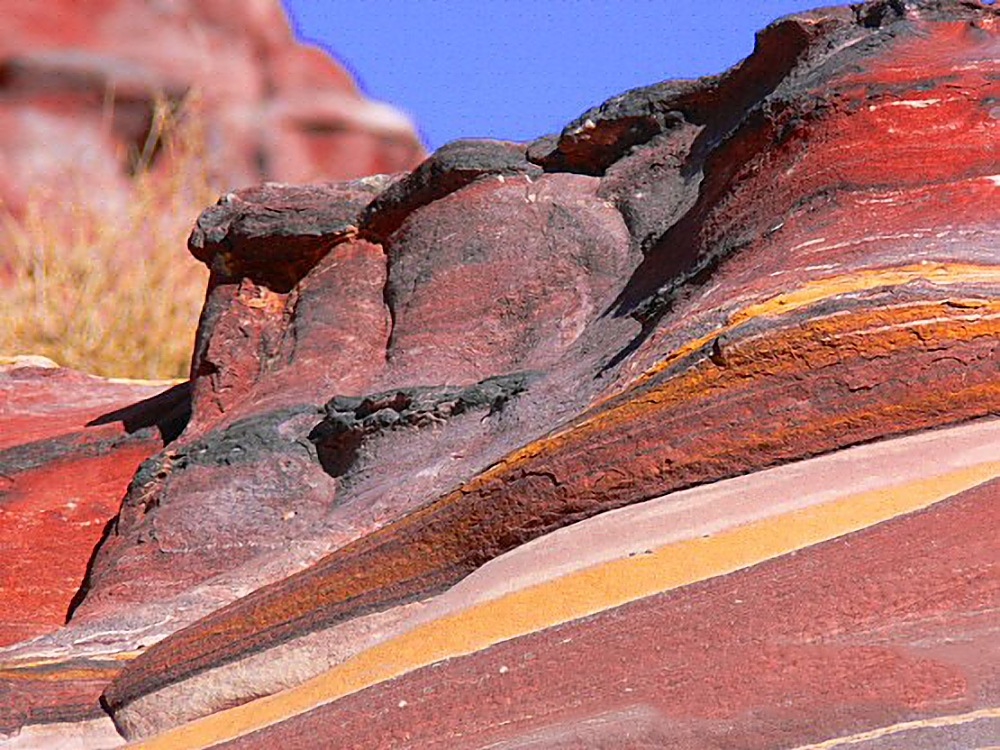
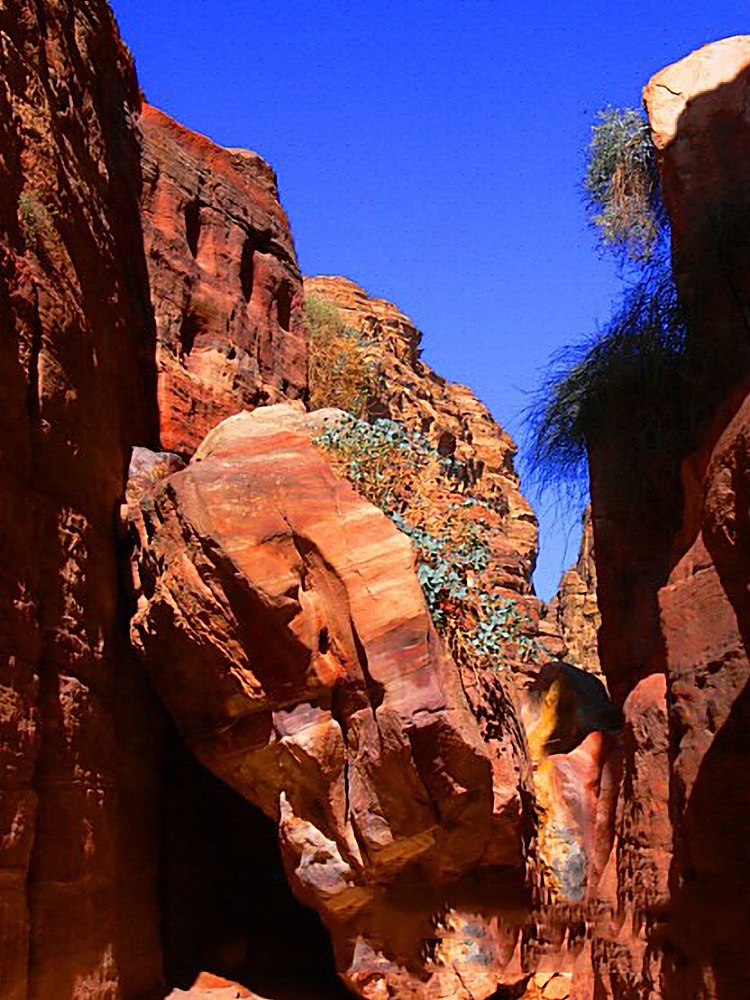
What I liked most about the canyons was the color of the rock. Different layers ranged from yellow and red to brown and nearly black, sometimes creating patterns that looked almost artificial. Even the plants growing among the rocks added unexpected patches of color to an otherwise dry landscape.
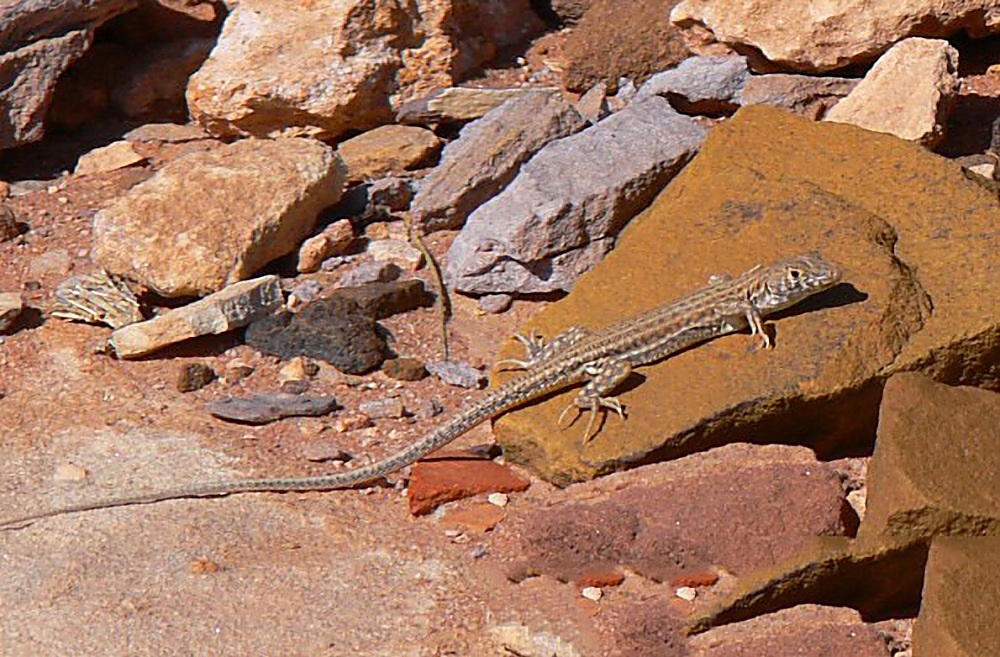
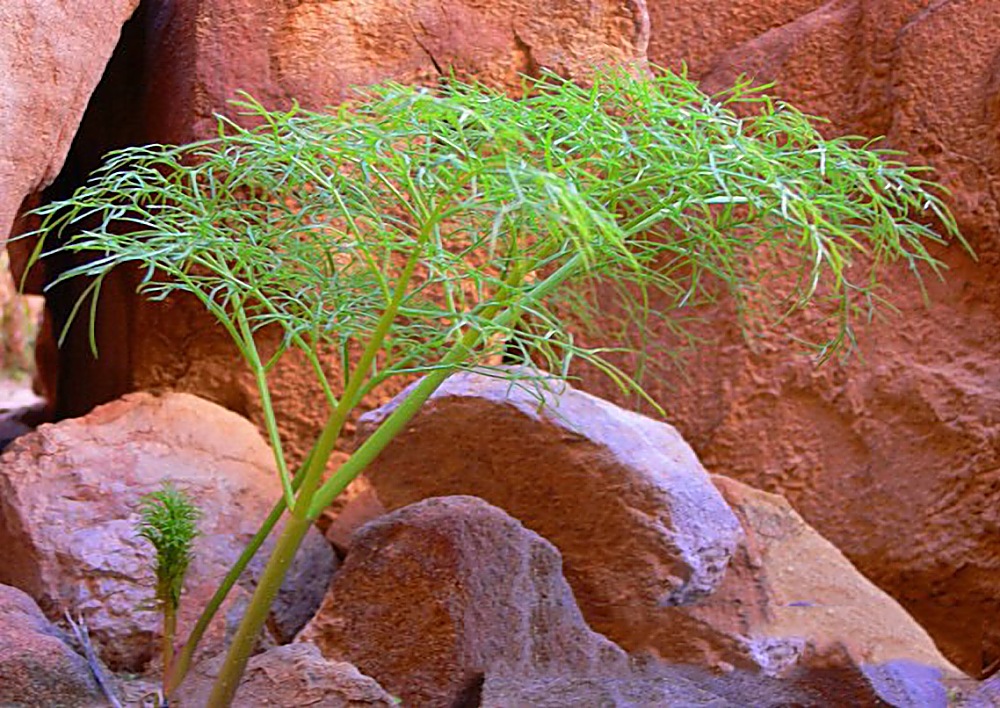
I also came across smaller details that were easy to miss among Petra’s enormous cliffs and ruins, including this lizard resting on a rock and a surprisingly green plant growing from a narrow gap in the stone.
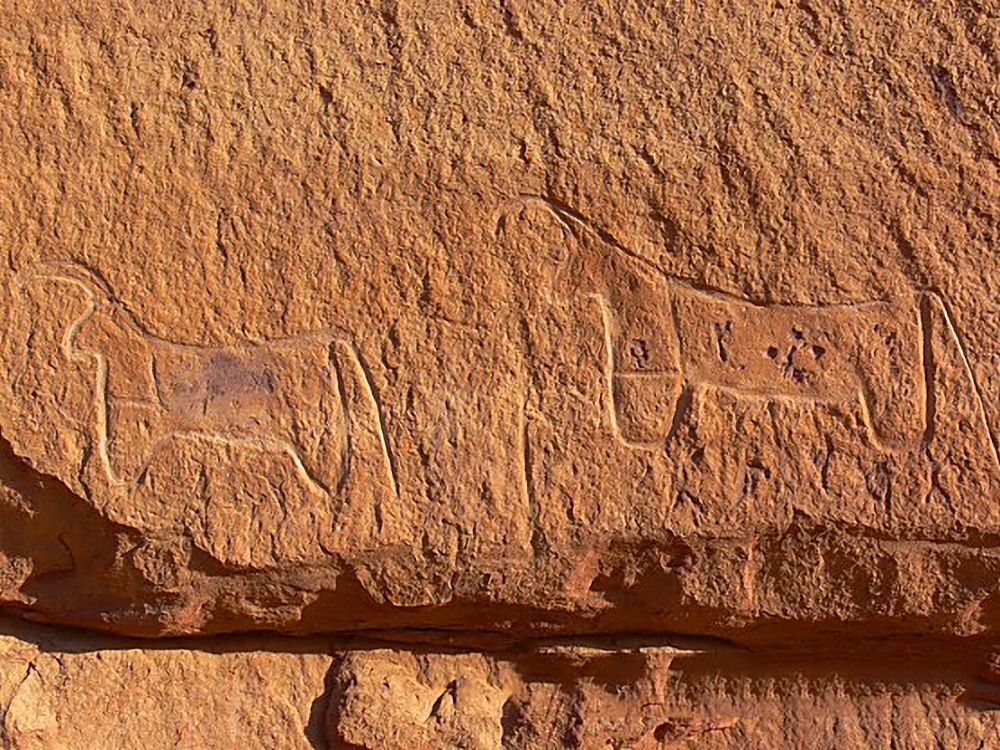
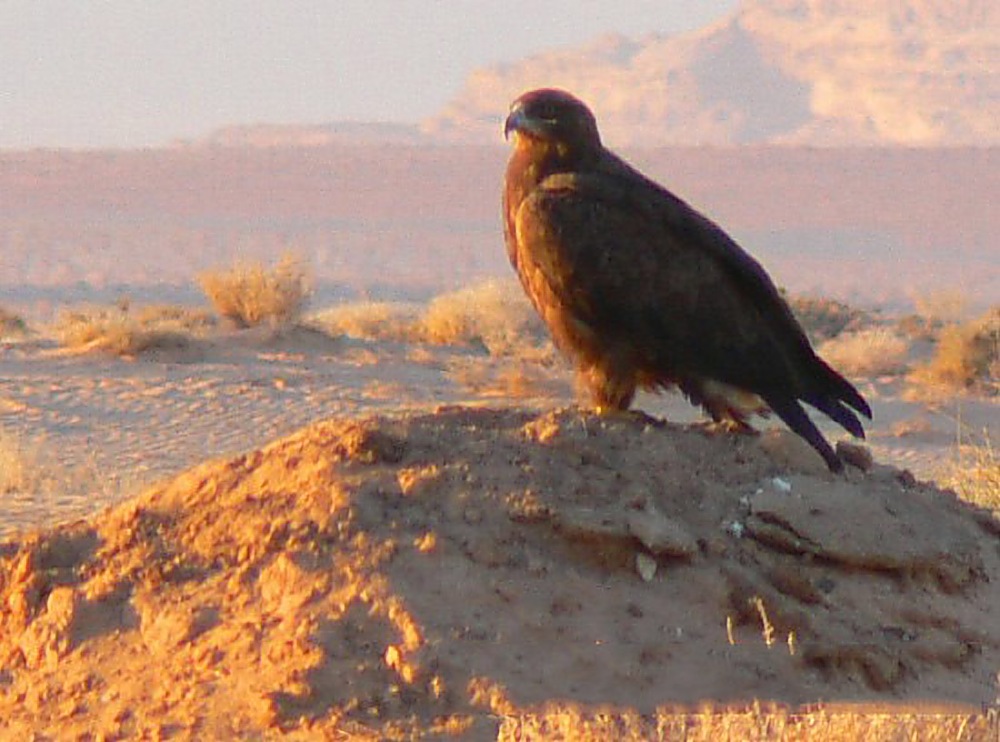
Ancient carvings appeared throughout the region, while wildlife was never completely absent either. This large hawk was one of the more memorable birds I saw while traveling through Jordan.
Explore Wadi Rum
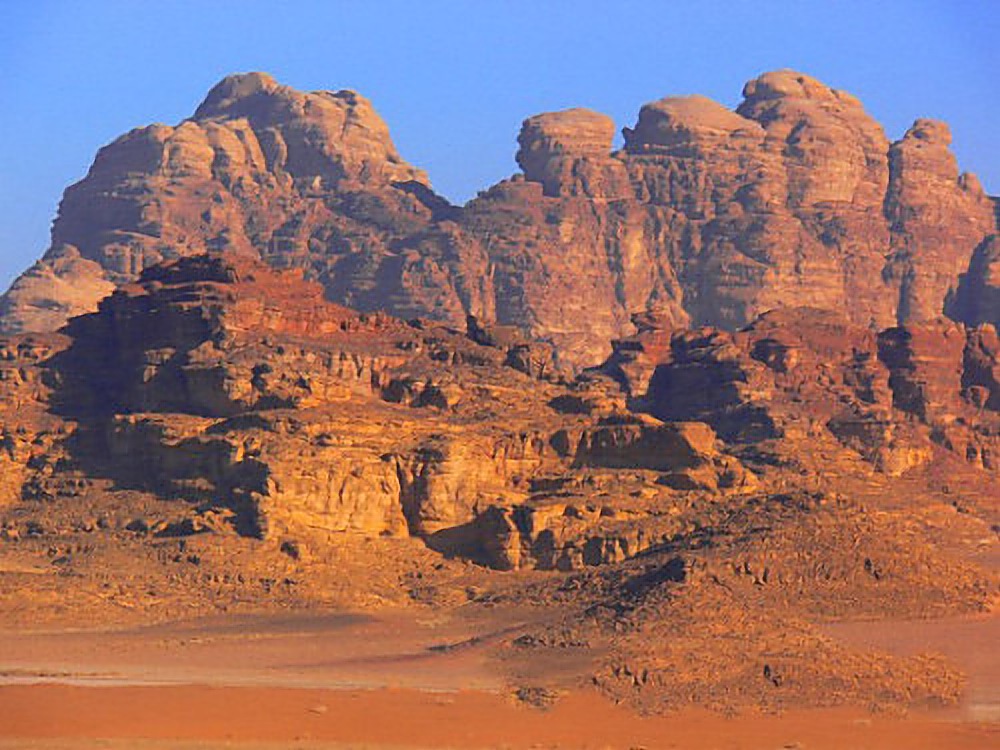
After Petra, my next favorite place in Jordan was Wadi Rum. Located in the southern part of the country near Saudi Arabia, this enormous desert is filled with mountains, sandstone cliffs, natural bridges, and some incredible rock formations. It’s the type of landscape most people probably imagine when they think about the deserts of the Middle East.
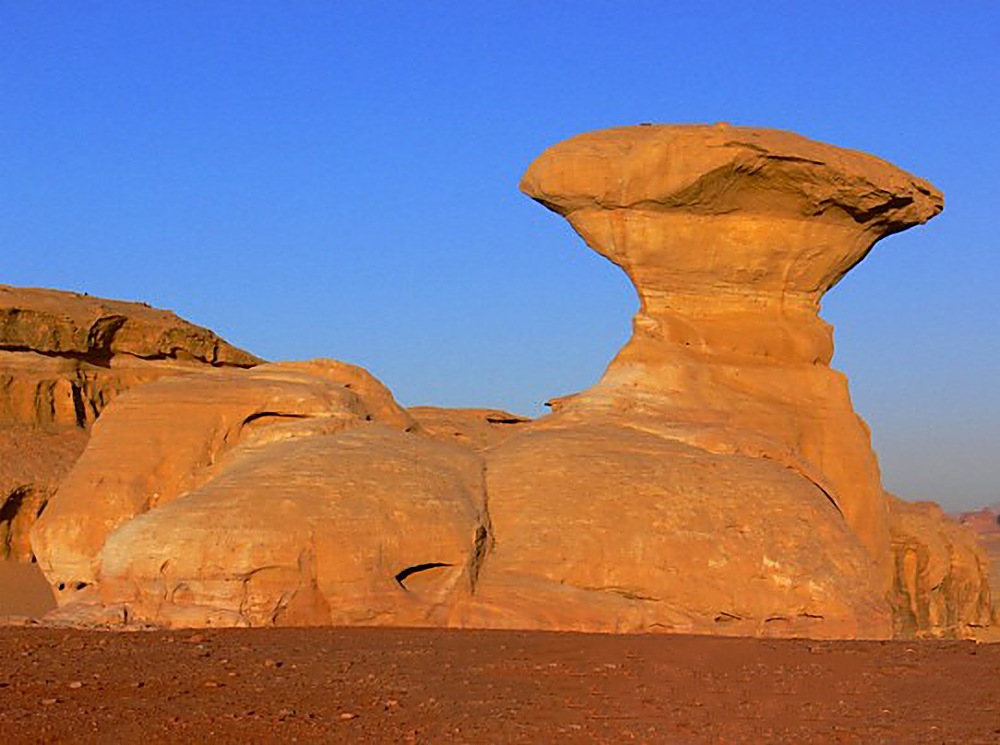
The erosion of Wadi Rum’s sandstone has produced formations in almost every shape imaginable. Wind, water, and enormous spans of time have carved the cliffs into arches, narrow passages, isolated towers, and strange shapes like this one.
Wadi Rum is also a great place for hiking and camping. There are plenty of tours that take you deep into the desert, and spending a night here gives you a chance to experience a little of the traditional desert lifestyle. With almost no development once you get away from the main settlements, the landscape feels incredibly remote.
Explore Aqaba
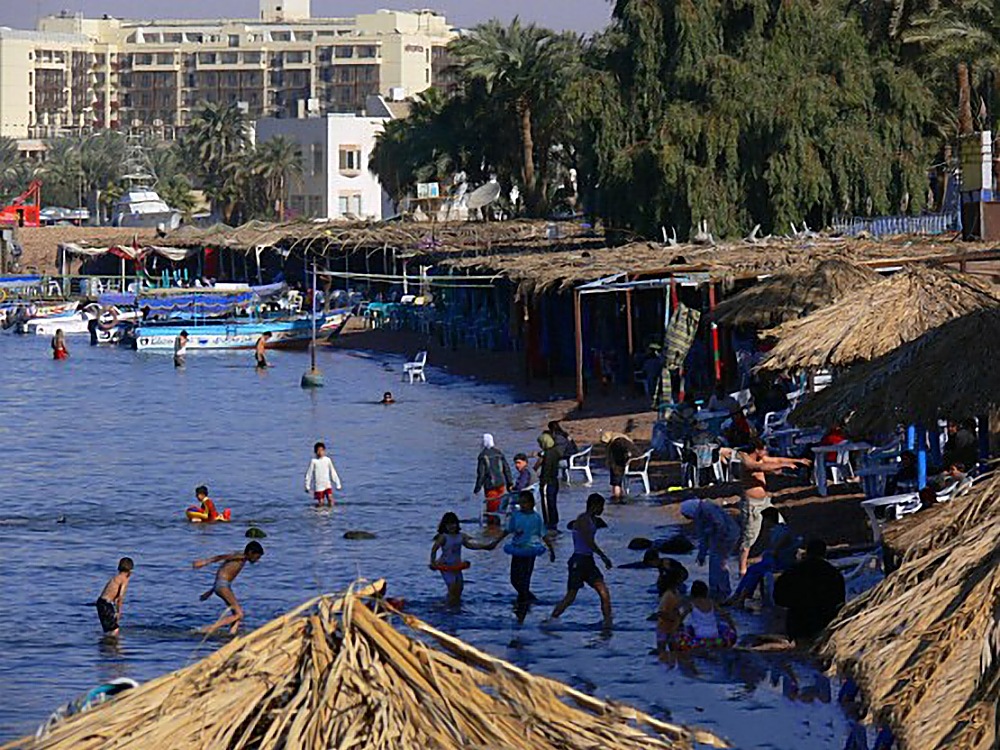
It’s strange to think of Jordan as having access to the world’s oceans because its coastline is so small, but the country has just enough of the Red Sea to support the port city of Aqaba. This was actually my point of entry into Jordan after taking the ferry from Egypt.
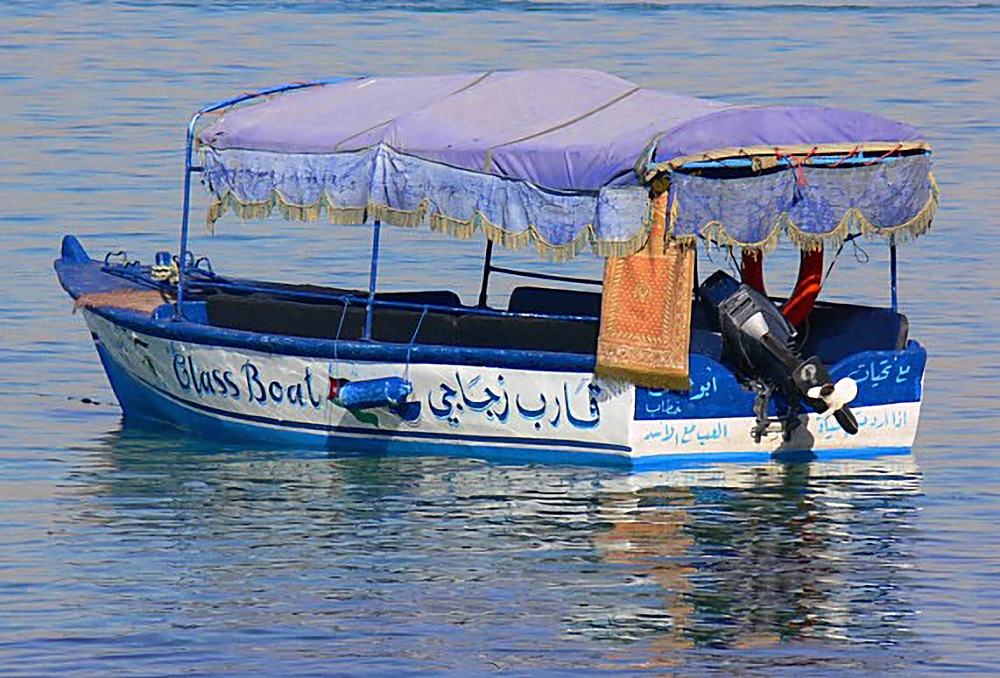
My main goal at the time was visiting Petra, so unfortunately I didn’t spend as much time exploring Aqaba as I should have. The city has restaurants, shopping, nightlife, and plenty of activities on the Red Sea. The clear water and tropical fish make this a popular place for glass-bottom boat tours, snorkeling, and scuba diving. If I return to southern Jordan, I’d definitely spend more time exploring the Red Sea instead of immediately heading inland.