My trip to Antarctica took place during my early years of traveling, long before photography became such an important part of documenting my adventures. These are some of my oldest travel photographs, and although the original resolution wasn’t great, I hope they still capture how incredible this continent really is. I’ve wanted to return ever since.
Arriving in Antarctica
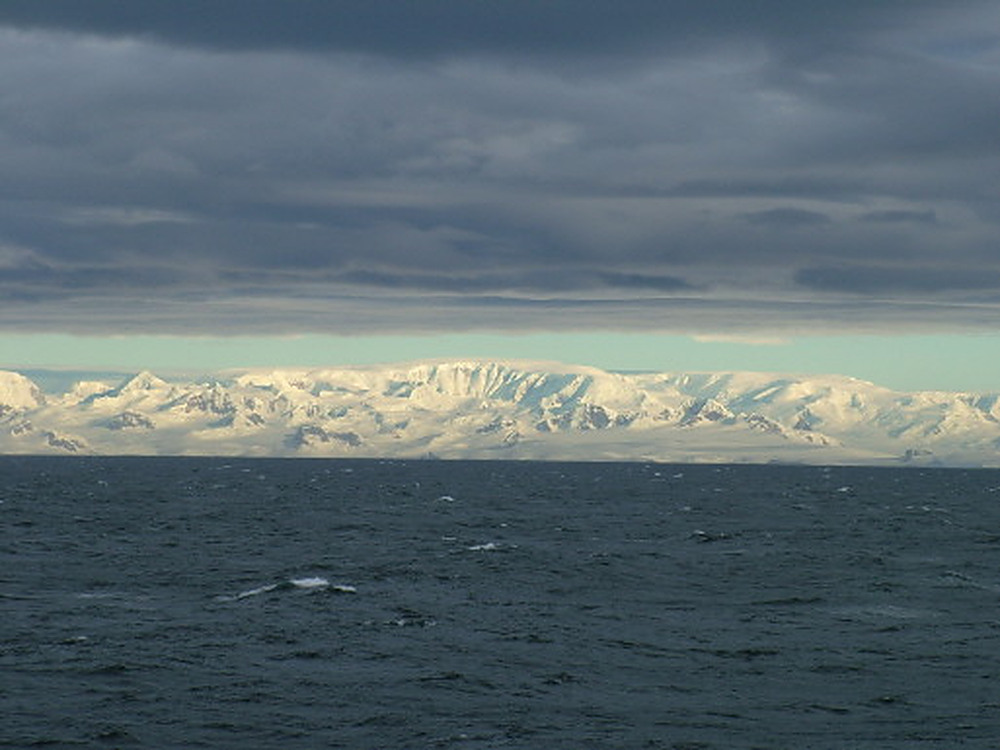
One of the most memorable moments was getting my first glimpse of Antarctica. Imagine being an explorer sailing south through the ocean and suddenly encountering enormous mountains, dark clouds, and a wall of ice. Antarctica wasn’t definitively sighted until the 19th century, and I can only imagine what those early sailors thought when they realized there was an entire continent hidden at the bottom of the world.
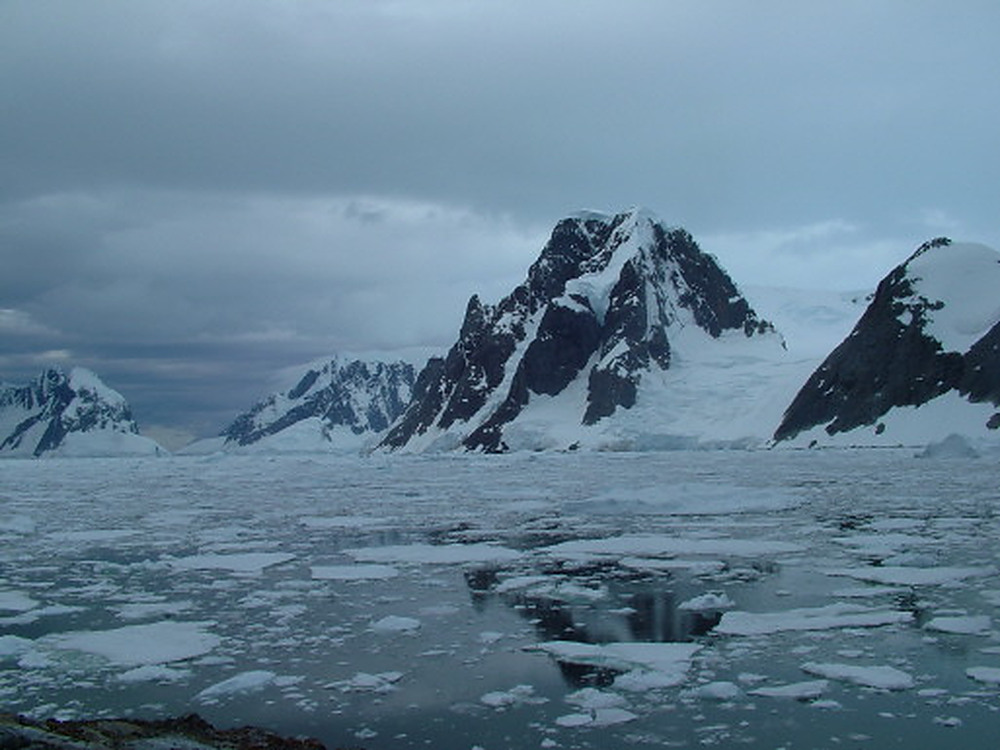
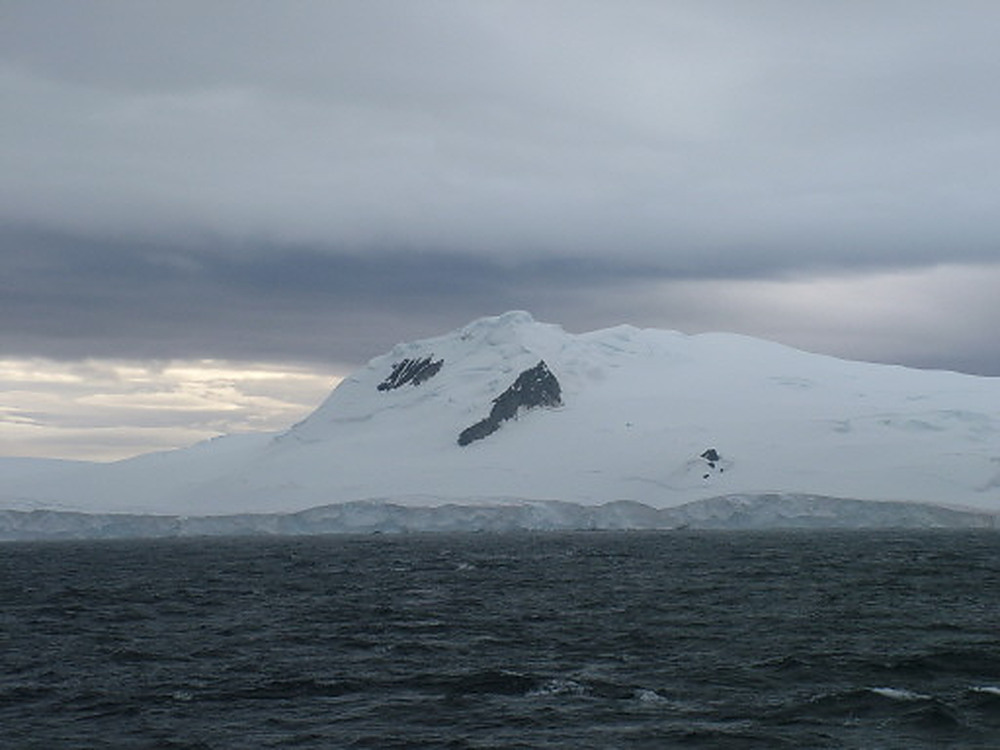
The Antarctic Peninsula is one of the most accessible and relatively warm parts of the continent. During the austral summer, generally from October through February, its coastline becomes a breeding ground for penguins, seals, and seabirds. The surrounding ocean is incredibly rich in marine life, providing the food that supports these enormous animal populations.
Antarctica is also a continent of extremes. In winter, the surrounding sea ice expands dramatically, nearly doubling the area covered by Antarctic land and sea ice combined. Some places, such as the McMurdo Dry Valleys, are so dry that parts of the landscape have remained without significant precipitation for extraordinarily long periods. Yet along the peninsula, there are patches of moss and even surprisingly green areas.
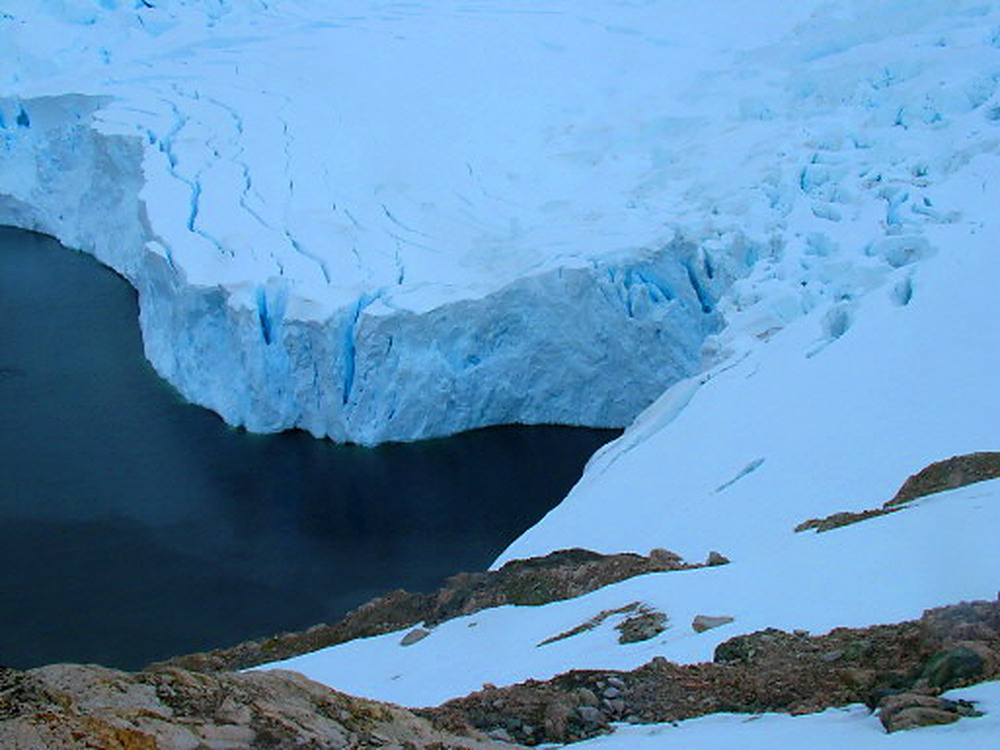
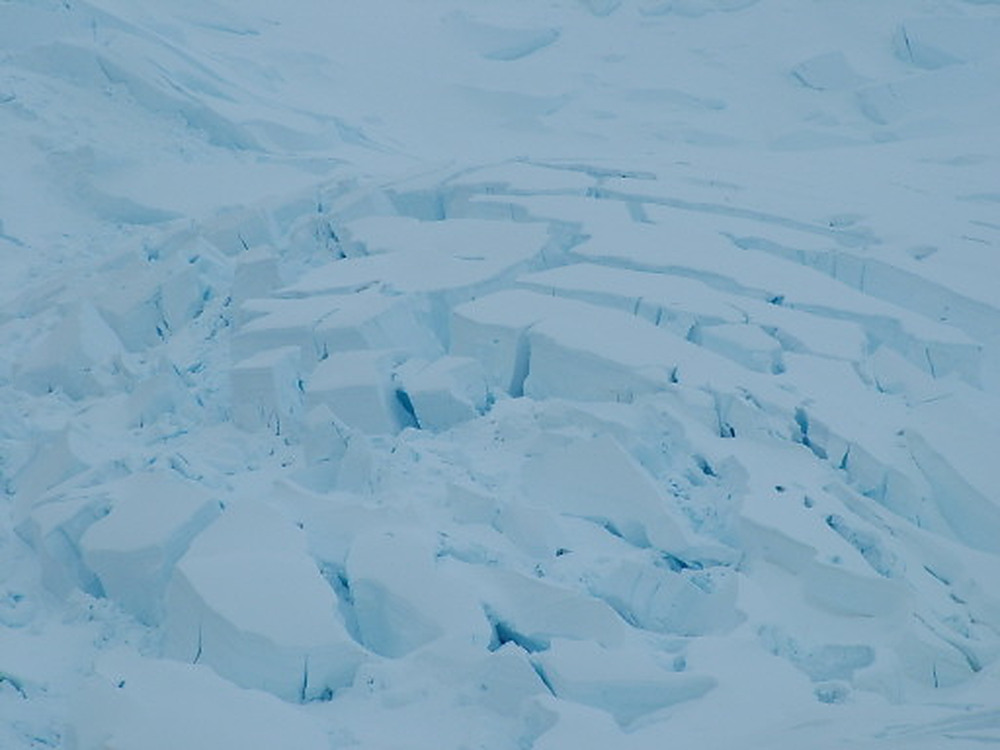
One of the most dramatic things I witnessed was a glacier calving into the ocean. I had been on land when an enormous piece of ice, about the size of a building, suddenly broke away and crashed into the water. It created a huge wave, and as the water rose against the ice behind it, the ice took on an almost neon-blue appearance.
What made the experience even more remarkable was how quickly the bay changed. Only an hour earlier, the water had been almost completely clear of ice. After the collapse, broken sheet ice spread across the bay. The crew became concerned that our ship might get trapped, but fortunately we were able to get out without any problems.
Antarctica’s Mountains, Rocks, and Rare Vegetation
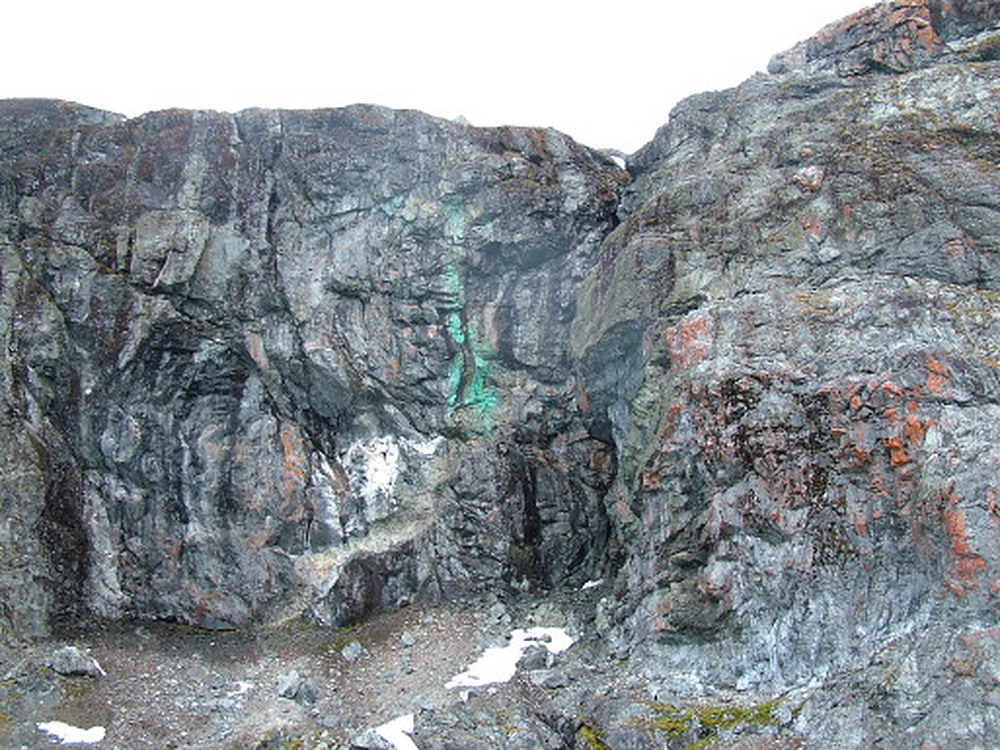
Although most people picture Antarctica as nothing but endless white ice, the landscape is actually surprisingly varied. There are steep black mountains rising directly from the ocean, colorful exposed rock, and small areas where vegetation manages to survive. Some of the rocks have beautiful colors that contrast sharply with the surrounding snow and ice.
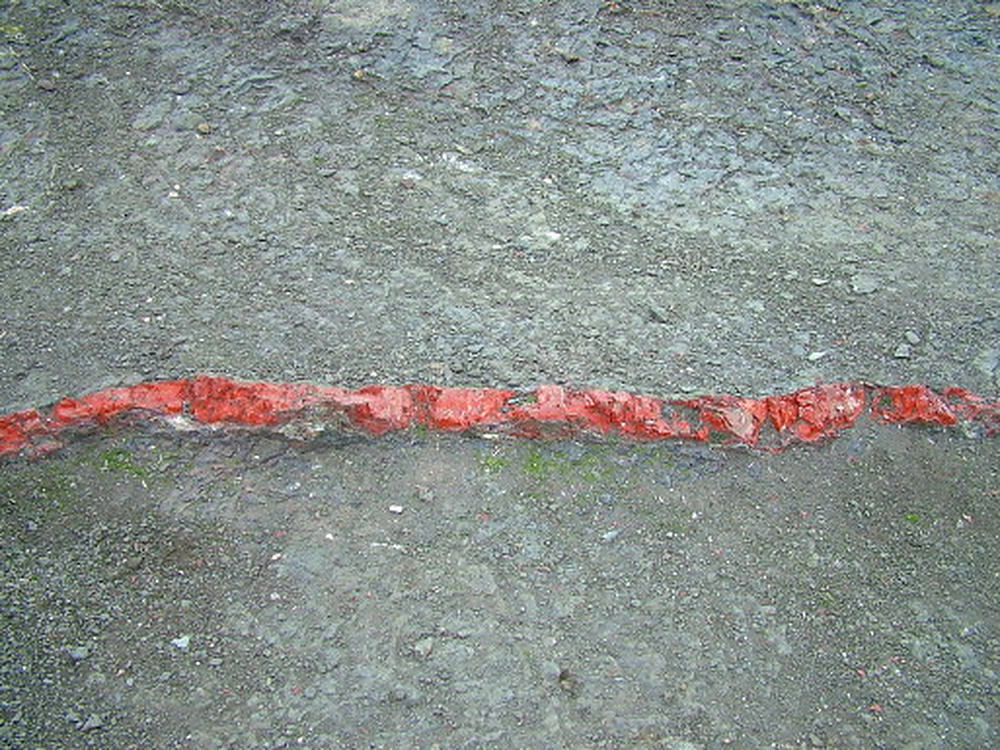
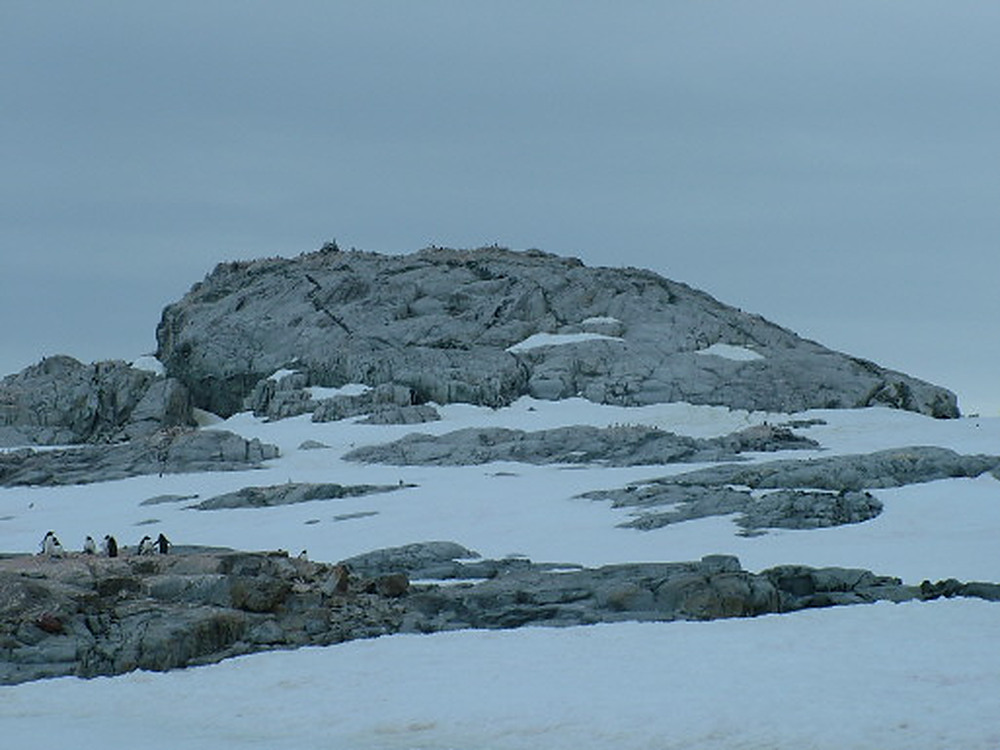
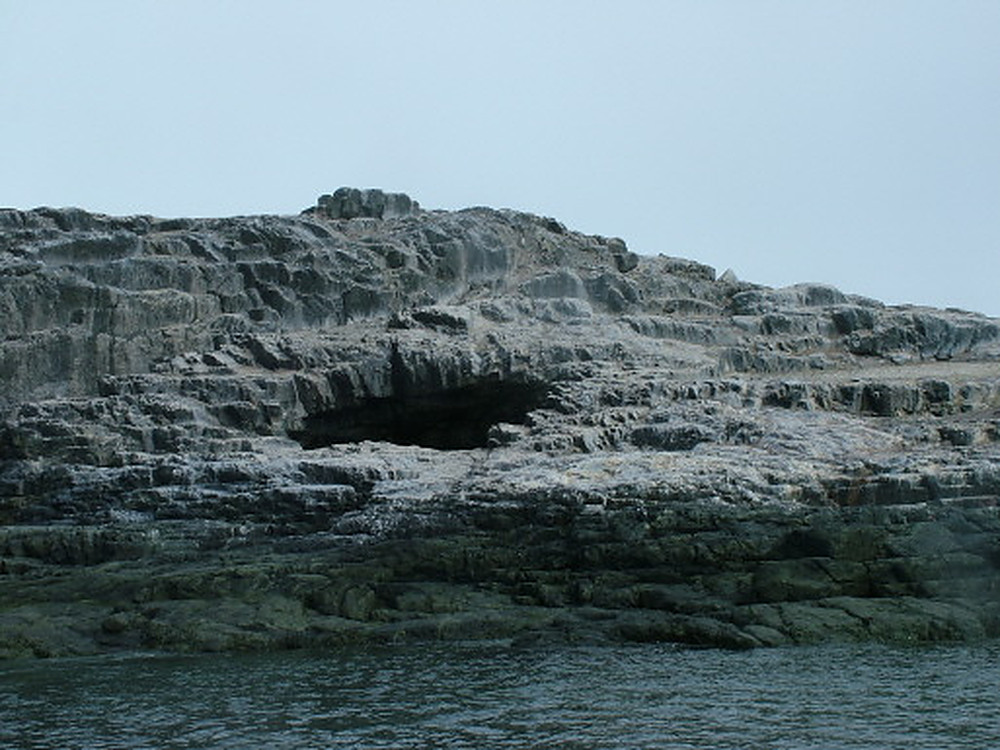
I particularly enjoyed exploring the rocky areas of the Antarctic Peninsula and the nearby South Shetland Islands. These islands lie north of the peninsula and have some of the more exposed, ice-free terrain in the region. In places, the beaches are covered with pebbles of different colors, while towering rock formations provide nesting sites for seabirds.
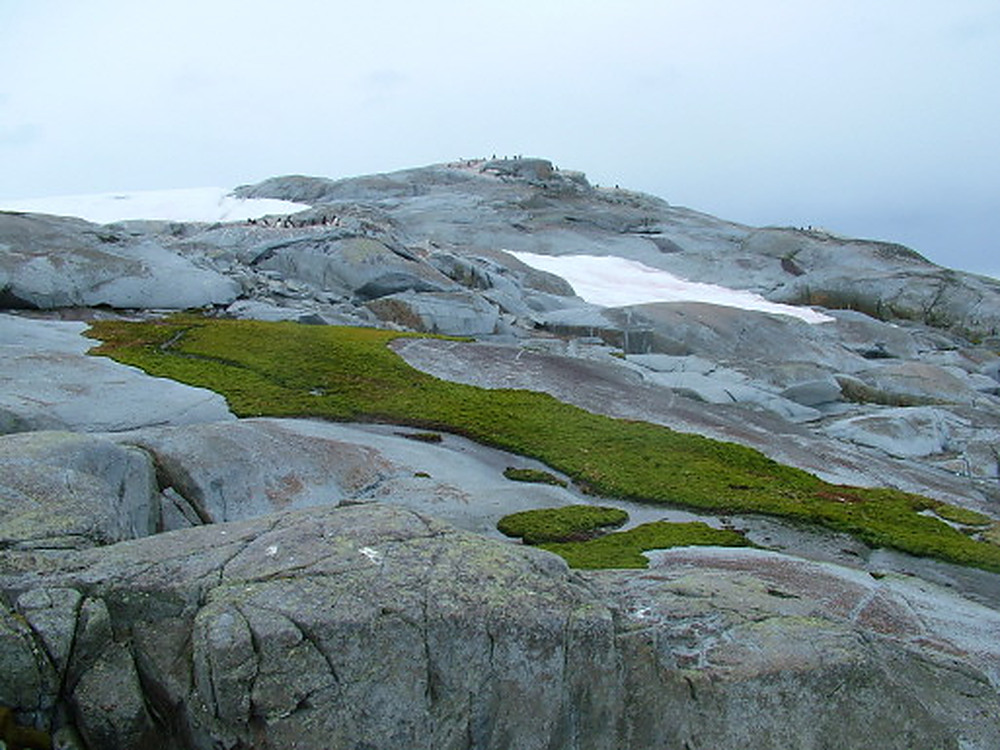
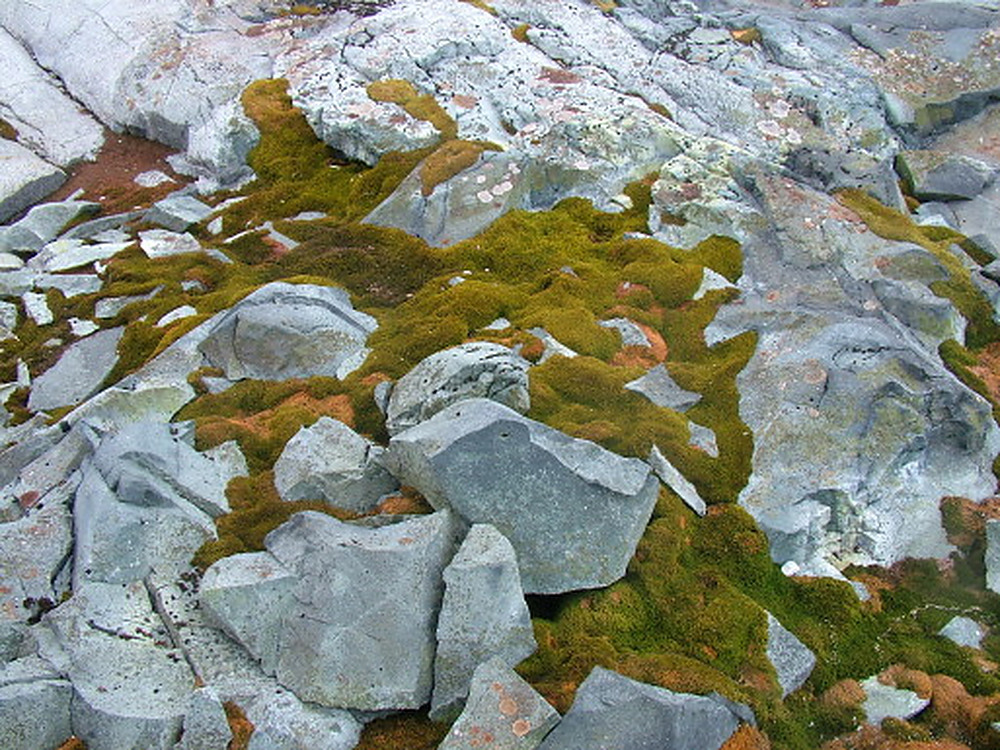
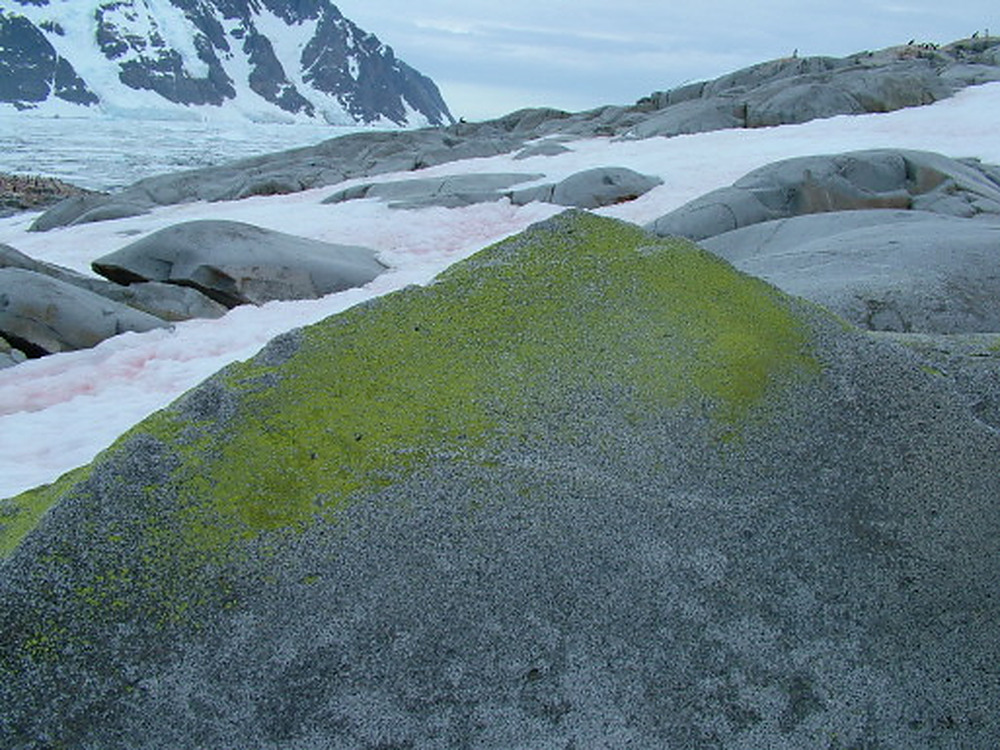
You might be surprised to learn that Antarctica actually has moss. In some places it grows incredibly slowly, and established patches can be hundreds of years old. Seeing green vegetation surrounded by such an otherwise harsh environment was fascinating. Some areas of the South Shetland Islands were surprisingly green, probably among the greenest landscapes I encountered anywhere in Antarctica.
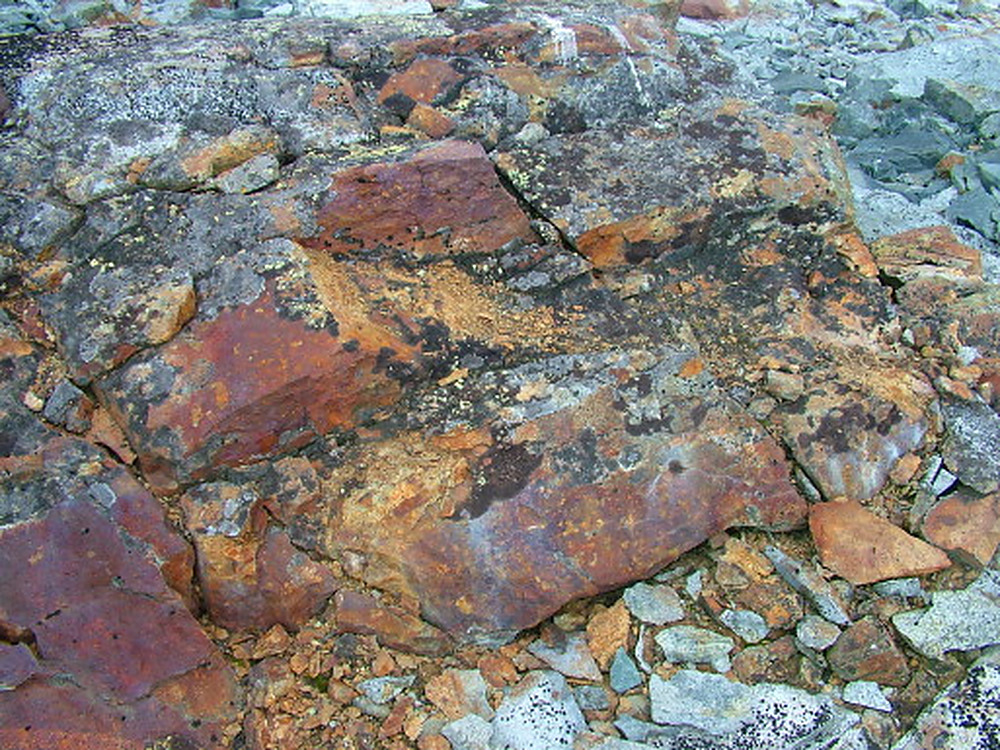
Even the smallest signs of life become interesting in an environment like this. Mosses, lichens, and other hardy organisms survive in places where there is little soil, very little warmth, and only a short growing season.
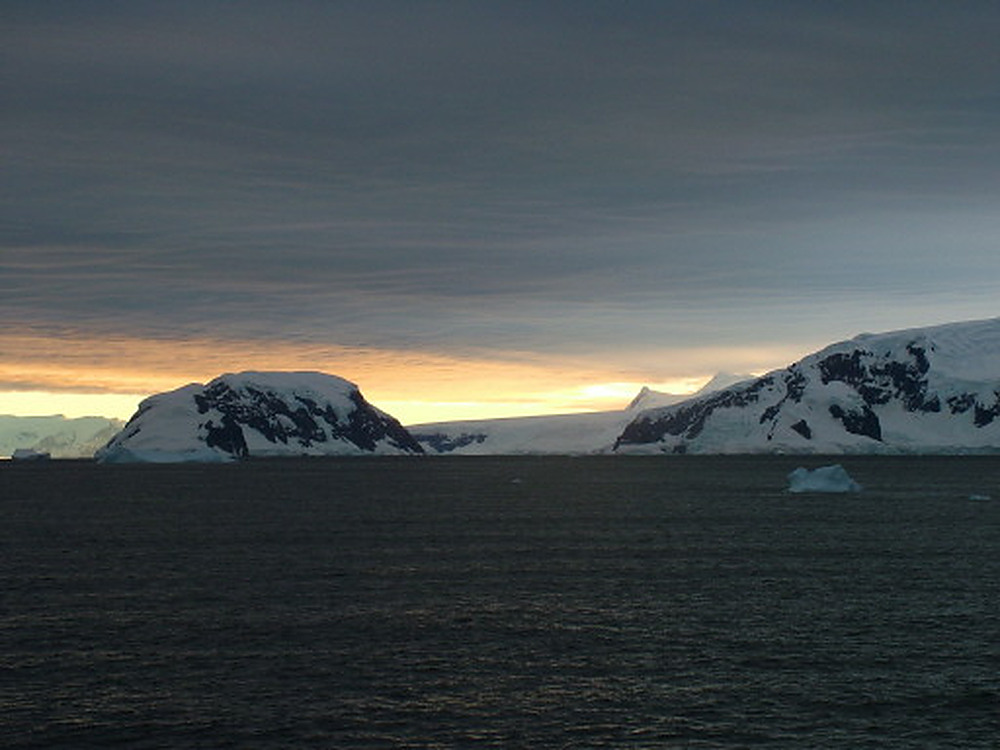
During the middle of the Antarctic summer, the days are extremely long, with only a few hours of darkness in parts of the peninsula. The sun can remain low near the horizon for what feels like forever, producing a prolonged dusk. Combined with the snow-covered mountains and ocean, the lighting makes for some incredible scenery.
Icebergs: Antarctica’s Floating Works of Art
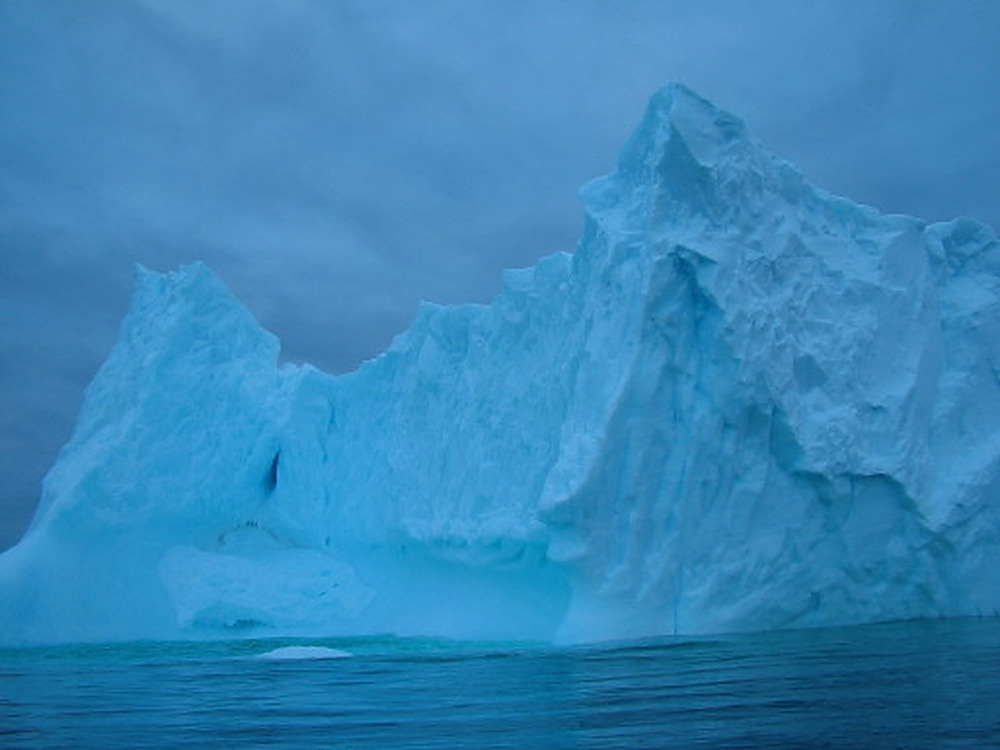
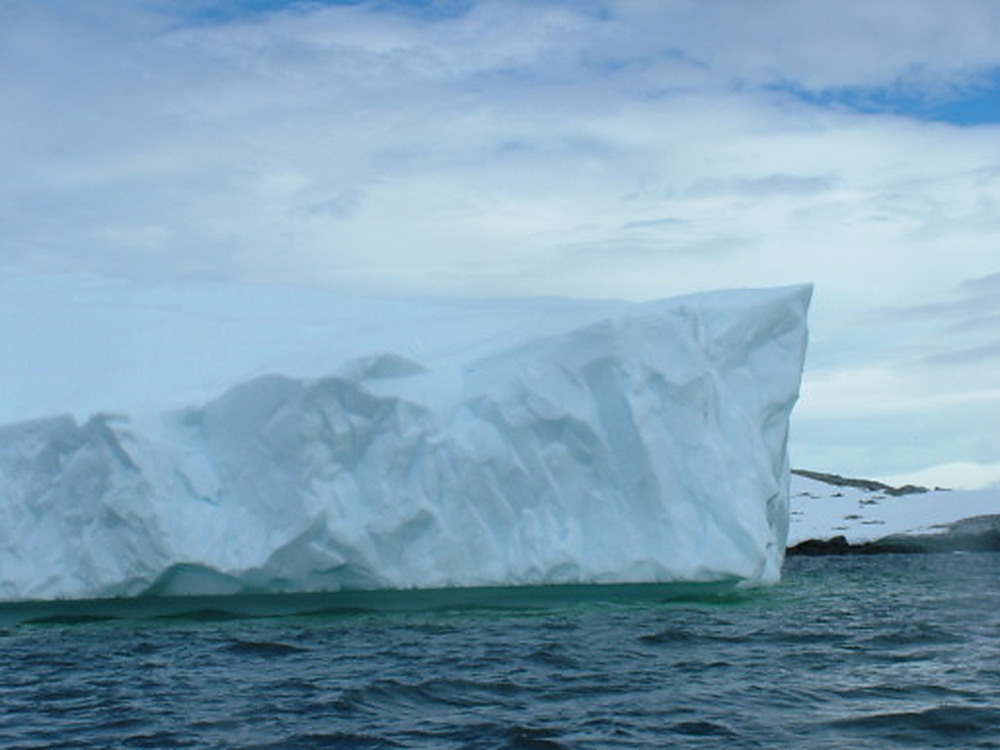
There isn’t too much to say about icebergs except that I saw more than I could possibly count, and they came in every imaginable shape and size. Without trees, buildings, or other familiar objects next to them, it can be difficult to appreciate just how enormous some of these structures really are.
Some of the icebergs I photographed were at least 20 feet (about 6 meters) tall above the water, and others appeared considerably larger. Of course, what you see above the surface is only a fraction of the total ice, with most of an iceberg hidden underwater.
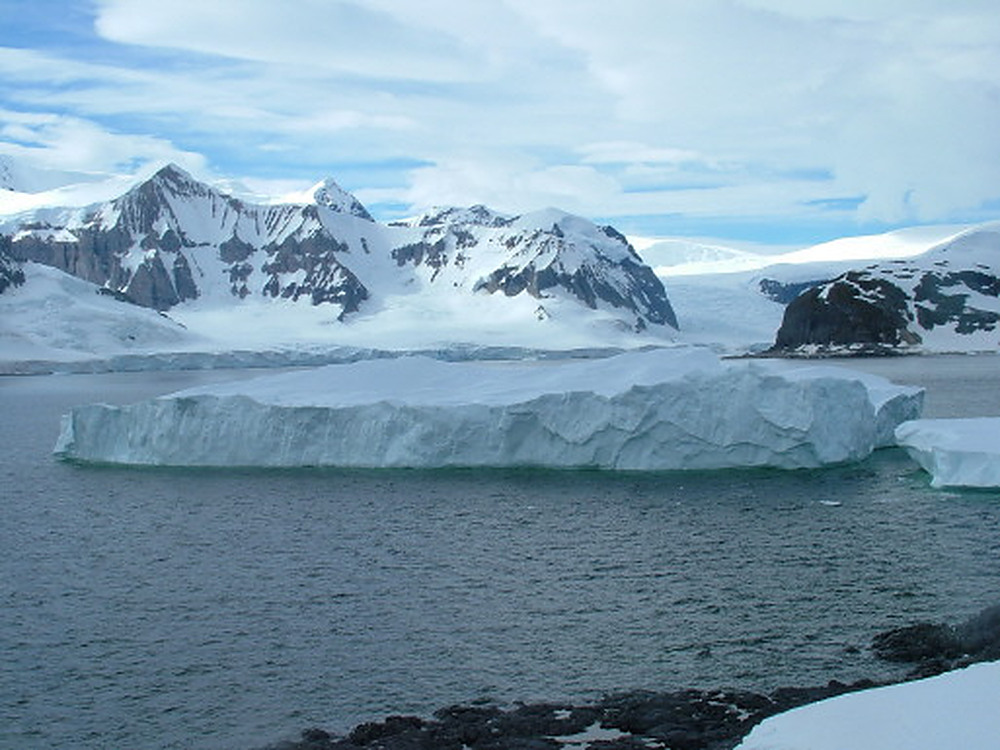
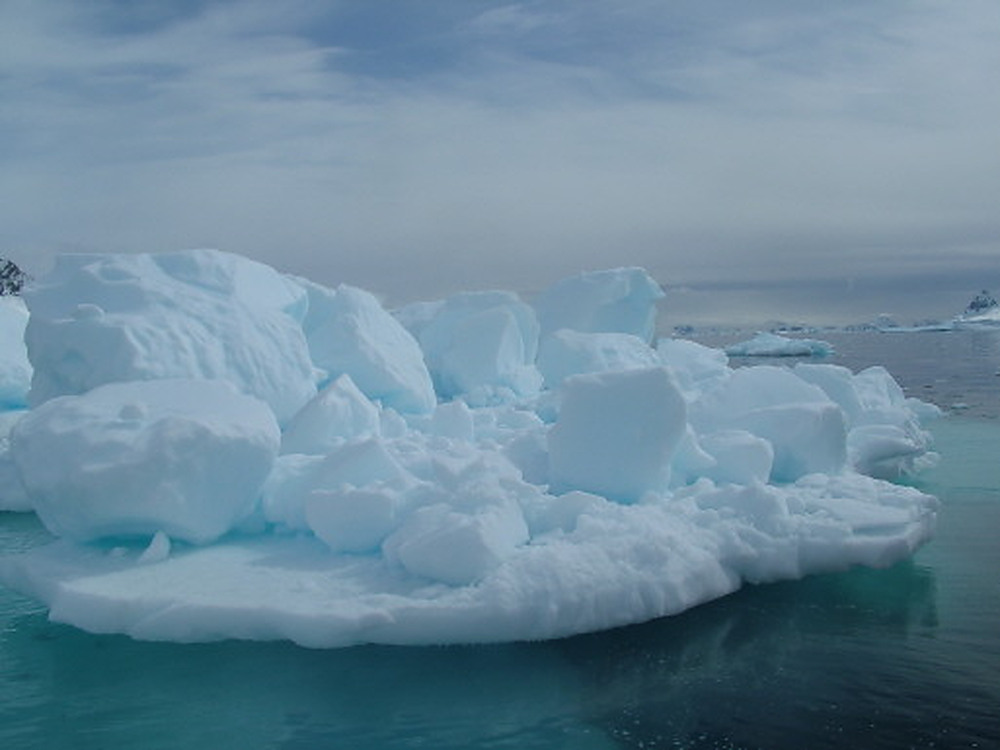
The shapes were constantly changing. Some icebergs were smooth and polished, almost like sculptures, while others were jagged and irregular. A few looked like enormous walls, while others resembled flat platforms carrying smaller chunks of ice. Every time we sailed into a new bay, there seemed to be another completely different formation.
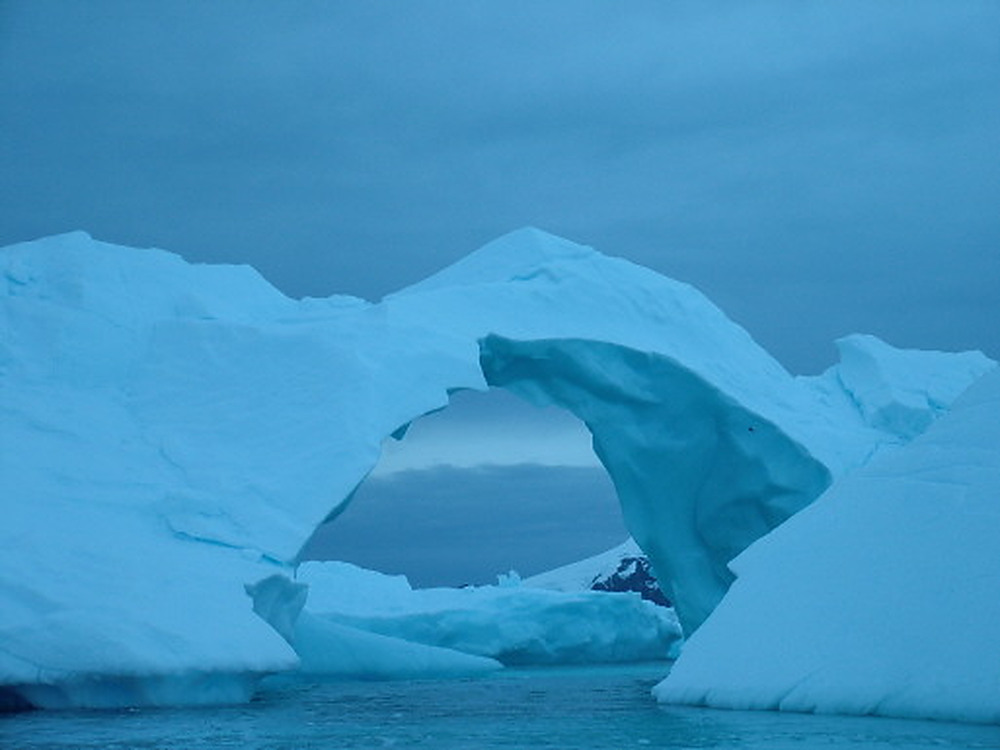
One of my favorites was an iceberg with a natural arch through its middle. It reminded me of a famous rock formation I had seen only months earlier in New Zealand’s Bay of Islands, called the Hole in the Rock. Naturally, I decided to call this one the Hole in the Ice. It was the only floating ice arch of its kind that I encountered during the trip.
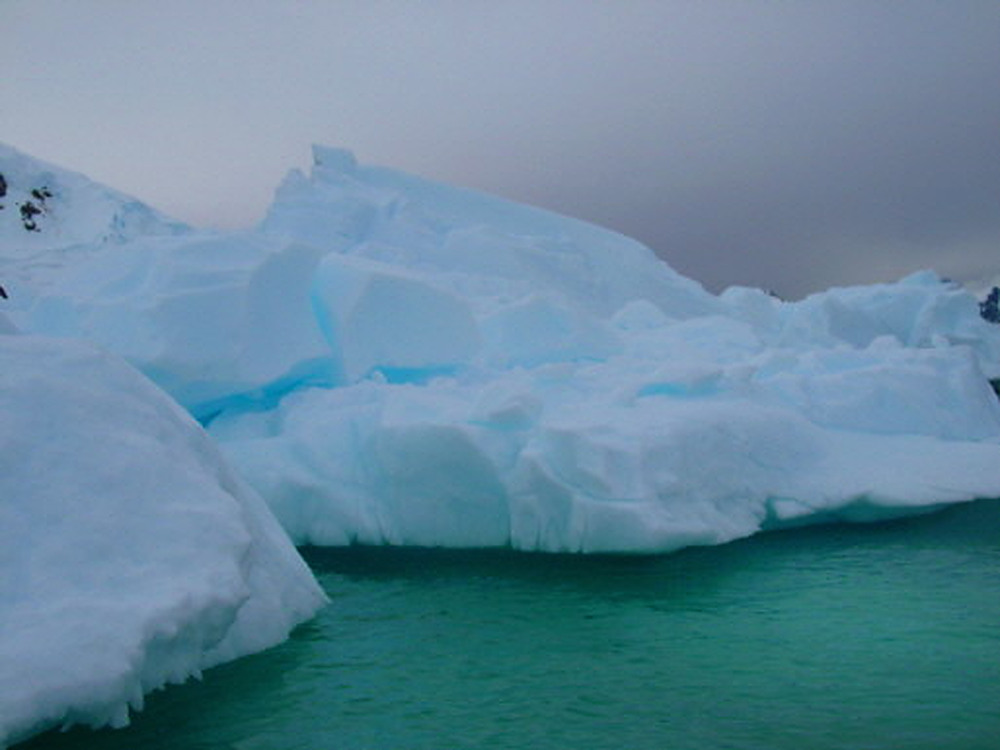
Another remarkable feature of Antarctic icebergs is their color. Most of the time the sky was overcast during my visit, so the photographs don’t always show the colors as vividly as I remember them. But even under gray skies, the ice could display beautiful shades of white, turquoise, and deep blue.
The blue color is especially striking in dense glacial ice. As snow becomes compressed into ice, air bubbles are gradually squeezed out. Dense ice absorbs more of the longer wavelengths of visible light, allowing blue light to become more prominent. Even a small change in sunlight could dramatically change the appearance of an iceberg.
Penguins of Antarctica
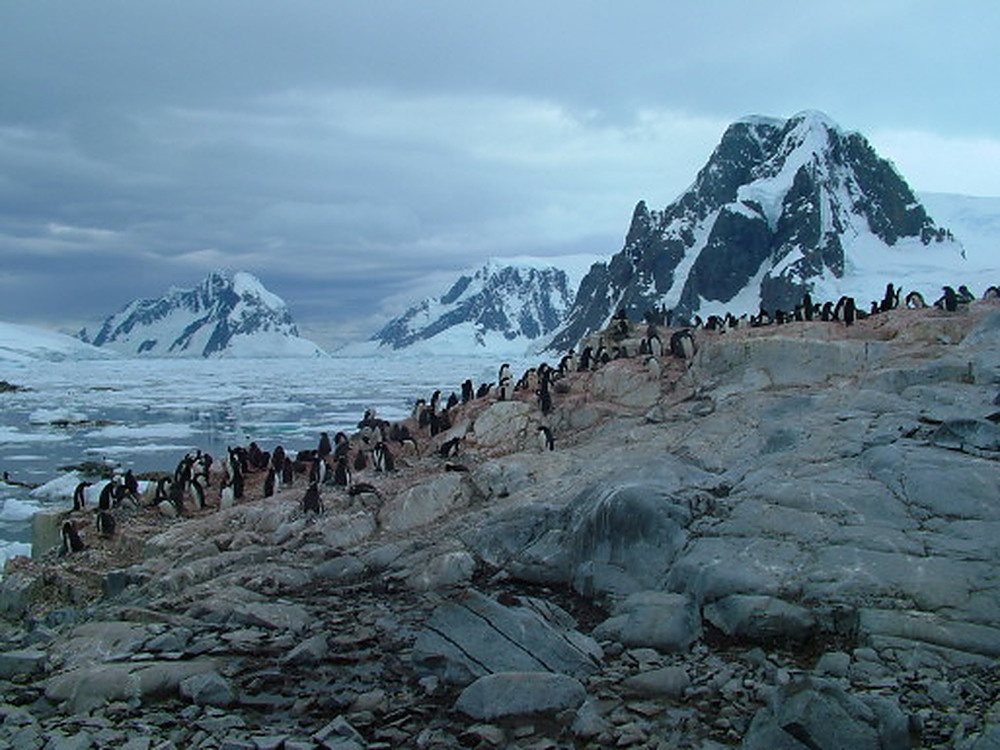
Penguins are probably the animals most people associate with Antarctica, but there are several things about them that are commonly misunderstood. For one, penguins live exclusively in the Southern Hemisphere, so you won’t find any wild penguins in the Arctic. And although many species thrive in freezing environments, others live in much warmer places, including Africa, Australia, and even tropical parts of South America.
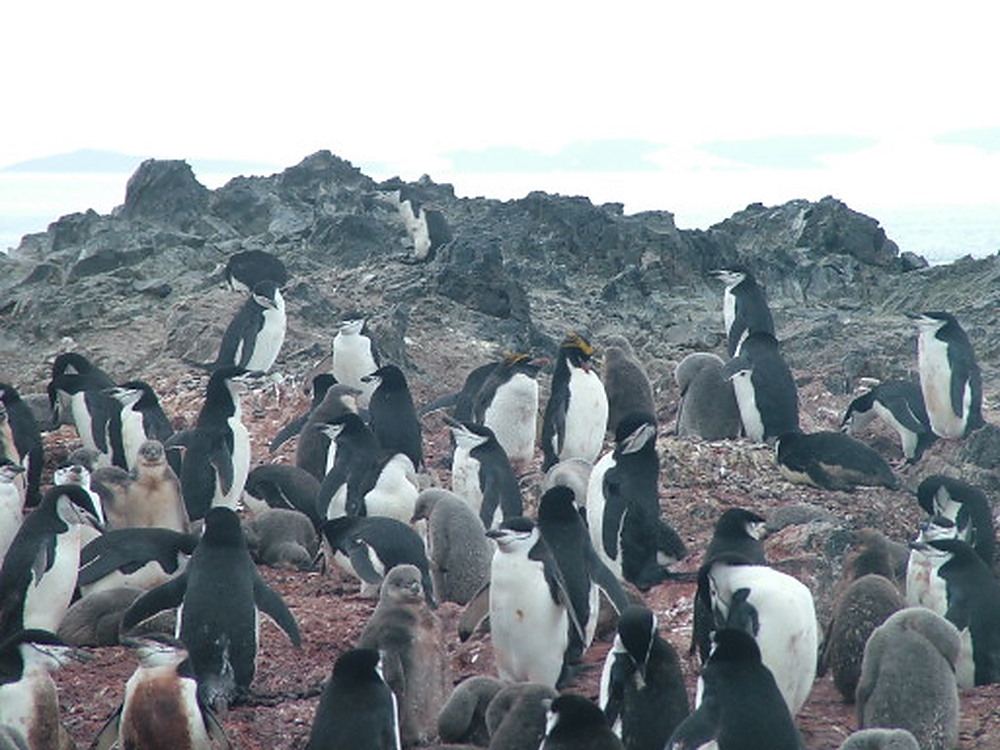
During my visit, I saw several different species, including gentoo, Adélie, chinstrap, and macaroni penguins. Some of the colonies were enormous, almost like small cities, with thousands of birds spread across the beaches and rocky hillsides.
Gentoo Penguins
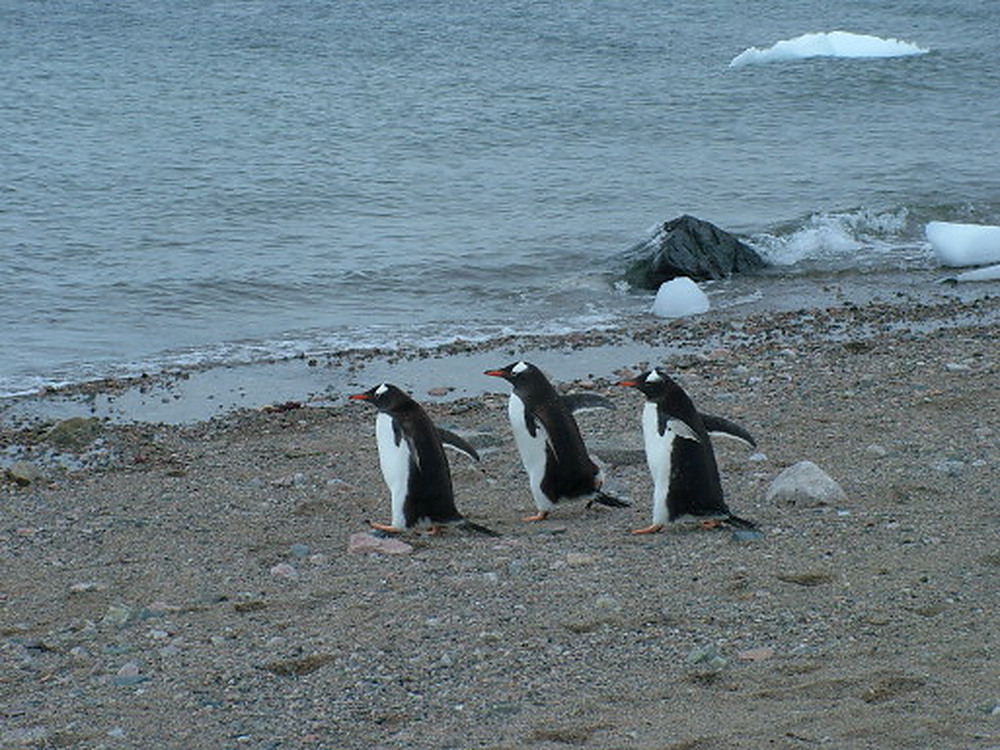
Gentoo penguins are among the fastest swimmers of all penguin species, capable of reaching impressive speeds underwater. They typically weigh around 10 to 15 pounds, although this varies. Watching them move through the water was completely different from watching them waddle around on land.
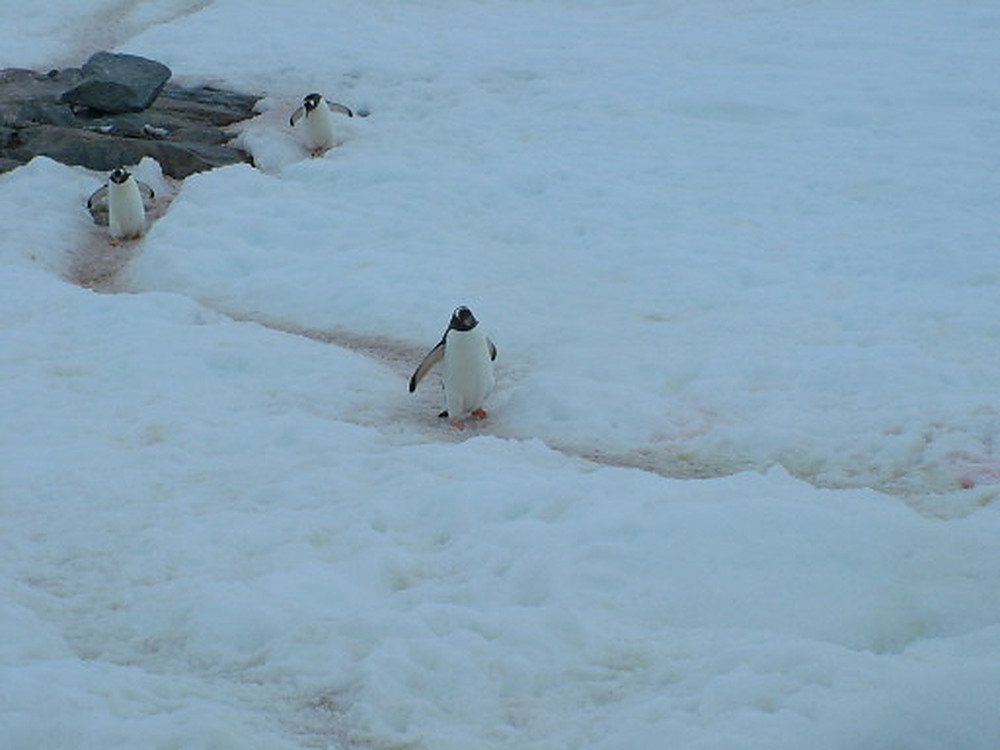
One of the funniest things I saw was what people call a penguin highway. Penguins repeatedly travel between their nesting colonies and the ocean, often walking in single file along the same route. Over time, they create a visible trail through the snow. Once they reach the shoreline, it sometimes looks like a race to see which penguin will jump into the water first.
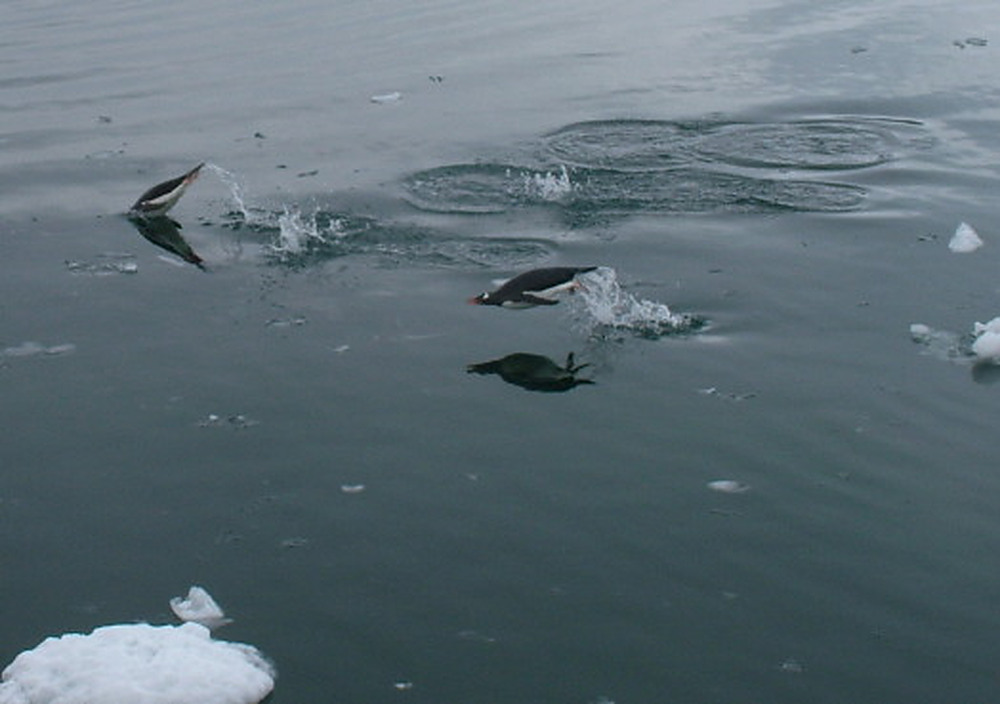
Penguins cannot fly, but underwater they are incredibly agile. They sometimes leap repeatedly out of the water while swimming, a behavior known as porpoising. It can help them breathe while maintaining speed and may also help them evade predators such as leopard seals and killer whales.
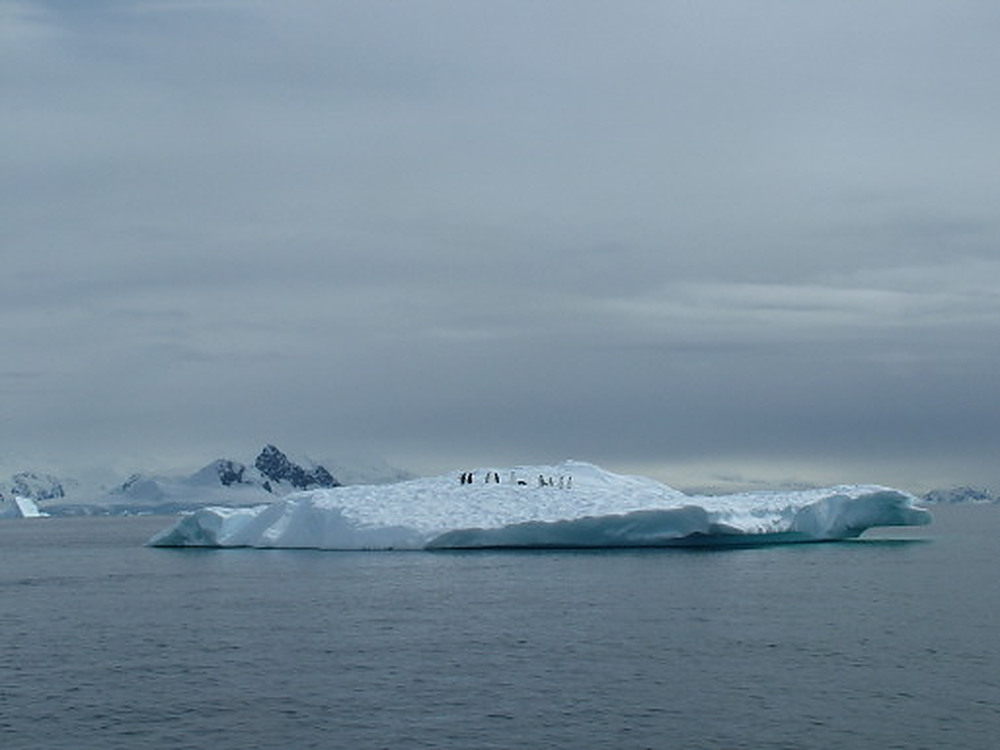
Penguins have no native terrestrial mammalian predators in Antarctica, which helps explain why they often seem remarkably unconcerned about people. That doesn’t mean they’re completely safe on land, since birds such as skuas and giant petrels prey on eggs and chicks.
One day I was sitting on a beach enjoying the scenery when several curious penguin chicks approached me. Visitors aren’t supposed to approach Antarctic wildlife, but the penguins clearly hadn’t read the rules! They came right up to me, crawled over my clothing, and even gave me a few pecks before eventually wandering away. It was one of my favorite wildlife encounters anywhere in the world.
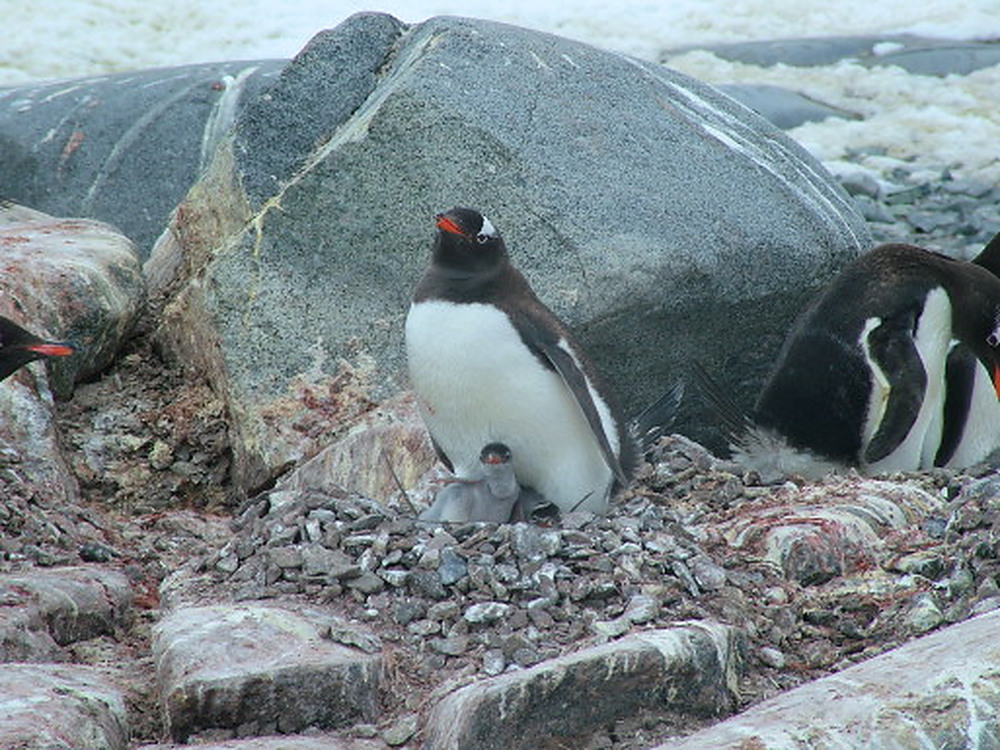
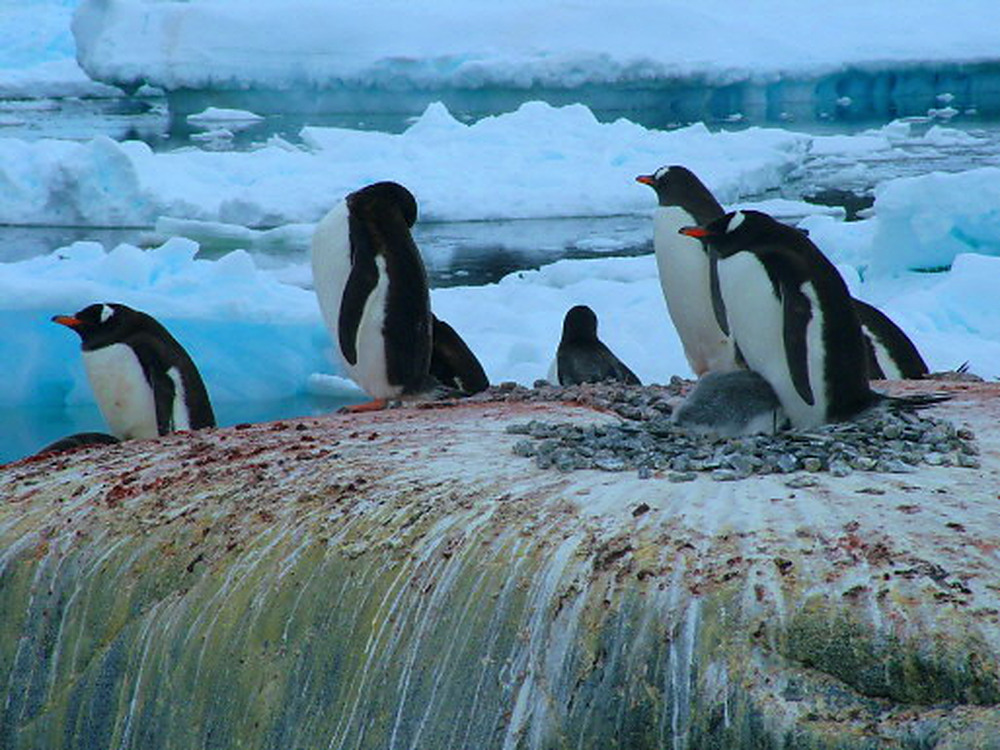
Gentoo penguins often build their nests using small pebbles. In some colonies, suitable stones are difficult to find, and the penguins are notorious for stealing them from each other’s nests. Watching their behavior makes it easy to see how much personality these birds seem to have.
Adélie Penguins
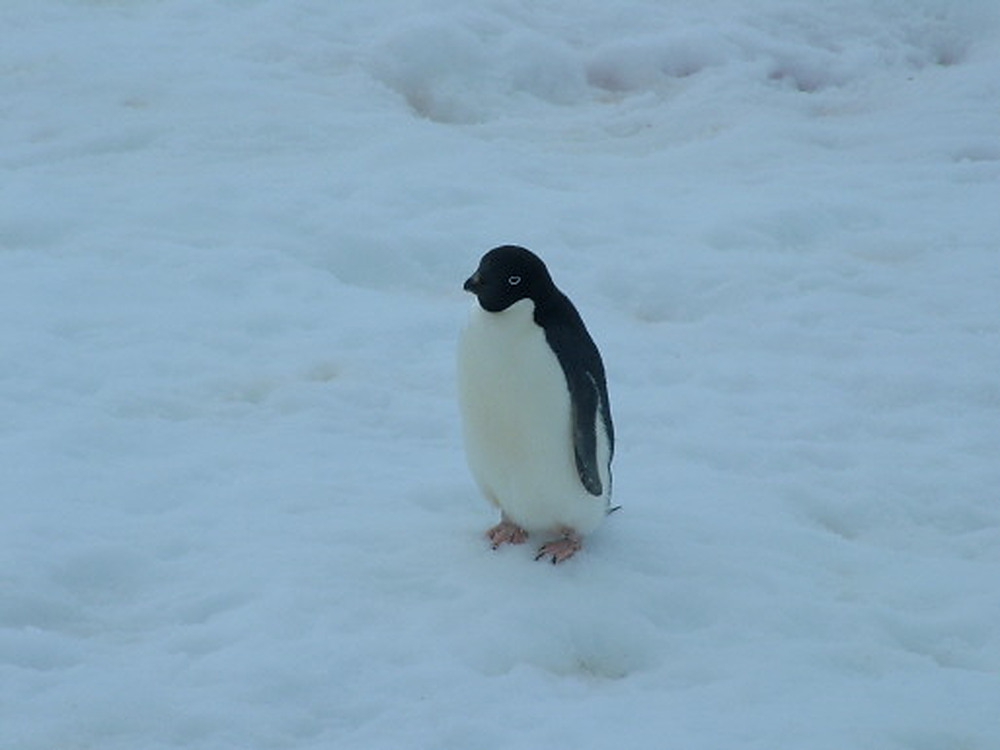
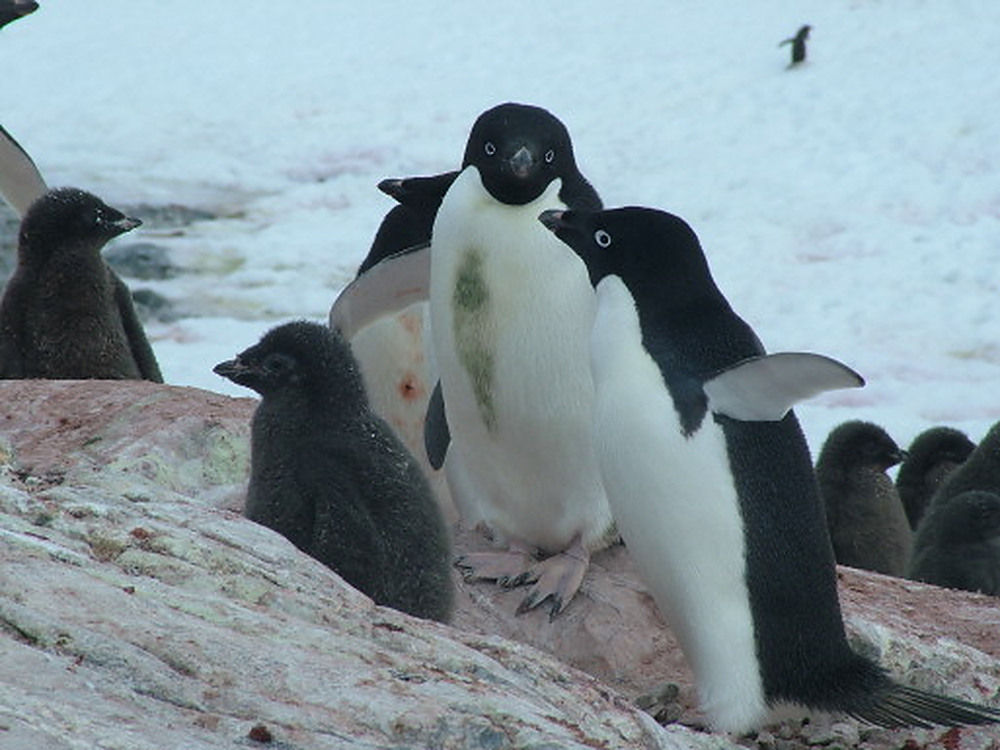
Another species I encountered was the Adélie penguin. These are among the classic black-and-white Antarctic penguins, easily recognized by the white ring around their eyes. Like the gentoos, they spend much of their time feeding at sea before returning to land to breed.
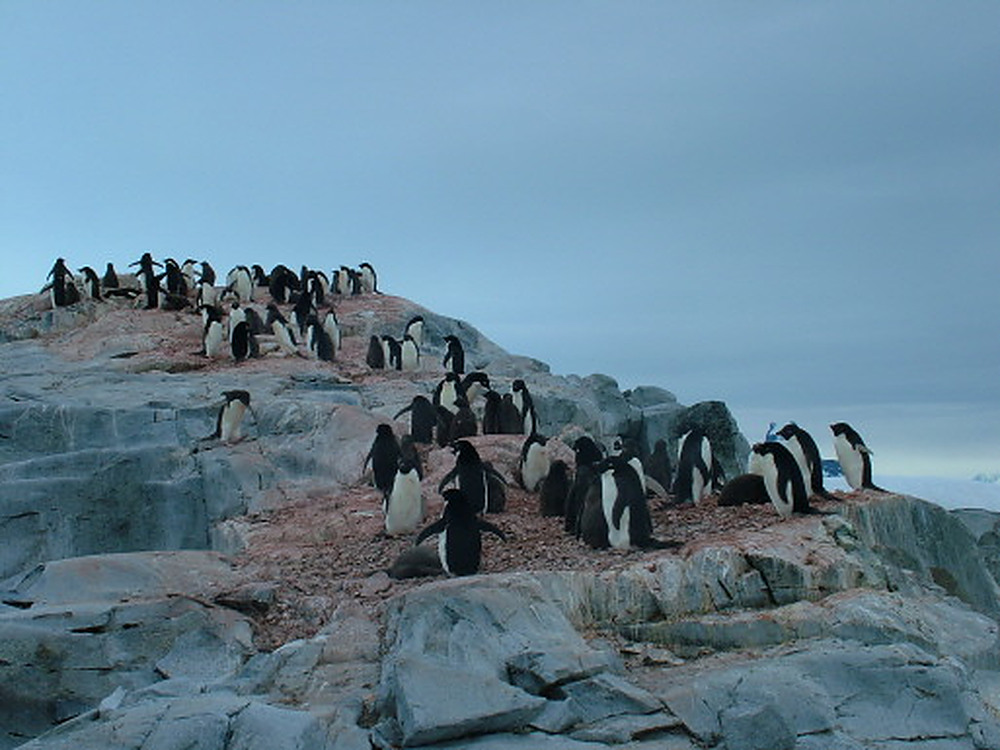
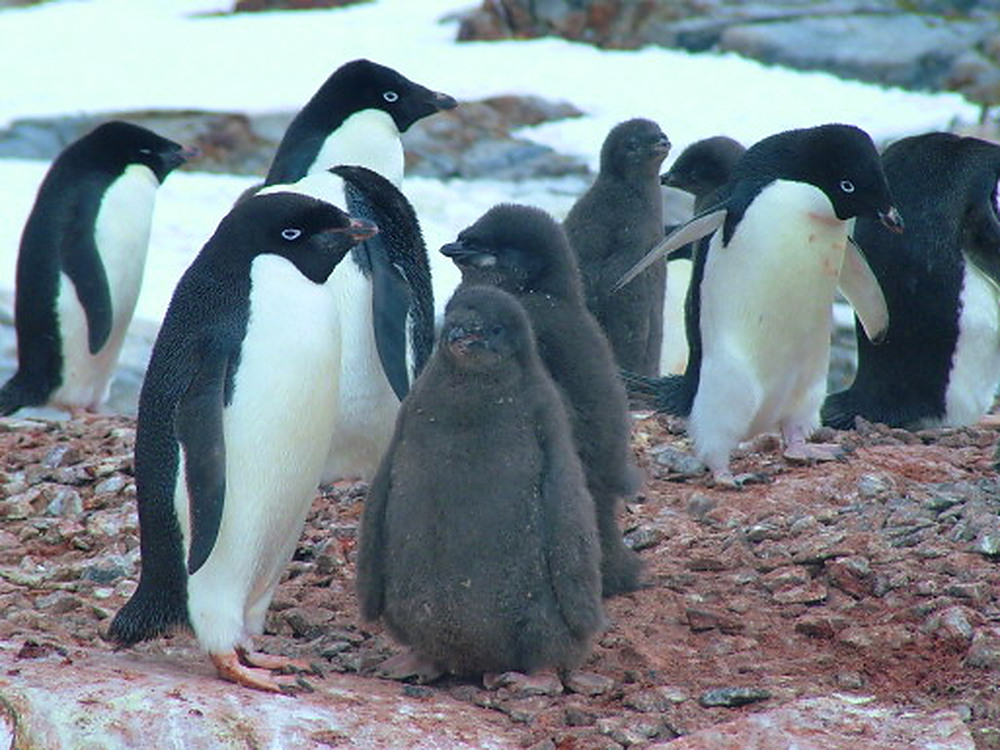
What I found most surprising about penguins was how different their chicks looked from the adults. Some of the young Adélie penguins were already reasonably large but still looked like completely different birds, covered in fluffy down rather than the sleek waterproof feathers of their parents.
Chinstrap Penguins
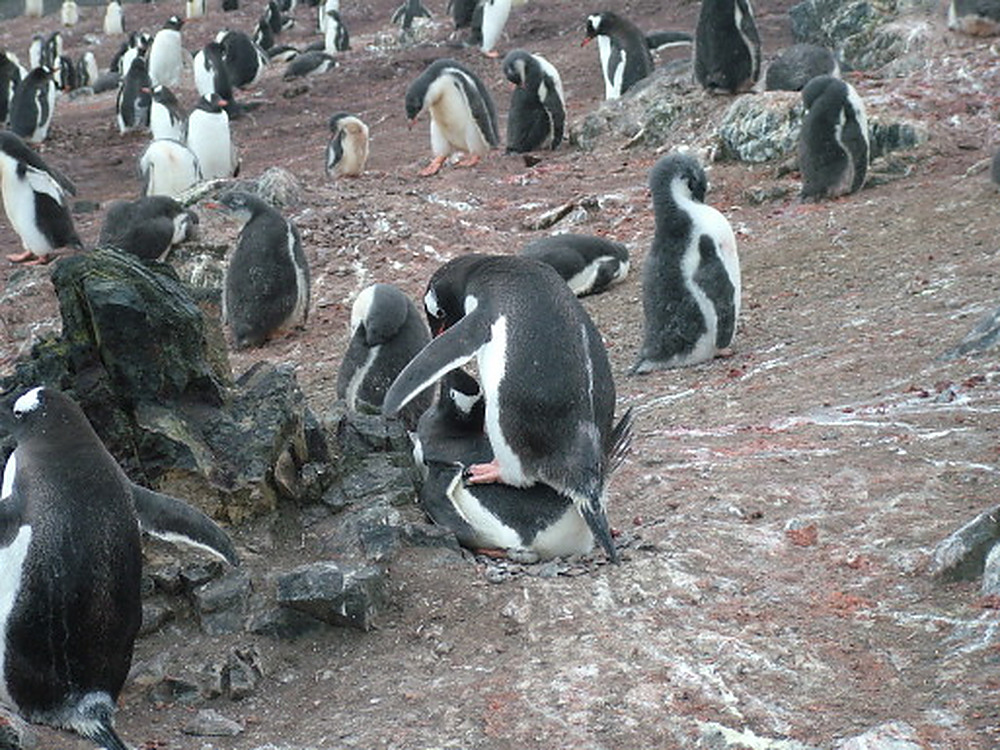
Chinstrap penguins are easy to recognize because of the narrow black line beneath their heads that looks almost exactly like a helmet strap. I saw them interacting with one another, resting, and caring for their young.
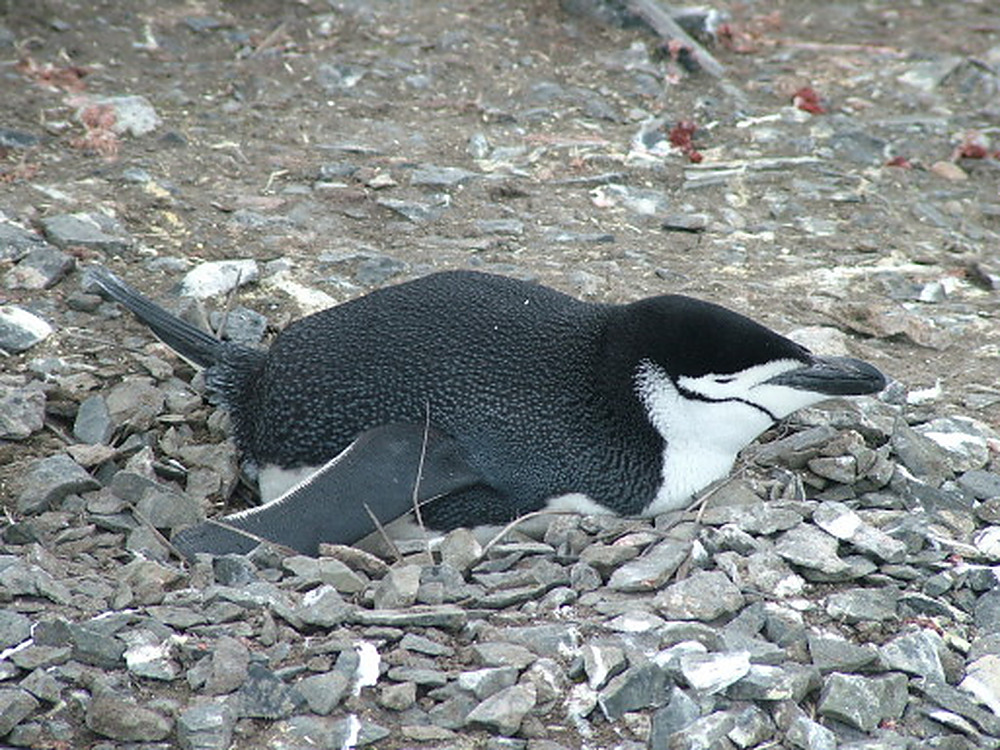
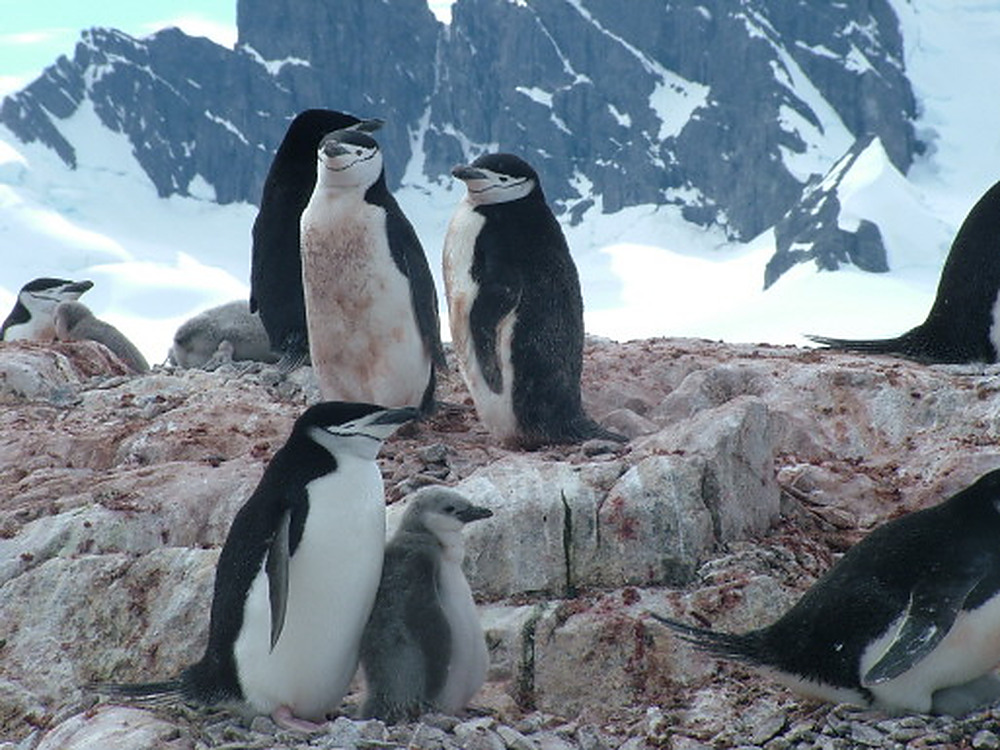
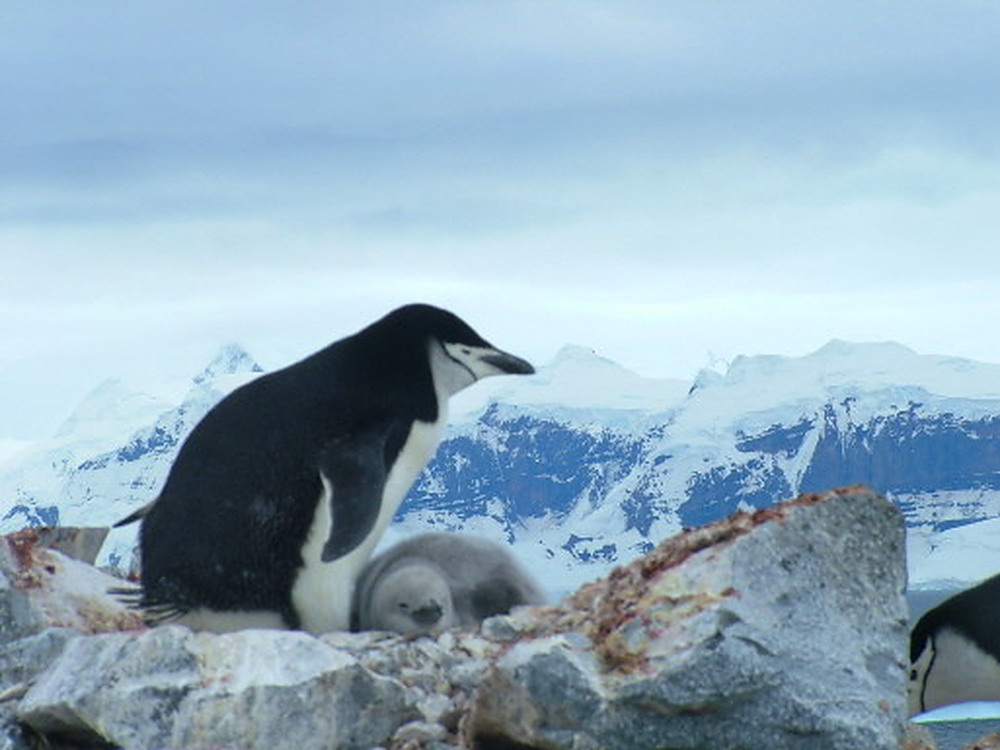
Like other penguins, chinstraps feed their chicks by swallowing food at sea and then regurgitating it when they return to the nest. It isn’t the most attractive way to feed your children, but it works! Watching the adults caring for their chicks was one of the more interesting parts of visiting the colonies.
Macaroni Penguins
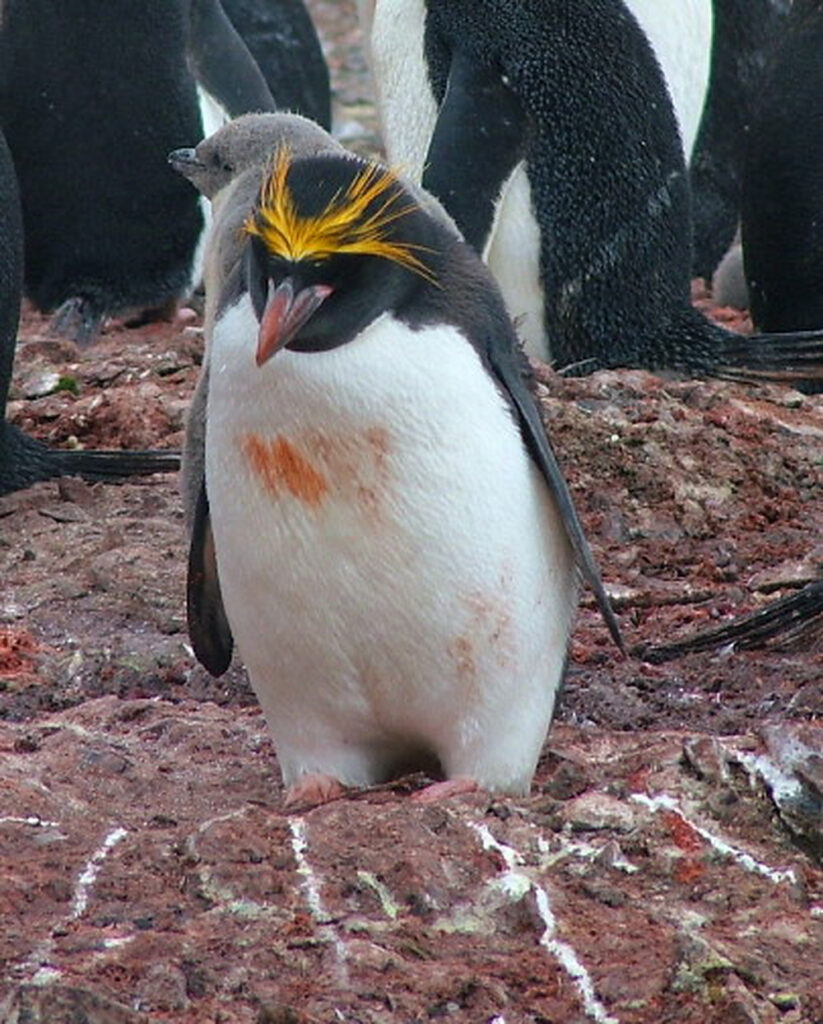
One of the most distinctive penguins I photographed was the macaroni penguin. With its bright yellow feathers sticking out from the sides of its head, it is practically impossible to mistake for anything else. I noticed macaroni penguins among colonies of other species, although they also form their own large breeding colonies elsewhere.
Seals of Antarctica
Antarctica is home to six seal species commonly associated with the region, and I managed to see five of them. The only one I missed was the elusive Ross seal, which tends to inhabit remote pack ice that is difficult for ships to reach.
Photography is something that grew on me as I traveled around the world, and Antarctica was one of my earliest major adventures. Looking back, I really wish I had owned a better camera. Some of the wildlife encounters were incredible, and I’d love another opportunity to photograph them properly.
Elephant Seals
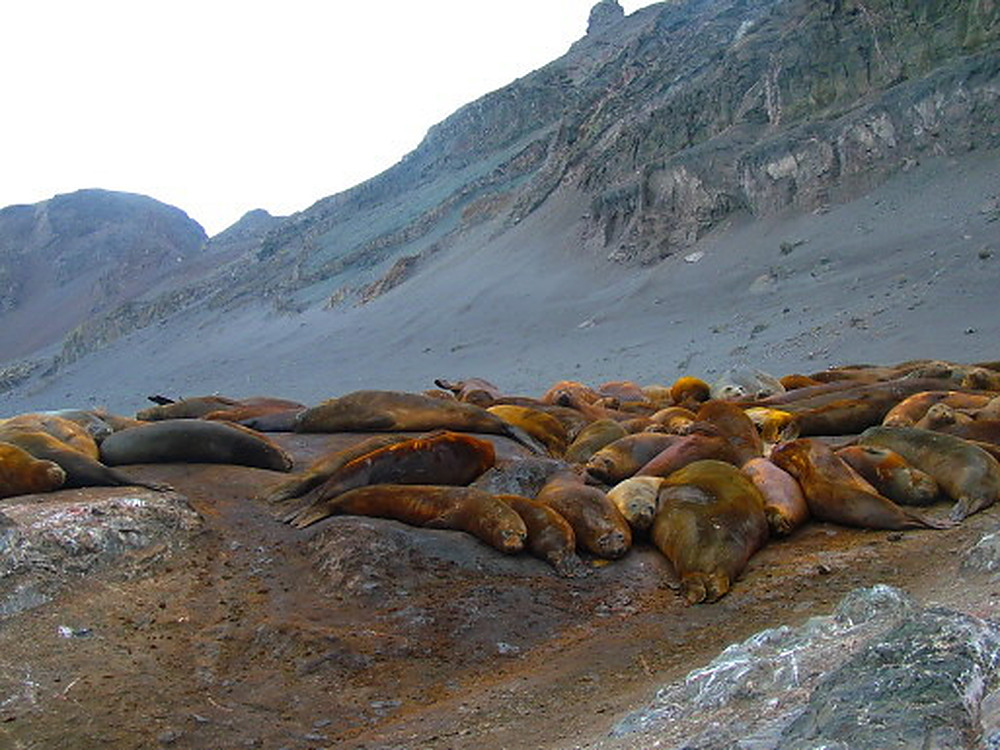
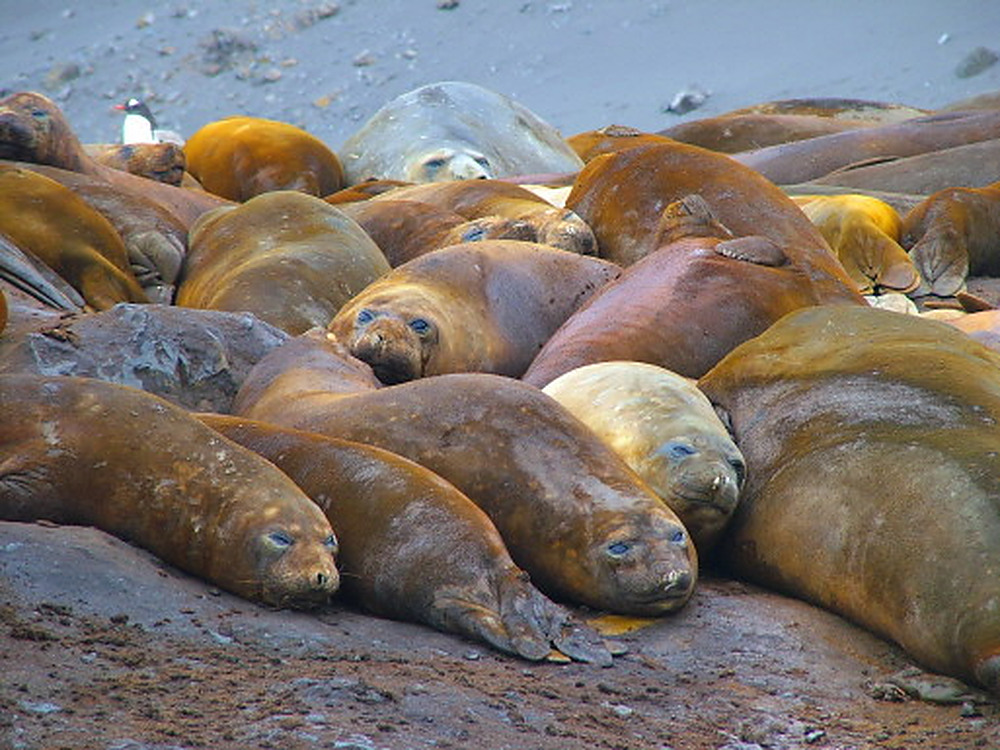
I think the easiest seals to find, although perhaps the least attractive, were the elephant seals. I encountered colonies in the South Shetland Islands, where they were mostly lying around doing absolutely nothing.
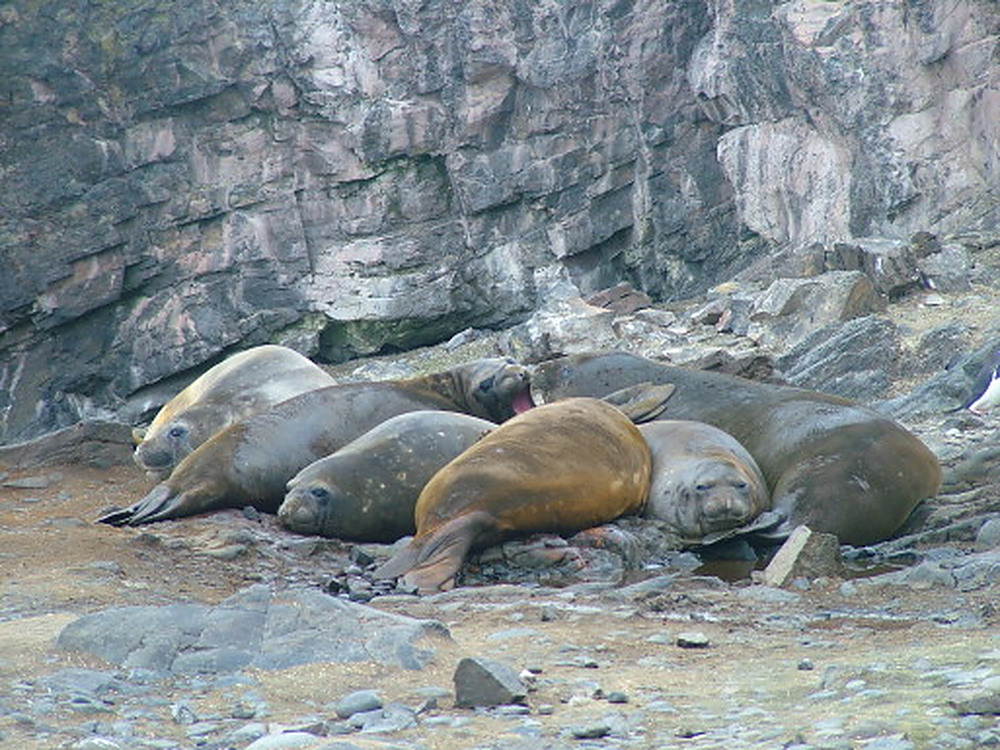
Without exaggerating, these animals seemed to let out enormous burps every other minute while blowing snot all over each other. Fat, dirty, and incredibly lazy-looking, they reminded me of giant pigs that happened to live in the ocean. Of course, they’re actually remarkable marine mammals, and the largest males can grow to enormous sizes.
Leopard Seals
Leopard seals were among the most memorable animals I encountered. Several were resting on small icebergs floating past our ship, which allowed me to get surprisingly close.
Unlike most Antarctic seals, which feed primarily on fish, krill, or other smaller marine animals, leopard seals are formidable predators capable of killing penguins and even other seals. Along with killer whales, they occupy a position near the top of Antarctica’s marine food web.
Their reputation isn’t entirely undeserved. In 2003, a British scientist was killed by a leopard seal while working underwater in Antarctica. Fatal attacks on humans are exceptionally rare, but the incident illustrates why these powerful animals deserve respect. If lions are kings of the jungle, leopard seals might be considered kings of the Antarctic ice.
Weddell Seals
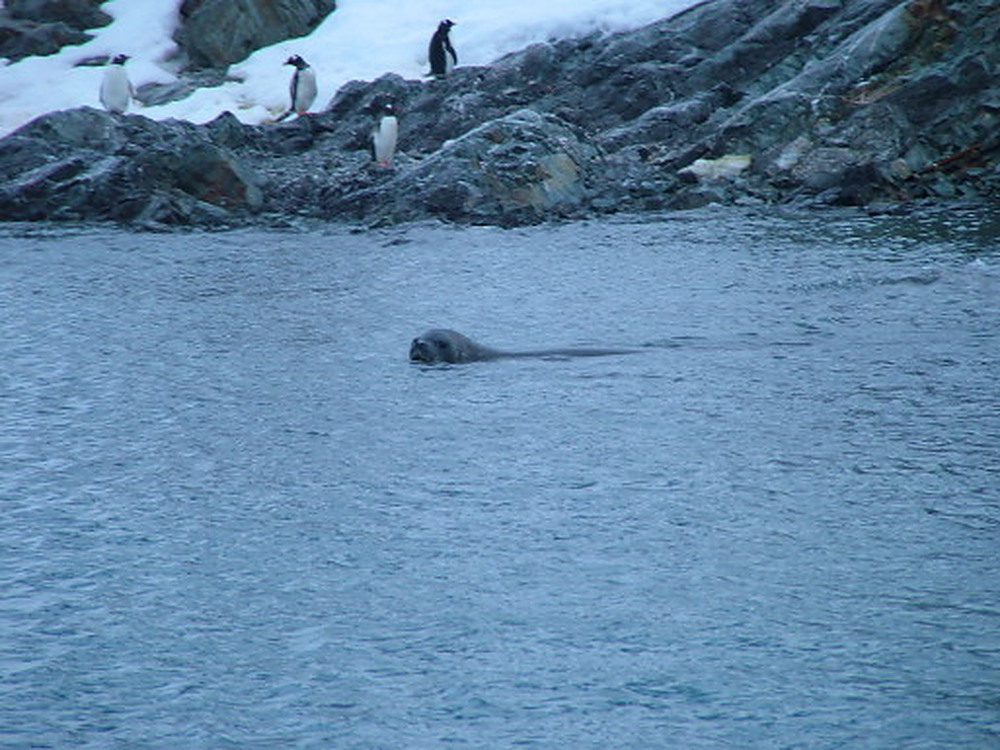
In comparison, the Weddell seals I encountered seemed much gentler. One was resting peacefully in the Antarctic sunshine, almost as if it were smiling.
Weddell seals are famous for their extraordinary diving abilities. They can descend hundreds of meters beneath the ice, with recorded dives approaching 2,300 feet, or 700 meters. To put that into perspective, recreational scuba diving limits are generally measured in tens of meters. These seals can dive many times deeper than a human scuba diver.
Fur Seals
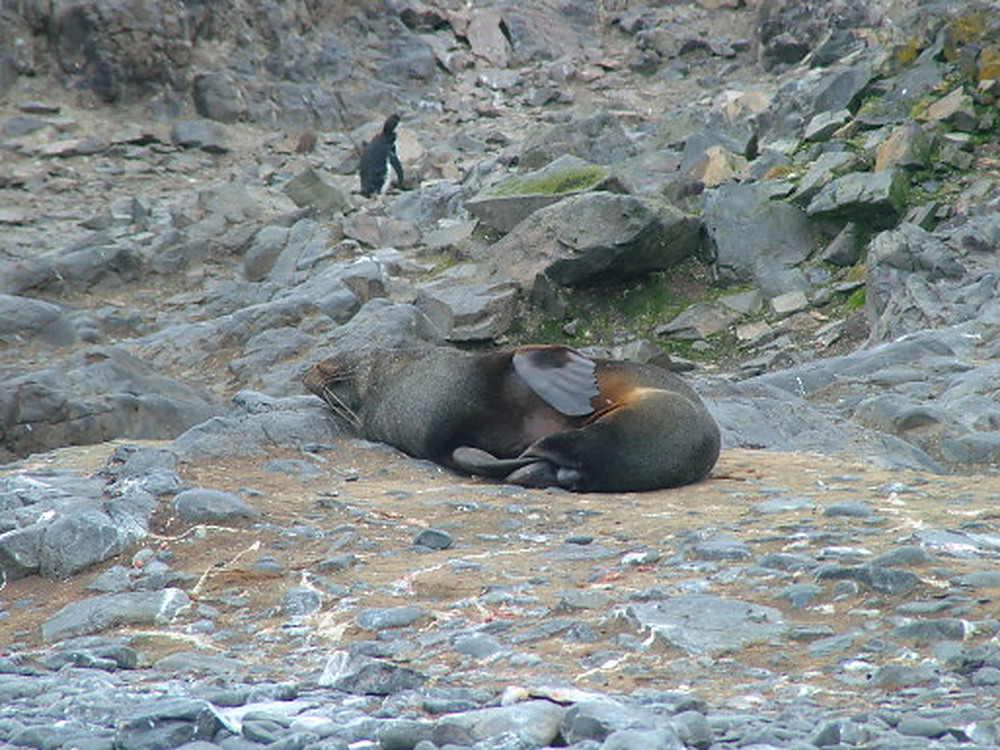
My favorite seals were probably the fur seals. Unlike the true seals that rely heavily on thick layers of blubber, fur seals have dense coats that help keep them warm. They also seemed much more energetic than the other seals I encountered.
Most of the seals I saw were content to lie around all day, but one fur seal became visibly nervous when I approached. It kept swinging its head from side to side, almost as if it couldn’t decide what to do about me. Fortunately, it eventually decided that attacking me wasn’t necessary!
Crabeater Seals
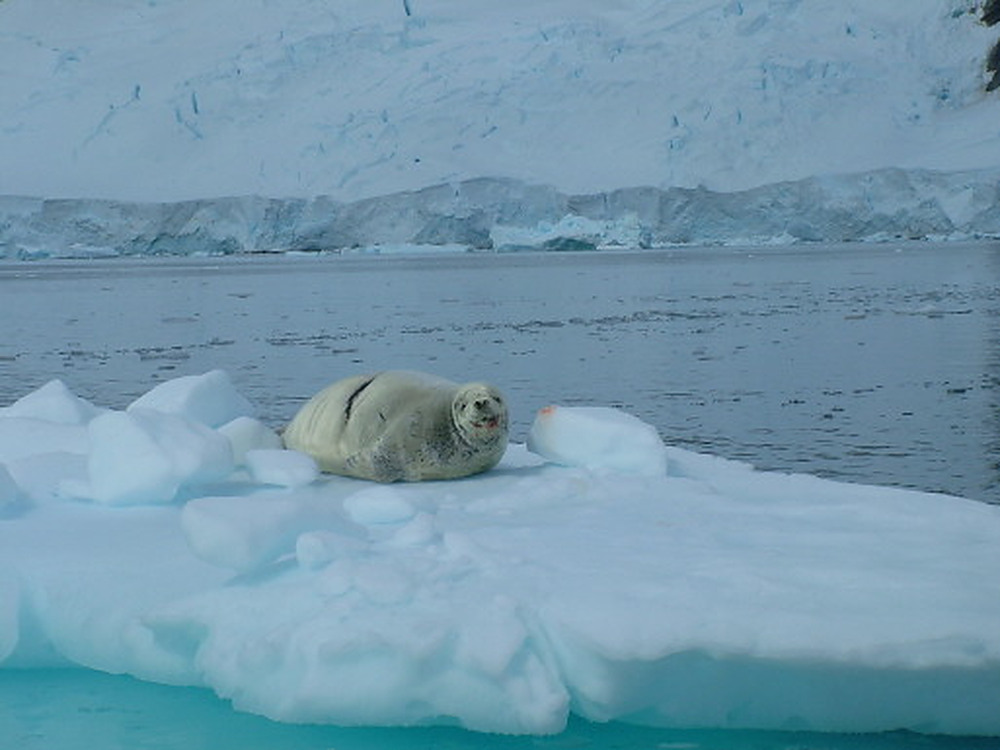
The fifth species I encountered was the crabeater seal. Despite the name, crabeater seals don’t actually specialize in eating crabs. Their diet consists largely of Antarctic krill, which they filter from the water using specially adapted teeth.
I often recognized them by their relatively pale appearance. One crabeater seal was moving back and forth trying to scratch its back, almost exactly like a dog, before finally settling down long enough for a photograph.
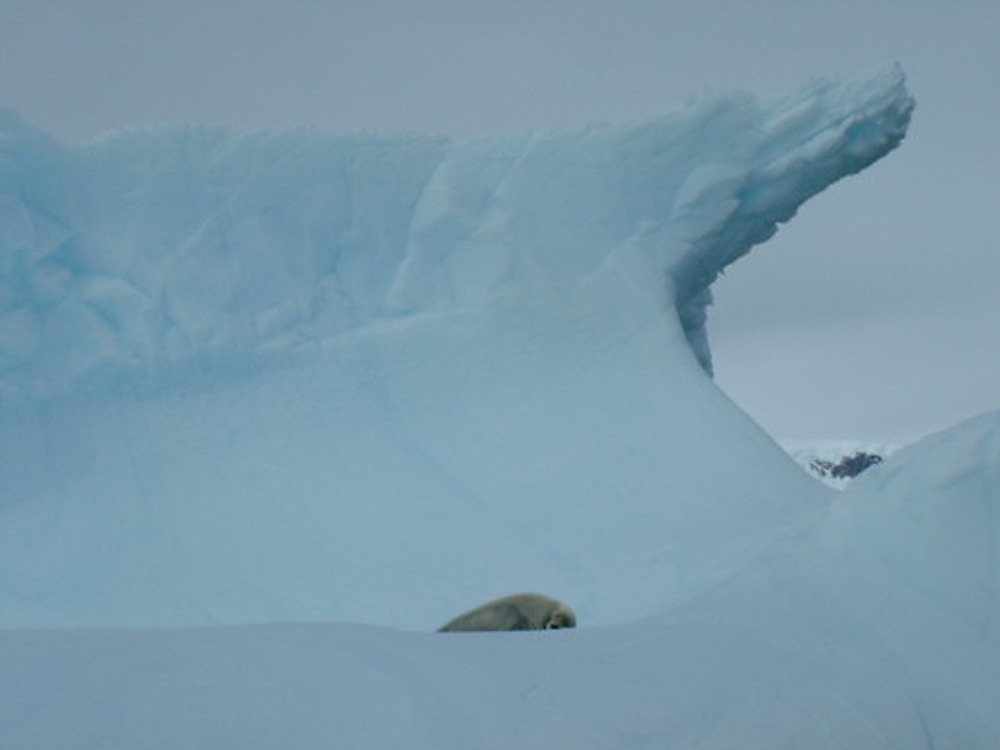
Another crabeater seal chose to take a nap in front of some of the most beautiful scenery imaginable. This was exactly the kind of moment when I wished I had brought a professional camera instead of the basic equipment I was using at the time.
Albatrosses, Petrels, and Other Antarctic Birds
Aside from penguins, Antarctica is home to an impressive variety of seabirds. During the austral summer, millions of birds arrive in the region to breed, taking advantage of the enormous food supply in the surrounding ocean. Although there are no native land mammals hunting them on the Antarctic mainland, seabirds themselves can be formidable predators.
Black-Browed Albatrosses
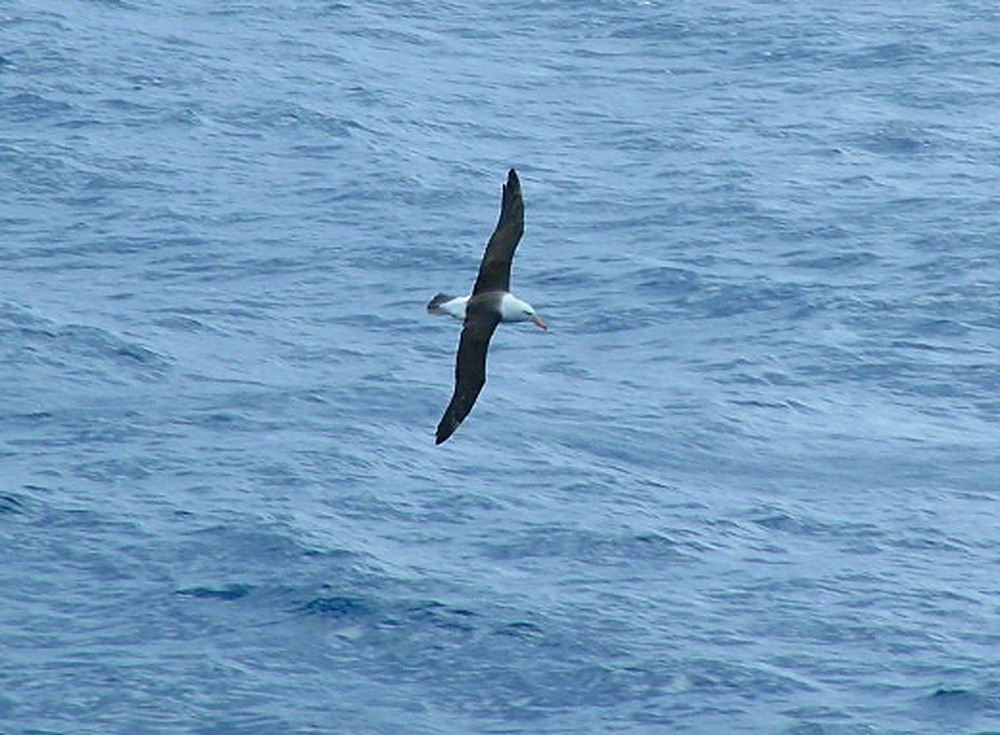
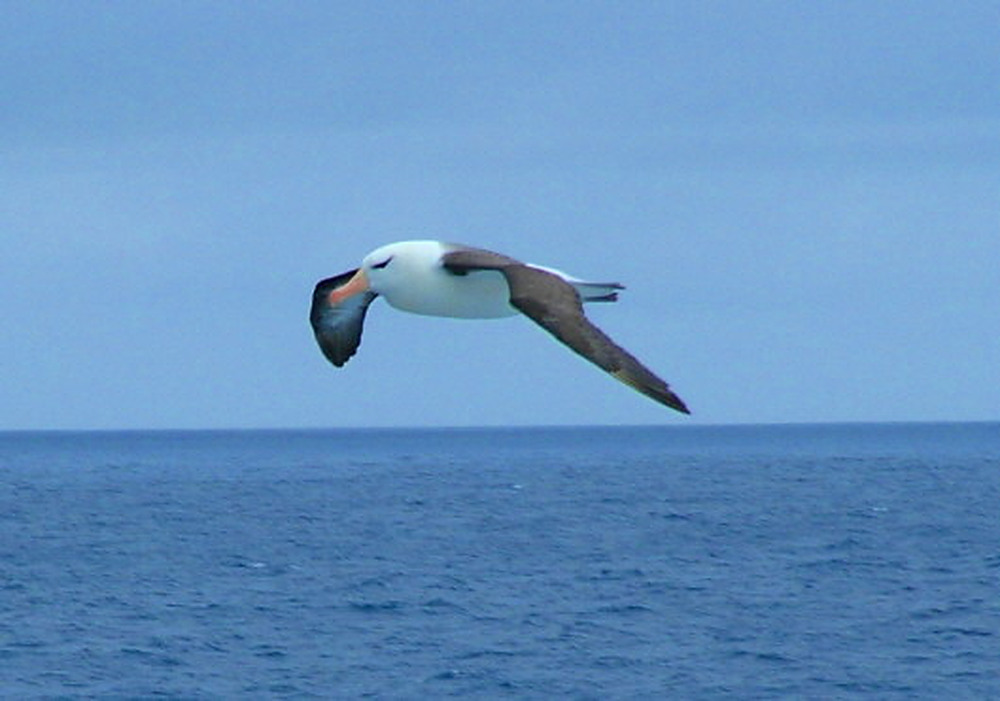
One of the most impressive birds I photographed was the black-browed albatross. These birds typically have wingspans of around seven to eight feet, or approximately 2.1 to 2.5 meters.
Albatrosses spend an enormous amount of time flying over the ocean. Their wings have specialized tendons that allow them to remain extended with very little muscular effort, and they use strong winds to glide over vast distances. Some can cover hundreds or even thousands of miles while searching for food.
Giant Petrels
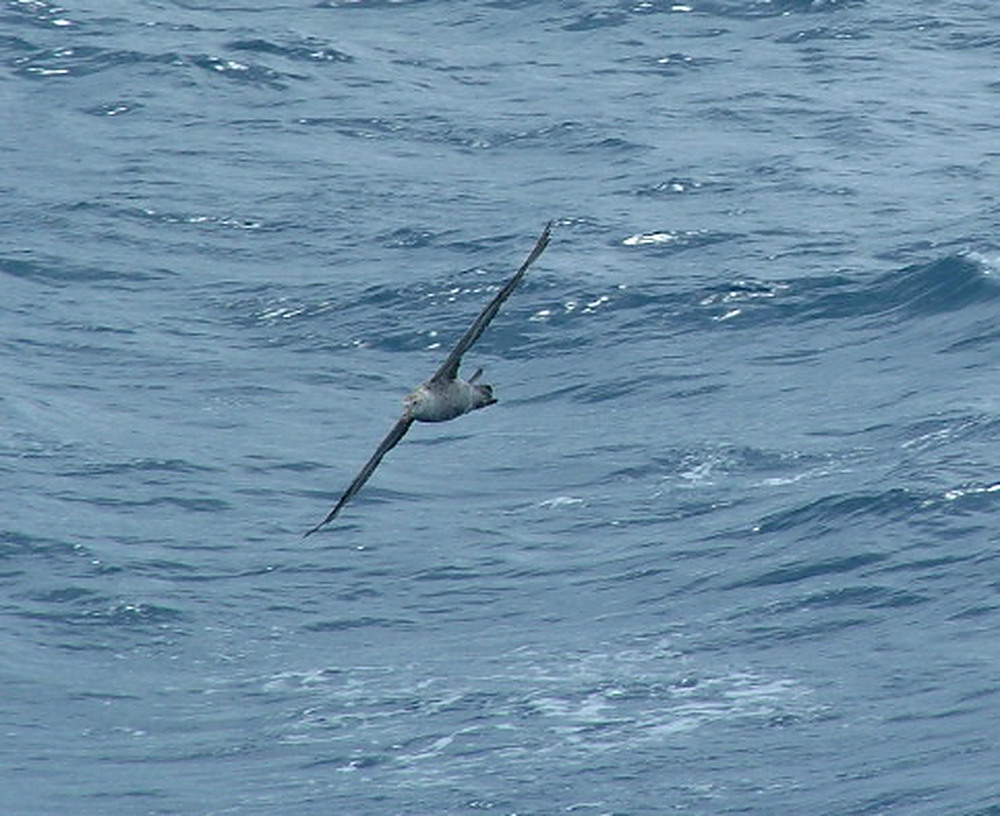
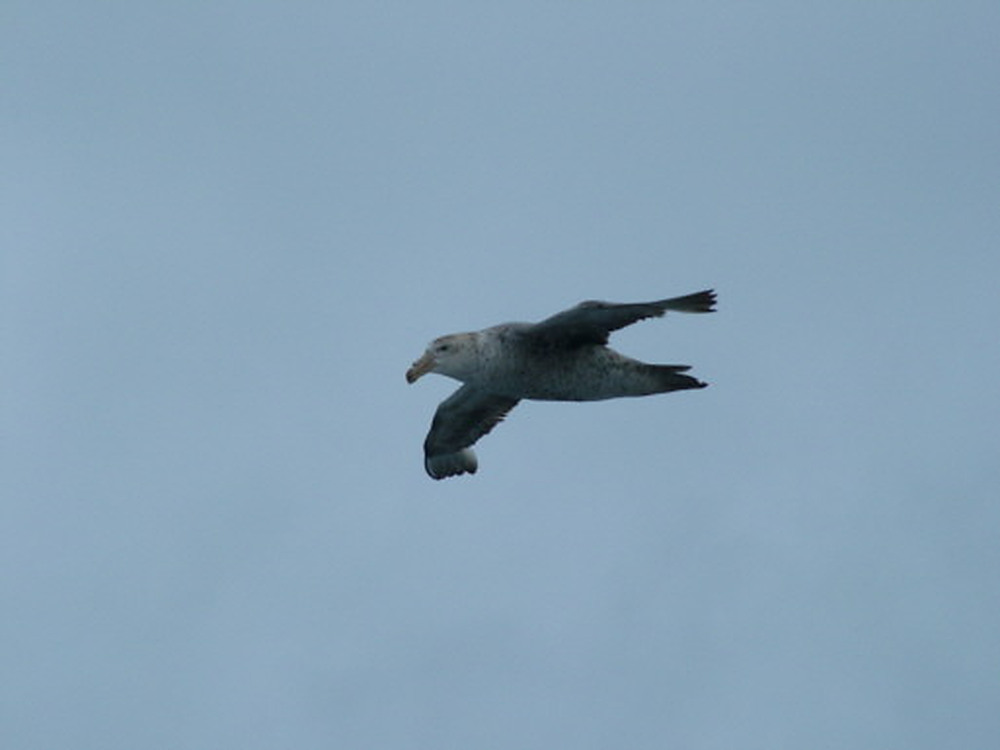
Another impressive glider is the giant petrel. Its wingspan can approach two meters, and like the albatross, it takes advantage of the powerful winds of the Southern Ocean.
Unlike albatrosses, however, giant petrels also spend considerable time on land and are aggressive scavengers and predators. They will feed on carcasses, raid colonies, and sometimes attack vulnerable young birds.
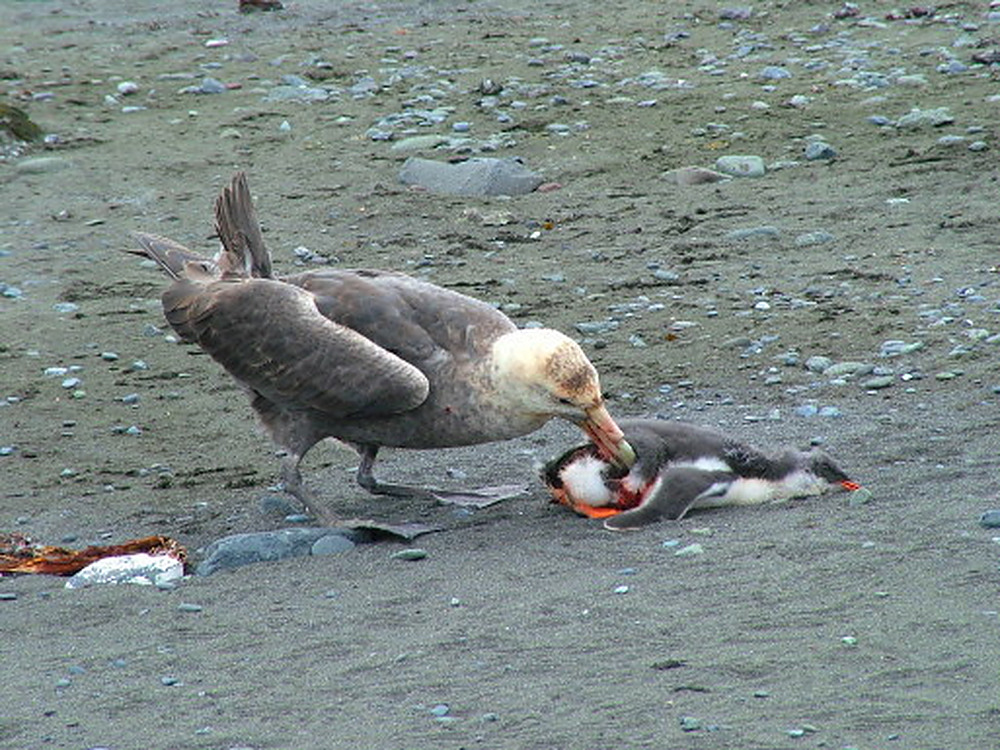
I didn’t witness this giant petrel make its kill, but I came across one feeding on a baby penguin. Several other penguins gathered around and repeatedly chased the petrel away, but it always returned to continue eating. It was a harsh reminder that despite the peaceful appearance of the colonies, life in Antarctica can be brutal.
Other Seabirds
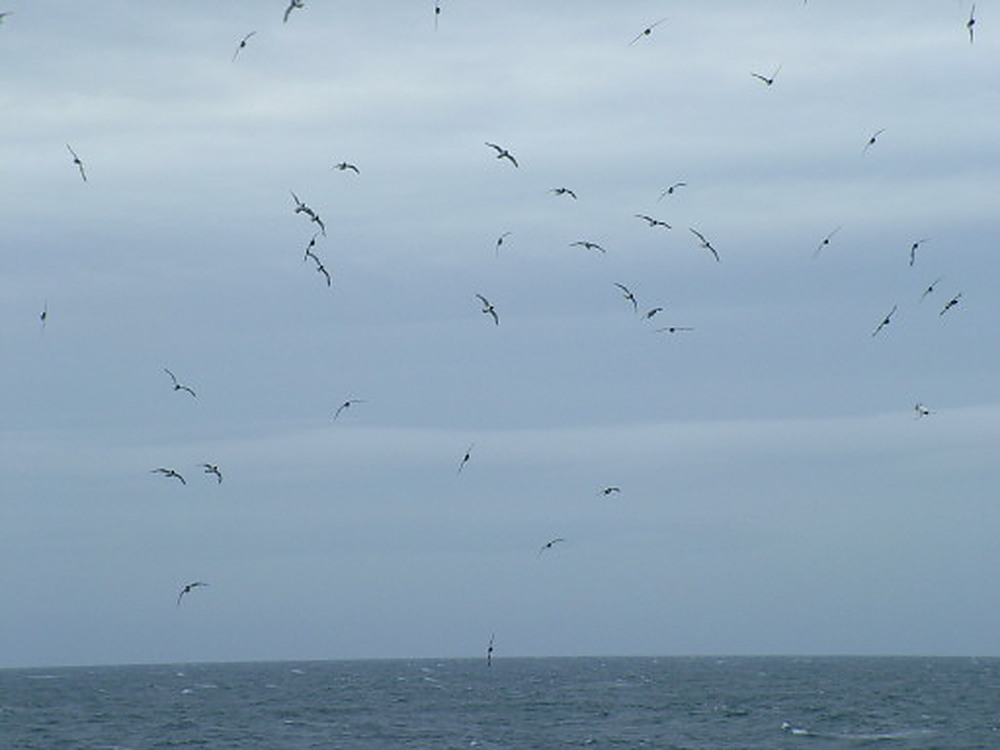
I also encountered smaller petrels, including cape petrels and birds I believed might have been snow petrels. Another aggressive Antarctic seabird is the skua, which is notorious for raiding penguin colonies and stealing eggs or chicks. Skuas have earned a reputation as some of the most persistent predators around the breeding colonies.
Human Presence in Antarctica
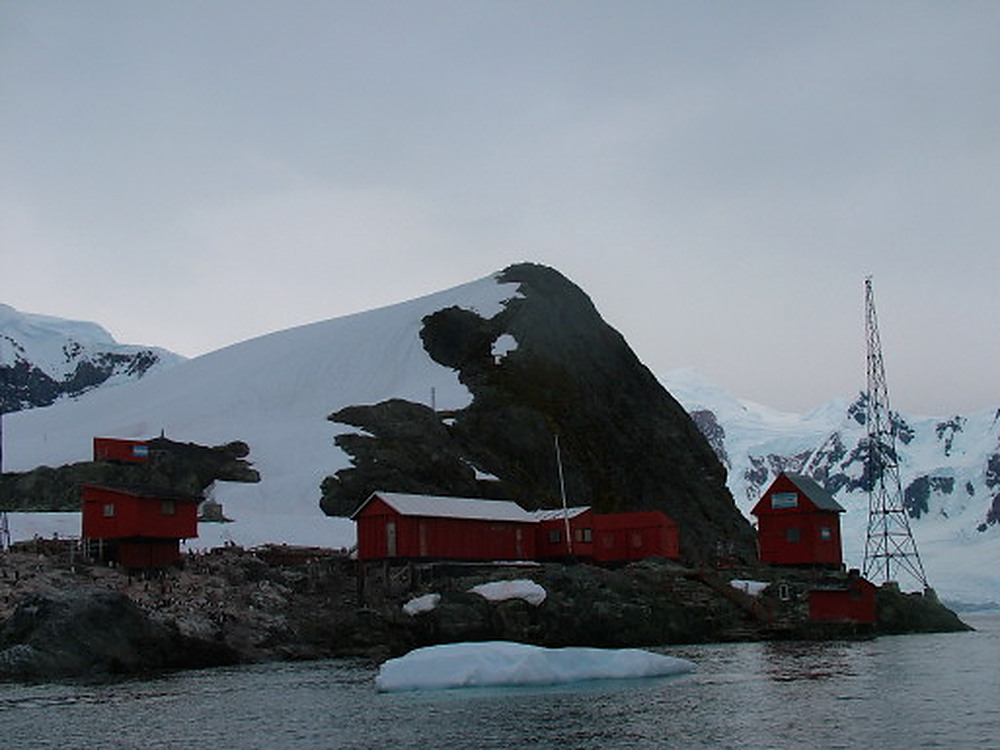
Although Antarctica feels almost completely untouched by civilization, there are scattered research stations operated by countries from around the world. These stations support scientific work in fields ranging from climate and geology to biology and astronomy. Outside of these small outposts, however, there are enormous areas with virtually no human presence.
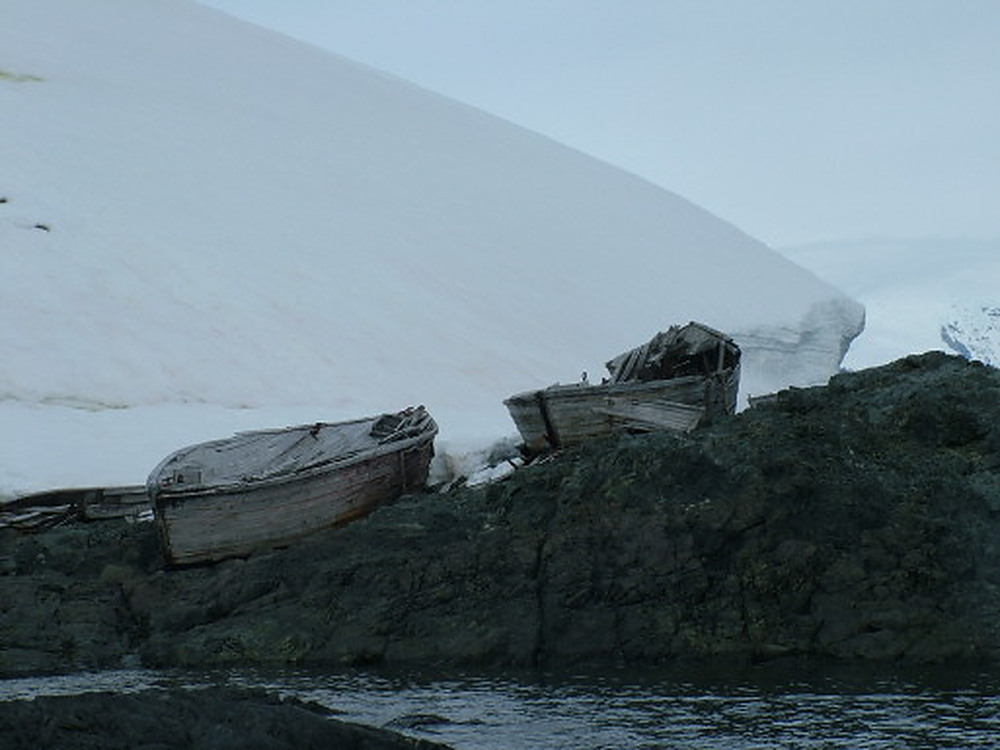
Occasionally, reminders of earlier human activity appear along the coast, including old boats and other abandoned equipment. They seem especially out of place in such a remote environment and offer a reminder of the explorers, sailors, and workers who reached these waters long before modern Antarctic tourism.
Swimming in the Antarctic Ocean
During one of our stops, I decided it would be a good idea to go swimming in the Antarctic Ocean. I jumped into the freezing water with a cannonball and managed to swim around for approximately a minute.
Strangely, I think the shock of entering such cold water made it feel less terrible than I expected. When I got out, I actually felt very warm, but my skin had a strange numb, tingling sensation, almost like a small electric shock. Looking back, I wouldn’t recommend treating freezing water casually, but it was certainly an experience I’ll never forget.
The Drake Passage and Cape Horn
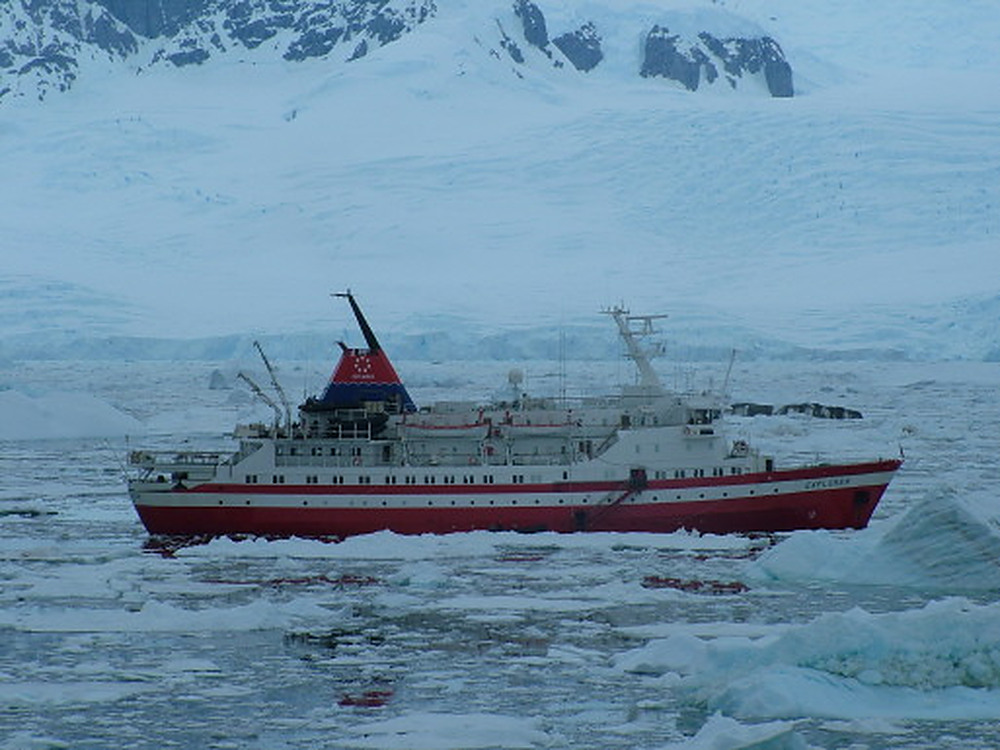
Reaching Antarctica by ship from South America generally means crossing the Drake Passage, one of the roughest stretches of ocean in the world. Strong winds and currents circle the Southern Ocean with relatively little land to interrupt them, producing some truly enormous waves.
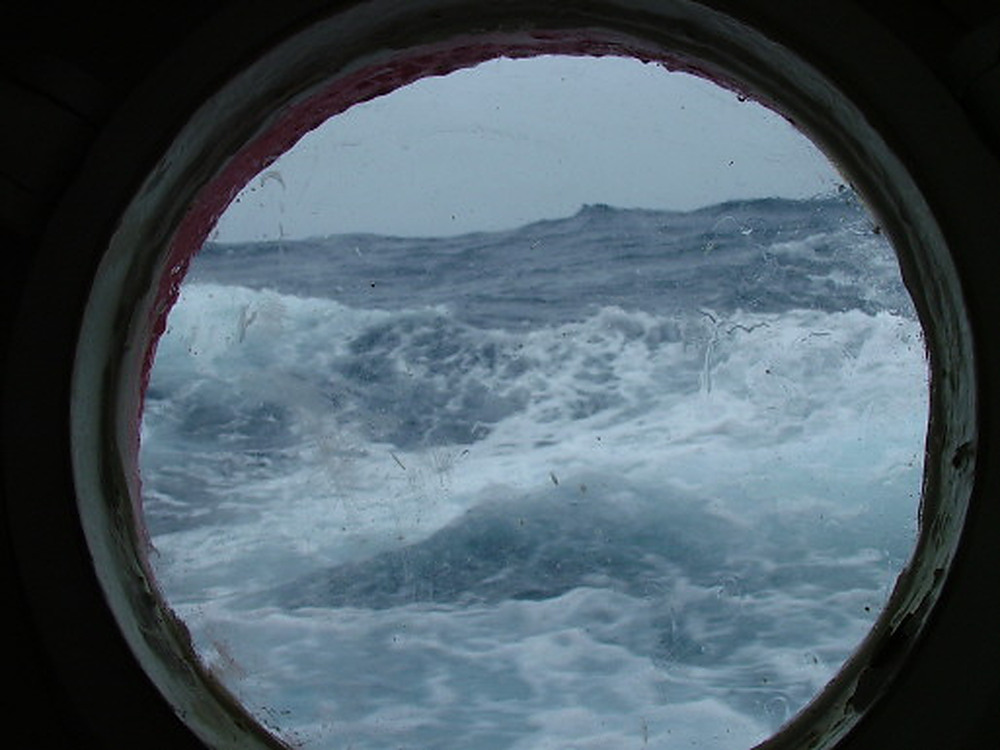
On the return journey, we sailed around Cape Horn, which has a long reputation as one of the most dangerous places in the world for ships. We encountered waves estimated at around 40 feet, and I’ve heard of storms producing waves twice that size.
The rocking became so violent that I wondered whether getting out of bed was even safe. I eventually tried it anyway. Later, I lay in my bed, which had straps to keep me from being thrown around, and experienced the strangest sensation. One moment I felt almost weightless as the ship dropped, and the next it felt as though someone was forcing my face into the mattress as the ship rose again.
Sailing around Cape Horn was definitely an experience. Between the enormous waves, the icebergs, the wildlife, and the incredible scenery, Antarctica remains one of the most extraordinary places I’ve ever visited.
I know I’ll eventually return, hopefully with a much better camera. Until then, these photographs are a reminder of just how remarkable the world’s southernmost continent really is.
