In my opinion, Malawi is one of the best and most overlooked destinations in Africa. Known as the “Warm Heart of Africa,” the country quickly lived up to its nickname through the genuine friendliness of the people I met. Malawi has a little bit of everything I enjoy while traveling, from traditional village culture and dramatic mountains to safaris and one of the most unique freshwater lakes in the world.
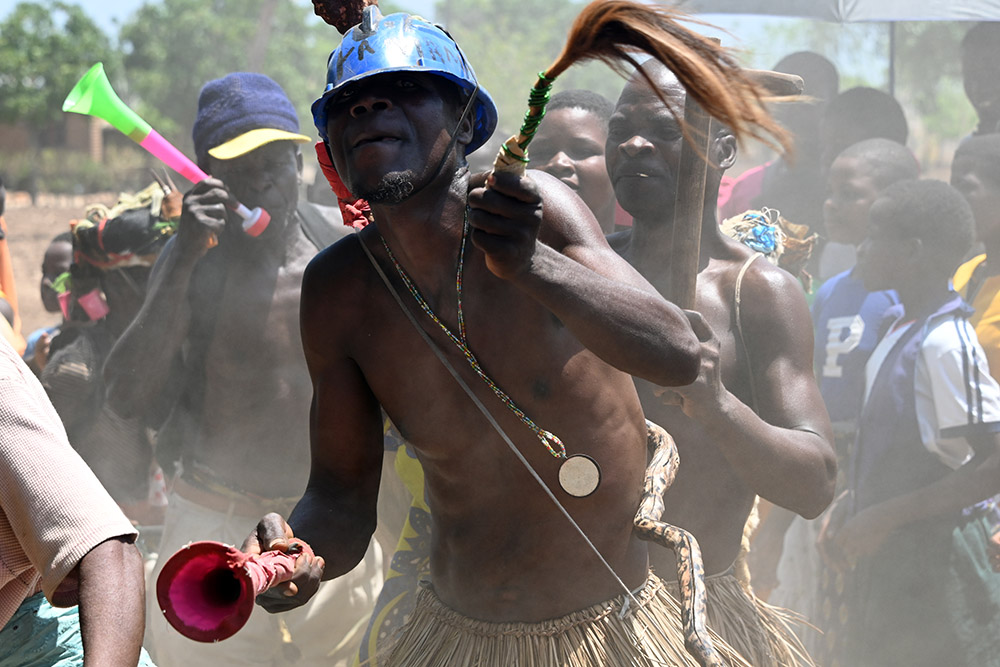
I did have some great experiences in Blantyre, Malawi’s second-largest city, but as usual my attention quickly shifted toward the outdoors and local culture. I didn’t take many photos in the city and soon headed toward smaller villages, where I had the chance to experience the Tchopa dance.
The Tchopa Dance
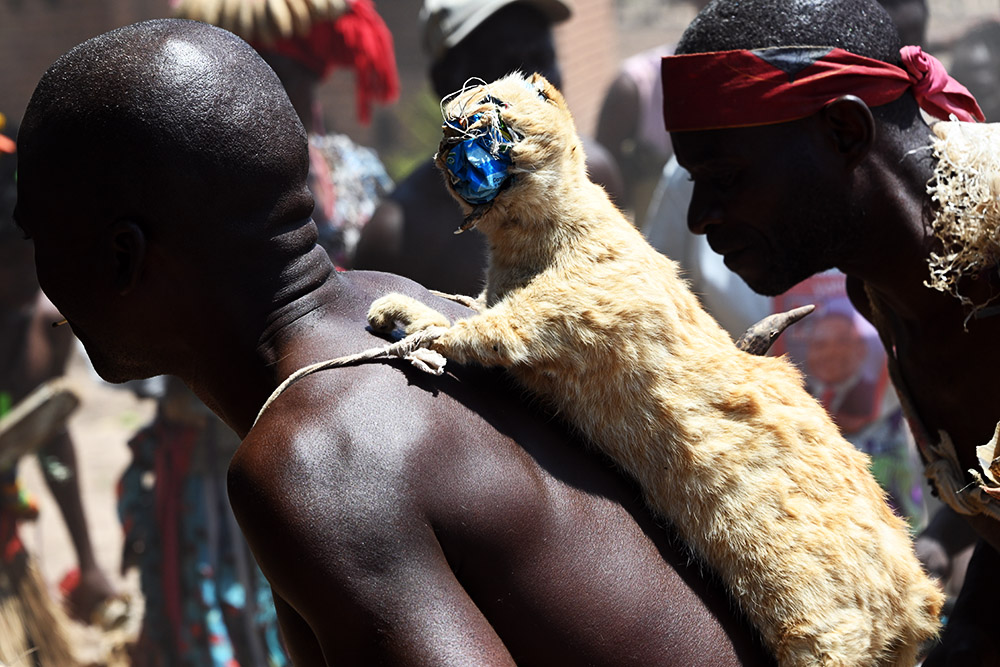
The Tchopa dance is traditionally performed by the Lomwe people of southeastern Malawi and neighboring Mozambique. The dance is associated with community celebrations and important events, with groups moving together to the rhythm of drums while wearing colorful clothing and traditional items.
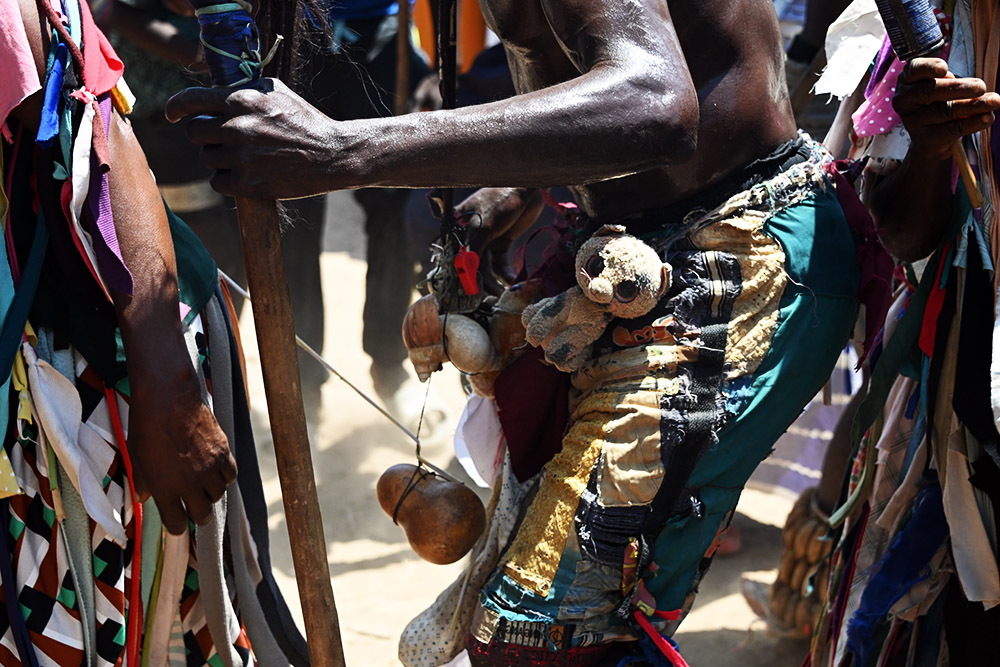
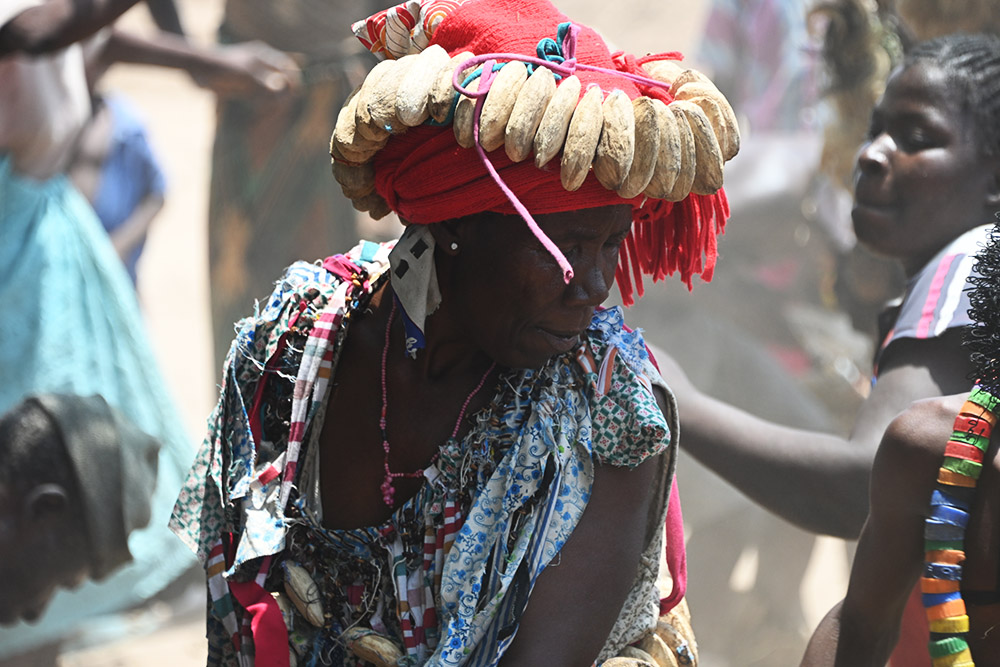
Something I especially liked was that the dance wasn’t limited to one age group. Everyone in the village seemed to participate, from young children to older men and women. It felt like a true community event rather than something staged specifically for tourists.
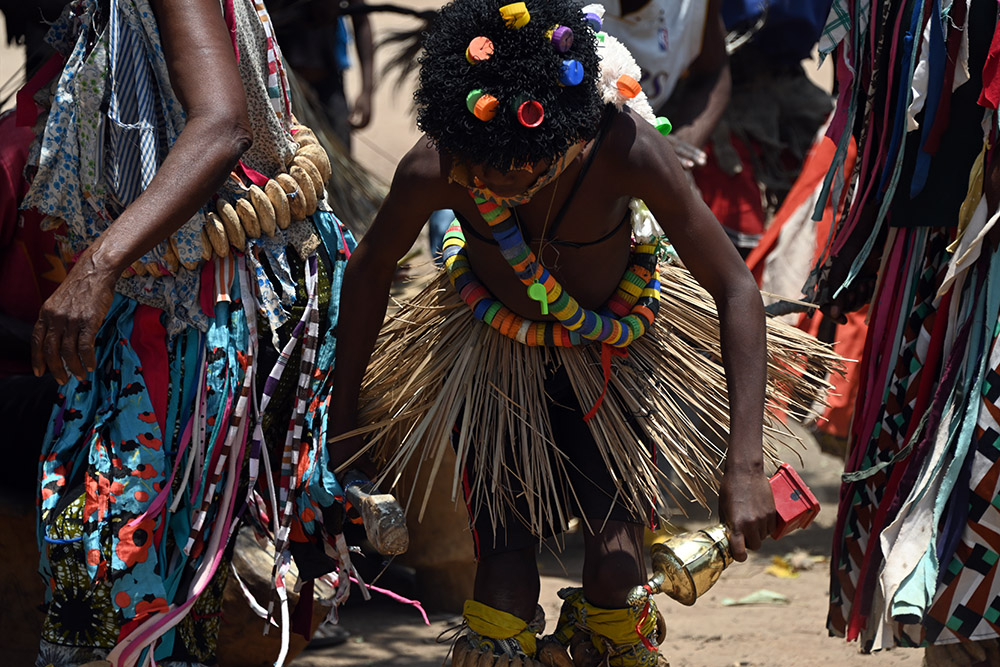
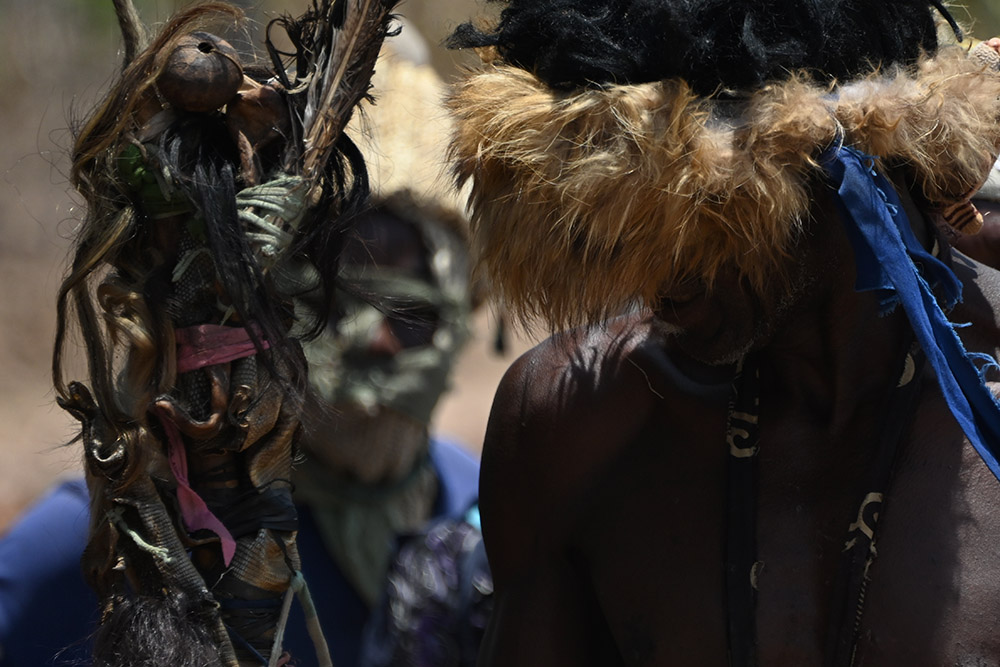
Talismans and other traditional items also played a role in the ceremony. Some dancers wore beads, feathers, animal skins, carved charms, and even everyday modern objects mixed into their clothing. These items can have spiritual meaning connected with protection, ancestors, strength, or the natural world.
Hiking Mount Mulanje
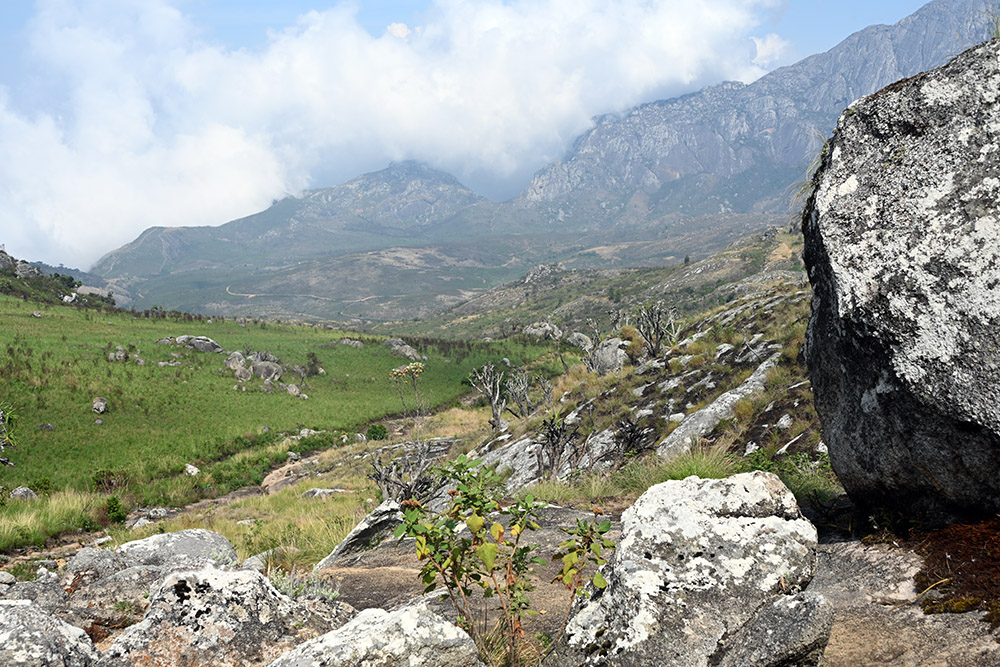
After experiencing some of Malawi’s village culture, I spent most of the rest of the trip in the mountains, national parks, and around Lake Malawi. One of the places I had been most excited to visit was the Mulanje Massif, which rises dramatically from the surrounding plains and reaches nearly 10,000 feet, or around 3,000 meters.
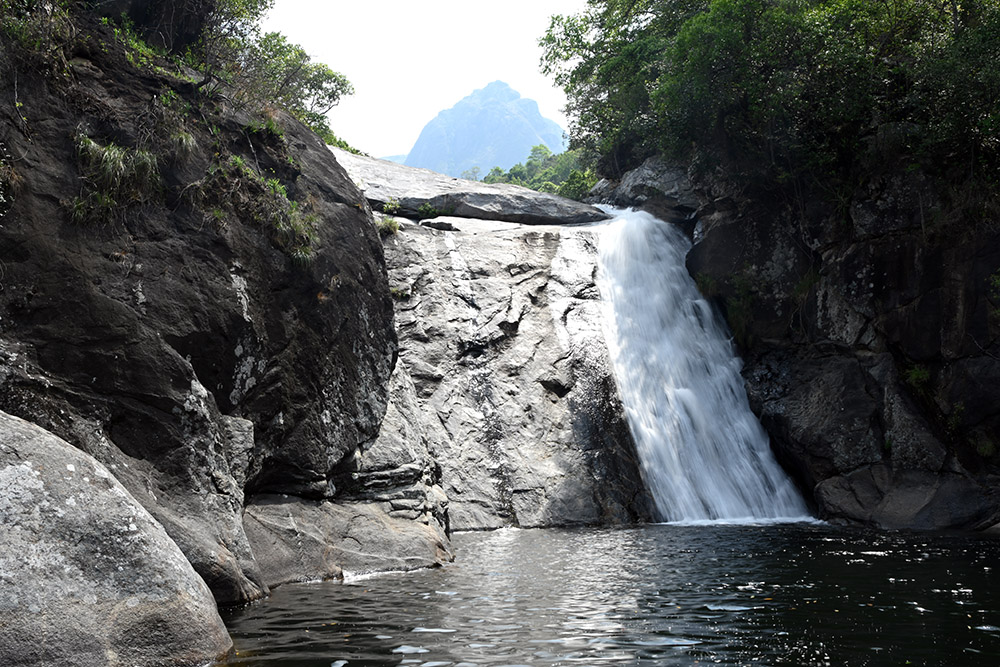
One of the easier hikes leads to Likhubula Waterfall, which can be reached in a few hours on a steep trail. From there I continued much higher onto the mountain, eventually reaching the broad plateau seen below at around 7,000 feet.
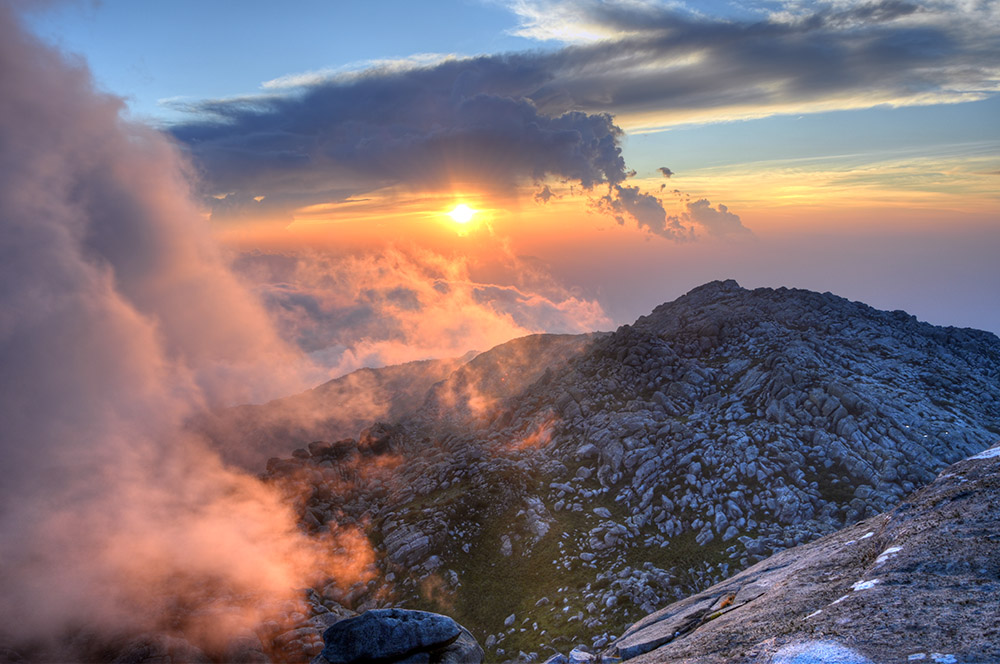
The hike to the top of Malawi is normally done over several days, but I was feeling exceptionally motivated and made an unplanned summit push on the first day. The total elevation gain was nearly 9,000 feet, or around 2,600 meters, which is by far the most elevation I’ve ever gained in a single day.
We had originally planned to stop at one of the mountain huts, but once we reached it I wanted to keep going and try to reach the summit before sunset. Most of the route followed a steep hiking trail, but the final part became more of a scramble as we approached the highest terrain.
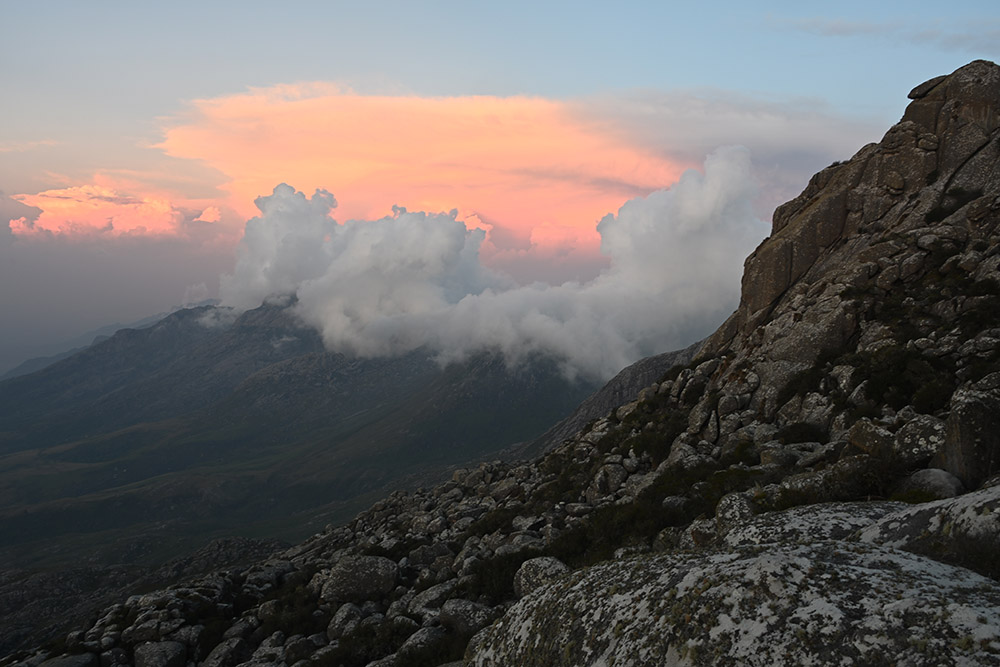
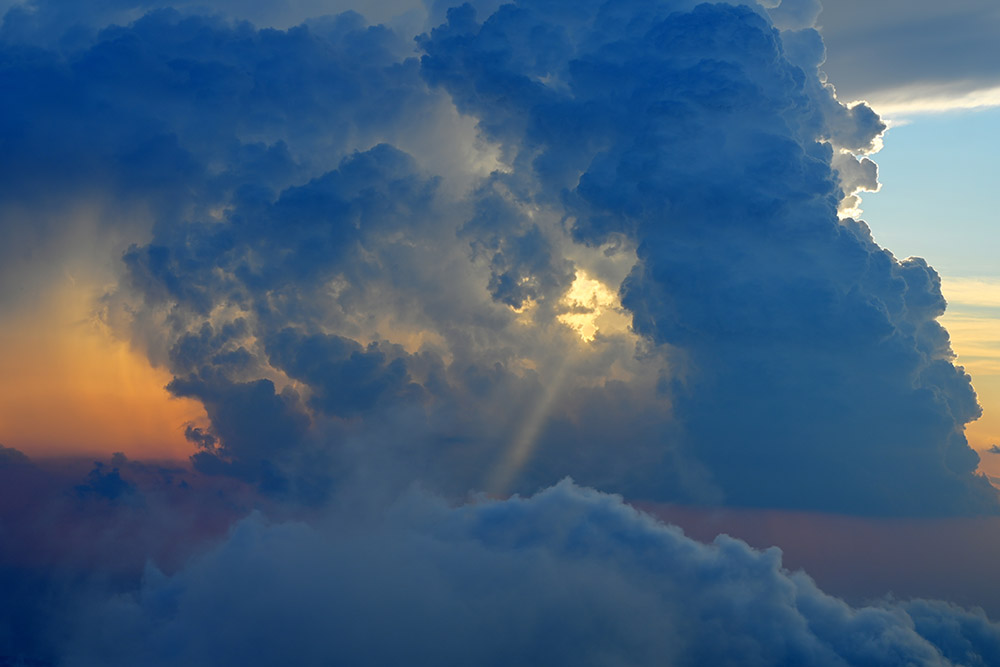
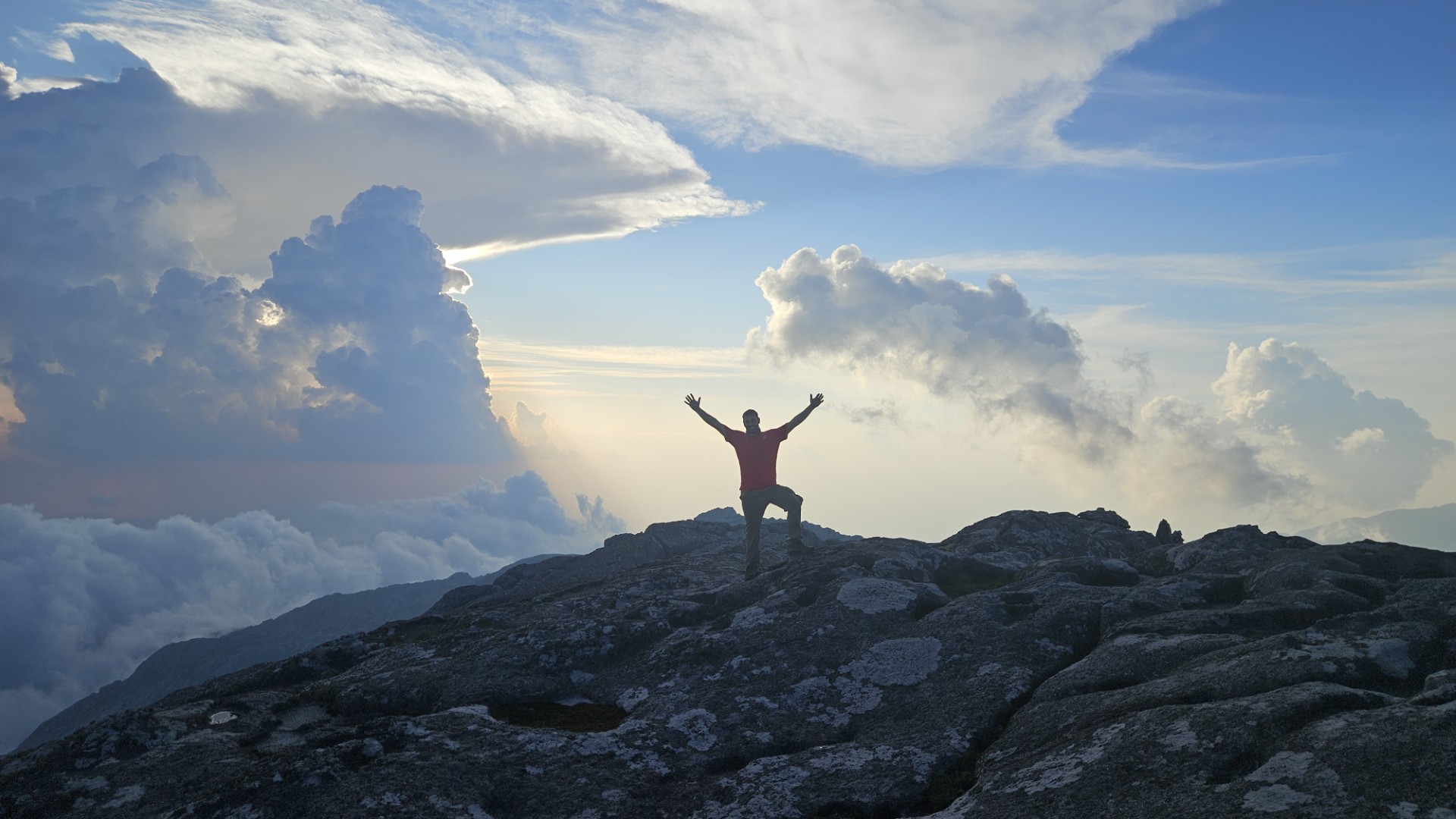
After such a long day, the reward couldn’t have been better. We reached the summit just as the sun was setting and were treated to one of the most beautiful sunsets I’ve ever seen. Considering how exhausted I was at that point, reaching the top at exactly the right time made the entire climb worth it.
Liwonde National Park
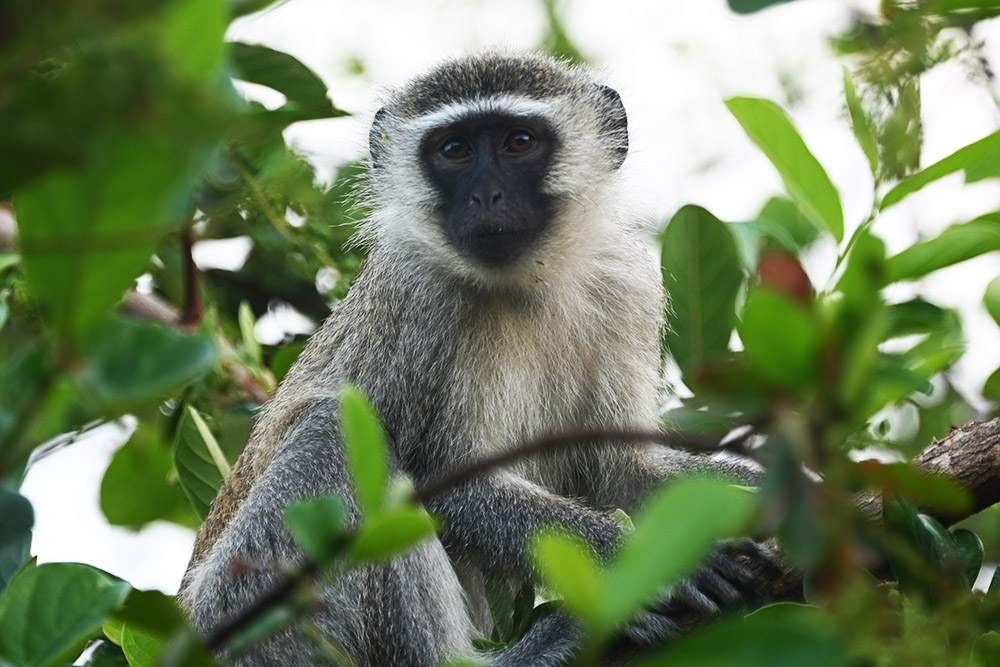
From the mountains I headed toward the floodplains of the Shire River and Liwonde National Park. The park is known for its elephants, hippos, crocodiles, antelope, primates, and incredible variety of birds. I spent the night at one of the lodges and started seeing wildlife before I even headed out on safari.
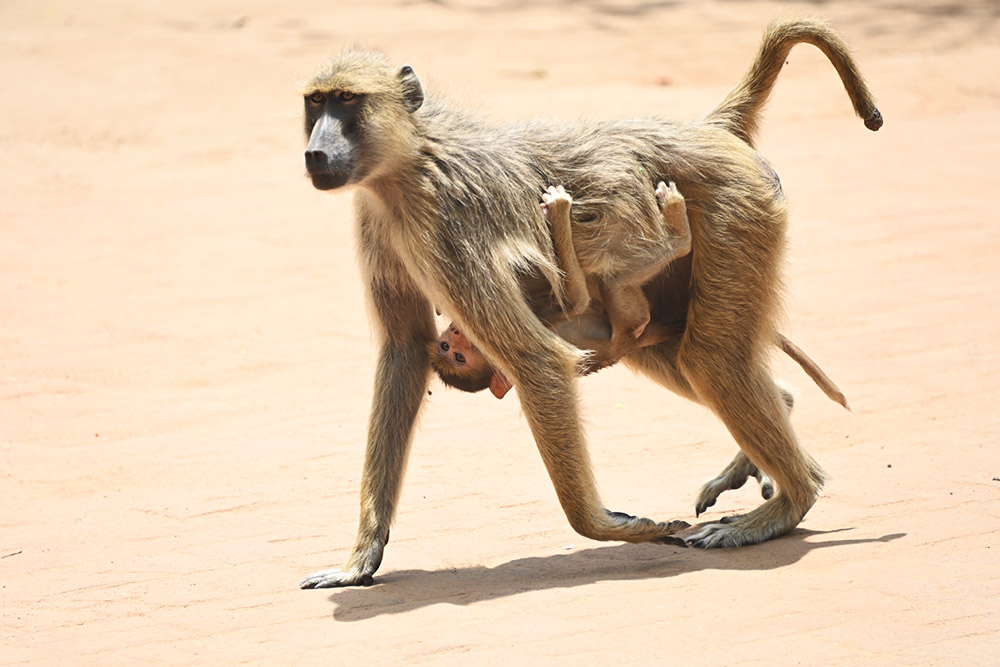
This vervet monkey was hanging around near the lodge, while the baboons below were another common sight.
Antelope of Liwonde
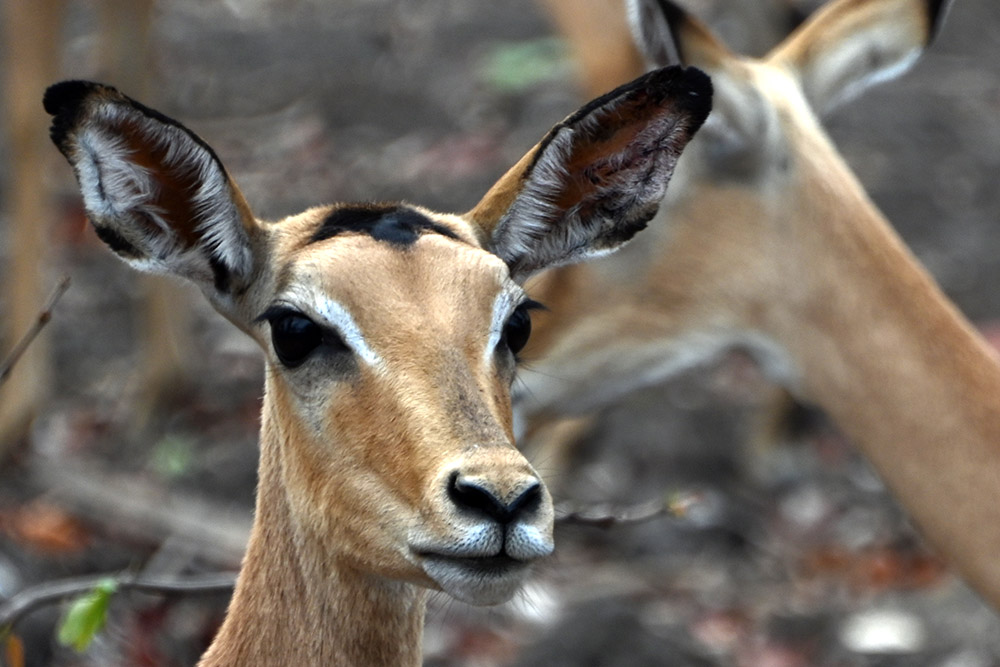
Impala are among the most common animals to see on safari in southern Africa. They’re extremely alert animals, with large ears constantly scanning for predators. They also tend to stay in groups, which gives them a better chance of spotting danger before a lion or leopard gets too close.
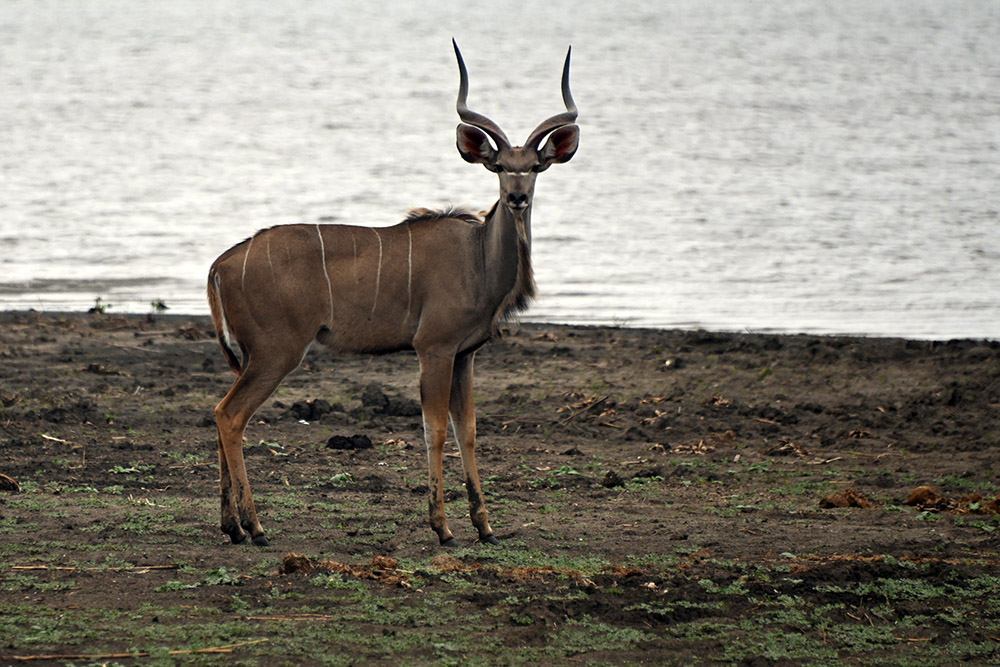
The much larger antelope above is a kudu, one of my favorite species to see in Africa. Males are especially easy to recognize by their long spiraled horns, while the white stripes along the body help them blend into wooded vegetation.
Birdlife in Liwonde
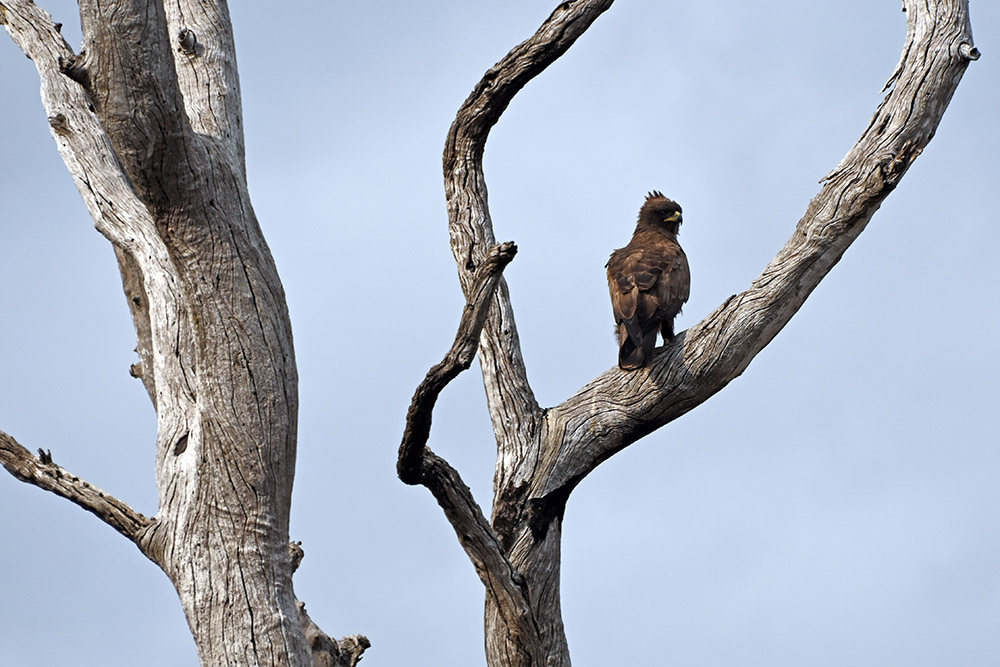
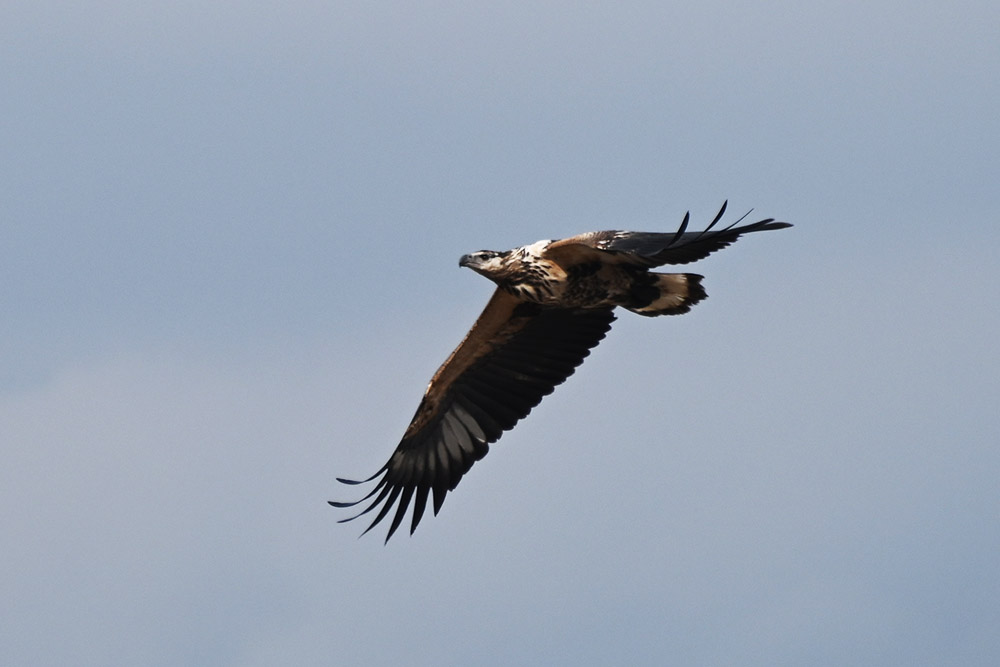
I’m not completely confident about the species of the eagle above, but it appeared to be some type of snake eagle. The bird below may be a different species entirely. Either way, both were impressive raptors and a reminder of just how much birdlife exists throughout the park.
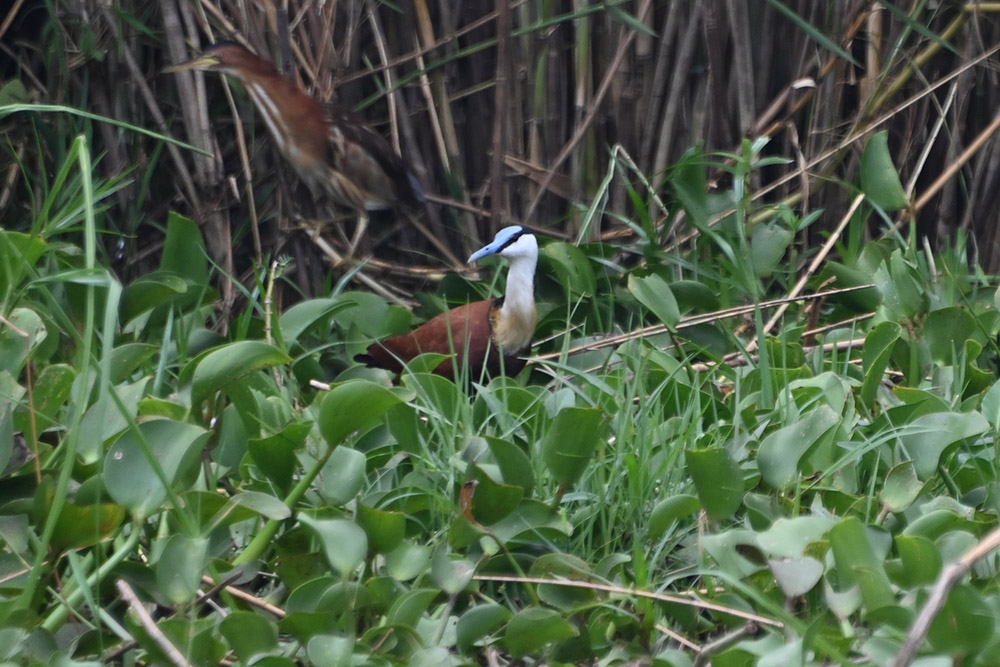
One of the best things about Liwonde is that you’re not limited to a traditional vehicle safari. You can also explore parts of the park by boat. While moving through the reeds we came across this African jacana, sometimes called a lily-trotter because of the way it walks across floating vegetation.
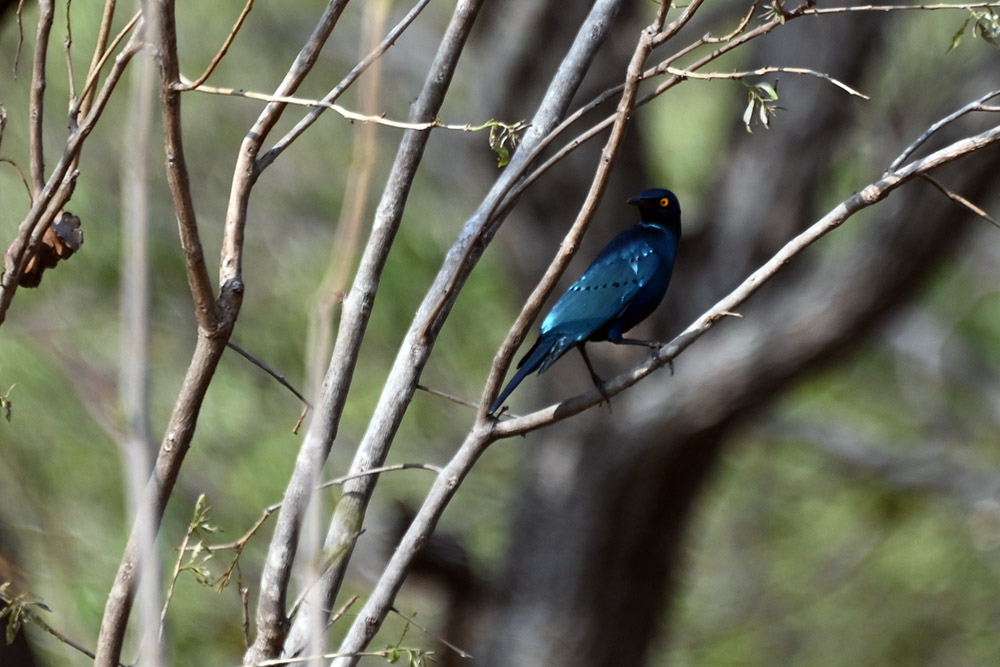
The metallic blue coloring on this starling looked especially impressive when the sunlight hit it, while the bright yellow eyes stood out against the darker feathers.
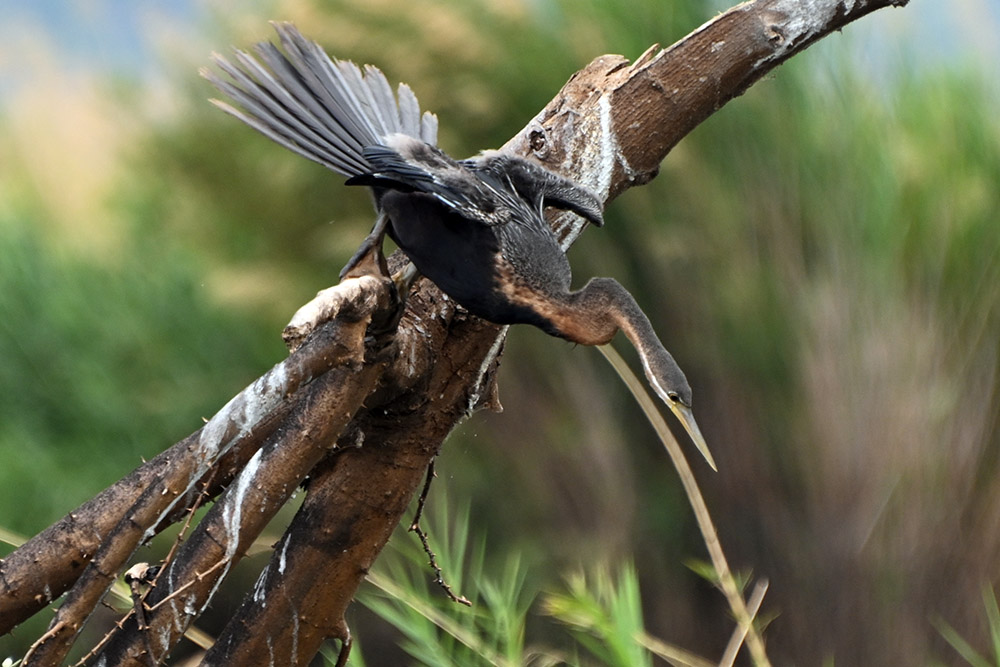
Another common wetland bird was the African darter, often called a snakebird because of its unusually long neck. These birds spend much of their time diving underwater for fish, sometimes swimming with little more than their neck visible above the surface.
Boat Safari on the Shire River
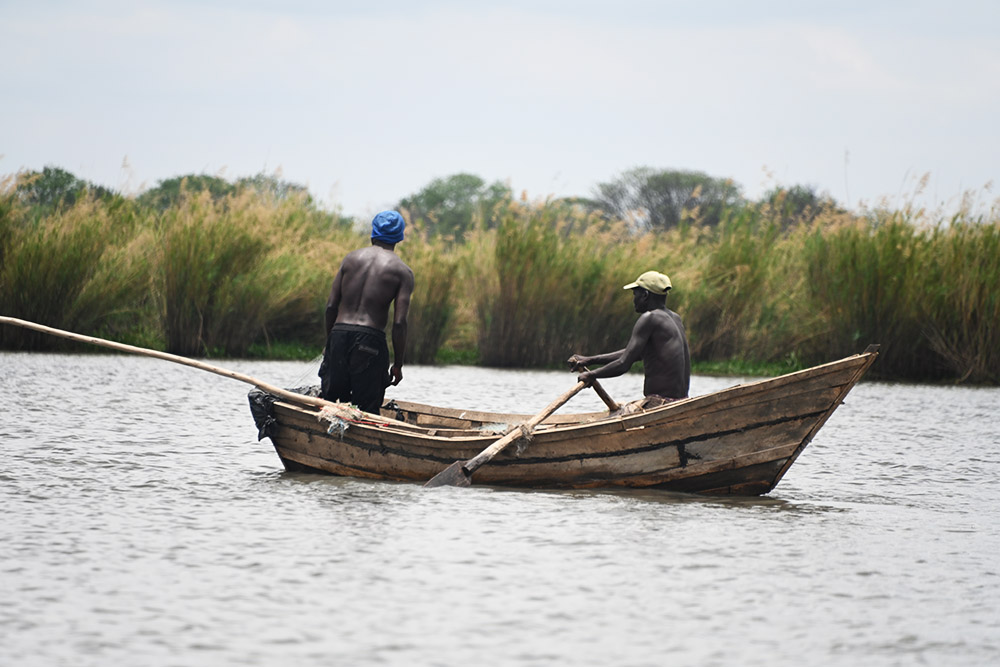
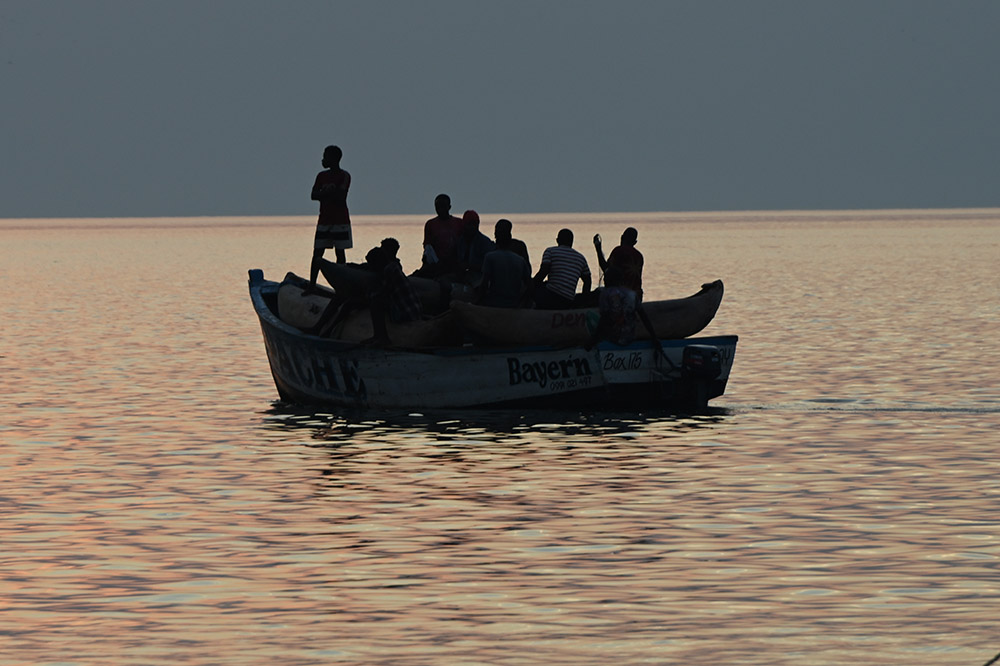
During the boat tour we learned about some of the challenges faced by local fishermen. Fishing is restricted within protected areas of the Shire River, so many people work just outside the park boundaries. We were told that some fishermen occasionally move farther into protected waters to fish illegally, where they also face much more serious wildlife risks.
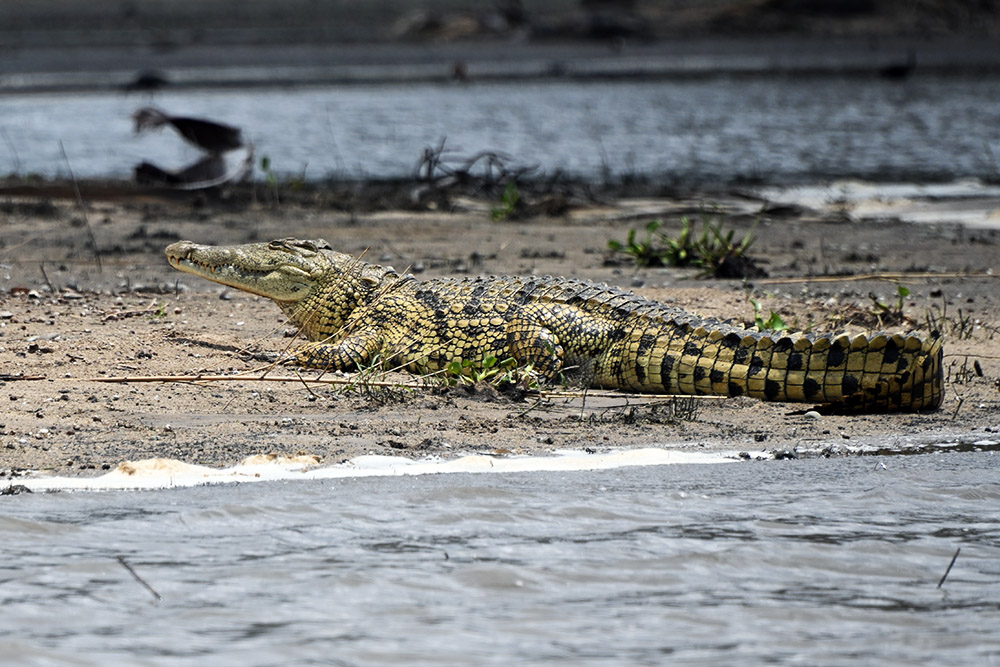
This Nile crocodile wasn’t especially large by the standards of the species, but it was still impressive to see up close. Large crocodiles are powerful enough to take surprisingly large prey and are one of the animals you definitely don’t want to underestimate along the river.
Elephants of Liwonde
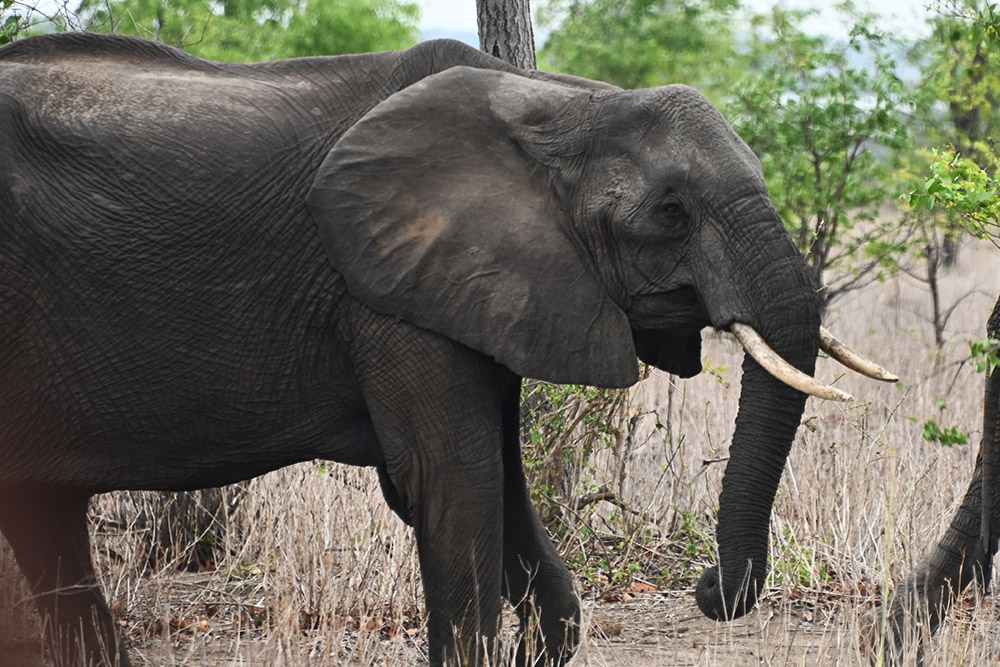
One of my highlights in Liwonde was coming across these African elephants moving single file through the savannah. Even after seeing elephants on other trips, watching a group move naturally through the landscape never gets old.
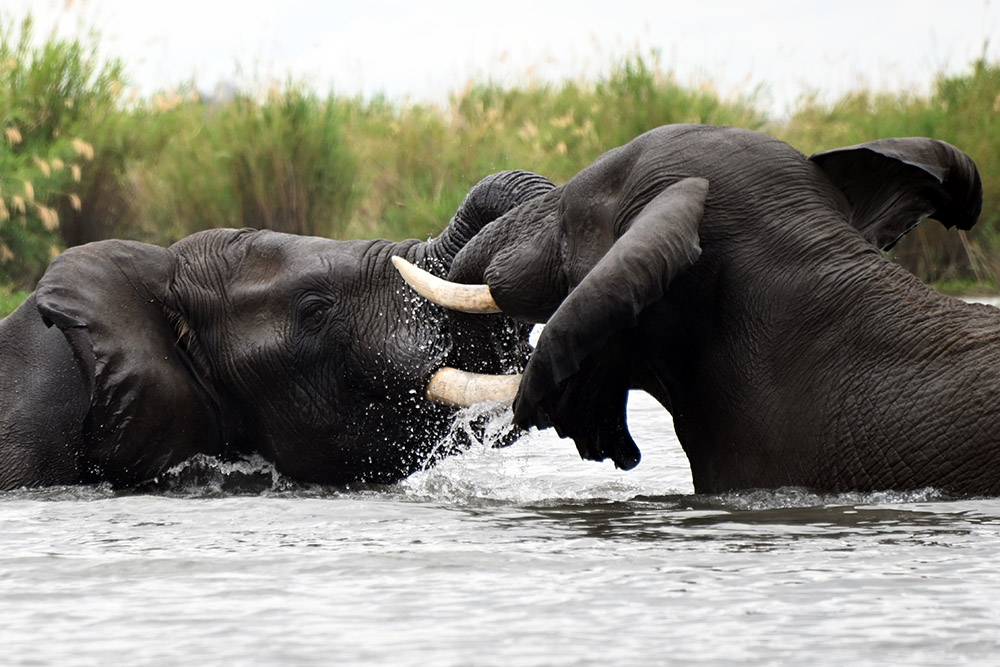
These two bulls were much more animated, splashing and pushing against each other in the water. Whether they were testing dominance or simply interacting, it was one of the more entertaining elephant encounters I’ve had.
Rhinos have also been reintroduced into Liwonde after previously disappearing from the area. Their numbers remain much smaller than the elephant population, so spotting one requires a lot more luck than I had on this trip.
Hippos
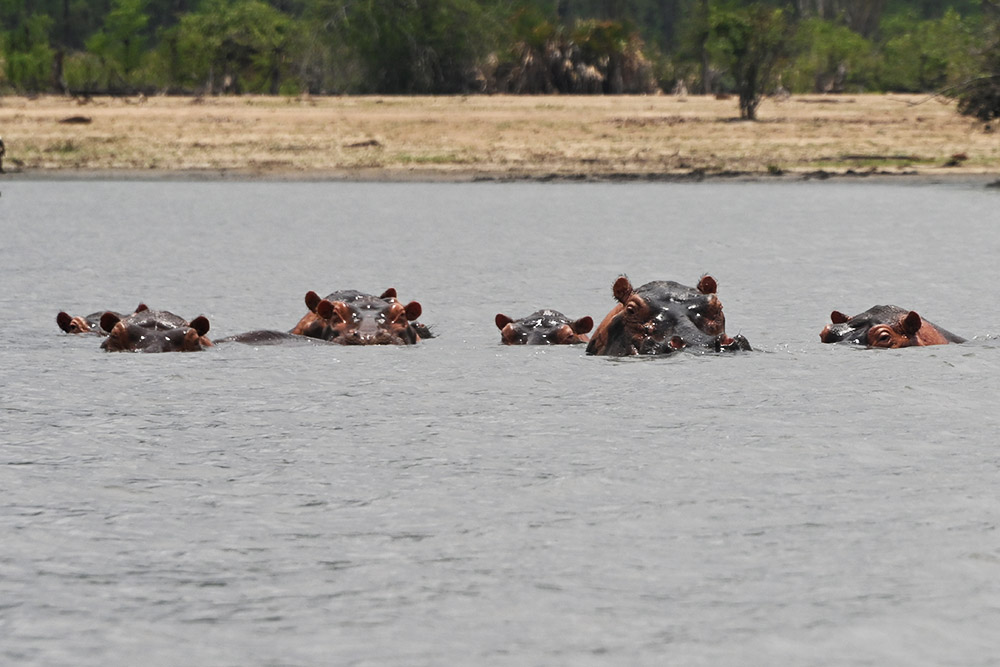
A boat safari also gives you one of the best opportunities to see hippos. They spend most of the day submerged in water to stay cool, often with little more than their eyes, ears, and nostrils visible above the surface.
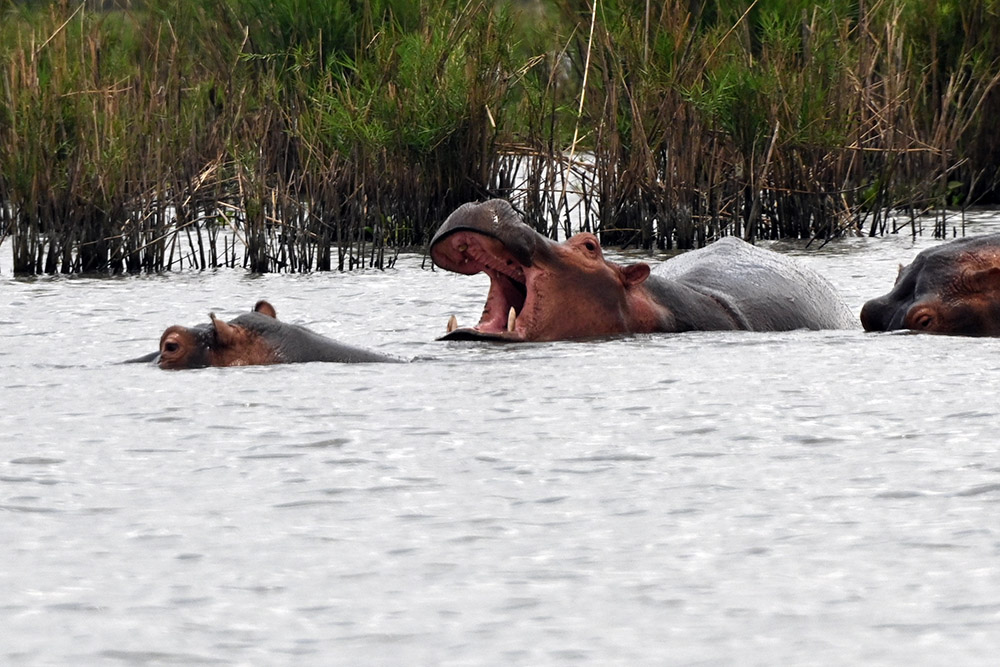
Despite looking almost lazy in the water, hippos are extremely powerful and territorial animals. This one opened its jaws wide, whether as a warning, display of dominance, or simply a very dramatic yawn. Either way, seeing those teeth up close was a good reminder not to get too comfortable around them.
Lake Malawi
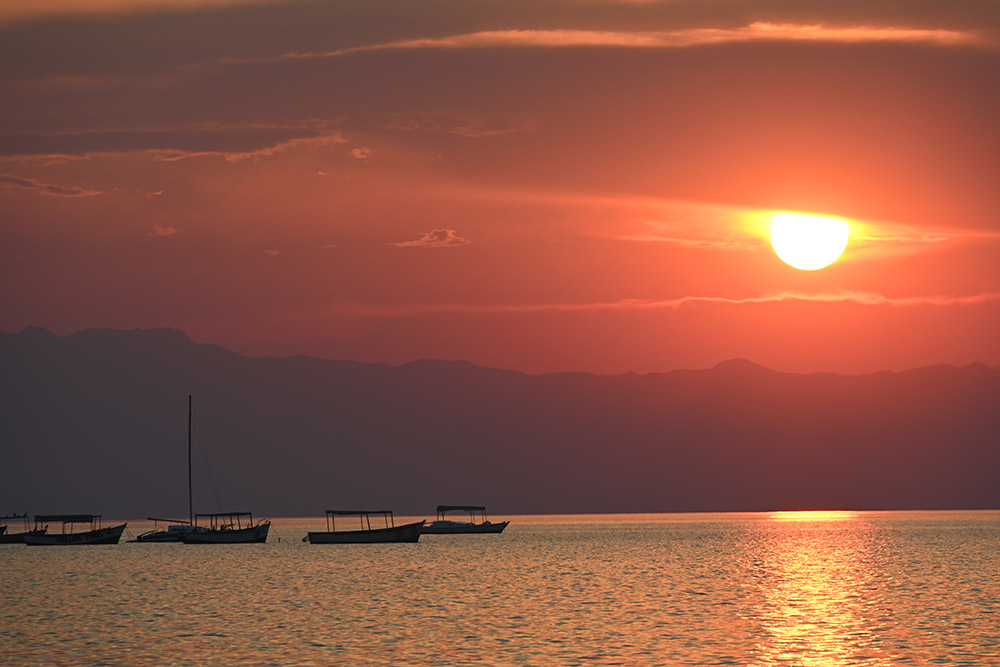
After the wildlife adventure in Liwonde, I finally reached Lake Malawi and was rewarded with my second incredible sunset of the trip. The colors in this photograph weren’t enhanced in any way. The lake really looked like this.
Lake Malawi is sometimes called the “Lake of Stars,” a nickname associated with the lights of fishing boats sparkling across the water at night. The lake is enormous, stretching so far into the distance that in some places it feels much more like an ocean than an inland body of water.
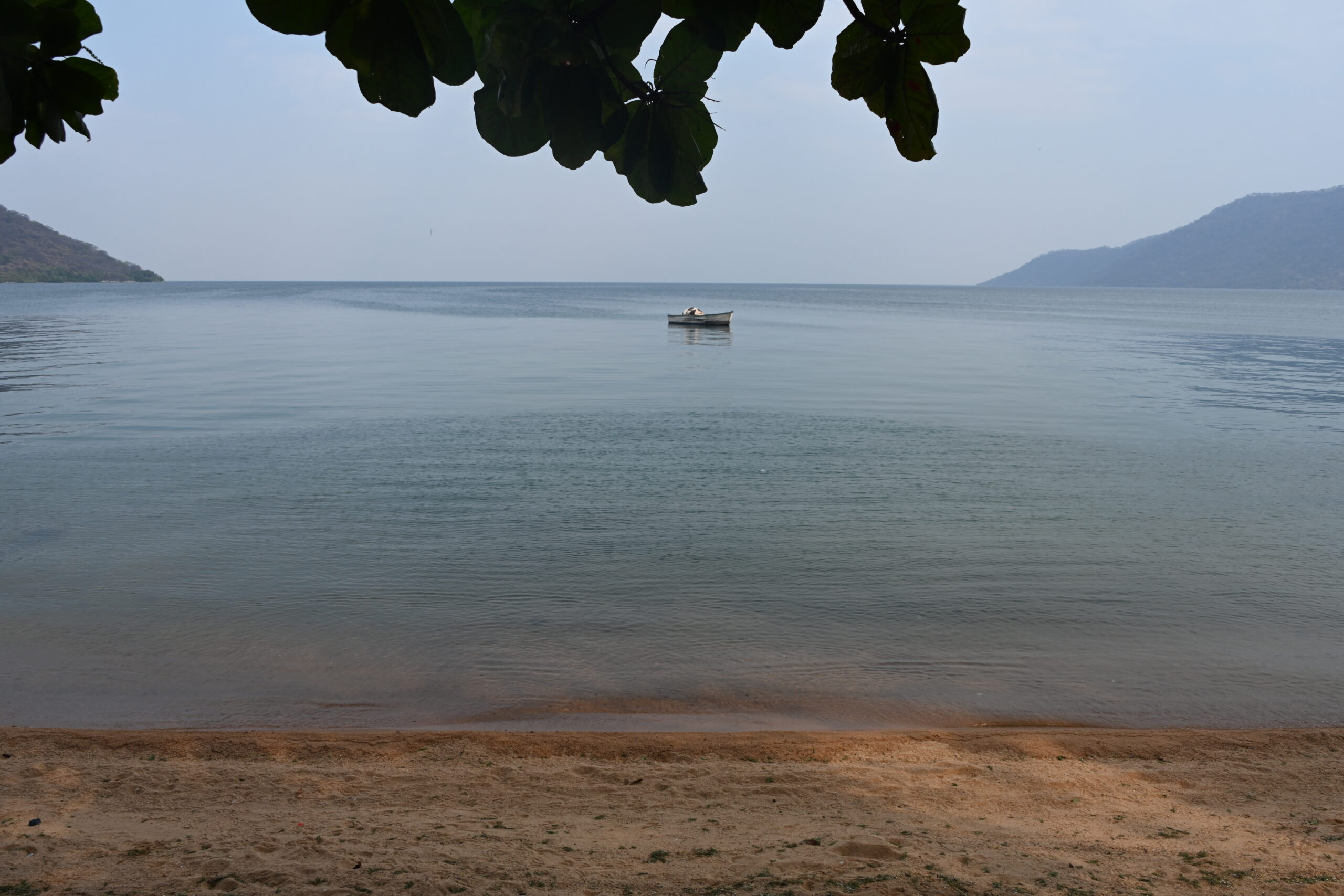
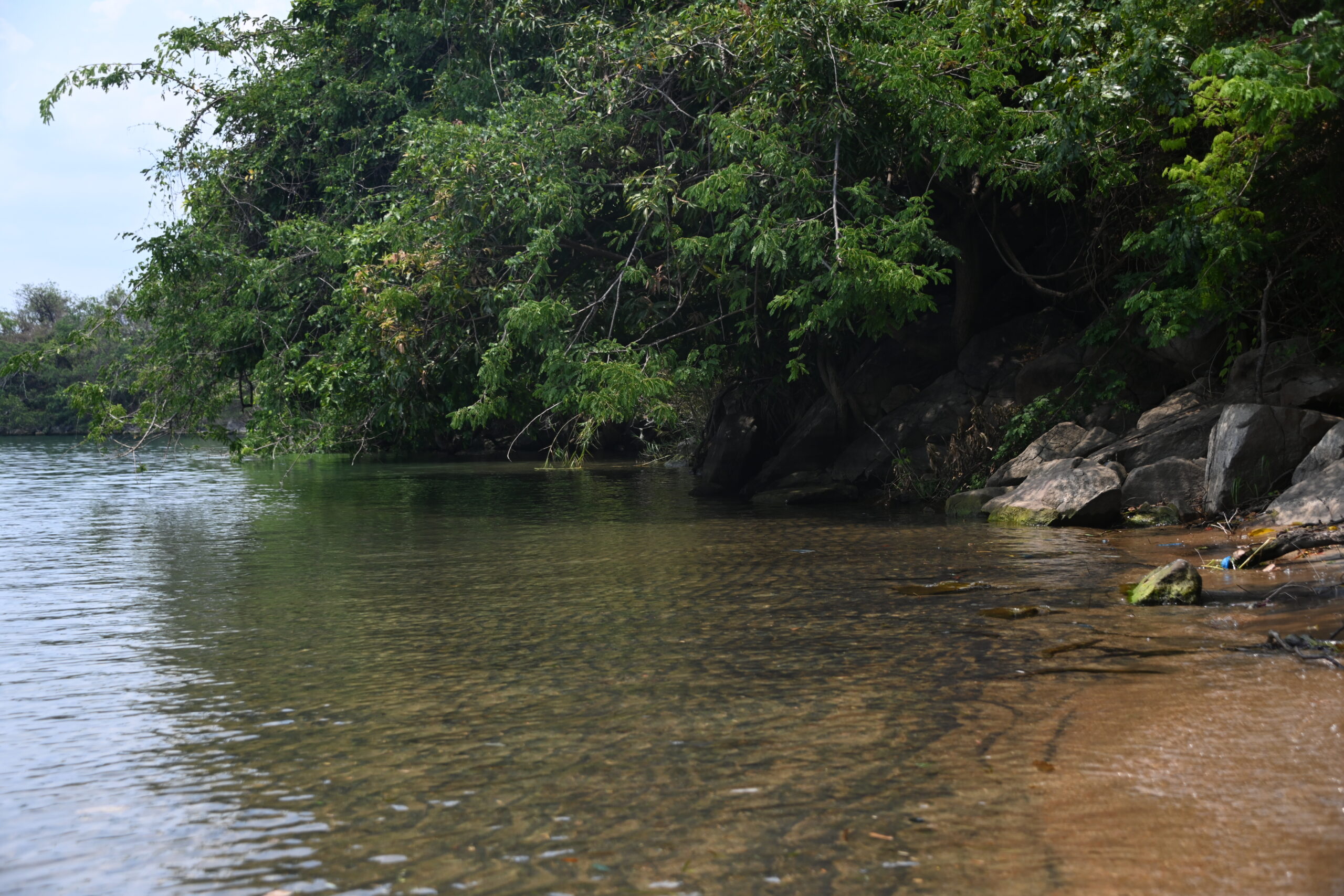
The shoreline changes dramatically depending on where you are. Some areas have sandy beaches that could easily pass for a tropical ocean coastline, while others are surrounded by rocky islands and dense vegetation. The water was warm and clear, making the lake feel more like a beach destination than I expected before arriving.
Scuba Diving Lake Malawi
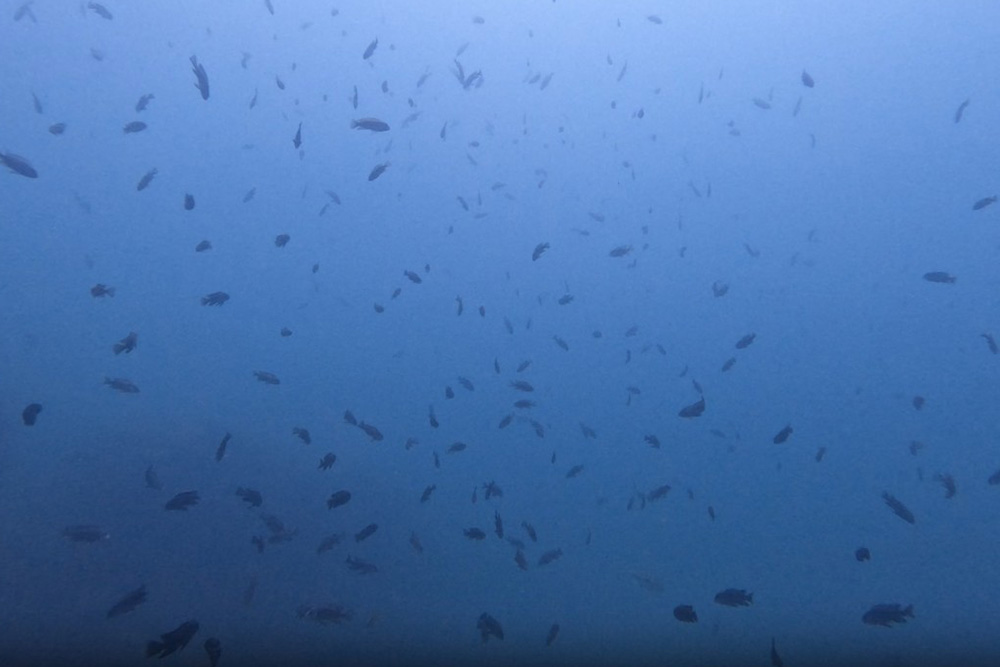
One of the most exciting and unusual adventures of the trip was scuba diving in Lake Malawi. Diving here is often compared to swimming through a freshwater aquarium, and after doing it myself I think that’s a pretty accurate description.
The lake is enormous, and there are countless places where you could potentially dive. I stayed in the southern part of the lake, where the water was warm and access was easy. The photograph above shows one of the large schools of fish I encountered during my first dive.
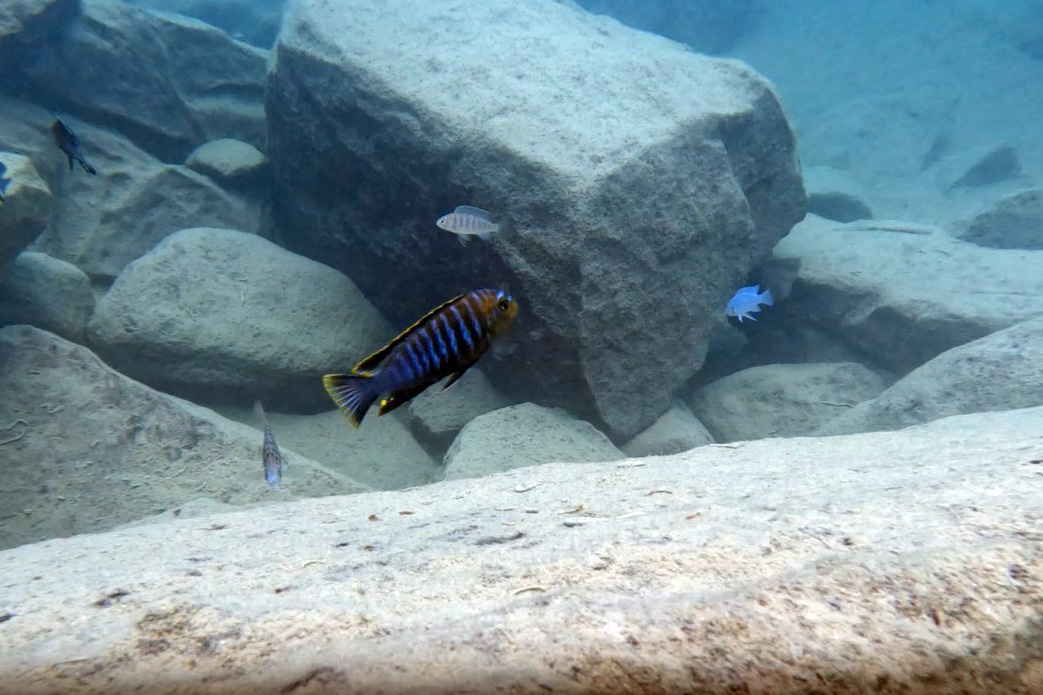
These underwater photos are still frames taken from my GoPro video and definitely don’t do the experience justice. I clearly need to invest in a proper diving camera.
I could probably post a hundred screenshots of different fish I saw, but these are just a few examples. Lake Malawi is famous for its extraordinary number of fish species, many of which are found nowhere else on Earth.
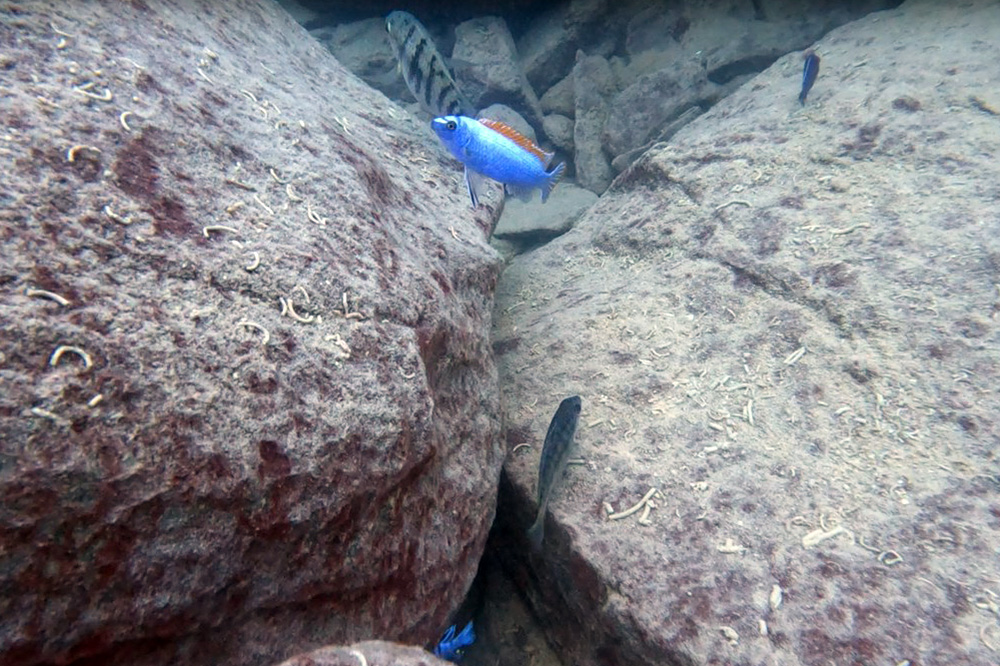
I wasn’t able to identify this guy, so I gave him the highly scientific nickname of “mohawk fish.”
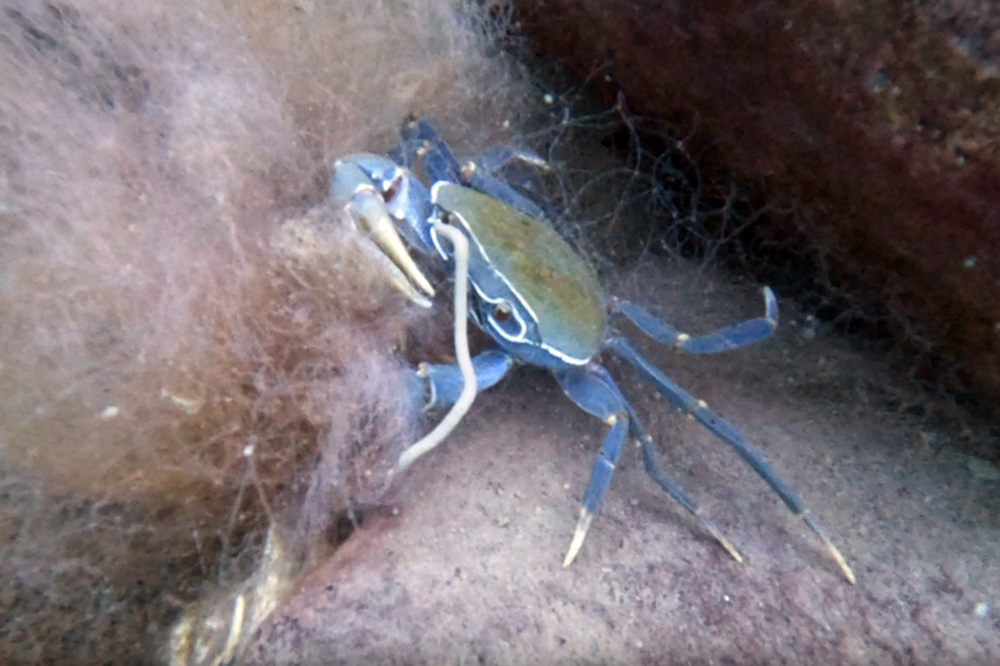
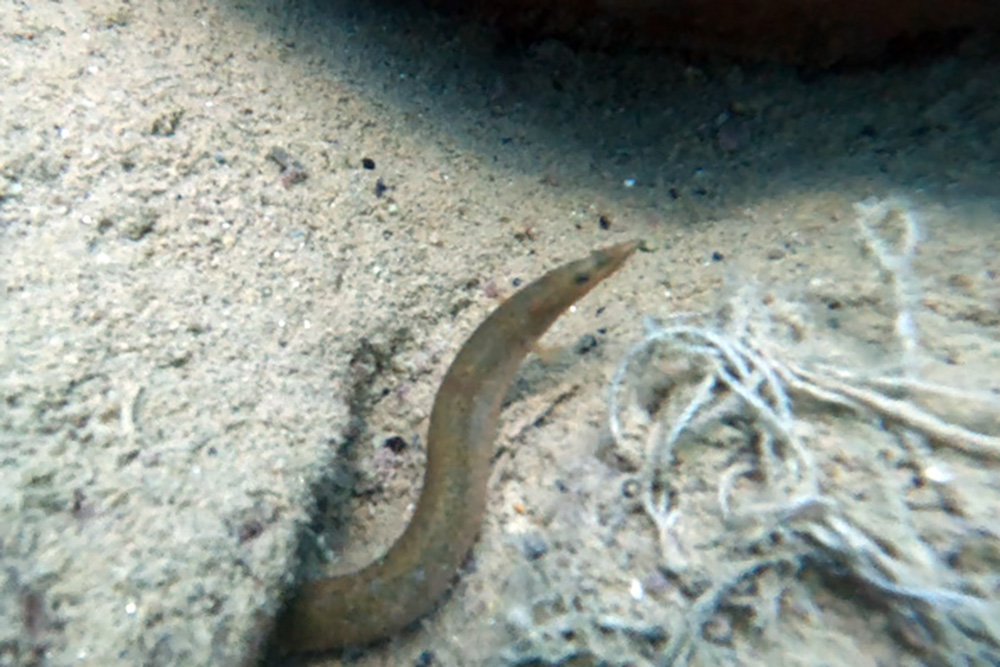
I was also lucky enough to come across several crabs and eels during the dive. Those are animals I normally associate much more with ocean diving, so seeing them in a giant freshwater lake so far from the coast was a little strange.
Kampango Catfish
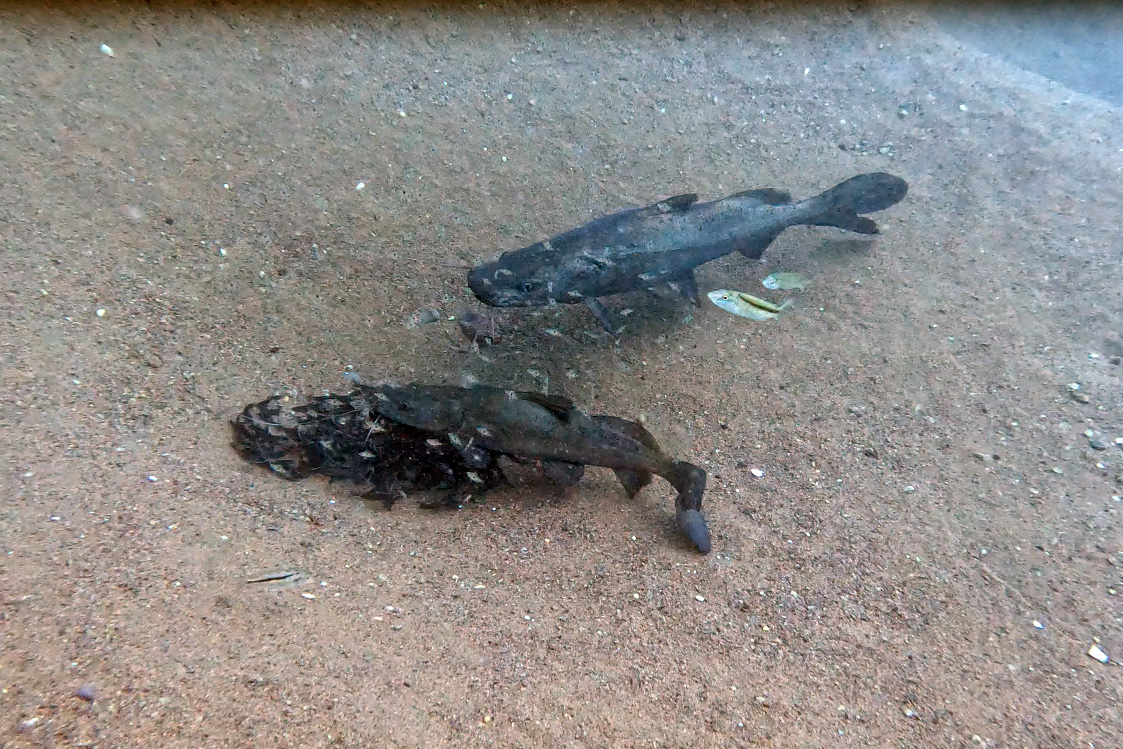
The highlight of my dive was coming across a nesting pair of kampango catfish. These large predatory catfish are native to Lake Malawi and can grow to an impressive size. Unlike many fish species, both parents remain near the nest and help protect the eggs and young.
Seeing a nesting pair in the wild was one of those unexpected moments that made the dive much more memorable. Between the enormous schools of colorful fish, crabs, eels, and the kampango, scuba diving in Lake Malawi ended up being one of the most unique freshwater experiences I’ve had anywhere in the world.
By the end of the trip, Malawi had given me almost everything I enjoy while traveling: cultural experiences, serious hiking, wildlife, photography, and something completely new underwater. It’s easy to understand why the country is called the Warm Heart of Africa, and it’s definitely a place I’d return to.