Devils Tower is a place I had wanted to see for a long time. I never imagined I’d actually attempt to climb it, and when I finally did, the decision was somewhat spontaneous. It’s one of the most distinctive rock formations I’ve seen anywhere in the United States.
The photo above was also my first attempt at HDR photography. I had always frowned on HDR because I assumed it was little more than heavily edited photography, but I eventually learned that the technique can involve combining several exposures taken from the same position to capture a wider range of light. It turned out to be considerably more involved than I expected.
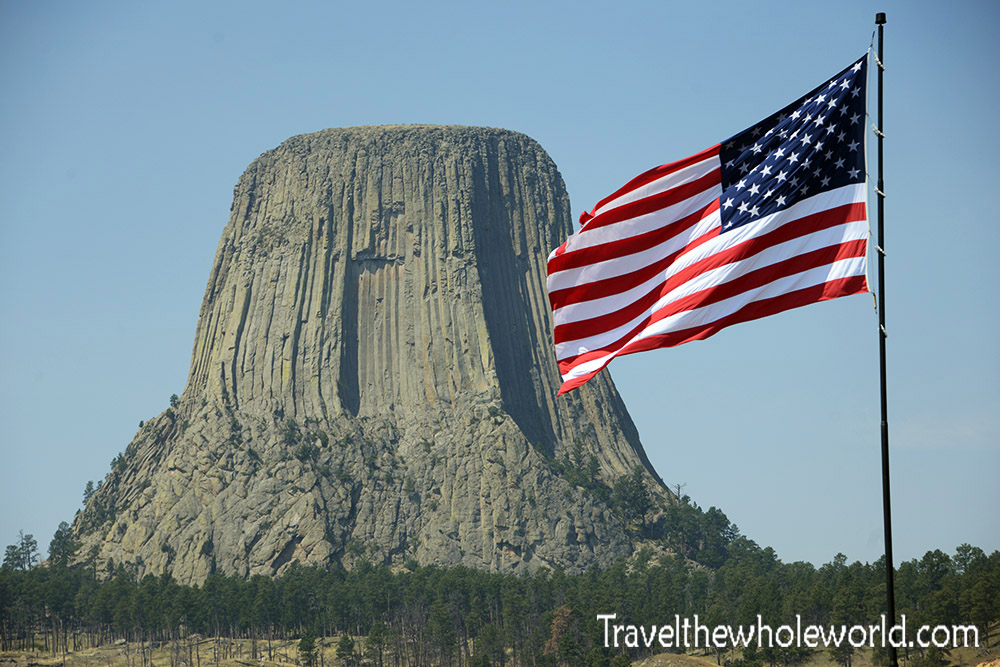
The HDR photo was actually taken at the end of my visit. I had already finished my climbing and photography and was back in my car when I noticed the sun setting directly behind the tower. The lighting transformed the entire scene. For comparison, the photo above shows Devils Tower under normal daylight, which somehow looks almost boring beside the sunset shot.
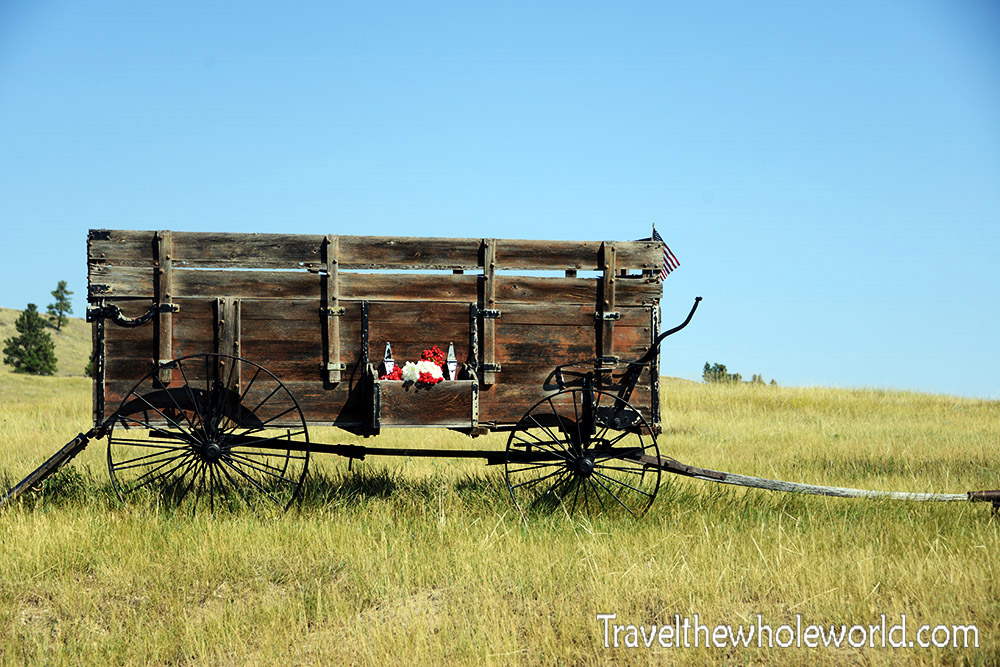
Devils Tower became the first national monument in the United States when President Theodore Roosevelt designated it on September 24, 1906. The monument itself protects a relatively small area surrounded by the open countryside of northeastern Wyoming. The old wagon above was sitting on nearby private property and seemed appropriate for the landscape.

The vast majority of visitors come simply to see the tower, take a few photos, and continue on their way. Others hike the short trails that circle its base. While walking one of those trails I came across this deer, which surprised me because I didn’t expect much wildlife to stay so close with so many visitors around.
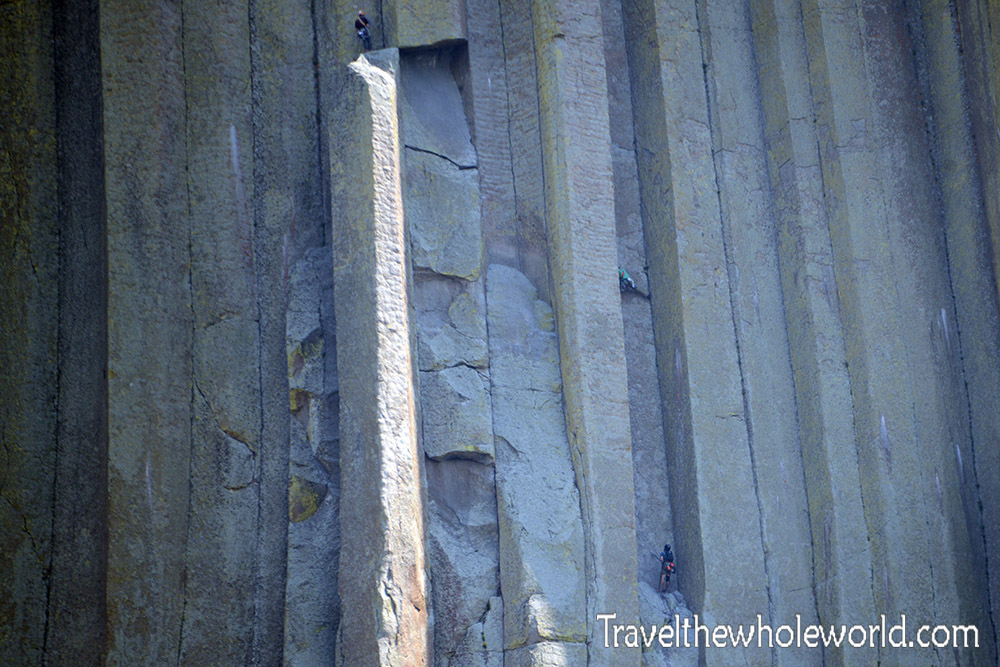
Then there’s the third group of visitors: the rock climbers. Devils Tower has numerous established climbing routes running up its enormous vertical columns. Many of the routes rely heavily on crack-climbing techniques, where climbers use the gaps between the columns for both movement and protection. The climbers above were working their way up one of the more difficult routes.
Climbing the Durrance Route
My original plan had been to gain more climbing experience and return to Devils Tower in the fall or possibly the following year. Then I realized that the 2017 total solar eclipse was passing directly through Wyoming, so I figured I might as well try to combine the two adventures.
I decided to attempt the Durrance Route. It’s one of the classic routes on Devils Tower and isn’t considered especially difficult by experienced crack climbers, although I was about to learn that climbing grades don’t tell the whole story when the technique itself is unfamiliar.
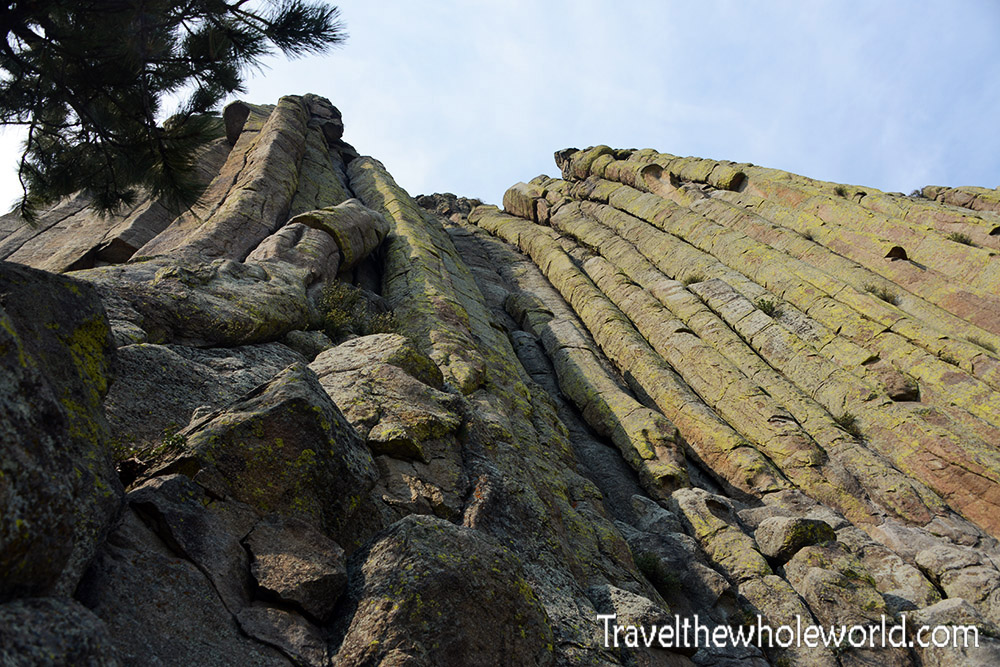
The photo above was taken after climbing the first section. Next came the Leaning Column, visible along the left side of the formation. After climbing the column, the route continued upward into the cracks above it.
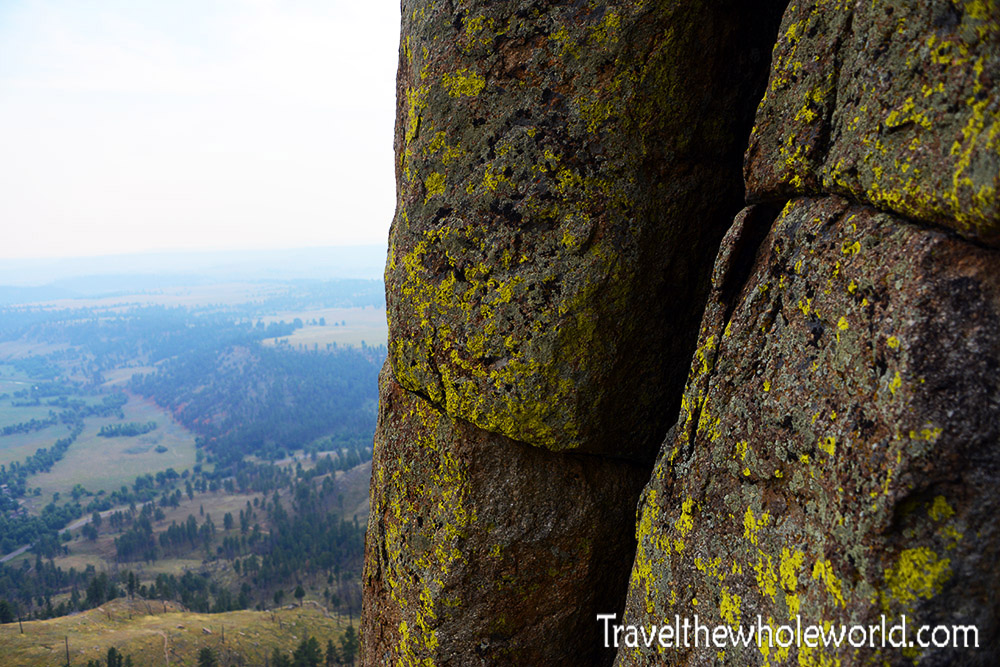
Up until I topped the Leaning Column, I had found the climbing surprisingly easy. That changed almost immediately when the route forced me into actual crack climbing, something I had never really practiced before.
Crack climbing uses a completely different technique from ordinary face climbing. One common method involves inserting your hand into the crack and rotating it so the hand wedges securely between the rock. Once the hand jam is set, you can use it to support your weight while moving your feet higher and repeating the process. Climbers use similar jams with their fingers, fists, and feet depending on the width of the crack.
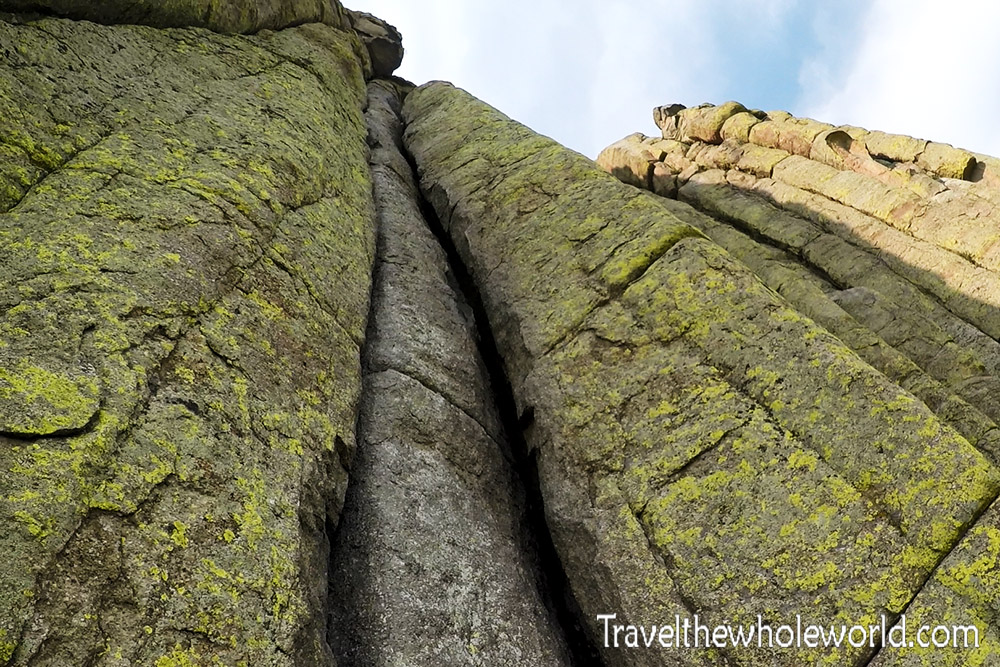
I had climbed face routes several grades harder than the 5.7 rating assigned to much of the Durrance Route, so I originally assumed the difficulty wouldn’t be a major issue. Instead, I discovered that crack climbing felt completely unintuitive to me. I could make the moves, but I was progressing painfully slowly.
We had also made the terrible decision to start at around 3:00 in the afternoon, so time quickly became another problem. I managed to finish the first crack section, but it became obvious that I wasn’t moving fast enough to continue safely up the much longer Durrance Crack shown above.
For an experienced crack climber, this section probably wouldn’t be especially intimidating. For someone trying to learn the technique while already on Devils Tower, it was a different story. A local climber compared crack climbing to riding a bicycle: at first nothing feels natural and you struggle constantly, then eventually something clicks and the technique suddenly makes sense.
That moment definitely didn’t happen for me on my first attempt. I turned around without reaching the summit, but I didn’t leave discouraged. If anything, the experience gave me a very specific skill I knew I needed to develop. Devils Tower isn’t going anywhere, and I fully intend to return with much better crack-climbing technique and finish what I started.
Explore More of Wyoming
Devil’s Tower • Devils Tower • Gannett Peak • Cody • the Grand Tetons • Yellowstone