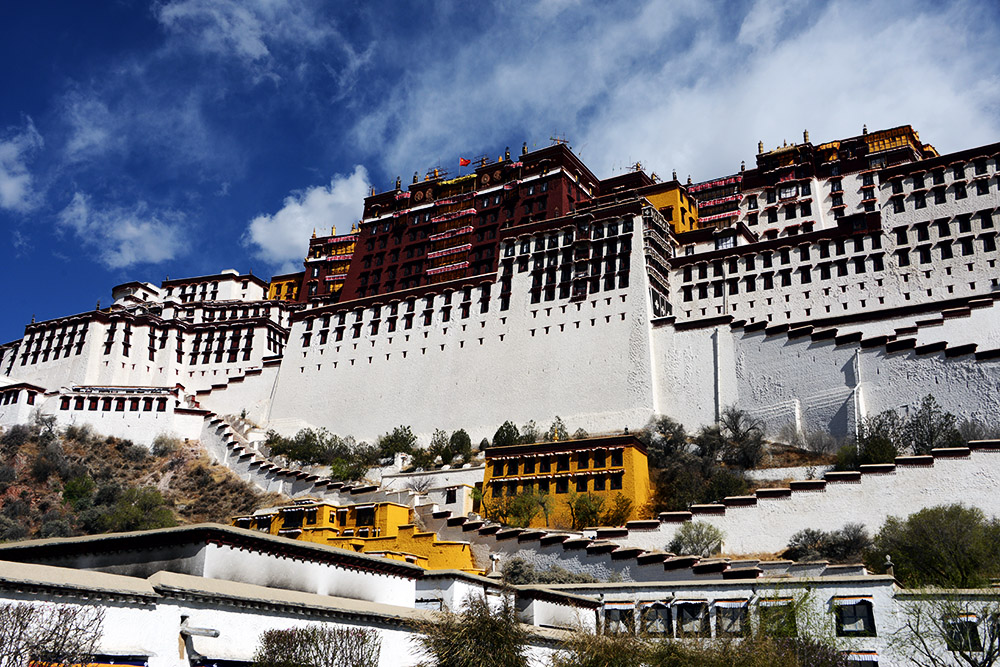
Tibet is one of the most remarkable places I’ve traveled, with its vast high-altitude landscapes, ancient Buddhist traditions, and some of the highest mountains on Earth. My travels took me to Lhasa, the historic and spiritual heart of Tibet, and to the northern side of Mount Everest. Having climbed Everest from both Tibet and Nepal, I had the opportunity to experience the mountain from two very different perspectives.
Explore Lhasa
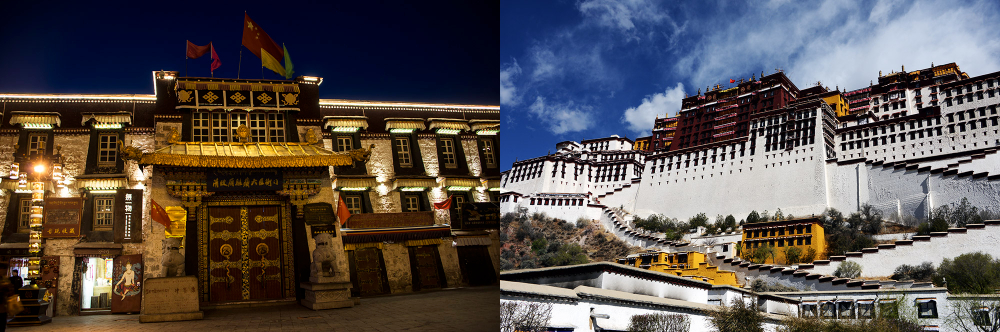
Lhasa is the capital of the Tibet Autonomous Region and one of the most important cultural and religious centers of Tibetan Buddhism. Situated at approximately 3,650 meters (11,975 feet) above sea level, the city combines centuries-old temples and monasteries with modern urban development.
Its most recognizable landmark is the Potala Palace, the former winter residence of the Dalai Lamas and a UNESCO World Heritage Site. Nearby, Jokhang Temple remains one of Tibetan Buddhism’s most sacred pilgrimage destinations, surrounded by the bustling Barkhor pilgrimage circuit. Other significant religious sites include Sera and Drepung monasteries, both historically important centers of Buddhist learning. Together, these landmarks make Lhasa an essential destination for understanding Tibet’s history, architecture, and religious traditions.
Explore Mount Everest
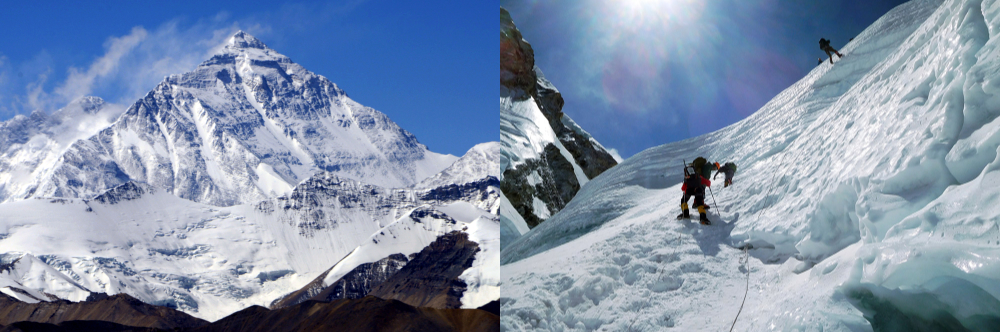
Mount Everest, known as Chomolungma in Tibetan, is the highest mountain on Earth, reaching 8,848.86 meters (29,031.7 feet). The summit lies directly on the border between Tibet and Nepal, and both sides offer dramatically different approaches to the mountain.
On the Tibetan side, Everest rises above the vast, high-altitude terrain of the Tibetan Plateau. The North Base Camp area provides sweeping views of the mountain’s imposing north face, while the traditional northern climbing route follows the North Col and Northeast Ridge toward the summit. Compared with the southern route from Nepal, the northern approach avoids the Khumbu Icefall but presents its own serious challenges, including exposed high-altitude terrain, strong winds, and technical sections near the summit.
Everest remains one of the world’s most recognizable mountaineering destinations, attracting climbers and visitors interested in the extraordinary landscapes of the Himalayas.
