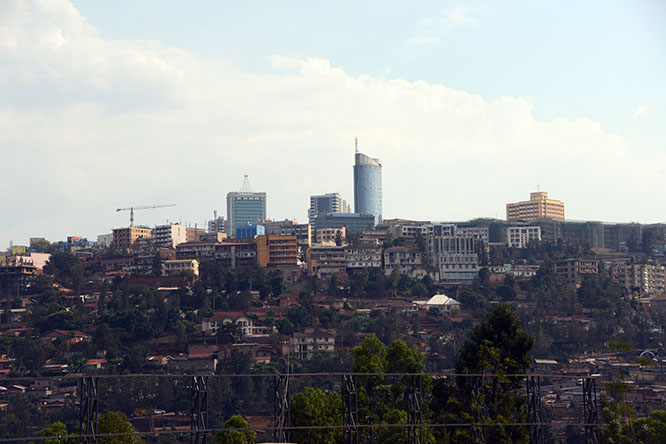
Before getting into how much I enjoyed Kigali, I have to mention that I lost the hard drive containing most of my photos from Rwanda. I paid quite a bit to have the drive recovered and managed to save roughly 30% of them, so this page doesn’t have nearly as many photos as I would have liked. Fortunately, I still have enough to share some of my experiences. Kigali was one of the biggest surprises of my trip through Africa. Considering the devastation Rwanda experienced during the 1990s, I was amazed by how much the city and country had changed. The photo above shows part of central Kigali.
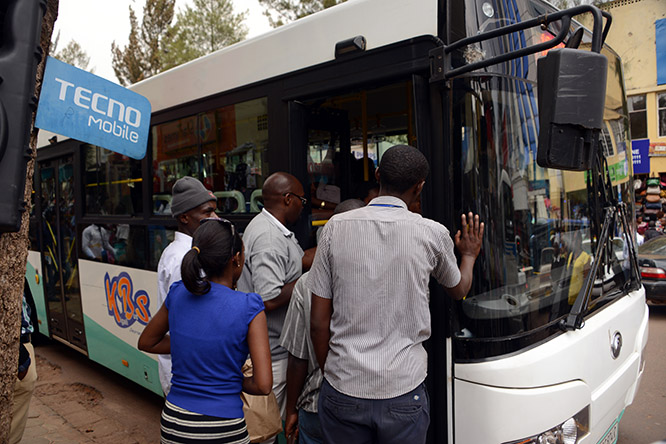
Some of my missing photos showed Kigali’s newer downtown areas and modern buildings, which were among the things that surprised me most about the city. I found Kigali to be one of the nicest cities I visited in Africa. There were modern restaurants, hotels, shops, and plenty of conveniences, while the streets generally felt orderly and easy to navigate. I also used public transportation several times because it was inexpensive and convenient.
It’s impossible to understand modern Rwanda without learning about the 1994 genocide against the Tutsi and the events that led to it. I was in high school when the genocide occurred, so visiting Rwanda years later and learning about it where it actually happened was especially powerful. Kigali’s memorials and museums confront this history directly, and some of the exhibits are understandably difficult to experience. They also explain how Rwanda’s colonial period helped deepen divisions within the population that would have devastating consequences decades later.
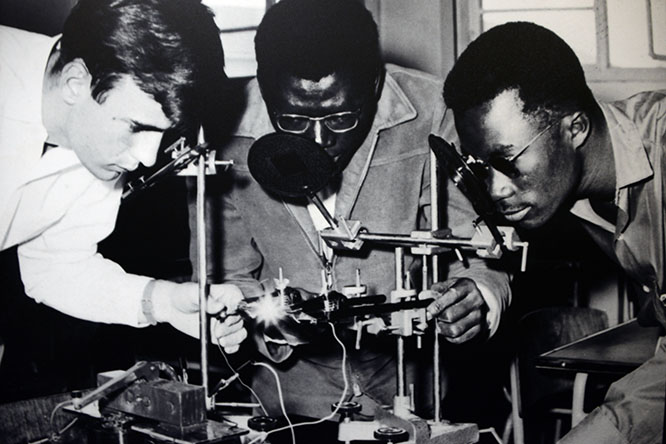
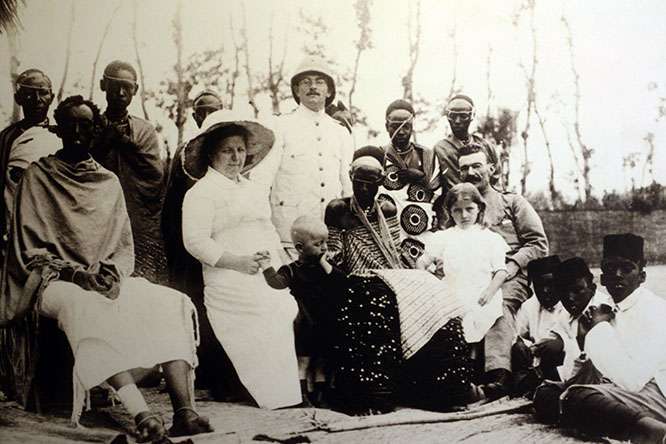
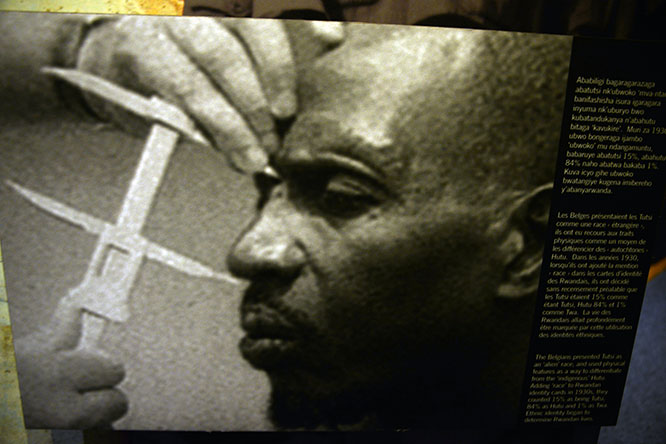
Hutu and Tutsi identities existed before European colonization, but the distinctions between them were historically more complex and fluid than the rigid ethnic categories they later became. Under Belgian colonial rule, authorities increasingly classified Rwandans according to these identities and generally favored Tutsi for positions in education and government. Colonial racial theories even attempted to associate physical characteristics with these classifications. Identity cards eventually formalized the divisions, helping turn social distinctions into increasingly rigid political categories. The photograph above shows Belgians with a Tutsi man, while the photograph below documents the disturbing practice of measuring physical characteristics as part of these racial theories.
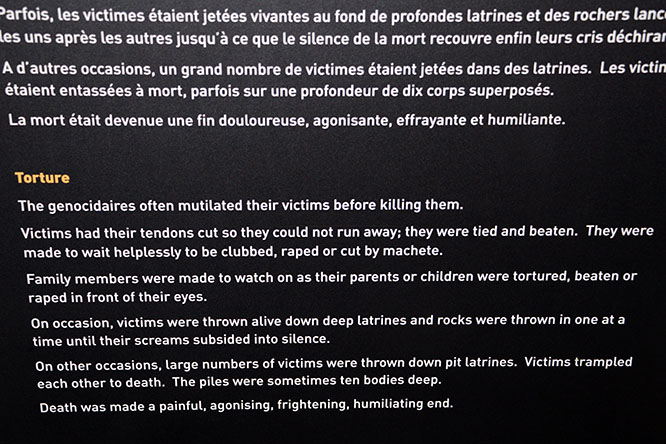
The history leading to the genocide is far more complicated than I could properly explain on a travel page. Decades of political conflict, discrimination, violence, civil war, and extremist propaganda eventually culminated in the genocide against the Tutsi in 1994. Over roughly 100 days, extremist militias and others murdered hundreds of thousands of Tutsi, along with moderate Hutu and others who opposed the killings. Many victims were murdered in horrific ways, and the museum doesn’t shy away from showing the brutality of what happened. The exhibit above documents some of those atrocities.
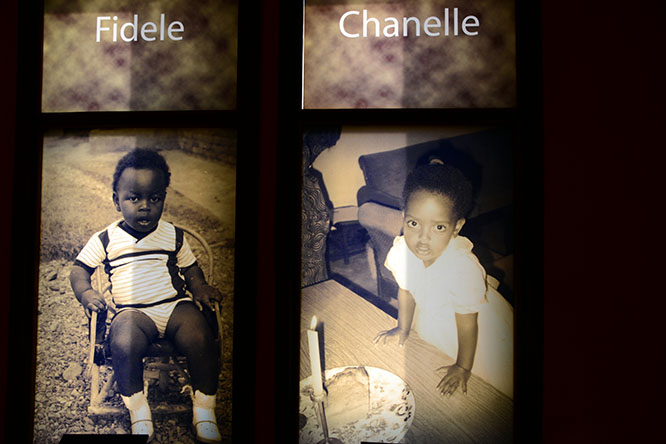
For me, the most difficult part of the museum was an exhibit dedicated to children who were killed during the genocide. Rather than presenting them simply as statistics, the displays tell you about each child’s personality, favorite activities, and interests before explaining how they died. It makes the scale of the genocide painfully personal and was one of the exhibits that stayed with me most after leaving.
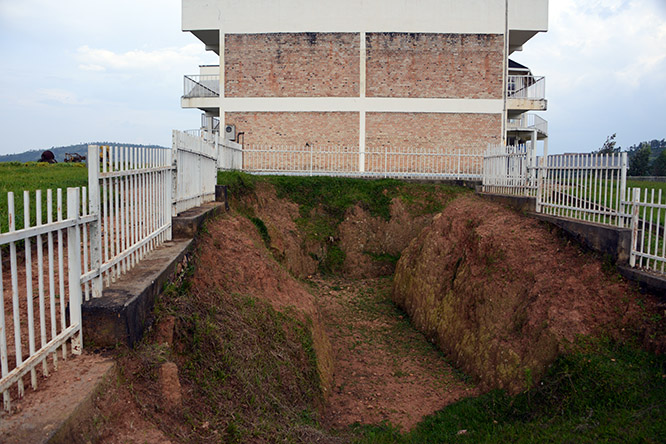
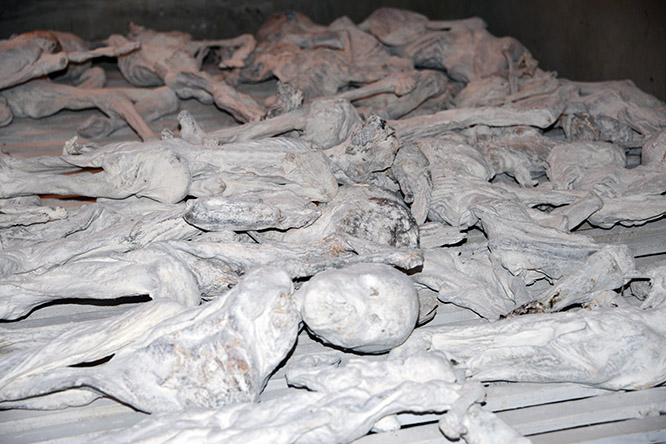
I also visited a genocide memorial outside Kigali near Butare, today known as Huye. Some of the worst massacres took place in this part of Rwanda. Thousands of people sought refuge at churches and other locations believing they would be protected, only for many of those places to become massacre sites. The memorial was another extremely difficult place to visit. The pit photographed above marks a mass grave for victims, while some of the preserved remains are displayed as a permanent reminder of what happened.
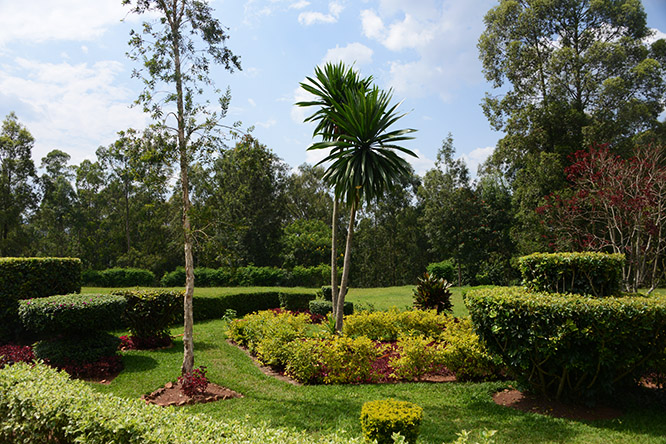
The genocide remains a major part of Rwanda’s recent history, but I didn’t want my experience in the country to be defined entirely by it. One of the things that impressed me most was seeing how much Rwanda had rebuilt in the decades since. Elsewhere in the Butare area, I visited museums and cultural exhibits covering much broader periods of Rwandan history. The grounds included beautiful gardens as well as displays devoted to traditional life and culture.
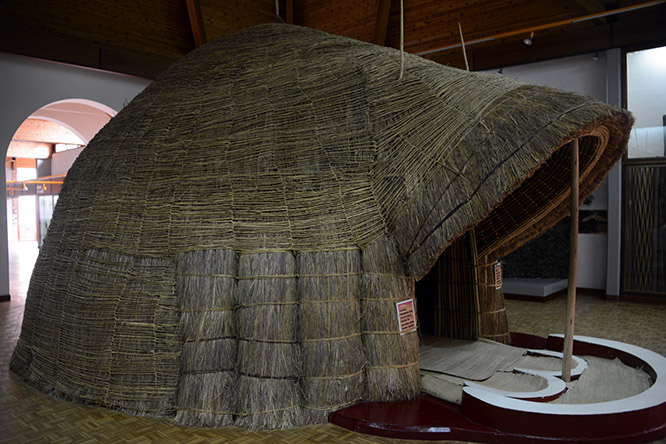
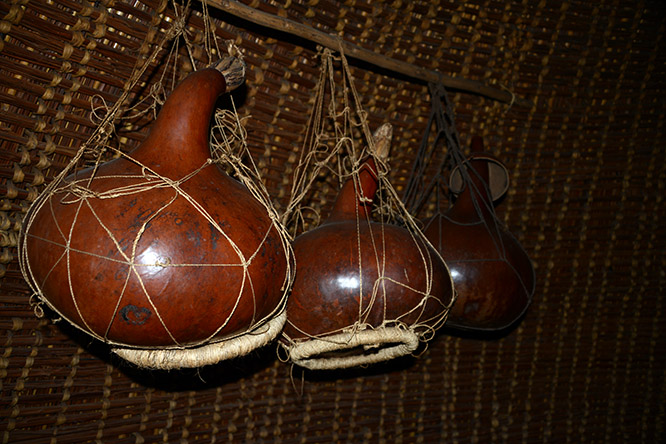
The museum had an interesting collection of artifacts from different periods of Rwandan history, including traditional drums, weapons, tools, handicrafts, and reconstructed buildings. The structure above shows the interior of a traditional hut. Outside on the museum grounds were larger displays along with locally made handicrafts. I purchased a few of them as souvenirs.
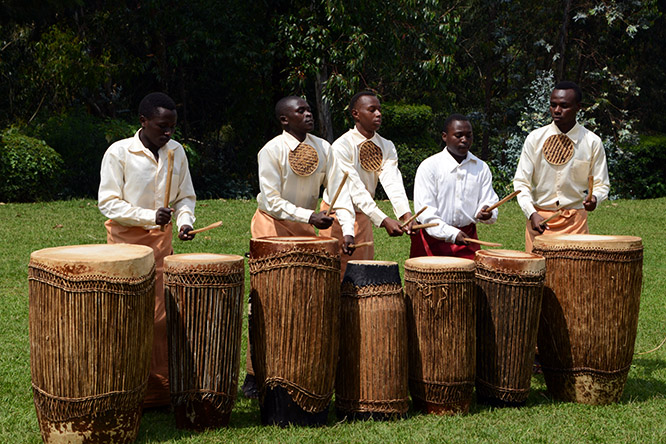
While I was visiting the museum, a cultural performance was taking place with traditional drummers and dancers. The dancers were camera shy, but the drummers above didn’t mind having their picture taken. Traditional drumming has a long history in Rwanda and remains an important part of cultural performances, ceremonies, and celebrations. Getting to unexpectedly see a performance while I was already visiting the museum made the experience even better.
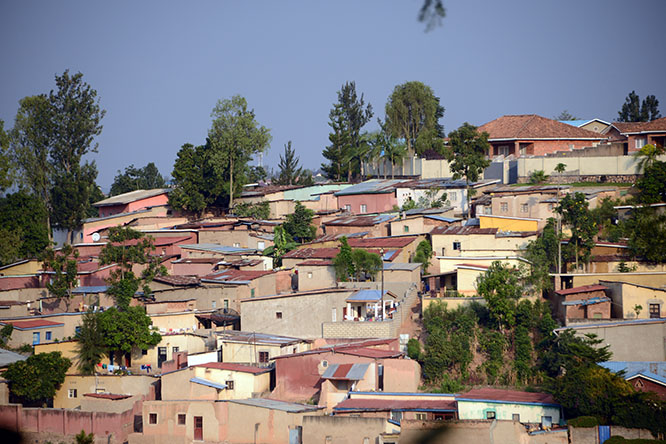
Outside the museums, one of my favorite experiences was simply exploring some of Kigali’s everyday neighborhoods with a local I met. These are places I probably wouldn’t have found on my own, and they gave me a much better look at ordinary life beyond the central parts of the city. The neighborhoods were lively, with markets, traffic, shops, and people going about their day. The photograph above shows some of the houses I saw, while below is a quieter road leading into one of the residential neighborhoods away from the main streets.
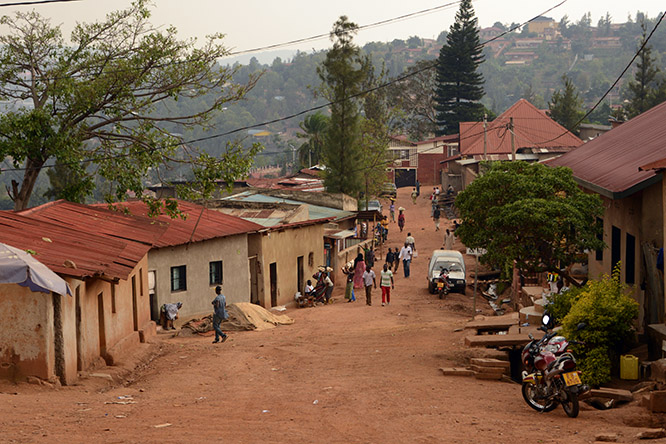
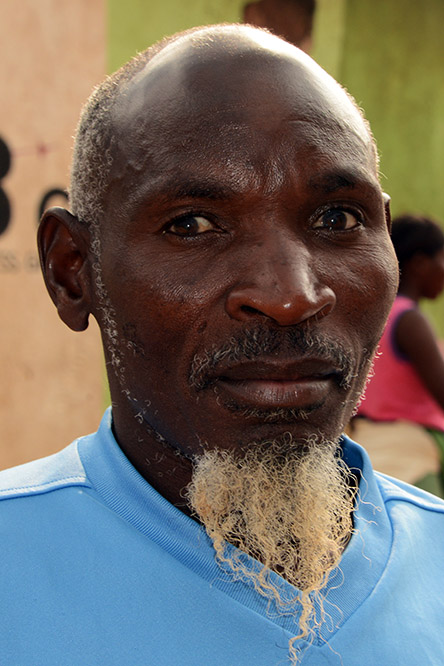
I randomly met this man while walking around one of the neighborhoods. He didn’t speak English and I couldn’t speak his language, but when he pointed toward my camera and gestured to me, I understood that he was warning me to keep an eye on it. Small interactions like that are part of what I enjoy about wandering beyond the main tourist areas.
Despite losing many of the photographs from this trip, my memories of Kigali are overwhelmingly positive. What impressed me most was seeing a country with such a painful recent history looking so firmly toward the future. Throughout the city I saw reminders emphasizing education, development, and national unity, while the museums made sure the past wasn’t forgotten. Kigali ended up being one of my favorite cities from this part of Africa, and it’s somewhere I’d gladly return to.