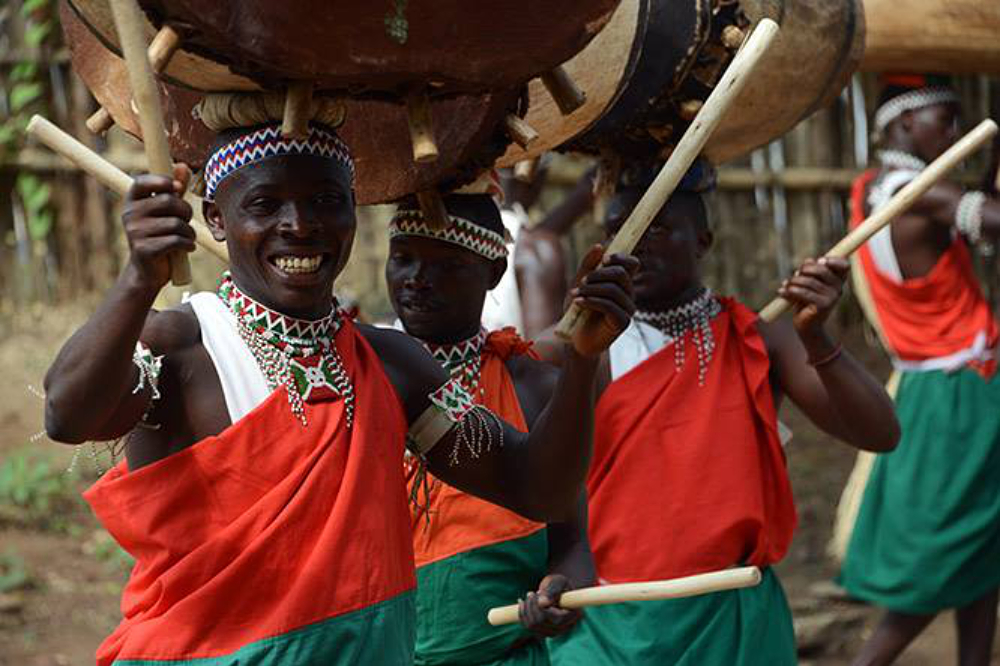
Burundi is one of those small countries that many people know very little about. For those who have heard of it, the country’s long history of civil war, political instability, poverty, and armed conflict has often dominated its reputation.
I had actually known about Burundi since my early travel days. In 1999, while traveling in Tanzania, I met someone who knew the country and described the civil war taking place there. Years later, Burundi caught my attention again when I saw it ranked at the very bottom of an international happiness survey.
By the time I finally traveled there, I was prepared for the worst in almost every category.
Instead, Burundi surprised me. I found friendly people, better roads than I expected, beautiful scenery around Lake Tanganyika, and even some surprisingly upscale places around Bujumbura. The country certainly had serious problems, but the Burundi I experienced was more complicated than the image I had formed before arriving.
Explore Bujumbura
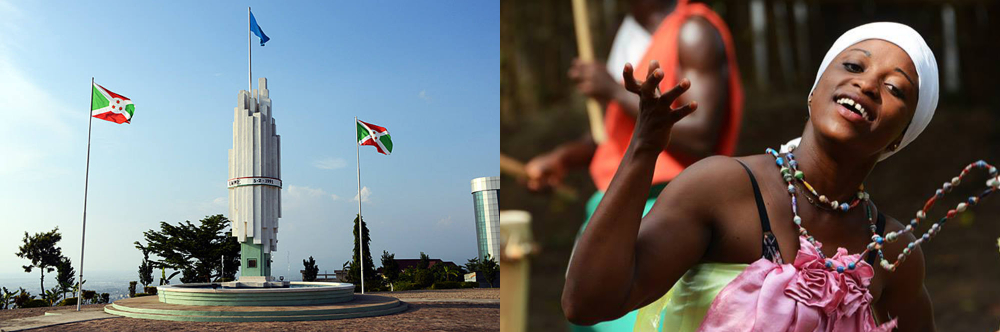
Bujumbura is Burundi’s largest city and economic center, stretching along the northeastern shore of Lake Tanganyika beneath the surrounding hills. Although it served as the national capital until 2019, the city remains the country’s principal commercial hub. Its lakeshore, busy streets, hillside neighborhoods, markets, restaurants, and reminders of Burundi’s turbulent history reveal very different sides of the city, while the higher ground provides expansive views across Bujumbura and Lake Tanganyika.
Explore Rusizi National Park
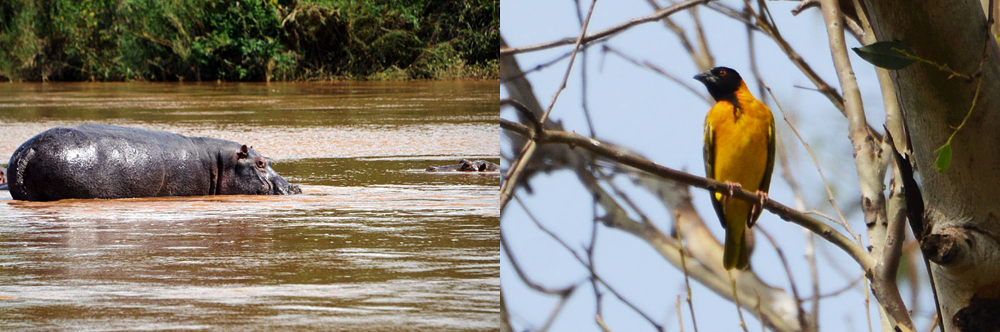
Just outside Bujumbura, Rusizi National Park protects wetlands, floodplains, river channels, and other habitat along the Rusizi River and its delta at Lake Tanganyika. Hippos, Nile crocodiles, and abundant birdlife inhabit the park, making it one of Burundi’s most accessible wildlife areas. Rusizi is also associated with Gustave, the enormous Nile crocodile that became internationally famous through stories blaming him for an extraordinary number of human deaths, although the most extreme claims were never verified.