Mountain Gorillas
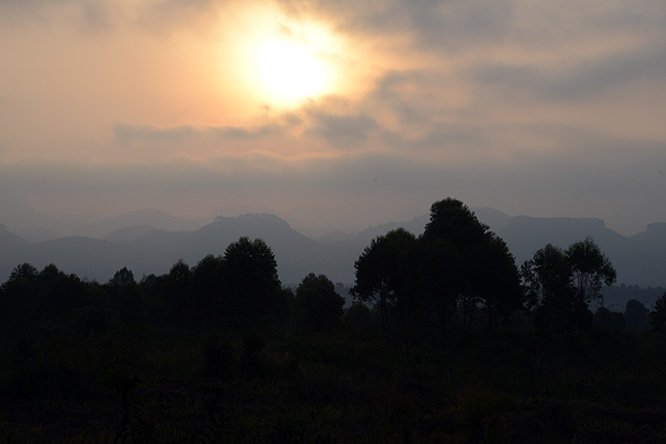
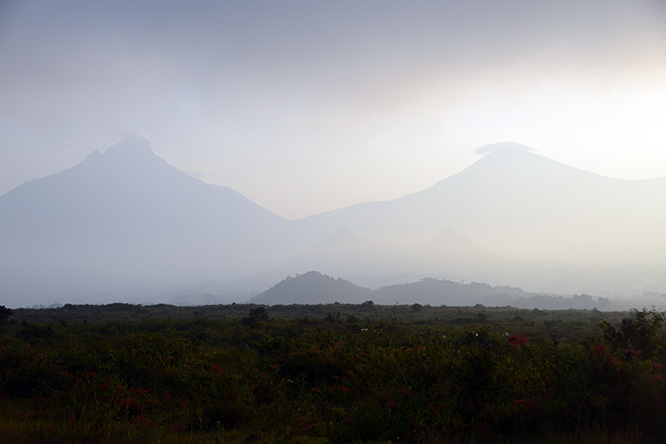
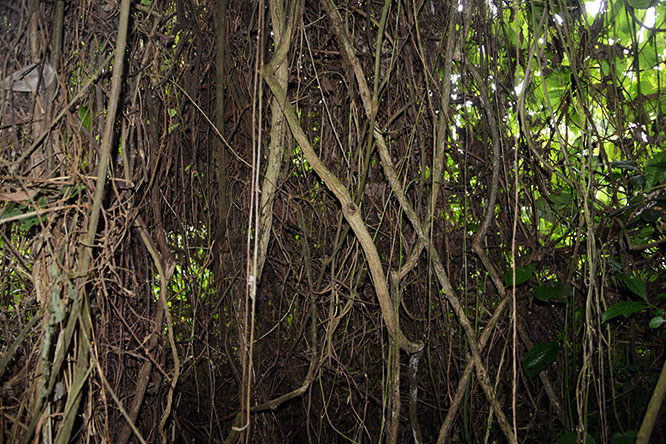
My main motivation for visiting the Congo was to explore Virunga National Park, with the goals of seeing the mountain gorillas and climbing one of the volcanoes. I spent a few days here, and these first two photos were my introduction to the area. It was early in the morning, with the sun still coming up over the surrounding mountains and volcanoes.
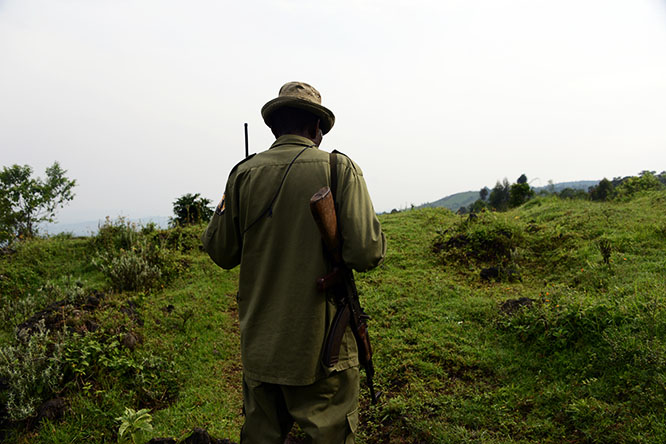
Once you arrive at the park, you’re accompanied by an armed ranger. I entered at a time when Virunga was experiencing some important recovery and stability after years of problems with armed groups in the area. The park rangers here have an extremely difficult job protecting both the wildlife and themselves.
I started from one of the ranger outposts, following a simple trail that passed through mountain farmland before entering the dense forest.
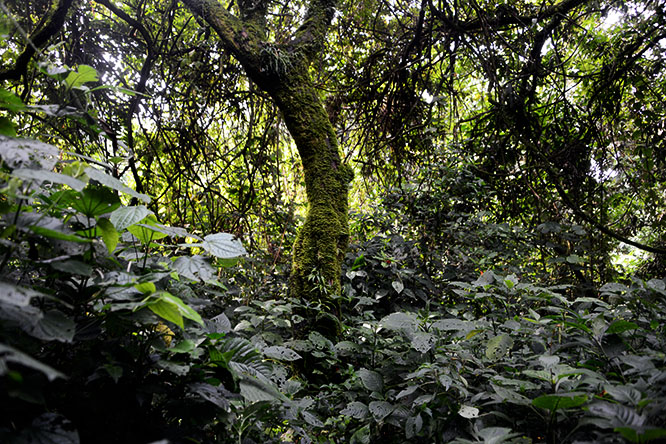
The forest was incredibly thick, with dense foliage and vines hanging like drapes and blocking much of the view. It seemed nearly impossible to spot any wildlife unless you were only a few feet away from it. Since these are wild animals free to move wherever they want, there is never a guarantee that a gorilla trek will result in an encounter.
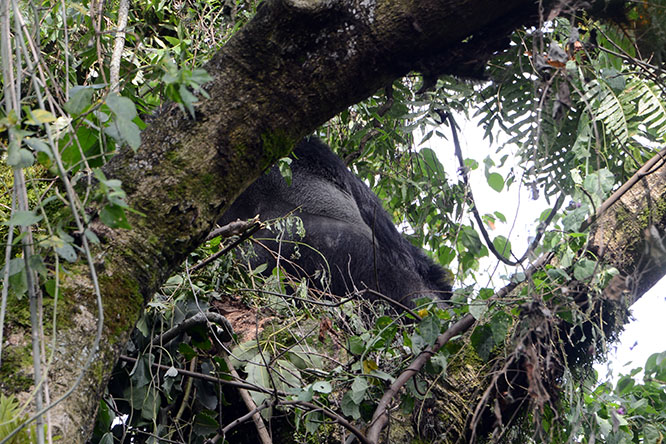
Knowing that a gorilla sighting wasn’t guaranteed was a little hard to swallow after traveling across the globe for this experience. Fortunately, I spotted this gorilla up in a tree pretty quickly. He was far away and this photo was taken at full zoom. I was annoyed that he wouldn’t turn around for the camera and worried that this might be the best view I’d get.
After some more trekking, however, we stumbled directly into the gorilla family photographed below. A group of gorillas is known as a troop.
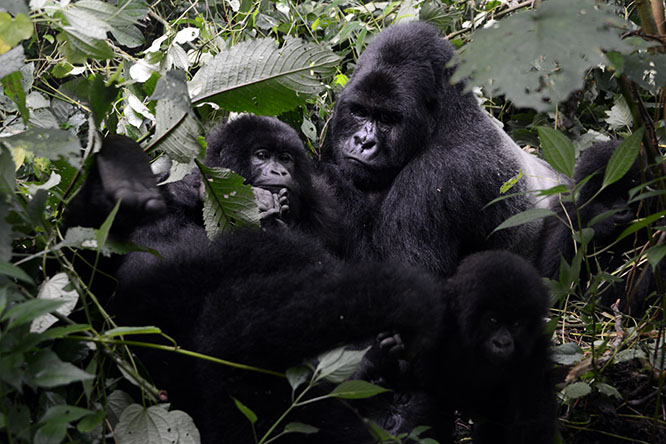
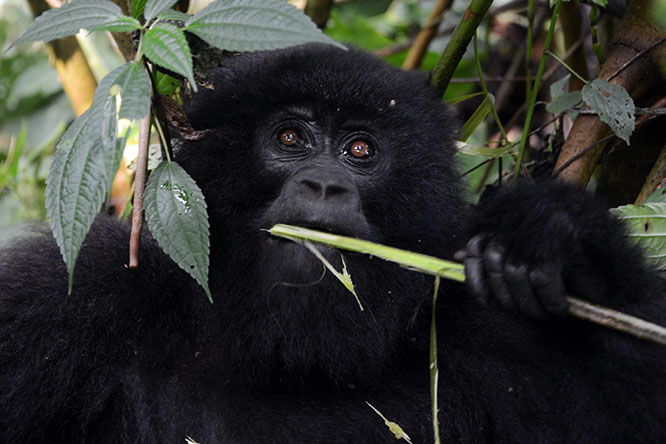
I was surprised by how close I was able to get to these guys. Mountain gorillas are overwhelmingly herbivorous and, despite their enormous size and power, generally peaceful animals. The largest gorilla here was probably around 400 pounds (180 kg).
Most of the gorillas in this troop were sleeping, but one juvenile was eating while a baby played around, poking at its lazy family members and climbing through the trees.
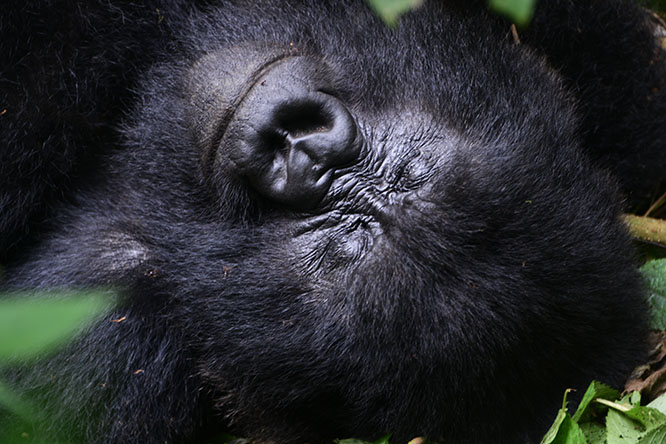
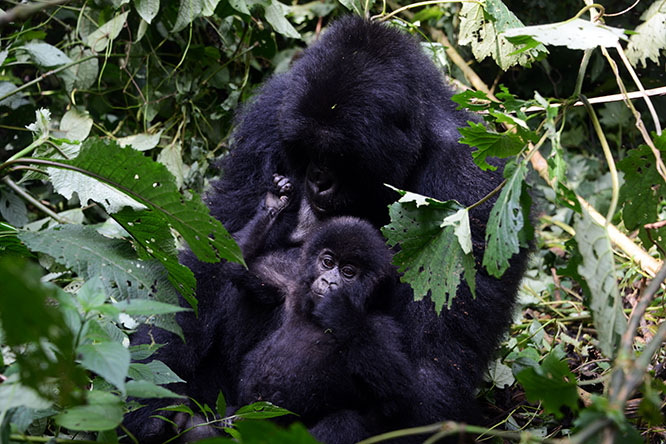
I was told by the rangers that this baby was only seven months old. One of the large male gorillas I later encountered was 22 years old. I didn’t ask about the gorilla holding the baby, but my assumption was that this was the baby’s mother. I saw other gorillas holding and playing with the baby as well, but the baby seemed especially affectionate with this one.
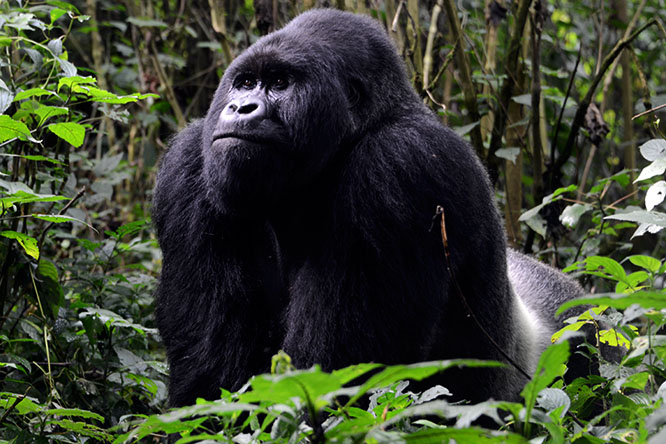
Gorillas are divided into two species, eastern and western gorillas, which are further divided into subspecies. The gorillas I was seeing here were mountain gorillas, one of the most famous and threatened great apes in the world.
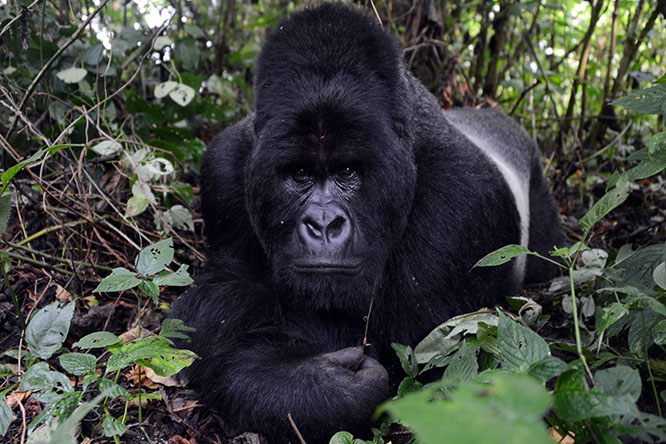
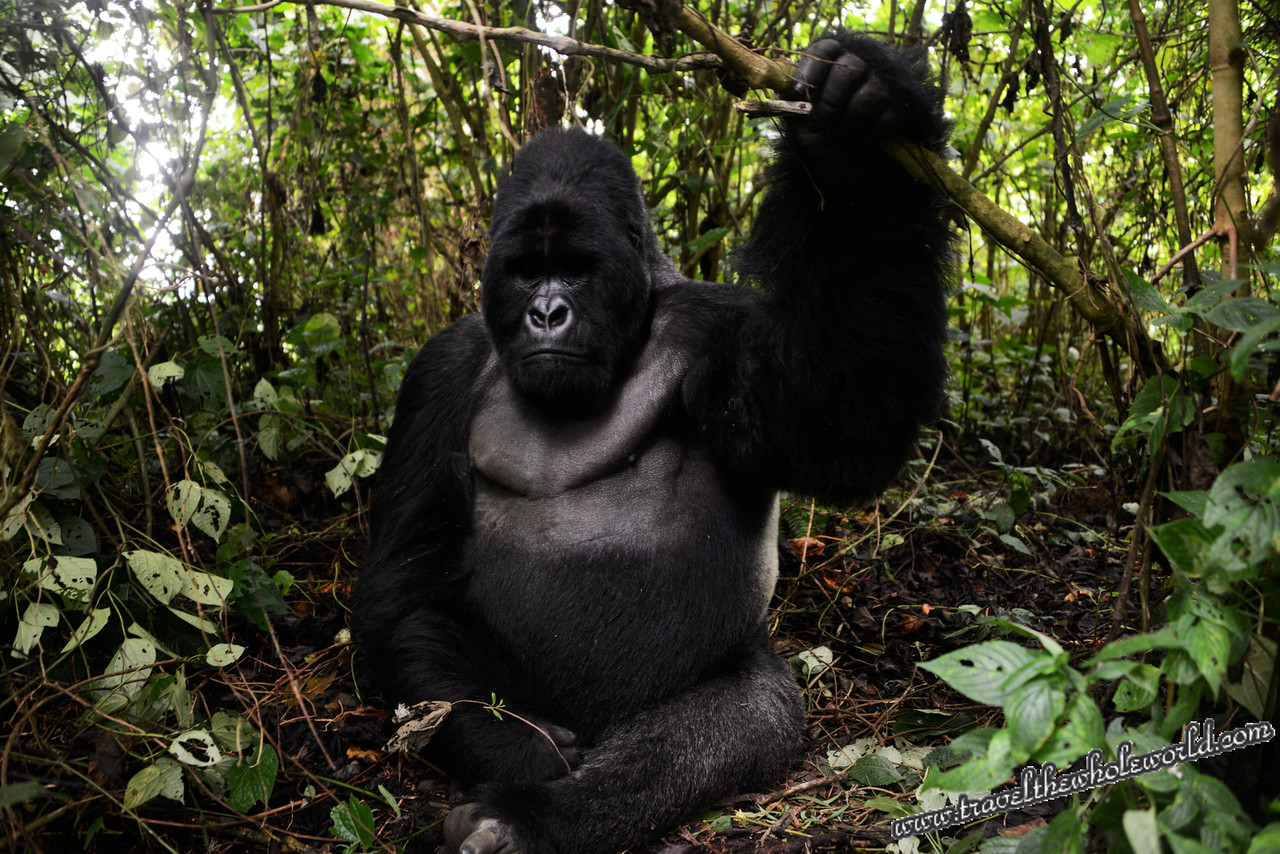
My last photo of the gorillas is this intimidating-looking but actually calm silverback. This guy was the dominant male of the group and by far the largest gorilla I saw while in Virunga. It’s truly amazing to stand near such a huge and powerful animal and actually make eye contact with it. With such a rare species, I hope their population continues to recover in the future.
Hiking Nyiragongo Volcano
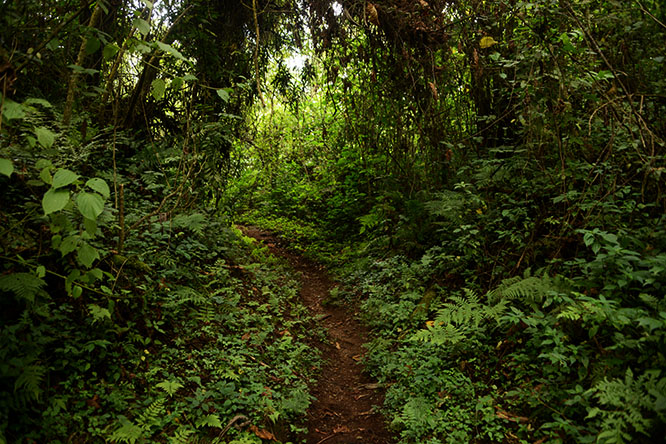
My other big adventure in Virunga National Park was hiking Nyiragongo volcano. This is one of the most active volcanoes on Earth, and so far in my travels it’s the most incredible volcano I’ve ever seen. The hike begins in tropical forest with relatively gentle terrain before climbing toward the summit.
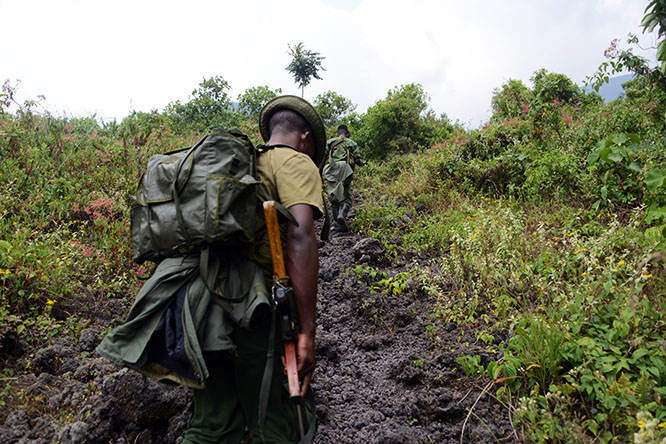
Like elsewhere in Virunga National Park, we were accompanied by armed rangers during the hike.
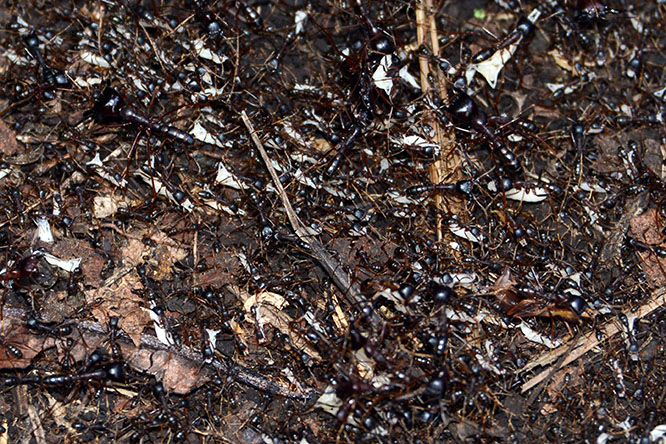
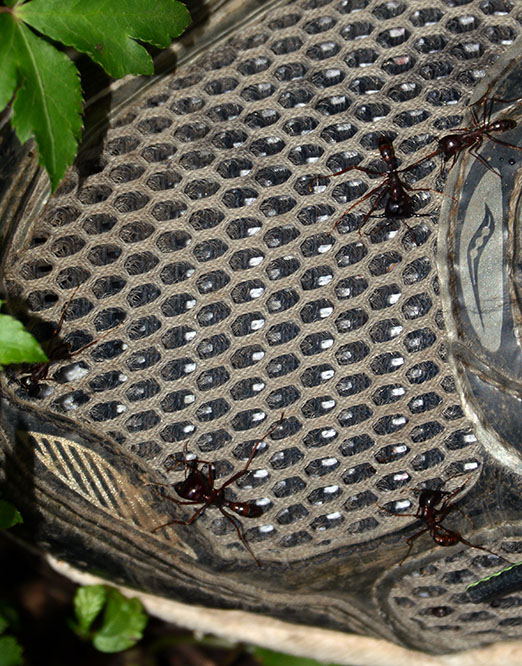
While hiking through the forest at lower elevations, I stepped over this trail of giant ants. I stopped to photograph them and afterward noticed that some had found me too. Several had latched onto my shoes and refused to let go, so I had to pick them off one at a time. I imagine getting bitten by these wouldn’t have been pleasant!
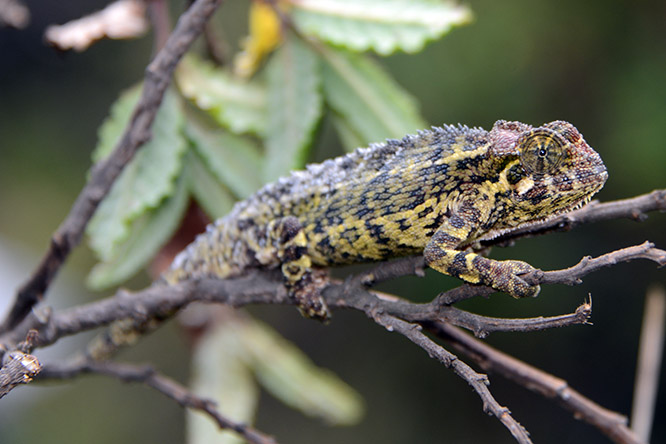
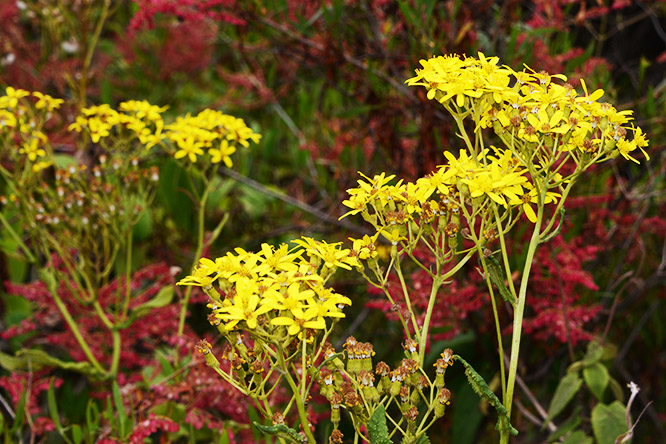
There is a wide range of flora and fauna on the volcano, especially because the changes in elevation create different ecosystems. Like any hike, you have to be fortunate to actually spot much wildlife. Somehow one of the rangers spotted this chameleon along the trail. Below is a shot I took of some of the flowers growing nearby.
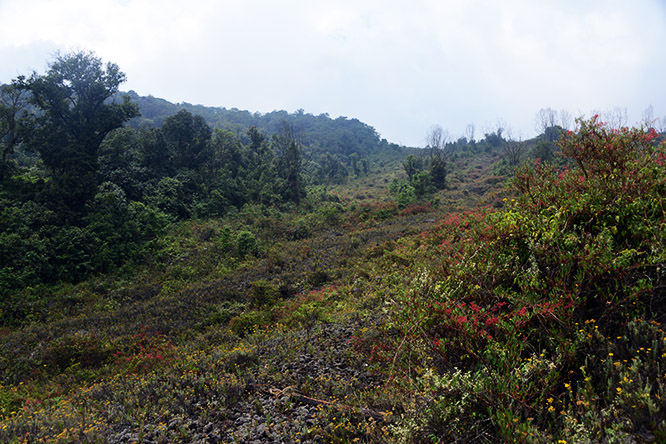
After about an hour of hiking, we left the thicker forest and entered a landscape mostly covered with shrubs and smaller plants. Much of this area had been affected by Nyiragongo’s 2002 eruption, when lava flowed down the volcano and into parts of the city of Goma.
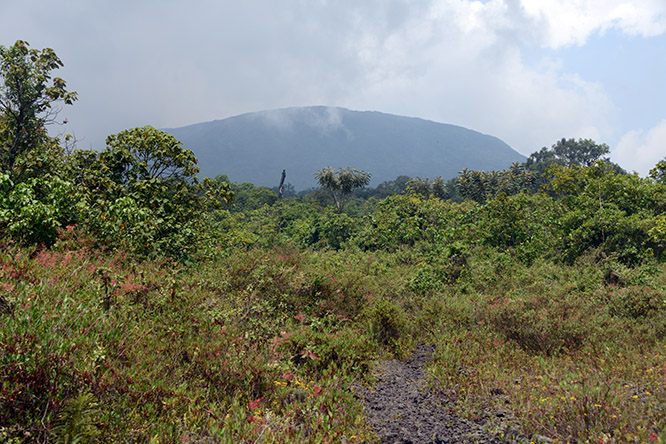
With less vegetation blocking the view, it became much easier to see the volcano. The summit of Nyiragongo still looked incredibly far away. Soon afterward, the trail changed from dirt to loose volcanic rock and became considerably steeper.
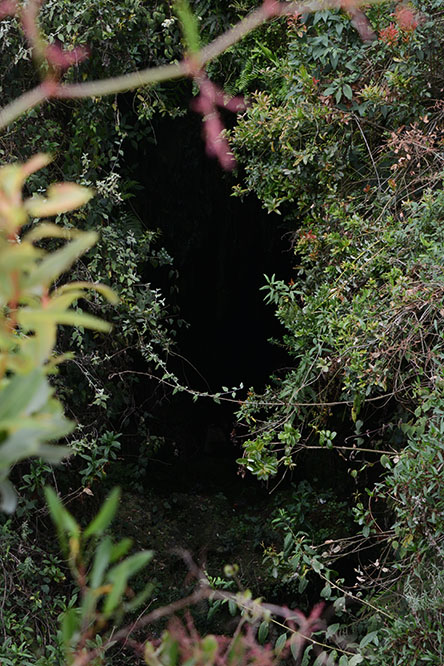
This photo shows one of the volcanic openings associated with the 2002 eruption. Rather than all of the lava emerging from the summit crater, fissures opened on the volcano’s flanks and sent lava toward Goma.
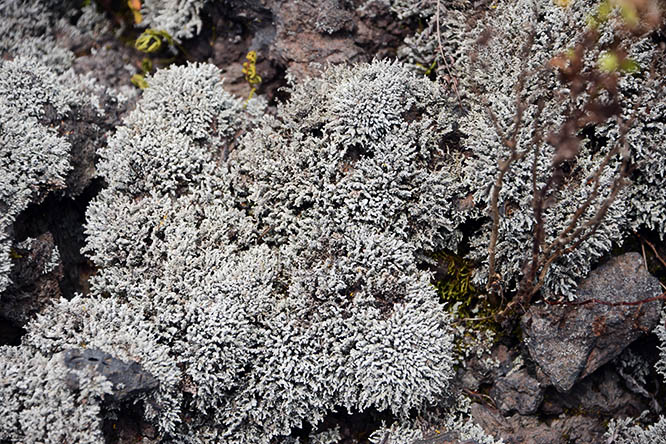
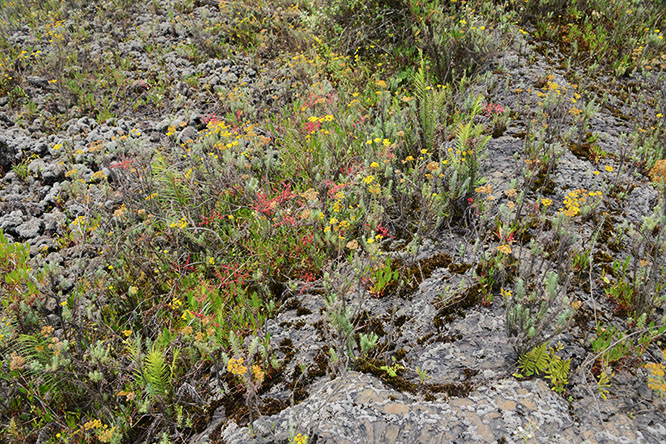
Years later, vegetation was reclaiming much of the volcanic terrain. This grayish lichen seemed to be among the first things growing directly on the rock, followed by larger plants like those photographed below.
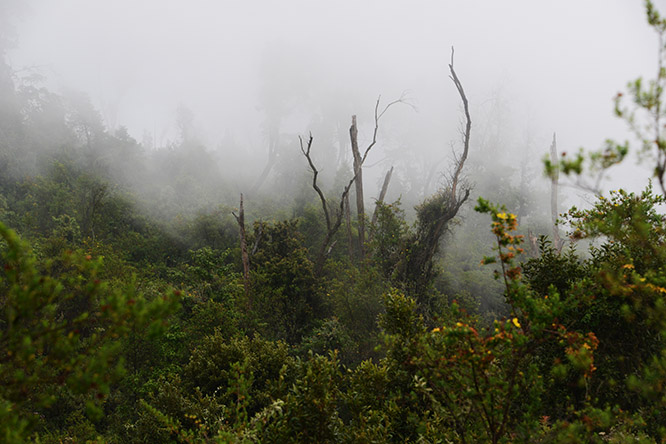
We experienced all kinds of weather during a single day on the mountain: hot sun, rain, cool overcast conditions, fog, and strong winds. I don’t particularly like hiking with the sun beating down on me, so I was pretty happy when these clouds rolled in and I was able to hike through the fog for a while.
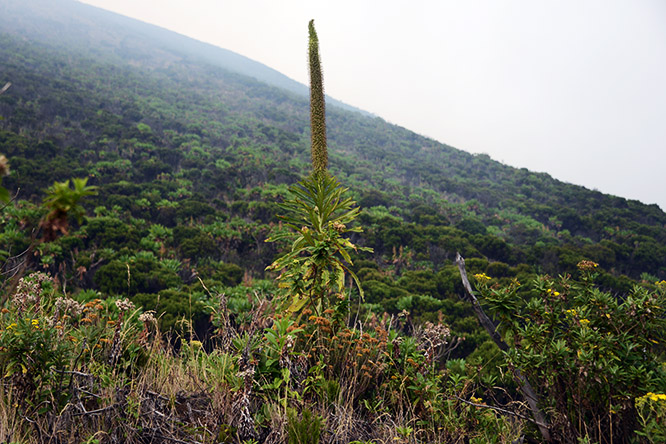
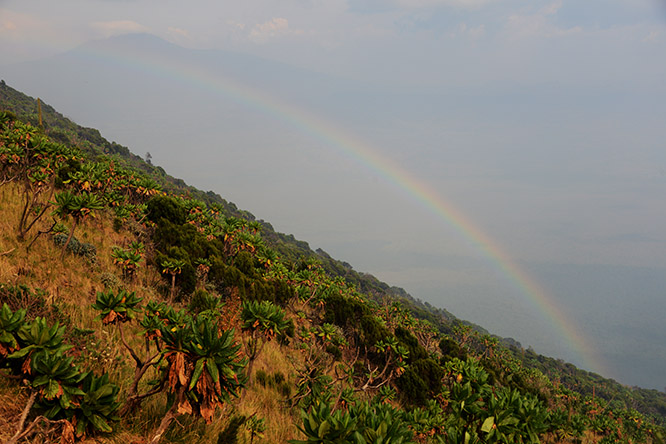
It eventually started raining hard enough that I had to put my camera away. The rain greatly reduced visibility, but when it stopped I noticed that the vegetation had completely changed. This tall plant reminded me of a much smaller version of some of the unusual high-altitude plants I’d seen on Kilimanjaro. The rainstorm was annoying to hike through, but afterward I was rewarded with this rainbow.
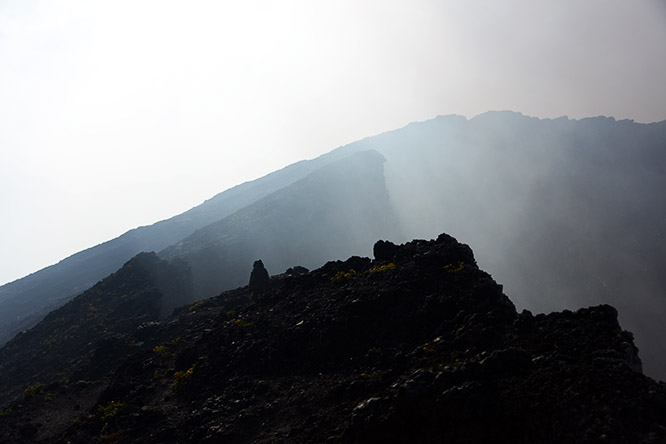
After another 90 minutes or so, I finally arrived at the summit. There was very little plant life up here, and the terrain was mostly volcanic rock. I spent the night at the summit, where the winds were incredibly powerful and seemed to gust over 70 mph at times.
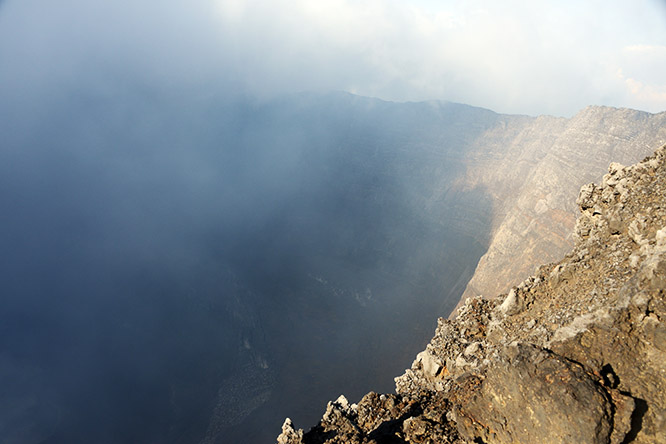
Above is a photo of the summit crater during the day, while below is one taken at night. During daylight the lava was much harder to see, but after darkness fell the entire crater transformed. Spending the night on the summit gave me the chance to truly experience Nyiragongo.
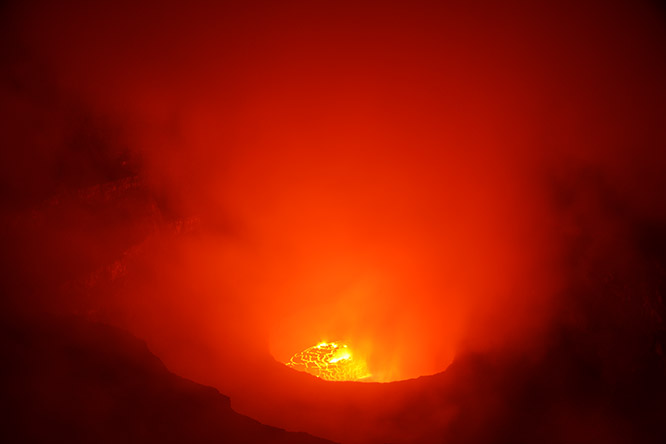
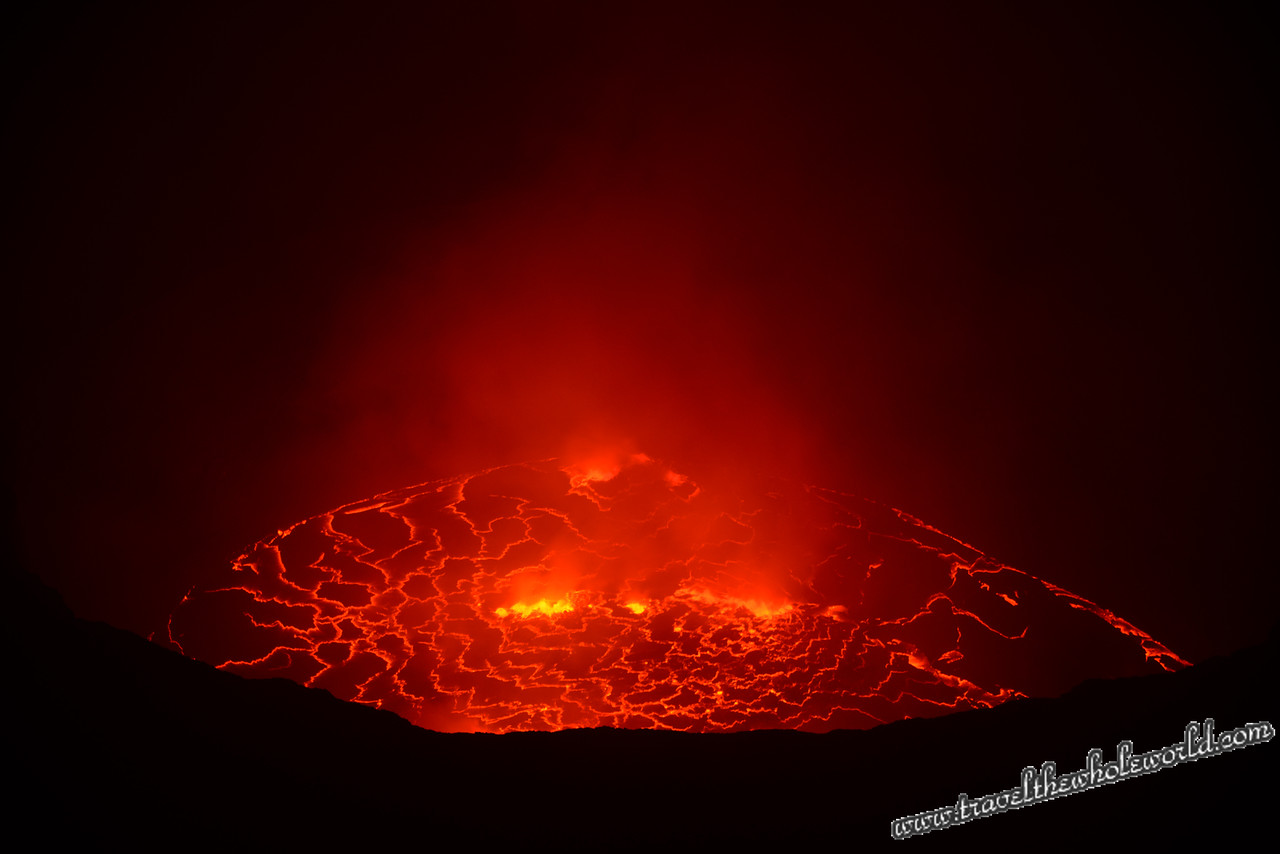
This was the highlight of the climb and one of the most incredible volcanic sights I’ve ever seen. Nyiragongo’s glowing lava lake churned far below the crater rim. The summit is around 11,382 feet (3,470 meters), high enough for chilly temperatures, especially with the powerful winds.
People later asked whether I could feel the heat from the lava, but we had to remain a safe distance from the crater because of the extreme heat and volcanic gases. From where I stood, I was actually quite cold, with temperatures below 50°F (10°C) combined with the wind.
Explore More of the Congo
Kahuzi Bieza National Park • Goma • Virunga National Park