Welcome to Springfield, Virginia—my hometown and, at first glance, a fairly ordinary American suburb. I originally created this page simply because I grew up here and thought it might be interesting to show a local’s perspective on a place that would never appear on most travel itineraries. When I first decided to photograph Springfield, I honestly wasn’t sure I’d find enough to write about. I expected a few pictures of neighborhoods, shopping centers, and maybe some local parks.
Once I started exploring my hometown the same way I explore places while traveling, I realized how much I had overlooked. I rediscovered places from my childhood, found pieces of local history I had passed countless times without noticing, and watched neighborhoods and businesses change dramatically over the years. Springfield isn’t famous, but that’s almost the point of this page. Every ordinary hometown has stories if you actually stop and look for them.
Springfield Mall
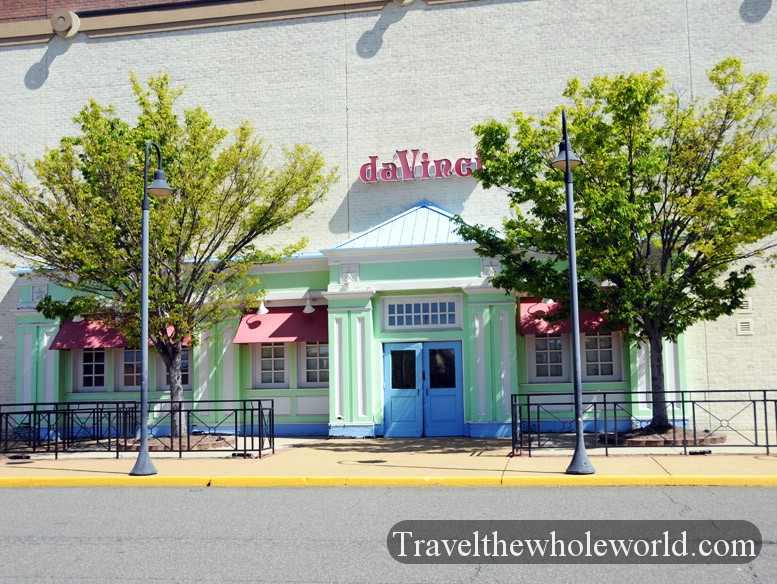
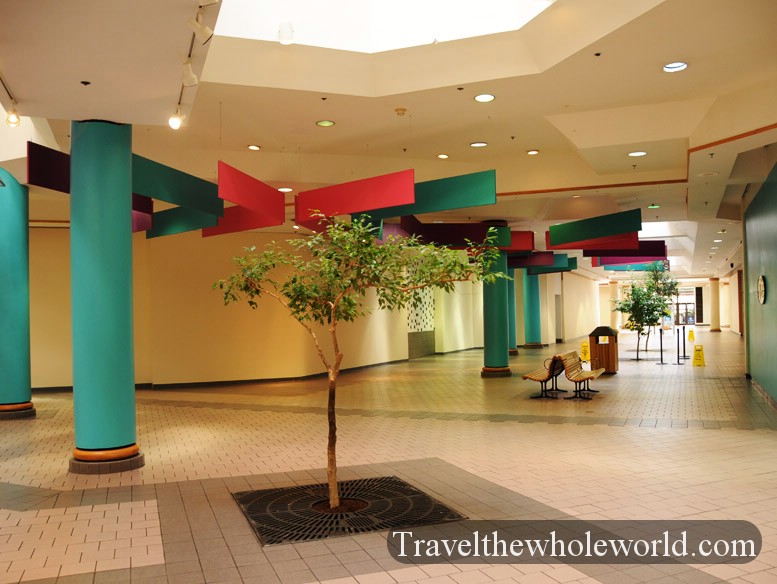
When I was growing up, the one place that seemed to define Springfield was Springfield Mall. It wasn’t especially fancy, but in its prime it was large, busy, and one of the main gathering places in the area. As a young teenager I would cross a footbridge over Interstate 95 to get here, wander the hallways with friends, grab something to eat, see a movie, and occasionally spend money on things I probably didn’t need.
I even briefly worked at a watch store here for an Iranian owner who entertained me with stories about supposedly superhuman things he could do. That’s the kind of completely random memory that probably means nothing to anyone else, but for me it’s part of what makes this old mall memorable.
The mall had its share of unusual history as well. Princess Diana visited during a heavily publicized trip to the Washington area in the 1980s. Decades later, the mall entered a long decline as redevelopment plans collided with the Great Recession. By the time I took these photos in the early 2010s, much of the interior had emptied out. Restaurants and stores had closed, hallways that I remembered being packed with people were nearly deserted, and the place felt like a shell of the mall I knew growing up.
The photograph on the left shows the former Da Vinci restaurant, while the photograph on the right shows part of the mall shortly before its major redevelopment. It was strange seeing somewhere that had been such a normal part of my childhood become almost abandoned.
Springfield Grows Up
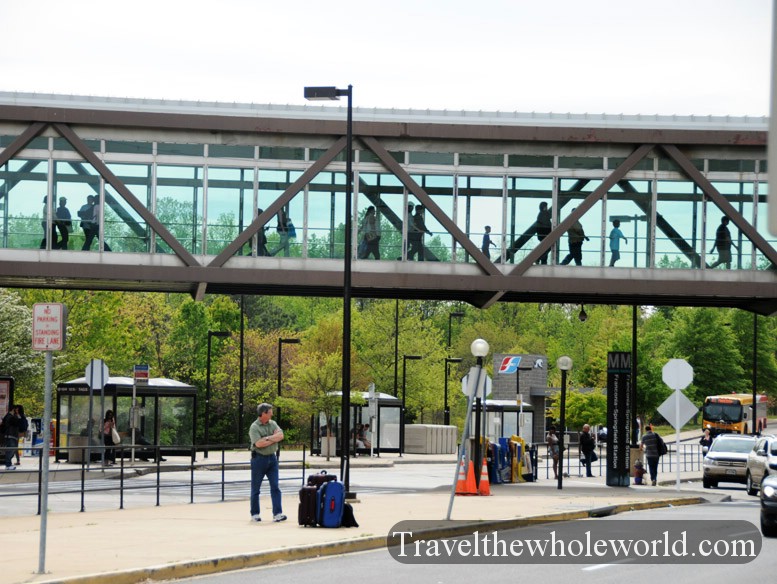
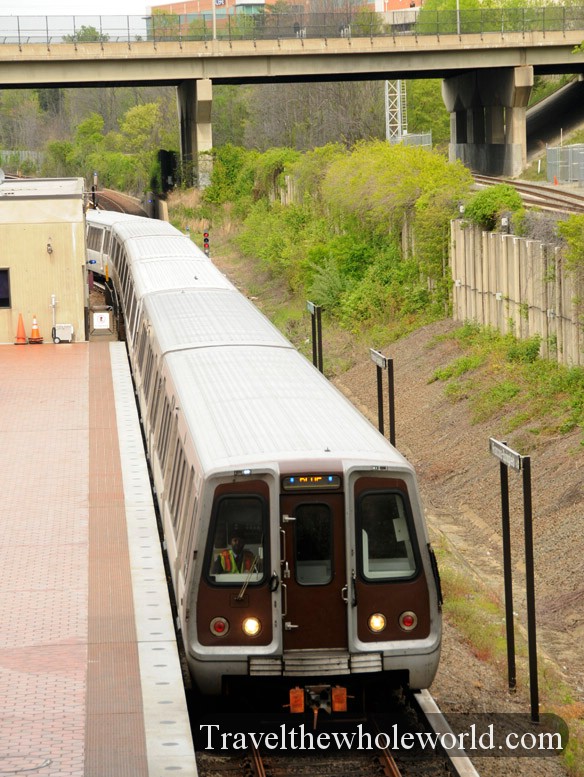
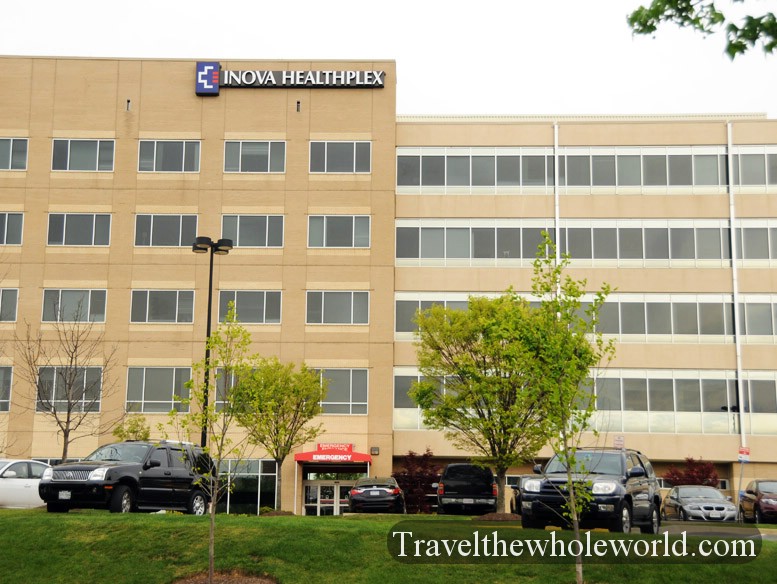
Springfield changed considerably during the decades I lived here. One of the biggest improvements was the arrival of Metro service in the 1990s. The Franconia-Springfield station connected the area directly with Washington, D.C. and gave commuters another option besides sitting in Northern Virginia traffic every morning.
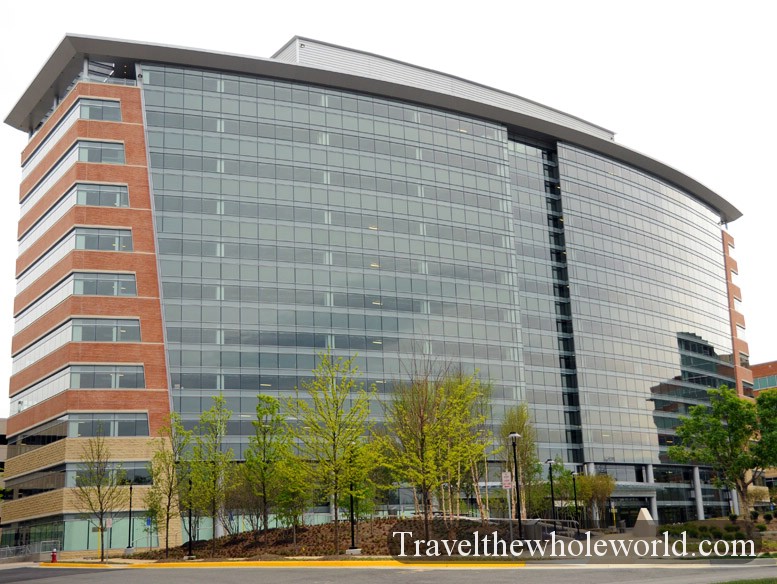
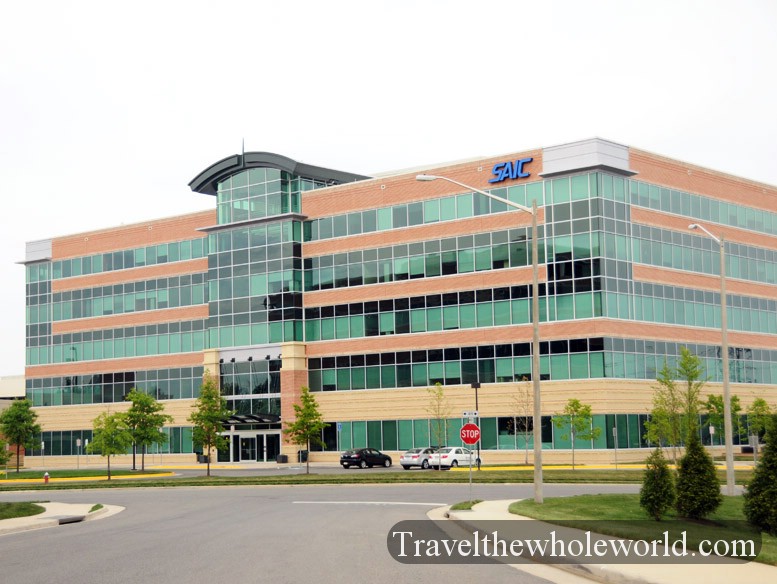
The area around the station also grew into a much larger business district. Medical facilities, office buildings, hotels, and other developments gradually appeared around places that had looked completely different when I was younger.
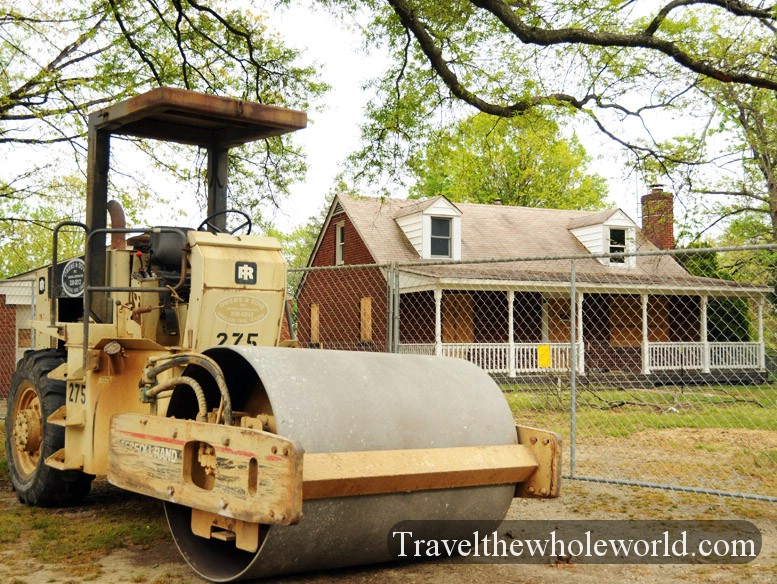
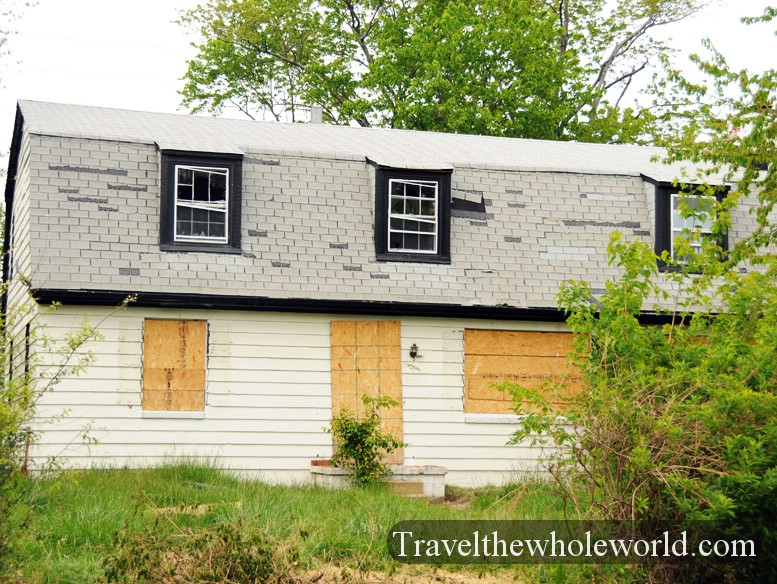
Not all of that development happened without changing older neighborhoods. When I took the photographs above, a group of houses near the commercial district had been vacated in preparation for redevelopment. At first glance the scene looked like something from a city suffering population loss, but Springfield was experiencing the opposite problem: valuable land near highways, Metro, and major business centers was becoming increasingly difficult to find.
Scenes like this were reminders of how quickly Northern Virginia was changing. Places that seemed permanent when I was a kid could disappear within a few years and be replaced by offices, apartments, or entirely new neighborhoods.
My Childhood Jungle
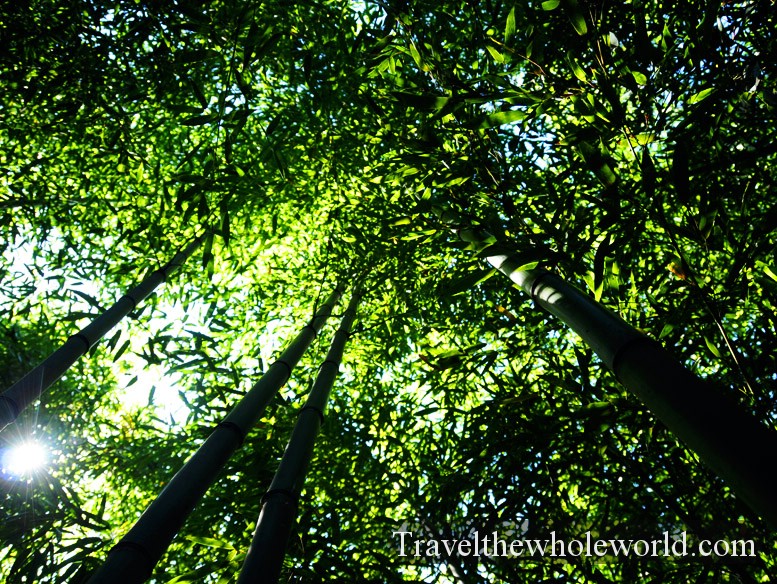
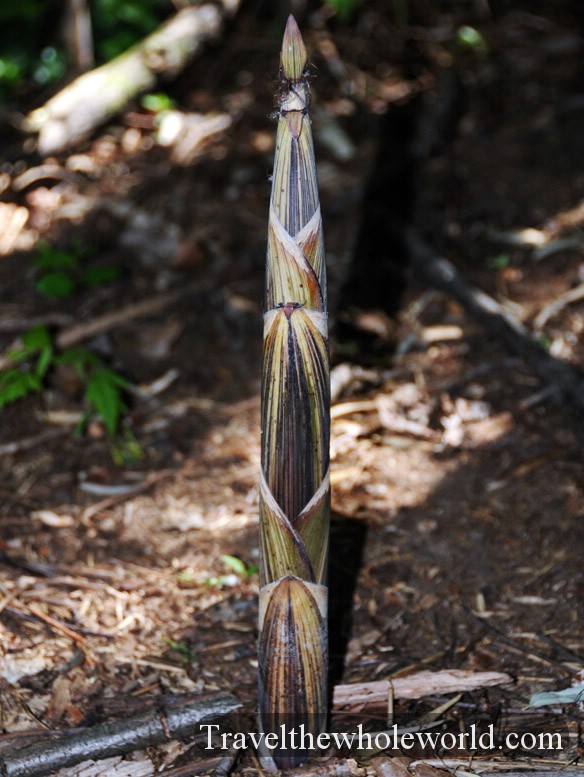
Some of my favorite parts of Springfield have nothing to do with anything a visitor would normally consider interesting. One of my earliest memories of exploring outdoors was this little bamboo grove near my childhood neighborhood. I moved away from this neighborhood when I was seven, so I was probably only five or six when my friends and I were exploring here.
At that age, we knew bamboo came from Asia and couldn’t understand why there was a bamboo forest in Virginia. Naturally, our five-year-old logic concluded that if Chinese bamboo could live in Springfield, there was no reason giant pandas couldn’t live here too. So we’d explore the grove half expecting to find one.
Returning as an adult was amusing because the enormous “forest” from my childhood was actually a pretty small patch of bamboo, probably started decades earlier when someone planted a few shoots and they spread out of control. As a kid it seemed endless. I remember climbing the taller stalks and feeling like I was dangerously high above the ground.
Exploring the Sewers
As we got a little older, our adventures expanded from bamboo forests to places that probably weren’t nearly as good an idea. Around age ten or eleven, my friends and I discovered a storm drain that began near one of our houses. Naturally, we became convinced that absolutely anything could be living inside.
For a long time we would only venture a few feet before somebody got nervous and we’d all sprint back out. I remember once making it deeper inside and seeing a beam of sunlight coming through a manhole cover. Having no idea what it was, I immediately gave the command to evacuate and all of us went running.
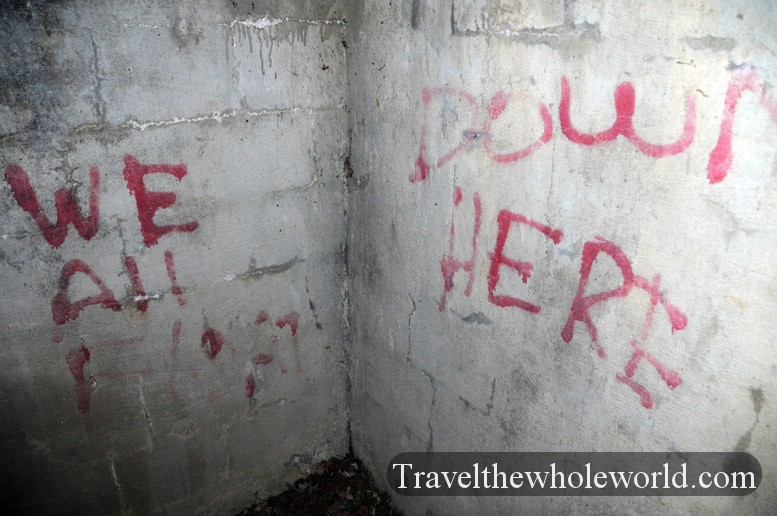
Eventually we worked up the courage to explore the entire tunnel and discovered the terrifying underground world was only a few hundred feet long. Once the mystery disappeared, so did most of our fear. After seeing It, we spray-painted Pennywise’s famous line, “We all float down here,” on the wall.
Roughly twenty years later I went back inside simply to photograph it and was amazed that our graffiti was still there. I even contacted some of the friends who had explored it with me to figure out who originally painted the words. Nobody could remember.
Unexpected Fires
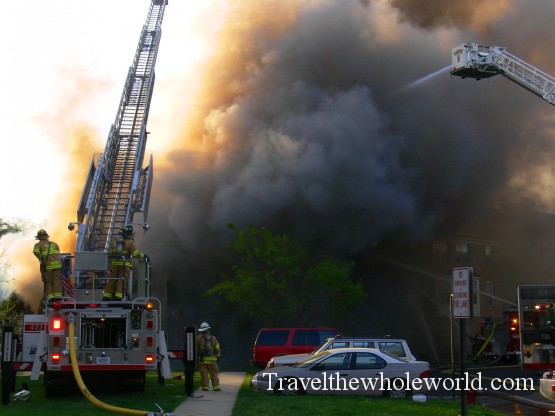
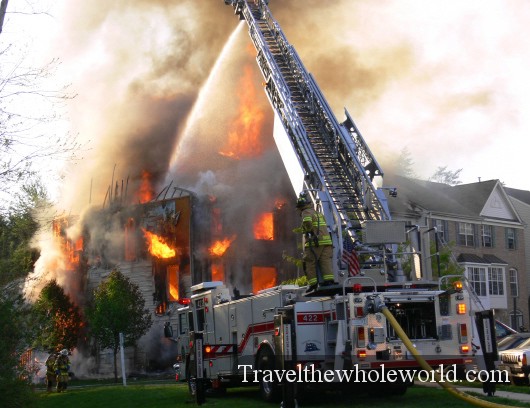
I normally don’t carry a camera around when I’m close to home, but one day I happened to have it in my car when I saw a huge column of smoke rising nearby. I followed it and found several townhouses engulfed in flames. Firefighters brought the fire under control, but multiple homes were badly damaged or destroyed. It remains the largest residential fire I’ve personally seen.
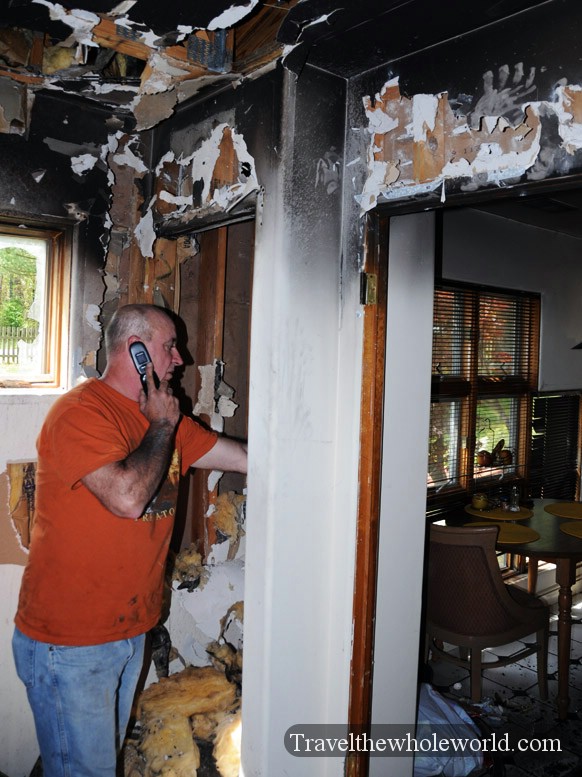
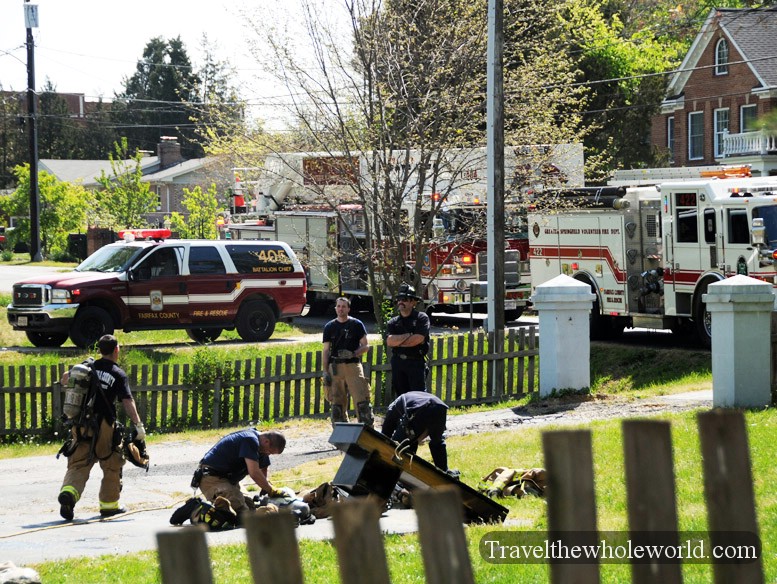
Several years later, a much smaller fire occurred in a house in my own neighborhood. Greasy rags apparently overheated in a dryer and ignited in the laundry room before the fire spread upstairs. Someone inside reacted quickly while the fire department was called, limiting the damage to part of the house. These are obviously not tourist attractions, but they’re part of the random collection of events I happened to photograph while living here.
Lake Accotink
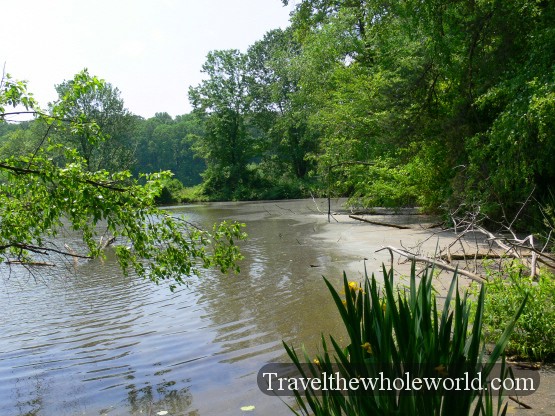
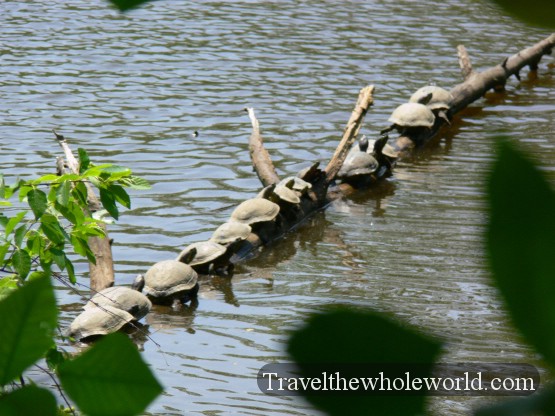
Lake Accotink is one of the better outdoor areas around Springfield. Despite being only about ten miles from Washington, D.C., the park supports deer, raccoons, turtles, birds, and plenty of other wildlife. The lake itself is man-made and was originally created as a water supply, but today the surrounding park is used for hiking, running, fishing, boating, and cycling.
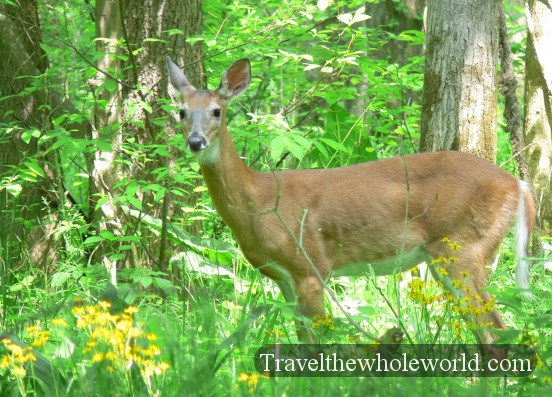
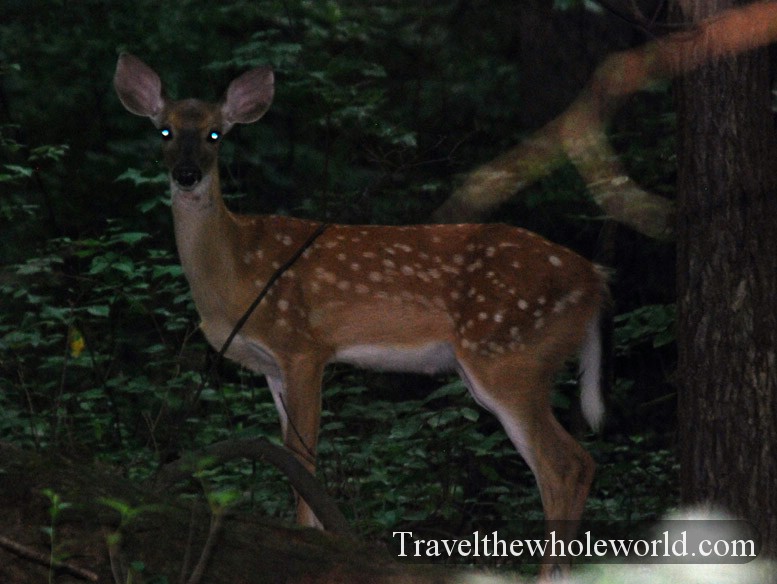
White-tailed deer are common throughout the area and are probably the largest wild animals most people regularly encounter around Springfield. The younger deer on the right still has the white spots characteristic of a fawn.
My Local Training Ground
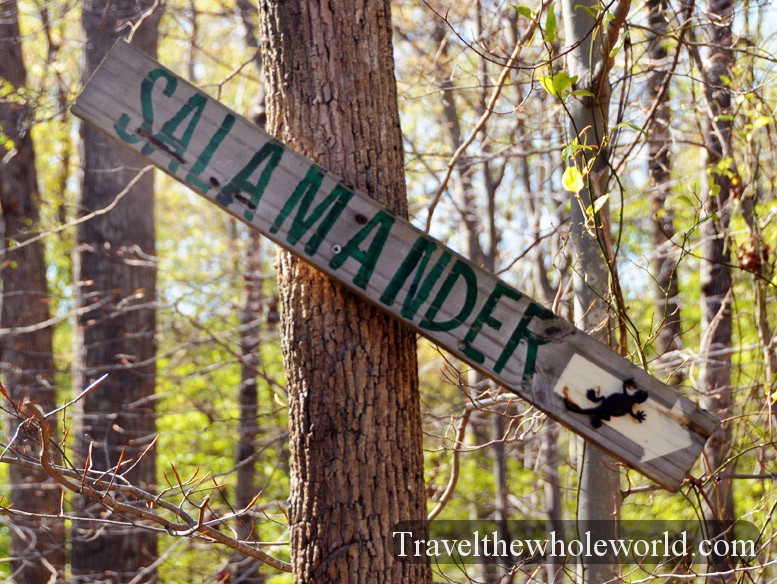
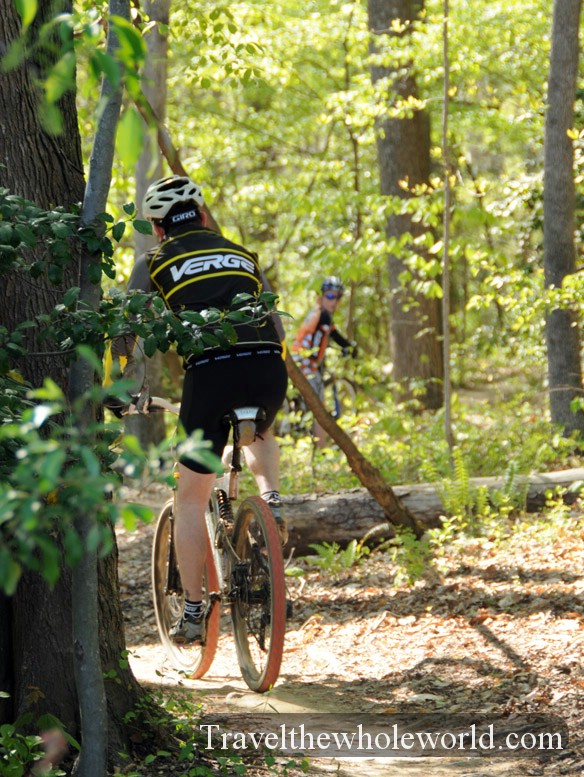
Even after living here most of my life, I continued discovering things I never knew existed. One example was a network of mountain biking trails near Lake Accotink and Wakefield Park that I didn’t find until my late twenties.
My history with Lake Accotink goes back much farther. My family walked the trails here when I was in elementary school. Between the ages of sixteen and eighteen, I regularly ran the roughly four-mile loop while getting in shape before joining the U.S. Marines. Years later, I returned while training for larger expeditions.
The trails aren’t wilderness—you can hear highway traffic from portions of them—but their convenience made them useful. I could run around the lake, ride the mountain biking trails, and during snowstorms load up a heavy backpack and drag a tire behind me for expedition training. It became one of several ordinary places around home that helped prepare me for much bigger adventures elsewhere.
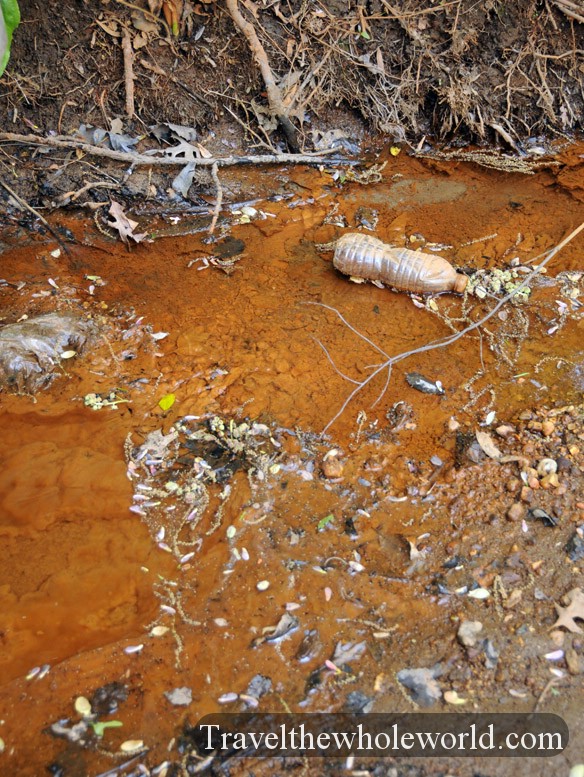
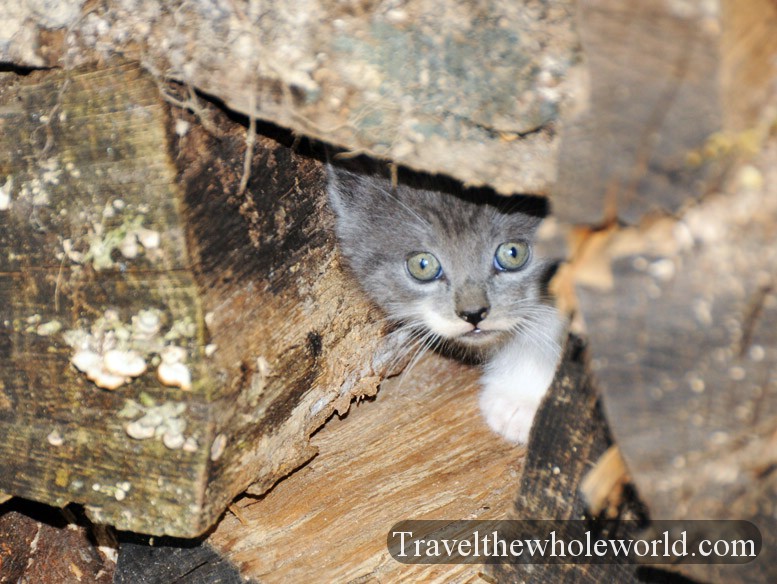
Springfield isn’t exactly a wildlife sanctuary. Parks and wooded areas are surrounded by roads, houses, and commercial development, while stormwater runoff eventually finds its way into local creeks. Still, I’m always impressed by how much wildlife survives in these relatively small patches of forest.
When we were kids, my friends and I would follow creeks through neighborhoods and patches of woods until we either got bored or reached private property. We’d walk straight through the water without thinking much about what might be flowing into it from nearby streets. Somehow we survived, although for all I know my later desire to climb the Seven Summits and visit every country in the world was a side effect.
Around Northern Virginia
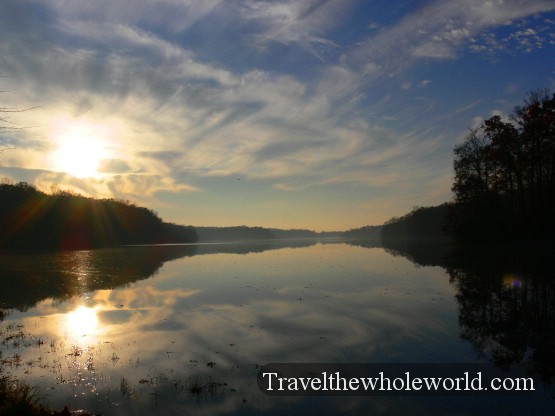
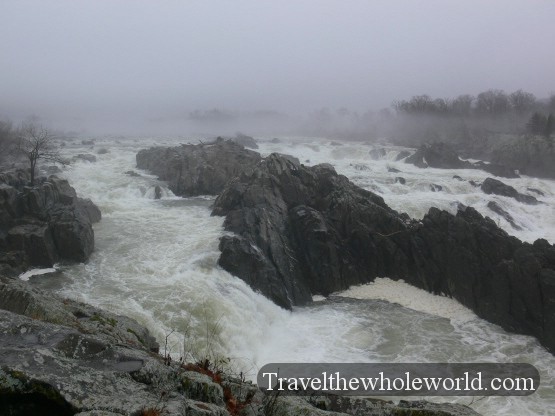
Springfield is surrounded by other parks throughout Fairfax County and Northern Virginia. Burke Lake provides another convenient place for running, fishing, boating, and spending time outdoors. Farther north along the Potomac River is Great Falls, where the river drops through a dramatic rocky gorge only a short distance from Washington. The park has hiking trails, climbing, kayaking, and some of the most impressive scenery in Northern Virginia.
Four Seasons at Home
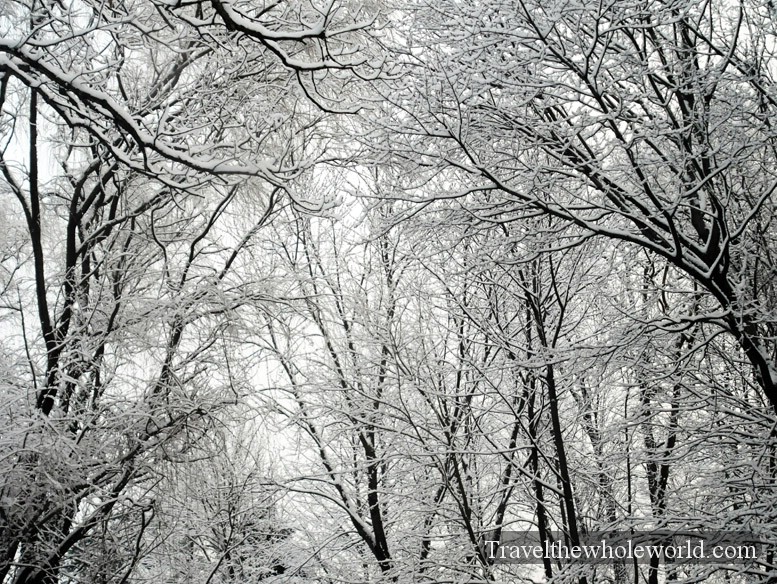
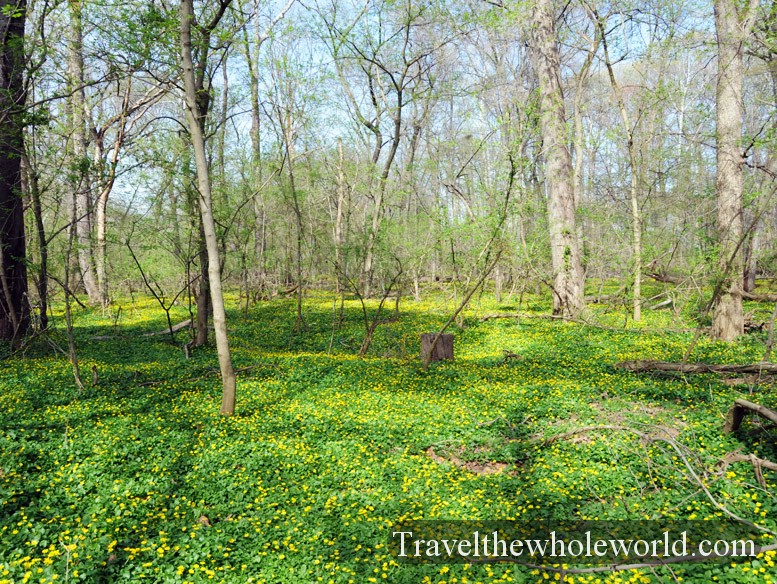
Spring and summer have always been my favorite seasons here. I love those first warm days when everything begins growing again and it suddenly feels like there are months of outdoor adventures ahead.
Winter is more complicated. Most years Springfield is cold enough to be unpleasant but not cold enough to provide consistent snow, which to me is the worst combination. Every once in a while, however, Northern Virginia gets hit with a serious storm. The winter of 2010 was one of those exceptions, when multiple major snowstorms buried the region. Above is Springfield covered in snow and ice, followed only a couple of months later by the first signs of spring.
Wildlife in My Backyard

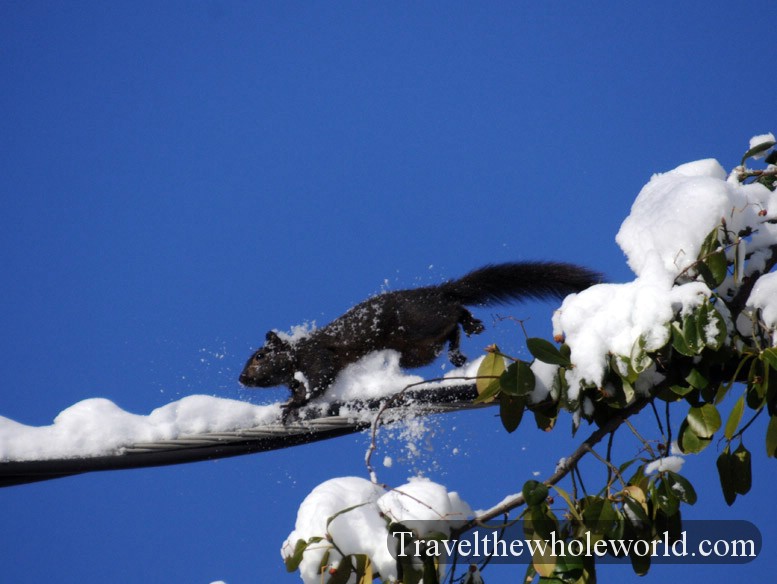
Both of these animals were photographed around my own property. The orange slug appeared on my back porch one summer night, while I spotted the black squirrel after one of Northern Virginia’s major snowstorms. Living here for so many years gave me plenty of opportunities to photograph wildlife without traveling anywhere at all.

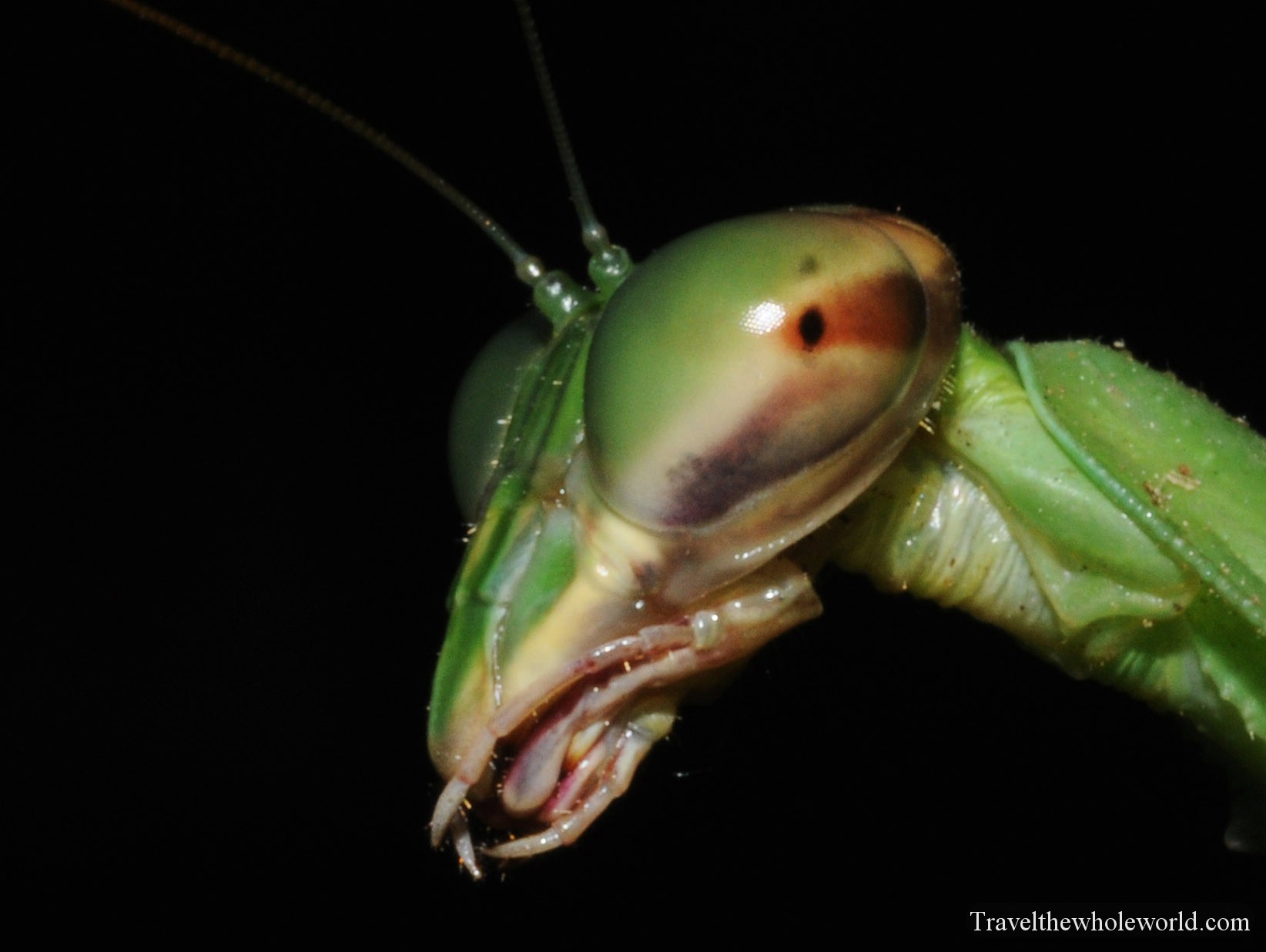
Once I bought a macro lens, I started paying much more attention to the tiny animals around my yard. The jumping spider on the left became one of my favorite macro photographs. I spotted it outside, went inside to get the lens, and somehow managed to find the tiny spider again after searching for about ten minutes.
On the right is a praying mantis, one of the largest insects I regularly encounter around Springfield and an impressive predator in its own miniature world.
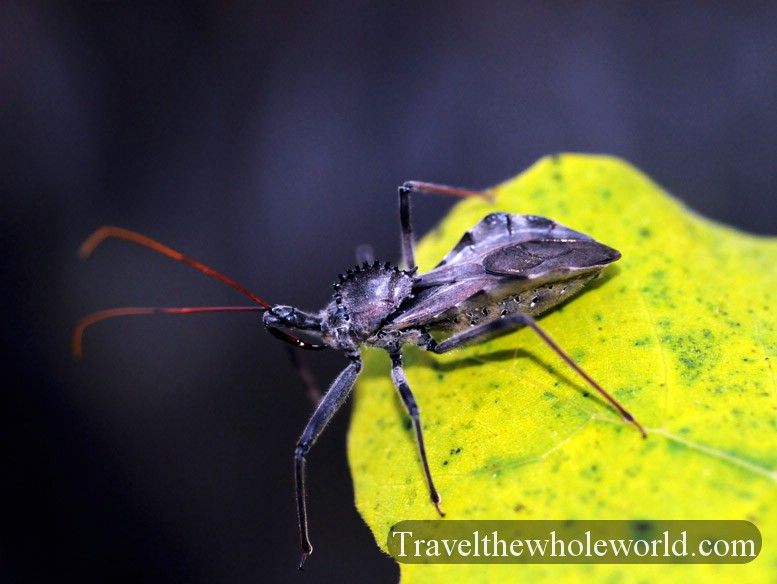
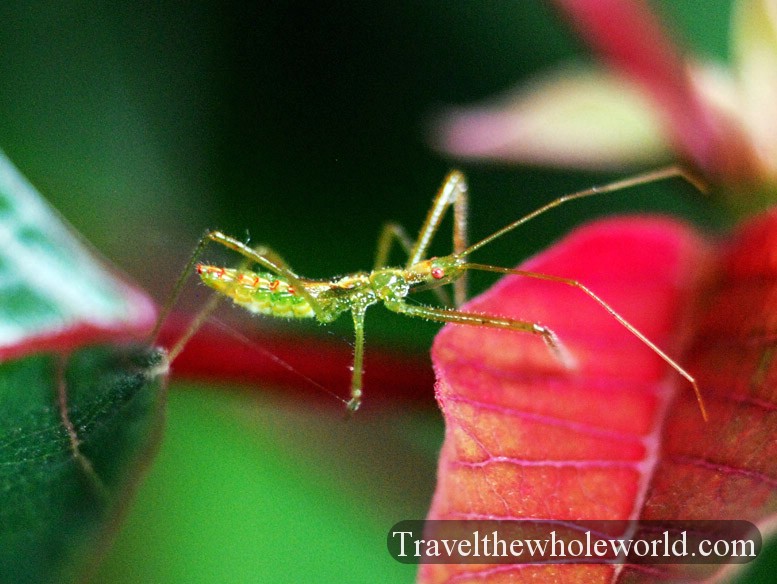
The insect on the left is a wheel bug, a large member of the assassin bug family. They can deliver a surprisingly painful bite if handled, so this was definitely one I was happier photographing than picking up. The green insect on the right was one of my earlier attempts at macro photography.

And finally, an insect that anyone living in this part of the country probably recognizes: the brown marmorated stink bug. Originally native to Asia, the species became established in the United States and eventually spread throughout the region. At certain times of year they seem to appear everywhere—on windows, inside homes, outside restaurants, and occasionally in large groups searching for somewhere warm to spend the winter.
Springfield will probably never become a destination that people travel across the country to visit, and that’s okay. This page means something different to me than most of the places on my website. It’s a record of the ordinary forests, parks, shopping centers, neighborhoods, wildlife, and childhood adventures that were around me long before I started traveling the world.
In some ways, exploring Springfield again as an adult reminded me why I enjoy traveling in the first place. Interesting places don’t always have famous monuments or dramatic landscapes. Sometimes you simply need to look at somewhere familiar with the curiosity you’d have if you were seeing it for the first time.