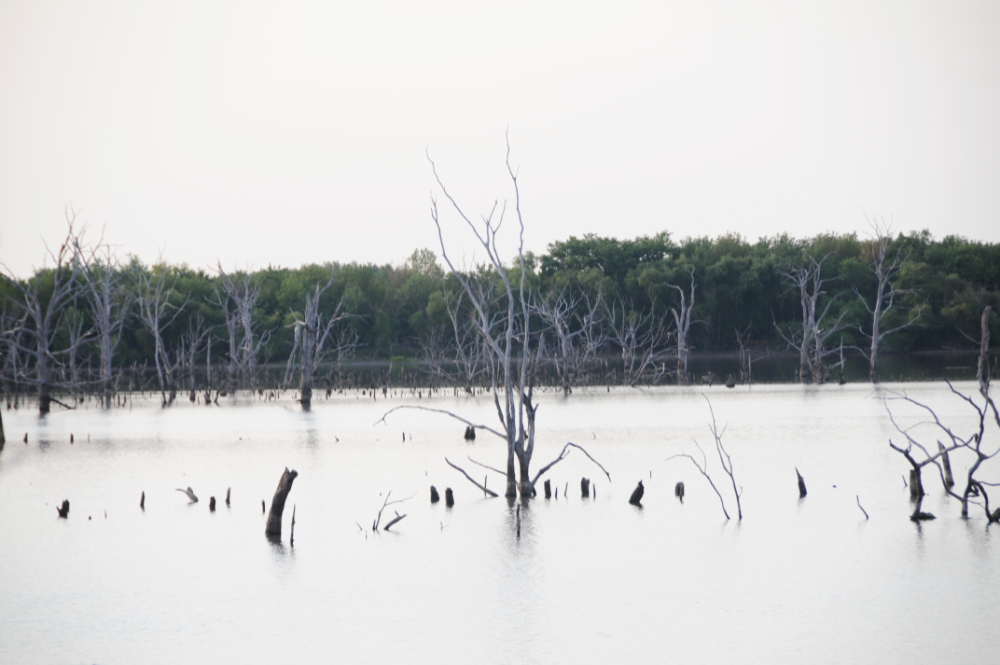
Before reaching the Tallgrass Prairie, I spent some time driving through random parts of Kansas. There are a handful of larger lakes in the state, but for the most part you’ll come across smaller ones like this. I took this photo during the summer, so I’m not sure why so many of the trees along the water were already dead.
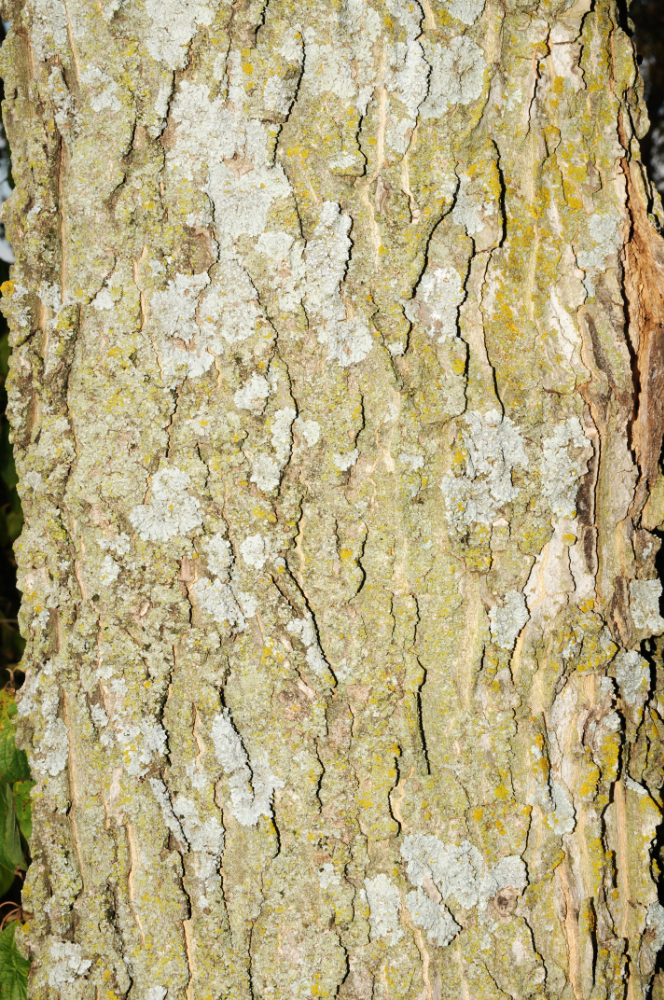
This tree was very much alive, and its colorful bark immediately got my attention. Central and eastern Kansas are generally pretty flat, and once you get outside the cities the landscape quickly opens into farmland and prairie.
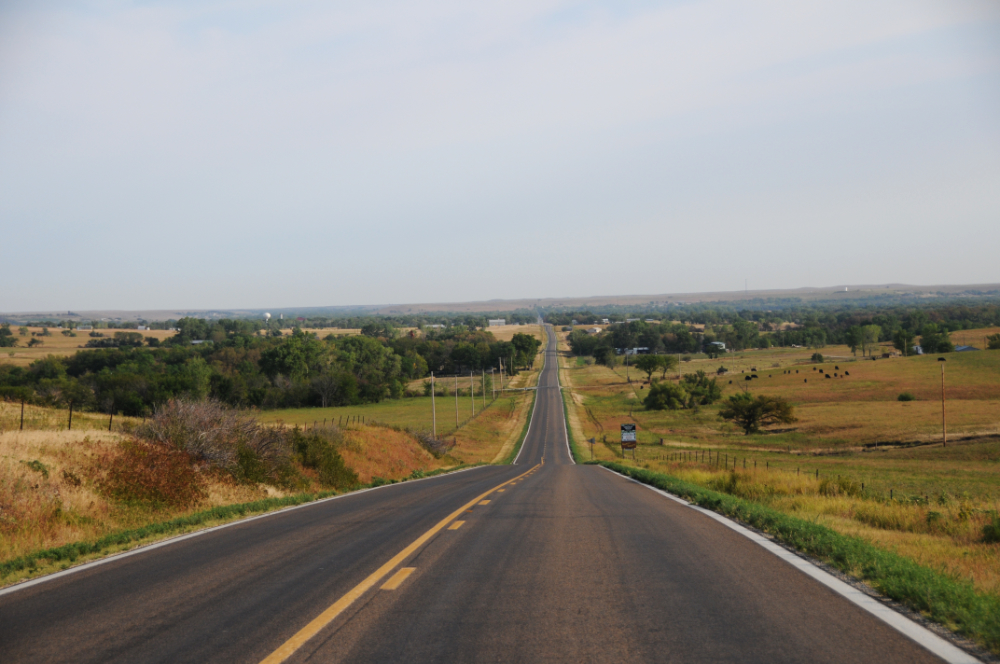
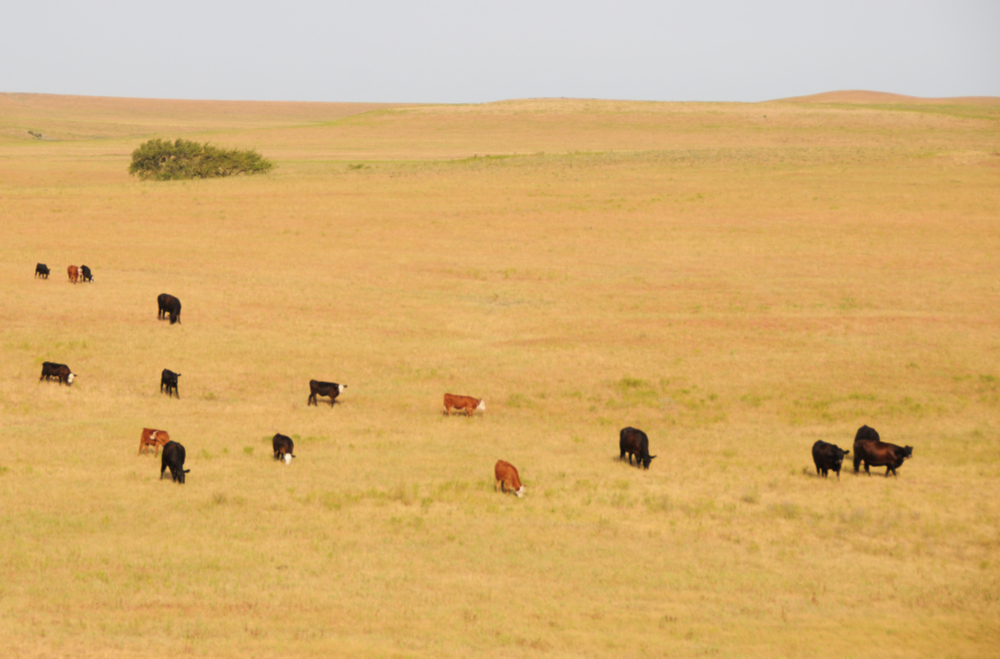
These two photos probably represent the Kansas landscape most people picture, with long roads, cattle, farms, and huge open skies. The scenery isn’t dramatic in the same way as the mountains out west, but after spending some time here I started to appreciate just how enormous and open the Great Plains feel.
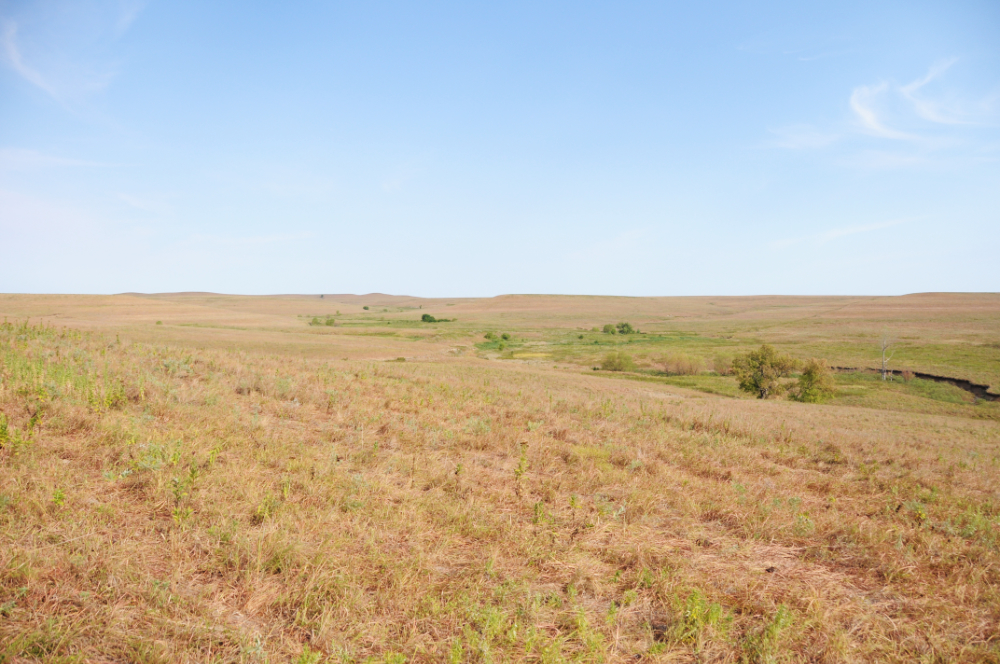
Halfway between Topeka and Wichita you’ll find the Tallgrass Prairie National Preserve. The preserve protects more than 10,000 acres of land and gives you an idea of what huge parts of the Great Plains once looked like. Most of the original tallgrass prairie disappeared as the rich soil was converted into farmland, making protected areas like this especially important.
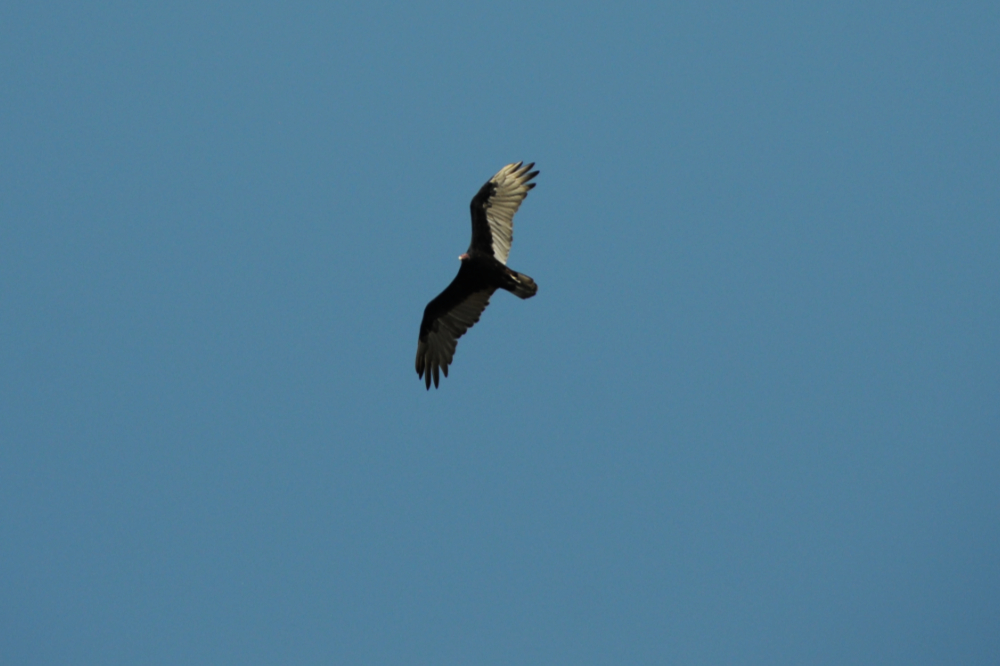
The preserve is also a good place to look for wildlife. I spotted this turkey vulture while exploring the prairie, and while hiking I came across a small but beautiful black snake covered in bright yellow dots. It disappeared into the grass before I could photograph it. I was disappointed I missed him and didn’t come across any other snakes during the rest of my hike.
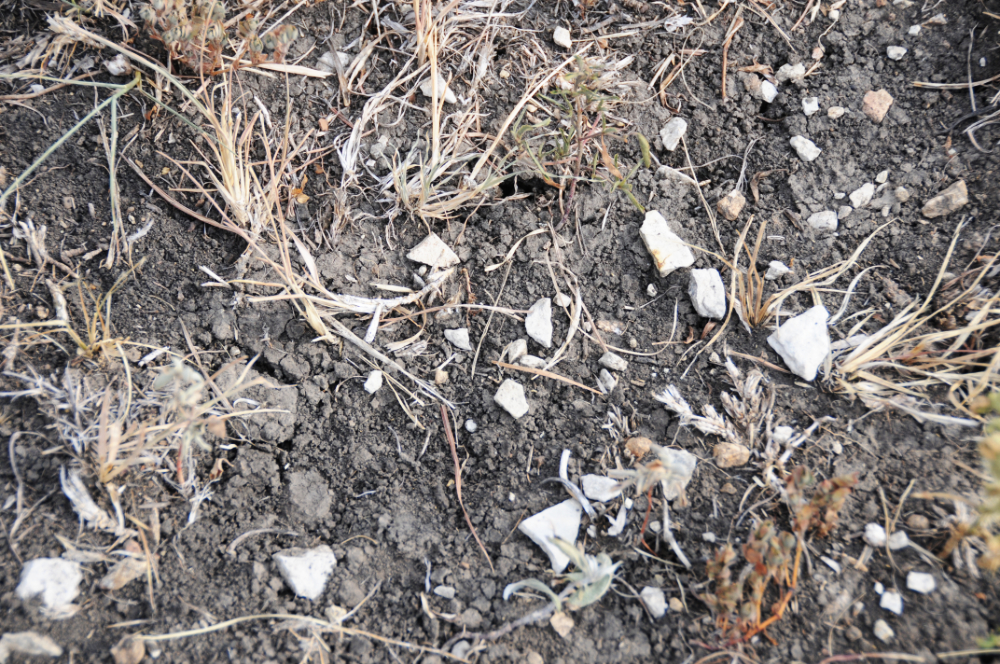
Tallgrass prairie is famous for its rich, dark soil, which is excellent for farming. This is one of the main reasons so little of the original ecosystem remains. During the Dust Bowl of the 1930s, drought combined with extensive farming and exposed soil created enormous dust storms across the Great Plains. Some of these storms became known as black blizzards, with dust traveling hundreds of miles across the country.
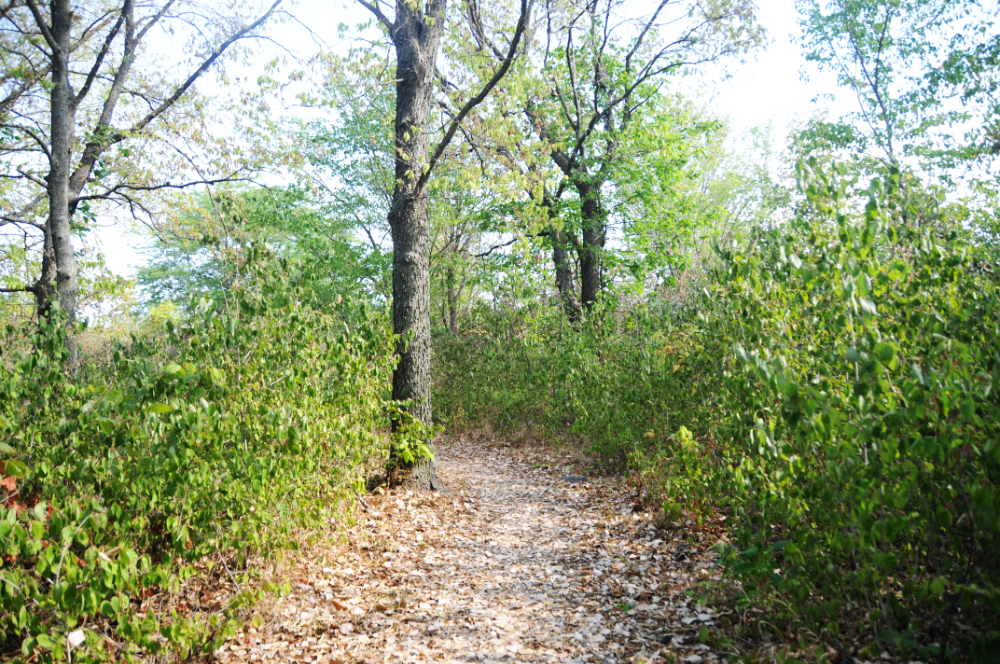
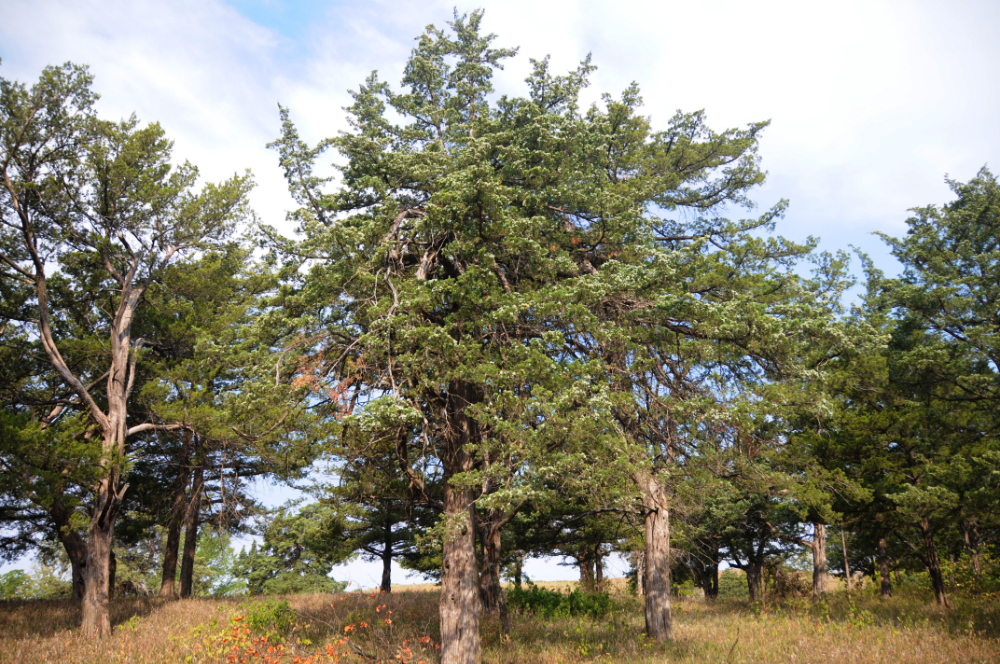
Within the preserve you’ll even find a few wooded areas. I never really understood why trees didn’t eventually take over prairies, but fire and grazing animals are two of the major forces that help keep these landscapes open. Without those disturbances, shrubs and trees can eventually begin taking over the grassland.
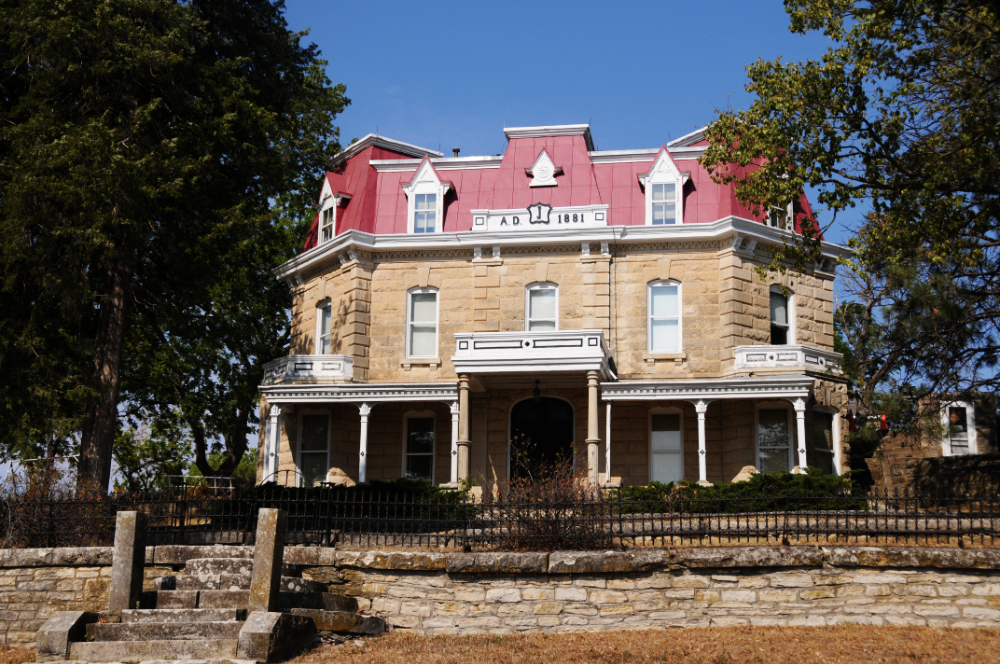
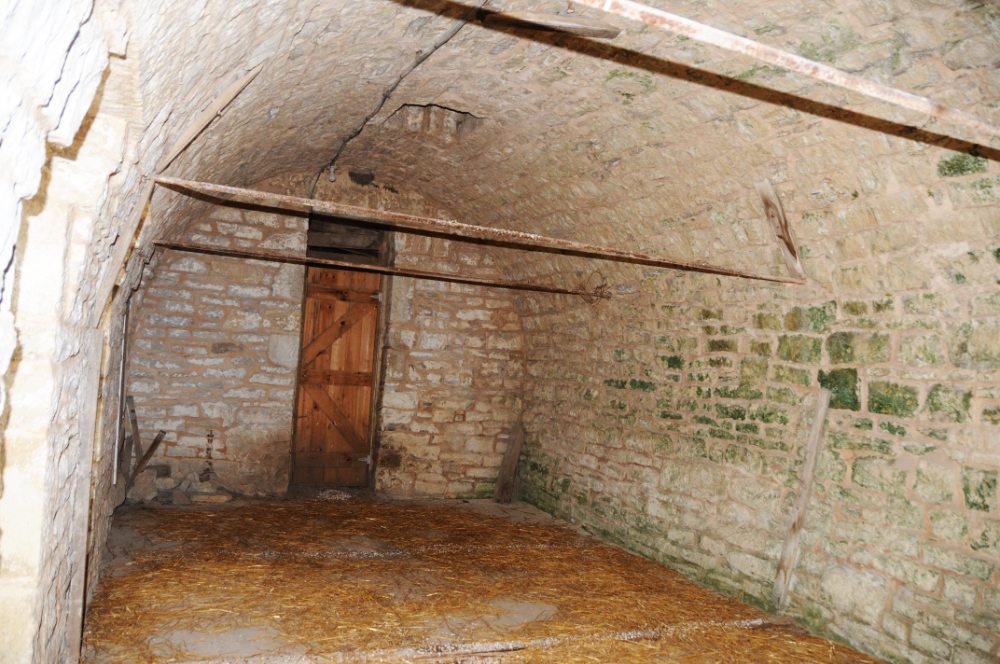
The Tallgrass Prairie isn’t limited to just nature. There are also historic buildings that give you a look at what life was like for the ranchers and settlers who lived on this land more than a century ago. The combination of historic structures and protected prairie makes the preserve feel like a small surviving piece of an older Kansas.
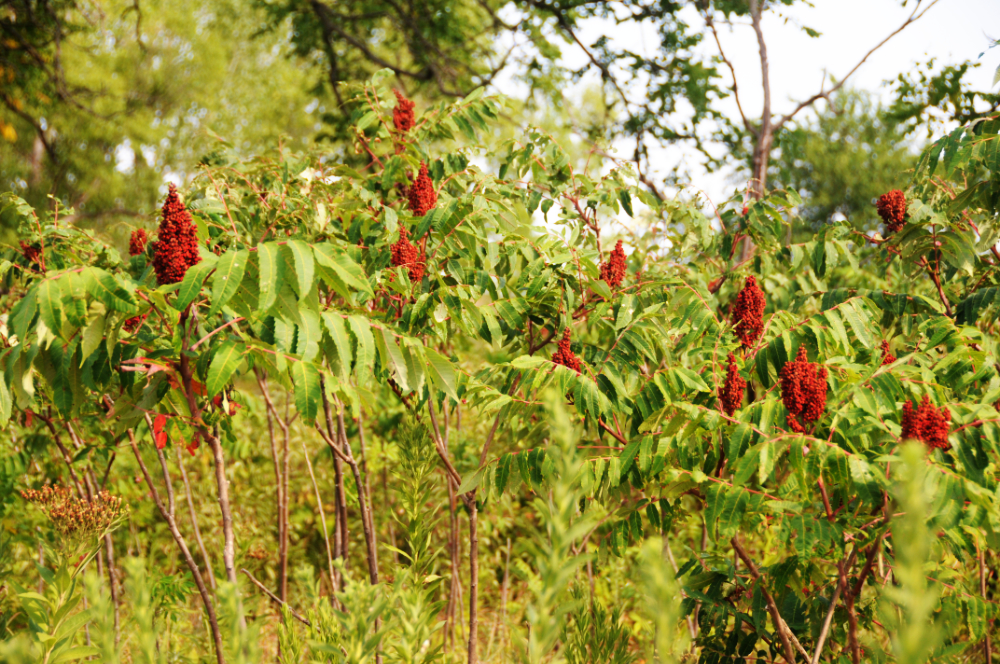
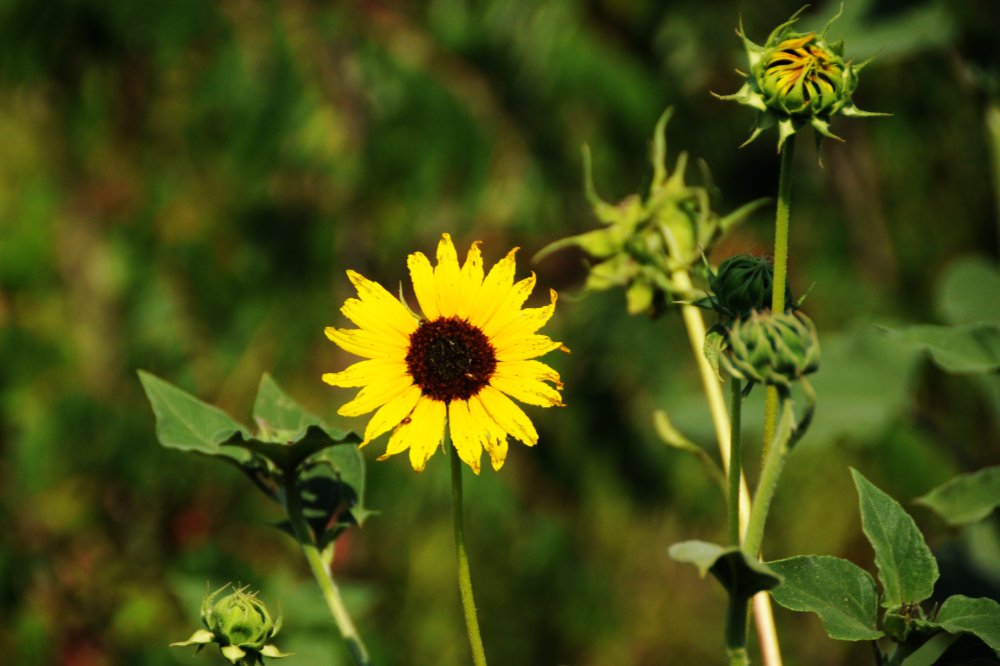
The prairie also had plenty of smaller plants and wildflowers that I hadn’t seen before. From a distance it can look like nothing more than an endless field of grass, but once I started hiking through it there was a surprising amount of variety hidden within the vegetation.
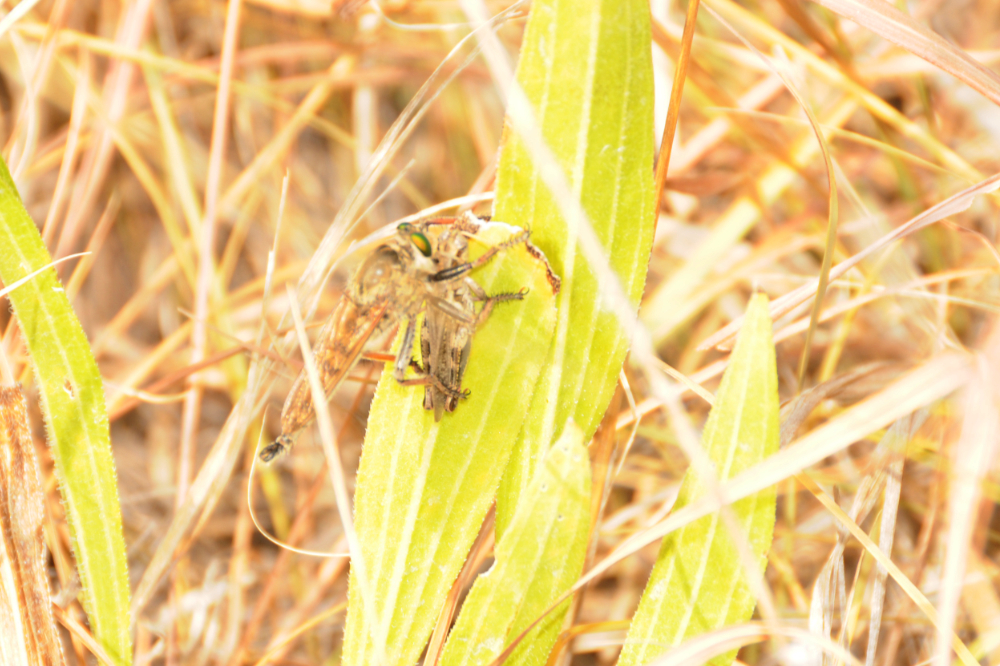
I never thought a dragonfly would eat something as big as a grasshopper, but unless someone can correct me that seems to be exactly what was going on here. I originally saw these two bouncing around in the grass and thought they were mating. Dragonflies normally eat smaller insects like gnats and mosquitoes, but apparently anything they can overpower is on the table.
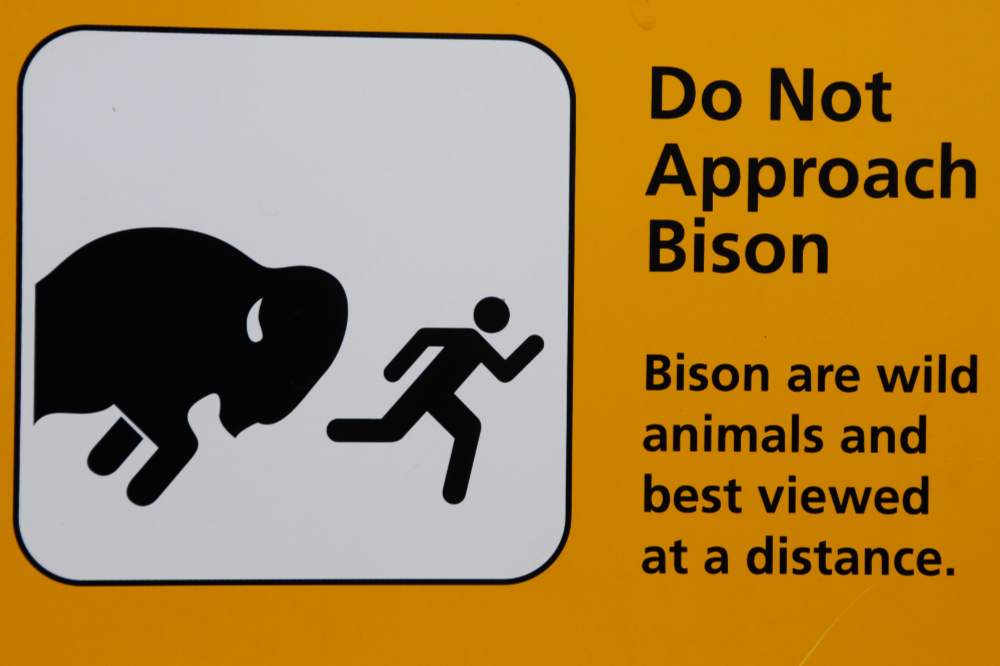
It was around here that I reached the wild bison area and entered the more open part of the Tallgrass Prairie. I suspect the shorter trail I had done earlier was separated from the herd to keep the bison away from the historic buildings and heavily visited areas. Once I passed the warning sign, finding some bison became my main goal.
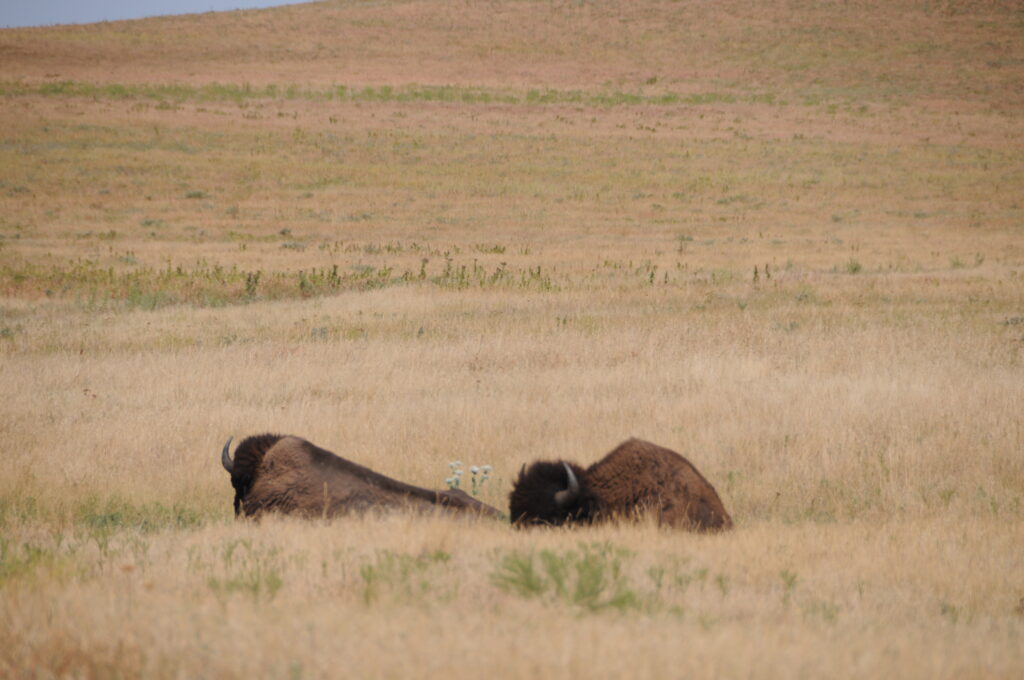
I hiked long enough that I eventually didn’t expect to find any. Another man I met on the trail told me he had seen about 16 bison roughly 20 minutes away. When I reached the area he described, I only saw cows. I wasn’t sure if he had somehow mistaken them for bison or if the herd had simply moved on.
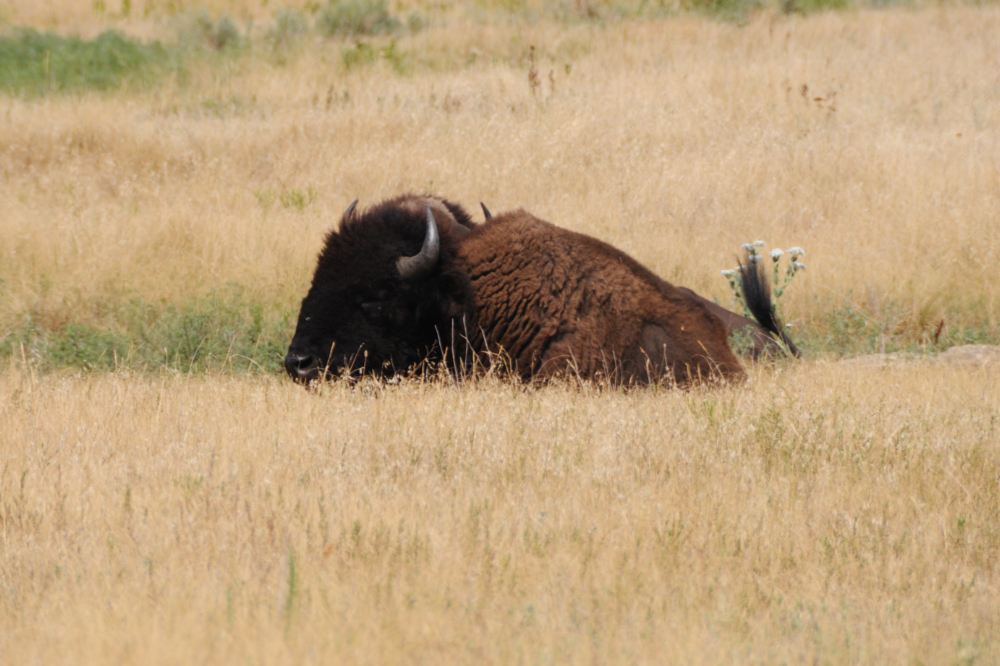
I kept hiking and eventually found a group of bison resting in the prairie. I made sure they knew I was there and cautiously approached, although I definitely wasn’t interested in getting too close. You can tell from the photos that I kept a good distance between us. I doubt bison frequently attack people here, but I still have more places to travel to and getting killed by a wild bison in Kansas isn’t the ending I want.