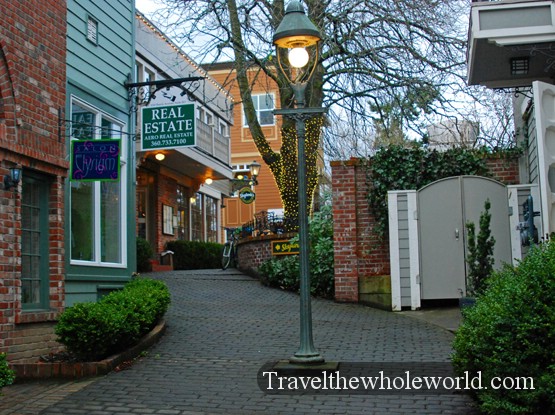
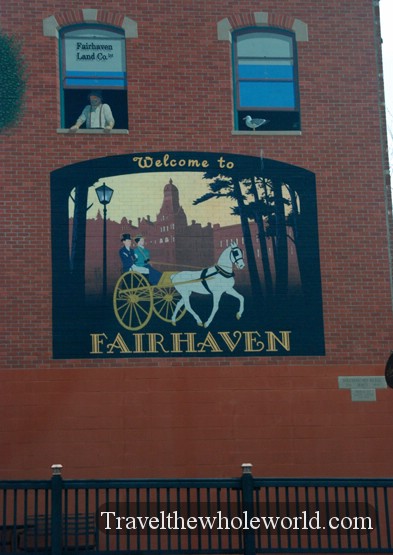
North of Seattle is the city of Bellingham. I originally thought of Bellingham as a small town, but it’s actually one of the larger cities in northwestern Washington. One of its most interesting areas is the historic Fairhaven district, photographed above. Fairhaven has preserved many of its older buildings and has a much different atmosphere from the more modern parts of Bellingham.
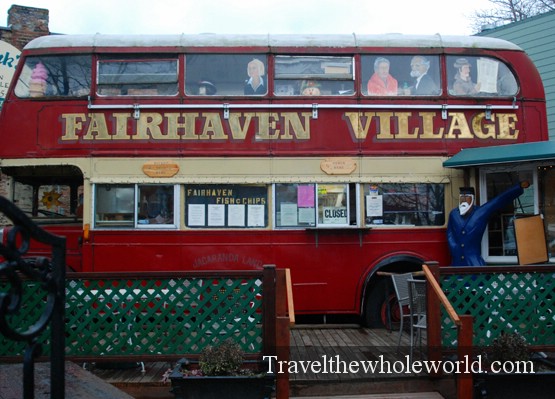
Fairhaven was originally a separate settlement and developed as an important port and commercial district before eventually becoming part of Bellingham. Today it’s a good place to walk around, stop for ice cream in the summer, or grab a beer at one of the small restaurants and bars. After spending a week out in the mountains, having a drink here was actually one of the first things I did when I returned to civilization.
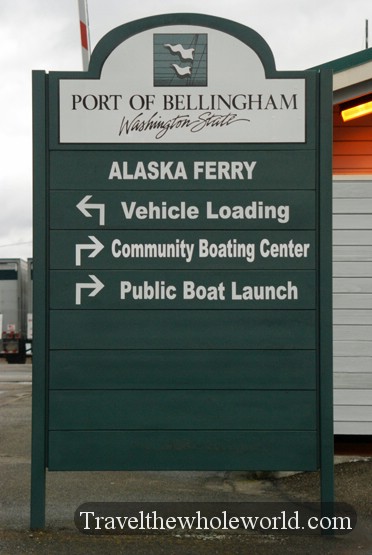
Bellingham is also a departure point for ferries heading north toward Alaska. I hadn’t realized before visiting that you could begin such a long coastal journey from this far south. The ferry routes travel through the protected waterways of the Pacific Northwest and offer an alternative to flying or driving north through Canada.
The North Cascades
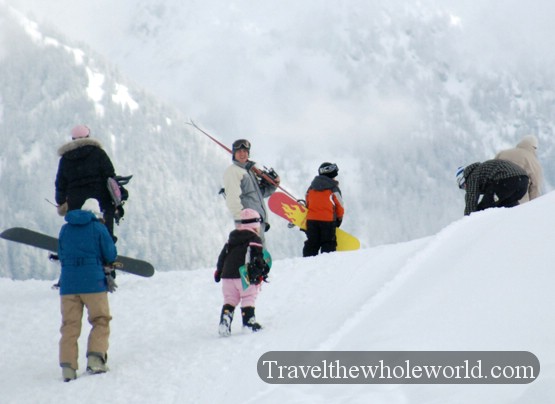
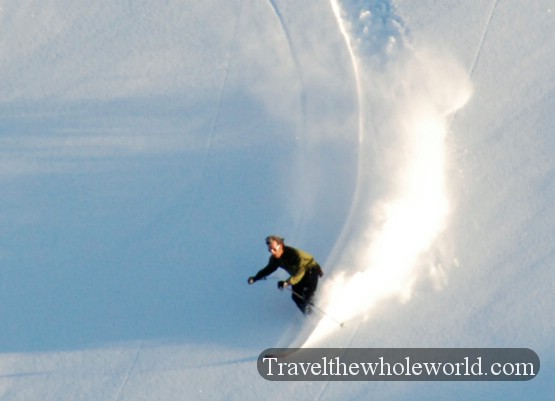
About an hour east of Bellingham are the North Cascades, a rugged mountain range with some of the best winter recreation in the region. The mountains receive enormous amounts of snow, allowing skiing and other winter activities to continue well into spring in some areas. These photos show some of the deep snow I encountered during my trip.
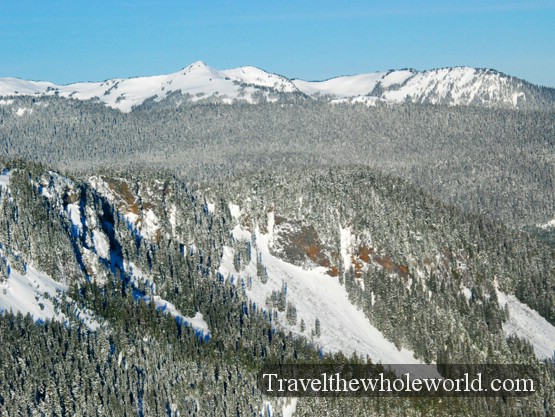
The Mount Baker area has some of the most impressive winter scenery I’ve seen anywhere in the United States. Thick forests cover the lower mountains while huge amounts of snow blanket the higher terrain.
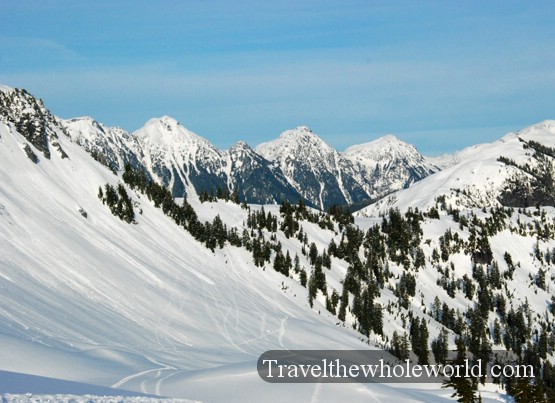
The amount of snowfall here can be incredible. The Mount Baker Ski Area is famous for receiving massive seasonal totals and recorded one of the highest annual snowfall totals ever measured during the winter of 1998–1999. Looking across the surrounding mountains, it wasn’t difficult to believe.
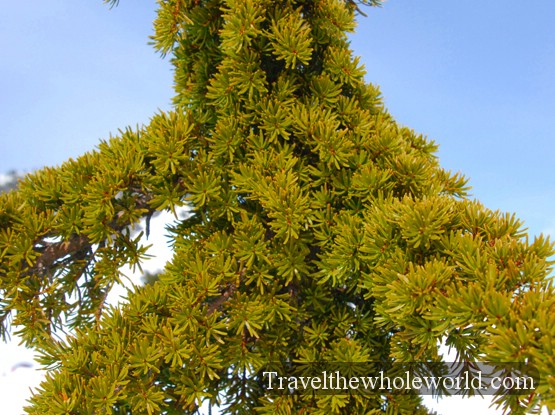
I was impressed that vegetation could survive under such extreme winter conditions. Above is a small evergreen pushing through the deep snow. I’d be curious to see this same area during summer, when most of the snow has disappeared and the landscape looks completely different.
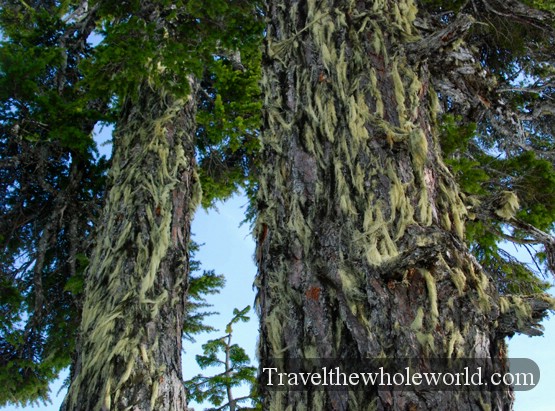
Even at higher elevations, thick moss grows throughout the damp forests of the Cascades. Western Washington receives enough moisture that vegetation seems to cover almost anything not buried beneath snow.
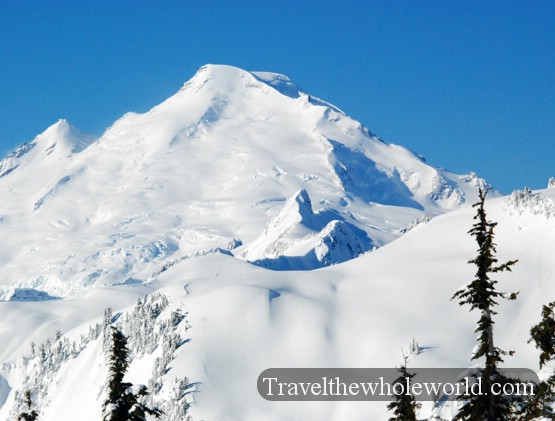
Above is Mount Baker itself, rising to 10,781 feet (3,286 meters). The massive glacier-covered volcano dominates much of the surrounding landscape and is one of the highest mountains in Washington.
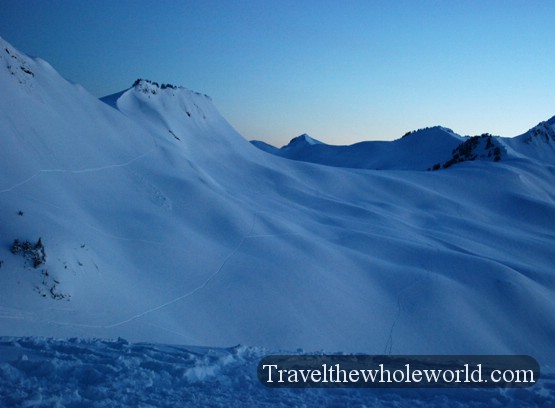
This photo gives a better idea of just how much snow covered the surrounding mountains. You can also see tracks left across the surface by skiers traveling through the area.
Mount Shuksan
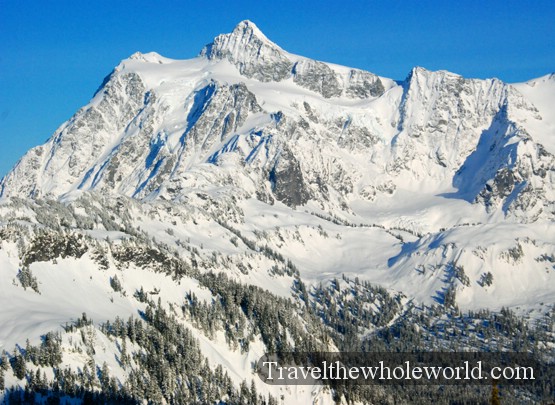
Mount Shuksan is easily one of the most beautiful mountains I’ve ever seen. At 9,131 feet (2,783 meters), it isn’t especially high by major mountaineering standards, but its dramatic relief, glaciers, and sharp summit pyramid make it look much larger.
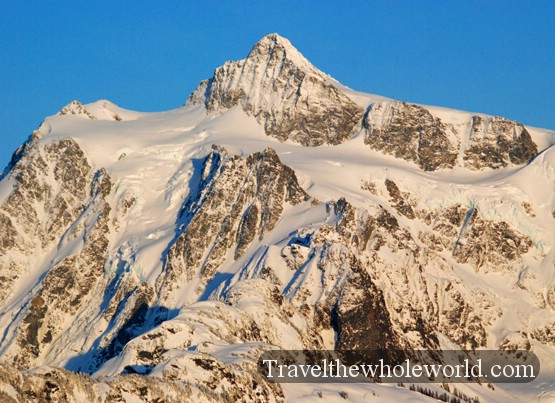
Above is another view as the light began to change later in the day. I could stare at this mountain for hours. Between its steep rock, hanging glaciers, and nearly perfect shape, it’s easy to understand why Mount Shuksan is one of the most photographed mountains in the North Cascades.
Mountaineering Training
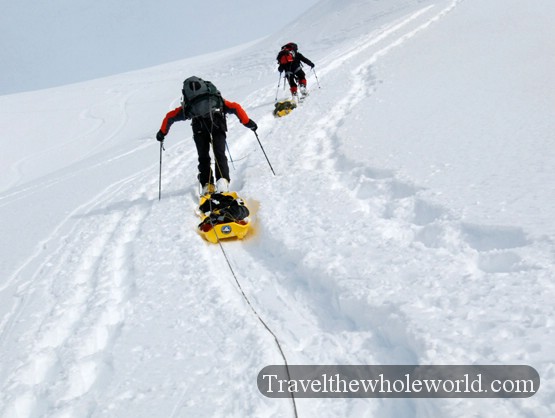
My main reason for visiting the Cascades was actually a weeklong mountaineering course. It gave me a chance to experience the mountains while learning skills that would later become the foundation for many of my bigger climbing trips. Because the course was designed partly as preparation for Denali, we trained by carrying heavy packs and dragging loaded sleds from camp to camp.
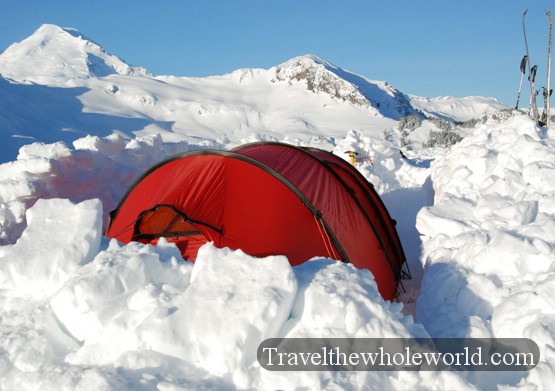
Above is one of our tents dug into the snow. We built walls around the campsite to help protect the tents from wind, another useful skill for future expeditions where exposed camps can take a beating from severe weather.
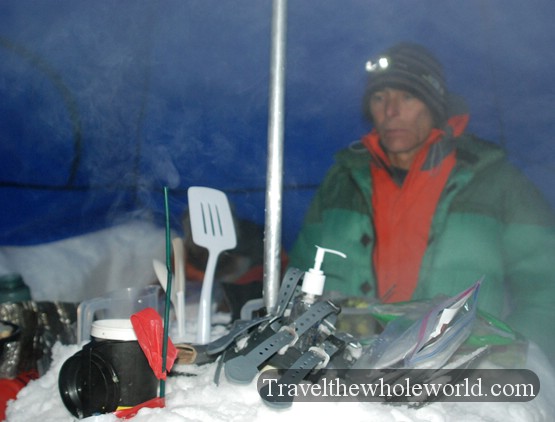
This was our cook tent at one of the first camps. With my luck, we happened to experience unusually cold temperatures during the course, dropping below 0°F (-18°C). It was miserable at the time, but it also gave me useful experience for much colder expeditions later. If nothing else, the Cascades taught me very quickly that winter camping and mountaineering become completely different activities once temperatures drop well below freezing.
Northwest Trek Wildlife Park
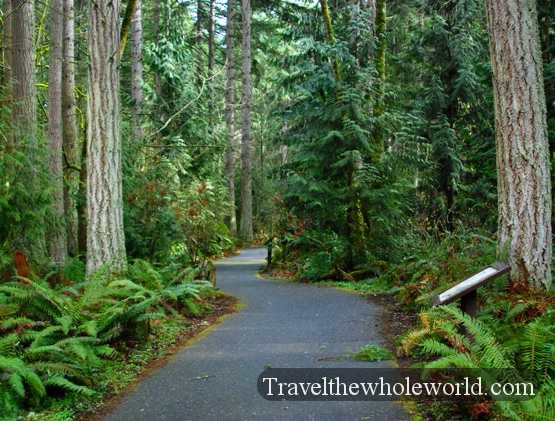
While driving around Washington, I also came across Northwest Trek Wildlife Park, which focuses on animals native to the Pacific Northwest. The park has walking trails, wildlife viewing areas, and large natural enclosures. Unfortunately, a major rainstorm came through during my visit and knocked down a tree inside the park, forcing everyone to leave before I could see everything.
I especially missed the tram through the large free-roaming area, which passes animals such as elk, bison, mountain goats, and other large mammals. Above is one of the walking areas I did manage to explore before the weather shut everything down.
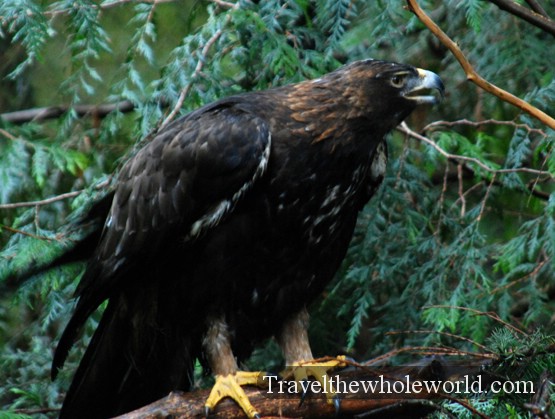
Above is a golden eagle, one of the large birds native to Washington and much of western North America.
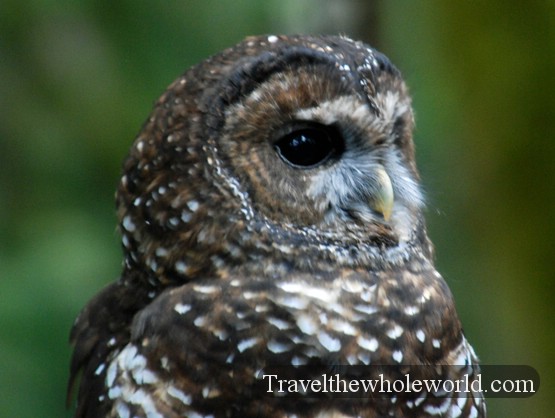
And above is one of the owls at the park. Birds of prey are much easier to appreciate up close here than they usually are when spotted high in a tree or flying overhead in the wild.
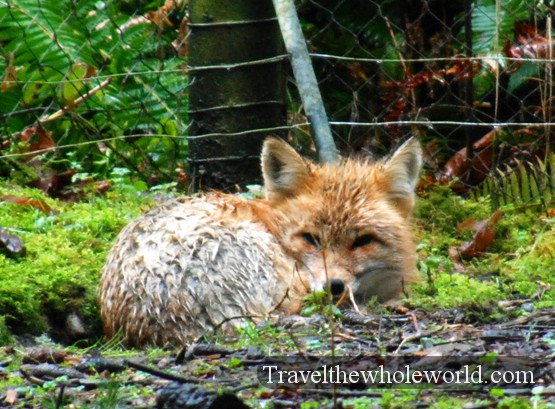
Above is a red fox, one of the more widespread mammals in North America. I’ve even seen red foxes around my own neighborhood in Virginia, so this was a familiar animal compared with some of the others at the park.
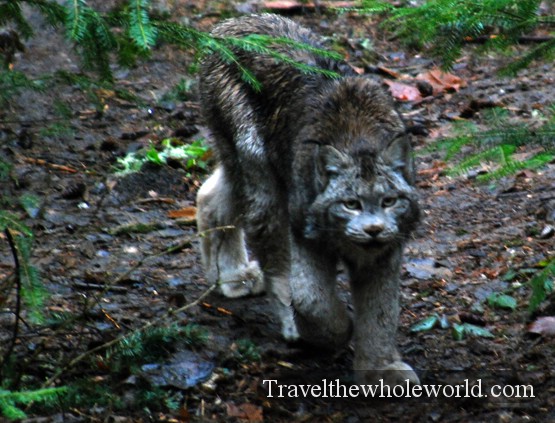
The lynx above is much less commonly seen. These cats are adapted to colder northern environments, with large paws that help them travel over snow and thick coats suited to winter climates.
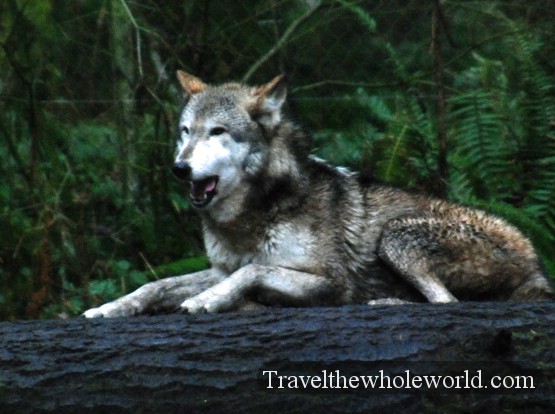
Above is a gray wolf. Wolves once disappeared from Washington but eventually returned naturally from neighboring regions and now live primarily in the more remote parts of the state.
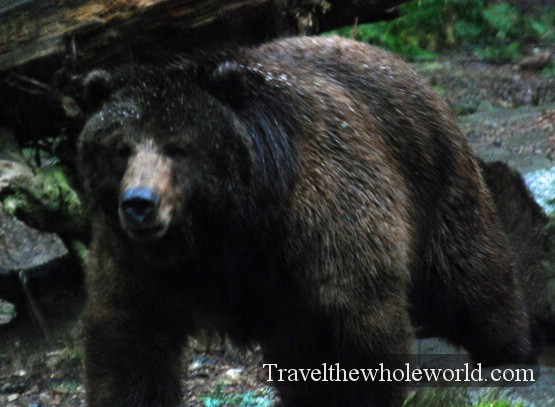
Finally, above is a grizzly bear. Grizzlies are extremely rare in Washington today and are limited to remote areas near the Canadian border, making an encounter in the wild unlikely for most visitors. Seeing one here was certainly easier than trying to track one down in the Cascades!
Explore More of Washington
Olympic National Park • Olympia • Seattle • the North Cascades