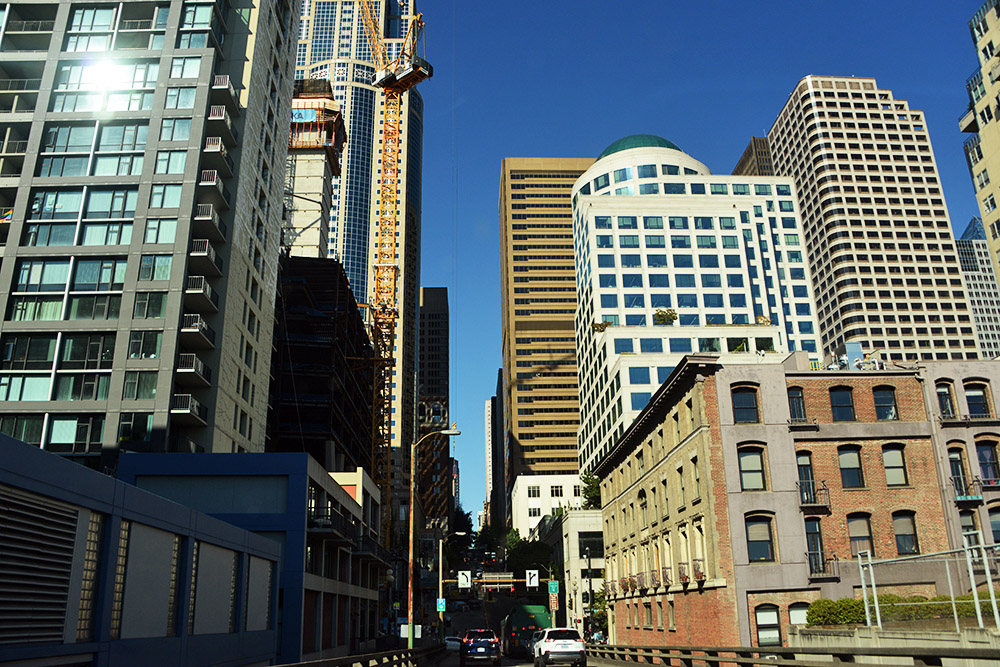
By far the largest city in Washington state and the Pacific Northwest, Seattle is one of my favorite cities in America. When I first visited, the population within the city limits was just under 600,000. Ten years later I returned to find more than 700,000 people living in the city and millions more throughout the metropolitan area. I had forgotten just how large Seattle was. Despite its size, the city has a distinct local culture that separates it from places like California, New England, or the South. Above is a photo I took as I reentered Seattle on my second visit.
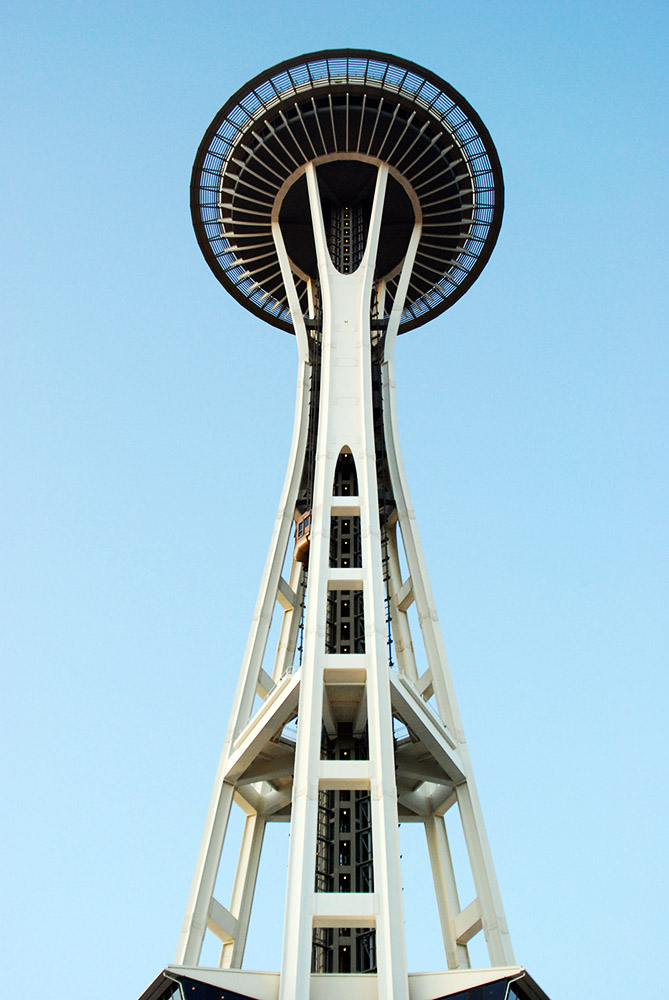
This photo of Seattle’s famous Space Needle was taken during my first trip. Somehow, on both of my visits I made the mistake of not riding to the top for the incredible view. Built for the 1962 World’s Fair, the Space Needle stands 605 feet (184 meters) tall and remains the city’s most recognizable landmark. Architecturally, it’s also a pretty impressive structure. The Pacific Northwest is no stranger to earthquakes and severe weather, so the Space Needle was designed with those hazards in mind. It has 25 lightning rods and was engineered to withstand extremely high winds and major earthquakes.
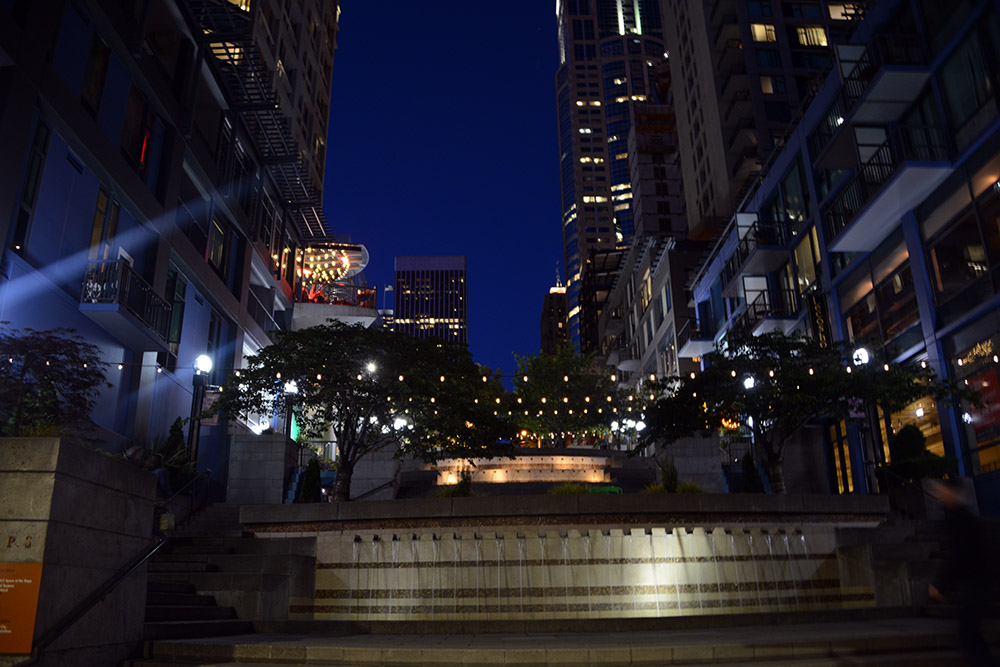
Most visitors eventually make their way to Pike Place Market. Located in the heart of downtown Seattle, the market is packed with restaurants, small shops, local art, produce, seafood, and just about everything else you could imagine.
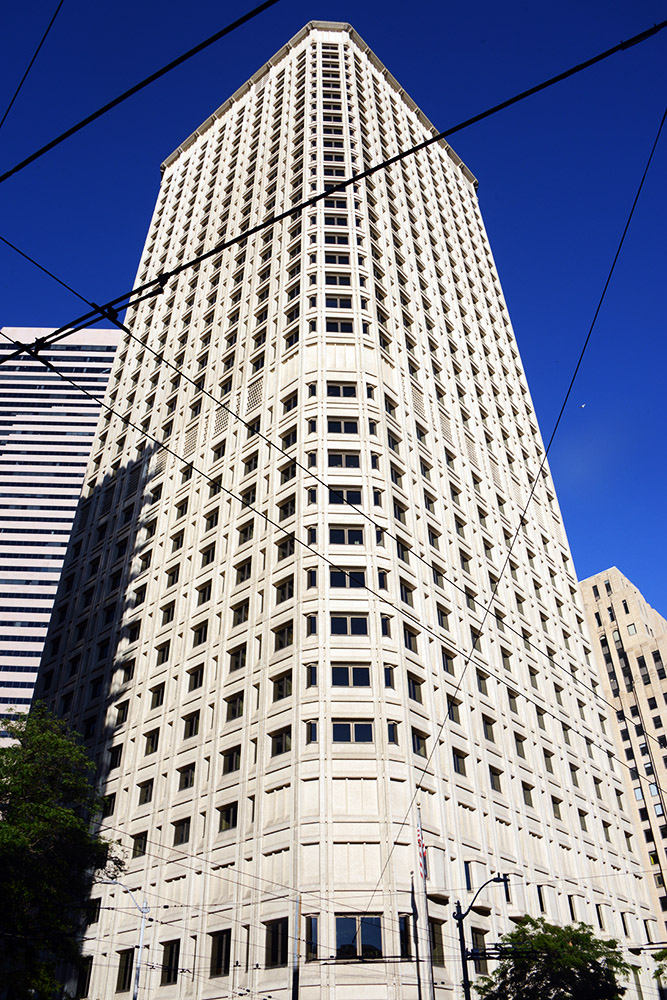
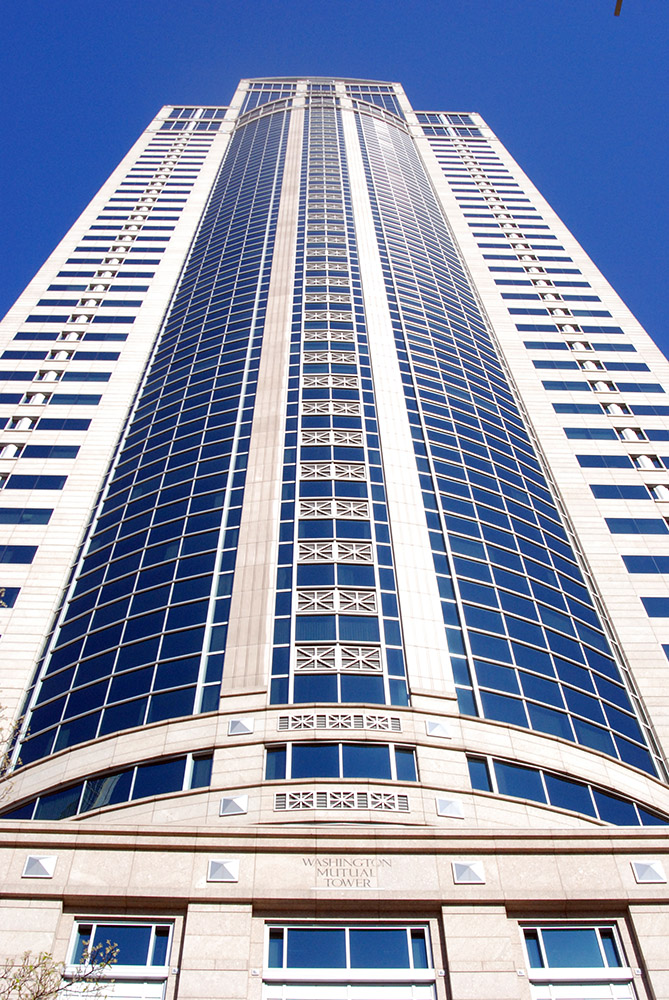
Pike Place Market itself covers only a relatively small part of downtown, but it’s surrounded by some of Seattle’s tallest buildings. Few American cities can compete with New York’s skyline, but walking through this part of Seattle sometimes gave me a similar feeling. In that sense, Seattle almost feels like the New York City of the Pacific Northwest.
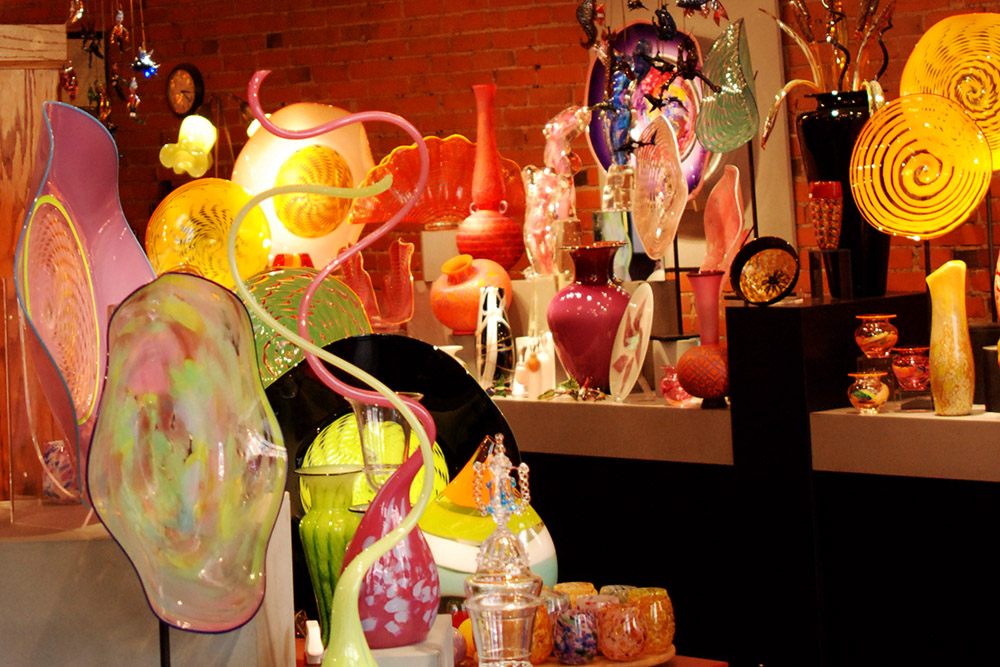
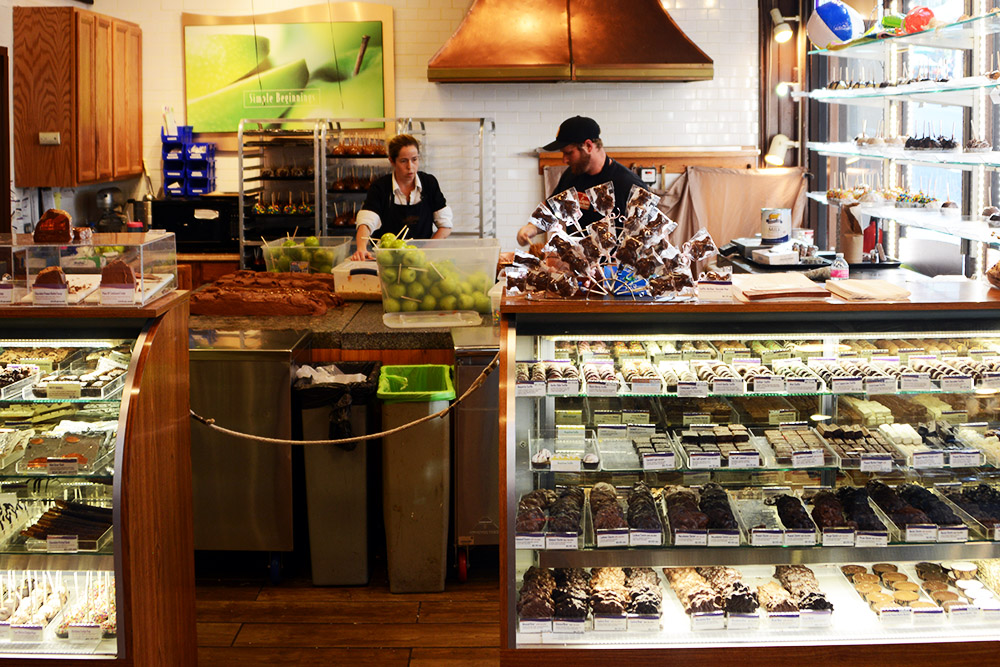
There are plenty of unique shops around Pike Place Market. I’m not even sure if this glass shop that I visited during my first trip is still in business, but stores like this are part of what makes wandering through the market interesting. I have a feeling the chocolate shop below has a better chance of still being around!
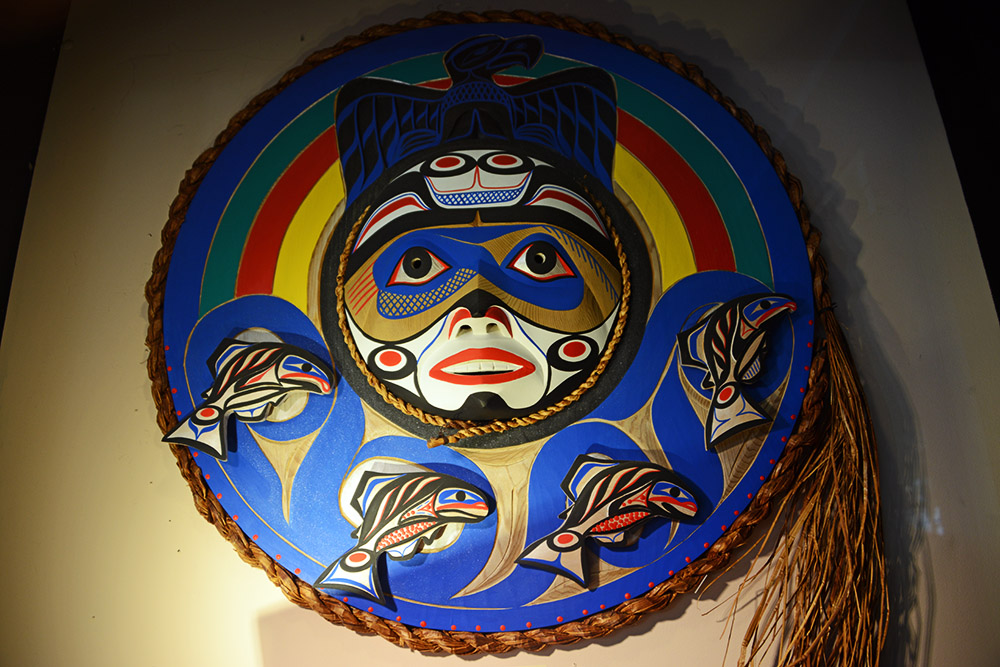
The Pacific Northwest has a strong Indigenous cultural presence, and around Pike Place Market you’ll find shops displaying and selling art inspired by the Native peoples of the region. These are two examples I came across while exploring the market.
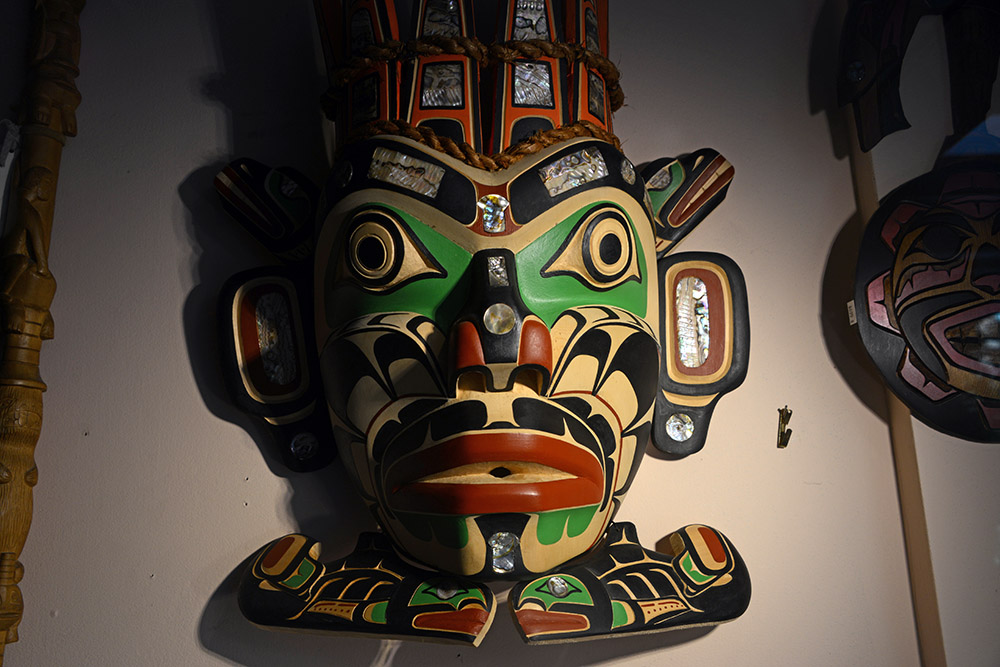
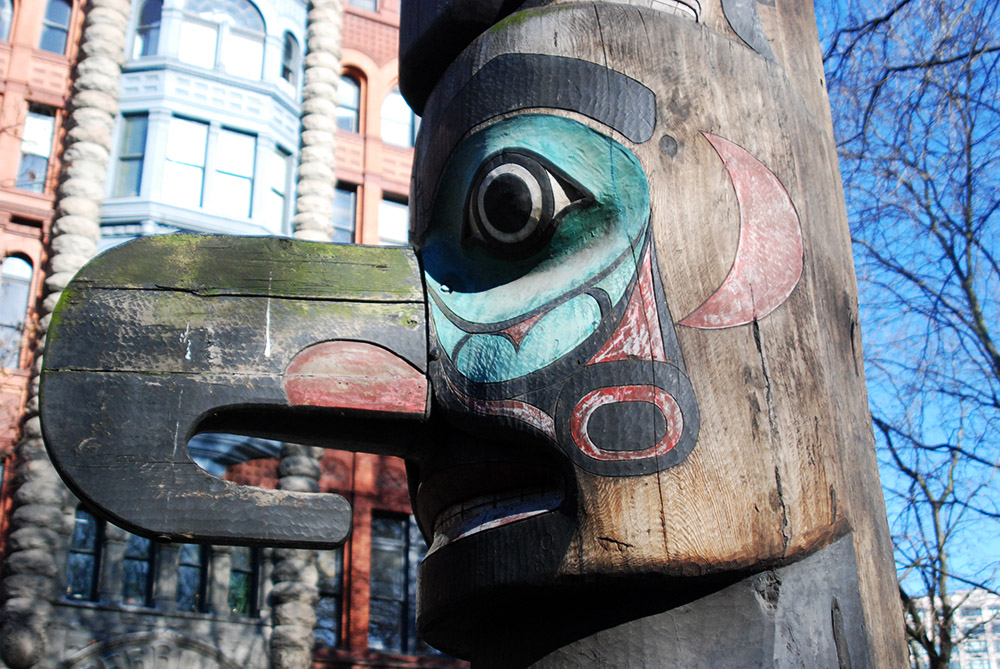
You’ll also find totem poles and similar carvings throughout Seattle. Traditional totem poles can represent family histories, ancestors, important events, stories, or other cultural meanings depending on who created them. I have no idea how old or authentic this particular one was, but at the very least it was actually carved from wood rather than being a plastic replica.
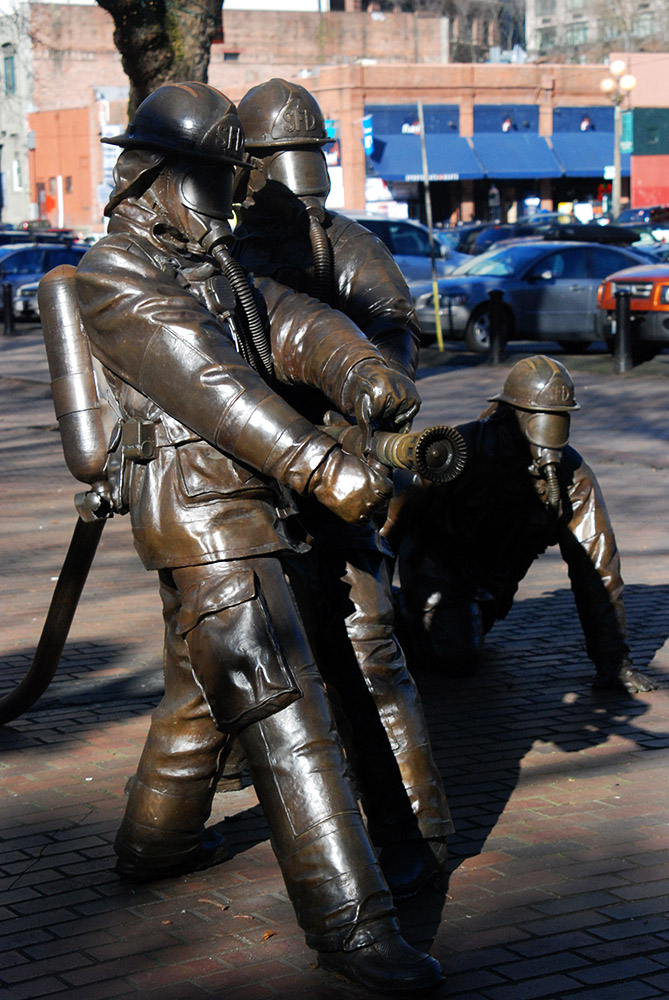
Seattle has endless areas to explore, but the modern city looks very different from the one that existed during the 19th century. Early Seattle struggled with poor drainage, flooding, and sewage problems, while much of the city was constructed from wood because lumber was readily available. That combination made a major fire almost inevitable. In June 1889, the Great Seattle Fire destroyed much of the city’s central business district. Remarkably, despite the enormous destruction, there were no confirmed human deaths directly caused by the fire. The memorial above, located in Pioneer Square, honors Seattle’s firefighters.
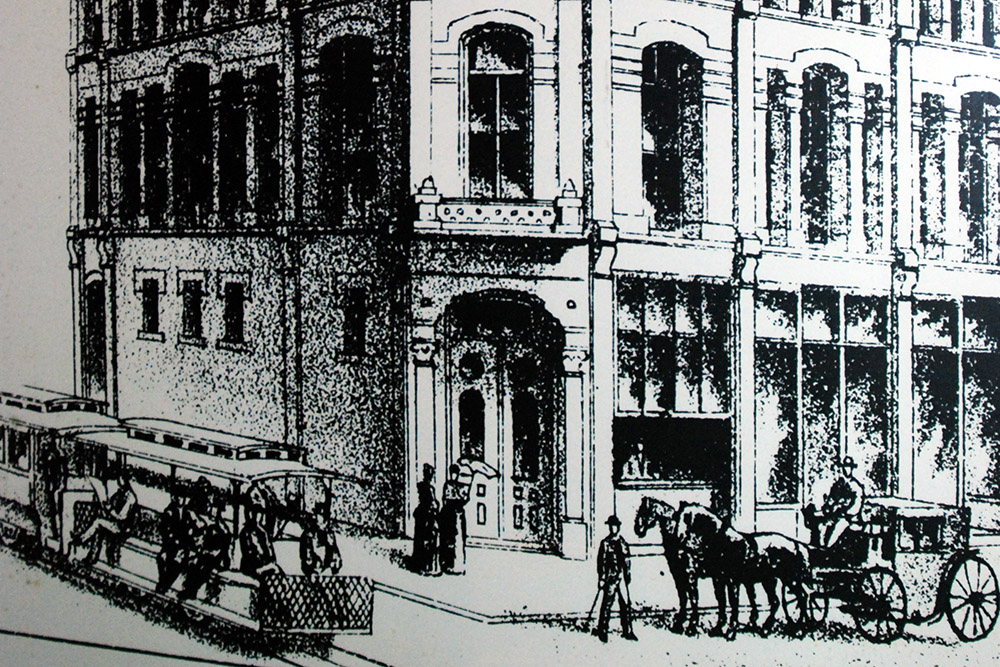
As devastating as the fire was, rebuilding gave Seattle an opportunity to redesign parts of the city. Streets were raised and new buildings were constructed at a higher level, leaving portions of the original streets and storefronts underneath. These buried sections eventually became known as the Seattle Underground. The photo above shows what Seattle looked like during the 19th century, while below you can see the remains of what was once a street at ground level.
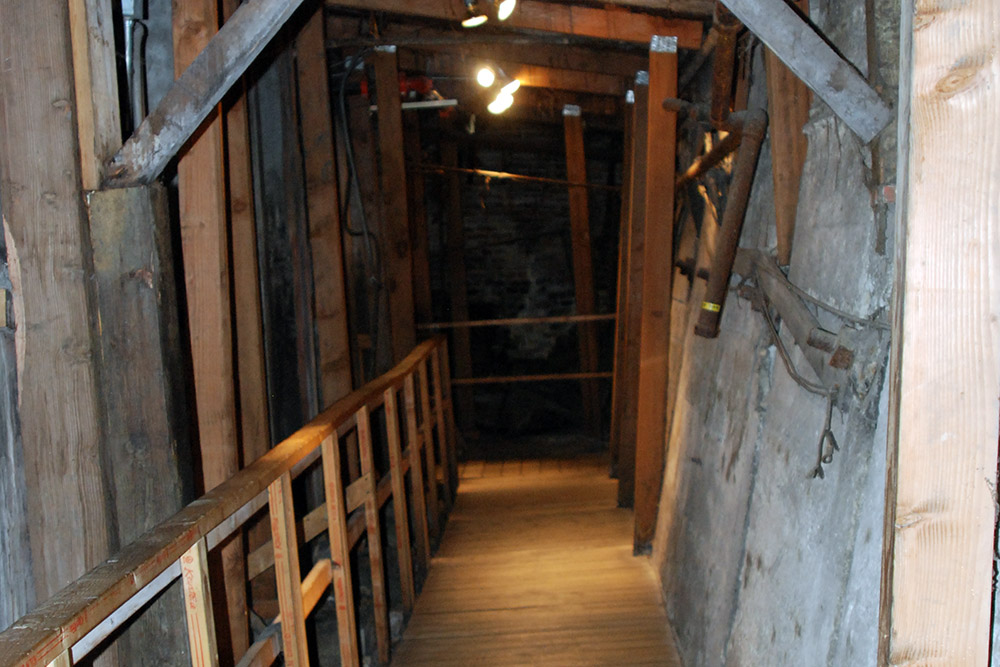
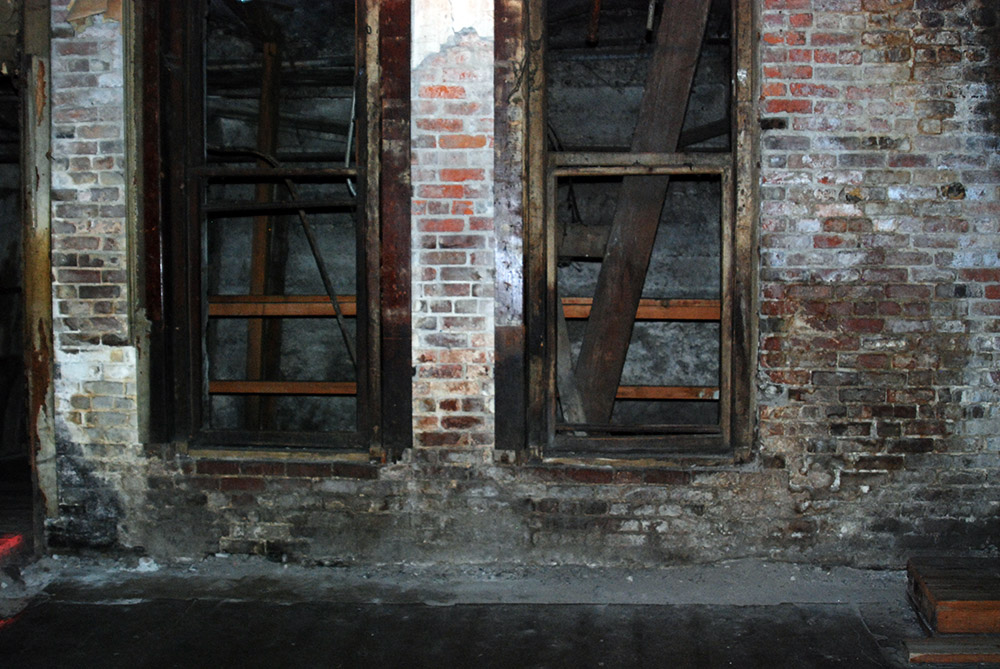
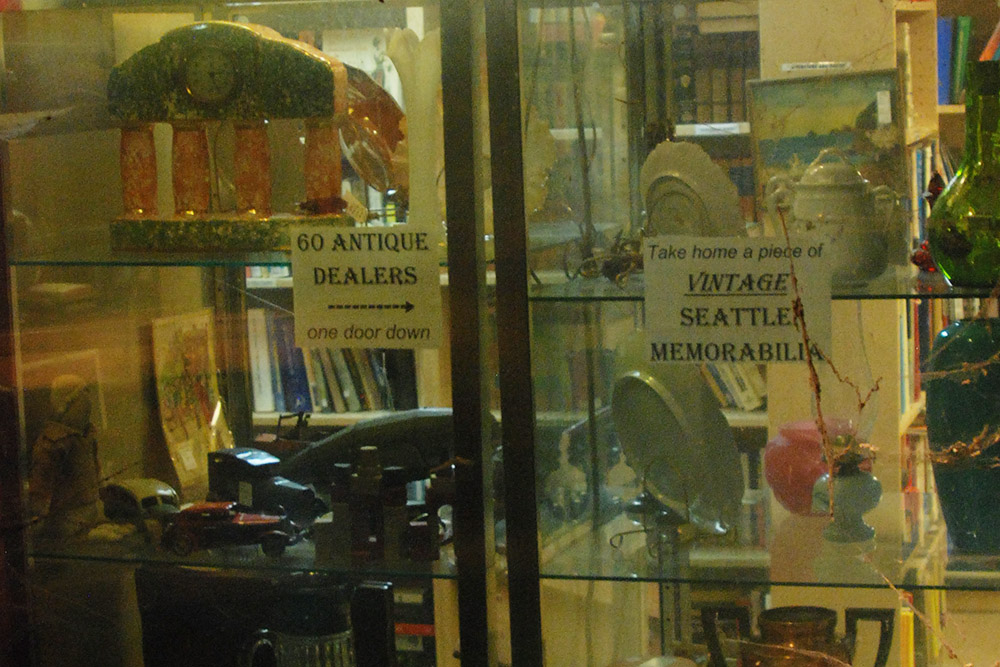
For a while, businesses continued operating in some of these lower levels even as the new city developed above them. Eventually the underground areas were largely abandoned and gained a reputation for illegal drinking, gambling, and prostitution. The photo above shows windows that once faced the open street but are now underground. Today portions of the old city can be explored on guided tours, and you’ll even find a few souvenir shops like the one below.
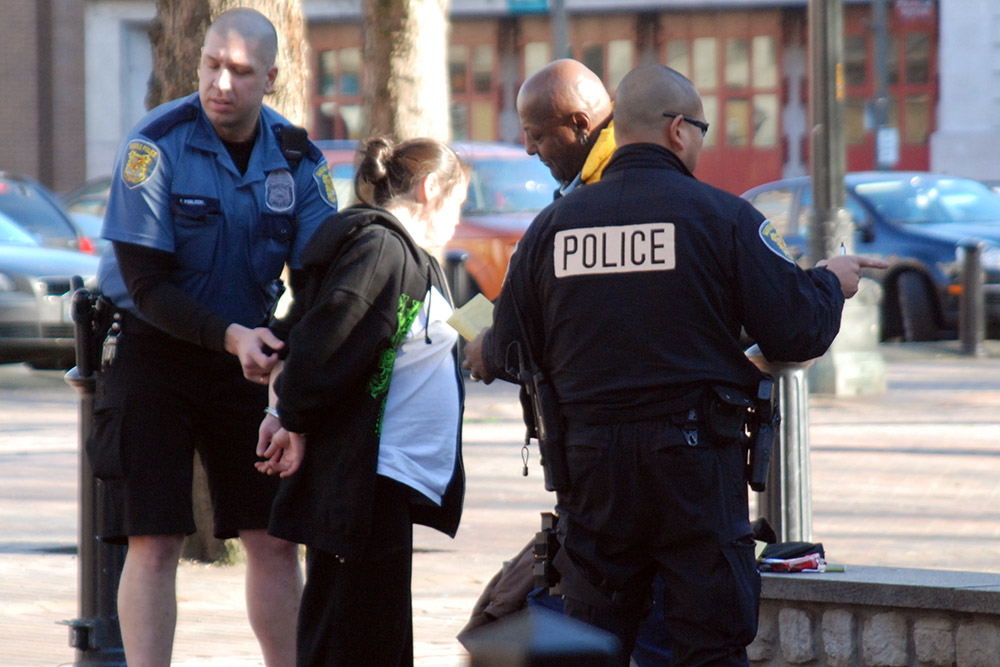
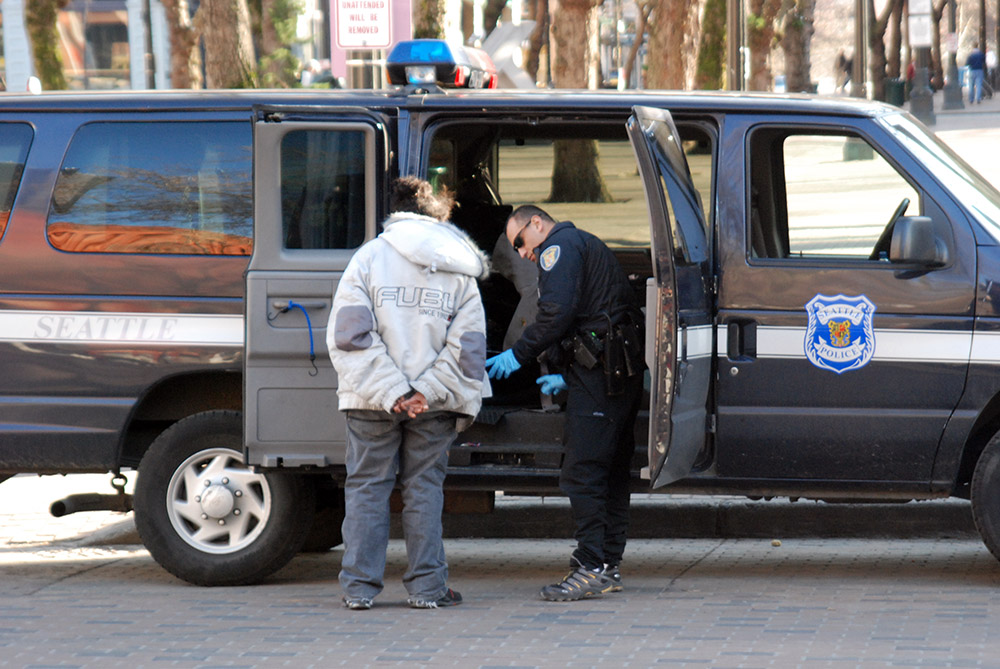
While I didn’t come across any drama in Seattle’s underground, I did see several people being arrested around Pioneer Square. I heard one of the police officers mention possession as I passed by, although I never found out exactly what had happened.
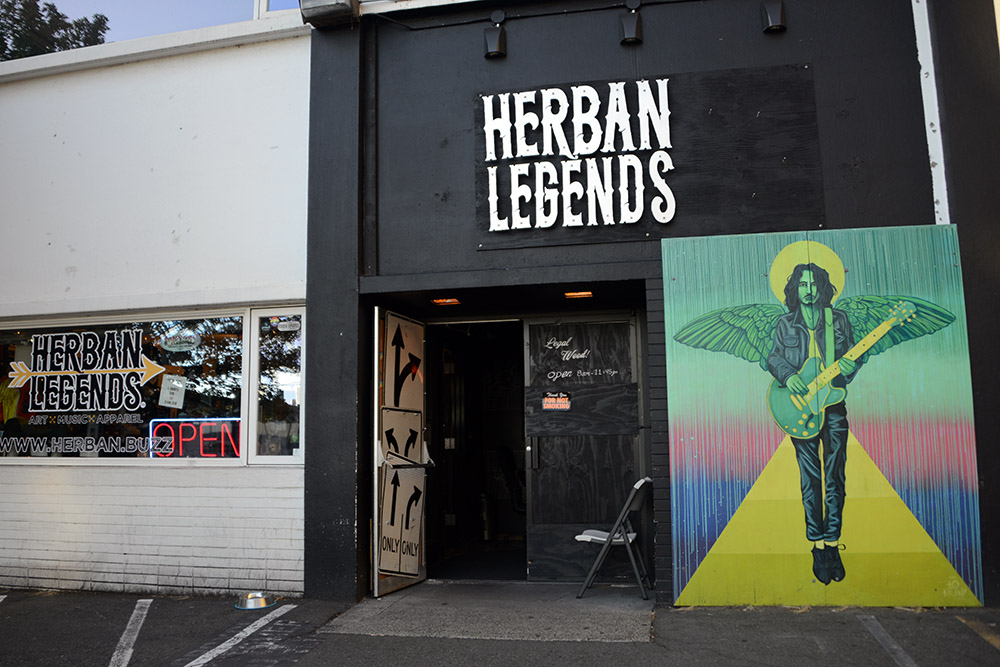
Seattle changed quite a bit between my two visits. Marijuana was still illegal for recreational use in Washington during my first trip, but by the time I returned ten years later it had been legalized and cannabis shops had become a normal sight around the city. It was one of those small but noticeable differences that reminded me just how much had changed since my first visit.
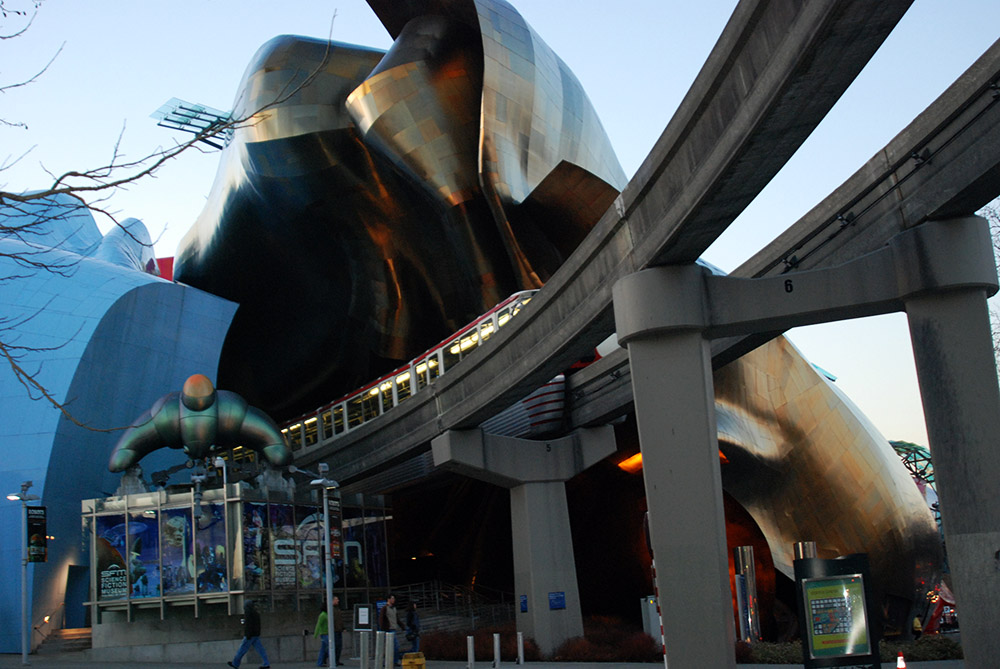
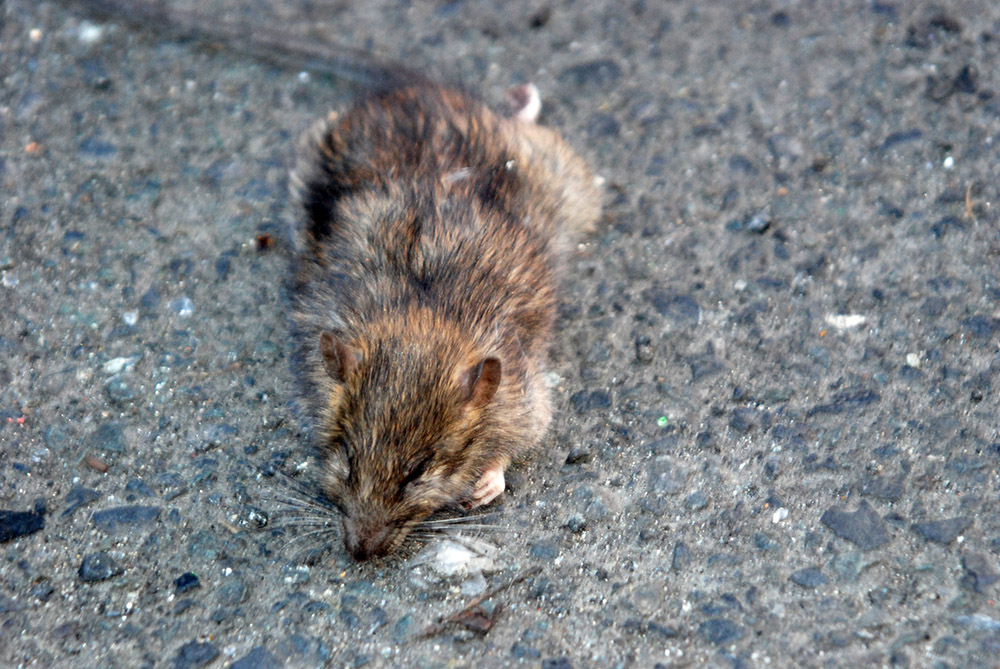
Both times I visited Seattle it was summer, and I had nearly perfect weather for walking around the city. Seattle is famous for its cloudy and rainy reputation during much of the year, but summer can be beautiful. The city also has several forms of public transportation, including its famous monorail. The first time I saw it from a distance, I thought it looked more like an amusement park ride than public transportation. I only rode it once and spent most of my visits exploring Seattle on foot, occasionally wandering through some less glamorous alleys like the one where I found this unfortunate rat below.
From dead rats to coffee seems like an impossible transition, but Seattle is famous for its coffee culture. Several well-known American coffee companies got their start here, most famously Starbucks. Coffee shops are everywhere, ranging from major chains to small independent cafes.
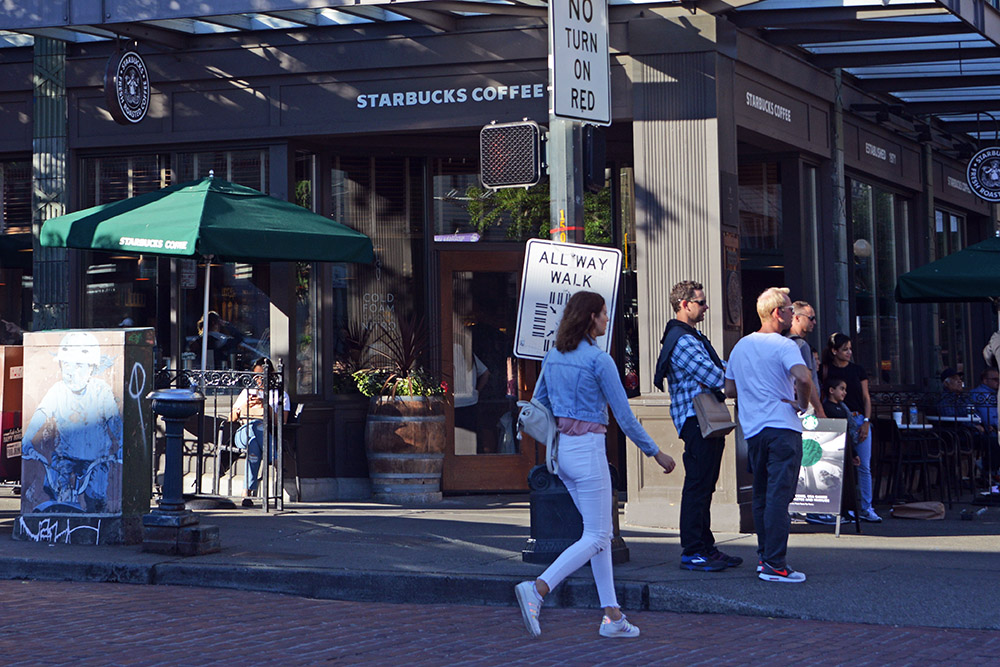
Above is my not-so-great photo of the original Starbucks location at Pike Place Market. For some reason I expected it to be enormous and almost like a miniature coffee-themed amusement park. Instead, it was basically what you would expect: a small, busy coffee shop with a lot more history than the average Starbucks.
Tully’s was another coffee chain closely associated with Seattle. Beyond the chains, there seems to be an endless number of independent coffee shops throughout the city, which makes sense in a place famous for rainy weather. One independent shop I visited had large paintings by local artists for sale. Many seemed to have religious themes, but I especially liked how they depicted different cultures around the United States. The painting below shows the tradition of snake handling found among a small number of churches in Appalachia.

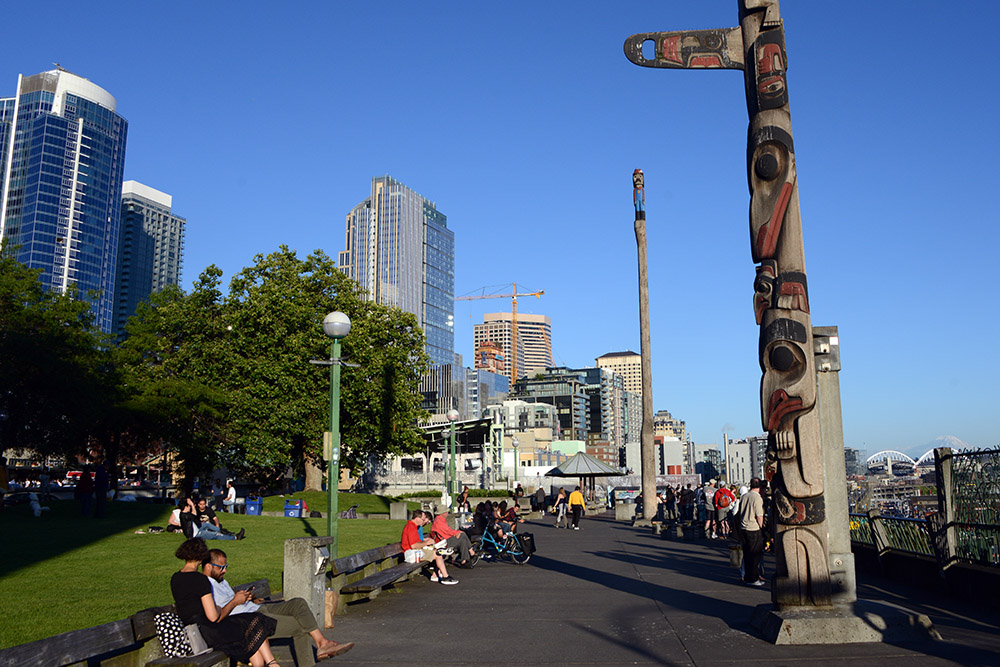
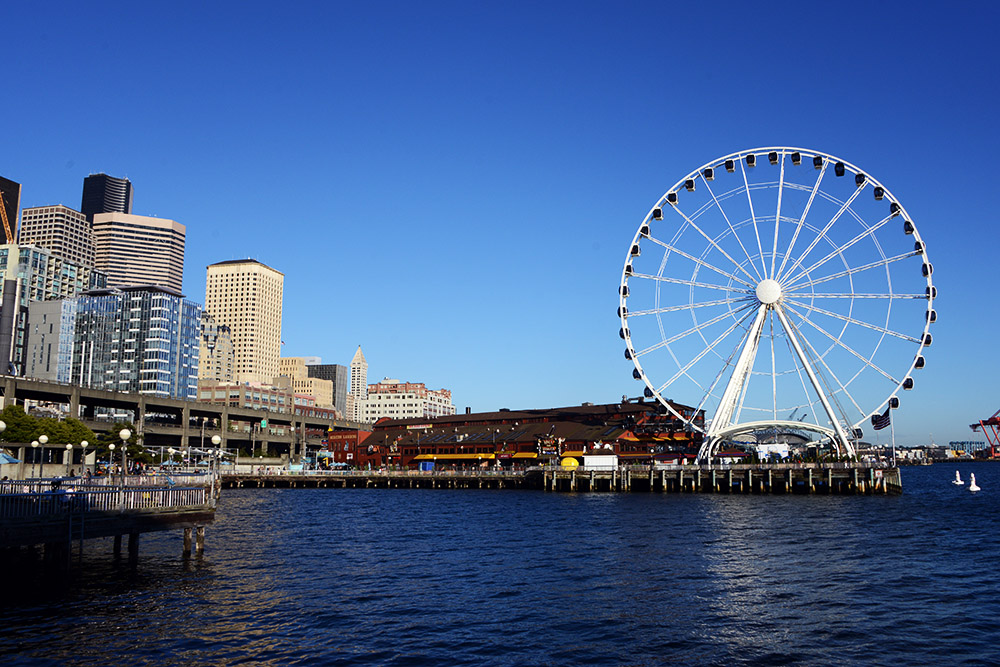
My favorite place to explore in Seattle was the waterfront. It sits directly below Pike Place Market and is one of the most enjoyable parts of the city to walk around. The waterfront is filled with piers, restaurants, shops, and attractions, and it’s also a departure point for ferries, sightseeing boats, and cruises. Some ferries connect Seattle with communities around Puget Sound, while cruise ships departing from the city travel as far as Alaska.
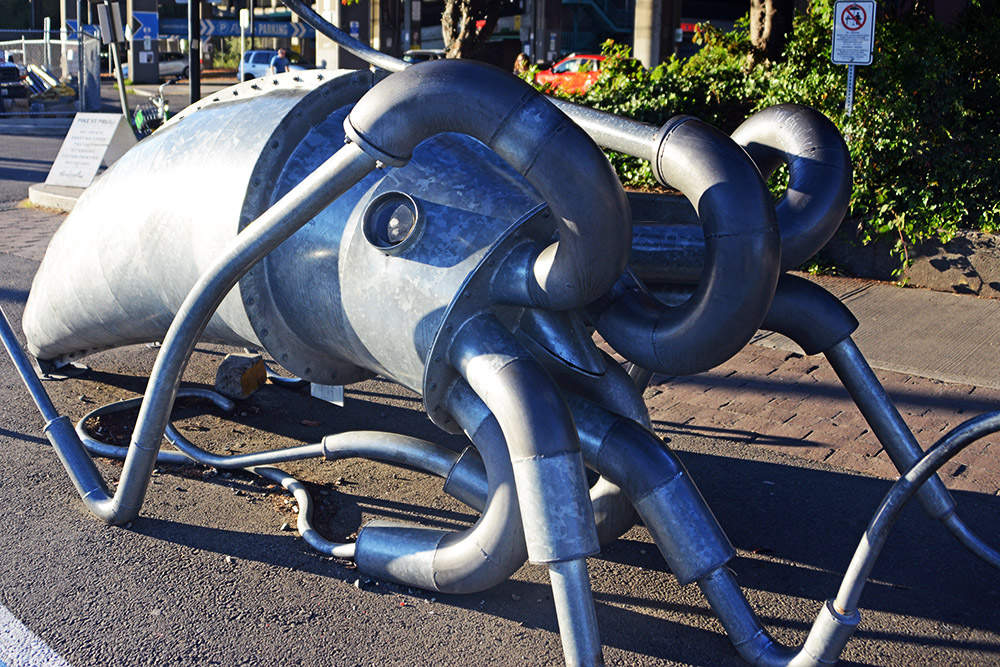
One of Seattle’s famous landmarks that I somehow missed was the Fremont Troll under the Aurora Bridge. I don’t think this octopus along the waterfront is nearly as famous, but it’s certainly hard to miss while walking through the harbor area. I’ll have to track down the troll on my next visit.
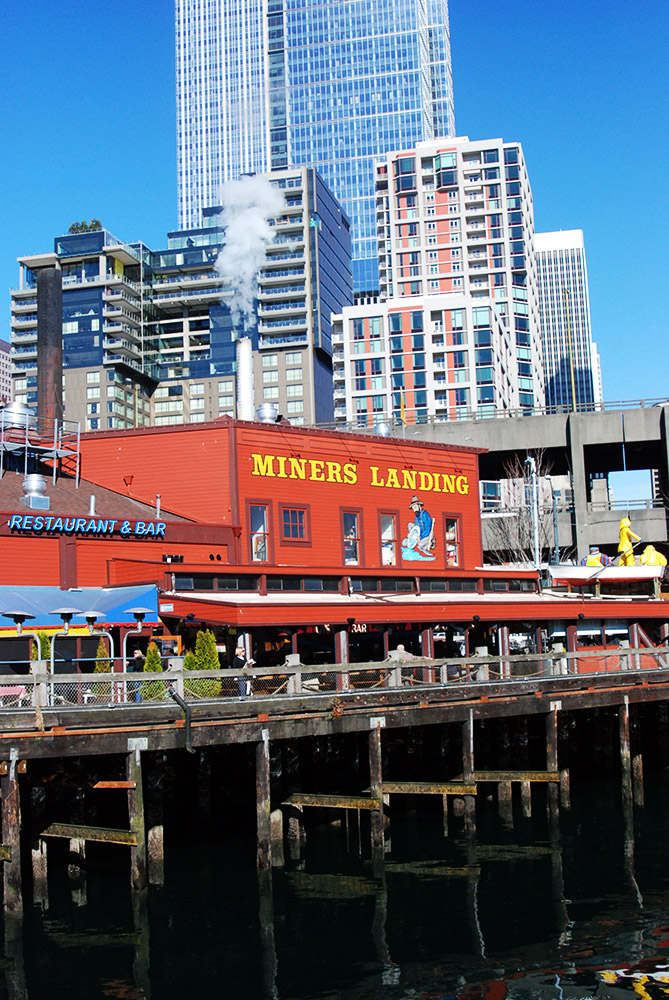
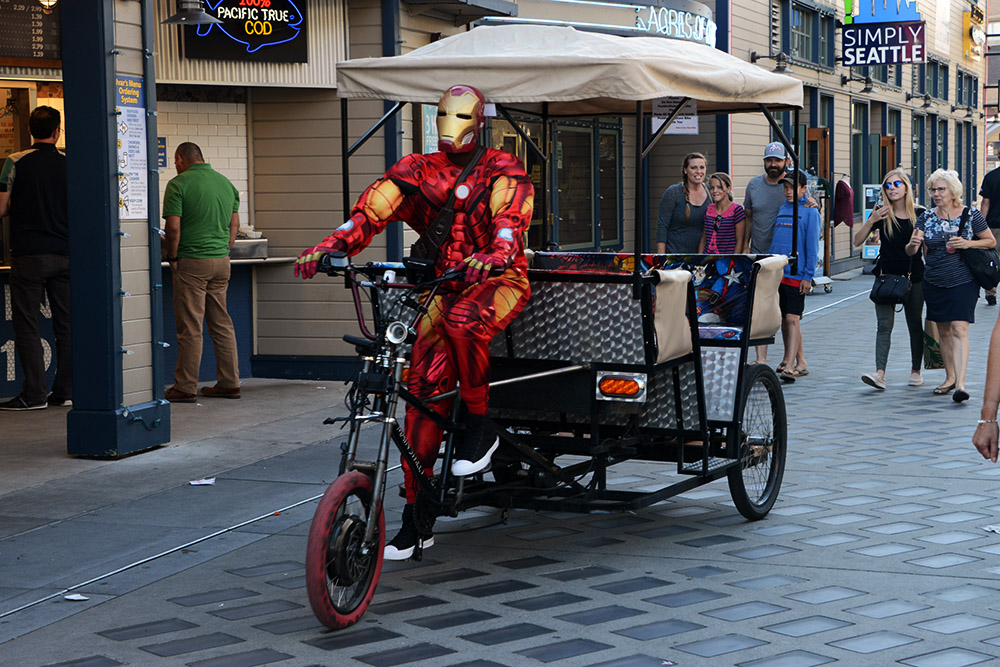
The waterfront stretches across numerous piers filled with restaurants, shops, and entertainment. Places like Miner’s Landing offer some great views where the working harbor and piers sit directly beneath Seattle’s skyscrapers. Apparently, you can even get a ride from Iron Man.
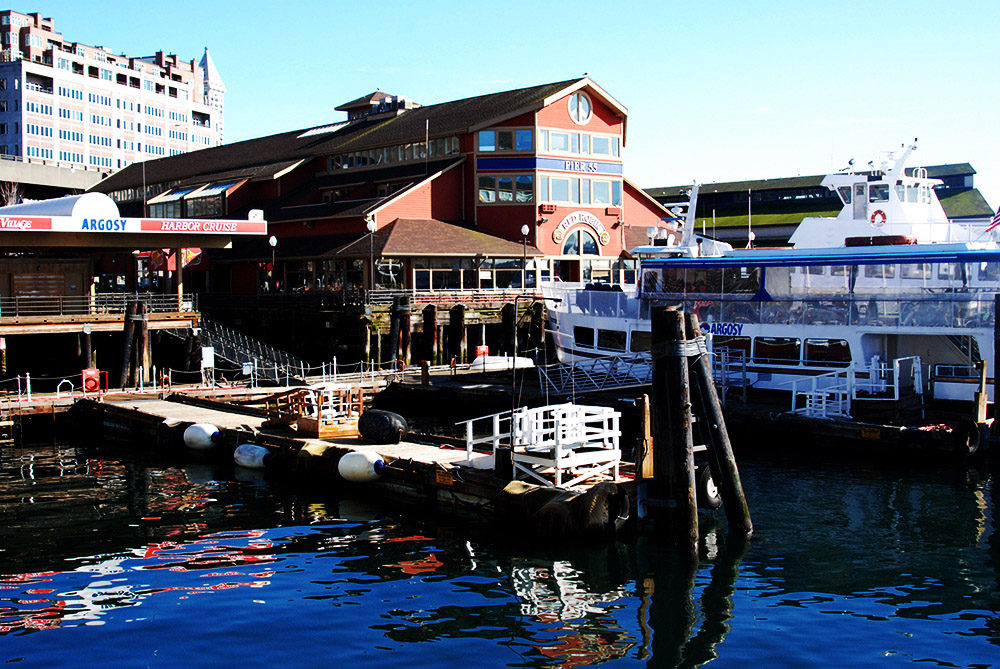
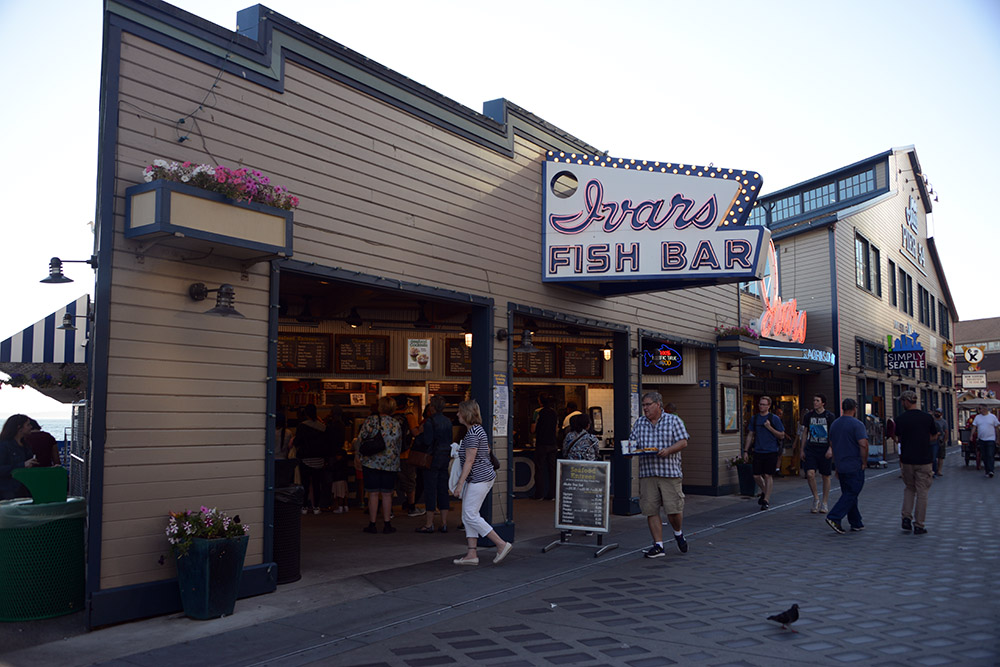
As you would expect from a city on Puget Sound, seafood dominates many of the restaurants along the waterfront. I’m not much of a seafood person, so that wasn’t exactly heaven for me! You’ll find everything from higher-end waterfront restaurants to casual places like the Fish Bar below. Luckily for people like me, there are plenty of non-seafood options nearby as well.
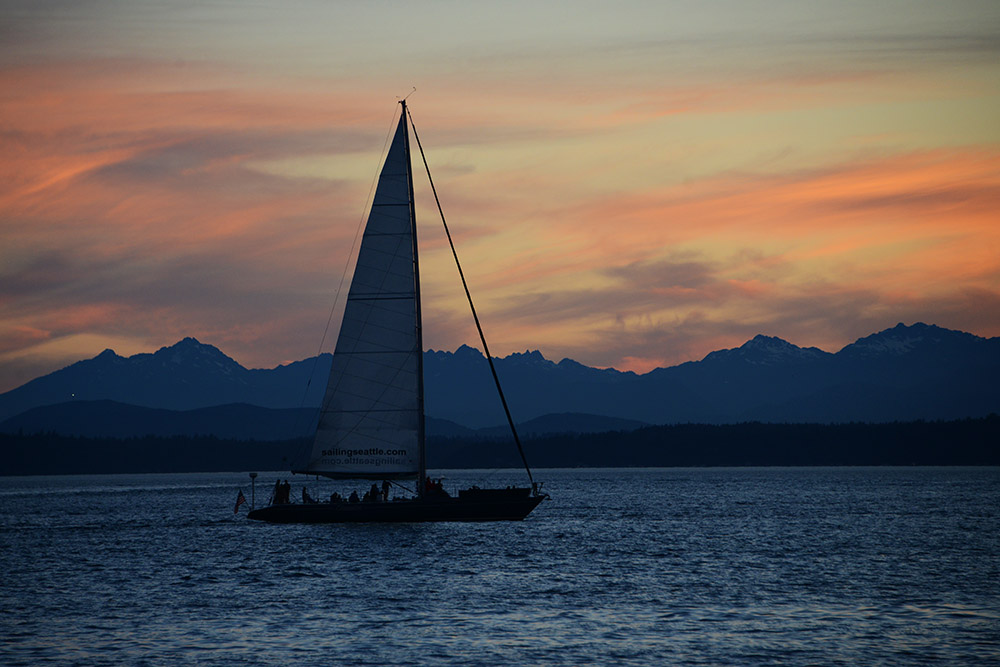
On the evening of my last night in Seattle, I took this photo of a sailboat passing the city. The wooded background makes it look like I was somewhere remote, but the boat was sailing right past downtown Seattle. I had taken some basic sailing lessons before this trip, so maybe on my next visit I’ll finally get out on the water myself. Between the waterfront, neighborhoods, history, food, and surrounding mountains and islands, Seattle is one of those cities where I could return several more times and still find something new to explore.