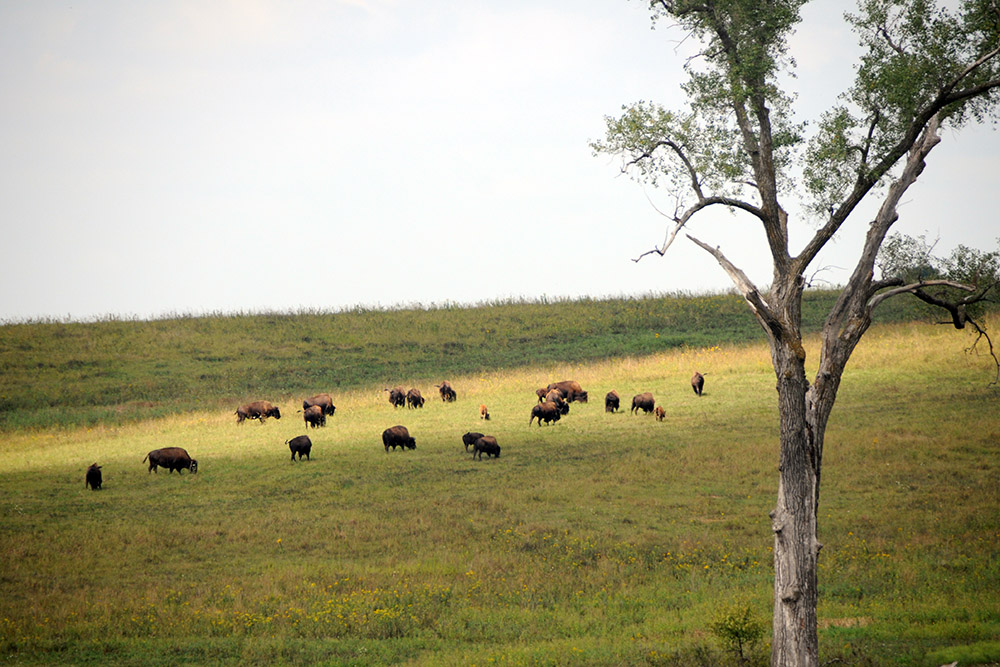
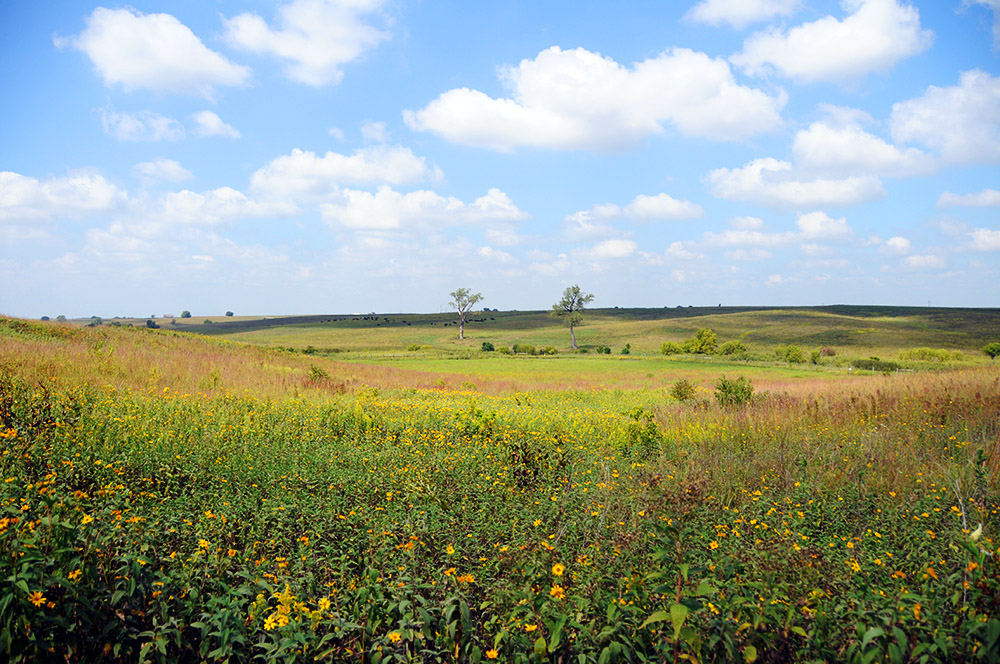
As someone who loves nature, Neal Smith National Wildlife Refuge was a surprising favorite of mine in Iowa. When I was looking for it, I was nearly convinced I was lost because all I could see in every direction was farmland. The refuge covers thousands of acres but is surrounded by agricultural land, making the restored prairie feel almost like an island within the modern Iowa landscape.
Despite that, the refuge is full of wildlife. Some of its largest residents are American bison and elk, while much of the landscape is covered by restored tallgrass prairie. At first glance a field of grass might not seem especially exciting, but once I started exploring on foot I realized that the smaller details were what made this ecosystem so interesting.
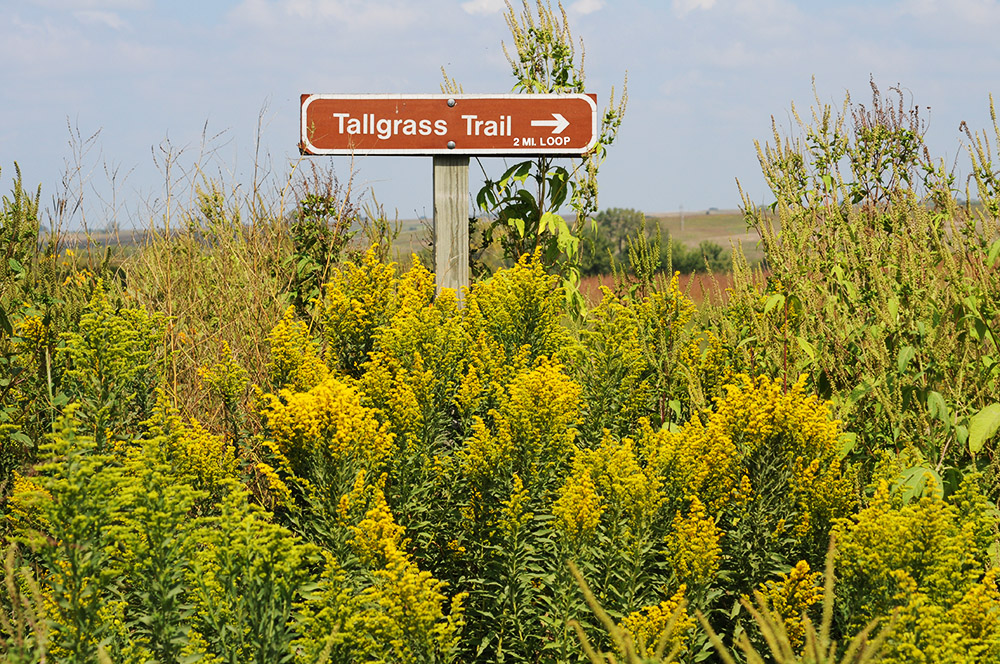
The hiking trails I explored weren’t particularly long, and there’s also an auto tour through part of the refuge. I preferred being out on foot, where it was much easier to slow down and appreciate the prairie. As someone who enjoys macro photography, even a short hike gave me what felt like endless opportunities to photograph wildflowers, insects, seeds, and other details that would be easy to overlook from a car.
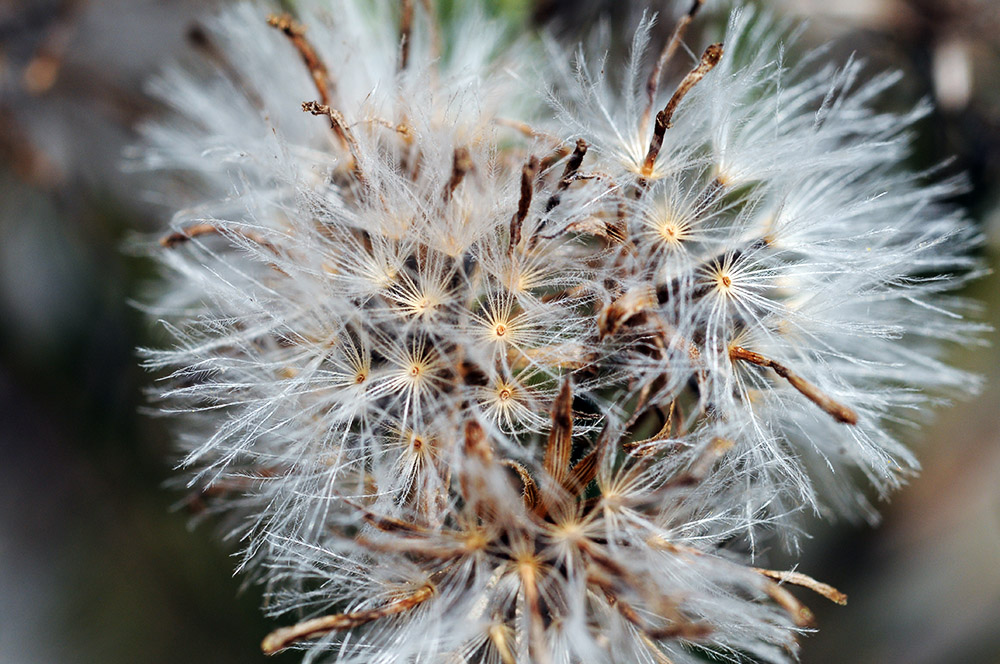
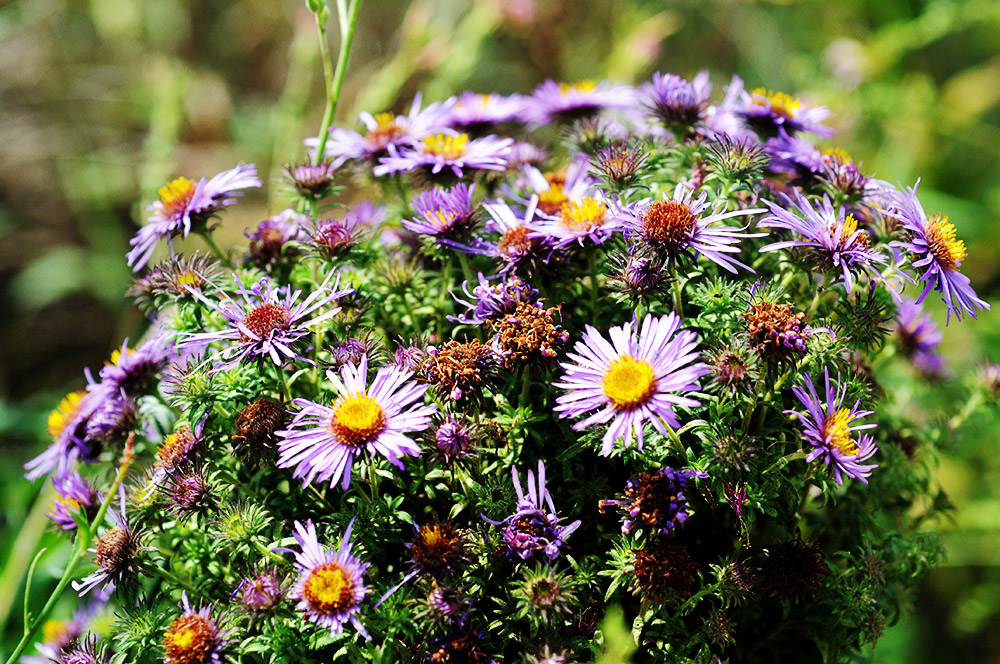
The refuge had far too many species of plants for me to keep track of. Earlier in the year I had spent a lot of time traveling through the American Northwest, where enormous forests dominated much of the scenery. The Great Plains offered something completely different, with grasses and wildflowers creating an incredible amount of variety close to the ground.
Even familiar plants became interesting when I stopped to look at them closely. I photographed a dandelion covered with mature seeds, each essentially functioning as a tiny parachute that allows the wind to carry it somewhere new. I wasn’t able to identify every flower I encountered, but that was part of the fun of exploring the prairie with a camera.
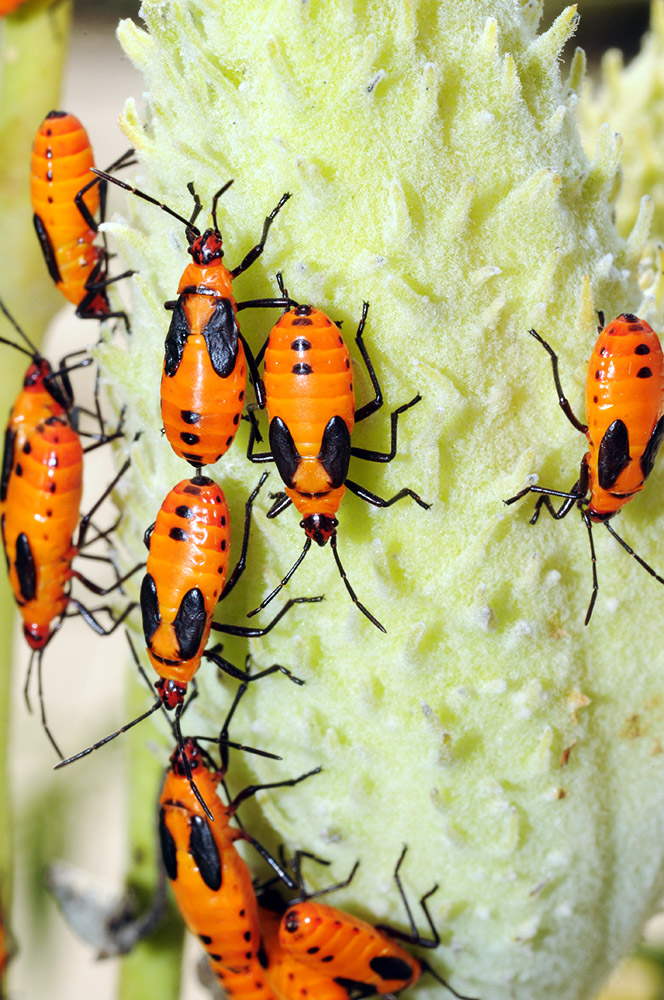
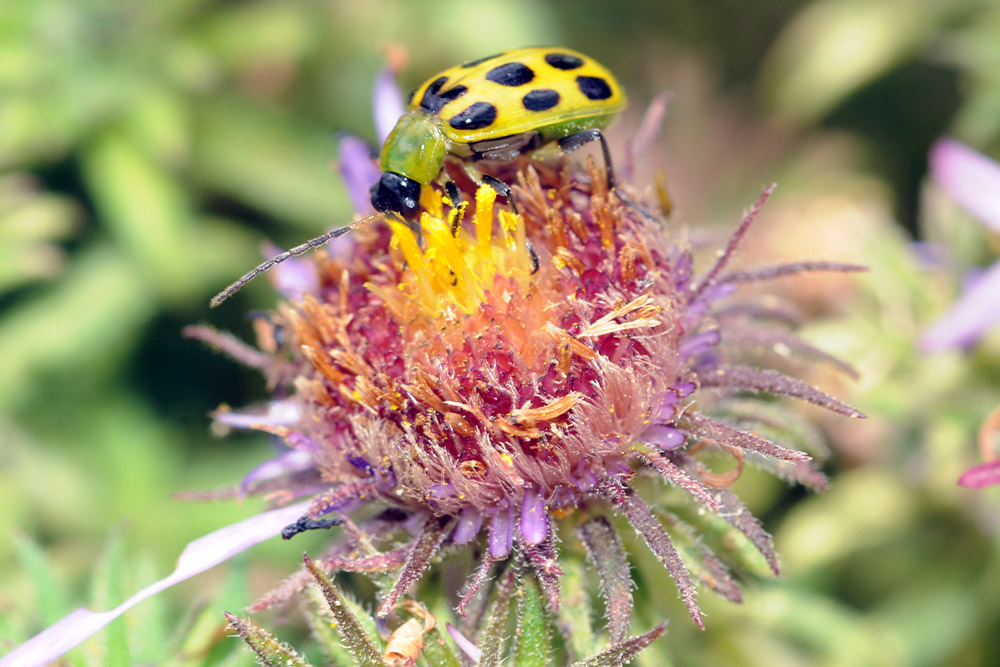
The prairie was also crawling with insects. I found a group of milkweed beetles gathered on a milkweed plant, along with a bean leaf beetle nearby. I couldn’t remember seeing that particular type of beetle before this trip, but after traveling through Iowa and later Texas I began coming across them much more frequently.
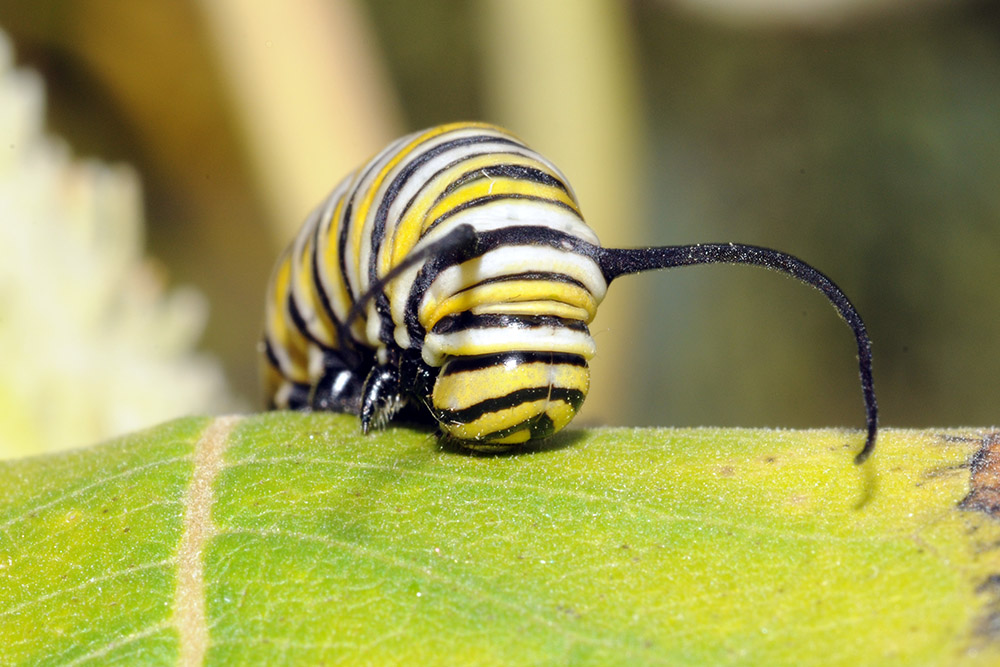
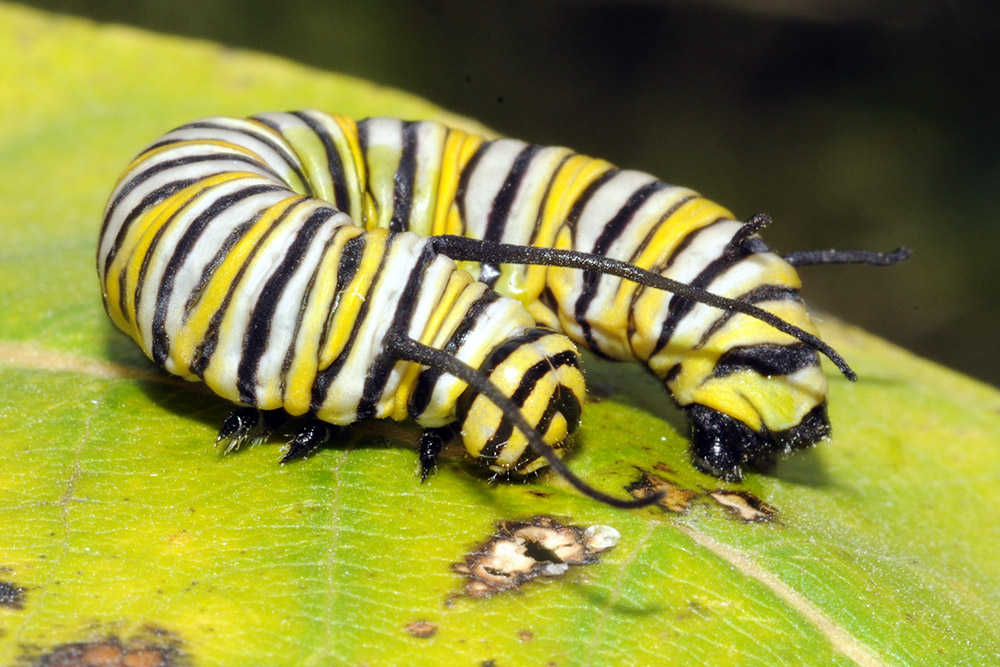
One of my favorite discoveries was a monarch butterfly caterpillar. I’d seen plenty of photos of them before, but this was the first time I’d ever found one myself. Milkweed is especially important to monarchs because it’s the plant their caterpillars depend on for food. The adult butterflies are famous for their orange-and-black coloring and their extraordinary migration across North America, with populations traveling thousands of miles to overwintering areas in Mexico and along the California coast.
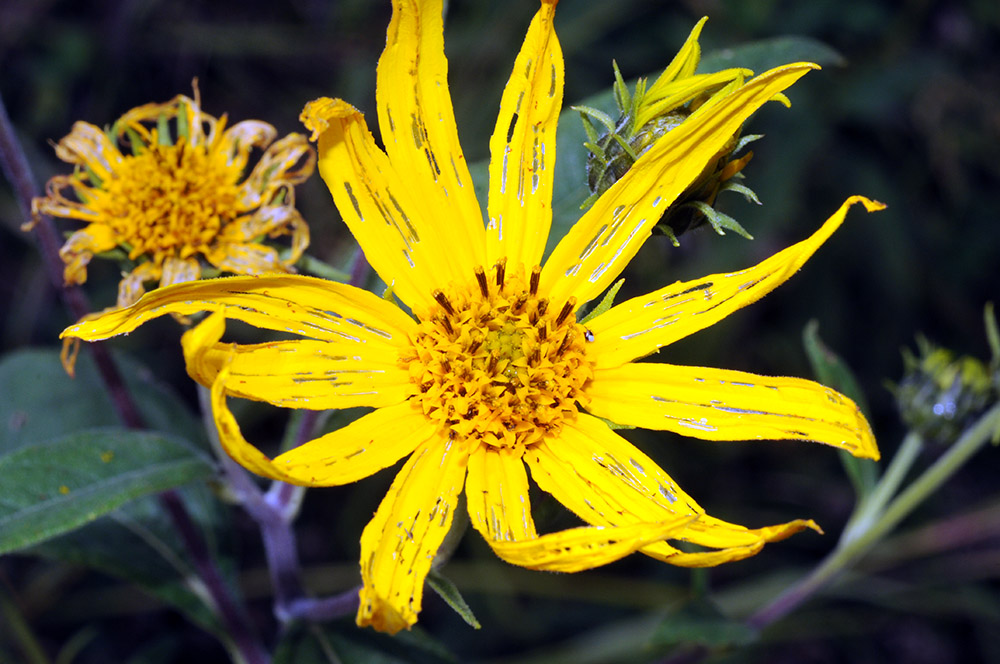
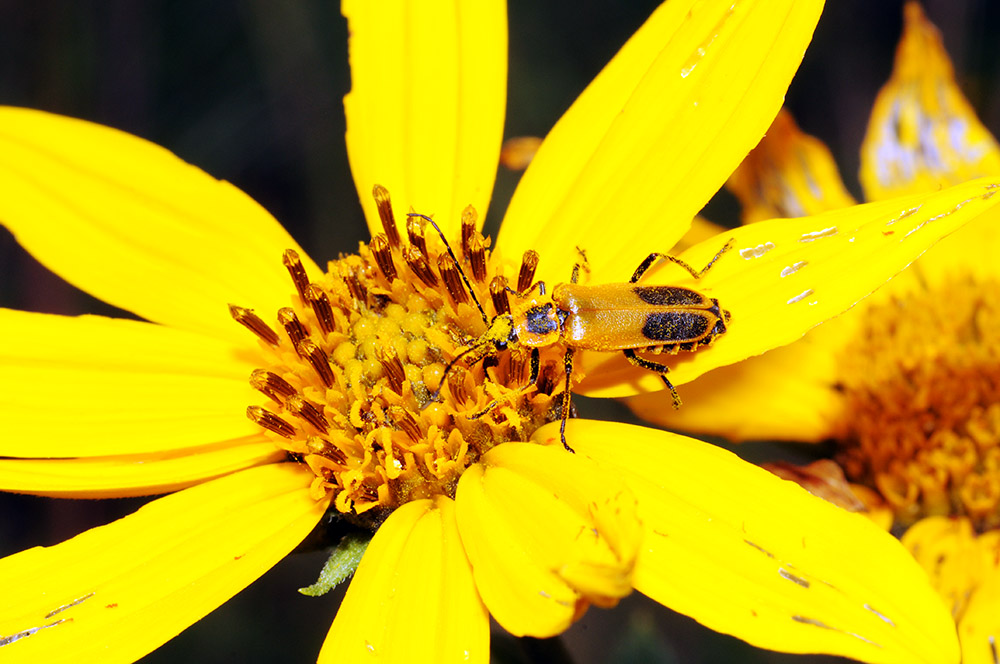
I never figured out the name of every flower I photographed, but plenty of pollen-loving insects certainly seemed to appreciate them. One of the insects I found was a soldier beetle. These beetles are common visitors to flowers, where adults feed on pollen and nectar while also helping control other insects.
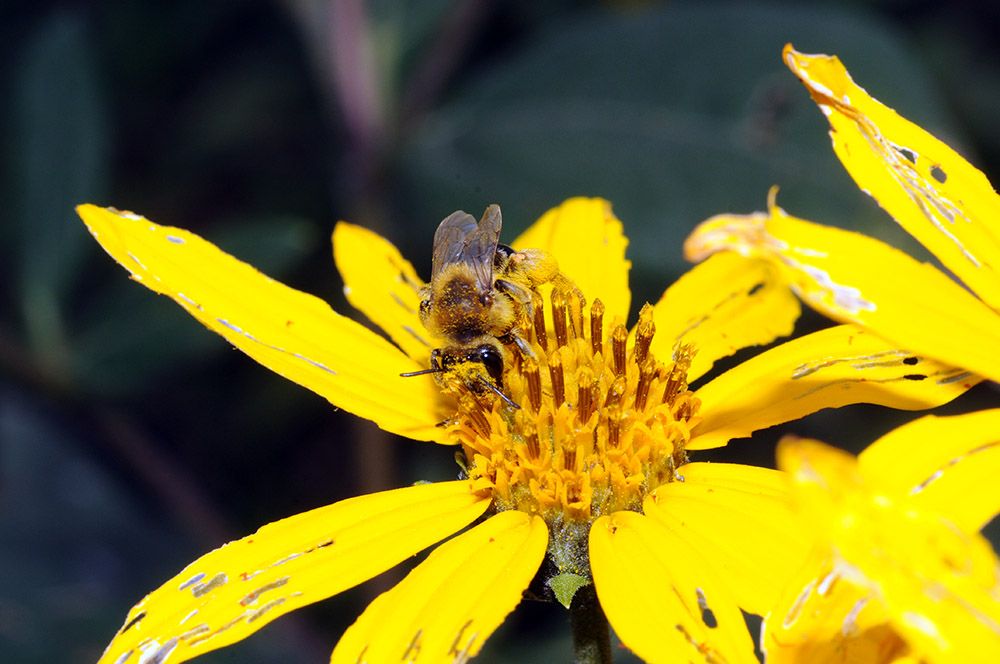
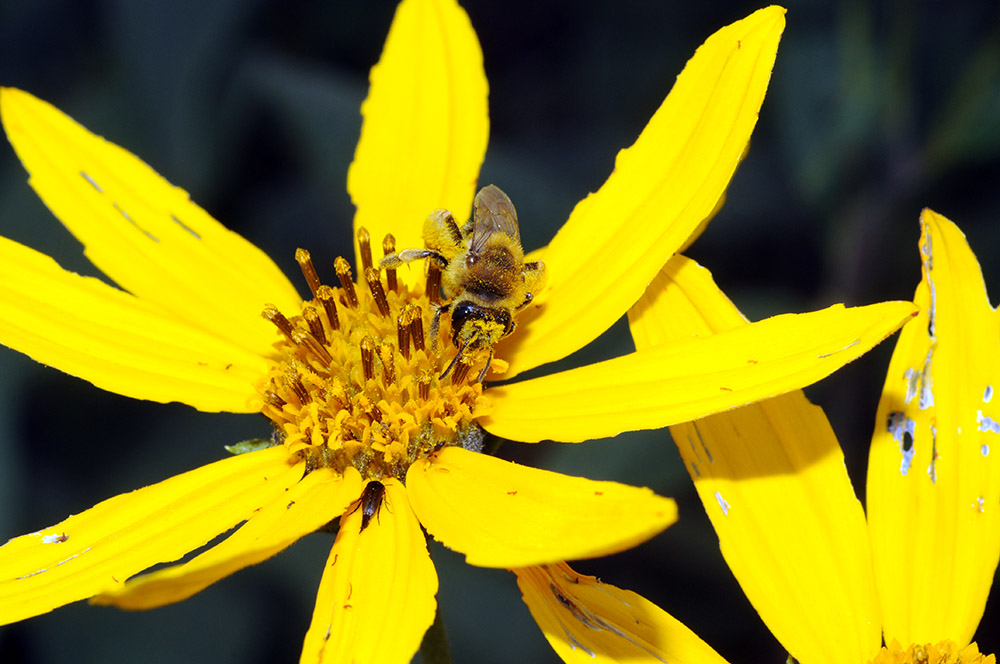
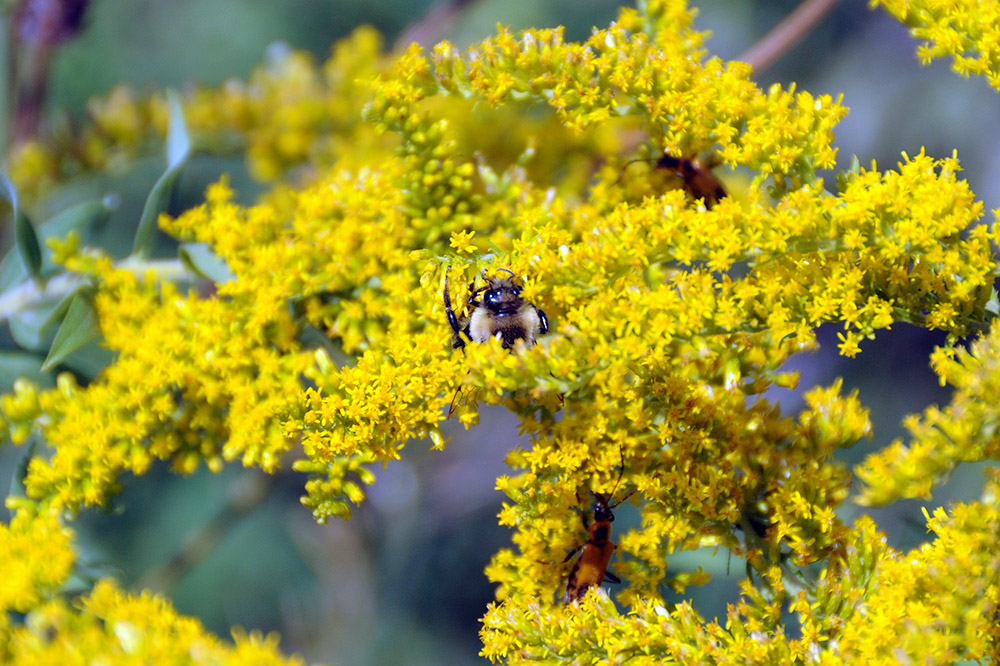
Of course, all those prairie flowers also attracted plenty of bees. I photographed several of them moving between flowers as they collected pollen and nectar. These small encounters ended up being what I enjoyed most about Neal Smith National Wildlife Refuge. The bison might initially get your attention, but once I started looking more closely, I realized just how much life was hidden throughout the tallgrass prairie.
Explore More of Iowa
Council Bluffs • Des Moines • the Neal Smith Wildlife Refuge • Winterset