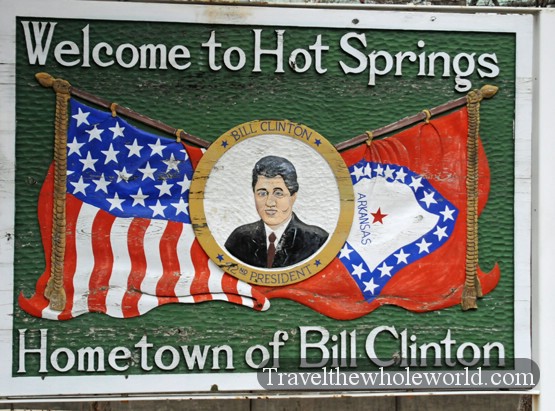
Of all the places I visited in Arkansas, Hot Springs was my favorite town. For generations people have traveled here because of the naturally heated water flowing from the surrounding mountains. What eventually grew around those springs was an unusual resort town filled with elaborate bathhouses, hotels, restaurants, and spas.
Hot Springs isn’t the glamorous national destination it once was, but much of what made the town famous is still here. The historic bathhouses remain along the main street, steaming spring water still emerges from the mountainside, and the town sits directly against the forests and trails of Hot Springs National Park.
Hot Springs National Park

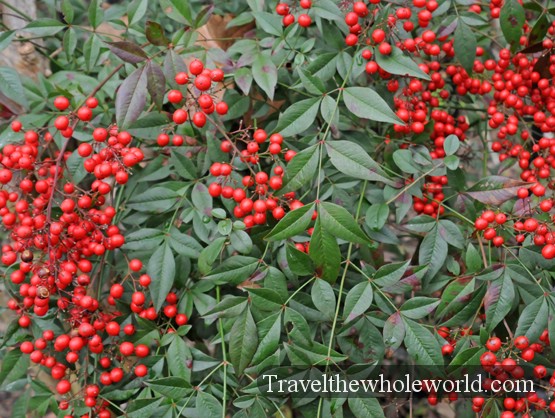
I visited in the middle of winter, so I wasn’t expecting much greenery. I was pleasantly surprised to find that the hills behind downtown still had patches of green vegetation and even bright red berries in January.
What makes Hot Springs particularly unusual is that the historic downtown and the national park essentially blend into one another. I could walk from the bathhouses directly onto trails climbing into the surrounding hills. One of the trails continues toward an observation tower overlooking the town and the Ouachita Mountains.
Of course, the reason this area became famous isn’t the view. It’s the water beneath it.
The Hot Springs
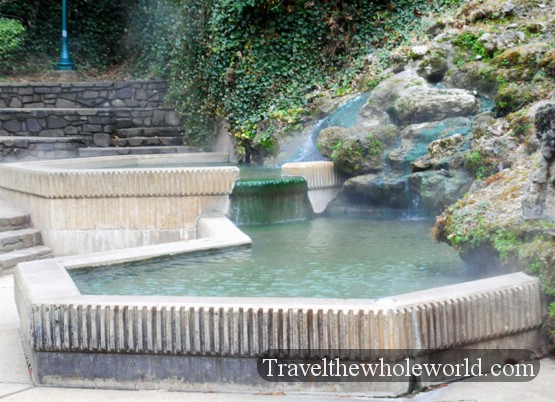
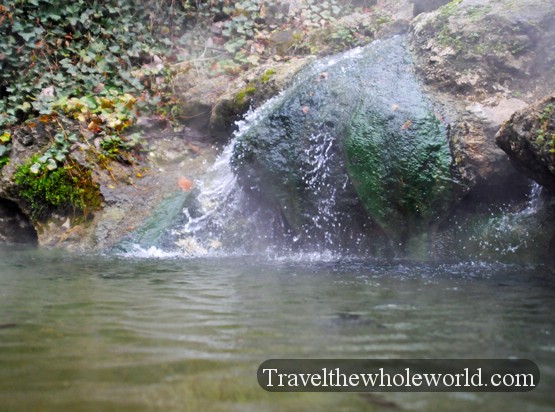
The water emerging from the springs is extremely hot, reaching temperatures around 143°F (62°C). Seeing steaming water flowing naturally out of a mountainside is strange enough, but these springs also explain almost everything about the town that eventually developed around them.
People had been using the springs long before the modern city existed. Indigenous peoples knew the area well, and European explorers later traveled through the region. By the 19th century, Americans increasingly came here believing the mineral water had therapeutic properties.
That reputation eventually transformed Hot Springs into one of the country’s major spa destinations.
A Resort Town Built Around Water
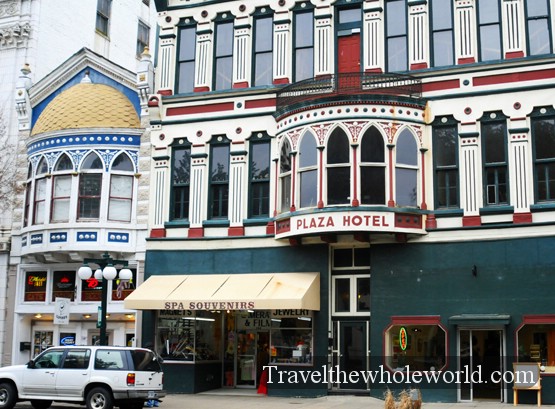
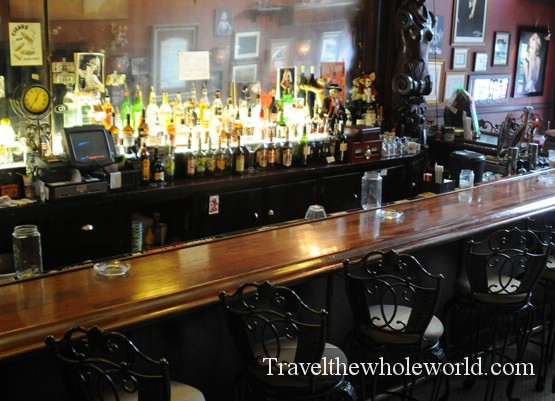
Hot Springs developed rapidly during the 19th century as more visitors arrived to bathe in the thermal water. After suffering heavily during the Civil War, the town rebuilt and entered its golden age as a resort destination.
Hotels, restaurants, bars, and increasingly elaborate bathhouses appeared around the springs. Wealthy visitors traveled from around the country to spend weeks relaxing and undergoing treatments here.
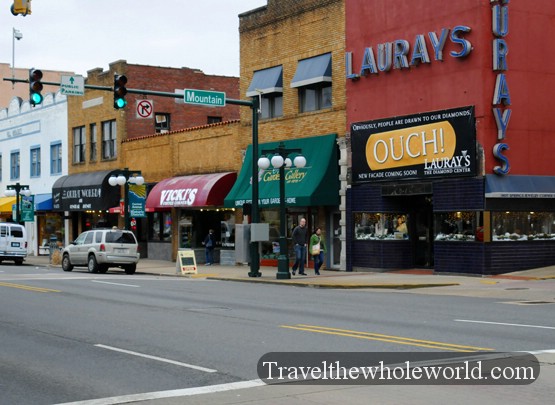
Walking through downtown today, it’s still easy to imagine Hot Springs during that era. Many of the historic buildings remain, even if the town no longer attracts wealthy spa tourists in anything close to the numbers it once did.
The Army and Navy Hospital
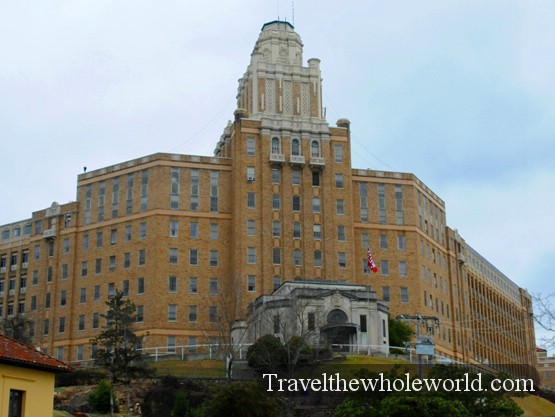
The belief in the springs’ therapeutic benefits wasn’t limited to tourists. The federal government also became involved, eventually establishing an Army and Navy hospital overlooking the town.
The enormous building became one of the most recognizable structures in Hot Springs. Military personnel were sent here for treatment and rehabilitation, combining medical care with the thermal waters that had already made the town famous.
Whatever you think of the medical claims surrounding the springs today, the scale of the hospital shows just how seriously people once took them.
Bathhouse Row
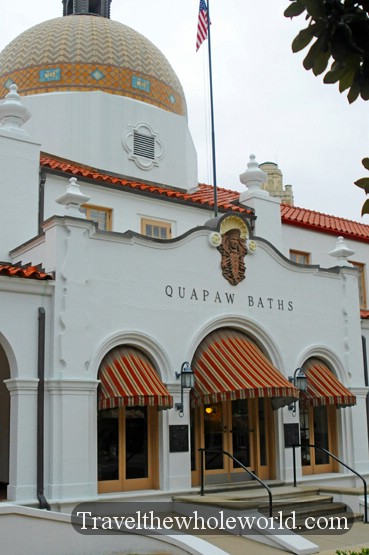
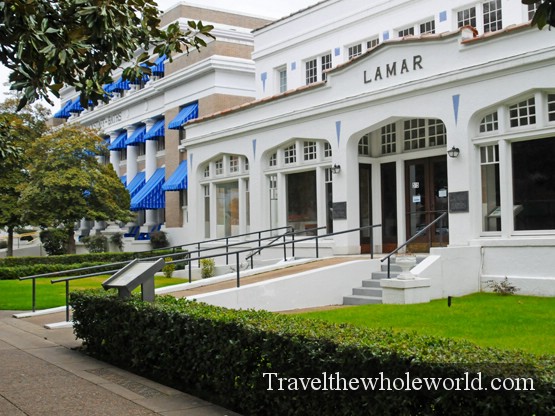
The most distinctive part of Hot Springs is Bathhouse Row, where a series of elaborate historic bathhouses stand along the main street at the base of the mountain.
Most no longer operate as traditional bathhouses, but the buildings have been preserved and given new uses. Some function as museums or visitor facilities, while others still allow people to experience the thermal water much as visitors did generations ago.
Quapaw Baths was one of the bathhouses still operating when I visited, offering thermal pools, spa treatments, massages, and considerably more modern comforts than visitors would have found here a century ago.
When Bathing Was Serious Business
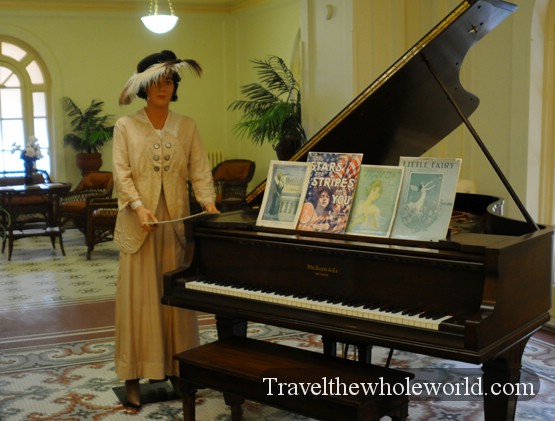
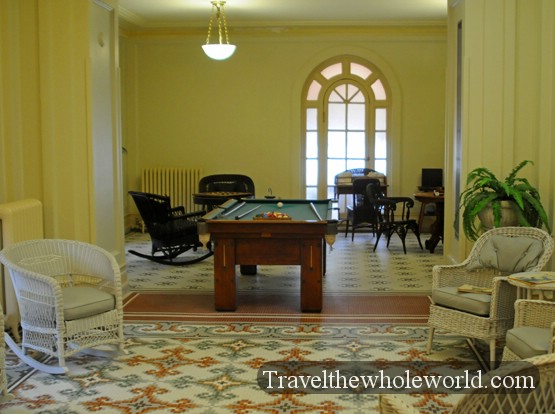
Looking at photographs of the bathhouses during their peak in the early 1900s gives an interesting glimpse into how people vacationed before modern entertainment followed us everywhere.
Today everyone would probably be staring at phones, laptops, or tablets. Back then, a piano, a pool table, a drink, and some good company apparently provided enough entertainment.
Maybe they had the better idea.
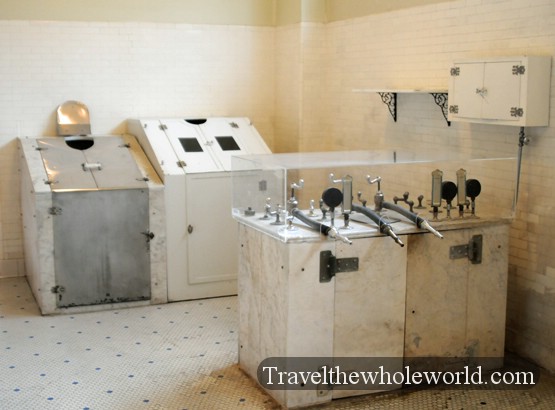
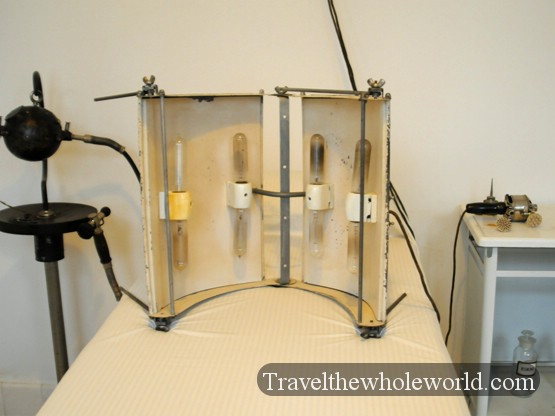
Then there were the treatments themselves.
Many people didn’t simply come here to relax. The thermal water and various spa treatments were believed to help treat diseases and medical conditions, which resulted in an impressive collection of machines and devices designed to improve people’s health.
Maybe they were relaxing by early 20th-century standards, but some of these things look considerably more like torture devices to me.
Winter in the Ouachita Mountains
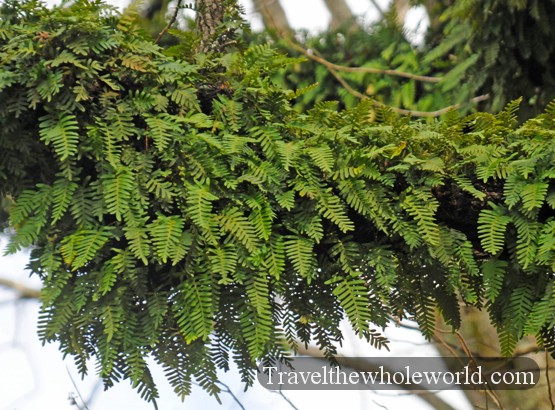
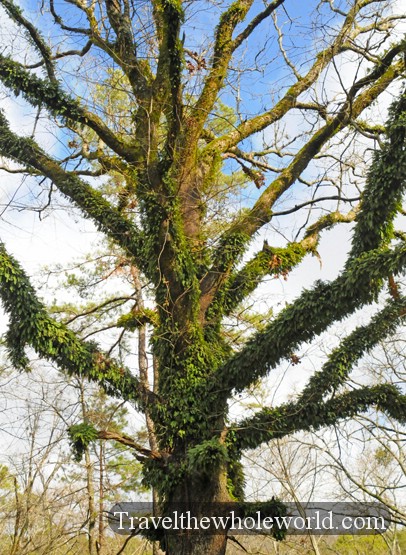
Outside the historic district, I noticed something I’d never really paid attention to before: trees covered in ferns. Strangely, the ferns seemed to begin growing around six feet above the ground and continued higher into the branches.
I took several photographs because I’d never seen anything quite like it.
The tiny patch of blue sky visible in one of these photographs was also memorable for another reason. It was practically the only break I got from the overcast skies and rain during the entire trip.
Lake Ouachita
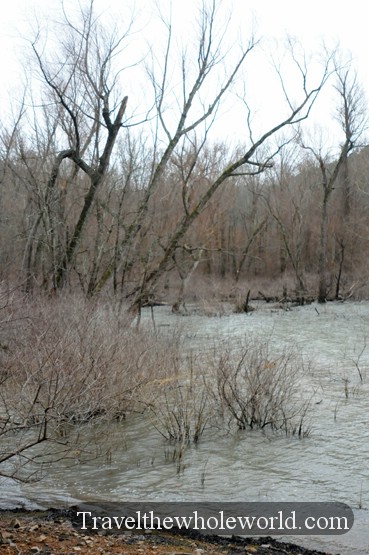
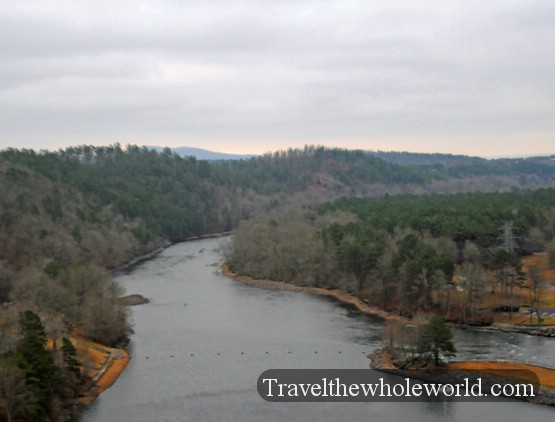
Just outside Hot Springs is Lake Ouachita, the largest lake entirely within Arkansas and one of the major outdoor recreation areas in this part of the state. Islands, forest, hiking trails, boating, fishing, and other water activities make it easy to imagine this place being beautiful during the warmer months.
I unfortunately visited in January.
The deciduous trees were bare, the skies were gray, and most of the wildlife was either hibernating, hiding, or had enough common sense to migrate somewhere else.
Lake Ouachita is even known for tiny freshwater jellyfish that can sometimes be seen during warmer conditions. Needless to say, I didn’t find any of those in January.
Desperate Times Call for Photographing Crows
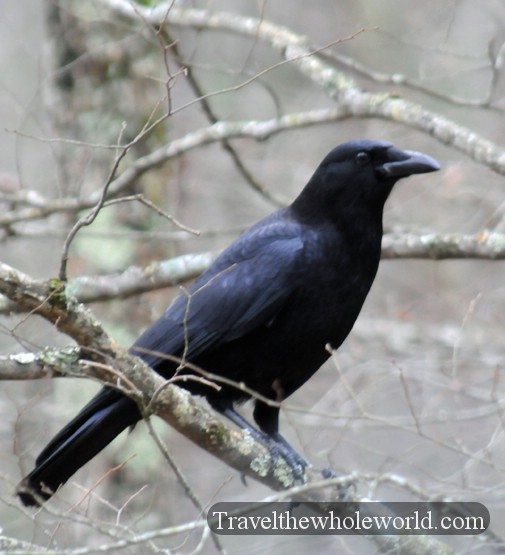
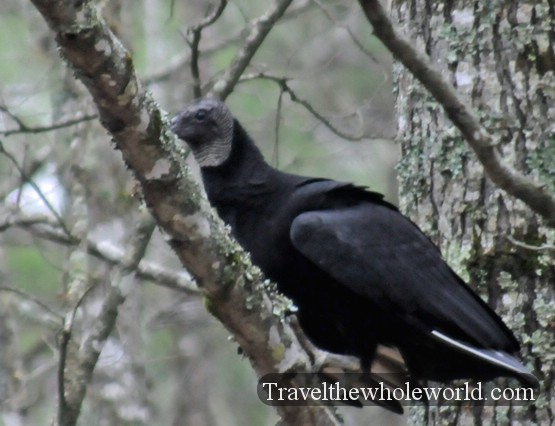
After spending enough time wandering around in miserable winter weather without finding much wildlife, I apparently became desperate enough to photograph a crow.
I’m pretty sure this is the only crow on my entire website.
I did eventually spot a black vulture, which at least seemed more interesting. At the time I was surprised to learn that black vultures also live along much of the East Coast because I couldn’t remember ever seeing one back home.
My Favorite Town in Arkansas
The weather during my visit certainly didn’t show Hot Springs or the surrounding mountains at their best, but the town still became the highlight of my first trip through Arkansas.
There aren’t many places in the United States quite like it. The natural springs, mountain trails, grand old bathhouses, strange medical equipment, historic hotels, and compact downtown all exist because hot water happened to emerge from the ground here.
Hot Springs may no longer be the fashionable national resort it was a century ago, but enough of that world survives that walking along Bathhouse Row still feels different from visiting almost any other small American town.
And unlike the tourists who came here generations ago, I didn’t even have to climb into one of those torture devices.
“`