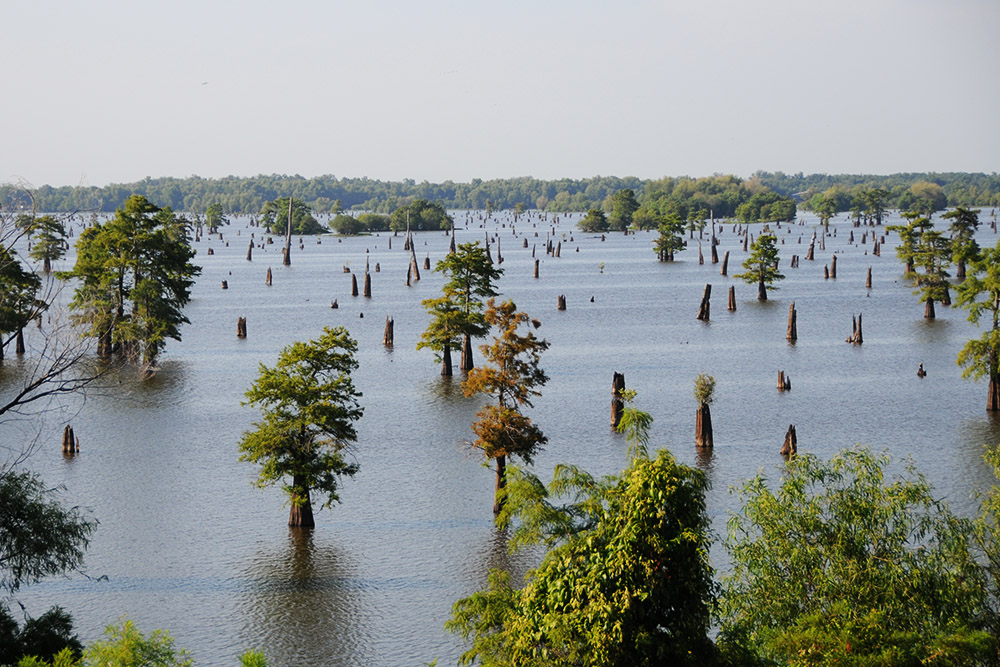
West of New Orleans and Baton Rouge is one of the most amazing natural areas in the United States. Much of southern Louisiana is covered by wetlands, and right in the south-central part of the state is the enormous Atchafalaya Basin. Locals proudly told me this was the largest freshwater swamp in the world. While that claim is debatable depending on how a swamp is defined, there is no denying that this place is enormous. The basin stretches across a huge section of Louisiana and contains swamps, bayous, forests, lakes, and countless waterways.
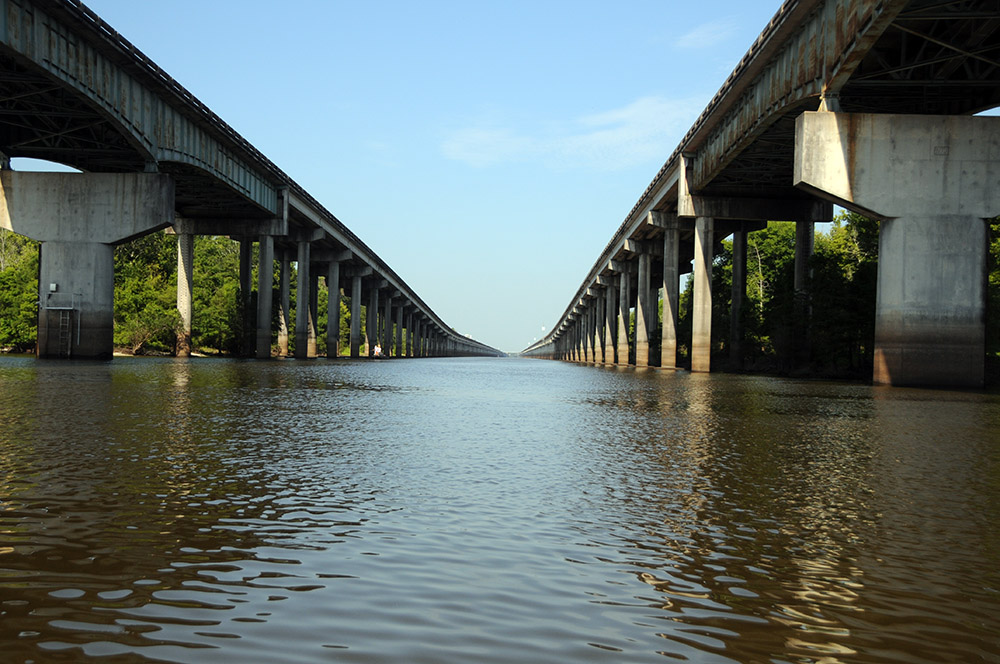
The Atchafalaya Basin is so large that Interstate 10 has no choice but to cross directly through it. The parallel spans of the Atchafalaya Basin Bridge run for roughly 18 miles across the wetlands. Getting underneath the bridge and looking straight through the center gives the illusion that it continues forever. It’s one of those places where the scale of the swamp becomes much more obvious than it is from a map.
Wildlife Along the Basin
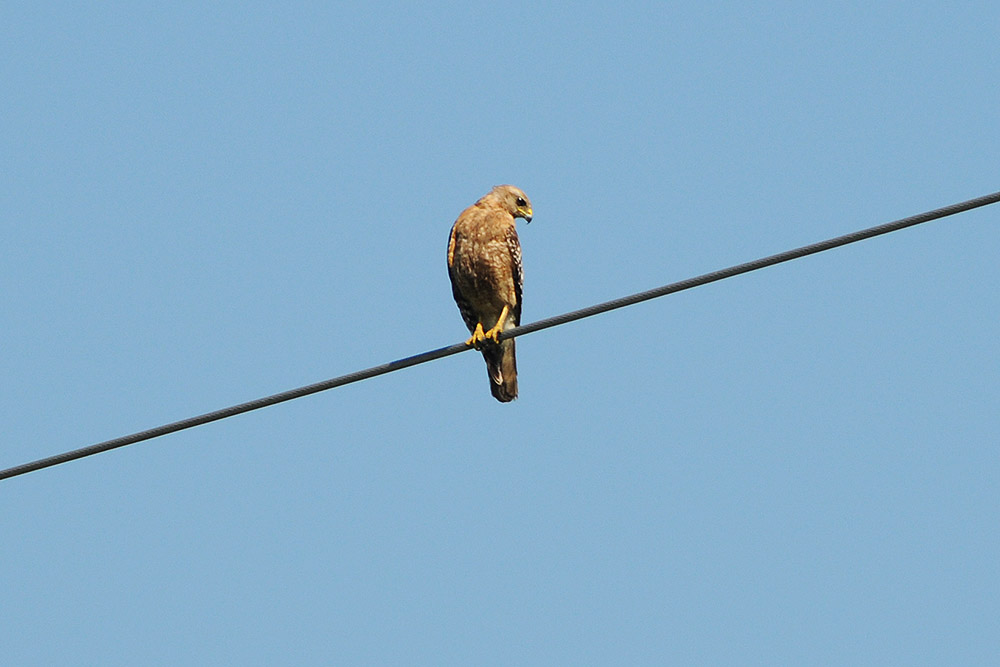
There is so much wildlife here that even around the bridge I was finding animals. This large hawk was using the power lines as a vantage point over the swamp, probably watching for prey below.
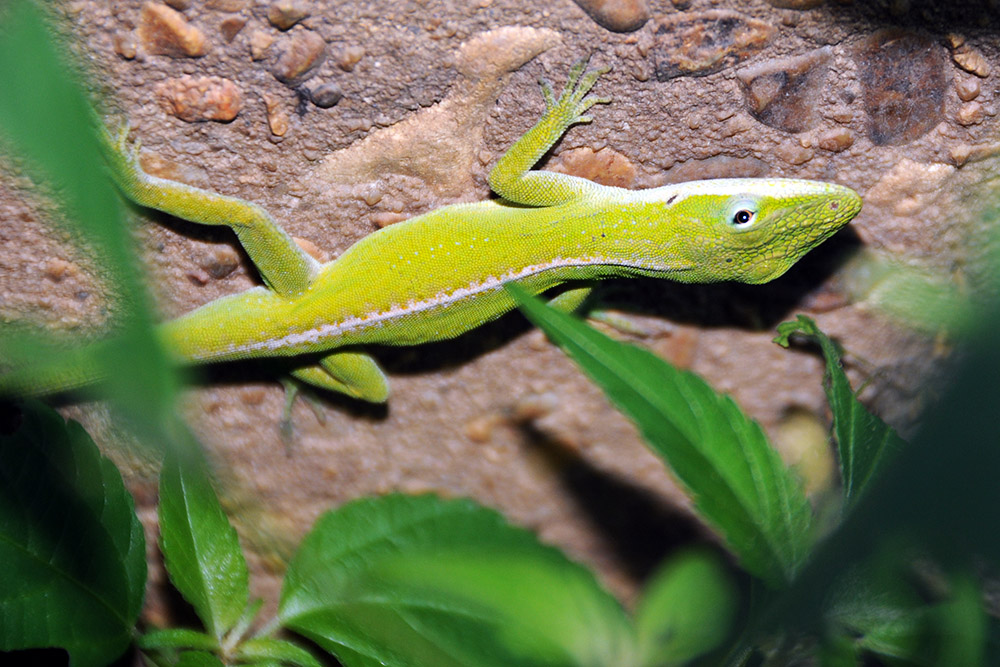
I also spotted this bright green anole climbing along one of the bridge’s giant columns. This was actually the first time I had ever seen an anole in the wild. I remembered them from elementary school, when we raised a few in class. They’re especially recognizable when the males extend the colorful flap of skin beneath their throat known as a dewlap.
Into the Swamp
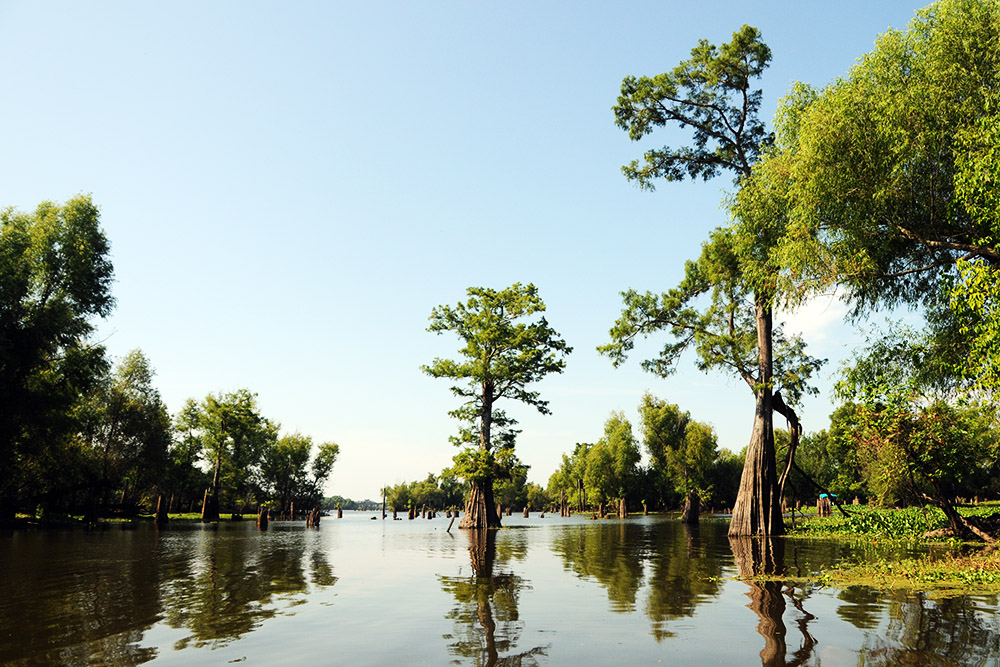
The Atchafalaya is the largest river swamp in the United States, and its landscape changes dramatically depending on where you are. Bald cypress trees dominate many of the wetter sections, growing directly from water that can make the forest seem almost submerged.
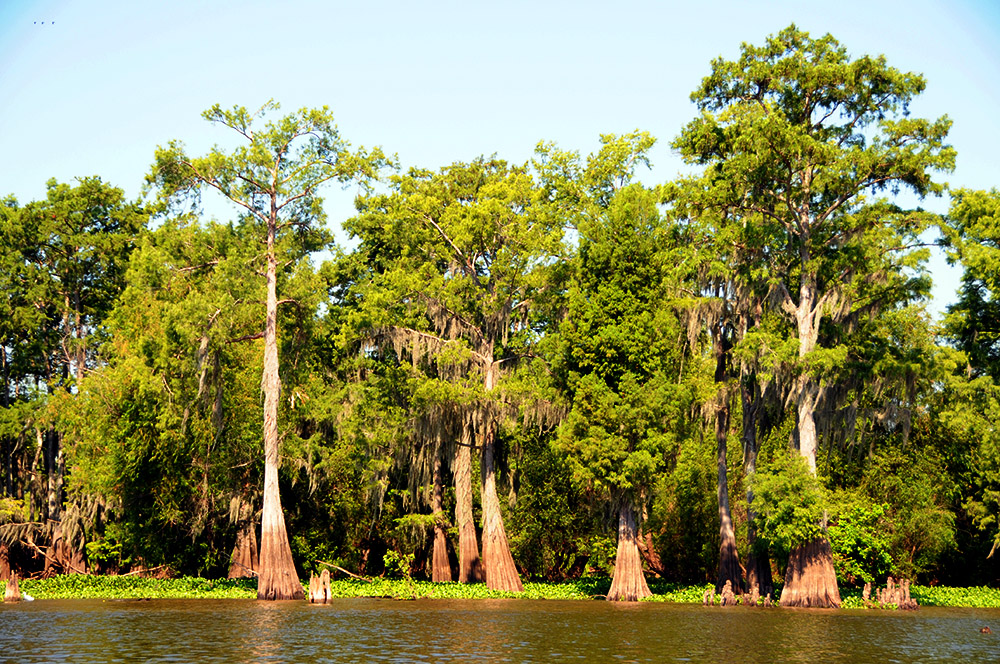
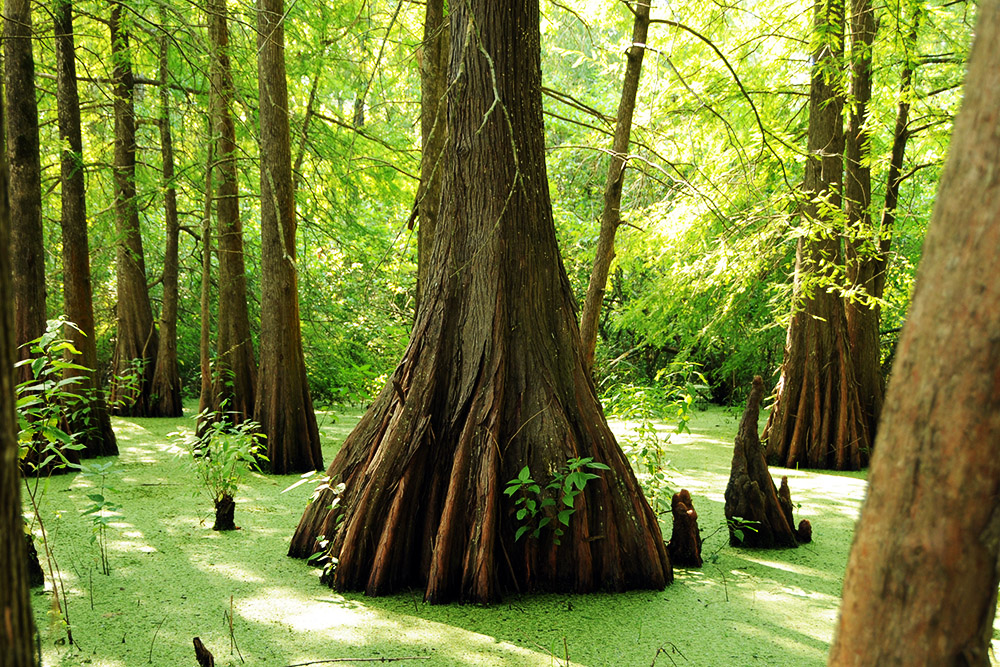
For some reason I’ve always loved the unique landscape of swamps. Maybe it’s the haunting way the trees rise out of dark water, or the dense vegetation and the feeling that wildlife could be hiding almost anywhere. I’d love to come back and spend a full week canoeing and camping through the basin. Hopefully one day I’ll make that a reality.
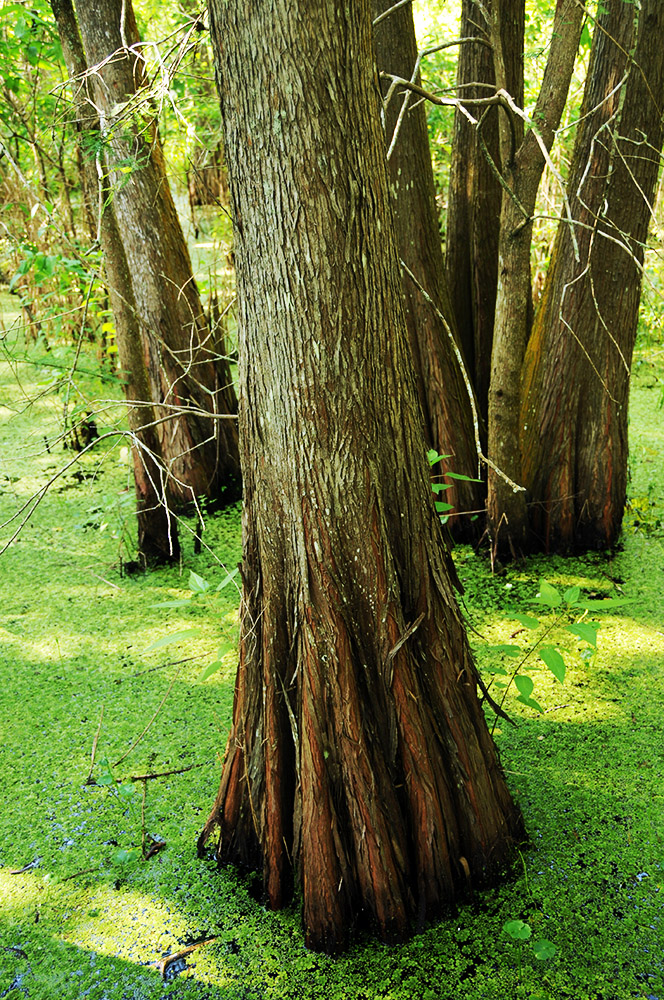
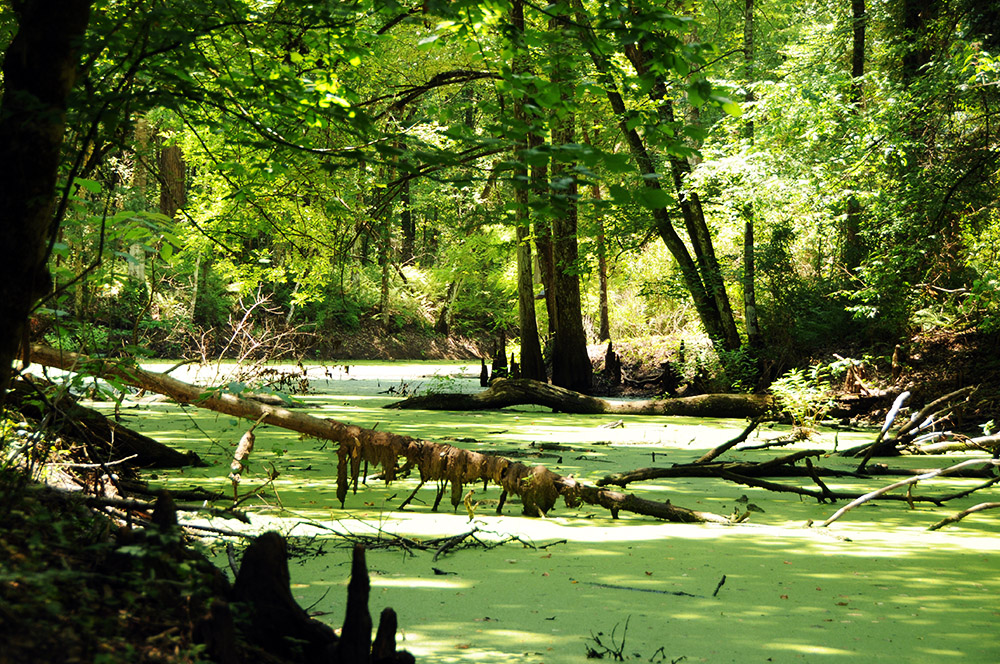
Other parts of the basin were completely different. Some of the hiking trails crossed relatively solid ground, with slow-moving creeks and natural canals passing through the forest. Islands and higher patches of land support vegetation and animals that I would normally expect to find farther inland.
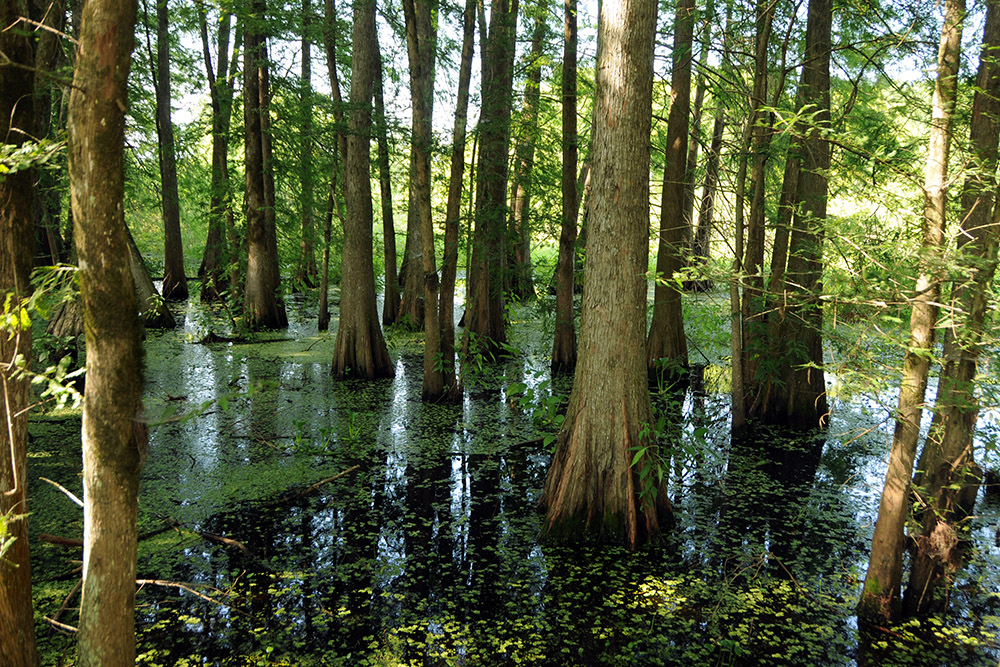
What amazes me about the Atchafalaya is the variety of wildlife that can live in the same ecosystem. American alligators may be the most famous residents, but the basin also supports black bears, deer, raccoons, beavers, turtles, snakes, amphibians, and an incredible variety of birds.
Life in the Atchafalaya
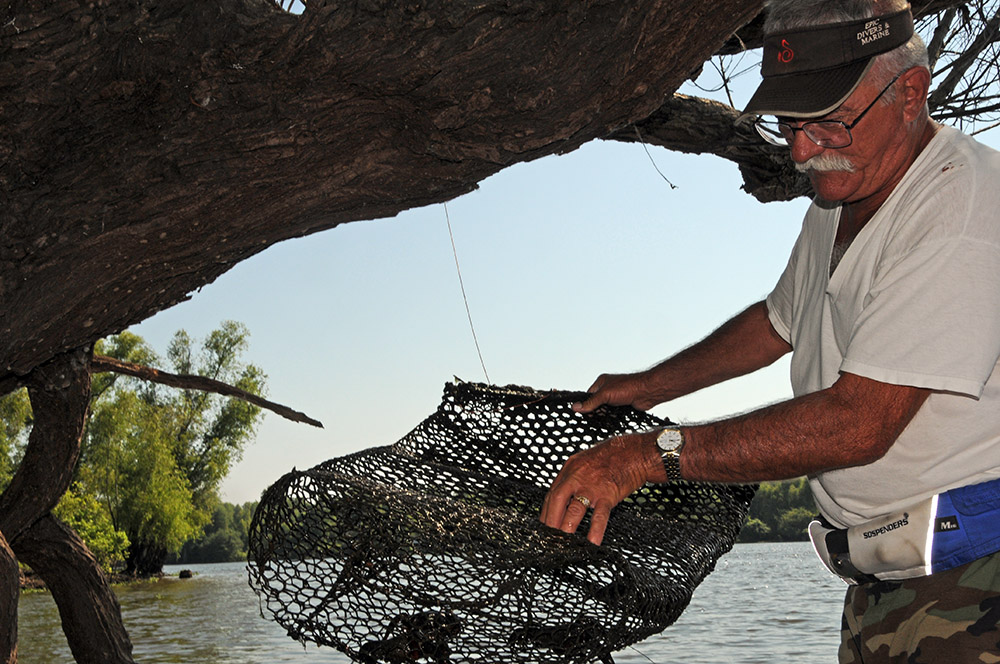
The Atchafalaya is still large and remote enough that fishing, hunting, and trapping remain part of life here. While plenty of swamp tours operate in southern Louisiana, many of the boats I saw in the basin belonged to locals who were fishing or catching crawfish. My guide had lived here for more than 50 years and knew the waterways incredibly well. He even told me he had appeared on television a few times.
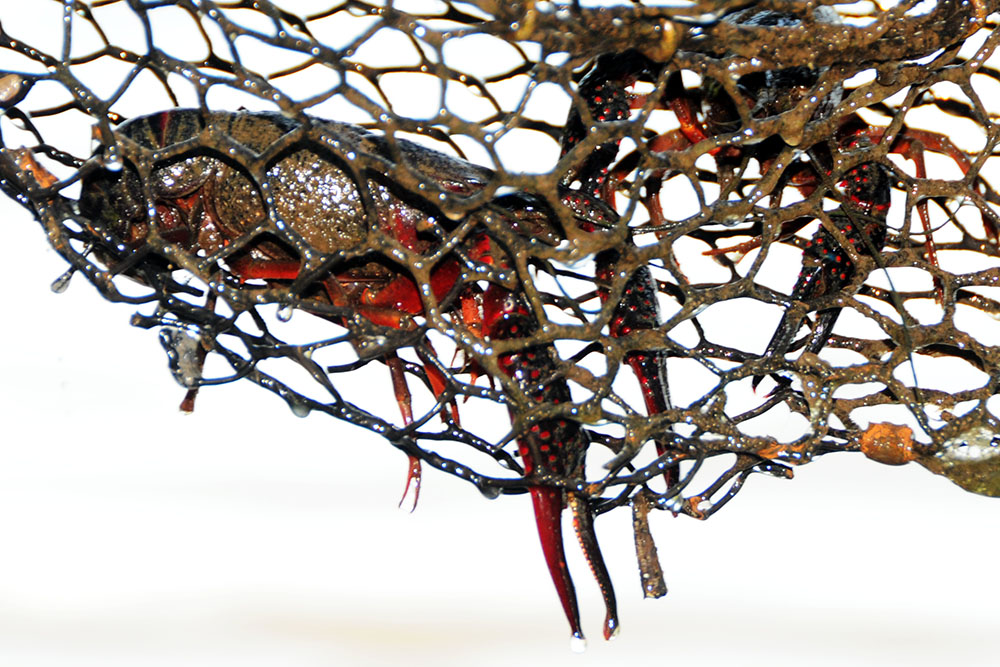
He pulled an abandoned crawfish trap from the water, and surprisingly it had still managed to catch a few. My guide told me about trapping crawfish and fishing throughout the basin, and boasted that he once returned from a fishing trip with 88 pounds of fish. Experiences like this were one of my favorite parts of visiting the Atchafalaya because the swamp isn’t simply a protected wilderness. It’s also part of the culture and livelihood of the people who live around it.
Birds of the Basin
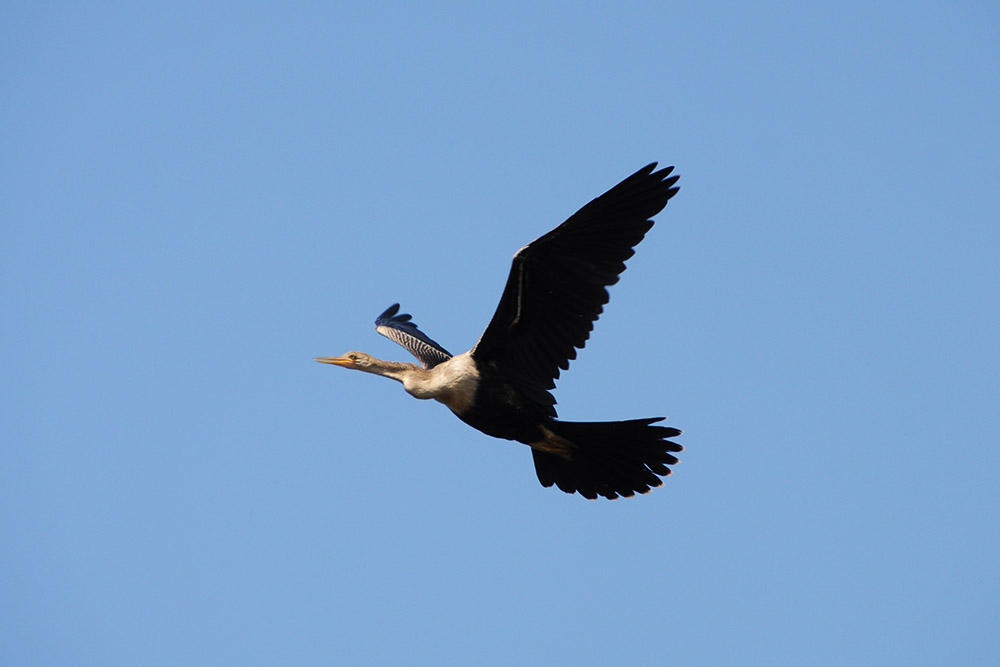
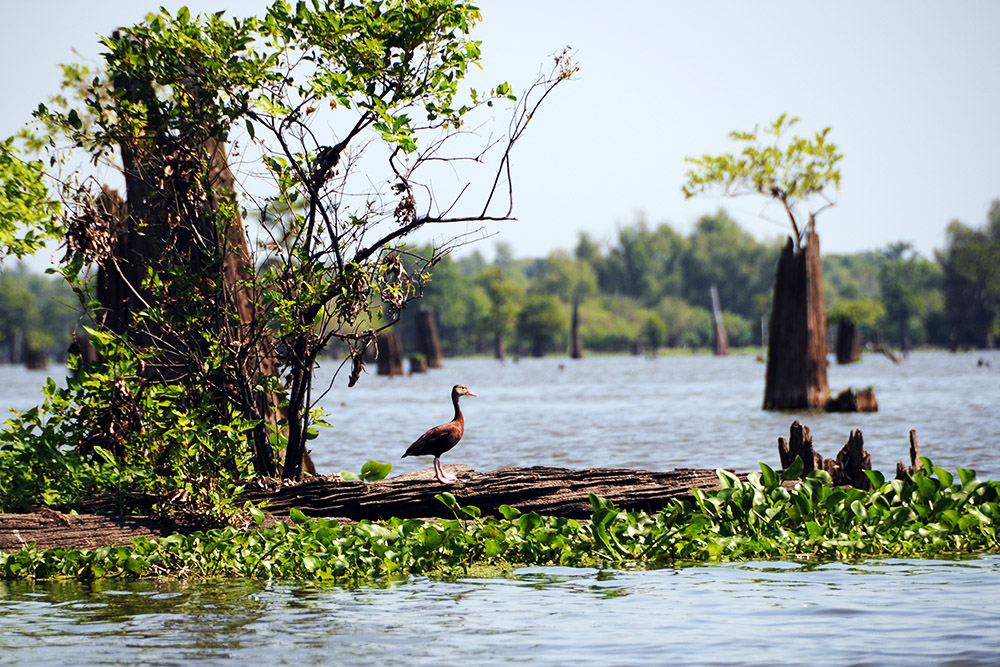
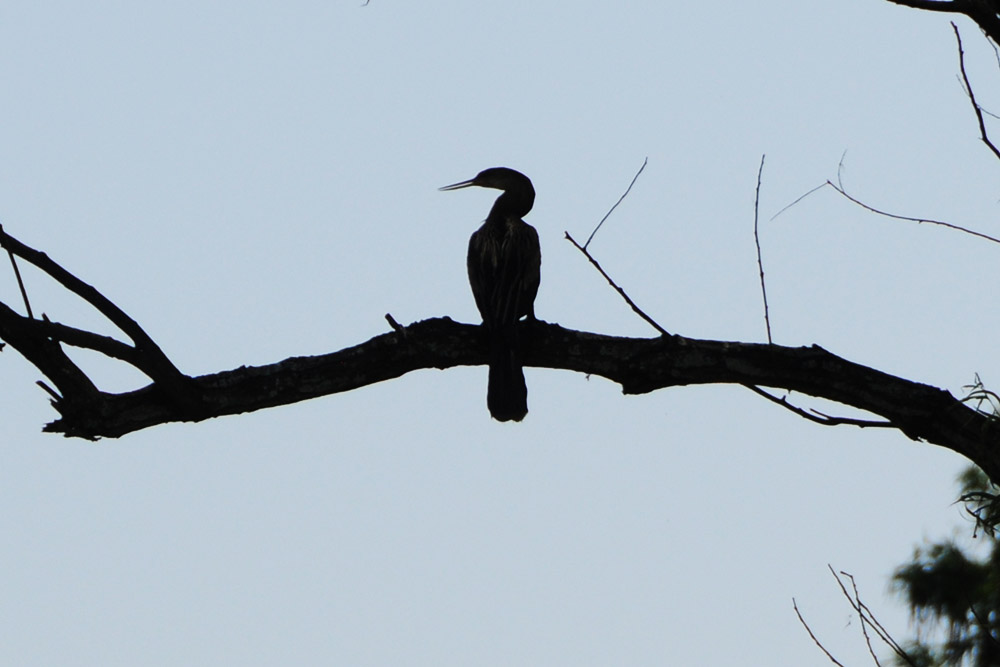
Birdlife seemed to be everywhere. These photos only show the species I actually managed to capture with my camera. I saw plenty of others that were too far away or moved before I could get a decent photograph.
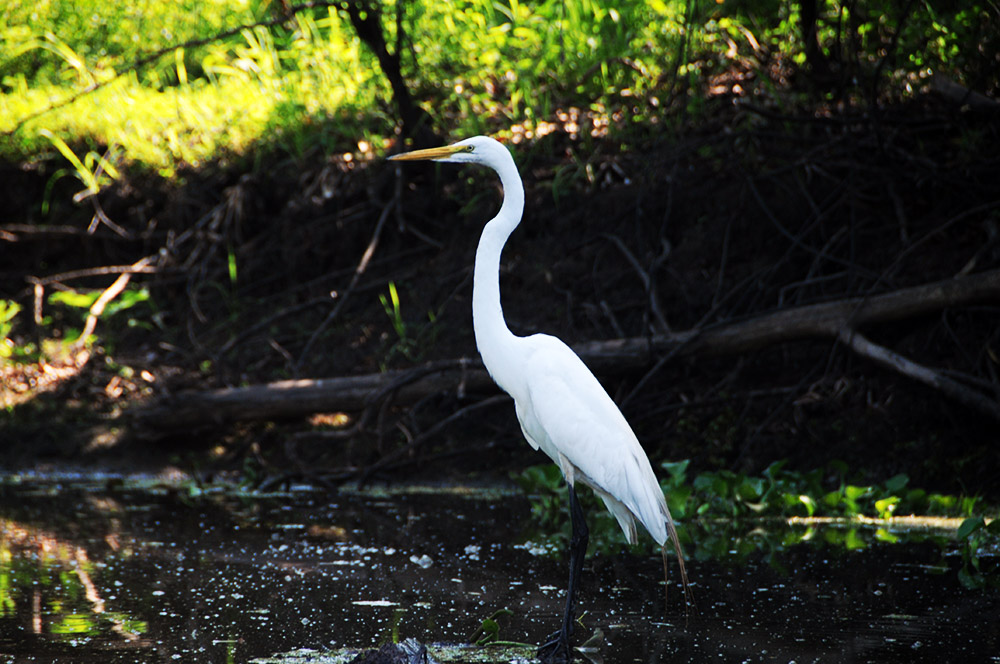
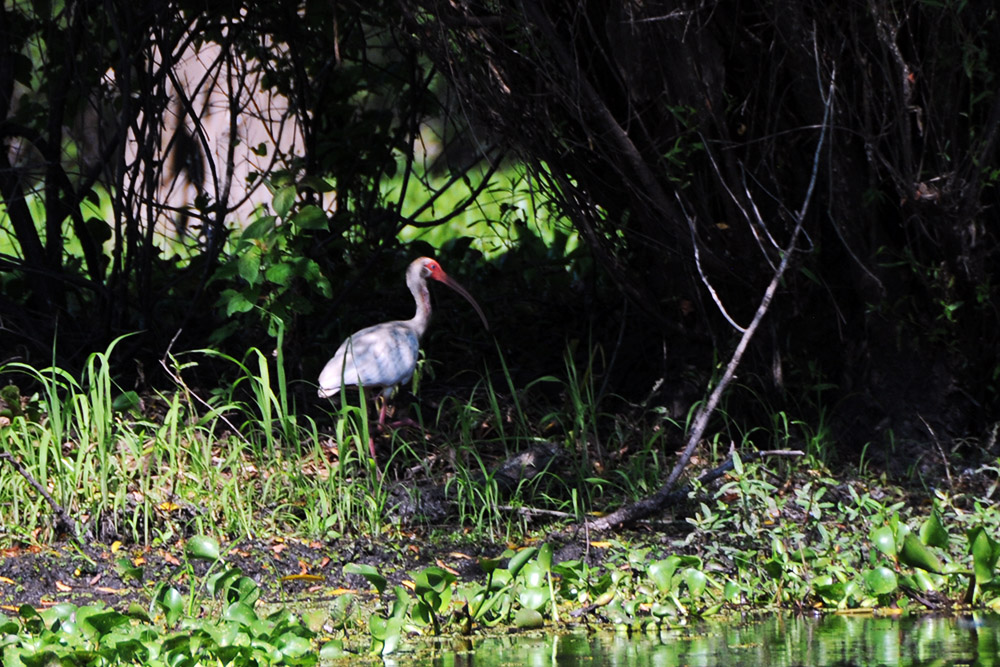
The white ibis was one of the easier birds to recognize thanks to its long, curved bill. Wading birds are perfectly suited to an environment like this, and exploring by boat gave me much better opportunities to see them than I had while hiking through the forest.
Hiking the Swamp
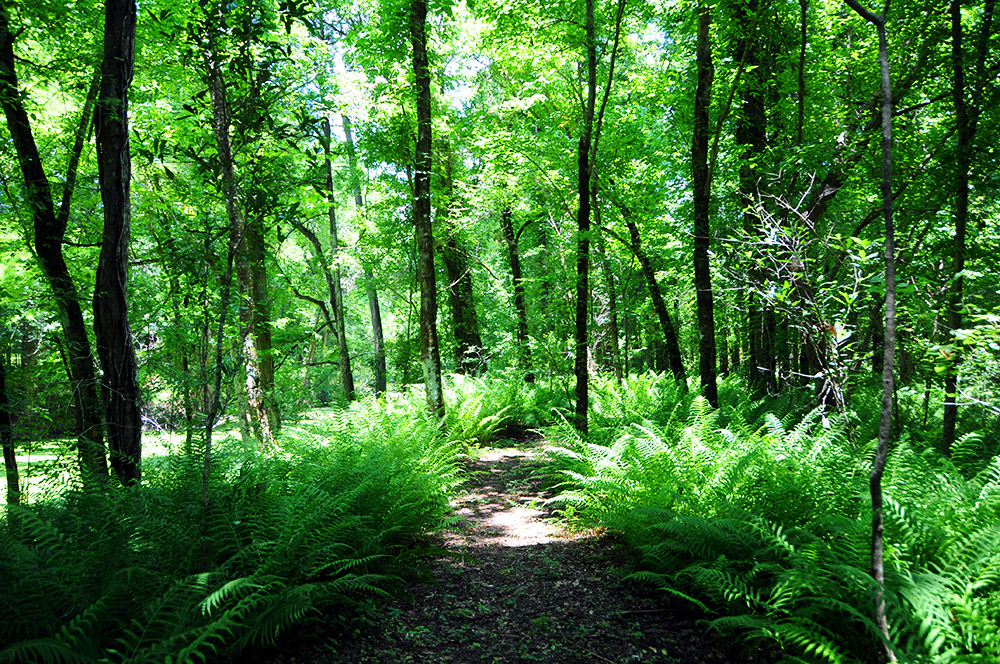
I definitely enjoyed the boat tour, but I had mixed feelings about hiking alone through the swamp. After hearing about some of the gigantic alligators living here, I was a little worried about unexpectedly coming across one beside the trail. Much of this particular trail ran directly alongside the water, and the vegetation was thick enough that I couldn’t always see what was around the next bend.
Another trail I visited later actually had a warning telling hikers not to continue because of aggressive alligators during mating season. That made me feel a little better about having been cautious on the earlier hike. Apparently I wasn’t being completely paranoid.
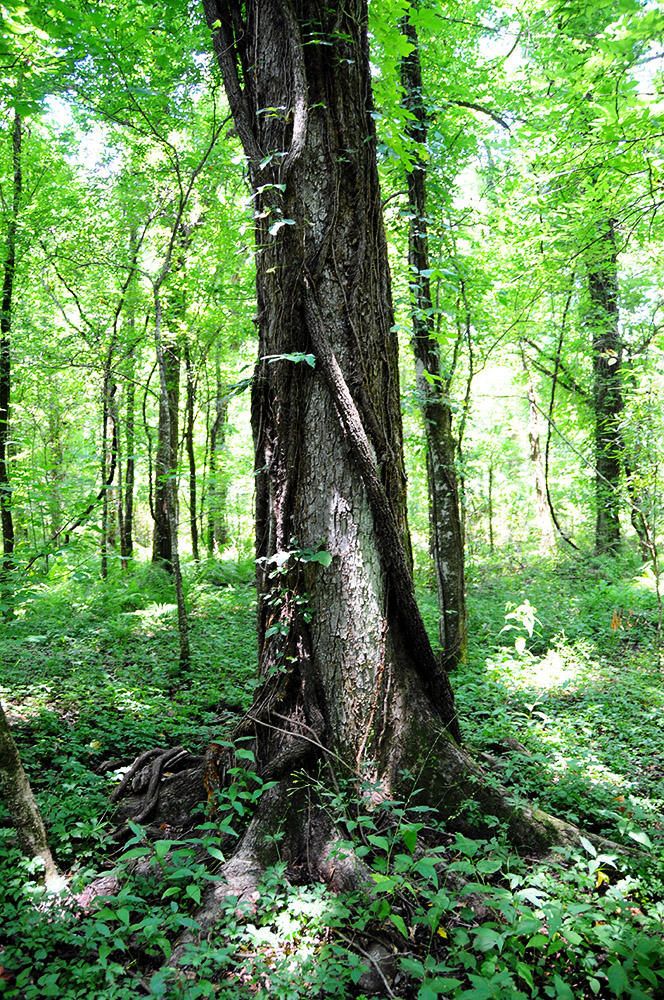
Despite being close to water almost constantly, the vegetation was sometimes so thick that it felt like I was hiking through an ordinary inland forest. At places like this I couldn’t even see the bald cypress and other obvious wetland vegetation. Of course, not being able to see very far was exactly why I kept thinking about the possibility of accidentally stepping too close to an alligator.
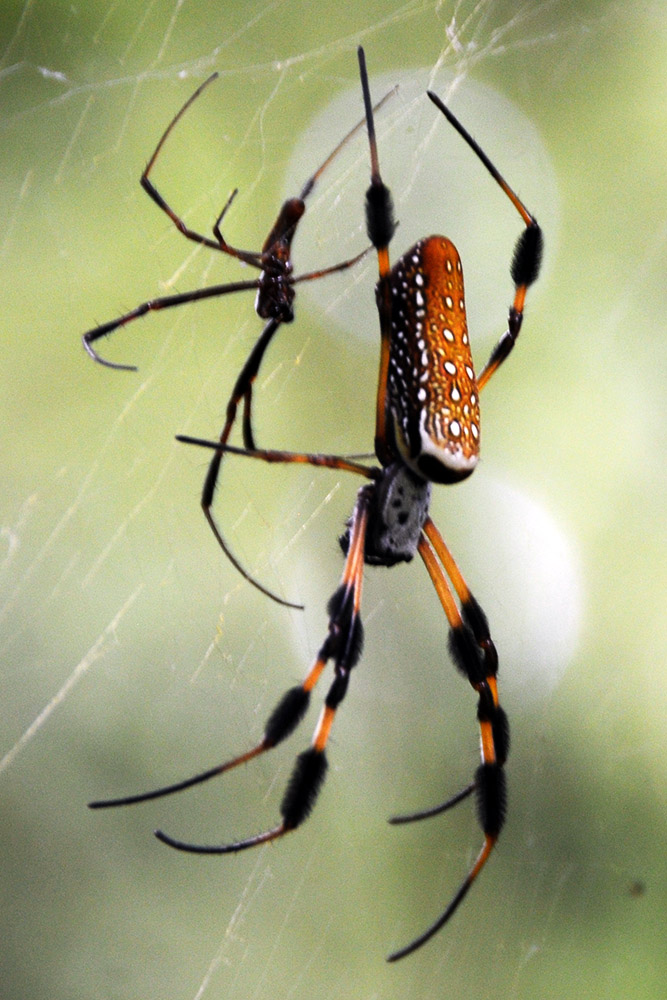
Luckily I didn’t run into an alligator on the trail, but I did manage to remove several spider webs with my face. Some contained gigantic colorful spiders that suddenly ended up only inches away from me. This is a golden silk orb-weaver, one of the more impressive spiders I came across in the swamp.
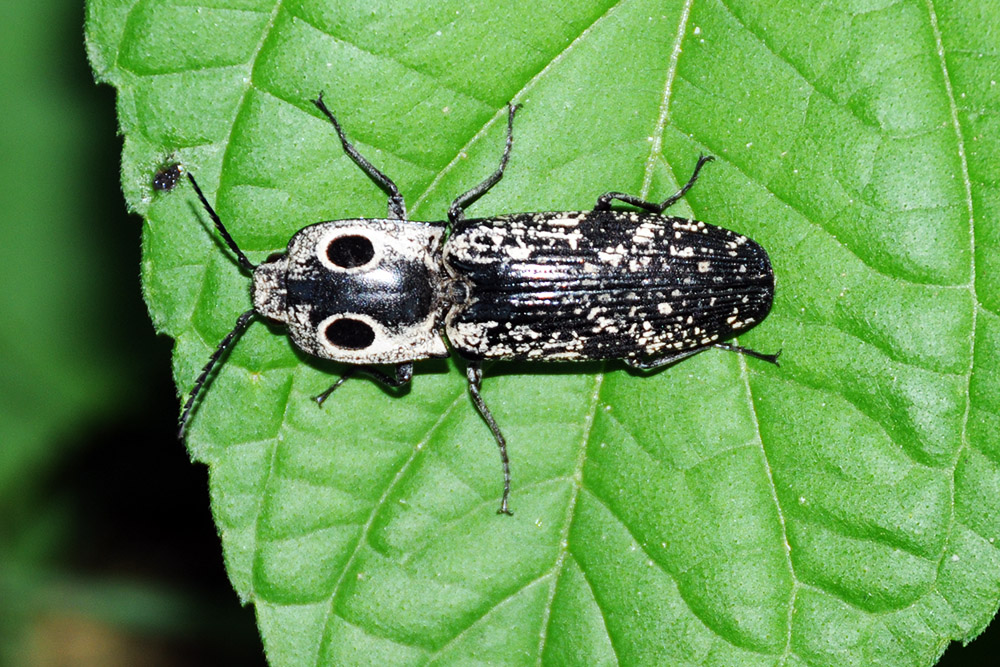
A slightly friendlier looking insect was this eyed click beetle. The giant false eyespots on its back make it look almost cartoonish and presumably help discourage predators from trying to eat it.
Black Rat Snake
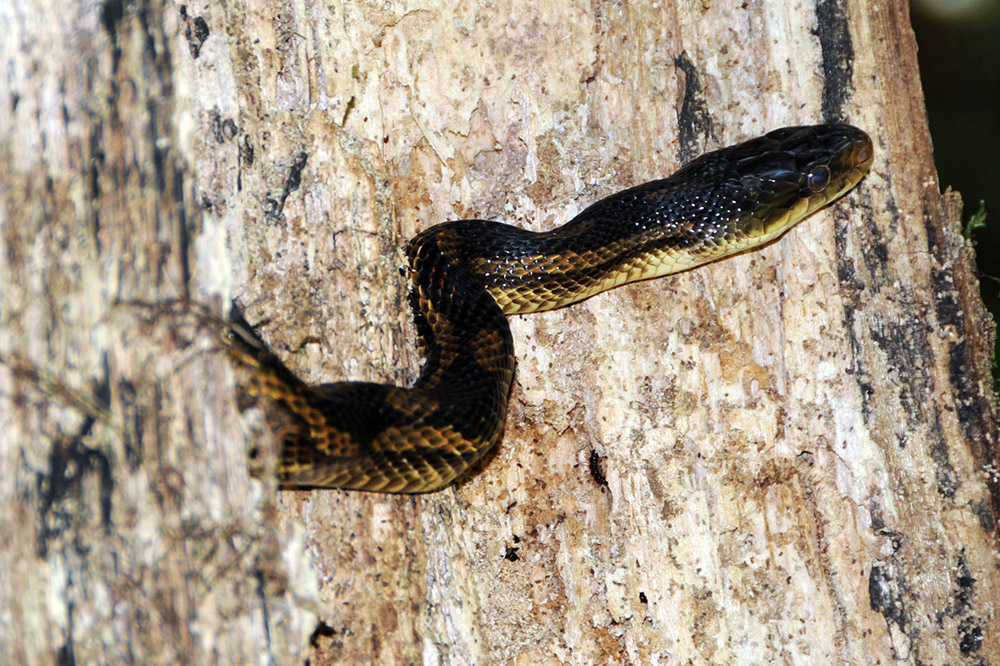
The most interesting part of the hike was probably this black rat snake. At first I thought it was a stick, but as I got closer I realized it was definitely a snake. It seemed to assume I hadn’t noticed it and remained perfectly still. I’ve been familiar with these snakes for most of my life and even had one as a pet growing up.
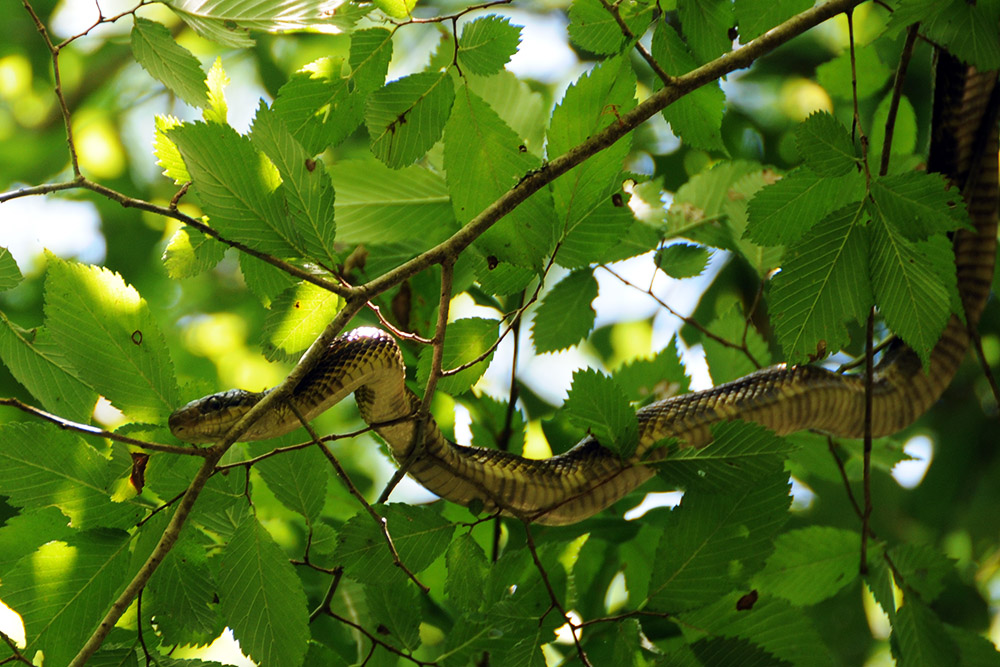
For some reason I decided to try to hold it. When I attempted to grab the snake, it responded by rapidly vibrating its tail against the bark, producing a sound meant to imitate a rattlesnake. I was somewhat offended that the snake believed this tactic would work on me, but I decided to let it go on its way. It immediately climbed the tree and eventually disappeared into smaller branches about ten feet above the ground.
Alligators
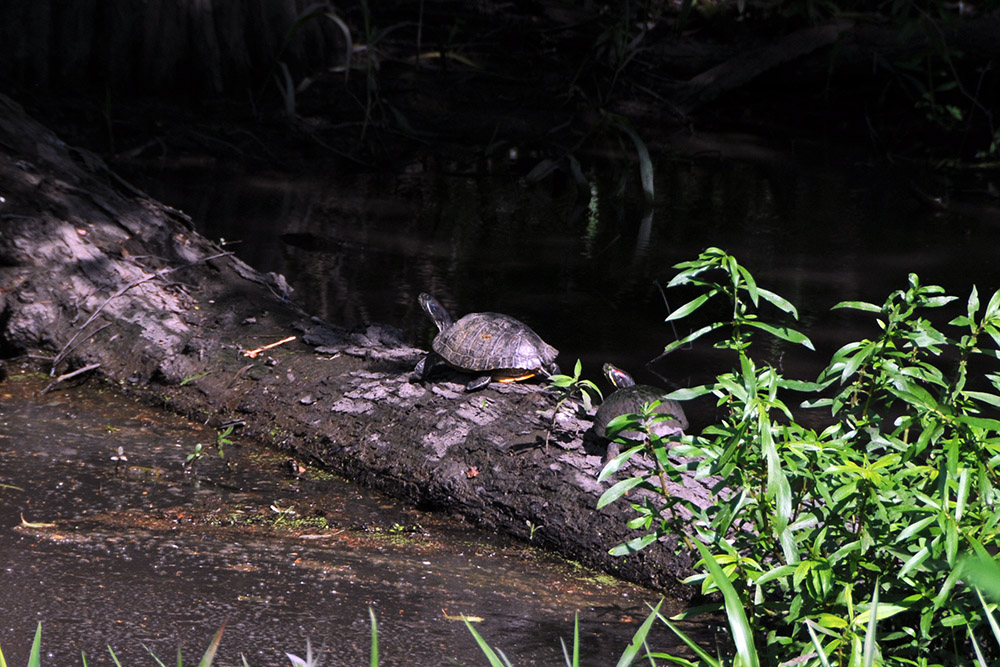
A highlight of almost any trip into the Louisiana swamps is seeing an alligator. Bears are much more reclusive, while alligators are common throughout the basin. I saw plenty of turtles resting on logs and along the banks as we moved through the waterways, although the animals weren’t distributed evenly. Some areas seemed packed with turtles and birds while others were strangely quiet.
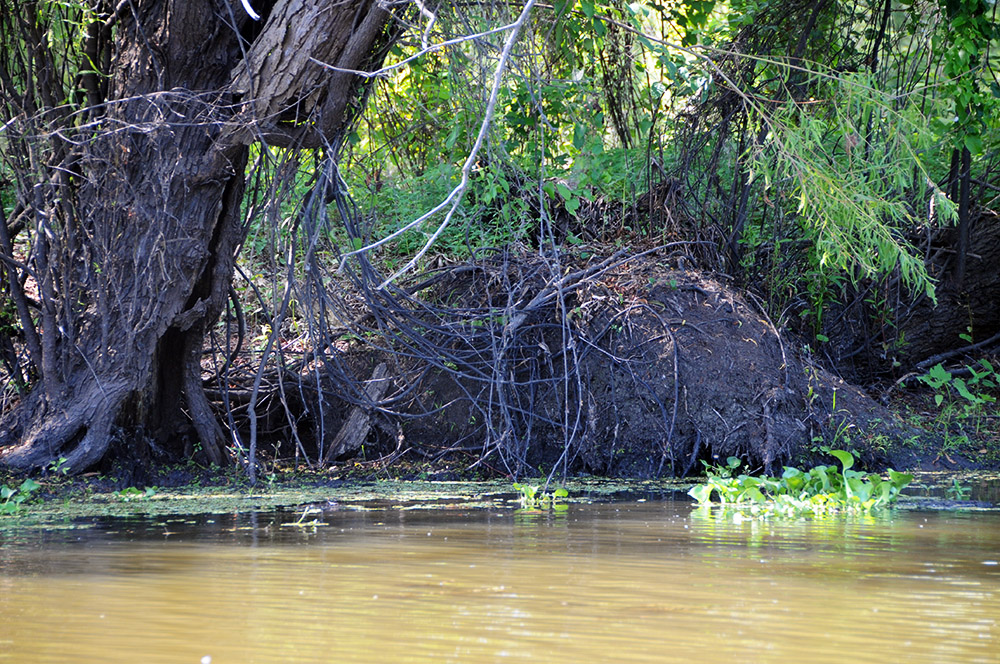
My guide told me that one reason some sections seemed so empty was the presence of alligators. This mound of vegetation and soil was an alligator nest, something I probably would have passed without ever recognizing on my own. Once I knew alligators were nearby, every disturbance in the water suddenly became much more interesting.
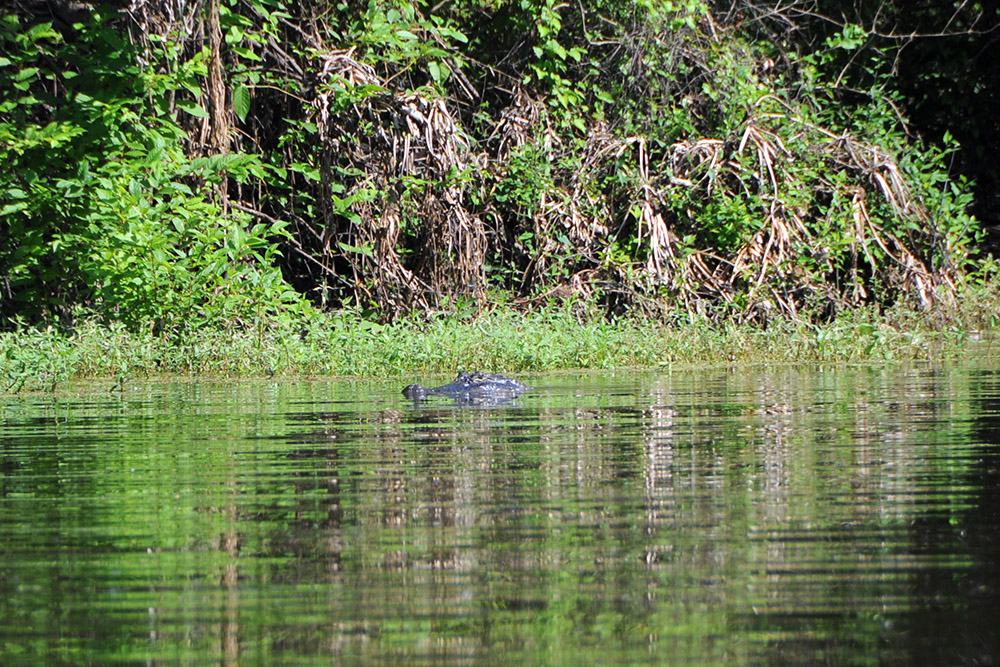
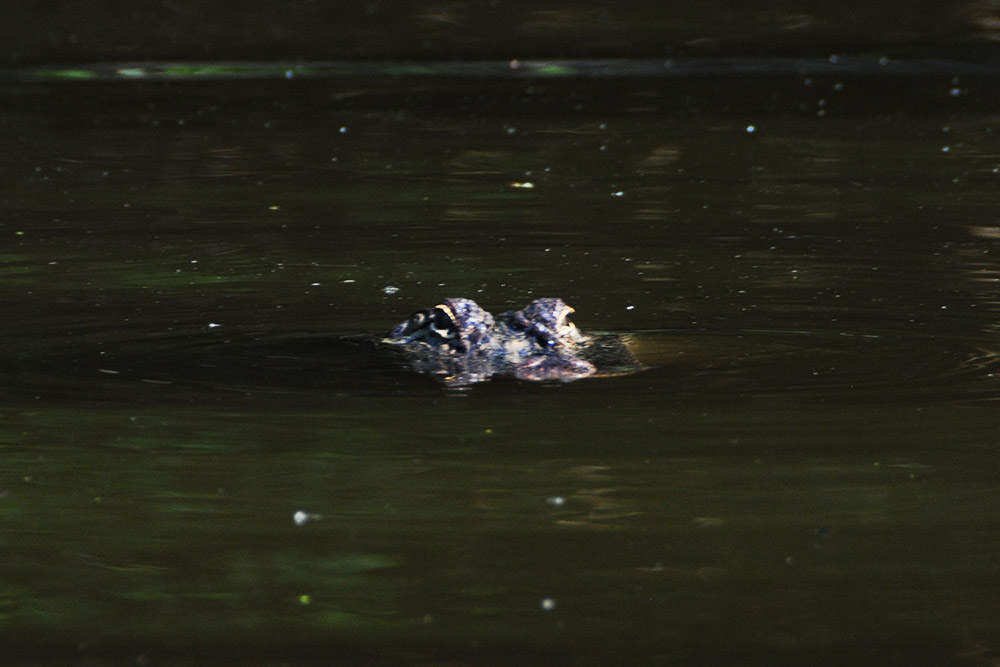
Finally, these were the best alligator photos I managed to get. During my visit they spent most of their time submerged or swimming, so I usually saw little more than a head sticking above the surface. I was told that later in the summer they are much easier to see while sunning themselves along the banks.
I wish I had gotten better views of them, but that gives me another reason to return. Between the wildlife, endless waterways, cypress forests, and the feeling of being somewhere genuinely wild, the Atchafalaya Basin became one of my favorite places in Louisiana. I’d still love to come back someday and spend several days exploring much deeper into the swamp.
Explore More of Louisiana
Baton Rouge • New Orleans • the Atchafalaya Swamp
