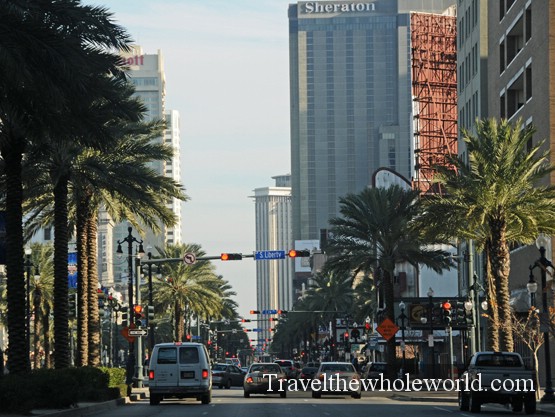
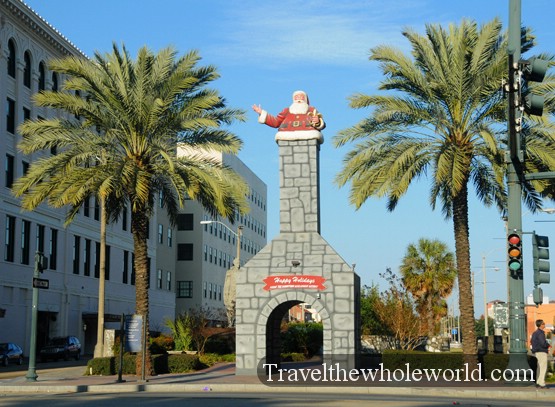
New Orleans is easily one of the most unique cities in the United States. Once one of the largest cities in the country, New Orleans developed a culture unlike anywhere else in America, mixing French, Spanish, African, Caribbean, and southern influences. Most people also remember the devastation caused by Hurricane Katrina in 2005. I visited about five years later, and while some neighborhoods were still struggling to recover, the main parts of the city were once again packed with people. Walking along Canal Street, New Orleans certainly felt alive.
Historic New Orleans
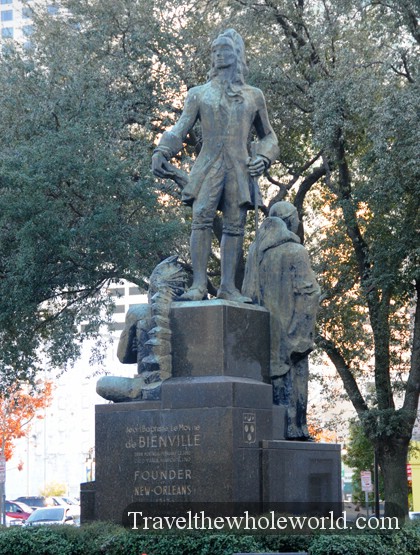
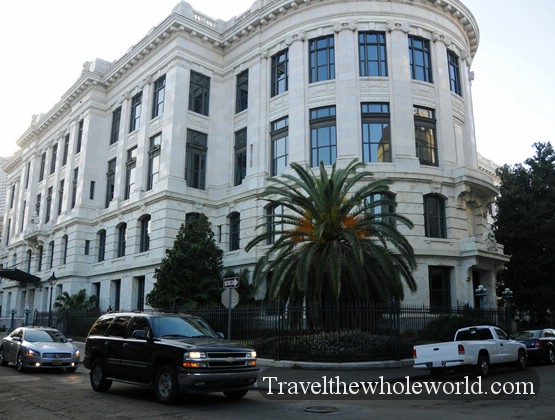
Above is a statue of Jean-Baptiste Le Moyne de Bienville, the French colonial leader who founded New Orleans in 1718. The oldest part of the city eventually became what we now know as the French Quarter. More than three centuries later, this remains the historic heart of New Orleans and probably the part of the city that most travelers come here to experience.
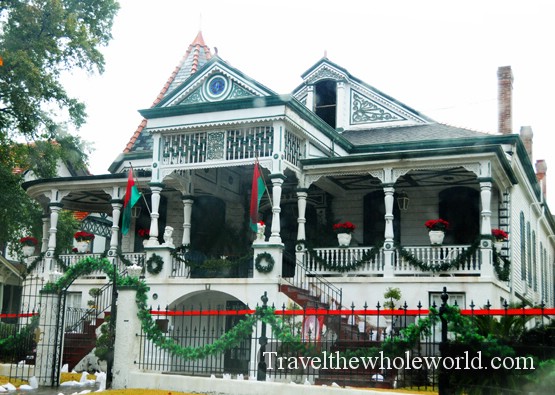
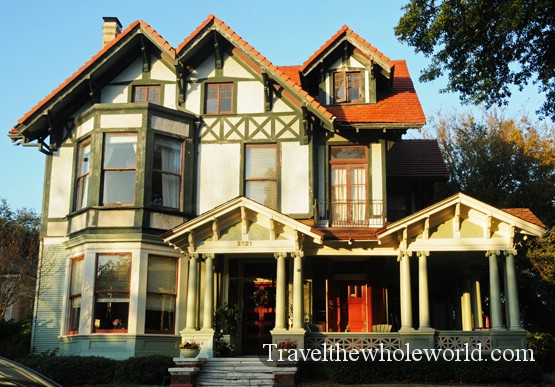
New Orleans is also filled with the large southern homes and historic mansions that I associate with this part of the country. Since I visited around Christmas, some of them were decorated for the holidays. Combined with the giant trees and older architecture, entire neighborhoods had a character completely different from most American cities.
Battle of New Orleans
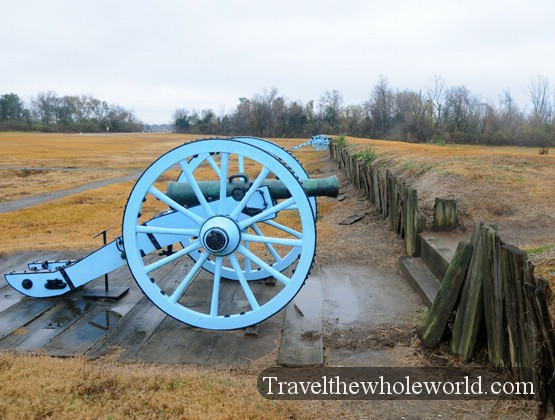
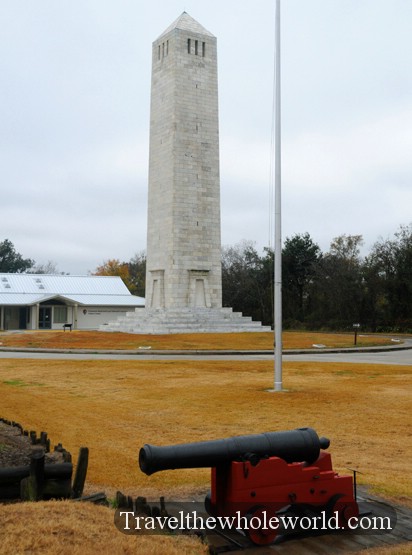
Another interesting place I visited was the Chalmette Battlefield, which is part of Jean Lafitte National Historical Park and Preserve. This was the site of the famous Battle of New Orleans during the War of 1812. American forces under General Andrew Jackson defeated a much larger British force here in January 1815. Ironically, the peace treaty ending the war had already been signed in Europe, but news traveled slowly enough that neither army here knew it yet.
The battlefield today is peaceful and surrounded by the flat landscape of southern Louisiana. The large Chalmette Monument commemorates the battle, while historic cannons and other markers help show where one of the most famous battles in early American history took place.
New Orleans Cemeteries
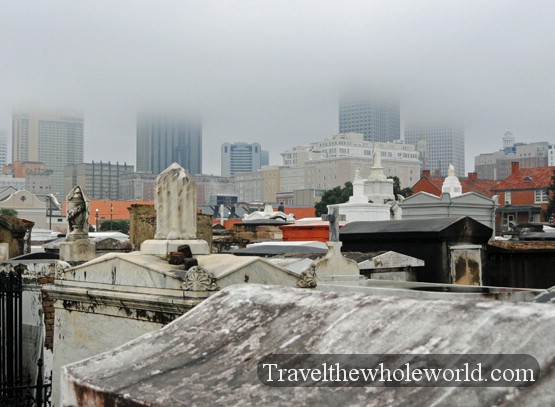
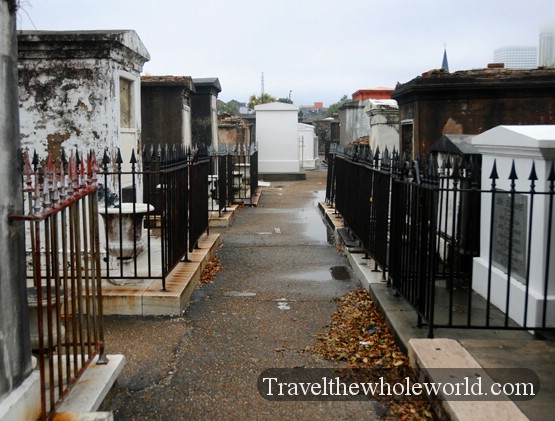
One of the most recognizable sights around New Orleans are its above-ground tombs. Much of the city sits at a very low elevation, and the combination of a high water table and local burial traditions resulted in cemeteries filled with stone tombs and family crypts. Walking through some of these places feels more like exploring a tiny abandoned city than a traditional American cemetery.
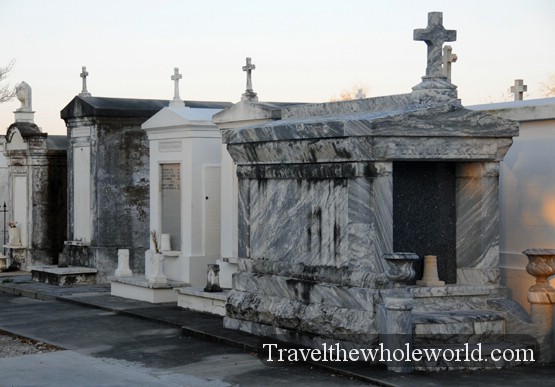
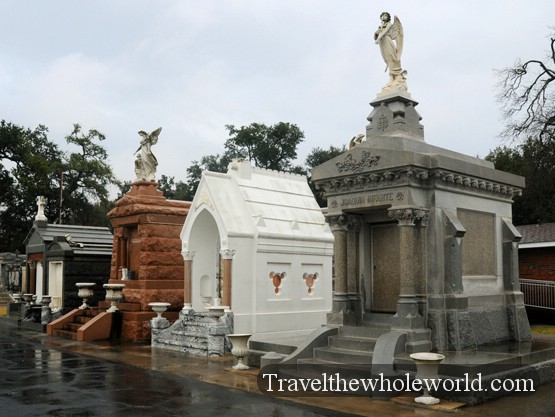
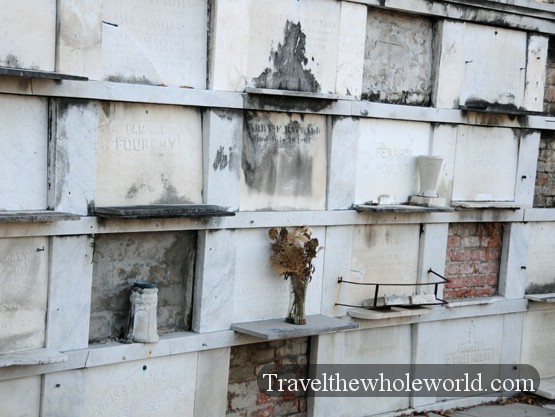
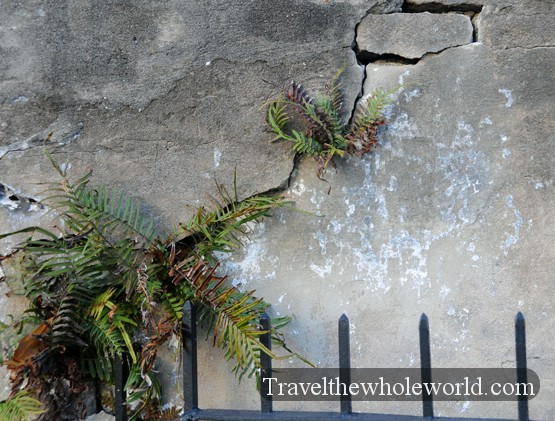
Some of the older tombs weren’t exactly in the best condition. Years of heat, humidity, storms, and simple old age had taken their toll. The crypt above had a huge crack running through it and looked like it might eventually split apart completely. The weathered condition actually added to the atmosphere and made these cemeteries one of the more interesting places I explored around the city.
Hurricane Katrina
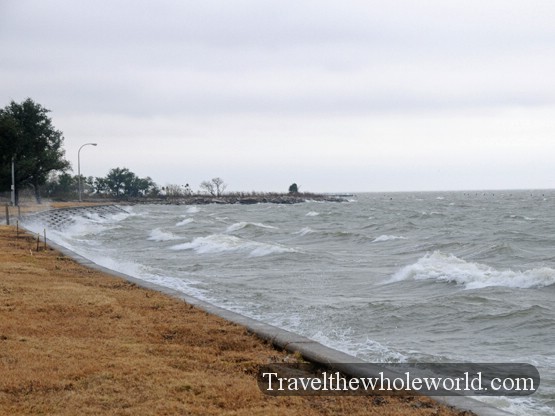
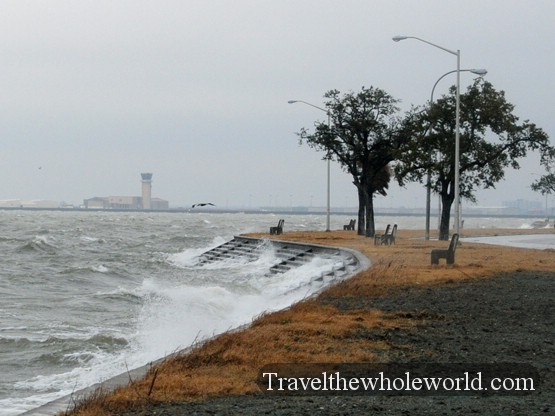
New Orleans’ location has always made the city vulnerable to hurricanes and flooding. During my visit I experienced nothing more than a small storm, but even then it wasn’t hard to appreciate just how close the city is to the surrounding water. Hurricane Katrina demonstrated the danger on an almost unimaginable scale in 2005, when failures in the levee system allowed water to pour into large sections of the city.
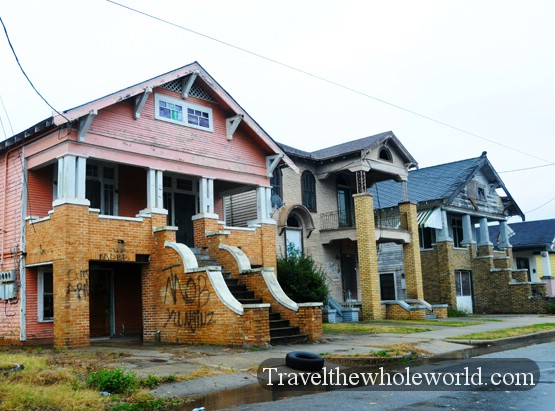
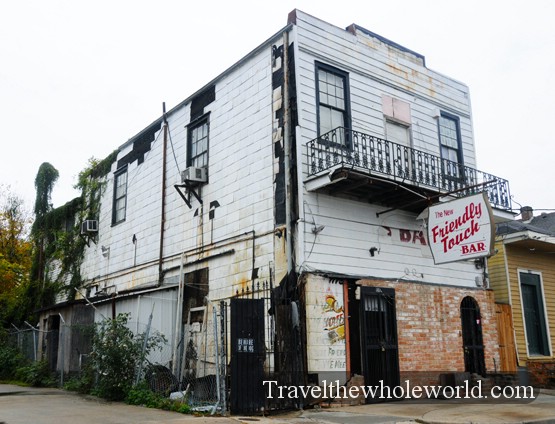
I visited more than five years after Katrina, but in some neighborhoods it looked like the hurricane had happened only a few days earlier. The Lower Ninth Ward was one of the hardest hit areas, and abandoned houses and damaged buildings were still scattered throughout the neighborhood. Some structures looked almost untouched since the storm.
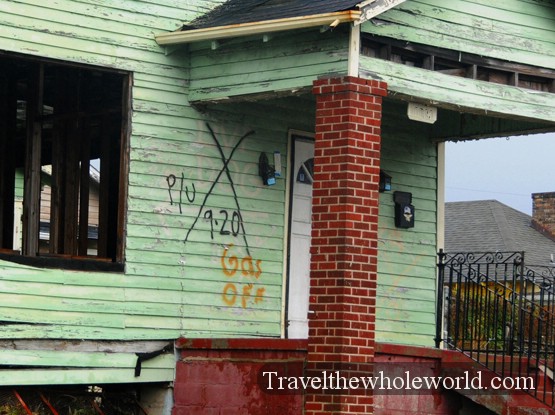
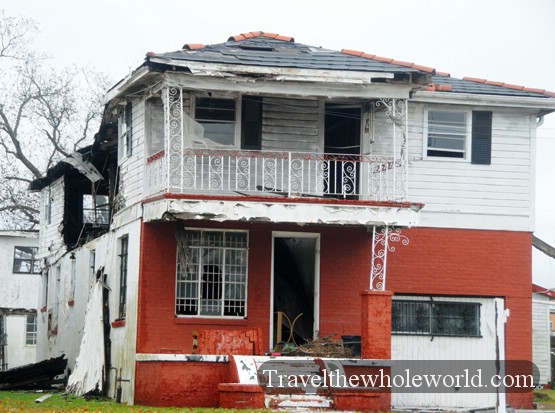
Some houses still had the spray-painted markings left by rescue teams conducting searches after the hurricane. Seeing the damage on television was one thing, but standing in front of homes that were still abandoned years later gave me a completely different perspective on how destructive Katrina had been.
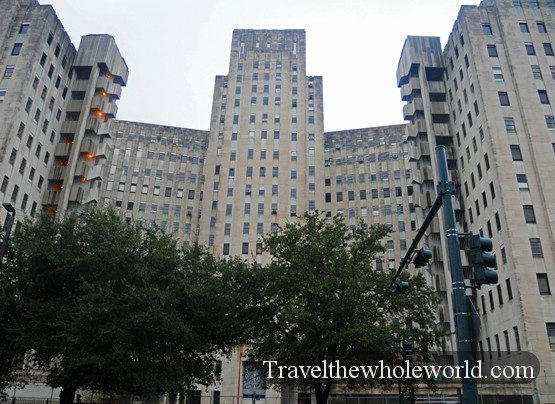
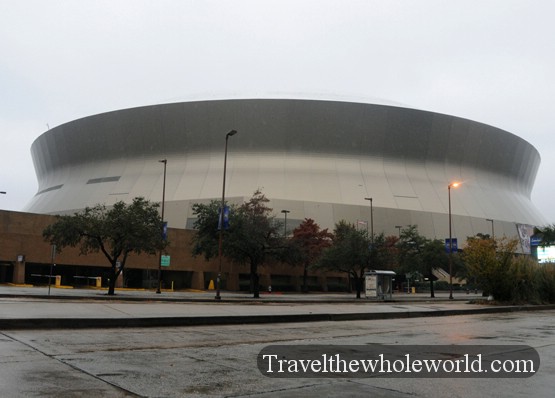
Charity Hospital and the Superdome became two of the most recognizable locations associated with the disaster. Thousands of people sought shelter at the Superdome after the storm, while hospitals struggled to care for patients as flooding and power failures crippled the city. The Superdome survived and continues to dominate the skyline, while Charity Hospital never reopened after Katrina.
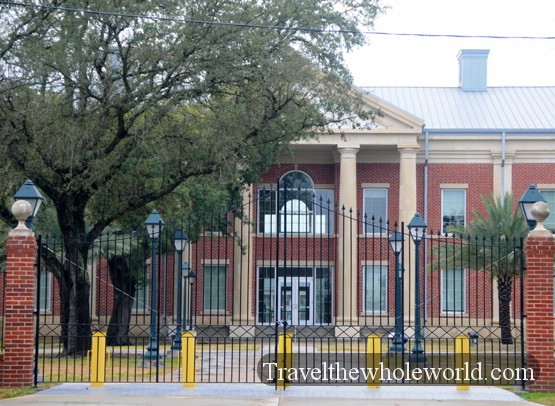
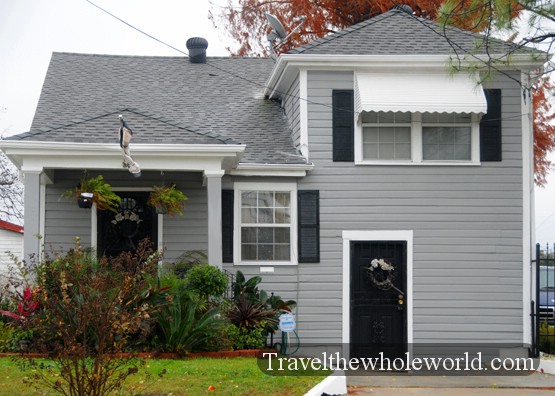
Fortunately, there were also obvious signs of rebuilding. I passed several new buildings and schools, while modern homes were being constructed directly beside properties that were still badly damaged. The contrast was pretty dramatic. One house might look abandoned since 2005, while the property next door represented an entirely new beginning for the neighborhood.
The French Quarter
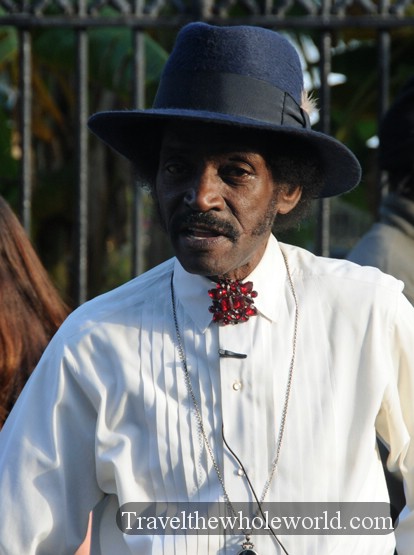
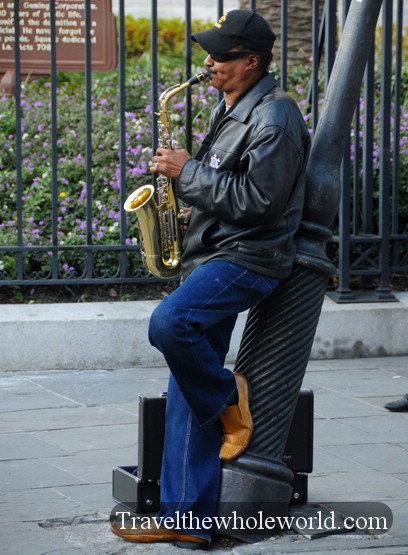
Despite the damage that remained elsewhere, the main tourist areas seemed to have recovered much more completely by the time I visited. Restaurants and bars were packed, people filled the streets, and performers were everywhere. I’m sure locals who lived through Katrina had a very different perspective, but as a traveler the French Quarter felt every bit as lively as I had imagined New Orleans would be.
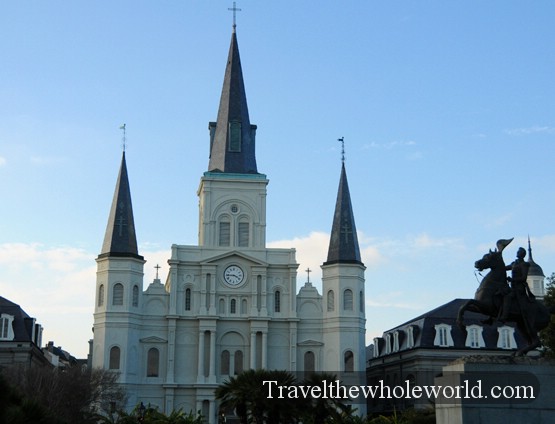
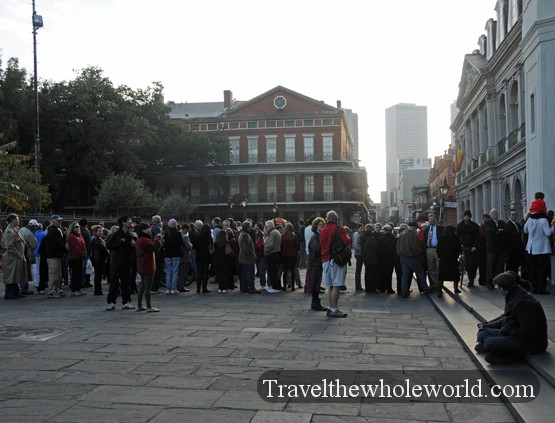
Above is perhaps one of the worst photos ever taken of St. Louis Cathedral, but I’m keeping it anyway. The cathedral overlooks Jackson Square and is one of the most recognizable buildings in New Orleans. The current church largely dates to the 19th century, although Catholic churches have occupied this site since the city’s earliest years. Surrounded by historic buildings, gardens, artists, and street performers, this is probably one of the most picturesque parts of the French Quarter.
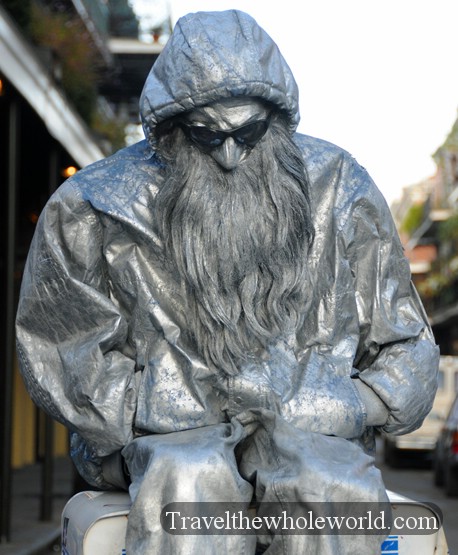
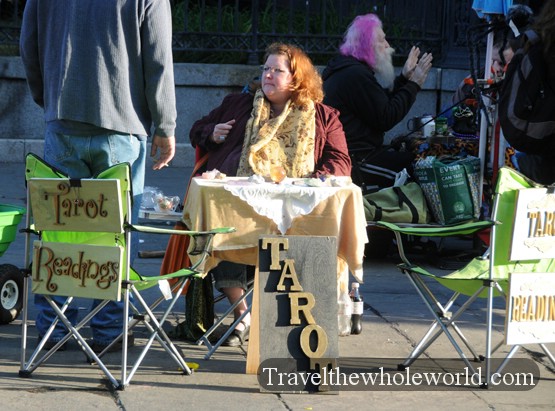
These photos probably give a better idea of New Orleans culture than anything else on the page. Jazz musicians, street performers, tarot card readers, and references to voodoo are all easy to come across around the French Quarter. The city’s traditions developed from a long mixture of African, Caribbean, French, Spanish, and American influences, creating a culture that really doesn’t exist anywhere else in the country.

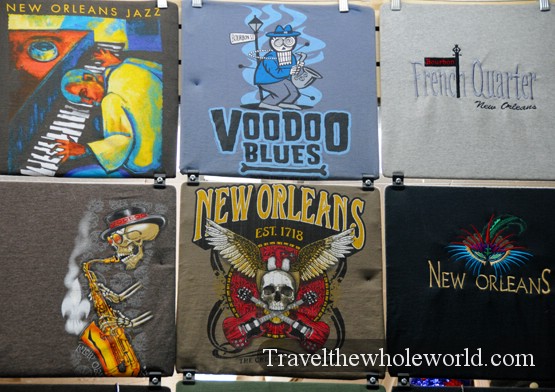
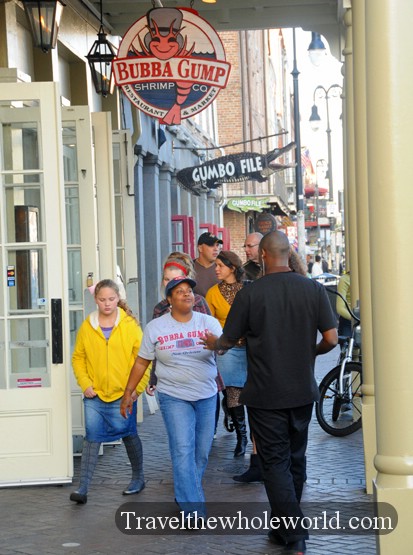
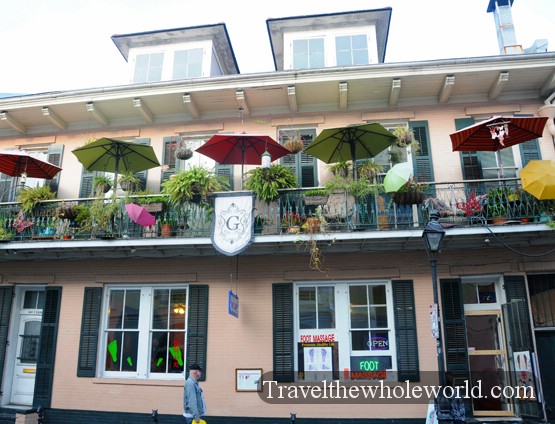
The French Quarter is divided into blocks packed with restaurants, bars, nightclubs, art galleries, and all kinds of strange little stores. Food is obviously a huge part of visiting New Orleans, with everything from gumbo and jambalaya to crawfish and shrimp. The historic buildings with their wrought-iron balconies are just as much a part of the experience. During Mardi Gras these balconies become some of the most crowded places in the city, with people throwing beads into the streets below.
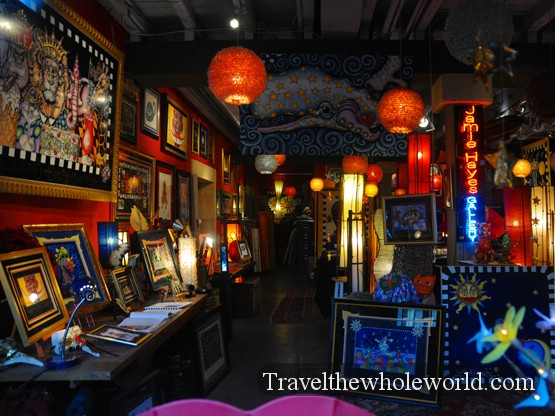
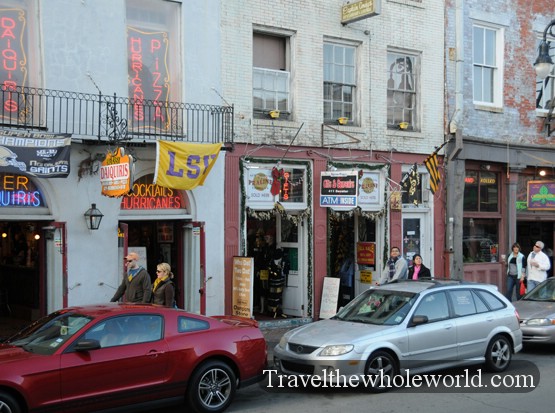
I didn’t bring my camera when I went out at night, which in hindsight was probably a mistake because that’s when New Orleans really came alive. Still, even during the daytime there was something going on almost everywhere I walked. Between the food, music, architecture, history, nightlife, and the city’s completely unique culture, New Orleans ended up being unlike anywhere else I’ve visited in the United States.