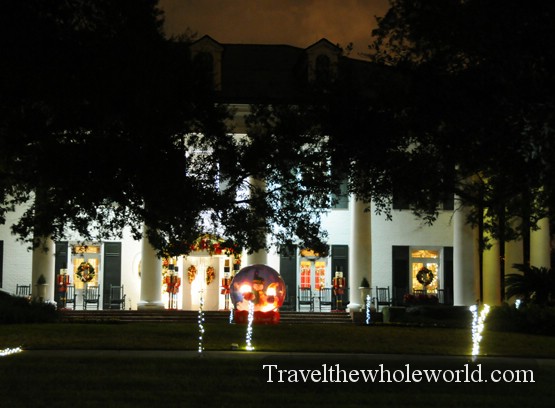
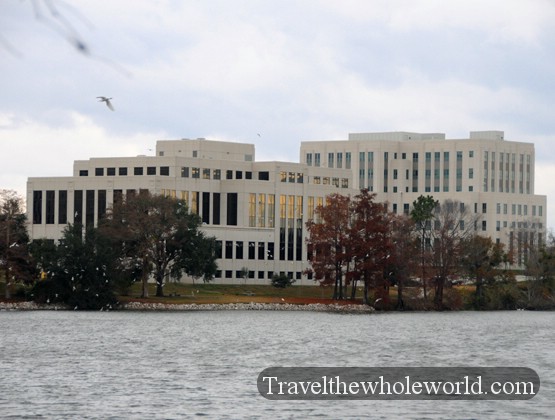
Louisiana’s capital of Baton Rouge sits along the Mississippi River and has some of the most unusual government architecture I’ve seen in the United States. The current Louisiana State Capitol rises 450 feet above the city, making it the tallest state capitol building in the country. Nearby is the Governor’s Mansion, photographed here on Christmas night. When I visited, Bobby Jindal was governor of Louisiana and was the first Indian American governor in the United States.
Louisiana’s Old State Capitol
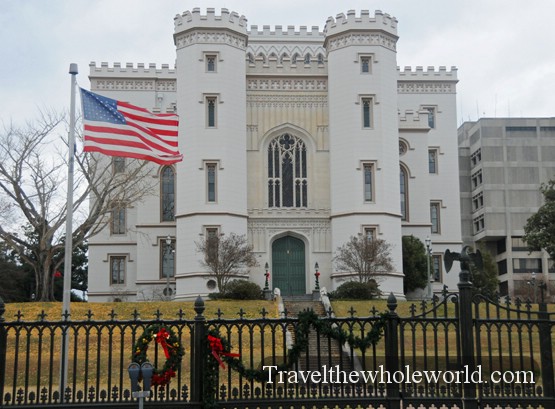
I was expecting Louisiana’s old capitol to have the same traditional appearance as many of the other state capitols I’ve visited. I definitely wasn’t expecting it to look like a castle. The Gothic Revival building looks more like something I’d expect to find in Europe than along the Mississippi River.
Louisiana moved its capital from New Orleans to Baton Rouge in 1849. At the time New Orleans was one of the largest cities in the United States, and there were concerns that too much of the state’s political and economic power was concentrated there. Baton Rouge was dramatically smaller, which makes it pretty interesting that such an elaborate capitol building was constructed here.
Around Baton Rouge
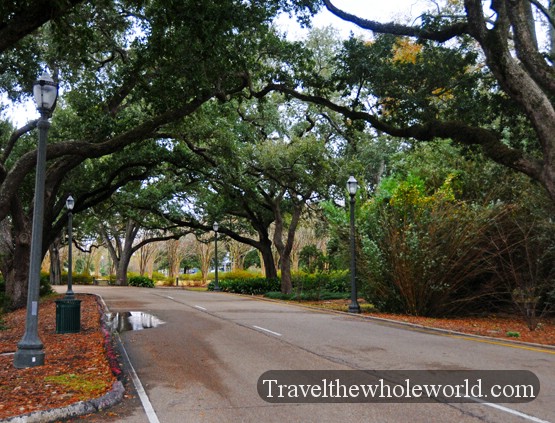
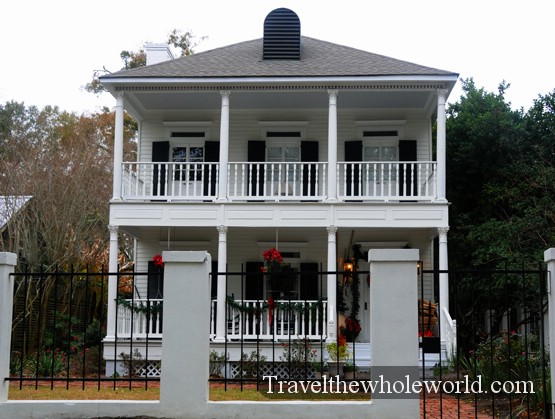
Baton Rouge seemed relatively quiet to me, especially compared with New Orleans to the southeast. Some neighborhoods were filled with large homes and streets shaded by enormous oak trees, giving parts of the city the classic southern appearance I expected to find in Louisiana.
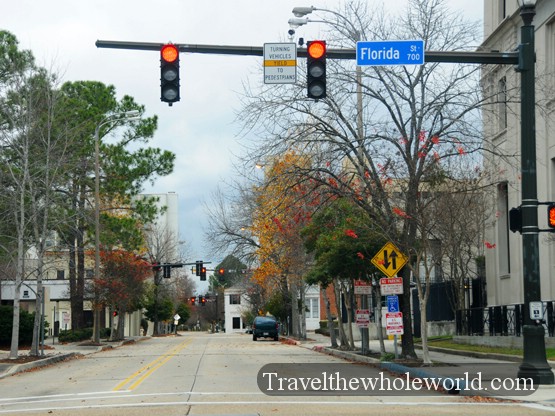
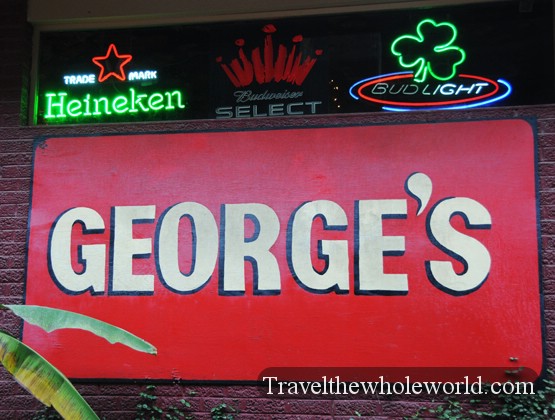
Here are two more random scenes from the city. The first is one of the main streets through downtown, while the second is a local bar that naturally got my attention because it had my name on it. Baton Rouge had plenty of locally owned restaurants and small businesses mixed in with the chains. One place I remember was Zeeland Street Market, where I had some good southern food.
Wildlife in the City
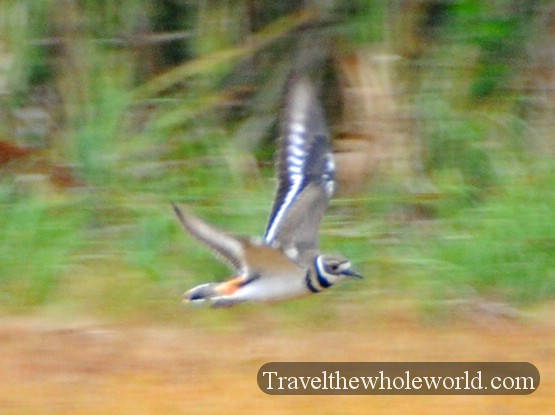
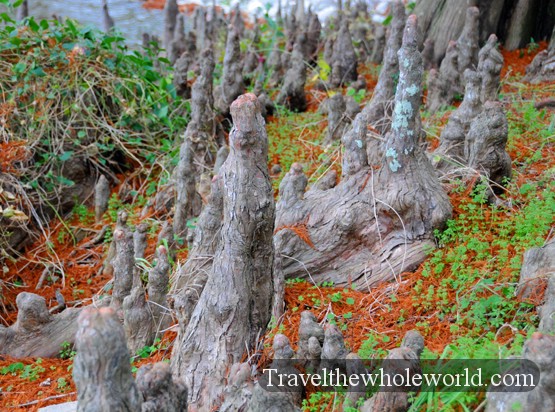
After New Orleans, one of my favorite things about Louisiana is its wilderness. I’ve visited the state several times and have gotten surprisingly close to wild alligators before, although unfortunately I don’t have any photos from those encounters. Even Baton Rouge itself had enough wetlands and vegetation that I came across quite a bit of wildlife without having to travel far from the city.
I visited during December, when much of the vegetation had lost its summer color and the swamps weren’t nearly as scenic as they would be during the warmer months. This little bird didn’t seem bothered by the cold weather. I made an honest attempt to identify him later and completely failed.
The strange roots in the second photo are known as cypress knees. They grow upward around bald cypress trees in wet and swampy environments and are one of those things that immediately make the landscape look like Louisiana.
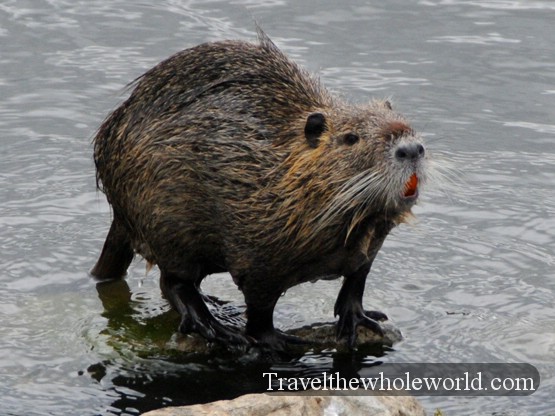
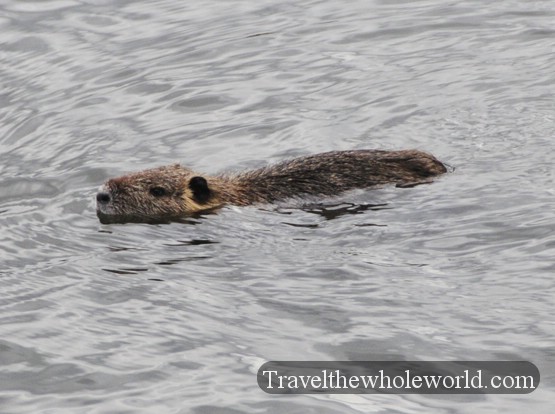
I also came across this big beaver on what was a very cold day by Louisiana standards. The temperature was only slightly above freezing, but he seemed perfectly comfortable swimming around in the water. Beavers have an enormous range across North America and remain active throughout the winter, even in places much colder than Louisiana.
Of course this one has a problem that its northern relatives generally don’t have to worry about: alligators. I imagine swimming around a Louisiana swamp comes with a slightly different list of hazards.
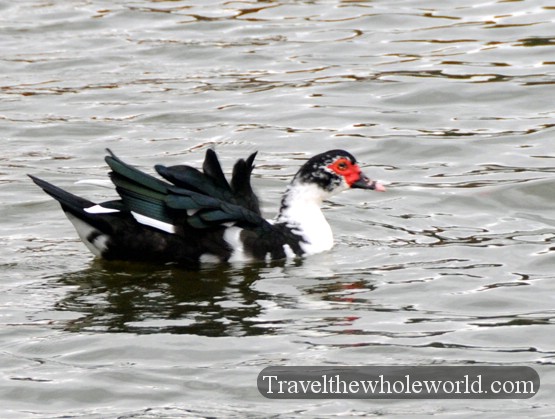
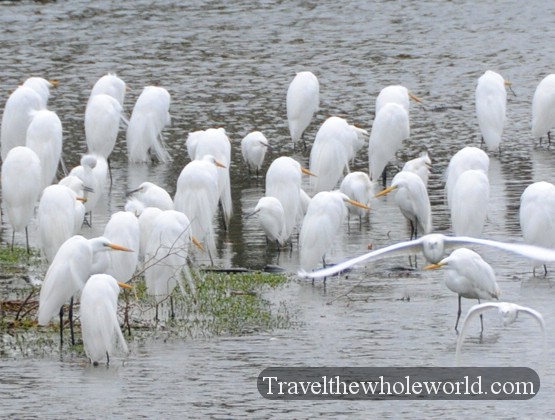
I finished with two more wildlife photos from around Baton Rouge. I never figured out exactly what species of duck I photographed above, while the group of white birds were egrets gathered together near the water. Considering these were all photographed within or around the city, Baton Rouge gave me a pretty good preview of the wildlife I would later associate with the rest of Louisiana.