There’s no question that India is one of the world’s great travel destinations, but to truly understand why I had to visit for myself. Even within my first few days in the country, I could see that India was one of the most culturally unique and fascinating places I’d traveled to. I was especially struck by how openly people shared their culture and religion with travelers and how dramatically the experience could change from one place to another. As one of the largest and most diverse countries in the world, India has enormous differences in language, religion, food, traditions, history, and landscapes between its regions. My entire trip focused on northern India, where I visited several very different parts of the country, from the enormous capital of New Delhi and the sacred city of Varanasi to Amritsar and the Taj Mahal. I intentionally left southern India for another trip, giving me plenty of reasons to return.
Explore New Delhi
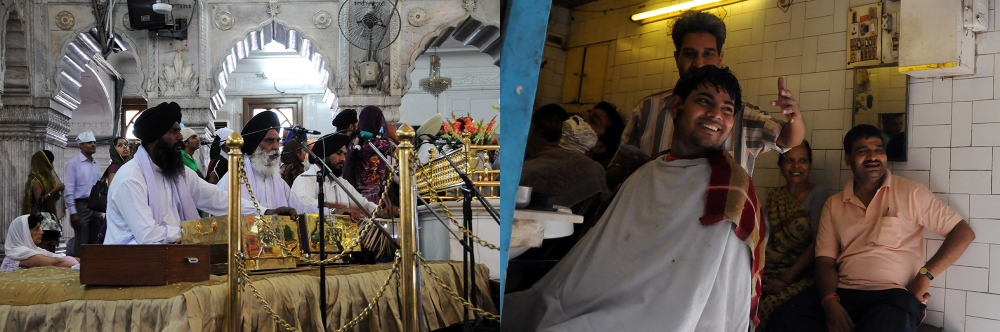
India’s capital is a massive city filled with so much history and culture that it’s almost impossible to know where to begin. Some of its most famous places include the Red Fort, Akshardham Temple, Humayun’s Tomb, and the memorial dedicated to Mahatma Gandhi. But exploring New Delhi is about much more than visiting individual landmarks. Auto rickshaws, crowded streets and back alleys, restaurants, markets, and the constant activity of the city are all part of the experience.
Explore Varanasi
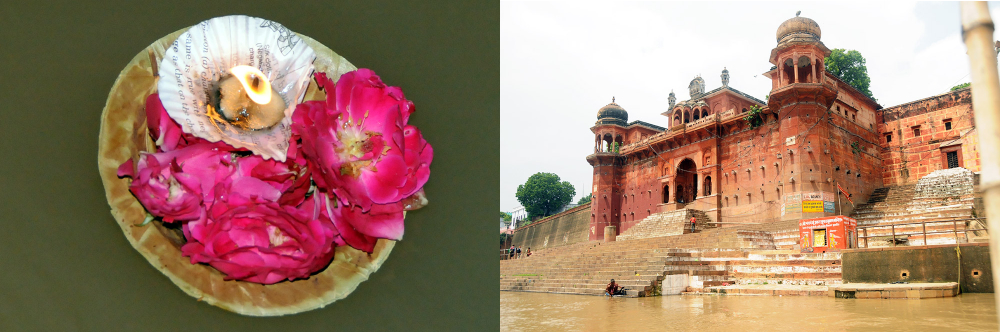
Varanasi is one of the world’s oldest continuously inhabited cities and one of the most important places in Hinduism. The sacred Ganges River flows directly through the city, where enormous stone steps known as ghats descend to the water. People come to the river to bathe, pray, perform religious ceremonies, and cremate and honor the dead. Temples, shrines, narrow streets, and centuries-old buildings surround the ghats, making Varanasi unlike anywhere else I visited in India.
Explore Amritsar
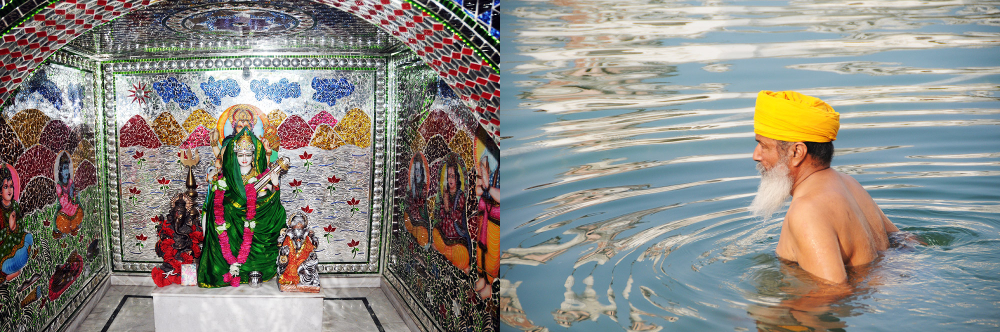
Amritsar is one of the most important cities in Sikh history and home to the spectacular Golden Temple, the holiest gurdwara in Sikhism. The city also played an important role in India’s struggle for independence. Jallianwala Bagh preserves the site of the 1919 massacre, when British troops opened fire on a large gathering of civilians, an event that became a major turning point in opposition to British rule.
Explore the Taj Mahal
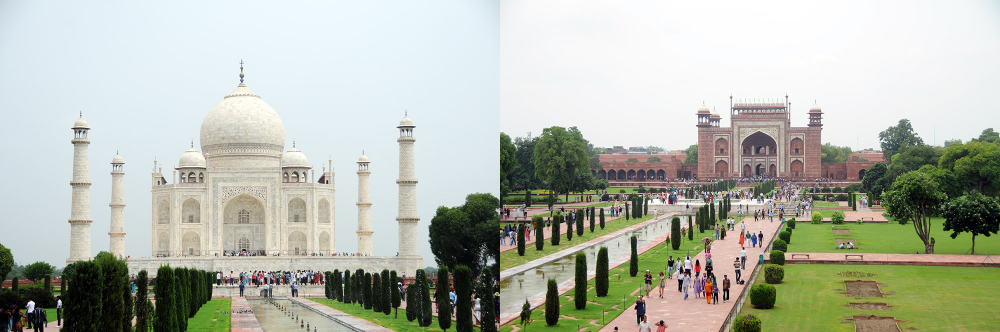
India’s most famous monument, the Taj Mahal has amazed travelers for centuries. Mughal emperor Shah Jahan commissioned the enormous marble mausoleum in memory of his wife Mumtaz Mahal, creating one of history’s most famous monuments to love. Its story, architecture, symmetry, and sheer scale help explain why it remains one of the most recognizable landmarks in the world.
