When I visited Sudan, most of the travel information I found discouraged visiting the country. My curiosity eventually won out, and I arrived in Khartoum unsure what to expect from a place that saw relatively few independent travelers.
Sudan was frequently in the international news at the time because of conflicts in Darfur and other parts of the country. Those tragedies were very real, but the places I encountered during my trip were more complicated than the image I had formed from overseas. Sudan was an enormous country, and everyday life in the areas I visited could feel far removed from conflicts taking place hundreds of miles away.
One man I met in Khartoum compared it to living a normal life in New York while watching news about wildfires in California or a hurricane along the Gulf Coast. It was his way of explaining how distant events within the same country could feel from everyday life in the capital.
My trip took place during a very different period in Sudan’s history. The country has since undergone enormous political upheaval, followed by the devastating war that began in 2023. This page reflects Sudan as I personally experienced it at the time rather than present-day travel conditions.
Explore Khartoum
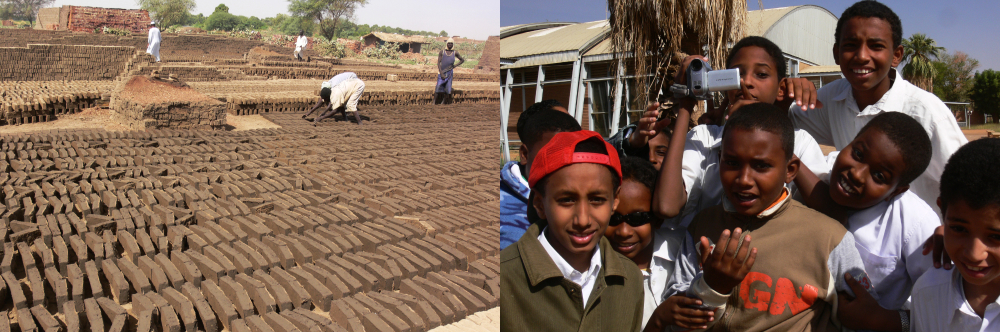
Khartoum developed at one of Africa’s great geographic landmarks, near the confluence of the Blue Nile and White Nile. From their meeting point, the combined waters continue north as the Nile through Sudan and Egypt toward the Mediterranean Sea.
The city has long served as an important political, commercial and cultural center in Sudan. Together with neighboring Omdurman and Khartoum North, it forms the country’s largest urban area. Khartoum’s museums and historic sites also provide an introduction to the civilizations that developed along the Sudanese Nile, from ancient Nubia and the Kingdom of Kush to the country’s more recent history.
Explore the Meroë Pyramids
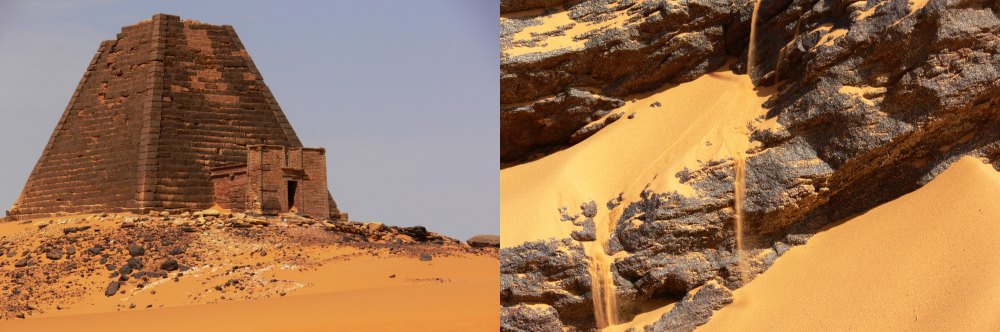
The archaeological sites of Meroë preserve some of the most important remains of the ancient Kingdom of Kush, a major power in the Nile Valley from the 8th century BCE into the 4th century CE. Kushite rulers once controlled territory extending north into Egypt, where they ruled as Egypt’s 25th Dynasty.
Meroë became a principal royal center of the Kushite kingdom and, beginning in the 3rd century BCE, the burial place of many of its rulers. Its archaeological landscape contains the remains of temples, settlements and extensive royal cemeteries distinguished by the steep-sided pyramids built for Kushite kings and queens.
Today, Meroë forms part of the UNESCO-listed Archaeological Sites of the Island of Meroe. The surviving pyramids and ruins are among the clearest reminders that one of the ancient Nile Valley’s great civilizations flourished far south of the monuments most commonly associated with Egypt.
Explore Dinder National Park
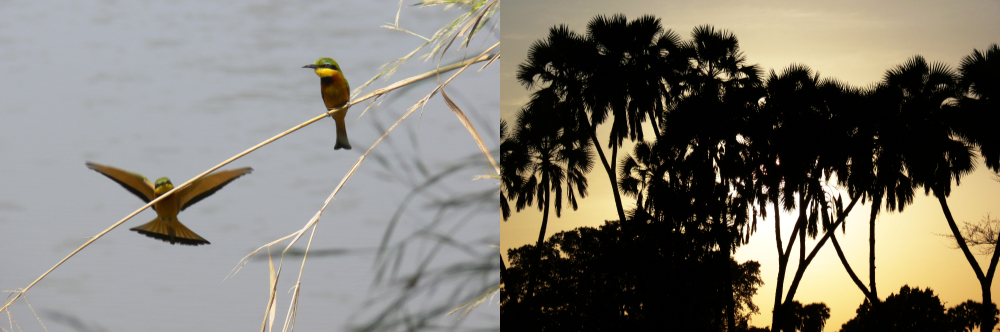
Dinder National Park protects approximately 10,291 square kilometers of southeastern Sudan near the Ethiopian border. Established in 1935, the park encompasses a transition between the drier landscapes of Sudan and ecosystems influenced by the Ethiopian highlands.
Its habitats include woodland, riverine environments and seasonal wetlands known as mayas. These wetlands are particularly important during the dry season, when remaining water attracts wildlife from the surrounding landscape.
Dinder supports antelope, warthogs and numerous other animals, but it is especially significant for birdlife. Its location along a major north-south migration route makes the park an important refuge for migratory as well as resident species, adding an unexpectedly green and wildlife-rich landscape to a country often associated primarily with desert.
Explore Port Sudan
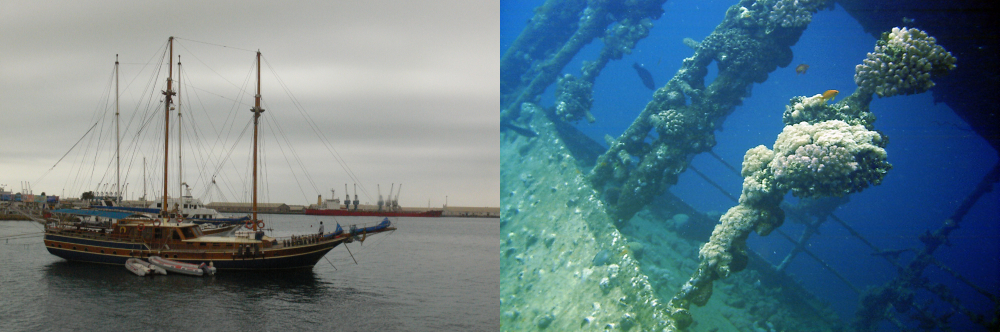
Port Sudan lies on the Red Sea in eastern Sudan and developed in the early 20th century as the country’s principal seaport. The city occupies an intensely arid stretch of coastline, where the barren landscape above water contrasts sharply with the marine ecosystems of the Red Sea.
Offshore coral reefs support abundant marine life and make the waters around Port Sudan notable for snorkeling and scuba diving. Reefs, tropical fish and shipwrecks reveal a dramatically different environment from Sudan’s deserts, archaeological sites and inland savannahs, making the Red Sea coast one of the country’s most distinctive natural regions.