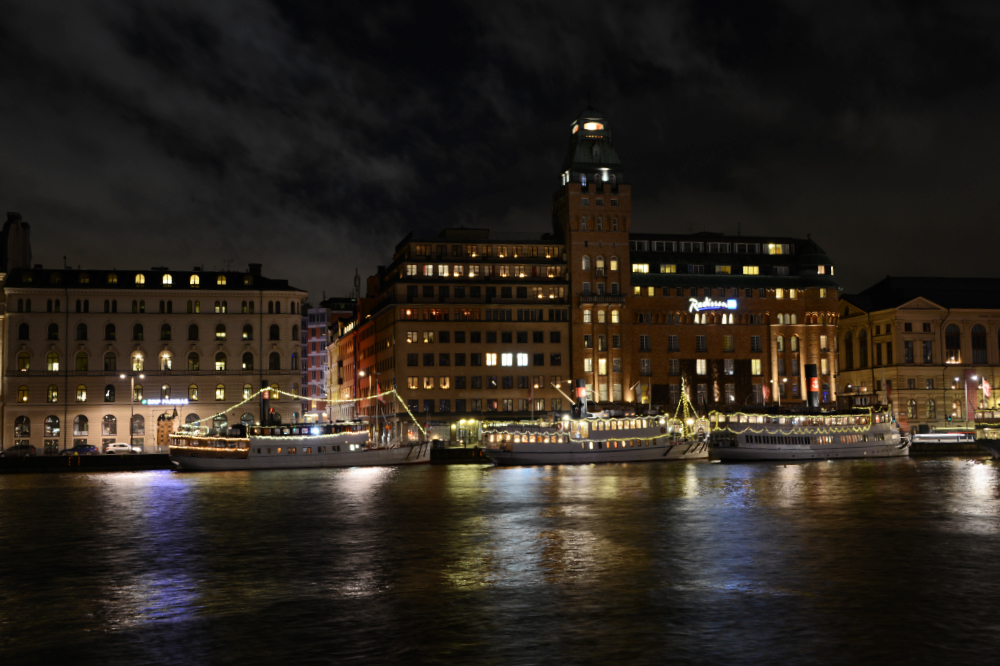
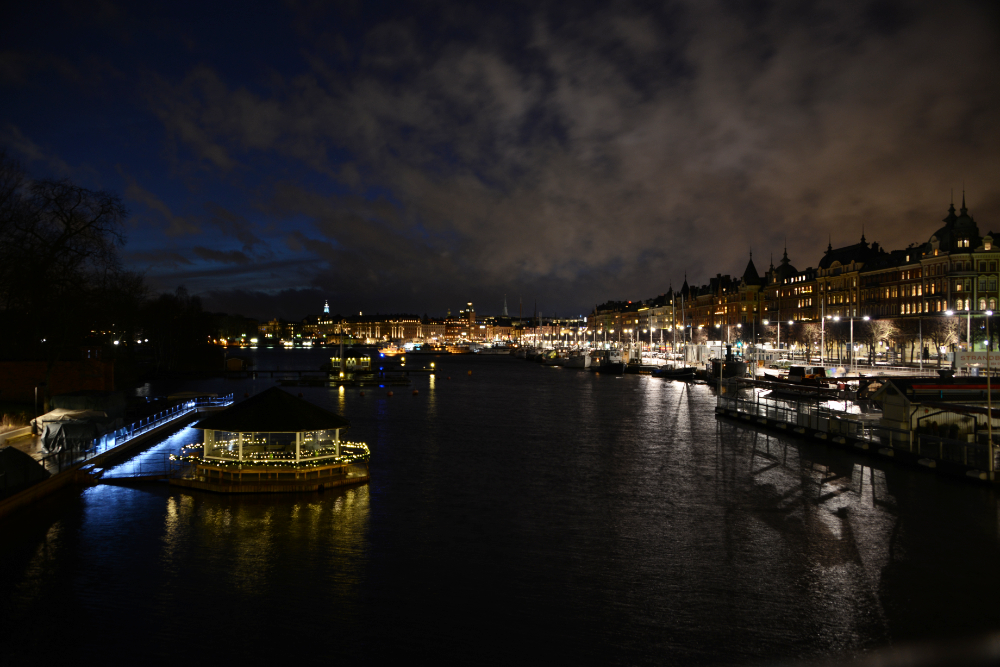
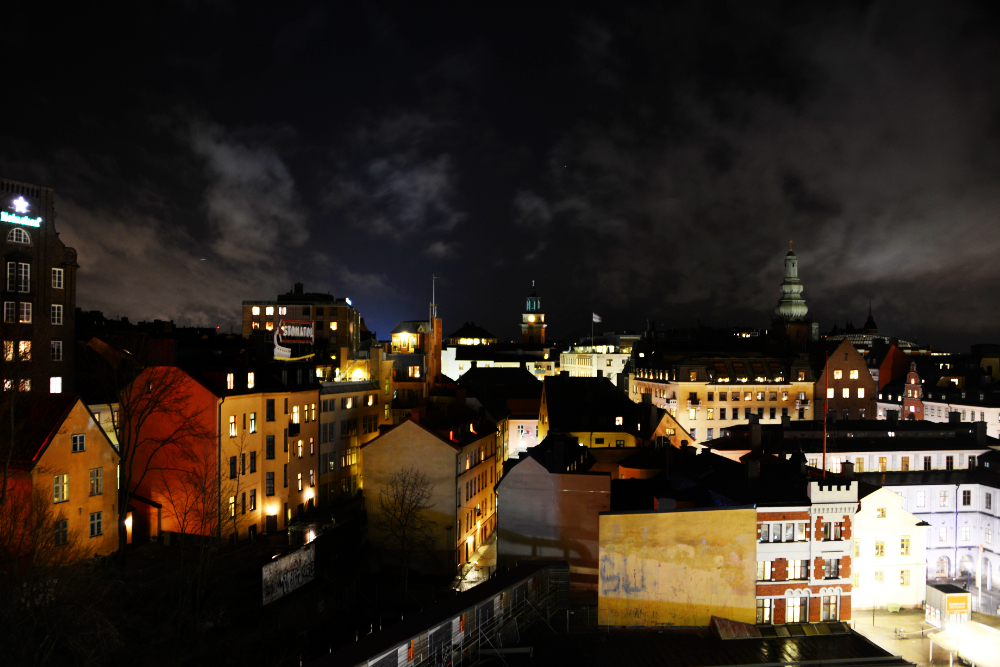
In my opinion, Stockholm is one of the best cities to visit in Scandinavia. There is plenty to see and do, and although the city is expensive, I didn’t find it quite as outrageously priced as some places I visited in Norway. Simply wandering through Stockholm without a particular destination was one of the highlights of my visit. Since I was traveling in winter, the days were often overcast and gloomy, and I actually preferred exploring the city after dark, when the streets and buildings were illuminated.
Stockholm is spread across numerous islands connected by bridges, with waterways forming an important part of the city’s character. The photographs above were taken in Norrmalm, the central district on the mainland immediately north of Stockholm’s historic old town.
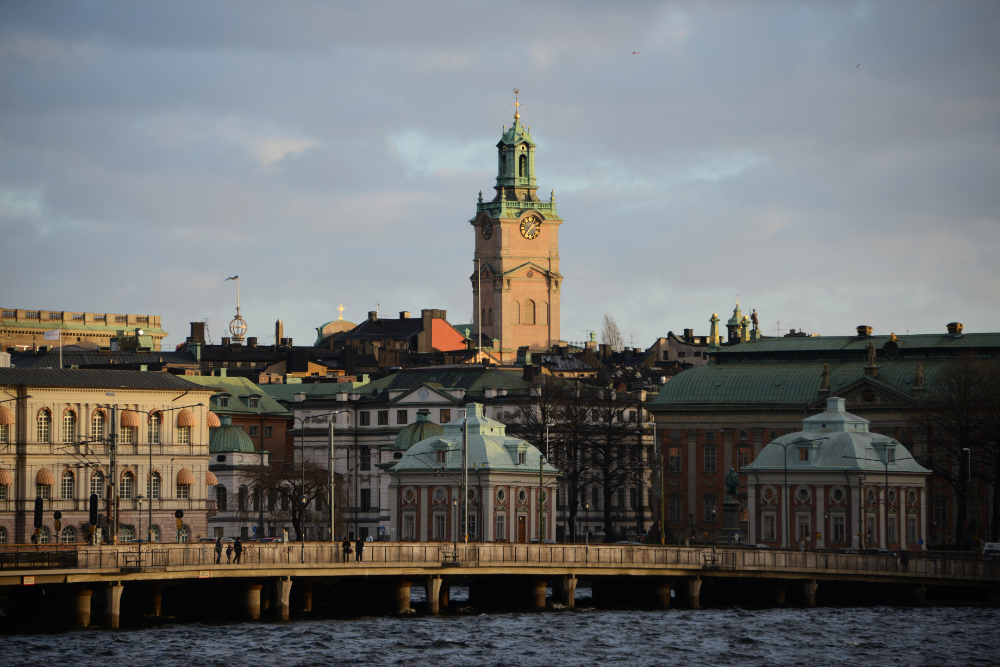
Södermalm
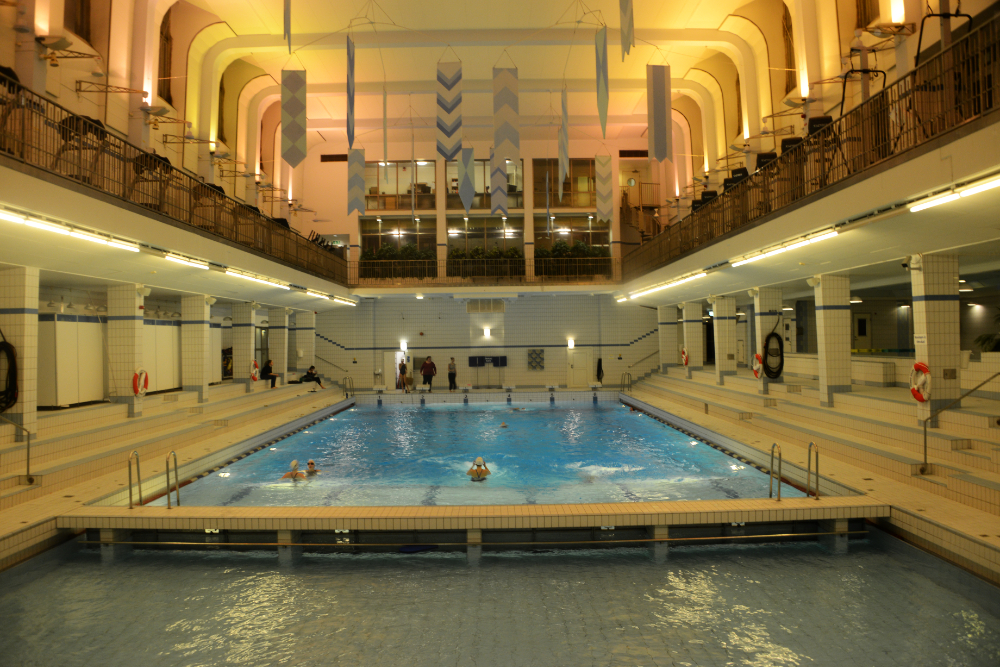
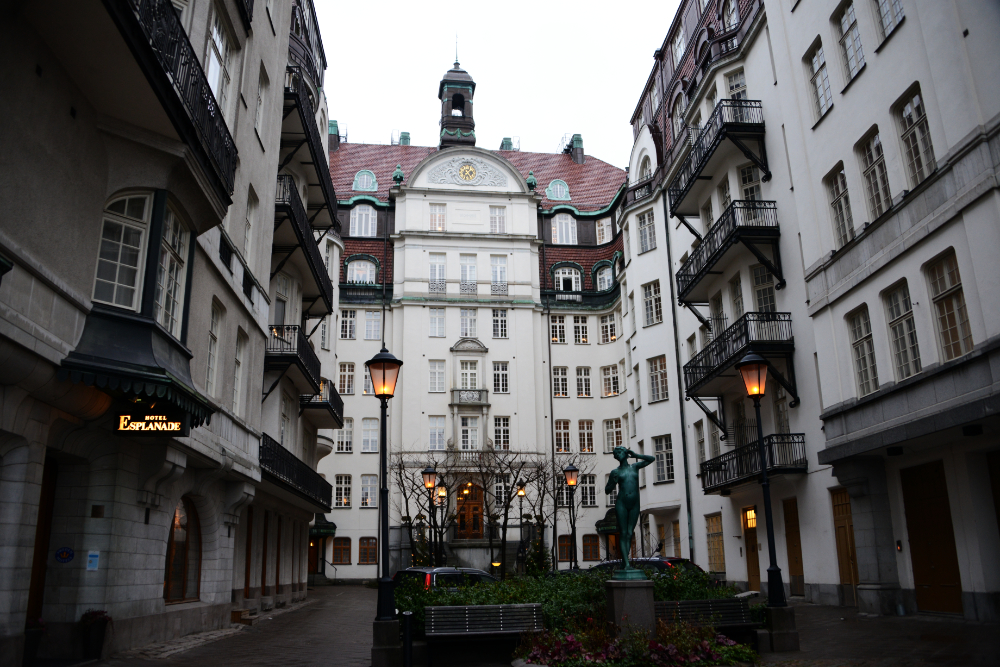
I stayed in the Södermalm district during my time in Stockholm. Located on a large island south of Gamla Stan, Södermalm has a little bit of everything, from historic buildings to modern architecture, lively bars, restaurants, and even this random swimming pool I passed while walking down the street.
I liked Södermalm because there was plenty to do within walking distance, along with a range of accommodations and places to eat. Although Stockholm is hardly a cheap destination, the neighborhood offered some relatively affordable options that made it a practical base for a budget traveler like myself.
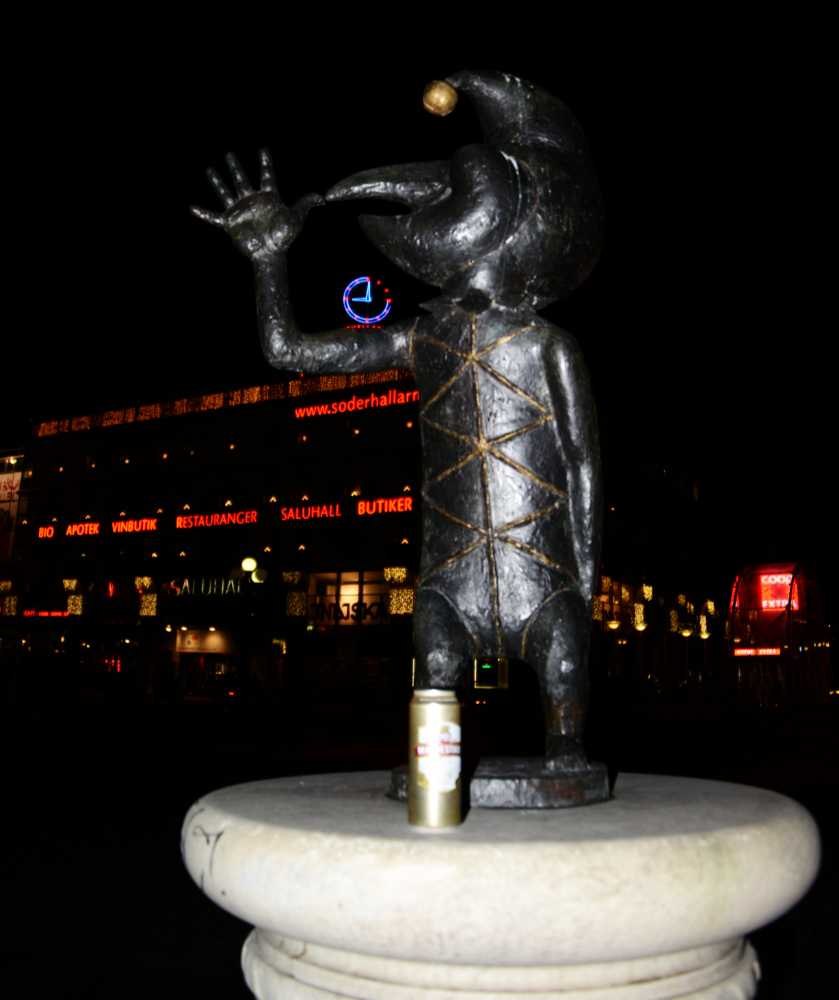
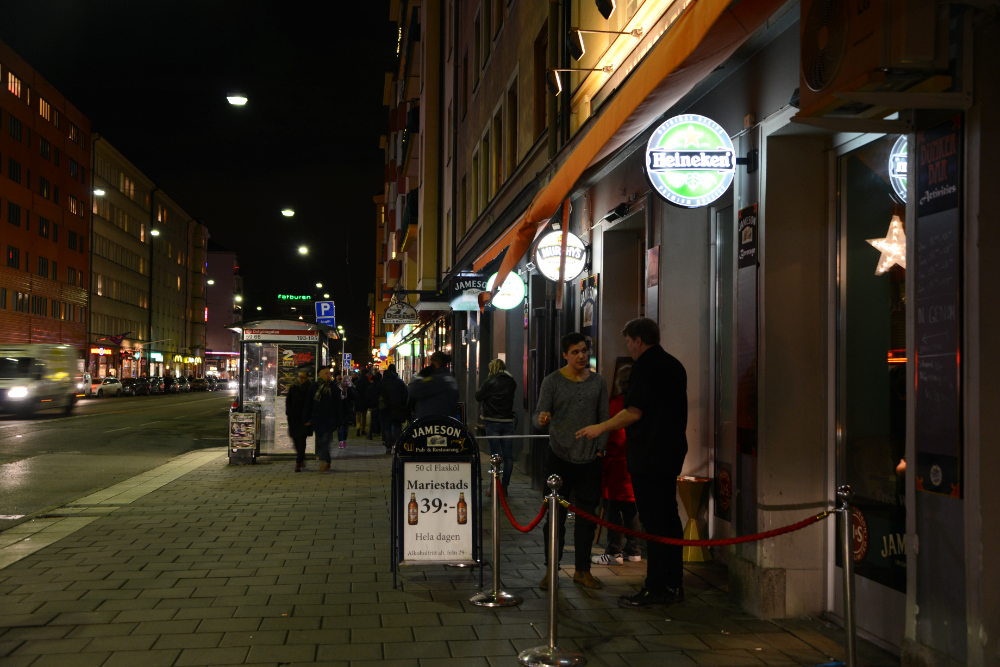
While exploring the neighborhood, I came across an unusual statue in one of its plazas, along with a street lined with bars and restaurants. Södermalm has a reputation for its creative atmosphere and nightlife, although I enjoyed it just as much as a place to wander and observe everyday life in Stockholm.
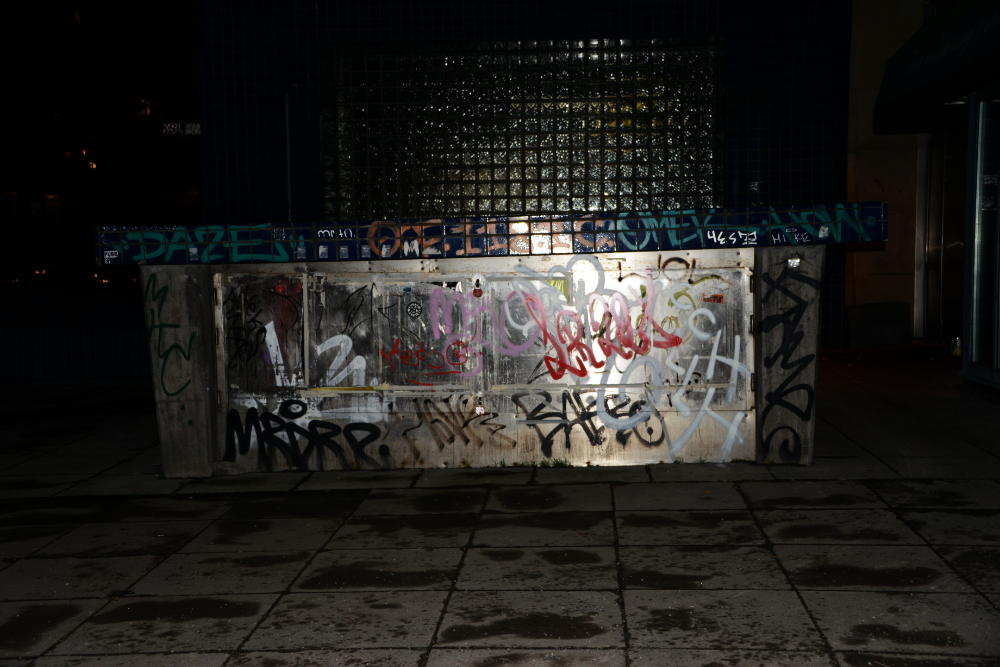
Södermalm felt very safe, although certain streets had a somewhat rougher appearance than other parts of the capital. I noticed plenty of graffiti and encountered some homelessness while walking around. At one point, a drunk man stepped directly in front of me and began preaching about something I couldn’t understand. Fortunately, he left me alone when I continued walking.
Gamla Stan
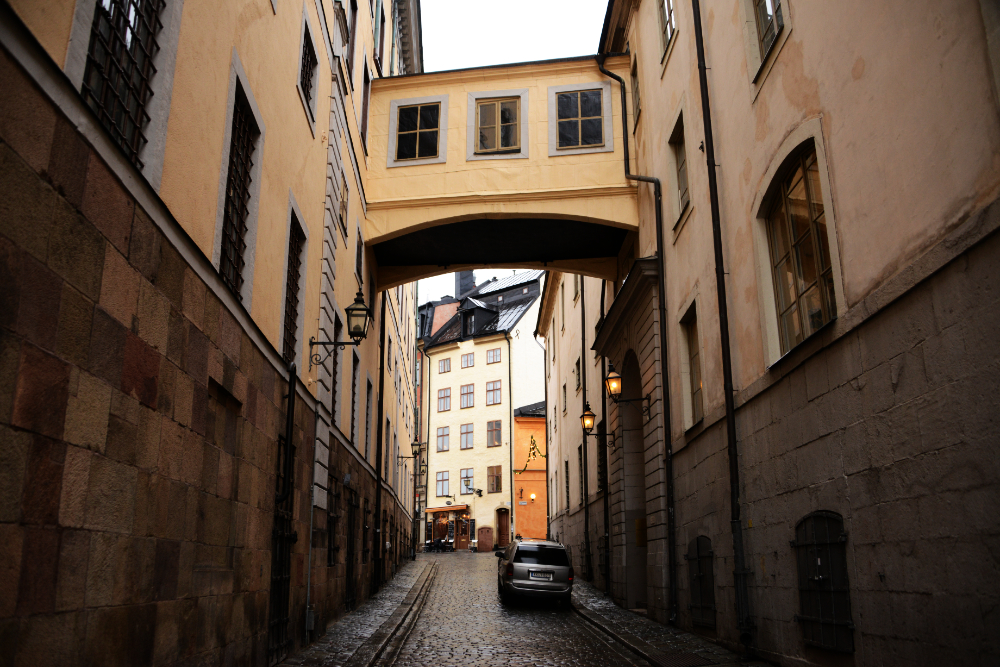
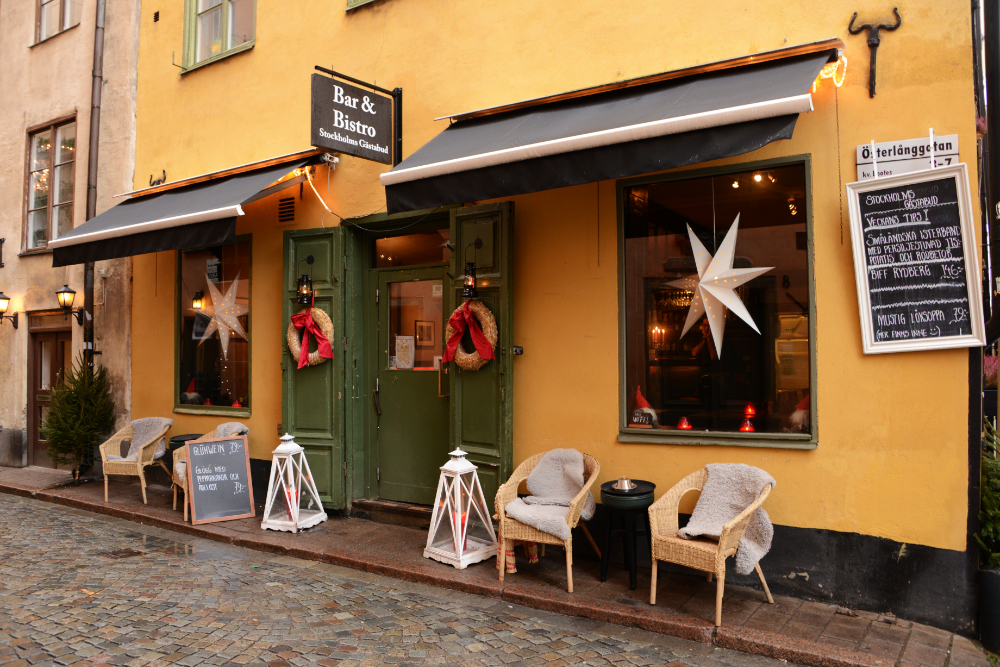
I could easily dedicate an entire page to each of Stockholm’s districts and islands, but instead I’ll share some of the highlights from the areas I visited. My favorite was probably Gamla Stan, the city’s historic old town. Located primarily on the island of Stadsholmen, Gamla Stan is one of the best-preserved medieval city centers in Europe, with narrow cobblestone streets, colorful historic buildings, and countless interesting shops and restaurants.
Much of Stockholm’s earliest history is concentrated here, and wandering through the winding streets felt completely different from exploring the more modern neighborhoods across the water. I particularly enjoyed the small cafés and unexpected sights tucked away along the side streets.
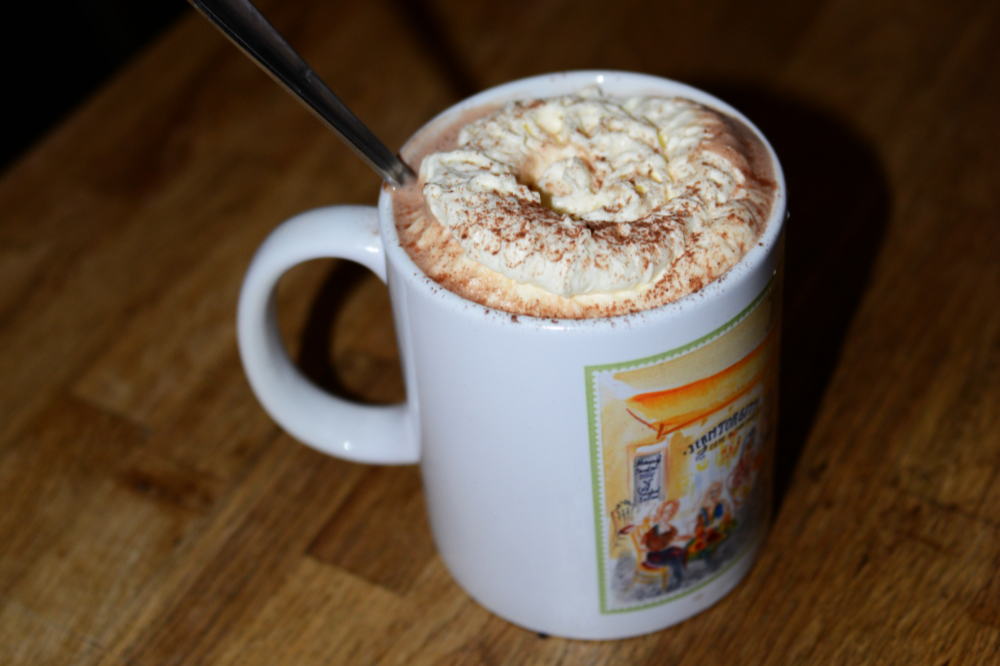
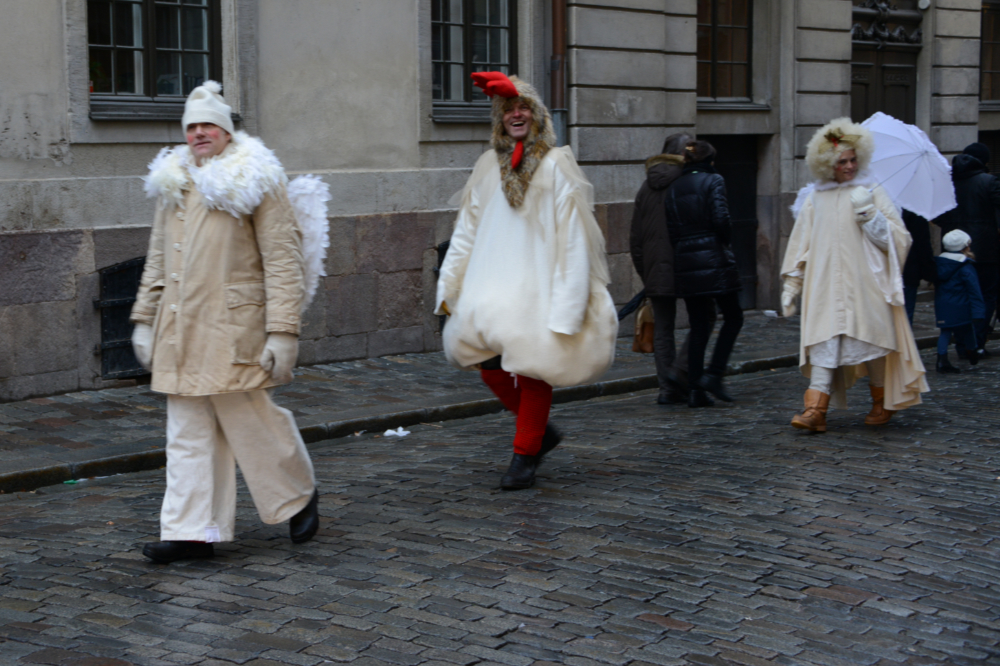
We stopped at a small café and ordered hot chocolate. The man preparing our drinks was so friendly that he offered us a sample first, just to make sure it was to our satisfaction. It was a small gesture, but one that I still remember from my visit. Elsewhere in the old town, I encountered these smiling people dressed up as chickens and angels, another of the unexpected scenes that made walking around Gamla Stan so entertaining.
Christmas Market
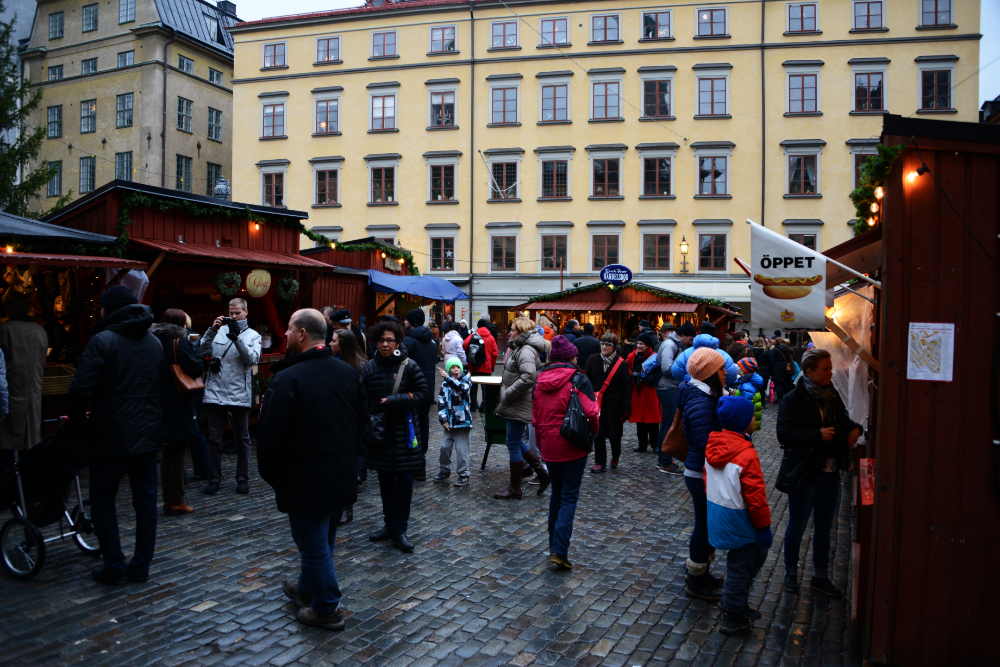
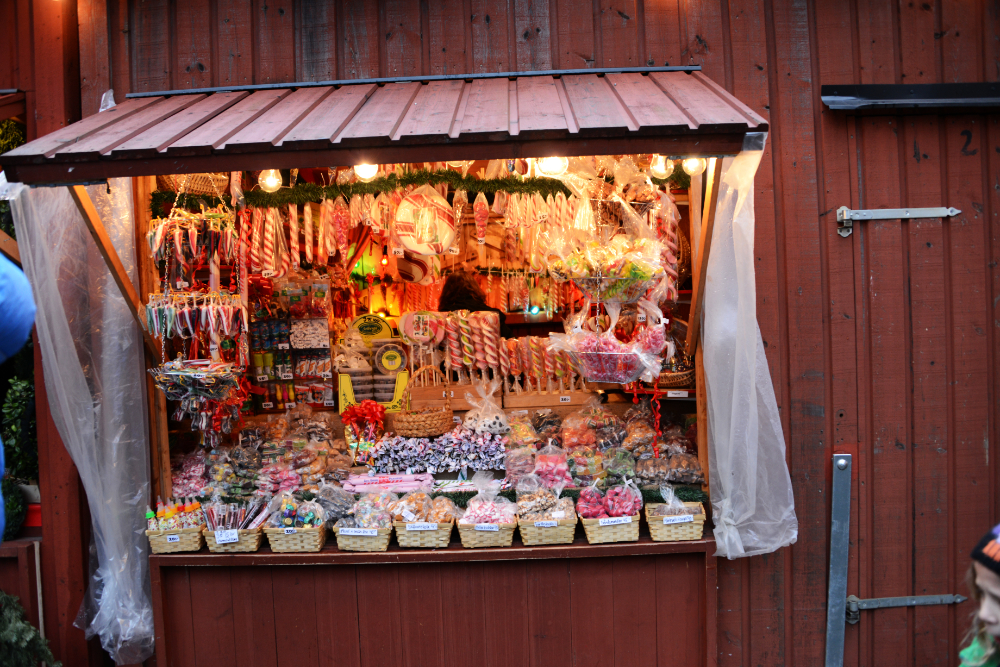
One of the seasonal attractions I visited was the Christmas market in Gamla Stan, traditionally held in Stortorget, the old town’s main square. The market has a long history and is among Stockholm’s best-known holiday traditions.
To be honest, it was considerably smaller than I expected. There were only a few dozen stalls at most, selling everything from candy and winter clothing to meats, preserves, and other seasonal treats. Despite its modest size, the historic buildings surrounding the square created an appealing setting for a traditional Swedish Christmas market.
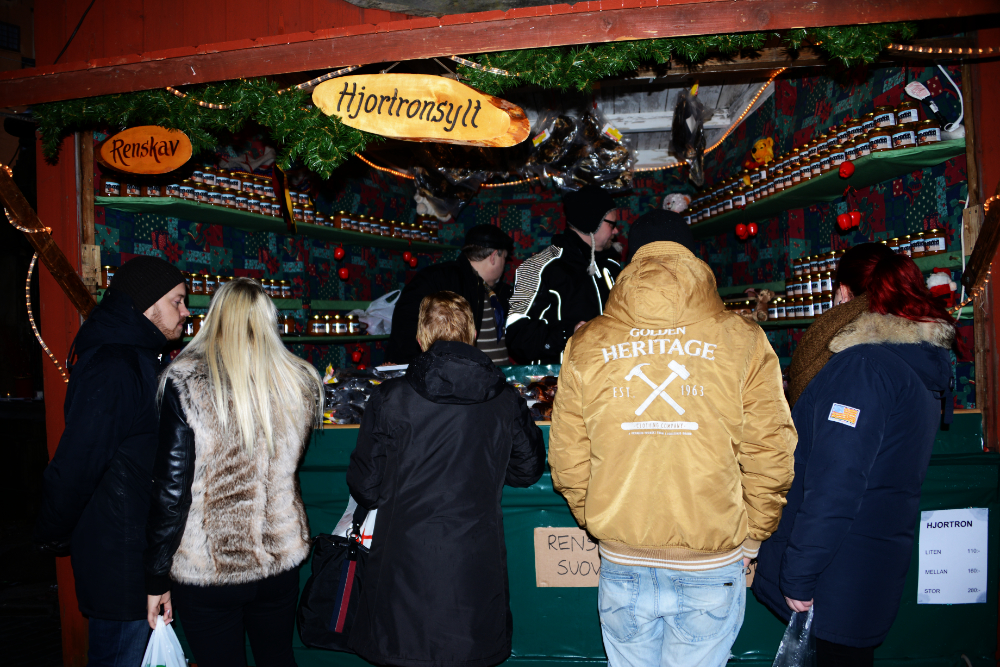
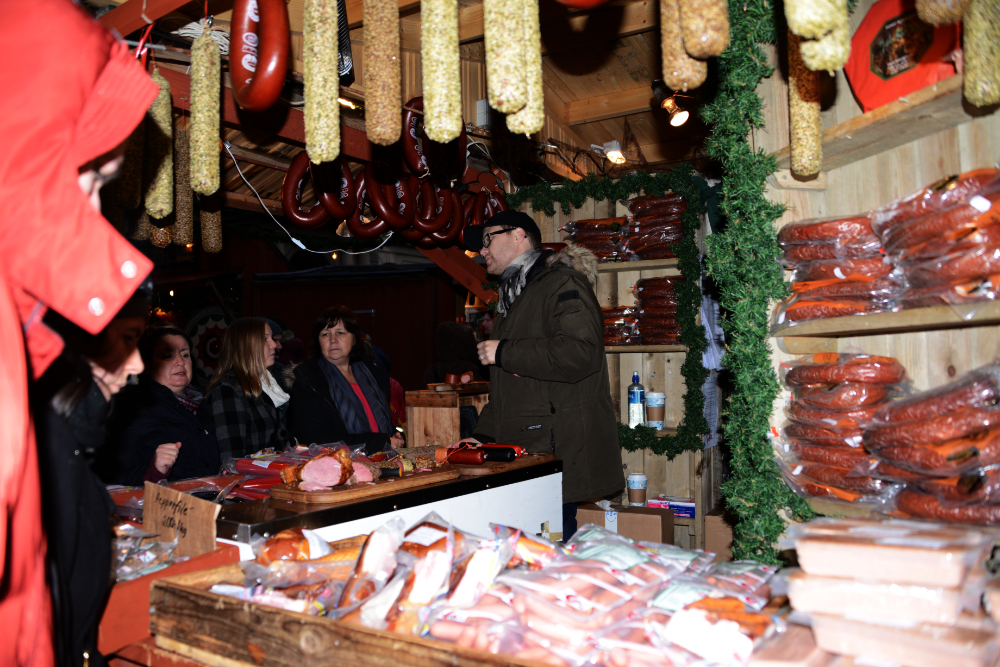
The food stalls were especially interesting, with traditional breads, sausages, sweets, and other regional products on display. Even without making many purchases, I enjoyed browsing the different stands and experiencing a little of Sweden’s holiday atmosphere.
Stockholm Palace
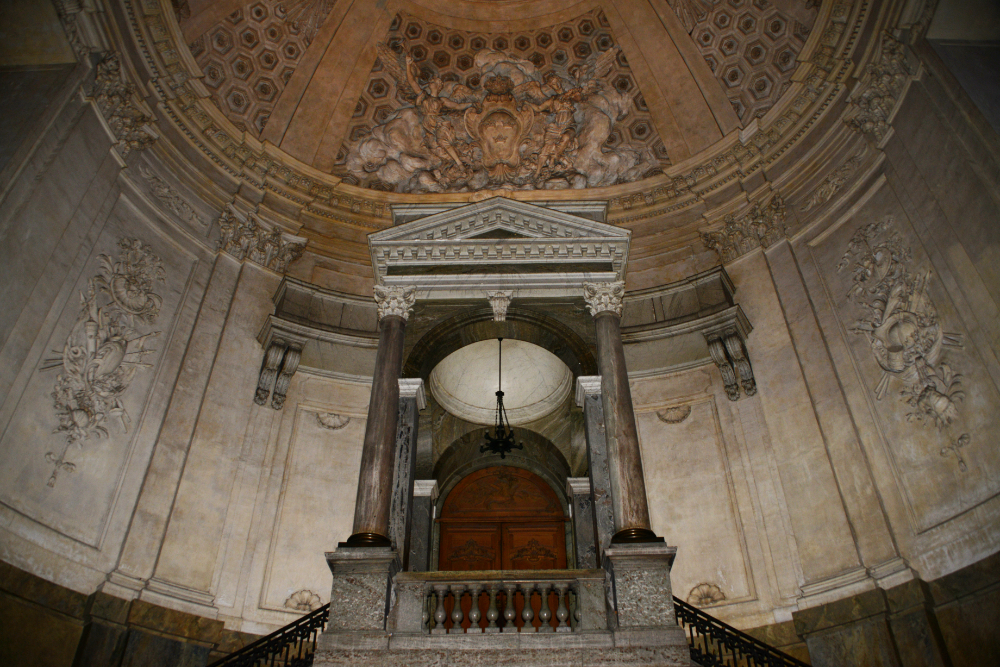
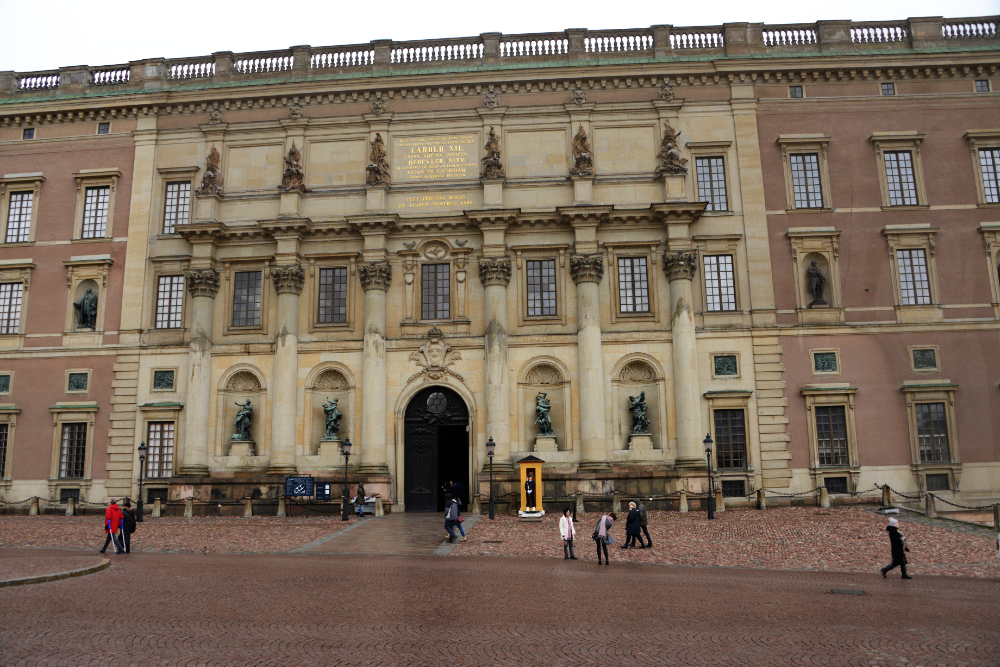
Another major attraction in Gamla Stan is Stockholm Palace, also known as the Royal Palace. It remains the official residence of the Swedish monarch and is used for state ceremonies and other royal functions, although the royal family primarily lives at Drottningholm Palace outside the city center.
The present palace was constructed largely during the 18th century, replacing an earlier royal castle that was severely damaged by fire in 1697. Its grand architecture and elaborate interiors reflect Sweden’s history as a major European power.
Carl XVI Gustaf has been King of Sweden since 1973. In 1980, Sweden changed its succession laws to establish absolute primogeniture, meaning the monarch’s eldest child inherits the throne regardless of gender. As a result, Crown Princess Victoria became heir apparent.
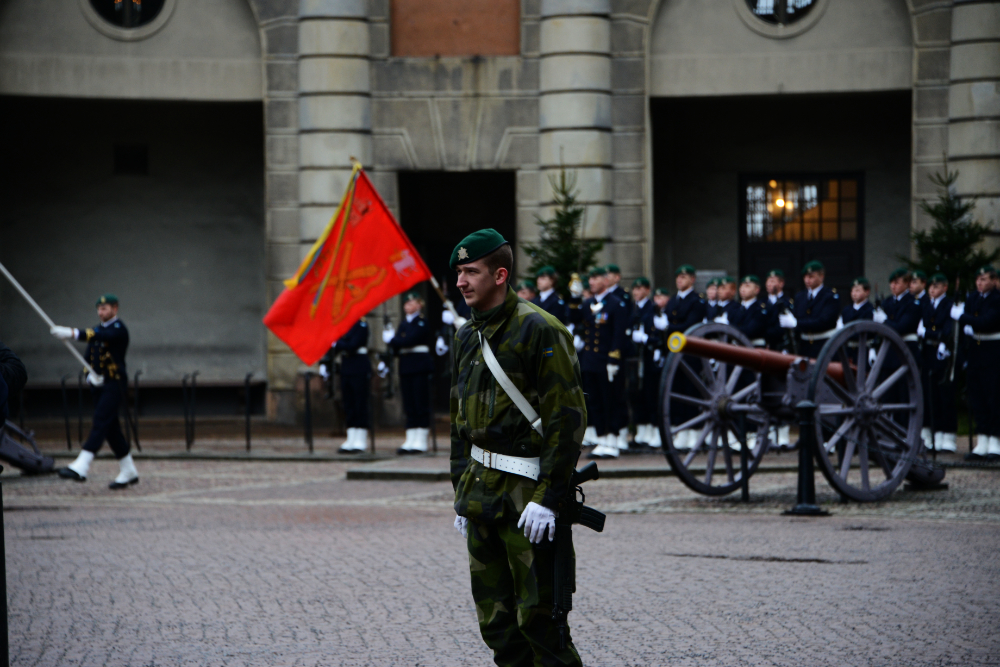
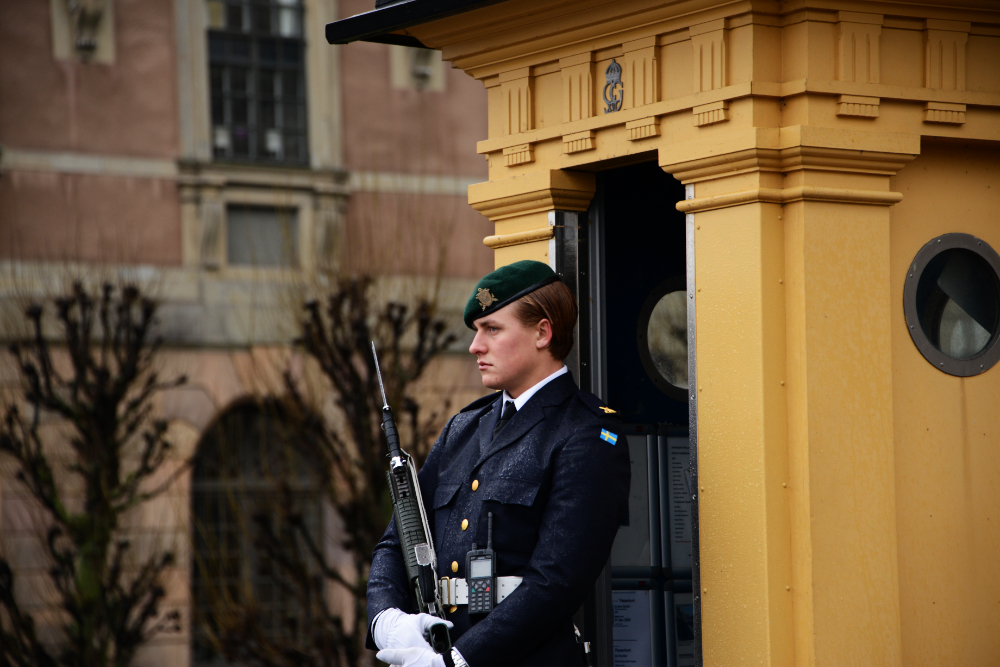
During my visit, I was able to enter part of the palace and admire its interior. I also happened to stumble upon a military ceremony outside, giving me an unexpected opportunity to see the royal guards in action.
Djurgården
From central Stockholm, it’s a relatively short walk to Djurgården, a large island known for its museums, parks, gardens, and cultural attractions. Once part of the royal hunting grounds, the island is now one of the city’s most popular recreational areas, with wooded paths and waterfront scenery alongside some of Sweden’s most important museums.
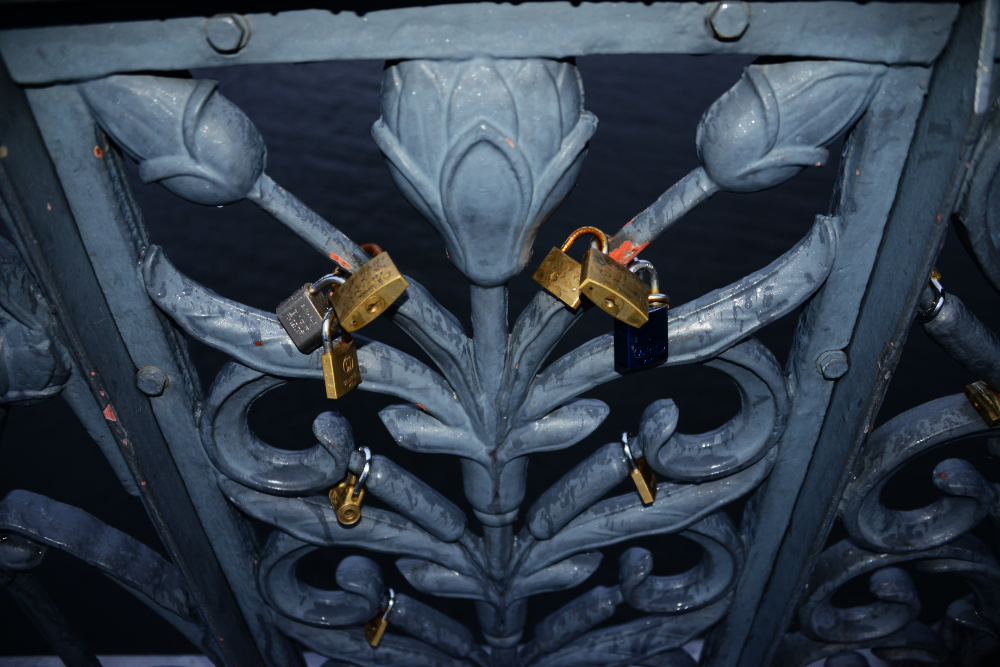
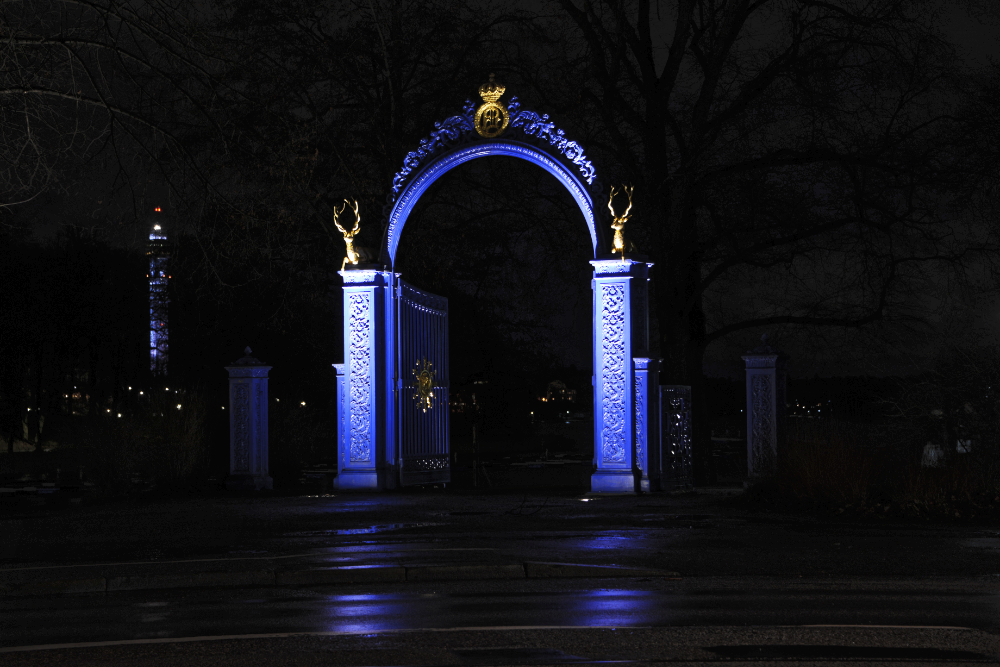
On my way there, I passed a bridge covered with love locks. Once on the island, one of the first landmarks I encountered was the Blue Gate, an ornamental entrance that has become a recognizable symbol of Djurgården.
Nordic Museum
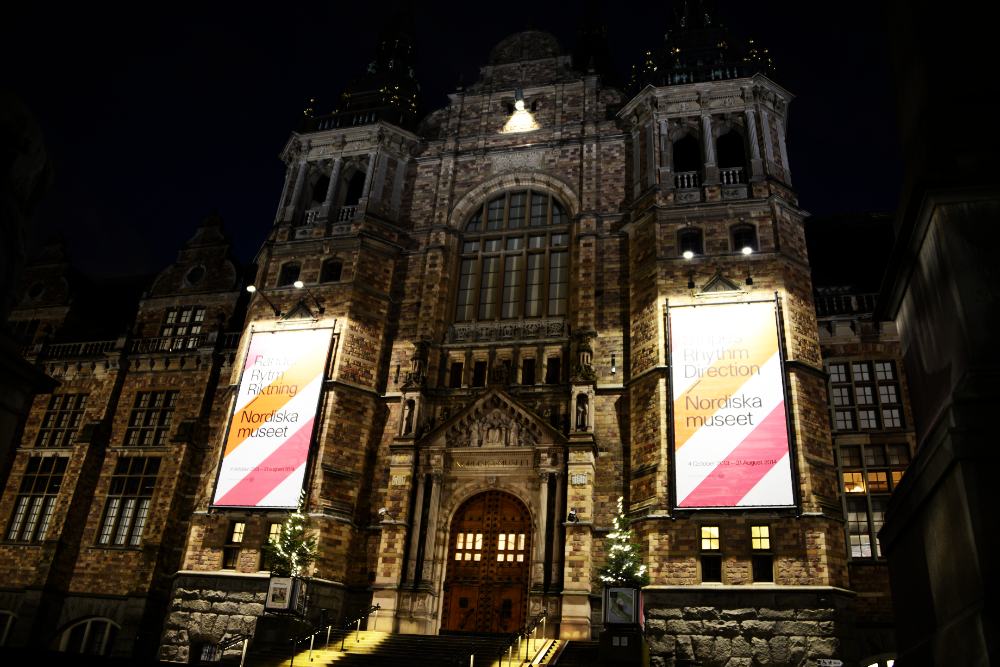
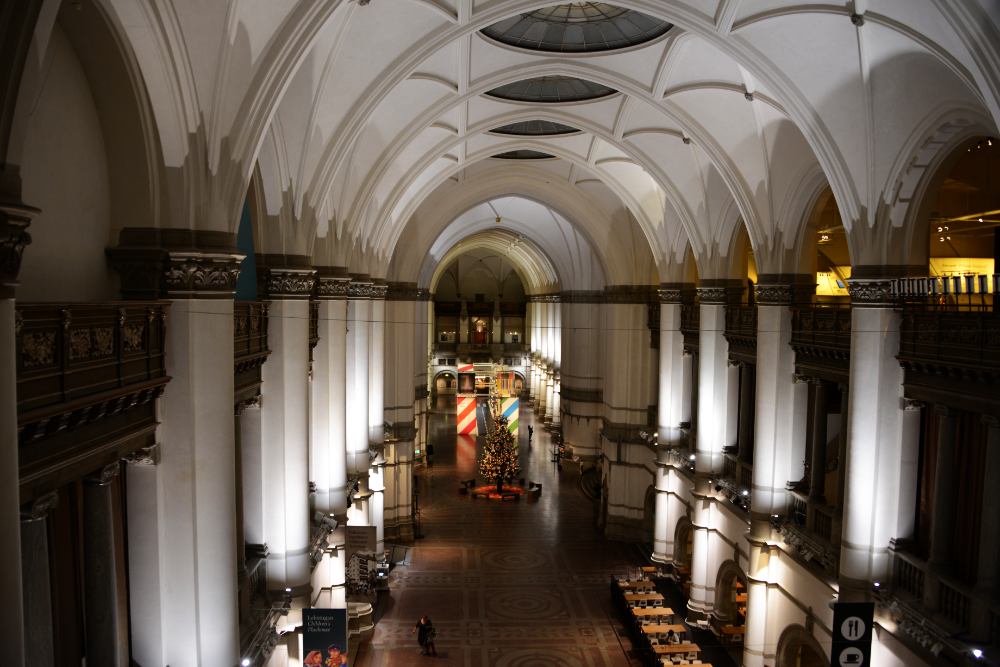
One of the museums I visited on Djurgården was the Nordic Museum, or Nordiska museet, which focuses on Swedish cultural history, traditions, and everyday life. The enormous building is impressive before you even step inside, with monumental architecture that makes it resemble a historic palace.
The museum’s collections cover a wide range of subjects, from clothing and household objects to customs, celebrations, and the changing ways people have lived in Sweden over the centuries. Among the exhibits I explored were displays relating to the Sámi people of northern Scandinavia.
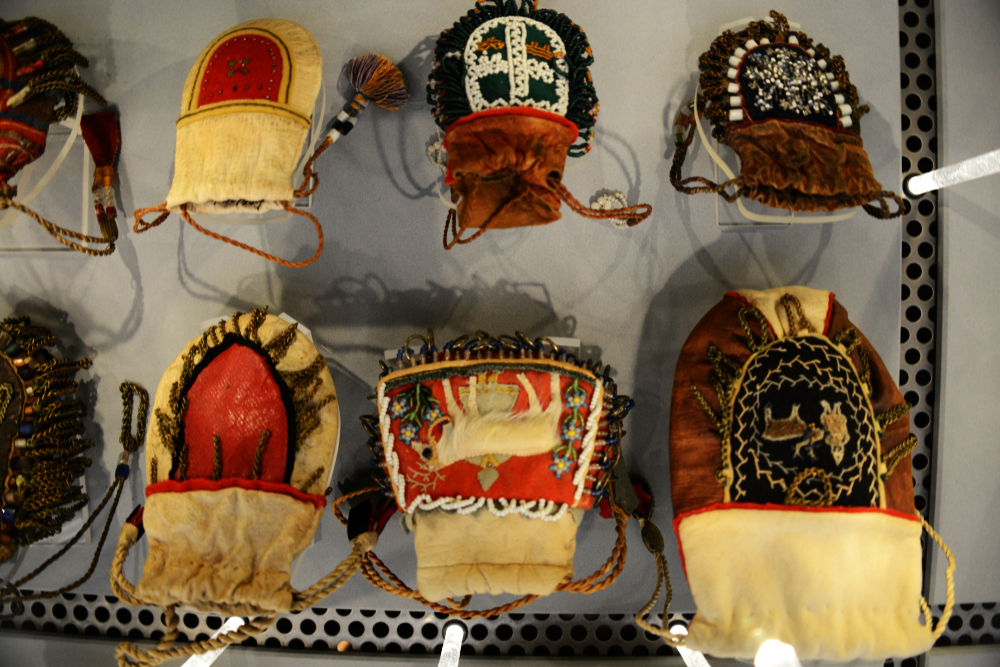
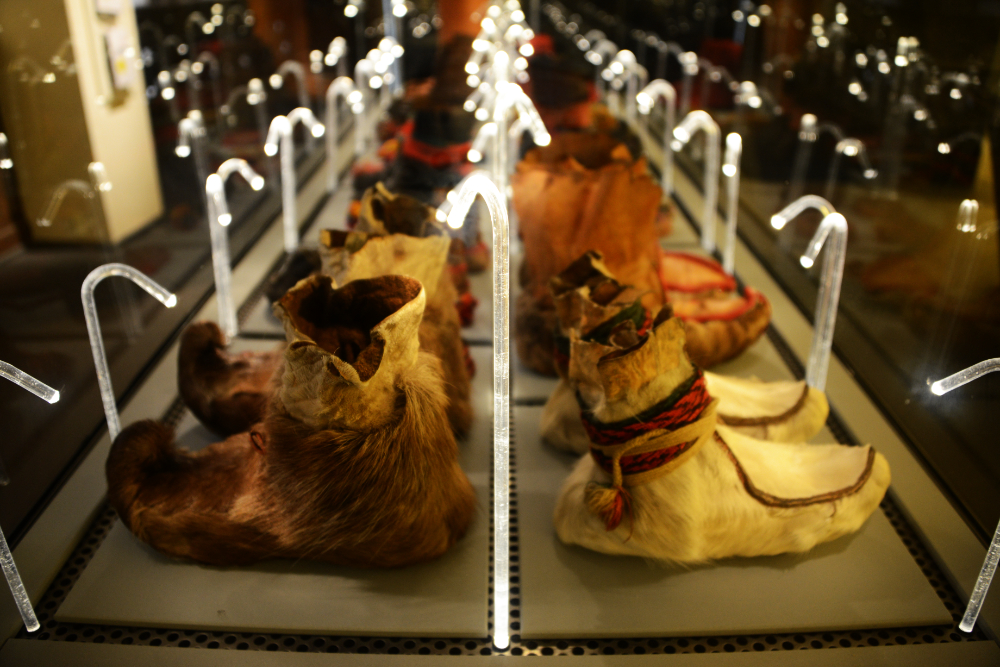
These exhibits included traditional clothing and personal belongings associated with Sámi culture. The Sámi are an Indigenous people whose homeland, Sápmi, extends across northern Sweden, Norway, Finland, and part of Russia. Their history, traditional livelihoods, and distinctive cultural practices form an important part of the broader story of northern Scandinavia.
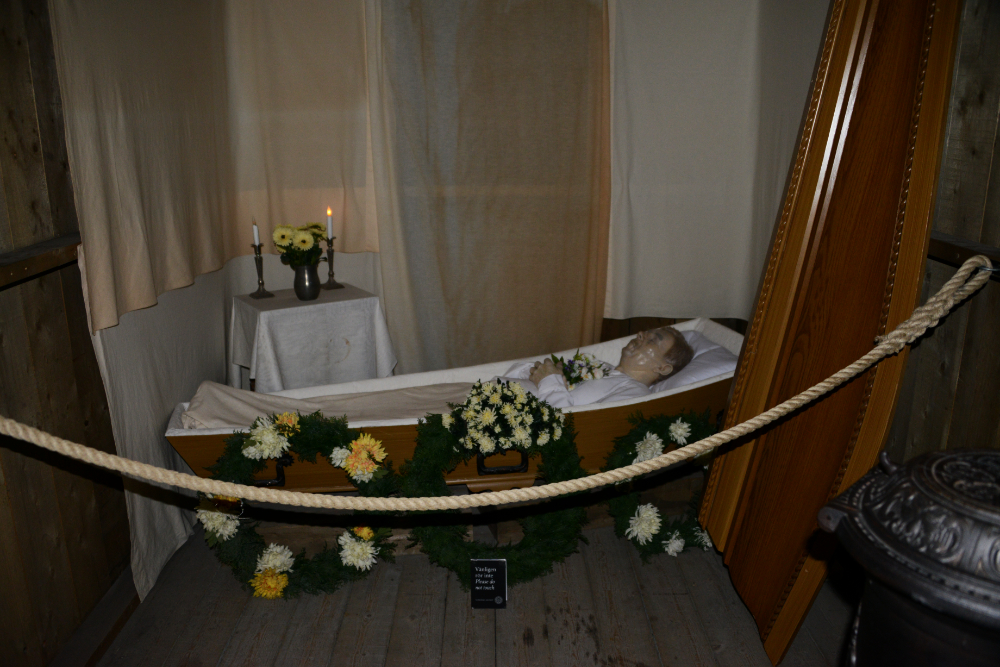
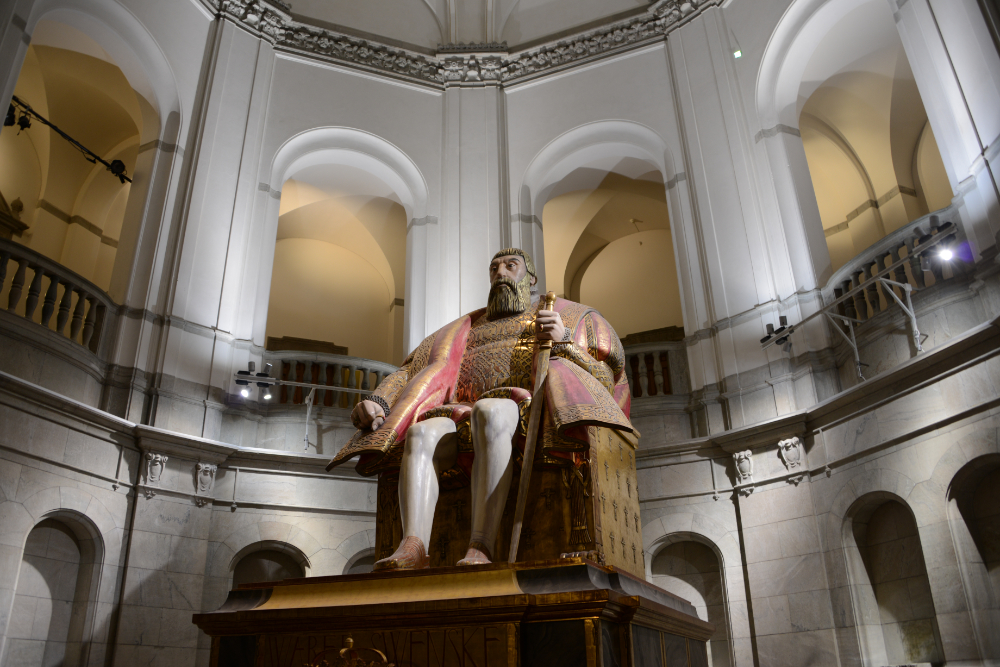
Other displays explored Sweden’s political and social history, including the reign of Gustav Vasa, who became king in 1523 after Sweden broke away from the Kalmar Union. His rise marked a turning point in Swedish history, helping establish the foundations of the modern Swedish state.
The museum covers an enormous amount of material, extending from centuries-old traditions to more recent aspects of Swedish life. I didn’t bring an audio guide because I generally prefer reading the descriptions as I explore. Unfortunately, once inside, I discovered that much of the information accompanying the exhibits was written in Swedish. As a result, there were definitely things I didn’t fully understand at the time.
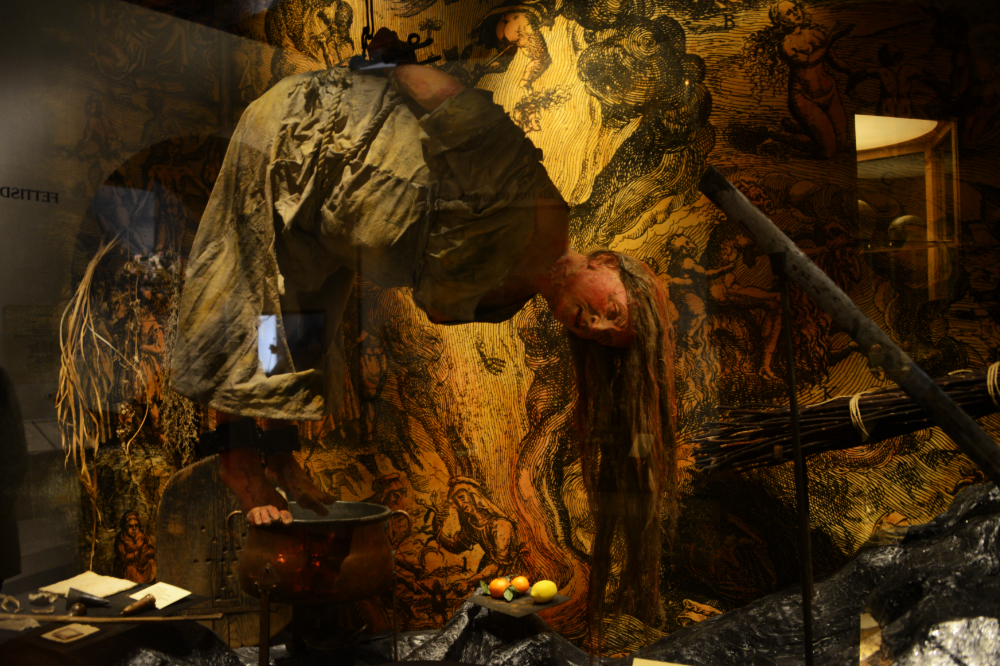
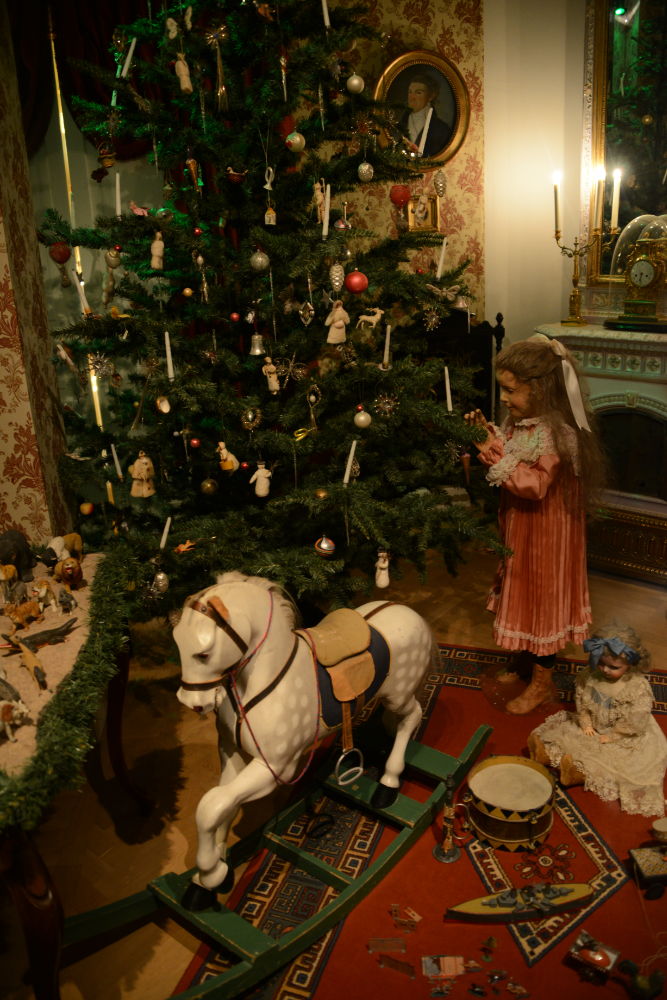
The museum also featured displays of historical customs and seasonal traditions, including Christmas celebrations. Although I couldn’t fully appreciate every exhibit without understanding the accompanying Swedish descriptions, the variety of objects and impressive setting made the Nordic Museum an enjoyable stop.
Vasa Museum
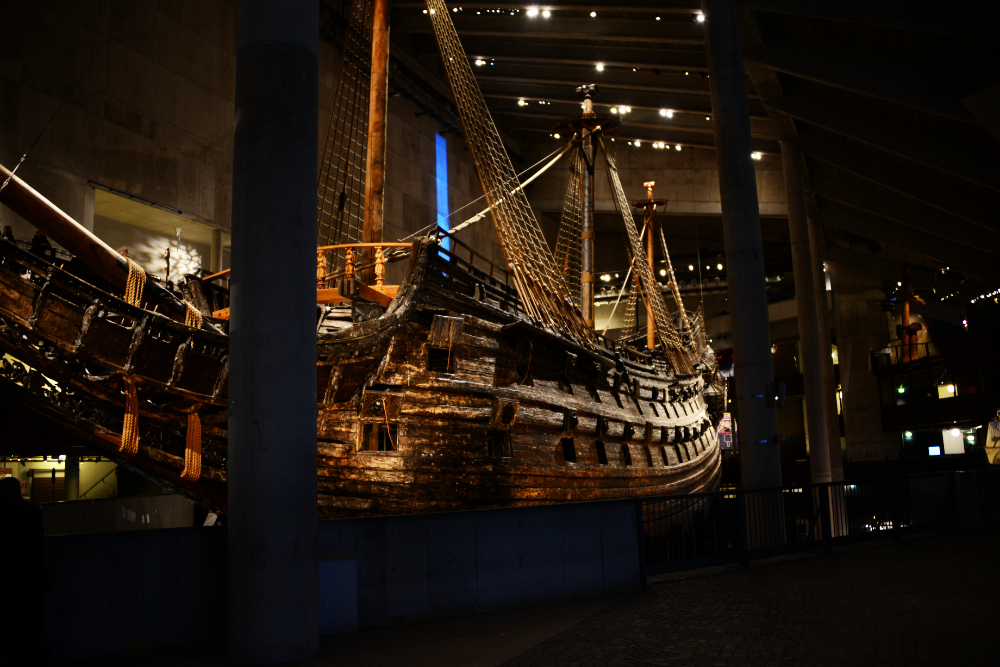

By far the most impressive museum I visited in Stockholm was the Vasa Museum. Its centerpiece is the remarkably preserved Swedish warship Vasa, which sank on its maiden voyage in 1628, only a short distance from where it had departed in Stockholm Harbor.
The Vasa was intended to be one of the most formidable warships in the Swedish navy, but it sank after sailing only about 1,300 meters. Approximately 30 people died in the disaster, which unfolded in full view of spectators gathered along the waterfront.
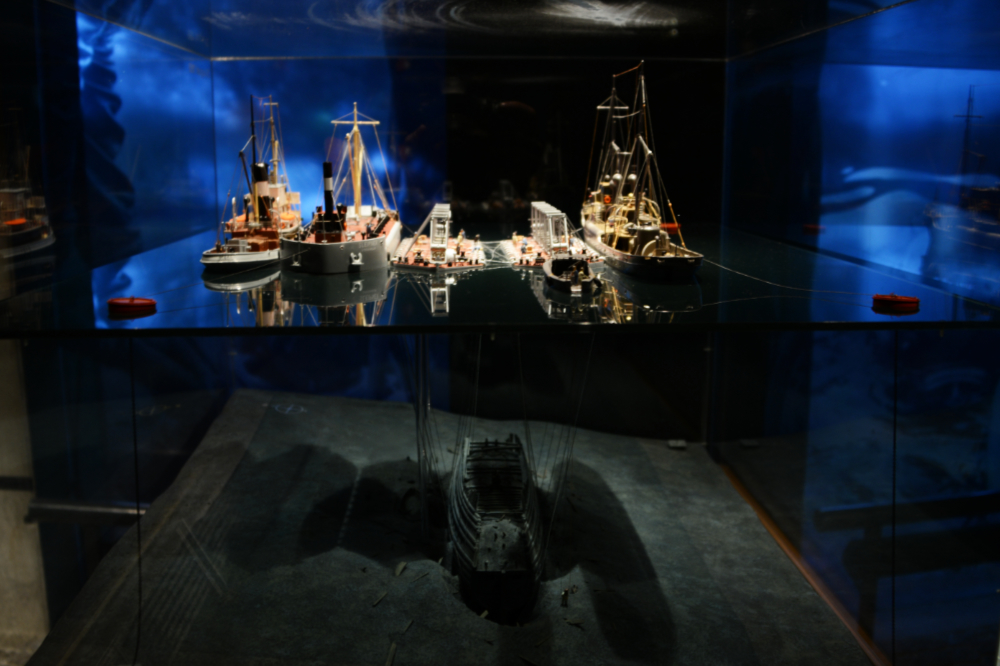
More than three centuries later, the ship was rediscovered and raised from the seabed in 1961. Extensive conservation work followed, and today the Vasa is displayed inside a museum built specifically to accommodate it. The ship is so enormous that no matter which angle I photographed it from, I found it difficult to capture the entire vessel in a single picture.
After such an expensive and ambitious warship sank almost immediately, an investigation was launched to determine what had gone wrong. Survivors and people involved in constructing the vessel were questioned, but ultimately no one was punished.
The fundamental problem was the ship’s lack of stability. The Vasa carried a tall, heavily armed superstructure, but its hull did not provide sufficient stability to support the design safely. Shortly after departure, a gust of wind caused the vessel to heel sharply. Water entered through its open lower gunports, and the ship rapidly sank.
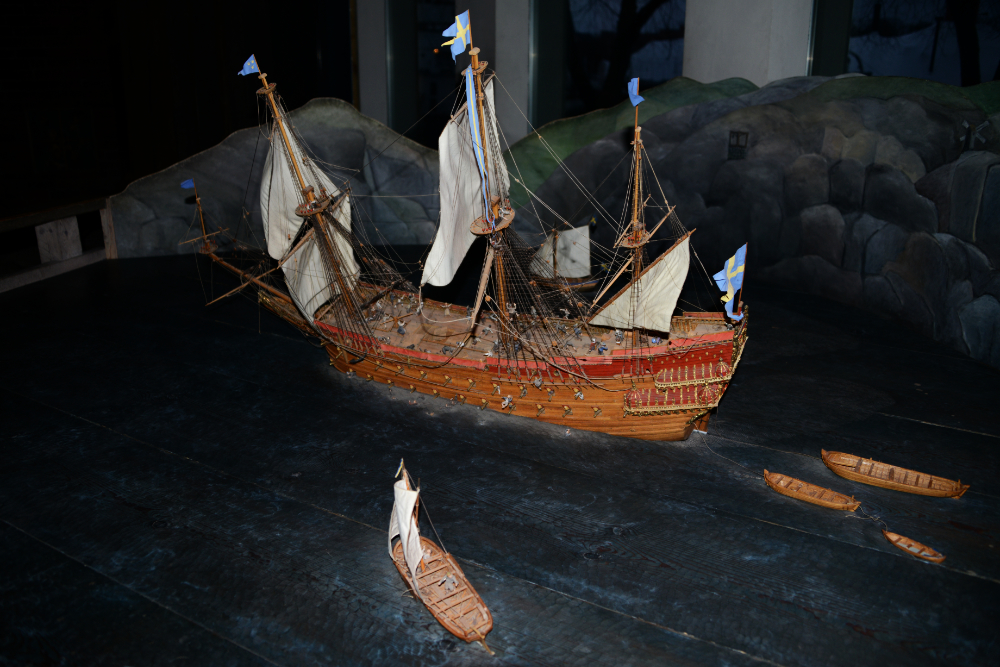
The exhibits above explain the extraordinary process of recovering the Vasa from the seabed, while a detailed model illustrates how the warship would have appeared when it first sailed in the 17th century. Its colorful decorations and imposing appearance make the disaster all the more remarkable.
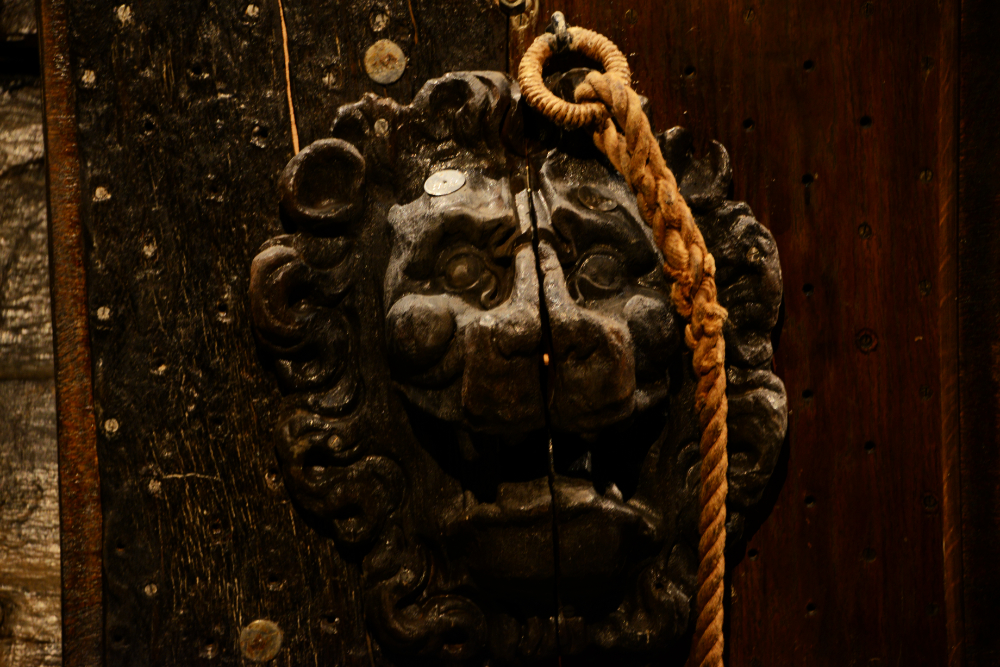
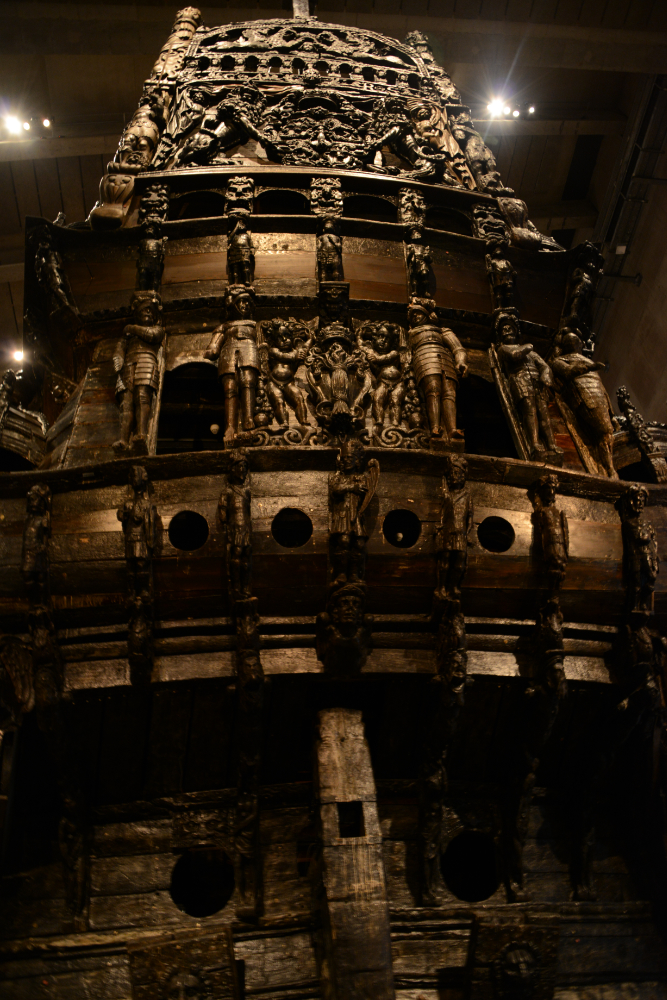
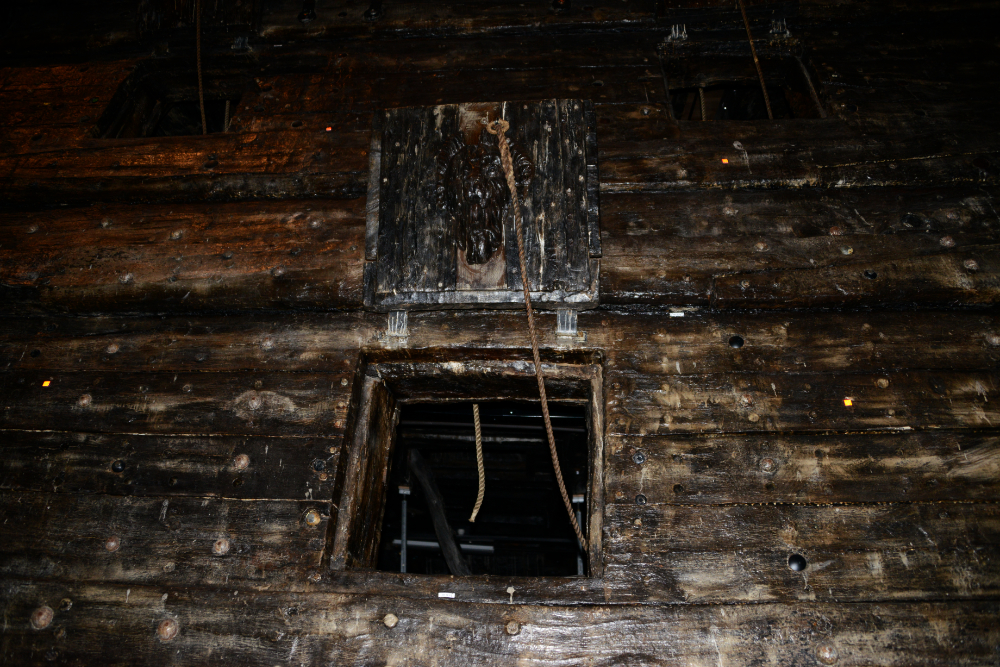
One of the most fascinating aspects of the Vasa is how much of its original construction survived. The ship’s hull, gunports, and elaborate wooden carvings provide an unusually detailed glimpse into 17th-century naval engineering and craftsmanship. The cold, relatively low-salinity waters of the Baltic Sea helped protect the wreck from some of the marine organisms that normally destroy submerged wood.
Seeing the enormous vessel up close, along with the exhibits explaining its construction, sinking, and recovery, was an unforgettable experience. Stockholm has no shortage of worthwhile museums, but the Vasa Museum stood out as the most impressive of my visit and one of the highlights of my travels through Sweden.
Explore More of Sweden
Stockholm • Ostersund
