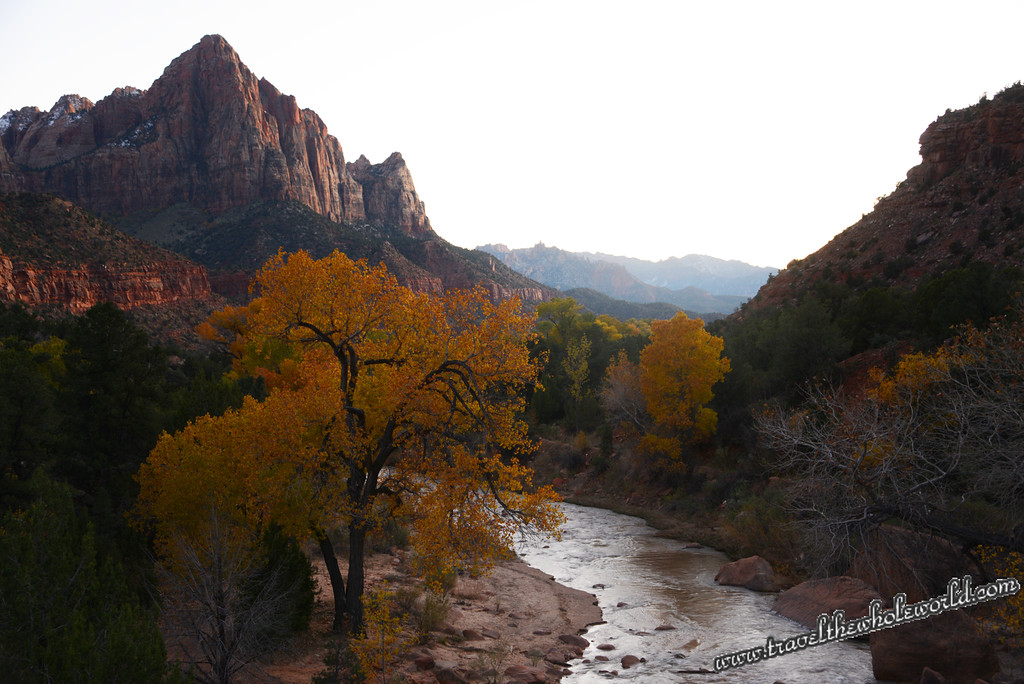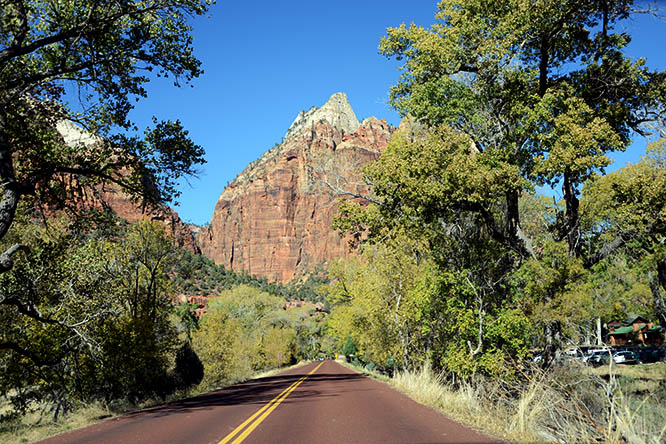
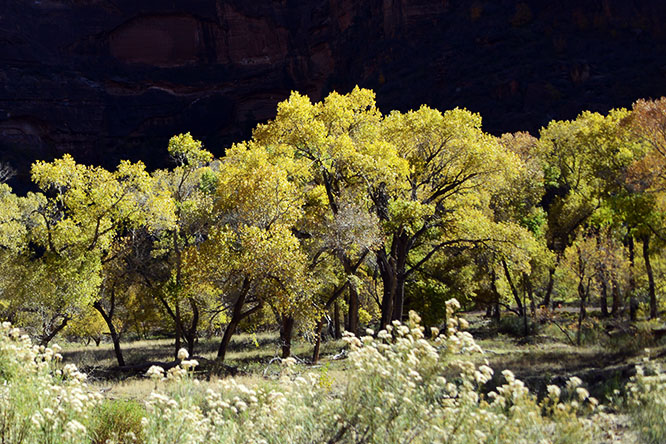
If you enter Zion National Park through the main southern entrance, you’ll start getting some amazing views well before reaching the heart of the park. The photo above was taken along the main road near Zion Lodge, where I spent the weekend. I visited in November, when many of the trees were still green but others had already turned brilliant shades of yellow.
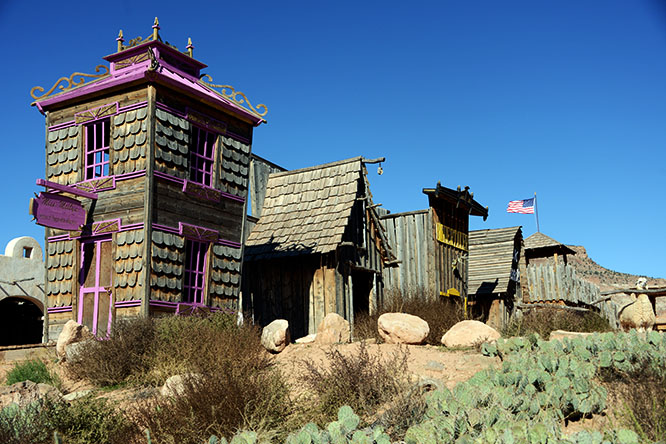
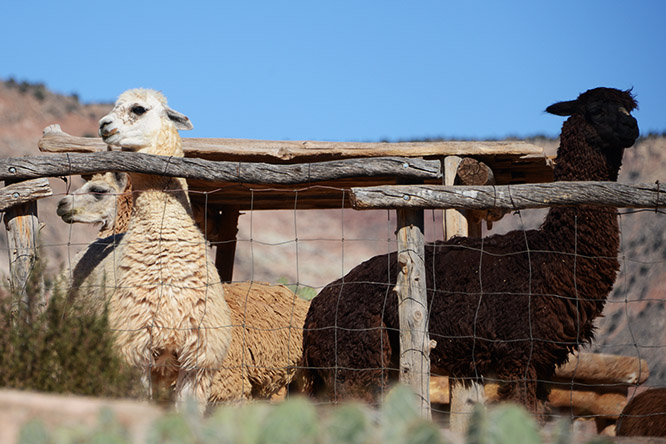
Dining options inside Zion are limited, so unless you’re bringing your own food, you’ll probably visit the nearby town of Springdale a few times. Springdale is small but has plenty of cafes, restaurants, shops, and a few unusual roadside attractions. I never quite figured out the purpose of the place above because it was closed when I visited. The main building looked like a large fort, with recreations of an Old West town along the sides. In the middle of all that were a few llamas, which only made the place more unusual.
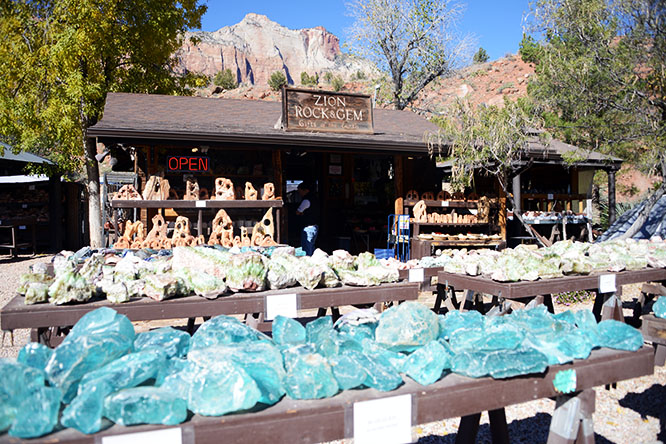
This rock and gem store was open. There were countless things for sale, ranging from small trinkets and polished stones to enormous pieces weighing more than 50 pounds.
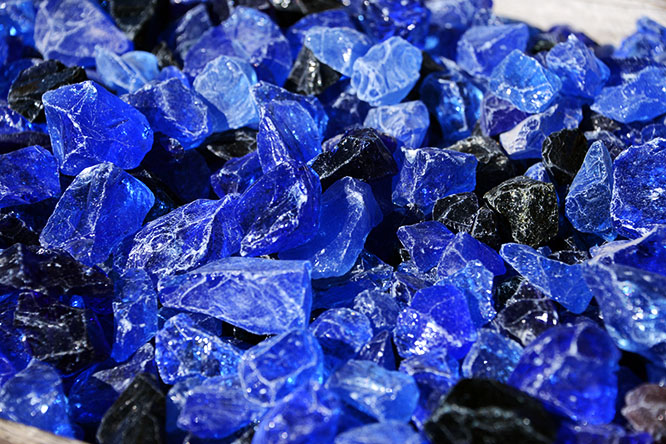
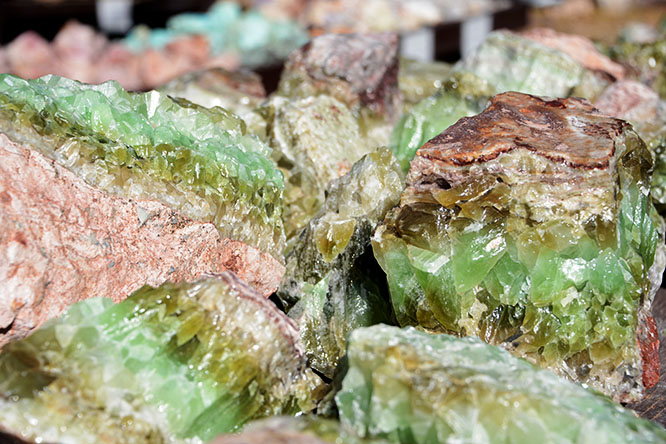
Here are some of my favorite stones they had for sale. I rarely buy souvenirs while traveling, and some of these would have been especially difficult to bring home on an airplane. I loved the different colors in the stones, especially the deep blue ones above.
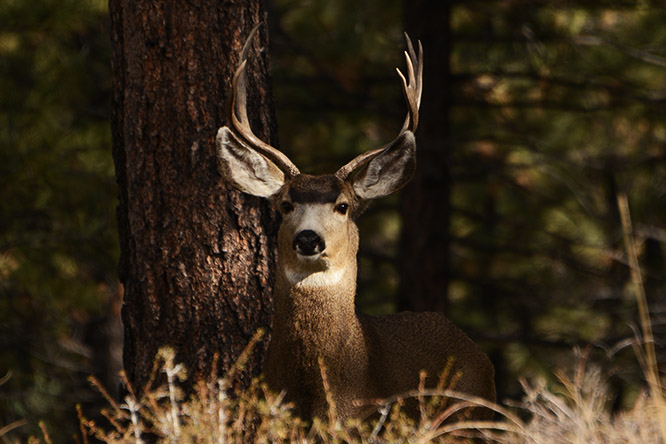
Zion seemed to have more mule deer than almost anywhere I’ve visited. Around Zion Lodge and the park entrance, it was difficult to drive more than a few minutes without seeing several of them. Many weren’t particularly shy either, making it easy to get reasonably close for photographs. I’d seen mule deer plenty of times before, but for some reason their name never really registered with me until this trip. Looking at their large ears and coloring, the reason they’re called mule deer suddenly seemed pretty obvious.
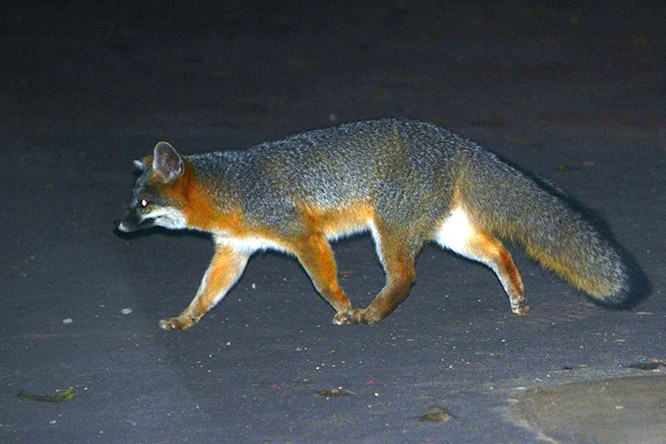
I saw some other interesting wildlife in Zion as well. One night I nearly ran over a ringtail, which looked like a cat with a raccoon-like tail. It disappeared before I could get a photograph. I took the photo above in almost complete darkness and initially thought I’d found another ringtail, but it turned out to be a red fox. Larger mammals such as black bears and mountain lions also live in Zion, although they’re much less commonly seen.
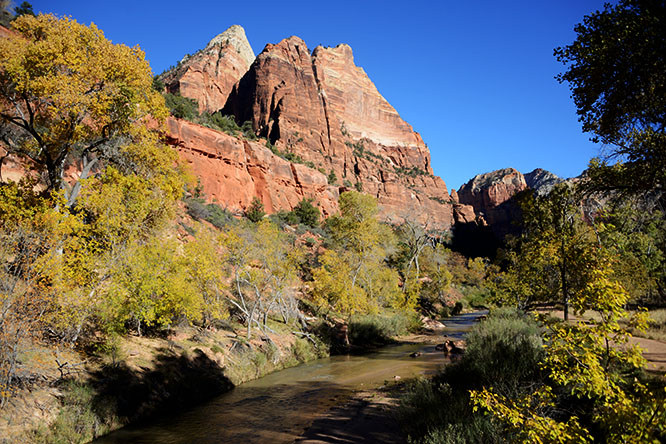
One of the major hiking routes through the park is the West Rim Trail, with several other trails branching off toward different scenic areas. My first hike was a shorter trip to the Emerald Pools, where the desert landscape gives way to small waterfalls, hanging gardens, and pockets of greenery.
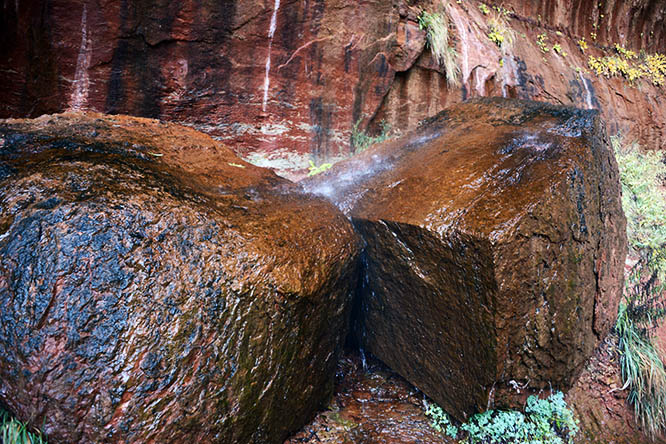
Before starting the hike, I’d seen some amazing photographs of the Emerald Pools filled with color. When I visited, the pools themselves were fairly subdued, and somehow I left without taking a good photograph of them at all! What I enjoyed most were the small waterfalls along the trail. The steady moisture allows moss and ferns to grow against the canyon walls, creating patches of green that stand out against Zion’s otherwise dry landscape.
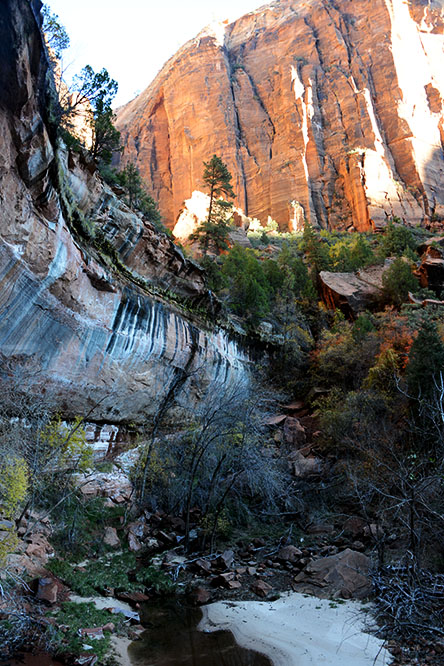
Above and below are views of the cliffs surrounding the main pool. You can just make out part of the pool near the bottom of the photo above. The highlight for me wasn’t really the pool itself, but being able to walk beneath the waterfall cascading from the cliff above.
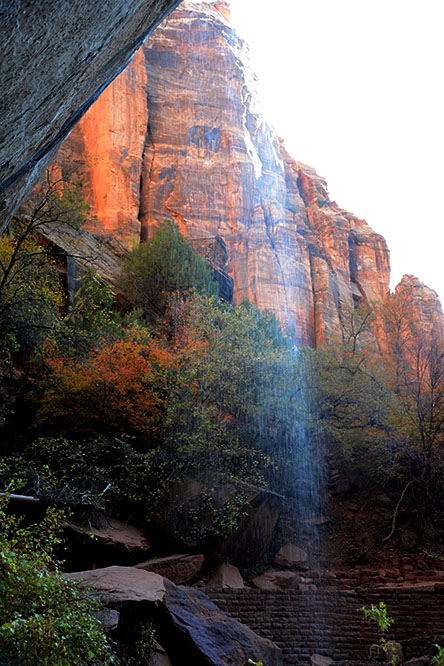
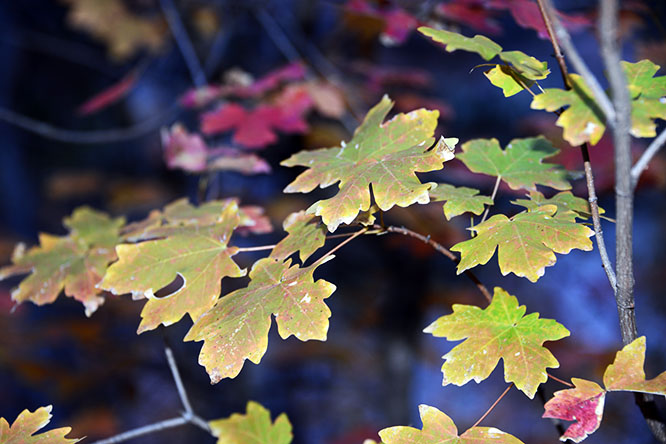
Zion is best known for its desert scenery rather than its forests, but at the right time of year the trees add another layer of color to the canyon. I arrived while some of the leaves were already changing, creating brilliant yellows against the red and tan cliffs. I was probably a week or two early for peak foliage, but the combination of fall colors and desert scenery was already beautiful.
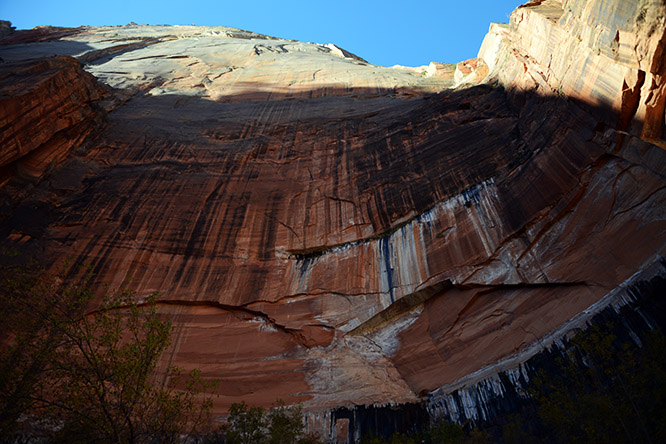
At the final and largest pool, the enormous wall rising above it captured most of my attention. With cliffs like these throughout the park, Zion certainly looks like a rock climber’s dream.
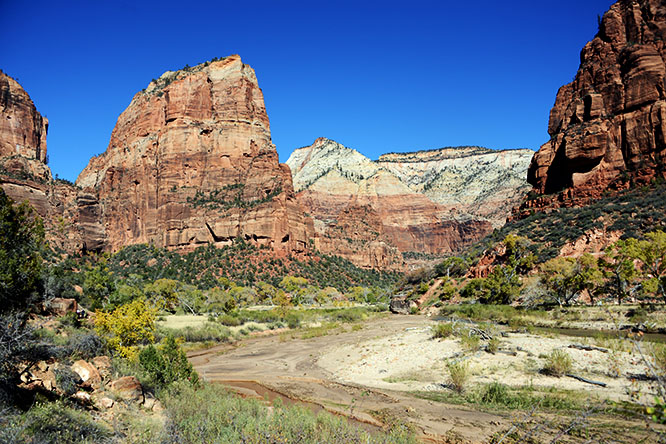
This photo was taken a little farther north along the West Rim Trail. One of Zion’s most famous hikes leads to the top of Angels Landing, which is the first major formation visible on the left. From down here, you get a good idea of just how much elevation has to be gained before reaching the top.
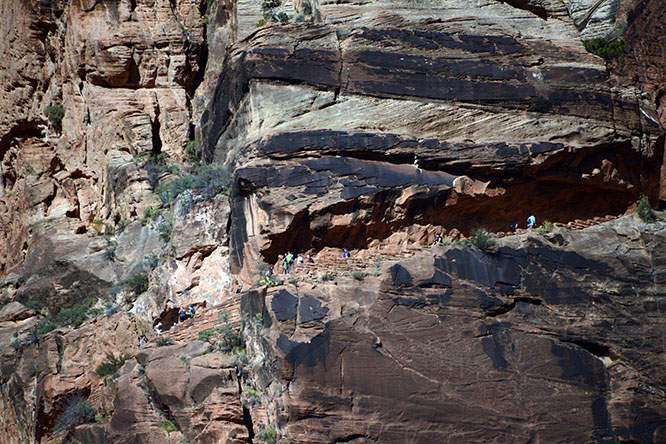
The hike toward Angels Landing follows the West Rim Trail for most of the approach. It’s steadily uphill but isn’t particularly difficult at first. In the distance above, you can see hikers passing through a narrow opening in the canyon wall.
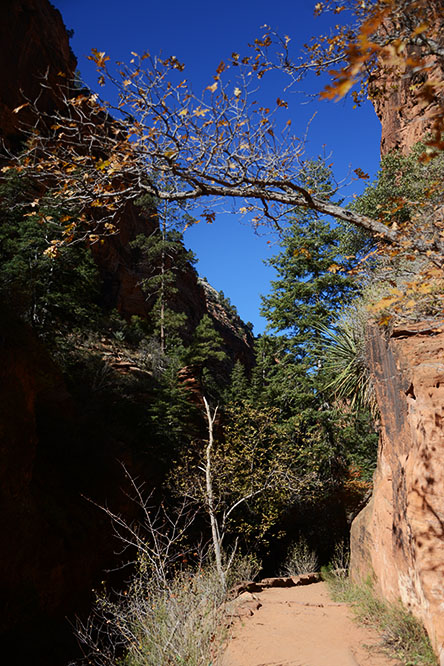
After reaching the point shown in the previous photo, the trail turns and levels out for a while. This was one of my favorite sections of the hike, mostly because the narrow canyon provided some much-appreciated shade.
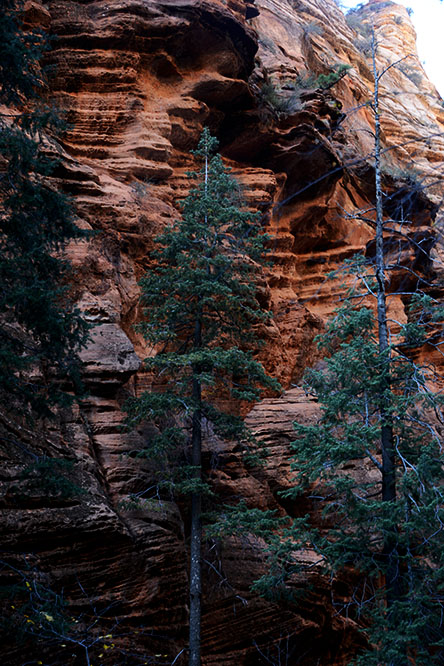
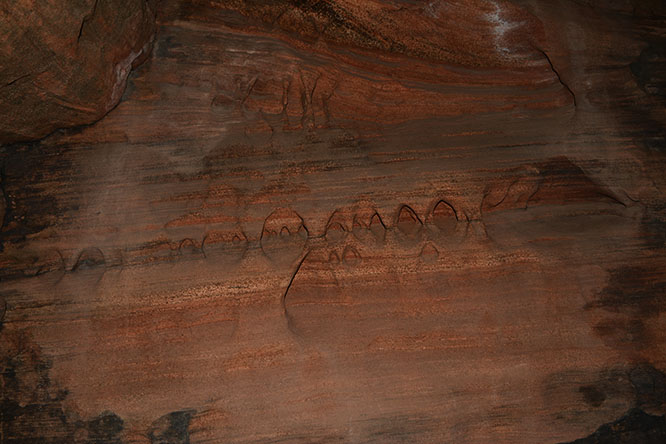
The narrow canyon also funneled some nice breezes through this section, which were surprisingly welcome. Even though it was already November, the sun was strong enough that I was sweating during parts of the hike. The canyon walls here also had some interesting shapes and erosion patterns.
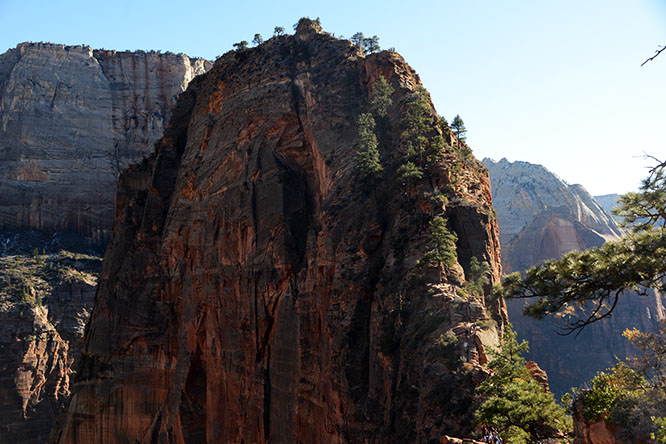
The route eventually leaves the main West Rim Trail and begins the final climb toward Angels Landing. This is one of the most famous hikes in the national park system because of its dramatic exposure and narrow ridge. From a distance it looks extremely intimidating, although once you’re actually on the route there are chains installed along the most exposed sections to help hikers. The exposure is still very real, and this is definitely a place where you need to pay attention to every step.
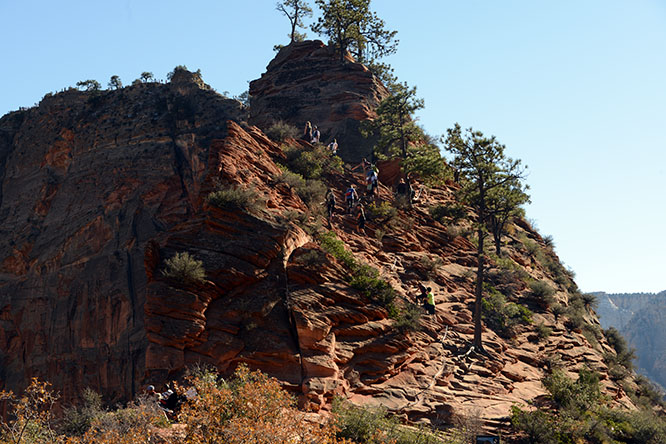
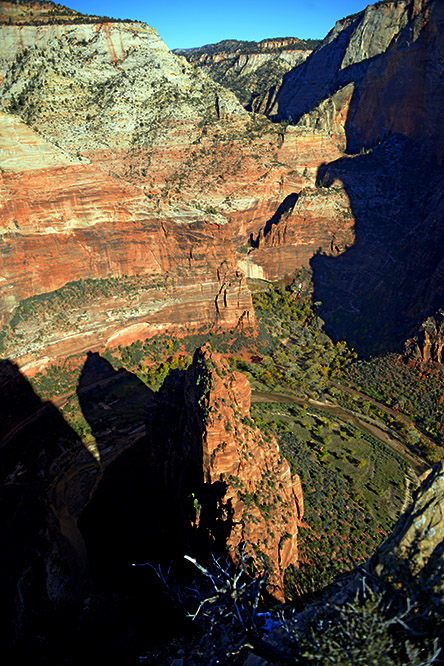
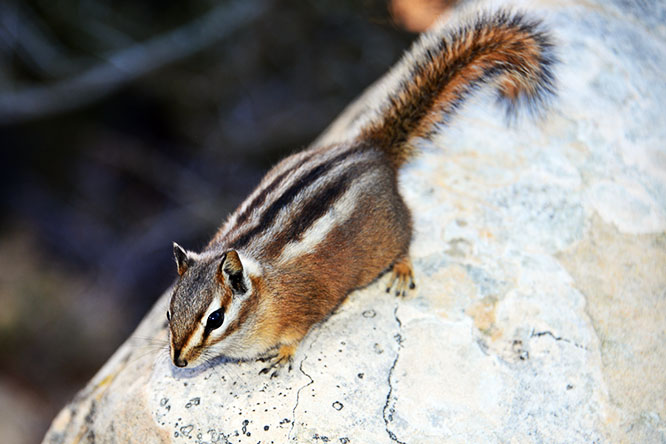
At the top of Angels Landing you’ll find two things: some of the best views in Zion and a surprising number of chipmunks. Since so many hikers stop here to rest and eat, the local chipmunks have clearly learned where to find an easy meal. They weren’t shy at all and had no problem wandering within a few inches of people sitting down to enjoy the scenery.
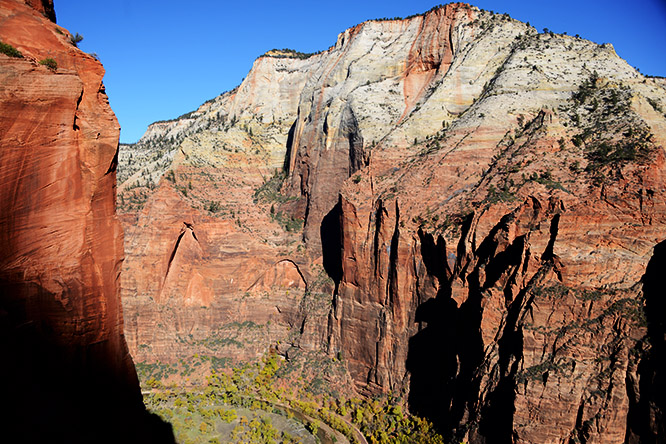
The summit gives you sweeping views in several directions, with the Virgin River and road looking tiny at the bottom of Zion Canyon.
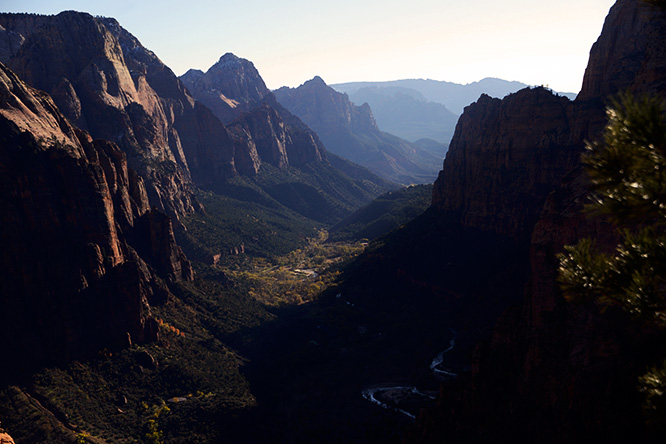
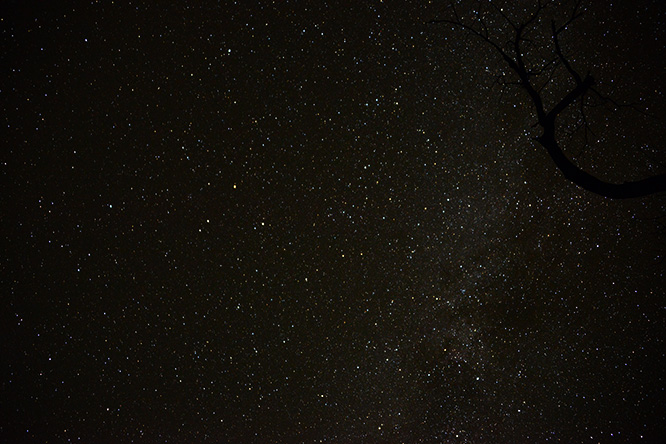
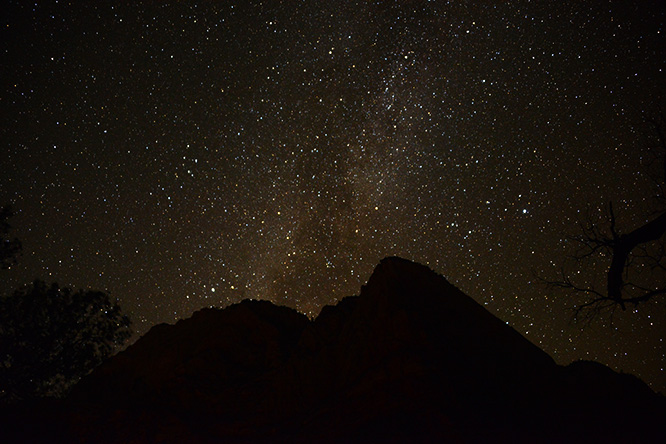
Zion is also an incredible place after the sun goes down. With its dry climate, relatively high elevation, and distance from major cities, clear nights can reveal an amazing number of stars. I took these photos with a tripod one evening and used a star app on my phone to identify constellations. There were so many visible stars that I actually had trouble recognizing most of them. The Milky Way below was impossible to miss and was one of the clearest views I’ve ever had of it.
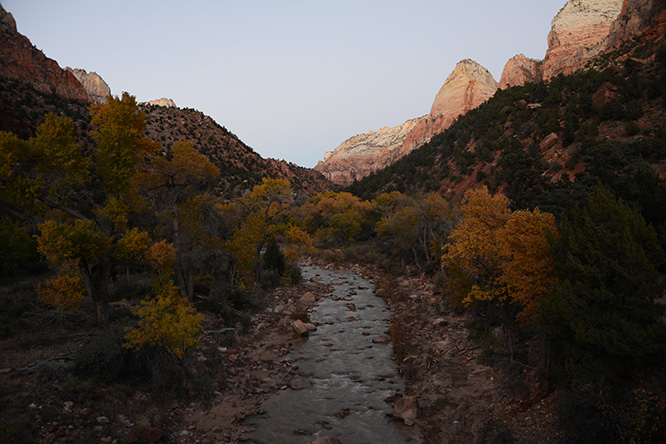
Despite all the hiking I did, some of my favorite places in Zion were actually right along the main road near the entrance. These final two photos show the Virgin River cutting through the canyon. Visiting in November turned out to be a great choice. The days were still reasonably warm, the park wasn’t overly crowded, and the trees were beginning to show their fall colors.