South Carolina is a state I probably should have explored every corner of because I lived there for several years during my time in the military. Back then, though, I was much less interested in exploring my own country, and the long hours and restrictions that came with being a Marine didn’t leave me much time for adventures anyway.
I’ve since returned twice as a tourist, and those trips gave me an entirely new appreciation for the state—and made me regret not exploring more when I actually lived there. For me, South Carolina has always been about historic cities, the warm Atlantic coast, palm trees and Southern hospitality.
Explore Charleston
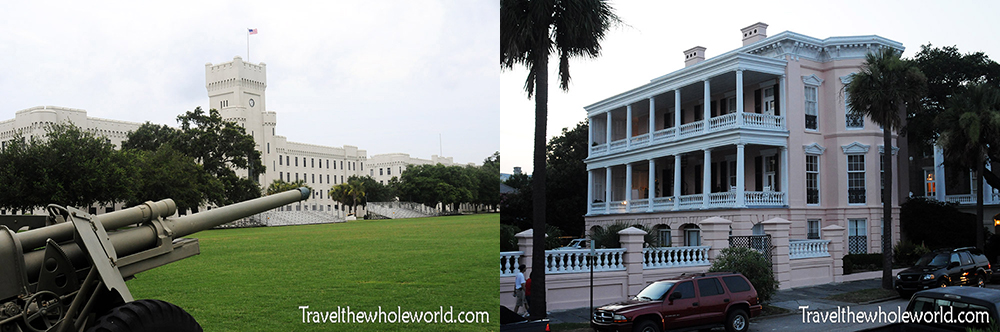
Charleston is one of the most historic cities in the southeastern United States. Founded in 1670, the city preserves centuries of history through its architecture, churches, streets and surrounding plantations and historic sites. Charleston also played important roles in both the American Revolution and the Civil War, which began with the Confederate bombardment of Fort Sumter in Charleston Harbor in 1861.
Beyond its history, the Charleston area is surrounded by barrier islands, beaches and waterways. Places such as Folly Beach and the Isle of Palms make it easy to combine exploring one of America’s great historic cities with time along the South Carolina coast.
Explore Myrtle Beach

Myrtle Beach is one of the largest vacation destinations along the southeastern coast. The city sits near the center of the Grand Strand, a roughly 60-mile stretch of beaches extending along the northeastern South Carolina coast.
The area offers just about every type of beach vacation imaginable. Families come for the beaches and attractions, while restaurants, bars, entertainment and nightlife draw plenty of younger visitors as well. It’s much more heavily developed than many of the quieter beaches elsewhere in the Carolinas, giving Myrtle Beach a completely different atmosphere.
Explore Georgetown


South Carolina’s coast isn’t just about beaches and major resort towns. Wetlands, tidal rivers, marshes and historic communities stretch along much of the state’s Lowcountry. Georgetown is one of those places, with a historic waterfront and easy access to the wildlife and coastal landscapes surrounding the city.
Smaller communities like Georgetown offer a much quieter experience than Myrtle Beach, while farther south places such as Beaufort show yet another side of the Lowcountry. Historic homes, waterfront towns, abundant wildlife and the warm coastal climate are a big part of what makes this region of South Carolina worth exploring.